Author: David Chivari

  • Healthcare Facility Pest Control Standards: A Comprehensive Guide for 2026

    Healthcare Facility Pest Control Standards: A Comprehensive Guide for 2026

    Did you know that 43% of citations from The Joint Commission involve failures in maintenance documentation? In a high-stakes clinical environment, a single pest sighting isn’t just a nuisance; it’s a direct threat to patient safety and a potential trigger for an accreditation crisis. Maintaining rigorous healthcare facility pest control standards is a clinical requirement rather than a basic maintenance task. As of January 1, 2026, the transition to the Physical Environment (PE) chapter means surveyors are focusing heavily on timestamped evidence and documented outcomes.

    It’s understandable to feel pressured by the complexity of OSHA’s updated Hazard Communication Standard or the risk of serious penalties. This guide provides the clarity needed to maintain a sterile environment while building an auditable documentation trail. You’ll learn the essential Integrated Pest Management (IPM) protocols and regulatory requirements required to protect facilities in Erie, Crawford, and Ashtabula Counties. This overview covers the critical compliance shifts you need to know to ensure patient safety and successful audits throughout 2026.

    Disclaimer: The information provided on this blog is for general informational purposes only and is not intended as professional pest control advice. Conditions vary by property, environment, and location. Reading this content does not create a service agreement. For an inspection or professional recommendations, please contact Mosquito Assassin Pest Control LLC directly.

    Key Takeaways

    • Learn how maintaining a pest-free environment directly reduces the risk of healthcare-associated infections and the spread of dangerous pathogens.
    • Understand the role of Integrated Pest Management in satisfying healthcare facility pest control standards through proactive sanitation and exclusion strategies.
    • Identify common entry points such as loading docks and laundry rooms to prevent hitchhiking pests from reaching sterile patient areas.
    • Discover how regional weather patterns in Northwest Pennsylvania and Northeast Ohio dictate the timing and intensity of local pest pressures.
    • Gain insights into the essential documentation and record-keeping practices required to pass outcome-based regulatory audits with confidence.

    Understanding Healthcare Pest Control Standards and Regulatory Oversight

    Healthcare facility pest control standards aren’t just suggestions; they’re vital clinical protocols designed to prevent healthcare-associated infections (HAIs). Pests like cockroaches, rodents, and flies are significant biological hazards in a medical setting. They act as mechanical vectors for dangerous pathogens, including MRSA, E. coli, and Salmonella. When these pests move from waste disposal areas to sterile surgical suites or patient rooms, they compromise the entire environment. This is why modern medical facilities maintain a zero-tolerance policy for any insect or rodent activity.

    To achieve this level of safety, facilities rely on Integrated Pest Management (IPM). This methodology prioritizes structural exclusion and sanitation over the routine application of chemicals. In a sensitive environment where patients may be immunocompromised, the goal is to eliminate the root causes of infestations without introducing unnecessary risks. Compliance with these standards is monitored by several federal and independent accrediting organizations that treat pest management as a core component of patient safety.

    To better understand this concept, watch this helpful video:

    The Role of The Joint Commission and CMS

    Effective January 1, 2026, The Joint Commission updated its evaluation process by consolidating the Environment of Care and Life Safety chapters into a new Physical Environment (PE) chapter. This shift moves away from simple checklists toward an outcome-based approach. Surveyors now look for timestamped evidence that a facility’s pest program is working. The Centers for Medicare & Medicaid Services (CMS) also play a major role, as they tie facility safety standards directly to reimbursement. A single unannounced survey that reveals active pest sightings or poor documentation can lead to immediate citations, putting both accreditation and funding at risk.

    FDA and OSHA Requirements for Medical Environments

    The FDA maintains strict oversight regarding the integrity of pharmaceutical storage and food preparation areas within hospitals. Any evidence of pests in these zones can lead to the immediate condemnation of supplies. On the safety side, OSHA focuses on protecting the staff from pest-related allergens and chemical exposure. As of January 15, 2026, the maximum OSHA penalty for a serious violation has reached $16,550, making compliance a financial necessity. Facilities must also follow the updated Hazard Communication Standard (HCS) to ensure all safety data sheets for pest treatments are current and accessible. For administrators in Erie or Ashtabula, aligning with commercial pest control best practices is the most reliable way to meet these high-stakes federal requirements while protecting vulnerable patients.

    Disclaimer: The information provided on this blog is for general informational purposes only and is not intended as professional pest control advice. Conditions vary by property, environment, and location. Reading this content does not create a service agreement. For an inspection or professional recommendations, please contact Mosquito Assassin Pest Control LLC directly.

    The Integrated Pest Management (IPM) Standard in Medical Settings

    Adhering to healthcare facility pest control standards requires a shift from reactive treatments to a proactive, clinical mindset. The primary vehicle for this transition is Integrated Pest Management (IPM). IPM is a collaborative, multi-step approach to pest prevention. Rather than relying on a predetermined schedule of chemical applications, this methodology focuses on understanding the biology of pests and the specific vulnerabilities of the building. In a healthcare setting, this approach is the gold standard because it minimizes the introduction of volatile compounds while maximizing the effectiveness of long-term control measures.

    Within the IPM framework, chemical treatments are only used as a last resort in a targeted manner. This hierarchy of intervention is vital for protecting sensitive patient populations, such as those in neonatal units or oncology wards. When an intervention is necessary, professionals select the lowest-risk products and apply them only to the specific areas where activity was confirmed. This disciplined strategy doesn’t just protect patients; it also ensures the facility remains compliant with the outcome-based evaluation methods currently favored by regulatory surveyors.

    Prioritizing Non-Chemical Prevention Strategies

    Structural exclusion is the foundation of a successful IPM program. This process involves a meticulous sealing of the building envelope to prevent pests from entering in the first place. Professionals often focus on utility penetrations, gaps under doors, and the integrity of weather stripping on loading docks. Sanitation protocols must be equally rigorous. In areas like breakrooms and kitchens, even microscopic food debris can sustain a population. Effective waste management is also essential; organic waste should be removed from the building frequently and stored in tightly sealed containers located away from primary entry points. By removing food, water, and entry points, the facility becomes naturally resistant to infestations.

    Monitoring and Threshold-Based Decision Making

    Continuous monitoring is the only way to identify potential issues before they escalate into an audit-failing infestation. Licensed professionals place non-toxic monitors in high-risk zones, such as laundry rooms and janitorial closets, to track activity patterns. This data is then evaluated against specific action thresholds. An action threshold is a predetermined point at which a pest sighting necessitates a specific professional response. For instance, a single fly in a cafeteria might trigger an inspection of the window screens, while any activity in a sterile surgical suite requires an immediate, comprehensive intervention. Regular inspections ensure that the facility stays aligned with healthcare facility pest control standards throughout the year. For administrators looking to refine their protocols, commercial pest control strategies provide the structure needed for auditable compliance.

    Disclaimer: The information provided on this blog is for general informational purposes only and is not intended as professional pest control advice. Conditions vary by property, environment, and location. Reading this content does not create a service agreement. For an inspection or professional recommendations, please contact Mosquito Assassin Pest Control LLC directly.

    Healthcare Facility Pest Control Standards: A Comprehensive Guide for 2026

    High-Risk Zones and Specific Pest Challenges in Hospitals

    A medical facility is a complex environment with diverse micro-climates, each presenting unique risks to operational integrity. Maintaining healthcare facility pest control standards requires recognizing that a basement mechanical room faces different threats than a neonatal intensive care unit. While some areas prioritize total sterility, others are prone to structural entry points that invite unwanted activity. A hospital is not a single building; it’s a collection of unique ecosystems that require specialized monitoring and intervention strategies.

    Loading docks and laundry rooms serve as the primary gateways for hitchhiking pests. Every shipment of medical supplies or bulk linens carries the risk of introducing German cockroaches or silverfish into the building’s interior. Similarly, mechanical rooms and basement tunnels provide the dark, undisturbed warmth that rodents and spiders prefer. Rodents often follow utility lines through these tunnels, using them as highways to bypass traditional barriers and reach upper floors. Professional pest control may help reduce risk in these critical infrastructure zones by identifying breaches in the building envelope before pests migrate toward patient-facing areas.

    Sterile Environments and Pharmaceutical Storage

    Operating rooms and sterile processing departments demand the highest degree of exclusion. Even the presence of a single insect can compromise surgical equipment and lead to costly delays or significant patient infection risks. Pharmaceutical storage areas face a specific challenge because ants and cockroaches are often attracted to glucose and other chemical components found in various medications. Ants, in particular, can detect trace amounts of sugars in pharmaceutical zones, leading to infestations that are difficult to locate without professional assistance. Contamination in these areas doesn’t just result in safety losses; it can lead to the destruction of high-value inventory that is vital for daily patient care.

    Food Service and Patient Care Areas

    Hospital kitchens operate at the intersection of commercial food safety and medical hygiene. Proper drainage maintenance is essential in these spaces to prevent the accumulation of organic film where drain flies and gnats breed. If these biofilms are left unchecked, they become permanent nurseries for pests that can quickly spread to nearby cafeterias. In patient care areas, the challenges are often introduced by the constant flow of people. Visitors can inadvertently introduce bed bugs into the facility on clothing or personal belongings, necessitating a rapid and discreet response to prevent a wider outbreak. Healthcare providers in Erie, Crawford, and Ashtabula Counties must remain vigilant, as local seasonal shifts often drive pests indoors seeking these stable, climate-controlled environments.

    Disclaimer: The information provided on this blog is for general informational purposes only and is not intended as professional pest control advice. Conditions vary by property, environment, and location. Reading this content does not create a service agreement. For an inspection or professional recommendations, please contact Mosquito Assassin Pest Control LLC directly.

    Regional Pest Pressures in Pennsylvania and Ohio Facilities

    Facilities in Erie, PA, and Ashtabula, OH, operate under unique environmental conditions that directly influence their ability to meet healthcare facility pest control standards. The Great Lakes region is defined by lake-effect weather patterns, which often dictate the timing and intensity of pest migrations. Sudden drops in temperature or heavy moisture events can drive insects and rodents toward the stable, climate-controlled environments of medical buildings earlier than in other parts of the country. Understanding these local biological cycles is essential for facility managers who must maintain a sterile environment regardless of the conditions outside.

    Local healthcare campuses often feature expansive landscaped areas, retention ponds, and wooded perimeters that serve as natural reservoirs for pests. While these features provide a therapeutic atmosphere for patients, they also require constant vigilance to prevent outdoor populations from moving indoors. Maintaining a high standard of safety requires more than just indoor monitoring; it demands a strategy that addresses the building’s exterior as a primary line of defense. Consistent, ongoing commercial pest control is necessary for year-round protection in this volatile climate.

    Seasonal Mosquito and Tick Management Near Medical Campuses

    Mosquitoes represent a significant nuisance and a potential health risk when they congregate near facility entrances, outdoor patient seating, or employee break areas. In the humid summers typical of Northwest Pennsylvania and Northeast Ohio, standing water in parking lot drains or retention ponds can become breeding grounds for thousands of mosquitoes. Professional monitoring of these water sources is a clinical necessity to prevent these insects from following patients and staff through sliding doors. Ticks are an additional concern, as local wildlife can introduce them to the well-manicured grounds of a medical campus. This poses a direct risk to maintenance staff and patients who use outdoor walking paths, requiring proactive management of the facility’s perimeter to keep these vectors away from high-traffic zones.

    Overwintering Rodents and Structural Exclusion

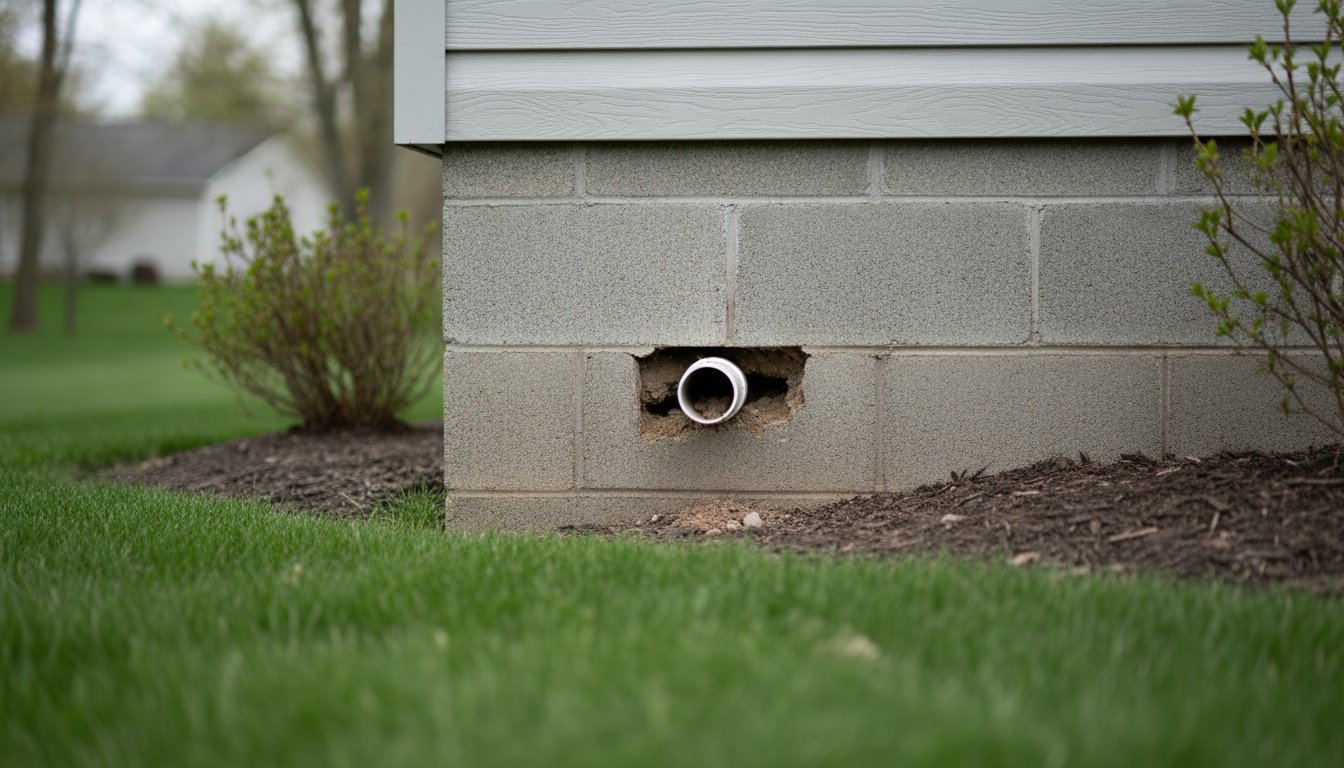
    As winter approaches, mice and rats aggressively seek the warmth and security provided by large healthcare structures. In Crawford County, completing exclusion work before the first frost is a critical preventative measure to stop rodents from finding refuge in basement tunnels or mechanical rooms. Once inside, rodents can cause catastrophic damage by gnawing on sensitive medical wiring or contaminating the insulation within walls. Because healthcare facility pest control standards require a zero-tolerance policy for rodent activity, sealing every gap in the building envelope is the most effective way to ensure winter compliance. Proactive measures, such as installing heavy-duty door sweeps and sealing utility penetrations, are far more effective than trying to manage an established population during the height of a PA or OH winter. For facilities requiring a comprehensive review of their perimeter defenses, contacting a professional for commercial pest control can help identify vulnerabilities before the seasonal shift begins.

    Disclaimer: The information provided on this blog is for general informational purposes only and is not intended as professional pest control advice. Conditions vary by property, environment, and location. Reading this content does not create a service agreement. For an inspection or professional recommendations, please contact Mosquito Assassin Pest Control LLC directly.

    Best Practices for Maintaining Compliance and Documentation

    Documentation is the most critical element of a successful healthcare audit. Under the 2026 outcome-based approach adopted by The Joint Commission, surveyors prioritize evidence of a functioning system over simple verbal assurances. Recent data indicates that 43% of citations from The Joint Commission involve failures in maintenance documentation. In the eyes of an auditor, if an action is not documented, it is considered not to have occurred. This strict standard means that every inspection, sighting, and corrective action must be recorded with precision to satisfy healthcare facility pest control standards.

    A centralized pest management logbook is the foundation of this process. This logbook should be kept in a location accessible to facility staff and regulatory inspectors at all times. It serves as a living record of the facility’s commitment to patient safety and environmental integrity. Maintaining this level of detail requires seamless communication between the facility administration and professional pest control services. When a professional identifies a structural vulnerability, like a gap in a loading dock seal in Ashtabula or a moisture issue in an Erie basement, the facility must document the repair to close the loop for future audits.

    Essential Record-Keeping for Audits

    To pass a high-stakes clinical survey, your documentation must be thorough and timestamped. A compliant logbook should include several specific categories of information to provide a clear audit trail. Ensure your records contain the following:

    • Pest Sighting Log: A detailed list of all sightings, including the specific date, time, and precise location within the facility.
    • Service Reports: Copies of all professional reports that outline findings, the specific methodology used, and any follow-up recommendations.
    • Safety Data Sheets (SDS): Readily accessible SDS for any materials used on the property, ensuring compliance with the updated OSHA Hazard Communication Standard.
    • Floor Plans: Maps indicating the placement of all monitoring stations and traps throughout the high-risk zones.

    Training Staff to Support Pest Prevention

    Staff members are the first line of defense in maintaining healthcare facility pest control standards. Environmental services (EVS) staff should be educated on how to identify early signs of activity, such as droppings or nesting materials, during their daily cleaning rounds. Establishing a clear reporting structure allows these employees to log sightings immediately, preventing a minor issue from becoming a systemic failure. Encouraging ‘clean desk’ policies and strict food storage rules in administrative areas also removes the attractants that draw pests into non-clinical zones. When the entire team understands their role in the Integrated Pest Management framework, the facility remains much more resilient against infestations and audit citations alike.

    Disclaimer: The information provided on this blog is for general informational purposes only and is not intended as professional pest control advice. Conditions vary by property, environment, and location. Reading this content does not create a service agreement. For an inspection or professional recommendations, please contact Mosquito Assassin Pest Control LLC directly.

    Securing Your Facility for Future Audits

    Maintaining a sterile environment is a continuous clinical commitment that requires more than just reactive treatments. By prioritizing structural exclusion and rigorous documentation, facility managers can confidently meet the evolving healthcare facility pest control standards set for 2026. Successfully navigating the new Physical Environment (PE) chapter means shifting toward an outcome-based approach where every action is recorded and every vulnerability is addressed before it impacts patient care.

    Professional pest control may help reduce risk by providing the specialized oversight needed in high-stakes medical environments. For facilities across Erie, Crawford, and Ashtabula Counties, finding a partner that’s licensed and insured in both Pennsylvania and Ohio ensures that regional pest pressures are managed with local expertise. A focus on documented IPM compliance protects not only your accreditation but also the safety of every patient and staff member within your walls. If you’re ready to strengthen your facility’s defenses, you can Request a professional consultation for your facility to ensure your protocols are audit-ready. Taking these proactive steps today creates a safer, more compliant environment for the future.

    Disclaimer: The information provided on this blog is for general informational purposes only and is not intended as professional pest control advice. Conditions vary by property, environment, and location. Reading this content does not create a service agreement. For an inspection or professional recommendations, please contact Mosquito Assassin Pest Control LLC directly.

    Frequently Asked Questions

    What is the standard for pest control in healthcare facilities?

    The primary standard is Integrated Pest Management (IPM), which prioritizes non-chemical prevention strategies. This clinical approach ensures that healthcare facility pest control standards are met without introducing unnecessary chemical risks to patients or staff. It involves a continuous cycle of inspection, exclusion, and monitoring to maintain a sterile environment and prevent healthcare-associated infections.

    How often should a hospital be inspected for pests?

    Inspection frequency depends on the specific risk level of each zone within the facility. High-risk areas like kitchens, loading docks, and laundry rooms typically require weekly or bi-weekly inspections to catch issues early. Administrative offices or low-traffic storage areas might only need monthly reviews. A professional assessment helps determine the appropriate schedule based on the facility’s history and structural vulnerabilities.

    Are pesticides allowed in patient rooms or operating theaters?

    Pesticides are generally restricted in patient rooms and operating theaters to protect vulnerable individuals from chemical exposure. If an intervention is absolutely necessary, licensed professionals use low-volatility baits or containerized gels in targeted, inaccessible locations. The priority in these sensitive areas is always structural exclusion and rigorous sanitation rather than broad chemical application.

    What does the Joint Commission look for regarding pest management?

    The Joint Commission focuses on documented evidence of a safe and functional environment. Under the 2026 standards, surveyors look for timestamped logs of sightings, detailed service reports, and proof that corrective actions were taken. They evaluate the effectiveness of the program through documented outcomes rather than just checking for a signed service contract.

    How does Integrated Pest Management (IPM) differ from traditional pest control?

    Traditional pest control often relies on reactive, scheduled chemical treatments regardless of current activity levels. In contrast, IPM is a proactive, scientific approach that uses chemical intervention only as a last resort. It focuses on removing the root causes of infestations, such as food sources and entry points, through structural maintenance and improved sanitation protocols.

    What are the most common pests found in Pennsylvania healthcare facilities?

    Common pests in Northwest Pennsylvania include German cockroaches, house mice, and Norway rats. During the humid summer months, facilities in Erie and Crawford Counties also deal with significant fly and mosquito pressures near entrances. In the winter, the focus shifts toward overwintering rodents seeking warmth within the building’s infrastructure and mechanical tunnels.

    How should a facility manager document a pest sighting for compliance?

    Every sighting must be recorded in a centralized logbook immediately to maintain compliance with healthcare facility pest control standards. This entry should include the date, time, specific room or area, and the type of pest observed. Documenting the specific follow-up action taken by professional pest control services is equally important to show auditors that the issue was identified and resolved.

    Can facility staff apply over-the-counter pesticides in a medical setting?

    Facility staff should not apply over-the-counter pesticides in a medical setting. Most state regulations and healthcare facility pest control standards require applications to be performed by a licensed professional applicator. Unregulated use can lead to dangerous chemical exposures, respiratory issues for patients, and severe regulatory citations during an audit.

    Disclaimer: The information provided on this blog is for general informational purposes only and is not intended as professional pest control advice. Conditions vary by property, environment, and location. Reading this content does not create a service agreement. For an inspection or professional recommendations, please contact Mosquito Assassin Pest Control LLC directly.

  • Warehouse Pest Control Solutions: A Comprehensive Guide for Logistics Facilities

    Warehouse Pest Control Solutions: A Comprehensive Guide for Logistics Facilities

    A single pest sighting in a high-volume distribution center isn’t just a nuisance; it’s a direct threat to a facility’s audit-ready status under the April 1, 2026, FSMA Produce Safety Rule updates. Managing a massive logistics hub requires more than just occasional traps. It demands a sophisticated approach to warehouse pest control solutions that addresses the unique pressures of large-scale storage. Whether operating in Erie County, Crawford County, or Ashtabula County, the risks of structural damage and inventory loss remain constant threats to daily operations.

    It’s understandable to feel the pressure of maintaining a facility that must pass strict health inspections while keeping the bottom line secure. No logistics manager should have to worry about rodent-borne diseases affecting staff or pests compromising the supply chain. This guide outlines the professional standards for protecting distribution centers from infestations and costly audit failures. Readers will learn about the benefits of Integrated Pest Management (IPM), the importance of structural exclusion, and how to transition from reactive treatments to a proactive prevention framework that keeps a facility clean and compliant.

    Key Takeaways

    • Industrial facilities require specialized strategies because standard residential methods cannot account for constant loading dock activity and massive interior spaces.
    • Understanding the seasonal migration of rodents during the transition from fall to winter is critical for protecting high-volume distribution centers in Pennsylvania and Ohio.
    • Implementing an Integrated Pest Management (IPM) framework provides comprehensive warehouse pest control solutions by prioritizing structural prevention over reactive chemical applications.
    • Proper facility maintenance, such as sealing gaps around overhead doors and maintaining an 18-inch vegetation-free perimeter, creates a vital physical barrier against infestations.
    • Selecting a professional partner familiar with FSMA and SQF standards ensures that your pest management program remains compliant with rigorous third-party industrial audits.

    The Unique Challenges of Warehouse Pest Management

    Managing a logistics center involves a constant battle against the elements and local wildlife. Warehouses in Erie and Crawford Counties face environmental pressures that residential properties never encounter. The primary hurdle is the constant movement required to keep a supply chain running. Loading docks often remain open for hours at a time; this creates an open invitation for rodents and insects to enter the facility. Traditional methods designed for small homes fail here because the sheer scale of the building allows pests to hide in plain sight. When a facility spans tens of thousands of square feet, a small localized issue can quickly become a widespread infestation if it isn’t managed with professional commercial pest control strategies.

    To better understand how these pests interact with large-scale environments, watch this helpful video:

    The stakes involve more than just damaged goods. Under the updated April 1, 2026, FSMA Produce Safety Rule, a single pest sighting in a food-grade facility can trigger immediate regulatory action or even temporary shutdowns. Logistics managers must view their inventory as a potential harborage site. Pests often “hitchhike” inside incoming pallets or corrugated packaging, bypassing exterior perimeter defenses entirely. Implementing a modern Integrated Pest Management (IPM) Framework is essential for identifying these risks before they compromise an entire shipment. These warehouse pest control solutions focus on the structural and logistical realities of the industry rather than just reactive spraying.

    Structural Vulnerabilities in Large Facilities

    The physical design of industrial buildings often works against pest exclusion. High ceilings and exposed rafters provide ideal nesting sites for birds and stinging insects, safe from the daily activity on the warehouse floor. Below the surface, expansion joints and floor drains act as hidden highways, allowing cockroaches and ants to move undetected across the facility. Even the lighting used for night shifts can complicate matters. Intense exterior security lights often draw nocturnal insects toward loading bays, where they wait for the next door to open and provide access to the interior.

    The Logistical Risk of Incoming Shipments

    Cross-docking and high-velocity distribution models increase the speed of operations, but they also increase the risk of pest introduction. When pallets move quickly from one truck to another, there is rarely enough time for a deep inspection. German cockroaches or stored product beetles can easily hide in the gaps of a wooden pallet or the folds of corrugated cardboard. Establishing a strict protocol for inspecting incoming goods is a vital component of effective warehouse pest control solutions. Without these checks, a facility essentially imports its own pest problems from hundreds of miles away, rendering exterior treatments less effective.

    Common Pests in PA and OH Distribution Centers

    The climate around Lake Erie dictates the movement of pests in the Tri-County region. Facilities in Erie, Crawford, and Ashtabula Counties face distinct seasonal pressures that require specialized warehouse pest control solutions. Unlike residential settings, a distribution center offers massive amounts of heat and shelter, making it the primary target for local wildlife when the weather turns. Identifying these intruders early is the only way to prevent inventory loss and maintain the high standards required by industrial audits.

    Rodent Pressure in the Tri-County Region

    The transition from fall to winter in Pennsylvania and Ohio triggers a massive migration of rodents toward heated structures. House mice are common year-round, but they become an urgent threat when temperatures drop. These small rodents can squeeze through gaps as thin as a pencil to reach stored goods. Norway rats are a more formidable challenge. They often burrow beneath foundations or enter through damaged loading dock seals. Maintaining a clear perimeter is vital; thick exterior vegetation provides the necessary cover for rodents to approach the building undetected. Removing weeds and tall grass reduces the “runways” these animals use to scout for entry points.

    Stored Product Pests and Inventory Integrity

    Food-grade warehouses and pharmaceutical sites face specific risks from Stored Product Pests (SPP). Indian meal moths and saw-toothed grain beetles are the most frequent offenders in these environments. These pests don’t just eat the product; they contaminate it with webbing, larvae, and waste. Implementing a “First-In, First-Out” (FIFO) inventory method is a powerful prevention tool. It ensures that older stock doesn’t sit long enough to become a breeding ground. Signs of an SPP infestation include small holes in packaging or fine silk-like threads inside containers. Because these insects thrive in stagnant air, moisture control and proper ventilation are critical for preventing secondary beetle infestations that can ruin entire pallets of dry goods.

    Beyond rodents and beetles, cockroaches and birds present ongoing operational risks. Cockroaches typically congregate in moisture-rich utility areas or employee breakrooms where food debris is present. Birds, specifically pigeons and sparrows, utilize high rafters for nesting. Their droppings are highly acidic and carry pathogens, posing a direct threat to both structural integrity and employee safety. Managing these diverse threats requires an ecosystem-based strategy that focuses on long-term prevention rather than just temporary fixes. If you’re concerned about seasonal pest migration, scheduling a professional inspection for your facility can help identify vulnerabilities before they lead to an audit failure.

    Effective pest management in a logistics environment is a technical discipline. It requires a deep understanding of local biology and the specific regulatory requirements of the industry. Ensuring your facility is protected from the unique pressures of the PA and OH climate is a full-time job that starts with a solid defense of the building’s exterior envelope. Professional warehouse pest control solutions provide the consistent monitoring needed to keep these regional pests at bay year-round.

    Warehouse Pest Control Solutions: A Comprehensive Guide for Logistics Facilities

    The Integrated Pest Management (IPM) Framework

    Modern logistics facilities require a disciplined approach to sanitation and safety. Integrated Pest Management (IPM) is a science-based strategy that prioritizes long-term prevention over reactive chemical treatments. This framework represents a significant shift in the industry, moving away from broad-spectrum pesticide applications toward targeted, low-impact interventions. By focusing on the root causes of infestations, warehouse pest control solutions become more sustainable and effective. The foundation of this process is constant monitoring and accurate pest identification, ensuring that every action taken is based on real-time data rather than guesswork.

    Determining when to intervene is based on established action thresholds. These thresholds define the point at which pest populations or environmental conditions indicate that action must be taken to prevent a nuisance or hazard. In a high-stakes storage environment, even a single sighting of certain pests might trigger a response to protect inventory integrity and meet safety standards. In areas like Crawford County or Ashtabula County, where seasonal changes are drastic, this methodical approach is the only way to maintain a clean facility year-round.

    The Four Pillars of Industrial IPM

    Successful implementation of this framework involves four distinct areas of focus that work together to create a hostile environment for pests:

    • Inspection: Routine, thorough walkthroughs of the facility perimeter and interior help detect early warning signs before they become major infestations.
    • Sanitation: Eliminating food and water sources is essential. This includes managing employee breakrooms and ensuring that spilled inventory is cleaned immediately.
    • Exclusion: Hardening the building envelope is a physical priority. Sealing gaps in dock levelers and repairing door seals keeps pests from entering in the first place.
    • Mechanical Controls: Professionals utilize traps and specialized light devices as the first line of defense, reducing the need for chemical applications.

    Documentation and Compliance Standards

    In the world of logistics, if an action isn’t documented, it didn’t happen. Logbooks are the primary tool for tracking pest activity, sightings, and the specific corrective actions taken by facility staff or professionals. Detailed reporting serves as the backbone for successful third-party audits, providing the transparency required by organizations like the AIB or SQF. These records prove that a facility is following the updated April 1, 2026, FSMA Produce Safety Rule requirements. You can learn more about commercial pest standards to see how these frameworks apply to your specific industry requirements and help maintain a compliant, pest-free environment.

    Facility Maintenance and Exclusion Strategies

    Effective warehouse pest control solutions rely heavily on structural integrity. While treatments address active populations, the physical building must serve as the first line of defense. A facility’s “envelope” consists of every door, window, and utility penetration that could allow an intruder inside. In large logistics centers, dock levelers and overhead doors are the most common points of failure. Even a gap as small as a quarter inch can permit a young rodent to enter, while smaller insects require even less space. Prioritizing the maintenance of these entry points prevents infestations from ever taking root.

    The exterior environment also dictates pest pressure levels. Adhering to the “18 inch rule” is a standard practice for industrial facilities in Erie and Crawford Counties. This involves maintaining a clear, vegetation free zone around the entire perimeter of the building. Using gravel or river rock instead of mulch or grass removes the cover pests need to approach the foundation. Similarly, waste management protocols must be strict. Dumpsters should be located at least 50 feet away from the building when possible and kept on concrete pads that are cleaned weekly to remove organic debris and standing water.

    Employees are the primary observers of a facility’s health. Training staff to identify the early signs of pest activity, such as droppings, gnaw marks, or grease rubs along walls, allows for rapid intervention. When workers understand that a clean breakroom is a deterrent for resident pest populations, the overall risk of an audit failure decreases. Integrating these maintenance tasks into a standard operating procedure ensures that warehouse pest control solutions remain effective long after the initial treatment. If your facility currently shows signs of activity, a professional commercial pest evaluation can identify specific structural gaps you may have missed.

    Hardening Entry Points

    Hardening a facility involves using materials that pests cannot easily bypass. Installing heavy duty brush seals on all exterior and pedestrian doors creates a physical barrier that blocks light and air, which often attract insects. For utility penetrations, such as where pipes or wires enter the building, using copper mesh or stainless steel wool provides a permanent seal that rodents cannot chew through. Foundation cracks and gaps in masonry should be repaired with high grade sealant or concrete to eliminate hidden highways into the structure.

    Sanitation and Cultural Controls

    Sanitation is a form of pest control that focuses on removing the resources pests need to survive. Standardizing breakroom cleanliness is vital; crumbs and open food containers can support a German cockroach population indefinitely. Additionally, managing standing water on the warehouse floor or in clogged drainage systems prevents moisture rich environments that attract flies and beetles. For those managing complex infestations, reviewing professional rodent removal strategies can provide deeper insight into how these animals exploit structural weaknesses in industrial settings.

    Selecting a Professional Partner for Audit Readiness

    Selecting a partner for an industrial facility requires a shift in perspective. A provider who primarily handles residential homes may struggle with the sheer scale and technical complexity of a massive distribution center. Comprehensive warehouse pest control solutions demand a partner who understands that a single oversight can lead to a failed audit or a significant inventory loss. Professional providers focus on the big picture, ensuring that every dock door, pallet rack, and perimeter fence is part of a unified defense strategy.

    Proactive communication is the hallmark of a high-quality service relationship. You should expect more than just a signature on a service ticket after a visit. A professional partner provides specific insights into structural vulnerabilities and sanitation lapses before they attract pests. This transparency builds trust and ensures that warehouse pest control solutions are integrated into the facility’s daily operational flow. This level of detail keeps the building in a constant state of readiness for unannounced inspections.

    Preparing for Third-Party Audits

    Third-party audits from organizations like AIB International or the Safe Quality Food (SQF) Institute are rigorous. A professional pest management plan serves as documented evidence of due diligence. It proves to auditors that the facility is actively managing risks according to the updated April 1, 2026, FSMA Produce Safety Rule. In food-grade logistics, a zero-tolerance approach is the only acceptable standard for safety.

    Trend analysis reports are a critical component of this documentation. These reports track pest activity over time, allowing managers to identify patterns and demonstrate continuous improvement to auditors. Having a clear, data-driven paper trail shows that the facility is committed to the highest levels of safety and quality. Professional pest control may help reduce risk by providing the technical documentation required to pass these high-stakes evaluations.

    The Local Advantage in Erie, Crawford, and Ashtabula

    Regional expertise is irreplaceable in the Tri-County area. A local provider understands how the Lake Erie climate influences the behavior of Norway rats or stored product beetles. They are familiar with specific Pennsylvania and Ohio regulations, such as the updated pesticide recordkeeping requirements for commercial applicators. This specialized knowledge ensures that your facility remains compliant with both state and federal laws.

    When an urgent issue arises, rapid response times are essential for containment. A local team residing in the same community can arrive quickly to address a breach, helping to protect your business and reputation. This deep community integration ensures that the service is tailored to the environmental factors and pest pressures specific to Erie, Crawford, and Ashtabula Counties. For an inspection or professional recommendations, please contact a licensed professional to evaluate your facility’s specific needs.

    Disclaimer: The information provided on this blog is for general informational purposes only and is not intended as professional pest control advice. Conditions vary by property, environment, and location. Reading this content does not create a service agreement. For an inspection or professional recommendations, please contact Mosquito Assassin Pest Control LLC directly.

    Securing Your Facility for Long-Term Compliance

    Maintaining a pest-free distribution center is a continuous logistical commitment that requires more than just reactive treatments. By prioritizing structural exclusion and adopting a science-based Integrated Pest Management framework, facility managers can significantly reduce the risk of inventory loss and audit failure. It’s clear that comprehensive warehouse pest control solutions are essential for meeting the strict requirements of the FSMA and other third-party standards.

    Licensed professionals in Pennsylvania and Ohio provide the local expertise needed to handle the specific environmental pressures of Erie, Crawford, and Ashtabula Counties. This expertise in commercial IPM standards ensures your facility remains protected and compliant year-round. Professional pest control may help reduce risk. For an inspection or professional recommendations, please contact us today.

    Disclaimer: The information provided on this blog is for general informational purposes only and is not intended as professional pest control advice. Conditions vary by property, environment, and location. Reading this content does not create a service agreement. For an inspection or professional recommendations, please contact Mosquito Assassin Pest Control LLC directly.

    Frequently Asked Questions

    What are the most common pests found in warehouses?

    Rodents, stored product pests, and cockroaches are the most frequent intruders in industrial spaces. In the Pennsylvania and Ohio regions, Norway rats and house mice are primary threats, especially during seasonal transitions. Food-grade sites often deal with Indian meal moths or saw-toothed grain beetles. Maintaining comprehensive warehouse pest control solutions ensures these diverse threats are identified before they compromise inventory or structural integrity.

    How do I pass a pest control audit in a distribution center?

    Passing a pest control audit requires meticulous documentation and evidence of a proactive prevention plan. Facilities must maintain updated logbooks, trend analysis reports, and proof of corrective actions taken to address structural or sanitation issues. Adhering to the April 1, 2026, FSMA Produce Safety Rule updates is essential for compliance. A professional partner can help ensure all documentation meets the specific requirements of third-party auditors like AIB or SQF.

    How often should a warehouse be inspected for pests?

    Most industrial facilities require at least monthly inspections to remain compliant and proactive. High-velocity distribution centers or food-grade warehouses often benefit from weekly or bi-weekly visits due to the constant movement of goods and higher risk levels. Regular monitoring allows professionals to detect early signs of activity and adjust warehouse pest control solutions based on seasonal pressures in Erie, Crawford, and Ashtabula Counties.

    What is Integrated Pest Management (IPM) in a commercial setting?

    Integrated Pest Management (IPM) is a science-based framework that emphasizes long-term prevention through non-chemical methods. This approach focuses on detailed inspections, improved sanitation, and structural exclusion to make the facility less attractive to pests. In a commercial setting, IPM minimizes the reliance on broad-spectrum pesticides by utilizing mechanical traps and targeted, low-impact interventions only when established action thresholds are met.

    Can pests arrive in a warehouse through incoming shipments?

    Pests frequently bypass exterior defenses by hitchhiking inside pallets, crates, and corrugated packaging. Cockroaches, beetles, and even rodents can hide within shipments arriving from other regions. Establishing a strict inspection protocol for all incoming goods is a vital cultural control. This practice prevents the introduction of new populations and protects the existing inventory from contamination or damage.

    How do I keep rodents out of my loading docks?

    Keeping rodents out of loading docks requires a combination of physical exclusion and strict sanitation. Installing heavy-duty brush seals on overhead doors and sealing gaps around dock levelers removes the primary entry points. Additionally, keeping the area free of spilled product and debris reduces the food sources that attract mice and rats. Correcting these structural vulnerabilities is the most effective way to harden the building’s envelope.

    Is professional pest control safe for warehouse employees?

    Professional pest management standards are designed to prioritize the safety and wellbeing of all facility staff. By utilizing the IPM framework, professionals focus on targeted applications and mechanical controls rather than broad-spectrum spraying. This approach reduces potential exposure while effectively managing pest populations. Licensed technicians follow strict federal and state guidelines to ensure that all interventions are performed in a controlled, responsible manner.

    What is the 18-inch rule in warehouse pest management?

    The 18-inch rule is a standard maintenance practice that involves keeping a clear, vegetation-free zone around the building’s perimeter. This zone is typically filled with gravel or river rock to eliminate the cover pests need to approach the foundation undetected. By removing tall grass and weeds, facility managers can significantly reduce the rodent pressure on the structure and make inspections more effective.

    Disclaimer: The information provided on this blog is for general informational purposes only and is not intended as professional pest control advice. Conditions vary by property, environment, and location. Reading this content does not create a service agreement. For an inspection or professional recommendations, please contact Mosquito Assassin Pest Control LLC directly.

  • Pest Control for Apartment Buildings: A Comprehensive Management Guide

    Pest Control for Apartment Buildings: A Comprehensive Management Guide

    Did you know that a 2024 survey identified bed bugs as the primary pest threat in multifamily housing, accounting for 39% of all infestations? Property managers in Erie and Crawford Counties in Pennsylvania and Ashtabula County in Ohio face unique challenges when coordinating pest control for apartment buildings, especially when pests spread rapidly through shared walls. It’s stressful to handle constant tenant complaints while trying to determine who is responsible for treatment costs or how to synchronize inspections across dozens of units. You deserve a clear, professional framework to protect your investment and your residents’ peace of mind.

    This guide provides the essential strategies for managing pests in multifamily housing, moving beyond reactive measures toward a definitive resolution. You’ll learn how to identify structural vulnerabilities, navigate the legal landscape of landlord responsibilities, and implement decisive exclusion techniques. By understanding the behavior of common pests like rodents and cockroaches, you can establish a methodical approach that ensures a secure, healthy environment for every tenant in the building.

    Disclaimer: The information provided on this blog is for general informational purposes only and is not intended as professional pest control advice. Conditions vary by property, environment, and location. Reading this content does not create a service agreement. For an inspection or professional recommendations, please contact Mosquito Assassin Pest Control LLC directly.

    Key Takeaways

    • Understand how shared walls and utility lines facilitate the rapid spread of infestations across multiple units in a complex.
    • Identify the primary ways pests enter buildings, including structural gaps in the foundation and hitchhiking in tenant belongings or deliveries.
    • Learn to distinguish between landlord responsibilities for structural maintenance and tenant duties regarding unit sanitation and reporting.
    • Implement proactive strategies for pest control for apartment buildings that focus on long-term exclusion and consistent documentation for early detection.

    Challenges of Pest Management in Multifamily Housing

    Apartment buildings are essentially massive, interconnected ecosystems. Unlike a detached house, a multifamily structure provides a labyrinth of hidden pathways that allow pests to travel between units with ease. This connectivity makes pest control for apartment buildings significantly more complex than standard residential services. When one tenant struggles with an infestation, the entire building is at risk. High tenant turnover complicates this further; each new move-in represents a potential introduction of hitchhiking pests like bed bugs or cockroaches. You can’t simply treat a single unit and expect the problem to vanish.

    Enforcing consistent sanitation across dozens of independent households is another major hurdle. One resident’s cluttered kitchen or neglected trash can provides enough food and water to sustain a colony that eventually spreads to neighboring units. Professional management must account for these human variables while maintaining the structural integrity of the building. Utilizing comprehensive pest control strategies helps address these structural vulnerabilities by focusing on the building as a whole rather than a collection of isolated rooms.

    To better understand this concept, watch this helpful video:

    The ‘Conduit Effect’ in Apartment Structures

    Modern building design relies on plumbing stacks, electrical conduits, and shared utility lines to provide essential services to every floor. Unfortunately, these same features act as high-speed highways for insects and rodents. Small gaps around pipes or wiring allow pests to migrate vertically and horizontally through the walls. Shared HVAC systems can also spread odors that attract pests or facilitate the movement of small insects between apartments. Treating a single unit without addressing these structural conduits often fails. It simply drives the pests into the next available unit, creating a cycle of frustration for tenants and staff.

    Common Multifamily Pests in PA and OH

    In our local service area, including Erie and Crawford Counties in Pennsylvania and Ashtabula County in Ohio, specific regional pressures dictate the management approach. German cockroaches are a primary concern in high-density housing because they thrive in the warmth and humidity provided by shared appliances. As the harsh winters of the Great Lakes region set in, rodent pressure increases dramatically. Rats and mice seek the warmth of large buildings, entering through microscopic gaps in the foundation. Additionally, shared outdoor common areas in these regions face seasonal mosquito and tick risks. Effective management requires a commercial pest control strategy that addresses both the interior units and the exterior grounds.

    Disclaimer: The information provided on this blog is for general informational purposes only and is not intended as professional pest control advice. Conditions vary by property, environment, and location. Reading this content does not create a service agreement. For an inspection or professional recommendations, please contact Mosquito Assassin Pest Control LLC directly.

    How Pests Navigate and Infest Apartment Complexes

    Pests are opportunistic survivalists that thrive in the complex architecture of multifamily housing. To maintain effective pest control for apartment buildings, property managers must look beyond the visible surfaces of a single unit. Most infestations begin with a subtle breach in the building’s exterior envelope. Microscopic gaps in the foundation, masonry, or siding serve as open invitations for insects and rodents seeking shelter. Once they’ve breached the perimeter, these pests utilize shared amenities like laundry rooms and trash chutes as reliable sources of food and moisture. These areas act as hubs, allowing pests to congregate before dispersing into individual living spaces.

    Understanding the distinction between unit-level issues and building-wide structural vulnerabilities is essential. While a tenant might see a single cockroach in their kitchen, the source is often located deep within the building’s infrastructure. Professional management focuses on the biology and movement patterns of these pests to create a defensive barrier that protects every resident. A proactive approach involves constant monitoring of high-traffic common areas where pests are most likely to first appear.

    Entry Points and Harborage Areas

    Effective exclusion starts with identifying structural vulnerabilities that invite intruders. Poorly sealed windows and worn door sweeps are common entry points that property staff often overlook during routine maintenance. Inside the units, ‘dead spaces’ provide the perfect harborage for nesting. These are the dark, undisturbed areas behind kitchen cabinets, under heavy appliances, or inside utility closets. In shared basements, elevated moisture levels from plumbing or laundry equipment frequently attract silverfish and centipedes. Addressing these moisture issues is a critical component of a commercial pest control strategy that targets the root cause of the infestation.

    The Biology of Hitchhiking Pests

    Not all pests crawl through the foundation. Many are carried directly into the building by residents, guests, or delivery services. Bed bugs are notorious for transitioning from luggage, used furniture, or clothing into the unit’s walls. Once they’ve established a presence, they can migrate between apartments through electrical outlets and baseboards. Cockroaches exhibit similar movement patterns, often nesting inside electrical boxes or wall voids where they remain protected from standard cleaning efforts. Because of this cryptic behavior, professional bed bug treatment requires a methodical approach that accounts for the specific biology of the pest and its unique ability to hide in structural voids.

    Disclaimer: The information provided on this blog is for general informational purposes only and is not intended as professional pest control advice. Conditions vary by property, environment, and location. Reading this content does not create a service agreement. For an inspection or professional recommendations, please contact Mosquito Assassin Pest Control LLC directly.

    Pest Control for Apartment Buildings: A Comprehensive Management Guide

    Determining Responsibility: Landlords, Tenants, and Professional Services

    Managing pest control for apartment buildings often involves navigating a complex web of legal obligations and tenant expectations. When an infestation occurs, the primary point of friction is usually determining who is responsible for the cost and coordination of the treatment. Generally, landlords are held to a legal standard known as the warranty of habitability. This requires the property owner to ensure that the living space is safe and fit for human occupation, which includes keeping the building free from significant pest pressures. However, this is not a one-sided obligation. Successful eradication requires a partnership between management, residents, and licensed professionals.

    Professional services act as a vital neutral party in these situations. By providing documented inspections and objective findings, a technician can help clarify whether a problem stems from a structural breach or a sanitation issue within a specific unit. This documentation is essential for resolving disputes and ensuring that the correct mitigation steps are taken. Clear, transparent communication between the property office and the residents prevents the confusion that often leads to treatment delays and worsening infestations. When everyone understands their role, the path to a pest-free environment becomes much clearer.

    Landlord and Property Manager Obligations

    Property managers have a fundamental duty to maintain the structural envelope of the building. This includes sealing the entry points discussed in previous sections, such as gaps around utility lines or damaged foundation vents. Beyond physical repairs, management must provide tenants with adequate advance notice before any professional inspections or treatments occur. Investing in proactive commercial pest control is a strategic move that protects the long-term value of the asset and reduces the likelihood of costly building-wide outbreaks. In regions like Erie and Ashtabula, where seasonal pest shifts are dramatic, a consistent management plan is the most effective way to meet these legal and professional standards.

    Tenant Best Practices for Prevention

    While the landlord maintains the structure, the tenant is responsible for the environment inside their home. Maintaining basic sanitation is the most effective way for residents to support building-wide pest control for apartment buildings. Residents should focus on several key areas to minimize risk:

    • Proper food storage: Keeping all pantry items in airtight containers to remove easy food sources for rodents and insects.
    • Waste management: Disposing of household trash immediately and keeping indoor bins clean and covered.
    • Early reporting: Notifying management the moment a pest is sighted to catch issues before they spread through shared walls.
    • Cooperation: Following all preparation instructions provided by the professional service team, such as clearing cabinets or moving furniture before a scheduled visit.

    When tenants and management work in sync, the effectiveness of professional interventions increases significantly. A well-prepared unit allows for a more thorough inspection and ensures that treatment protocols can be executed without interference.

    Disclaimer: The information provided on this blog is for general informational purposes only and is not intended as professional pest control advice. Conditions vary by property, environment, and location. Reading this content does not create a service agreement. For an inspection or professional recommendations, please contact Mosquito Assassin Pest Control LLC directly.

    Proactive Prevention Strategies for Property Managers

    Reactive pest control for apartment buildings is often an expensive and losing battle. Waiting for a tenant to report a widespread infestation before taking action ensures that the problem has already migrated through shared walls and utility lines. A proactive framework focuses on stopping pests before they cross the threshold. This involves regular, methodical inspections of the building’s perimeter and common areas to identify risks before they escalate. Shifting the focus from reactive “spray-on-sight” methods to a comprehensive management plan is the most effective way to maintain a clean and reputable property.

    Professional commercial pest control strategies emphasize the importance of long-term prevention over temporary fixes. By addressing the root causes of infestations, such as structural gaps and available food sources, property managers can significantly reduce the frequency of tenant complaints. This disciplined approach also helps in documenting the property’s condition, which is vital for both legal compliance and operational efficiency.

    Structural Exclusion Techniques

    Exclusion is the process of physically blocking pests from entering the building. Property staff should focus on several high-impact areas:

    • Door Sweeps: Install heavy-duty, professional-grade door sweeps on all exterior doors and unit entryways to block crawling insects and small rodents.
    • Utility Penetrations: Use durable sealants or copper mesh to close gaps around plumbing lines and electrical conduits where they enter the walls.
    • Vent Screening: Ensure that all attic, crawlspace, and dryer vents are properly screened with hardware cloth to prevent rodents from nesting in the structure.

    These simple structural repairs create a permanent barrier that chemical treatments alone cannot provide.

    Sanitation and Waste Management

    Pests are attracted to properties that provide easy access to food and water. Sanitation protocols for common areas like lobbies, hallways, and trash rooms must be strictly maintained. Scheduling frequent trash pickups prevents overflow in shared containers, which is a primary attractant for rodents and flies. Deep cleaning of trash chutes and dumpster pads is necessary to eliminate the lingering odors that signal a food source to nearby pests. Outside, managing the landscaping is equally important. Keep tree branches trimmed at least two feet away from the roofline and ensure mulch is not packed against the foundation, as these can act as bridges for ants and other pests. If you are managing a property in Erie, Crawford, or Ashtabula counties, professional pest control may help reduce risk by identifying these environmental factors during a routine inspection.

    Education programs for tenants can also play a major role in prevention. Providing residents with clear information on proper food storage and waste disposal helps create a more vigilant and cooperative community. When tenants understand how their actions affect the building’s health, they are more likely to report sightings early and maintain the sanitation standards required for a pest-free environment.

    Disclaimer: The information provided on this blog is for general informational purposes only and is not intended as professional pest control advice. Conditions vary by property, environment, and location. Reading this content does not create a service agreement. For an inspection or professional recommendations, please contact Mosquito Assassin Pest Control LLC directly.

    Implementing a Comprehensive Pest Protection Plan

    A year-round protection plan is the only way to account for the shifting seasonal pressures in Pennsylvania and Ohio. In the summer, the focus often lands on cockroaches and stinging insects; however, as temperatures drop, the priority shifts toward preventing rodents from entering the structure. A systematic approach to pest control for apartment buildings reduces the need for aggressive chemical interventions by focusing on monitoring and early detection. By establishing a routine schedule, you ensure that the property remains protected regardless of the season or tenant turnover.

    Detailed documentation is a property manager’s best defense against recurring infestations. By tracking exactly where and when sightings occur, you can identify “hot spot” units that may require additional attention or sanitation improvements. This data-driven method allows for targeted interventions that are more effective and less intrusive than broad, building-wide treatments. Consistent record-keeping also provides a clear history of maintenance that can be vital for legal compliance and insurance purposes. For buildings facing active pressures, professional rodent control is a critical component of building safety, as it prevents structural damage and protects residents from health risks.

    The Value of Local Expertise

    Success in multifamily pest management requires a deep understanding of regional pest cycles. Knowledge of the specific challenges in Erie and Crawford Counties in Pennsylvania and Ashtabula County in Ohio allows for more accurate timing of preventative treatments. Working with a local pest control provider ensures that the technicians are familiar with the common architecture and environmental factors of the area. These community-based professionals often reside in the same neighborhoods they serve, which helps build a rapport of trust and reliability with building residents and staff.

    Next Steps for Building Owners

    The first step toward a more secure property is evaluating its current state through a professional inspection. This process identifies existing infestations and structural vulnerabilities that may have been missed during routine maintenance. Reviewing the benefits of general pest control for multifamily units can help you decide on a plan that fits your specific budget and property size. Implementing a structured management plan ensures that pest issues don’t become a drain on your resources or a threat to your reputation. Professional pest control may help reduce risk and significantly improve long-term tenant satisfaction.

    Disclaimer: The information provided on this blog is for general informational purposes only and is not intended as professional pest control advice. Conditions vary by property, environment, and location. Reading this content does not create a service agreement. For an inspection or professional recommendations, please contact Mosquito Assassin Pest Control LLC directly.

    Protecting Your Property and Residents

    Effective pest management in multifamily housing requires a shift from reactive treatments to a comprehensive, building-wide strategy. By focusing on structural exclusion and maintaining clear lines of communication between management and tenants, you can address infestations before they spread through shared walls. A proactive plan ensures that your investment remains secure and your residents remain satisfied throughout every season. Specialized expertise in pest control for apartment buildings is essential for navigating the unique architectural and regional challenges found in Pennsylvania and Ohio.

    Licensed in both Pennsylvania and Ohio, Mosquito Assassin Pest Control LLC specializes in multifamily and commercial services across Erie, Crawford, and Ashtabula Counties. A methodical approach to prevention helps reduce long term costs and protects the health of your community. For professional recommendations or a property inspection, contact Mosquito Assassin Pest Control LLC today. Taking these steps now ensures a safer, cleaner environment for everyone in your building.

    Disclaimer: The information provided on this blog is for general informational purposes only and is not intended as professional pest control advice. Conditions vary by property, environment, and location. Reading this content does not create a service agreement. For an inspection or professional recommendations, please contact Mosquito Assassin Pest Control LLC directly.

    Frequently Asked Questions

    Who is responsible for paying for pest control in an apartment?

    Landlords are typically responsible for the costs associated with pest control for apartment buildings, especially when the issue affects common areas or multiple units. This responsibility falls under the “warranty of habitability,” which requires owners to provide a safe, pest-free environment for residents. However, a tenant may be held financially responsible if the lease specifies it or if management can document that the infestation was directly caused by the tenant’s poor sanitation or specific actions.

    How often should an apartment building be treated for pests?

    Preventative treatments are most effective when scheduled on a quarterly basis to account for seasonal changes in pest pressure. High-traffic areas like trash rooms, lobbies, and laundry facilities may require monthly inspections to catch issues before they spread to individual units. A reactive approach is often more expensive and less successful than maintaining a consistent, proactive schedule throughout the year to protect the property’s reputation and structural integrity.

    Can a tenant refuse pest control treatment in their unit?

    Tenants generally cannot refuse treatment if the lease agreement includes a clause allowing the landlord to enter for maintenance, health, or safety inspections. While property managers must provide proper legal notice, usually 24 to 48 hours, residents are required to cooperate to protect the building. Refusing treatment can lead to the spread of pests to neighboring units, potentially creating a legal or financial liability for the tenant under their rental agreement.

    Do pests really travel between apartments through the walls?

    Pests frequently utilize wall voids, plumbing stacks, and electrical conduits as highways to move between floors and units. This is why treating a single apartment in isolation often fails to resolve a building-wide problem. Insects like cockroaches and bed bugs can squeeze through microscopic gaps around utility lines, making building-wide exclusion and synchronized professional treatments essential for total elimination and long term prevention.

    What should I do if my neighbor has cockroaches or bed bugs?

    You should immediately report any suspected infestations in neighboring units to your property management office to trigger a professional inspection. Do not attempt to treat your own unit with over-the-counter products, as this can cause pests to scatter deeper into the walls and spread the problem. Management needs to coordinate a professional assessment of both units to ensure the infestation is contained and properly addressed using commercial-grade methods.

    Is professional pest control safe for children and pets in small apartments?

    Professional treatments are designed to be applied in a manner that minimizes risk to all household members, including children and pets. Licensed technicians follow strict federal labels and application protocols to ensure products are placed in areas where residents won’t come into direct contact with them. In some cases, such as specialized bed bug treatments, you may be asked to vacate the unit for a few hours as a standard safety precaution.

    How can I tell if an apartment building has a pest problem before moving in?

    Inspect the areas under kitchen and bathroom sinks for droppings, egg cases, or small bait stations before signing a lease. You can also check the laundry room and trash areas for signs of rodent activity or a heavy, musty odor, which often indicates a cockroach problem. Don’t hesitate to ask the property manager for a record of the building’s recent pest control history and their current preventative management plan.

    What are the most common pests found in Ohio and Pennsylvania apartments?

    German cockroaches, bed bugs, and house mice are the most prevalent pests in high-density housing across Erie, Crawford, and Ashtabula counties. During the winter, rodent pressure increases as mice seek warmth inside larger structures. In the summer months, pavement ants and stinging insects often become a primary concern in shared outdoor spaces and near building foundations, requiring a targeted approach to maintain a pest-free environment for all residents.

    Disclaimer: The information provided on this blog is for general informational purposes only and is not intended as professional pest control advice. Conditions vary by property, environment, and location. Reading this content does not create a service agreement. For an inspection or professional recommendations, please contact Mosquito Assassin Pest Control LLC directly.

  • How to Identify Common House Spiders in PA: A Homeowner’s Guide

    How to Identify Common House Spiders in PA: A Homeowner’s Guide

    A spring 2026 pest forecast predicted a 60% year-over-year increase in spider activity across Pennsylvania, meaning you’re more likely than ever to encounter unexpected guests in your living spaces. It’s natural to feel a sense of dread when you spot a dark shape scuttling across the floor, especially when you’re unsure if the intruder poses a legitimate threat to your family. Learning how to identify common house spiders in PA is the first step toward reclaiming your peace of mind and determining whether a sighting is a minor nuisance or a situation that requires expert intervention.

    You likely share the common frustration of clearing away messy cobwebs only to find them rebuilt by morning, paired with the uncertainty of which species are actually dangerous. This guide provides the tools to accurately identify the most frequent eight-legged residents in local homes, from the harmless American House Spider to the rarely seen but medically significant Black Widow. By understanding specific hunting behaviors and physical markers, you’ll gain the knowledge necessary to prevent future sightings and recognize when professional pest control may help reduce risk.

    Disclaimer: The information provided on this blog is for general informational purposes only and is not intended as professional pest control advice. Conditions vary by property, environment, and location. Reading this content does not create a service agreement. For an inspection or professional recommendations, please contact Mosquito Assassin Pest Control LLC directly.

    Key Takeaways

    • Differentiate between common insects and Pennsylvania’s 45 spider species by recognizing key arachnid body segments and leg counts.
    • Master how to identify common house spiders in PA using visual markers like mottled brown coloring or the unique vibrating defense of cellar spiders.
    • Identify why the specific climate of Erie and Crawford Counties makes local basements and attics attractive hunting grounds for various species.
    • Learn to separate fact from fiction regarding venomous spiders, including how to spot a Black Widow and why Brown Recluse sightings are rare in the region.
    • Gain practical prevention strategies to limit indoor populations by modifying storage habits and sealing common entry points around your property.

    Understanding the Common House Spiders of Pennsylvania

    Pennsylvania is home to approximately 45 different spider species, though the vast majority of these arachnids are harmless to humans. Unlike six-legged insects, spiders are characterized by having two body segments and eight legs. Most species encountered inside local residences are either accidental invaders or specialized varieties that have adapted to indoor climates over generations. Learning how to identify common house spiders in PA starts with recognizing that their presence usually signals an underlying population of other insects, which serve as their primary food source. If you see a high volume of webs or active spiders, it’s a sign that your home provides a reliable buffet of smaller pests.

    To better understand this concept, watch this helpful video:

    The Role of Spiders in the Local Ecosystem

    Spiders function as natural pest controllers within the regional environment. By preying on flies, moths, and mosquitoes, they help manage insect populations that might otherwise become overwhelming. In Northwest PA, homeowners often see a surge in spider activity during seasonal transitions, particularly in the spring and fall as temperatures fluctuate. These predators move toward warmth and food sources, making houses in Erie and Crawford Counties prime real estate for opportunistic hunters. Their presence is a biological response to the environment; they go where the food is most abundant. Understanding this predatory nature helps you predict where they might hide, such as near light fixtures or windows where other insects gather.

    Web-Builders vs. Active Hunters

    Identification is easier when you categorize spiders by their hunting methods. Web-builders, such as the Common House Spider (Parasteatoda tepidariorum), typically remain sedentary and wait for prey to become entangled in irregular cobwebs. In contrast, active hunters like wolf spiders don’t rely on webs; they roam floors and baseboards to chase down their meals. You can often identify the species by examining the web pattern, which may be orb-shaped, funnel-like, or a messy tangle. Sedentary species often have rounder, bulbous abdomens designed for storing energy between catches. Active hunters tend to be more streamlined, featuring longer legs and robust bodies to support their constant movement across varied surfaces. Recognizing these physical traits allows you to quickly determine if a spider is a permanent resident or just passing through.

    Disclaimer: The information provided on this blog is for general informational purposes only and is not intended as professional pest control advice. Conditions vary by property, environment, and location. Reading this content does not create a service agreement. For an inspection or professional recommendations, please contact Mosquito Assassin Pest Control LLC directly.

    Key Identification Features: How to Recognize PA Arachnids

    Accurately determining which species has entered your home requires a close look at physical traits and behaviors. When learning how to identify common house spiders in PA, focus first on the body shape and leg structure. The American House Spider is one of the most frequent residents; it features a mottled brown color and distinct ‘comb feet’ on its fourth pair of legs, which are used to wrap prey in silk. In contrast, Cellar Spiders are recognizable by their extremely thin, elongated legs and small, cylindrical bodies. If you disturb their web, these spiders often vibrate rapidly as a defense mechanism, making them appear as a blur to potential predators.

    Wolf spiders are perhaps the most intimidating species due to their robust, hairy bodies and rapid movement. You can distinguish them by their eye arrangement, specifically the two large eyes positioned prominently on the top of their head. While they look formidable, they are nomadic hunters that don’t spin traditional webs. For more detailed images and descriptions of these physical markers, the Penn State Extension guide to PA spiders provides an excellent resource for local property owners. You may also encounter Yellow Garden Spiders, which sport striking bright yellow and black patterns. These are typically found outdoors near windows or porches where sunlight attracts the flying insects they prefer to eat.

    Common Look-Alikes in Pennsylvania Homes

    Many homeowners struggle with species that look nearly identical. For instance, the Grass Spider is frequently mistaken for a Wolf Spider. To tell them apart, check the rear of the abdomen; Grass Spiders have prominent, tail-like spinnerets that Wolf Spiders lack. Similarly, Nursery Web Spiders may resemble these hunters, but they carry their egg sacs in their jaws rather than attached to their spinnerets. Size is often a misleading factor. A large spider isn’t necessarily more dangerous than a small one, and most local species are non-aggressive unless directly handled.

    Identifying Spiders by Their Webs

    Web patterns offer another reliable identification tool when the spider itself remains hidden. Common House Spiders create irregular, messy tangles in corners, under furniture, or in basements. Grass Spiders build flat, sheet-like webs with a distinct funnel-shaped retreat at one end, usually near ground level or in foundation gaps. If you see a classic circular pattern, you’re looking at an orb web, typically spun by garden-dwelling species on porches or eaves. If these sightings become frequent or cause concern, professional pest control may help reduce risk by managing the insect populations that draw spiders into your living space.

    Disclaimer: The information provided on this blog is for general informational purposes only and is not intended as professional pest control advice. Conditions vary by property, environment, and location. Reading this content does not create a service agreement. For an inspection or professional recommendations, please contact Mosquito Assassin Pest Control LLC directly.

    How to Identify Common House Spiders in PA: A Homeowner’s Guide

    Common Hiding Spots in Northwest Pennsylvania Homes

    Spiders are opportunistic survivors that prioritize three things: moisture, safety, and a steady supply of food. In Erie and Crawford Counties, the damp environments found in basements and crawlspaces are particularly attractive. These subterranean areas provide the high humidity levels that Cellar Spiders require to thrive. Because these spaces are often left undisturbed for long periods, they offer a perfect sanctuary for permanent web construction. If you are struggling with how to identify common house spiders in PA, looking in these moisture-rich zones is a logical starting point for your search.

    While some species stay low, others prefer the vertical advantage of attics and ceilings. Jumping spiders and sac spiders are frequently found near crown molding or in the upper corners of rooms. These elevated areas serve as effective hunting grounds where they can intercept flying insects. Similarly, windows and door frames are high-traffic zones. Exterior lighting at night attracts moths, flies, and beetles, creating a concentrated feeding station that draws spiders toward your entry points. Cluttered storage areas, particularly those filled with rarely moved cardboard boxes, provide the narrow crevices spiders use for nesting and protecting egg sacs.

    Seasonal Activity Patterns in the Keystone State

    Weather plays a significant role in when you see arachnids. Spring emergence typically begins as soon as temperatures consistently stay above freezing, as this triggers the hatching of overwintered eggs. Many homeowners believe spiders migrate indoors during the fall to escape the cold. In reality, most house spiders have lived inside your walls year-round. They simply become more visible in autumn because it’s their primary mating season. For visual assistance, a Pennsylvania spider identification guide can help you distinguish between these seasonal visitors. Indoor heating systems also influence behavior; the dry, warm air from a furnace can cause egg sacs to hatch prematurely, leading to sudden mid-winter sightings.

    Outdoor vs. Indoor Habitats

    The vegetation surrounding your home foundation often dictates which species are likely to wander inside. Grass Spiders prefer the shelter of woodpiles and tall grass, but they may accidentally enter through gaps in the siding or foundation. Other species are true indoor specialists that spend their entire life cycle within drywall crevices or behind baseboards. Managing the transition zone between your yard and your home is a key part of long-term prevention. For a broader look at managing various household invaders, you can read more in our guide to General Pest Control. Understanding these habitat preferences is essential for anyone learning how to identify common house spiders in PA and keep them at bay.

    Disclaimer: The information provided on this blog is for general informational purposes only and is not intended as professional pest control advice. Conditions vary by property, environment, and location. Reading this content does not create a service agreement. For an inspection or professional recommendations, please contact Mosquito Assassin Pest Control LLC directly.

    Addressing Safety Concerns: Venomous Spiders in PA

    Understanding how to identify common house spiders in PA involves distinguishing between nuisance pests and those with medical significance. It’s vital to clarify a common scientific distinction: spiders are venomous, not poisonous. Venom is a toxin injected through fangs to submerge prey, whereas poison is harmful only if ingested or touched. For the vast majority of spiders found in Pennsylvania, a bite results in symptoms no more severe than a typical bee sting, including minor redness, localized swelling, and itching. While the sight of a spider can be startling, most species have no interest in human contact and only bite when they feel physically crushed or threatened.

    The Northern Black Widow is the only native species in Pennsylvania with venom considered medically significant. These spiders are easily recognized by their shiny black abdomens and distinct red markings. While the southern variant has a full hourglass, the northern variety often features a split hourglass or a series of red spots along the back. They prefer undisturbed, dark environments such as woodpiles, cluttered sheds, or old garages. When cleaning these areas in Erie County or Crawford County, always wear heavy gloves to prevent accidental contact with a hidden web.

    There is a persistent myth regarding Brown Recluse populations in the Keystone State. These spiders are not native to or established in Pennsylvania. While they occasionally appear as “hitchhikers” in shipments of furniture or boxes from southern states, they do not survive or reproduce well in our local climate. Most reported sightings of Brown Recluse spiders in the region are actually misidentified grass spiders or wolf spiders, which lack the necrotic venom of the recluse.

    When to Seek Professional Insight

    Identifying a single spider is one thing, but recognizing a larger infestation requires a systematic approach. If you notice multiple egg sacs or a high volume of webs appearing in active living areas, it indicates a stable and breeding population. Professional pest control may help reduce risk by eliminating the smaller insects that serve as the spider’s primary food source. If you are uncertain about a specific species in your home or feel overwhelmed by a sudden surge in activity, professional pest control services provide the expertise needed for an accurate risk assessment and a definitive resolution.

    Disclaimer: The information provided on this blog is for general informational purposes only and is not intended as professional pest control advice. Conditions vary by property, environment, and location. Reading this content does not create a service agreement. For an inspection or professional recommendations, please contact Mosquito Assassin Pest Control LLC directly.

    Practical Strategies for Managing Indoor Spider Populations

    Once you’ve mastered how to identify common house spiders in PA, the next step is implementing environmental controls to discourage their presence. Reducing clutter is a high-priority task for any homeowner. Cardboard boxes are notorious for attracting spiders because they provide countless narrow crevices and are often held together with organic glues that some insects find attractive. Replacing these with airtight plastic bins for long-term storage removes these nesting sites immediately and protects your belongings from being used as a habitat. It’s a simple change that yields significant results in storage areas like basements or attics.

    Focusing on exclusion is another professional-grade tactic. Sealing entry points prevents accidental invaders from ever crossing the threshold. Use high-quality caulk to close gaps around window frames, door sills, and where utility lines enter the foundation. Additionally, consider your exterior lighting. Standard white bulbs attract swarms of flying insects, creating a concentrated buffet that draws spiders toward your doorways. Switching to yellow “bug lights” reduces the number of attracted prey insects, making your home a less desirable hunting ground for nomadic species. Routine cleaning also plays a vital role. Vacuuming is one of the most effective ways to disrupt the spider life cycle. You should vacuum webs, the spiders themselves, and any visible egg sacs to prevent the next generation from hatching inside your living space.

    Natural Deterrents and Maintenance

    Managing the internal environment is critical for long-term success. In the damp climates of Erie and Crawford Counties, running a dehumidifier can make basements significantly less hospitable to moisture-loving species like Cellar Spiders. Outside, maintain a clear perimeter around the house. Keep shrubs and tall grass at least one foot away from the foundation to eliminate bridge-like pathways that spiders use to reach your siding. Regular dusting of high corners, behind appliances, and under large furniture prevents colonies from becoming established in the first place. These small habits collectively make your property much less attractive to arachnids.

    The Value of Year-Round Protection

    Successful management relies on addressing the root cause: the food source. Spiders stay where they can eat. By managing the underlying insect populations through Year-Round Protection, you naturally reduce the spider population as well. This proactive approach ensures that seasonal surges in flies, moths, or beetles don’t turn into a secondary spider infestation. The regional expertise found in Erie, Crawford, and Ashtabula Counties allows for a targeted strategy that respects local pest behaviors while securing your property. If you’ve struggled with how to identify common house spiders in PA or are overwhelmed by persistent webs, professional pest control may help reduce risk by creating a comprehensive barrier against all household pests.

    Disclaimer: The information provided on this blog is for general informational purposes only and is not intended as professional pest control advice. Conditions vary by property, environment, and location. Reading this content does not create a service agreement. For an inspection or professional recommendations, please contact Mosquito Assassin Pest Control LLC directly.

    Securing Your Home Against Regional Arachnids

    Maintaining a spider free environment requires a combination of vigilance and practical environmental changes. By prioritizing the removal of clutter and sealing entry points, you disrupt the habits of nomadic hunters and sedentary web builders alike. Accurate knowledge of how to identify common house spiders in PA ensures you can distinguish between a beneficial garden visitor and a species that requires more direct intervention. Most local sightings involve harmless varieties, but recognizing the specific markers of the Northern Black Widow provides an essential layer of safety for your household.

    Licensed professionals serving Erie and Crawford Counties in PA apply a systematic approach to pest management that addresses the root of the problem. This expertise in regional pests of the Keystone State helps property owners achieve long term resolution rather than temporary fixes. If you are concerned about spiders in your home, professional pest control may help reduce risk and restore your peace of mind. With the right prevention strategies in place, you can enjoy a more comfortable and secure living space throughout every season.

    Disclaimer: The information provided on this blog is for general informational purposes only and is not intended as professional pest control advice. Conditions vary by property, environment, and location. Reading this content does not create a service agreement. For an inspection or professional recommendations, please contact Mosquito Assassin Pest Control LLC directly.

    Frequently Asked Questions

    Are there brown recluse spiders in Pennsylvania?

    Brown recluse spiders are not native to Pennsylvania and no established populations exist within the state. While these spiders can occasionally be transported into the region as “hitchhikers” in shipping containers or moving boxes from the South, they don’t survive well in our local climate. Most reported sightings in Northwest PA are actually misidentified wolf spiders or nursery web spiders, which lack the necrotic venom of a recluse.

    How can I tell if a spider in my house is a black widow?

    You can identify a black widow by its shiny, jet-black body and the distinct red marking on the underside of its abdomen. In the Northern Black Widow, which is the variety found in this region, the hourglass is often split into two separate spots or may appear as a row of red dots along the back. These spiders are reclusive and prefer dark, undisturbed areas like woodpiles, crawlspaces, or cluttered sheds.

    What is the most common house spider in PA?

    The American House Spider is the species most frequently encountered by homeowners throughout the state. Learning how to identify common house spiders in PA involves looking for their mottled brown coloring and the messy, tangled webs they build in corners or under furniture. They are harmless to humans and act as natural pest controllers by focusing their hunting efforts on smaller nuisance insects like flies and gnats.

    Do house spiders in PA bite humans while they sleep?

    It is extremely rare for a spider to bite a human while they are sleeping. Spiders don’t feed on human blood and have no biological reason to approach a sleeping person. Most bites occur only as a defensive reaction when a spider is accidentally pressed against skin, such as when someone rolls over on one in bed or puts on a shoe where a spider is hiding.

    Why do I suddenly have so many spiders in my basement?

    A sudden increase in basement spiders usually indicates high humidity levels and a plentiful food source of other insects. The damp foundations common in Erie and Crawford Counties provide the perfect environment for cellar spiders and their prey to thrive. Reducing moisture with a dehumidifier and clearing away cardboard storage boxes can help disrupt these established colonies and make the area less attractive to predators.

    Can professional pest control get rid of spiders permanently?

    No service can guarantee the permanent removal of all spiders because nature is dynamic and new spiders can always wander in from the outdoors. However, professional pest control significantly reduces indoor populations by managing the insects that spiders eat and sealing structural gaps. A systematic approach ensures that the environment remains inhospitable to pests, providing long term relief and security for property owners.

    What do spider egg sacs look like in a house?

    Spider egg sacs typically look like small, silken balls or teardrop shaped pouches hidden in dark corners or suspended within webs. The American House Spider produces a brownish, pear shaped sac, while other species might create white, spherical clusters. Vacuuming these sacs as soon as they are spotted is a practical way to prevent hundreds of new spiderlings from emerging and spreading throughout your living space.

    Are jumping spiders in Pennsylvania dangerous to pets?

    Jumping spiders in Pennsylvania are not dangerous to household pets like cats or dogs. Their venom is highly specialized for paralyzing small insects and isn’t potent enough to cause medical harm to larger animals. These spiders are actually beneficial residents that actively track down and pounce on flies and mosquitoes, helping to keep your home’s internal insect population under control without the use of webs.

    Disclaimer: The information provided on this blog is for general informational purposes only and is not intended as professional pest control advice. Conditions vary by property, environment, and location. Reading this content does not create a service agreement. For an inspection or professional recommendations, please contact Mosquito Assassin Pest Control LLC directly.

  • Understanding Termite Treatment Cost in Erie PA: A Homeowner’s Guide

    Understanding Termite Treatment Cost in Erie PA: A Homeowner’s Guide

    Pennsylvania is officially classified within a moderate to heavy infestation zone, making subterranean termites a very real threat to properties throughout Erie and Crawford Counties. Finding signs of activity can be overwhelming, especially when you consider that structural repairs often cost thousands of dollars if the problem is left unchecked. It’s completely understandable to feel anxious about the potential termite treatment cost Erie PA property owners face when trying to secure their homes against these wood-destroying pests.

    This guide provides a clear roadmap to understanding the primary factors that move the needle on professional expenses in Northwest Pennsylvania. You’ll learn how to protect your property investment by identifying the variables that influence service complexity, from foundation types to the specific methods used for elimination. By the end of this article, you’ll have the knowledge needed to choose a professional service with confidence and implement strategies to prevent future infestations. The following sections explore how localized moisture levels, the extent of the colony, and modern baiting versus liquid soil treatments impact the overall scope of a professional project.

    Key Takeaways

    • Identify how the unique humidity levels of the Lake Erie region contribute to the activity of Eastern subterranean termites and increase the risk of structural damage.
    • Understand how structural variables, including foundation type (slab, crawl space, or basement) and linear footage, directly influence the termite treatment cost Erie PA property owners encounter.
    • Distinguish between standard professional assessments and official Wood Destroying Insect (WDI) reports to ensure your property meets real estate and safety requirements.
    • Learn essential moisture management and landscaping techniques to reduce wood-to-ground contact and make your property less attractive to foraging colonies.
    • Gain insight into why local expertise in Erie and Crawford Counties is necessary for developing a targeted management plan that accounts for specific regional climate patterns.

    Termite Activity and Structural Risks in the Erie Region

    The Eastern subterranean termite is the primary wood-destroying insect threatening properties throughout Northwest Pennsylvania. Unlike drywood termites found in warmer climates, these pests live in the soil and require constant moisture to survive. This makes the high humidity levels found near Lake Erie particularly problematic. The lake-effect weather patterns do more than just produce snow; they create a consistent cycle of dampness that can permeate the foundations of local homes. When moisture levels in structural wood rise, it becomes significantly more attractive to foraging termite colonies.

    Older housing stock in Erie and Crawford Counties presents additional risks. Many historic homes in neighborhoods throughout the region were built with timber that has faced decades of seasonal moisture exposure. This environmental wear and tear makes it easier for termites to penetrate the grain. Understanding these local environmental pressures is the first step in evaluating the eventual termite treatment cost Erie PA homeowners might encounter when protecting their investments.

    To better understand this concept, watch this helpful video:

    The Biology of Termites in Northwest Pennsylvania

    Subterranean termites are relentless foragers that move from the earth into a home’s structure through tiny cracks in the foundation. They consume cellulose, the organic compound found in wood, paper, and cardboard. In the Erie area, swarming season typically occurs in the spring, often following a warm rain. During this time, winged reproductive termites leave the colony to start new ones. Without a proper termite barrier, these insects can establish a presence long before a homeowner notices physical damage. They’re capable of traveling through specialized tunnels to reach food sources high above the ground level.

    Signs of Activity Homeowners Should Monitor

    Early detection is vital for minimizing structural repair expenses. Homeowners should look for specific indicators of an infestation during their regular property maintenance:

    • Mud Tubes: These pencil-sized tunnels are built from soil and saliva to protect termites from dehydration as they travel across concrete, brick, or stone foundations.
    • Discarded Wings: After a swarm, you may find small, iridescent wings piled on windowsills or near entry points. These are often the first visible signs of a nearby colony.
    • Wood Texture: Termite damage often follows the grain of the wood and leaves behind hollowed-out galleries. This differs from simple water rot, which usually makes wood feel soft, spongy, or crumbly without the presence of distinct tunnels or soil deposits.

    Because these pests often work from the inside out, the exterior of a beam might look perfectly fine while the interior is structurally compromised. Professional inspections are necessary to confirm whether these signs indicate an active colony or historical damage from a previous infestation.

    Variables That Determine Termite Remediation Expenses

    Every home presents a unique set of challenges for pest management professionals. The final termite treatment cost Erie PA homeowners receive is rarely a one size fits all figure. Instead, it’s a calculation based on the specific physical characteristics of the building and the environmental pressure of the surrounding soil. Technicians must evaluate how much product is needed and how much labor is required to install a reliable barrier. Several key variables dictate the scope of this work.

    Property Size and Foundation Complexity

    Total linear footage is the most significant factor in determining treatment needs. Most professional plans involve creating a continuous chemical or physical barrier around the entire perimeter of the structure. A larger home requires more specialized product and more hours of labor to ensure there are no gaps in protection. Foundation type also plays a massive role. In Erie and Crawford Counties, homes often feature a mix of full basements, crawl spaces, and concrete slabs. Treating an unfinished crawl space is a different process than treating a finished basement where technicians may need to drill through flooring or drywall to reach the foundation wall. Attached structures like decks, porches, and garages also add complexity. These areas often provide hidden entry points that require additional time and materials to secure properly.

    Severity of the Infestation

    The extent of the current termite activity influences the intensity of the response. While some property owners may inquire about localized spot treatments, these are often insufficient for long term protection. Subterranean termites are relentless. If one entry point is blocked, they will simply forage until they find another. Comprehensive perimeter protection is the standard for a reason. The Environmental Protection Agency offers resources on How to Identify and Control Them, which can help property owners understand why a thorough remediation plan is necessary. Larger, established colonies may require a higher volume of treatment materials or more frequent monitoring visits to ensure the population is fully suppressed. Scheduling a comprehensive termite inspection is the most effective way to determine which variables apply to your specific property.

    Accessibility and Technical Labor

    Accessibility is the final piece of the puzzle. Technicians must be able to reach the interface where the soil meets the foundation. If a home is surrounded by dense landscaping, heavy debris, or structural obstructions, the labor time increases. In some cases, specialized equipment is needed to inject treatments under concrete patios or through thick masonry. These labor intensive tasks are essential for creating a complete shield against wood destroying insects. Professionals familiar with the older housing stock in Northwest Pennsylvania understand these structural nuances and can provide a more accurate assessment of the work required to protect the building’s integrity.

    Disclaimer: The information provided on this blog is for general informational purposes only and is not intended as professional pest control advice. Conditions vary by property, environment, and location. Reading this content does not create a service agreement. For an inspection or professional recommendations, please contact Mosquito Assassin Pest Control LLC directly.

    Understanding Termite Treatment Cost in Erie PA: A Homeowner’s Guide

    Comparing Termite Inspections and Comprehensive Treatment Plans

    There is often significant confusion between the diagnostic phase of pest management and the actual remediation process. A professional inspection is a critical first step, but it is purely an investigative tool. It identifies the presence of wood-destroying organisms, assesses the extent of the damage, and determines the likely entry points. However, an inspection does not stop an active colony. Homeowners should understand that pest control prices vary significantly based on whether the service is a one-time assessment or a comprehensive elimination and protection strategy. The initial termite treatment cost Erie PA property owners encounter covers the specialized labor and materials required to create a defensive shield around the structure.

    Wood Destroying Insect (WDI) Inspections

    A Wood Destroying Insect (WDI) report is a specialized document often required during real estate transactions, home sales, or refinancing. While a standard inspection might be for a homeowner’s peace of mind, a WDI report is a formal legal document. During this process, a licensed professional meticulously examines accessible areas for evidence of Eastern subterranean termites, carpenter ants, and wood-boring beetles. It is important to remember that these reports only document the conditions found on the day of the visit. They do not provide treatment, and they do not serve as a guarantee against future activity. If the report identifies an active infestation, a separate remediation plan must be developed to address the structural threat.

    Comprehensive Protection and Monitoring

    Once an infestation is confirmed, property owners must choose between different methodologies for total elimination. Professional liquid soil barriers involve applying a specialized product into the earth around the foundation to create a continuous zone of protection. This prevents termites from entering the structure. Alternatively, professional baiting systems utilize stations placed strategically around the property. These stations monitor for activity and allow for the introduction of materials that the worker termites carry back to the colony.

    Ongoing monitoring is a vital component of long-term success. Because subterranean termites are common throughout the Erie and Crawford County regions, a property that has been cleared can still be targeted by neighboring colonies later. A proactive protection plan involves regular check-ups to ensure the barrier remains intact. This approach is often more cost-effective than reactive repairs. The cost of replacing structural floor joists or sill plates far exceeds the investment in a professional monitoring program. Licensed professionals familiar with the Pennsylvania climate can help determine which method is most appropriate for a specific property’s foundation and soil type.

    Disclaimer: The information provided on this blog is for general informational purposes only and is not intended as professional pest control advice. Conditions vary by property, environment, and location. Reading this content does not create a service agreement. For an inspection or professional recommendations, please contact Mosquito Assassin Pest Control LLC directly.

    Long-Term Prevention and Structural Protection Strategies

    Effective termite management is not a one-time event but an ongoing commitment to structural integrity. While the initial termite treatment cost Erie PA residents pay secures a property, maintaining that protection requires a combination of professional oversight and diligent property maintenance. By addressing environmental factors that attract subterranean colonies, homeowners can significantly reduce the pressure on their defensive barriers and extend the lifespan of their investment.

    Moisture Control and Landscaping

    Subterranean termites are highly sensitive to dehydration and are naturally drawn to areas with high soil moisture. In the wet climate of Northwest Pennsylvania, managing water runoff is the most critical preventative step. Property owners should ensure that soil is graded to slope away from the foundation and that downspouts direct water at least five to ten feet from the building. Leaking outdoor faucets or air conditioning condensate lines should be repaired immediately to prevent localized damp spots.

    • Manage Mulch: Keep organic mulch at least six inches away from the foundation. Mulch holds moisture and can serve as a “termite bridge,” allowing insects to bypass chemical barriers.
    • Ventilate Crawl Spaces: Poorly ventilated crawl spaces create a humid microclimate that is ideal for termites. Installing vapor barriers and ensuring proper airflow reduces this attraction.
    • Eliminate Wood-to-Ground Contact: Wooden siding, lattice work, or door frames should never touch the soil. Maintaining a gap of at least six inches allows for easier inspection and removes a direct path for foragers.

    The Financial Impact of Termite Damage

    Many property owners are surprised to learn that standard homeowners insurance policies rarely cover termite damage or remediation. This makes the cost of inaction particularly high. When compared to the investment in a professional protection plan, the expense of replacing load-bearing beams, sill plates, or floor joists is substantial. Structural wood replacement often requires specialized contractors and can reach into the thousands of dollars, depending on the severity of the compromise. In contrast, integrating termite monitoring with general pest control provides a proactive layer of security. Regular property assessments by a licensed professional allow for the early detection of foraging activity before it results in significant structural loss. Professional pest control may help reduce risk by identifying these vulnerabilities before colonies establish a foothold. For a detailed assessment of your property’s specific risks, consider scheduling a professional inspection to identify potential entry points.

    Disclaimer: The information provided on this blog is for general informational purposes only and is not intended as professional pest control advice. Conditions vary by property, environment, and location. Reading this content does not create a service agreement. For an inspection or professional recommendations, please contact Mosquito Assassin Pest Control LLC directly.

    Professional Termite Management in Erie and Crawford Counties

    Managing wood-destroying insects in Northwest Pennsylvania requires a deep understanding of the region’s specific environmental challenges. National providers often apply broad, standardized strategies, but local experts recognize how the unique lake-effect humidity and older architectural styles in Erie, Meadville, and Ashtabula influence infestation patterns. A technician who lives and works in Crawford or Erie County understands that a Victorian-era home in downtown Meadville has different structural vulnerabilities than a modern slab-on-grade property near the lakefront. This specialized knowledge ensures that the termite treatment cost Erie PA residents invest in is utilized effectively, targeting the most likely entry points and nesting sites with precision.

    Local expertise also leads to more accurate structural assessments. Because professionals in our region are familiar with common construction techniques used throughout the decades, they can quickly identify where foundation settling or previous water damage might have created an easy path for foragers. This insight allows for a more disciplined operational approach, focusing resources on the areas of highest risk rather than applying a generic solution that might miss hidden colonies. Licensed applicators play a vital role in this process, as they possess the technical training required to handle specialized materials safely and effectively while adhering to strict Pennsylvania and Ohio regulatory standards.

    Selecting a Local Professional

    When choosing a provider, property owners should verify that the company holds the necessary “Wood Destroying Pests” category licensing through the Pennsylvania Department of Agriculture. Licensed applicators are trained in the scientific application of materials, ensuring that treatments are both effective and compliant with official safety standards. A reputable provider will always provide a clear, written treatment plan before any work begins. This document should outline the specific areas targeted for remediation, the methods used, and a clear follow-up schedule for monitoring. Community-rooted providers often offer a higher level of accountability because they rely on their local reputation and shared community values. They treat their clients as neighbors, providing a reassuring level of service that national chains often struggle to match.

    Requesting a Professional Assessment

    A detailed professional walkthrough is the only way to identify hidden vulnerabilities that might be missed during a casual observation. To prepare for an evaluation, property owners should clear debris away from the foundation and ensure that crawl space entrances and basement walls are accessible for a thorough viewing. During the assessment, a professional will look for the subtle signs of activity and evaluate the soil composition around the foundation to determine the most effective barrier method. This methodical approach ensures that the resulting plan is tailored to the specific needs of the property. For those seeking more information about local service availability or specific regional expertise, visiting mosquitoassassin.com/location can help identify the nearest professional resources. Professional pest control may help reduce risk and provide long-term peace of mind for property owners.

    Disclaimer: The information provided on this blog is for general informational purposes only and is not intended as professional pest control advice. Conditions vary by property, environment, and location. Reading this content does not create a service agreement. For an inspection or professional recommendations, please contact Mosquito Assassin Pest Control LLC directly.

    Securing Your Property Against Structural Loss

    Protecting a home from subterranean termites requires a clear understanding of foundation complexity and moisture management. While environmental factors like lake-effect humidity increase local pressure, proactive barriers and regular monitoring provide a definitive solution. Determining the termite treatment cost Erie PA homeowners encounter depends on these specific structural variables. It’s also based on the depth of the protection plan chosen for the property.

    Working with a locally owned provider that is licensed in Pennsylvania and Ohio ensures that the assessment accounts for regional climate patterns. A systematic multi-step protection process identifies vulnerabilities before they lead to expensive structural repairs. Professional pest control may help reduce risk and preserve your property investment. To begin a thorough evaluation of your home, you can Request a professional inspection from Mosquito Assassin Pest Control LLC. Taking these practical steps today ensures your property remains a safe and secure environment for years to come.

    Disclaimer: The information provided on this blog is for general informational purposes only and is not intended as professional pest control advice. Conditions vary by property, environment, and location. Reading this content does not create a service agreement. For an inspection or professional recommendations, please contact Mosquito Assassin Pest Control LLC directly.

    Frequently Asked Questions

    How much does a typical termite inspection cost in Erie PA?

    Professional termite inspections in the region vary based on the depth of the evaluation and whether a formal Wood Destroying Insect (WDI) report is required for a real estate transaction. While basic assessments might sometimes be included with other pest plans, specialized inspections involving detailed structural probes and moisture readings typically involve a separate fee. This investment ensures that any activity is identified early, potentially saving thousands in structural repair expenses.

    Can I treat termites myself with hardware store products?

    Hardware store products are generally insufficient for eliminating established subterranean termite colonies. These pests live deep in the soil and utilize complex tunneling systems to reach structural wood, making surface treatments ineffective. Professional management requires specialized equipment and materials that create a continuous barrier, which DIY methods cannot achieve. Attempting to resolve the issue without professional tools often allows the colony to relocate and continue causing damage elsewhere.

    Is termite treatment safe for my family and pets?

    Modern termite treatments are designed for targeted application and are safe for households when administered by licensed professionals following strict regulatory guidelines. Technicians utilize methods that minimize exposure to family members and pets, such as placing bait stations in secure, tamper resistant housings or injecting liquid barriers directly into the soil. Following the specific re-entry instructions provided by your technician ensures the safety of all household members throughout the process.

    How long does a professional termite treatment last?

    The longevity of a treatment depends on the specific method used and the environmental conditions of the property. Liquid soil barriers typically remain effective for five to ten years, while professional baiting systems require ongoing monitoring and maintenance to remain active. Because Northwest Pennsylvania experiences significant seasonal moisture, regular professional check-ups are essential to ensure the protective shield remains intact and hasn’t been compromised by soil erosion or landscaping changes.

    What happens if I ignore signs of termites in my home?

    Ignoring signs of activity can lead to severe structural compromise that is often not covered by standard homeowners insurance. Termites consume cellulose 24 hours a day, meaning even a small colony can eventually hollow out load bearing beams and floor joists. Over time, this damage can lead to sagging floors and structural failure, resulting in a total repair bill that far exceeds the initial termite treatment cost Erie PA property owners pay for prevention.

    Are termites common in the Ashtabula and Crawford County areas?

    Termites are quite common throughout Ashtabula and Crawford Counties as these areas fall within a moderate to heavy infestation zone. The high humidity levels and presence of older housing stock create ideal conditions for Eastern subterranean termites to thrive. Properties in Meadville, Titusville, and Ashtabula face consistent pressure from soil dwelling colonies, making regular property assessments a vital part of standard home maintenance in the region.

    How often should I have my home inspected for termites in Pennsylvania?

    Annual inspections are recommended for properties in Pennsylvania due to the significant risk of subterranean termite activity. A yearly walkthrough by a licensed professional allows for the detection of mud tubes or swarming activity that a homeowner might miss. Regular assessments are especially important following any major landscaping work or structural renovations, as these activities can inadvertently disturb existing barriers or create new entry points for foraging insects.

  • Signs You Need to Call an Exterminator: A Professional 2026 Homeowner Guide

    Signs You Need to Call an Exterminator: A Professional 2026 Homeowner Guide

    With pest incidence rates surging to 50% in early 2026, one in every two households is currently facing some form of biological invasion. It’s a startling statistic that highlights why identifying the signs you need to call an exterminator is more critical than ever for homeowners in Pennsylvania and Ohio. You’ve likely felt that spike of anxiety after spotting a single cockroach or finding mysterious sawdust near your baseboards, wondering if it’s a fluke or a symptom of a much larger structural problem.

    It’s common to feel frustrated when store-bought sprays fail to deliver results, especially when the health of your family and the integrity of your property are at stake. This guide provides clear, fact-based criteria to help you distinguish between a minor nuisance and a structural threat. You’ll learn to recognize subtle indicators of activity, understand the limitations of DIY treatments, and gain the clarity needed to protect your home before damage becomes irreversible. This professional overview offers a framework for evaluating your property’s safety and knowing exactly when expert intervention is the most responsible choice for your household.

    Key Takeaways

    • Understand why a single pest sighting often represents a much larger hidden population nesting within the structure of your home.
    • Identify the physical signs you need to call an exterminator by distinguishing between superficial wear and structural damage caused by wood-destroying organisms.
    • Learn to recognize the distinct olfactory signatures and acoustic clues that reveal hidden pests before they cause significant property damage.
    • Discover why surface-level DIY treatments can trigger colony (budding) and why the specific climate of Northwest Pennsylvania and Northeast Ohio requires a year-round management strategy.

    Visible Pest Sightings: When One Bug Signals a Larger Problem

    Finding a single insect in your home often feels like a minor inconvenience, but in the professional field of Pest control, a lone sighting is frequently viewed as the “iceberg effect.” Most common household pests are biologically programmed to remain hidden in dark, tight spaces. When you see one individual out in the open, it’s rarely an isolated traveler. Instead, it’s often a sign that the nesting sites behind your walls or under your floors have reached maximum capacity. This is especially true for social insects like ants or cockroaches, where a single visible worker suggests an established colony of hundreds or thousands nearby.

    It’s important to distinguish between occasional invaders and residential colonies. An occasional invader, like a lone beetle that flew in through an open door, doesn’t necessarily indicate an infestation. However, identifying juvenile stages such as larvae, nymphs, or egg casings is definitive evidence of active breeding. When pests are reproducing within the structure, it’s one of the most reliable signs you need to call an exterminator to address the root of the biological invasion before it spreads further into the property.

    To better understand this concept, watch this helpful video:

    Nocturnal Pests and Daytime Activity

    Most high-risk pests, including rodents and cockroaches, are nocturnal. They’ve evolved to forage in the safety of darkness to avoid predators. If you spot a mouse or a roach during the middle of the day, it indicates severe biological pressure. This usually happens because the population density has become so high that subordinate members are forced to forage during high-risk daylight hours just to find food. The population threshold is the point at which a pest colony exceeds its hidden nesting capacity, forcing individual members into human living spaces to compete for resources.

    Frequency and Location of Sightings

    The scale of an infestation can often be determined by tracking sightings over a 48 hour period. If you see multiple pests in different rooms (especially sanitary areas like kitchens or bathrooms) within two days, the infestation has likely moved past the initial entry phase. Pay close attention to utility penetrations under sinks or foundation cracks in the basement. These are primary highways for pests. Consistent activity in these zones is among the clear signs you need to call an exterminator to safeguard your home’s hygiene and structural integrity.

    Property Damage: Identifying the Physical Signs of Infestation

    Property damage is often the first tangible evidence of an infestation that homeowners notice. While seeing a pest is concerning, finding physical destruction is one of the most definitive signs you need to call an exterminator. Distinguishing between different types of damage is essential for identifying the culprit. Rodent gnaw marks, for example, are typically rough and found on hard surfaces like wood, plastic, or even soft metals. In contrast, insect-related wood damage is usually more internal and structural, often remaining hidden until the integrity of the material is compromised.

    Structural Wood and Foundation Damage

    Termites are among the most destructive wood-destroying organisms, contributing to over $5 billion in property damage in the United States annually. A primary indicator of their presence is the discovery of mud tubes on foundation walls. These pencil-sized tunnels provide termites with the moisture and protection they need to travel from the soil into your home’s wooden framework. Carpenter ants present a different challenge; they don’t eat wood but instead excavate it to create nesting galleries. You can identify their activity by finding “frass,” which looks like coarse sawdust and consists of wood shavings mixed with insect parts. Recognizing these specific indicators is a vital part of general pest control and long-term structural protection.

    Beyond structural timber, pests pose significant risks to a home’s infrastructure. Rodents have incisors that never stop growing, forcing them to gnaw on hard materials to keep their teeth at a manageable length. They frequently target the plastic insulation on electrical wiring hidden inside walls. This behavior creates a severe fire hazard that often goes unnoticed until an electrical failure occurs. If you suspect activity, seeking professional pest control may help reduce risk to your home’s vital systems.

    Damage to Personal Belongings and Food Supplies

    Pests don’t restrict their activity to the skeleton of your home. They often target personal belongings and food stores. Pantry pests, such as weevils or Indian meal moths, leave behind webbing or tiny holes in the packaging of dry goods like flour, grains, and cereal. If you find irregular holes in natural fiber rugs, wool sweaters, or silk clothing, you might be dealing with carpet beetles or clothes moths. It’s also helpful to Identify and Prevent Rodent Infestations by looking for grease marks. These “rub marks” are dark, oily stains left along baseboards and floorboards as rodents travel the same paths every night. Finding these marks along with chewed packaging is a clear signal that the infestation has moved into your living spaces.

    • Gnaw Marks: Found on baseboards, cabinets, and electrical wires.
    • Wood Damage: Hollow-sounding timber or perfectly round exit holes from carpenter bees.
    • Fabric Damage: Holes in natural fibers like wool, silk, or fur.
    • Pantry Signs: Small holes in cardboard boxes or silk-like webbing in containers.

    Signs You Need to Call an Exterminator: A Professional 2026 Homeowner Guide

    Sensory Indicators: Detecting Pests Through Smell, Sound, and Pets

    Visible sightings are often the final stage of a biological invasion, but your senses can detect an infestation much earlier. Pests leave behind distinct biological markers that often bypass our eyes but trigger our sense of smell or hearing. Recognizing these sensory signs you need to call an exterminator can prevent a localized issue from becoming a property-wide crisis. Humans often miss these subtle changes. In many cases, these indicators are strongest in quiet, enclosed areas like attics, crawlspaces, or behind kitchen cabinetry.

    Olfactory Signals: What Different Pests Smell Like

    Large pest populations produce concentrated pheromones, waste, and decaying matter that create unique olfactory signatures. A sweet yet musty odor, often compared to rotting raspberries or coriander, is frequently associated with bed bug harborages. If you notice an oily, pungent, or musky scent in the kitchen or bathroom, it may indicate a high-density cockroach population. Established rodent nesting sites produce a sharp, unmistakable ammonia smell caused by accumulated urine. These odors are rarely detectable when only a few pests are present. This means a noticeable scent usually points to an established colony that requires professional pest control intervention.

    Acoustic Indicators and Pet Behavior

    Acoustic clues often become apparent during the quiet hours of the night. You might hear scratching, scurrying, or gnawing sounds emanating from wall voids or ceilings. While larger rodents produce audible thumps or squeaks, certain wood-destroying insects like termites produce faint clicking or tapping sounds as they feed. It’s also vital to monitor the behavior of domestic animals. Pets know first. Domestic cats and dogs possess an acute sensitivity to high-frequency sounds and pheromones, allowing them to detect movement within wall voids long before it becomes audible to humans. If a pet consistently stares at a specific section of a wall or paws at a baseboard, it’s often responding to the ultrasonic frequencies of hidden pests.

    Beyond smell and sound, physical evidence often accumulates in hidden corners. Look for these specific indicators:

    • Droppings: Rodent droppings are spindle-shaped, while cockroach droppings resemble black pepper or coffee grounds.
    • Nesting Materials: Finding piles of shredded paper, fabric, or attic insulation in dark corners suggests rodents are preparing for reproduction.
    • Discarded Wings: Piles of small, uniform wings near windowsills or doors are a primary indicator of a recent termite swarm.

    Identifying these sensory markers early provides the peace of mind that comes from taking proactive steps. If your home exhibits any of these biological signatures, professional pest control may help reduce risk to your property and health.

    Assessing DIY Limitations: When to Seek Professional Intervention

    The immediate reaction to finding a pest is often a trip to the local hardware store for a can of spray. While these products might provide a sense of control, they frequently fail to address the biological reality of an infestation. Surface-level sprays are designed to kill on contact, but they rarely reach the deep, protected nesting sites where the majority of the population resides. This creates a false sense of security. You might stop seeing a few foragers, but the colony remains active and continues to grow behind your walls or under your foundation.

    One of the most significant risks of DIY chemical application is a biological phenomenon known as “budding.” Certain species, particularly Pharaoh ants and some types of stinging insects, perceive over the counter chemicals as a threat to the colony’s survival. Instead of dying off, the colony reacts by splitting into multiple smaller colonies that scatter to different areas of the home. This defensive mechanism effectively turns a localized problem into a widespread structural issue. Understanding these complex behaviors is one of the key signs you need to call an exterminator before a manageable situation escalates.

    The Cycle of Recurring Infestations

    Pests often return to the same locations even after a seemingly successful DIY treatment. This happens because of pheromone trails. These invisible chemical roadmaps are left behind by foragers to guide the rest of the colony to food and nesting sites. Most consumer grade cleaners and sprays don’t eliminate these trails, meaning the “pathway” into your home remains open. Breaking this cycle requires more than just chemicals; it involves precise exclusion techniques. You can learn more about sealing your home’s perimeter in this guide to professional rodent removal, which highlights why structural barriers are as important as eradication.

    Biological resilience also plays a major role in DIY failure. In early 2026, research continues to show that pests like bed bugs have developed significant resistance to pyrethroids, the active ingredient in most retail pesticides. When these products are used, they often just irritate the pests, causing them to move deeper into the structure or into adjacent rooms. If you’re facing a persistent or growing population, professional pest control may help reduce risk to your property by utilizing advanced, non-repellent formulations.

    Safety and Environmental Considerations

    Safety is a primary concern when homeowners attempt to handle infestations alone. Off-label use of pesticides, such as applying outdoor chemicals inside or using higher dosages than recommended, can lead to lingering indoor air quality issues. There’s also the risk of secondary poisoning. This occurs when non-target wildlife or domestic pets encounter baits or treated pests. Licensed professionals utilize Integrated Pest Management (IPM), a methodical approach that prioritizes inspection, sanitation, and physical barriers. This strategy ensures that chemical applications are used as a last resort and are targeted with precision equipment, significantly reducing the overall chemical footprint within your living environment.

    Professional Strategy: Long-Term Pest Management in PA and OH

    The environmental conditions in Northwest Pennsylvania and Northeast Ohio create unique biological pressures that dictate how pests behave throughout the year. Recognizing the signs you need to call an exterminator is just the first step in a larger regional strategy. In this specific geographic corridor, pest activity is not merely a seasonal nuisance but a year-round challenge influenced by the proximity to Lake Erie and the varying terrain of the Tri-County area. Transitioning from reactive “emergency” calls to a proactive, year-round management plan is the most effective way to maintain property value and ensure the structural integrity of a residence.

    Seasonal Migration Patterns in the Tri-County Area

    The harsh Lake Erie winters play a significant role in local pest behavior. As temperatures drop, rodents and overwintering insects seek the thermal stability provided by residential basements, crawlspaces, and attics. This winter migration often goes unnoticed until the population density increases in the spring. For residents in Erie, Crawford, and Ashtabula counties, the spring thaw brings a surge in moisture-seeking pests and wood-destroying organisms like termites and carpenter ants. Preparing for these surges involves more than just interior treatments. Utilizing professional pest services to establish a defensive perimeter around the home’s exterior can prevent these pests from ever crossing the threshold.

    Developing a Comprehensive Protection Plan

    A professional approach to pest management follows a methodical four-step process: inspection, customized planning, targeted treatment, and consistent follow-up. This system is designed to identify vulnerabilities in the home’s envelope before they are exploited. While one-time treatments may resolve a visible sighting, they rarely address the underlying environmental factors that attracted the pests in the first place. Ongoing monitoring is significantly more effective at breaking the life cycle of persistent species and preventing re-infestation. Professional assistance may help resolve persistent issues that DIY methods cannot reach. For those seeking expert validation of their property’s status, visiting the Mosquito Assassin contact page provides a direct path to professional recommendations.

    The ultimate goal of long-term management is peace of mind. By understanding the regional signs you need to call an exterminator and implementing a defensive strategy, homeowners can protect their families from the health risks and property damage associated with local infestations. Professional inspections serve as an early warning system, ensuring that minor biological entries do not escalate into costly structural repairs or health concerns for children and pets.

    Disclaimer: The information provided on this blog is for general informational purposes only and is not intended as professional pest control advice. Conditions vary by property, environment, and location. Reading this content does not create a service agreement. For an inspection or professional recommendations, please contact Mosquito Assassin Pest Control LLC directly.

    Safeguarding Your Property and Peace of Mind

    Protecting a residence from biological invasions requires a shift from reactive measures to a proactive defensive strategy. Recognizing the signs you need to call an exterminator, such as the subtle clicking of wood-destroying insects or the distinct olfactory signatures of established colonies, is the first step in preventing structural damage. Visible sightings are often just the tip of the iceberg; DIY attempts can inadvertently spread the infestation deeper into the home’s voids.

    Homeowners in Northwest PA and Northeast OH face unique challenges due to the Lake Erie climate, making year-round protection plans essential. Licensed and insured professionals ensure that treatments are targeted and safe for families. For an inspection or professional recommendations, schedule an evaluation through the online portal. Choosing a locally owned and operated expert provides neighborly care combined with a methodical approach to eradication. Taking action today establishes a permanent safeguard for your property’s value and your family’s health.

    Disclaimer: The information provided on this blog is for general informational purposes only and is not intended as professional pest control advice. Conditions vary by property, environment, and location. Reading this content does not create a service agreement. For an inspection or professional recommendations, please contact Mosquito Assassin Pest Control LLC directly.

    Frequently Asked Questions

    How do I know if I have an infestation or just a few stray bugs?

    An infestation is confirmed when you see multiple life stages, such as larvae or nymphs, or pests in areas far from entry points. A single bug near a door might be a stray, but finding insects in a pantry or bathroom indicates an active breeding population. This is one of the clear signs you need to call an exterminator to address the root cause rather than just the visible symptoms.

    What does a cockroach infestation smell like in a home?

    A cockroach infestation produces a distinct oily or musky scent that becomes more pungent as the population grows. This odor is caused by pheromones and waste products concentrated in dark, damp areas like under sinks or behind appliances. If a room has a lingering, unpleasant smell that persists after cleaning, it’s often a sign of a high-density colony hidden within the structural voids of the home.

    Why can I hear scratching sounds in my walls at night?

    Scratching sounds in walls at night are typically caused by the nocturnal foraging of rodents or large insects moving through wall voids. These sounds are most audible during quiet hours when pests are active and searching for food or nesting materials. While rodents produce scurrying noises, wood-destroying insects may create faint clicking sounds as they tunnel through structural timber, signaling a need for an inspection.

    What are the most common signs of a rodent problem in Pennsylvania?

    Common indicators of rodents in Pennsylvania include spindle-shaped droppings, chewed electrical insulation, and dark grease marks along baseboards. In the Lake Erie region, these signs often increase during late autumn as temperatures drop and rodents seek warmth indoors. Finding shredded paper or insulation in corners is another strong signal that a nesting site has been established and requires professional intervention to prevent property damage.

    When is a pest sighting considered an emergency for a homeowner?

    A sighting becomes an emergency when nocturnal pests like cockroaches or mice are seen during daylight hours, suggesting the population has exceeded its hidden nesting capacity. The presence of wood-destroying organisms like termites or carpenter ants also requires immediate attention to prevent structural failure. Sightings in food preparation areas are particularly concerning due to the risk of contamination and the potential for rapid population growth.

    Why do pests keep returning after I use store-bought sprays?

    Store-bought sprays often fail because they don’t eliminate the invisible pheromone trails that lead pests back to your home. Many consumer products act as repellents that merely scatter the colony, leading to “budding” where a single nest splits into several new ones. Professional pest control utilizing non-repellent formulations is necessary to reach the core of the population and prevent the recurring activity that DIY methods often miss.

    What are the early signs of bed bugs in a clean house?

    Early signs of bed bugs include tiny rust-colored spots on mattresses, discarded translucent skins, and a sweet, musty odor. Even in a clean house, these pests can be introduced through travel or used furniture. Check the seams of mattresses and behind headboards for small, dark clusters of spotting, which is definitive evidence of their presence regardless of the home’s cleanliness or the frequency of household maintenance.

    How often should a home be inspected for pests in the Ohio and Pennsylvania region?

    Homes in the Ohio and Pennsylvania region should be inspected at least once or twice a year to account for seasonal migration patterns. A professional inspection in the spring can identify early signs you need to call an exterminator before the summer surge of stinging insects and wood-destroying pests. Regular monitoring helps maintain a defensive perimeter against the environmental pressures unique to the Erie, Crawford, and Ashtabula county areas.

    Disclaimer: The information provided on this blog is for general informational purposes only and is not intended as professional pest control advice. Conditions vary by property, environment, and location. Reading this content does not create a service agreement. For an inspection or professional recommendations, please contact Mosquito Assassin Pest Control LLC directly.

  • Natural Tick Repellent for Yard vs Professional: A 2026 Comparison Guide

    Natural Tick Repellent for Yard vs Professional: A 2026 Comparison Guide

    In 2025, Ohio health officials recorded over 2,800 cases of Lyme disease, marking a staggering 7,000% increase since 2010. With tick populations reaching record highs across Erie, Crawford, and Ashtabula Counties, families are increasingly weighing the benefits of natural tick repellent for yard vs professional management strategies. Most homeowners prioritize the safety of their children and pets, yet they often face the frustration of DIY sprays that lose effectiveness after a single heavy rain or morning dew.

    It’s natural to feel uncertain about which methods truly safeguard an outdoor space from rising threats like Anaplasmosis, which saw 1,071 cases in Pennsylvania in 2024. This guide provides a direct comparison of the effectiveness, longevity, and practical application of essential oil based DIY repellents against professional integrated pest management. You’ll discover which natural ingredients carry scientific backing, how environmental factors impact the duration of protection, and exactly when a property requires the intervention of a licensed professional to maintain a tick-free environment.

    Key Takeaways

    • Understand the rising risk of Black-legged ticks in Northwest Pennsylvania and Northeast Ohio and how specific yard features create ideal habitats.
    • Learn how essential oils like cedarwood oil function as desiccants to disrupt tick biology and why their efficacy is often temporary.
    • Evaluate the differences in concentration and application methods when comparing natural tick repellent for yard vs professional integrated pest management.
    • Discover how cultural controls, such as creating Tick-Safe Zones through landscaping, can reduce tick populations without the use of sprays.
    • Identify the specific environmental triggers that indicate when high tick pressure on a property requires more than just DIY natural solutions.

    Tick Risks and Habitat in Pennsylvania and Ohio (2026)

    Creating a tick-safe yard in the Great Lakes region requires a strategic effort to minimize the survival conditions for the Ixodes scapularis, commonly known as the Black-legged tick. In Northwest Pennsylvania and Northeast Ohio, these pests thrive in high-humidity environments provided by dense leaf litter and tall grasses. While many homeowners research a natural tick repellent for yard vs professional treatment plans, the first step is always understanding the habitat. Ticks don’t usually live in the middle of a sunny, well-manicured lawn. Instead, they congregate in the edge habitat where the yard meets wooded areas or ornamental brush.

    Climate factors in Erie and Ashtabula counties have contributed to particularly high tick activity in 2026. The combination of moist lake-effect air and abundant host animals, such as white-tailed deer, creates a perfect storm for infestation. Because ticks are prone to desiccation (drying out), they stay low to the ground in shaded, damp zones. This makes the perimeter of a property the primary danger zone for children and pets who may wander near the woodline during play.

    To better understand the biological vulnerability of these pests, watch this helpful video:

    Common Tick-Borne Illnesses in the Great Lakes Region

    Residents in Crawford and Erie counties face significant health risks from local populations. Pennsylvania reported 16,624 confirmed Lyme disease cases in 2024, and preliminary data suggests that numbers are trending higher in 2026. Beyond Lyme, Tick-borne diseases like Anaplasmosis and Babesiosis are increasing across the Northeast. Cases of Anaplasmosis in Pennsylvania have nearly doubled each year for the past five years, reaching 1,071 cases in 2024. Professional pest control may help reduce risk by establishing a barrier that prevents these disease-carrying arachnids from establishing a foothold near a home.

    When is Tick Season in PA and OH?

    Local tick activity follows a predictable but expanding cycle. Two primary peaks occur: the spring, when tiny nymphs are most active, and the fall, when adult ticks seek a final host before winter. However, the mild winters of 2025 and 2026 have shifted these windows. Ticks can remain active any time temperatures stay above freezing. This extended season is a major factor when choosing between a natural tick repellent for yard vs professional services, as DIY solutions often require much more frequent reapplication to keep up with year-round activity. For those living in the service areas, consistent monitoring is now a necessity rather than a suggestion.

    Natural products often rely on botanical chemistry to deter arachnids. Essential oils like peppermint and rosemary contain compounds that disrupt octopamine receptors in a tick’s nervous system. This disruption acts as a neurotransmitter blocker, causing the pest to avoid the treated area. Cedarwood oil is particularly notable because it acts as a desiccant, which means it physically dries out the tick on contact. In contrast, garlic-based sprays don’t usually kill the pests; they simply mask the carbon dioxide and lactic acid scents that ticks use to find a host. These scents are the primary “beacons” that draw ticks toward humans and pets.

    While these options appeal to those seeking a chemical-free approach, they face significant environmental hurdles. Botanical oils are highly volatile. They evaporate quickly when exposed to sunlight and air. UV degradation can render a DIY application ineffective within just a few days. This creates a clear distinction when evaluating natural tick repellent for yard vs professional alternatives that utilize stabilized formulas designed for longevity. Without chemical stabilizers, the “barrier” created by essential oils is often too thin to withstand the elements.

    Essential Oils and Botanical Barriers

    Botanical sprays offer a rapid “knockdown” effect, meaning they can kill or repel ticks present at the time of application. However, they rarely provide a long-lasting residual effect. In the humid climates of Erie and Crawford counties, frequent rain can wash away these oils before they’ve provided meaningful protection. Consumer-grade products like Sunday “Nix Ticks” or Lawnbright “Yard Patrol” often cover between 3,000 and 5,000 square feet but require reapplication every two weeks or after heavy precipitation. For many residents, professional pest control may help reduce risk by using specialized equipment that ensures deeper coverage in the dense brush where ticks hide.

    Mineral-Based Solutions: Diatomaceous Earth

    Diatomaceous Earth (DE) is a powder made from fossilized algae. It works by cutting into the tick’s exoskeleton and absorbing its internal fluids. While it’s a mechanical killer rather than a chemical one, it has major drawbacks in the Great Lakes region. DE is only effective when it’s bone-dry. The high humidity and frequent morning dew in Ashtabula County often turn the powder into a useless paste. Homeowners should also use caution; DE is non-selective and can harm beneficial pollinators if applied to flowering plants. When considering personal protection alongside yard treatments, the CDC and health departments recommend using EPA-registered insect repellents on skin and clothing to ensure comprehensive safety.

    Natural Tick Repellent for Yard vs Professional: A 2026 Comparison Guide

    Comparing Effectiveness: Natural DIY vs. Professional Treatment

    The effectiveness of a natural tick repellent for yard vs professional service depends largely on the delivery method. Most homeowners rely on hand-pump sprayers or hose-end attachments that produce large, heavy droplets. These droplets often roll off foliage or fail to penetrate the dense undergrowth where ticks actually harbor. In contrast, professional technicians use high-pressure mist blowers that atomize the product into a fine fog. This specialized equipment ensures the treatment coats the underside of leaves and reaches deep into the brush, providing a more comprehensive barrier.

    Integrated Pest Management (IPM) provides a structural advantage over simple DIY spraying. This approach combines biological knowledge with targeted applications to disrupt pest habitats. Concentrations of active ingredients in professional-grade botanical products are typically higher than those found in retail bottles. These higher concentrations, combined with professional application techniques, result in a more durable shield against the various tick-borne diseases in Pennsylvania and Ohio. Homeowners in Erie and Crawford counties can benefit from this systematic approach.

    Residual Life and Re-application Frequency

    Longevity is a primary concern for residents in Erie and Ashtabula counties. DIY natural sprays often have a short residual life, typically lasting only 7 to 14 days before UV rays and humidity break down the botanical oils. This requires a homeowner to dedicate significant time every two weeks to re-treat the property. Professional treatments are engineered for better stability, frequently providing 21 to 30 days of protection. When you factor in the cost of high-quality DIY products, the time spent on labor, and the wear on personal equipment, the efficiency of a professional plan becomes clear.

    Targeting the Life Cycle

    Ticks go through several life stages, and missing just one can lead to a population surge. DIY applications often focus on adult ticks visible in late summer or fall but miss the nymph stage in the spring. Nymphs are roughly the size of a poppy seed and are responsible for a large portion of disease transmission. Professional monitoring helps identify property-specific ‘hot spots’ like wood piles or stone walls. By timing treatments to coincide with local emergence patterns, professional intervention can disrupt the life cycle more effectively than a generic DIY schedule. This strategic timing is a major factor when weighing the value of a natural tick repellent for yard vs professional management.

    Best Practices for a Tick-Resistant Landscape

    Landscape management is the most effective cultural control for reducing tick populations. While homeowners often debate the merits of a natural tick repellent for yard vs professional treatment, physical modifications to the property provide a permanent foundation for safety. Ticks require high humidity to survive. By altering the environment to be drier and sunnier, you can naturally eliminate the conditions they need to thrive. Establishing a ‘Tick-Safe Zone’ involves moving high-traffic areas, such as patios and playground sets, at least 10 feet away from wooded perimeters or brushy edges.

    A simple but powerful landscaping change is the installation of a 3-foot wide mulch or gravel barrier. This creates a physical deterrent between your lawn and the woods. Ticks are unlikely to cross this dry, hot zone because it risks their survival through desiccation. This structural change complements any spray program by clearly defining where the managed yard ends and the wild habitat begins. For residents in Erie and Ashtabula counties, these barriers are essential due to the dense forestation surrounding many suburban lots.

    Lawn Maintenance and Vegetation Control

    Routine yard work is a primary defense. Keeping grass mowed to a height of 3 inches or less reduces the moisture-rich microclimate that ticks crave. It’s equally important to clear leaf litter and brush piles promptly. These areas serve as primary nesting sites for white-footed mice, which are the main hosts for larval and nymphal ticks. Pruning low-hanging branches allows more sunlight to reach the ground, further drying out potential habitats. A well-maintained yard can see a significant reduction in tick presence compared to properties with overgrown vegetation.

    Host Management: Deer and Rodents

    Managing the animals that carry ticks is a critical step in a comprehensive strategy. White-tailed deer and rodents are the primary vectors that transport ticks into your living space. Using deer-resistant plants can discourage these larger hosts from lingering in your yard. Additionally, securing wood piles and keeping bird feeders away from the house prevents white-footed mice from establishing colonies near your family. In cases of heavy infestation, professional pest control may help reduce risk by integrating rodent management with traditional treatments. Because ticks don’t travel far on their own, controlling their transport is vital for long-term success.

    Evaluating When to Move Beyond Natural Repellents

    Deciding between a natural tick repellent for yard vs professional services often comes down to the concept of ‘Tick Pressure.’ This term refers to the volume of ticks present in the surrounding environment and the likelihood of them migrating onto your property. For homeowners in Erie or Ashtabula counties whose yards border state parks, forests, or unmanaged fields, the pressure is inherently higher. While botanical sprays can offer a temporary deterrent, they often fail to provide the structural population reduction needed for high-risk properties in 2026.

    Peace of mind is a major factor in this transition. Professional intervention typically includes a satisfaction guarantee, ensuring that technicians return if the pests do. This level of accountability is something DIY products simply cannot match. Scheduling a professional inspection is the most effective next step to identify local risks. A trained technician can spot vulnerabilities in your landscape that might be attracting hosts or providing shelter for nymphs that you’ve missed during routine yard work.

    Professional Pest Control in Northwest PA and Northeast OH

    Working with a local provider ensures the treatment plan accounts for the unique regional environment of the Great Lakes. Technicians who live in the communities they serve understand how lake-effect moisture and local wildlife cycles impact pest behavior. These experts can create tailored plans that address the specific needs of your acreage. You can learn about general pest control to see how a broad protective foundation helps maintain yard safety throughout the year. This local expertise is vital when natural solutions aren’t keeping pace with the 2026 tick surge.

    Taking Action for Your Outdoor Space

    If you’ve noticed gaps in current DIY efforts, such as ticks appearing on pets shortly after a spray, it’s time to evaluate the barrier’s integrity. Professional pest control may help reduce risk by applying stabilized formulas that withstand the frequent rains common in Crawford County. You can also explore the mosquito control program, which often provides overlapping protection against ticks. This multi-layered approach ensures your outdoor space remains a safe environment for your family to enjoy without the constant anxiety of tick-borne illnesses. Choosing the right path between a natural tick repellent for yard vs professional management ensures your property is protected by the most effective tools available.

    Disclaimer: The information provided on this blog is for general informational purposes only and is not intended as professional pest control advice. Conditions vary by property, environment, and location. Reading this content does not create a service agreement. For an inspection or professional recommendations, please contact Mosquito Assassin Pest Control LLC directly.

    Securing Your Yard for the Season Ahead

    Effective tick management requires a multi-layered approach that combines proactive landscaping with reliable population control. While botanical oils provide a temporary barrier, they often struggle against the high humidity and UV levels common in the Great Lakes region. Cultural controls, such as creating a 3-foot mulch barrier and managing wildlife hosts, remain the most effective natural way to reduce habitat suitability on a property. When evaluating natural tick repellent for yard vs professional intervention, remember that specialized equipment and stabilized formulas offer the durability needed to combat expanding pest habitats.

    Local providers in Northwest PA and Northeast OH utilize licensed and insured technicians who understand the specific regional environment. These professionals provide accountability through consistent monitoring and targeted applications that address the entire life cycle of the tick. Professional pest control may help reduce risk. Schedule an inspection with Mosquito Assassin today to identify the specific vulnerabilities on your property. Taking these steps now ensures an outdoor space remains a safer environment for family activities throughout the year.

    Disclaimer: The information provided on this blog is for general informational purposes only and is not intended as professional pest control advice. Conditions vary by property, environment, and location. Reading this content does not create a service agreement. For an inspection or professional recommendations, please contact Mosquito Assassin Pest Control LLC directly.

    Frequently Asked Questions

    Are natural tick repellents for the yard safe for dogs and cats?

    Most botanical repellents are formulated to be safe for pets once the application has dried, but concentration is a critical factor. Essential oils like peppermint or eucalyptus can be toxic to cats if they are ingested or absorbed in high amounts. Always check product labels for EPA exempt status under FIFRA 25(b) guidelines. Professionals ensure applications are precisely targeted to minimize pet exposure while the product is wet, providing a safer environment for your animals.

    How often should I apply natural tick repellent to my yard?

    Botanical sprays generally require reapplication every 7 to 14 days to maintain their efficacy. Because essential oils are volatile, they evaporate quickly in the summer sun or wash away during heavy Great Lakes rainstorms. Homeowners often find that maintaining a DIY schedule is labor intensive compared to professional plans that provide 21 to 30 days of residual protection. Consistent timing is necessary to prevent tick population rebounds in your outdoor space.

    Can I use cedarwood oil to kill ticks in my lawn?

    Cedarwood oil is an effective natural desiccant that kills ticks by leaching moisture from their bodies and disrupting their pheromone receptors. This makes it harder for the pests to find hosts; however, it only kills on contact and has very little residual effect once it’s dry. For a large property in Crawford County, relying solely on cedarwood oil may require high volumes of product to reach ticks hidden deep within the leaf litter.

    Do professional tick treatments for the yard kill bees?

    Professional integrated pest management focuses on minimizing the impact on pollinators like honeybees. Licensed technicians are trained to avoid spraying flowering plants where bees forage and to apply treatments during times of low pollinator activity. By targeting the damp, shaded ‘edge habitats’ where ticks harbor, professionals reduce the likelihood of contact with beneficial insects that prefer sunny, open flowers. This strategic approach helps protect the local ecosystem while managing pests.

    What is the most effective natural way to get rid of ticks in the yard?

    Landscape modification is the most effective cultural control method available for homeowners. Keeping grass cut to 3 inches or less and creating a 3-foot wide mulch barrier between the lawn and woods reduces the humidity ticks need to survive. These physical changes are more permanent than any spray. When homeowners compare a natural tick repellent for yard vs professional treatment, they often find that combining landscaping with expert application yields the best results.

    Is it worth paying for professional tick control in Pennsylvania?

    Given that Pennsylvania reported 16,624 confirmed Lyme disease cases in 2024, professional control is a high-value investment for many local families. Professional services provide specialized equipment and stabilized formulas that offer better coverage and longer protection than retail products. For properties in Erie County adjacent to wooded areas, the expertise of a licensed technician helps identify and treat high-risk ‘hot spots’ that DIY efforts might easily overlook.

    Does dish soap and water kill ticks in the grass?

    Dish soap and water can kill ticks on contact by breaking down their waxy protective coating, but it isn’t a viable yard treatment. It has no residual effect and won’t prevent new ticks from entering the property. Additionally, spraying large amounts of soapy water can harm your lawn and soil health over time. It’s much more effective to focus on proven botanical repellents or professional barrier treatments when evaluating natural tick repellent for yard vs professional options.

    How long do I need to wait after a professional spray before my kids can play outside?

    Most professional yard treatments require a waiting period of approximately 30 to 60 minutes, or until the product has completely dried. Once dry, the treatment binds to the foliage and is safe for children and pets to resume their outdoor activities. Technicians typically provide specific instructions based on the weather conditions and the type of product used to ensure total peace of mind for everyone in the household.

    Disclaimer: The information provided on this blog is for general informational purposes only and is not intended as professional pest control advice. Conditions vary by property, environment, and location. Reading this content does not create a service agreement. For an inspection or professional recommendations, please contact Mosquito Assassin Pest Control LLC directly.

  • How Long Does Pest Control Treatment Last? A Professional Guide

    How Long Does Pest Control Treatment Last? A Professional Guide

    Seeing a spider scurry across the floor just days after a professional service doesn’t mean the treatment failed; it often means the product is working exactly as intended. It’s natural to feel a sense of frustration when pests reappear, especially when there’s a concern that professional interventions might only be a temporary fix. Most homeowners want to know exactly how long does pest control treatment last before they need to consider a follow up visit. Understanding the timeline of effectiveness is the first step toward safeguarding a property against persistent seasonal invaders.

    This guide provides a clear understanding of the expected duration of professional pest treatments and the environmental factors that influence long-term protection. You’ll learn why certain pests might reappear shortly after a technician leaves and how to distinguish between a failed treatment and a normal biological response. The following sections explore how the unique weather patterns in Erie and Crawford Counties in Pennsylvania, as well as Ashtabula County in Ohio, can impact the residual life of professional products. By the end, you’ll have the knowledge needed to maintain a pest-free home while managing expectations for seasonal pest returns.

    Disclaimer: The information provided on this blog is for general informational purposes only and is not intended as professional pest control advice. Conditions vary by property, environment, and location. Reading this content does not create a service agreement. For an inspection or professional recommendations, please contact Mosquito Assassin Pest Control LLC directly.

    Key Takeaways

    • General professional treatments typically provide a residual barrier that remains effective for 60 to 90 days.
    • Environmental factors such as heavy rainfall and UV radiation in Erie and Crawford Counties influence how long does pest control treatment last.
    • Increased pest activity immediately following a service is often a result of the flushing effect, which indicates the treatment is working correctly.
    • The specific life cycle and biology of different pests dictate the necessary frequency of professional visits to maintain long-term protection.
    • Combining structural exclusion and proper sanitation helps extend the life of a professional treatment barrier by removing attractants.

    Understanding the Standard Timeline for Pest Control Effectiveness

    Professional pest control isn’t a single event but a cycle of protection. Most general treatments provide a protective residual barrier that stays active for 60 to 90 days. This timeline isn’t a guess; it reflects the actual biological breakdown of active ingredients when they’re exposed to the environment. When homeowners ask how long does pest control treatment last, they’re usually looking for the duration of this invisible shield.

    There’s a clear distinction between the immediate knockdown effect and long-term residual protection. Knockdown refers to the rapid elimination of pests currently visible, while the residual barrier works in the background to prevent new infestations. Modern strategies rely on Integrated Pest Management (IPM) to ensure these barriers are applied precisely where pests travel, maximizing the effectiveness of every application.

    To better understand the practical side of treatment timelines, watch this helpful video:

    Application sites dictate how long a product remains effective. Interior treatments in undisturbed areas like wall voids can sometimes remain active for months beyond the standard 90 day window. Conversely, exterior foundation sprays face a constant battle with the elements. High traffic areas such as doorways, kitchen floors, and mudrooms often require more frequent attention because regular cleaning and physical foot traffic strip the product from the surface. Many professional pest control services focus on these vulnerable points to maintain a consistent barrier.

    The Residual Life of Professional Grade Products

    Professional grade products are engineered to bind to surfaces for extended periods. Liquid residuals are applied to baseboards or foundations, drying into a thin, invisible film that affects pests upon contact. Granular formulations are often used in mulch beds or lawns, designed to release active ingredients slowly as they encounter moisture. However, even the most robust formulas lose potency as they encounter oxygen and heat, which is why how long does pest control treatment last is always a variable range rather than a fixed date.

    Indoor vs. Outdoor Durability Expectations

    Indoor environments offer a stable climate that preserves treatment life. Without the interference of rain or extreme temperature swings, an interior treatment often maintains its integrity much longer than an exterior one. In regions like Erie and Crawford Counties in Pennsylvania, heavy rainfall and high humidity can accelerate the degradation of exterior perimeter barriers. Sunlight is another major factor; ultraviolet (UV) radiation breaks down chemical bonds on a molecular level. Shaded areas of a home’s exterior may retain protection longer than south facing walls that receive direct sun exposure throughout the day.

    Environmental Factors That Influence Treatment Longevity

    While professional products are chemically engineered for durability, environmental stressors are the primary reason for barrier degradation. Homeowners often ask how long does pest control treatment last when they notice a sudden change in local weather. The reality is that the answer depends heavily on external exposure. Ultraviolet (UV) radiation from the sun is a major culprit. Photodegradation occurs when intense sunlight breaks the chemical bonds of the active ingredients. This process effectively neutralizes the treatment over time, particularly on south facing walls that receive the most direct exposure throughout the day.

    Weather and UV Degradation in the Great Lakes Region

    In areas like Erie and Crawford Counties, humidity levels often exceed 70% during the summer months. This moisture doesn’t just make the air uncomfortable; it creates a challenging environment for surface treatments. However, modern professional products are specifically formulated to bind to surfaces once they’ve dried. This rain-fast quality means that a typical afternoon thunderstorm in Northwest Pennsylvania won’t immediately wash away a perimeter barrier. Licensed professionals use a common sense approach to pest control by timing applications around local weather patterns to ensure the product has sufficient time to bond properly.

    Material Porosity and Product Absorption

    The substrate of a home significantly impacts product stability. Porous materials like unpainted wood, brick, or concrete act like a sponge. They draw liquid treatments deep into the material where pests may not come into contact with them. These surfaces often require more frequent attention or specialized formulations to maintain an effective exterior shield. In contrast, smooth, non-porous surfaces like vinyl siding or painted metal allow the product to sit on the surface. This creates a more consistent and accessible barrier for crawling insects. Regular maintenance helps account for these environmental variables. Those concerned about local weather impacts may find that local pest control experts can provide more tailored advice for regional conditions.

    Seasonal temperature fluctuations also play a role in how long does pest control treatment last. Extreme heat can accelerate the evaporation of certain liquid carriers, while the harsh winters in Ashtabula County can cause some products to become less effective over several months of snow cover. Additionally, the accumulation of dust and dirt on treated surfaces can create a physical shield for pests. When bugs walk over a layer of grime rather than the treated surface itself, the effectiveness of the application is compromised. Understanding these local factors allows for a more realistic expectation of when a follow up service might be necessary to reinforce the home’s defenses.

    Disclaimer: The information provided on this blog is for general informational purposes only and is not intended as professional pest control advice. Conditions vary by property, environment, and location. Reading this content does not create a service agreement. For an inspection or professional recommendations, please contact Mosquito Assassin Pest Control LLC directly.

    How Long Does Pest Control Treatment Last? A Professional Guide

    Why You Might See More Pests Immediately After Treatment

    Seeing an increase in insect activity shortly after a professional application can be unsettling. It’s common for homeowners to question how long does pest control treatment last when they spot a cockroach or spider in the middle of a room just 48 hours after a technician leaves. This sudden visibility is actually a biological response known as the flushing effect. Instead of indicating a failed service, this spike in activity confirms that the active ingredients are successfully reaching the areas where pests hide.

    The flushing effect occurs because professional grade products are designed to irritate the sensory organs and nervous systems of target pests. When insects encounter the treated barrier, the irritation forces them out of deep nesting sites like wall voids, cracks, and crevices. Once they’re flushed out, they’re exposed to a lethal dose of the residual product. Seeing dead or dying pests on the floor is a primary indicator that the treatment is performing exactly as intended. It’s a necessary step in the transition from an active infestation to a pest-free environment.

    The Flushing Effect and Pest Irritation

    Nocturnal pests, such as German cockroaches, typically avoid light and human activity at all costs. However, the irritation caused by professional residuals can disrupt their natural biological cycles, leading them to appear in the open during daylight hours. It’s vital that residents don’t use over the counter DIY sprays during this phase. Consumer products often act as repellents, which can drive pests into untreated areas or interfere with the professional products already in place. A focus on long-term prevention of pests requires patience while the initial application works through the population.

    The 14-Day Observation Window

    Most professional treatments require a 14 day window to achieve a significant reduction in a pest population. This period is essential for determining how long does pest control treatment last in a specific residential environment. This timeline allows enough time for insects to travel through the residual barrier and return to their colonies. For pests like ants, the process involves complex baiting cycles where workers must carry the product back to the queen to eliminate the source of the infestation. Eradication is a methodical process; it isn’t an instant event. For more information on setting realistic expectations for your home, you can consult a guide on general pest control to understand the full scope of the process.

    If activity continues to increase or shows no sign of slowing after 21 days, it may indicate a persistent infestation that requires specialized follow up. However, in the communities of Erie and Crawford Counties, most standard calls follow this predictable 14 day curve. Understanding this biological response helps homeowners remain calm while the treatment takes full effect.

    Disclaimer: The information provided on this blog is for general informational purposes only and is not intended as professional pest control advice. Conditions vary by property, environment, and location. Reading this content does not create a service agreement. For an inspection or professional recommendations, please contact Mosquito Assassin Pest Control LLC directly.

    Longevity Variations Based on Specific Pest Types

    The biology and reproductive habits of a target pest are the most significant factors in determining how long does pest control treatment last. While a general residual barrier might stay active on a surface for up to 90 days, the effective protection period varies because different insects interact with that barrier in unique ways. A single application might be sufficient for a localized spider problem, but it won’t be enough to manage pests with rapid breeding cycles or those that travel through the air rather than crawling across treated surfaces.

    Crawling Insects vs. Seasonal Flying Pests

    Flying pests like mosquitoes and houseflies spend very little time on treated walls or foundations, which limits their exposure to residual products. Effective protection for these insects requires a more frequent service interval. For instance, a professional mosquito control program typically operates on a 21 to 30 day cycle. This frequency ensures that new generations of mosquitoes are addressed before they can reproduce, maintaining a consistent level of suppression throughout the humid summer months in Northwest Pennsylvania.

    Crawling insects like ants and spiders often see longer periods of control from a single application. Spiders are relatively sedentary; they tend to stay in corners or under eaves where products remain undisturbed. However, ants are highly social and mobile. During peak foraging months, ant colonies may send out thousands of workers to find food. If the colony is large, the sheer volume of ants can physically deplete a chemical barrier or find small gaps in the protection. In these cases, reinforcing the perimeter every 60 days is often necessary to keep foraging trails from reaching the interior of the home.

    The Unique Persistence of Bed Bug and Termite Solutions

    Specialized pests like bed bugs and termites require a different standard of persistence. Bed bug treatments are not about a one time barrier but about breaking a specific 14 day reproductive cycle. Because bed bug eggs are resistant to many standard residuals, professional services often involve multiple visits spaced exactly two weeks apart. This ensures that newly hatched nymphs are eliminated before they reach maturity. This methodical approach is the only way to ensure total eradication of the population.

    Termite protection offers the longest duration in the industry but utilizes a different mechanism than standard sprays. While a liquid soil treatment for termites may last for several years, modern baiting systems provide ongoing, long-term monitoring. These systems stay in place year round, providing a permanent defensive line that traditional sprays cannot match. This distinction between the residual life of a spray and the longevity of a baiting system is critical for homeowners to understand. Homeowners seeking long-term protection can schedule a professional pest inspection to determine the best frequency for their specific property and pest pressure.

    Disclaimer: The information provided on this blog is for general informational purposes only and is not intended as professional pest control advice. Conditions vary by property, environment, and location. Reading this content does not create a service agreement. For an inspection or professional recommendations, please contact Mosquito Assassin Pest Control LLC directly.

    Strategies for Extending the Life of Professional Treatments

    Extending the effectiveness of a professional application requires a partnership between the property owner and the technician. While homeowners often focus on how long does pest control treatment last, the answer is frequently tied to how well the property is maintained between visits. A professional treatment provides a robust defensive line, but its longevity is significantly enhanced when the environment is managed to discourage pest activity. Sanitation is the most critical factor in this process. By removing food sources and standing water, you force pests to travel further and interact more frequently with the treated barrier, leading to faster elimination.

    Structural exclusion is another vital strategy that supports the chemical barrier. This involves sealing cracks, crevices, and gaps around utility penetrations or door frames. When physical entry points are blocked, the chemical treatment doesn’t have to work as hard to repel mass invasions. Instead, it acts as a secondary fail-safe. Combining homeowner diligence with professional pest control may help reduce risk and ensure that the home remains a fortress against seasonal invaders. This proactive approach is far more effective than waiting for an infestation to become visible before calling for assistance.

    Home Maintenance and Sanitation Best Practices

    Moisture management is essential for preserving the integrity of professional products. High humidity and standing water in basements or crawlspaces can accelerate the chemical breakdown of residuals. Additionally, exterior maintenance plays a significant role. Mulch should be kept at least 12 inches away from the foundation, and tree branches should be trimmed so they don’t touch the roof or siding. These steps prevent pests from bypassing the treated ground barrier. You can learn more about us and how local experts integrate these maintenance tips into a comprehensive protection strategy.

    The Role of Recurring Protection Plans

    There’s a significant difference in how long does pest control treatment last when comparing one-time reactive sprays to year-round maintenance. Reactive services only address the pests present at that moment. In contrast, recurring plans provide a consistent, overlapping shield. While a quarterly plan is effective for many residential properties, homes with high pest pressure often benefit from bi-monthly maintenance to ensure the barrier never fully degrades. Professional pest control in Erie, Crawford, and Ashtabula Counties often requires seasonal adjustments. These adjustments account for the specific biological shifts that occur as Northwest Pennsylvania moves from the damp spring into the harsh winter months, ensuring that the protection remains stable regardless of the outside temperature.

    Disclaimer: The information provided on this blog is for general informational purposes only and is not intended as professional pest control advice. Conditions vary by property, environment, and location. Reading this content does not create a service agreement. For an inspection or professional recommendations, please contact Mosquito Assassin Pest Control LLC directly.

    Maintaining Your Home’s Protective Barrier

    Effective pest management is a continuous process that relies on high quality residuals and a deep understanding of local pest biology. While a professional application typically provides a shield for 60 to 90 days; variables like heavy rainfall in Erie County and UV exposure in Ashtabula County can alter the timeline. Understanding how long does pest control treatment last helps you set realistic expectations for your property’s defense. Licensed and insured professional technicians bring specialized local knowledge of Erie, Crawford, and Ashtabula County pests to every visit. This expertise ensures that every barrier is applied with precision using family safe treatment protocols.

    Combining structural maintenance with recurring inspections is the most reliable way to prevent seasonal infestations before they start. For an inspection or professional recommendations, please contact Mosquito Assassin Pest Control LLC directly. Taking a proactive stance today ensures your home remains a safe and comfortable environment for the long term.

    Disclaimer: The information provided on this blog is for general informational purposes only and is not intended as professional pest control advice. Conditions vary by property, environment, and location. Reading this content does not create a service agreement. For an inspection or professional recommendations, please contact Mosquito Assassin Pest Control LLC directly.

    Frequently Asked Questions

    Is it normal to see bugs after a pest control treatment?

    It is completely normal and expected to see an increase in pest activity for up to 14 days following a professional service. This occurs because the active ingredients irritate the pests and flush them out of their hiding spots in wall voids and crevices. Seeing dead or sluggish insects is a clear sign that the treatment is successfully eliminating the population on your property.

    How long should I wait to clean my house after a professional spray?

    You should wait at least 48 hours before performing any deep cleaning or mopping near treated baseboards and corners. This window allows the residual barrier to fully dry and bond to the surface for maximum effectiveness. Avoiding harsh detergents or steam cleaning on these specific areas helps preserve the integrity of the application and impacts how long does pest control treatment last in your home.

    Will rain wash away the pest control treatment on my home?

    Professional products are designed to be rain-fast once they have completely dried, which typically takes between 30 and 60 minutes. Once the product has bonded to the foundation or siding, it won’t wash away during standard rainstorms in Erie or Crawford Counties. Technicians monitor local weather patterns to ensure that exterior applications are timed for optimal drying and long-term durability.

    How many treatments are usually needed for a heavy ant infestation?

    A heavy ant infestation usually requires an initial treatment to address the active foragers followed by a reinforcement visit 14 to 21 days later. This second visit is vital for ensuring the baiting cycle has reached the queen and addressed any remaining satellite colonies. Because ants are highly social, a recurring maintenance plan is often the best strategy for preventing new colonies from moving into the area.

    Can I use store-bought bug spray after a professional has treated my home?

    You should avoid using any over the counter sprays after a professional treatment because they can interfere with the specialized products already in place. Many DIY sprays act as repellents, which can drive pests into untreated areas or cause them to avoid professional baits entirely. This interference often complicates the eradication process and can lead to a resurgence of the pest population within a few weeks.

    How long do I need to stay out of the house after a treatment?

    Occupants and pets should remain out of the treated areas until the product has completely dried, which usually takes 2 to 4 hours. This timeline can vary based on the humidity levels in Northwest Pennsylvania and the specific application method used. Always follow the exact re-entry instructions provided by your licensed technician to ensure the safety of your family and pets during the drying phase.

    Does pest control last longer in the winter months?

    Interior treatments often maintain their potency longer during the winter because they aren’t exposed to extreme heat or UV radiation. However, the harsh winters in Ashtabula County can cause exterior barriers to degrade more quickly due to heavy snow cover and freezing cycles. While many pests are less active in the cold, winter services are essential for managing rodents and insects like spiders that seek warmth inside.

    What should I do if I still see pests after two weeks?

    If you continue to see active, healthy pests after the 14 day observation window, you should contact your professional provider for a follow up inspection. This continued activity might indicate a hidden nesting site or a high level of regional pest pressure that requires a specialized adjustment to your plan. Tracking these observations helps your technician determine how long does pest control treatment last on your specific property and adjust the service frequency accordingly.

    Disclaimer: The information provided on this blog is for general informational purposes only and is not intended as professional pest control advice. Conditions vary by property, environment, and location. Reading this content does not create a service agreement. For an inspection or professional recommendations, please contact Mosquito Assassin Pest Control LLC directly.

  • Cleaning After a Rodent Infestation: A Safe and Systematic Guide

    Cleaning After a Rodent Infestation: A Safe and Systematic Guide

    Did you know that an estimated 21 million homes in the United States are invaded by rodents every single year? Most of these infestations occur during the colder months, leaving many residents in Erie and Crawford Counties to face the daunting task of cleaning after a rodent infestation. It’s natural to feel overwhelmed or even frightened when you discover droppings or nesting materials. The risk of Hantavirus Pulmonary Syndrome is a serious concern, as this respiratory disease is transmitted through contact with rodent urine, droppings, and saliva. You want your family to be safe, but you might feel confused about which cleaning products are truly effective or how to handle hidden nests in crawlspaces.

    Safe rodent cleanup is a moisture-first process that prioritizes air quality over simple aesthetics. This guide outlines the professional protocols for disinfecting your home and removing hazardous waste according to established safety standards. You’ll learn exactly how to prepare your environment, what protective gear is necessary, and which EPA-registered disinfectants are recommended for the job. This overview also covers the critical mistakes to avoid, such as dry sweeping or vacuuming, to ensure your home restoration is both thorough and safe.

    Key Takeaways

    • Understand the specific health risks associated with rodent waste, including Hantavirus Pulmonary Syndrome, which is a primary concern for residents in rural Pennsylvania and Ohio.
    • Discover why cleaning after a rodent infestation requires a wet cleaning method to prevent hazardous pathogens from becoming airborne.
    • Learn the professional dwell time requirements for EPA-registered disinfectants to ensure all surfaces are properly sanitized.
    • Identify why hidden areas like attic insulation and air ducts often require specialized attention to remove deep-seated contamination.
    • Explore how exclusion techniques, such as sealing gaps as small as a dime, are necessary to maintain a safe and pest-free home.

    Understanding the Health Risks of Rodent Waste

    Rodent infestations are more than just a nuisance; they bring significant biological hazards into your living space. The primary danger of these infestations involves pathogens found in urine, droppings, and nesting materials. This makes cleaning after a rodent infestation a high-priority task for any homeowner. In rural parts of Pennsylvania and Ohio, the deer mouse is a common carrier of Hantavirus Pulmonary Syndrome (HPS). This is a severe respiratory disease that can be fatal if not addressed, and it’s specifically linked to the types of rodents found in our local wooded areas.

    Beyond Hantavirus, rodents can introduce other serious health risks of rodent waste such as Leptospirosis and Salmonellosis. These illnesses are often transmitted through direct contact with contaminated surfaces or by consuming food that’s been touched by pests. Identifying the age of the waste is a critical first step for safety. Fresh droppings are typically dark and moist, indicating an active population, while older waste appears gray, dry, and crumbly. Both require professional-level caution, but fresh waste often carries a higher viral load.

    To better understand the risks and necessary precautions, watch this helpful video:

    How Pathogens Spread in the Home

    One of the most dangerous aspects of rodent waste is aerosolization. This occurs when microscopic particles of dried urine or feces become airborne. When you walk through a contaminated attic or move boxes in a basement, you can unknowingly kick up these particles. Once they’re in the air, they can be inhaled, leading to infection. Nesting materials like shredded paper, insulation, and fabric also harbor bacteria and parasites. These nests are often hidden deep within walls or under floorboards, where organic decay creates a distinct, musty odor. These smells are more than just unpleasant; they’re a clear indicator that biological material is actively breaking down in your home.

    Identifying Vulnerable Areas in Your Property

    The damp, cold climate characteristic of Northwest Pennsylvania and Northeast Ohio creates unique pressure on local properties. When the first hard frost hits, deer mice look for the nearest heat source. This often leads them to basements and crawlspaces in Erie and Crawford County homes. Kitchens and pantries also require immediate attention because they provide the food sources rodents need to survive. You might find droppings behind appliances or inside drawers. Warning signs of an active infestation include new gnaw marks on wood or plastic, greasy “rub marks” along baseboards, and the sound of scratching in the walls at night. Addressing these areas quickly is essential for safeguarding your family’s health.

    Essential Safety Preparation and Protective Equipment

    Before you begin the physical work of cleaning after a rodent infestation, you must prepare the environment. Open all windows and doors to ventilate the space for at least 30 minutes. This simple step reduces the concentration of airborne pathogens. It’s a critical safety measure that many homeowners skip, yet it’s the first line of defense against inhaling contaminated dust. During this time, ensure that no one enters the area without proper protection.

    There is one non-negotiable rule when dealing with rodent waste: never use a vacuum or a broom. Sweeping or vacuuming dry droppings and nesting materials launches microscopic viral particles into the breathing zone. This process, known as aerosolization, is how most people contract rodent-borne illnesses. Instead, focus on a “wet cleaning” approach where every surface is saturated with liquid before it is moved. This keeps the dust heavy and trapped in the disinfectant solution.

    Required PPE for Rodent Cleanup

    Safety requires more than just standard household gloves. You should use rubber, vinyl, or nitrile gloves that are non-porous to prevent skin contact with urine or droppings. In confined spaces like attics or crawlspaces where air circulation is poor, an N95 or higher-rated respirator is essential. Protective eyewear and long-sleeved clothing further minimize the chance of accidental skin contact or splashes. Once the job is finished, these items should be properly disinfected or disposed of to ensure no contaminants are tracked into other parts of the home.

    Preparing Disinfecting Solutions

    You can use EPA-registered disinfectants or a homemade bleach solution. To create a standard mixture, combine one part bleach with nine parts water. It’s vital to mix this solution fresh each time you clean; bleach loses its disinfecting power quickly when diluted and exposed to air. For those in Erie or Crawford Counties with large-scale infestations, remember that these chemicals require proper handling. Keep children and pets away from the treated area until it has completely dried and the fumes have dissipated.

    Taking these precautions is the only way to safely prevent rodent infestations from causing long-term health issues in your household. If the scale of the cleanup feels overwhelming, seeking professional rodent control services can ensure the process follows these strict safety protocols and protects your property’s value.

    Cleaning After a Rodent Infestation: A Safe and Systematic Guide

    A Systematic Process for Cleaning Contaminated Spaces

    Once the area is ventilated and your protective equipment is secure, you can begin the physical work of cleaning after a rodent infestation. For small, localized areas like a single cabinet or a small shelf, these steps are manageable for most homeowners. However, if you discover widespread contamination across multiple rooms or heavy nesting in structural voids, the risk of missing pathogens increases significantly. In these cases, professional intervention is often the safest path to ensure your home is fully sanitized and to prevent the accidental spread of disease throughout the property.

    • Saturate the waste: Thoroughly spray all droppings, nests, and urine stains with your disinfectant until they are completely wet. This prevents dust from rising into the air while you work.
    • Observe dwell time: Allow the solution to sit for at least five minutes. Check the product label, as some industrial disinfectants require up to 10 minutes to effectively neutralize specific viruses.
    • Remove the debris: Use disposable paper towels to pick up the waste. Avoid using sponges or cloth rags that you intend to keep, as these can harbor bacteria even after washing.
    • Double bag for safety: Place the used towels and waste into a plastic bag and seal it tightly. Place that bag inside a second plastic bag and seal it again to prevent leaks or punctures.
    • Perform a final disinfection: Once the visible waste is gone, mop or wipe the entire surrounding area again with a fresh disinfectant solution to catch any lingering contaminants.

    Cleaning Hard Surfaces and Countertops

    Kitchens require the most rigorous attention because they are primary food preparation areas. Rodents often travel along backsplashes and inside drawers in search of crumbs. You should empty all cabinets and drawers in the affected area and saturate the surfaces with disinfectant. Wash any dishes, glassware, or cutlery that may have been exposed to rodent activity in hot, soapy water or a high-heat dishwasher cycle. If you find evidence of nesting inside a pantry, it’s safest to discard any food packaging that is not made of metal or glass, as rodents can chew through cardboard and plastic with ease.

    Proper Disposal of Contaminated Materials

    Don’t use your indoor kitchen trash can for rodent-related debris. Take the double-bagged waste directly to an outdoor trash receptacle with a tight-fitting lid. This prevents odors and pathogens from remaining inside your living space. After the cleanup is complete and the waste is outside, remove your gloves and wash your hands thoroughly with soap and warm water for at least 20 seconds. If your clothing was heavily soiled during the process, launder it separately in hot water to ensure any remaining particles are destroyed.

    Addressing Complex Contamination in Insulation and Air Ducts

    While surface cleaning is straightforward, cleaning after a rodent infestation becomes significantly more difficult when pests penetrate your home’s structural components. Rodents frequently target fiberglass or cellulose insulation for nesting because it’s warm and easy to burrow through. Once they establish tunnels, they leave behind a trail of urine, droppings, and pheromones throughout your home’s thermal envelope. Spot-cleaning these areas is usually ineffective. Removing only the visible waste often leaves behind saturated materials that continue to harbor pathogens and attract future pests through lingering scent markers.

    The heating and cooling ventilation (HVAC) system represents an even greater risk. If rodents enter the ductwork, the system can distribute contaminated particles every time the fan turns on. This bypasses the safety of your surface cleaning and introduces biological hazards directly into the air your family breathes. Professional pest control may help reduce risk by identifying these hidden breach points and assessing the extent of the damage within these hard-to-reach areas. According to industry data for 2026, professional rodent cleanup for extensive infestations in an attic or crawlspace can range from $1,500 to $4,000, covering the specialized labor and hazardous waste disposal required for these spaces.

    When to Replace Attic or Crawlspace Insulation

    Look for signs of compressed insulation or dark staining. Rodents don’t just sit on top of insulation; they create intricate tunnel networks that ruin the material’s R-value. Stained insulation is a sign of high-traffic areas where urine has soaked through the fibers. Leaving these materials in place can lead to mold growth and provide a chemical roadmap for other rodents to follow. During insulation repair, a professional rodent control service can ensure all entry points are sealed through exclusion before new materials are installed.

    Cleaning Soft Surfaces and HVAC Systems

    Soft surfaces like carpets and upholstery require deep cleaning with steam cleaners and specialized shampoos. These items absorb odors and fluids that standard wiping cannot reach. For clothing or bedding, use the highest heat setting your fabric can handle during the wash and dry cycles. This temperature usually needs to reach at least 140 degrees Fahrenheit to effectively sanitize the fabric. If you find droppings or nesting material inside your vents, you should contact an HVAC professional for a comprehensive duct cleaning. This ensures that pathogens are not recirculated throughout your property in Erie, Crawford, or Ashtabula Counties.

    Preventing Future Infestations Through Exclusion and Maintenance

    Cleaning after a rodent infestation represents a significant investment of time and resources. However, sanitizing the interior is only the first step in a comprehensive protection strategy. Without effective exclusion and ongoing maintenance, your home remains vulnerable to a secondary invasion. Rodents are highly persistent and can squeeze through openings as small as 1/4 inch, which is roughly the diameter of a dime. Identifying these entry points requires a methodical inspection of the building’s exterior, focusing on areas where utilities enter the structure or where different building materials meet.

    Sanitation plays a parallel role in prevention. Rodents are primarily driven by the search for food and shelter. Removing attractants like spilled pet food, unsecured birdseed, or overflowing trash bins reduces the likelihood of pests lingering near your foundation. Implementing proactive general pest control strategies can help you monitor for early signs of activity before a full-blown infestation develops. This proactive approach is far more cost-effective than reactive cleaning and decontamination.

    Sealing the Perimeter

    Effective exclusion requires durable materials that rodents cannot chew through or pull apart. Steel wool, copper mesh, and metal flashing are the industry standards for sealing gaps. While many homeowners reach for expanding foam, this material is rarely a permanent solution. Rodents can easily gnaw through cured foam to regain access. In homes across Ashtabula and Erie, focus your efforts on utility line gaps, crawlspace vents, and rooflines. Mice are excellent climbers and will often use overhanging tree branches to access attic vents or gaps in the soffit.

    Long-Term Monitoring and Maintenance

    A secure home requires consistent vigilance rather than a one-time fix. Regular inspections of basements, garages, and attics allow you to catch new entry points that may form as a house settles or as weather causes materials to expand and contract. Many rodent removal experts utilize Integrated Pest Management (IPM) to maintain long-term security. This methodology combines physical exclusion with environmental modifications and targeted monitoring. Year-round protection plans are often more effective than one-time treatments because they provide continuous safeguards against the seasonal pressures common in the Great Lakes region.

    Disclaimer: The information provided on this blog is for general informational purposes only and is not intended as professional pest control advice. Conditions vary by property, environment, and location. Reading this content does not create a service agreement. For an inspection or professional recommendations, please contact Mosquito Assassin Pest Control LLC directly.

    Restoring Health and Safety to Your Living Space

    Successfully managing the aftermath of an infestation requires a balance of rigorous disinfection and long-term prevention. Protecting your family from pathogens like Hantavirus depends on using wet-cleaning methods and proper personal protective equipment. You’ve learned that addressing hidden nesting sites in insulation and ductwork is just as important as sanitizing your kitchen counters. The process of cleaning after a rodent infestation isn’t complete until you’ve addressed the structural gaps that allowed entry in the first place.

    A methodical approach ensures that your home remains a safe haven. Licensed and insured professionals provide the specialized expertise needed for complex exclusion work. For residents in Erie, Crawford, and Ashtabula Counties, professional pest control may help reduce risk through a proven three-step process involving removal, maintenance, and exclusion. This locally owned and operated team lives in your community and understands the unique seasonal pressures of the region. You don’t have to tackle the restoration alone.

    Disclaimer: The information provided on this blog is for general informational purposes only and is not intended as professional pest control advice. Conditions vary by property, environment, and location. Reading this content does not create a service agreement. For an inspection or professional recommendations, please contact Mosquito Assassin Pest Control LLC directly.

    Common Questions About Safe Rodent Cleanup

    Is it safe to use a vacuum with a HEPA filter for mouse droppings?

    No, you should never use a vacuum for this task, even if it’s equipped with a HEPA filter. The force of the vacuum’s exhaust can still launch microscopic pathogens into the air before they are fully trapped by the filtration system. This increases the risk of accidental inhalation. Instead, stick to the wet-cleaning methods described in this guide to keep all biological materials saturated and contained.

    How long does Hantavirus live in rodent droppings?

    Hantavirus typically remains active in the environment for two to three days at room temperature. However, environmental factors can change this timeframe significantly. Sunlight can shorten the virus’s lifespan, while cold or dark conditions, such as those found in a crawlspace, can extend its viability. Because it’s difficult to determine the exact age of waste, you should treat all droppings as potentially infectious during the process of cleaning after a rodent infestation.

    What should I do if I accidentally inhaled dust while cleaning?

    You should monitor your health closely for up to five weeks after a potential exposure. If you develop a fever, deep muscle aches, or sudden shortness of breath, contact a medical professional immediately. Be sure to mention your recent contact with rodent waste. While not all dust contains pathogens, early medical consultation is a vital precaution for managing the risks associated with Hantavirus Pulmonary Syndrome.

    Can rodents in my attic affect the air quality in the rest of my house?

    Yes, air from your attic can easily migrate into your living space through the “stack effect.” This occurs as warm air rises and escapes through the roof, pulling cooler air up from lower levels and through structural gaps. Contaminants from nesting materials or waste can enter your home through recessed lighting fixtures, attic hatches, or unsealed plumbing stacks. This makes thorough decontamination of upper levels essential for maintaining overall indoor air quality.

    Do I need to throw away food that was in the same pantry as rodents?

    You should discard any food packaged in cardboard, thin plastic, or paper that shows signs of gnawing or proximity to droppings. Rodents can easily chew through these materials to reach the contents. Food stored in airtight glass or metal containers is generally safe to keep, provided you thoroughly disinfect the exterior of the container before opening it. When in doubt, disposal is the safest option to prevent Salmonellosis or other foodborne illnesses.

    What is the best way to get rid of the smell of dead mice?

    The only effective way to eliminate the odor is to locate and remove the biological source. Once the source is gone, use an enzymatic cleaner specifically designed to break down organic matter rather than a simple masking spray. Odor-neutralizing bags containing activated charcoal can also help absorb lingering gases. Improving the ventilation in the affected room for 24 to 48 hours will help clear the air once the cleaning is complete.

    How can I tell if the rodents are gone before I start cleaning?

    You can check for active populations by looking for new signs of activity over a period of five to seven days. Clean up existing droppings in a small test area and check if new ones appear overnight. Another method is to sprinkle a thin layer of unscented talcum powder or flour near baseboards; fresh tracks in the powder will confirm that the infestation is still active. Cleaning after a rodent infestation should only begin once you’re certain the entry points are sealed and the population is removed.

    Are there specific regulations in Pennsylvania for disposing of rodent waste?

    In Pennsylvania, small amounts of household rodent waste are generally classified as municipal waste and can be disposed of in your regular trash if they are double-bagged. However, large-scale cleanups involving significant amounts of saturated insulation or structural debris may require specialized disposal. Residents in Erie and Crawford Counties should ensure all waste is tightly sealed in heavy-duty plastic bags to prevent leaks during transport to local waste management facilities.

    Disclaimer: The information provided on this blog is for general informational purposes only and is not intended as professional pest control advice. Conditions vary by property, environment, and location. Reading this content does not create a service agreement. For an inspection or professional recommendations, please contact Mosquito Assassin Pest Control LLC directly.

  • Safe Pest Control for Pregnant Women: A Guide to Household Safety in 2026

    Safe Pest Control for Pregnant Women: A Guide to Household Safety in 2026

    Did you know that tick-bite-related emergency room visits in Pennsylvania increased by 55% in 2026 compared to 2025? For expectant mothers, this statistic highlights a difficult dilemma: the risk of diseases carried by pests versus the potential impact of chemicals on fetal development. It’s completely normal to feel caught between the worry of an infestation and the desire to avoid household toxins, especially when medical sites and parenting forums offer conflicting advice. Finding safe pest control for pregnant women doesn’t have to be a source of anxiety or confusion.

    This guide provides a clear path to managing household invaders through research-backed Integrated Pest Management (IPM) and the high safety standards practiced across Erie, Crawford, and Ashtabula counties. You’ll discover which methods are lowest-risk, how to navigate 2026 regulatory updates like the Pennsylvania Pesticide Hypersensitivity Registry, and how to prepare your home for a professional visit. By focusing on prevention and targeted, low-impact solutions, it’s possible to achieve a pest-free home while prioritizing the health of your baby and your peace of mind.

    Disclaimer: The information provided on this blog is for general informational purposes only and is not intended as professional pest control advice. Conditions vary by property, environment, and location. Reading this content does not create a service agreement. For an inspection or professional recommendations, please contact Mosquito Assassin Pest Control LLC directly.

    Key Takeaways

    • Learn how Integrated Pest Management (IPM) prioritizes non-chemical methods like sanitation and exclusion to manage pests with minimal risk.
    • Identify the best practices for safe pest control for pregnant women by understanding current research on residential exposure and professional application standards.
    • Evaluate the differences between indoor treatments and outdoor barrier applications to determine the most effective low-impact solution for your property.
    • Discover essential preparation steps to take before a professional technician arrives, including how to facilitate proper ventilation and clear communication.
    • Understand the rigorous certification and safety training required for pest control professionals operating in Erie, Crawford, and Ashtabula counties.

    Understanding Pesticide Safety and Reproductive Health

    Safety in a residential environment isn’t defined by a total absence of intervention. Instead, it involves a calculated balance between controlling disease-carrying pests and minimizing chemical exposure. For many families, the priority is finding safe pest control for pregnant women that targets the problem without introducing unnecessary risks. Professional standards in 2026 focus on targeted applications rather than broad, indiscriminate sprays. This distinction is vital because the goal is to protect the home’s inhabitants while effectively eliminating the threat.

    Research regarding the Health effects of pesticides suggests that the most critical period for caution is the first trimester. During these first 12 weeks, fetal organ systems and the nervous system undergo rapid development. Studies, including those from the Environmental Health Perspectives Journal, indicate that minimizing indoor pesticide exposure during this window is a prudent step for long-term developmental health. This is why professional application is preferred over DIY sprays, as technicians use precise tools to keep products away from common contact surfaces.

    To better understand the complexities of pesticide safety during pregnancy, watch this helpful video:

    Potential Risks of Unmanaged Pest Infestations

    Living with an active infestation often carries more documented health risks than a professional, controlled treatment. Cockroaches are known to shed allergens that trigger severe asthma attacks; rodents carry pathogens like Salmonella and various bacteria. In Northwest Pennsylvania, the stakes are even higher in 2026. Tick-bite-related emergency room visits have surged by 55% this year compared to 2025. With Pennsylvania leading the nation in Lyme disease cases, leaving a tick or mosquito problem unaddressed poses a direct threat to maternal health. A controlled, professional plan manages these biological hazards without compromising fetal safety.

    How Professional Standards Minimize Exposure

    The Environmental Protection Agency (EPA) strictly regulates which products can be used in residential settings. Licensed professionals distinguish between general-use pesticides, which are available to the public, and restricted-use products that require specific certification. Professionals follow Integrated Pest Management (IPM) protocols, which prioritize non-chemical barriers first. Before starting any pest control services, it’s essential to consult with a healthcare provider. They can provide personalized guidance based on your health history, ensuring your home preparation plan aligns with your medical needs. Professional technicians in Erie and Crawford counties are trained to apply products in ways that prevent contact with skin or food surfaces, providing a level of precision that DIY aerosol cans simply can’t match.

    Integrated Pest Management (IPM): A Low-Impact Approach

    Integrated Pest Management, or IPM, is a science-based decision-making process that shifts the focus from reactive spraying to proactive prevention. It’s the methodology used by licensed professionals to ensure effective results with the lowest possible environmental impact. For families seeking safe pest control for pregnant women, IPM is the gold standard. It doesn’t rely on a single “silver bullet” solution. Instead, it combines multiple strategies to make the home less hospitable to pests while keeping treatments away from living spaces. In states like Ohio, this approach is so critical that Administrative Code 901:5-11-14 specifically defines the standards for IPM in non-agricultural settings.

    This framework is built on the understanding that pests need food, water, and shelter to survive. By removing these essentials, the need for chemical intervention drops significantly. Utilizing general pest control as a preventative framework allows technicians to address the root causes of an infestation before it begins. This methodical approach is especially reassuring for expectant mothers who want to avoid the broad application of aerosols or sprays inside their homes.

    The Four Pillars of Professional IPM

    A professional IPM plan in Erie, Crawford, or Ashtabula counties follows a strict four-step process:

    • Inspection: Technicians perform a thorough sweep to identify specific pest species and their entry points.
    • Exclusion: This involves physical barriers; sealing cracks, crevices, and gaps around pipes prevents pests from entering in the first place.
    • Sanitation: Identifying and removing food or water sources, such as leaky pipes or crumb-filled crevices, eliminates the “welcome mat” for rodents and roaches.
    • Targeted Treatment: If chemicals are necessary, professionals use baits or gels placed in wall voids or areas completely inaccessible to residents.

    By focusing on these steps, the amount of product used is often reduced by a significant margin compared to traditional methods. Understanding your home’s unique vulnerabilities through professional pest control may help reduce risk by stopping pests before they require more intensive treatments.

    Benefits of Low-Volatile and Botanical Options

    Modern pest management has evolved toward formulations that prioritize safety and low odor. Many professionals now utilize pyrethrins, which are derived from chrysanthemum flowers, or other botanical-based products. These options are often preferred because they break down quickly in the environment and have low volatility. This means they don’t linger in the air as vapors, which is a primary concern for respiratory health during pregnancy. Professional placement is the key; by applying these products only where pests travel, such as behind baseboards or inside cabinetry hinges, the risk of accidental contact for residents is nearly eliminated.

    Disclaimer: The information provided on this blog is for general informational purposes only and is not intended as professional pest control advice. Conditions vary by property, environment, and location. Reading this content does not create a service agreement. For an inspection or professional recommendations, please contact Mosquito Assassin Pest Control LLC directly.

    Safe Pest Control for Pregnant Women: A Guide to Household Safety in 2026

    Comparing Indoor Treatments and Outdoor Barriers

    Achieving safe pest control for pregnant women often begins with a strategic shift in geography. By focusing on the exterior of the property, professionals can create a defensive line that prevents pests from ever crossing the threshold. This proactive strategy is highly effective because it addresses the problem before it requires an indoor response. In 2026, with a forecasted 60% year-over-year increase in ant and spider activity across the region, these barriers are more essential than ever for maintaining a pest-free home without the need for intensive interior treatments.

    Outdoor Perimeter Protection

    Liquid barrier treatments are applied to the home’s foundation and common entry points, such as door frames, window sills, and utility penetrations. Because these applications occur exclusively outside, they have a negligible impact on indoor air quality. This makes outdoor mosquito control programs and perimeter sprays a preferred choice for expectant mothers. These programs target pests where they live and breed, significantly reducing the population before they can migrate toward living spaces.

    Professional protocols in Erie and Ashtabula counties require that residents, children, and pets remain indoors during the application. For maximum safety, everyone should stay off treated surfaces until they are completely dry. This process typically takes between 30 and 60 minutes, depending on local humidity levels. Proactive maintenance of these barriers throughout the 2026 growing season ensures that the interior of the home remains a sanctuary, free from the diseases carried by pests like ticks and mosquitoes.

    Indoor Baiting vs. Broadcast Spraying

    When an infestation is already established inside, the method of delivery is just as important as the product itself. Traditional broadcast spraying, which involves coating large areas of flooring or baseboards, is rarely the first choice in a modern safety-first plan. Instead, licensed technicians utilize gel baits and “crack and crevice” treatments. These methods are designed to be surgical rather than broad, placing the product exactly where the pests are known to hide.

    Gel baits are applied in tiny droplets within wall voids, behind electrical faceplates, or deep under heavy appliances where residents cannot reach them. These formulations are non-volatile, which means they do not release fumes into the nursery or kitchen air. This targeted approach ensures that the active ingredients remain contained and away from common contact surfaces. By contrast, aerosol sprays can drift and settle on countertops or furniture. Choosing a professional who prioritizes baiting over broadcast spraying is a key component of a reliable household safety plan during pregnancy.

    Disclaimer: The information provided on this blog is for general informational purposes only and is not intended as professional pest control advice. Conditions vary by property, environment, and location. Reading this content does not create a service agreement. For an inspection or professional recommendations, please contact Mosquito Assassin Pest Control LLC directly.

    Practical Preparation Steps for Professional Treatments

    Preparation is the most critical factor in ensuring that a professional service remains targeted and effective. While previous sections highlighted the benefits of Integrated Pest Management (IPM), those strategies rely on a technician’s ability to access specific areas of the home. By taking proactive steps, residents can minimize the amount of time a technician spends in the home and ensure that products are applied only where necessary. Achieving safe pest control for pregnant women requires a collaborative effort between the homeowner and the licensed professional.

    Pre-Treatment Checklist

    A structured approach to preparation reduces the risk of accidental contact with treated surfaces. Before a technician arrives, residents should focus on clearing the path for precise application. This typically involves the following steps:

    • Clear Baseboards: Move furniture, toys, and storage bins at least 3 feet away from walls. This allows the technician to inspect and treat the “pest highway” where insects naturally travel.
    • Empty Under-Sink Areas: Remove all items from under kitchen and bathroom sinks. These are high-moisture zones where roaches and ants often congregate, and technicians need clear access to apply gels or baits.
    • Secure Sensitive Items: Place baby clothes, blankets, bottles, and toys in sealed plastic bins. If items cannot be moved, cover them with heavy plastic sheeting.
    • Manage Food Surfaces: Store all food in airtight containers or the refrigerator. Clear countertops and cover small appliances like toasters or coffee makers.

    Open communication is also vital. Inform the service provider about the pregnancy during the initial scheduling call. This allows the company to assign a technician familiar with low-impact protocols and ensures they bring the appropriate Safety Data Sheets (SDS) for the products they intend to use. If you have specific concerns about a room, such as a nursery, discussing professional pest control may help reduce risk by identifying non-chemical alternatives for that specific space.

    Safety During and After Application

    Standard safety protocols in the industry recommend that pregnant women remain out of the home for the duration of any indoor treatment. While modern baits and gels are non-volatile, staying away provides total peace of mind. Most professional guidelines suggest a re-entry period of 2 to 4 hours after the service is completed. This window allows any liquid applications to dry completely and ensures the air has cleared through natural ventilation. It’s a good practice to crack a few windows before leaving to facilitate airflow.

    Upon returning, focus on high-touch surfaces. While technicians avoid food preparation areas, wiping down kitchen countertops and dining tables with warm, soapy water is a prudent final step. Avoid using harsh chemical cleaners immediately after a treatment, as these can sometimes interfere with the efficacy of the pest control baits. By following these structured protocols, you can maintain a high standard of household safety throughout the process.

    Disclaimer: The information provided on this blog is for general informational purposes only and is not intended as professional pest control advice. Conditions vary by property, environment, and location. Reading this content does not create a service agreement. For an inspection or professional recommendations, please contact Mosquito Assassin Pest Control LLC directly.

    Professional Standards for Pest Control in Pennsylvania and Ohio

    Professional standards for pest control are governed by state-specific agencies that mandate rigorous training and certification. In Pennsylvania and Ohio, these regulations ensure that any individual applying products in a residential setting understands the science of chemical safety and environmental impact. For families prioritizing safe pest control for pregnant women, these state-mandated qualifications provide a layer of oversight that DIY methods lack. Technicians must demonstrate proficiency in Integrated Pest Management (IPM) and the proper handling of materials in sensitive environments. This expertise is vital for ensuring that treatments remain targeted and do not compromise the indoor air quality of the home.

    Licensing and Safety Training Requirements

    The Pennsylvania Department of Agriculture oversees the certification of applicators within the state. As of 2026, the fee for registering a pesticide product in Pennsylvania is $250, and registrations must be renewed annually. This regulatory framework includes the Pesticide Hypersensitivity Registry. This registry allows individuals with physician-verified sensitivities to receive notifications of pesticide applications within 500 feet of their property. It’s a critical resource for expectant mothers who wish to stay informed about local chemical use.

    In Ohio, the Department of Agriculture updated record-keeping requirements as of March 26, 2026. These changes increased the supervision distance for trained servicepersons to 60 miles and eliminated the requirement for businesses to register each individual location. Licensed professionals are trained to identify specific pest behaviors and apply only the necessary amount of product in the correct locations. Verifying that a service provider is licensed and insured is a fundamental step in ensuring residential treatments meet current safety benchmarks. Residents can find more information about professional services that adhere to these regional standards.

    Local Service Areas and Community Support

    Pest pressures vary significantly across Northwest Pennsylvania and Northeast Ohio. Communities like Cranesville, Erie, and Meadville face unique challenges in 2026, such as the urgent need to destroy spotted lanternfly egg masses and a predicted 60% increase in spider activity. Local expertise is essential for identifying the specific environmental factors that contribute to infestations in these service locations. A technician who lives in the community understands how local weather patterns, like the milder winters of 2026, influence when pests emerge.

    Year-round protection plans offer a methodical way to maintain a pest-free environment without the need for high-intensity, reactive treatments. By establishing a consistent perimeter barrier, professionals reduce the likelihood of pests entering the home. This long-term approach is particularly beneficial for households with expectant mothers, as it focuses on prevention and external maintenance. Seeking professional pest control may help reduce risk by ensuring that all interventions are performed by certified experts who follow the latest 2026 safety protocols and state regulations.

    Disclaimer: The information provided on this blog is for general informational purposes only and is not intended as professional pest control advice. Conditions vary by property, environment, and location. Reading this content does not create a service agreement. For an inspection or professional recommendations, please contact Mosquito Assassin Pest Control LLC directly.

    Protecting Your Home and Family in 2026

    Managing a household during pregnancy requires a careful balance between health and comfort. As pest populations surge in 2026, the safest approach remains proactive prevention through Integrated Pest Management. By prioritizing exterior barriers and targeted, non-volatile indoor treatments, residents can effectively safeguard their living spaces. Understanding the rigorous licensing standards in Pennsylvania and Ohio provides the peace of mind that all interventions meet professional safety benchmarks. Implementing a structured preparation plan ensures that safe pest control for pregnant women is both effective and minimally intrusive.

    Choosing a locally owned and operated provider who is licensed and insured in PA and OH guarantees that your home receives expert care tailored to regional pest pressures. Relying on professional standards rather than DIY chemicals reduces unnecessary exposure while eliminating the health risks posed by rodents, roaches, and ticks. For an inspection or professional recommendations, please contact Mosquito Assassin Pest Control LLC directly. Taking these steps now creates a secure, pest-free environment for your growing family.

    Disclaimer: The information provided on this blog is for general informational purposes only and is not intended as professional pest control advice. Conditions vary by property, environment, and location. Reading this content does not create a service agreement. For an inspection or professional recommendations, please contact Mosquito Assassin Pest Control LLC directly.

    Frequently Asked Questions

    Is it safe to spray for ants while pregnant?

    Professional ant treatments are safe if they utilize targeted gel baits rather than broadcast sprays. These baits are applied in hidden areas like wall voids or cabinet hinges where residents won’t come into contact with them. This precision is a hallmark of safe pest control for pregnant women because it keeps active ingredients away from food preparation surfaces and common living areas.

    How long should I stay out of the house after pest control?

    Standard industry protocols suggest remaining out of the home for 2 to 4 hours after an indoor treatment. This time frame allows liquid applications to dry completely and ensures that any vapors have dissipated through natural ventilation. It’s helpful to open windows before you leave to facilitate airflow. Always wait until the technician confirms it’s okay to re-enter the property.

    Can I use natural pest control methods instead of chemicals?

    Non-chemical deterrents are the foundation of any effective Integrated Pest Management plan. Sanitation and exclusion, such as sealing gaps in foundation walls or keeping food in airtight containers, are highly effective natural strategies. These methods address the root cause of an infestation without the need for chemical intervention. Professional technicians often prioritize these steps before recommending any supplemental treatments to ensure the home remains a healthy environment.

    Are mosquito yard treatments safe for pregnant women?

    Outdoor mosquito treatments are generally considered low-risk because the application occurs entirely outside the home. These barriers target breeding sites and resting areas in the yard, which prevents pests from entering the house. Residents should stay indoors during the application and wait 30 to 60 minutes for the product to dry before going back outside. This ensures that the treatment doesn’t impact indoor air quality.

    What should I do if I accidentally touch a treated surface?

    If you come into contact with a treated surface, wash the affected skin thoroughly with soap and water. Professional residential products are applied in highly diluted concentrations, but washing removes any residue immediately. If you have concerns, consult your healthcare provider or review the Safety Data Sheets (SDS) provided by your service company. Taking these quick steps ensures that any potential exposure is addressed immediately for your peace of mind.

    Should I tell my pest control technician that I am pregnant?

    You should always notify your technician about a pregnancy during the initial scheduling call and again upon their arrival. Sharing this information allows the professional to customize the treatment plan, choosing the lowest-impact products and application methods. It ensures the service aligns with your specific safety needs while effectively managing household pests. Clear communication is the best way to ensure your home preparation and the technician’s plan work together seamlessly.

    What pests are the most dangerous to have in the house during pregnancy?

    Rodents and cockroaches are particularly hazardous because they carry pathogens and trigger respiratory issues. In 2026, mosquitoes and ticks are also high-priority threats in the Mid-Atlantic region. Pennsylvania remains the state with the highest number of reported Lyme disease cases in the country. Managing these pests is a vital part of safe pest control for pregnant women to prevent the transmission of dangerous illnesses that could impact maternal health.

    Disclaimer: The information provided on this blog is for general informational purposes only and is not intended as professional pest control advice. Conditions vary by property, environment, and location. Reading this content does not create a service agreement. For an inspection or professional recommendations, please contact Mosquito Assassin Pest Control LLC directly.