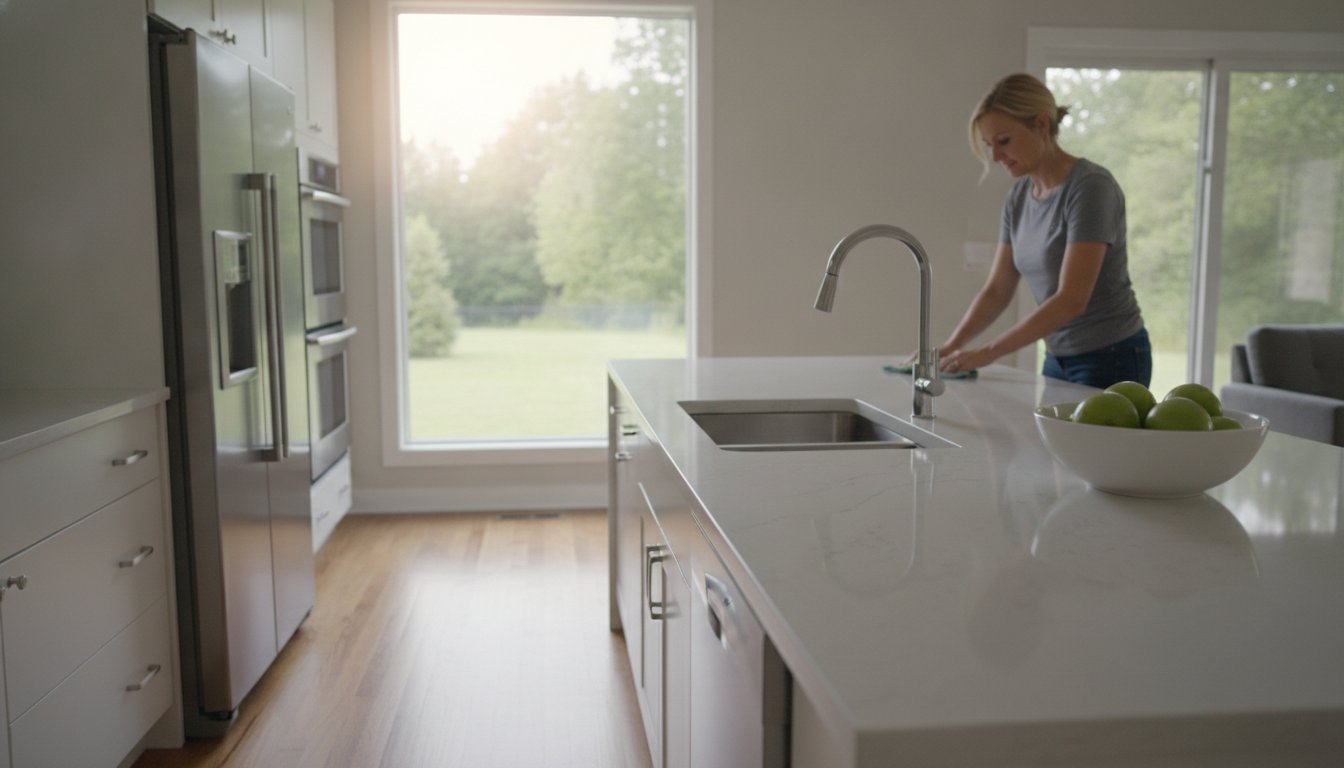
Why are there suddenly more pests in the kitchen than there were before the technician arrived? While it feels counterintuitive, seeing an uptick in activity is often a sign that the treatment is successfully disrupting nesting sites and forcing insects into the open. It’s completely normal to feel a sense of uncertainty regarding the safety of your family or the longevity of the application. You might worry about accidentally washing away the barrier during a routine cleaning or wonder if it’s truly safe for your pets to roam the living room. Understanding the proper follow up after pest control service is the most effective way to turn that initial anxiety into long-term peace of mind.
By following a few professional best practices, you can ensure your home remains a fortress against future infestations without compromising household safety. This guide outlines the essential actions every homeowner should take to maximize the results of a professional treatment. You will discover how to handle cleaning schedules, what to expect regarding pest behavior, and how to maintain the integrity of the treatment zones. Whether you live in Erie, Crawford, or Ashtabula County, these practical steps will help you achieve a pest-free environment and a clear understanding of the results timeline.
Key Takeaways
- Understand the critical two to four hour drying window required for liquid treatments to become effective and safe for household contact.
- Learn why seeing more insects immediately after a visit is a sign of success known as the flushing effect.
- Identify how to safely re-introduce pets and children to treated areas once professional products have completely dried.
- Discover why a consistent follow up after pest control service is necessary to address the specific breeding and egg cycles of common pests.
- Identify structural entry points like foundation cracks and siding gaps that require maintenance to support professional exclusion efforts.
Immediate Post-Treatment Protocols and Wait Times
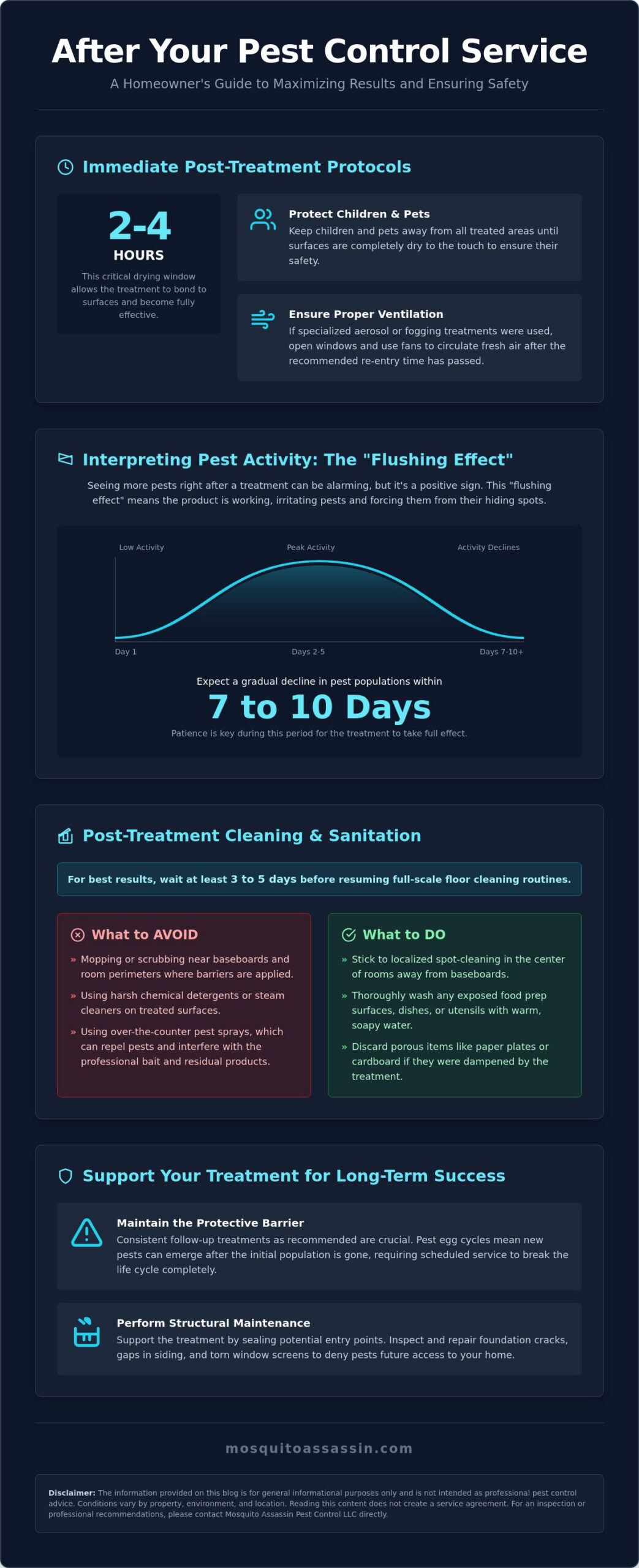
A thorough follow up after pest control service begins the moment the technician departs your property. After a professional application, the first few hours are the most critical for ensuring the treatment works as intended. Most liquid residual products require a drying period of approximately two to four hours before it’s safe for residents to re-enter the treated space. This window allows the active ingredients to bond with surfaces, creating a protective barrier that pests must cross to be eliminated. It’s essential to keep children and pets away from treated areas until they are completely dry to the touch.
If your service included specialized treatments like foggings or aerosols, proper ventilation is a mandatory step. Open windows or use fans once the initial re-entry period has passed to ensure fresh air circulation. Maintaining the integrity of these barriers is a core component of Integrated Pest Management (IPM), which focuses on long-term prevention rather than just temporary fixes. For homeowners in Erie and Crawford Counties in Pennsylvania and Ashtabula County in Ohio, understanding these initial steps is the first move toward a pest-free home.
To better understand this concept, watch this helpful video:
Guidelines for Cleaning and Sanitation
Homeowners often feel an urge to deep clean after a technician leaves, but this can actually neutralize the professional application. Avoid mopping or scrubbing near baseboards, as these are primary zones for residual barriers. It’s best to stick to localized cleaning in the center of rooms where products weren’t applied. Using strong detergents or steam cleaners can break down the treatment prematurely. For the best results, wait at least 3 to 5 days before resuming a full-scale floor cleaning routine. This delay ensures the product remains potent enough to address the pest population effectively.
Handling Food and Personal Items
Safety is the top priority during any follow up after pest control service. While professionals take care to avoid food contact areas, you should still inspect kitchen counters and food preparation surfaces. If any items were accidentally left exposed, wash them thoroughly with warm, soapy water. Porous items, such as paper plates, napkins, or open cardboard trash, should be discarded if they appear dampened by the treatment. If you have questions about specific items, checking with a professional pest control service can provide additional clarity based on the products used.
Disclaimer: The information provided on this blog is for general informational purposes only and is not intended as professional pest control advice. Conditions vary by property, environment, and location. Reading this content does not create a service agreement. For an inspection or professional recommendations, please contact Mosquito Assassin Pest Control LLC directly.
Interpreting Pest Activity and the Flushing Effect
Seeing a sudden surge of cockroaches or ants on your kitchen counter just days after a professional treatment can be alarming. However, this is a standard biological response known in the industry as the flushing effect. Professional grade pesticides are designed to irritate pests in their nesting sites, forcing them out of the shadows and into treated areas. This increased visibility doesn’t mean the treatment failed; it means the products are actively disrupting the infestation. A successful follow up after pest control service requires patience during this initial phase.
Typically, homeowners should expect to see a gradual decline in activity within 7 to 10 days. During this window, resist the urge to use over the counter DIY sprays. These retail products often act as repellents, which can drive pests deeper into wall voids or interfere with the specialized baits applied by your technician. Following basic pesticide safety tips for your home ensures that the professional application remains the primary force of elimination. If activity persists beyond two weeks, a professional inspection or general pest control plan adjustment might be necessary.
Monitoring Different Pest Responses
Different species react uniquely to treatment. Stinging insects like wasps or hornets may appear disoriented near their former nest sites for a day or two. Crawling insects like spiders and ants often wander more frequently as they encounter the residual barrier. Even rodent activity can briefly shift; as exclusion work seals their usual entry points, they may explore new, more visible areas of the home. Documenting these sightings, including the time and specific location, provides invaluable data for your technician. This record keeping is a vital part of a comprehensive follow up after pest control service in regions like Erie and Crawford Counties.
The Role of Professional Baits
Professional baits are often superior to “contact kill” sprays because they utilize delayed action chemistry. Social insects like ants consume the bait and carry it back to the heart of the colony, leading to total eradication rather than just killing a few workers. For this process to work, you must eliminate “bait competition.” Keep surfaces free of crumbs, grease, and spills that might distract pests from the professional bait stations. This methodical approach ensures the pests prioritize the treatment, accelerating the path to a pest free home.
Disclaimer: The information provided on this blog is for general informational purposes only and is not intended as professional pest control advice. Conditions vary by property, environment, and location. Reading this content does not create a service agreement. For an inspection or professional recommendations, please contact Mosquito Assassin Pest Control LLC directly.
Safety Guidelines for Households with Pets and Children
Ensuring the safety of your family and pets is the most significant priority during a follow up after pest control service. Modern professional products are designed to be highly targeted and effective. Once a liquid treatment has completely dried, it’s generally considered safe for household contact. This drying process typically takes between two and four hours depending on humidity levels. Until this period has passed, keep everyone out of the treated zones to prevent accidental contact with wet products.
Re-introducing pets requires a methodical approach. Start by allowing dogs and cats back into treated rooms only after you’ve verified the floor and baseboard surfaces are dry. For sensitive companions like birds, fish, or reptiles, air quality is a major concern. These animals have unique respiratory systems or environments that can be affected by airborne particles. If you moved these pets before the treatment, wait until you’ve thoroughly ventilated the home before bringing them back. Don’t forget about pet toys or bedding. If these items were left in a treatment zone, wash them with hot water and soap. This simple step eliminates any residue and provides peace of mind. Following these professional pest control services standards ensures your home remains a safe sanctuary.
Protecting Vulnerable Residents
Homes with crawling infants or residents with respiratory sensitivities require extra vigilance. Crawling babies are in constant contact with floor surfaces, so ensuring the drying period is strictly followed is essential. Always adhere to the specific re-entry instructions provided by your technician. Use natural ventilation strategies, such as opening windows on opposite sides of the house, to flush out any lingering odors and maintain optimal indoor air quality. Implementing Structural Pest Control measures often reduces the need for heavy internal applications over time by focusing on the building’s integrity.
Environmental Awareness in the Service Area
For residents in Erie and Crawford counties, outdoor safety is just as important as indoor protocols. If your service included treatments for garden beds or near play sets, ensure these areas are dry before allowing children to play. Local weather patterns in Northwest PA, especially heavy rain, can impact the longevity of outdoor residual barriers. If a heavy downpour occurs immediately after an application, monitor the area for signs of pests. A proper follow up after pest control service should take these regional environmental factors into account to maintain a consistent protective shield around your property. Keeping a close eye on the exterior perimeter helps you understand when the next scheduled visit might be most effective.
Disclaimer: The information provided on this blog is for general informational purposes only and is not intended as professional pest control advice. Conditions vary by property, environment, and location. Reading this content does not create a service agreement. For an inspection or professional recommendations, please contact Mosquito Assassin Pest Control LLC directly.
Structural Maintenance to Support Professional Treatments
Professional treatment is the hammer, but structural maintenance is the shield. An effective follow up after pest control service includes a strategy called exclusion. Exclusion is a primary pillar of Integrated Pest Management (IPM). It focuses on closing the doors pests use to enter your living space. In regions like Erie and Crawford Counties, the freezing and thawing cycles of winter often cause foundation cracks or gaps in siding. These tiny openings are invitations for pests seeking stable temperatures during the shifting seasons of Northwest Pennsylvania and Northeast Ohio.
Moisture is another major attractant that homeowners must manage. Leaky pipes, dripping faucets, or high humidity in basements provide the water source pests need to survive and thrive. By fixing a small leak, you’re removing a vital resource that could otherwise sustain a growing colony. This proactive approach ensures that the professional treatment remains the final word in pest management. A thorough follow up after pest control service isn’t just about watching for activity; it’s about building a better defense through consistent property care.
Sealing the Perimeter
Check your home’s exterior for any opening larger than a pencil eraser. Use high quality silicone caulk for small gaps and copper mesh for larger holes. Copper mesh is particularly effective for rodent removal because mice and rats cannot easily chew through the material. Don’t overlook window screens and door sweeps. Seasonal pests in Ashtabula County often hitchhike through torn mesh or gaps under doors. Replacing a worn door sweep is a simple task that significantly reduces the risk of crawling insects entering your home.
Moisture and Debris Management
Exterior maintenance is your first line of defense against re-infestation. Ticks and spiders thrive in leaf litter and wood piles, which are common in suburban and rural yards. Keep wood piles at least 20 feet away from your home’s foundation. Clear your gutters regularly to ensure they flow freely. Clogged gutters lead to standing water, which is a primary breeding ground for mosquitoes. For more property management tips, review a comprehensive mosquito control program. Maintaining a clean yard removes the habitat pests need to re-establish themselves.
If you’ve identified structural gaps or moisture issues during your follow up after pest control service, professional pest control may help reduce risk by identifying specific vulnerabilities.
Disclaimer: The information provided on this blog is for general informational purposes only and is not intended as professional pest control advice. Conditions vary by property, environment, and location. Reading this content does not create a service agreement. For an inspection or professional recommendations, please contact Mosquito Assassin Pest Control LLC directly.
Establishing a Long-Term Management and Monitoring Schedule
Many property owners assume that a single technician visit will permanently resolve an infestation. In reality, biology often dictates otherwise. One-time treatments frequently fail to address the resilient egg cycles of common pests like German cockroaches or bed bugs. Most professional products cannot penetrate protective egg cases; therefore, a follow up after pest control service is necessary to eliminate the next generation as it emerges. Without a scheduled intervention to break this reproductive cycle, a dormant population can quickly rebound and reclaim your living space.
Establishing a bi-monthly or quarterly protection plan creates a consistent chemical and physical barrier around your home. These recurring visits allow technicians to refresh residual treatments that naturally degrade over time due to environmental exposure. Professional monitoring stations for rodents or termites also play a vital role in this long-term strategy. These tools serve as an early warning system, providing data on pest pressure before insects or rodents actually breach your home’s interior. As a homeowner, you remain the primary observer. Reporting any new activity between scheduled visits allows for rapid adjustments to the management plan.
Evaluating Service Effectiveness
Success in pest management is measured by a steady downward trend in activity rather than an instantaneous disappearance of every insect. After the initial flushing effect subsides, you should see significantly fewer pests. Professionals determine if a re-treatment is necessary based on the species’ life cycle and the level of activity recorded in monitoring stations. Understanding these benchmarks helps manage expectations and ensures the treatment remains on track. For a deeper look at what to expect during the recovery phase, consult this general pest control guide.
The Value of Year-Round Protection
Pest threats are not static; they shift with the seasons in Erie, Crawford, and Ashtabula Counties. While spring brings ants and spiders, the onset of a harsh Northwest Pennsylvania winter drives rodents to seek the warmth of your crawlspace or attic. Maintaining a year-round schedule is far more cost-effective than paying for emergency eradication services every time a new seasonal pest appears. Prevention keeps the pressure off your home’s structure and protects your family’s wellbeing. If you are noticing persistent issues, professional pest control may help reduce risk by providing a consistent shield against local invaders.
Disclaimer: The information provided on this blog is for general informational purposes only and is not intended as professional pest control advice. Conditions vary by property, environment, and location. Reading this content does not create a service agreement. For an inspection or professional recommendations, please contact Mosquito Assassin Pest Control LLC directly.
Securing Your Home for the Long Term
Professional treatment is a decisive strike against infestations, but the days following the application determine the final outcome. By respecting the initial drying periods and understanding that a temporary increase in pest activity is a sign of success, you can navigate the recovery phase with confidence. Integrating structural maintenance and consistent monitoring ensures that the protective barrier remains impenetrable against shifting seasonal threats. A diligent follow up after pest control service transforms a single intervention into a permanent solution for your property.
As licensed and insured professionals serving PA and OH, the focus is always on customized Integrated Pest Management (IPM) strategies. Being a member of the local community in Erie and Crawford Counties means understanding the specific challenges neighbors face with regional pests. To ensure your property remains a safe haven, schedule a professional inspection or consultation at the online booking portal. Professional pest control may help reduce risk, and you don’t have to face these challenges alone. Expert support is ready to help you reclaim your space today.
Disclaimer: The information provided on this blog is for general informational purposes only and is not intended as professional pest control advice. Conditions vary by property, environment, and location. Reading this content does not create a service agreement. For an inspection or professional recommendations, please contact Mosquito Assassin Pest Control LLC directly.
Frequently Asked Questions
How long should I stay out of my house after pest control sprays?
Stay out of the home for at least two to four hours until all liquid applications are completely dry. This timeframe allows the treatment to bond with surfaces and ensures it’s safe for residents to return. High humidity levels in regions like Ashtabula County may slightly extend this drying window.
Is it normal to see more bugs after a professional pest control service?
Yes, seeing an increase in activity is a standard biological response called the flushing effect. Professional products irritate pests in their hiding spots, forcing them into the open where they encounter the treatment. This surge typically subsides within a few days as the population declines.
Can I mop my floors after the exterminator leaves?
Avoid mopping or scrubbing near the perimeter of your rooms for at least 3 to 5 days. Cleaning too close to baseboards can neutralize the residual barrier that’s essential for a successful follow up after pest control service. Stick to cleaning the center of the floors during this initial period.
What happens if it rains immediately after an outdoor pest treatment?
Most professional outdoor products are rain-fast once they have dried to the touch. If a heavy downpour occurs before the product has a chance to dry, the protective barrier may be compromised. In these cases, a technician should evaluate the exterior to determine if a re-application is necessary.
How long does it take for professional pest control to start working?
Treatment begins working on contact, but you should allow 7 to 10 days to see a significant reduction in the pest population. This window accounts for the time required for social insects, like ants, to share baits with the rest of their colony for total eradication.
Should I clean my kitchen cabinets after a pest control treatment?
You don’t need to clean your cabinets unless there was a specific spill or accidental exposure during the service. Wiping down treated surfaces removes the active ingredients that prevent pests from returning to your food storage areas. If you must clean, use only mild soap and water.
What should I do if I see a live pest two weeks after my service?
Contact your service provider immediately if live activity persists beyond 14 days. This two-week mark is the standard evaluation period for a follow up after pest control service. It helps technicians determine if a specialized re-treatment is required to address a stubborn or deep-seated infestation.
Are the chemicals used in professional pest control safe for my pets?
Professional products are considered safe for pets once the application has dried completely. For sensitive species like birds or reptiles, it’s a best practice to keep them in a separate, well-ventilated room or off-site until any odors have fully dissipated. Always follow the specific re-entry guidelines provided by your technician.
Disclaimer: The information provided on this blog is for general informational purposes only and is not intended as professional pest control advice. Conditions vary by property, environment, and location. Reading this content does not create a service agreement. For an inspection or professional recommendations, please contact Mosquito Assassin Pest Control LLC directly.