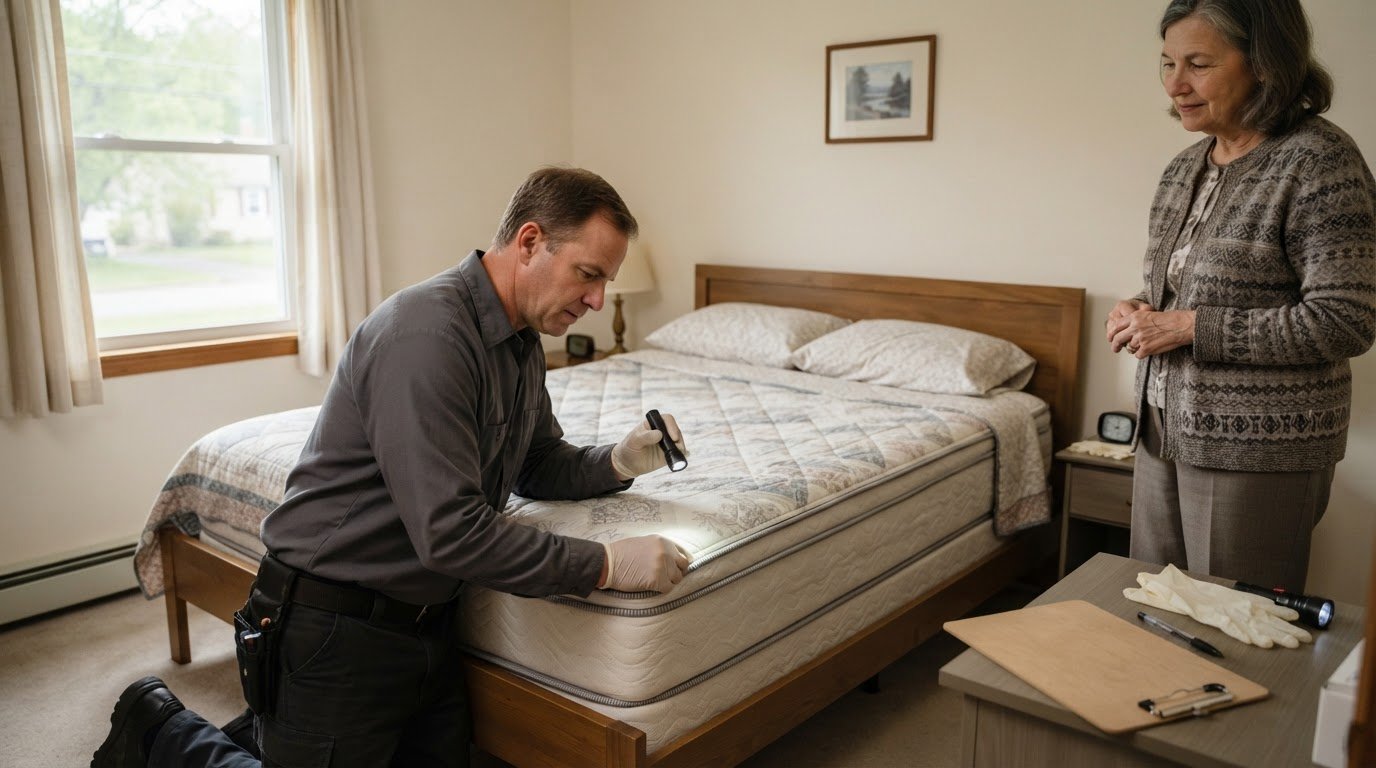
People searching for professional bed bug treatment cost often want to know what a comprehensive service includes, not just what an appointment is called. A useful comparison starts with the property-specific scope: what will be assessed, which areas are included, what preparation is expected, and how follow-up will be handled. One appointment may not address every stage of an infestation, so follow-up expectations matter as much as the initial service.
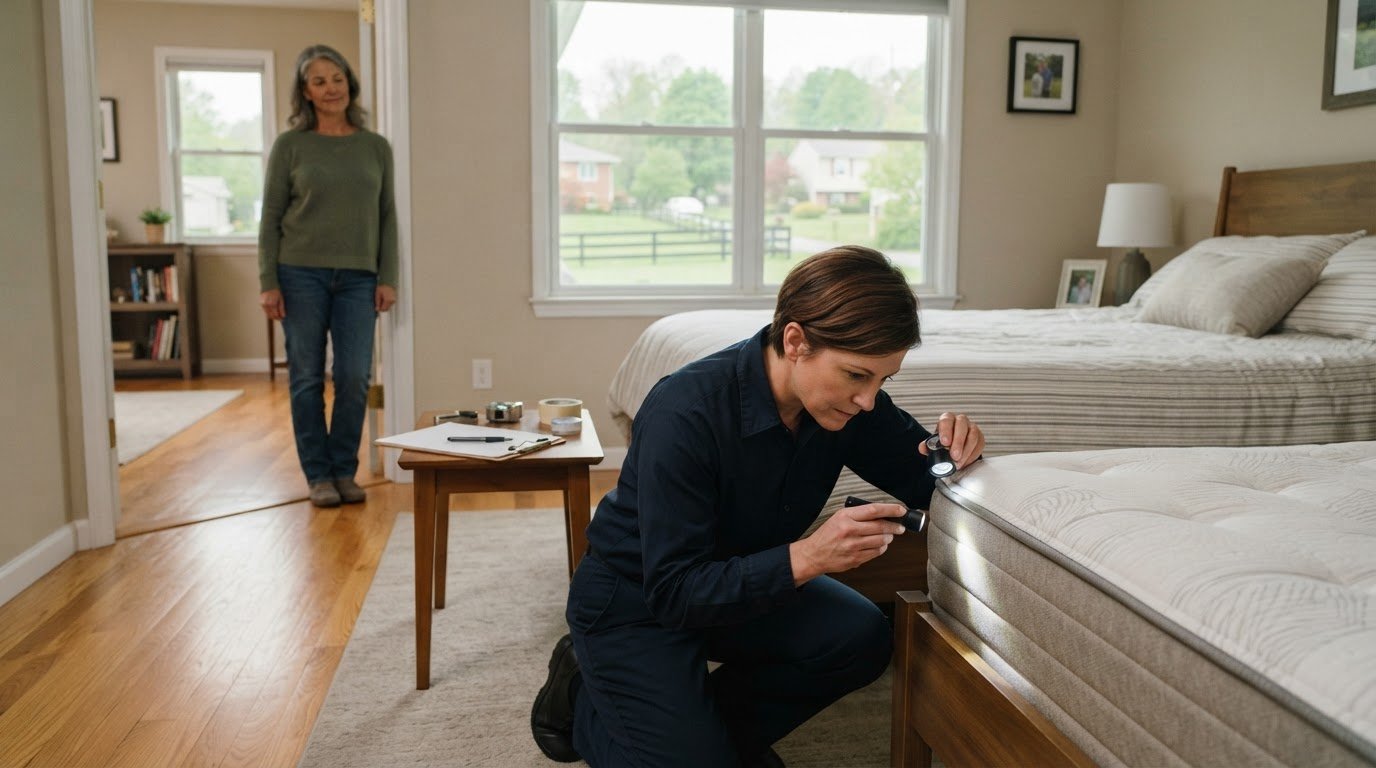
A thorough assessment considers reported activity, the areas that can be inspected, and how far the concern may have spread. The professional should explain how those details inform the proposed treatment plan. Property conditions differ, so the same service scope or visit schedule should not be assumed for every home.
This article explains the stages of professional bed bug service and the details that can help you compare proposals. You’ll learn what to discuss about inspection, preparation, treatment methods, and follow-up, as well as what property information can help a professional assess the situation. Mosquito Assassin Pest Control LLC provides Bed Bug Treatment in Erie and Crawford Counties in Pennsylvania and Ashtabula County in Ohio.
Key Takeaways
- A property-specific assessment helps define which areas need attention and what the treatment plan should address.
- Compare proposals by their inspection scope, covered areas, preparation guidance, follow-up, and communication.
- Follow the treating professional’s preparation instructions and share relevant details about the property and reported activity.
- Follow-up expectations matter because the treatment process may involve more than one visit.
- Mosquito Assassin provides Bed Bug Treatment in Erie and Crawford Counties, Pennsylvania, and Ashtabula County, Ohio.
Bed Bug Treatment: Why the Service Scope Depends on the Property
A bed bug concern can make it difficult to know what to expect next. A clear service plan should explain which areas will be assessed, the treatment approach under consideration, any preparation guidance, and how follow-up communication will work. The appropriate scope depends on the property and the information available, not on a one-size-fits-all assumption.
Property layout, access to rooms, and reported activity can all shape an inspection and the proposed plan. Only an assessment of the individual property can evaluate those details. An online article can help you prepare useful information, but it cannot confirm an infestation, assess its extent, or determine the treatment a particular home needs.
Which property details help clarify a bed bug treatment plan?
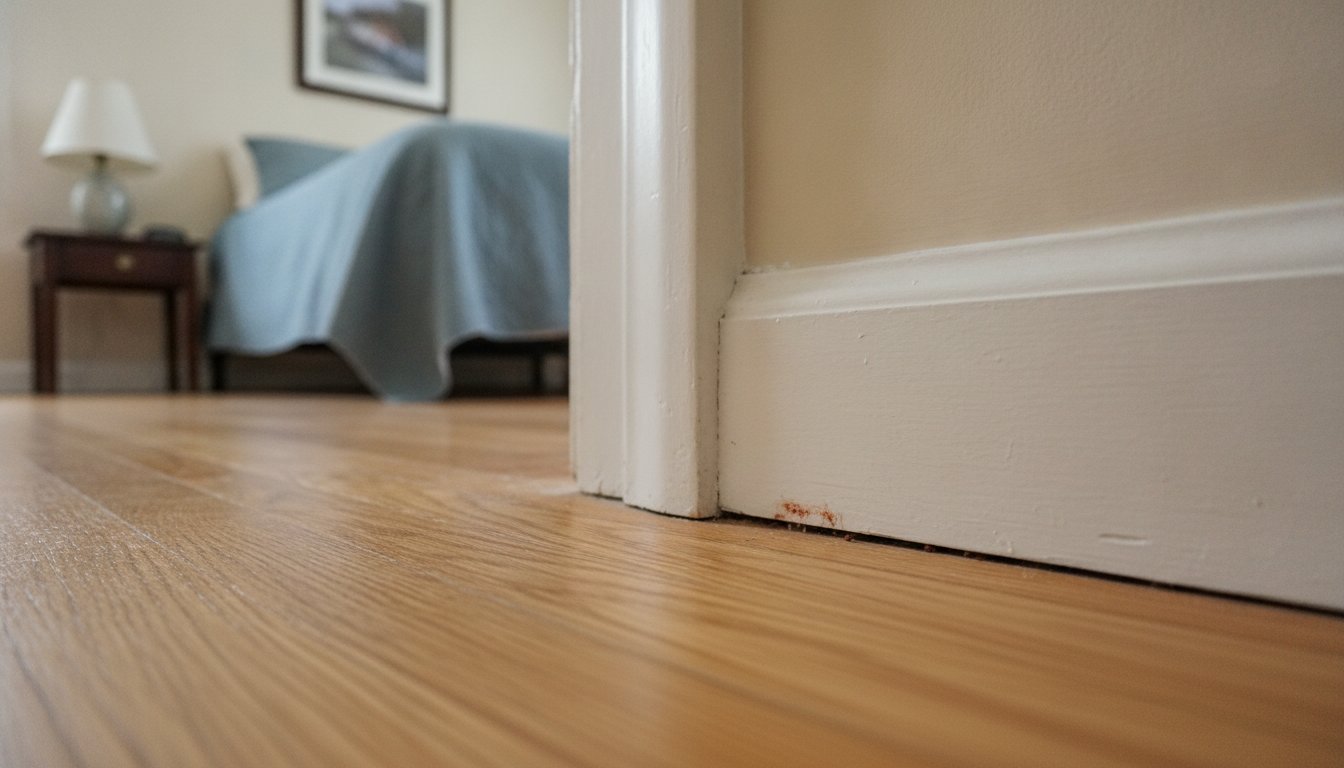
Share which rooms or sleeping areas are involved and whether activity has been noticed in shared living spaces, such as a sitting room. Describe what you observed and where. Don’t search inside furniture, dismantle items, or enter difficult-to-access areas. Leave inspection of those spaces to the professional.
Access matters because an assessment can account only for areas the technician can reasonably inspect. If a room is locked, crowded, or otherwise difficult to enter, mention that when arranging the visit so it can be discussed. Note when the concern began and where activity has been noticed over time. A brief record of these observations can help explain the situation without requiring you to investigate further.
Why infestation severity and service frequency are assessed
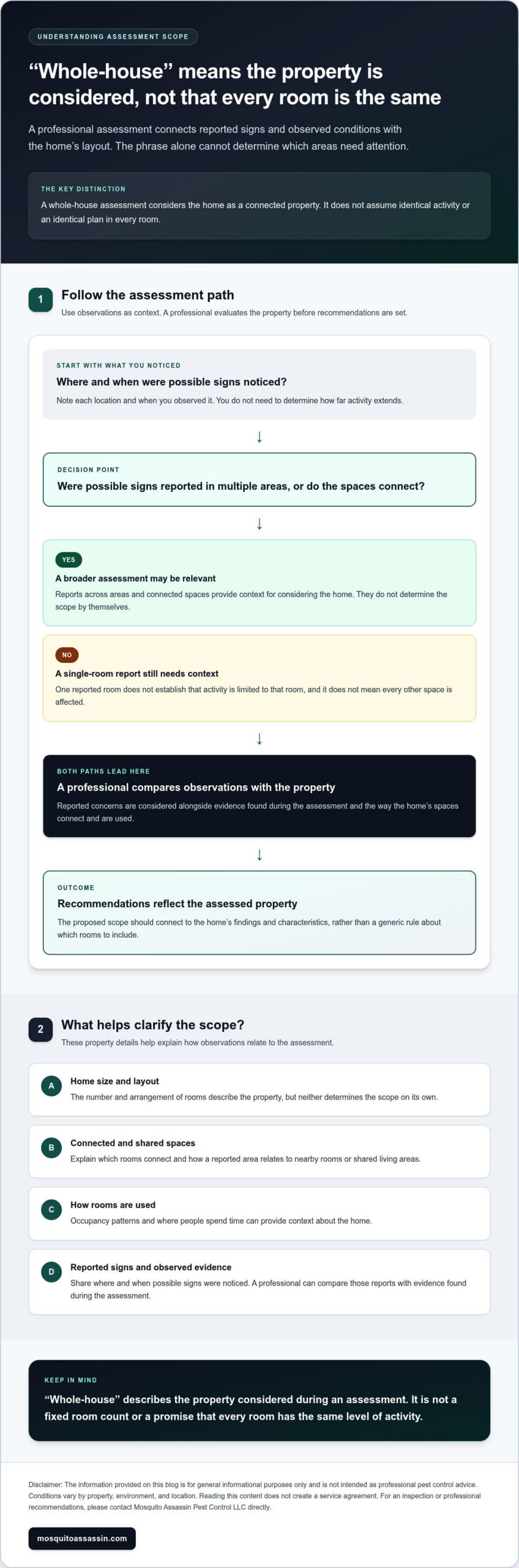
Reported activity gives the professional a starting point, while inspection findings help define the relevant service scope. The locations involved, conditions observed, and areas that can be accessed all inform the discussion. A single detail, such as the number of rooms in a home, does not establish the same plan for every property.
Follow-up needs also depend on the circumstances and the professional plan. Ask for an explanation of what follow-up is intended to assess and how updates will be communicated. Don’t assume a fixed visit count or timeline without a property-specific assessment.
Different plans may combine treatment approaches, so it can help to understand the options at a general level. The Bed bug control techniques overview describes chemical and non-chemical methods. The approach for a property should be based on professional findings and explained as part of the service scope, rather than treated as a universal solution.
Before an assessment, gather the property details you already know: affected rooms, when concerns began, where activity was observed, and any access limitations. This focused summary helps the professional understand the situation without asking you to inspect further or attempt treatment yourself.
What Happens During a Professional Bed Bug Treatment Process?
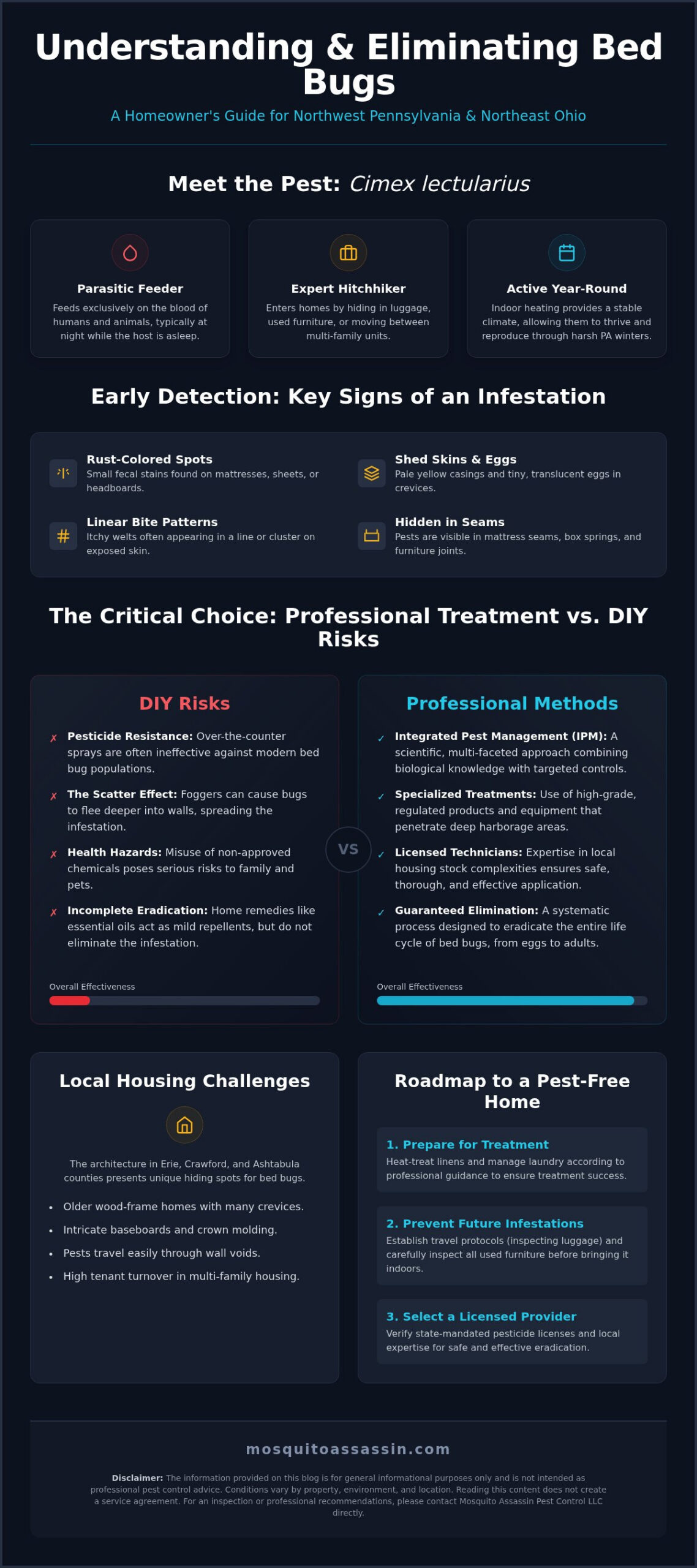
A professional bed bug treatment plan should set out the areas addressed, preparation expectations, treatment approach, and follow-up communication. Recommendations should connect to what the technician observes and what the resident reports, rather than assume every property needs the same plan.
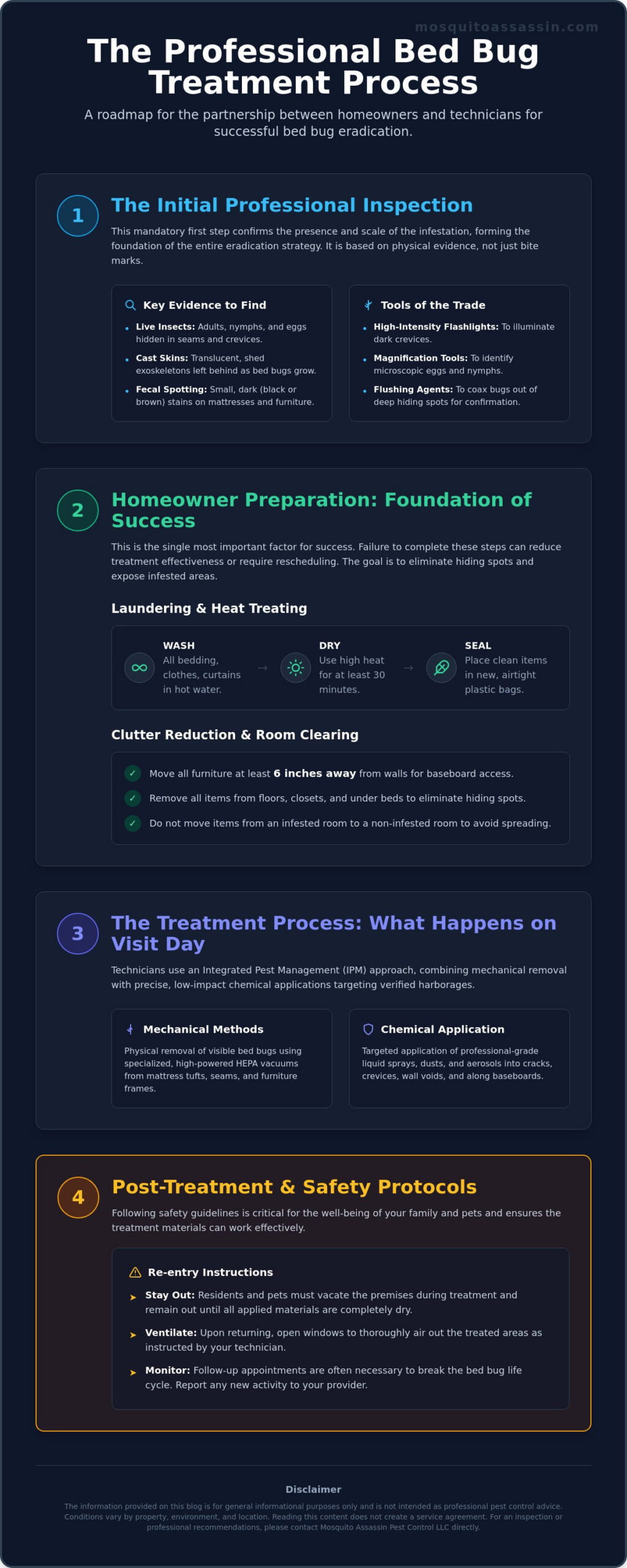
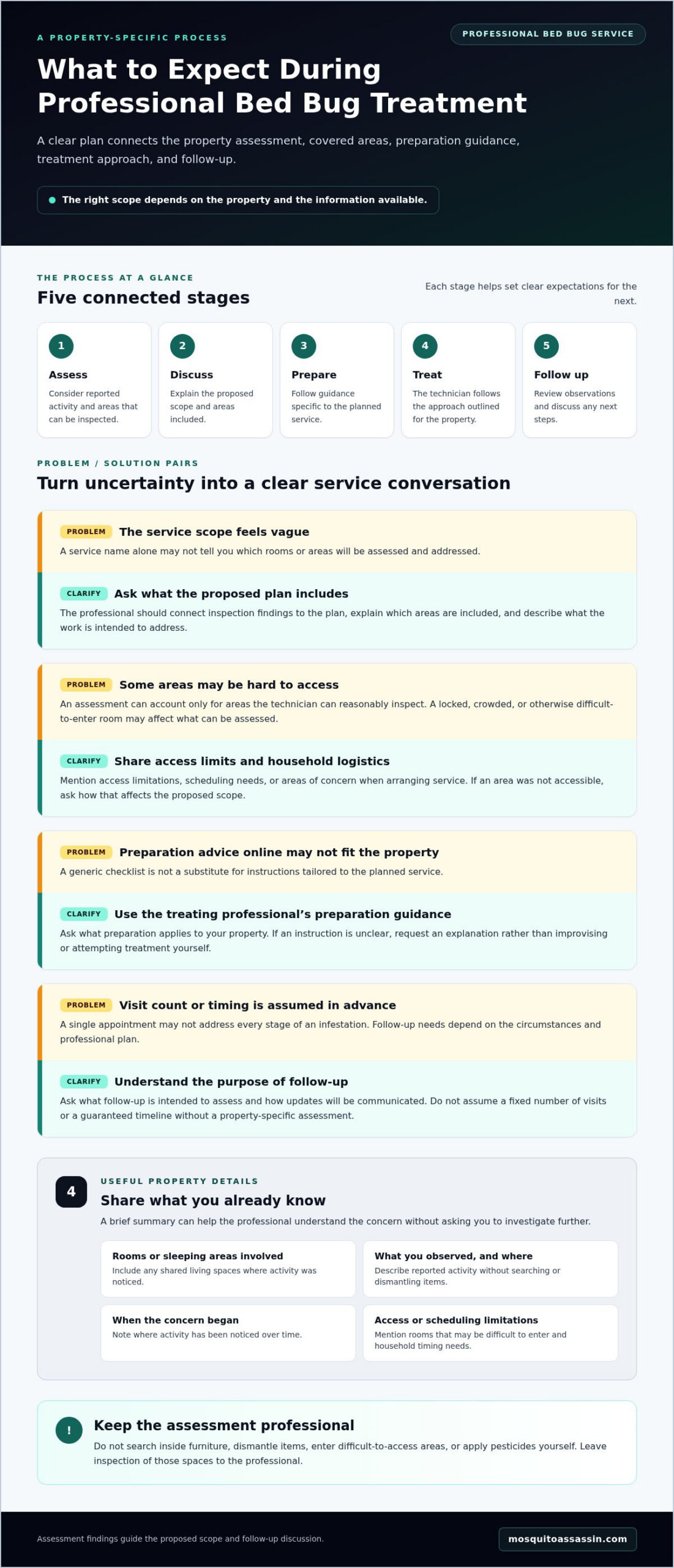
In broad terms, service involves assessment, discussion of the plan, preparation guidance, treatment, and follow-up. These stages work together. A clear conversation before service helps residents understand what is included, what they need to coordinate, and how the professional will review the situation afterward.
Inspection and discussion of the treatment plan
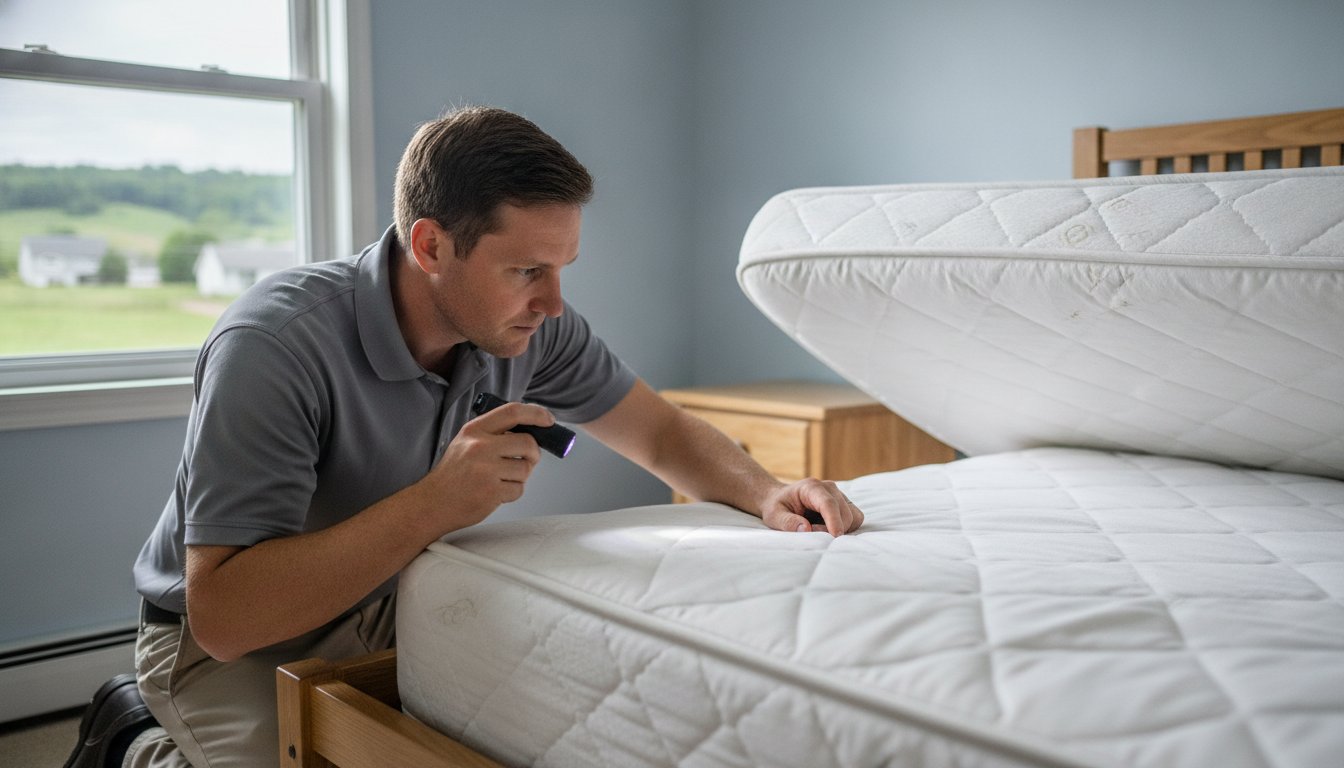
An inspection helps identify relevant areas and consider the concerns reported by the resident. After assessing the property, the professional should explain the proposed scope in plain language, including which areas are addressed and what the plan is intended to do. Share access limitations or household scheduling needs early so they can be considered when coordinating service.
Before proceeding, make sure you understand how the inspection findings connect to the proposed work. If a room or area was not accessible, ask how that affects the scope. Clear answers help prevent different expectations about which parts of the property are included.
Service, preparation guidance, and follow-up
Preparation guidance should be specific to the property and come from the treating professional. Don’t rely on a generic online checklist as a substitute for those instructions. The Environmental Protection Agency’s Preparing for Bed Bug Treatment resource offers general background, but the professional’s directions for the planned service should guide household preparation.
During service, the technician follows the approach outlined for the property. Ask for clarification about instructions you don’t understand, rather than improvising treatment actions or applying pesticides yourself. If household members need to coordinate access or timing, discuss those logistics with the treating professional.
Follow-up communication provides an opportunity to review new observations, discuss whether the situation has changed, and understand any next steps in the plan. The need for additional service depends on the findings and circumstances, so don’t assume a fixed number of visits or guaranteed timeline. Keep notes about new activity or questions to make that conversation more specific.
Before the appointment, prepare a short list of questions: which areas are included, what preparation applies to your property, how to share new observations, and how follow-up will be communicated. These questions make the plan easier to understand without trying to diagnose or treat the issue independently.
Mosquito Assassin Pest Control LLC provides Bed Bug Treatment. For professional information or to discuss an assessment, visit Mosquito Assassin’s contact page.
How to Compare Bed Bug Treatment Proposals Without Guesswork
A proposal is easier to assess when it describes the work, not just the service label. Compare what it explicitly covers: what was inspected, which areas are included, what preparation is expected, and how follow-up will be communicated. These details help show whether recommendations reflect findings at the property or rely on assumptions.
Use this table to identify what each proposal explains and where you may need clarification. The goal is to understand the scope and expectations for your property.
| Proposal detail | What to look for | Question to clarify |
|---|---|---|
| Inspection scope | Areas assessed and findings that informed the plan. | How did the findings shape the proposed service? |
| Covered areas | Rooms or spaces included in the service. | Are the areas where activity was reported addressed? |
| Preparation guidance | Property-specific expectations explained clearly. | Which instructions apply to this property? |
| Follow-up | How progress or continued concerns will be reviewed. | How should new observations be shared? |
| Communication | How the scope, preparation, and next steps will be explained. | How will updates about the plan be communicated? |
What should a bed bug treatment proposal explain?
Look for a clear description of the inspection and the areas included in the proposed service. Preparation expectations and follow-up communication should be easy to understand, rather than left implied by a broad service description.
A useful proposal also distinguishes known findings from assumptions. For example, it can separate an area where activity was reported or observed from a space included because it may need attention. That distinction helps explain why each area is part of the scope.
Questions that clarify scope and follow-up
Ask which inspection findings led to the proposed service and whether any reported areas could not be assessed. If access was limited, ask how that affects the plan. If a proposal uses a general term such as “treatment,” ask which rooms or spaces it covers.
Clarify how to share new observations and what follow-up communication is planned. These questions help set practical expectations without assuming a fixed visit schedule or a particular outcome.
For local information, Bed Bug Treatment and other pest services are part of the service context for a property-specific discussion. Clear documentation and communication can make a proposed plan easier to understand and coordinate.
How to Prepare for a Bed Bug Service Without Taking Treatment Into Your Own Hands
Preparing for a bed bug service is mainly about sharing useful information and coordinating access. You don’t need to diagnose the problem or begin treating it yourself. A clear record of what you’ve noticed, areas that may be difficult to reach, and household scheduling needs can help the treating professional plan the assessment.
Preparation directions can differ by property and service plan. Follow the instructions provided by the professional treating the property, and ask for clarification before changing household routines or moving belongings. Avoid improvised pesticide use or unverified home-treatment methods, which may complicate the professional’s assessment or planned service.
What information should homeowners share before service?
Keep a brief, factual record. Note when concerns were first noticed, where activity has been reported, and which rooms or furnishings may be involved. Include access limitations, such as a crowded room or furniture that is difficult to reach, rather than attempting to inspect or move it yourself. These details help the professional understand what may affect the visit.
Household schedules matter, too. Mention timing constraints, shared spaces that need coordination, or other practical needs that could affect access. Clear communication helps the treating professional explain what to expect and identify questions to resolve before service.
- Record when concerns began and where activity has been noticed.
- Identify rooms or items that may be difficult to access.
- Share scheduling needs or household coordination concerns.
- Write down questions about preparation or the planned service.
Why professional preparation instructions matter
Instructions are based on the property and the service planned for it. A general online checklist may not fit those conditions, so use the treating professional’s directions as your guide. If an instruction is unclear or difficult to follow, raise that concern before the appointment. The professional can explain how it relates to the service plan.
Don’t apply pesticides or try unverified home-treatment methods as a substitute for professional guidance. These actions can affect what the technician observes and how the service is coordinated. Keep questions focused on the instructions you received, the areas that need access, and household arrangements.
Home routines and property conditions can affect scheduling and which areas are accessible. For example, a shared bedroom, a room used for storage, or limited access to furniture may need to be discussed before the visit. Sharing these details early gives the professional a clearer picture without asking you to move items or investigate potential hiding places.
Use a short note or checklist to keep details together, especially if more than one household member is coordinating the visit. Include new observations if they arise and share them with the treating professional rather than changing the plan yourself. This keeps communication focused and helps ensure property-specific questions are addressed.
For an inspection or professional recommendations about bed bug concerns, contact Mosquito Assassin Pest Control.
Finding Bed Bug Treatment Help in Northwestern Pennsylvania and Northeast Ohio
Mosquito Assassin Pest Control LLC provides Bed Bug Treatment in Erie and Crawford Counties, Pennsylvania, and Ashtabula County, Ohio. A professional assessment can clarify which areas need attention, what the service scope may involve, and what next steps are relevant to the property. Findings vary from one home to another, so an inspection is more useful than trying to infer a treatment plan from general information alone.
These county service areas cover the company’s local pest control work. When requesting information, have the property location ready along with a brief summary of the concern. That context helps focus the discussion on the property and the reported activity.
When to seek a professional bed bug assessment
Consider a professional assessment if concerns persist, activity has been noticed in more than one area, or it is unclear which rooms may be involved. An inspection can help distinguish reported concerns from findings at the property and inform a scope based on those findings. A general article or assumption cannot establish what a particular home requires.
Share what you’ve observed without trying to confirm the extent of the issue yourself. The professional can assess relevant areas and explain what the findings mean for the service plan. Outcomes and follow-up needs depend on the circumstances, so avoid relying on promises about timing or results.
What to include when requesting professional recommendations
A concise summary helps focus the initial discussion. Include the property’s location, when concerns began, where activity has been reported, and any rooms or areas that are difficult to access. Note scheduling or household coordination needs that may affect an inspection. You don’t need to investigate hard-to-reach spaces before sharing these details.
Keep the information factual. Distinguish between activity you directly observed and an area you’re concerned about but haven’t inspected. This helps the professional understand what is known and what may need assessment. If you have questions about access or preparation, include them in your request so they can be addressed as part of the discussion.
Professional guidance can be useful when affected areas are unclear or observations continue. To discuss an inspection or request professional recommendations, contact Mosquito Assassin Pest Control LLC. Sharing the property location and a short description of the concern is a practical starting point.
Take the Next Step With Clear Information
Turn what you’ve observed into a focused conversation about your property. Keep notes handy, including where concerns have arisen and any access or scheduling details that may affect an assessment. This gives the professional a practical starting point for discussing what to evaluate and which next steps may fit the situation.
To discuss bed bug concerns or request professional recommendations, contact Mosquito Assassin Pest Control LLC. Share what you know about the property and the reported activity. You don’t need to have every detail figured out before starting the conversation.
Frequently Asked Questions
How do professionals inspect a home for bed bugs?
A professional assesses reported activity and relevant areas of the property, then uses those observations to inform the proposed service scope. The assessment may consider how rooms are used and which spaces are accessible, so the process can differ between homes. Share what you’ve noticed and where, but don’t treat a self-check or online guide as a complete inspection. An on-site professional is needed to assess the property.
Can bed bugs return after professional treatment?
Discuss continued concerns with the treating professional, who can review the property findings and service plan. Keep notes about what you observe, when it occurs, and which area is involved. For example, note whether an observation is in a different room from the areas previously discussed. These details support a useful, property-specific conversation without assuming the same outcome applies to every home.
What should a bed bug treatment plan include?
A useful plan should explain what the professional assessed, which areas the service addresses, and what preparation guidance applies to the property. It should also clarify communication expectations and how follow-up concerns will be discussed. Recommendations should reflect findings at that home, rather than rely only on a generic service description. These details help residents understand the proposed work, but no checklist can guarantee a particular outcome.
Is one professional visit always enough to address bed bugs?
No single visit schedule applies to every property. Service needs can vary with inspection findings, property conditions, and the scope of the plan. Ask the treating professional how follow-up needs are determined for your situation and what communication to expect after service. If new information changes the plan, request an explanation of what prompted the change and how it affects the next steps.
What happens if bed bug concerns continue after service?
Document new observations and contact the treating professional to discuss them. Note the location, timing, and any difference from what you reported before service. The professional can review the original findings, areas addressed, and follow-up plan to discuss appropriate next steps. A remote description alone can’t establish the cause, so avoid assuming that continued concerns indicate a particular cause or guarantee a specific response.
Can a professional bed bug treatment plan be tailored to a property?
Yes. Property layout, reported activity, access, and inspection findings can inform the proposed service scope. For example, the assessment may consider which rooms are accessible and where concerns have been reported. Recommendations should reflect those details rather than assume every home needs identical service. The professional can explain the plan and its basis after assessing the property, rather than relying on general guidance alone.
Disclaimer: The information provided on this blog is for general informational purposes only and is not intended as professional pest control advice. Conditions vary by property, environment, and location. Reading this content does not create a service agreement. For an inspection or professional recommendations, please contact Mosquito Assassin Pest Control LLC directly.