
Tag: checklist

  • Home Pest Inspection Checklist: A Room-by-Room Prevention Guide

    Home Pest Inspection Checklist: A Room-by-Room Prevention Guide

    How much of your home’s structural integrity is currently being compromised by pests you can’t even see? For property owners in Erie and Crawford Counties in Pennsylvania or Ashtabula County in Ohio, seeing a single stray insect often leads to a deeper fear of hidden damage lurking behind the drywall. It’s natural to feel uncertain when you’re trying to distinguish between a harmless visitor and a wood-destroying intruder. By implementing a systematic home pest inspection checklist, you can transform that uncertainty into a proactive defense strategy.

    This guide provides a professional-grade framework to identify early signs of infestations and secure your property. You’ll learn how to spot rodent activity, recognize warning signs of wood-destroying insects, and understand when a situation requires professional intervention. This room-by-room process provides the confidence to protect your investment and maintain a secure environment.

    Disclaimer: The information provided on this blog is for general informational purposes only and is not intended as professional pest control advice. Conditions vary by property, environment, and location. Reading this content does not create a service agreement. For an inspection or professional recommendations, please contact Mosquito Assassin Pest Control LLC directly.
    Key Takeaways

    • Establish a seasonal routine using a comprehensive home pest inspection checklist to identify vulnerabilities before they become costly infestations.
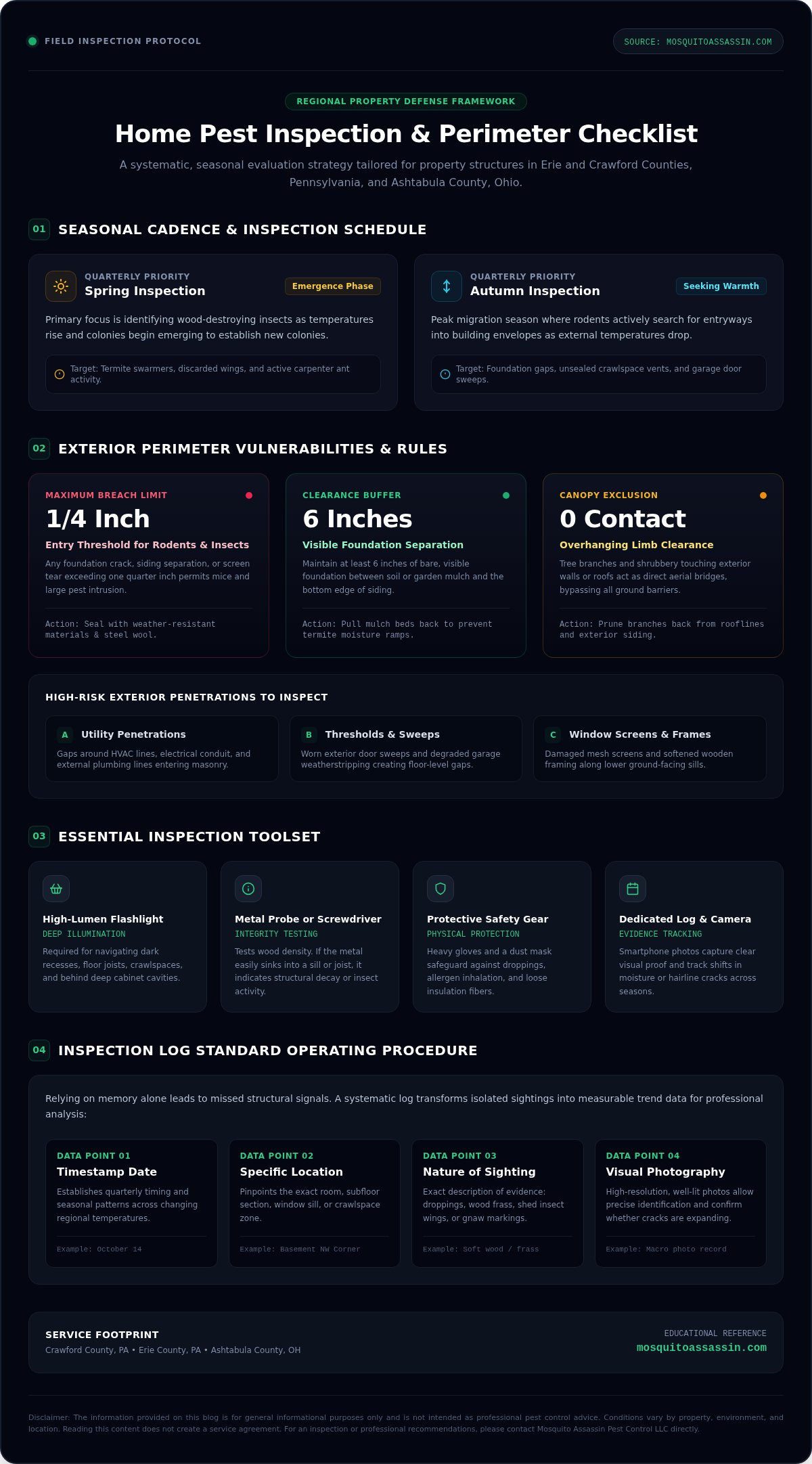
    • Secure the exterior perimeter by inspecting foundation cracks and window screens for entry points larger than a quarter inch.
    • Monitor high-risk interior areas like kitchens and basements for moisture accumulation and hidden signs of nesting.
    • Learn to differentiate between common regional threats, such as identifying the distinct droppings left by rodents or the wings of termite swarmers.
    • Recognize when DIY methods are insufficient and professional-grade exclusion or treatment is necessary to protect structural integrity.

    Preparing for Your Home Pest Inspection

    Regular property monitoring serves as the primary defense against structural damage and health risks. In the variable climates of Erie and Crawford Counties in Pennsylvania and Ashtabula County in Ohio, pests react sharply to seasonal changes. A proactive approach allows homeowners to detect vulnerabilities before they escalate into full-scale infestations. While reactive treatments address an existing problem, a consistent home pest inspection checklist provides the peace of mind that comes from knowing your property is secure.

    Experts generally recommend performing these checks at least once per season. Spring is critical for identifying wood-destroying insects as they emerge, while autumn is the peak time for rodents seeking warmth. Understanding different pest control methods and prevention strategies helps in recognizing that exclusion is often more effective than late-stage intervention. Before beginning, prioritize safety. When entering confined areas like attics or crawlspaces, check for stable footing and be mindful of low clearance or exposed nails. Professional pest control may help reduce risk if these areas are difficult to access safely.

    Essential Tools for a Thorough Search

    A professional-grade inspection requires more than just a quick glance. A high-lumen flashlight is the most important tool in your kit for illuminating dark corners, floor joists, and the recesses of cabinets where pests hide. You should also carry a small flathead screwdriver or a metal probe. This allows you to test the integrity of wood surfaces; if the metal sinks easily into a windowsill or joist, it may indicate rot or insect damage. Finally, wear protective gear like heavy gloves and a dust mask to guard against allergens, insulation fibers, or droppings found in secluded areas.

    Creating an Inspection Log

    Documentation is a vital component of a successful home pest inspection checklist. Don’t rely on memory alone to track where you saw a suspicious mark or a stray insect. Maintain a dedicated log that records the date, the specific room, and the exact nature of the sighting. Use a smartphone to take clear, well-lit photos of any pests or damage you find. These images are invaluable for professional identification and help track environmental changes over time, such as new moisture stains or shifting foundation cracks. Consistent records make it easier to determine if a problem is growing or if past prevention efforts are holding steady. Reviewing details on general pest control plans can provide further context on what to track for long-term protection.

    Disclaimer: The information provided on this blog is for general informational purposes only and is not intended as professional pest control advice. Conditions vary by property, environment, and location. Reading this content does not create a service agreement. For an inspection or professional recommendations, please contact Mosquito Assassin Pest Control LLC directly.
    Exterior Perimeter and Foundation Checklist

    The exterior of a property serves as the first line of defense against invasive species. For residents in Crawford and Erie Counties, the changing seasons mean pests are constantly looking for a way inside. A thorough home pest inspection checklist starts with a close examination of the foundation. Any crack or gap larger than a quarter inch is a potential gateway for mice or large insects. These openings should be sealed with weather-resistant materials to maintain the structural barrier and prevent unwanted guests from gaining a foothold.

    Property owners should also evaluate the transition between the ground and the siding. Soil or mulch that rests directly against the siding creates a moisture-rich environment that invites termites and carpenter ants. Maintaining a six-inch clearance of visible foundation helps prevent these wood-destroying insects from finding an easy path into the structure. Additionally, overhanging tree branches often act as bridges. When limbs touch the roof or walls, they allow ants and rodents to bypass ground-level defenses entirely. Regular pruning ensures that landscaping does not compromise your home’s security.

    Exclusion Points and Entryways

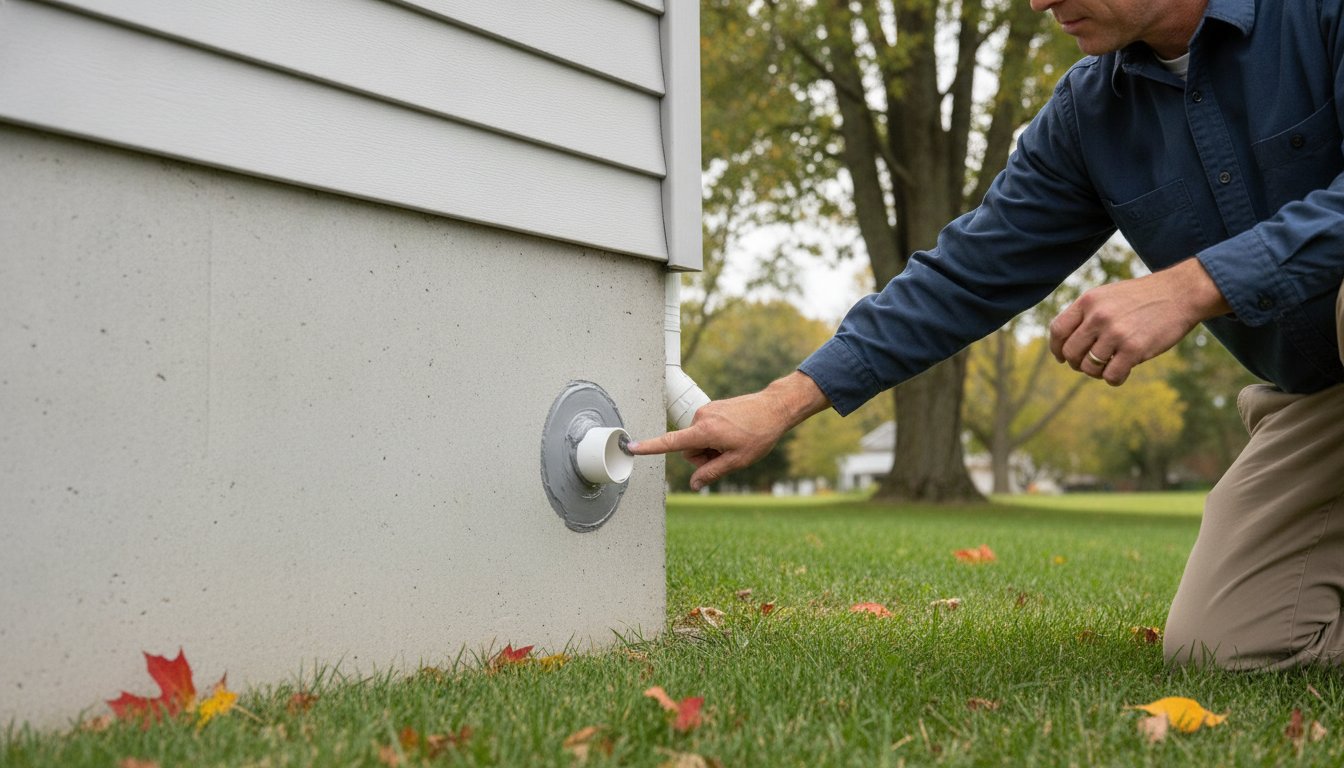
    Entry points are often found where utility lines penetrate the exterior walls. Gaps around plumbing, electrical conduits, or HVAC lines are frequently overlooked but are primary targets for pests. These areas require durable sealants or steel wool to prevent entry. It’s also vital to check the integrity of door sweeps and window screens. A worn sweep can leave a gap wide enough for a rodent to squeeze through. Examine wooden door frames for signs of gnawing, which indicates active attempts by pests to widen existing holes. Ensuring that dryer vents and chimney caps have proper screening is another core component of EPA Integrated Pest Management principles, as these vents provide direct access to the home’s interior.

    Landscaping and Moisture Management

    Proper drainage is essential for long-term prevention. Clogged gutters and poor downspout drainage lead to water pooling near the foundation, which attracts mosquitoes and ticks. Standing water serves as a breeding ground, especially during the humid summers in Ashtabula County. Assess the grade of the yard to ensure water flows away from the structure rather than toward it. Wood piles and organic debris should be stored at least 20 feet away from the home, as these provide ideal nesting sites for rodents and spiders. If these environmental factors are difficult to manage alone, professional pest control may help reduce risk by identifying hidden moisture traps that homeowners might miss during a standard walkthrough.

    Disclaimer: The information provided on this blog is for general informational purposes only and is not intended as professional pest control advice. For an inspection or professional recommendations, please contact Mosquito Assassin Pest Control LLC directly.

    Interior Room-by-Room Inspection Points

    Once the exterior is secure, the focus shifts to the interior environment. A thorough home pest inspection checklist must prioritize areas where food, water, and shelter intersect. In the living areas of homes throughout Erie and Ashtabula Counties, look for subtle debris on window sills or along floorboards. Small piles of sawdust or discarded wings are often the first indicators of an internal issue that hasn’t yet become visible in high-traffic areas. If you find evidence in these areas, reviewing general pest control plans can help determine the next steps for mitigation.

    The Kitchen and Pantry Focus

    The kitchen is a primary site for pest activity due to the abundance of resources. Inspect the areas behind large appliances and under sinks where moisture can accumulate from small leaks. Check the back of cabinets for crumbs or spills that serve as food sources. It’s also important to examine food packaging in the pantry for small holes or gnawing marks that indicate rodent entry. Monitoring plumbing voids is a critical step in Integrated Pest Management principles, as these gaps provide hidden highways for cockroaches and other moisture-seeking insects.

    Basement and Attic Vulnerabilities

    Secluded areas like basements and attics offer the quiet, undisturbed environments that pests prefer. In the basement or crawlspace, look for dampness on the walls or floor joists. Musty odors are a strong indicator of moisture issues or the presence of nesting pests. Search for spider webs in corners and along joists; a high concentration of spiders often suggests a steady supply of other insect prey nearby. In the attic, look for disturbed insulation or gathered materials like shredded paper and fabric, which signal nesting activity. During daylight hours, check for light leaks coming through the roof or eaves. These small shafts of light reveal entry points where pests can bypass your home’s defenses. When these interior signs are detected, professional pest control may help reduce risk.

    Disclaimer: The information provided on this blog is for general informational purposes only and is not intended as professional pest control advice. For an inspection or professional recommendations, please contact Mosquito Assassin Pest Control LLC directly.

    Home Pest Inspection Checklist: A Room-by-Room Prevention Guide

    Identifying Specific Pest Red Flags

    Developing a sharp eye for biological markers is the most critical skill for any property owner. While seeing a live insect is a clear signal, most infestations remain hidden during daylight hours. A comprehensive home pest inspection checklist must focus on the subtle traces left behind by pests as they move through your home. Understanding the difference between a nuisance visitor and a genuine structural threat allows for a faster, more effective response. In the regional climates of Erie and Ashtabula Counties, certain signs like scratching sounds in the ceiling or “sawdust” on a porch railing require immediate attention to prevent long-term damage.

    Signs of Rodent Activity

    Rodents are creatures of habit that leave behind distinct physical evidence along their travel routes. Identifying the size and shape of droppings is the first step in determining the species. Mouse droppings are typically the size of a grain of rice with pointed ends, while rat droppings are larger and more capsule-shaped. You should also look for greasy rub marks along baseboards. These dark streaks are caused by the oils and dirt in a rodent’s fur as they consistently brush against walls. Gnaw marks on wooden trim, plastic storage bins, or even electrical wiring are another urgent red flag. Fresh gnawing often appears lighter in color and indicates an active, ongoing issue that needs to be addressed before safety risks increase.

    Wood-Destroying Insect Markers

    Structural threats often present as subtle changes in wood texture or the appearance of specialized structures. Termite swarmers are frequently confused with flying ants, but they have distinct differences. Termites possess straight antennae and a thick waist, while ants have elbowed antennae and a pinched midsection. On foundation walls or floor joists, look for mud tubes. These pencil-sized tunnels allow termites to travel between the soil and your home without drying out. Carpenter bees leave behind pin-sized entry holes in exterior wood, often accompanied by piles of frass, which looks like fresh sawdust. If you tap on a wooden beam and it produces a hollow, paper-like sound, it likely indicates internal galleries created by these insects. If you identify these markers, professional termite inspections and treatment can help secure your property’s structural integrity.

    Other red flags include signs of bed bug activity, such as small rusty spots on mattresses or linens, which are often found in sleeping areas. Additionally, listen for the sounds of activity within walls or ceilings during the quiet evening hours. Faint scratching or scurrying often confirms the presence of rodents or larger insects that have bypassed exterior defenses. Monitoring these points consistently ensures that your prevention efforts remain effective throughout the year.

    Disclaimer: The information provided on this blog is for general informational purposes only and is not intended as professional pest control advice. For an inspection or professional recommendations, please contact Mosquito Assassin Pest Control LLC directly.

    Transitioning from DIY to Professional Protection

    A comprehensive home pest inspection checklist provides a solid foundation for property maintenance, yet there are moments when a DIY approach reaches its limit. While identifying surface-level entry points is achievable for most property owners, structural threats often remain invisible to the untrained eye. Professional pest control may help reduce risk by utilizing advanced detection methods that go beyond visual checks. This transition from self-monitoring to expert intervention ensures that deep-seated issues, such as established colonies or structural vulnerabilities, are addressed before they cause irreparable damage.

    Year-round protection plans offer the most consistent defense against the seasonal shifts in Erie and Crawford Counties. These plans move the burden of monitoring from the homeowner to a local expert, providing a steady cadence of inspections that adapt to the specific pest pressures of the Pennsylvania and Ohio climate. Safety is another critical factor; dealing with aggressive stinging insects or large rodent populations carries inherent risks that require specialized protective equipment and handling techniques. Pests don’t wait for a convenient time to invade, and having a professional partner ensures you aren’t caught off guard.

    The Complexity of Specialized Treatments

    Certain infestations demand a level of technical proficiency that standard household products cannot provide. Bed bug and termite issues require specialized knowledge of biology and behavior to achieve total removal. For example, professional-grade exclusion materials, such as heavy-duty steel mesh and industrial sealants, offer a more permanent solution for rodent control than temporary DIY fixes. It’s important to evaluate the effectiveness of ongoing pest management strategies based on long-term results rather than just immediate relief. A methodical, scientific approach is the only way to ensure that a property remains truly secure from re-infestation.

    Next Steps for Homeowners

    If your personal inspection reveals red flags, the first step is to consolidate your findings. Gather your log of dates, locations, and photos taken during your walkthrough to provide a clear picture for a professional consultation. Researching local pest control services in Erie and Ashtabula will help you find a partner with deep roots in the community who understands the specific environmental challenges of the region. For an inspection or professional recommendations, please contact Mosquito Assassin Pest Control LLC directly through the online booking portal. Taking decisive action now protects the wellbeing of your household and the value of your property.

    Disclaimer: The information provided on this blog is for general informational purposes only and is not intended as professional pest control advice. For an inspection or professional recommendations, please contact Mosquito Assassin Pest Control LLC directly.

    Secure Your Property with Year-Round Vigilance

    Maintaining a secure home requires a disciplined approach to monitoring and exclusion. By consistently applying a home pest inspection checklist, you can identify vulnerabilities in your foundation and interior spaces before they compromise your structural integrity. Recognizing specific biological markers, such as the distinct signs of wood-destroying insects or rodent rub marks, allows for much faster intervention. While DIY efforts are an excellent first step, professional pest control may help reduce risk when dealing with complex infestations or hard-to-reach crawlspaces. Consistent monitoring is the only way to ensure your property remains protected throughout the changing seasons.

    For those who require a more detailed evaluation, you can request a professional inspection through the online portal to ensure your property remains secure. Mosquito Assassin Pest Control LLC provides deep expertise in year-round residential protection across Erie, Crawford, and Ashtabula Counties. Their comprehensive three-step rodent control process is designed to address existing issues while securing your home against future entry. Taking these proactive steps today ensures a safer, more comfortable environment for your household and long-term peace of mind.

    Disclaimer: The information provided on this blog is for general informational purposes only and is not intended as professional pest control advice. For an inspection or professional recommendations, please contact Mosquito Assassin Pest Control LLC directly.

    Frequently Asked Questions

    How often should I perform a home pest inspection?

    Perform a comprehensive home pest inspection checklist walkthrough at least four times a year. Seasonal shifts in Pennsylvania and Ohio drive different pest behaviors; spring is the time for emerging insects, while fall is for rodents seeking warmth. Quarterly checks allow you to catch entry points before they become major structural issues. Professional pest control may help reduce risk by providing consistent monitoring through a year-round protection plan.

    What are the most common signs of a rodent infestation?

    Rodents leave behind physical evidence like capsule-shaped droppings, greasy rub marks along baseboards, and gnaw marks on wood or plastic. You might also hear scratching sounds in the walls or ceilings during the night. Fresh droppings are typically dark and moist, indicating an active population. If you find these signs, a three-step process of removal, maintenance, and exclusion is the standard professional approach for total eradication.

    Can I perform my own termite inspection effectively?

    While homeowners can identify surface-level signs like mud tubes or hollow-sounding wood, a professional termite inspection is necessary for a definitive assessment. Termites often hide deep within structural timbers or behind finished walls where they aren’t visible. DIY checks are useful for early detection, but they don’t replace the specialized tools and knowledge required to identify hidden galleries. Professional pest control may help reduce risk by evaluating hard-to-reach areas.

    What tools do I need for a basic home pest sweep?

    A thorough search requires a high-lumen flashlight to illuminate dark corners, a small screwdriver to probe for soft wood, and protective gloves. Using these tools as part of a home pest inspection checklist helps you identify moisture pockets and structural gaps. You should also keep a dedicated log or use a smartphone to document any suspicious findings. Documentation is vital for tracking environmental changes in your home over several months.

    How do I tell the difference between flying ants and termites?

    Flying ants have elbowed antennae, pinched waists, and two pairs of wings with different lengths. In contrast, termite swarmers have straight antennae, thick waists, and four wings of equal length. Identifying these differences is critical because their treatment methods vary significantly. If you see swarming activity near your foundation or windowsills, it’s a strong indicator of a nearby colony that requires immediate professional evaluation to protect your property’s integrity.

    What should I do if I find pest activity in my attic?

    If you discover nesting materials or disturbed insulation in your attic, avoid direct contact with any droppings or debris. These areas often harbor allergens or pathogens that require protective gear like masks and gloves. Document the location of entry points where light leaks through the roof or eaves. Professional pest control may help reduce risk by identifying the specific species and implementing a safe, effective removal and exclusion strategy.

    Are there specific pests common to Northwest Pennsylvania and Northeast Ohio?

    This region frequently deals with carpenter bees, ticks, mosquitoes, and rodents due to the humid summers and harsh winters. Carpenter bees often peak during the spring in Erie, damaging exterior wood structures. Ticks and mosquitoes are significant seasonal problems in Crawford and Ashtabula Counties. Year-round protection plans are designed to address these specific regional threats, providing a defensive barrier that adapts to the local climate and pest life cycles.

    Why is professional exclusion better than just using traps?

    Traps only address the pests already inside your home, while professional exclusion seals the entry points to prevent future invasions. Exclusion involves using durable materials like industrial sealants and steel mesh to close gaps around utility lines and foundation cracks. This proactive approach is a core component of Integrated Pest Management. It provides a long-term solution that reduces the need for repeated treatments by physically barring pests from entering the structure.

    Disclaimer: The information provided on this blog is for general informational purposes only and is not intended as professional pest control advice. For an inspection or professional recommendations, please contact Mosquito Assassin Pest Control LLC directly.

  • Rodent Proofing My House Checklist: A Professional Guide for 2026

    Rodent Proofing My House Checklist: A Professional Guide for 2026

    A mouse can squeeze through a gap the size of a ballpoint pen, making your home a high-stakes puzzle where one missed opening leads to a full-scale infestation. It’s natural to feel a sense of dread when you hear scratching behind the drywall or discover droppings in the pantry. You want to protect your family from health risks and your property from expensive electrical damage, but finding every entry point in a home across Erie or Ashtabula County can feel like an overwhelming task.

    This guide provides a comprehensive rodent proofing my house checklist designed to help you identify structural vulnerabilities before the winter chill drives pests indoors. This expert-backed resource details how to conduct a professional-grade inspection of your foundation, roofline, and utility entries. You’ll gain clarity on which high-performance exclusion materials actually stop rodents from gnawing through your defenses, ensuring your living space remains secure and rodent-free throughout the season.

    Key Takeaways

    • Understand how seasonal shifts in Erie and Ashtabula counties drive rodents indoors and why structural defense is your first line of protection.
    • Identify critical exterior vulnerabilities, such as gaps where siding meets the foundation and unsealed utility penetrations.
    • Use a comprehensive rodent proofing my house checklist to pinpoint hidden interior entry points behind appliances and under cabinetry.
    • Learn why professional exclusion techniques provide a more permanent solution than traditional reactive trapping methods.
    • Establish a sustainable year-round prevention strategy by maintaining clear perimeter zones and conducting biannual property inspections.

    Understanding Rodent Pressure in Pennsylvania and Ohio

    Residents in Erie and Crawford counties, along with those in Ashtabula County, often notice a shift in pest activity as autumn fades. The house mouse and Norway rat are highly opportunistic mammals. They spend the summer months in fields and gardens but seek the stability of a climate-controlled building when the frost arrives. Rodent proofing is the professional process of structurally modifying a building to deny entry to these pests. It requires a systematic approach, often starting with a rodent proofing my house checklist, to identify every potential breach in the building’s exterior envelope.

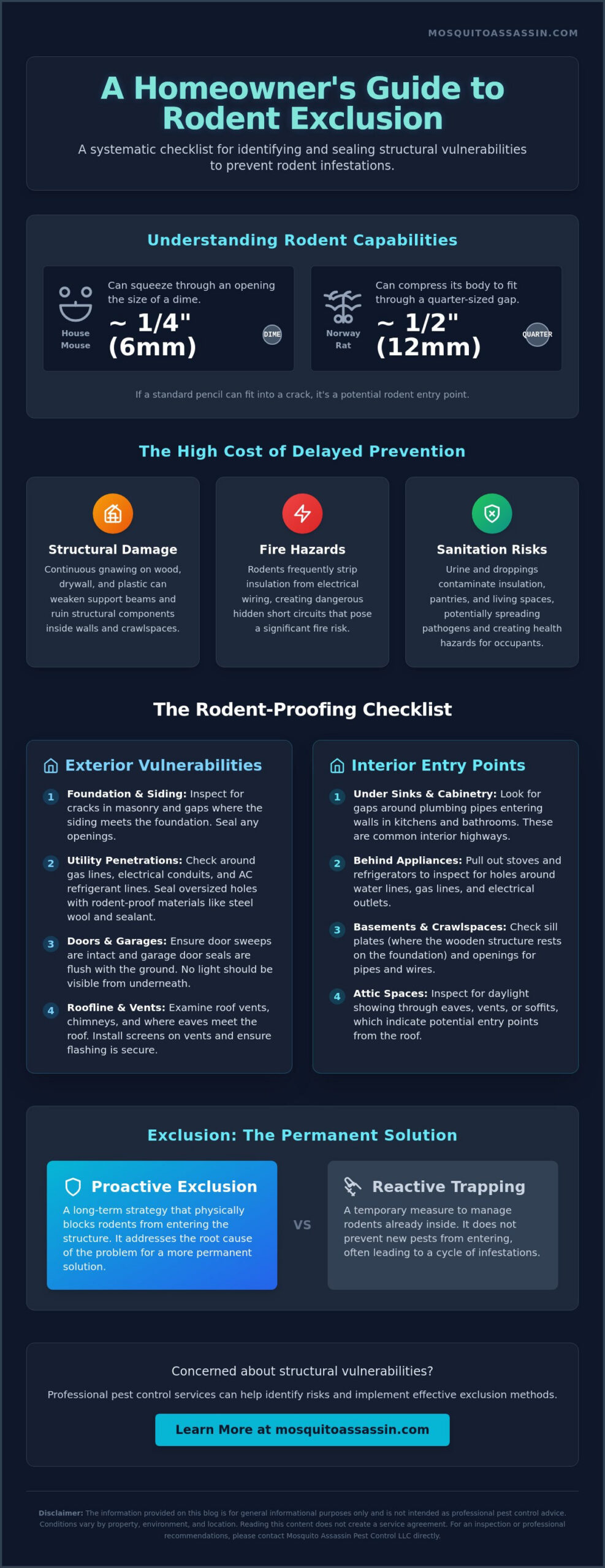
    Understanding the physical agility of these animals is vital for effective exclusion. A house mouse only needs a gap the size of a dime to gain entry into your basement or crawlspace. Norway rats are larger, but they can still compress their bodies to fit through openings no larger than a quarter. If a pencil can fit into a crack or hole, it’s a viable entry point for a rodent looking for a winter home.

    To see these entry points in a real-world setting, watch this professional property walk-through:

    Why Winter Increases Infestation Risks

    The sharp drop in ambient temperature across the region forces rodents to seek artificial heat sources. Homes naturally leak warmth through gaps in siding, rooflines, and foundations. Thermal imaging of residential properties often reveals these heat signatures, which act as beacons for cold rodents. As outdoor food supplies like seeds and fallen fruit diminish, rodents move toward the reliable scents of household waste and stored pantry goods. Adopting a comprehensive integrated pest management strategy helps address these environmental pressures by focusing on long-term structural prevention rather than just reactive measures.

    The Cost of Delayed Prevention

    Postponing structural repairs can lead to expensive consequences. Rodents possess incisors that grow continuously, which drives them to gnaw on wood, plastic, and soft metals to keep their teeth sharp. This behavior often results in significant structural damage inside walls and crawlspaces. If you don’t address these gaps early, the risks accumulate quickly:

    • Structural damage: Weakened support beams, chewed drywall, and ruined door frames.
    • Fire hazards: Rodents frequently strip the insulation off electrical wiring, creating hidden short circuits.
    • Sanitation risks: Contamination of attic insulation and living spaces with urine and droppings that carry pathogens.

    Reviewing a rodent proofing my house checklist early in the season can help prevent these costly scenarios. For those concerned about structural vulnerabilities, seeking professional pest control may help reduce risk. Detailed information on professional exclusion methods is available at www.mosquitoassassin.com/contact-us.

    Disclaimer: The information provided on this blog is for general informational purposes only and is not intended as professional pest control advice. Conditions vary by property, environment, and location. Reading this content does not create a service agreement. For an inspection or professional recommendations, please contact Mosquito Assassin Pest Control LLC directly.

    The Essential Exterior Rodent Proofing Checklist

    Securing the exterior shell of your home is the most effective way to prevent rodents from establishing a presence. This stage of the rodent proofing my house checklist focuses on the structural envelope, where even the smallest oversight can lead to a winter-long infestation. Every crack in the masonry or gap in the siding is an open invitation. You should begin your inspection at the ground level and work your way up to the roofline, looking for any sign of wear or structural compromise. Professional exclusion involves more than just filling holes; it requires an understanding of how rodents exploit building materials to gain entry.

    Utility penetrations are among the most common entry points. Gas lines, electrical conduits, and AC refrigerant lines often have oversized holes that were never properly sealed during construction. If a gap is large enough for a thumb, it’s large enough for a rat. Similarly, you should examine door sweeps and garage door seals. A simple way to test these is to stand inside a dark garage during the day; if you see light spilling in from the bottom or sides, a rodent can easily squeeze through. For properties with complex structural issues, seeking a professional rodent control service may help reduce risk by identifying hidden breaches that are easily missed by the untrained eye.

    Securing the Foundation and Ground Level

    A solid foundation is your first line of defense against Norway rats and house mice. In many older homes across Crawford County, rubble-stone foundations or aging brickwork often develop small voids. You should seal these gaps using professional-grade mortar or stainless steel mesh, as rodents can easily chew through standard caulk or spray foam. Referencing established Rodent-Proof Construction and Exclusion Methods provides the technical standards needed for long-lasting repairs. Additionally, ensure that all basement windows are tightly fitted and that crawl space vent covers are made of heavy-duty hardware cloth rather than flimsy plastic screens.

    Roofline and Attic Vulnerabilities

    Rodents are excellent climbers and will frequently use overhanging tree branches to reach your roof. Once there, they target ridge vents, gable vents, and intersections where different roof sections meet the soffit. You should inspect these areas for sturdy metal screening and look for chewed corners on fascia boards. Clogged gutters are another concern; they trap moisture that softens wood, making it much easier for a rodent to gnaw a hole into your attic. Maintaining a clear perimeter of at least 18 inches between your foundation and any mulch or dense vegetation will further discourage pests from nesting near the structure. This proactive maintenance is a vital part of your rodent proofing my house checklist for the 2026 season.

    Disclaimer: The information provided on this blog is for general informational purposes only and is not intended as professional pest control advice. Conditions vary by property, environment, and location. Reading this content does not create a service agreement. For an inspection or professional recommendations, please contact Mosquito Assassin Pest Control LLC directly.

    Interior Vulnerabilities and Common Entry Points

    Once the exterior perimeter is secured, the focus must shift to the interior of the structure. In the older housing stock found throughout the Erie and Ashtabula regions, rodents often exploit internal wall voids that connect different floors. These hidden “highways” allow pests to move from a stone foundation basement up to the attic without being seen. Adding internal inspection points to your rodent proofing my house checklist is critical because rodents may already be nesting inside the walls before your exterior exclusion work is finished. Identifying these breaches early prevents a small problem from becoming a persistent infestation.

    Major appliances like stoves and dishwashers provide the perfect environment for mice and rats. These areas offer warmth from motors and easy access to food debris. Pulling these units away from the wall often reveals unsealed gaps where gas lines or electrical cords enter the kitchen. Similarly, you should check under every sink in the house. Plumbers frequently cut oversized holes in the back of cabinets or floors to accommodate pipes. If there is a gap larger than a dime between the pipe and the wall, it needs to be sealed immediately to prevent rodents from traveling between rooms.

    In the basement or cellar, a simple “light test” can reveal significant vulnerabilities. Turn off all the lights during a sunny day and look for any pinpricks of daylight entering where the foundation meets the sill plate. This is especially common in the rubble-stone foundations found in older Pennsylvania homes. In the attic, you should look for disturbed or compressed insulation. Rodents leave distinct “runways” or tunnels in fiberglass and cellulose insulation. If you find nesting materials like shredded paper or fabric, it indicates an active or recent presence that requires immediate attention.

    Kitchen and Pantry Safety

    The kitchen is the primary destination for any rodent that enters your home. You should seal gaps around baseboards and inside cabinets using a combination of steel wool and professional-grade caulk. Rodents cannot chew through the metal fibers, which creates a permanent physical barrier. To remove the scent trails that attract more pests, store all dry goods in airtight glass or heavy plastic containers. Cardboard boxes and thin plastic bags are easily compromised. Maintaining a floor area free of crumbs and spills removes the primary attractants that keep rodents coming back to your kitchen night after night.

    Utility Rooms and Garage Security

    Utility spaces often contain the most overlooked entry points. You should check the seal around your dryer vent and ensure the exterior flap closes tightly when the machine isn’t running. A stuck flap is a direct doorway into your laundry room. In the water heater closet, inspect the floor for gaps where the plumbing or drainage lines exit the house. Finally, verify that the door leading from the garage to your living space has a tight-fitting threshold and weatherstripping. Garages are often the first place rodents enter, and a poor seal on this interior door gives them full access to your home. Professional pest control may help reduce risk if these utility areas show signs of persistent activity.

    Disclaimer: The information provided on this blog is for general informational purposes only and is not intended as professional pest control advice. Conditions vary by property, environment, and location. Reading this content does not create a service agreement. For an inspection or professional recommendations, please contact Mosquito Assassin Pest Control LLC directly.

    Rodent Proofing My House Checklist: A Professional Guide for 2026

    Exclusion Methods vs. Traditional Trapping

    Many homeowners in the Ashtabula and Crawford County areas rely solely on snap traps or bait stations when they first notice a rodent problem. While these tools are useful for managing an existing population, they are fundamentally reactive. Trapping only addresses the rodents that are already inside; it does nothing to stop the next family from moving in. To achieve long-term results, you must move beyond temporary measures and focus on exclusion. Exclusion is a proactive structural fix that addresses the root cause of the infestation by physically preventing entry. While traps have their place, they are ineffective without sealing entry points.

    A comprehensive rodent proofing my house checklist prioritizes the structural integrity of the building over the quantity of traps set. Professional exclusion involves a methodical closure of every gap, crack, and void discovered during your inspection. This approach shifts the focus from constant pest removal to permanent property protection. By turning your home into a fortress, you eliminate the need for endless cycles of trapping and disposal. For a professional assessment of your property’s structural defenses, professional rodent control services can help secure your home against future intrusions.

    The Limits of Temporary Deterrents

    Sensory deterrents like peppermint oil, mothballs, or ultrasonic sound devices are popular but often insufficient for long-term control. Rodents are highly adaptable and quickly habituate to new scents or sounds if a reliable source of food and shelter remains available. Once a mouse realizes that a specific smell isn’t a direct threat to its survival, it will simply ignore the deterrent. Physical barriers are the only way to ensure a rodent-free environment. Relying on sensory tricks often provides a false sense of security while the structural damage described in previous sections continues unabated.

    Professional Exclusion Materials

    Effective exclusion requires materials specifically designed to withstand the powerful incisors of rats and mice. Standard construction materials like plywood, plastic screening, or expanding foam are easily gnawed through. Instead, use these professional-grade options:

    • Hardware cloth: Use 1/4 inch galvanized steel mesh to cover crawl space vents, gable vents, and large openings.
    • Stainless steel or copper wool: Stuff these metal fibers into small holes around pipes and utility lines before sealing them with a high-quality sealant.
    • Heavy-duty door sweeps: Install sweeps with metal backing and thick rubber or brush seals to close ground-level gaps under exterior doors.

    Professional pest control may help reduce risk by providing the technical expertise needed to implement these permanent structural changes. Securely sealing your property according to a rodent proofing my house checklist is the most reliable way to maintain a pest-free home through the winter season.

    Disclaimer: The information provided on this blog is for general informational purposes only and is not intended as professional pest control advice. Conditions vary by property, environment, and location. Reading this content does not create a service agreement. For an inspection or professional recommendations, please contact Mosquito Assassin Pest Control LLC directly.

    Establishing a Year-Round Prevention Strategy

    Maintaining a rodent-free environment requires more than a single afternoon of work. A home is a dynamic structure that settles and shifts with the extreme temperature changes common in Erie and Crawford counties. To ensure your defenses remain intact, you must adopt a long-term mindset. Integrating a rodent proofing my house checklist into your regular home maintenance schedule allows you to catch minor issues before they escalate into structural damage or health concerns. Conducting a thorough perimeter inspection every spring and fall is the most effective way to stay ahead of seasonal pest pressure.

    Landscape management plays a vital role in this ongoing defense. You should maintain a clear zone of at least 18 inches between your house foundation and any mulch, tall grass, or ornamental plants. This gap removes the cover that rodents use to approach your siding unseen. Additionally, keep firewood piles elevated at least 18 inches off the ground and store them as far from the exterior walls as possible. Woodpiles are prime nesting sites for Norway rats; placing them against the house provides a direct staging area for an intrusion. Professional pest control may help reduce risk through ongoing monitoring and consistent maintenance of these exterior zones.

    Seasonal Maintenance Tasks

    Specific tasks should be performed as the weather changes to keep your rodent proofing my house checklist current. Clean your gutters in late autumn to remove wet leaves and debris. As discussed in previous sections, clogged gutters trap moisture that softens fascia boards, making them easy targets for gnawing. After the winter thaw, inspect the foundation for new settling cracks. The freeze-thaw cycle in Northwest Pennsylvania and Northeast Ohio can open small voids that weren’t there the previous fall. Finally, inspect window and door screens for damage or small tears before the warmer months arrive to prevent opportunistic entry.

    When to Seek a Professional Inspection

    Despite your best efforts, some structural breaches are difficult to spot without specialized equipment. If you hear scratching in the walls or attic during the night, it’s a clear sign that a rodent has breached your perimeter. Finding droppings or shredded nesting material in your kitchen or basement indicates that an infestation is likely established. For those currently facing an active intrusion, reading a guide on rodent removal can provide valuable context on the necessary steps to reclaim your space. You can also visit the contact page for localized assistance and expert recommendations tailored to the specific needs of properties in Ashtabula or Erie.

    Disclaimer: The information provided on this blog is for general informational purposes only and is not intended as professional pest control advice. Conditions vary by property, environment, and location. Reading this content does not create a service agreement. For an inspection or professional recommendations, please contact Mosquito Assassin Pest Control LLC directly.

    Securing Your Property for the Seasons Ahead

    Protecting a home from rodent intrusions requires a shift from reactive trapping to permanent structural exclusion. By following a rodent proofing my house checklist, property owners can identify gaps in the foundation, unsealed utility entries, and roofline vulnerabilities before the winter chill arrives. Maintaining a clear perimeter and performing biannual inspections ensures that seasonal shifts don’t compromise your home’s security.

    Professional pest control may help reduce risk by addressing complex structural issues hidden behind walls or under foundations. For a professional inspection or recommendations, contact Mosquito Assassin Pest Control LLC directly. They serve Erie and Crawford Counties in Pennsylvania and Ashtabula County in Ohio, utilizing a methodical three-step process to secure living spaces. Proactive steps prevent the costly damage and health risks associated with infestations. Keeping your home sealed provides lasting peace of mind.

    Disclaimer: The information provided on this blog is for general informational purposes only and is not intended as professional pest control advice. Conditions vary by property, environment, and location. Reading this content does not create a service agreement. For an inspection or professional recommendations, please contact Mosquito Assassin Pest Control LLC directly.

    Frequently Asked Questions

    How do I know if I have mice or rats in my house?

    You can identify a rodent presence by looking for droppings, gnaw marks, and dark rub marks along walls. Mice leave small, pointed droppings about the size of rice, while rat droppings are significantly larger and blunt. You may also hear scratching or scurrying sounds in the attic or wall voids during the night. Finding shredded paper or insulation is another clear sign of nesting activity inside your home.

    Can rodents climb up the sides of a house to get in?

    Yes, rodents are exceptional climbers and can easily scale brick, siding, and wood to reach upper levels. They often use overhanging tree branches or utility wires as bridges to access your roofline. This climbing ability is why a comprehensive rodent proofing my house checklist must include an inspection of the soffits, vents, and any gaps where the roof intersects with the siding.

    What is the best material to seal mouse holes?

    The most effective materials for sealing holes are stainless steel wool and 1/4 inch galvanized hardware cloth. Rodents have powerful teeth but cannot chew through these metal barriers. You should stuff small gaps with metal wool before applying a professional-grade sealant. For larger vents or foundation voids, hardware cloth provides a durable, long-term solution that standard spray foam or wood cannot match.

    Is it possible to completely rodent-proof an older home?

    It is possible to secure older homes, though the process requires a more meticulous look at stone foundations and aging masonry. Professional exclusion involves identifying every structural void and reinforcing vulnerable areas with metal-backed materials. While older structures in the Erie region often have more entry points, a systematic repair process can effectively deny entry to pests and protect the building for years.

    Do mothballs or peppermint oil actually keep rodents away?

    No, sensory deterrents like mothballs and peppermint oil are generally ineffective for long-term control. Rodents are highly adaptable and will quickly ignore these scents if a reliable source of food and warmth is available inside. Physical exclusion remains the only proven method to prevent infestations. Relying on temporary deterrents often allows structural damage to continue while the root cause remains unaddressed.

    How often should I check my house for rodent entry points?

    You should conduct a structural inspection at least twice a year, specifically during the spring and fall. These seasonal checks allow you to find new settling cracks in the foundation or damage caused by harsh winter weather. Regularly updating your rodent proofing my house checklist ensures that your home stays secure as the building naturally shifts and materials wear down over time.

    Why do rodents keep coming back even after I catch them?

    Rodents keep coming back because the original entry points remain unsealed and existing scent trails guide new pests to your home. Trapping is a reactive measure that only removes the current population. Until you physically block every access point with durable materials, new rodents will continue to exploit the same structural flaws. Permanent exclusion is the only way to break this cycle.

    What should I do if I find a rodent nest in my attic?

    If you discover a nest, avoid disturbing it to prevent the spread of dust or airborne pathogens. Professional pest control may help reduce risk by safely removing the material and sanitizing the contaminated area. Once the space is clean, you must identify and seal the specific structural breach that allowed the rodents into your attic to prevent a repeat infestation in the future.

    Disclaimer: The information provided on this blog is for general informational purposes only and is not intended as professional pest control advice. Conditions vary by property, environment, and location. Reading this content does not create a service agreement. For an inspection or professional recommendations, please contact Mosquito Assassin Pest Control LLC directly.