Tag: Erie County PA

  • Professional Carpenter Ant Treatment: Identification, Behavior, and Control

    Professional Carpenter Ant Treatment: Identification, Behavior, and Control

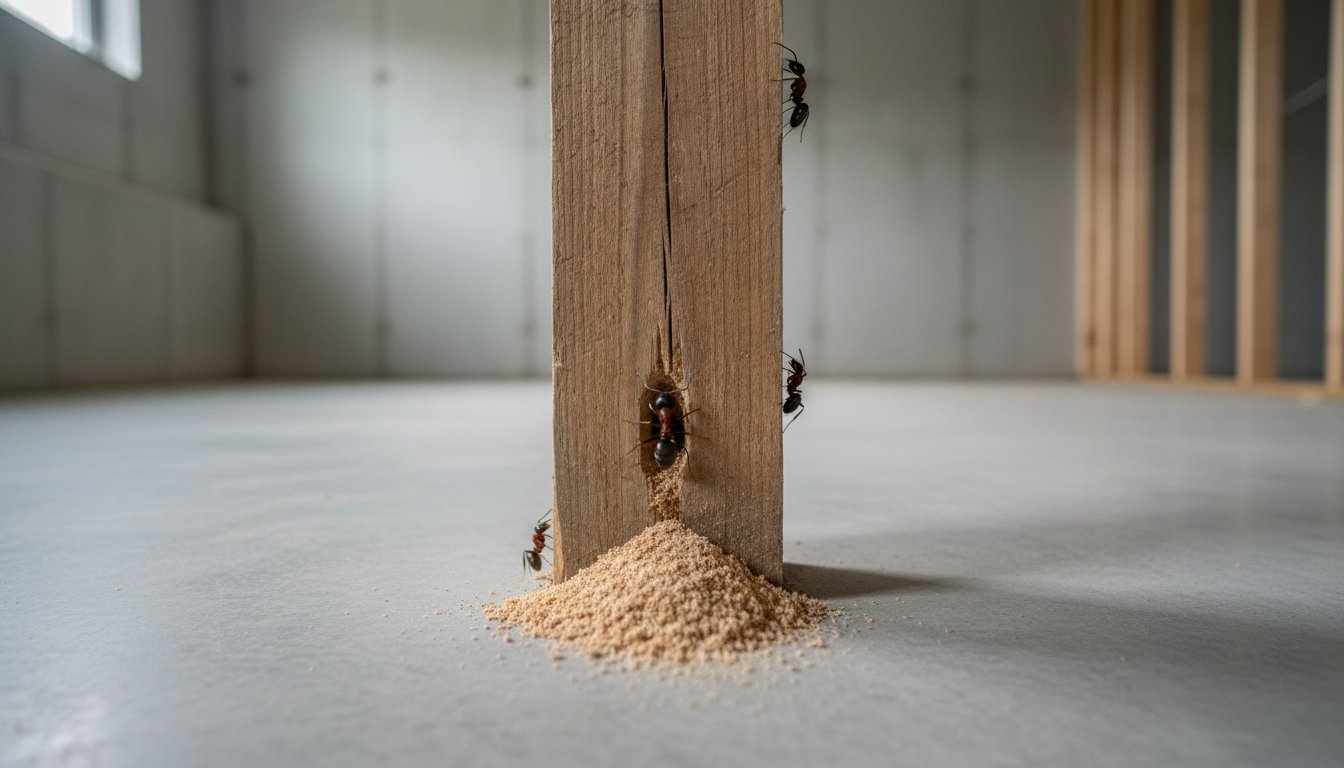
    Last Tuesday, a homeowner in Erie County discovered a small pile of what appeared to be sawdust near a basement support beam, unaware that a satellite colony was currently excavating the structural timber. It’s a common frustration to realize that standard DIY sprays often fail to reach the heart of a nest hidden deep within wall voids. Most people feel a sense of urgency when they realize that seeing a few large ants might indicate a much larger, invisible problem threatening their home’s stability. Professional carpenter ant treatment is essential in these cases because these insects don’t consume wood; they hollow it out for shelter, often compromising the integrity of the support beams within a structure.

    This guide provides the information needed to accurately identify these wood-destroying pests and understand their complex nesting habits. Readers will learn the specific signs of an active infestation and the professional methods used to safeguard properties across Erie and Crawford Counties in Pennsylvania and Ashtabula County in Ohio. This overview covers the differences between carpenter ants and other species, the conditions that attract them, and the systematic approach required for successful long-term control.

    Disclaimer: The information provided on this blog is for general informational purposes only and is not intended as professional pest control advice. Conditions vary by property, environment, and location. Reading this content does not create a service agreement. For an inspection or professional recommendations, please contact Mosquito Assassin Pest Control LLC directly.

    Key Takeaways

    • Learn to identify carpenter ants by their specific anatomical markers, such as an evenly rounded thorax and a single-node waist.
    • Understand the relationship between moisture-damaged wood and nesting habits to better protect the structural integrity of a property.
    • Discover how professional carpenter ant treatment uses non-repellent insecticides to facilitate material transfer throughout the entire colony.
    • Explore the importance of seasonal moisture control and structural maintenance for preventing infestations in Erie, Crawford, and Ashtabula counties.
    • Gain insight into why comprehensive inspections and year-round management plans are more effective than standard over-the-counter sprays.

    Identifying Carpenter Ants in Pennsylvania and Ohio

    Carpenter ants are among the most common wood-destroying insects found throughout the Northeast, including Erie and Crawford Counties in Pennsylvania and Ashtabula County in Ohio. Unlike termites that consume wood for nutrition, these ants excavate galleries to create nesting sites. Understanding Carpenter ant behavior and biology is the first step in determining if a property requires professional carpenter ant treatment. These insects are known for their structural impact, especially in older homes or structures with history of moisture issues.

    To better understand this concept, watch this helpful video:

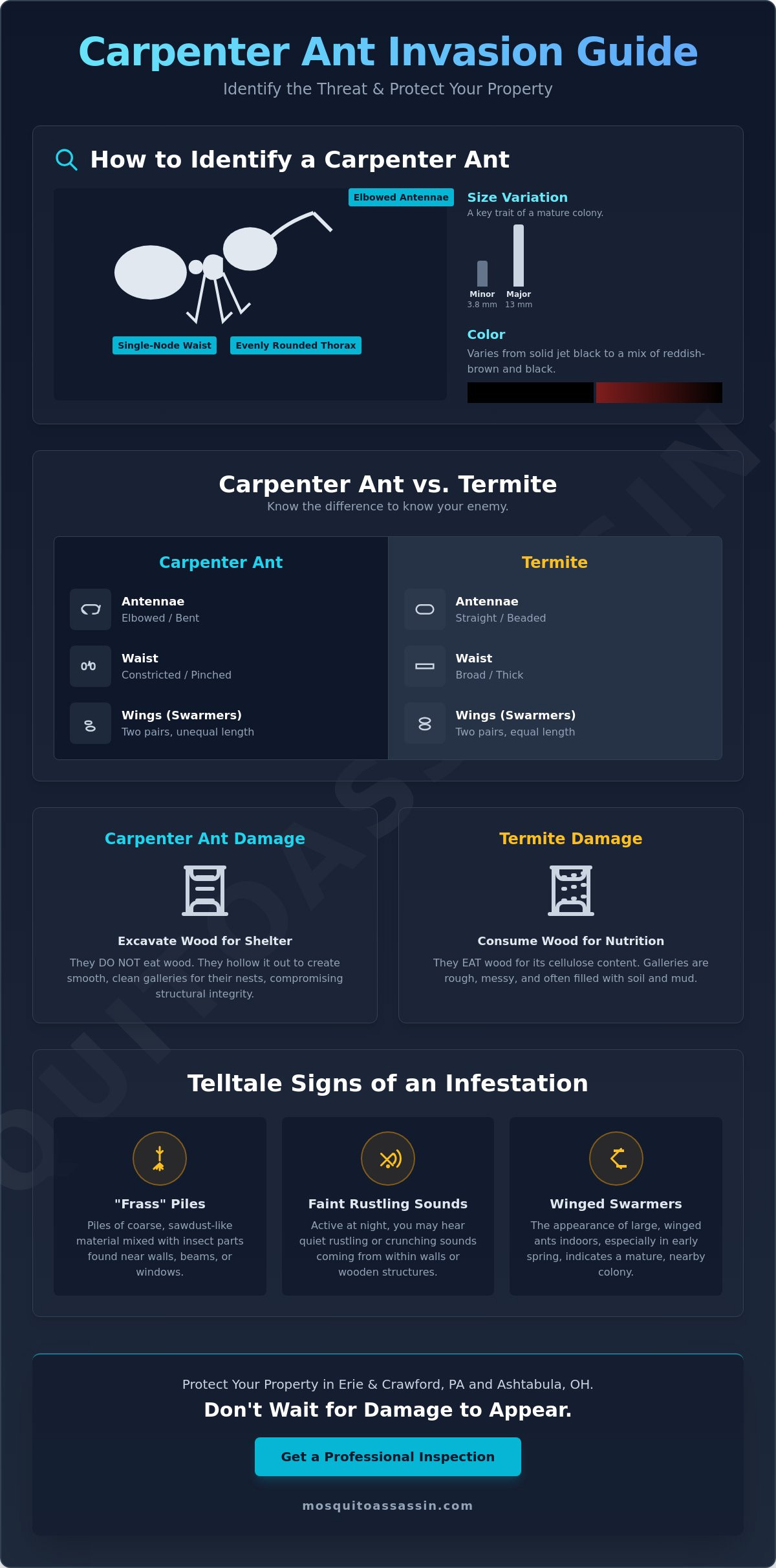
    Identifying these pests requires looking for specific physical traits. A carpenter ant has an evenly rounded thorax when viewed from the side and a single node, or petiole, between the thorax and abdomen. Colony members vary significantly in size within a single nest. Major workers can reach 13 mm in length, while minor workers might be as small as 3.8 mm. This size variation is a distinct trait of a mature, healthy colony. Many homeowners confuse these ants with termites, but the differences are clear upon close inspection. Termites have straight antennae and a broad waist, while carpenter ants have elbowed antennae and a constricted waist. Additionally, the wings on a reproductive ant are unequal in length, whereas termite wings are equal in size and much longer than their bodies.

    Visual Markers and Physical Characteristics

    Local species in the Pennsylvania and Ohio region range in color from solid jet black to a combination of reddish brown and black. Their size is a major indicator, as they are significantly larger than common pavement ants. The elbowed antennae are a vital identification marker, helping to distinguish them from other crawling insects that might inhabit a home foundation or attic. Because they don’t eat the wood, their presence is often related to a search for protein and sugar based food sources in kitchens and pantries.

    Signs of an Active Infestation

    Finding “frass” is often the most obvious sign of an issue. This material looks like coarse sawdust but contains fragments of dead insects and wood shavings. Because these ants are active at night, residents might hear faint rustling sounds within walls or structural timbers during quiet hours. In the early spring months, the appearance of winged swarmers indoors is a strong indicator of a nearby or internal nest. Identifying these signs early is essential for effective carpenter ant treatment and preventing long term structural damage. Professional pest control may help reduce risk if these signs are present. For more information on identifying local pests, you can visit mosquitoassassin.com/location.

    Disclaimer: The information provided on this blog is for general informational purposes only and is not intended as professional pest control advice. Conditions vary by property, environment, and location. Reading this content does not create a service agreement. For an inspection or professional recommendations, please contact Mosquito Assassin Pest Control LLC directly.
    Understanding Carpenter Ant Behavior and Property Damage

    Carpenter ants are often misunderstood by homeowners who mistake them for termites. While both pests damage wood, their methods differ significantly. Termites consume cellulose for nutrition, but carpenter ants don’t eat wood at all. Instead, they use their powerful mandibles to excavate it. They chew through the fibers to create smooth, clean galleries for their colonies to inhabit. In Erie County and surrounding regions, property owners often identify an infestation by finding “frass.” This material looks like fine sawdust and consists of wood shavings, dead insects, and debris that the ants have pushed out of their tunnels.

    Infestations typically start in wood that has been softened by moisture, rot, or fungal decay. This might include a leaking window frame, a damp corner in a crawlspace, or a porch pillar exposed to heavy rain. Once a colony is established, it doesn’t remain restricted to these soft areas. As the population grows, the ants expand their galleries into sound, dry structural timber. Over a period of three to five years, this expansion can compromise the integrity of wall studs, floor joists, and roof rafters. Because the damage happens inside the wood, it often remains hidden until the structural weakening becomes severe.

    The Parent and Satellite Nest Dynamic

    A single colony often operates across multiple locations, creating a complex management challenge. The parent nest, which houses the queen and young larvae, is usually located outdoors in a high-moisture environment like a stump, log, or stacked firewood. Satellite nests are then established indoors to house older larvae and workers. These satellite sites don’t require the same moisture levels as the parent nest, allowing the ants to spread throughout a home’s dry framing. Treating only the visible ants inside a kitchen rarely eliminates the problem because the queen remains protected in the outdoor parent nest. Effective Carpenter Ant Management strategies require identifying these travel paths to ensure the entire network is addressed.

    Dietary Habits and Foraging Patterns

    Outside the home, these ants primarily feed on “honeydew,” a sugary substance produced by aphids and scale insects. They also hunt other small insects for protein. When they venture into homes in Ashtabula or Crawford counties, they’re searching for similar nutrients. They’re naturally attracted to:

    • Sugars like honey, jelly, and syrup
    • Proteins found in pet food or meat scraps
    • Fats and grease spills in kitchens

    Most foraging activity is nocturnal, peaking between 10:00 PM and 2:00 AM. A worker ant can travel over 100 yards from its nest to find food, often using established trails along garden hoses, tree branches, or utility lines. Because they’re so mobile, a comprehensive carpenter ant treatment involves more than just surface sprays; it requires a deep understanding of these foraging habits. While homeowners can take steps to limit food access, professional pest control may help reduce risk for those facing persistent activity. If you’re seeing consistent activity, you can reach out through the Mosquito Assassin contact page for more information. Understanding these biological patterns is vital for a successful carpenter ant treatment plan that protects the long-term value of a property.

    Disclaimer: The information provided on this blog is for general informational purposes only and is not intended as professional pest control advice. Conditions vary by property, environment, and location. Reading this content does not create a service agreement. For an inspection or professional recommendations, please contact Mosquito Assassin Pest Control LLC directly.
    Professional Carpenter Ant Treatment: Identification, Behavior, and Control

    Professional Approaches to Carpenter Ant Treatment

    Professional carpenter ant treatment requires a systematic approach that addresses both the visible foragers and the hidden colony structure. A single colony often consists of a primary parent nest located outdoors and multiple satellite nests established within a building’s framework. Because of this complex social structure, a simple surface spray is rarely enough to solve the problem permanently. Eradication depends on reaching the queen, who remains protected deep within the nesting galleries.

    Inspection and Nest Location

    Technicians begin by following foraging trails, which are often most visible during the evening hours between 10:00 PM and 2:00 AM when ant activity peaks. These trails lead back to entry points such as gaps around utility lines or cracks in the foundation. Inspection focuses on moisture-prone areas where wood moisture content often exceeds 20 percent, such as window sills, door frames, and areas under leaking sinks. In regions like Erie and Crawford counties, overhanging tree branches frequently serve as bridges, allowing ants to bypass ground-level barriers and enter through rooflines. For residents in the neighboring Ashtabula County, Identifying Carpenter Ants in Ohio provides specific details on recognizing the black carpenter ant and its unique nesting habits. Understanding these local environmental factors is a vital step for those living in Erie, Crawford, and Ashtabula counties.

    Integrated Pest Management Strategies

    Integrated Pest Management (IPM) combines chemical and physical methods to achieve long-term results. Professionals utilize non-repellent insecticides that ants cannot detect. This allows the insects to carry the material back to the nest, ensuring a colony-wide transfer that eventually reaches the queen. Strategic baiting techniques also exploit natural foraging behaviors by providing a slow-acting food source that workers share with the rest of the colony through a process called trophallaxis. This method is highly effective because it uses the ants’ own social biology against them.

    When nests are concealed behind drywall or within insulation, void treatments are necessary. This involves precision application into wall cavities where moisture levels remain high. To prevent future infestations, physical exclusion is required, including sealing cracks and trimming vegetation at least 12 inches away from the structure. Growth regulators may also be used to disrupt the reproductive cycle, preventing the colony from rebounding. Consistent follow-up protocols verify that the parent nest is fully neutralized, as satellite nests cannot survive indefinitely without a connection to the primary colony. If you suspect an infestation, professional pest control may help reduce risk and protect your property’s structural integrity. For more information, you may visit www.mosquitoassassin.com/contact-us.

    Disclaimer: The information provided on this blog is for general informational purposes only and is not intended as professional pest control advice. Conditions vary by property, environment, and location. Reading this content does not create a service agreement. For an inspection or professional recommendations, please contact Mosquito Assassin Pest Control LLC directly.
    Moisture Control and Structural Prevention

    Effective carpenter ant treatment starts with moisture management. These insects don’t actually eat wood for nutrition, but they excavate it to create galleries for their nests. They’re drawn to wood that’s been softened by fungal decay or consistent water exposure. While a colony can eventually migrate into sound, dry wood, initial satellite nests almost always begin in areas with high moisture content. By eliminating these damp conditions, property owners remove the primary invitation for a long-term infestation.

    In regions like Erie, Crawford, and Ashtabula counties, the risk of infestation increases significantly during the spring thaw. As temperatures climb above 50 degrees Fahrenheit in late March or early April, overwintering colonies become active and begin foraging. The frequent rainfall and high humidity levels common to the Great Lakes region often lead to hidden water accumulation in wall voids. This moisture makes local residential and commercial structures particularly vulnerable to wood-destroying organisms.

    Addressing Environmental Vulnerabilities

    Structural integrity depends on keeping water away from wooden components. Leaky gutters or poorly aimed downspouts can saturate rim joists and sill plates, creating ideal nesting sites. Property owners should ensure that crawlspaces and attics maintain proper ventilation to prevent condensation buildup. A gap of at least six inches between the soil and wooden siding is a standard professional recommendation to prevent subterranean moisture from wicking into the structure. Fixing plumbing leaks under sinks and around tubs is equally vital, as even a small drip can rot floorboards over time.

    Landscape and Exterior Maintenance

    The exterior environment often dictates how easily pests access a building. Trees and shrubs that touch the roofline or siding serve as natural bridges for foraging ants. Trimming these back by at least three feet reduces direct access points. Additionally, removing decaying stumps and moving firewood piles at least 20 feet away from the foundation eliminates common parent nesting sites. Sealing cracks in the foundation and around utility lines with professional-grade silicone or urethane caulk further hardens the structure against entry. These physical barriers are essential components of a comprehensive carpenter ant treatment plan.

    If you’ve noticed signs of wood damage or active foraging near your foundation, professional pest control services may help reduce the risk of structural damage.

    Disclaimer: The information provided on this blog is for general informational purposes only and is not intended as professional pest control advice. Conditions vary by property, environment, and location. Reading this content does not create a service agreement. For an inspection or professional recommendations, please contact Mosquito Assassin Pest Control LLC directly.
    Professional Management for Wood-Destroying Pests

    Over-the-counter sprays often fail to address the root of a carpenter ant infestation. These retail products typically target only the visible foragers, leaving the queen and the main colony intact. In many cases, these sprays can actually worsen the situation by causing a colony to split into multiple satellite nests, a process known as budding. Effective carpenter ant treatment requires reaching deep-seated galleries hidden within wall voids or structural timbers that standard aerosols cannot penetrate.

    Licensed technicians utilize a methodical approach to verify the total elimination of a colony. This involves more than just a single application; it requires monitoring activity levels and identifying the specific trails leading to the parent nest, which can be located up to 300 feet away from the structure. Year-round protection plans are a practical solution for preventing re-infestation, especially in areas with high pest pressure. Consistent monitoring ensures that new queens attempting to establish colonies are stopped before they can cause significant structural damage.

    Benefits of Professional Oversight

    Professional management provides access to specialized tools that the average homeowner doesn’t possess. Moisture meters and acoustic sensors help technicians locate hidden galleries without unnecessary demolition. In Erie and Crawford Counties, local environmental factors like high humidity and seasonal temperature shifts play a major role in pest behavior. Technicians familiar with the Great Lakes region understand how these patterns affect wood-destroying organisms. This localized knowledge allows for a more targeted carpenter ant treatment that accounts for regional biology and environmental stress.

    Taking Action Against Carpenter Ants

    Early detection is the most effective way to save on structural repair costs. Industry data indicates that wood-destroying pests cause billions of dollars in property damage across the United States annually. Professional inspections offer property peace of mind by identifying vulnerabilities like leaking pipes or failing sealants that attract ants. Taking proactive steps can help reduce the risk of long-term damage to a home’s integrity. For tailored recommendations or to schedule an inspection, property owners in Ashtabula County and surrounding areas can visit the online booking portal or submit a request at www.mosquitoassassin.com/contact-us.

    Disclaimer: The information provided on this blog is for general informational purposes only and is not intended as professional pest control advice. Conditions vary by property, environment, and location. Reading this content does not create a service agreement. For an inspection or professional recommendations, please contact Mosquito Assassin Pest Control LLC directly.

    Protecting Your Home From Structural Damage

    Managing wood-destroying insects requires a combination of vigilance and technical expertise. Property owners in Erie and Crawford Counties in Pennsylvania and Ashtabula County in Ohio should prioritize identifying moisture sources; damp wood is a primary attractant for nesting colonies. Because these pests tunnel through structural members rather than eating them, the damage often remains hidden until it’s substantial. A comprehensive carpenter ant treatment involves more than just surface-level sprays; it requires locating the parent colony and implementing structural modifications to prevent re-infestation. Licensed and insured professionals based in Cranesville understand the specific challenges posed by the regional environment. These experts specialize in wood-destroying insect management, providing the necessary oversight to maintain a sound structure. It’s often more effective to address small signs of activity before they turn into major structural failures. For a professional inspection or recommendations, contact Mosquito Assassin Pest Control LLC today. Maintaining a dry, well-ventilated home is a great first step toward long-term protection.

    Disclaimer: The information provided on this blog is for general informational purposes only and is not intended as professional pest control advice. Conditions vary by property, environment, and location. Reading this content does not create a service agreement. For an inspection or professional recommendations, please contact Mosquito Assassin Pest Control LLC directly.

    Frequently Asked Questions

    Do carpenter ants actually eat the wood in my house?

    Carpenter ants don’t eat wood; they only excavate it to create nesting galleries. Unlike termites, these ants lack the specific enzymes required to digest cellulose. They use their powerful mandibles to chew through wood fibers, pushing the debris out of the nest. According to the University of Minnesota Extension, their primary diet consists of protein and sugars like the honeydew produced by aphids.

    How can I tell the difference between a carpenter ant and a termite?

    You can distinguish these pests by observing their body shape and wing structure. Carpenter ants have a narrow, pinched waist and elbowed antennae. Their four wings are unequal in length. In contrast, termites have a broad waist, straight antennae, and four wings of equal length. Identifying a pinched midsection is a reliable way to confirm the insect is an ant rather than a termite.

    Why do I see large black ants in my house during the winter?

    Seeing active ants during the winter usually indicates a nest is located inside the home’s structure. Carpenter ants typically hibernate during cold months in Erie County and Crawford County. If they’re active indoors while it’s freezing outside, they’ve likely found a heat source within walls or insulation. This activity suggests the colony is established and reacting to the home’s internal climate.

    Is a one-time treatment enough to get rid of carpenter ants?

    A single application rarely provides a complete solution for an established infestation. Professional carpenter ant treatment often requires multiple visits to locate the parent colony and various satellite nests. Research from Iowa State University indicates that colonies can house up to 50,000 workers. Effective management involves ongoing monitoring to ensure the queen is eliminated and the reproductive cycle is permanently broken.

    Are the treatments used for carpenter ants safe for my family and pets?

    Licensed professionals use products that are registered with the EPA specifically for residential use. When applied according to the strict label instructions, these treatments minimize exposure to residents. Technicians focus on targeted applications in wall voids or exterior perimeters rather than broad spraying. It’s standard practice to keep children and pets away from treated areas until the product has dried, which usually takes 2 to 4 hours.

    What is the “sawdust” I found near my baseboards?

    This material, known as frass, is a mixture of wood shavings, insect parts, and general debris. Because carpenter ants don’t consume the wood they remove, they must discard it through small openings. Finding small piles of light-colored wood fibers often indicates a nearby nest entrance. In 90% of cases, frass is located directly below the exit holes where the ants are actively tunneling.

    How long does it take to completely eliminate a carpenter ant colony?

    Total elimination can take anywhere from a few weeks to several months depending on the colony size. While initial carpenter ant treatment may reduce visible activity by 70% within the first week, the baiting process relies on workers carrying materials back to the queen. This biological process takes time to ensure the entire population, including the reproductive core, is successfully reached and managed.

    Can carpenter ants cause the house to collapse?

    It’s extremely rare for carpenter ants to cause a total structural collapse. While they can cause significant damage over 5 to 10 years, they work much slower than subterranean termites. They prefer moist or decaying wood, which can eventually compromise the integrity of specific beams or joists. Regular inspections in Ashtabula County help identify these issues before the structural stability of the home is at risk.

    If you suspect an infestation, professional pest control may help reduce risk. You can find more information at www.mosquitoassassin.com/contact-us.

    Disclaimer: The information provided on this blog is for general informational purposes only and is not intended as professional pest control advice. Conditions vary by property, environment, and location. Reading this content does not create a service agreement. For an inspection or professional recommendations, please contact Mosquito Assassin Pest Control LLC directly.

  • How to Prepare for a Professional Pest Control Visit: A Comprehensive Guide

    How to Prepare for a Professional Pest Control Visit: A Comprehensive Guide

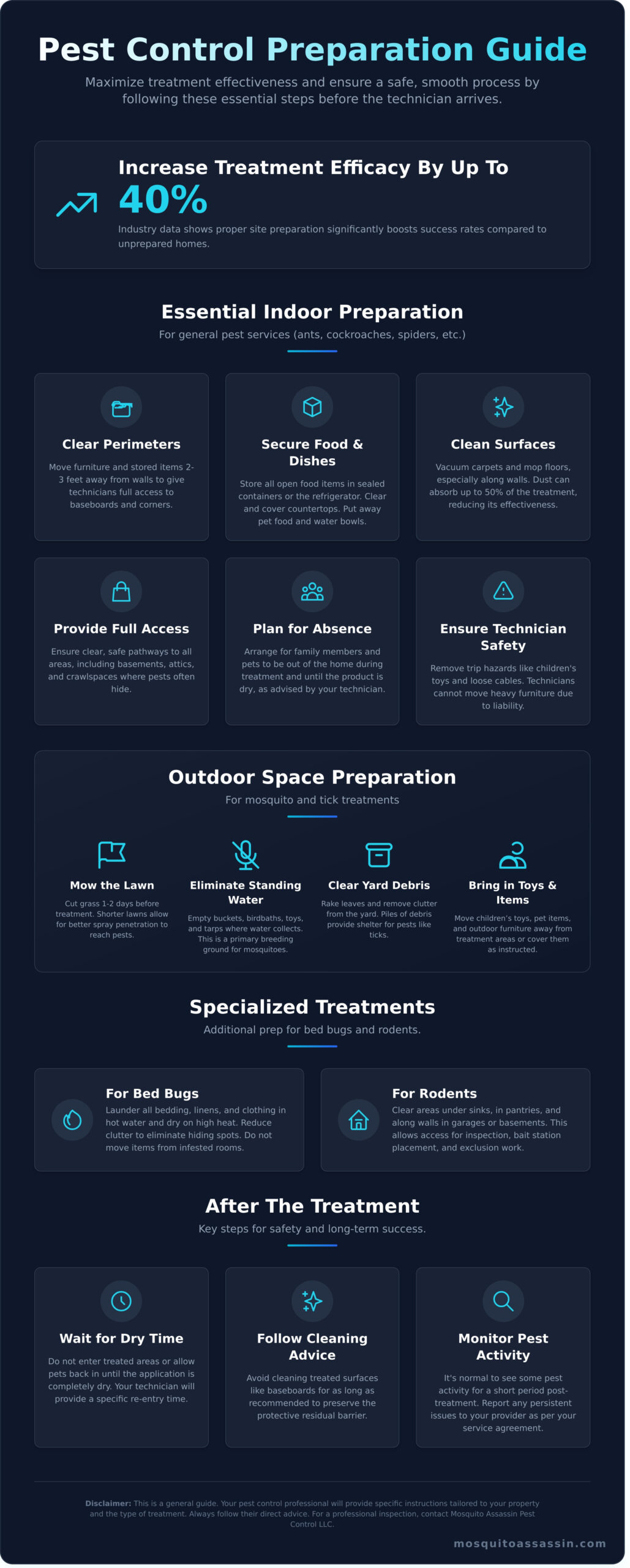
    Most homeowners believe their job ends the moment they schedule an appointment; however, the preparation work done before a technician arrives often determines the success of the entire treatment. It’s completely normal to feel a sense of urgency. You want to ensure your family and pets stay safe while making sure those pests are gone for good. Understanding how to prepare for a pest control visit is the most effective way to eliminate confusion and help the process go smoothly. Industry data indicates that proper site preparation can increase the efficacy of certain treatments by as much as 40% compared to unprepared homes.

    This guide provides a clear roadmap for residents in Erie County, Crawford County, and Ashtabula County to get their properties ready for professional service. You’ll learn exactly what needs to be moved, cleaned, or covered to allow for maximum coverage. We’ll examine specific requirements for different areas of the home, from the kitchen pantry to the perimeter of the yard. By following these practical, fact-based steps, you can help ensure the treatment is as thorough and effective as possible without the need for guesswork or unnecessary delays.

    Disclaimer: The information provided on this blog is for general informational purposes only and is not intended as professional pest control advice. Conditions vary by property, environment, and location. Reading this content does not create a service agreement. For an inspection or professional recommendations, please contact Mosquito Assassin Pest Control LLC directly.

    Key Takeaways

    • Understand how thorough property preparation enhances Integrated Pest Management (IPM) strategies by removing physical barriers to treatment.
    • Learn how to prepare for a pest control visit by clearing perimeters and securing food items to ensure technicians have unobstructed access to high-activity areas.
    • Discover why managing lawn height and removing stagnant water are critical steps for achieving better spray penetration during mosquito and tick treatments.
    • Identify the specialized requirements for bed bug and rodent eradication, including heat-treating fabrics and clearing entry points for exclusion work.
    • Gain insights into post-treatment safety protocols, such as observing proper drying times and following cleaning guidelines to preserve residual barriers.

    The Importance of Property Preparation for Effective Pest Management

    Professional property preparation is the systematic process of removing physical obstacles to ensure a thorough application of chemical or mechanical treatments. It’s a foundational step that moves beyond simple housekeeping. When a homeowner understands how to prepare for a pest control visit, they’re essentially creating a clear roadmap for the technician to follow. This process is vital because approximately 90% of household pests, including ants, cockroaches, and spiders, thrive in the hidden recesses of a structure. Without clear access, even the most advanced pest control services may struggle to reach the heart of an infestation.

    Effective preparation directly supports the principles of Integrated Pest Management (IPM). IPM focuses on long-term prevention and suppression by combining biological, cultural, and physical tools with judicious pesticide use. By clearing clutter and providing access to wall voids, homeowners allow the professional to implement these multi-faceted strategies more efficiently. In Erie and Crawford Counties, where seasonal shifts drive pests indoors, this level of coordination between the resident and the technician is the primary factor in achieving a pest-free environment.

    Ensuring Maximum Treatment Efficacy

    Treatment success often depends on the quality of the surface being treated. For instance, a layer of household dust or debris can act as a sponge, absorbing liquid residuals before they can bond with the baseboard or floor. Industry data indicates that heavy dust can reduce the effective lifespan of certain insecticides by as much as 50% within the first 48 hours. Clear surfaces ensure that pests make direct contact with the active ingredients, which is necessary for the transfer effect in colonial insects like ants. An uncluttered space also allows for a 100% accurate identification of pest activity during the initial inspection, preventing the misidentification of species that require different treatment protocols.

    Technician Safety and Liability

    Safety is a non-negotiable aspect of professional pest management. Technicians must navigate tight spaces while carrying specialized equipment, and common trip hazards can lead to workplace injuries. Licensed professionals are generally prohibited from moving heavy furniture, such as refrigerators or large entertainment centers, due to liability constraints and the risk of property damage. If a homeowner fails to clear these areas, the technician may be forced to skip critical treatment zones. Common obstacles that should be cleared include:

    • Children’s toys and pet accessories in high-traffic hallways
    • Stacked boxes or storage bins blocking access to the attic or crawlspace
    • Loose power cables and extension cords along baseboards

    Residents must also disclose any DIY chemical applications made within the last 30 days. Mixing certain store-bought sprays with professional-grade products can cause hazardous chemical reactions or cause the professional treatment to fail entirely. Preparation is the bridge between a temporary fix and a permanent solution. By taking the time to understand how to prepare for a pest control visit, property owners in Ashtabula County ensure their home receives the most comprehensive care possible. For specific questions regarding property requirements, professional pest control may help reduce risk. Detailed inquiries can be directed to the online booking portal for further assistance.

    Disclaimer: The information provided on this blog is for general informational purposes only and is not intended as professional pest control advice. Conditions vary by property, environment, and location. Reading this content does not create a service agreement. For an inspection or professional recommendations, please contact Mosquito Assassin Pest Control LLC directly.

    Essential Indoor Preparation Steps for General Pest Services

    Preparation isn’t just about tidiness; it’s about ensuring the effectiveness of the entire treatment plan. Most modern pest management strategies rely on targeted applications in specific harborages. If a technician cannot reach these areas, the treatment’s success rate drops significantly. Knowing how to prepare for a pest control visit ensures that every corner of the home is accessible for a thorough inspection and application. In the pest control industry, 90% of a successful treatment is often attributed to the quality of the preparation and the inspection that follows.

    Kitchen and Dining Area Protocols

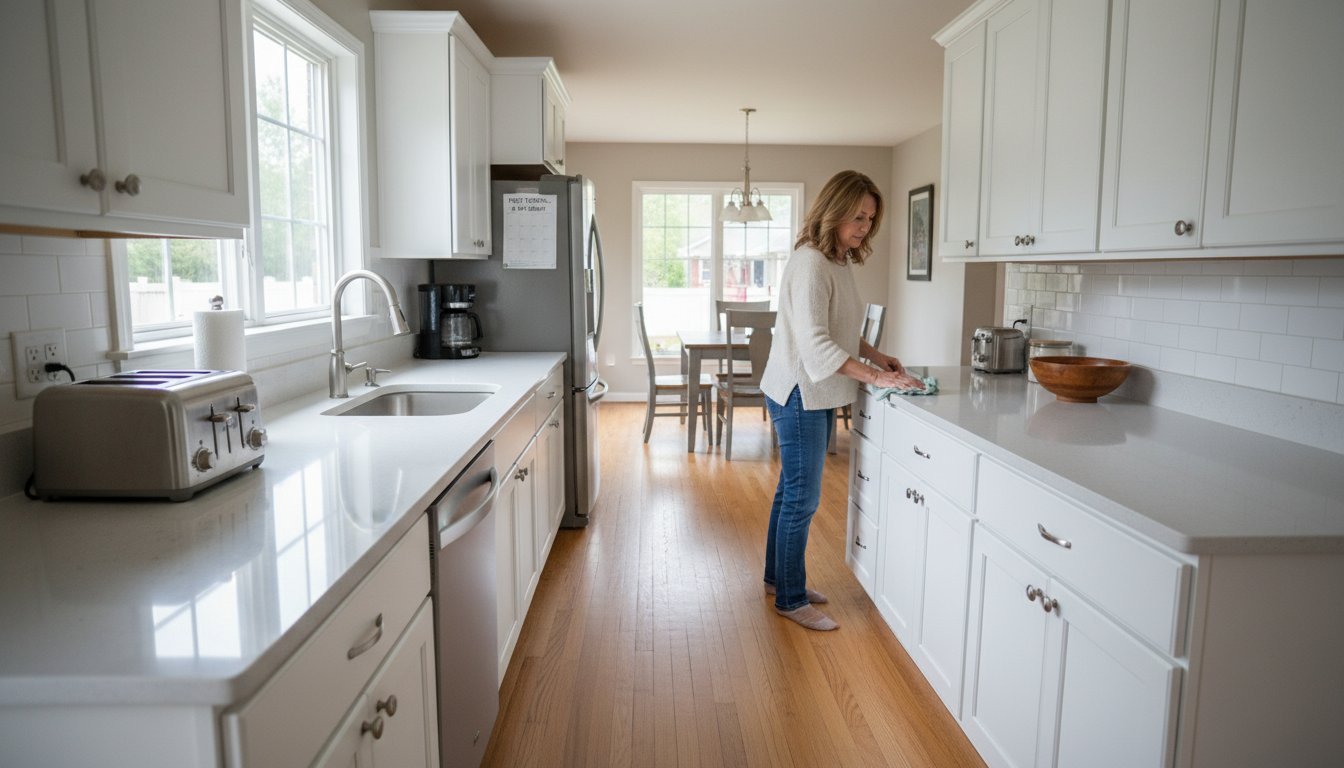
    The kitchen is often the primary focus of an indoor service because it provides the three things pests need most: food, water, and shelter. Before the technician arrives, seal all open food packages in airtight plastic or glass containers. Moving items like fruit bowls or bread into the refrigerator is a simple way to protect them from accidental contact. Clear everything off the countertops and the top of the refrigerator. Cockroaches often hide in the warm motor housing or the dark spaces behind and above large appliances. Additionally, remove all pet food and water bowls from the floor. Leaving these items out during a service can lead to contamination; keep them tucked away for at least two to four hours after the treatment is complete.

    Furniture and Storage Access

    For a general pest service to work, the technician must have access to the baseboards. Move heavy furniture, such as sofas, bookshelves, and hutches, at least 12 to 18 inches away from the walls. This gap allows for a continuous barrier to be applied where pests naturally travel. In cases of specific infestations like silverfish or spiders, emptying the cabinets under sinks is vital. These damp, dark environments are high-traffic zones for moisture-loving insects. Detailed information on specific pest behaviors and harborages can be found in the UC IPM Pest Notes, which highlights why these access points are so critical for eradication.

    Vacuuming is another essential step that many homeowners miss. It does more than just clean the floor; the vibrations from a vacuum can actually stimulate certain pests to emerge from hiding. For flea treatments, vacuuming triggers pupae to hatch, making them more susceptible to the treatment. Always dispose of the vacuum bag or empty the canister in an outdoor bin immediately after use. If the service is targeting bed bugs or heavy flea infestations, all bedding, curtains, and linens should be laundered in water exceeding 120 degrees Fahrenheit. This high heat is necessary to destroy eggs that might survive a surface application. Understanding how to prepare for a pest control visit by managing these fabrics can prevent a re-infestation from hidden eggs.

    Protecting sensitive household members is a top priority for any professional service. For those with fish tanks, cover the top of the aquarium with a damp towel and temporarily disconnect the air pump to prevent airborne particles from entering the water. Small caged animals like birds or hamsters should be moved to a room that isn’t being treated or taken off-site for the duration of the service. If you’re unsure about the specific needs of your property in Erie or Crawford Counties, scheduling a professional consultation can provide clarity on the necessary steps. Proper preparation allows the technician to focus on the core mission: finding the pest, identifying the source, and eliminating the threat safely and efficiently.

    Disclaimer: The information provided on this blog is for general informational purposes only and is not intended as professional pest control advice. Conditions vary by property, environment, and location. Reading this content does not create a service agreement. For an inspection or professional recommendations, please contact Mosquito Assassin Pest Control LLC directly.

    Preparing Outdoor Spaces for Mosquito and Tick Treatments

    Effective outdoor pest control depends heavily on the condition of the property at the time of application. In regions like Erie County, Crawford County, and Ashtabula County, location specific factors play a major role in scheduling. Proximity to Lake Erie means that sudden shifts in weather, such as high winds exceeding 15 miles per hour or unexpected rain squalls, can impact the timing of a visit. Professional technicians monitor these patterns closely to ensure treatments aren’t washed away or drifted off-target. Understanding how to prepare for a pest control visit ensures that the property is ready for a precise and effective application.

    Stagnant water is the primary breeding ground for mosquitoes, and addressing these sources 24 to 48 hours before a visit is essential. Even a small bottle cap filled with water can host hundreds of larvae. Homeowners should inspect gutters for clogs, flip over wheelbarrows, and empty birdbaths. If decorative ponds or drainage areas cannot be drained, they should be identified for the technician. These actions align with the EPA’s guide to Integrated Pest Management, which emphasizes cultural and physical controls as the first line of defense against infestations.

    Yard Maintenance and Debris Removal

    Mowing the lawn exactly 24 hours before a scheduled treatment is one of the most effective ways to improve tick control results. Ticks thrive in high-humidity environments found at the base of tall grass blades. When grass is kept short, the treatment can penetrate deep into the thatch layer where these pests harbor. Conversely, mowing immediately after a treatment can remove the product before it has time to bond with the vegetation, reducing its longevity. Removing leaf litter and grass clippings is also vital; these organic piles create damp microclimates that protect ticks from the sun and wind.

    Before the technician arrives, the yard must be cleared of all portable items. This includes:

    • Children’s toys, swing sets, and sandboxes (cover if they cannot be moved).
    • Pet bowls, dog bones, and outdoor bedding.
    • Gardening tools and lawn furniture cushions.

    Clearing these items provides the technician with unobstructed access to the perimeter and foliage where pests rest during the heat of the day.

    Protecting Non-Target Areas

    Safety and precision are the hallmarks of professional pest management. Homeowners should identify sensitive areas such as koi ponds, vegetable gardens, or flowering plants that attract pollinators. While many modern treatments are designed for residential use, covering these areas with a tarp or moving potted plants to a garage adds an extra layer of protection. It’s also necessary to ensure all windows and doors are tightly sealed. Power spraying equipment uses pressurized air to deliver product into dense foliage, and open windows can allow mist to enter the home unintentionally.

    The final step in how to prepare for a pest control visit involves managing the movement of family members and pets. All residents and animals must remain indoors during the application and for a specific duration afterward. In most cases, this wait time lasts between 30 to 60 minutes, or until the liquid treatment has completely dried on the surfaces. Once dry, the product bonds to the vegetation and is safe for normal yard activity. Following these protocols ensures the treatment remains undisturbed while keeping everyone on the property safe.

    Disclaimer: The information provided on this blog is for general informational purposes only and is not intended as professional pest control advice. Conditions vary by property, environment, and location. Reading this content does not create a service agreement. For an inspection or professional recommendations, please contact Mosquito Assassin Pest Control LLC directly.

    Specialized Preparation for Bed Bug and Rodent Eradication

    Standard maintenance visits usually involve clearing a path around the baseboards, but specialized treatments for bed bugs and rodents demand much more intensive homeowner involvement. These pests are resilient and hide in structural voids that are difficult to reach. Effective eradication depends on the technician having total access to every potential harborage site. Homeowners in Erie and Crawford Counties should expect to spend between 3 and 5 hours preparing their property before the technician arrives. This level of detail is necessary because even a single missed nesting site can lead to a re-infestation within 21 days. Understanding how to prepare for a pest control visit of this scale ensures that the treatment reaches the source of the problem. Specialized treatments aren’t just about applying product; they’re about altering the environment to make it uninhabitable for the target pest.

    Bed Bug Specific Requirements

    Bed bugs are experts at hiding in the smallest crevices of a bedroom. To prepare, you must follow a rigorous protocol to ensure the treatment penetrates their hiding spots. A 2022 study from the University of Kentucky indicates that temperatures exceeding 118 degrees Fahrenheit are required to kill all life stages, including eggs. Use the following steps to secure your belongings:

    • Strip all bed linens, including pillowcases and mattress pads, and place them immediately into sealed plastic bags.
    • Transport these bags directly to the laundry room and dry everything on high heat for at least 30 minutes.
    • Empty all dresser drawers and closets completely so the professional can inspect the structural joints of the furniture where 70% of bed bugs typically congregate.
    • Place electronics like laptops or gaming consoles in sealed containers because they cannot be treated with liquid residuals.

    Rodent Control Preparation

    Rodent exclusion focuses on sealing entry points and removing the incentives that bring mice or rats indoors. Start by clearing a 12-inch perimeter around the foundation of the home and removing all clutter from the garage. This provides the technician a clear line of sight to identify entry points as small as 1/4 inch. Identifying these gaps is vital; a single pair of mice can produce up to 60 offspring in a single year if left unchecked. Homeowners should also remove competing food sources. If birdseed, grass seed, or unsealed pantry goods are available, rodents are 50% less likely to interact with professional bait stations. Managing clutter in attics and basements is equally important. Removing cardboard boxes eliminates the nesting material rodents use to insulate their dens during the cold winters in Ashtabula County. This preparation allows the technician to focus on high-traffic areas and structural vulnerabilities.

    Properly staging the environment is the most effective way to support a professional treatment plan. If the property remains cluttered, the efficacy of the application drops significantly. For more information on setting your home up for success, professional pest control may help reduce risk.

    Disclaimer: The information provided on this blog is for general informational purposes only and is not intended as professional pest control advice. Conditions vary by property, environment, and location. Reading this content does not create a service agreement. For an inspection or professional recommendations, please contact Mosquito Assassin Pest Control LLC directly.

    Post-Treatment Protocols and Long-Term Prevention Strategies

    The work doesn’t end once the technician leaves your property. Part of knowing how to prepare for a pest control visit involves understanding the specific steps required to keep your home safe and the treatment effective. Immediate aftercare focuses on safety, while long-term strategies ensure that the initial eradication efforts aren’t wasted. Homeowners in Erie and Crawford Counties often face unique seasonal pressures, making these post-visit protocols essential for maintaining a pest-free environment.

    Safe Re-entry and Immediate Aftercare

    Safety is the top priority following any professional application. Most liquid treatments require a drying time of two to four hours before residents can safely return. If you have small children or pets who spend time on the floor, waiting the full four hours is a standard precaution to ensure all surfaces are completely dry. For households with individuals who have respiratory sensitivities or chemical allergies, extending this period to six hours and opening windows for 15 minutes upon return can help refresh the indoor air quality.

    Don’t be alarmed if you see an increase in pest activity during the first 72 hours. This is frequently called the “flushing effect.” The treatment disrupts nesting sites and forces insects out of their hiding spots as they come into contact with the product. Seeing a 25% spike in visible pests during the first week is a normal sign that the treatment is working. Avoid the urge to spray these pests with over-the-counter aerosols, as this can interfere with the professional-grade products already in place. If you need to clean, avoid mopping or scrubbing within three inches of baseboards for at least five to seven days to prevent removing the residual barrier.

    Maintaining the Pest Barrier

    Chemical treatments are most effective when supported by physical exclusion and sanitation. Understanding how to prepare for a pest control visit means looking ahead to structural repairs that prevent future entry. Mice can fit through gaps the size of a dime, and many insects enter through crevices as small as 1/16th of an inch. Using silicone-based caulk to seal gaps around utility pipes and ensuring window screens are tight-fitting creates a secondary line of defense that works alongside professional products.

    Waste and moisture management are equally critical in Ashtabula County and surrounding areas. Pests are drawn to reliable food and water sources. Implementing a few simple habits can significantly reduce the risk of a re-infestation:

    • Keep outdoor trash cans at least 10 feet away from the foundation of the home.
    • Ensure gutters divert rainwater at least five feet away from the house to prevent damp soil.
    • Store firewood on elevated racks at least 20 feet from any entry point.
    • Fix leaky faucets or pipes immediately, as even small drips provide enough hydration for a colony.

    Monitoring is the final piece of the puzzle. Keep a log of any sightings, noting the date, location, and type of pest. This data is invaluable for technicians during follow-up visits. While DIY methods often focus on immediate kills, professional pest management focuses on breaking the life cycle of the pest. This comprehensive approach may help reduce risk by addressing the root cause of the infestation rather than just the symptoms. Consistent, proactive measures combined with professional oversight provide the most reliable year-round protection for your home.

    Disclaimer: The information provided on this blog is for general informational purposes only and is not intended as professional pest control advice. Conditions vary by property, environment, and location. Reading this content does not create a service agreement. For an inspection or professional recommendations, please contact Mosquito Assassin Pest Control LLC directly.

    Maximizing the Effectiveness of Your Pest Management Plan

    Proper property preparation is the foundation of any successful pest eradication strategy. When homeowners take the time to clear access points and follow specific protocols for indoor and outdoor spaces, it allows professional treatments to reach the source of the infestation. Understanding how to prepare for a pest control visit is particularly vital for specialized cases like bed bugs or rodents, where specific staging can impact the success of the treatment. Residents in Erie and Crawford Counties in Pennsylvania, along with Ashtabula County in Ohio, see the best results when they combine professional service with these proactive steps.

    Maintaining a pest-free environment requires a partnership between the property owner and a licensed professional. This five-star rated local service is fully licensed and insured in both PA and OH, ensuring that all treatments meet state safety regulations across the tri-county region. For those seeking a thorough property evaluation, professional pest control may help reduce risk. Taking these proactive steps today creates a safer, more comfortable environment for everyone in the household.

    Disclaimer: The information provided on this blog is for general informational purposes only and is not intended as professional pest control advice. Conditions vary by property, environment, and location. Reading this content does not create a service agreement. For an inspection or professional recommendations, please contact Mosquito Assassin Pest Control LLC directly.

    Frequently Asked Questions

    Do I need to leave my house during a pest control treatment?

    Most residents don’t need to leave for more than 2 to 4 hours during a standard application. If a technician uses specialized aerosols or heavy interior sprays, they’ll advise a longer period for safety. It’s vital to let the product dry completely before re-entering the living space to ensure the best results. Professionals in Erie and Crawford counties typically suggest this window to allow for maximum efficacy.

    How long should I wait to clean my floors after the exterminator leaves?

    You should wait at least 48 hours before mopping or scrubbing floors after a professional treatment. Cleaning too early removes the residual barrier that targets pests for 30 to 90 days. If you must clean a spill, use a damp cloth only on the affected spot; avoid the baseboards where the product is most concentrated. This patience ensures the treatment remains active against crawling insects.

    Is it necessary to empty my kitchen cabinets for a general pest visit?

    Emptying cabinets is usually only required for specific infestations like German cockroaches or pantry moths. In 90% of general maintenance visits, technicians treat baseboards and entry points without needing cabinet access. If a specialized preparation is required for your property, you’ll receive a detailed list 24 hours in advance. Keeping countertops clear is generally sufficient for most routine inspections and applications.

    What should I do with my pets during an outdoor mosquito spray?

    Pets must remain indoors for 30 to 60 minutes until the outdoor spray is completely dry. This prevents them from coming into direct contact with wet product on the grass or shrubs. Once the treatment has dried, it’s safe for paws and fur to return to the yard. Technicians in Ashtabula County recommend keeping water bowls and pet toys inside during the application process.

    Can I stay in the house if I have asthma or respiratory sensitivities?

    It’s recommended that individuals with respiratory sensitivities stay away for 6 to 8 hours after an interior treatment. Even with low-odor products, the physical presence of any mist can trigger symptoms in 15% of sensitive individuals. Opening windows for 20 minutes upon your return helps clear the air and provides peace of mind. Consulting a physician before your appointment is a wise precaution for those with chronic conditions.

    Do I need to wash all my clothes after a bed bug treatment?

    Yes, washing all fabric items on high heat for 30 minutes is a critical step in the eradication process. Heat is the only way to ensure 100% of eggs and larvae are destroyed. Learning how to prepare for a pest control visit involves sealing these clean clothes in plastic bags immediately after drying. This prevents any surviving pests from re-infesting your wardrobe while the treatment works on the rest of the room.

    What happens if it rains immediately after an outdoor pest treatment?

    Most professional products are rain-fast within 45 minutes of the application. If it rains within 20 minutes of the service, the product’s lifespan could be reduced by 60% or more. Technicians monitor local weather in Ashtabula and Erie counties to ensure applications occur during dry windows. If a heavy downpour occurs too soon, a follow-up application is often necessary to maintain the protective barrier around your home.

    How often should a professional pest control visit be scheduled?

    Most homeowners find that 4 scheduled visits per year provide consistent protection against seasonal pests. For residents in Crawford County, adding monthly mosquito treatments from May to September is common due to local humidity. Frequent inspections help identify 95% of potential entry points before pests move inside. Professional pest control may help reduce risk when maintained on a consistent quarterly schedule.

    Disclaimer: The information provided on this blog is for general informational purposes only and is not intended as professional pest control advice. Conditions vary by property, environment, and location. Reading this content does not create a service agreement. For an inspection or professional recommendations, please contact Mosquito Assassin Pest Control LLC directly.