Tag: fire hazard

  • The Dangers of Mice in Walls: Structural, Health, and Safety Risks

    The Dangers of Mice in Walls: Structural, Health, and Safety Risks

    Did you know that an estimated 20% to 25% of fires with an unknown cause are actually attributed to rodents chewing through electrical wires and gas lines? It’s deeply unsettling to lie awake at night listening to scratching sounds inside your bedroom walls, wondering what kind of damage is occurring while you sleep. If you’re currently searching for how to get rid of mice in walls Erie PA, you likely already feel the urgency of protecting your family and your property from these hidden threats.

    This article explores the serious risks of rodent infestations within wall cavities and provides the knowledge needed to safeguard your home from long-term damage. You’ll discover the full scope of structural and health dangers, learn to identify the early signs of a wall infestation, and understand why professional exclusion is the only permanent solution. By the end, you’ll have a clear understanding of why a quick, methodical response is necessary to maintain a safe and healthy environment in Erie and Crawford Counties in Pennsylvania and Ashtabula County in Ohio.

    Disclaimer: The information provided on this blog is for general informational purposes only and is not intended as professional pest control advice. Conditions vary by property, environment, and location. Reading this content does not create a service agreement. For an inspection or professional recommendations, please contact Mosquito Assassin Pest Control LLC directly.

    Key Takeaways

    • Understand how the biological need for mice to gnaw leads to stripped electrical insulation, creating serious fire hazards hidden behind your walls.
    • Learn how air currents within structural voids can carry microscopic pathogens from rodent waste directly into your family’s living spaces.
    • Discover why pheromone trails and rapid reproductive cycles mean that a small problem quickly escalates into a systemic infestation.
    • Explore the effective three-step professional method for how to get rid of mice in walls Erie PA, which prioritizes permanent exclusion over temporary fixes.
    • Gain insights into why sealing structural entry points is the only way to protect your property from recurring rodent activity and long-term damage.

    Understanding the Hidden Presence of Mice in Walls

    Mice in walls represent a specialized type of infestation where rodents exploit the hollow spaces within your home’s framework. These structural voids offer a perfect environment for nesting, providing a buffer against the elements and protection from predators. Within these cavities, rodents find proximity to heat sources like water heaters or furnace vents, which allows them to remain active even during the coldest months. In our region, homeowners typically encounter two primary species: the house mouse and the deer mouse. For those interested in the specific biology of these pests, this House mouse overview provides details on their nesting habits and behavior.

    If you spot a single rodent scurrying across the kitchen floor, it’s rarely a solitary visitor. In most cases, one visible mouse indicates a larger, established colony already thriving within the wall cavities. This regional activity is part of a broader trend, as reports from 2024 indicated a 76% increase in rodent activity across 12 Midwestern states, including Ohio and Pennsylvania. Identifying the problem early is essential for anyone determining how to get rid of mice in walls Erie PA before the population expands.

    To better understand the challenges of managing rodents inside structural voids, watch this helpful video:

    Common Signs of Wall Infestations

    Identifying the presence of rodents behind drywall requires attention to subtle cues. Homeowners often report distinct scratching or scurrying sounds that become most audible during the quiet hours of the night. These noises are the result of mice moving through insulation, shredding materials for nests, or gnawing on wooden studs. This behavior is more than a nuisance; it’s a safety hazard, as an estimated 20% to 25% of fires with an unknown cause are attributed to rodents chewing on electrical wires and gas lines. Beyond sound, look for dark smudge marks or grease trails along baseboards and near suspected entry points. These rub marks are caused by the oils and dirt in a rodent’s fur as they repeatedly travel the same paths. In rooms with poor ventilation, a faint, musky odor resembling ammonia may permeate the air, indicating a buildup of rodent waste inside the walls.

    Entry Points and Structural Vulnerabilities

    Mice are incredibly resourceful, utilizing gaps as small as a quarter inch (roughly the size of a pencil) to gain entry. During the harsh winters in Erie, Crawford, and Ashtabula Counties, rodents are drawn to thermal bridges. These are specific areas where heat escapes the home, signaling a warm refuge to pests seeking to escape the sub-zero temperatures. Common entry sites include:

    • Gaps around utility pipes and electrical conduits
    • Cracks or settling in the foundation
    • Poorly sealed roof vents or soffit gaps
    • Gaps where different building materials meet, such as siding and masonry

    If you don’t address these structural weaknesses, you cannot achieve a permanent solution. Understanding how to get rid of mice in walls Erie PA involves a thorough inspection of these vulnerabilities. Professional rodent control services prioritize identifying these gaps to prevent future infestations.

    Disclaimer: The information provided on this blog is for general informational purposes only and is not intended as professional pest control advice. Conditions vary by property, environment, and location. Reading this content does not create a service agreement. For an inspection or professional recommendations, please contact Mosquito Assassin Pest Control LLC directly.

    Structural Hazards and Fire Risks from Rodent Activity

    The primary reason mice cause such extensive structural damage is a biological necessity. A rodent’s incisors never stop growing, often increasing by several inches each year. To prevent these teeth from overgrowing, mice must constantly gnaw on hard materials. Inside a wall cavity, this includes everything from wooden studs and PVC piping to the plastic coating on electrical wires. This behavior is not just a nuisance; it is a direct threat to the integrity of your property. Understanding the mechanics of this damage is a critical step for anyone learning how to get rid of mice in walls Erie PA.

    The Threat to Electrical Systems

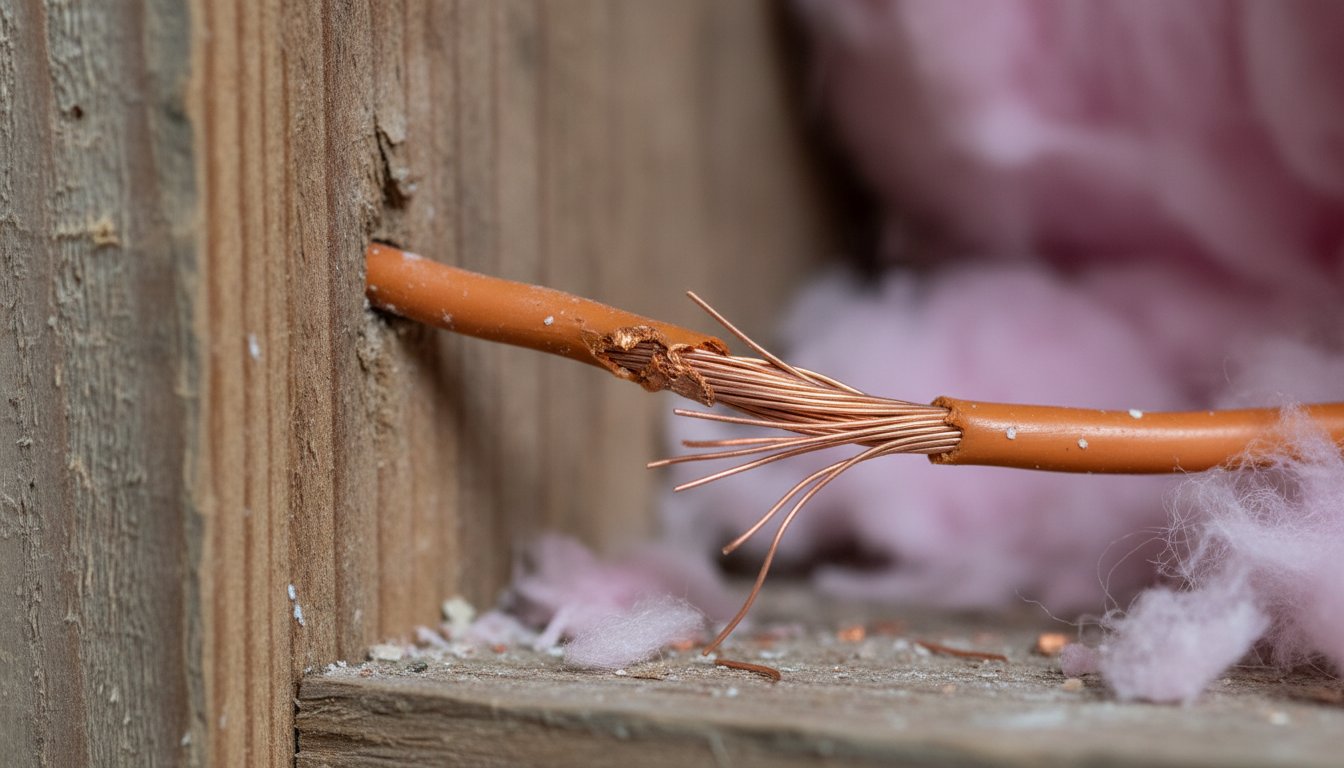
    Electrical wiring is particularly vulnerable to rodent activity. Mice often strip the protective insulation from wires to use as nesting material or simply to wear down their teeth. When wires are left exposed, they can arc, creating sparks that ignite surrounding fiberglass insulation, dust, or wooden framing. Because this damage occurs deep within wall voids, it’s nearly impossible for a homeowner to detect until a circuit fails or a fire starts. This hidden danger is why fire investigators often attribute unexplained structure fires to rodent activity. For comprehensive safety protocols, referring to a CDC guide to rodent control can provide additional context on managing these risks. If an infestation is confirmed, a follow-up inspection by a licensed electrician is highly recommended to ensure the home’s wiring remains safe.

    Damage to Insulation and Drywall

    Beyond fire risks, mice significantly degrade a home’s energy efficiency. They don’t just live in insulation; they destroy it. Whether your walls contain fiberglass batts or blown-in cellulose, rodents tunnel through these materials, causing them to compress. This compression destroys the material’s R-value, leading to increased heating costs during the harsh winters in Erie and Crawford Counties. Additionally, mice soil these areas with urine and droppings, turning once-clean insulation into a reservoir for pathogens. Replacing contaminated insulation within wall voids is a labor-intensive and costly process that often requires removing sections of drywall. Persistent burrowing can also weaken structural supports over time as mice chew through wood and soft metals to expand their nesting galleries. Identifying these vulnerabilities early through professional rodent control may help reduce the risk of long-term structural degradation.

    Disclaimer: The information provided on this blog is for general informational purposes only and is not intended as professional pest control advice. For an inspection or professional recommendations, please contact Mosquito Assassin Pest Control LLC directly.

    Health Risks Associated with Rodent Infestations in Wall Cavities

    While structural damage is a major concern, the invisible health risks posed by rodents are often more immediate. Mice utilize wall cavities as a network of private highways, leaving behind dried urine, droppings, and saliva as they travel. These waste products contain dangerous pathogens that can cause serious illness. Common diseases associated with these pests include Hantavirus, Leptospirosis, and Lymphocytic Choriomeningitis (LCMV). For example, the deer mouse is a known carrier of Hantavirus Pulmonary Syndrome, a severe respiratory disease. From 1993 through 2023, the U.S. reported 890 laboratory-confirmed cases of hantavirus disease. Understanding identifying mouse damage helps homeowners see that the threat extends beyond chewed wood to the contamination of everything the rodents touch.

    Air Quality and Respiratory Concerns

    The air inside your home is not as isolated from wall cavities as you might think. Small gaps around outlets, baseboards, and light fixtures allow air currents to pull microscopic particles from rodent waste directly into your living spaces. If you are researching how to get rid of mice in walls Erie PA, you should know that these airborne particles can trigger severe allergies or asthma attacks in sensitive individuals. The risk increases significantly if rodents nest near or inside air ducts. Pathogens can enter the HVAC system and be distributed throughout the entire house. When you encounter dry droppings, never use a vacuum or a broom. These actions aerosolize bacteria and viruses, making them easier to inhale. Professional intervention is the safest way to determine how to get rid of mice in walls Erie PA while protecting your family’s health.

    Secondary Infestations and Parasites

    Rodents also serve as transport hosts for secondary pests like ticks, fleas, and mites. In Pennsylvania and Ohio, these parasites are common and can easily migrate from a mouse’s fur into your home’s wall voids. Once established in the walls, these parasites often move into furniture, carpeting, and bedding in search of a new host. This creates a multi-layered infestation that is difficult to manage without a comprehensive rodent control service. Even after the primary rodent population is removed, these parasites may remain active in the wall voids for some time. Professional exclusion and maintenance are necessary to ensure that both the rodents and their associated parasites are fully addressed.

    Disclaimer: The information provided on this blog is for general informational purposes only and is not intended as professional pest control advice. For an inspection or professional recommendations, please contact Mosquito Assassin Pest Control LLC directly.

    The Dangers of Mice in Walls: Structural, Health, and Safety Risks

    Why Ignoring Mice in Walls Leads to Larger Infestations

    A single female house mouse is capable of producing between five and ten litters every year, with each litter typically containing five to six pups. Mice reach sexual maturity in as little as four to six weeks, meaning that by the time you hear the first scratching sound in your walls, the second generation of rodents may already be nearing reproductive age. This exponential growth ensures that a small pair of rodents nesting in a spring wall cavity can result in dozens of offspring before the first frost. When property owners delay seeking professional help for how to get rid of mice in walls Erie PA, they aren’t just dealing with a stagnant population; they’re facing an active breeding colony that is aggressively expanding its territory within the structure.

    Beyond rapid reproduction, the scent trail phenomenon ensures that an infestation remains persistent even if individual mice are removed. Mice communicate through pheromones found in their urine and droppings, which act as a biological GPS for other rodents. These chemical signals mark your home as a safe environment with established nesting sites and accessible heat sources. Even if the initial inhabitants are eliminated, these lingering scent markers attract new mice from the surrounding environment. This creates a revolving door of pests that standard retail traps simply cannot stop, as the structural entry points remain open and inviting.

    The High Cost of Delayed Intervention

    The financial impact of a rodent infestation increases significantly as the colony grows and spreads. Early intervention focuses on exclusion and minor cleanup, but late-stage infestations often require extensive structural repairs and professional decontamination of wall voids. DIY methods, such as placing retail snap traps in the kitchen, often fail because they don’t reach the source of the problem deep within the walls. A comprehensive strategy for rodent removal is necessary to reclaim your home from these persistent invaders. Investing in professional services early prevents the need for costly insulation replacement or electrical rewiring that results from long-term gnawing and soiling.

    Regional Seasonal Patterns in Erie and Ashtabula

    In Erie and Ashtabula counties, the harsh Great Lakes winters create immense pressure on residential structures. As temperatures begin to drop in late summer and early autumn, rodents actively scout for warm shelters to survive the sub-zero lake effect weather. A small entry point that went unnoticed in May becomes a primary highway for an entire colony by October. This is why late-summer inspections are a critical component of a general pest control plan. Identifying structural vulnerabilities before the winter freeze ensures that your home remains secure. A proactive approach to how to get rid of mice in walls Erie PA involves sealing these gaps before the seasonal shift drives local rodent populations indoors. If you suspect activity, consulting with experts at a local service location can help you identify hidden risks before the population peaks.

    Disclaimer: The information provided on this blog is for general informational purposes only and is not intended as professional pest control advice. For an inspection or professional recommendations, please contact Mosquito Assassin Pest Control LLC directly.

    Professional Strategies for Rodent Exclusion and Management

    Managing a rodent infestation inside structural voids requires a systematic approach that goes beyond simple trapping. Licensed professionals utilize a disciplined three-step methodology: removal, maintenance, and exclusion. This strategy ensures the current population is eliminated while the structure is reinforced against future invaders. When homeowners investigate how to get rid of mice in walls Erie PA, they find that professional pest control may help reduce risk to the property and its inhabitants by addressing the root cause of the entry rather than just the symptoms.

    Sealing entry points is the only way to prevent recurring infestations. Don’t rely on retail spray foam or plastic mesh, as rodents can easily chew through these soft materials to regain access. Professionals use high-grade, durable materials that are resistant to the powerful incisors of a mouse. Steel wool, copper mesh, and specialized elastomeric sealants create a permanent barrier. These materials are strategically applied to common vulnerabilities like sill plates, soffit gaps, and utility penetrations. Because mice are persistent, these barriers must be installed with technical precision to withstand the environmental pressures of the Great Lakes region.

    The Importance of a Comprehensive Inspection

    A successful resolution begins with a detailed evaluation of the entire property. Professionals are trained to identify hidden nesting sites and complex entry routes that are often invisible to the untrained eye. This process relies heavily on regional knowledge. For instance, understanding the specific breeding cycles and winter behaviors of rodents in Pennsylvania and Ohio allows for more precise placement of control measures. Identifying these patterns is a core part of professional services designed to reclaim a home’s integrity. It isn’t just about finding the mice; it’s about understanding how they’re utilizing the specific architecture of your home to survive.

    Long-Term Prevention and Exclusion

    Rodent-proofing a home involves permanent structural modifications. This exclusion process targets every potential vulnerability, from the foundation to the roofline. However, because homes settle and building materials age, ongoing maintenance is necessary to ensure new entry points don’t develop over time. Regular monitoring helps detect early signs of activity before a new colony can establish itself in the wall voids. For those seeking a professional assessment of their property’s vulnerabilities, contacting experts at a local service location is a critical step in maintaining a pest-free environment. This proactive approach is the most effective way to manage the long-term safety of your household.

    Disclaimer: The information provided on this blog is for general informational purposes only and is not intended as professional pest control advice. For an inspection or professional recommendations, please contact Mosquito Assassin Pest Control LLC directly.

    Protecting Your Property from Hidden Structural Risks

    Mice inhabiting wall cavities are more than a minor nuisance; they’re a significant threat to the structural integrity and safety of your household. The biological necessity for these rodents to gnaw leads to compromised electrical systems and degraded insulation, which can result in unseen fire hazards and increased energy costs. Additionally, the accumulation of waste within wall voids directly impacts indoor air quality, potentially introducing serious pathogens into your living environment. Because these pests reproduce rapidly, a small problem can quickly escalate into a systemic infestation if left unaddressed.

    Understanding how to get rid of mice in walls Erie PA involves moving beyond temporary fixes and focusing on a methodical removal and exclusion process. Professional pest control may help reduce risk by identifying every structural vulnerability and implementing permanent barriers that rodents cannot penetrate. If you suspect activity, it’s vital to act before the population expands further. For an inspection or professional recommendations, contact Mosquito Assassin Pest Control LLC directly. Licensed in PA and OH, the team provides regional expertise in local rodent behavior to ensure a comprehensive resolution. Reclaiming your home starts with a thorough, professional assessment.

    Disclaimer: The information provided on this blog is for general informational purposes only and is not intended as professional pest control advice. For an inspection or professional recommendations, please contact Mosquito Assassin Pest Control LLC directly.

    Frequently Asked Questions

    How can I tell if there are mice in my walls?

    Identifying a wall infestation involves listening for distinct nocturnal scratching or scurrying sounds. You should also look for dark grease marks along baseboards, which are caused by oils in rodent fur as they travel. A faint, musky odor resembling ammonia is often present in rooms where waste has accumulated behind the drywall. If you find small droppings near gaps in the foundation or utility pipes, these are clear indicators of an established population.

    Can mice in the walls cause a house fire?

    Rodents are a significant fire hazard because they must chew on hard materials to wear down their continuously growing teeth. This biological need often leads them to strip the protective insulation from electrical wiring inside wall cavities. When these wires arc, they can ignite surrounding insulation or dust. An estimated 20% to 25% of fires with an unknown cause in the United States are attributed to rodent damage, making hidden infestations a serious safety concern.

    What diseases do mice carry in Pennsylvania and Ohio?

    Local rodents in Pennsylvania and Ohio are known vectors for several serious pathogens. The deer mouse is a primary carrier of Hantavirus Pulmonary Syndrome, which is transmitted through contact with infected waste. Other risks include Leptospirosis and Lymphocytic Choriomeningitis (LCMV). Additionally, mice act as transport hosts for secondary pests like ticks and fleas. These parasites can migrate from the wall voids into your living spaces, posing further health risks to your family and pets.

    Will mice eventually leave the walls on their own?

    Mice will not leave a structure on their own as long as it provides warmth, nesting materials, and protection from predators. Instead of moving out, they establish breeding colonies that grow exponentially. A single female can produce up to ten litters annually, and the offspring reach maturity in just a few weeks. Without professional intervention, a small seasonal problem in the autumn will likely become a full scale infestation by the time spring arrives.

    Is it safe to use DIY poisons for mice inside walls?

    Using retail rodenticides inside walls is generally discouraged by licensed professionals. When a mouse consumes poison, it often crawls deep into an inaccessible wall void to die. As the carcass decomposes, it produces a strong, persistent odor that can permeate the entire home and attract secondary pests like flies or beetles. Professional strategies prioritize removal and exclusion to manage the infestation without the negative side effects of leaving decaying rodents behind your drywall.

    How much damage can a single mouse cause in a wall?

    A single mouse can cause extensive structural and functional damage within a wall cavity. Their constant tunneling through fiberglass or cellulose insulation causes the material to compress, which significantly reduces the home’s energy efficiency. They also gnaw on wooden studs and PVC piping to maintain their incisors. Over time, the accumulation of urine and droppings contaminates building materials, often requiring costly repairs and professional decontamination once the rodents are finally removed from the structure.

    Why do I hear scratching noises in my walls at night?

    Scratching noises are most common at night because mice are primarily nocturnal creatures. They utilize the quiet hours to forage for food, shred materials for nesting, and interact with other members of the colony. The hollow nature of wall cavities acts like a drum, amplifying the sounds of their tiny claws against wooden studs or drywall. Hearing these noises is a primary sign that you need to investigate how to get rid of mice in walls Erie PA.

    How do professionals get mice out of walls?

    Professionals utilize a methodical three step approach to resolve infestations: removal, maintenance, and exclusion. This process involves identifying all structural entry points and sealing them with durable materials like steel wool or copper mesh that rodents cannot chew through. Determining how to get rid of mice in walls Erie PA requires this comprehensive strategy to ensure the problem does not recur. Professional pest control may help reduce risk by permanently reinforcing the home’s exterior.

    Disclaimer: The information provided on this blog is for general informational purposes only and is not intended as professional pest control advice. For an inspection or professional recommendations, please contact Mosquito Assassin Pest Control LLC directly.

  • Dangers of Mice in Walls: Health Risks and Structural Hazards for Homeowners

    Dangers of Mice in Walls: Health Risks and Structural Hazards for Homeowners

    Did you know that rodents are responsible for approximately 25 percent of house fires with undetermined causes in the United States each year? It’s a sobering thought for any homeowner, especially when the threat is hidden behind layers of drywall and insulation. You likely already feel a sense of anxiety when you hear persistent scratching or scurrying sounds coming from your ceiling at 2:00 AM. Acknowledging the dangers of mice in walls is the first step toward safeguarding your property and your family’s health.

    This guide helps you understand the hidden health, fire, and structural risks associated with these pests and how to identify an infestation before it leads to thousands of dollars in repairs. You’ll learn about the specific pathogens mice carry, the damage they cause to electrical wiring, and how professional exclusion techniques provide lasting protection for residents in Erie, Crawford, and Ashtabula counties.

    Disclaimer: The information provided on this blog is for general informational purposes only and is not intended as professional pest control advice. Conditions vary by property, environment, and location. Reading this content does not create a service agreement. For an inspection or professional recommendations, please contact Mosquito Assassin Pest Control LLC directly.

    Key Takeaways

    • Understand how the Great Lakes climate in Pennsylvania and Ohio drives rodents to seek warmth in wall voids for winter survival.
    • Learn about the pathogens and respiratory health risks linked to aerosolized particles from rodent waste hidden inside wall cavities.
    • Identify the structural dangers of mice in walls, including the risk of electrical fires caused by constant gnawing on wiring and insulation.
    • Discover how to detect hidden activity through auditory cues, such as scratching or scurrying at night, and visual signs near baseboards.
    • Explore the importance of professional exclusion strategies to establish a long-term barrier against future rodent infestations.

    Why Mice Target Wall Voids in Pennsylvania and Ohio Homes

    The Great Lakes region experiences some of the most volatile weather shifts in the United States. In Erie County and Crawford County, Pennsylvania, the arrival of autumn brings a sharp drop in temperature that often occurs rapidly in late September or early October. This environmental shift triggers a powerful survival instinct in the House mouse. When outdoor temperatures fall toward the 40°F mark, these rodents prioritize finding a stable, climate-controlled environment. Your home represents a permanent summer to a rodent, offering a consistent heat source that allows them to survive the brutal winters common to the Rust Belt.

    To better understand the risks these pests pose once they’ve entered your home, watch this helpful video regarding the electrical risks they create:

    The structural design of residential properties in the region often includes hollow wall cavities filled with fiberglass or cellulose insulation. These materials don’t just keep your living space warm; they provide excellent nesting material for mice to burrow into. Once they’ve settled inside, the dangers of mice in walls become a reality as they begin to gnaw on structural components and leave behind pheromone trails that attract more rodents. The seasonal cycle typically peaks between October and February, when the pressure to find warmth is at its highest point for local wildlife.

    The Search for Thermal Stability

    Mice require consistent temperatures to breed and survive. Insulated walls act as a thermal buffer against the harsh lake-effect snow and wind. These wall voids are frequently located near heat-generating appliances or internal plumbing lines. A mouse will often nest behind a kitchen wall where the back of a dishwasher or oven provides supplemental warmth. Basements and crawlspaces serve as the primary gateways to these upper wall cavities. Rodents use the gaps around vertical pipe runs to climb between floors in seconds. Balloon framing, which is common in homes built before 1950, lacks internal fire stops and allows mice to move from the foundation to the attic without any physical barriers.

    Entry Points and Local Home Vulnerabilities

    Older homes in Erie and Ashtabula often have settled foundations or aging siding that creates easy access points. A mouse can squeeze through a gap only six millimeters wide, which is roughly the diameter of a dime. Common vulnerabilities include utility penetrations where gas or electric lines enter the structure. Gaps in soffits, loose mortar in brickwork, and poorly sealed basement windows are all high-risk areas. Identifying these small openings is a critical step in understanding the dangers of mice in walls and preventing a full-scale infestation. Professional pest control may help reduce risk by identifying these structural weaknesses before the winter freeze begins. For an assessment of your property, visit www.mosquitoassassin.com/contact-us to learn more.

    Disclaimer: The information provided on this blog is for general informational purposes only and is not intended as professional pest control advice. Conditions vary by property, environment, and location. Reading this content does not create a service agreement. For an inspection or professional recommendations, please contact Mosquito Assassin Pest Control LLC directly.

    Health Risks and Pathogens Associated with Rodent Activity

    Mice aren’t just a nuisance; they’re biological hazards. When they nest in wall voids, they leave behind urine, droppings, and nesting materials that accumulate over months. The Centers for Disease Control and Prevention (CDC) notes that rodents can spread over 35 diseases worldwide. In the Great Lakes region, including Erie and Crawford Counties, Hantavirus Pulmonary Syndrome is a primary concern. It’s a severe respiratory disease transmitted when humans breathe in air contaminated with rodent waste. While rare, the mortality rate for Hantavirus has historically been around 38 percent, making it a serious consideration for homeowners. Salmonellosis is another frequent risk. This bacterial infection occurs when mice track bacteria across kitchen surfaces after traveling through contaminated wall cavities. There are over 2,500 different serotypes of Salmonella, and mice are efficient vectors for several that cause intense gastrointestinal distress.

    Leptospirosis also poses a threat to residents in Pennsylvania and Ohio. This bacterial disease spreads through the urine of infected rodents. If mouse waste filters through cracks in baseboards or near plumbing fixtures, it can contaminate the living environment. The dangers of mice in walls are often compounded by the fact that these pathogens remain viable even after the urine or droppings have dried. Dusting or sweeping near infested areas can kick these pathogens into the air, leading to accidental inhalation. It’s vital to prevent rodent infestations before these biological materials reach dangerous levels within the home’s structure.

    Transmission via Air and Surfaces

    The dangers of mice in walls often stem from what’s invisible to the naked eye. As mice move, they deposit waste directly into fiberglass or cellulose insulation. This material acts like a sponge, trapping pheromones and pathogens. Over time, the waste dries and breaks down into microscopic particles. When a home’s HVAC system cycles, the resulting air pressure changes can pull these aerosolized pathogens out of the wall voids and into the ductwork. This process circulates contaminated dust through every room in the house. Cleaning visible surfaces isn’t enough if the source of the contamination remains hidden behind the drywall. Residents with asthma or chronic allergies often experience a 20 to 30 percent increase in symptom flare-ups when living in homes with active rodent colonies because of these airborne irritants. If you notice a persistent musty odor or unexplained respiratory issues, a professional pest assessment can help identify hidden nesting sites.

    Secondary Pests: Ticks, Fleas, and Mites

    Mice rarely travel alone; they act as biological transport for external parasites. Deer ticks, fleas, and mites frequently hitchhike on mice into the safety of your walls. In Northwest Pennsylvania and Northeast Ohio, deer ticks are known carriers of Lyme disease. If a mouse dies inside a wall, these parasites immediately seek a new, warm-blooded host. This often leads them through electrical outlets or light fixtures and into living areas where they encounter humans and pets. Mites, specifically the tropical rat mite or house mouse mite, can cause painful dermatitis in humans. These parasites can survive for several weeks without a host, meaning the risk persists even after the rodents are gone. Professional intervention ensures that these secondary hitchhikers are addressed through a comprehensive plan, as standard retail traps won’t eliminate the microscopic parasites left behind in the wall insulation.

    Disclaimer: The information provided on this blog is for general informational purposes only and is not intended as professional pest control advice. Conditions vary by property, environment, and location. Reading this content does not create a service agreement. For an inspection or professional recommendations, please contact Mosquito Assassin Pest Control LLC directly.

    Structural Dangers: Electrical Fires and Insulation Degradation

    Mice aren’t just looking for a warm place to sleep; they’re biologically driven to destroy the materials surrounding them. A mouse’s incisors grow continuously throughout its life, often lengthening by 4 to 5 inches per year. To prevent these teeth from growing into their own skulls, they must gnaw on hard materials to wear them down. The structural components tucked away inside a home’s walls offer a private, safe workshop for this constant grinding. This biological necessity creates one of the most hidden and severe dangers of mice in walls.

    Fire Hazards and Electrical Integrity

    Electrical wiring is a primary target for rodents because the plastic and rubber insulation provides the perfect level of resistance for dental maintenance. Once the protective coating is stripped away, the internal copper wire is left bare. This creates a high risk for electrical arcing, which occurs when electricity jumps between gaps or to a grounded surface. Arcing generates temperatures that can exceed 3,000 degrees Fahrenheit, easily igniting dry wooden studs or paper-backed insulation. When mice strip the protective sheathing from electrical lines, the resulting exposed copper allows electricity to jump across gaps, creating an intense heat source that can ignite nearby wooden studs or dry insulation.

    National fire safety data suggests that approximately 20% to 25% of house fires with “undetermined” causes are actually triggered by rodent-damaged wires. In regions like Erie County and Ashtabula County, where many homes feature older electrical systems, this risk is significantly higher. While homeowners worry about the immediate physical damage, the presence of these pests also introduces rodent-borne diseases into the air circulation of the property, complicating the safety profile of the building.

    Damage to Insulation and Vapor Barriers

    Insulation serves as a luxury building material for rodent nests, but the nesting process is highly destructive. Mice don’t simply sit on top of fiberglass or cellulose; they tunnel through it to create complex networks of runways. This activity compresses the material, which destroys its R-value and thermal resistance. A single established nest can create a permanent “cold spot” in a wall cavity that allows heat to escape during harsh Pennsylvania winters. Homeowners in Crawford County often see a 10% to 15% increase in seasonal heating costs due to compromised wall insulation that they can’t see from the living room.

    Beyond the thermal loss, these tunnels act as conduits for moisture and environmental decay. As mice urinate and defecate within the insulation, the material loses its ability to dry out. This accumulation of moisture frequently leads to localized mold growth and the eventual rotting of wooden vapor barriers and support beams. Understanding the dangers of mice in walls requires looking past the noise and focusing on the hidden structural decay that persists long after the mice are heard. Professional pest control may help reduce risk by identifying these entry points before structural damage becomes irreversible.

    For an inspection or professional recommendations, please visit www.mosquitoassassin.com/contact-us or use the online booking portal at https://portal.gorilladesk.com/mosquitoassassin.

    Disclaimer: The information provided on this blog is for general informational purposes only and is not intended as professional pest control advice. Conditions vary by property, environment, and location. Reading this content does not create a service agreement. For an inspection or professional recommendations, please contact Mosquito Assassin Pest Control LLC directly.

    Dangers of Mice in Walls: Health Risks and Structural Hazards for Homeowners

    Recognizing the Warning Signs of Mice in Wall Cavities

    Identifying an infestation early is the most effective way to mitigate the structural and health risks associated with rodents. Mice are naturally secretive, spending approximately 90% of their active hours hidden within the structural voids of a home. Because they’re nocturnal, homeowners in Erie County and Crawford County often realize there’s a problem through secondary signs rather than direct sightings. Understanding the dangers of mice in walls starts with recognizing that these pests use wall cavities as protected highways to move between nesting sites and food sources.

    One of the most reliable indicators of activity is the behavior of household pets. Dogs and cats possess up to 300 million olfactory receptors, making them far more sensitive to the scent of a rodent than humans. If a pet consistently paws at a specific section of baseboard or stares intently at a seemingly blank wall, it’s often reacting to the pheromones or sounds of a mouse moving behind the drywall. This behavior is frequently accompanied by a distinct, stale odor. Rodent urine contains high levels of ammonia; in enclosed spaces like wall cavities, this scent becomes concentrated and creates a musty, pungent smell that lingers near floor vents or electrical outlets.

    Interpreting Nocturnal Sounds

    Homeowners often confuse the sounds of a house settling with rodent activity. Building materials typically “pop” or “crack” as temperatures drop at night, but these are singular, isolated events. In contrast, mice produce rhythmic scratching, scurrying, and light tapping sounds. These noises are most prevalent between 10:00 PM and 2:00 AM when the house is quiet and the rodents are most active. You’ll likely hear these sounds in the transition points between walls and ceilings, where mice utilize the top plates of wall studs to navigate the perimeter of a room.

    Identifying Physical Evidence

    Mice leave behind clear physical markers during their nightly foraging trips. A single house mouse produces between 50 and 75 droppings every 24 hours. These droppings are typically 3 to 6 millimeters long, pointed at both ends, and resemble dark grains of rice. You’ll often find them clustered near utility pipe entries or behind kitchen appliances. Another sign is the presence of “rub marks.” These are dark, greasy stains left on baseboards or wall-floor junctions. They’re caused by the sebum and dirt in the mouse’s fur rubbing off as they follow the same paths every night. Because a mouse’s incisors grow roughly 0.3 millimeters per day, they must constantly gnaw on hard surfaces. Look for fresh wood shavings or teeth marks around the edges of cabinets and door frames.

    The dangers of mice in walls become more severe the longer the infestation remains undetected, as nesting material and waste accumulate in inaccessible areas. If you’ve noticed these warning signs in your Ashtabula County home, professional pest control may help reduce risk. Schedule a professional inspection through our online portal.

    Detecting these signs early prevents the population from expanding. A single female can produce up to 10 litters in a year, meaning a small problem can become a major infestation in under 90 days. Staying vigilant about these auditory and visual cues is the first step in safeguarding your property from long-term damage.

    Disclaimer: The information provided on this blog is for general informational purposes only and is not intended as professional pest control advice. Conditions vary by property, environment, and location. Reading this content does not create a service agreement. For an inspection or professional recommendations, please contact Mosquito Assassin Pest Control LLC directly.

    Long-Term Prevention and Professional Exclusion Strategies

    Addressing the dangers of mice in walls requires a shift from reactive trapping to proactive structural defense. While many homeowners rely on wooden snap traps or glue boards, these tools only manage the existing population without solving the underlying vulnerability. A single pair of mice can produce up to 10 litters in a single year, meaning that for every rodent caught, several more may be developing within the wall voids. Effective long-term control relies on exclusion, which is the process of physically barring entry to the home.

    Property owners in rural and suburban areas of Erie and Crawford Counties often face higher rodent pressure due to proximity to fields and wooded lots. During the peak migration months of October and November, mice seek stable temperatures and consistent food sources. Relying solely on baiting during these times can be problematic. Baits require the rodent to consume the product and then retreat into the walls, where they may expire in inaccessible locations. Professional exclusion avoids this issue by ensuring the rodents cannot enter the structure in the first place.

    The Process of Rodent Exclusion

    Exclusion is defined as the permanent sealing of potential entry points using rodent-proof materials. Technicians focus on gaps as small as 1/4 inch, which is roughly the size of a standard ink pen. Common materials include stainless steel wool, copper mesh, and hardware cloth. These materials are resistant to the constant gnawing of rodents, unlike plastic, wood, or standard spray foam. Sealing these points is significantly more effective than repeated baiting because it eliminates the “vacancy” that attracts new rodents once the old ones are gone. It’s a structural solution rather than a chemical one.

    Homeowners can support these efforts by reducing attractants around the property perimeter. Maintaining a 20-foot buffer between the home foundation and any woodpiles or heavy debris is a standard best practice. Additionally, keeping grass trimmed to a height of 3 inches or less removes the cover that mice use to scout for entry points. In Ashtabula County, where lakefront moisture can cause wood to soften, checking for rot around door frames and sill plates is vital, as softened wood is much easier for a mouse to chew through.

    Professional Management and Maintenance

    Licensed professionals play a critical role in identifying hidden nesting sites that are invisible to the untrained eye. Using specialized equipment like thermal imaging or borescope cameras, technicians can locate nests tucked deep inside fiberglass insulation. Identifying these hotspots is essential for complete eradication. Utilizing professional pest control may help reduce risk for homeowners by addressing these hidden colonies before they cause electrical damage or structural contamination.

    Maintaining a pest-free environment is not a one-time event but an ongoing process of seasonal inspections. Houses settle over time, and new gaps can open in foundations or rooflines due to the freeze-thaw cycles common in Pennsylvania and Ohio. Regular monitoring ensures that exclusion points remain intact and that no new vulnerabilities have developed. Information on local service areas can be found at our location page. Consistent oversight is the most reliable way to prevent the recurrence of an infestation and protect the long-term integrity of the home.

    Disclaimer: The information provided on this blog is for general informational purposes only and is not intended as professional pest control advice. Conditions vary by property, environment, and location. Reading this content does not create a service agreement. For an inspection or professional recommendations, please contact Mosquito Assassin Pest Control LLC directly.

    Safeguarding Your Property Against Hidden Rodent Threats

    Addressing the dangers of mice in walls requires a proactive approach to prevent electrical fires and respiratory illnesses. Research from the National Fire Protection Association indicates that rodents chewing through wiring cause approximately 20 percent of undetermined house fires in the United States. Beyond fire risks, the accumulation of droppings and urine within wall voids can lead to the spread of pathogens like Hantavirus or Salmonellosis. These hazards don’t always appear until significant damage or illness occurs.

    Homeowners in Erie, Crawford, and Ashtabula counties can mitigate these risks by identifying entry points and implementing professional exclusion strategies. Licensed and insured professionals provide the expertise needed to secure a property’s perimeter and safeguard its structural integrity. For a professional evaluation of your property, contact Mosquito Assassin Pest Control LLC directly. Taking these steps today ensures a safer, more secure environment for your family and pets.

    Disclaimer: The information provided on this blog is for general informational purposes only and is not intended as professional pest control advice. Conditions vary by property, environment, and location. Reading this content does not create a service agreement. For an inspection or professional recommendations, please contact Mosquito Assassin Pest Control LLC directly.

    Frequently Asked Questions

    How do I know if the scratching in my walls is a mouse?

    You can identify mice by high-pitched scratching or scurrying sounds that peak between 10:00 PM and 2:00 AM. These rodents are nocturnal and often concentrate their activity near kitchen walls or pantry areas. Mice can make 400 to 600 distinct scratching sounds per hour when active. If you hear heavier thumping, it’s likely a larger animal like a raccoon or squirrel rather than a mouse.

    Can mice in the walls make you sick even if you do not see them?

    Mice in the walls pose health risks because their droppings and urine release microscopic particles into the air. A single mouse can produce 50 to 75 droppings daily, which may carry pathogens like Hantavirus or Salmonellosis. These contaminants can circulate through HVAC systems or small wall gaps even if you don’t see a live rodent. Understanding the dangers of mice in walls is vital for maintaining a healthy indoor environment.

    Will mice eventually leave my walls on their own?

    Mice won’t leave your home voluntarily as long as they have access to warmth, nesting material, and food. A single female mouse can produce 10 litters per year, with each litter averaging 6 pups. This rapid reproduction means a small entry issue can become a 60-rodent infestation within months. They stay because residential walls provide a stable environment that stays 20 to 30 degrees warmer than outdoor temperatures during Pennsylvania winters.

    How much damage can a single mouse cause in a wall?

    A single mouse can cause hundreds of dollars in damage by gnawing on electrical wires and nesting in insulation. Rodent teeth grow 0.3 millimeters per day, forcing them to chew constantly on hard materials to prevent overgrowth. This behavior accounts for 25 percent of house fires with undetermined origins in the United States. They also compress fiberglass insulation, which reduces its R-value effectiveness by as much as 50 percent in localized areas.

    Do mice in walls cause smells that linger?

    Mice create a distinct, musty odor caused by the accumulation of urine and pheromones used to mark their territory. This smell is often described as a sharp ammonia scent that strengthens as the population grows. If a mouse dies within a wall cavity, the resulting decay produces a pungent odor that can persist for 14 to 21 days depending on humidity levels. These smells often require professional sanitation to fully eliminate from porous building materials.

    What is the most common entry point for mice in Pennsylvania homes?

    The most common entry points for mice in Erie and Crawford County homes are gaps around utility pipes and foundation cracks larger than 0.25 inches. Mice can squeeze through any opening the size of a standard pencil. Common problem areas include where siding meets the foundation and gaps in soffit vents. Addressing the dangers of mice in walls before the winter season begins helps prevent these rodents from gaining access to your home.

    Is it safe to use DIY chemicals for mice inside wall cavities?

    Using DIY chemicals inside wall cavities isn’t safe and is often ineffective for long-term control. These substances can seep into living spaces, posing risks to children and pets who spend 90 percent of their time indoors. Improperly applied pesticides may also cause rodents to die in inaccessible areas, leading to secondary pest issues like carpet beetles or blowflies. Professional pest control may help reduce risk; for an assessment, visit www.mosquitoassassin.com/contact-us.

    How long does a professional rodent exclusion process take?

    A professional rodent exclusion process typically takes between 2 and 5 hours for the initial sealing of entry points. After the home is secured, monitoring usually continues for 10 to 14 days to ensure no rodents remain trapped inside. This timeframe varies based on the size of the structure and the number of identified entry holes. Following a systematic approach ensures the property remains protected against future infestations. To schedule an inspection, visit https://portal.gorilladesk.com/mosquitoassassin.

    Disclaimer: The information provided on this blog is for general informational purposes only and is not intended as professional pest control advice. Conditions vary by property, environment, and location. Reading this content does not create a service agreement. For an inspection or professional recommendations, please contact Mosquito Assassin Pest Control LLC directly.