What if the biggest threat to your home’s structural integrity isn’t the heavy Lake Erie snow, but the silent inhabitants living right beneath your feet? For many property owners, the basement is an “out of sight, out of mind” area until recurring spider webs or the fear of rodent damage to structural beams becomes impossible to ignore. Effective basement pest control Erie PA requires a deep understanding of how the regional climate, characterized by high humidity and aging foundations, creates a perfect sanctuary for unwanted guests.
It’s natural to feel uneasy about a damp, uninviting basement environment or the uncertainty of where pests are actually getting in. You deserve a dry, secure space that doesn’t feel like a breeding ground for insects and rodents. This guide provides the clarity needed to identify specific local pests and manage the environmental causes behind their presence. The following sections explore the difference between structural vulnerabilities and environmental attractants, ensuring your home remains a fortress against the unique pest pressures of Northwest Pennsylvania and Northeast Ohio.
Disclaimer: The information provided on this blog is for general informational purposes only and is not intended as professional pest control advice. Conditions vary by property, environment, and location. Reading this content does not create a service agreement. For an inspection or professional recommendations, please contact Mosquito Assassin Pest Control LLC directly.
Key Takeaways
- Learn how the high humidity levels near Lake Erie create ideal conditions for moisture-loving pests in subterranean spaces.
- Identify the most frequent invaders in Northwest Pennsylvania, including spiders and cave crickets that thrive in cool, damp corners.
- Discover why effective basement pest control Erie PA requires addressing both structural gaps in the foundation and environmental factors like basement clutter.
- Implement practical prevention steps such as sealing foundation cracks with masonry caulk and installing fine mesh screens over vents.
- Understand the value of year-round protection plans to monitor and manage seasonal pest surges in Erie, Crawford, and Ashtabula counties.
Understanding Basement Pest Control in the Erie, PA Climate
Basements serve as unique ecosystems within a home, often providing the exact conditions that subterranean pests crave. In Northwest Pennsylvania, these spaces aren’t just for storage; they are frequently damp, dark environments where insects and rodents can remain undisturbed for long periods. Effective basement pest control Erie PA begins with a clear understanding of why these creatures choose your property. Most invaders are looking for three specific things: moisture, darkness, and a stable temperature that protects them from the elements.
Properly addressing these issues requires a strategy known as Integrated Pest Management (IPM). This approach focuses on long-term prevention by combining physical barriers with habitat modification. Instead of simply reacting to a sighting, property owners can use these principles to address the root causes of an infestation. To better understand how these environments become hotspots for activity, watch this helpful video:
The Role of Lake Effect Humidity
Erie’s proximity to the lake isn’t just a weather headline; it’s a primary driver for pest activity. The high humidity levels common in Erie and Ashtabula counties facilitate the survival of moisture-loving insects that would otherwise perish in drier regions. Silverfish and house centipedes are common sights in damp Northwest Pennsylvania basements because they require high humidity to prevent dehydration. These pests often follow the path of least resistance into subterranean spaces where the air remains heavy with moisture. When seasonal weather shifts occur, especially during the transition from humid summers to wet autumns, pests are driven indoors seeking the regulated climate of a residential basement. This migration is a survival tactic to avoid the freezing temperatures typical of the region.
Common Entry Points in Local Foundations
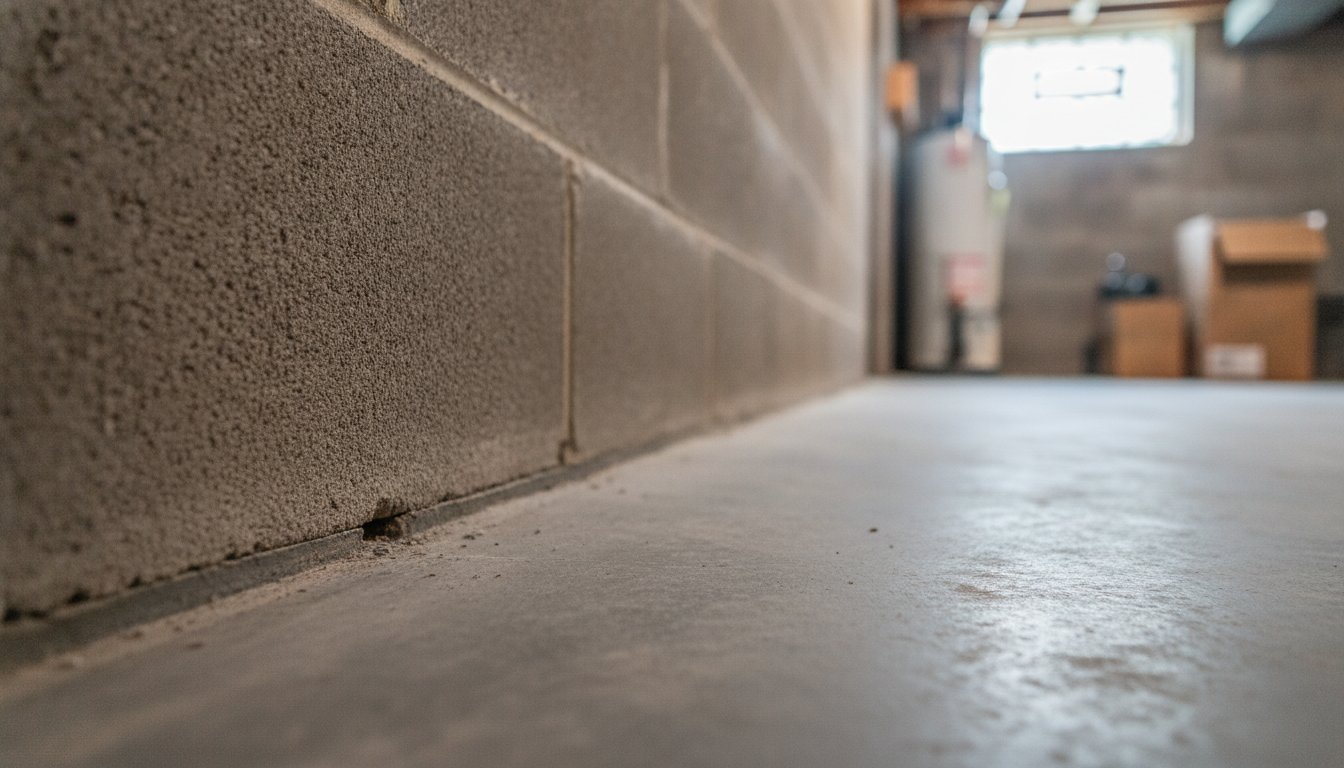
Older housing stock in Northwest Pennsylvania presents specific challenges for exclusion. Many homes in the region feature stone, brick, or early concrete block foundations that have shifted over decades of freeze-thaw cycles. These materials often develop hairline fractures or mortar decay, creating small cracks that act as highways for ants, spiders, and even small rodents. Utility line penetrations for gas, water, and electricity also frequently leave gaps that go unnoticed during a casual walk-through. Sump pumps and floor drains are additional areas to monitor closely. While these systems are essential for preventing flooding, they can provide direct access points for pests if the surrounding seals have degraded or if screens aren’t in place.
Professional assessments are often necessary to identify these subtle vulnerabilities. Comprehensive pest management plans can help property owners pinpoint where structural issues meet environmental attractants. Identifying these structural vulnerabilities is a core component of effective basement pest control Erie PA, ensuring that the foundation remains a barrier rather than a doorway for local pests.
Disclaimer: The information provided on this blog is for general informational purposes only and is not intended as professional pest control advice. Conditions vary by property, environment, and location. Reading this content does not create a service agreement. For an inspection or professional recommendations, please contact Mosquito Assassin Pest Control LLC directly.
Identifying Common Basement Pests in Northwest Pennsylvania
Identifying the specific invaders in your subterranean space is the first step toward effective basement pest control Erie PA. While many homeowners expect to see an occasional insect, certain species indicate deeper environmental or structural issues. Spiders are the most frequent basement invaders in Northwest Pennsylvania. They often build extensive webs in undisturbed corners, preying on other small insects that find their way inside through foundation gaps. These arachnids are often the first sign that a basement’s ecosystem is supporting a larger food chain of pests.
Rodents and Structural Threats
Rodents, specifically mice, utilize basements as primary nesting grounds during the harsh winter months in Erie and Crawford counties. Unlike insects that may only seek moisture, mice pose significant structural threats to a property. They frequently chew through insulation or electrical wiring, which can create fire hazards or reduce energy efficiency. Signs of rodent activity often include dark, spindle-shaped droppings and shredded nesting materials tucked near sill plates or behind storage bins. Because these pests reproduce rapidly and are experts at hiding, professional rodent removal is typically necessary for total eradication. Identifying these entry points early prevents a small winter nesting site from becoming a year-round infestation.
Moisture-Loving Insects
Moisture-loving insects often serve as living indicators of the humidity levels within your home. Cave crickets, also known as camel crickets, seek out the cool, damp conditions found in many local foundations. They are known for their jumping ability and propensity to congregate in large numbers in dark corners. Other common household insects in Pennsylvania include silverfish, which are uniquely attracted to the starch found in cardboard storage boxes and book bindings.
Centipedes and millipedes also thrive in these high-moisture zones. House centipedes are actually predatory pests that hunt other basement insects. While their appearance is unsettling, their presence often signifies a high population of other prey insects and excessive humidity. Distinguishing between harmless occasional invaders and established infestations is critical for maintaining a healthy home environment. If you’re concerned about recurring sightings, professional pest management may help reduce risk and identify hidden nesting sites.
Disclaimer: The information provided on this blog is for general informational purposes only and is not intended as professional pest control advice. Conditions vary by property, environment, and location. Reading this content does not create a service agreement. For an inspection or professional recommendations, please contact Mosquito Assassin Pest Control LLC directly.
Structural vs. Environmental Factors in Pest Management
Pests don’t enter your home by accident; they’re following specific biological cues. Achieving long-term basement pest control Erie PA requires a dual focus on the physical structure and the internal environment. Structural factors are the physical gaps, such as foundation cracks or poorly sealed windows, that allow entry. Environmental factors are the conditions inside, like high humidity or clutter, that encourage pests to stay and breed. Following Integrated Pest Management (IPM) principles ensures you’re treating the cause rather than just the symptoms. Addressing only the pests without fixing these root issues is a recipe for recurring infestations.
The Importance of Dehumidification
Maintaining a dry basement is perhaps the single most effective way to discourage insect activity. Most basement pests, including centipedes and silverfish, require high moisture levels to survive. Professionals recommend keeping humidity levels below 50 percent to disrupt the breeding cycles of these moisture-loving insects. Proper airflow is also critical. Stagnant air creates the humid micro-climates that spiders prefer for their webs. Controlling moisture levels protects your home’s structural beams from both rot and pest-related damage. Damp wood is a primary attractant for wood-destroying organisms, making dehumidification a structural necessity in Northwest Pennsylvania.
Storage Habits and Clutter Control
What you store in your basement, and how you store it, directly impacts your risk level. Many homeowners use cardboard boxes for long-term storage, but cardboard is a major attractant. It provides both food and shelter for silverfish and rodents. Switching to heavy-duty plastic bins with tight lids is a simple change that significantly reduces pest attraction. Clutter itself provides “harborage,” which are the hidden spots where pests can live and reproduce without being detected. Keeping items off the floor and away from foundation walls makes it easier to spot signs of activity. Managing these storage habits is a practical step toward better basement pest control Erie PA.
Finally, never store firewood inside or directly against the foundation. Firewood piles are notorious for harboring wood-boring insects and rodents that will quickly migrate into your home’s basement. Comprehensive general pest control involves more than just applications; it’s about making your home less hospitable to invaders. By managing these structural and environmental factors, you create a long-term barrier that keeps your subterranean spaces secure.
Disclaimer: The information provided on this blog is for general informational purposes only and is not intended as professional pest control advice. Conditions vary by property, environment, and location. Reading this content does not create a service agreement. For an inspection or professional recommendations, please contact Mosquito Assassin Pest Control LLC directly.
Practical Strategies for Basement Pest Prevention
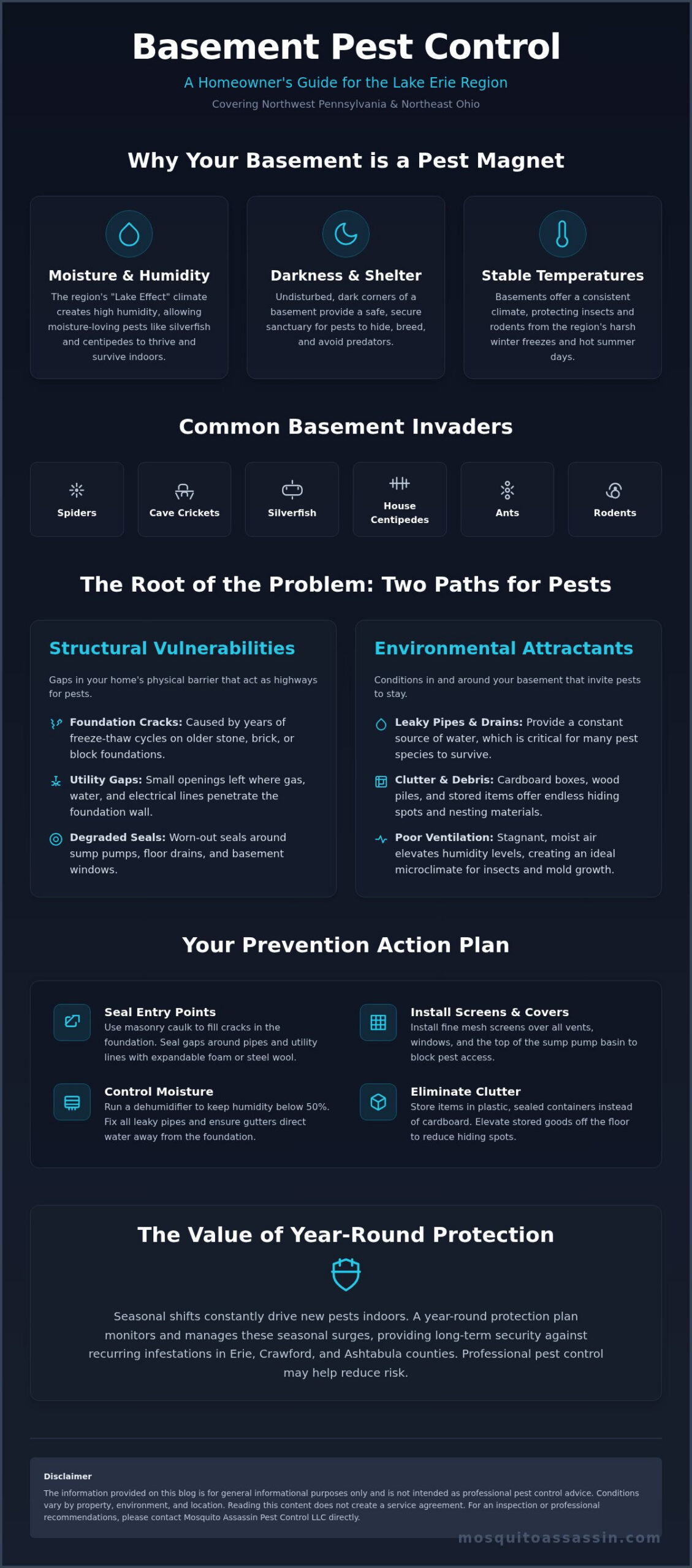
Taking proactive steps to secure your home’s foundation is the most effective way to maintain long-term results. For residents seeking basement pest control Erie PA, prevention is a physical process that starts with a thorough inspection of the building’s envelope. Sealing all visible cracks in the foundation using high-quality masonry caulk or sealant is a foundational step. These gaps don’t just let in moisture; they serve as entry points for the smallest insects. Additionally, installing fine mesh screens over basement vents and windows blocks larger invaders like crickets and spiders while still allowing for necessary ventilation. Regularly vacuuming basement corners and joists to remove spider webs and egg sacs further disrupts the local pest population before it can expand.
Foundation and Perimeter Exclusion
Mechanical exclusion is often more effective than chemical barriers alone. Using steel wool or copper mesh to plug gaps around utility pipes is a professional best practice because mice cannot chew through these abrasive materials. Homeowners should also check basement door sweeps to ensure a tight seal against the threshold. If light can be seen under the door, pests can certainly get in. The exterior perimeter plays a massive role in basement health. Ensuring the exterior grade slopes away from the foundation prevents water from pooling, which reduces the moisture levels that attract pests in the first place. Inspecting all items brought in from storage, such as seasonal decorations or outdoor furniture, is also vital for preventing hitchhiking pests from establishing a new colony inside.
Ongoing Maintenance Checklists
Pest prevention isn’t a one-time event; it’s a seasonal commitment. Northwest Pennsylvania’s intense freeze-thaw cycles can cause foundations to shift, creating new cracks that weren’t there the previous year. Regularly monitor these areas and update seals as needed to maintain a secure barrier. A seasonal schedule should also include the following tasks:
- Check sump pump pits for standing water to prevent them from becoming breeding grounds.
- Monitor for new foundation cracks that form after heavy winter frosts.
- Remove organic debris, such as wet leaves or thick mulch, from the immediate exterior foundation line.
- Clean out window wells to prevent moisture buildup against basement glass.
Organic materials provide the perfect bridge for insects to move from the soil to your home’s structure. If you discover signs of a persistent infestation during your maintenance check, professional pest management plans can provide the deep-level exclusion and maintenance needed to secure your property against seasonal surges.
Disclaimer: The information provided on this blog is for general informational purposes only and is not intended as professional pest control advice. Conditions vary by property, environment, and location. Reading this content does not create a service agreement. For an inspection or professional recommendations, please contact Mosquito Assassin Pest Control LLC directly.
Professional Intervention and Long-Term Protection
Professional intervention provides a level of depth that DIY methods often fail to achieve. A thorough assessment identifies hidden nesting sites in crawl spaces or behind finished basement walls that are invisible to the untrained eye. This systematic approach is essential for effective basement pest control Erie PA, as it addresses the biological source of the infestation rather than just the visible symptoms. Specialized treatments can manage difficult pests like rodents or bed bugs more effectively, utilizing professional-grade equipment and advanced exclusion techniques. Professional pest control may help reduce risk by creating a consistent, scientifically applied barrier around the property’s entire perimeter.
Why Year-Round Monitoring Matters
Pest pressures in Northwest Pennsylvania are never static. From the spring thaw in Erie and Crawford counties, which brings moisture-loving insects out of hibernation, to the deep winter freeze that drives rodents into warm foundations, a basement remains a primary target for invaders. Proactive maintenance ensures that vulnerabilities are addressed before they become costly structural emergencies. Integrating basement care into a commercial pest control or residential plan provides the continuity needed for long-term protection. Reactive, one-time treatments often fail because they don’t account for the seasonal migration patterns and lifecycles of local pests.
Finding Trusted Local Expertise
Finding a provider who understands the unique geography of Northwest Pennsylvania and Northeast Ohio is vital for success. A professional inspection should be methodical, involving clear documentation and specific recommendations for structural repairs to aging stone or brick foundations. Property owners should verify that their chosen provider maintains a Pesticide Business License and carries the necessary insurance requirements mandated by state law. In Pennsylvania, this includes specific liability coverage for pesticide applications. Seeing a business license number (BU number) displayed on service vehicles is a hallmark of a legitimate, professional operation. Contacting a professional for a comprehensive basement inspection is a recommended step for any persistent issue that standard homeowner maintenance cannot resolve.
Disclaimer: The information provided on this blog is for general informational purposes only and is not intended as professional pest control advice. Conditions vary by property, environment, and location. Reading this content does not create a service agreement. For an inspection or professional recommendations, please contact Mosquito Assassin Pest Control LLC directly.
Secure Your Foundation for Year-Round Peace of Mind
Maintaining a secure and dry subterranean space in Northwest Pennsylvania requires more than just occasional cleaning; it demands a disciplined approach to moisture control and structural exclusion. By keeping humidity levels below 50 percent and sealing foundation gaps with professional-grade materials, you can effectively disrupt the environments that spiders, crickets, and rodents crave. Successful basement pest control Erie PA is a year-round commitment that adapts to the shifting seasonal pressures of the region.
Property owners in Erie, Crawford, and Ashtabula counties achieve lasting results by prioritizing proactive monitoring over reactive treatments. Identifying hidden nesting sites and structural vulnerabilities early prevents small issues from becoming significant threats to your home’s integrity. For those dealing with persistent invaders or complex foundation layouts, professional assistance ensures every entry point is identified and secured. You don’t have to manage these vulnerabilities alone. You can request a professional basement inspection today to begin the process of reclaiming your home from unwanted pests. Protecting your foundation is a vital step in maintaining a healthy, comfortable living environment for years to come.
Disclaimer: The information provided on this blog is for general informational purposes only and is not intended as professional pest control advice. Conditions vary by property, environment, and location. Reading this content does not create a service agreement. For an inspection or professional recommendations, please contact Mosquito Assassin Pest Control LLC directly.
Frequently Asked Questions
What is the most common pest found in Erie basements?
Spiders and cave crickets are the most frequently encountered pests in local subterranean spaces. These species thrive in the dark, damp conditions common to Erie and Crawford counties. While they are often harmless, their presence usually indicates that other insects are present as a food source. Addressing the underlying moisture levels is the first step in managing these common invaders effectively.
Why do I have so many spiders in my basement every autumn?
Spiders migrate toward stable indoor temperatures as the weather cools in Northwest Pennsylvania. During the autumn months, they also follow prey insects that are seeking shelter from the frost. This seasonal surge is often more noticeable in basements because of the abundance of undisturbed corners and entry points in older foundations. Keeping these areas clean and vacuumed can help reduce their numbers during the transition.
Can a dehumidifier really help with pest control in a basement?
A dehumidifier is a highly effective tool for basement pest control Erie PA because it removes the moisture that many insects need to survive. Species like silverfish and centipedes have high moisture requirements and will often leave or die if humidity levels stay below 50 percent. Reducing dampness also prevents the growth of mold, which can serve as a food source for certain pests.
How do mice get into a basement if the windows are closed?
Mice can enter a basement through gaps as small as a quarter inch, which is roughly the size of a pencil. They frequently use utility line penetrations, gaps in the sill plate, or cracks in aging masonry foundations. Even if windows are closed, these small structural vulnerabilities provide easy access from the exterior perimeter. Professional exclusion techniques are often necessary to seal these hidden highways permanently.
Are basement pests dangerous to my family or pets?
While most basement insects are nuisance pests, rodents and certain spiders can pose health risks. Mice are known to carry bacteria and can contaminate surfaces with their droppings and urine. Some people may also experience allergic reactions to the shed skins or droppings of cockroaches or silverfish that congregate in damp areas. Maintaining a dry and clean environment is the best way to protect your family’s health.
Should I worry about crickets in my basement?
Cave crickets are primarily a nuisance, but they can damage stored items if left unchecked. They are known to chew on fabrics, paper, and cardboard when their usual food sources are scarce. A large population of crickets also attracts predatory pests like spiders and centipedes, potentially leading to a larger infestation. Using plastic storage bins instead of cardboard can help protect your belongings from these jumpers.
How often should a basement be inspected for pests in Pennsylvania?
Professional inspections should ideally occur at least once a year, though seasonal checks are better for homes with older foundations. The freeze-thaw cycles in Pennsylvania can create new structural gaps every winter. Regular monitoring for basement pest control Erie PA helps identify these changes before pests can establish a permanent presence. Early detection is always more cost-effective than treating an established infestation.
Can I handle a basement rodent infestation on my own?
Handling a rodent infestation alone is often difficult because mice reproduce quickly and hide their nests in inaccessible areas. DIY traps may catch a few individuals but rarely address the root cause or the entry points. Professional intervention is usually required to ensure total removal and to implement effective exclusion strategies that prevent future entry. This methodical approach is the most reliable way to secure your home.
Disclaimer: The information provided on this blog is for general informational purposes only and is not intended as professional pest control advice. Conditions vary by property, environment, and location. Reading this content does not create a service agreement. For an inspection or professional recommendations, please contact Mosquito Assassin Pest Control LLC directly.