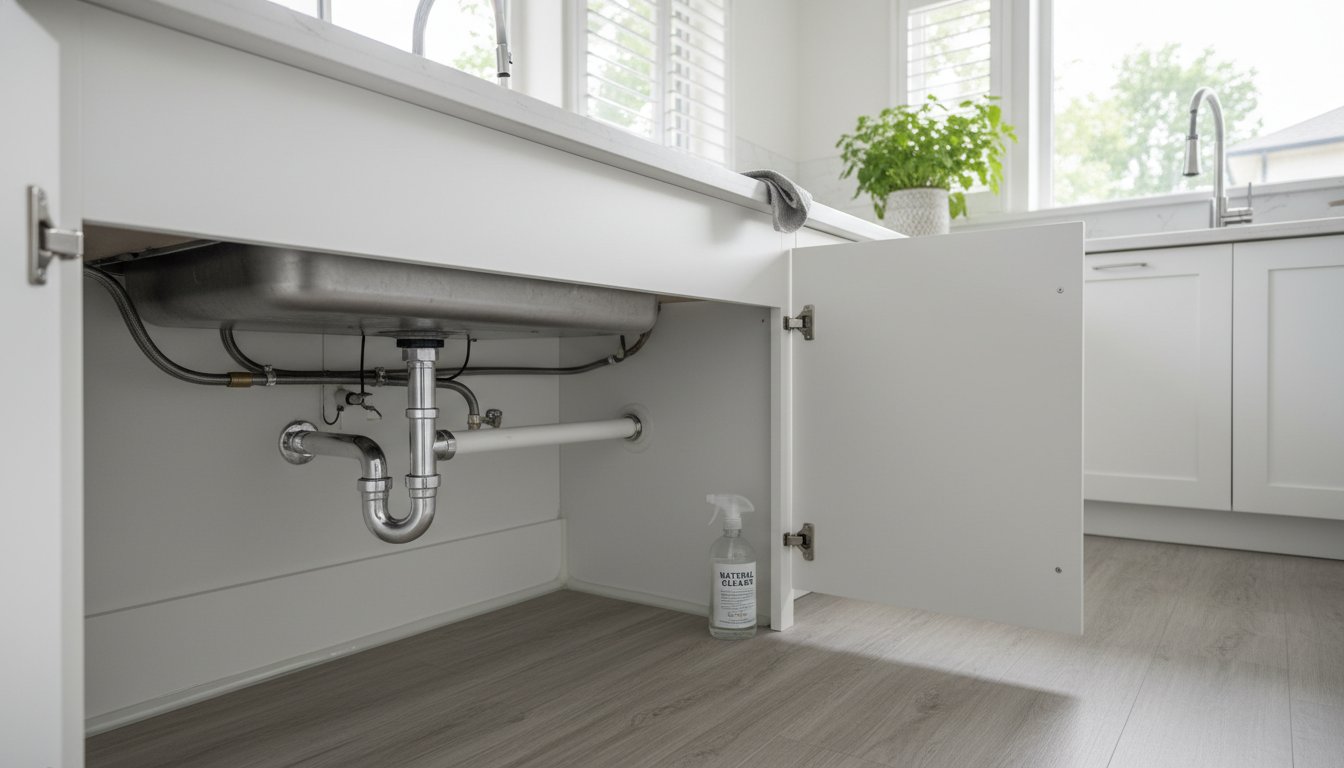
Did you know that approximately 14 million American households reported seeing cockroaches in their homes in 2021? For homeowners in Erie and Crawford Counties in Pennsylvania, or Ashtabula County in Ohio, the sight of a single scuttling insect can trigger immediate anxiety about health risks and growing infestations. It’s a valid concern, especially considering that these pests can carry around 30 different types of bacteria and are a major trigger for childhood asthma. Learning how to prevent cockroaches effectively requires moving beyond basic cleaning to a more disciplined, professional approach.
You likely already know that a clean kitchen is important, but you might feel confused about which habits actually stop an infestation before it starts. This guide provides evidence-based strategies to secure your property through structural exclusion, strategic sanitation, and professional environmental management. You’ll gain a clear understanding of common entry points and a practical checklist of preventative maintenance tasks. By the end, you will have the confidence to manage your home’s environment and know exactly when professional pest control may help reduce risk.
Disclaimer: The information provided on this blog is for general informational purposes only and is not intended as professional pest control advice. Conditions vary by property, environment, and location. Reading this content does not create a service agreement. For an inspection or professional recommendations, please contact Mosquito Assassin Pest Control LLC directly.
Key Takeaways
- Identify the specific cockroach species common in Pennsylvania and Ohio to determine if they are entering through structural cracks or hitchhiking on household items.
- Learn how to prevent cockroaches by moving beyond standard cleaning to focus on micro-sanitation in overlooked areas that provide food and water.
- Implement exclusion techniques to physically block entry points and reduce clutter that serves as a primary hiding place for developing populations.
- Address the regional challenges of high humidity near Lake Erie and seasonal shifts that frequently drive pests into homes in Erie, Crawford, and Ashtabula counties.
- Shift from reactive treatments to proactive professional monitoring to identify early warning signs and secure your home before an infestation grows.
Understanding Cockroach Behavior and Common Entry Points
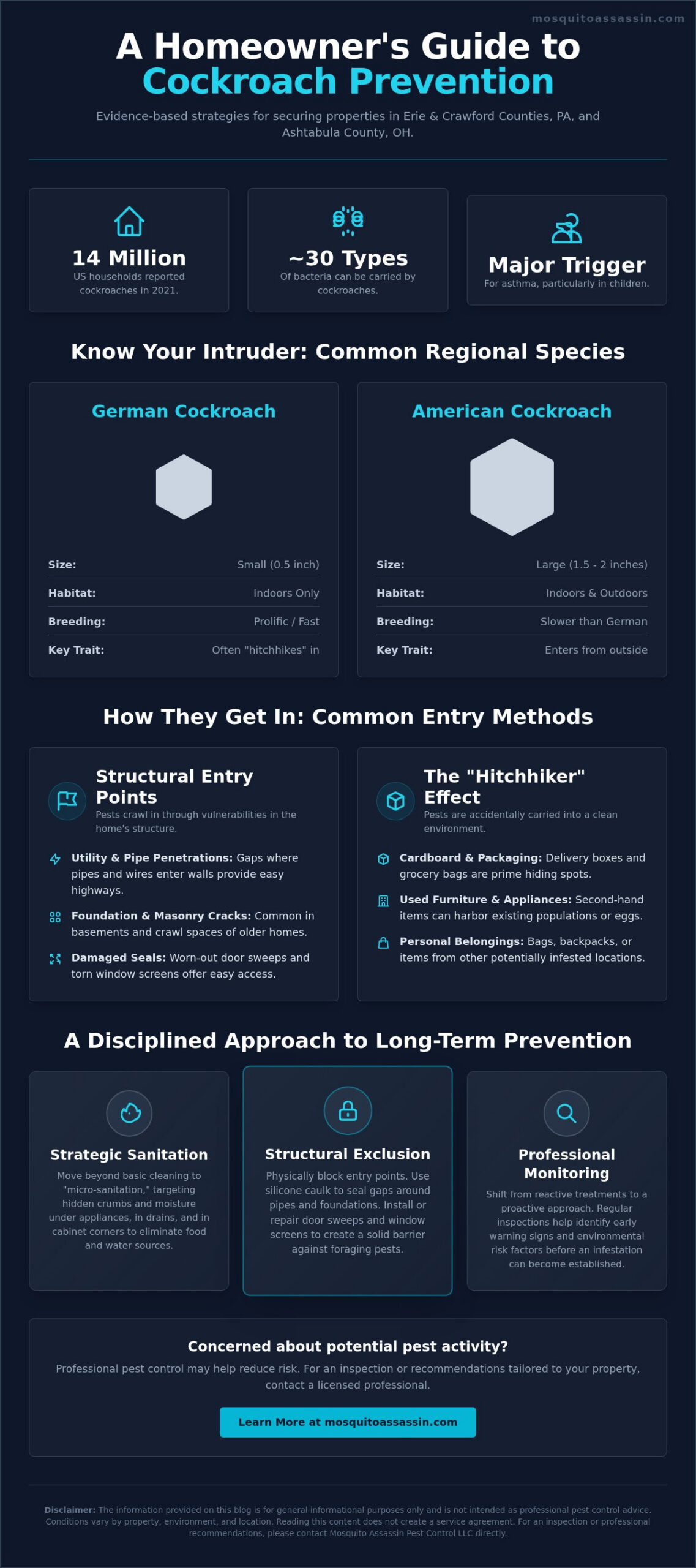
Cockroaches are resilient survivors driven by a biological need for warmth, moisture, and darkness. In the regional climates of Erie and Crawford Counties in Pennsylvania and Ashtabula County in Ohio, two primary species dominate the landscape: the German cockroach and the American cockroach. German cockroaches are small, prolific breeders that typically stay indoors, while American cockroaches are larger and often move between outdoor environments and human structures. Understanding Cockroach behavior and life cycle is the first step in learning how to prevent cockroaches from establishing a presence in your home. These pests utilize aggregation pheromones, which are chemical signals left in their droppings, to alert other cockroaches that a specific area is a safe and viable nesting site.
To better understand this concept, watch this helpful video:
Structural Entry Points: How They Crawl In
Structural vulnerabilities provide an open invitation to foraging pests. Utility pipes and electrical conduits often serve as primary highways, allowing insects to travel between walls and floors with ease. In older homes across Erie and the surrounding areas, basements and crawl spaces are frequent entry points due to settling foundations or porous masonry. Small gaps around door sweeps or damaged window screens in ground-level rooms also provide enough space for a cockroach to squeeze through. Securing these gaps is a fundamental part of a professional exclusion strategy. Using silicone-based caulk or heavy-duty weather stripping can close these physical paths effectively.
The Hitchhiker Effect: How They Are Carried In
While many pests crawl in, others are brought in through human activity. This is often how clean homes suddenly face a crisis. Used furniture, second-hand appliances, and corrugated cardboard boxes are high-risk items because they provide the tight, dark spaces cockroaches prefer for hiding and laying eggs. Even routine activities like bringing home grocery bags or receiving delivery packages can inadvertently introduce a pest.
The hitchhiker effect is the accidental transport of pests into a clean environment through infested items or materials. Distinguishing between a single “hitchhiker” found in a delivery box and an established population living within the home’s structure is vital for proper management. While a single insect found on a package is a warning sign, an established population usually involves sightings near water sources or evidence of droppings. Inspecting all incoming items can significantly improve your efforts regarding how to prevent cockroaches from taking hold in your living space.
Disclaimer: The information provided on this blog is for general informational purposes only and is not intended as professional pest control advice. Conditions vary by property, environment, and location. Reading this content does not create a service agreement. For an inspection or professional recommendations, please contact Mosquito Assassin Pest Control LLC directly.
Strategic Sanitation: Disrupting the Cockroach Life Cycle
While a clean kitchen is a great start, a determined cockroach population can survive on surprisingly little. Effective sanitation requires a shift toward “micro-sanitation,” which targets the hidden crumbs and organic matter that daily chores often miss. This level of detail is a cornerstone of professional pest management and focuses on long-term environmental control.
Understanding how to prevent cockroaches involves more than just a quick sweep; it’s about removing every possible advantage the pests have. By disrupting their access to food and water, you can significantly slow their reproductive cycle and make your property far less attractive to new arrivals.
Eliminating Food Sources Beyond the Kitchen Counter
Pulling out the stove or refrigerator often reveals a goldmine of food for pests. Spilled flour, dried juice, or a thin grease film on the wall behind the range can sustain dozens of insects for weeks. Grease is a high-calorie resource that homeowners often overlook. It accumulates on vent hoods and the sides of cabinets, providing a reliable food source even when the counters are spotless.
Storing pet food in open bags is another common mistake. Cockroaches are highly attracted to the proteins and fats in dog and cat kibble. Switching to airtight, hard-plastic containers creates a simple but effective barrier. Cleaning the area around pet bowls daily prevents the accumulation of small particles that serve as a nightly feast for foraging insects.
Moisture Management: Removing the Vital Resource
Cockroaches can live for a month without food but will perish in about a week without water. This makes moisture control just as critical as food elimination. In the humid regions near Lake Erie, sweating pipes and damp basements provide a constant supply of water. Using dehumidifiers in these lower levels can make the environment much less hospitable. Don’t forget to check refrigerator drip pans or pet water bowls; standing water is a vital resource that must be managed.
Leaky faucets and slow-draining sinks are more than just a nuisance; they are life-support systems for pests. For a deeper look at these environmental factors, this Practical Guide to Cockroach Control provides excellent technical insights into how sanitation impacts population growth. If these environmental modifications seem daunting, professional pest control may help reduce risk by providing a comprehensive assessment of your property’s specific vulnerabilities.
Finally, proper trash management is essential for success. Kitchen bins should have tight-fitting lids and be emptied every night. Storing outdoor bins away from the home’s exterior walls prevents drawing pests closer to your foundation. Cleaning the bins themselves with soap and water removes the odors and sticky residues that attract foraging pests from the neighborhood.
Disclaimer: The information provided on this blog is for general informational purposes only and is not intended as professional pest control advice. Conditions vary by property, environment, and location. Reading this content does not create a service agreement. For an inspection or professional recommendations, please contact Mosquito Assassin Pest Control LLC directly.
Exclusion and Habitat Modification for Long-Term Protection
While strategic sanitation removes the incentive for pests to stay, exclusion is the process of physically blocking them from entering in the first place. This proactive approach is a core component of professional pest management. It moves beyond the reactive cycle of cleaning and focuses on the structural integrity of your home. Understanding how to prevent cockroaches requires a shift in perspective; you must view your property as a sealed fortress rather than an open environment. By identifying and closing specific gaps, you create a permanent barrier that high-standard cleaning alone cannot provide.
A Systematic Approach to Sealing the Home
A random application of caulk is rarely effective. Instead, homeowners in Erie and Crawford Counties should follow a disciplined, multi-step process to secure their living spaces. Focus on these specific areas to maximize your protection:
- Step 1: Inspect every point where plumbing pipes or electrical conduits enter the walls. Use a high-quality silicone caulk to seal these gaps, as cockroaches often use these utility lines as internal highways.
- Step 2: Replace worn or brittle weatherstripping on all exterior doors and windows. If you can see light through the bottom of a door, a cockroach can easily crawl under it.
- Step 3: Install fine mesh screens over attic vents and crawl space openings. This is especially important in older homes in Ashtabula County where original vents may have widened over time.
- Step 4: Seal the thin gaps between baseboards and floors in kitchens and bathrooms. These dark crevices provide immediate access to the wall voids where populations often nest.
Eliminating Harborage: Reducing Indoor Hiding Spots
Cockroaches don’t just need food; they need “harborage,” which are safe, dark places to hide and breed. Cardboard boxes are a primary risk factor because the starch-based glue used in their construction serves as a food source, while the corrugated layers provide perfect insulation for egg cases. Transitioning your storage to heavy-duty plastic bins with secure lids is one of the most effective ways to reduce environmental suitability. Additionally, accumulated paper piles, such as old magazines, newspapers, or mail, create a humid micro-climate that attracts foraging pests.
Professional pest managers often utilize Integrated Pest Management (IPM) for cockroaches to address these habitat issues systematically. While DIY materials like expanding foam are popular, they often break down quickly or are easily chewed through by other pests. Professional-grade sealants and copper mesh are far more durable for long-term exclusion. If you are unsure how to prevent cockroaches from exploiting the specific structural weaknesses of your property, professional pest control may help reduce risk by providing a detailed structural analysis.
Disclaimer: The information provided on this blog is for general informational purposes only and is not intended as professional pest control advice. Conditions vary by property, environment, and location. Reading this content does not create a service agreement. For an inspection or professional recommendations, please contact Mosquito Assassin Pest Control LLC directly.
Regional Challenges: Cockroach Prevention in PA and OH
Homeowners in Erie, Crawford, and Ashtabula counties face environmental pressures that directly influence pest behavior. The proximity to Lake Erie creates a high-humidity environment that is ideal for cockroach survival and reproduction, particularly for larger species like the American cockroach. Many residents believe these insects are only a summertime nuisance, but this is a dangerous misconception. In reality, the local climate and aging infrastructure, such as older municipal sewer systems found in many established Pennsylvania and Ohio towns, provide year-round resources for infestations to thrive. Learning how to prevent cockroaches in the Great Lakes region requires a strategy that accounts for these specific regional variables.
Winter Behavior: Seeking Warmth in the Great Lakes Region
When temperatures drop across the region, cockroaches don’t simply die off or hibernate. Instead, they seek out stable micro-climates within human structures to survive the harsh winters. During extreme cold snaps, populations often migrate toward primary heat sources like furnaces, water heaters, and the internal wall voids surrounding insulated plumbing. The cold drives them in. This shift often creates a sense of false security for homeowners who may stop seeing pests scuttling across kitchen floors. While activity in visible areas might decrease, the population remains active and continues breeding in the hidden, warmer parts of the house. They don’t disappear; they just hide better. Consistent monitoring throughout the colder months is essential. It ensures that a small, secluded winter population doesn’t explode into a major infestation when the spring thaw arrives.
Managing Moisture in Local Basements and Crawl Spaces
The damp, heavy soil conditions found throughout Crawford County present a specific challenge for maintaining a pest-free home. This soil often retains significant moisture, leading to elevated humidity levels in basements and crawl spaces that are difficult to control with standard ventilation. This environmental factor is a primary driver for cockroach migration, especially following heavy seasonal rains or local flooding. When outdoor habitats become oversaturated, pests are forced to move toward the relative safety and warmth of a home’s foundation. Professional general pest control can address these regional vulnerabilities by creating a consistent protective barrier. If you are concerned about moisture in your basement or crawl space, checking for local service options may help reduce risk and protect your property from seasonal migrations.
Disclaimer: The information provided on this blog is for general informational purposes only and is not intended as professional pest control advice. Conditions vary by property, environment, and location. Reading this content does not create a service agreement. For an inspection or professional recommendations, please contact Mosquito Assassin Pest Control LLC directly.
The Role of Professional Monitoring in Prevention
Traditional extermination is often a reactive response to an existing crisis. In contrast, proactive pest management focuses on the environmental factors that allow a population to take hold in the first place. This shift in strategy is vital for homeowners who want to maintain a secure environment. While DIY efforts can address surface-level issues, they often fail to disrupt the hidden nesting sites that sustain a long-term infestation. Understanding how to prevent cockroaches effectively requires a transition from simply killing visible insects to managing the entire property’s ecosystem. Professional year-round protection plans create a permanent barrier that adapts to changing seasonal pressures in Pennsylvania and Ohio.
Professional-grade tools offer a level of precision and safety that over-the-counter sprays cannot match. Licensed technicians use specialized equipment to apply targeted treatments exactly where pests hide, minimizing environmental impact while maximizing effectiveness. These methods are backed by a methodical approach to property analysis, ensuring that vulnerabilities are addressed before they become entry points. By integrating professional monitoring into your home maintenance routine, you gain a dependable layer of security that protects both the structure and the health of the household.
Early Detection: Catching the First Signs
Early intervention is the most effective way to avoid a full-scale infestation. Cockroaches are masters of concealment, but they leave behind subtle clues that an expert eye can identify. These signs include oothecae (egg cases) or small droppings that resemble grains of black pepper. Professional monitoring stations are strategically placed in high-risk areas to track pest movement and identify activity long before a homeowner sees an insect. It’s a common rule in pest management that seeing a single cockroach during the day often indicates a much larger hidden population; these pests are nocturnal, so daytime sightings usually mean their nesting sites are already overcrowded.
Integrating Professional Service with Home Maintenance
Professional pest control may help reduce risk when it’s combined with the strategic sanitation and exclusion habits discussed in previous sections. A licensed technician who understands local pest trends in Erie and Crawford Counties provides more than just a service; they offer specialized knowledge of how regional climate shifts drive pest behavior. This expertise allows for a more disciplined operational approach to property protection. Homeowners are encouraged to consider a professional inspection to assess their home’s specific vulnerabilities and develop a clear understanding of how to prevent cockroaches from establishing a foothold. This collaborative approach ensures that your home remains a fortress against unwanted pests throughout every season.
Disclaimer: The information provided on this blog is for general informational purposes only and is not intended as professional pest control advice. Conditions vary by property, environment, and location. Reading this content does not create a service agreement. For an inspection or professional recommendations, please contact Mosquito Assassin Pest Control LLC directly.
Securing Your Home for the Long Term
Achieving a pest-free environment requires a transition from reactive cleaning to a disciplined, multi-step strategy. Prioritizing structural exclusion and micro-sanitation addresses the environmental factors that allow infestations to thrive and survive. Homeowners in Erie, Crawford, and Ashtabula counties must also account for regional humidity and seasonal shifts that drive pests indoors. Mastering how to prevent cockroaches is an ongoing process of monitoring and maintenance that protects both your property value and your family’s health.
Mosquito Assassin Pest Control LLC is a locally owned and operated entity in Cranesville. This licensed and insured provider serves Pennsylvania and Ohio with specialized year-round protection plans. Professional pest control may help reduce risk by identifying early warning signs that homeowners might miss. For an inspection or professional recommendations, please contact Mosquito Assassin Pest Control LLC directly. You can maintain a safe, comfortable home with the right combination of proactive maintenance and expert oversight.
Disclaimer: The information provided on this blog is for general informational purposes only and is not intended as professional pest control advice. Conditions vary by property, environment, and location. Reading this content does not create a service agreement. For an inspection or professional recommendations, please contact Mosquito Assassin Pest Control LLC directly.
Frequently Asked Questions
Can cockroaches come up through the drain?
Yes, cockroaches can enter your home through plumbing and sewer lines. While the water in a standard P-trap usually acts as a barrier, dry drains or floor drains in basements provide an easy path for foraging pests. Ensuring that all drains are used regularly or covered with fine mesh can help reduce this risk. This is especially common in older municipal systems where pests travel between structures through the pipes.
Is it possible to have cockroaches in a very clean house?
Yes, even the most spotless homes can experience an infestation. Cockroaches are often introduced as hitchhikers in grocery bags, delivery boxes, or used appliances. Once inside, they only require a tiny amount of moisture and food, such as the starch in book bindings or glue, to survive. Cleanliness is helpful for management, but it doesn’t stop a pest that was carried inside your home accidentally.
What smells do cockroaches hate?
Cockroaches are naturally repelled by scents like peppermint, eucalyptus, and cedarwood. While these essential oils might act as a mild deterrent in a small area, they are not a substitute for professional pest management. Using scents alone won’t address the root cause of an established population or provide long-term protection. These smells simply cause the pests to relocate to a different, unscented part of your living space.
How do I know if I have a cockroach infestation or just a single bug?
A single bug is often a hitchhiker, but seeing signs like small, pepper-like droppings or egg cases suggests an established population. If you see a cockroach during the day, it’s a strong indicator that their hiding spots are already overcrowded. Professional monitoring stations can provide a definitive answer on the size of the population and identify the specific areas where the insects are most active.
Does keeping lights on at night prevent cockroaches from coming out?
No, keeping the lights on won’t stop cockroaches from foraging if they are hungry. While they prefer the dark and are naturally nocturnal, a growing population will eventually become active during the day or in well-lit rooms. Relying on light is an ineffective way to manage or prevent their activity. It merely changes their behavior slightly without addressing the underlying environmental factors that allow them to thrive.
Can cockroaches survive the winter in unheated areas of my home?
Most common domestic species, like the German cockroach, require warmth to survive and breed. However, they are highly skilled at finding micro-climates near heat-producing appliances or insulated pipes. In the Great Lakes region, they will move deep into wall voids to escape the freezing temperatures of unheated garages or attics. They are remarkably resilient and can survive in small, protected pockets until temperatures begin to rise.
What is the most common way cockroaches enter homes in Pennsylvania?
The most frequent entry points in Pennsylvania are structural gaps around utility pipes and the accidental transport of pests in cardboard boxes. Understanding how to prevent cockroaches involves sealing these utility penetrations with silicone caulk and inspecting all incoming packages. Older homes with settling foundations are particularly vulnerable to these structural entries, as they provide direct paths from the exterior into the hidden wall voids of the house.
How often should I have my home inspected for pests if I do not see any?
Professional pest control professionals generally recommend a comprehensive inspection at least once a year. For homeowners in high-humidity areas like Erie or Ashtabula, quarterly monitoring is more effective for early detection. This proactive approach is a key part of how to prevent cockroaches from establishing a foothold before you even notice their presence. Regular checkups identify structural shifts or new entry points that occur throughout the seasons.
Disclaimer: The information provided on this blog is for general informational purposes only and is not intended as professional pest control advice. Conditions vary by property, environment, and location. Reading this content does not create a service agreement. For an inspection or professional recommendations, please contact Mosquito Assassin Pest Control LLC directly.