Did you know that rodents are capable of transmitting more than 35 different diseases to humans while simultaneously destroying the structural integrity of a home? Homeowners seeking effective rodent proofing crawl space Erie PA solutions often find that standard store-bought traps are no match for the persistent pressure of local mice seeking warmth. If a crawl space feels like a revolving door for pests, it’s likely because the underlying entry points remain unaddressed. Professional exclusion requires a transition from a vulnerable refuge to a sealed fortress that accounts for the region’s specific moisture and cold-weather patterns.
It’s frustrating to find chewed insulation or damaged wiring just weeks after a temporary fix. Protecting a home foundation against pests is about more than just removal; it’s about permanent exclusion. This guide explains how to secure a property in Erie, Crawford, or Ashtabula County by focusing on structural sealing and long-term prevention. Readers will learn the professional exclusion process, how to protect home value, and the steps required to maintain high air quality by keeping rodents out for good.
Key Takeaways
- Understand how Northwest Pennsylvania winters and crawl space moisture create the perfect environment for rodent infestations.
- Learn to recognize the visual and auditory warning signs of mice and rats nesting beneath your floorboards before structural damage occurs.
- Discover why professional rodent proofing crawl space Erie PA involves durable materials that mice cannot chew through (unlike standard expanding foam or wood).
- Gain clarity on the essential three-step professional process involving thorough inspection, removal, and permanent structural sealing.
- Identify simple landscape management tips and seasonal foundation checks to keep your home protected year-round in Erie and Crawford counties.
Why Crawl Spaces in Erie and Crawford Counties Attract Rodents
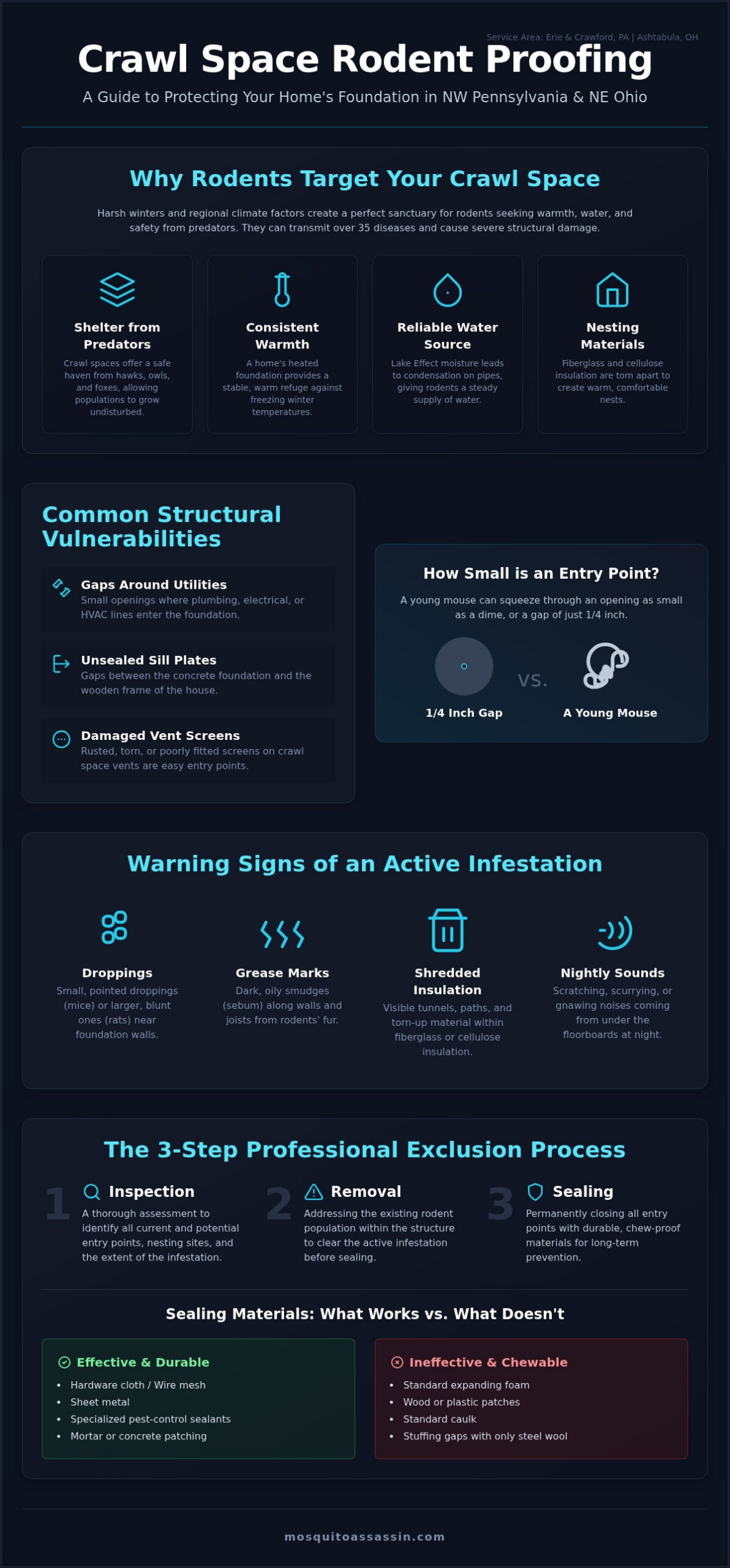
Northwest Pennsylvania winters are notoriously harsh, and rodents are biologically programmed to seek shelter before the first major snow. In Erie and Crawford counties, a home’s heated foundation acts as a powerful attractant. While the outdoors becomes a frozen landscape, the area beneath a house remains relatively stable and warm. This space isn’t just a thermal refuge; it’s a sanctuary from local predators like hawks, owls, and foxes. Rodents find a nearly unlimited supply of bedding in fiberglass or cellulose insulation, which provides excellent heat retention for nesting. Predators are unable to reach these recessed areas, allowing rodent populations to grow undisturbed throughout the winter months.
To better understand how these critters utilize crawl spaces, watch this helpful video:
The Impact of the Erie Climate
The Erie climate is defined by Lake Effect moisture and fluctuating temperatures. High humidity in local foundations often leads to condensation on pipes, giving mice and rats a reliable water source. During the fall, a mass migration occurs as field mice move toward suburban and rural structures in search of winter quarters. Because these pests are so determined, professional rodent proofing crawl space Erie PA requires more than just setting traps. It involves understanding how these animals exploit the specific environmental conditions of the Great Lakes region. Successful long term results often come from combining structural sealing with general pest control strategies that prioritize physical exclusion.
Structural Vulnerabilities in Local Foundations
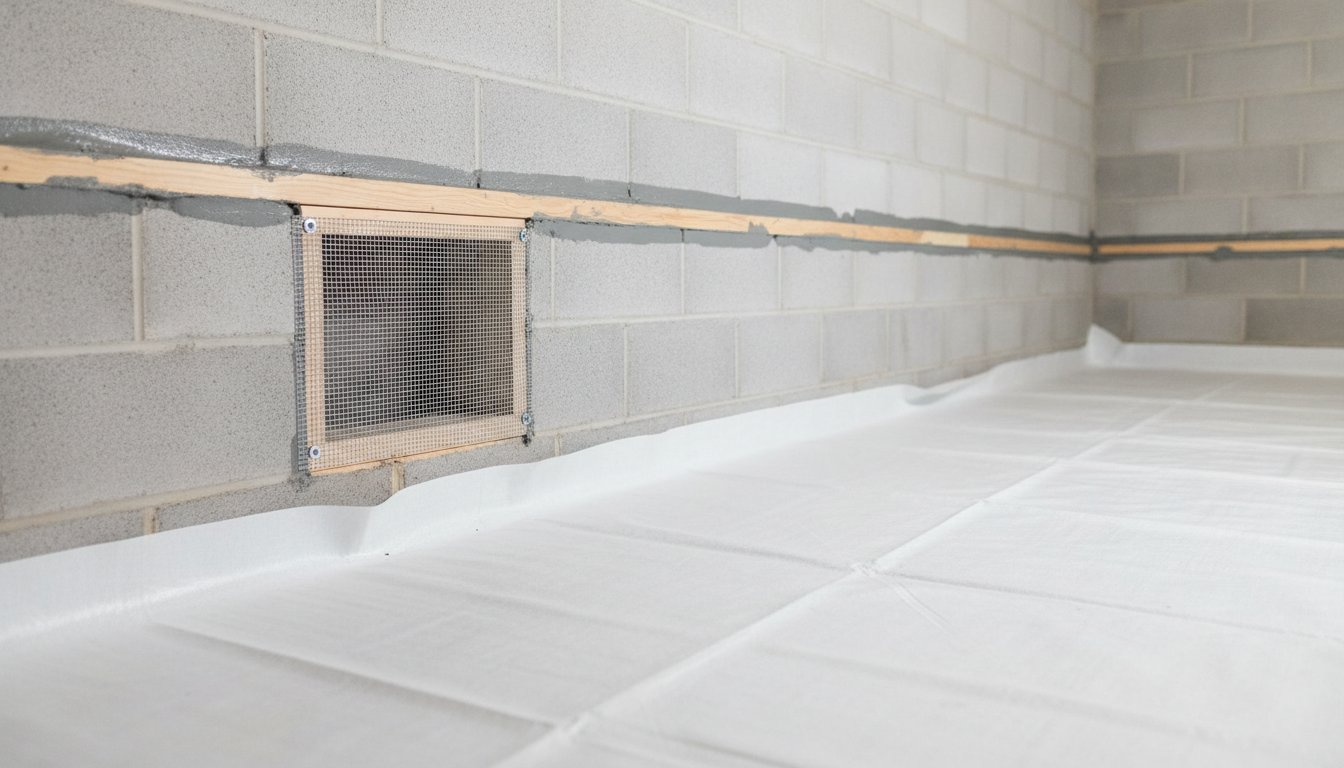
Many homes in Erie were built with construction techniques that left small, often invisible gaps. A gap as small as a quarter inch is enough for a young mouse to enter. Common vulnerabilities include unsealed sill plates and gaps around utility lines for plumbing or electricity. Standard crawl space vents, intended for airflow, often become the primary entry point if the screens are rusted or torn. Professional rodent control services can identify these weak points that homeowners often miss. Because rodents can chew through wood and thin plastic, these points must be reinforced with professional grade materials. Effective rodent proofing crawl space Erie PA involves more than just plugging holes with foam; it requires a systematic approach to structural integrity. Once these pests establish a base of operations in the crawl space, they often follow the warmth upward into kitchens and pantries, creating a larger household problem.
Identifying Signs of Infestation and Structural Vulnerabilities
Detecting a rodent problem before it spreads to the living areas of a home is critical for maintaining structural integrity. While moisture is a common concern in Northwest Pennsylvania, biological evidence often provides the first definitive proof of an active infestation. Homeowners often report hearing scratching or scurrying sounds under the floorboards at night when the house is quiet. These auditory clues suggest that rodents have already established a nesting site within the foundation. Effective rodent proofing crawl space Erie PA begins with a meticulous search for these subtle indicators and the physical gaps that allowed entry in the first place.
Recognizing Biological Signs
Biological evidence tells a story about the size and type of the infestation. Different species leave distinct markers; for example, house mouse droppings are small and pointed, while rat droppings are larger and blunt. Beyond waste, look for sebum trails, which are dark, greasy smudge marks left by the oils in rodent fur as they travel along foundation walls or floor joists. Because rodents have poor eyesight, they tend to follow the same paths repeatedly. Fiberglass insulation is another prime target. If you notice shredded material or “tunnels” within the batting, it’s a clear sign of nesting behavior. Identifying these patterns is a key step in preventing rodent infestations from becoming permanent fixtures in your home.
Pinpointing Physical Entry Points
Finding where pests enter requires looking at the foundation from a rodent’s perspective. Any gap larger than a quarter inch is a potential doorway. Common overlooked areas include:
- Crawl Space Doors: Older wooden doors often warp or rot at the base, leaving enough room for a mouse to squeeze through.
- Utility Penetrations: Gaps around HVAC lines, plumbing, and electrical conduits are frequent entry points if they aren’t properly sealed with high-grade materials.
- Foundation Vents: Standard mesh screens can rust or be chewed through, providing easy access to the interior.
- Masonry Gaps: Small cracks in the mortar or gaps where the sill plate meets the foundation wall are often exploited by rodents.
A professional inspection can help uncover these hidden vulnerabilities that might be missed during a casual walkthrough.
The health risks associated with these infestations are significant. In Pennsylvania, rodents are primary hosts for ticks that transmit Lyme disease, which saw over 18,600 cases in the state in 2025. Additionally, the accumulation of droppings and urine in the confined, poorly ventilated air of a crawl space can degrade indoor air quality throughout the entire house. Addressing these vulnerabilities is the only way to ensure rodent proofing crawl space Erie PA efforts are successful and long lasting. Protecting your family’s health starts with securing the very bottom of your home foundation.
Many property owners in Northwest Pennsylvania initially try to manage infestations using hardware store supplies. While snap traps and poison baits might provide a temporary reduction in the rodent population, they rarely solve the underlying issue. Without a permanent structural barrier, a crawl space remains an open invitation for the next generation of pests. Effective rodent proofing crawl space Erie PA requires moving beyond these reactive measures toward a proactive, structural solution known as exclusion.
The Problem with Temporary Fixes
Relying solely on baits can create unintended consequences for a household. When rodents consume poison, they often retreat into inaccessible wall voids or deep within floor joists to die. This leads to foul odors and potential health hazards that are difficult to remediate. Additionally, common DIY sealing materials like expanding foam or wood are no match for a rodent’s teeth. Penn State Extension specifically advises against relying on expanding foam because mice can easily chew through soft sealants to regain entry. This creates a frustrating cycle where the homeowner is constantly fighting new invaders rather than securing the foundation. Temporary deterrents don’t address the biological drive that pushes rodents toward heated foundations during Erie winters.
The Advantages of Structural Exclusion
Professional exclusion is a methodical approach that focuses on the physical denial of entry. This process utilizes heavy-duty, rodent-proof materials designed to withstand constant gnawing. Unlike store-bought solutions, professional grade materials are permanent. Exclusion works by identifying every possible entry point and reinforcing it with materials that are physically impossible for a rodent to penetrate. This isn’t just about stopping an current infestation; it’s about altering the structure so it’s no longer vulnerable.
- Galvanized Hardware Cloth: Using 19-gauge or heavier metal mesh is essential for covering vents and large gaps.
- Metal Flashing: Installing steel or copper flashing around corners and sill plates prevents rodents from finding a grip to start chewing.
- Structural Mortars: Sealing gaps in masonry with specialized mortars ensures a permanent bond that rodents cannot penetrate.
Investing in structural rodent proofing crawl space Erie PA does more than just stop pests. It improves the home’s overall energy efficiency by sealing drafts and protects the air quality from biological contaminants. Year-round protection plans, such as the rodent control services provided by licensed professionals, offer a level of security that one-time treatments cannot match. By addressing the foundation’s physical vulnerabilities, homeowners can protect their property value and ensure their family’s well-being remains uncompromised by recurring infestations. Professional pest control may help reduce risk by providing a comprehensive, three-step approach of removal, maintenance, and exclusion.
The Professional Process for Rodent Proofing a Crawl Space
A common mistake in many DIY attempts is sealing the crawl space as soon as a hole is discovered. While this seems logical, it often traps live rodents inside the foundation. Trapped pests become desperate, frequently chewing through floorboards or drywall to reach the living areas of the home in search of food and water. If they cannot escape, they die within the structure, leading to severe odor issues and health hazards. Professional rodent proofing crawl space Erie PA follows a disciplined, three-step sequence of removal, maintenance, and exclusion to ensure the home is vacant before it’s sealed.
Step 1: Removal and Trapping
The process begins with a comprehensive inspection to identify active runways and nesting sites. Rodents typically travel along the edges of the foundation and floor joists, leaving behind grease marks and droppings. Professionals place traps strategically along these identified paths to clear the existing population. It’s essential to remove every individual before structural changes are made. By establishing a clear understanding of the rodent’s behavior and movement patterns, licensed experts can ensure the trapping phase is both swift and effective. This phase is non-negotiable for a long-term solution.
Step 2: Maintenance and Monitoring
After the initial trapping phase, a period of maintenance and monitoring follows. This step confirms that no new activity is present within the perimeter. Professionals check for fresh biological signs and monitor trap activity to verify the crawl space is truly vacant. If rodents are still active in specific sectors, the strategy is adjusted to address those remaining individuals. This “wait and see” period prevents the risk of sealing a live animal into the foundation, which is a frequent error in amateur rodent control attempts. It also allows the professional to identify if there are secondary entry points that only become active after the primary ones are blocked.
Step 3: Permanent Exclusion
The final phase involves transforming the crawl space into a fortress. Once vacancy is confirmed, every identified gap, crack, and utility penetration is sealed using professional-grade materials. This includes installing 19-gauge or heavier galvanized hardware cloth over vents and using structural mortars for masonry gaps. Standard crawl space doors and access hatches are reinforced to prevent forced entry. Unlike temporary foam, these materials are physically impossible for rodents to penetrate. This permanent structural transition is the most effective way to maintain a pest-free environment in the Northwest Pennsylvania climate.
For property owners ready to secure their foundation, professional rodent control services provide the necessary expertise to execute this three-step process safely and effectively. Professional pest control may help reduce risk by ensuring that every vulnerability is addressed with durable, long-lasting materials that stand up to the local weather patterns in Erie and Crawford counties.
Maintaining a Rodent-Free Foundation in Northwest Pennsylvania
Achieving a permanently sealed foundation is a significant milestone, but the changing seasons in Northwest Pennsylvania require ongoing vigilance. Rodents are opportunistic and will continuously test a home’s perimeter for new weaknesses as temperatures fluctuate. Effective rodent proofing crawl space Erie PA is not a one-time event; it is a sustained effort that combines structural integrity with environmental management. By addressing the factors that draw pests to a property, homeowners can reduce the pressure on their exclusion barriers and ensure long-term success.
Environmental Management Around the Home
Pests often find their way to a foundation because the surrounding landscape provides a perfect bridge. Vegetation and mulch should be kept at least one foot away from the crawl space walls to eliminate hiding spots for mice and rats. Overgrown shrubs or stacked firewood against the house provide cover from predators and easy access to vents. Similarly, bird feeders and improperly stored pet food act as dinner bells for local rodent populations. It is also vital to ensure that gutters and downspouts direct water away from the structure. Excess moisture near the foundation can soften building materials over time, making it easier for rodents to chew through or exploit new gaps in the masonry.
The Value of Ongoing Professional Protection
Homes are dynamic structures that shift and settle over time, especially with the freeze-thaw cycles common in Ashtabula and Erie. These minor shifts can create new vulnerabilities in even the best exclusion work. Regular bi-monthly or quarterly inspections allow for the early detection of these changes before an infestation can take hold. High-pressure areas, particularly rural properties in Crawford County, benefit from this consistent oversight. Professional rodent removal provides a foundation for long-term success, but maintenance plans ensure that the sealed status of the crawl space remains intact.
Humidity control and encapsulation also play a supporting role in pest prevention. A dry, clean environment is far less attractive to rodents than a damp, dark one. By managing the air quality and moisture levels beneath the floorboards, homeowners create an inhospitable environment for pests while simultaneously protecting the wood from rot. Professional pest control may help reduce risk by providing these tailored recommendations and ensuring that the structural barriers remain uncompromised by the harsh Northwest Pennsylvania climate. Year-round protection is the most reliable way to maintain the structural integrity and air quality of a home.
Disclaimer: The information provided on this blog is for general informational purposes only and is not intended as professional pest control advice. Conditions vary by property, environment, and location. Reading this content does not create a service agreement. For an inspection or professional recommendations, please contact Mosquito Assassin Pest Control LLC directly.
Securing Your Home Foundation for the Long Term
Securing a crawl space requires a shift from reactive trapping to proactive structural defense. Effective rodent proofing crawl space Erie PA depends on a methodical three-step process involving removal, maintenance, and permanent exclusion. By addressing the specific environmental pressures of Northwest Pennsylvania, including Lake Effect moisture and freezing winters, property owners can protect their structural integrity and indoor air quality. Relying on durable materials like galvanized hardware cloth rather than temporary foam ensures that the foundation remains a fortress against invading pests. This systematic approach is the most reliable way to prevent recurring infestations.
Licensed and insured professionals provide the expertise needed to identify hidden vulnerabilities in Erie, Crawford, and Ashtabula counties. Professional pest control may help reduce risk by implementing a comprehensive exclusion strategy tailored to the unique needs of local foundations. To begin the process of reclaiming a home from pests, property owners can request a professional crawl space inspection. Taking these practical steps today provides lasting protection for a property and ensures the well-being of all household members throughout every season.
Disclaimer: The information provided on this blog is for general informational purposes only and is not intended as professional pest control advice. Conditions vary by property, environment, and location. Reading this content does not create a service agreement. For an inspection or professional recommendations, please contact Mosquito Assassin Pest Control LLC directly.
Frequently Asked Questions
Can rodents chew through the insulation in my crawl space?
Yes, rodents easily chew through fiberglass and cellulose insulation to create soft, warm nesting sites. These materials provide excellent heat retention, which is why pests target them during Northwest Pennsylvania winters. Chewed insulation loses its effectiveness, leading to higher energy costs and potential structural damage. Replacing contaminated insulation is a common step in the remediation process once the foundation has been permanently sealed against future invaders.
Is it possible to rodent-proof an older home in Erie, PA?
Yes, older homes can be successfully rodent-proofed through a process known as structural exclusion. Many Erie foundations have shifted over decades, creating small gaps in sill plates or masonry that pests exploit. Professionals identify these specific vulnerabilities and reinforce them with heavy-duty materials like galvanized steel mesh and structural mortars. This permanent approach is far more effective than temporary fixes, ensuring that even a century-old foundation remains secure.
What is the most common entry point for mice in a crawl space?
The most common entry points are gaps around utility penetrations and damaged foundation vents. Mice only need a space the size of a quarter-inch to squeeze into a structure. Gaps where plumbing, HVAC lines, or electrical conduits enter the foundation are frequent culprits. Effective rodent proofing crawl space Erie PA requires identifying these small openings and reinforcing them with professional-grade materials that rodents cannot chew through or bypass.
Will encapsulation stop rodents from entering my foundation?
Encapsulation alone does not prevent rodent entry; it must be combined with structural exclusion for total protection. While thick plastic liners improve humidity control, rodents can easily chew through them if they aren’t physically blocked from entering the foundation. However, encapsulation does make the crawl space less attractive by removing the damp, dark environment pests prefer. For the best results, the foundation must be physically sealed before encapsulation is finalized.
How long does the professional rodent exclusion process take?
The duration of the process varies based on the level of activity, but it typically includes a monitoring period of several days. The removal phase ensures the space is vacant before any permanent sealing occurs. Once vacancy is confirmed, the physical exclusion work can often be completed in a single visit. This methodical approach ensures that no rodents are trapped inside the foundation during the final sealing phase of the project.
Should I use mothballs or peppermint oil to deter rodents?
Home remedies like mothballs or peppermint oil are generally ineffective for long-term rodent control. These scents may provide a temporary deterrent, but they don’t address the structural gaps that allow pests to enter. Additionally, using mothballs in a crawl space can release harmful chemicals into the home’s air supply. Permanent structural exclusion is the only scientific method proven to keep rodents out of a foundation in high-pressure areas like Erie County.
What are the health risks of having mice in a crawl space?
Rodents in a crawl space pose significant health risks by spreading diseases and degrading indoor air quality. In Pennsylvania, mice are primary hosts for the ticks that transmit Lyme disease, which saw over 18,600 confirmed cases in 2025. Droppings and urine can also lead to the spread of bacteria and allergens. Because crawl space air often circulates into the living areas above, these contaminants can directly affect the well-being of all household members.
How often should a crawl space be inspected for pest activity?
Homeowners should have their crawl space inspected at least twice a year, ideally during the spring and fall. These seasonal checks are critical for rodent proofing crawl space Erie PA because they coincide with the natural migration patterns of local pests. Identifying a new gap or a damaged vent early can prevent a full-scale infestation from taking hold. Regular monitoring ensures that the structural integrity of the exclusion barriers remains uncompromised.
Disclaimer: The information provided on this blog is for general informational purposes only and is not intended as professional pest control advice. For an inspection or professional recommendations, please contact Mosquito Assassin Pest Control LLC directly.