Did you know that the Northeast United States has the highest percentage of rodent infestations in the country, with approximately 35% of homes affected? In Pennsylvania, which ranks as the 12th most rodent-infested state, homeowners often find themselves in a constant battle against mice and rats as temperatures drop. It’s stressful to worry about structural damage or the health risks associated with droppings, especially when traditional traps don’t seem to solve the problem for good. Recognizing the early signs you need rodent proofing Erie PA is essential to stopping an infestation before it takes hold of your property.
You likely already suspect that a few sightings mean there are more pests hidden out of view. This is a common concern for property owners in Erie and Crawford Counties who want a permanent solution rather than a temporary fix. This article will help you identify seven clear indicators of a rodent intrusion, ranging from subtle grease marks to unusual pet behavior. You’ll learn the critical difference between reactive trapping and proactive proofing, ensuring you have the knowledge to maintain a secure, rodent-free environment throughout the year.
Key Takeaways
- Understand why structural exclusion is more effective than simple trapping for achieving long-term results in Northwest Pennsylvania.
- Learn how to identify the primary signs you need rodent proofing Erie PA, including fresh droppings and scurrying sounds in the walls.
- Discover the common architectural weak points in local homes, such as stone foundations and garage seals, that rodents frequently exploit.
- Explore the professional methods used to seal entry points permanently using durable materials like steel mesh and specialized sealants.
- Gain insights into maintaining a rodent-free environment through consistent sanitation practices and year-round protection plans.
Why Rodent Proofing is Essential in Northwest Pennsylvania
Rodent proofing is the strategic process of sealing a structure to prevent entry, often referred to as exclusion. In Erie and Crawford Counties, this approach is vital because trapping alone only addresses the symptoms of an existing infestation. For homeowners who notice the early signs you need rodent proofing Erie PA, the goal should be a permanent structural barrier. This is a core component of nuisance wildlife management strategies, ensuring that common pests like the House Mouse and Norway Rat cannot exploit small gaps in your home’s exterior.
Unlike reactive measures, proofing targets the root cause by identifying and closing every potential doorway. Professional rodent control services focus on using high-quality materials that mice cannot chew through, such as steel mesh and specialized sealants. This proactive method is essential for maintaining a secure environment, especially when dealing with the persistent pest pressure found in Northwest Pennsylvania. By focusing on the building’s envelope, you stop the cycle of recurring infestations that many residents face every winter.
The Impact of Lake Erie Weather on Rodent Behavior
The Lake Erie effect doesn’t just bring heavy snow; it dictates how rodents interact with your property. As temperatures drop in late autumn, local mice and rats begin a mass migration toward residential heat sources. Heavy snowfall can hide entry points, making early autumn proofing critical. Additionally, the high humidity of Erie summers can weaken wooden structures, creating soft spots that rodents easily exploit to gain access.
Rodent Risks for Erie Property Owners
Ignoring an infestation can lead to severe consequences. Rodents often gnaw on electrical wiring, which is a leading cause of house fires in older Pennsylvania homes. They also nest in attic insulation and contaminate food surfaces with droppings, posing risks like Salmonellosis. Over time, structural damage to support beams can decrease your property’s value. Professional proofing provides a definitive solution that standard DIY traps cannot match.
Effective rodent management requires a deep understanding of local pest biology and building construction. While a few traps might catch a single mouse, they do nothing to stop the rest of the colony from entering through the same foundation crack. If you’ve spotted the signs you need rodent proofing Erie PA, it’s time to move beyond temporary fixes. By prioritizing structural exclusion, you protect your home from the inside out and ensure that your living space remains a sanctuary, regardless of the weather outside.
Primary Signs You Need Rodent Proofing Erie PA
Identifying an intrusion early is the key to preventing a full-blown infestation. Many homeowners overlook the subtle clues until the problem becomes severe and costly to repair. If you notice any of the following signs you need rodent proofing Erie PA, it’s time to investigate your property’s perimeter for entry points. Recognizing these indicators allows for a proactive response before the population grows beyond control.
Fresh droppings are one of the most reliable indicators of an active problem. These pellets are usually dark and moist when new, turning grey and brittle as they age. You’ll often find them concentrated in areas where rodents forage, such as behind kitchen appliances or along the perimeter of the basement. Alongside these, look for gnaw marks on wooden trim or plastic pipes. Because rodent teeth grow continuously, they must chew on hard materials to keep them filed down. This behavior doesn’t just damage your home; it can lead to dangerous electrical shorts if they target wiring inside the walls.
Rodents are creatures of habit and tend to follow the same paths. Over time, the oils and dirt in their fur leave dark, greasy rub marks along baseboards and floorboards. If you see these smudges, it’s a sign that a high volume of traffic is moving through that specific area. Additionally, keep an eye out for nesting materials. Mice will shred almost anything, including paper, insulation, and fabric, to create a soft environment for breeding. Finding a cluster of these materials in a dark, undisturbed corner is a clear signal that the pests have established a permanent residence.
Visual Indicators in Basements and Attics
Basements and attics are the primary staging grounds for rodents in Northwest Pennsylvania. Check your insulation for signs of tunneling or compression, which indicates frequent movement. Rodents can squeeze through incredibly small gaps; a hole the size of a dime is large enough for a mouse to enter. Using a high-powered flashlight, look for tracks or tail drags in dusty areas of the crawlspace. For more information on managing these risks, you can consult this university guide to non-chemical pest control to understand how sanitation and exclusion work together. Spotting these tracks is often one of the earliest signs you need rodent proofing Erie PA.
Auditory and Olfactory Signs of Infestation
A persistent, stale odor resembling ammonia is often the first thing people notice, especially in enclosed spaces like pantries or cabinets. This smell comes from rodent urine and usually signals a large or established colony. Your pets may also provide a warning; dogs and cats often show intense interest in specific wall sections or gaps under appliances where rodents are hiding. Night-time activity is the most common time to hear rodent movement, as they are primarily nocturnal creatures. If these indicators are present in your home, a professional rodent control service can help identify the specific entry points that need sealing.
Common Vulnerabilities in Erie Home Architecture
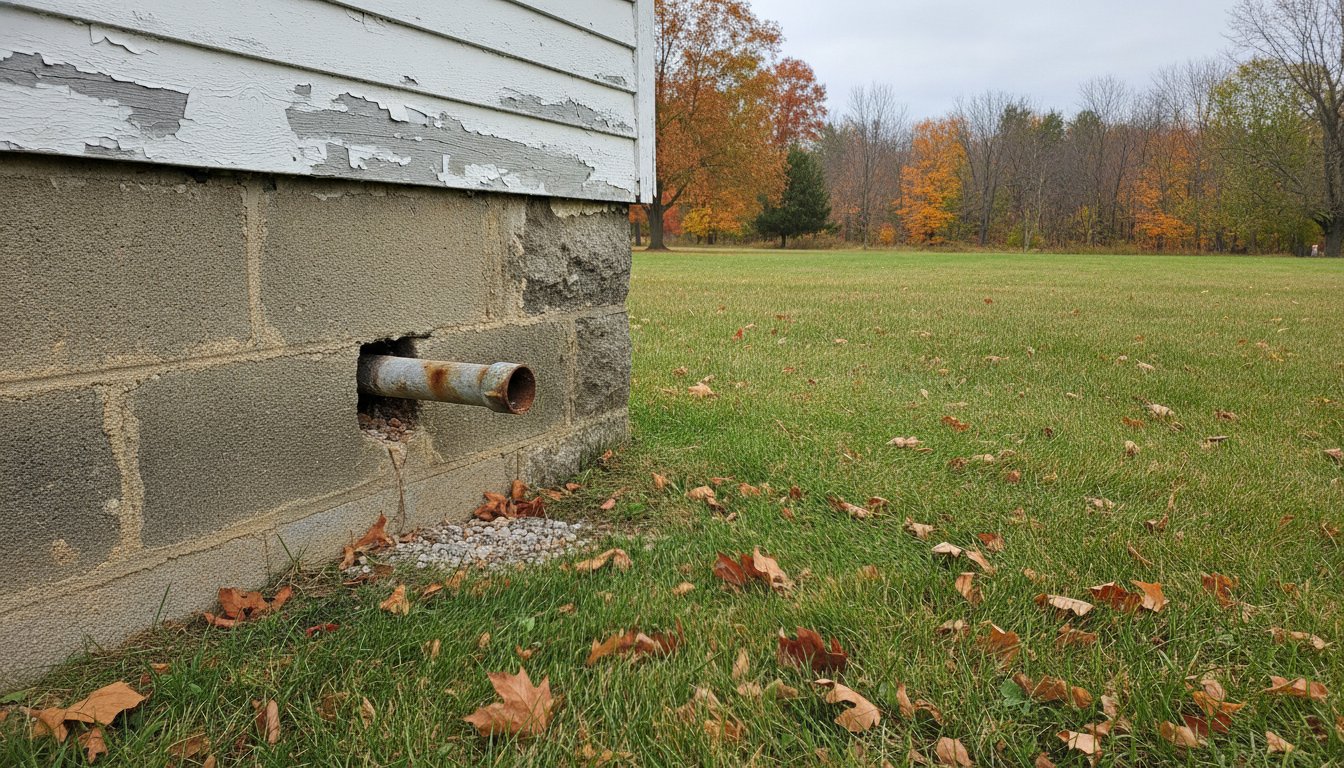
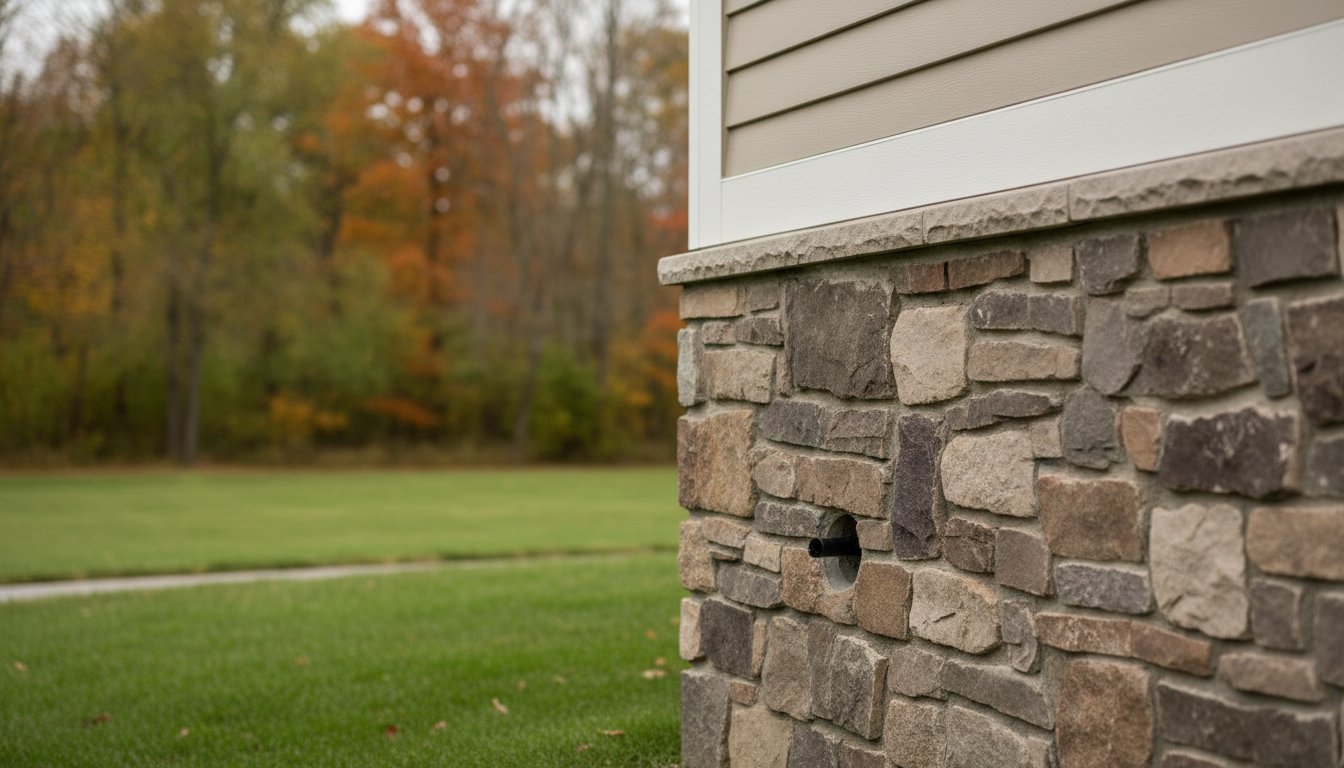
Erie’s architectural landscape is a unique mix of beautiful historic properties and modern builds, each presenting specific challenges for pest exclusion. Older homes in neighborhoods like Frontier or the historic districts often feature stone foundations. While these structures are durable, they naturally shift over time, creating small gaps that rodents easily exploit. If you notice daylight peeking through foundation cracks or crumbling mortar, these are clear signs you need rodent proofing Erie PA. These structural vulnerabilities act as open invitations for mice and rats seeking a reprieve from the elements.
Attached garages are another frequent culprit. Many homeowners overlook the seals at the bottom of garage doors. If these seals are worn, cracked, or missing, they provide a large enough opening for a rat to squeeze through. Once inside the garage, rodents often find easy paths into the main living areas through utility penetrations. Gas, water, and electrical lines that enter the home are rarely sealed with rodent-proof materials during initial construction. Left unprotected, these gaps become highways for pests to move between the garage and the kitchen or basement.
Foundation and Ground-Level Entry Points
A mouse only needs a gap about a quarter-inch wide, roughly the size of a pencil, to enter a structure. In older Erie neighborhoods, cracked foundation walls and shifting masonry are common. Basement windows also represent a significant risk. If screens are damaged or frames have pulled away from the stone, rodents will find their way in. Dirt cellars and crawlspaces are particularly high-risk because they offer a dark, damp, and undisturbed environment for nesting. Regular inspections of these ground-level areas are essential for early detection before a colony establishes itself.
Roofline and Upper-Level Vulnerabilities
Rodents aren’t limited to the ground. Many species are excellent climbers and will use overhanging tree branches as bridges to reach your roof. Once there, they look for gaps in soffits and fascia boards. These areas are often softened by moisture from Erie’s humid summers, making them easy to gnaw through. Chimney caps and vent covers are also vital components of a secure roofline. If these are loose or missing, they provide a direct route into the attic. Professional rodent control services in Erie and Crawford Counties can identify these high-altitude entry points that are often missed during a standard walkthrough.
Understanding the specific weaknesses of your home’s architecture is the first step toward a permanent solution. While DIY fixes might temporarily plug a hole, they rarely address the systemic vulnerabilities of older Pennsylvania structures. Structural exclusion requires a methodical approach that considers every possible entry point from the foundation to the chimney. By addressing these architectural flaws, you move beyond simple trapping and toward a truly rodent-proof home.
The Professional Approach to Rodent Exclusion
Professional exclusion represents a permanent shift from reactive pest control to proactive structural protection. While many homeowners focus on eliminating the rodents currently in their kitchen or basement, professional technicians prioritize the building’s envelope. By sealing every potential entry point, the cycle of recurring infestations is broken. If you have identified the signs you need rodent proofing Erie PA, a systematic approach is necessary to ensure the property remains secure throughout the changing seasons. This method transitions the home from a state of vulnerability to a state of long-term resolution.
The process begins with a comprehensive inspection that goes far beyond a surface-level walkthrough. Licensed professionals look for subtle evidence of entry in high or hard-to-reach areas, such as rooflines, soffits, and utility penetrations. Once these vulnerabilities are identified, a multi-step plan is implemented that includes the removal of existing rodents and the definitive sealing of all gateways. This method ensures that once the current population is gone, no new pests can take their place. It’s a scientific and thorough service procedure that addresses the unique needs of properties in Northwest Pennsylvania.
Materials and Techniques for Effective Proofing
The choice of materials is what separates professional results from temporary DIY fixes. Many people mistakenly rely on standard expanding foam to fill gaps. However, rodents can easily chew through foam, often using it as nesting material once they’ve breached it. Professional exclusion utilizes durable, bite-proof materials such as copper mesh, stainless steel wool, or heavy-duty hardware cloth. These are paired with industrial-grade sealants that withstand the harsh Lake Erie climate. Additionally, professional-grade door sweeps and weather stripping are installed to eliminate ground-level gaps, which are some of the most common entry points for rats and mice.
Why DIY Methods Often Fail
Store-bought traps are designed to address the symptoms, not the cause. They only target the rodents already inside your home, leaving the external entry points wide open for the next wave of pests. Homeowners often miss the most critical entry points because they are located in difficult areas like crawlspaces or behind heavy appliances. If you’ve observed the signs you need rodent proofing Erie PA, relying on professional expertise ensures that no detail is overlooked. Professional pest control may help reduce risk by providing a thorough, systematic approach that addresses every square inch of the structure.
For property owners who want to move beyond the frustration of temporary traps, a professional rodent control service provides the structural expertise needed for long-term security. By focusing on exclusion, you protect your home’s foundation, wiring, and health standards from future threats. This methodical approach is the most effective way to maintain a rodent-free environment in Erie and Crawford Counties.
Maintaining a Rodent-Free Home in Erie and Crawford Counties
Achieving a rodent-free environment is a significant victory, but the work doesn’t end once the initial exclusion is complete. Maintaining that status in Erie and Crawford Counties requires a commitment to ongoing vigilance. Homes in Northwest Pennsylvania are subject to intense freeze-thaw cycles that cause foundations to shift and building materials to expand and contract. This natural movement can create new gaps in even the most well-built structures. Staying alert for the signs you need rodent proofing Erie PA allows homeowners to catch these changes early, preventing a small crack from becoming a major entry point.
Sanitation is another critical pillar of long-term prevention. Rodents are attracted to properties that offer easy access to food and shelter. By eliminating these attractants, you significantly reduce the likelihood of a new colony attempting to breach your home. This includes securing outdoor trash in heavy-duty containers and being mindful of how birdseed or pet food is handled. A clean perimeter makes your home a much less appealing target for pests searching for their next meal. It’s a simple but effective way to bolster your home’s defenses.
Seasonal Checklist for Homeowners
- Clear away debris, leaf piles, and tall grass from the foundation to eliminate hiding spots and moisture traps.
- Ensure all food, including pet food and pantry staples, is stored in airtight metal or glass containers that rodents can’t chew through.
- If you suspect a current population has already breached your defenses, learn more about rodent removal to address the immediate threat.
The Role of Professional Monitoring
Professional monitoring offers a level of security that DIY methods can’t provide. Regular service visits allow licensed technicians to perform systematic checks of the entire property, identifying the earliest signs you need rodent proofing Erie PA before they escalate. These experts provide tailored recommendations based on the specific environmental factors of your lot, such as proximity to wooded areas or agricultural fields. Year-round protection plans offer peace of mind by monitoring for seasonal pest shifts and ensuring that all exclusion materials remain intact and effective. For more information on comprehensive care, visit the Mosquito Assassin services page.
Disclaimer: The information provided on this blog is for general informational purposes only and is not intended as professional pest control advice. Conditions vary by property, environment, and location. Reading this content does not create a service agreement. For an inspection or professional recommendations, please contact Mosquito Assassin Pest Control LLC directly.
Secure Your Erie Home Against Rodent Intrusions
Protecting a property from rodents requires a definitive shift from reactive trapping to proactive structural exclusion. By understanding the unique vulnerabilities of Northwest Pennsylvania architecture and recognizing the subtle signs you need rodent proofing Erie PA, homeowners can stop infestations before they cause significant damage. A comprehensive removal and exclusion process ensures that current pests are gone and new ones cannot find a way inside. This methodical approach is the most effective way to maintain a safe and sanitary environment throughout the year.
Locally owned and operated, Mosquito Assassin Pest Control LLC is licensed and insured in PA and OH to provide the expert care your property deserves. Professional pest control may help reduce risk by identifying hidden entry points that DIY methods often miss. To protect your family and preserve your home’s value, schedule a professional inspection for your Erie property today. Taking decisive action now creates a more secure, comfortable living space for the long term.
Disclaimer: The information provided on this blog is for general informational purposes only and is not intended as professional pest control advice. Conditions vary by property, environment, and location. Reading this content does not create a service agreement. For an inspection or professional recommendations, please contact Mosquito Assassin Pest Control LLC directly.
Frequently Asked Questions
How do I know if I have mice in my Erie home?
Identifying mice involves looking for physical evidence like small, dark droppings or gnaw marks on food packaging and wooden trim. You might also hear scratching sounds in the walls at night or notice pets acting strangely around specific baseboards or under-appliance gaps. These are common signs you need rodent proofing Erie PA to address the entry points before the population grows.
Can rodents get into my house through the roof?
Yes, rodents like the Norway rat and house mouse are excellent climbers and frequently enter through the roofline. They use overhanging branches to reach gutters, soffits, or chimney vents. Once they find a gap as small as a dime, they can squeeze into the attic and establish a nest, often going unnoticed for weeks until the colony expands.
What is the difference between rodent control and rodent proofing?
Rodent control typically refers to the removal of existing pests using traps, while rodent proofing is the structural process of sealing the building. Proofing is a long-term solution that prevents future infestations by closing off every potential gateway. A comprehensive plan usually includes removal, maintenance, and exclusion to ensure the home remains secure throughout the year.
Is rodent proofing worth the investment for an older home?
Rodent proofing is particularly valuable for older homes in Erie because these structures often have shifting foundations and aging materials that invite pests. By sealing these vulnerabilities, you protect the home from electrical fires caused by chewed wires and prevent the accumulation of hazardous droppings. This investment helps maintain the property value and structural integrity over time.
How long does a professional rodent proofing service take?
The duration of a proofing service depends on the size of the home and the number of entry points that require sealing. A standard residential property in Erie or Crawford County usually takes several hours for a thorough inspection and initial exclusion work. Larger properties with complex architectural features or stone foundations may require more extensive labor to ensure every gap is secured.
What should I do if I find rodent droppings in my kitchen?
If you find droppings, clean the area using a disinfectant while wearing protective gear to avoid contact with bacteria. Once the area is sanitized, inspect the back of cabinets and behind appliances for holes. Finding droppings is one of the primary signs you need rodent proofing Erie PA to identify how the pests are reaching your food preparation areas.
Can rodents cause damage to my home’s insulation?
Rodents frequently damage insulation by tunneling through it and using the fibers for nesting material. This behavior reduces the R-value of your insulation, leading to higher heating costs during harsh Erie winters. Additionally, urine and droppings contaminate the material, which may lead to persistent odors and health risks if the insulation isn’t professionally cleaned or replaced.
Are rodent proofing materials safe for my family and pets?
Professional proofing primarily uses physical barriers like steel mesh, copper wool, and specialized sealants rather than chemical applications. These materials are non-toxic and installed in areas that are generally inaccessible to children and pets. This mechanical approach provides a safe and durable way to keep pests out without relying on the continuous use of pesticides inside the living space.
Disclaimer: The information provided on this blog is for general informational purposes only and is not intended as professional pest control advice. Conditions vary by property, environment, and location. Reading this content does not create a service agreement. For an inspection or professional recommendations, please contact Mosquito Assassin Pest Control LLC directly.