Why is it that you can hear the distinct sound of scratching inside your walls at midnight, yet your home appears completely empty the moment the sun comes up? For many property owners in Erie and Crawford Counties, Pennsylvania, and Ashtabula County, Ohio, wondering exactly where do mice hide during the day is a source of constant frustration. It’s unsettling to find droppings in a kitchen drawer or notice chewed insulation without ever catching a glimpse of the pest responsible. This behavior often leads to a growing sense of anxiety about the extent of hidden damage occurring behind the scenes.
Understanding these daytime retreats is essential for an effective management plan. These rodents are experts at utilizing the structural vulnerabilities of a building to stay out of sight while they rest and reproduce. This article explores the biological reasons why mice avoid daylight and identifies the most common nesting spots, including wall voids, attic spaces, and areas behind large appliances. By learning the signs of a daytime nesting site, you can better understand the scope of the problem and move toward a permanent, professional exclusion strategy.
Disclaimer: The information provided on this blog is for general informational purposes only and is not intended as professional pest control advice. Conditions vary by property, environment, and location. Reading this content does not create a service agreement. For an inspection or professional recommendations, please contact Mosquito Assassin Pest Control LLC directly.
Key Takeaways
- Understand how the nocturnal instincts of the house mouse (Mus musculus) help them avoid detection by remaining dormant during daylight hours.
- Pinpoint the specific structural vulnerabilities in your home, such as wall voids and attic spaces, to determine exactly where do mice hide during the day.
- Discover why the kitchen is a primary target for nesting and how to inspect the hidden areas behind large household appliances.
- Learn to identify the subtle signs of active nesting, including the difference between fresh droppings and the grease stains known as rub marks.
- Explore the professional three-step approach of removal, maintenance, and exclusion as the most reliable method for long-term rodent management in the local regional climate.
Understanding Mouse Behavior and Nocturnal Instincts
The house mouse, scientifically known as Mus musculus, is a creature of the shadows. As a primarily nocturnal species, their entire biological system is designed to function in low-light environments. It’s a survival tactic that serves as a critical defense mechanism against predators. By remaining inactive when larger animals and humans are awake, they significantly reduce the risk of being spotted. Property owners who want to know where do mice hide during the day must first recognize that House mouse behavior is centered on survival through invisibility.
While humans rely heavily on vision, rodents navigate using a sophisticated combination of smell and touch. Their whiskers, or vibrissae, act as high-sensitivity sensors that detect air currents and physical obstacles in total darkness. This allows them to move through narrow wall voids or cluttered basements with precision. In residential settings, peak activity typically occurs between dusk and dawn. During these hours, the house is usually quiet, providing the security they need to forage for food. If you’re hearing noises at 2:00 AM, you’re witnessing their natural peak performance window.
The Role of Thigmotaxis in Hiding
One of the most important concepts in rodent biology is thigmotaxis. This is an innate preference for remaining in contact with solid surfaces. It explains where do mice hide during the day and why they rarely run across the center of a room. When a mouse feels a wall against its whiskers or fur, its brain registers a sense of safety. Tight, enclosed spaces provide the physical security they need to rest without fear of being ambushed from above or behind. This instinct leads them to squeeze into gaps as small as a quarter-inch; making wall interiors and the undersides of cabinets ideal sanctuaries.
Environmental Triggers for Daytime Seclusion
Several factors dictate exactly when and where a mouse will hunker down. Light sensitivity is a major driver; bright, artificial lights or direct sunlight are overstimulating and signal danger. Household noise levels also play a significant role. In busy homes across Erie or Ashtabula Counties, the sound of footsteps or appliances will keep rodents deep within their nests. Finally, warmth and proximity to food are the ultimate deciding factors. A hiding spot that is near a heat-producing appliance, such as a water heater or refrigerator, is far more attractive than a cold, drafty corner of a garage.
Disclaimer: The information provided on this blog is for general informational purposes only and is not intended as professional pest control advice. Conditions vary by property, environment, and location. Reading this content does not create a service agreement. For an inspection or professional recommendations, please contact Mosquito Assassin Pest Control LLC directly.
Common Indoor Hiding Spots in Residential Properties
Northwest Pennsylvania and Northeast Ohio experience significant seasonal shifts, often driving rodents indoors as temperatures drop. When homeowners ask where do mice hide during the day, the answer usually lies within the very structure of the building. Residential properties provide a variety of undisturbed zones that offer the silence and security these pests require. Because mice can compress their bodies to fit through gaps the size of a pencil, almost any hollow space is a potential nesting site.
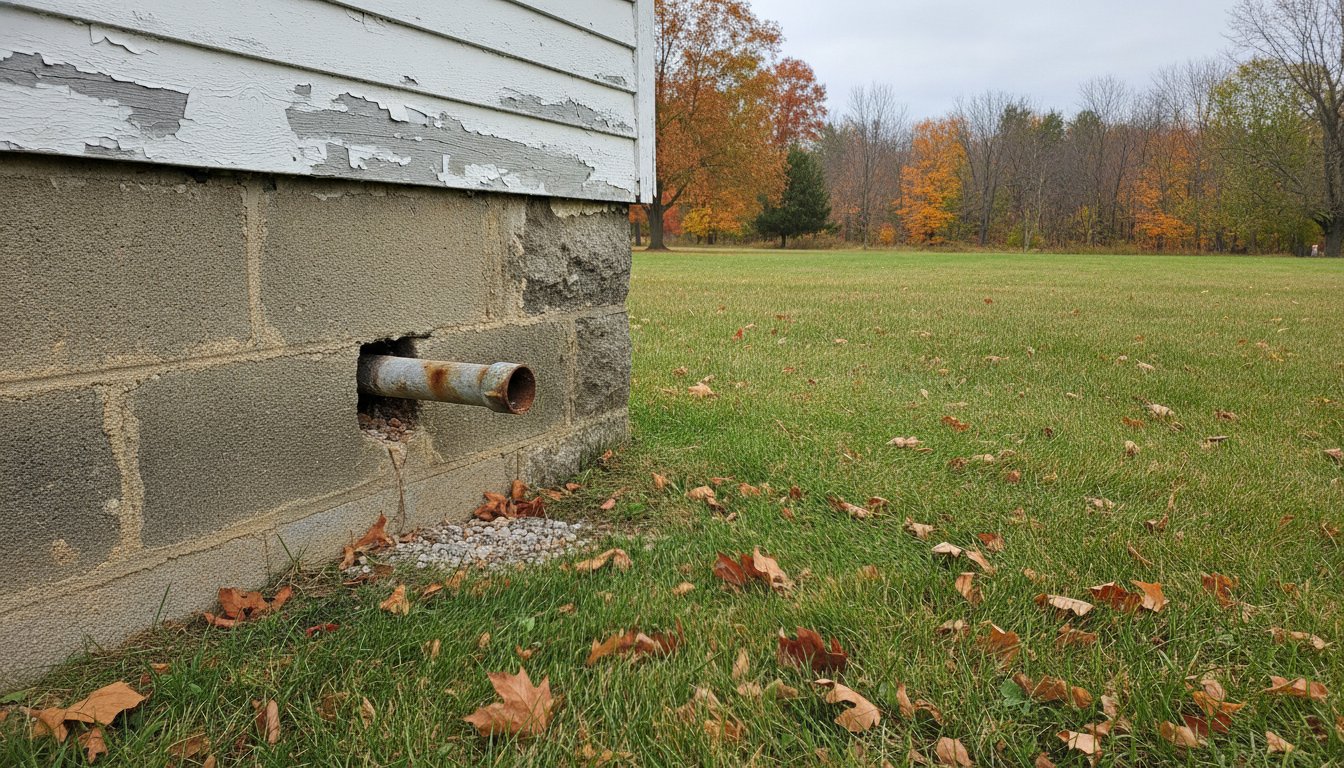
Most modern and historic homes in Erie and Crawford counties contain hollow spaces between the interior drywall and exterior siding. These wall voids are the primary daytime sanctuaries for mice. They are virtually inaccessible to humans and pets, providing a perfect buffer against household noise. Mice often enter these voids through small gaps around utility pipes, dryer vents, or foundation cracks. Once inside, they can move vertically through the house without ever being seen or disturbed.
Insulation and Wall Voids
Mice don’t just hide in walls; they actively modify the environment to suit their needs. Fiberglass and cellulose insulation are favored nesting materials because they are easy to shred and provide excellent heat retention for litters. These pests often follow electrical wire runs or plumbing stacks, which act as internal highways between the basement and the upper floors. Spotting Signs of Active Mouse Nesting, such as tunneled insulation or chewed wire coatings, is a clear indicator of a hidden infestation within the walls.
Attics and Upper Level Seclusion
Attics are perhaps the most ideal environment for a mouse colony to grow unchecked. These spaces are rarely visited, filled with nesting materials like stored cardboard boxes, and often contain seasonal decorations that offer additional cover. Undisturbed corners allow for rapid population growth since there is little threat of discovery. Mice typically reach these upper levels by climbing exterior brickwork or using overhanging tree branches to access roof lines, fascia boards, and soffit vents. This is why where do mice hide during the day often includes the highest points of the home.
The lowest levels of a home serve as both entry points and secondary hiding zones. Crawl spaces with dirt floors or unfinished basements provide easy access to the home’s structural framing. Because these areas are often damp and dark, they mimic the natural burrows mice use in the wild. If you suspect an infestation, rodent control service may help identify these hidden entry points and nesting sites before the population spreads to living areas.
Disclaimer: The information provided on this blog is for general informational purposes only and is not intended as professional pest control advice. For an inspection or professional recommendations, please contact Mosquito Assassin Pest Control LLC directly.
Hidden Areas Within Kitchens and Living Spaces
Kitchens are the most high-risk areas in any residential property due to the constant availability of food, water, and heat. When property owners in Erie or Ashtabula investigate where do mice hide during the day, they should prioritize areas that offer both concealment and immediate proximity to these essential resources. Unlike attics or basements, kitchen hiding spots allow mice to forage with minimal travel, significantly reducing their exposure to open spaces and potential threats.
Behind and Under Appliances
Large household appliances are ideal daytime sanctuaries because they generate consistent warmth. Refrigerator and freezer motor housings are prime locations; the heat from condenser coils provides a stable environment for nesting even in cold Northwest Pennsylvania winters. Similarly, the space beneath a dishwasher often contains fiberglass insulation and residual moisture from plumbing, creating a high-quality habitat for a developing colony.
Voids under ovens and stoves are equally problematic for homeowners. These areas often accumulate grease and food crumbs that are difficult to reach with standard cleaning tools, providing a built-in food supply for nesting rodents. Mice frequently utilize the space behind kickplates, the recessed panels at the base of cabinets, as a protected thoroughfare to move between different appliances without ever being seen by the residents.
Cabinetry and Pantry Voids
The structural design of modern cabinetry often leaves narrow gaps between the back of the cabinet box and the actual wall surface. These spaces are just wide enough for a house mouse to navigate and rest. Hollow bases of kitchen islands are another common hiding spot; they are often constructed as empty boxes that provide a large, undisturbed volume for nesting material to accumulate. Identifying where do mice hide during the day in these areas requires a close inspection of the following:
- The corners of lower cabinets for shredded paper or plastic packaging.
- Gaps where plumbing pipes enter the wall under the kitchen sink.
- Small piles of cached seeds or pet food hidden behind stored pantry goods.
- Gnaw marks on wooden baseboards or the edges of cabinet liners.
Living rooms also provide overlooked opportunities for concealment. Upholstered furniture, particularly the dark underside of sofas and the internal mechanisms of recliners, offers a soft and quiet environment for daytime rest. Because these heavy items are rarely moved, a mouse can remain undisturbed for long periods. Professional rodent control service can help identify these non-traditional nesting sites and ensure that every potential hiding spot is addressed.
Disclaimer: The information provided on this blog is for general informational purposes only and is not intended as professional pest control advice. For an inspection or professional recommendations, please contact Mosquito Assassin Pest Control LLC directly.

Identifying Signs of Active Mouse Nesting Sites
Finding the answer to where do mice hide during the day requires a methodical inspection for physical evidence. Because mice are elusive, property owners must learn to distinguish between historic activity and a current, active threat. One of the most reliable indicators is the condition of rodent droppings. Fresh droppings are dark in color and have a soft, putty-like texture. If the droppings are gray, dry, and crumble when touched, they likely represent an old nesting site that has been abandoned. Identifying fresh waste is the first step in confirming that a colony is currently residing within your walls.
Another distinct sign is the presence of rub marks along baseboards or near structural gaps. These are dark, greasy stains caused by the sebum (natural oils) and dirt in a mouse’s fur. Because rodents follow the same paths daily to maintain a sense of security, these stains accumulate over time. If you find these marks near a small opening in the drywall or a gap in a kitchen cabinet, you have likely identified a primary entry point to their daytime sanctuary. Fresh gnaw marks on wood or plastic also indicate active nesting; newer marks are lighter in color, while older ones darken as they are exposed to the air.
Visual Evidence and Waste
In areas with high activity, you may encounter urine pillars. These are small mounds composed of a mixture of urine, grease, and dirt. They serve as a sophisticated communication tool for rodents, but for homeowners, they are a clear sign of a long-standing infestation. You should also look for piles of shredded material, such as fiberglass insulation, paper, or fabric bits, which are used to construct nests. A strong, musty smell of ammonia is another dead giveaway that a nesting site is nearby, as mice use urine to mark their territory and navigate in the dark.
Auditory and Behavioral Clues
The sounds you hear can reveal a lot about where do mice hide during the day and how they move through your home. Scurrying sounds typically indicate travel through horizontal wall voids or ceiling joists. In contrast, persistent scratching in a localized area often suggests a mouse is actively gnawing on structural elements or expanding a nest. If your pets, especially cats or dogs, are fixated on a specific section of a wall or the base of an appliance, they are likely detecting the scent or ultrasonic sounds of a hidden rodent that is remaining out of your sight.
While mice are nocturnal, seeing one during daylight hours is a serious warning sign for property owners in Erie and Crawford Counties. This usually indicates that the population has grown so large that the primary hiding spots are overcrowded, forcing lower-ranking individuals to forage when it is less safe. If you notice these indicators, seeking a professional rodent control service can help confirm the extent of the activity and locate hidden nests before the damage becomes extensive.
Disclaimer: The information provided on this blog is for general informational purposes only and is not intended as professional pest control advice. For an inspection or professional recommendations, please contact Mosquito Assassin Pest Control LLC directly.
Professional Rodent Management and Exclusion Strategies
Identifying exactly where do mice hide during the day is only the first stage of a successful remediation plan. While retail traps might catch a few individuals, they rarely reach the deep nesting sites located in wall voids or attic insulation. Professional management is required to address the root of the infestation through a methodical three-step process: removal, maintenance, and exclusion. This approach ensures that current populations are managed while simultaneously preventing new rodents from exploiting the same structural vulnerabilities that led to the initial problem.
The Removal and Maintenance Phase
A professional assessment is the only way to accurately map out the extent of a rodent problem. Licensed technicians look beyond the surface to find the primary nesting sites identified in previous sections. By analyzing the patterns of fresh droppings and rub marks, they can determine the most effective locations for equipment placement. Maintenance involves regular inspections to monitor activity levels and ensure that no new colonies are establishing themselves in overlooked corners of the property. Regular maintenance visits allow for the adjustment of strategies based on seasonal changes and rodent behavior, preventing pests from finding new ways into the living space as the building settles.
Exclusion: Sealing the Home for Good
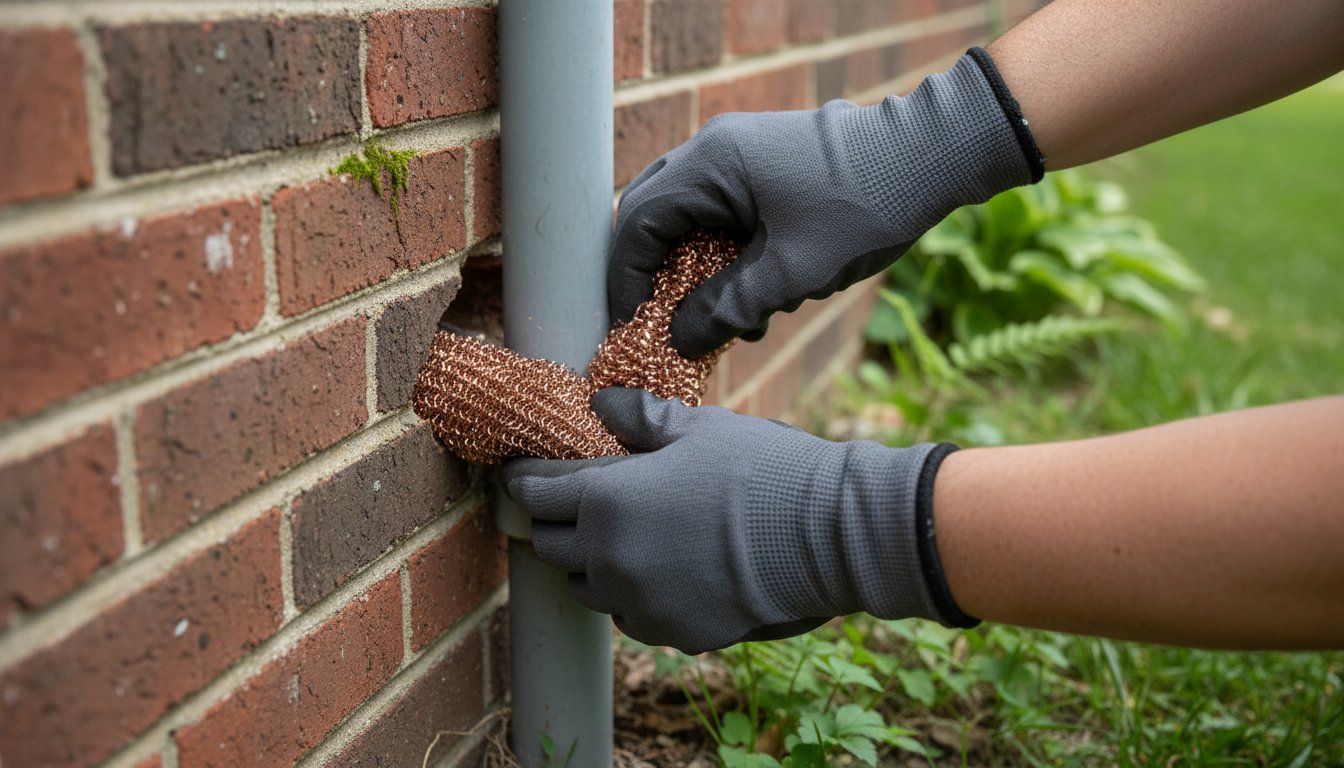
Exclusion is the most critical step for achieving a permanent solution. It involves identifying and sealing every possible entry point, such as weep holes in brickwork, gaps around utility pipes, and cracks in the foundation. Because mice can chew through many common building materials, professionals utilize durable substances like steel wool or copper mesh that rodents cannot penetrate. Exclusion doesn’t just stop mice; it also helps reduce the risk of other pests entering the home by closing off hidden pathways. Investing in professional rodent removal and exclusion provides the long-term peace of mind that comes from knowing your home is structurally secure against future invaders.
In the unique climate of Erie and Crawford Counties in Pennsylvania and Ashtabula County in Ohio, rodent pressure is a year-round concern. The harsh winters drive pests inward, while the milder months allow populations to thrive outdoors. Consistent protection is necessary to maintain a rodent-free environment. Seeking a professional rodent control service helps homeowners understand where do mice hide during the day and provides the technical expertise needed to keep them out for good.
Disclaimer: The information provided on this blog is for general informational purposes only and is not intended as professional pest control advice. For an inspection or professional recommendations, please contact Mosquito Assassin Pest Control LLC directly.
Reclaiming Your Home from Hidden Rodents
Mice are masters of concealment, utilizing everything from wall voids to kitchen appliance motors to remain undisturbed. Understanding exactly where do mice hide during the day allows property owners to look beyond the surface and identify the true scope of a nesting problem. By recognizing fresh physical signs like rub marks and soft droppings, you can pinpoint active sites before structural damage escalates.
Licensed professionals in Pennsylvania and Ohio utilize a specialized three-step process of removal, maintenance, and exclusion to secure properties in Erie, Crawford, and Ashtabula Counties. Professional pest control may help reduce the risk of a rodent infestation. For an inspection, visit the online booking portal or learn more at mosquitoassassin.com. Taking decisive action today ensures a safer, quieter environment for your household tomorrow.
Disclaimer: The information provided on this blog is for general informational purposes only and is not intended as professional pest control advice. For an inspection or professional recommendations, please contact Mosquito Assassin Pest Control LLC directly.
Frequently Asked Questions
Can mice hide in my bed or bedroom during the day?
Yes, though it’s less common than walls or attics. They prefer undisturbed areas like under the bed frame, inside box springs, or in cluttered closets. Bedroom hiding spots are usually chosen for proximity to warmth or soft nesting materials like clothing and linens. If you find droppings or chewed fabric in your bedroom, it indicates they’ve found a secure daytime sanctuary within that specific room.
How many mice are usually in a house if I see one during the day?
Seeing a mouse during the day typically indicates a significant population or a lack of available hiding space. Because they are nocturnal, they only venture out in daylight when their primary nests are overcrowded or food competition is high. While it’s impossible to give an exact number without an inspection, one visible mouse often suggests a colony of a dozen or more is nesting nearby.
Will keeping the lights on keep mice from coming out?
Keeping the lights on is rarely an effective deterrent for a mouse infestation. While they prefer darkness to avoid predators, they are driven by hunger and will eventually venture into lit areas if they feel safe enough. They rely on their whiskers and sense of smell more than vision. Instead of light, focus on professional exclusion to address the structural gaps that allow them to enter your living spaces.
Do mice hide in air ducts or heating vents?
Yes, air ducts and heating vents are common thoroughfares and nesting sites. These systems provide warmth, protection from humans, and easy access to every room in the house. Mice often use the insulation surrounding the ducts as nesting material. If you hear scratching or scurrying sounds coming from your vents, it is a strong indicator of an active population using the HVAC system as a primary daytime retreat.
What is the most common place for a mouse nest?
The most common nesting sites are wall voids and attic insulation. These areas provide the quiet, dark, and warm environment necessary for reproduction. In the kitchen, the voids behind and under large appliances like refrigerators and stoves are also high-risk zones. Homeowners often ask where do mice hide during the day, and the answer is almost always a structural hollow that is inaccessible to people and pets.
How do I find a mouse nest in my house?
Finding a nest requires looking for specific physical indicators in undisturbed areas. Start by checking for shredded materials like paper, string, or insulation in the corners of cabinets, basements, or attics. Follow the trail of fresh droppings or look for greasy rub marks along the baseboards. These signs usually lead back to a small opening in the drywall or a gap in the flooring where the primary nest is located.
Why do mice prefer to hide in the walls?
Walls provide a perfect combination of safety and mobility. The hollow space between studs allows mice to move between floors without being seen, and the presence of insulation offers warmth and nesting material. Walls also house electrical wires and plumbing, which rodents use as navigational guides. This structural seclusion makes it difficult for homeowners to identify where do mice hide during the day without a professional assessment of the property.
Do mice leave their hiding spots every day?
Most mice will leave their hiding spots at least once every 24 hours to forage for food and water. While they are highly cautious, their fast metabolism requires frequent feeding. They usually emerge shortly after the house becomes quiet at night. If food sources are readily available within their nest area, such as a pantry with unsealed containers, they may not need to travel far from their daytime sanctuary.
Disclaimer: The information provided on this blog is for general informational purposes only and is not intended as professional pest control advice. For an inspection or professional recommendations, please contact Mosquito Assassin Pest Control LLC directly.