Tag: Moisture Control

  • Earwig Control Services: A Complete Guide to Managing Pincher Bugs

    Earwig Control Services: A Complete Guide to Managing Pincher Bugs

    What if those menacing pincers on an earwig’s tail aren’t actually designed to hunt humans, but their presence in your basement still signals a serious problem with your home’s defenses? Many residents in Erie and Crawford Counties in Pennsylvania, as well as Ashtabula County in Ohio, feel a sense of immediate disgust when they flip on a bathroom light and see “pincher bugs” scurrying across the floor. It’s understandable to feel frustrated when DIY sprays don’t work and the insects keep returning to damp corners. You aren’t alone in wanting a definitive solution to this seasonal invasion.

    This guide explains how to identify these nocturnal pests, why they’re specifically attracted to your property, and how professional earwig control services can provide a long-term resolution. You’ll learn about the biological triggers for an infestation and the specific structural strategies needed to maintain a pest-free environment. Understanding the connection between moisture management and insect behavior is the first step toward securing your home against these persistent intruders. By focusing on habitat modification and professional management, property owners can achieve lasting relief from these unsightly pests.

    Disclaimer: The information provided on this blog is for general informational purposes only and is not intended as professional pest control advice. Conditions vary by property, environment, and location. Reading this content does not create a service agreement. For an inspection or professional recommendations, please contact Mosquito Assassin Pest Control LLC directly.
    Key Takeaways

    • Identify earwigs by their distinctive pincers and understand that these nocturnal insects are primarily attracted to dark, moist environments rather than being a physical threat.
    • Discover how professional earwig control services utilize targeted perimeter treatments to block entry points and manage seasonal infestations in Pennsylvania and Ohio.
    • Pinpoint common environmental triggers like foundation cracks and high humidity that draw pincher bugs into living spaces such as basements and bathrooms.
    • Implement practical prevention strategies like removing organic debris from your home’s foundation and ensuring proper drainage to discourage insect nesting.
    • Learn how Integrated Pest Management (IPM) combines habitat modification with professional expertise to establish a long-term, pest-free environment for your property.

    Understanding Earwig Infestations in the Tri-County Area

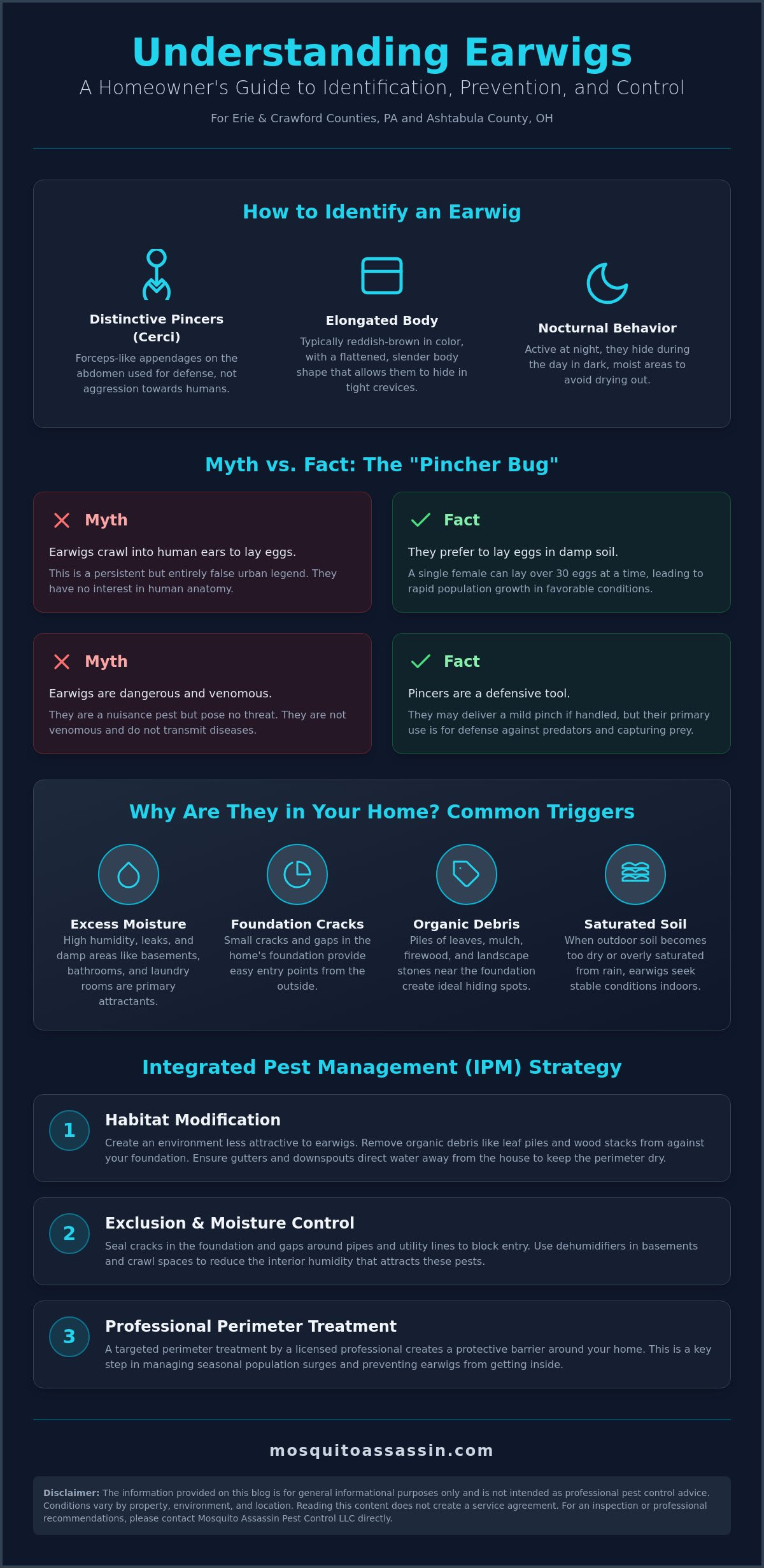
    The Tri-County region, encompassing Erie and Crawford Counties in Pennsylvania and Ashtabula County in Ohio, provides a unique set of challenges for property owners. Proximity to Lake Erie ensures high humidity levels throughout the summer months. This moisture is the primary driver for insects in the order Dermaptera, known colloquially as earwigs. These pests are easily identified by their reddish-brown, elongated bodies and the pair of forceps-like pincers, or cerci, protruding from the abdomen. While the sight of these pincers often causes concern, they’re used by the insect for defense, capturing prey, and folding their wings.

    The local climate in Northwest Pennsylvania and Northeast Ohio often leads to sudden population explosions. When the outdoor environment becomes too dry or too saturated, these insects seek refuge inside residential structures. Professional earwig control services are a common necessity during these seasonal shifts. To understand the specifics of earwig biology and behavior, it’s helpful to see how they thrive in residential landscapes.

    To better understand how these pests can be managed in a garden setting, watch this helpful video:

    Common Signs of an Earwig Problem

    Identifying an infestation usually starts in the areas of a home with the highest moisture retention. Because they’re nocturnal, you’re most likely to see them scurrying away when a light is turned on or a storage bin is moved. Common indicators that these pests have moved onto your property include:

    • Live Sightings: Spotting the insects in damp interior spaces like basements, laundry rooms, and bathrooms.
    • Outdoor Congregration: Finding large numbers of earwigs huddled under mulch, landscaping stones, or piles of organic debris near the foundation.
    • Defense Odors: Detecting a lingering, foul-smelling secretion. Earwigs release a pungent scent as a defense mechanism when they feel threatened.

    The “Pincher Bug” Reputation

    The common name “pincher bug” contributes to significant local anxiety. It’s a widespread misconception that these insects are dangerous or venomous. They don’t have stingers and they don’t carry diseases that pose a threat to your family or pets. One of the most persistent myths is that earwigs crawl into human ears to lay eggs. This is entirely false; they’re much more interested in damp soil than human anatomy. A single female can lay masses of 30 or more eggs, which is why populations can grow so quickly in a short time. While they can use their pincers to deliver a small pinch if they’re squeezed, they’d much rather retreat into a dark crevice. When the sheer number of these insects becomes a nuisance, Mosquito Assassin utilizes advanced methods to provide relief. Professional earwig control services can help by identifying the root cause of the attraction and implementing a systematic management plan.

    Disclaimer: The information provided on this blog is for general informational purposes only and is not intended as professional pest control advice. Conditions vary by property, environment, and location. Reading this content does not create a service agreement. For an inspection or professional recommendations, please contact Mosquito Assassin Pest Control LLC directly.
    Earwig Biology and Behavior: Why They Target Your Home

    Earwigs operate primarily under the cover of darkness. As nocturnal creatures, they spend daylight hours squeezed into tight, dark, and damp crevices to prevent their bodies from drying out. Their diet is surprisingly diverse; they act as both scavengers and predators. Outside, they feed on decaying organic matter, but they also hunt soft-bodied insects like aphids. This predatory behavior makes them somewhat beneficial in gardens, yet their tendency to migrate into homes in search of food or shelter makes them a significant nuisance. Professional earwig control services provide a methodical approach to identifying these hiding spots and treating them effectively.

    The lifecycle of an earwig begins in the soil. Unlike most non-social insects, female earwigs exhibit remarkable maternal instincts. A single female can lay masses of 30 or more eggs, and she stays with them to clean them and prevent mold growth. She protects the eggs from predators until they hatch and continues to provide food for the nymphs through their first few molts. This high level of care ensures a greater survival rate for the offspring, often leading to large, concentrated populations that eventually require Integrated Pest Management for Earwigs to resolve.

    Moisture as the Primary Attractant

    Earwigs are highly susceptible to dehydration. They lack a thick waxy coating on their exoskeleton, meaning they must remain in high-humidity environments to survive. During periods of heavy rainfall, which are common in the Tri-County area, outdoor nesting sites often become flooded. This forces the insects to seek higher ground or move into the drier, more stable environments found inside residential foundations. Indoor moisture “hotspots” typically include damp basements, crawl spaces, and the areas around leaking pipes in laundry rooms. Managing these areas is a critical component of professional earwig control services.

    Seasonal Patterns in Pennsylvania and Ohio

    In Erie and Crawford Counties, earwig activity typically begins with spring emergence as the ground thaws. Populations peak during the humid summer months of July and August. As temperatures begin to drop in the fall, these insects instinctively seek warmth and shelter to overwinter. Thick layers of mulch, overgrown vegetation, and piles of firewood near the home provide the perfect staging ground for an indoor invasion. If you notice a sudden influx of these pests as the seasons change, consulting a professional for general pest control plans may help manage the population before it establishes a permanent presence.

    Disclaimer: The information provided on this blog is for general informational purposes only and is not intended as professional pest control advice. Conditions vary by property, environment, and location. Reading this content does not create a service agreement. For an inspection or professional recommendations, please contact Mosquito Assassin Pest Control LLC directly.

    Identifying Environmental Triggers and Entry Points

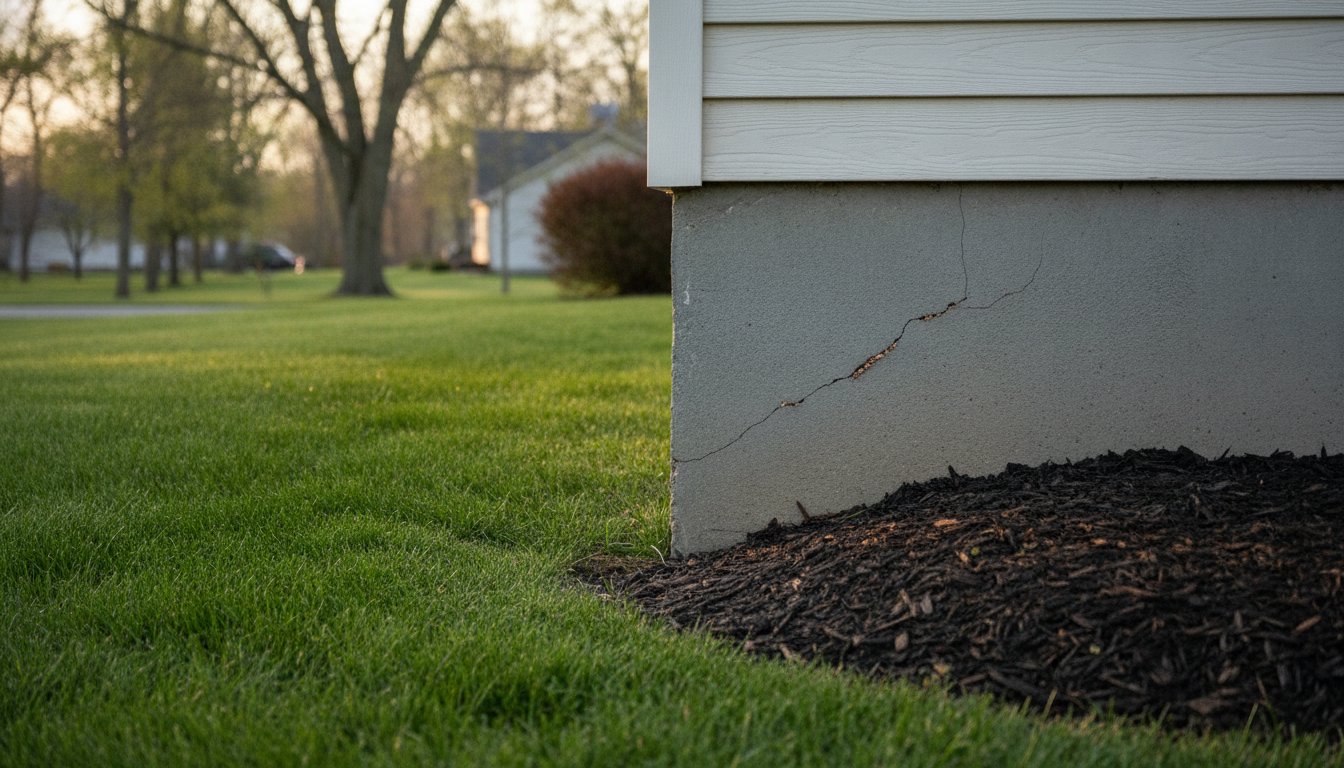
    The microclimate created by Lake Erie brings sustained humidity to Northwest Pennsylvania and Northeast Ohio. This atmospheric moisture doesn’t just affect your comfort; it significantly impacts the structural integrity of your property’s pest defenses. In Erie and Crawford Counties, many residential structures feature older stone or concrete block foundations. Over time, these foundations develop hairline cracks and settling gaps that serve as primary highways for insects. Professional earwig control services often begin with a meticulous inspection of these low-level entry points where moisture levels are highest.

    Beyond foundation fissures, earwigs frequently exploit gaps around basement windows and damaged door sweeps. Utility penetrations for electrical wires, gas lines, and HVAC pipes are another common oversight. If these aren’t sealed with appropriate materials, they provide direct access from the damp exterior soil into your living space. Even the smallest opening (roughly the thickness of a credit card) is sufficient for an adult earwig to navigate through your exterior walls.

    The Role of Landscaping and Mulch

    The aesthetic choices you make for your yard can inadvertently create a sanctuary for pests. Wood mulch is a frequent culprit because it excels at retaining moisture and provides a dark, insulated environment for earwig colonies to thrive. When mulch is piled directly against the siding, it creates a direct bridge for insects to climb into the home. Similarly, “bridge” vegetation (shrubs or tree branches that touch the exterior walls) allows earwigs to bypass ground-level treatments. Clogged gutters also play a significant role. When water overflows from the roof, it saturates the soil at the base of the foundation, creating the exact high-humidity conditions that drive these insects toward your basement windows.

    Indoor Conditions That Support Earwigs

    Once inside, earwigs seek out environments that mimic their outdoor habitats. Crawlspaces and basements with poor ventilation often suffer from consistent condensation on pipes and walls. This standing moisture is a major attractant. Storing cardboard boxes, firewood, or old newspapers in these damp areas provides both a food source and a hiding spot. Effective earwig prevention strategies involve reducing these indoor attractants by utilizing dehumidifiers and improving airflow in bathrooms and kitchens. Professional earwig control services can identify these internal triggers during a standard property assessment, helping you understand why the insects are choosing your specific property over others in the neighborhood.

    Disclaimer: The information provided on this blog is for general informational purposes only and is not intended as professional pest control advice. Conditions vary by property, environment, and location. Reading this content does not create a service agreement. For an inspection or professional recommendations, please contact Mosquito Assassin Pest Control LLC directly.

    Earwig Control Services: A Complete Guide to Managing Pincher Bugs

    Effective Prevention Strategies for Homeowners

    Preventing an infestation is significantly more efficient than reacting to one after the insects have established a colony. In the naturally humid environment surrounding Lake Erie, moisture management serves as the cornerstone of any long-term pest strategy. While professional earwig control services provide the necessary intervention for existing populations, homeowners can take specific, practical steps to fortify their property against future invasions. These actions focus on making the immediate environment less hospitable to moisture-seeking pests.

    Earwigs thrive in the damp shadows of yard clutter. Removing piles of grass clippings, leaf litter, and old boards from the perimeter of the home eliminates their primary outdoor hiding spots. It’s best to move these items at least 10 feet away from the foundation. Additionally, ensure the ground slopes away from the house to prevent water from pooling near the basement walls. Inside the home, particularly in older Pennsylvania basements, running a dehumidifier can keep the relative humidity below 50 percent. This creates a dry environment that pincher bugs instinctively avoid.

    Exterior Maintenance Checklist

    Maintaining the exterior of your property is a year-round commitment that directly impacts insect activity. Use this checklist to reduce the likelihood of a seasonal surge:

    • Gutter Maintenance: Clean gutters and downspouts regularly to prevent water from overflowing and saturating the soil at the foundation level.
    • Create a Dry Zone: Maintain a 12-inch strip of gravel or bare soil immediately against the house. This creates a “dead zone” that is too dry for earwigs to cross comfortably.
    • Inbound Inspections: Carefully inspect firewood, outdoor furniture, and potted plants before bringing them indoors, as these are common vehicles for hitchhiking insects.

    Structural Improvements

    Sealing the physical entry points of your home is a vital defense mechanism. Use a high-quality silicone caulk or expanding foam to close gaps around utility penetrations, such as where pipes and wires enter the siding. Replacing worn-out weather stripping on doors and basement windows is another critical structural fix. If your home has a crawlspace, ensure the vents are open and functional to allow for proper airflow. Repairing any plumbing leaks promptly, even small drips under a sink, eliminates the consistent water sources that support indoor colonies. If these preventative measures aren’t enough to stop the influx, checking your local service area for professional earwig control services can provide the definitive resolution you need.

    Disclaimer: The information provided on this blog is for general informational purposes only and is not intended as professional pest control advice. Conditions vary by property, environment, and location. Reading this content does not create a service agreement. For an inspection or professional recommendations, please contact Mosquito Assassin Pest Control LLC directly.

    Professional Integrated Pest Management for Earwigs

    While homeowner prevention steps are essential for maintaining a property, established infestations often require a more systematic approach. Professional earwig control services utilize Integrated Pest Management (IPM), a methodology that prioritizes long-term suppression over temporary, reactive spraying. This process begins with a comprehensive structural and environmental inspection. A professional identifies the specific breeding sites and moisture reservoirs that allow colonies to thrive, rather than simply treating the insects visible on the surface. This diagnostic phase ensures that the root cause of the infestation is addressed alongside the immediate nuisance.

    One of the primary differences between professional intervention and DIY methods is the implementation of a resilient perimeter barrier. Retail sprays often rely on contact kill formulas that evaporate or degrade quickly when exposed to the sun and rain. In contrast, professional treatments create a durable chemical shield around the foundation and known entry points. This barrier neutralizes earwigs as they attempt to migrate from the damp soil toward the interior of the home. Professional-grade products are specifically formulated to withstand the high humidity levels characteristic of the Lake Erie region, providing consistent protection that retail alternatives cannot match.

    Year-round pest management plans offer the most effective defense against seasonal pests. Because earwigs are driven by temperature and moisture shifts, a single treatment in the summer may not account for the fall migration or the spring emergence. Regular service visits allow for the early detection of population surges, ensuring that protective barriers are reinforced before the insects find a way inside. This proactive cycle maintains a secure environment and reduces the need for heavy interior applications by stopping the problem at the exterior source.

    Tailored Treatment Plans

    Every property in the Tri-County area has a unique ecological footprint. A tailored strategy accounts for specific factors such as the age of the foundation, the type of landscaping mulch used, and the proximity to local water sources. These plans address both the active interior population and the hidden exterior colonies. Ongoing monitoring is a critical component of this process; it allows for adjustments based on current weather patterns and insect activity levels. This disciplined approach ensures that the treatment remains effective as environmental conditions change.

    The Value of Local Expertise

    Understanding the specific pest pressures of Northwest Pennsylvania and Northeast Ohio is vital for successful management. Local professionals are familiar with the architectural commonalities of regional homes and the specific climate triggers that drive earwig behavior. Professional pest control may help reduce the risk of future infestations by fortifying the structure against regional threats. To learn more about local options and how regional expertise impacts results, property owners should consult with a specialist who understands the unique needs of the area. Utilizing a methodical, scientific approach provides the reassurance that the property is protected by a dependable expert.

    Disclaimer: The information provided on this blog is for general informational purposes only and is not intended as professional pest control advice. Conditions vary by property, environment, and location. Reading this content does not create a service agreement. For an inspection or professional recommendations, please contact Mosquito Assassin Pest Control LLC directly.

    Securing Your Home for a Pest-Free Future

    Effective management of these insects requires a combination of reducing moisture attractants and establishing durable structural barriers. While clearing debris and utilizing dehumidifiers are vital first steps for any property owner, professional earwig control services provide the specialized intervention necessary to stop persistent migrations into living areas. By focusing on the unique environmental pressures found in Northwest Pennsylvania and Northeast Ohio, a methodical approach ensures that seasonal population surges are managed before they compromise the comfort of your home.

    Mosquito Assassin serves residents throughout Erie, Crawford, and Ashtabula Counties with localized expertise in regional pest triggers and a commitment to professional standards. For those dealing with recurring infestations or seeking a preventative strategy, requesting an inspection through the online booking portal may help identify specific property risks and professional recommendations. Taking proactive steps today helps maintain a secure and pest-free environment for the future.

    Disclaimer: The information provided on this blog is for general informational purposes only and is not intended as professional pest control advice. Conditions vary by property, environment, and location. Reading this content does not create a service agreement. For an inspection or professional recommendations, please contact Mosquito Assassin Pest Control LLC directly.

    Frequently Asked Questions

    Do earwigs actually crawl into ears?

    No, the belief that earwigs crawl into human ears to lay eggs is an entirely false myth. While their name suggests otherwise, these insects are not interested in humans and prefer to hide in dark, moist environments like mulch or soil. They do not possess any biological drive to enter human anatomy, and any such occurrence would be purely accidental and extremely rare.

    Are earwigs harmful to my house or furniture?

    Earwigs are considered nuisance pests and do not cause structural damage to your home or furniture. Unlike termites or carpenter ants, they do not consume wood or fabric. Their presence is primarily a sign of high moisture levels or a breach in your home’s exterior defenses. While they may nibble on indoor plants, they don’t pose a threat to the building itself.

    Why do I have earwigs in my bathroom?

    Consistent moisture and high humidity are the primary reasons earwigs congregate in bathrooms. Because these insects lack a waxy coating on their exoskeleton, they dry out quickly and must stay near water sources to survive. They often enter through small gaps in the siding or foundation and migrate toward the damp environment of sinks, tubs, and laundry areas.

    Can earwigs fly into my home?

    While some species of earwigs have wings, they are very poor flyers and rarely take to the air. Most infestations occur when the insects crawl through cracks in the foundation, gaps under doors, or through unsealed utility penetrations. They are much more likely to walk into your home from the surrounding landscaping than to fly through an open window.

    What do earwigs eat when they are inside?

    Indoor earwigs typically scavenge for small crumbs, decaying organic matter, or other tiny insects. They don’t find a sustainable food source in most clean homes, which is why they are usually found in damp basements or bathrooms rather than kitchens. Their survival indoors depends more on access to water and high humidity than on finding specific food items.

    How long do earwigs live?

    The typical lifespan of an earwig is approximately one year from egg to adult. They hatch in the spring, reach maturity during the summer months, and the females overwinter in the soil to lay a new batch of eggs. In the controlled, warmer environment of a home, their activity may persist longer than it would in the outdoor elements.

    Will earwigs go away on their own in the winter?

    Earwigs don’t disappear in the winter; instead, they seek out protected areas to overwinter. In the Tri-County area, they often burrow into the soil or find shelter in crawlspaces and basements to escape the freezing temperatures. Professional earwig control services are essential for ensuring these pests don’t establish a permanent winter refuge inside your foundation walls.

    Is professional earwig control safe for my pets?

    Professional treatments are focused on the exterior perimeter of the home to block entry, which minimizes contact with indoor pets. Licensed professionals use products according to strict safety labels to ensure the wellbeing of your household. Utilizing earwig control services from a local expert provides a methodical approach that prioritizes the security of both your property and your animals.

    Disclaimer: The information provided on this blog is for general informational purposes only and is not intended as professional pest control advice. Conditions vary by property, environment, and location. Reading this content does not create a service agreement. For an inspection or professional recommendations, please contact Mosquito Assassin Pest Control LLC directly.

  • Centipede and Millipede Exterminator: A Guide to Professional Control

    Centipede and Millipede Exterminator: A Guide to Professional Control

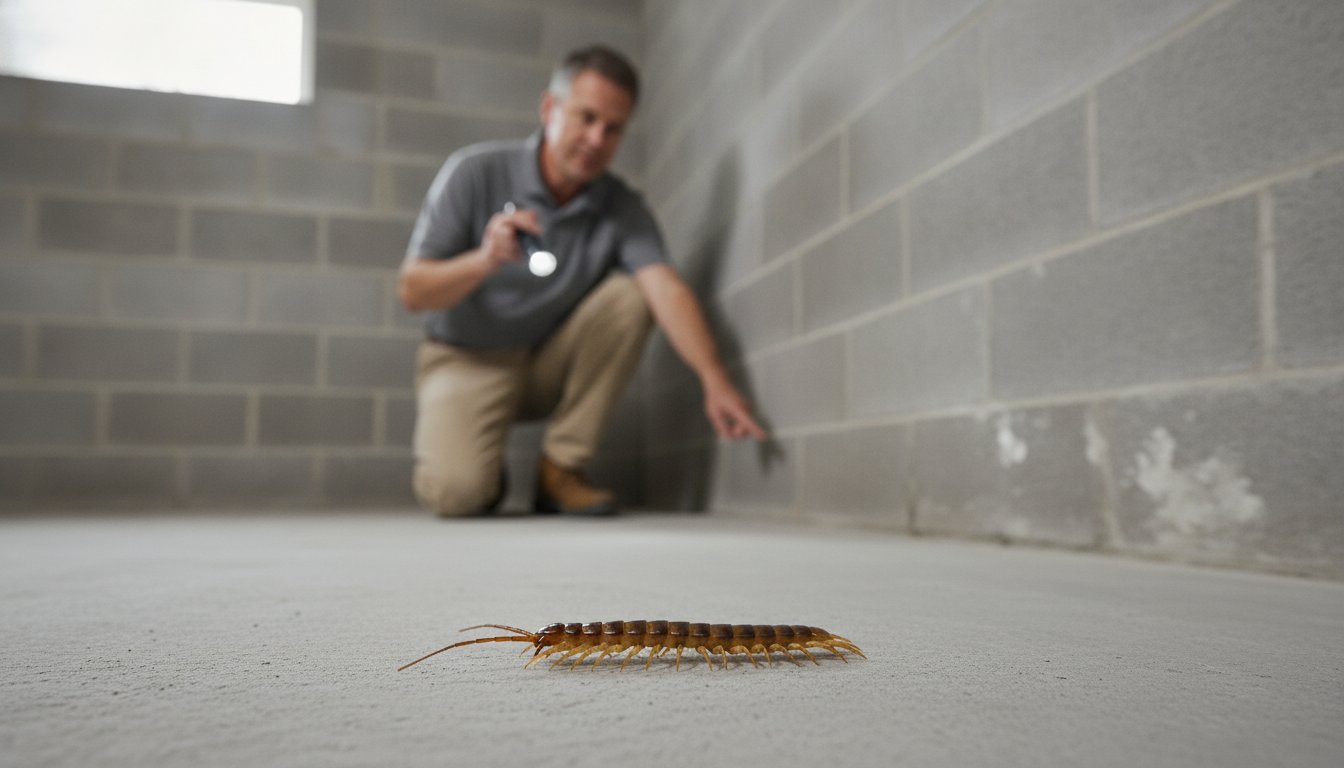
    Finding a multi-legged intruder darting across the basement floor isn’t just a startling surprise; it’s a clear signal that a home’s environment has shifted in favor of pests. Most homeowners in Northwest Pennsylvania and Northeast Ohio feel an immediate sense of unease when encountering the frantic movement of a house centipede or the coiled presence of a millipede. It’s natural to worry about potential bites or the skin irritation some species can cause, especially when sightings become frequent in damp crawlspaces. When these pests move indoors, consulting a professional centipede and millipede exterminator is often the most efficient way to address the root cause of the invasion.

    It’s understandable to want these startling guests gone quickly. This guide provides the knowledge needed to accurately identify these different species, understand the moisture issues that draw them inside, and implement effective exclusion strategies to keep them out. You’ll gain a clear overview of professional management techniques and prevention steps tailored for properties in Erie, Crawford, and Ashtabula counties.

    Disclaimer: The information provided on this blog is for general informational purposes only and is not intended as professional pest control advice. Conditions vary by property, environment, and location. Reading this content does not create a service agreement. For an inspection or professional recommendations, please contact Mosquito Assassin Pest Control LLC directly.

    Key Takeaways

    • Learn to distinguish between flat-bodied centipedes and cylindrical millipedes by identifying their leg counts and physical structures.
    • Understand how the high humidity levels of the Lake Erie region, particularly in Erie and Ashtabula counties, create ideal conditions for these pests to thrive.
    • Discover how a professional centipede and millipede exterminator uses targeted barrier treatments and property assessments to stop migration into the home.
    • Identify the importance of long-term moisture management and exclusion strategies to secure crawlspaces and basements against future infestations.
    • Gain insights into managing the pest food chain to reduce the presence of predatory centipedes through year-round monitoring and maintenance.

    Understanding Centipede and Millipede Activity in the Tri-County Area

    While many property owners refer to them as “bugs,” centipedes and millipedes are not actually insects. They are land-dwelling arthropods, a group that also includes spiders and crustaceans. In the Lake Erie region, specifically across Erie and Ashtabula counties, these pests are heavily attracted to high-moisture environments. Sightings typically increase during seasonal transitions in the spring and fall when outdoor temperatures fluctuate, driving them to find more stable climates. These pests are moisture-dependent arthropods that seek refuge in human structures when their natural habitats become too saturated or too dry.

    To better understand how these pests behave and the challenges they present, watch this helpful video:

    The Role of Centipedes as Predatory Indicators

    House centipedes function as predatory indicators within a residential or commercial building. Because they are strictly carnivorous, they spend their time hunting other common household pests such as ants, spiders, and silverfish. If you see them frequently, it usually means there is a robust food source already established behind your walls or under your floors. A professional centipede and millipede exterminator doesn’t just look for the centipedes; they assess the property for the underlying infestations that are drawing these predators inside. Understanding specific Centipede characteristics, such as their speed and nocturnal hunting habits, is essential for effective management. Professional pest control strategies focus on removing both the predators and the secondary pests to ensure a long-term solution.

    Millipedes and the Decomposition Cycle

    Millipedes play a very different role in the local ecosystem compared to centipedes. They are scavengers that primarily feed on decaying organic matter, making them a vital part of the natural decomposition cycle. You’ll often find large populations congregating near mulch beds, leaf piles, or damp wood located near a home’s foundation. In Crawford County, where basements and crawlspaces often retain excess moisture, millipedes may migrate indoors in massive numbers. This migration is typically triggered by weather extremes. When heavy rains soak the soil or drought conditions dry out their mulch habitats, they move toward the damp, dark recesses of a building’s lower levels. Managing the exterior environment is a critical step for any centipede and millipede exterminator to prevent these seasonal invasions.

    Disclaimer: The information provided on this blog is for general informational purposes only and is not intended as professional pest control advice. Conditions vary by property, environment, and location. Reading this content does not create a service agreement. For an inspection or professional recommendations, please contact Mosquito Assassin Pest Control LLC directly.

    Identifying the Difference Between Centipedes and Millipedes

    Distinguishing between these two multi-legged intruders is the first priority for any property owner in Northwest Pennsylvania or Northeast Ohio. While they both favor the damp environments found in Erie and Crawford counties, their biological structures and behaviors are vastly different. A professional centipede and millipede exterminator relies on these specific traits to determine the most effective strategy for your home. Proper identification ensures that the root cause of the infestation, whether it is decaying organic matter or a secondary pest population, is addressed correctly.

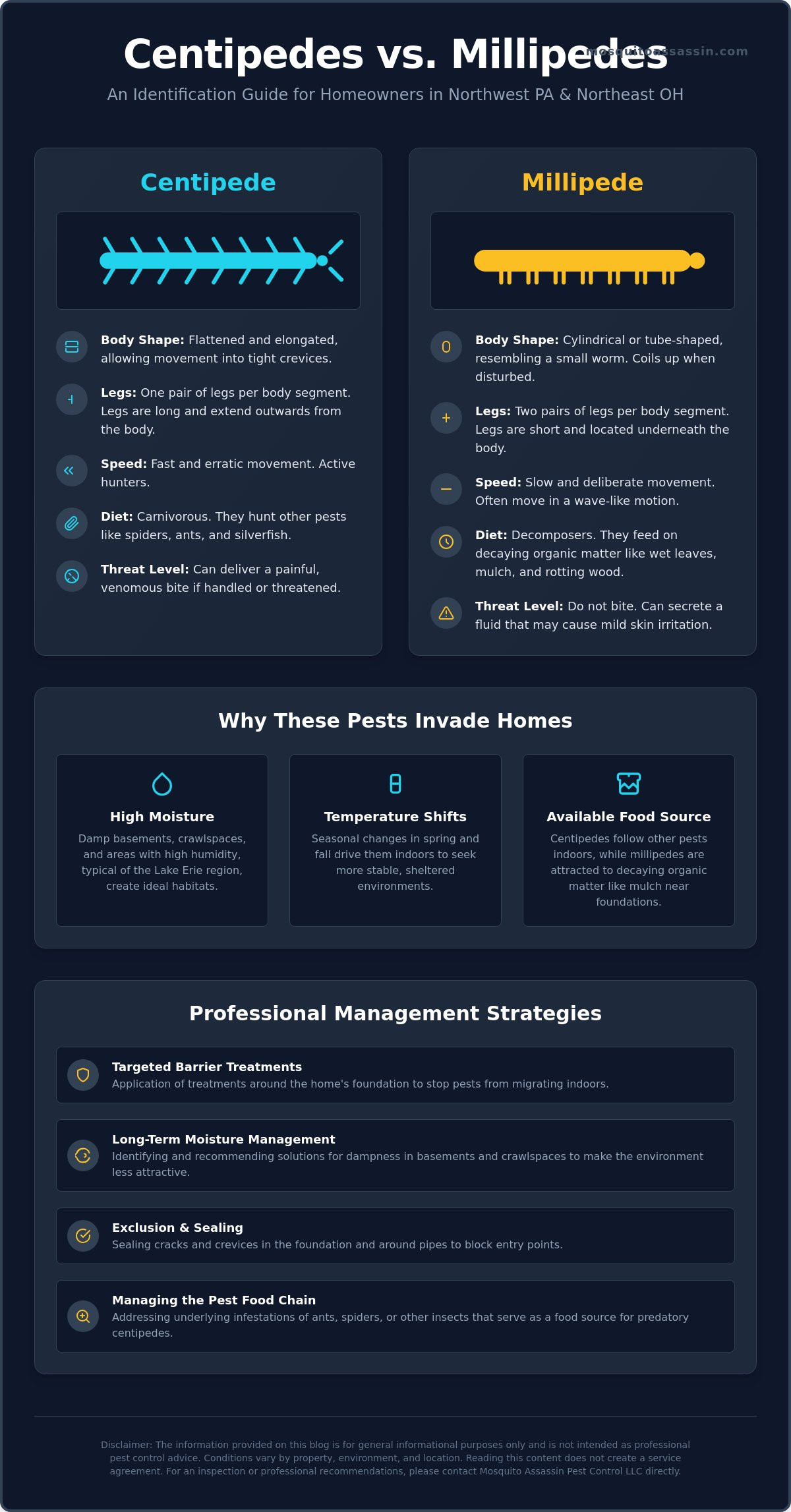
    The most obvious physical difference lies in their body shapes. Centipedes possess flat, elongated bodies that allow them to squeeze into incredibly tight crevices. Millipedes are cylindrical and resemble small, armored worms. Their leg configuration is another definitive marker. If you look closely, centipedes have exactly one pair of long legs per body segment. Millipedes have two pairs of shorter legs per segment, except for the first three segments which feature only one pair each. This structural difference dictates how they move through a basement or crawlspace.

    Centipede Physical Traits and Behavior

    Centipedes are built for speed and aggression. Their long, delicate legs extend outward from the body, enabling rapid bursts of movement to chase down prey. They are equipped with venom glands located in their first pair of appendages, which they use to paralyze small insects. While this makes them formidable hunters in the insect world, they are rarely harmful to humans. You’ll typically find them in dark, secluded areas like wall voids, floor drains, or behind baseboards. Because they are active hunters, effective pest management strategies must account for their high mobility and the presence of their food sources.

    Millipede Physical Traits and Defense Mechanisms

    Millipedes move with a slow, rhythmic, wave-like motion. Their legs are short and positioned directly underneath their bodies. Unlike the predatory centipede, the millipede is a scavenger that consumes decaying plant matter. When they feel threatened, they don’t run; instead, they coil into a tight spiral to protect their soft undersides. Some species can also secrete a foul-smelling fluid to deter predators. In areas like Ashtabula County, heavy rainfall often triggers mass migrations. They may wander into basements in large groups seeking higher ground, though they usually die quickly if they cannot find a moisture source. Understanding these behaviors helps in selecting the right general pest control plans to secure your property.

    Disclaimer: The information provided on this blog is for general informational purposes only and is not intended as professional pest control advice. Conditions vary by property, environment, and location. Reading this content does not create a service agreement. For an inspection or professional recommendations, please contact Mosquito Assassin Pest Control LLC directly.

    Why These Pests Invade Pennsylvania and Ohio Homes

    The Lake Erie region experiences specific environmental pressures that make homes in Erie and Ashtabula counties particularly vulnerable to arthropod invasions. High humidity levels near the lakefront create ideal breeding grounds for moisture-seeking pests. Inland, the heavy soils of Crawford County often lead to basements and crawlspaces that retain excess moisture for long periods. Because these pests are so sensitive to dehydration, the local climate in Northwest Pennsylvania necessitates professional moisture management as a core component of any effective pest strategy.

    Structural vulnerabilities also play a significant role in these invasions. Many homes in this region feature older foundations with small cracks or gaps that developed as the structures settled over time. These openings provide easy entry points for leggy intruders. When property owners struggle with recurring sightings, a centipede and millipede exterminator can identify these subtle access points that a typical homeowner might overlook during a routine inspection.

    The Impact of Local Moisture and Humidity

    Damp foundations and sump pump areas act as primary attractants for millipedes, which require high humidity to survive. Inside the home, condensation on cold water pipes provides the necessary hydration for house centipedes. Utilizing professional general pest control helps property owners identify these specific moisture hotspots before they become major issues. According to the University of California guide to centipedes and millipedes, managing the environment is often more effective than chemical application alone. Addressing these damp areas reduces the overall hospitality of the home to multi-legged pests.

    Seasonal Migration Patterns in the Region

    The transition between seasons is the most common time for infestations to peak in the Tri-County area. In the fall, sharp temperature drops push arthropods toward the warmth of heated foundations. Conversely, heavy spring rains often flood outdoor habitats in mulch beds or leaf litter; this forces pests into the lower levels of homes to escape drowning. Identifying these regional patterns is key to establishing year-round protection. By understanding when these migrations occur, a centipede and millipede exterminator can apply preventative barriers at the most critical times to block entry before the pests settle indoors.

    Disclaimer: The information provided on this blog is for general informational purposes only and is not intended as professional pest control advice. Conditions vary by property, environment, and location. Reading this content does not create a service agreement. For an inspection or professional recommendations, please contact Mosquito Assassin Pest Control LLC directly.

    Centipede and Millipede Exterminator: A Guide to Professional Control

    Professional Strategies for Effective Extermination and Exclusion

    Professional intervention transforms a home from a vulnerable target into a fortified structure. While understanding biology and moisture is a vital first step, definitive control requires a methodical approach that addresses both the pests currently inside and those waiting to enter. A professional centipede and millipede exterminator begins by conducting a high-level assessment to map out specific species activity and identify the structural entry points unique to the property. This evaluation determines whether the infestation is a localized moisture issue or a broader structural vulnerability that requires professional expertise to resolve.

    The Three-Step Process: Removal, Maintenance, and Exclusion

    Effective pest management follows a disciplined three-step operational approach designed for the specific needs of properties in Erie, Crawford, and Ashtabula counties. Initial removal focuses on eliminating active populations found in lower levels, crawlspaces, or behind baseboards where dampness persists. Once the internal population is managed, maintenance plans establish a protective perimeter barrier around the foundation to intercept new arrivals from mulch beds or leaf litter. The final and most critical step is exclusion. This involves sealing the ‘highway’ that pests use to enter the living space. Technicians focus on sealing hairline cracks in masonry, gaps around basement windows, and voids where utility lines penetrate the foundation. By securing the sill plates and door thresholds, the structural integrity of the pest barrier is maintained year-round.

    Why DIY Methods Often Fail

    Many property owners attempt to resolve infestations using over-the-counter sprays, but these products rarely provide lasting results. These treatments often fail to reach pests hiding deep within wall voids, under heavy insulation, or inside floor drains. While using a dehumidifier is a helpful step for managing the internal environment, it does not address the external structural gaps that allow pests to return during the next heavy rain or temperature drop. Professional pest control may help reduce risk by utilizing advanced application methods and specialized materials that provide more durable protection than retail alternatives. Engaging a centipede and millipede exterminator ensures that the treatment is applied where it is most effective, reaching the hidden voids where these arthropods thrive. For a definitive resolution to multi-legged pest problems, property owners can request a professional assessment to secure their property and restore peace of mind.

    Disclaimer: The information provided on this blog is for general informational purposes only and is not intended as professional pest control advice. Conditions vary by property, environment, and location. Reading this content does not create a service agreement. For an inspection or professional recommendations, please contact Mosquito Assassin Pest Control LLC directly.

    Maintaining a Pest-Free Environment Year-Round

    Establishing a property as a fortress against multi-legged intruders requires more than a single visit. Continuous monitoring is the most effective way to prevent small, occasional sightings from escalating into large scale infestations. Because homes in Northwest Pennsylvania and Northeast Ohio are subject to heavy seasonal shifts, the structural and environmental conditions of a basement or crawlspace can change within a few months. Regular inspections allow property owners to stay ahead of these changes, identifying new moisture issues or foundation settling before pests find a way inside. A professional centipede and millipede exterminator provides the specialized oversight needed to maintain these defenses throughout the year.

    One of the most critical aspects of long-term control is managing the “pest food chain.” Predatory centipedes are attracted to properties where other insects like ants, spiders, or silverfish are already established. By implementing comprehensive insect control, you remove the primary reason these predators enter your living space. In many cases, professional rodent removal and general insect management work together to create a total protection strategy. When the food source is gone, the centipedes have no reason to stay.

    The Importance of Perimeter Protection

    Treating the exterior foundation serves as your property’s first line of defense. This barrier intercepts millipedes and centipedes before they reach the cracks and crevices of your home’s exterior. Homeowners can support these professional efforts by reducing mulch depth to less than two inches and clearing leaf debris or damp wood piles away from the foundation. These simple steps limit the high-moisture habitats where millipedes congregate in massive numbers. For business owners in the Tri-County area, these same principles apply; you can learn more about commercial pest control services to protect your professional reputation and property value.

    Securing Your Home for the Long Term

    Consistent service plans are the only true way to remain totally pest-free as the seasons change. In Erie and Crawford counties, the transition from a wet spring to a humid summer often brings different pest pressures. A professional mosquito control program can often be integrated with general pest services to provide a holistic shield for both the interior and exterior of the home. This multi-layered approach ensures that whether the threat is crawling in the basement or flying in the yard, the property remains secure. For an inspection or professional recommendations, it’s best to contact a local expert who understands the specific environmental challenges of the Lake Erie region. Engaging a centipede and millipede exterminator for regular maintenance ensures that your home remains a dry, hostile environment for pests and a comfortable sanctuary for your family.

    Disclaimer: The information provided on this blog is for general informational purposes only and is not intended as professional pest control advice. Conditions vary by property, environment, and location. Reading this content does not create a service agreement. For an inspection or professional recommendations, please contact Mosquito Assassin Pest Control LLC directly.

    Securing Your Property Against Future Infestations

    Managing centipede and millipede activity requires a strategic focus on the environmental factors that draw them indoors. By addressing the high humidity levels common in Northwest Pennsylvania and Northeast Ohio and sealing the structural gaps in older foundations, property owners can disrupt the pest life cycle. Professional exclusion services provide a definitive solution by blocking entry points that DIY methods often overlook. Comprehensive year-round protection plans ensure that as seasonal transitions occur, your home remains a fortified environment.

    Identifying the root cause of moisture and the secondary pests that attract predators is essential for success. If sightings persist in your basement or crawlspace, consulting a professional centipede and millipede exterminator can help restore the security of your living area. This locally owned and operated team understands the unique climate challenges of Erie, Crawford, and Ashtabula counties. To safeguard your home, schedule a professional pest inspection for your home to receive expert recommendations tailored to your property. Proactive measures today prevent small moisture issues from becoming significant pest problems tomorrow.

    Disclaimer: The information provided on this blog is for general informational purposes only and is not intended as professional pest control advice. Conditions vary by property, environment, and location. Reading this content does not create a service agreement. For an inspection or professional recommendations, please contact Mosquito Assassin Pest Control LLC directly.

    Frequently Asked Questions

    Are centipedes or millipedes dangerous to my family or pets?

    They are primarily considered nuisance pests and aren’t dangerous to your family or pets. Millipedes don’t bite or sting, though some species can secrete a fluid that irritates sensitive skin. Centipedes use venom to paralyze prey, but they rarely bite humans unless handled. When a bite does occur, the sensation is usually comparable to a mild bee sting. These arthropods don’t carry diseases or cause structural damage to your home.

    Why do I keep seeing centipedes in my bathroom or basement?

    These areas provide the high moisture and darkness these arthropods need to survive. Bathrooms and basements often have floor drains, pipe condensation, or sump pumps that create damp environments. Frequent sightings in these lower levels often indicate an underlying population of other small insects, such as spiders or silverfish, that serve as a consistent food source for predatory house centipedes.

    How do centipedes and millipedes get into my home?

    They enter through small cracks in the foundation, gaps around basement windows, and voids where utility lines pass through walls. Because centipedes have flat bodies, they can squeeze through very narrow openings. Millipedes often crawl under door thresholds or through weep holes in brickwork during seasonal migrations or after heavy rain saturates the soil outside, seeking higher and drier ground.

    Can a dehumidifier get rid of a centipede infestation?

    A dehumidifier helps reduce the moisture that attracts them, but it rarely eliminates an established infestation on its own. While it makes the environment less hospitable, it doesn’t address the structural entry points or the existing food chain. A professional centipede and millipede exterminator combines moisture control with exclusion and targeted treatments for a definitive result that addresses the root cause of the problem.

    What do centipedes and millipedes eat?

    Their diets are completely different, consisting of either living insects or decaying plant matter. Centipedes are carnivorous hunters that eat spiders, ants, silverfish, and other small household pests. Millipedes are scavengers that primarily feed on decaying organic matter like damp wood, leaf litter, and mulch. Understanding these dietary preferences helps professionals identify the specific environmental factors that are attracting each pest to your property.

    When should I call a professional exterminator for these pests?

    You should seek professional help if sightings become frequent or if you discover large numbers of millipedes congregating in your basement. Engaging a centipede and millipede exterminator is the best course of action when you can’t identify the entry points or the food source sustaining the population. Professional pest control may help reduce risk by identifying structural vulnerabilities and implementing a long-term exclusion strategy.

    Do centipedes bite humans?

    Yes, centipedes can bite if they are handled or feel threatened, but such incidents are rare. Their “bite” is actually delivered by a pair of modified front legs that function like fangs to inject venom into prey. For most people, a centipede bite causes localized pain and swelling similar to a wasp sting. They don’t seek out humans and typically prefer to run away when discovered in a home.

    How can I prevent millipedes from entering my house after it rains?

    Reducing the amount of organic debris near your foundation is the most effective preventative step. Clear away wet leaves and keep mulch depth below two inches. Ensure that downspouts direct water away from the house. In Northwest Pennsylvania and Northeast Ohio, sealing gaps in masonry and installing tight door sweeps can also block their path when they migrate toward your foundation after heavy summer rains.

    Disclaimer: The information provided on this blog is for general informational purposes only and is not intended as professional pest control advice. Conditions vary by property, environment, and location. Reading this content does not create a service agreement. For an inspection or professional recommendations, please contact Mosquito Assassin Pest Control LLC directly.

  • How to Get Rid of Silverfish: A Comprehensive Guide to Prevention and Control

    How to Get Rid of Silverfish: A Comprehensive Guide to Prevention and Control

    Finding a silverfish skittering across a cherished family photo or the pages of a rare book is more than a minor nuisance; it’s a direct threat to your most irreplaceable household assets. These resilient, nocturnal pests have survived for millions of years by hiding in the dark, damp corners of homes, often remaining undetected until the damage is already done. If you’ve struggled with failed DIY traps or felt a growing sense of anxiety about insects in your personal spaces, you aren’t alone. Many homeowners in Erie and Crawford Counties in Pennsylvania, and Ashtabula County in Ohio, face similar frustrations due to the high humidity levels common in the Great Lakes region. Learning how to get rid of silverfish requires a shift from reactive trapping to a proactive, methodical approach that targets their environment and behavior.

    This comprehensive guide provides the knowledge needed to identify infestations, understand why these pests are attracted to specific areas of a property, and implement professional-grade strategies for long-term control. You’ll gain a clear understanding of how to manage the environmental factors that invite these insects inside while learning to protect your household assets from destruction. By focusing on moisture management and exclusion techniques, you can achieve a pest-free home and ensure your sentimental items remain protected. The following sections explore the science behind their survival and the practical steps necessary to secure your living space against future generations of these silver-scaled intruders.

    Key Takeaways

    • Learn to identify the physical traits and nocturnal behaviors of silverfish to detect an infestation before damage occurs to books or photos.
    • Understand how the specific humidity levels and older foundations found in Pennsylvania and Ohio create ideal breeding grounds for these pests.
    • Discover practical dehumidification and exclusion techniques that naturally reduce indoor populations by making the environment less hospitable.
    • Explore how to get rid of silverfish through professional Integrated Pest Management strategies that address hidden nesting sites inaccessible to the average homeowner.
    • Establish a long-term maintenance checklist, including exterior landscaping adjustments, to protect your household assets year-round.

    Identifying Silverfish and Understanding the Scope of an Infestation

    The Silverfish, scientifically known as Lepisma saccharinum, is a resilient survivor that has existed for millions of years. These wingless, nocturnal insects are named for their silvery, metallic appearance and a distinct side-to-side swimming motion that mimics a fish. If you’re wondering how to get rid of silverfish, you first have to understand the biological advantages that make them so difficult to eliminate. They possess six legs, two long antennae, and three prominent tail-like appendages at the rear of their bodies, which act as sensory organs to help them detect threats in total darkness.

    One of the most significant challenges for homeowners in Erie and Crawford Counties is the silverfish lifecycle. Unlike many common household pests that live for only a few weeks, a single silverfish can survive for up to eight years. They reproduce rapidly throughout their long lives, meaning a small sighting in a Meadville attic can quickly escalate into a massive, multi-generational infestation. Their ability to go months without food while remaining active in damp environments makes them a persistent threat to your property. If you find a dead insect and aren’t sure of its identity, try the smudge test. Gently crushing a silverfish or its shed skin leaves behind a telltale metallic gray residue of scales on your fingers or the floor.

    Visual Identification and Behavior

    Silverfish are built for the shadows. They have an extreme aversion to light, which is why you’ll often see them darting with incredible speed toward a crack or crevice the moment you flip a bathroom switch. It’s easy to confuse them with firebrats, but their habitat preferences are different. While silverfish crave the cool, damp conditions of an Ashtabula basement, firebrats prefer much warmer, drier areas like furnace rooms or bakeries. If you spot nymphs, which are smaller and pure white rather than silver, it’s a clear sign of an active breeding site nearby. Understanding these behavioral cues is the first step in learning how to get rid of silverfish effectively.

    Common Signs of Silverfish Damage

    Because they are nocturnal, you’ll often see the damage they cause before you see the insects themselves. Silverfish feed on starches and proteins, which puts your most sentimental items at risk. Look for these specific indicators in your home:

    • Irregular Holes: Check wallpaper, book bindings, and natural fabrics like silk or cotton for jagged, irregular holes where the insects have grazed.
    • Surface Etching: In regional basements, examine cardboard storage boxes. Silverfish will scrape away the top layer of cardboard to reach the starch underneath, leaving thin, etched patterns.
    • Stains and Droppings: Look for small, yellowish stains on paper or fabric. You may also find tiny black droppings that resemble peppercorns scattered in the back of cabinets or drawers.

    Why Silverfish Thrive in Pennsylvania and Ohio Homes

    Residents in Erie and Crawford Counties in Pennsylvania, along with those in Ashtabula County in Ohio, deal with a specific set of environmental challenges. The Great Lakes region is known for its intense humidity, especially during the summer months. This atmospheric moisture is exactly what silverfish need to flourish. These insects are masters of survival; they can live for up to 365 days without a single meal. This biological resilience means that simply cleaning up crumbs won’t solve the problem. If you’re researching how to get rid of silverfish, it’s vital to recognize that they are often hiding in internal microclimates like leaky pipes or poorly ventilated attics where moisture remains constant.

    The architecture of our region also plays a role in pest activity. Many homes in Meadville and Ashtabula feature older stone or brick foundations. These porous materials often allow ground moisture to seep into basements, creating a permanent damp zone. When combined with poorly graded soil that directs rainwater toward the house, these foundations become ideal breeding grounds. For property owners dealing with persistent issues, seeking professional pest control tips for silverfish can help identify these structural vulnerabilities before they lead to significant property damage.

    The Critical Role of Humidity and Moisture

    Silverfish don’t just prefer moisture; they require it. To survive and reproduce, they generally need a relative humidity level between 75% and 95%. Common household fixtures often act as moisture collectors that sustain these pests. Dripping faucets, sweating pipes in the basement, and bathroom condensation are primary culprits. In the humid climates of Pennsylvania and Ohio, even a small leak can sustain a colony for years. Ensuring proper airflow in crawlspaces and using dehumidifiers are essential steps for anyone trying to figure out how to get rid of silverfish effectively.

    Starchy Food Sources and Household Attractions

    Beyond moisture, these insects are drawn to specific materials found in almost every home. Their diet focuses on polysaccharides, which are found in adhesives, book bindings, and starched clothing. Clutter provides both a food source and a safe harbor. Stacks of old newspapers, magazines, and cardboard boxes are high-value targets. Inside the kitchen, silverfish may target pantry staples like flour, cereal, and dried pasta. Managing these attractions is a key part of a general pest control plan that addresses the root causes of an infestation.

    Practical Steps to Reduce Silverfish Populations Naturally

    Reducing the environmental factors that sustain these pests is the most effective way to start the process of how to get rid of silverfish. Since they are highly dependent on moisture, as discussed in previous sections, your first priority is a strict dehumidification protocol. Use a hygrometer to monitor indoor levels; the goal is to consistently maintain relative humidity below 50 percent. This creates a hostile environment that halts their reproductive cycle and eventually leads to dehydration. Additionally, seal cracks and crevices with high-quality silicone caulk. This is especially critical in bathrooms and kitchens where plumbing penetrations provide easy highways through your walls. Transition all paper-based storage, including old tax records and sentimental photos, into airtight plastic bins. This simple change eliminates both their primary food source and their preferred hiding spots.

    Environmental Controls and Dehumidification

    Place dehumidifiers in the lowest levels of your home, such as a basement in Meadville or a crawl space in Ashtabula. This intercepts rising moisture before it permeates the rest of the structure. Run bathroom fans during and for at least 30 minutes after showers to mitigate steam buildup. Outside, check window wells and basement drains for standing water or debris. For those seeking a deeper dive into science-based management, the University of California’s guide to silverfish control offers additional insights into non-chemical interventions that focus on environmental modification to protect your property.

    Sanitation and Storage Habits

    Frequent vacuuming is a powerful tool for population reduction. It removes not just food particles, but also the tiny eggs that silverfish hide in carpet fibers and baseboard gaps. Follow the “first-in, first-out” rule for pantry items like flour and cereal to prevent long-term infestations in dry goods. Never store cardboard boxes directly on concrete basement floors. Concrete is porous and wicks moisture from the ground, turning the cardboard into a soggy, high-value food source. Instead, use metal or plastic shelving to keep items elevated and dry. This reduces the accessibility of your belongings and makes it much easier to inspect for any new signs of activity.

    How to Get Rid of Silverfish: A Comprehensive Guide to Prevention and Control

    Evaluating Professional Intervention for Persistent Infestations

    Many homeowners start their journey on how to get rid of silverfish by purchasing retail sticky traps. While these can confirm the presence of an infestation, they’re fundamentally limited because they only target adult insects. Since silverfish can live for up to eight years and reproduce continuously, catching a few adults on a glue board doesn’t stop the hundreds of eggs hidden in wall voids or attic insulation. Licensed professionals use an approach that goes beyond simple trapping to address the biological root of the problem and the environmental factors that allow it to persist.

    Identifying where these pests actually live is the hardest part for an untrained eye. They often nest in locations that are physically inaccessible to the average person, such as inside fiberglass insulation or deep within the structural gaps of older foundations in Ashtabula or Meadville. A professional inspection utilizes specialized tools and methodological knowledge to find these hubs. By targeting these specific zones, professional pest control may help reduce risk of significant property damage to books, documents, and natural fibers. There’s also a distinct safety advantage to professional intervention. DIY attempts often involve the broad application of over-the-counter sprays, which can be ineffective if misapplied and may lead to unnecessary chemical exposure in living spaces. Professionals prioritize targeted applications that focus on the pest’s harborage while minimizing impact on the household.

    When to Seek Licensed Assistance

    Seeing silverfish during the day is a major red flag. Because they’re strictly nocturnal, seeing them in the light usually means the population has grown so large that hiding spots are overcrowded. If you notice activity spreading into sensitive areas like home libraries, walk-in closets, or pantry storage, it’s time to consider an expert evaluation. Recurring sightings despite your best efforts at dehumidification suggest a deep-seated nesting problem that requires a more intensive strategy. Professionals can identify these hidden reservoirs and implement a plan to eliminate them at the source.

    The Integrated Pest Management (IPM) Approach

    The gold standard for modern pest management is Integrated Pest Management (IPM). This is a science-based strategy that focuses on long-term prevention rather than just reactive killing. The process follows a disciplined three-step cycle: a thorough inspection to identify the species and entry points, a targeted treatment phase, and ongoing monitoring to ensure the population doesn’t return. Comprehensive general pest control plans provide a protective barrier against various crawling insects, ensuring your home remains a secure environment. If natural methods aren’t enough to secure your property, exploring professional pest control services is a dependable way to reclaim your space and protect your assets.

    Maintaining a Pest-Free Environment in the Great Lakes Region

    Consistency is the final piece of the puzzle when learning how to get rid of silverfish in the Great Lakes region. In areas like Erie, Meadville, and Ashtabula, the fight against these pests doesn’t end after a single treatment. Because silverfish have long lifespans and can remain dormant without food, a seasonal maintenance checklist is essential for every homeowner. This includes regular inspections of the attic, basement, and crawl spaces where moisture tends to accumulate. While silverfish aren’t a direct health threat to humans, their presence is a loud signal that your home has environmental issues, specifically high humidity or structural leaks, that need immediate attention. Addressing these underlying factors is the only way to ensure your property remains secure over time.

    Landscaping choices often dictate the level of pest activity inside your home. Many property owners don’t realize that heavy mulch beds directly against the foundation act as a massive sponge for moisture, creating a perfect breeding ground for silverfish and other occasional invaders. Transitioning to year-round protection is the most reliable way to prevent these insects from re-establishing their colonies. Professional monitoring ensures that as soon as environmental conditions shift, your defenses are adjusted accordingly. By maintaining a clear perimeter and managing the exterior environment, you significantly reduce the pressure on your home’s interior spaces.

    Structural Exclusion and Exterior Maintenance

    Physical barriers are your first line of defense. Clear away fallen leaves, grass clippings, and organic debris from the foundation to reduce exterior moisture retention. Check door sweeps and window screens for even the smallest gaps; silverfish are experts at squeezing through tiny cracks during seasonal shifts. If possible, replace wood mulch with gravel or stone barriers directly against the house. This change eliminates the decaying organic matter that silverfish feed on and prevents moisture from being trapped against your siding or foundation blocks.

    Seasonal Considerations for PA and OH

    The climate in Pennsylvania and Ohio creates unique challenges for pest control. During the winter, heating systems dry out much of the house, which often drives silverfish into the remaining humid zones like bathrooms or laundry rooms. This concentrated activity makes them easier to spot but harder to manage without professional tools. The “spring surge” occurs when rising temperatures and heavy rainfall increase outdoor populations, leading to new waves of insects seeking entry. For specialized assistance tailored to these regional conditions, you can contact Mosquito Assassin Pest Control LLC to discuss how to get rid of silverfish and protect your household assets throughout the changing seasons.

    Disclaimer: The information provided on this blog is for general informational purposes only and is not intended as professional pest control advice. Conditions vary by property, environment, and location. Reading this content does not create a service agreement. For an inspection or professional recommendations, please contact Mosquito Assassin Pest Control LLC directly.

    Securing Your Property for the Long Term

    Successfully protecting your household assets requires a shift from reactive trapping to a systematic strategy of environmental control. By managing indoor humidity and sealing structural gaps, you disrupt the lifecycle of these resilient pests. Understanding how to get rid of silverfish effectively involves recognizing the unique moisture challenges of the Great Lakes region, from damp foundations to humid summers. While natural methods provide a strong foundation, persistent infestations often require the methodological approach of an expert who understands regional pest behavior. Licensed in both Pennsylvania and Ohio, Mosquito Assassin Pest Control LLC specializes in residential management and the specific behaviors of pests in Erie, Meadville, and Ashtabula. For professional recommendations or a property inspection, contact Mosquito Assassin Pest Control LLC today. You don’t have to manage these pests alone; with the right approach, a pest-free home is well within reach.

    Disclaimer: The information provided on this blog is for general informational purposes only and is not intended as professional pest control advice. Conditions vary by property, environment, and location. Reading this content does not create a service agreement. For an inspection or professional recommendations, please contact Mosquito Assassin Pest Control LLC directly.

    Frequently Asked Questions

    Do silverfish bite humans or pets?

    Silverfish do not bite humans or pets. They lack the mouthparts required to pierce skin and do not possess stingers or venom. While they are a significant nuisance because they damage property, they don’t pose a direct physical threat or transmit diseases to the members of your household. Their presence is primarily a threat to your belongings rather than your physical safety.

    How long can silverfish live without a food source?

    Silverfish are remarkably resilient and can survive for up to 365 days without a single food source. This survival capability makes it difficult to starve out an infestation simply by cleaning. Their ability to go long periods without eating is why figuring out how to get rid of silverfish requires a comprehensive approach that targets their environment rather than just their food supply.

    What is the difference between a silverfish and a firebrat?

    The primary difference between a silverfish and a firebrat is their preferred environment. Silverfish thrive in cool, damp areas with high humidity, such as basements or bathrooms. In contrast, firebrats prefer much hotter temperatures, often exceeding 90 degrees Fahrenheit, and are typically found near furnaces, ovens, or water heaters. Visually, firebrats have a mottled gray and brown appearance compared to the uniform silver of a silverfish.

    Can silverfish cause damage to my home’s structure?

    Silverfish do not cause structural damage to the wood or framing of your home like termites or carpenter ants. However, they can cause extensive cosmetic damage. They feed on the starches and adhesives found in wallpaper, drywall paste, and book bindings. Over time, a large population can leave unsightly holes or etchings on surfaces throughout your living space, potentially ruining sentimental items.

    Are silverfish a sign of a dirty house?

    Seeing silverfish is not necessarily a sign of a dirty house. These pests are primarily attracted to moisture and humidity rather than filth. Even the cleanest homes can host an infestation if there are leaky pipes, high humidity levels, or older foundations that allow moisture to seep in. They enter homes looking for a stable, damp environment to breed and survive, regardless of the cleanliness of the space.

    What is the most effective way to trap silverfish at home?

    The most effective way to trap silverfish for monitoring purposes is using specialized sticky traps placed along baseboards or in dark corners. While these traps help confirm the presence of pests, they are not a complete solution for how to get rid of silverfish. Traps only capture mobile adults and do nothing to address the eggs or the environmental conditions that allow the population to grow and persist.

    Why do I keep seeing silverfish in my bathroom at night?

    You see silverfish in your bathroom at night because they are nocturnal and highly attracted to the moisture found in sinks, tubs, and showers. Bathrooms often provide the high humidity levels they need to survive. Since they are sensitive to light, they remain hidden in wall voids or under cabinets during the day, only emerging when it is dark and quiet to forage for food.

    Disclaimer: The information provided on this blog is for general informational purposes only and is not intended as professional pest control advice. Conditions vary by property, environment, and location. Reading this content does not create a service agreement. For an inspection or professional recommendations, please contact Mosquito Assassin Pest Control LLC directly.