As of September 10, 2026, 1,502 mosquito pools across 36 Ohio counties have tested positive for West Nile virus, showing a significant spike in activity compared to earlier in the season. For residents in Ashtabula County, where seven positive pools have already been identified, these numbers represent more than just data; they represent a valid concern for family safety and outdoor comfort. Understanding the prevalence of west nile virus mosquitoes ohio homeowners encounter is the first step toward reclaiming your yard from these persistent pests.
It is frustrating to deal with conflicting news reports or ineffective DIY solutions that fail to provide real peace of mind. This 2026 guide provides the clarity you need by detailing the actual risk levels and offering science-based strategies to reduce mosquito populations on your property. You will learn to identify specific breeding sites and explore professional risk reduction methods used throughout Northeast Ohio and Northwest Pennsylvania. By the end of this article, you will have a clear plan to help safeguard your household and enjoy your outdoor space again.
Key Takeaways
- Review the latest 2026 surveillance data from the Ohio Department of Health to understand current regional risk levels and infection trends.
- Identify the Northern House Mosquito as the primary vector for west nile virus mosquitoes ohio homeowners should monitor during the peak activity season.
- Compare the distinct risks of West Nile virus with other regional concerns like La Crosse Encephalitis, which often impacts different demographic groups.
- Discover practical methods to locate and eliminate common breeding sites around the home to disrupt the mosquito life cycle effectively.
- Learn how professional integrated pest management provides a methodical, scientific approach to reducing mosquito activity on residential and commercial properties.
Understanding West Nile Virus Trends in Ohio
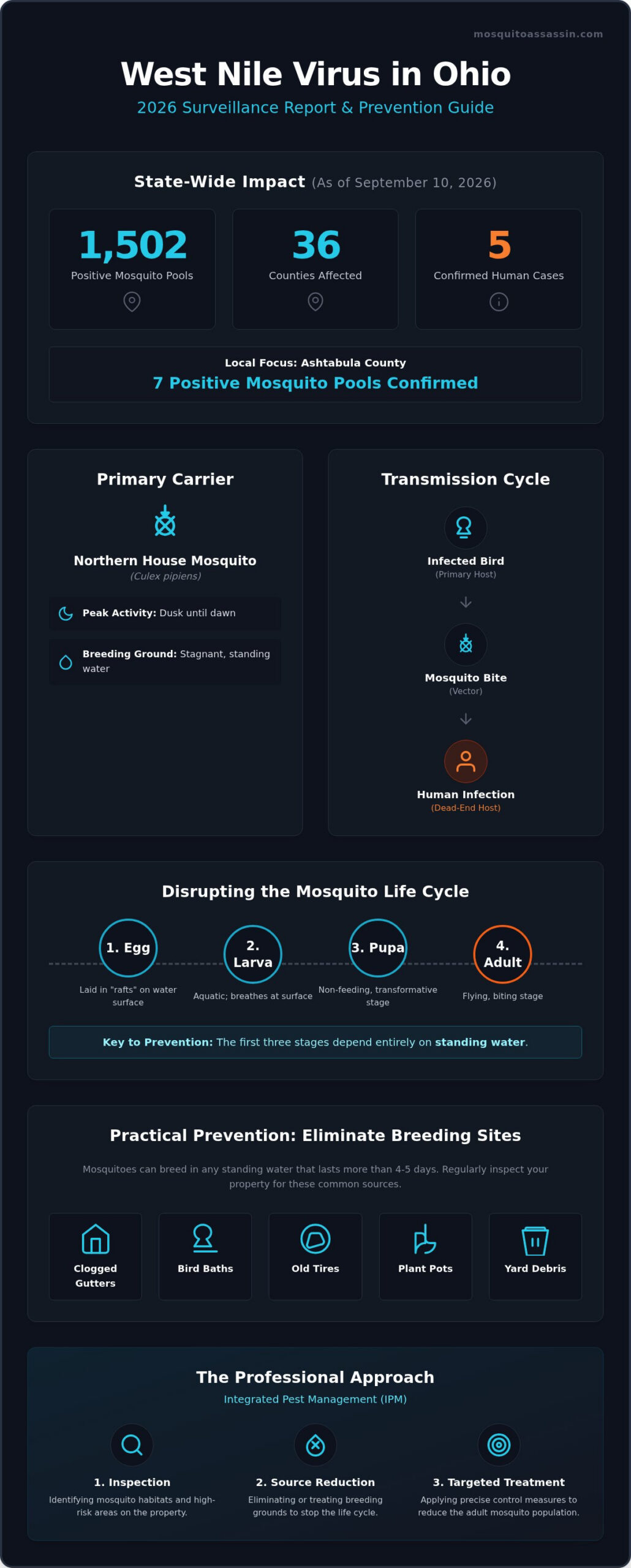
West Nile virus is a complex mosquito-borne illness that cycles primarily between birds and mosquitoes. Humans and other mammals become infected through the bite of an infected mosquito. Because the virus doesn’t develop high enough levels in the human bloodstream to be passed back to other mosquitoes, humans are considered “dead-end” hosts. In 2026, the Ohio Department of Health surveillance data regarding west nile virus mosquitoes ohio shows a significant increase in viral activity across the state. As of September 10, teams identified 1,502 positive mosquito pools across 36 counties. While only five human cases have been confirmed so far, the high volume of infected mosquitoes indicates a broad regional risk.
Understanding the prevalence of west nile virus mosquitoes ohio residents face requires looking at the data behind the headlines. High pool counts often signal that the virus is well-established in local bird populations. To better understand how these trends impact local communities, watch this report on viral discovery in the region:
The 2026 Surveillance Landscape
State agencies utilize specialized equipment like gravid traps to monitor viral activity throughout the summer months. These traps specifically target female mosquitoes looking for a place to lay eggs, which provides a clear picture of local infection rates. The Zoonotic Disease Program manages this data, providing weekly updates every Friday at noon. This monitoring season typically begins in mid-May and continues through the end of September. Even when human cases remain low, a high density of positive pools suggests that the virus is actively circulating. Surveillance data helps professionals identify when and where the risk is highest, allowing for more precise intervention strategies.
West Nile Virus in Northeast Ohio
Residents in Ashtabula County face specific geographic risks, as seven positive mosquito pools were confirmed in the area by early September 2026. Local health departments often coordinate with professional pest control services to manage these populations and reduce public exposure. It is a known pattern in vector-borne disease tracking that virus detection in local bird populations or mosquito pools often precedes the first human cases in a specific region. This early warning system allows homeowners to take proactive steps before the risk peaks. Professional pest control in Ashtabula and surrounding areas can help mitigate these environmental risks through targeted management. These professional strategies focus on reducing the population of adult mosquitoes while simultaneously addressing the larval stages in standing water. Local expertise is vital because mosquito behavior varies based on the specific terrain and climate of Northeast Ohio.
The Biology of Transmission: How Mosquitoes Spread the Virus
Culex pipiens, commonly known as the Northern House Mosquito, serves as the primary vector for west nile virus mosquitoes ohio homeowners face. This species maintains the virus through a cycle involving local bird populations. When a mosquito feeds on an infected bird, the virus enters its system and eventually migrates to the salivary glands. Humans are considered dead-end hosts. This means that while a mosquito can pass the virus to a person, that person cannot pass the virus back to other mosquitoes. The cycle effectively stops with the human infection.
These mosquitoes are primarily nocturnal and exhibit peak activity from dusk until dawn. Environmental factors in Ohio play a significant role in how quickly the virus spreads. High summer temperatures and periods of heavy rain followed by humidity accelerate viral replication within the mosquito’s body. When heat index values rise, the time it takes for a mosquito to become infectious after feeding on a bird shortens significantly. Stagnant water combined with consistent heat creates a high-pressure environment for viral transmission.
The Culex Life Cycle
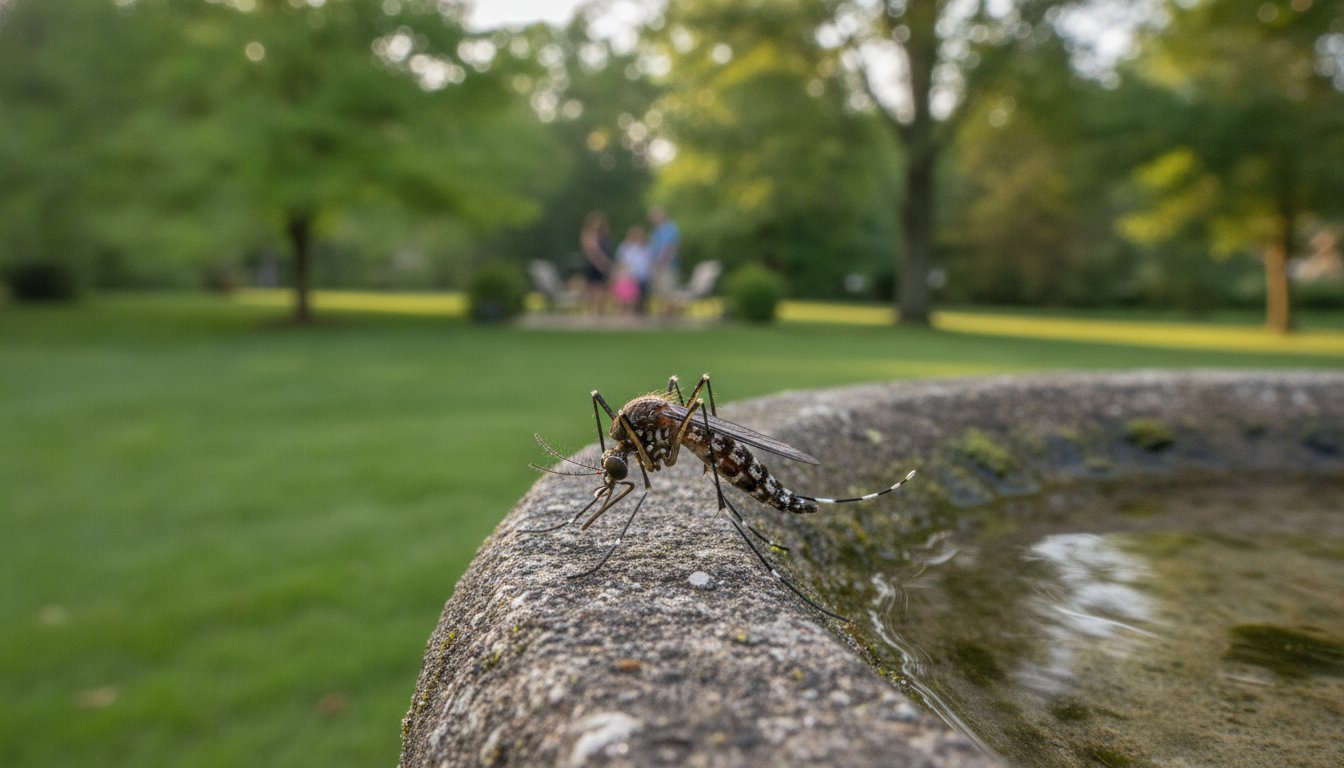
The life cycle consists of four distinct stages: egg, larva, pupa, and adult. Standing water is the essential requirement for the first three stages of development. Female Culex mosquitoes lay rafts of eggs directly on the surface of stagnant water. During a typical humid Ohio summer, a population can explode in as little as seven to ten days. Stagnant water in clogged gutters, neglected birdbaths, or discarded containers provides the perfect nursery for thousands of larvae to thrive and mature into biting adults.
Feeding Habits and Viral Transmission
Only female mosquitoes bite because they require the protein found in blood to produce eggs. Male mosquitoes don’t possess the mouthparts necessary to pierce skin; they feed exclusively on flower nectar. According to the OSU Extension mosquito safety guide, the virus must reach a specific concentration in the mosquito’s salivary glands before it can be transmitted. Fortunately, not every bite from an infected mosquito leads to illness. Many variables, including the mosquito’s viral load and the person’s individual health, determine the outcome of an exposure.
Understanding these biological patterns helps in identifying when your property is most at risk. Implementing a professional mosquito control service can disrupt this cycle by targeting mosquitoes where they rest and breed. This methodical approach reduces the overall population and limits the opportunities for transmission to occur near your home and family.
Comparing West Nile with Other Ohio Mosquito Threats
While much of the public health focus remains on west nile virus mosquitoes ohio residents encounter, it isn’t the only viral threat circulating in the region. Ohio actually leads the nation in reported cases of La Crosse virus, another serious mosquito-borne illness. In 2025, the state recorded 53 cases, significantly higher than the annual average of 20. Managing a property effectively requires understanding that different mosquito species carry different risks and require specific intervention strategies. Professional pest management is designed to address these multiple species simultaneously, providing a comprehensive shield for your household.
La Crosse Encephalitis vs. West Nile
The primary difference between these two threats lies in their vectors, breeding habits, and target demographics. West Nile virus typically poses the greatest risk to older adults (the median age for the five Ohio cases in 2026 is 72 years). In contrast, La Crosse virus primarily impacts children and adolescents. The breeding habits of the vectors also differ significantly. While the Culex species associated with West Nile prefers stagnant water in containers or clogged gutters, the Eastern Treehole Mosquito (Aedes triseriatus) breeds in water-filled cavities of trees or discarded tires.
Seasonal peaks and activity times also vary. West Nile activity usually intensifies in late August and September, while La Crosse cases can appear throughout the summer. Additionally, the La Crosse vector is an aggressive daytime biter, which stands in stark contrast to the nocturnal habits of Culex mosquitoes. Because of these variations, a broad-spectrum approach to pest control is necessary. It ensures that both daytime and nighttime threats are mitigated through a combination of environmental management and targeted applications.
Travel-Related Mosquito Concerns
Diseases like Zika, Dengue, Malaria, or Yellow Fever are not currently established in Ohio’s local mosquito populations. However, travelers frequently bring these infections back from tropical regions to local counties. This creates a potential risk for secondary transmission. If a local mosquito bites an infected traveler, it could theoretically spread the disease to others in the community. Local surveillance programs are vital because they monitor these travel-related cases to prevent outbreaks from taking root in the local ecosystem.
Maintaining a professional mosquito control service plan is a practical way to keep overall mosquito populations low. By reducing the number of potential vectors on your property, you decrease the likelihood of any mosquito-borne disease, whether locally acquired or travel-related, affecting your family. This proactive stance is the most effective way to ensure long-term outdoor safety in Northeast Ohio and Northwest Pennsylvania.
Disclaimer: The information provided on this blog is for general informational purposes only and is not intended as professional pest control advice. Conditions vary by property, environment, and location. Reading this content does not create a service agreement. For an inspection or professional recommendations, please contact Mosquito Assassin Pest Control LLC directly.
Practical Strategies for Reducing Mosquito Populations
Managing the environment is the first and most critical step in comprehensive pest control. By altering the conditions that allow pests to thrive, homeowners can significantly lower the local population. This systematic approach is often called Integrated Pest Management (IPM). It involves monitoring activity, identifying the pest (such as the west nile virus mosquitoes ohio residents encounter in late summer), and using a combination of physical, cultural, and professional methods to manage the risk. It is a methodical way to reclaim your yard without relying solely on a single solution.
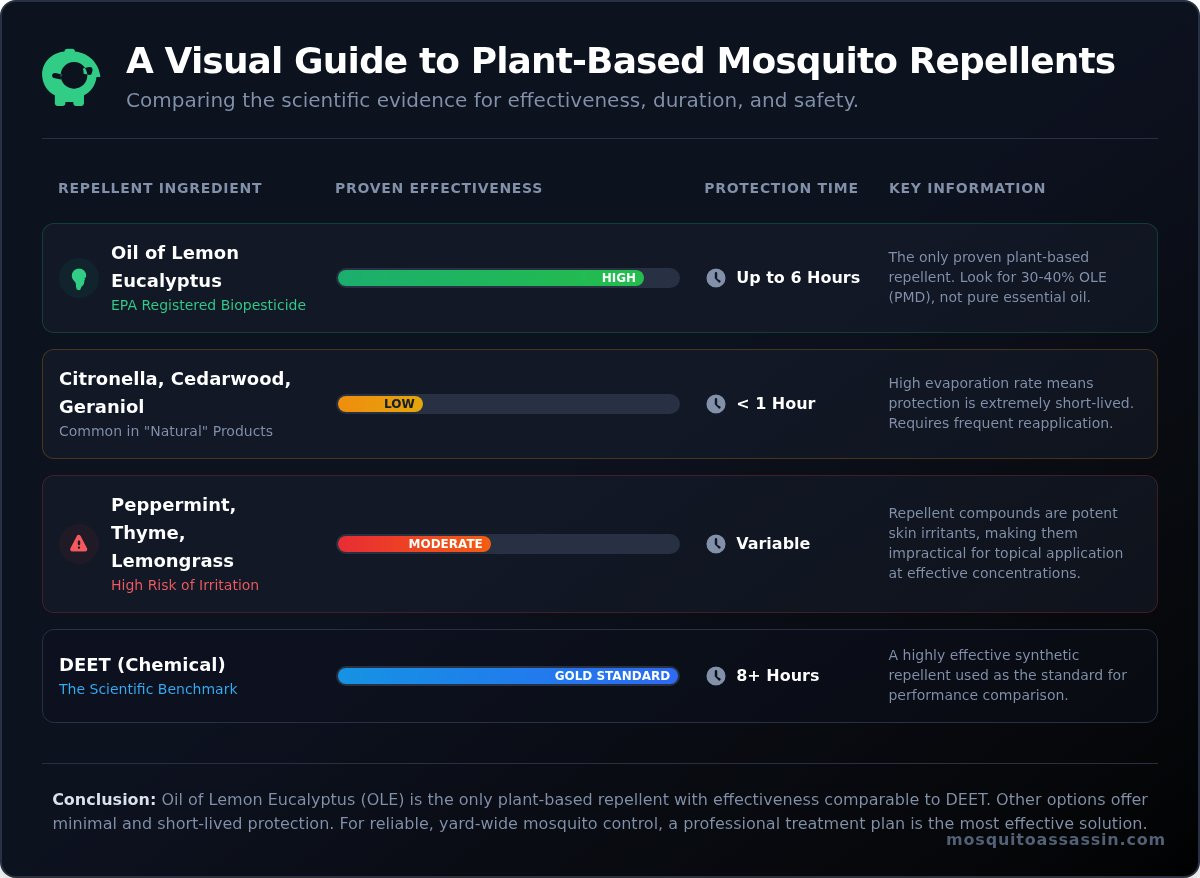
Physical barriers provide a primary line of defense before insects even reach your skin. Ensure that window and door screens are tightly fitted and free of holes or tears. When spending time outdoors during peak activity hours, wearing long sleeves and light-colored clothing can reduce the surface area available for biting. These simple steps, combined with environmental management, form a solid foundation for protecting your household during the height of the season.
Eliminating Standing Water
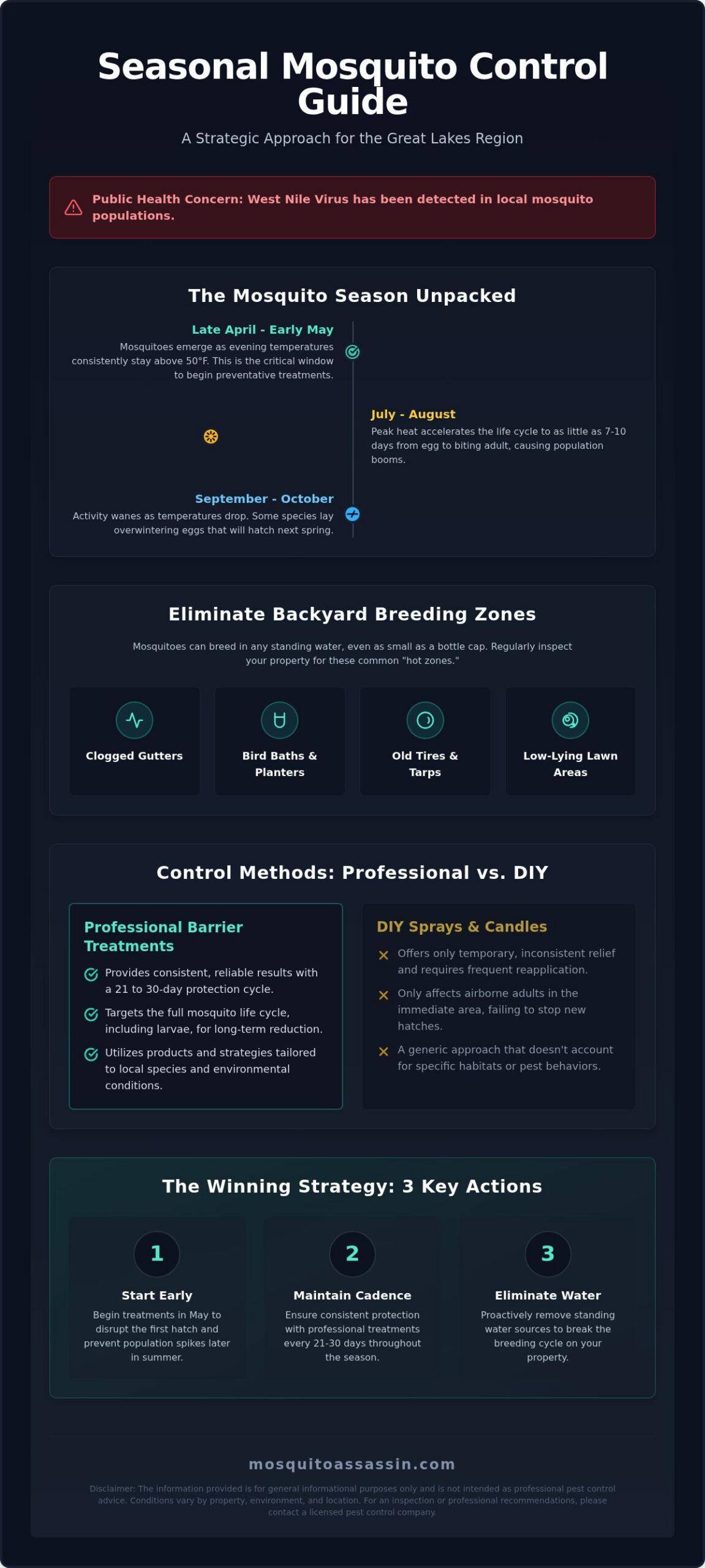
The Culex mosquito is highly opportunistic and can breed in remarkably small amounts of water. A single discarded bottle cap or a small fold in a plastic tarp can support dozens of larvae. Homeowners should conduct weekly property inspections to identify and address these sources. Consistency is vital because the transition from egg to adult can happen quickly in humid conditions. Focus on these common breeding sites around the home:
- Clear clogged rain gutters: These are a primary breeding ground because they collect organic debris and stagnant water high above the ground, often going unnoticed.
- Refresh bird baths: Change the water at least twice a week to disrupt the egg-to-adult cycle.
- Manage old tires: Drill holes in tire swings or remove old tires from the property, as they are notorious for holding water and heat.
- Tighten pool covers: Ensure water doesn’t pool in the center of the cover after a rainstorm, as even a thin layer of water is enough for breeding.
Landscaping for Mosquito Suppression
Adult mosquitoes spend their daylight hours resting in cool, humid, and shaded areas. Overgrown vegetation and tall grass create a microclimate that protects them from the dehydrating effects of the sun. Keeping grass mowed short and thinning out dense brush or ornamental shrubs removes these resting sites. Removing leaf litter and cleaning up woodpiles also reduces the damp environments where mosquitoes congregate during the day.
While these DIY steps are essential, they are often most effective when combined with a systematic treatment plan. Professional pest control may help reduce risk by reaching the areas that are difficult for homeowners to manage alone, such as the underside of dense foliage or high-canopy resting spots. For a comprehensive property assessment, you can schedule a professional mosquito control inspection to identify high-risk zones on your property.
Disclaimer: The information provided on this blog is for for general informational purposes only and is not intended as professional pest control advice. Conditions vary by property, environment, and location. Reading this content does not create a service agreement. For an inspection or professional recommendations, please contact Mosquito Assassin Pest Control LLC directly.
The Role of Professional Integrated Pest Management
Professional integrated pest management (IPM) provides a systematic framework for managing the west nile virus mosquitoes ohio residents face during the warmer months. Unlike general property maintenance, professional suppression involves specialized equipment and a deep understanding of insect biology. Licensed professionals are trained to identify the specific environmental triggers that lead to population spikes in Erie, Crawford, and Ashtabula counties. By focusing on the entire life cycle, including both aquatic larvae and flying adults, these services offer a more thorough resolution than traditional methods.
Effective management requires more than just reactive measures. It involves ongoing protection plans, such as bi-monthly services, that maintain a consistent barrier against incoming pests. This proactive approach ensures that populations don’t have the opportunity to recover between treatments. Local expertise is particularly valuable in the tri-county area, where regional weather patterns can create unique humidity pockets that favor mosquito development. Professionals understand how to adjust strategies based on current surveillance data and seasonal shifts.
Why Professional Monitoring Matters
Professional monitoring is essential because mosquitoes are experts at finding obscure breeding locations. While a homeowner might clear their gutters, a professional can identify hidden sites like hollow tree stumps, clogged drainage tiles, or specific types of dense ground cover that hold moisture. Professionals utilize professional-grade products designed for long-term suppression, which provide a residual effect that continues to work long after the initial application. These services are specifically engineered to safeguard outdoor spaces, allowing families to utilize their decks, patios, and yards with a greater sense of security.
Long-Term Protection for Your Property
Total property security often depends on year-round awareness and seasonal timing. Regional knowledge of Ohio and Pennsylvania weather patterns allows professionals to time treatments perfectly, ensuring that protection is at its peak when viral activity is highest. For those looking to establish a more permanent defense, you can learn more about professional mosquito control services and how they integrate into a broader pest management strategy.
Maintaining a consistent schedule is the most effective way to manage the risks associated with west nile virus mosquitoes ohio. When treatments are applied at the correct intervals, the cumulative effect reduces the overall population density over time. This scientific approach prioritizes the safety of household members and animals while delivering decisive results. By relying on a dependable local expert, property owners can move from a state of concern to a state of resolution.
Disclaimer: The information provided on this blog is for general informational purposes only and is not intended as professional pest control advice. For an inspection or professional recommendations, please contact Mosquito Assassin Pest Control LLC directly.
Taking Proactive Steps for Outdoor Safety
Understanding the biological factors driving mosquito activity is essential for property owners in the tri-county area. By identifying breeding sites and recognizing the peak activity times of Culex species, you can take meaningful steps to reduce the presence of west nile virus mosquitoes ohio homeowners encounter. Managing stagnant water and maintaining landscaping are foundational habits that disrupt the life cycle of these pests before they become a significant nuisance. These efforts create a safer environment for your family and animals.
Professional integrated pest management offers a higher level of security through specialized equipment and regional expertise. Licensed pest control professionals serving Erie, Crawford, and Ashtabula counties understand the local climate necessary for effective suppression. You don’t have to manage these risks alone. To move from concern to resolution, professional pest control may help reduce risk on your property. Taking these proactive steps ensures your yard remains a place for relaxation rather than worry.
Disclaimer: The information provided on this blog is for general informational purposes only and is not intended as professional pest control advice. For an inspection or professional recommendations, please contact Mosquito Assassin Pest Control LLC directly.
Frequently Asked Questions
How common is West Nile virus in Ohio?
West Nile virus is present throughout the state, with 1,502 positive mosquito pools identified across 36 counties as of September 10, 2026. While human cases are relatively rare, with only five reported so far this year, the high concentration of the virus in local populations increases the risk for residents. Monitoring these trends is crucial for understanding the prevalence of west nile virus mosquitoes ohio homeowners may encounter during the late summer months.
When is mosquito season in Ohio?
Mosquito season in the region typically spans from mid-May through the end of September, depending on temperature and rainfall. Activity peaks during the hot, humid months of July, August, and September when environmental conditions accelerate the life cycle. Surveillance programs actively monitor viral activity during this window to provide early warnings. Residents should remain vigilant until the first hard frost, which naturally reduces the adult mosquito population for the winter.
Can West Nile virus be spread from person to person?
No, West Nile virus cannot be spread through casual person-to-person contact such as touching, kissing, or coughing. The virus is primarily transmitted through the bite of an infected mosquito that has previously fed on an infected bird. Because humans do not develop high enough levels of the virus in their blood to pass it back to other mosquitoes, they are considered dead-end hosts. Infection only occurs through the vector-host cycle.
Do all mosquitoes in Ohio carry West Nile virus?
Only a small percentage of mosquitoes actually carry the virus. In Ohio, the Culex pipiens (Northern House Mosquito) is the primary vector responsible for transmission. While there are dozens of mosquito species in the tri-county area, most are nuisances rather than disease carriers. However, because it is impossible to distinguish an infected mosquito from a non-infected one by sight, reducing the overall population on your property is the most effective safeguard for your family.
What are the most common breeding sites for mosquitoes in a typical yard?
Mosquitoes require stagnant water to complete their life cycle, and even small amounts can support hundreds of larvae. Common breeding sites include clogged rain gutters, neglected bird baths, old tires, and depressions in pool covers. Other often-overlooked areas include flowerpot saucers, hollow tree stumps, and folds in plastic tarps. Regularly inspecting your property to drain these water sources is a vital step in managing the west nile virus mosquitoes ohio homeowners face.
How can I protect my family from mosquito bites during outdoor activities?
Protection involves a combination of physical barriers and behavioral changes. Wear long-sleeved shirts and long pants when outdoors, especially during the dawn and dusk hours when Culex mosquitoes are most active. Ensure that all window and door screens are in good repair to keep insects out of the home. Using light-colored clothing can also make you less attractive to certain species. These simple precautions significantly reduce the likelihood of being bitten while enjoying your yard.
Is professional mosquito control effective against West Nile carriers?
Professional management is highly effective because it utilizes an integrated approach targeting both larvae and adult mosquitoes. Licensed professionals use specialized equipment and professional-grade products that provide a residual barrier on resting sites like dense foliage. By focusing on the specific biology of Culex mosquitoes, these services reduce the local population more thoroughly than standard DIY methods. Ongoing protection plans ensure that your property remains a low-risk environment throughout the entire peak activity season.
What should I do if I find a dead bird on my property in Ohio?
If you find a dead bird, especially a crow or blue jay, avoid touching it with your bare hands. Use gloves or a plastic bag to dispose of it, or contact your local health department for guidance on reporting and testing. Since West Nile virus cycles between birds and mosquitoes, dead birds can be an early indicator of viral presence in a neighborhood. Reporting these findings helps state agencies track and manage regional health risks more effectively.
Disclaimer: The information provided on this blog is for general informational purposes only and is not intended as professional pest control advice. For an inspection or professional recommendations, please contact Mosquito Assassin Pest Control LLC directly.