Tag: Mouse Droppings

  • Cleaning After a Rodent Infestation: A Safe and Systematic Guide

    Cleaning After a Rodent Infestation: A Safe and Systematic Guide

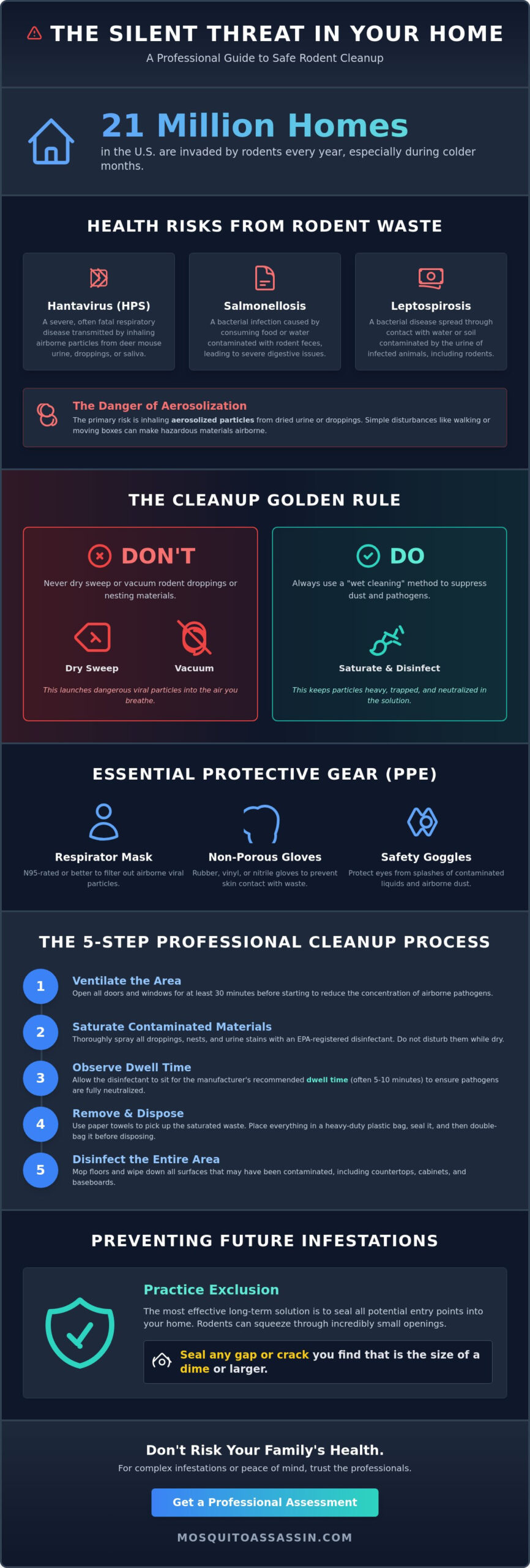
    Did you know that an estimated 21 million homes in the United States are invaded by rodents every single year? Most of these infestations occur during the colder months, leaving many residents in Erie and Crawford Counties to face the daunting task of cleaning after a rodent infestation. It’s natural to feel overwhelmed or even frightened when you discover droppings or nesting materials. The risk of Hantavirus Pulmonary Syndrome is a serious concern, as this respiratory disease is transmitted through contact with rodent urine, droppings, and saliva. You want your family to be safe, but you might feel confused about which cleaning products are truly effective or how to handle hidden nests in crawlspaces.

    Safe rodent cleanup is a moisture-first process that prioritizes air quality over simple aesthetics. This guide outlines the professional protocols for disinfecting your home and removing hazardous waste according to established safety standards. You’ll learn exactly how to prepare your environment, what protective gear is necessary, and which EPA-registered disinfectants are recommended for the job. This overview also covers the critical mistakes to avoid, such as dry sweeping or vacuuming, to ensure your home restoration is both thorough and safe.

    Key Takeaways

    • Understand the specific health risks associated with rodent waste, including Hantavirus Pulmonary Syndrome, which is a primary concern for residents in rural Pennsylvania and Ohio.
    • Discover why cleaning after a rodent infestation requires a wet cleaning method to prevent hazardous pathogens from becoming airborne.
    • Learn the professional dwell time requirements for EPA-registered disinfectants to ensure all surfaces are properly sanitized.
    • Identify why hidden areas like attic insulation and air ducts often require specialized attention to remove deep-seated contamination.
    • Explore how exclusion techniques, such as sealing gaps as small as a dime, are necessary to maintain a safe and pest-free home.

    Understanding the Health Risks of Rodent Waste

    Rodent infestations are more than just a nuisance; they bring significant biological hazards into your living space. The primary danger of these infestations involves pathogens found in urine, droppings, and nesting materials. This makes cleaning after a rodent infestation a high-priority task for any homeowner. In rural parts of Pennsylvania and Ohio, the deer mouse is a common carrier of Hantavirus Pulmonary Syndrome (HPS). This is a severe respiratory disease that can be fatal if not addressed, and it’s specifically linked to the types of rodents found in our local wooded areas.

    Beyond Hantavirus, rodents can introduce other serious health risks of rodent waste such as Leptospirosis and Salmonellosis. These illnesses are often transmitted through direct contact with contaminated surfaces or by consuming food that’s been touched by pests. Identifying the age of the waste is a critical first step for safety. Fresh droppings are typically dark and moist, indicating an active population, while older waste appears gray, dry, and crumbly. Both require professional-level caution, but fresh waste often carries a higher viral load.

    To better understand the risks and necessary precautions, watch this helpful video:

    How Pathogens Spread in the Home

    One of the most dangerous aspects of rodent waste is aerosolization. This occurs when microscopic particles of dried urine or feces become airborne. When you walk through a contaminated attic or move boxes in a basement, you can unknowingly kick up these particles. Once they’re in the air, they can be inhaled, leading to infection. Nesting materials like shredded paper, insulation, and fabric also harbor bacteria and parasites. These nests are often hidden deep within walls or under floorboards, where organic decay creates a distinct, musty odor. These smells are more than just unpleasant; they’re a clear indicator that biological material is actively breaking down in your home.

    Identifying Vulnerable Areas in Your Property

    The damp, cold climate characteristic of Northwest Pennsylvania and Northeast Ohio creates unique pressure on local properties. When the first hard frost hits, deer mice look for the nearest heat source. This often leads them to basements and crawlspaces in Erie and Crawford County homes. Kitchens and pantries also require immediate attention because they provide the food sources rodents need to survive. You might find droppings behind appliances or inside drawers. Warning signs of an active infestation include new gnaw marks on wood or plastic, greasy “rub marks” along baseboards, and the sound of scratching in the walls at night. Addressing these areas quickly is essential for safeguarding your family’s health.

    Essential Safety Preparation and Protective Equipment

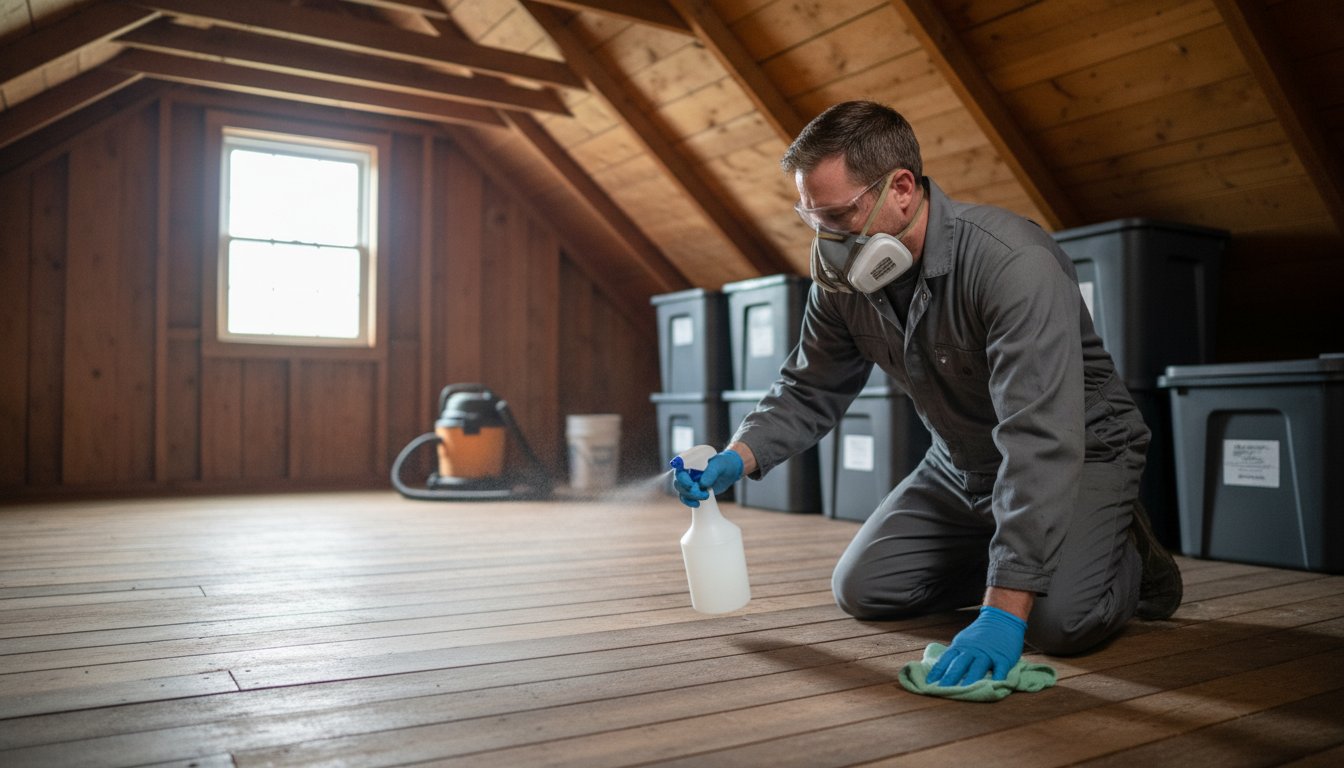
    Before you begin the physical work of cleaning after a rodent infestation, you must prepare the environment. Open all windows and doors to ventilate the space for at least 30 minutes. This simple step reduces the concentration of airborne pathogens. It’s a critical safety measure that many homeowners skip, yet it’s the first line of defense against inhaling contaminated dust. During this time, ensure that no one enters the area without proper protection.

    There is one non-negotiable rule when dealing with rodent waste: never use a vacuum or a broom. Sweeping or vacuuming dry droppings and nesting materials launches microscopic viral particles into the breathing zone. This process, known as aerosolization, is how most people contract rodent-borne illnesses. Instead, focus on a “wet cleaning” approach where every surface is saturated with liquid before it is moved. This keeps the dust heavy and trapped in the disinfectant solution.

    Required PPE for Rodent Cleanup

    Safety requires more than just standard household gloves. You should use rubber, vinyl, or nitrile gloves that are non-porous to prevent skin contact with urine or droppings. In confined spaces like attics or crawlspaces where air circulation is poor, an N95 or higher-rated respirator is essential. Protective eyewear and long-sleeved clothing further minimize the chance of accidental skin contact or splashes. Once the job is finished, these items should be properly disinfected or disposed of to ensure no contaminants are tracked into other parts of the home.

    Preparing Disinfecting Solutions

    You can use EPA-registered disinfectants or a homemade bleach solution. To create a standard mixture, combine one part bleach with nine parts water. It’s vital to mix this solution fresh each time you clean; bleach loses its disinfecting power quickly when diluted and exposed to air. For those in Erie or Crawford Counties with large-scale infestations, remember that these chemicals require proper handling. Keep children and pets away from the treated area until it has completely dried and the fumes have dissipated.

    Taking these precautions is the only way to safely prevent rodent infestations from causing long-term health issues in your household. If the scale of the cleanup feels overwhelming, seeking professional rodent control services can ensure the process follows these strict safety protocols and protects your property’s value.
    Cleaning After a Rodent Infestation: A Safe and Systematic Guide

    A Systematic Process for Cleaning Contaminated Spaces

    Once the area is ventilated and your protective equipment is secure, you can begin the physical work of cleaning after a rodent infestation. For small, localized areas like a single cabinet or a small shelf, these steps are manageable for most homeowners. However, if you discover widespread contamination across multiple rooms or heavy nesting in structural voids, the risk of missing pathogens increases significantly. In these cases, professional intervention is often the safest path to ensure your home is fully sanitized and to prevent the accidental spread of disease throughout the property.

    • Saturate the waste: Thoroughly spray all droppings, nests, and urine stains with your disinfectant until they are completely wet. This prevents dust from rising into the air while you work.
    • Observe dwell time: Allow the solution to sit for at least five minutes. Check the product label, as some industrial disinfectants require up to 10 minutes to effectively neutralize specific viruses.
    • Remove the debris: Use disposable paper towels to pick up the waste. Avoid using sponges or cloth rags that you intend to keep, as these can harbor bacteria even after washing.
    • Double bag for safety: Place the used towels and waste into a plastic bag and seal it tightly. Place that bag inside a second plastic bag and seal it again to prevent leaks or punctures.
    • Perform a final disinfection: Once the visible waste is gone, mop or wipe the entire surrounding area again with a fresh disinfectant solution to catch any lingering contaminants.

    Cleaning Hard Surfaces and Countertops

    Kitchens require the most rigorous attention because they are primary food preparation areas. Rodents often travel along backsplashes and inside drawers in search of crumbs. You should empty all cabinets and drawers in the affected area and saturate the surfaces with disinfectant. Wash any dishes, glassware, or cutlery that may have been exposed to rodent activity in hot, soapy water or a high-heat dishwasher cycle. If you find evidence of nesting inside a pantry, it’s safest to discard any food packaging that is not made of metal or glass, as rodents can chew through cardboard and plastic with ease.

    Proper Disposal of Contaminated Materials

    Don’t use your indoor kitchen trash can for rodent-related debris. Take the double-bagged waste directly to an outdoor trash receptacle with a tight-fitting lid. This prevents odors and pathogens from remaining inside your living space. After the cleanup is complete and the waste is outside, remove your gloves and wash your hands thoroughly with soap and warm water for at least 20 seconds. If your clothing was heavily soiled during the process, launder it separately in hot water to ensure any remaining particles are destroyed.

    Addressing Complex Contamination in Insulation and Air Ducts

    While surface cleaning is straightforward, cleaning after a rodent infestation becomes significantly more difficult when pests penetrate your home’s structural components. Rodents frequently target fiberglass or cellulose insulation for nesting because it’s warm and easy to burrow through. Once they establish tunnels, they leave behind a trail of urine, droppings, and pheromones throughout your home’s thermal envelope. Spot-cleaning these areas is usually ineffective. Removing only the visible waste often leaves behind saturated materials that continue to harbor pathogens and attract future pests through lingering scent markers.

    The heating and cooling ventilation (HVAC) system represents an even greater risk. If rodents enter the ductwork, the system can distribute contaminated particles every time the fan turns on. This bypasses the safety of your surface cleaning and introduces biological hazards directly into the air your family breathes. Professional pest control may help reduce risk by identifying these hidden breach points and assessing the extent of the damage within these hard-to-reach areas. According to industry data for 2026, professional rodent cleanup for extensive infestations in an attic or crawlspace can range from $1,500 to $4,000, covering the specialized labor and hazardous waste disposal required for these spaces.

    When to Replace Attic or Crawlspace Insulation

    Look for signs of compressed insulation or dark staining. Rodents don’t just sit on top of insulation; they create intricate tunnel networks that ruin the material’s R-value. Stained insulation is a sign of high-traffic areas where urine has soaked through the fibers. Leaving these materials in place can lead to mold growth and provide a chemical roadmap for other rodents to follow. During insulation repair, a professional rodent control service can ensure all entry points are sealed through exclusion before new materials are installed.

    Cleaning Soft Surfaces and HVAC Systems

    Soft surfaces like carpets and upholstery require deep cleaning with steam cleaners and specialized shampoos. These items absorb odors and fluids that standard wiping cannot reach. For clothing or bedding, use the highest heat setting your fabric can handle during the wash and dry cycles. This temperature usually needs to reach at least 140 degrees Fahrenheit to effectively sanitize the fabric. If you find droppings or nesting material inside your vents, you should contact an HVAC professional for a comprehensive duct cleaning. This ensures that pathogens are not recirculated throughout your property in Erie, Crawford, or Ashtabula Counties.

    Preventing Future Infestations Through Exclusion and Maintenance

    Cleaning after a rodent infestation represents a significant investment of time and resources. However, sanitizing the interior is only the first step in a comprehensive protection strategy. Without effective exclusion and ongoing maintenance, your home remains vulnerable to a secondary invasion. Rodents are highly persistent and can squeeze through openings as small as 1/4 inch, which is roughly the diameter of a dime. Identifying these entry points requires a methodical inspection of the building’s exterior, focusing on areas where utilities enter the structure or where different building materials meet.

    Sanitation plays a parallel role in prevention. Rodents are primarily driven by the search for food and shelter. Removing attractants like spilled pet food, unsecured birdseed, or overflowing trash bins reduces the likelihood of pests lingering near your foundation. Implementing proactive general pest control strategies can help you monitor for early signs of activity before a full-blown infestation develops. This proactive approach is far more cost-effective than reactive cleaning and decontamination.

    Sealing the Perimeter

    Effective exclusion requires durable materials that rodents cannot chew through or pull apart. Steel wool, copper mesh, and metal flashing are the industry standards for sealing gaps. While many homeowners reach for expanding foam, this material is rarely a permanent solution. Rodents can easily gnaw through cured foam to regain access. In homes across Ashtabula and Erie, focus your efforts on utility line gaps, crawlspace vents, and rooflines. Mice are excellent climbers and will often use overhanging tree branches to access attic vents or gaps in the soffit.

    Long-Term Monitoring and Maintenance

    A secure home requires consistent vigilance rather than a one-time fix. Regular inspections of basements, garages, and attics allow you to catch new entry points that may form as a house settles or as weather causes materials to expand and contract. Many rodent removal experts utilize Integrated Pest Management (IPM) to maintain long-term security. This methodology combines physical exclusion with environmental modifications and targeted monitoring. Year-round protection plans are often more effective than one-time treatments because they provide continuous safeguards against the seasonal pressures common in the Great Lakes region.

    Disclaimer: The information provided on this blog is for general informational purposes only and is not intended as professional pest control advice. Conditions vary by property, environment, and location. Reading this content does not create a service agreement. For an inspection or professional recommendations, please contact Mosquito Assassin Pest Control LLC directly.

    Restoring Health and Safety to Your Living Space

    Successfully managing the aftermath of an infestation requires a balance of rigorous disinfection and long-term prevention. Protecting your family from pathogens like Hantavirus depends on using wet-cleaning methods and proper personal protective equipment. You’ve learned that addressing hidden nesting sites in insulation and ductwork is just as important as sanitizing your kitchen counters. The process of cleaning after a rodent infestation isn’t complete until you’ve addressed the structural gaps that allowed entry in the first place.

    A methodical approach ensures that your home remains a safe haven. Licensed and insured professionals provide the specialized expertise needed for complex exclusion work. For residents in Erie, Crawford, and Ashtabula Counties, professional pest control may help reduce risk through a proven three-step process involving removal, maintenance, and exclusion. This locally owned and operated team lives in your community and understands the unique seasonal pressures of the region. You don’t have to tackle the restoration alone.

    Disclaimer: The information provided on this blog is for general informational purposes only and is not intended as professional pest control advice. Conditions vary by property, environment, and location. Reading this content does not create a service agreement. For an inspection or professional recommendations, please contact Mosquito Assassin Pest Control LLC directly.
    Common Questions About Safe Rodent Cleanup

    Is it safe to use a vacuum with a HEPA filter for mouse droppings?

    No, you should never use a vacuum for this task, even if it’s equipped with a HEPA filter. The force of the vacuum’s exhaust can still launch microscopic pathogens into the air before they are fully trapped by the filtration system. This increases the risk of accidental inhalation. Instead, stick to the wet-cleaning methods described in this guide to keep all biological materials saturated and contained.

    How long does Hantavirus live in rodent droppings?

    Hantavirus typically remains active in the environment for two to three days at room temperature. However, environmental factors can change this timeframe significantly. Sunlight can shorten the virus’s lifespan, while cold or dark conditions, such as those found in a crawlspace, can extend its viability. Because it’s difficult to determine the exact age of waste, you should treat all droppings as potentially infectious during the process of cleaning after a rodent infestation.

    What should I do if I accidentally inhaled dust while cleaning?

    You should monitor your health closely for up to five weeks after a potential exposure. If you develop a fever, deep muscle aches, or sudden shortness of breath, contact a medical professional immediately. Be sure to mention your recent contact with rodent waste. While not all dust contains pathogens, early medical consultation is a vital precaution for managing the risks associated with Hantavirus Pulmonary Syndrome.

    Can rodents in my attic affect the air quality in the rest of my house?

    Yes, air from your attic can easily migrate into your living space through the “stack effect.” This occurs as warm air rises and escapes through the roof, pulling cooler air up from lower levels and through structural gaps. Contaminants from nesting materials or waste can enter your home through recessed lighting fixtures, attic hatches, or unsealed plumbing stacks. This makes thorough decontamination of upper levels essential for maintaining overall indoor air quality.

    Do I need to throw away food that was in the same pantry as rodents?

    You should discard any food packaged in cardboard, thin plastic, or paper that shows signs of gnawing or proximity to droppings. Rodents can easily chew through these materials to reach the contents. Food stored in airtight glass or metal containers is generally safe to keep, provided you thoroughly disinfect the exterior of the container before opening it. When in doubt, disposal is the safest option to prevent Salmonellosis or other foodborne illnesses.

    What is the best way to get rid of the smell of dead mice?

    The only effective way to eliminate the odor is to locate and remove the biological source. Once the source is gone, use an enzymatic cleaner specifically designed to break down organic matter rather than a simple masking spray. Odor-neutralizing bags containing activated charcoal can also help absorb lingering gases. Improving the ventilation in the affected room for 24 to 48 hours will help clear the air once the cleaning is complete.

    How can I tell if the rodents are gone before I start cleaning?

    You can check for active populations by looking for new signs of activity over a period of five to seven days. Clean up existing droppings in a small test area and check if new ones appear overnight. Another method is to sprinkle a thin layer of unscented talcum powder or flour near baseboards; fresh tracks in the powder will confirm that the infestation is still active. Cleaning after a rodent infestation should only begin once you’re certain the entry points are sealed and the population is removed.

    Are there specific regulations in Pennsylvania for disposing of rodent waste?

    In Pennsylvania, small amounts of household rodent waste are generally classified as municipal waste and can be disposed of in your regular trash if they are double-bagged. However, large-scale cleanups involving significant amounts of saturated insulation or structural debris may require specialized disposal. Residents in Erie and Crawford Counties should ensure all waste is tightly sealed in heavy-duty plastic bags to prevent leaks during transport to local waste management facilities.

    Disclaimer: The information provided on this blog is for general informational purposes only and is not intended as professional pest control advice. Conditions vary by property, environment, and location. Reading this content does not create a service agreement. For an inspection or professional recommendations, please contact Mosquito Assassin Pest Control LLC directly.
  • 7 Telltale Signs of a Mouse Infestation (& What to Do Next)

    7 Telltale Signs of a Mouse Infestation (& What to Do Next)

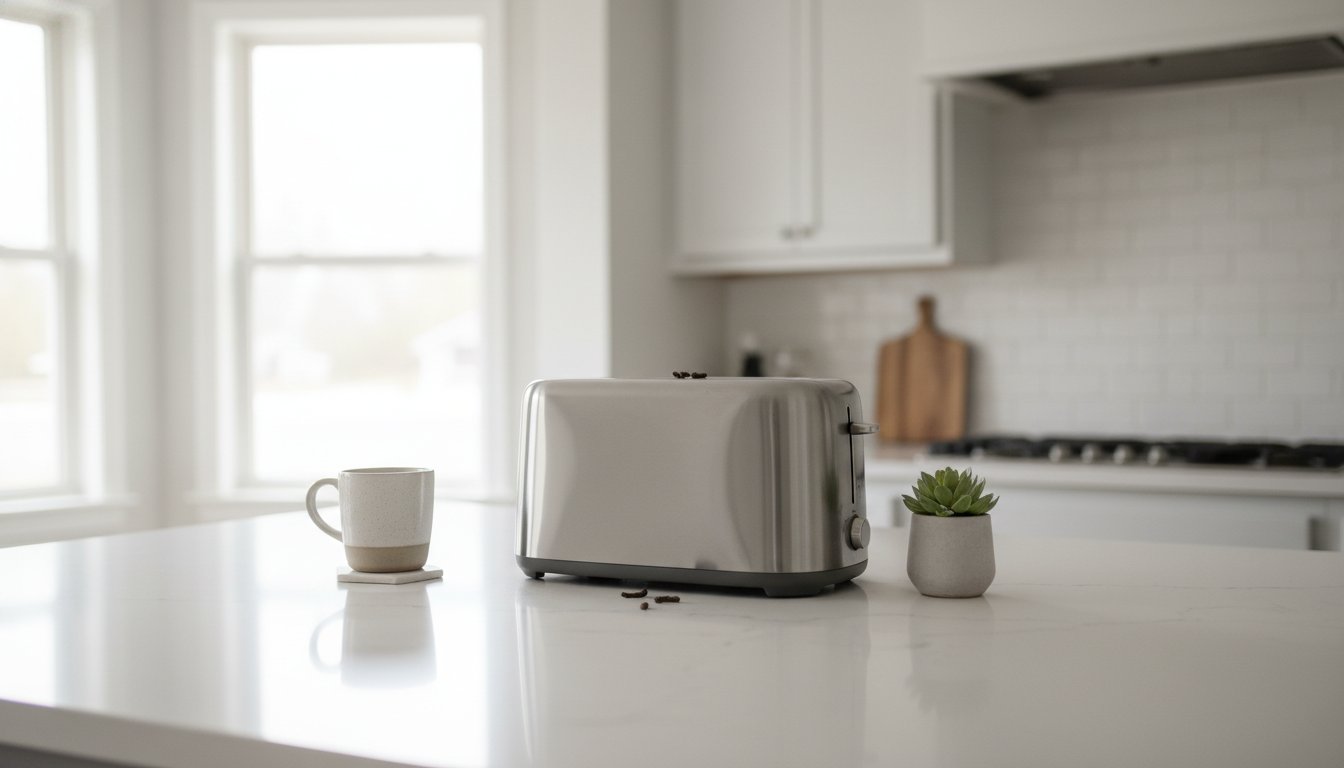
    That faint scratching in the walls after dark. The tiny, mysterious droppings you found behind the toaster. These aren’t just strange occurrences; they are urgent warnings that your home has been invaded. For many homeowners, the biggest fear is not knowing the scale of the problem. Is it one lost mouse, or are you facing a full-blown infestation? Ignoring these early signs of a mouse infestation doesn’t just risk property damage, it exposes your family to dangerous germs and diseases.

    Your peace of mind is our priority. In this guide, we’ll give you the expert knowledge to identify the seven definitive signs that confirm you have mice. You’ll learn the real risks of waiting and understand the proven, professional steps required to eliminate the threat completely. It’s time to stop wondering and start taking decisive action to safeguard your home and family.

    The Obvious Evidence: What to Look For

    Long before you hear scurrying in the walls, mice leave behind undeniable physical clues. These are often the most direct and certain signs of a mouse infestation. You’ll typically find this evidence in undisturbed, sheltered areas close to food and water, such as kitchens, pantries, basements, and utility rooms. The amount and location of what you discover can give you a professional insight into the scale of the problem. Remember, even a single sign warrants an immediate and thorough investigation to protect your home and family.

    For a clear visual guide on what to look for, watch this helpful video from the experts at Solutions Pest & Lawn:

    Mouse Droppings: The #1 Sign

    This is the most common and definitive proof of an infestation. Mouse droppings are small (about ⅛ to ¼ inch long), dark, and shaped like grains of rice with pointed ends. You will find them concentrated in areas of high activity. Be sure to check:

    • Along baseboards and in corners

    • Under sinks and behind appliances

    • Inside kitchen cabinets and pantry shelves

    • In drawers or storage boxes

    Fresh droppings appear dark and shiny, while older ones will look chalky and gray. A large quantity of droppings is a clear indicator that you have a significant and active mouse population that requires professional attention.

    Gnaw Marks and Physical Damage

    Mice have incisors that never stop growing, forcing them to gnaw constantly on various materials to keep them filed down. Understanding this is a key part of house mouse behavior and biology. Look for small, rough gnaw marks, which often appear as pairs of parallel grooves on surfaces like drywall, wood trim, and plastic containers. The most dangerous target, however, is electrical wiring. Chewed wires create a serious fire hazard, turning a simple pest problem into a direct threat to your family’s safety.

    Damaged Food and Packaging

    Your pantry is a primary target for foraging mice, making it a hotspot for evidence. Carefully inspect food packaging for signs of chewing, paying close attention to cardboard cereal boxes, bags of pasta or grain, and pet food bags. Mice create small, clean-cut holes to access the contents. You may also find spilled crumbs, seeds, or shredded packaging material nearby, which is another telltale sign of their destructive feeding habits in your kitchen.

    The Hidden Clues: What You’ll Hear and Smell

    Long before you see a mouse dart across your floor, your other senses will often detect the problem first. The earliest and most subtle signs of mouse infestation are frequently sounds and smells, especially those that appear when your home is at its quietest. Because mice are nocturnal, their activity peaks at night while your family is asleep. Ignoring faint scratches or a strange, musky odor is a critical mistake, as it gives a small problem time to escalate into a full-blown infestation developing unseen within your walls and ceilings.

    Scratching and Scurrying Noises

    As dusk falls or just before dawn, listen closely. Do you hear faint scratching, gnawing, or scurrying sounds coming from within your walls, attic, or under the floorboards? These are not just the normal sounds of a house settling. These noises are a definitive indicator that mice are actively building nests, foraging for food, and creating pathways through your home’s structure. The sounds may be intermittent, but they are a clear signal of a hidden pest problem that requires professional attention before structural damage occurs.

    A Distinctive, Musky Odor

    Beyond sounds, your nose is a powerful tool for detection. A persistent, musky odor that smells like stale ammonia is a telltale sign of a growing mouse population. This pungent smell comes from mouse urine, which they use to mark territory and communicate. The odor is often strongest in enclosed spaces like kitchen cabinets, pantries, or closets where ventilation is poor. A faint smell might indicate a few mice, but a strong, constant odor points to a large, well-established infestation. The United States Environmental Protection Agency (EPA) explains that recognizing such clues is a crucial first step in learning how to identify and prevent rodent infestations before they become a major threat to your property and health.

    Advanced Indicators: Nests, Runways, and Pet Behavior

    While droppings and strange noises are early warnings, an established mouse problem leaves behind more significant evidence. As an infestation grows, mice build a literal infrastructure within your home, creating nests and well-traveled paths. Discovering this infrastructure points to a significant, reproducing population, not just a single, lost mouse. These advanced signs of mouse infestation require a closer look in the quiet, undisturbed corners of your property.

    Finding Nests and Nesting Materials

    A mouse nest is definitive proof that rodents are breeding in your home. These are not elaborate structures; look for small, loosely woven, ball-like clumps of soft, shredded materials. Mice are resourceful builders and will use any soft items they can find. Common nesting materials include:

    • Shredded paper, cardboard, or newspaper

    • Pulled-apart fabric, cotton, or furniture stuffing

    • Torn bits of attic or wall insulation

    • Grass, twigs, or other scavenged plant matter

    Check for nests in dark, secluded areas like the back of cabinets, inside wall voids, behind appliances, and in cluttered corners of attics or basements. Discovering a nest confirms you have a reproducing population, a critical factor in properly managing a mouse infestation and protecting your home from further damage.

    Grease Marks and Runways

    Mice are creatures of habit with poor eyesight, so they stick to the same routes every day. They hug walls and baseboards for guidance as they travel between their nest and food sources. Over time, the oils and dirt from their fur leave behind dark, greasy smudges on the surfaces they repeatedly touch. These "runways" are a clear sign of heavy and consistent rodent traffic. Look for these faint, dirty marks along baseboards, on walls, and around any openings they use to enter rooms.

    Unusual Pet Behavior

    Often, your family’s cat or dog will detect a rodent problem long before you do. Their superior senses of hearing and smell can pick up on mice moving inside walls or under floorboards. Pay close attention if your pet suddenly becomes fixated on a specific spot, pawing at a wall, sniffing intently under an appliance, or barking at seemingly nothing. This isn’t random behavior; it’s a powerful instinct. Trust your pet, if they are persistently focused on a new area, it’s a strong signal that something is hiding there.

    Why Ignoring These Signs Is a Dangerous Mistake

    Discovering the early signs of mouse infestation is the first step, but ignoring them is a critical error that puts your home and family at risk. A mouse problem is more than a simple nuisance; it’s a direct threat that will not resolve itself. Mice reproduce at an astonishing rate, and a small issue can escalate into a full-blown infestation in a matter of weeks. The longer you wait, the greater the damage and the more severe the health hazards become.

    Understanding the stakes creates the urgency needed for immediate, professional action. Delaying treatment is a gamble you can’t afford to take.

    Serious Risks to Your Property

    Once inside your walls, mice begin a relentless campaign of destruction. Their survival instincts drive them to chew, tunnel, and nest, causing significant and costly damage throughout your home. This damage is often hidden from view until it becomes severe.

    • Insulation Damage: Mice tunnel through and shred insulation to create nests, destroying its thermal properties and driving up your energy bills. Their urine and feces also contaminate it, creating persistent odors.

    • Fire Hazards: One of the greatest dangers is their tendency to gnaw on electrical wiring. This strips the protective coating, creating a serious fire hazard inside your walls.

    • Structural and Personal Damage: From chewing through drywall and wood supports to destroying stored heirlooms and furniture, no part of your home is safe from their destructive habits.

    • Food Contamination: Mice will invade your pantry and kitchen, contaminating food supplies with their droppings and urine, rendering them unsafe for consumption.

    Health Risks for Your Family

    Beyond property damage, a mouse infestation poses a significant health risk to everyone in your household. These rodents are notorious carriers of bacteria and viruses that can cause serious illness. Ignoring the problem means exposing your loved ones to these dangers every day.

    • Disease Transmission: Mice can spread dangerous diseases, including Salmonella, Hantavirus, and Leptospirosis, through their droppings, urine, and saliva.

    • Contaminated Air: As droppings dry, they can become airborne dust. Inhaling these contaminated particles is a primary way diseases are transmitted.

    • Allergies and Asthma: Mouse dander, droppings, and urine are potent allergens that can trigger severe asthma attacks and allergic reactions, especially in children and vulnerable adults.

    Don’t wait for these risks to become a reality in your home. Protect your family from these risks. Contact us today.

    Confirmed the Signs? Here’s Your Next Move

    Recognizing the signs of mouse infestation is a critical first step, but your next move determines whether the problem is solved or just temporarily paused. When facing an established colony in your walls, decisive action is not just recommended, it’s essential for safeguarding your home and health. While the hardware store aisle of traps and baits might seem like a cost-effective solution, it’s a battle you are unlikely to win on your own.

    Mice are intelligent survivors that reproduce at an astonishing rate. A single pair can lead to a full-blown infestation in a matter of months, easily outpacing simple trapping efforts.

    The Shortcomings of DIY Mouse Traps

    Store-bought traps may catch a few stragglers, but they rarely address the source of the infestation. Mice quickly learn to avoid these new objects in their territory, rendering them ineffective. More importantly, DIY methods fail to address the root cause: the entry points. Without professionally sealing the cracks and gaps mice use to get inside, you’re leaving the door wide open for the next wave of rodents to move in.

    The Mosquito Assassin Professional Process

    A true mouse infestation requires a comprehensive, professional strategy for complete eradication. At Mosquito Assassin, we don’t just set traps; we execute a proven plan for total elimination and future prevention. Our certified technicians are trained to think like pests, ensuring no hiding spot is overlooked. Our approach is methodical and guaranteed:

    • Comprehensive Inspection: We start by identifying all nesting sites, travel routes, and the tiny entry points mice are using to access your home.

    • Targeted Eradication: We use effective, family-safe treatments to eliminate the entire rodent population, not just the few that wander into a trap.

    • Professional Exclusion Work: We seal gaps, cracks, and holes in your foundation and siding to permanently block rodent access and prevent future infestations.

    • Our Unbeatable Guarantee: Our work is backed by our signature promise. If the pests return, so do we.

    Don’t let a small mouse problem become a major structural and health hazard. Protect your home and your family with a definitive solution that works. Contact Mosquito Assassin today for a comprehensive inspection and reclaim your peace of mind.

    Your Next Step to a Rodent-Free Home

    Recognizing the subtle signs of mouse infestation, from droppings and gnaw marks to strange noises in your walls, is the critical first step to protecting your property. Ignoring these clues allows the problem to grow, posing serious risks to your home’s structure and your family’s health. When you’ve confirmed the evidence, decisive action is the only way to guarantee a swift and complete solution.

    As your locally owned and operated experts in PA & OH, Mosquito Assassin is here to restore your peace of mind with proven, family-safe treatments. We don’t just manage pests; we eliminate them. Our service is backed by our Pest-Free Guarantee: if pests return, so do we. Don’t wait for a small problem to become a major crisis.

    Don’t let mice take over. Schedule Your Professional Rodent Inspection Now!

    Take control of your home today and enjoy the comfort you deserve.

    Frequently Asked Questions About Mouse Infestations

    How many mice are considered an infestation?

    While seeing even one mouse is a cause for concern, an infestation is defined by recurring evidence like droppings, nests, or property damage. Because mice reproduce so quickly, a single mouse can become dozens in just a few months. It’s critical to act on the very first signs of a problem to prevent a small issue from escalating into a full-blown infestation that requires professional eradication. Don’t wait for the problem to grow.

    Can I have mice in my house and never see one?

    Absolutely. Mice are nocturnal and experts at hiding within walls, attics, and crawl spaces, meaning you may never see one directly. This is why it’s crucial to recognize other signs of mouse infestation, such as scratching sounds at night, droppings in cabinets, or an unexplained musky odor. Relying on visual sightings alone allows a population to grow unchecked. Our professional inspections are designed to uncover this hidden evidence and confirm their presence.

    What’s the difference between mouse droppings and rat droppings?

    Correctly identifying droppings is key to understanding your pest problem. Mouse droppings are small, typically 1/8 to 1/4 inch long, with pointed ends resembling grains of rice. In contrast, rat droppings are much larger, usually 1/2 to 3/4 inch long, with blunt, capsule-shaped ends. Knowing the difference helps our certified technicians create a customized treatment plan to eliminate the specific rodent that has invaded your home and safeguard your property.

    Do mice go away on their own in the spring or summer?

    This is a common and dangerous myth. Once mice establish a nest inside your home, they have a reliable source of shelter and are unlikely to leave, regardless of the season. While they may forage outside more in warmer months, the core population will remain and continue to breed within your walls. Professional intervention is the only proven method to completely eliminate an established mouse population and secure your home against re-entry.

    How quickly can a mouse infestation get out of control?

    A mouse infestation can escalate with alarming speed. A single female can produce up to 10 litters per year, with each litter containing 6 to 8 pups that become reproductively mature in just six weeks. This exponential growth means a pair of mice can lead to a colony of dozens or even hundreds within a single year. Swift, professional action is critical to stop this cycle and protect your home from extensive damage and health risks.

    Are your rodent control treatments safe for my kids and pets?

    Yes, the safety of your family and pets is our number one priority. Our certified technicians are trained in integrated pest management techniques that prioritize family-safe treatments. We use strategically placed, tamper-resistant bait stations and other proven methods to target rodents effectively while safeguarding your children and pets. We always discuss our customized treatment plan with you beforehand to ensure your complete peace of mind and a pest-free home.

    What areas do you serve in Pennsylvania and Ohio?

    As a locally owned and operated company, Mosquito Assassin is proud to serve our neighbors across the region. Our primary service areas in Pennsylvania include all of Erie County and Crawford County. In Ohio, we provide reliable and effective pest control services throughout Ashtabula County. Our team lives in the communities we serve, so we understand the unique pest challenges local homeowners face and are committed to providing dependable results.

  • Cleaning After a Rodent Infestation: A Complete Safety Guide

    Cleaning After a Rodent Infestation: A Complete Safety Guide

    The scratching in the walls has finally stopped and the pests are gone. But as you survey the scene they left behind, the droppings, the shredded materials, the lingering odor, a new sense of unease can set in. You’re not just disgusted by the mess; you’re worried about the hidden dangers. The task of cleaning after a rodent infestation can feel overwhelming, with the threat of Hantavirus and other diseases turning a simple cleanup into a high-stakes operation. Where do you even begin?

    We’re here to eliminate the uncertainty and restore your peace of mind. This comprehensive guide provides the professional, step-by-step method you need to safely and effectively disinfect your home. We’ll walk you through the proven techniques to safeguard your family’s health, eradicate lingering odors, and reclaim your space with confidence. Consider this your actionable checklist for a completely sanitized home, from choosing the right protective gear to knowing when it’s time to call in the professionals.

    Safety First: Essential Prep and Gear for Rodent Cleanup

    Once rodents have been eliminated from your home, the job is only half done. The most critical phase, cleaning after rodent infestation, requires a professional approach to safeguard your family’s health. The visible mess of droppings and nesting materials is unpleasant, but the real threat lies in the invisible pathogens they leave behind. Rodent urine and feces can carry a host of bacteria and viruses that pose significant health risks.

    One of the most severe dangers is Hantavirus, a pathogen spread primarily by deer mice. Disturbing dried droppings, urine, or nesting materials can release microscopic virus particles into the air. If inhaled, these particles can cause Hantavirus Pulmonary Syndrome (HPS), a serious and potentially fatal respiratory disease. This is why proper procedure is not just recommended-it’s essential for your safety.

    To better understand the core safety protocols, this video provides a helpful overview:

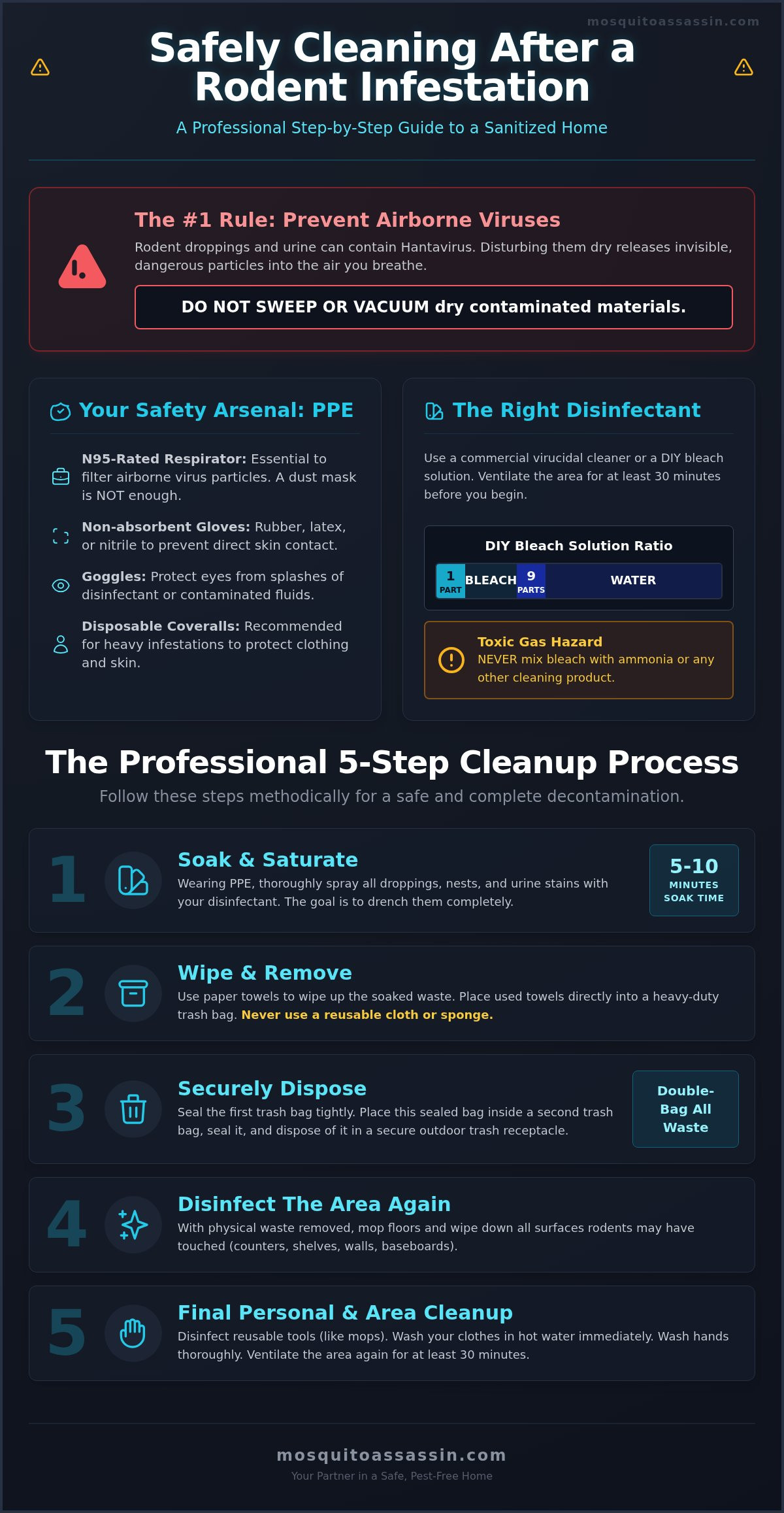
    Before you even touch a paper towel, follow these two foundational rules. First, NEVER sweep or vacuum dry droppings. This is the fastest way to aerosolize dangerous viruses, making them breathable. Second, thoroughly ventilate the contaminated area by opening windows and doors for at least 30 minutes before you begin working. This helps disperse any airborne particles.

    Assembling Your Personal Protective Equipment (PPE)

    Protecting yourself is the top priority. Do not attempt a cleanup without the proper gear. Your essential PPE checklist includes:

    • Non-absorbent gloves: Rubber, latex, or nitrile gloves are mandatory to prevent direct contact with contaminants.

    • N95-rated respirator: A standard dust mask is not enough. An N95 mask is designed to filter out the fine airborne particles that can carry viruses.

    • Goggles: Protect your eyes from splashes of cleaning solution or contaminated liquids.

    • Disposable coveralls: For heavy infestations, especially in confined spaces like attics or crawlspaces, coveralls protect your clothing and skin.

    Choosing the Right Disinfectant Solution

    You need a powerful solution to neutralize the pathogens left behind. Gather your supplies before you enter the area to ensure an efficient and safe process. You will need:

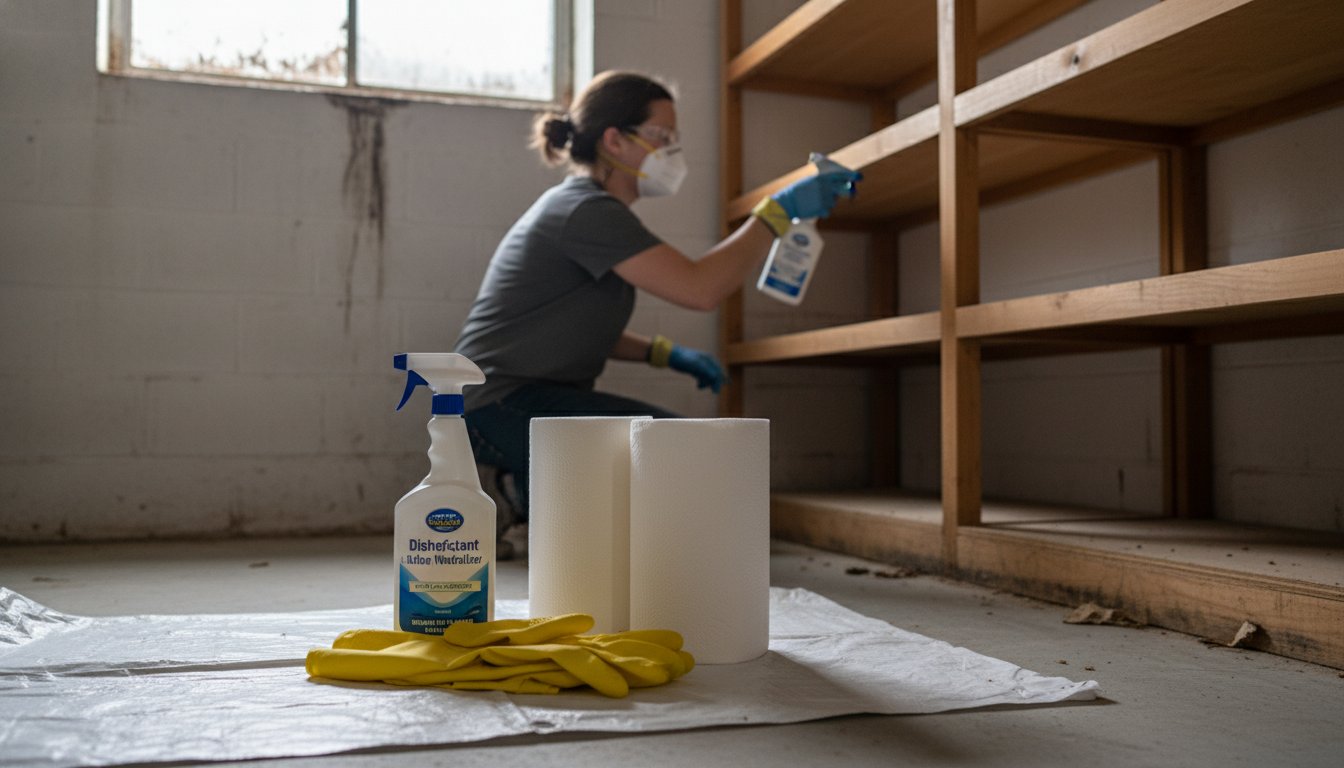
    • A virucidal disinfectant: You can use a commercial product rated to kill viruses or a simple DIY bleach solution. To make your own, mix 1 part household bleach to 9 parts water.

    • Critical Safety Note: Never mix bleach with ammonia or any other cleaning product, as this can create toxic chlorine gas.

    • Supplies: A spray bottle for the disinfectant, paper towels for wiping, and heavy-duty, sealable trash bags for disposal.

    The Professional 5-Step Process for Cleaning Rodent Droppings

    Once you’ve addressed the source of the infestation, the next critical phase is the cleanup. Simply sweeping or vacuuming is dangerous, as it can send hazardous dust airborne. A methodical, professional approach is essential for safeguarding your home and family from lingering pathogens. This proven 5-step process for cleaning after rodent infestation ensures you eliminate all waste without cross-contamination, neutralizing the serious rodent-borne disease risks that droppings and urine leave behind.

    For best results on hard surfaces like floors, counters, and shelves, always work from the top down and from the cleanest areas toward the most heavily contaminated spots. Patience is your most important tool; allow the disinfectant to do its job completely.

    Step 1: Soak and Saturate the Contaminated Area

    With your personal protective equipment (PPE) securely on, thoroughly spray the visible droppings, urine stains, and nesting materials with your disinfectant or bleach solution. Do not be shy with the spray, the goal is to completely saturate the waste. Let the solution soak for a minimum of 5 to 10 minutes. This crucial waiting period kills viruses and bacteria before you ever touch the waste, drastically reducing the risk of exposure.

    Step 2: Wipe Up and Remove the Waste

    After the disinfectant has had time to work, use disposable paper towels to wipe up the soaked droppings and urine. Pick up the waste carefully and place the used paper towels directly into a heavy-duty trash bag. Never use a reusable cloth, sponge, or mop for this step, as it creates a high risk of spreading contamination throughout your home.

    Step 3: Securely Dispose of All Contaminated Materials

    Once you have removed all the physical waste from the area, seal the trash bag tightly. To prevent any potential leaks or tears, immediately place this sealed bag inside a second trash bag and seal that one as well. Dispose of the double-bagged waste in a secure, outdoor trash receptacle with a tight-fitting lid to prevent other pests from accessing it.

    Step 4: Disinfect the Entire Area Again

    With the physical contaminants gone, it’s time to disinfect the entire area to eliminate any remaining microscopic threats. Mop the floors and use a clean cloth or paper towels to wipe down all surfaces the rodents may have touched, including countertops, shelves, cabinet interiors, and even walls. Pay special attention to corners, baseboards, and known rodent pathways.

    Step 5: Final Cleanup and Ventilation

    Your job isn’t done until your tools and yourself are also clean. Thoroughly disinfect your mop and any other reusable cleaning tools. Remove the clothes you wore and wash them immediately in hot water. Finally, wash your hands thoroughly with soap and water. Open windows and doors to ventilate the area for at least 30 minutes to air out any lingering disinfectant fumes and ensure fresh, clean air circulates through the space.

    How to Clean Contaminated Items and Difficult Spaces

    Rodents don’t just travel across floors; they burrow into furniture, nest in fabrics, and contaminate hidden spaces like attics and crawlspaces. A crucial part of cleaning after rodent infestation involves tackling these difficult areas where pathogens can linger. Before you begin, always assess the level of contamination. While many items can be salvaged with the right techniques, heavily soiled materials, especially insulation, often pose a significant health risk and must be discarded.

    Clothing, Bedding, and Other Washable Fabrics

    Items like clothing, towels, and bedding that have been exposed to rodents require immediate and thorough washing to eliminate bacteria. Follow these proven steps for safe and effective cleaning:

    • Transport Carefully: Place items in a plastic bag to carry them to the washing machine, minimizing the spread of contaminants through your home.

    • Wash on High Heat: Use a standard laundry detergent and wash the items in the hottest water the fabric can safely tolerate.

    • Dry Thoroughly: Tumble dry on a high heat setting, as the sustained heat helps kill any remaining pathogens.

    • Use Sunlight for Non-Washables: For delicate items that cannot be washed, leaving them in direct sunlight for several hours can help disinfect them, as UV light has natural germicidal properties.

    Carpets and Upholstered Furniture

    Soft surfaces like carpets and furniture can harbor unseen bacteria and viruses from rodent urine and droppings. After vacuuming up all visible debris (using a vacuum with a HEPA filter), you must deep clean and disinfect. For carpets, use a steam cleaner with a commercial-grade disinfecting shampoo. For sofas and chairs, apply a disinfectant spray specifically designed for upholstery. Always test any cleaner on a small, hidden area first to ensure it doesn’t cause discoloration or damage.

    Attics, Crawlspaces, and Contaminated Insulation

    These areas represent the highest risk during cleanup. Insulation, once contaminated by rodent nests, urine, and feces, cannot be effectively sanitized. The material is porous, trapping dangerous pathogens that can easily become airborne if disturbed. Attempting to remove it without proper personal protective equipment (PPE) and specialized tools is extremely hazardous.

    Professionals use commercial-grade HEPA vacuums and follow strict protocols to safely remove and dispose of soiled insulation. Given the serious health risks, this part of cleaning after rodent infestation is best left to certified experts. For severe attic or crawlspace infestations, contact a professional for safe removal and sanitation to ensure your home is truly clean and your family is protected.

    Eliminating Lingering Odors and Stains After Cleanup

    You’ve disinfected surfaces and removed all visible signs of rodents, but a persistent, musty smell remains. This unpleasant odor is a common problem after an infestation, typically caused by urine that has soaked deep into porous materials like wood, drywall, insulation, or concrete. Simply masking the smell with air fresheners is a temporary fix that won’t solve the underlying issue. Proper odor elimination is the final, essential step to fully reclaim your home and restore its clean, safe environment.

    Pinpointing the Odor’s Source

    To eliminate the smell, you must first find its source. The odor will be strongest near former nesting areas, runways, or hidden urine spots. Thoroughly inspect dark, undisturbed areas like wall voids, crawl spaces, attics, and beneath floorboards. For a professional approach, use a UV blacklight in a darkened room; rodent urine will glow, revealing hidden stains on carpets, baseboards, and other surfaces that are invisible to the naked eye.

    Eradicate Odors with Enzymatic Cleaners

    Standard household cleaners won’t break down the uric acid crystals in rodent urine, which are the root cause of the lingering smell. For complete odor eradication, you need an enzyme-based (or enzymatic) cleaner. These powerful solutions use beneficial bacteria to produce enzymes that break down the organic proteins in urine, feces, and other biological matter, permanently destroying the source of the odor. This step is a non-negotiable part of a comprehensive cleaning after rodent infestation. Always follow the product’s instructions for safe and effective use on different materials.

    Natural Methods for a Final Refresh

    After treating the source, you can use natural solutions to absorb any remaining airborne odors and freshen the space. These methods are safe, effective, and work best in conjunction with deep cleaning.

    • Baking Soda: Place open boxes or shallow bowls of baking soda in affected rooms to absorb odors from the air.

    • White Vinegar: Set out bowls of white vinegar for a day or two. Vinegar is excellent at neutralizing stubborn smells.

    • Ventilation: Open windows and use fans to circulate fresh air throughout the space, helping to air out any final traces of the infestation.

    Successfully completing the cleaning after rodent infestation is a major accomplishment. However, if odors persist or the contamination was widespread, professional intervention may be necessary to guarantee your home is fully restored. For comprehensive pest eradication and sanitation support, trust the experts at Mosquito Assassin to safeguard your home and family.

    When DIY Isn’t Enough: Signs You Need a Professional

    While the steps outlined in this guide are effective for minor incidents, a large-scale or long-term rodent problem poses significant health risks that demand professional intervention. Attempting a major cleanup without the right training or equipment can expose your family to dangerous airborne pathogens. Knowing when to call for expert help is the most important step in safeguarding your home and health.

    Indicators of a Heavy Infestation

    If you notice any of the following signs, the problem has likely grown beyond a simple DIY project. These are clear signals that you need professional assistance for a safe and thorough cleanup:

    • Widespread Droppings: You find droppings and urine stains in multiple rooms, across different floors, or inside cabinets and pantries.

    • Visible Pathways: Dark, greasy rub marks are visible along walls, baseboards, and pipes where rodents have traveled repeatedly.

    • Overwhelming Odor: A strong, musty smell of ammonia from urine is noticeable throughout the home and doesn’t fade with ventilation.

    • HVAC Contamination: You suspect or have found evidence of rodents nesting or leaving waste inside your air ducts or HVAC system.

    The Mosquito Assassin Advantage: Cleanup and Exclusion

    When facing a severe rodent problem, you need a comprehensive solution, not just a surface-level clean. A professional service for cleaning after rodent infestation is designed to eliminate the threat completely and protect your family. Our certified technicians arrive with commercial-grade Personal Protective Equipment (PPE), HEPA-filtered vacuums, and EPA-approved virucidal disinfectants to neutralize pathogens safely.

    We don’t just clean; we restore your peace of mind. Our team is trained to safely remove and dispose of contaminated materials, such as soiled insulation in your attic or crawlspace. But our work isn’t finished until we complete the most critical step: exclusion. We conduct a thorough inspection to identify and professionally seal every potential entry point, from foundation cracks to roofline gaps. This proven process ensures that once we handle the cleanup, rodents can’t get back in to start the cycle all over again.

    Don’t risk your health on a hazardous cleanup. Contact the experts at Mosquito Assassin for a dependable and complete solution.

    Reclaim Your Home with Professional Rodent Cleanup

    Tackling the aftermath of a rodent infestation is a serious task that demands caution and the right approach. As we’ve covered, the key takeaways are clear: always prioritize your safety with proper protective gear, follow a meticulous disinfection process to eliminate dangerous pathogens, and understand when a situation is too hazardous for a DIY approach. A thorough cleaning after rodent infestation is not just about appearances, it’s about fundamentally safeguarding the health of everyone in your home. These steps are critical for restoring a safe living environment.

    When the risks are high and the job is extensive, the safest choice is to call in the professionals. At Mosquito Assassin, we provide the expertise and equipment to handle the job correctly and safely. As a Locally Owned and Operated team serving communities across PA & OH, we are dedicated to protecting our neighbors with Family-Safe Treatments and a rock-solid Pest-Free Guarantee. Don’t leave your family’s well-being to chance. Schedule a professional rodent cleanup and exclusion service today!

    Frequently Asked Questions About Cleaning After Rodents

    What are the health risks of cleaning up rodent droppings myself?

    Rodent droppings and urine can transmit dangerous diseases like Hantavirus, Salmonella, and Leptospirosis. The primary risk is inhaling airborne virus particles that get stirred up by improper cleaning methods like sweeping or vacuuming. Direct contact with contaminated surfaces can also lead to infection. Safeguarding your family’s health is the top priority, which is why professional cleaning after rodent infestation is the most reliable way to eliminate these serious threats and ensure the job is done safely.

    I already vacuumed up the droppings. What should I do now?

    Using a standard vacuum can aerosolize dangerous virus particles, spreading them throughout the air. If you’ve already done this, take the vacuum outside immediately. While wearing gloves and a respiratory mask, carefully remove the bag or empty the canister into a sealed plastic bag for disposal. Thoroughly disinfect the entire vacuum cleaner with a bleach solution or an EPA-registered disinfectant. Monitor the area for any missed contamination and be aware of any flu-like symptoms in the coming weeks.

    How can I tell if the rodents are completely gone before I start cleaning?

    Before beginning any cleanup, you must confirm the infestation has been eliminated. Look for the absence of fresh signs for several days, such as new droppings (which are dark and soft), recent gnaw marks, or tracks in dusty corners. A proven method is to clean a small, visible area and check it daily. If no new rodent activity appears after three to five days, it is a strong indicator that they are gone and you can proceed with a full cleaning.

    Is bleach the only thing that will kill the germs in mouse droppings?

    While a 1:10 bleach-to-water solution is highly effective and recommended by the CDC, it is not your only option. Any commercial, EPA-registered disinfectant that is rated to kill viruses will also work effectively. The critical step is to follow the product’s directions for contact time, the contaminated surface must remain wet with the disinfectant for the specified period to ensure all harmful pathogens are neutralized. This guarantees a truly sanitized and safe environment for your family.

    How long do viruses like Hantavirus survive in the environment?

    The survival time for Hantavirus depends on environmental conditions. In dried rodent urine, droppings, or saliva, the virus can remain infectious for two to three days at normal room temperature. Its lifespan can be longer in cool, dark, and undisturbed areas like basements or crawlspaces. Direct sunlight and UV exposure help deactivate the virus more quickly, but you should always assume that any droppings you find could still be infectious and take proper precautions.

    Can the smell of dead rodents in walls be removed professionally?

    Yes, absolutely. A lingering odor from a dead rodent is a difficult problem that requires a professional solution for complete eradication. Our certified technicians have the tools and expertise to locate and remove the carcass, even from inaccessible areas like wall voids or attics. We then use commercial-grade deodorizers and fogging treatments to neutralize the odor at its source, permanently eliminating the smell and restoring fresh air to your home.