
What if the standard store-bought spray used to stop ants is actually more concerning for a toddler than the insects themselves? Most parents in Erie and Crawford Counties feel caught in a difficult position. They worry about the bacteria cockroaches carry or the risk of Lyme disease from ticks, yet the thought of harsh chemicals near play areas is equally unsettling. This is why child-safe pest removal has become a priority for local households. It’s a common struggle when DIY natural remedies fail to provide lasting results. Finding a balance is essential for a healthy home.
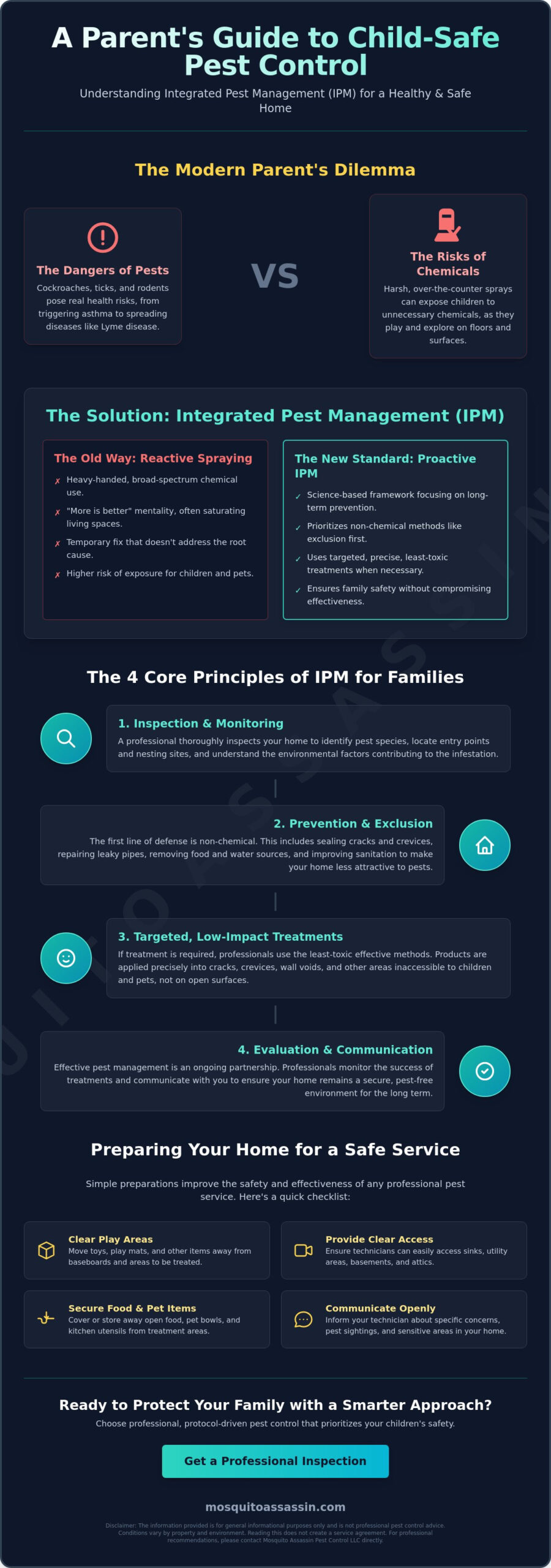
Professional Integrated Pest Management (IPM) provides a solution that balances effective eradication with high safety standards for families. According to the Environmental Protection Agency (EPA), IPM focuses on long-term prevention by managing the home environment rather than relying on heavy surface sprays. This guide explains how professional protocols protect children from both pests and unnecessary exposure. Readers will learn about targeted treatment methods used in Ashtabula County and discover practical steps to maintain a secure, pest-free environment.
Disclaimer: The information provided on this blog is for general informational purposes only and is not intended as professional pest control advice. Conditions vary by property, environment, and location. Reading this content does not create a service agreement. For an inspection or professional recommendations, please contact Mosquito Assassin Pest Control LLC directly.
Key Takeaways
- Discover why Integrated Pest Management (IPM) serves as the industry standard for protecting households with children from pests and unnecessary treatment exposure.
- Learn how professional child-safe pest removal protocols prioritize non-chemical methods, such as exclusion and thorough inspection, before considering targeted applications.
- Understand the specific pest challenges facing families in Erie, Crawford, and Ashtabula counties and how to evaluate the effectiveness of various treatment options.
- Find out how simple household preparations, such as clearing play areas and maintaining open communication with a professional, can improve the safety and accuracy of a service.
- Identify the critical factors to look for when selecting a licensed pest management partner who emphasizes family-safe practices and protocol-driven solutions.
Understanding the Need for Child-Safe Pest Management
Child-safe pest removal is a protocol-driven approach to pest management that prioritizes the health and safety of children while effectively addressing infestations. This method isn’t just about the products used; it’s about a comprehensive strategy that considers the unique behaviors and biology of children. Parents in Erie and Crawford Counties in Pennsylvania, along with those in Ashtabula County, Ohio, often find themselves managing a dual risk. They must balance the very real dangers posed by pests, such as disease and physical injury, with the necessity of ensuring that any treatment applied to the home is handled with extreme care.
To better understand this concept, watch this helpful video:
Children are significantly more vulnerable to both pests and environmental factors than adults. Their developing bodies, faster metabolisms, and tendency to play on the floor increase their potential exposure to anything introduced into their living environment. Because kids are naturally curious and explore their surroundings with their hands and mouths, a standard broad-spectrum application of chemicals is no longer the industry preference. Instead, professional standards have shifted toward targeted applications that focus on pest biology rather than saturating a living space with product.
Health Risks Associated with Common Household Pests
The presence of pests in a home is a legitimate health concern. Cockroaches and rodents are known to carry allergens that can trigger severe respiratory distress and asthma attacks in sensitive children. In the regional climate of Pennsylvania and Ohio, ticks and mosquitoes represent significant threats as vectors for diseases like Lyme disease. Additionally, curious children are at a higher risk of encounters with stinging insects or spiders, which can lead to painful reactions or allergic emergencies if nests are located near play areas.
Why Traditional Pesticide Views Are Changing
The history of pest control has seen a major evolution from the heavy-handed chemical use of previous decades to the refined methods used today. Modern professional standards are rooted in The Principles of Integrated Pest Management (IPM), a science-based framework that emphasizes prevention, monitoring, and the use of the least-toxic effective methods. There’s a clear distinction between professional-grade protocols and over-the-counter DIY options. While DIY products often encourage a “more is better” mentality, professional child-safe pest removal focuses on precise placement in cracks, crevices, and wall voids where children cannot reach them. This shift ensures that the home remains a fortress against pests without compromising the safety of the family.
Disclaimer: The information provided on this blog is for general informational purposes only and is not intended as professional pest control advice. Conditions vary by property, environment, and location. Reading this content does not create a service agreement. For an inspection or professional recommendations, please contact Mosquito Assassin Pest Control LLC directly.
The Principles of Integrated Pest Management (IPM) for Families
Integrated Pest Management (IPM) represents the industry gold standard for maintaining a healthy home. It’s a strategy that prioritizes long term prevention over temporary fixes. For parents seeking child-safe pest removal, IPM provides a framework that minimizes exposure to chemicals by focusing on the underlying causes of an infestation. Instead of merely treating symptoms, such as seeing an occasional ant, this method addresses the source. This might involve removing a rotting log near the foundation or fixing a moisture problem in a crawlspace. This rigorous standard is why many state regulations in Pennsylvania and Ohio require IPM practices in schools and daycares. It ensures that the environment remains hostile to pests but safe for occupants.
Inspection and Identification
Professional monitoring is the first line of defense. Identifying the exact species is critical because different pests require different strategies. For instance, a technician might find that a specific beetle is attracted to a spilled bag of grain in the pantry rather than structural issues. Understanding these biological nuances helps limit the scope of any necessary intervention. Citing Practical Steps to Prepare a Household, experts emphasize that identifying entry points and attractants unique to family households, like pet food bowls or crumb-heavy high chairs, is essential for effective control.
Exclusion and Habitat Modification
Prevention is more effective than a cure. Sealing cracks with silicone caulk or installing door sweeps keeps pests out physically without the use of chemicals. In Erie and Crawford Counties, managing moisture is equally important. Fixing a leaky pipe under a kitchen sink removes the water source that attracts silverfish and cockroaches. Yard maintenance also plays a vital role. Keeping grass short and removing leaf litter reduces the habitat for ticks and mosquitoes, creating a safer outdoor play area for children and pets.
Targeted Application Techniques
When treatments are required, they’re applied with extreme precision. Instead of broad surface sprays, professionals use gel baits tucked deep into wall voids or behind heavy appliances. These areas are inaccessible to curious hands or pets. For rodent management, the use of tamper-resistant bait stations is a non negotiable safety standard. These stations are designed to keep the bait secure and isolated from the living environment. This targeted approach ensures that child-safe pest removal remains the priority while still achieving total eradication of the pest population. Professional pest control services can help families implement these IPM strategies effectively.
Evaluating Child-Safe Treatment Options for Regional Pests
Families living in Erie, Crawford, and Ashtabula counties face unique pest pressures due to the region’s diverse landscape and climate. When selecting Evaluating Child-Safe Treatment Options, it’s vital to distinguish between marketing claims and scientific efficacy. Many “natural” or “green” products available at hardware stores rely on essential oils that provide short term repellency but fail to eliminate the source of an infestation. If these substances are applied incorrectly or in excessive amounts, they can still cause respiratory irritation or skin sensitivity in young children.
Professional protocols prioritize Integrated Pest Management (IPM). This approach focuses on long term prevention by studying pest life cycles and their interaction with the environment. Experts select products based on low toxicity profiles and high efficacy, ensuring that the treatment targets the specific biology of the pest without unnecessary chemical broadcast. This method is the foundation of effective child-safe pest removal, as it minimizes the volume of products used while maximizing results.
Rodent Management in Family Homes
Rodents are more than just a nuisance; they carry pathogens and can trigger allergies in children. Traditional loose rodenticides, such as pellets or grain baits, are generally avoided in child-safe plans because they can be scattered or moved by the rodents into areas where children play. Professional rodent removal utilizes a safety-first process. This strategy emphasizes mechanical traps placed in locked stations or inaccessible voids and exclusion techniques. Sealing gaps with durable materials prevents mice from entering, reducing the need for reactive treatments inside the living space.
Mosquito and Tick Protection for Outdoor Play
Outdoor safety is a major concern in Pennsylvania and Ohio, where the risks of Lyme disease and West Nile virus are well documented by local health departments. Professional mosquito control programs don’t just spray; they target the problem at its source. This involves identifying breeding sites, such as stagnant water in clogged gutters or flowerpots, and using larvicides that specifically target mosquito larvae. Strategic barrier treatments are then applied to the underside of leaves where adult pests rest, protecting play areas while keeping products away from high-touch surfaces.
Ant and Crawling Insect Control
Kitchen invaders like pavement ants or carpenter ants are common in the tri-county area. To maintain a child-safe pest removal standard, professionals often use containerized baits instead of broad-spectrum aerosol sprays. These baits are housed in tamper-resistant stations that keep the active ingredient enclosed and away from curious hands. The ants carry the bait back to the colony, providing a targeted solution that doesn’t leave lingering residues on countertops. Consistent general pest control focuses on the home’s exterior perimeter to stop insects before they ever reach the kitchen or nursery.
Practical Steps to Prepare a Household for Professional Service
Preparation is the most critical phase in ensuring child-safe pest removal is both effective and efficient. When a technician arrives at a home in Ashtabula or Erie County, their ability to target specific pest harborage areas depends on the accessibility of the property. Clear communication regarding the presence of infants, toddlers, or pets allows the professional to adjust their application methods to suit the specific needs of the family. Homeowners should identify high-traffic play areas or specific rooms where children spend the majority of their time, as this information helps the technician prioritize safety protocols.
Understanding the “wait time” is a vital part of the process. Most professional treatments require a period of 2 to 4 hours where the treated areas must remain undisturbed. This window allows products to dry completely and bond to surfaces, which significantly reduces the risk of accidental contact. Technicians will provide specific instructions based on the products used, but staying out of the home until the designated time has passed is a standard industry best practice.
Pre-Service Checklist for Parents
- Clear the Perimeter: Remove toys, shoes, and clutter from baseboards and corners. Since 70 percent of indoor pest activity occurs along these edges, technicians need unobstructed access to apply targeted treatments.
- Secure Personal Items: Place all child gear, including high chairs, strollers, and play mats, in the center of the room or inside sealed plastic bins. Storing pet bowls and water dishes in a separate, closed cabinet prevents any accidental exposure.
- Ensure Access: Unlock basement doors and clear paths to the exterior foundation. Professionals in Crawford County often find that pests enter through small cracks in the basement or crawl space; providing easy access to these areas ensures a more comprehensive inspection.
Post-Service Safety Measures
Once the service is complete and the recommended wait time has passed, parents should focus on maintaining a secure environment. Opening windows for 20 to 30 minutes after returning home can help facilitate fresh air circulation, although modern professional treatments are designed to be low-odor. It’s common to see an increase in pest sightings for 24 to 48 hours after a service as insects emerge from hiding spots; parents should promptly dispose of any dead pests found on the floor to keep them out of reach of curious children.
Ongoing maintenance is the final piece of the safety puzzle. Professionals often recommend exclusion techniques, such as sealing gaps around windows or doors, to prevent future infestations. Monitoring bait stations, if used, ensures they remain undisturbed and functional. For families seeking more information on scheduling a visit, professional pest control may help reduce risk.
Selecting a Professional Pest Management Partner
Licensing and insurance protect the homeowner and ensure the service provider meets state-mandated standards for safety and efficacy. In Pennsylvania and Ohio, licensed professionals must complete rigorous training and stay updated on the latest application techniques to follow current safety standards. Choosing a partner that prioritizes Integrated Pest Management (IPM) is a critical step for families seeking child-safe pest removal. IPM focuses on biological and physical controls first, minimizing the reliance on chemical treatments through habitat modification and exclusion.
Local expertise in Northwest Pennsylvania and Northeast Ohio provides a significant advantage. Technicians familiar with the climate in Erie and Crawford counties understand how seasonal shifts drive pests indoors. Professional management can reduce the risk of accidental exposure to harmful substances by ensuring treatments are applied precisely where needed, often in areas children cannot reach. Licensed and insured professionals provide the expertise needed to safeguard a home without compromising the health of its youngest residents.
Questions to Ask a Potential Service Provider
Homeowners should ask specific questions before hiring a provider to ensure their methods align with family safety goals. It’s important to understand the specific approach a company takes before they begin work on the property.
- What are the specific child-safe protocols used? Inquire about the protocols used for child-safe pest removal and request a list of product types to ensure they meet your standards.
- Can I see a detailed inspection report? A thorough provider will always offer a detailed inspection report that identifies entry points and nesting sites before any treatment begins.
- What is the follow-up process? A reliable service should provide clear communication on how they handle situations where pests persist after the initial visit and what their guarantee covers.
The Role of Year-Round Protection
Consistent monitoring is often more effective and safer than reactive, high-intensity treatments used only after a major infestation occurs. A year-round pest control plan allows for ongoing safeguarding of the home environment. This proactive approach identifies potential issues early, which can limit the amount of product needed over time. Finding a partner familiar with the specific pest pressures in Ashtabula, Erie, and Crawford counties ensures the protection plan is tailored to the local environment. Professional pest control may help reduce risk for growing families. For an evaluation or to learn more about localized protection, visit the online booking portal.
Securing a Healthy Home Environment
Maintaining a pest-free home doesn’t have to compromise the safety of children or pets. Implementing Integrated Pest Management (IPM) strategies allows families to address infestations through a combination of sanitation, exclusion, and targeted treatments. Research from the Environmental Protection Agency (EPA) indicates that IPM focuses on long term prevention by addressing environmental factors that attract pests. Choosing a professional partner committed to child-safe pest removal ensures that every action taken is methodical and evidence-based. It’s vital to rely on licensed and insured professionals who are locally owned and operated in Northwest PA and Northeast OH, specifically serving Erie, Crawford, and Ashtabula Counties. These specialists provide tailored inspections that reflect the specific environmental conditions of the region. For professional recommendations or a detailed home inspection, contact a specialist today. Taking these proactive steps helps create a safer, more comfortable living space for everyone in the family.
Disclaimer: The information provided on this blog is for general informational purposes only and is not intended as professional pest control advice. Conditions vary by property, environment, and location. Reading this content does not create a service agreement. For an inspection or professional recommendations, please contact Mosquito Assassin Pest Control LLC directly.
Frequently Asked Questions
Is professional pest control safer than DIY methods for children?
Professional pest control is safer for families because licensed technicians possess the training to apply products with precision. Many homeowners who attempt DIY treatments accidentally over-apply chemicals or use products in high-traffic areas where children play. According to data from the Environmental Protection Agency, professional application follows strict federal guidelines that prioritize targeted placement over broad spraying.
How long should children stay away from a room after it has been treated?
Children should typically remain out of a treated area for 2 to 4 hours after the application is complete. This timeframe ensures that liquid treatments have fully dried and any necessary ventilation has occurred. It’s important to wait until surfaces are dry to the touch to prevent any accidental skin contact or inhalation of damp product.
Are the baits used for ants and roaches dangerous if a child finds them?
Ant and cockroach baits are hazardous if ingested, but professionals mitigate this risk through strategic placement. Technicians place these baits deep within wall voids, behind heavy appliances, or inside tamper-resistant stations that require a key to open. The National Pesticide Information Center notes that while the active ingredient concentrations are low, keeping these materials out of reach is a standard safety protocol.
Can professional pest control help with my child’s allergies or asthma?
Professional pest management can significantly reduce asthma triggers by eliminating pests like cockroaches and rodents. The Asthma and Allergy Foundation of America reports that 63% of homes in the United States contain cockroach allergens, which are known to cause severe respiratory distress in children. Removing the source of these biological allergens helps create a cleaner breathing environment indoors.
What should I do if my child touches a treated surface?
If a child comes into contact with a recently treated area, wash the affected skin immediately with plenty of soap and water. Most modern pest products are applied to baseboards or crevices where contact is unlikely, but accidents can happen. Monitoring for skin redness or irritation is a practical step, and parents can consult the product’s safety data sheet for specific ingredient information.
How often should a home with children be inspected for pests?
Homes in Erie and Crawford Counties should undergo professional inspections on a quarterly basis to maintain a protective barrier. A 90 day inspection cycle allows technicians to identify seasonal pest entries before they become full infestations. Regular monitoring reduces the need for heavy, reactive treatments, keeping the home environment more consistent and controlled for young residents.
Are there specific pests in Erie, PA that are more dangerous for kids?
Ticks and mosquitoes are the primary health concerns for children in the Erie and Ashtabula regions due to their ability to transmit diseases. The Pennsylvania Department of Health has documented more than 10,000 cases of Lyme disease in a single year, highlighting the risk to children playing outdoors. Professional management focuses on reducing these populations in high-risk zones like tall grass and perimeter foliage.
Do natural pest control sprays actually work for large infestations?
Natural sprays often function better as short-term repellents rather than long-term solutions for established infestations. While essential oils might deter a few insects, they lack the residual power needed to eliminate a colony. Effective child-safe pest removal involves a comprehensive approach that combines mechanical barriers with targeted treatments to ensure the problem doesn’t return after a few days.
Disclaimer: The information provided on this blog is for general informational purposes only and is not intended as professional pest control advice. Conditions vary by property, environment, and location. Reading this content does not create a service agreement. For an inspection or professional recommendations, please contact Mosquito Assassin Pest Control LLC directly.