Tag: Property Damage

  • Signs of Mice in Walls: Risks to Your Erie, PA Home and Health

    Signs of Mice in Walls: Risks to Your Erie, PA Home and Health

    You’re lying in bed on a quiet night in Erie when you hear it: a faint, rhythmic scratching sound coming from deep inside your bedroom wall. It’s an unsettling noise that instantly disrupts your peace of mind and leaves you wondering what might be living just inches away from your family. While it’s tempting to hope the sound is just the house settling, ignoring the clear signs of mice in walls Erie PA homeowners often face can lead to significant property damage and health concerns. Identifying these early indicators is the first step toward reclaiming your home from unwanted intruders.

    It’s completely normal to feel a sense of anxiety when you suspect a rodent infestation, especially when you consider the risks of electrical fires from chewed wires or the spread of diseases common to Northwest Pennsylvania. This article will help you confirm if those sounds are indeed mice and explain the hidden dangers they bring to your structural integrity and indoor air quality. By understanding these risks, you’ll be better prepared to take decisive action and move toward a permanent, professional path that ensures the safety and security of your household.

    Key Takeaways

    • Learn why mice seek shelter in wall voids during harsh local winters and how their rapid breeding cycles can quickly turn a few pests into a major infestation.
    • Understand the serious structural and fire risks associated with rodents gnawing on electrical wiring and insulation behind your drywall.
    • Discover the health hazards posed by hidden rodents, including the transmission of pathogens like Hantavirus and Leptospirosis through contaminated air and surfaces.
    • Identify the distinct signs of mice in walls Erie PA residents should listen for, including scratching, scurrying, and squeaking during the quiet night hours.
    • Explore why professional exclusion and a methodical three-step removal process offer a more permanent solution than standard DIY trapping methods.

    Understanding the Hazards of Mice Living in Walls

    Erie’s lake-effect winters don’t just affect your heating bill; they fundamentally change how local pests behave. As temperatures plummet, rodents look for any available thermal refuge to survive. Your home’s wall voids represent the ultimate survival outpost. These spaces are shielded from the wind, kept warm by your HVAC system, and are almost entirely undisturbed by daily household activity. Identifying the early signs of mice in walls Erie PA residents encounter during the fall and winter is the best way to stop a colony before it takes over your living space.

    The challenge with wall-dwelling rodents is that they are masters of concealment. A single entry point, sometimes no larger than a dime, is all it takes for a scout to find its way inside. Once a safe path is established, the mouse leaves behind pheromone trails that guide others to the nest. Within just a few months, a solitary pair can establish a significant colony. Because these pests stay behind the drywall, you might not see a single mouse for weeks while the population silently grows. This hidden growth makes professional detection essential, as surface-level traps rarely address the root of the problem located deep within the structure.

    Why Wall Voids Are Ideal for Rodents

    Wall voids provide a secure environment where mice can thrive without fear of predators like family pets. These areas are often filled with fiberglass or cellulose insulation, which serves as premium nesting material. Mice shred this material to create soft, warm burrows where they can raise their young. Beyond warmth, walls offer easy access to the home’s internal infrastructure. Rodents use electrical conduits and plumbing lines as private highways, allowing them to travel from the basement to the attic without ever stepping foot on a carpet. This proximity to your home’s “central nervous system” is exactly what makes their presence so dangerous.

    The Hidden Nature of the Threat

    The House mouse is a highly adaptable creature that has evolved to live alongside humans while remaining out of sight. They are primarily nocturnal, which is why the most common signs of mice in walls Erie PA homeowners report are scratching or scurrying sounds heard late at night. The psychological toll of hearing movement behind your headboard can be significant, leading to sleepless nights and constant anxiety. It’s a biological reality that seeing one mouse in the kitchen usually indicates a much larger population hidden nearby. Professional pest control may help reduce risk by identifying these hidden nesting sites before the population spills out into your primary living areas.

    Structural and Fire Risks Caused by Rodents

    The biological reality of a mouse infestation is that their teeth never stop growing. To prevent their incisors from becoming a physical burden, mice must constantly gnaw on hard surfaces. Inside a wall, this means your structural studs, PVC plumbing, and electrical conduits are under constant attack. These structural and fire risks are often invisible to the naked eye, occurring deep within the frame of your home. If you are noticing the common signs of mice in walls Erie PA properties exhibit during the colder months, the damage may already be progressing behind your drywall.

    Electrical Hazards and Gnawed Wires

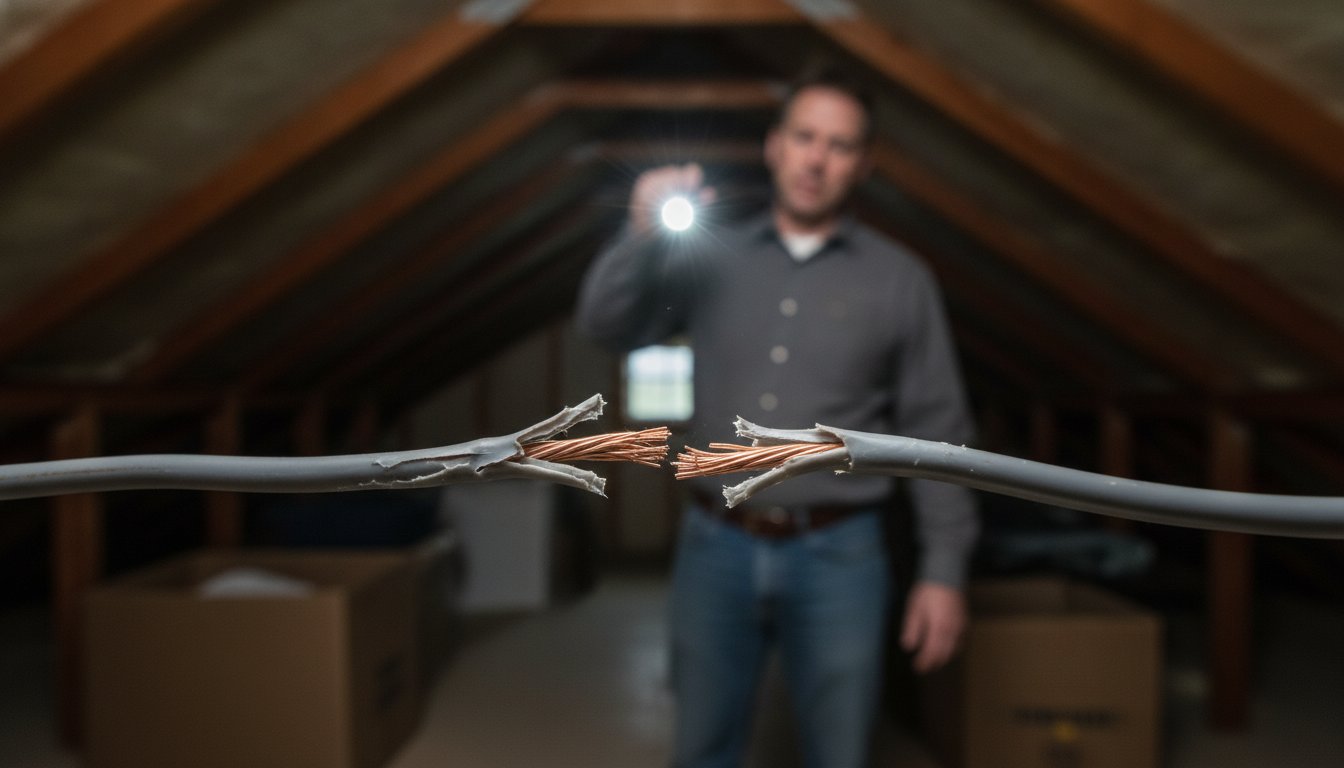
    One of the most dangerous behaviors of wall-dwelling rodents is their attraction to electrical wiring. Many modern wire coatings are made with soy-based plastics or simply provide the perfect texture for a mouse to trim its teeth. When a mouse strips the protective insulation, it leaves behind exposed copper. This creates an immediate risk for short circuits, arc flashes, and sparks that can ignite nearby wooden studs or dust. Because these wires are hidden, a fire can smolder and spread inside the wall long before a smoke detector is triggered. Identifying these signs of mice in walls Erie PA homeowners hear at night is critical for fire prevention. If you suspect your wiring has been compromised, seeking General Pest Control Plans can help address the source of the danger before an emergency occurs.

    Destruction of Home Insulation

    Rodents don’t just chew on wires; they also treat your home’s insulation as a private construction site. Mice frequently tunnel through fiberglass batts and cellulose fill to create nesting chambers and travel routes. This activity compresses the material, which significantly reduces its R-value and your home’s energy efficiency. Over time, your heating and cooling systems must work harder to maintain temperatures, leading to higher utility costs. Beyond the loss of heat, insulation becomes a sponge for urine and droppings. This contamination creates foul odors and can even lead to mold growth within the wall cavity. Replacing ruined insulation is often a costly and invasive process that requires removing large sections of drywall.

    The structural integrity of your home is also at risk when mice target plumbing. It isn’t uncommon for rodents to chew through PEX or PVC water lines, leading to slow leaks that cause wood rot and attract even more pests. By the time a water stain appears on your ceiling or floor, the colony has likely been established for months. Addressing these hidden threats requires a methodical approach that goes beyond simple trapping.

    Health Risks and Pathogens Associated with Mouse Infestations

    While the sounds of scratching are bothersome, the biological hazards left behind are far more dangerous. Identifying the signs of mice in walls Erie PA residents frequently hear at night is the first step in mitigating these invisible threats. Mice are prolific carriers of pathogens that can compromise your home’s safety. Several serious conditions are linked to residential infestations:

    • Hantavirus: A severe respiratory disease transmitted through contact with infected rodent waste or contaminated dust.
    • Leptospirosis: A bacterial infection that can lead to kidney damage, liver failure, or meningitis if left untreated.
    • Lymphocytic Choriomeningitis (LCMV): A viral infection primarily transmitted by the common house mouse that can cause long-term neurological issues.

    These risks aren’t confined to the rodents themselves; they exist in the waste left within your home’s structure. Wall voids act as containment zones for rodent waste. As mice live and breed behind your drywall, they deposit large amounts of urine and droppings. Over time, this waste dries out and breaks down into microscopic particles. Because these voids are often connected to the rest of the house through gaps in floorboards or utility penetrations, these particles don’t stay hidden. They can easily enter your living space, creating a persistent health hazard that remains long after the mice have moved on.

    Airborne Contaminants and Allergies

    One of the most overlooked aspects of an infestation is how your HVAC system interacts with wall-dwelling pests. Rodents often nest near ductwork or inside air returns where it’s warm. As the furnace or air conditioner cycles, it can pull dust contaminated with rodent dander and dried waste into the air supply. This distribution can trigger significant allergic reactions or asthma attacks in sensitive residents. For families in Erie dealing with chronic respiratory conditions, these airborne contaminants can make a home feel unsafe and uncomfortable.

    Secondary Pest Risks in Northwest PA

    In Northwest Pennsylvania, mice are more than just a single-pest problem; they are biological transport vehicles. These rodents are primary hosts for deer ticks, which are well-known carriers of Lyme disease. When mice enter your walls, they often bring these ticks along with them. Once inside, the ticks may drop off the mouse and find their way to your pets or family members. Additionally, infestations can introduce fleas and mites into your carpets and furniture. These secondary pests can persist in your home even after the rodent population is addressed, requiring a comprehensive approach to restore a healthy environment. Recognizing the signs of mice in walls Erie PA homeowners notice is the first step in preventing this cascade of health risks.

    Signs of Mice in Walls: Risks to Your Erie, PA Home and Health

    Identifying and Addressing Wall-Dwelling Mice in Erie PA

    Confirming an infestation requires more than just a passing suspicion; it involves recognizing specific auditory and visual cues. Because mice are nocturnal, the most prominent signs of mice in walls Erie PA residents encounter are the sounds of activity after the sun goes down. Scratching, scurrying, and the occasional high-pitched squeak are telltale indicators that rodents are moving through the wall voids. These sounds often seem louder at night when the rest of the house is quiet, and they typically originate from areas near the kitchen, pantry, or laundry room where utility lines provide easy travel routes.

    Beyond the noise, the “smell test” is a reliable way to identify an active colony. Rodent urine has a distinct, pungent, ammonia-like odor that becomes more concentrated in enclosed spaces like wall cavities. If a room or a specific cupboard has a persistent musty smell that doesn’t go away with cleaning, it’s likely that waste is accumulating behind the drywall. This odor is often the first sign that the population has grown beyond a few wandering scouts and has established a permanent nest.

    Common Signs of an Active Infestation

    Visual evidence often appears near the floor level or inside lower cabinets. Homeowners should look for the following indicators:

    • Droppings: Small, dark, rice-shaped pellets found in secluded corners, under sinks, or behind appliances.
    • Rub Marks: Dark, greasy smudges along baseboards or wall corners caused by the oils and dirt in rodent fur as they travel the same paths repeatedly.
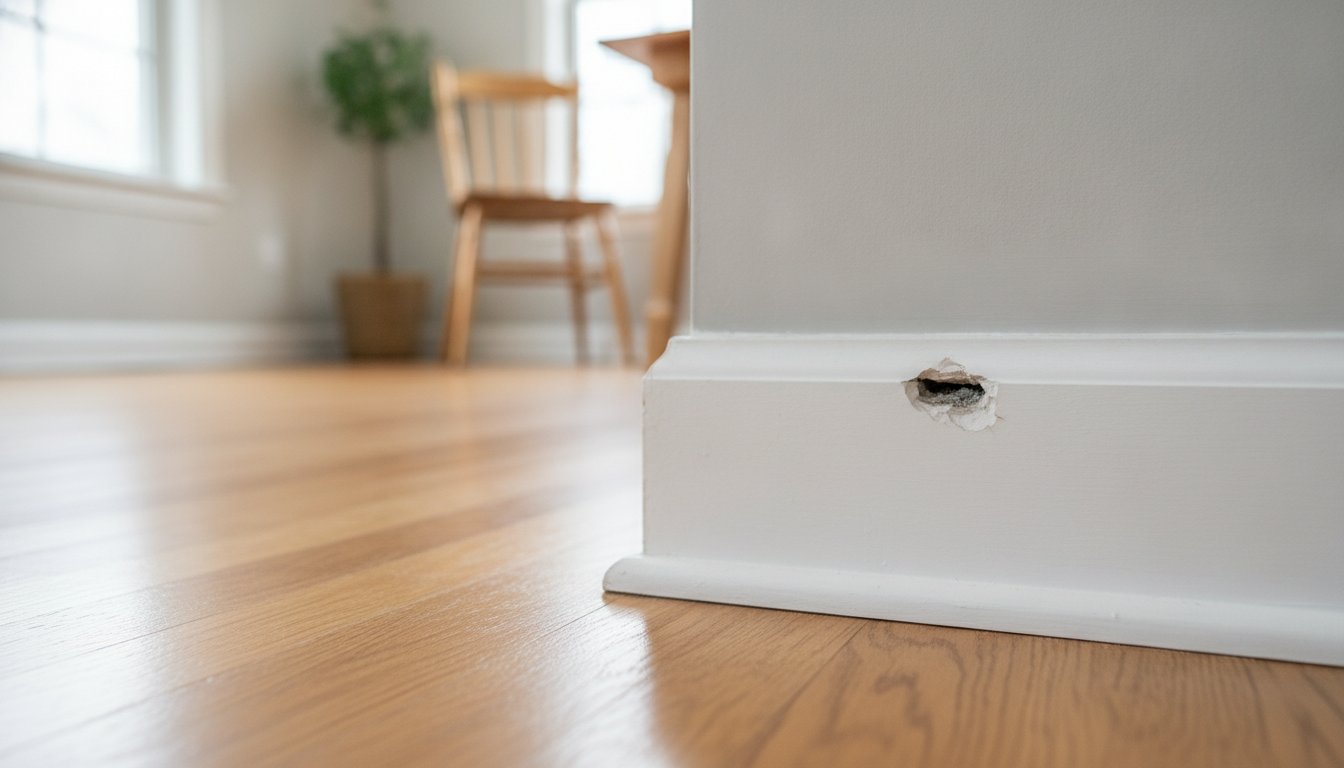
    • Gnaw Marks: Freshly chewed wood on door frames, baseboards, or plastic food packaging, often accompanied by small piles of sawdust.

    The Limitations of DIY Methods

    Many property owners in Northwest Pennsylvania attempt to resolve these issues using store-bought solutions, but these often fail to address the root of the problem. Snap traps and glue boards only capture the small percentage of mice that venture out into the open. They do nothing to stop the breeding colony living securely inside the walls. Furthermore, using retail poisons can be counterproductive; a mouse that consumes bait may retreat deep into the wall and die. This leads to a secondary problem of foul odors and insect attraction that is extremely difficult to remediate without cutting into the structure.

    Common myths, such as using peppermint oil or ultrasonic plug-in devices, have proven largely ineffective for long-term control. Rodents are highly adaptable and quickly become accustomed to these minor deterrents, especially when driven by the need for warmth during an Erie winter. A professional Rodent Control Service can provide a thorough inspection to identify the specific entry points and nesting sites that DIY methods miss.

    Disclaimer: The information provided on this blog is for general informational purposes only and is not intended as professional pest control advice. Conditions vary by property, environment, and location. Reading this content does not create a service agreement. For an inspection or professional recommendations, please contact Mosquito Assassin Pest Control LLC directly.
    Professional Strategies for Rodent-Free Walls

    Professional intervention is the only definitive way to address a colony living inside a home’s structure. While identifying the initial signs of mice in walls Erie PA residents notice is vital, a store-bought trap cannot reach deep nesting sites or seal hidden entry points. A methodical three-step approach involving removal, maintenance, and exclusion ensures that the problem is not just managed; it’s solved. This scientific process, often featured in comprehensive Rodent Control Service plans, starts with a thorough inspection to locate every possible vulnerability in the exterior envelope of a building.

    Year-round protection plans are particularly valuable for properties in Erie, Crawford, and Ashtabula counties. The regional climate means that rodent pressure is constant, shifting from the fields to foundations as the seasons change. By maintaining a professional barrier, property owners protect their investment from the recurring cycle of infestation and the subsequent risks of fire or structural decay. Reliable protection offers peace of mind that temporary fixes simply cannot provide.

    The Role of Exclusion

    Professional exclusion is the only permanent solution for wall-dwelling pests. Mice are capable of squeezing through foundation gaps as small as a dime or a pencil. Identifying these microscopic entry points requires specialized knowledge of rodent biology and building construction. Instead of temporary fillers, professional-grade materials like heavy-duty copper mesh, steel wool, and metal flashing are used to create a physical barrier that rodents cannot chew through. Sealing the exterior of the home is far more critical than simply trapping the interior. If new mice are not stopped from entering, the cycle will not truly end.

    When to Contact a Professional

    If DIY efforts have failed or if scratching noises have moved beyond a single room, it’s time to seek expert assistance. Professional pest control may help reduce the risk of significant property damage and protect residents from the health hazards associated with rodent waste. Homeowners can access specialized resources for rodent removal and general pest control to better understand the scope of the work required. Taking decisive action prevents a small population from becoming a major structural liability. For those in the local service areas, reaching out to a provider familiar with the specific pest challenges of Northwest Pennsylvania is the most reliable path to a rodent-free home.

    Disclaimer: The information provided on this blog is for general informational purposes only and is not intended as professional pest control advice. Conditions vary by property, environment, and location. Reading this content does not create a service agreement. For an inspection or professional recommendations, please contact Mosquito Assassin Pest Control LLC directly.

    Secure Your Erie Home Against Hidden Rodent Risks

    Ignoring the early signs of mice in walls Erie PA homeowners detect can lead to costly structural repairs and preventable health risks. From the silent destruction of insulation to the high-stakes danger of gnawed electrical wiring, the presence of rodents behind your drywall is a situation that requires a methodical response. Relying on temporary traps often leaves the breeding colony intact. This allows the infestation to grow undisturbed. Your property deserves a permanent solution that addresses the root cause of rodent entry.

    Securing your home involves a specialized exclusion and removal process to seal every foundation gap and utility entry point. Licensed and insured professional standards ensure your household remains safe throughout the year. Serving Erie and Crawford Counties in Pennsylvania and Ashtabula County in Ohio, the right expertise can resolve these hidden threats efficiently. For an inspection or professional recommendations, please contact Mosquito Assassin Pest Control LLC directly. Taking this step today ensures your property remains a healthy, rodent-free environment for your family.

    Disclaimer: The information provided on this blog is for general informational purposes only and is not intended as professional pest control advice. Conditions vary by property, environment, and location. Reading this content does not create a service agreement. For an inspection or professional recommendations, please contact Mosquito Assassin Pest Control LLC directly.

    Frequently Asked Questions

    Can mice in the walls cause a house fire?

    Mice can cause house fires by gnawing on electrical wiring. Their teeth grow continuously, so they chew on hard materials to trim them down. Stripping the insulation from wires creates exposed copper, which can lead to short circuits or arc flashes. These sparks can ignite dust, insulation, or wooden studs inside your walls, often smoldering for hours before being detected by a smoke alarm.

    Is it dangerous to breathe air if there are mice in the walls?

    Breathing air in a home with wall-dwelling mice can be hazardous to your health. Rodent waste dries out and breaks into microscopic particles that can enter your air supply through HVAC systems or structural gaps. These particles may carry pathogens like Hantavirus or trigger severe allergic reactions. For residents with asthma or respiratory conditions, this contaminated air significantly reduces indoor air quality and comfort.

    What are the first signs of mice in the walls?

    The first signs of mice in walls Erie PA homeowners usually notice are scratching or scurrying sounds late at night. Since mice are nocturnal, they are most active when the house is still. You might also detect a faint, musty odor or find small, dark droppings near baseboards and utility entry points. These early indicators suggest that a colony is establishing itself within your home’s structure.

    Do mice eventually leave the walls on their own?

    Mice will not leave your walls on their own as long as they have access to warmth and food. A wall void provides the perfect thermal refuge during harsh Northwest Pennsylvania winters. Without professional intervention and exclusion, the population will continue to breed and grow. This leads to a larger infestation that becomes increasingly difficult and expensive to remove as time goes on.

    Can mice chew through drywall or structural wood?

    Mice can easily chew through drywall, structural wood, and even soft metals. Their teeth are strong enough to gnaw through PVC plumbing pipes and plastic electrical conduits as well. This biological drive to chew is constant and necessary for their survival. As long as they remain inside your home, they will continue to damage your infrastructure and compromise the structural integrity of the property.

    How do I know if the scratching sound is a mouse or another pest?

    Mice typically produce lighter scratching or scurrying sounds compared to larger wildlife. If the noise is localized and accompanied by small droppings or grease marks along baseboards, it is likely a mouse. Larger animals like squirrels or raccoons make much louder thumping or heavy walking noises. Unlike mice, these larger pests are often more active during the daylight hours or at dusk.

    Is professional rodent control safe for my children and pets?

    Professional rodent control is designed with the safety of your children and pets as a top priority. Licensed technicians use secure, tamper-resistant bait stations and targeted application methods to minimize any risk of exposure. Following the specific safety instructions provided during a service ensures that the treatment remains effective while maintaining a secure and healthy environment for everyone in your household.

    How long does it take to get rid of a mouse infestation in the walls?

    The timeline for total removal depends on the size of the colony and the structural layout of your property. While initial trapping can reduce the population within a few days, the full three-step process of removal, maintenance, and exclusion typically takes several weeks. Identifying the specific signs of mice in walls Erie PA properties exhibit helps professionals implement a permanent solution that prevents future invaders.

    Disclaimer: The information provided on this blog is for general informational purposes only and is not intended as professional pest control advice. Conditions vary by property, environment, and location. Reading this content does not create a service agreement. For an inspection or professional recommendations, please contact Mosquito Assassin Pest Control LLC directly.

  • What are the Dangers of a Rodent Infestation? A Comprehensive 2026 Guide

    What are the Dangers of a Rodent Infestation? A Comprehensive 2026 Guide

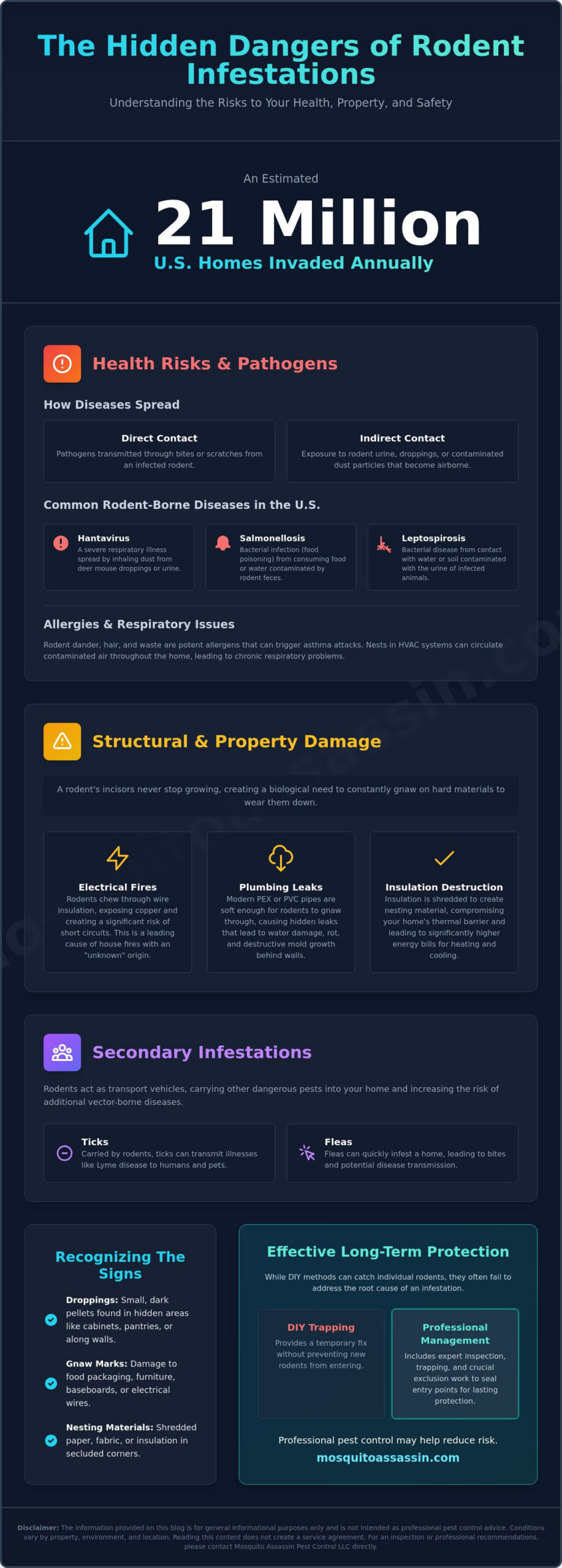
    Did you know that an estimated 21 million homes in the United States are invaded by rodents every single year? For homeowners in Erie and Crawford Counties in Pennsylvania, and Ashtabula County in Ohio, these pests are a constant threat that often peaks during the colder months. It’s natural to feel a sense of alarm or disgust when you discover signs of an intruder in your kitchen or attic. You aren’t just dealing with a nuisance; you’re facing a legitimate threat to your family’s wellbeing and your property’s value. Understanding what are the dangers of a rodent infestation is the first step in reclaiming your peace of mind and securing your home.

    This comprehensive 2026 guide explains the serious health risks, structural hazards, and secondary pest outbreaks associated with these animals. You’ll learn how to spot hidden damage to electrical systems, identify the signs of food contamination, and understand why professional exclusion is necessary for long-term protection. This article provides the practical knowledge you need to identify risks early and protect your household from these persistent invaders.

    Disclaimer: The information provided on this blog is for general informational purposes only and is not intended as professional pest control advice. Conditions vary by property, environment, and location. Reading this content does not create a service agreement. For an inspection or professional recommendations, please contact Mosquito Assassin Pest Control LLC directly.

    Key Takeaways

    • Learn how rodents transmit pathogens through direct contact and indirect exposure to contaminated dust or food supplies.
    • Understand the biological need for rodents to gnaw and how this behavior creates significant fire hazards in residential electrical systems.
    • Discover how mice and rats act as transport vehicles for secondary pests like ticks and fleas, increasing the risk of illnesses like Lyme disease.
    • Identify the subtle signs of activity, such as specific dropping placement and gnaw marks, to better understand what are the dangers of a rodent infestation in your home.
    • Recognize why professional exclusion and management are more effective than DIY trapping for long term property protection.

    Health Risks and Pathogens Associated with Rodents

    Rodents are biologically designed to survive in human environments, but their presence introduces significant health hazards to your home. Pathogens enter a residence through direct contact, such as a bite or scratch, or more commonly through contact with their waste. Understanding what are the dangers of a rodent infestation begins with looking at the microscopic threats they carry. Rodents leave behind urine and droppings as they move through kitchen cabinets and across countertops, contaminating everything they touch. You can’t tell if a mouse or rat is a carrier of disease just by looking at it; a seemingly healthy animal can still shed dangerous pathogens in its waste every day.

    Indirect transmission is often more dangerous because it is difficult to detect. As rodent droppings dry, they become brittle and break apart. Small particles then become airborne, especially in areas with high airflow or inside crawlspaces. These particulates carry bacteria and viruses that residents might unknowingly inhale while cleaning or simply walking through a room. This risk makes proper sanitation and professional cleanup essential for any property in Erie or Crawford Counties.

    Common Rodent-Borne Diseases in the United States

    Diseases like Hantavirus Pulmonary Syndrome are a serious concern in the U.S., particularly with deer mice. This respiratory illness can be fatal and is often spread through the inhalation of dust contaminated with rodent urine or droppings. Salmonellosis is another frequent threat. Rodents track bacteria across food preparation surfaces, leading to severe food poisoning for unsuspecting families. Additionally, Leptospirosis can be contracted through contact with water or soil contaminated by rodent urine. The history of rats as pests and disease vectors shows that these animals are capable of carrying dozens of zoonotic diseases simultaneously, making swift removal a priority for public health.

    Respiratory Issues and Allergen Triggers

    Living with an infestation has long-term implications for respiratory health. Rodent dander, hair, and waste are potent allergens. For residents in Ashtabula County who already suffer from asthma, these triggers can lead to frequent and severe attacks. The danger increases when rodents nest inside HVAC systems. Their waste accumulates in the ductwork, allowing the furnace or air conditioner to distribute contaminated particulates throughout every room in the house. This constant exposure can lead to chronic respiratory issues for both children and adults who live in the infested environment. Knowing what are the dangers of a rodent infestation helps property owners prioritize professional management to protect their family’s long-term wellbeing.

    Disclaimer: The information provided on this blog is for general informational purposes only and is not intended as professional pest control advice. Conditions vary by property, environment, and location. Reading this content does not create a service agreement. For an inspection or professional recommendations, please contact Mosquito Assassin Pest Control LLC directly.

    Structural Integrity and Property Damage Risks

    Rodents possess incisors that never stop growing throughout their lives. To manage this biological trait, they must chew on hard materials to wear their teeth down. This biological necessity leads to one of the most severe property risks: hidden electrical fires. Mice and rats frequently target the plastic insulation surrounding electrical wiring within walls and crawlspaces. Once the copper is exposed, the risk of a short circuit or spark increases significantly. These fires often start in areas that are difficult to access, making them extremely dangerous for unsuspecting families. Understanding what are the dangers of a rodent infestation involves recognizing that these pests are a leading cause of “unknown” house fires in the United States.

    The damage isn’t limited to electrical systems. Modern homes often use PVC or PEX piping for plumbing, which is soft enough for rodents to penetrate. A single leak behind a wall can lead to extensive rot and mold growth before it’s ever discovered. Insulation is another primary target for destruction. Rodents shred fiberglass and cellulose to create nesting material, which destroys the material’s ability to regulate temperature. This leads to higher energy bills and the costly need for a full attic or crawlspace restoration. Seeking a professional rodent control service can help prevent these structural issues before they become permanent.

    The Cost of Hidden Damage

    Beyond the immediate repair of a wire or pipe, there’s the long term cost of structural weakening. Rodents can chew through wooden support beams and drywall, creating entry points for moisture and other pests. Contamination is a major factor here; once insulation is saturated with waste, it must be professionally removed and replaced to ensure the home remains habitable. Replacing ruined appliances or personal items stored in a garage can add thousands of dollars to the total cost of an infestation. These expenses often go beyond what standard homeowner insurance policies cover.

    Psychological Impact and Sleep Disruption

    Many homeowners overlook the mental toll of an infestation. Rodents are nocturnal, meaning their activity peaks while you’re trying to sleep. The sound of scratching, scurrying, and gnawing inside the walls or ceiling can lead to chronic sleep deprivation and heightened anxiety. This loss of a “safe haven” feeling is a significant part of what are the dangers of a rodent infestation. Additionally, the presence of rodents must often be disclosed during a home sale in Pennsylvania or Ohio. This can drastically reduce the resale value or deter potential buyers entirely, making the infestation a financial liability for years to come.

    Disclaimer: The information provided on this blog is for general informational purposes only and is not intended as professional pest control advice. Conditions vary by property, environment, and location. Reading this content does not create a service agreement. For an inspection or professional recommendations, please contact Mosquito Assassin Pest Control LLC directly.

    Secondary Infestations: The Pests Rodents Bring With Them

    Rodents rarely travel alone. They function as mobile transport vehicles for a variety of parasitic insects, including ticks, fleas, and mites. When a mouse or rat finds a way into your home, it brings an entire ecosystem of secondary pests with it. This creates a multi-layered threat that many homeowners overlook when considering what are the dangers of a rodent infestation. These parasites often drop off the rodent host and settle into carpets, upholstery, or even the bedding where your family sleeps. Once established, these secondary pests begin their own lifecycles within your residential structure.

    The lifecycle of these parasites allows them to thrive long after the initial rodent has been removed. Fleas, for example, can remain in a pupal stage for weeks or even months, waiting for a vibration or heat source to signal that a new host is nearby. If the rodent host is gone, these hungry parasites will quickly turn to humans or household pets for their next meal. This transition often leads to a secondary infestation that is sometimes more difficult to eliminate than the rodents themselves. Professional management is often required to break this cycle effectively.

    Ticks and Fleas in the Living Space

    In the regional climates of Erie and Crawford Counties, and Ashtabula County, the risk of tick-borne illnesses like Lyme disease is a constant concern. While people often associate ticks with tall grass or wooded areas, rodents frequently carry these parasites directly into residential attics and crawlspaces. Once inside, ticks can easily migrate into living areas, posing a direct threat to both humans and pets. Household animals are particularly vulnerable, as they may encounter these parasites in areas of the home where the rodents have been active. A comprehensive approach must address these different pest levels simultaneously to ensure the environment is truly safe for everyone.

    Mites and Allergic Reactions

    Rodent mites are another common but frequently misidentified danger. These microscopic pests live on the bodies of rats and mice, feeding on their blood to survive. If the rodent host dies or the nest is abandoned, the mites will search for a new food source, often biting humans. This results in unexplained skin irritation, rashes, or small, itchy red bumps that can be mistaken for other skin conditions. Identifying the source of these bites is difficult without professional knowledge of rodent behavior. Sanitizing nesting areas and implementing professional exclusion are vital steps in stopping this cycle. Understanding what are the dangers of a rodent infestation means recognizing that true resolution requires more than just setting a few traps; it requires a systematic approach to home hygiene.

    Disclaimer: The information provided on this blog is for general informational purposes only and is not intended as professional pest control advice. Conditions vary by property, environment, and location. Reading this content does not create a service agreement. For an inspection or professional recommendations, please contact Mosquito Assassin Pest Control LLC directly.

    What are the Dangers of a Rodent Infestation? A Comprehensive 2026 Guide

    Recognizing the Signs of a Rodent Infestation

    Early detection is the most effective way to limit the risks discussed in previous sections. Droppings are often the first sign homeowners notice. These are typically small, dark, and shaped like grains of rice. You’ll find them clustered in kitchen cabinets, pantries, or behind large appliances. Fresh droppings are soft and moist, while older ones are dry and crumbly. Another key indicator is the presence of gnaw marks. Because rodents must chew to keep their teeth sharp, they leave distinct jagged edges on cardboard boxes, plastic containers, and even wooden baseboards. Seeing these marks on food packaging is a clear signal that your food supply is no longer safe.

    In the Lake Erie region, including Erie and Ashtabula counties, there’s a distinct seasonal trend. As temperatures drop in late autumn, rodents migrate from fields and gardens into the warmth of residential structures. During this migration, you might notice “rub marks” along your baseboards. These are dark, greasy streaks left by the oils and dirt in a rodent’s fur as they follow the same path every night. Recognizing these visual cues is essential when assessing what are the dangers of a rodent infestation in your specific property. These marks often lead directly to nesting sites or entry points that require immediate attention.

    Nocturnal Indicators and Sounds

    Rodents are most active when the house is quiet. You may hear scurrying, scratching, or faint squeaking coming from the ceiling or inside the walls. If you have pets, pay attention to their behavior. Dogs and cats often alert to hidden pests by staring intently at a specific spot on the wall or pawing at the base of cabinets. To confirm your suspicions, use a flashlight to inspect dark corners for tracks in the dust or nesting materials like shredded paper and insulation. These signs indicate a settled population that is already beginning to impact your home’s hygiene.

    Entry Points and Vulnerable Areas

    Mice are incredibly flexible. They can squeeze through an opening as small as a dime, while rats only need a hole the size of a quarter. Common entry points include gaps around utility lines, cracks in the foundation, and poorly sealed vents. Garage doors are also high-risk zones, especially if the weather stripping is worn or missing. Identifying these vulnerabilities is the first step toward a permanent solution. If you suspect an intruder, a professional pest inspection in your local area can help identify these hidden access points before the population grows and causes further damage.

    Disclaimer: The information provided on this blog is for general informational purposes only and is not intended as professional pest control advice. Conditions vary by property, environment, and location. Reading this content does not create a service agreement. For an inspection or professional recommendations, please contact Mosquito Assassin Pest Control LLC directly.

    The Importance of Professional Exclusion and Management

    Relying solely on retail traps or baits often leads to a cycle of frustration. While these methods might capture a few individual pests, they rarely address the underlying population or the access points that allowed them entry. Understanding what are the dangers of a rodent infestation means recognizing that a single pair of mice can produce dozens of offspring in a matter of months. Professional pest control may help reduce risk by implementing a systematic approach that focuses on long term results rather than temporary fixes. This process typically involves three critical stages: thorough removal of the existing population, ongoing maintenance to monitor for new activity, and permanent exclusion.

    Sanitation plays a vital role in this methodology. Simply removing the rodents isn’t enough if their pheromone trails and waste remain behind. These biological markers act as a map for other rodents, signaling that your home is a safe and viable habitat. Professional management includes the identification and proper treatment of these contaminated areas. By removing nesting materials and sanitizing surfaces, the direct risk of disease transmission is significantly lowered. This comprehensive strategy ensures that the home doesn’t just look clean but is biologically secure from the pathogens discussed in earlier sections.

    Long-Term Prevention Strategies

    Exclusion is the most effective way to protect a property in the long term. This involves using rodent proof materials like heavy gauge metal mesh, hardware cloth, and specialized sealants that rodents cannot chew through. Homeowners should also manage outdoor attractants. Bird feeders, fallen fruit, and unmanaged woodpiles provide the food and shelter necessary for a colony to thrive near your foundation. For residents in Erie and Crawford Counties, year round protection plans are often beneficial. These plans provide consistent monitoring that accounts for the seasonal migrations common in the Great Lakes region, stopping intruders before they establish a presence inside the walls.

    Professional Standards and Safety

    Working with licensed professionals in Pennsylvania and Ohio ensures that all management activities meet strict safety standards. Handling rodent waste and contaminated insulation is hazardous work that requires specific protective equipment to prevent the inhalation of dried particulates. Professionals are trained to establish a secure perimeter and handle materials in a way that protects the health of household members and pets. Because what are the dangers of a rodent infestation include both immediate health threats and long term structural damage, a methodical and disciplined approach is the only way to achieve true peace of mind. For an inspection or professional recommendations, please contact Mosquito Assassin Pest Control LLC directly.

    Disclaimer: The information provided on this blog is for general informational purposes only and is not intended as professional pest control advice. Conditions vary by property, environment, and location. Reading this content does not create a service agreement. For an inspection or professional recommendations, please contact Mosquito Assassin Pest Control LLC directly.

    Securing Your Home Against Rodent Threats

    Protecting your household from the multi-layered risks of mice and rats requires more than just setting a few traps. You’ve seen how these pests compromise your family’s health through airborne pathogens and threaten your property’s safety by targeting electrical systems. Because they also introduce secondary parasites like ticks and fleas, a localized infestation can quickly turn into a complex, multi-species crisis. Understanding what are the dangers of a rodent infestation empowers you to take decisive action before minor signs become major expenses.

    Licensed and insured professionals provide the expertise needed to break the cycle of infestation through a specialized three-step rodent management process. By focusing on removal, maintenance, and permanent exclusion, residents in Erie, Crawford, and Ashtabula counties can maintain a secure and hygienic environment. To move from concern to resolution, you can contact Mosquito Assassin Pest Control LLC for a professional inspection today. Taking a proactive approach is the most effective way to ensure your home remains a safe haven for your family.

    Disclaimer: The information provided on this blog is for general informational purposes only and is not intended as professional pest control advice. Conditions vary by property, environment, and location. Reading this content does not create a service agreement. For an inspection or professional recommendations, please contact Mosquito Assassin Pest Control LLC directly.

    Frequently Asked Questions

    Can mice in my house make me sick?

    Yes, mice are capable of transmitting several serious illnesses to humans through direct and indirect contact. They carry pathogens in their saliva, urine, and droppings, which can contaminate your living environment. You can become ill by touching contaminated surfaces, eating food that has been tampered with, or even inhaling dust that contains dried waste particles.

    What diseases do rats and mice carry in Pennsylvania and Ohio?

    In our regional area, rodents are known carriers of Salmonellosis, Leptospirosis, and Hantavirus Pulmonary Syndrome. While Hantavirus is less frequent than other bacterial infections, the risk is persistent in rural and suburban parts of Erie and Crawford counties where deer mice are common. These health risks are a significant part of what are the dangers of a rodent infestation for local families.

    How do rodents contaminate food sources?

    Rodents contaminate food by gnawing through plastic, paper, and cardboard packaging to reach the contents inside. Once they gain access to a pantry, they leave behind droppings and urine while tracking bacteria from other parts of the house onto your food supplies. Any food item showing signs of a compromised package or nearby waste must be thrown away to prevent food poisoning.

    Can a mouse infestation cause a house fire?

    A mouse infestation represents a legitimate fire hazard because rodents have a biological need to gnaw on hard materials. They frequently target the plastic insulation on electrical wiring located behind walls or in attic spaces. When the copper wire is exposed, it can spark and ignite nearby wooden studs or fiberglass insulation, leading to a fire that is often difficult to detect until it is too late.

    What are the first signs of a mouse infestation?

    The most common early indicators are the discovery of small, dark droppings in cabinets and the appearance of jagged gnaw marks on food containers. You might also notice greasy rub marks along baseboards or hear scurrying and scratching sounds in the ceiling after the house goes quiet at night. Finding shredded materials like paper or insulation in corners is another sign that a nest is being established.

    Are rodent droppings dangerous to breathe in?

    Breathing in dust from dried rodent droppings is extremely hazardous to your respiratory health. As waste ages, it becomes brittle and can break into microscopic particles that become airborne when you sweep or vacuum. These particulates can carry viruses like Hantavirus, which can lead to severe illness. Professional cleanup is often necessary to ensure these materials are handled safely without spreading pathogens through the air.

    Why do I have mice in my walls during the winter?

    During the cold winter months in Northwest Pennsylvania and Northeast Ohio, rodents seek out the consistent warmth and protection of residential structures. Your walls and crawlspaces provide a predator-free environment with easy access to the resources they need to survive. Once a single rodent finds a way inside, it leaves behind pheromone trails that guide other mice and rats into your home.

    How much damage can a single rodent do to a home?

    A single rodent can cause a surprising amount of damage in a short time by destroying insulation and chewing through essential utility lines. Because they reproduce so rapidly, one or two intruders can quickly become a large colony that undermines your home’s structural integrity. This compounding destruction is a primary reason why understanding what are the dangers of a rodent infestation is vital for every property owner in the region.

    Disclaimer: The information provided on this blog is for general informational purposes only and is not intended as professional pest control advice. Conditions vary by property, environment, and location. Reading this content does not create a service agreement. For an inspection or professional recommendations, please contact Mosquito Assassin Pest Control LLC directly.