Did you know that over 14 million housing units across the United States face rodent or cockroach invasions every single year? If you’ve spotted a trail of ants in your kitchen or heard scratching in the walls of your Erie or Crawford County rental, you aren’t alone. It’s completely natural to feel anxious about living with pests, especially when you’re unsure of your lease responsibilities or fear a difficult conversation with property management. Knowing exactly how to tell your landlord about pests is the first step toward reclaiming your peace of mind and ensuring your living space remains safe and habitable.
You likely want a swift resolution but worry that speaking up might lead to conflict or unfair blame. This guide provides a professional roadmap to help you navigate these tricky waters with confidence. You’ll learn the most effective ways to notify your landlord, understand the implied warranty of habitability that protects tenants in Pennsylvania and Ohio, and discover how to document evidence properly. This overview covers clear communication strategies and legal standards that ensure your request is taken seriously, helping you transition from a state of concern to a pest-free home.
Key Takeaways
- Understand the implied warranty of habitability and how it defines a landlord’s legal duty to provide a safe, pest-free residence.
- Learn how to collect and organize evidence, including clear photographs and damage reports, before initiating a formal request.
- Master the professional approach for how to tell your landlord about pests through written notices that ensure a documented response.
- Discover how to prepare your rental unit for an inspection to ensure licensed technicians can access and treat affected areas efficiently.
- Identify long-term prevention habits and structural issues to report that help keep your home protected from future infestations.
Understanding the Responsibility for Pest Control in Rental Properties
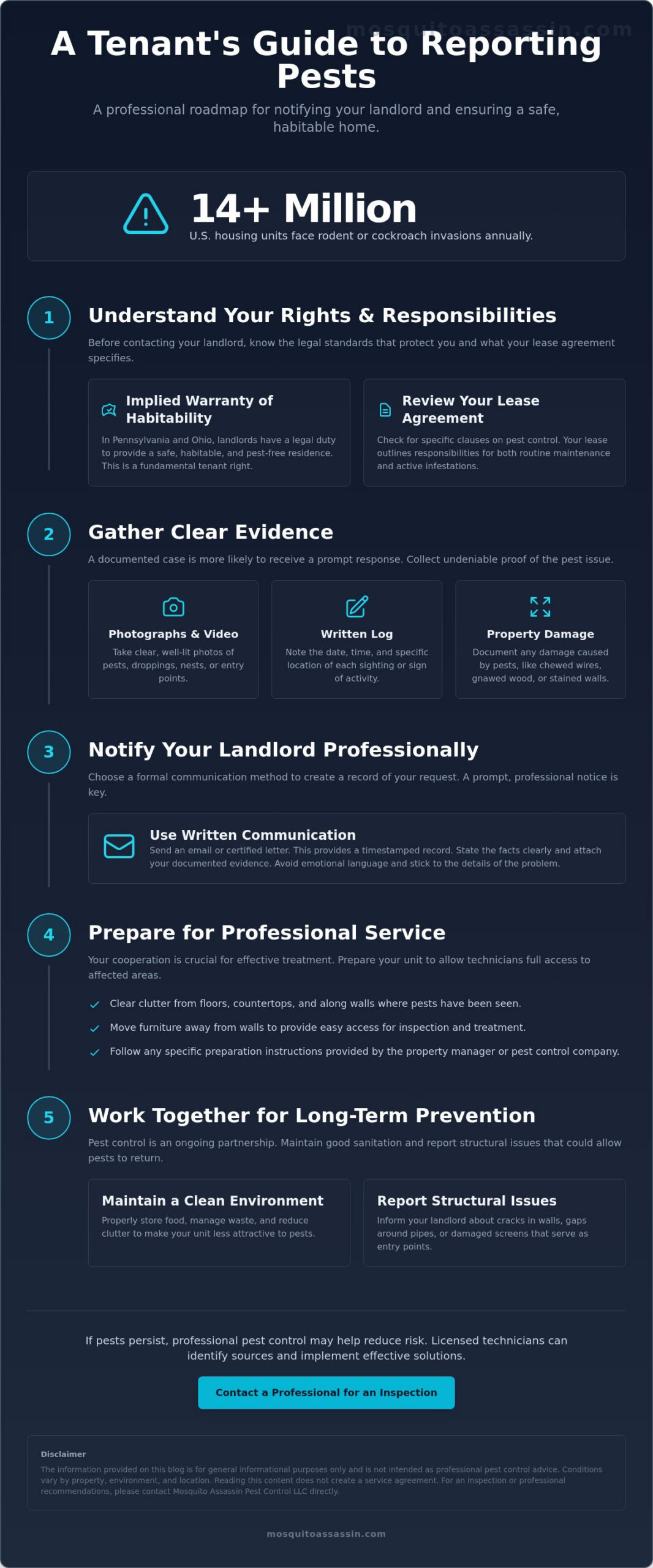
Every tenant in Pennsylvania and Ohio is protected by a legal principle known as the implied warranty of habitability. This doctrine mandates that property owners must maintain their rentals in a condition fit for human occupation, which includes being free from significant pest infestations. While you might feel hesitant or unsure about how to tell your landlord about pests, understanding this right is essential for your safety and well-being. In regions like Erie and Ashtabula Counties, local standards typically place the burden of structural pest control on the landlord, especially when the issue involves rodents or wood-destroying insects that threaten the building’s integrity. Since over 14 million housing units in the U.S. experience rodent or cockroach invasions annually, these legal protections are a vital safeguard for modern renters.
Landlords are generally responsible for the extermination of pests in multi-family dwellings, as seen in many state statutes across the country. However, this responsibility is a two-way street. If a tenant’s lack of cleanliness or improper waste management directly causes an infestation, the financial burden for treatment may shift. It’s vital to distinguish between a landlord’s duty to provide a secure structure and a tenant’s duty to maintain a sanitary interior environment. This balance ensures that properties remain safe for everyone while encouraging responsible living habits.
To better understand the legal rights associated with rental habitability, watch this helpful overview:
The Role of the Lease Agreement
Your first step should always be a thorough review of your rental contract. Most modern leases in Crawford County include specific clauses detailing pest control protocols. Some agreements might cover routine seasonal maintenance for ants or spiders, while others may only address emergency situations like bed bugs. You should identify which pests are explicitly mentioned in the agreement. Understanding the difference between a landlord’s seasonal preventative measures and their obligation to treat an active, health-threatening infestation will help you frame your request professionally.
When to Report a Pest Concern
Timing is everything when dealing with an infestation. Reporting a concern at the first sign of activity is the most professional way to handle the situation. Waiting to see if the problem goes away often allows a small issue to grow into a complex and expensive treatment process. Even seeing a single cockroach or finding small droppings can indicate a much larger colony hidden behind the walls. Early notification isn’t just a right; it’s a proactive measure to protect the property and your health. When you’re deciding how to tell your landlord about pests, remember that promptness demonstrates you’re a responsible tenant who cares about the long-term condition of the home.
Identifying and Documenting the Pest Issue
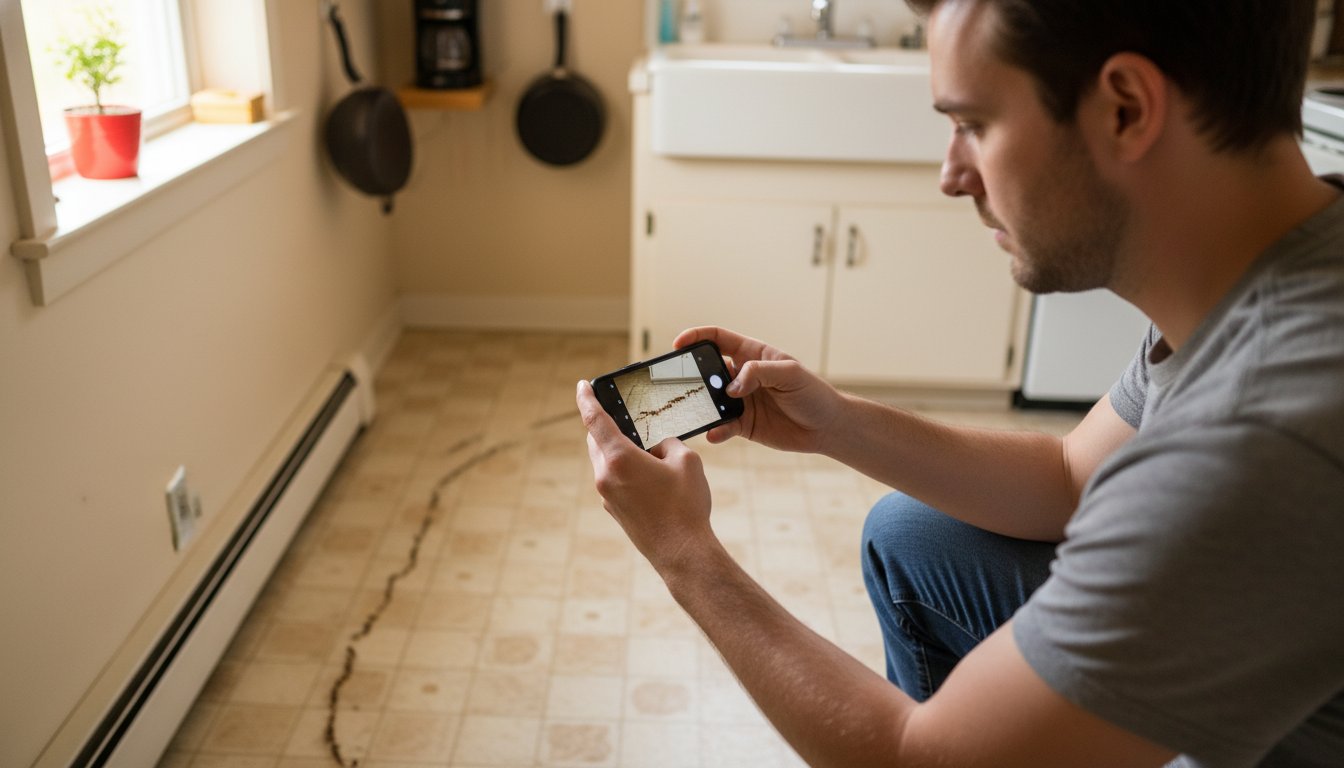
Before you finalize a plan for how to tell your landlord about pests, you must gather undeniable evidence. Property owners and managers are much more likely to act quickly when presented with facts rather than vague concerns. Start by taking clear, well-lit photographs of any live insects, rodents, or droppings you find. If you notice physical damage to the property, such as holes in the drywall or chewed wires, document these immediately with your phone camera. This evidence prevents your concerns from being dismissed and ensures the landlord understands the urgency of the situation.
Keep a systematic log of every encounter. Note the date, the time of day, and the exact location of the sighting. For example, finding ants on the kitchen counter at noon is a different scenario than seeing them in the bathroom at midnight. Detailed records also protect you if there are later disputes about when the problem started or how severe it became. This documentation helps licensed professionals determine the type of infestation and the most effective way to address it.
Take a moment to check in with your neighbors in Erie or Ashtabula County. Pests don’t respect property lines, and in multi-unit buildings, they often travel through shared walls or plumbing. If your neighbors are experiencing similar issues, it suggests a structural problem that the landlord needs to address building-wide. Having this information strengthens your position when you finally discuss the situation with management, as it proves the issue is not isolated to your specific cleaning habits.
Common Pests to Look For
Being specific about what you’re seeing is key to a fast resolution. Look for gnaw marks on food containers or shredded nesting materials in dark corners, which are primary indicators that you need rodent removal. Bed bugs often leave small reddish-brown spots on bedding or mattresses, while carpenter bees create perfectly round holes in exterior wood. Distinguishing between these and common household ants helps your landlord contact the right professional for the job immediately.
Gathering Physical Evidence Safely
If you find a dead specimen, secure it for identification. Use a piece of clear tape to attach an insect to a white index card or place it in a small, sealed plastic bag. It’s important to avoid direct contact with any pests to prevent potential bites, stings, or the spread of bacteria. Store these samples in a sealed container until they can be inspected. When you are determining how to tell your landlord about pests, having a physical sample is the most effective way to prove the species and severity of the situation. For residents dealing with persistent issues, professional pest control may help reduce risk and provide a long-term solution.
How to Formally Notify Your Landlord About Pests
Once you’ve gathered your evidence, you must decide on the best communication channel. While a quick text or phone call might seem easiest, these methods rarely hold up if a dispute reaches a local housing authority in Erie or Crawford County. Professionalism requires a written record. Email is generally acceptable for initial contact, but sending a letter via certified mail with a return receipt requested provides the highest level of legal protection. This ensures you have verifiable proof that the landlord received your notification on a specific date and time.
The tone of your message should be firm yet collaborative. Avoid accusatory language that might put the property manager on the defensive. Instead, focus on the facts of the infestation. State clearly what you found, where you found it, and when the activity began. By framing the issue as a shared concern for the property’s integrity, you’re more likely to receive a prompt, professional response. Always request a specific timeline for when an inspection or treatment will occur. A 24 to 48 hour window for an initial response is a standard professional expectation for most pest issues.
Creating a Written Paper Trail
A written paper trail is your most powerful tool. It transforms a verbal complaint into a formal request that triggers the landlord’s obligations under your lease agreement. When writing your notice, reference specific sections of your contract that mention maintenance or habitability. This demonstrates that you understand your rights and are taking the situation seriously. Keep digital or physical copies of every message sent and every reply received. If the property manager calls you to discuss the issue, follow up that conversation with a brief email summarizing what was discussed and any verbal promises made.
Template for Pest Notification
A structured notification letter ensures you don’t miss critical details. When determining how to tell your landlord about pests, follow this professional outline to maintain clarity:
- The Date and Property Address: Start with the basics to ensure the record is clear for future reference.
- The Specific Issue: Clearly identify the pest, such as signs of rodent activity in the pantry or bed bug sightings in the bedroom.
- Reference to Evidence: Mention that you have attached photographs, sighting logs, or physical specimens you’ve collected.
- Lease Reference: Briefly remind the landlord of their responsibility to maintain a habitable and safe living environment.
- Availability: Provide specific dates and times when you can provide access for a professional inspection.
- A Request for Action: Ask for a written response regarding the treatment plan within a set timeframe, typically two business days.
Using a formal structure like this removes the emotional stress from the situation. It positions you as a methodical tenant who is focused on a swift resolution. Providing your availability upfront also eliminates unnecessary back and forth communication, allowing a licensed professional to begin work as soon as possible. This organized approach is the most effective way to ensure your living space returns to a safe, pest-free state.
Tenant Responsibilities and Preparing for Professional Inspection
Successfully navigating how to tell your landlord about pests is only half the battle. Once the property manager schedules a visit, your role shifts from advocate to collaborator. A licensed technician needs your full cooperation to perform a thorough evaluation and deliver results. Start by cleaning and decluttering the affected areas. Pests thrive in undisturbed clutter; removing these hiding spots allows for better visibility during the inspection. By taking these steps, you demonstrate that you are a responsible tenant committed to maintaining the property’s health.
Safety is a primary concern for every household in Erie or Ashtabula County. On the day of the scheduled visit, ensure children and pets are secured in a separate area or removed from the property if requested. This prevents accidental interference with inspection tools and allows the technician to move freely through the unit. Following the specific preparation instructions provided by the professional is the most effective way to ensure the treatment plan succeeds. If you are unsure about what a standard visit entails, reviewing professional pest control plans can help you understand the process.
General Preparation Guidelines
Preparation requirements vary depending on the type of pest, but some rules are universal. Move furniture at least 12 inches away from walls to allow for perimeter inspections. If you suspect cockroaches or ants, empty your kitchen cabinets and pantries so the technician can inspect corners and crevices. For suspected bed bug issues, wash all bedding and clothing in the hottest water setting allowed by the fabric. These proactive steps are essential for identifying the source of the infestation and ensuring that any applied treatments reach the necessary areas.
Maintaining Access for Professionals
A technician cannot solve a problem they cannot reach. Ensure that the professional has clear access to critical areas like crawl spaces, attics, or basements. In Crawford County, many older homes have utility access points in closets or behind storage shelves; these must be cleared before the appointment. Storage areas and garages should have clear paths to the walls and corners. Effective general pest control requires thorough access to the building’s infrastructure to be successful. When you are determining how to tell your landlord about pests, mentioning your willingness to provide this access can speed up the scheduling process significantly.
Working Together for Long-Term Pest Prevention
Preventing a recurrence of pest activity requires a consistent partnership between you and your property manager. Once an initial infestation is resolved, the focus must shift toward long-term exclusion and sanitation strategies. While you now understand how to tell your landlord about pests when they appear, the most effective approach is to report structural vulnerabilities before they become entry points. Gaps in siding, crumbling masonry, or leaky pipes under the sink provide the perfect environment for rodents and insects to thrive. Reporting these issues immediately ensures the building remains secure and reduces the likelihood of future infestations.
Clear communication is vital if you notice any recurring signs of activity. Pests are persistent, and a single treatment may not always reach every hidden nesting site. If you see a stray ant or find new droppings, notify your landlord right away. This allows for a quick follow-up visit from a professional rather than waiting for a full-blown infestation to take hold again. In Erie and Ashtabula Counties, seasonal changes often drive pests indoors, making year-round protection plans a valuable investment for rental properties to maintain a consistently safe environment.
Preventive Habits for Tenants
Maintaining a clean interior is your primary defense against attracting new pests. Dispose of household trash in sealed containers and remove it from the unit frequently to eliminate food sources. Wiping down counters and cleaning up spills immediately removes the chemical trails that ants use to navigate. Moisture control is equally important; use exhaust fans in bathrooms and kitchens to reduce humidity. Since many pests are drawn to damp environments, proper ventilation can make your home much less appealing to silverfish, cockroaches, and centipedes.
Landlord Maintenance Duties
The structural integrity of the rental unit falls under the landlord’s maintenance responsibilities. Property owners should ensure that all window screens are intact and that exterior doors have tight-fitting weather stripping. Sealing cracks and crevices in the foundation or around utility penetrations is a critical step in Integrated Pest Management (IPM). Landlords who schedule routine inspections can catch minor issues, like a small termite tube or a loose vent cover, before they escalate into costly problems. With termites causing over $5 billion in property damage annually across the United States, proactive maintenance is a smart financial decision for any property owner.
For those living in multi-family housing in Crawford County, coordinated efforts are the only way to achieve total removal. If you feel that your current living conditions require further evaluation, professional pest control may help reduce risk and provide a permanent solution for your rental unit.
Disclaimer: The information provided on this blog is for general informational purposes only and is not intended as professional pest control advice. Conditions vary by property, environment, and location. Reading this content does not create a service agreement. For an inspection or professional recommendations, please contact Mosquito Assassin Pest Control LLC directly.
Reclaiming Your Home Through Professional Communication
Navigating a pest infestation while renting doesn’t have to be a source of constant stress. By prioritizing clear documentation and professional communication, you protect both your rights as a tenant and the integrity of the property. Remember that the implied warranty of habitability is a legal standard designed to ensure your safety. Mastering how to tell your landlord about pests through written notices and factual evidence is your most effective tool for a swift resolution. Whether you are dealing with rodents in Erie or bed bugs in Ashtabula, your proactive approach helps licensed professionals perform their jobs more efficiently.
Professional pest control may help reduce risk for everyone involved. For a professional inspection or recommendations, please contact Mosquito Assassin Pest Control LLC. Serving Erie and Crawford Counties in Pennsylvania and Ashtabula County in Ohio, this local expertise ensures your concerns are handled with precision. Taking these steps today leads to a secure, pest-free living environment for the future.
Disclaimer: The information provided on this blog is for general informational purposes only and is not intended as professional pest control advice. Conditions vary by property, environment, and location. Reading this content does not create a service agreement. For an inspection or professional recommendations, please contact Mosquito Assassin Pest Control LLC directly.
Frequently Asked Questions
Is my landlord required to pay for pest control in Pennsylvania or Ohio?
Landlords in Pennsylvania and Ohio are generally responsible for pest control costs under the implied warranty of habitability. This legal standard requires them to keep the property safe and sanitary for all occupants. However, if a landlord can prove that a tenant’s specific actions or unsanitary habits directly caused the infestation, the tenant might be held responsible for the bill. Always review your lease for specific clauses regarding seasonal maintenance.
What should I do if my landlord ignores my request for pest control?
If your initial request is ignored, send a formal notification via certified mail with a return receipt requested. This creates a legal paper trail that is essential if you need to contact local housing authorities in Erie or Crawford County. Documenting how to tell your landlord about pests through written records ensures you have proof of the request if the situation eventually escalates to a local health department or a court.
Can a landlord evict a tenant for reporting a pest infestation?
Retaliatory evictions are illegal in both Pennsylvania and Ohio. A landlord cannot legally evict you simply for reporting a pest infestation or requesting necessary repairs to maintain habitability. These protections ensure that tenants can speak up about health and safety concerns without fear of losing their housing. If you feel you are facing retaliation, contact a local tenant rights organization or legal aid office immediately for assistance.
How long does a landlord have to fix a pest problem after being notified?
Laws typically require landlords to address habitability issues within a reasonable timeframe after receiving notice. While the exact number of days isn’t always specified in state law, 24 to 48 hours is the standard professional expectation for an initial response. Severe infestations that threaten immediate health should be treated as emergencies. Consistent follow up is key to ensuring the professional treatment process moves forward as quickly as possible.
Do I have to move out of my apartment during a pest treatment?
Most modern pest treatments allow you to remain in the home or return within a few hours of the service. For general pest control, you typically don’t need to move out of the unit. Specific treatments, such as those for bed bugs or heavy flea infestations, might require you to vacate the unit for 4 to 6 hours for safety. Always follow the specific preparation and safety instructions provided by the licensed professional technician.
Can I hire my own pest control company and deduct it from the rent?
You should avoid hiring a private company and deducting the cost from your rent without specific legal guidance. This practice, known as repair and deduct, has very specific legal requirements that vary by city and state. Doing this incorrectly could lead to an eviction notice for nonpayment of rent. It is always better to work through the formal notification process and seek legal advice before withholding any portion of your rent.
What if the pests are coming from a neighboring apartment unit?
You should mention this suspicion in your formal written notice to the landlord. If pests are traveling between units, it indicates a structural or building-wide issue that the landlord must address to be effective. In multi-family housing, treating only one unit is rarely a permanent solution. The landlord must coordinate with a professional to inspect adjacent units to ensure the infestation is completely resolved throughout the entire structure.
Are landlords responsible for bed bug treatments specifically?
Landlords are almost always responsible for bed bug treatments in multi-unit buildings. Because these pests travel easily through shared walls and floors, it is difficult to prove a single tenant is at fault for their introduction. Knowing how to tell your landlord about pests like bed bugs early is crucial for success. Prompt treatment prevents the colony from spreading to other apartments and causing more extensive property damage or health issues for other residents.
Disclaimer: The information provided on this blog is for general informational purposes only and is not intended as professional pest control advice. Conditions vary by property, environment, and location. Reading this content does not create a service agreement. For an inspection or professional recommendations, please contact Mosquito Assassin Pest Control LLC directly.