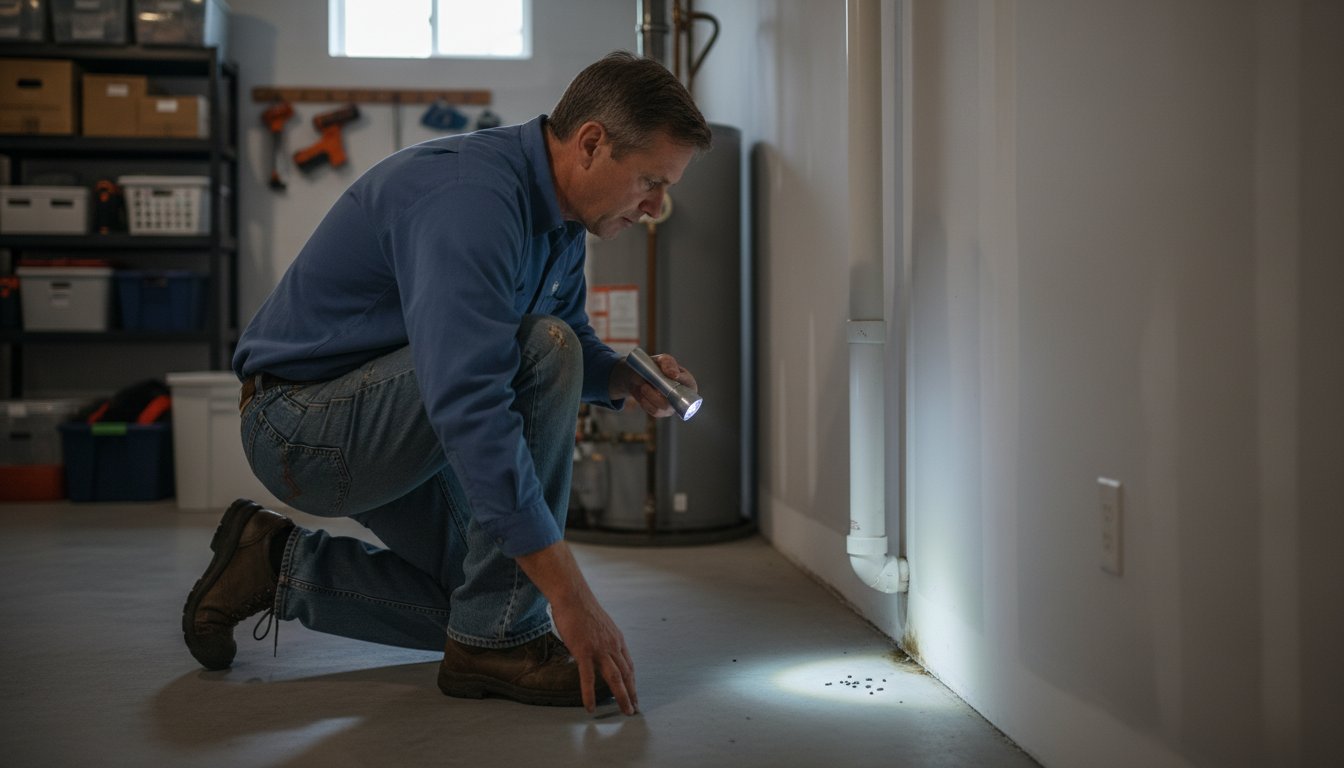
Last Tuesday, a homeowner in Erie County lay awake at 2:00 AM, listening to a rhythmic scratching sound echoing from behind the bedroom headboard. It wasn’t just the house settling; it was one of the primary signs of rats in walls that signals a growing problem. You likely share the same worries about chewed electrical wires or the transmission of bacteria, and that anxiety can keep any family awake at night. It’s stressful to feel like your sanctuary is being invaded by pests you can’t see.
Identifying these indicators early is the most effective way to prevent structural damage and protect your household before an issue becomes a full-blown infestation. This guide explains how to interpret auditory clues, physical markings, and structural changes to confirm a rodent presence. You’ll learn to distinguish between common household noises and actual pest activity, providing a clear path toward reclaiming your home. From Ashtabula to Crawford County, understanding these sensory clues helps residents take professional-grade steps to ensure their property remains a safe, rodent-free environment.
Disclaimer: The information provided on this blog is for general informational purposes only and is not intended as professional pest control advice. Conditions vary by property, environment, and location. Reading this content does not create a service agreement. For an inspection or professional recommendations, please contact Mosquito Assassin Pest Control LLC directly.
Key Takeaways
- Understand the environmental factors, such as dropping temperatures during local winters, that drive rodents to seek shelter and food inside wall cavities.
- Learn to identify specific nocturnal sounds like rhythmic gnawing and scurrying that serve as early signs of rats in walls.
- Discover how to spot physical indicators of activity, including grease rub marks along baseboards and droppings near utility junctions.
- Distinguish between rat activity and other common pests by observing noise patterns and the specific location of the activity within the home.
- Explore professional exclusion strategies, such as sealing structural gaps with rodent-proof materials, to help maintain a secure and pest-free environment.
Understanding Why Rats Infiltrate Wall Cavities
Rats don’t just enter homes for food; they seek a strategic advantage. Wall voids offer a high level of protection from predators like hawks or neighborhood cats while providing a climate-controlled sanctuary. In the Erie and Crawford County regions, where January temperatures often drop to an average low of 18 degrees Fahrenheit, the internal warmth of a home is a primary attractant. Homeowners often ignore the subtle signs of rats in walls until the infestation becomes a major structural concern. These cavities serve as secluded breeding grounds where rodents can raise offspring away from human disruption.
The internal structure of a house acts as a private highway system. Rats use the space between studs to travel from the basement to the attic without ever stepping into a lived-in room. This allows them to stay undetected while they scout for resources. Insulation, whether it’s fiberglass batts or blown-in cellulose, provides the perfect nesting medium. It’s easily shaped into burrows and retains the body heat of the colony, which is essential for the survival of hairless pups during a Pennsylvania winter.
The Appeal of Wall Voids for Rodents
Structural warmth is a significant factor in rodent behavior. Home heating systems radiate heat into the wall gaps, creating a microclimate that stays far above freezing. This environment is particularly attractive to nesting females. Beyond warmth, walls provide immediate access to critical utilities. Rats often follow plumbing lines to find moisture from condensation or small leaks. They also target electrical lines; their teeth grow continuously, and the resistance of plastic wire jacketing provides the perfect material for gnawing. This behavior isn’t just a nuisance; it’s a leading cause of residential electrical fires in older structures.
Common Entry Points in Local Residential Structures
Older homes, which make up approximately 42% of the housing stock in Ashtabula County, often have architectural vulnerabilities. Rats can squeeze through an opening the size of a quarter, roughly 1 inch in diameter. Common entry points include:
- Foundation Gaps: Small cracks in fieldstone foundations or gaps where the sill plate meets the masonry.
- Utility Penetrations: Unsealed spaces around HVAC lines, outdoor faucets, or cable entries.
- Roof and Soffit Vulnerabilities: Gaps in the fascia board or damaged soffit vents that allow access to the top of the wall plate.
Recognizing the signs of rats in walls is the first step in protecting the home’s infrastructure. When entry points are left unaddressed, the local rodent population will continue to exploit these structural weaknesses. If you suspect an infestation, seeking professional pest control may help reduce risk and prevent further damage to your property.
Recognizing Auditory and Sensory Signs of Activity
Rats are nocturnal creatures, meaning their peak activity occurs while residents are asleep. Between the hours of 10:00 PM and 4:00 AM, the hollow spaces inside wall voids become echo chambers for rodent movement. Homeowners often report scratching or scurrying sounds that seem to travel vertically or horizontally through the framing. These noises are primary signs of rats in walls, indicating that the rodents are navigating between nesting sites and food sources.
Interpreting Scurrying and Gnawing Sounds
Identifying the specific type of noise helps determine the size of the infestation. Mice typically produce a light pitter-patter, while rats create heavier, rhythmic thumping sounds. Because rats have teeth that grow up to 5 inches per year, they must constantly gnaw on hard materials. You might hear a distinct grinding sound, known as bruxing, as they sharpen their incisors on wooden studs, PVC pipes, or electrical wiring. Tracking where these sounds are most consistent helps identify high-traffic runways. If noises persist in a single area for more than 48 hours, a nest is likely nearby.
Identifying Unusual Odors and Pet Reactions
Domestic animals often detect rodents long before human residents notice a problem. Dogs and cats have olfactory systems significantly more sensitive than humans, allowing them to hear high-frequency vocalizations and smell pheromones. If a pet consistently paws at a specific baseboard or stares intently at a wall section in a home in Erie County or Ashtabula County, it’s often a reaction to movement behind the drywall. This persistent interest is a reliable indicator that an inspection is necessary.
Odors also provide critical clues. A single rat can produce up to 25,000 droppings per year, leading to a concentrated buildup of waste. The progression of these smells follows a predictable pattern:
- Faint Musk: Early stages of activity often produce a stale, mousy smell that lingers in closets or cupboards.
- Strong Ammonia: As a colony grows, accumulated urine creates a sharp, stinging ammonia scent that is hard to ignore.
- Humidity Impact: Odors often intensify when humidity levels rise above 50 percent, as moisture traps scent molecules and circulates them through the home.
In poorly ventilated areas like basements or crawlspaces in Crawford County, these smells can become overwhelming and move through the HVAC system. If you notice these sensory changes, professional pest control may help reduce risk before structural damage occurs. Recognizing these signs of rats in walls early is the best way to safeguard the integrity of your property.

Physical Evidence and Structural Damage Indicators
Identifying the signs of rats in walls requires a keen eye for subtle changes in the home environment. Because rats are nocturnal and secretive, homeowners in Erie County, Pennsylvania, or Ashtabula County, Ohio, often discover physical evidence long before they see a live rodent. Recognizing these indicators early can prevent minor issues from escalating into significant structural concerns.
Analyzing Rub Marks and Droppings
Rats possess poor eyesight and rely on their whiskers and sense of touch to navigate. They tend to follow the same paths repeatedly, usually hugging the edges of walls and baseboards. Over time, the oils and dirt in their fur leave behind dark, greasy streaks known as rub marks. These stains are frequently found near entry holes or along the junctions where walls meet the floor. If a smudge appears fresh and smears when touched (using gloves), it likely indicates an active travel route.
Droppings are another definitive piece of evidence. Homeowners should look for the following characteristics to identify rat activity:
- Size and Shape: Rat droppings are typically blunt-ended and measure between 0.5 and 0.75 inches in length, making them significantly larger than mouse droppings.
- Location: Waste is often concentrated in utility closets, crawl spaces, or near wall voids where the rodents nest.
- Texture: Fresh droppings are dark and moist. Within 48 to 72 hours, they become dull, gray, and crumbly, which helps determine if the infestation is current or historical.
Assessing Damage to Insulation and Wiring
Structural damage is one of the most concerning signs of rats in walls. Rodents have incisors that never stop growing, gaining approximately 4 to 5 inches in length every year. To manage this growth, they must constantly gnaw on hard materials. This behavior leads to visible damage on wooden studs, floorboards, and plastic PVC piping. Entry holes into wall voids are typically roughly the size of a quarter or larger, often featuring jagged edges from persistent chewing.
Inside the walls, rats frequently destroy insulation to create nesting galleries. They shred fiberglass, cellulose, and foam board, creating “tunnels” that compromise the home’s thermal envelope. This destruction can lead to a measurable decrease in energy efficiency. Perhaps more dangerously, rats often strip the plastic coating from electrical wiring. According to data from the National Fire Protection Association (NFPA), rodents chewing on wires are a known factor in house fires where the cause is listed as undetermined or electrical failure.
If you observe shredded insulation or teeth marks on household structures, professional pest control may help reduce risk. You can reach out for assistance at www.mosquitoassassin.com/contact-us or through the online booking portal.
Differentiating Rats from Other Common Household Pests
Homeowners in Erie County and Ashtabula County often mistake one scratching sound for another when pests invade their property. It’s easy to feel a sense of urgency when you hear movement behind the drywall, but identifying the specific intruder is the first step toward a solution. The strategies for rodent removal change significantly depending on whether you’re facing a ten-ounce rat or a fifteen-pound raccoon. Misidentifying the pest can lead to ineffective trapping or exclusion methods that fail to secure the home structure.
Rats vs. Mice: Size and Sound Differences
Mice are tiny, usually weighing less than one ounce. Their movement sounds like a light, rapid pitter-patter that moves quickly across a ceiling or down a wall. Rats are much heavier and produce louder, more rhythmic thumping or dragging noises. Identifying the signs of rats in walls requires a keen ear for the volume and frequency of the noise. While mice are constant explorers that move frequently, rat sounds are often more intermittent but much more forceful.
Physical capabilities also set these two apart. Rats possess a bite force of roughly 7,000 pounds per square inch. This immense strength allows them to gnaw through materials that easily stop mice, such as heavy plastic, aluminum siding, or even poorly cured concrete. If you notice signs of rats in walls near the floorboards or foundation, you’re likely dealing with a Norway rat. Mice are more agile climbers and are frequently found in higher wall voids or near attic insulation where their lighter frames allow them to navigate fiberglass without making much noise.
Squirrels and Raccoons: Timing and Location
Timing is the most reliable way to rule out a rat infestation. Squirrels are diurnal, which means they’re active during the day. If you hear frantic scratching or jumping at 10:00 AM or 2:00 PM, you’re likely dealing with a squirrel rather than a rodent. Rats are nocturnal and usually wait until at least thirty minutes after sunset to begin their activity. In Crawford County, squirrels frequently enter through roof vents and focus their activity in the upper sections of walls near the eave line.
Raccoons are also nocturnal, but their size makes them easy to distinguish from rats. A mature raccoon can weigh between 10 and 20 pounds. Their movement creates heavy thumping sounds that can mimic a human walking in the attic or leaning against a wall. They also produce distinct vocalizations, such as chattering, hissing, or growling, which rats don’t do. Effective general pest control plans must account for these behavioral differences to ensure the right exclusion methods are used for the specific animal.
If you’re unsure which pest is behind your drywall, scheduling a professional inspection can provide the clarity needed to protect your home.
Professional Strategies for Rodent Exclusion and Management
Once a homeowner identifies the clear signs of rats in walls, the next step involves a systematic approach to removal and future prevention. Professional pest control services prioritize integrated management. This methodology moves beyond simple trapping by addressing the root cause of the infestation. It’s a strategy that focuses on long term solutions rather than temporary fixes, ensuring the structural integrity of the home remains intact while removing the incentive for rodents to return.
The Importance of a Comprehensive Inspection
A thorough evaluation is the foundation of any successful management plan. Technicians examine the exterior perimeter in locations like Erie and Ashtabula for structural gaps as small as 0.25 inches. These gaps often appear near utility lines, roof eaves, or foundation cracks. Local topography, such as the proximity to Lake Erie or the wooded landscapes in Crawford County, creates specific hot spots where rodents are more likely to seek shelter during seasonal temperature shifts. Evaluating the severity of the infestation helps determine if the population is limited to a single nest or represents a larger structural issue within the wall voids.
Exclusion involves sealing these identified gaps with rodent proof materials. Heavy duty steel mesh and hardware cloth are necessary because rats can chew through plastic, wood, and even soft metals like aluminum. Sanitation and attractant removal are equally critical for success. This includes securing trash bins, removing fallen fruit from yards, and ensuring pet food is stored in airtight containers. Without removing these incentives, new rodents will eventually find a way inside, regardless of how many traps are set.
Long-Term Prevention through Structural Exclusion
Many homeowners attempt to use expanding foam or wood fillers to close holes. These materials are ineffective against determined rats. Because a rat’s teeth grow continuously, they’re capable of gnawing through most common building materials to regain access to a warm nesting site. A rat can exert a bite pressure of up to 7,000 pounds per square inch, making short term DIY repairs nearly useless against a persistent pest.
Professional pest control may help reduce risk of future infestations by identifying new vulnerabilities before they become entry points. Ongoing monitoring is vital to ensure the home remains rodent free, especially in older structures where foundations may settle or building materials may degrade over time. Consistent maintenance and professional oversight are the most reliable ways to manage the signs of rats in walls and prevent their return. For an inspection or professional recommendations, please contact the team through the online booking portal.
Protecting the Home from Structural Infestations
Recognizing the signs of rats in walls early is essential for preventing structural damage and electrical hazards. Rats enter wall cavities seeking nesting sites, and they’ve been known to destroy insulation or chew through wiring. Identifying auditory cues like scratching or spotting physical evidence such as droppings provides the necessary information to take action. Professional exclusion techniques focus on sealing entry points to ensure rodents can’t return once they’re removed.
Effective rodent management requires a methodical approach that prioritizes property safety. Mosquito Assassin Pest Control LLC is a locally owned and operated company serving Erie and Crawford Counties in Pennsylvania and Ashtabula County in Ohio. As a licensed and insured provider, they provide a pest-free guarantee for residents seeking reliable results. Professional pest control may help reduce risk, and for an inspection or recommendations, contact Mosquito Assassin Pest Control LLC directly. Taking proactive steps ensures the home remains a safe and secure space for everyone.
Disclaimer: The information provided on this blog is for general informational purposes only and is not intended as professional pest control advice. Conditions vary by property, environment, and location. Reading this content does not create a service agreement. For an inspection or professional recommendations, please contact Mosquito Assassin Pest Control LLC directly.
Frequently Asked Questions
What do rats in walls sound like at night?
Rats in walls typically produce scratching, scurrying, and gnawing sounds that are most audible during the night. Since rats are nocturnal, they spend 75% of their active hours after sunset navigating through wall voids. You might also hear a dull thumping if they’re moving larger items or fighting; these noises are often louder than mouse activity due to the rat’s larger body size and heavier weight.
Can rats chew through the drywall in my home?
Rats can easily chew through drywall, wood, and even soft metals like lead or aluminum. Their incisors grow 4 to 5 inches per year, requiring constant gnawing to keep them filed down. A rat can exert a biting pressure of 12,000 pounds per square inch, allowing them to create a hole large enough to enter a room in less than 24 hours. Identifying these entry points is one of the key signs of rats in walls.
Will rats eventually leave the walls on their own?
Rats won’t typically leave a wall cavity on their own once they’ve established a nest near a food source. Because a single pair of brown rats can produce 1,200 offspring in a 12 month period, an infestation will only grow larger over time. They remain in protected spaces to avoid predators and stay close to consistent water and food supplies found in residential kitchens.
How can I tell the difference between a mouse and a rat in the wall?
You can distinguish between a mouse and a rat by the size of the sounds and the debris they leave behind. Rat droppings are typically 0.5 to 0.75 inches long with blunt ends, whereas mouse droppings are closer to 0.25 inches with pointed ends. Additionally, the gnaw marks left by rats are roughly 2 millimeters wide, which is significantly larger than the tiny marks left by mice.
Are the smells in my house related to a rodent problem?
Persistent odors in a home often indicate a significant rodent presence, especially in confined spaces like wall voids. Rats produce 40 to 50 droppings daily and frequently urinate to mark their trails. This creates a distinct, pungent ammonia smell that becomes more concentrated as the population grows. If you notice a sudden, foul odor that smells like rotting organic matter, it may indicate a deceased animal within the structure.
What should I do if I suspect a dead rat is in my wall?
If a rat dies inside a wall, the resulting odor can persist for 3 to 8 weeks depending on the temperature and humidity. Professional pest control may help reduce risk by locating the carcass or using industrial odor neutralizers. It’s important to avoid cutting into drywall blindly, as this can damage electrical wiring or plumbing located within the wall cavity.
How do rats get into the walls of a house in the first place?
Rats enter wall systems through gaps as small as 0.5 inches, which is roughly the size of a quarter. Common entry points include damaged vent covers, gaps around utility pipes, and cracks in the foundation of homes in Erie and Crawford Counties. They are excellent climbers and can use overhanging tree branches to reach roof lines or attic vents. Noticing these exterior vulnerabilities is one of the first signs of rats in walls.
Is it safe to use DIY traps for rats inside wall cavities?
Using DIY traps inside walls is often difficult because the space is inaccessible and traps are hard to monitor. If a rat is trapped and dies in an unreachable area, the resulting odor and fly issues can last for over 21 days. Professional pest control may help reduce risk for homeowners in Ashtabula County and surrounding areas. For more information on professional recommendations, visit www.mosquitoassassin.com/contact-us.
Disclaimer: The information provided on this blog is for general informational purposes only and is not intended as professional pest control advice. Conditions vary by property, environment, and location. Reading this content does not create a service agreement. For an inspection or professional recommendations, please contact Mosquito Assassin Pest Control LLC directly.