On October 12, a resident in Ashtabula County heard a persistent scratching inside their bedroom wall that stopped every time they tapped on the plaster. It’s incredibly unsettling to live with the suspicion that pests are moving through your home, and many homeowners struggle to tell if they’re looking at old signs or active rodent problems. It’s natural to worry about family health and the structural damage caused when pests chew through wiring or insulation.
You’ll learn how to distinguish between historical evidence and a current infestation to get the answers you need. This article explains pest behaviors and the professional methods used to identify entry points. The following sections outline indicators of a current problem and the systematic approach required to restore your sense of security. Professional pest control may help reduce risk; visiting the online booking portal for an assessment is a practical next step for residents in Erie, Crawford, and Ashtabula Counties.
Disclaimer: The information provided on this blog is for general informational purposes only and is not intended as professional pest control advice. Conditions vary by property, environment, and location. Reading this content does not create a service agreement. For an inspection or professional recommendations, please contact Mosquito Assassin Pest Control LLC directly.
Key Takeaways
- Recognize the subtle indicators of a current infestation to help prevent rapid population growth through early detection.
- Understand how rodents utilize their nocturnal behavior and physical capabilities to enter homes through openings as small as a dime.
- Identify the health implications and secondary pest risks, such as ticks and fleas, associated with active rodent problems.
- Learn how sanitation and environmental modifications serve as primary tools for discouraging rodent activity on a property.
- Discover why a professional framework of removal, maintenance, and exclusion is the industry standard for resolving established colonies.
Identifying Active Rodent Problems in Residential Spaces
An active rodent problem refers to current, ongoing activity from mice or rats within a home or building. It’s distinct from a historic infestation where only old, dried debris remains. Detecting these pests early is essential because a single pair of mice can produce between five and ten litters in a single year, leading to a population explosion if left unaddressed. In Erie and Crawford Counties in Pennsylvania, and Ashtabula County in Ohio, homeowners primarily encounter the House Mouse, the Deer Mouse, and the Norway Rat. While spotting a live rodent is a definitive sign, most people identify active rodent problems through secondary evidence left behind during the night.
Visual Indicators of Current Activity
Fresh droppings are the most reliable indicator of current activity. New droppings appear dark, moist, and have a soft consistency; old droppings turn grey, dusty, and crumble when disturbed. Homeowners should also look for fresh gnaw marks on baseboards, utility lines, or food packaging. These marks often leave behind light-colored wood shavings or small plastic fragments that haven’t yet gathered dust. Active nesting sites are typically tucked away in wall voids or behind large appliances. These nests are constructed from shredded insulation, fabric, or paper, and will often feel warm to the touch if they’ve been recently occupied.
Auditory and Behavioral Clues
Rodents are nocturnal, which means scratching, gnawing, or scurrying sounds inside ceilings and walls are most audible after sunset. Domestic pets often detect these movements long before humans do. If a dog or cat persistently paws at a specific wall section or stares intensely at a gap under a kitchen cabinet, it often indicates a rodent is moving behind the surface. Additionally, a distinct, stale odor similar to ammonia may persist in enclosed areas like pantries, closets, or crawlspaces. This smell is caused by accumulated urine and signifies a concentrated area of activity. Identifying these signs early allows for a faster response before the population spreads to other areas of the structure.
If you suspect an infestation, professional pest control may help reduce risk. You can find more information at mosquitoassassin.com/services or book an inspection through the online booking portal.
Disclaimer: The information provided on this blog is for general informational purposes only and is not intended as professional pest control advice. Conditions vary by property, environment, and location. Reading this content does not create a service agreement. For an inspection or professional recommendations, please contact Mosquito Assassin Pest Control LLC directly.
Understanding Rodent Behavior and Seasonal Entry Points
Rodents are remarkably discreet. Most homeowners don’t realize they have active rodent problems until a population has already established itself. Because mice and rats are nocturnal, they spend daylight hours nesting in wall voids, crawlspaces, or attic insulation. They typically emerge only when the house is quiet and dark. A single “scout” rodent often enters a structure first to assess safety and food availability. If the scout identifies a reliable heat source and accessible crumbs, it leaves pheromone trails that guide the rest of the colony directly into the home.
These pests possess incredible physical flexibility. A house mouse can squeeze through a hole just 0.25 inches wide, which is roughly the diameter of a standard pencil. Larger Norway rats only need an opening of 0.5 inches to gain entry. Their ribs are hinged at the spine, allowing them to collapse their ribcages and pass through any gap large enough for their skull. This physical capability makes every small crack a potential gateway for an infestation.
Common Access Points in the Home
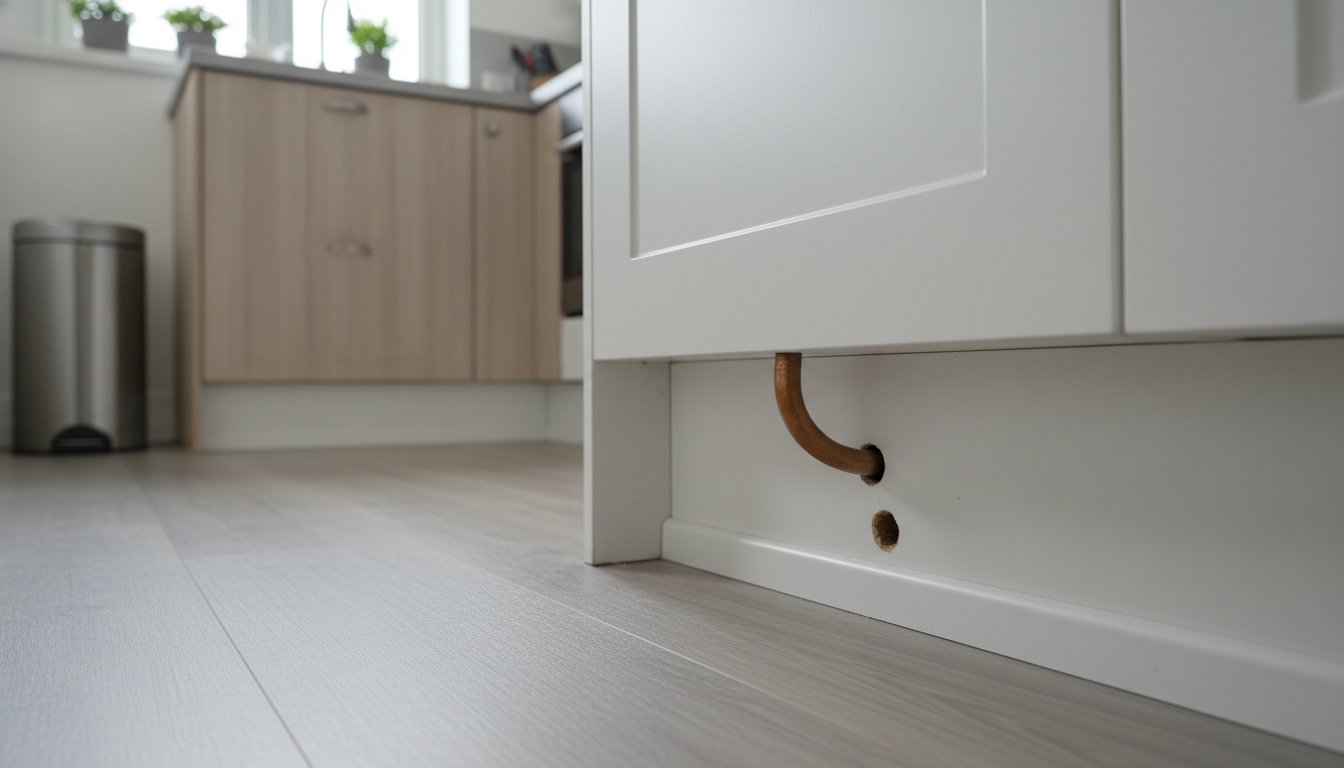
- Utility Penetrations: Gaps around plumbing stacks, gas lines, and HVAC refrigerant lines are primary targets.
- The Roofline: Gaps in the soffit or fascia boards allow rodents to enter attics, especially if tree branches hang within 3 feet of the gutters.
- Attached Garages: These areas often serve as the first point of entry because garage doors rarely create a perfect seal against the pavement.
- Foundation Cracks: Even a hairline fracture in a concrete block can be gnawed into a larger opening by a determined rat.
The Impact of Local Climate on Infestations
In Erie and Crawford Counties, the arrival of the first frost typically triggers a massive indoor migration. As temperatures drop below 40 degrees Fahrenheit, rodents seek the consistent 70-degree warmth of human dwellings. Fall food sources, such as fallen apples or birdseed from feeders, often draw them toward the foundation initially. During humid Ohio summers in Ashtabula County, rodents may enter homes specifically searching for water, targeting leaky pipes or condensation under kitchen sinks. Identifying these environmental triggers may help homeowners secure their properties before the weather shifts.
Health Risks and Property Damage Associated with Infestations
Active rodent problems pose more than just a nuisance; they represent a significant threat to the safety of residents in Erie County and surrounding areas. Direct contact with rodent waste, including urine and saliva, can lead to serious health complications for humans and domestic animals. Beyond direct contact, these pests act as biological vehicles, carrying secondary hitchhikers like ticks, fleas, and mites into living spaces. These parasites can quickly transition to pets and family members, creating a multi-layered infestation that requires comprehensive attention. Professional pest control may help reduce risk to families and pets by identifying these hidden hazards before they spread.
Diseases Spread by Rodents
Rodents are known carriers of over 35 diseases worldwide according to the Centers for Disease Control and Prevention. Salmonellosis is frequently spread through contaminated food or surfaces, while Leptospirosis can be contracted through contact with water or soil contaminated by rodent urine. A particularly dangerous risk is Hantavirus Pulmonary Syndrome. This respiratory disease is transmitted when people inhale dust contaminated by rodent droppings or nesting materials. Because of these airborne risks, professional cleaning is often necessary after a significant infestation is resolved to ensure all microscopic pathogens are safely removed from the environment.
Structural and Fire Hazards
The physical damage caused by rodents is often expensive and dangerous. Because their incisors never stop growing, rodents must gnaw on hard materials to keep them filed down. This behavior frequently targets electrical wiring inside walls and attics. The National Fire Protection Association estimates that rodents are responsible for approximately 20% of fires labeled with undetermined causes annually. Addressing active rodent problems before they escalate can prevent these catastrophic events.
In addition to fire risks, rodents frequently destroy attic insulation to create nesting sites. This damage can reduce a home’s energy efficiency by 15% to 25%, leading to higher utility bills for homeowners in Crawford or Ashtabula counties. Their burrowing behavior also compromises the integrity of building materials like drywall, wood, and even soft metals. Professional pest control may help reduce risk by locating entry points and stopping the cycle of destruction. For more information on identifying these risks, residents can visit the contact page to speak with a professional.

Environmental Modifications to Discourage Rodent Activity
Eliminating the resources rodents need to survive is the most effective way to address active rodent problems. When a property provides easy access to food, water, and shelter, it becomes a target for local populations in Erie and Crawford Counties. Sanitation isn’t just about cleanliness; it’s a strategic method of integrated pest management that makes your home less hospitable to intruders. By removing attractants, you force rodents to look elsewhere for their survival needs.
Interior Sanitation and Food Storage
Rodents possess incredibly sharp incisors that can easily penetrate cardboard boxes or thin plastic bags. To protect your supplies, store all pantry items in airtight glass or heavy plastic containers. This prevents the scent of food from attracting pests and denies them a meal if they do manage to enter. Deep cleaning is also vital for long-term management. In roughly 80% of residential kitchens, grease and crumbs accumulate behind stoves and refrigerators, providing enough calories to sustain a small colony for weeks. Additionally, homeowners should eliminate standing water in basements or under sinks. Even a small leak provides the hydration necessary for a rodent to thrive.
Exterior Exclusion and Yard Maintenance
Securing the perimeter is a primary step in preventing new arrivals from entering your living space. Mice can fit through an opening as small as 1/4 inch, which is roughly the width of a standard pencil. Seal these small gaps with steel wool and caulk; rodents cannot easily chew through metallic fibers. Maintaining the yard is equally important for long-term protection in the Ashtabula County area.
- Trim Vegetation: Keep tree branches and shrubs at least 3 feet away from the roofline to remove “natural bridges” that allow roof rats access to your attic.
- Manage Storage: Keep firewood stacks at least 20 feet away from the foundation and elevated off the ground to eliminate easy nesting sites.
- Control Feeders: Bird feeders and outdoor pet bowls are major attractants. Spilled seeds can attract dozens of rodents to a yard in a single night.
If you suspect your property has structural vulnerabilities, professional pest control may help reduce risk by identifying entry points you might’ve missed. Taking these practical steps creates a formidable barrier against active rodent problems and helps safeguard your family’s environment.
The Professional Framework for Resolving Active Infestations
Resolving active rodent problems requires more than a few hardware store traps. Professionals follow a rigorous three-step protocol: removal, maintenance, and exclusion. This framework is the industry standard because it addresses the biology of the pest, not just the visible symptoms. DIY methods frequently fail because they don’t account for the rapid reproductive rate of a colony. For example, a single female mouse can produce up to 10 litters per year. Without a comprehensive strategy, the population grows faster than a homeowner can set individual traps. Licensed experts provide the necessary oversight to break this cycle effectively.
The Inspection and Removal Phase
Licensed technicians use specialized tools, such as high-intensity UV lights and borescopes, to find nests tucked deep inside wall voids. These areas are usually inaccessible to residents without professional equipment. During this phase, experts deploy strategic mechanical controls to rapidly thin the population. This isn’t a one-size-fits-all approach. Instead, professional pest control services develop customized plans based on the specific species and the layout of the structure. This data-driven method ensures that traps are placed in high-traffic runways where rodents feel safest; this increases the success rate by nearly 75% compared to random placement by an amateur.
Maintenance and Long-Term Exclusion
Exclusion is the most critical step for permanent relief. A mouse can squeeze through a hole the size of a dime, which is approximately 0.25 inches. Professionals identify these tiny gaps in foundations, soffits, and rooflines that the untrained eye often misses. Ongoing maintenance prevents active rodent problems from recurring after the initial clean-out. This is especially important because rodent pressure changes with the seasons.
Local pest control experts understand that in regions like Erie and Crawford Counties, the drop in temperature during October triggers a massive migration of rodents into heated crawlspaces. To learn more about the team’s history and commitment to these communities, readers can visit the about page. Consistent monitoring ensures that if a new entry point develops due to house settling or weathering, it’s sealed before a new colony can establish itself.
Disclaimer: The information provided on this blog is for general informational purposes only and is not intended as professional pest control advice. Conditions vary by property, environment, and location. Reading this content does not create a service agreement. For an inspection or professional recommendations, please contact Mosquito Assassin Pest Control LLC directly.
Securing Your Property Against Future Infestations
Rodents don’t need much space to cause significant trouble; a hole the size of a dime is often enough for a mouse to gain entry. Since a single pair of rats can produce up to 1,250 descendants in one year, ignoring early warning signs isn’t an option. Effective management of active rodent problems requires a combination of structural repairs and strategic environmental changes. Homeowners in Erie and Crawford Counties, Pennsylvania, and Ashtabula County, Ohio, can rely on professional standards to safeguard their property. Licensed and insured in both PA and OH, this five-star rated local service utilizes family-safe treatment approaches to address infestations at the source. Taking these steps protects against the 20 percent of house fires with undetermined causes that are often linked to rodent-gnawed wires. For a professional inspection or recommendations regarding this issue, please contact Mosquito Assassin Pest Control LLC directly. Maintaining a pest-free home is an achievable goal with the right professional guidance.
Disclaimer: The information provided on this blog is for general informational purposes only and is not intended as professional pest control advice. Conditions vary by property, environment, and location. Reading this content does not create a service agreement. For an inspection or professional recommendations, please contact Mosquito Assassin Pest Control LLC directly.
Frequently Asked Questions
How can I tell if a mouse dropping is new or old?
New droppings are dark and moist, while old ones appear gray, dull, and crumbly to the touch. Fresh droppings often look like black grains of rice and will glisten under a flashlight for the first 24 hours. If you find soft, pliable droppings in your Erie County home, it’s a clear indicator of active rodent problems that require immediate attention.
Can rodents actually chew through electrical wires in the walls?
Rodents frequently chew through electrical wires because their incisors grow about 4 to 5 inches per year and must be worn down constantly. This behavior causes roughly 20% to 25% of fires with undetermined causes in the United States every year. They target the plastic insulation on wiring in walls and attics, which can lead to short circuits or total power failure in specific rooms.
What is the fastest way to stop rodents from entering my home?
Sealing every exterior gap larger than 1/4 inch with steel wool and silicone caulk is the most immediate way to block access. Focus on areas where utility pipes enter the siding, as these are common bypasses for pests. While traps can remove individuals, permanent exclusion is the only way to ensure active rodent problems don’t continue through the winter months in Ashtabula County.
Is it possible to have an active rodent problem without ever seeing a mouse?
Yes, it’s common to have an infestation without ever seeing a live rodent because they’re nocturnal and naturally avoid humans. You’re more likely to find secondary signs like 3 to 5 millimeter grease marks along baseboards or chewed food packaging. In a typical infestation, for every one mouse seen during the day, there may be 10 to 12 others hiding nearby in wall voids.
What diseases are most commonly spread by rodents in the United States?
Rodents in the United States most commonly spread Hantavirus, Leptospirosis, and Salmonellosis through their waste. The CDC tracks these illnesses, noting that Hantavirus is often transmitted through the inhalation of dust contaminated with rodent urine. Maintaining a clean environment in Crawford County helps reduce the risk of the 35 different diseases that rodents can carry or spread to humans.
How small of a hole can a rat or mouse actually fit through?
A house mouse can squeeze through a hole the size of a dime, which is approximately 0.25 inches in diameter. Rats are larger but can still fit through any opening the size of a quarter, or about 0.5 inches wide. If a rodent can fit its skull through a gap, its flexible rib cage allows the rest of its body to follow through the opening easily.
Why do I hear scratching noises in my walls only at night?
You hear scratching at night because mice and rats are nocturnal, meaning their peak activity occurs between dusk and dawn. They use the cover of darkness to forage for food and gather nesting materials within wall cavities or floor joists. These sounds are often amplified by the hollow space between studs, making a single 20-gram mouse sound like a much larger animal.
What are the most common entry points for rodents in a typical garage?
The most frequent entry point in a garage is the bottom corners of the overhead door where the rubber weather stripping has worn away. Gaps as small as 1/4 inch allow easy access for pests seeking shelter from the cold. Other common spots include the threshold of the side entry door and unsealed holes for electrical conduits or irrigation lines that pass through the garage walls.
Disclaimer: The information provided on this blog is for general informational purposes only and is not intended as professional pest control advice. Conditions vary by property, environment, and location. Reading this content does not create a service agreement. For an inspection or professional recommendations, please contact Mosquito Assassin Pest Control LLC directly.