
Tag: spiders

  • Why Do I Have So Many Spiders in My House? Causes and Solutions

    Why Do I Have So Many Spiders in My House? Causes and Solutions

    What if the spiders appearing in your living room aren’t the primary problem, but actually a biological indicator of a much larger, hidden pest issue? It’s unsettling to find fresh webs every morning or worry about what might be crawling near your family at night. Many homeowners in Erie and Crawford Counties in Pennsylvania and Ashtabula County in Ohio feel a sense of frustration and anxiety when they realize their space has been overtaken by eight-legged intruders. You’re likely asking, “why do I have so many spiders in my house,” and fearing it points to a deeper concern about your home’s hygiene.

    Discover the specific environmental factors and pest behaviors that lead to increased spider activity so you can regain control of your property. This guide explains the root causes behind a sudden spider spike and clarifies the difference between a few stray arachnids and a serious infestation. You’ll learn practical, professional steps to reduce sightings and manage the underlying conditions that attract them in the first place. Understanding these biological triggers is the first step toward a more secure and comfortable home environment.

    Disclaimer: The information provided on this blog is for general informational purposes only and is not intended as professional pest control advice. Conditions vary by property, environment, and location. Reading this content does not create a service agreement. For an inspection or professional recommendations, please contact Mosquito Assassin Pest Control LLC directly.

    Key Takeaways

    • Learn why spiders are opportunistic hunters and how their presence often signals a secondary infestation of other insects.
    • Discover the regional environmental factors in Pennsylvania and Ohio that explain why do I have so many spiders in my house.
    • Identify the specific physical markers of an escalating problem, such as rapid web construction and hidden egg sacs.
    • Understand the importance of exclusion and sanitation as effective strategies for long-term spider management.

    Understanding why spiders appear in your home

    Spiders are biological indicators. They don’t invade based on spite; they follow resources. If you find yourself asking why do I have so many spiders in my house, it’s usually because your property provides a reliable supply of food and moisture. Spiders are opportunistic hunters. They prioritize survival and reproduction over interaction with humans. In fact, they prefer undisturbed areas where they can build webs or hunt without being bothered. Residents in Erie and Crawford Counties in Pennsylvania often see shifts in activity as the seasons change and insects move indoors.

    Having a few spiders is actually normal and often beneficial. They naturally control populations of other pests like flies and gnats. However, a sudden spike in activity usually points to environmental changes rather than a lack of cleaning. When outdoor conditions shift, or when a local prey population booms, spiders migrate toward the easiest source of sustenance. Identifying these triggers is vital for long term management. Understanding the biology of these creatures helps alleviate the anxiety many homeowners feel when they see an unexpected web.

    To better understand the different types of spiders and their behaviors within your living space, watch this helpful video:

    Is it normal to see spiders every day?

    Seeing one or two spiders occasionally is standard for most homes. If you’re seeing five or more spiders daily, you might be dealing with a nearby hatching site or a high concentration of prey. The common house spider is a frequent resident that stays stationary in its web, while other species are active hunters that roam for food. Distinguishing between these behaviors helps determine if you have a localized issue or a broader infestation. Persistent daily sightings often indicate that the indoor environment is supporting their entire life cycle.

    Common entry points for arachnids

    Spiders can squeeze through incredibly small gaps. Damaged window screens and worn door sweeps are primary highways for these pests. They also utilize utility penetrations, such as where pipes or wires enter the home, and crawl space vents that aren’t properly screened. Attached garages are often the biggest culprit. They serve as a staging area where spiders can establish themselves before moving into the main living quarters. Professional pest control may help reduce risk by identifying these vulnerabilities and suggesting structural repairs. Sealing these gaps is a proactive way to protect your home in Ashtabula County and surrounding areas.

    Disclaimer: The information provided on this blog is for general informational purposes only and is not intended as professional pest control advice. Conditions vary by property, environment, and location. Reading this content does not create a service agreement. For an inspection or professional recommendations, please contact Mosquito Assassin Pest Control LLC directly.
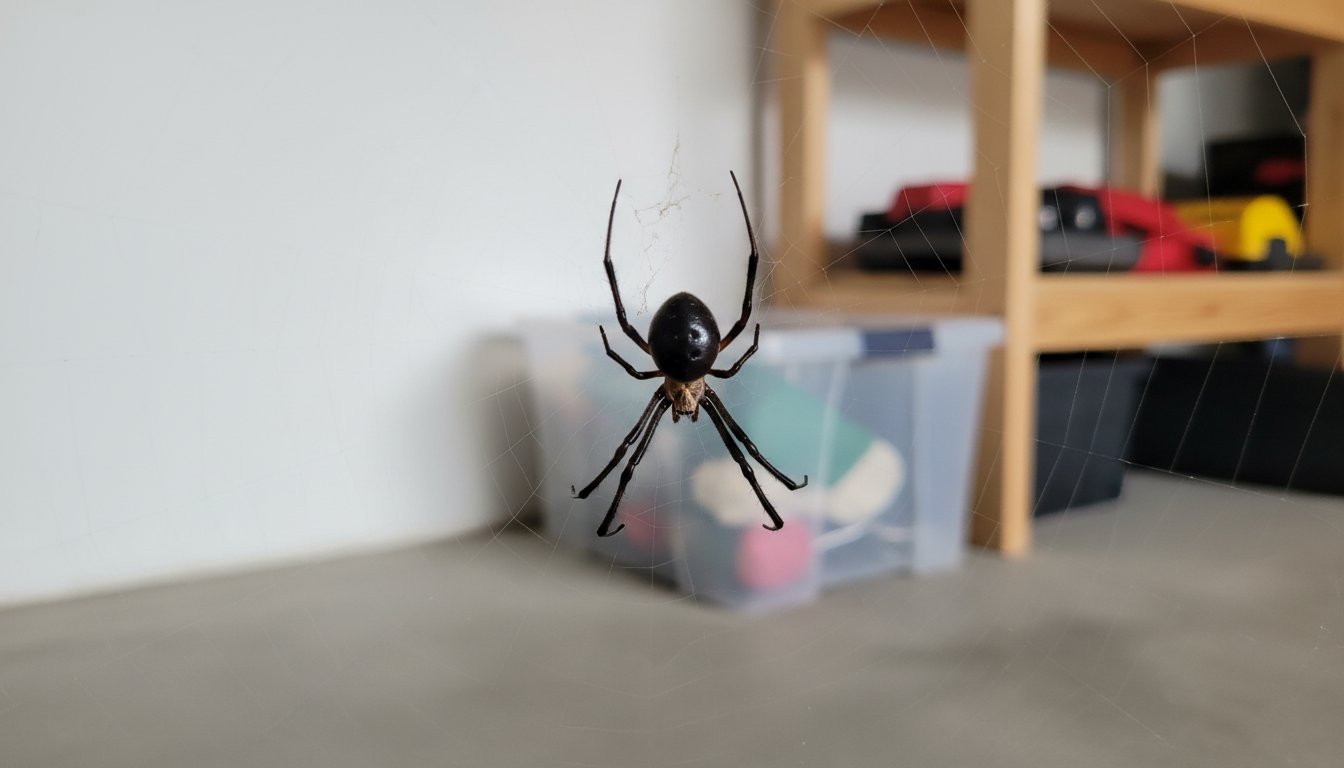

    The role of food sources and other household pests

    Spiders are highly efficient predators. Their presence in your home is almost entirely dictated by the availability of prey. If you find yourself asking why do I have so many spiders in my house, the answer is usually crawling right under your nose. Spiders don’t care about your décor or your cleaning schedule; they stay where they can eat. Their presence is a biological signal that other insects are thriving in your living space. Common prey includes flies, gnats, and ants. By reducing the general insect population, you effectively remove the incentive for spiders to remain in your home.

    Spiders are also remarkably effective at finding hidden infestations of smaller bugs. While you might only see the spider on the wall, it likely found a food source you haven’t noticed yet. This predator-prey relationship is the driving force behind most indoor spider spikes. Addressing the spiders without addressing their food source is a temporary fix that rarely leads to long term success. You have to disrupt the entire ecosystem to see real results in Erie or Crawford Counties.

    The spider-prey connection

    Kitchens and basements are primary zones for spider activity because they host diverse food sources. Fruit fly or fungus gnat problems in the kitchen act like a magnet for web builders. These tiny insects reproduce quickly, providing a steady diet for species like the Common Pennsylvania Spiders found throughout our region. Outdoor lighting also plays a major role. Bright lights attract moths and beetles to your entryways, which in turn draws spiders to your doors and windows. In damp basements, moisture-loving pests provide the necessary calories for spiders to thrive and reproduce throughout the year.

    Hidden infestations that draw spiders

    If you continue to wonder why do I have so many spiders in my house despite regular cleaning, look toward the hidden corners of your property. Spiders are often the first sign of a deeper structural issue. For example, active carpenter ant colonies inside wall voids can provide a consistent food supply for larger hunting spiders. Similarly, silverfish and firebrats sustain spider populations in dark, humid areas like attics or behind heavy appliances. Understanding that spiders are a symptom of a larger problem is essential for a resolution. This is why a comprehensive general pest control strategy is so effective; it addresses the root cause by eliminating the prey insects. If you’re struggling with persistent sightings, professional pest control may help reduce risk by disrupting this biological food chain.

    Disclaimer: The information provided on this blog is for general informational purposes only and is not intended as professional pest control advice. Conditions vary by property, environment, and location. Reading this content does not create a service agreement. For an inspection or professional recommendations, please contact Mosquito Assassin Pest Control LLC directly.

    Why Do I Have So Many Spiders in My House? Causes and Solutions

    Environmental factors in Pennsylvania and Ohio

    The humid climate of Erie and Crawford counties acts as a primary driver for insect breeding cycles. High humidity levels support the rapid reproduction of gnats, flies, and beetles, which serve as a buffet for local arachnids. This abundance of food naturally leads to higher spider populations as the season progresses. In Ashtabula County, lake-effect moisture creates consistently damp pockets around home foundations. These conditions are ideal for moisture-loving prey like sowbugs and silverfish. When these insects gravitate toward the structure for moisture, the spiders follow closely behind. Homeowners often ask why do I have so many spiders in my house during these specific weather shifts.

    Seasonal peaks in activity typically hit their highest point in late summer and throughout the autumn months. During this window, the local environment has reached its maximum carrying capacity for insects. Spiders that have been growing outdoors all summer reach maturity, making them much more noticeable to the average resident. The regional weather patterns in Northwest Pennsylvania and Northeast Ohio play a direct role in how these populations behave as the first frost approaches and resources outdoors begin to dwindle.

    Autumn migration and temperature drops

    It’s a common myth that spiders enter homes in the fall specifically to seek out heat. In reality, many of these spiders have lived in the wall voids, attics, or crawl spaces for months without being seen. The reason you suddenly notice them is biological rather than environmental. Autumn is peak mating season for many species. Male spiders become much more active as they wander through living spaces in search of mates. This increased movement, combined with the natural growth of spiderlings born in the spring, creates the perception of a sudden invasion during seasonal transitions.

    The impact of local vegetation

    Landscaping choices significantly impact the level of spider pressure on a property. Overhanging branches and dense shrubs near the siding act as literal bridges to your roof, windows, and soffits. Mulch beds are another factor; they retain the moisture that attracts both spiders and their prey. Storing firewood directly against the house provides a perfect habitat for arachnids to establish themselves before moving indoors. Best practices for managing spiders in the home involve maintaining a clear gap between vegetation and the foundation. This simple step limits the natural entry paths that lead toward the interior of the structure.

    Disclaimer: The information provided on this blog is for general informational purposes only and is not intended as professional pest control advice. Conditions vary by property, environment, and location. Reading this content does not create a service agreement. For an inspection or professional recommendations, please contact Mosquito Assassin Pest Control LLC directly.

    Identifying the signs of a spider infestation

    Determining whether you have a few stray visitors or a reproducing population is the first step toward reclaiming your space. If you find yourself asking why do I have so many spiders in my house, start by monitoring the frequency of new web construction. In a typical home, an occasional web in a high corner is standard. However, seeing multiple active webs appearing in the same area within a 24 hour period is a clear indicator of high activity. Spiders are efficient builders; if they’re constantly spinning new silk, it means they’re finding enough food to support their energy needs. This rapid rebuilding is often the first sign that the indoor environment has become a permanent habitat.

    Beyond the webs, you should look for physical evidence of their presence on surfaces. Spider droppings appear as small, dark spots that resemble ink splatters or pepper flakes. You’ll typically find these on walls, baseboards, or floors directly beneath active webs. While often mistaken for dirt or mold, a high volume of these spots indicates a significant and long term presence. Frequent sightings of both large adults and tiny, translucent spiderlings further confirm that the spiders aren’t just passing through; they’re actively breeding inside the structure.

    Egg sacs and reproduction

    Finding an egg sac is a critical turning point in a spider problem. These small, silk-wrapped spheres are often tucked away in dark corners, behind furniture, or in basement joists. For a common house spider, a single egg sac can contain between 100 and 400 eggs. If these sacs aren’t removed before they hatch, a single spider can lead to a massive population surge within weeks. Removing these sacs promptly is essential to prevent a localized spike from becoming a widespread issue throughout your home in Erie or Crawford Counties. It’s best to use a vacuum with a long attachment to ensure the sac is contained without releasing the spiderlings.

    Differentiating spider species

    Most spiders found in Northwest Pennsylvania and Northeast Ohio are harmless, yet their presence causes significant anxiety. Identifying whether you’re dealing with common web builders or active hunting spiders is the first step in a professional pest service. While species like the common house spider are mostly a nuisance, identifying regional concerns like the occasional black widow requires a more careful approach. Knowing exactly what is crawling in your crawl space or attic provides the peace of mind necessary to handle the situation logically. If the sightings become overwhelming, professional pest control may help reduce risk by providing a thorough inspection and identifying the specific species involved.

    Disclaimer: The information provided on this blog is for general informational purposes only and is not intended as professional pest control advice. Conditions vary by property, environment, and location. Reading this content does not create a service agreement. For an inspection or professional recommendations, please contact Mosquito Assassin Pest Control LLC directly.

    Strategies for long-term spider management

    Resolving a spike in spider activity requires a shift from reactive cleaning to proactive environmental management. If you are still struggling with the question of why do I have so many spiders in my house, the solution lies in disrupting their habitat and entry routes. Maintaining a clutter-free environment is the foundation of this approach. Spiders thrive in undisturbed areas; removing cardboard boxes and unused items from basements and attics eliminates their primary hiding spots. Additionally, if you notice larger pests like mice, it’s wise to consider professional rodent removal. Rodents often create entry holes that spiders later exploit, and their nesting materials attract the very insects that spiders hunt.

    Managing exterior lighting is another technical step that yields significant results. Many nocturnal insects are drawn to bright white or blue lights near doorways. By switching to yellow “bug lights” or motion-activated fixtures, you reduce the concentration of prey near your home’s entry points. This simple change breaks the biological food chain that leads spiders directly to your windows and doors.

    Exclusion and structural maintenance

    Technical exclusion is the most effective way to keep spiders out of your living space. Start by inspecting the exterior of your home for gaps where the foundation meets the siding. Use a high-quality, silicone-based caulk to seal these cracks, as it remains flexible and durable against the temperature swings common in Northwest Pennsylvania. Pay close attention to door sweeps; if you can see light under a door, a spider can easily walk through. Repairing damaged window screens and ensuring that crawl space and attic vents are fitted with fine-mesh screening will block the primary highways these arachnids use to enter your home in Ashtabula County.

    Sanitation and moisture control

    Physical removal of existing webs and egg sacs is vital for breaking the reproductive cycle. Using a vacuum equipped with a HEPA filter ensures that tiny spiderlings or eggs are trapped securely and cannot escape back into the room. Since many prey insects are attracted to damp environments, reducing humidity in your basement with a dehumidifier can make the area less hospitable for the entire food chain. Outside, clear away leaf litter, mulch, and debris to maintain a three-foot gap from the foundation. This creates a dry zone that discourages moisture-seeking pests from congregating near your entry points.

    Professional oversight for persistent problems

    Sometimes DIY efforts aren’t enough to manage a large-scale infestation. If sightings continue despite your best exclusion and sanitation efforts, it usually indicates that spiders have established a deep-seated population in wall voids or other inaccessible areas. A year-round protection plan provides consistent results by managing the entire biological ecosystem of your property. Professional pest control may help reduce risk by identifying the specific triggers unique to your home’s location. This methodical approach ensures that your property remains a secure environment for your family throughout every season.

    Disclaimer: The information provided on this blog is for general informational purposes only and is not intended as professional pest control advice. Conditions vary by property, environment, and location. Reading this content does not create a service agreement. For an inspection or professional recommendations, please contact Mosquito Assassin Pest Control LLC directly.

    Reclaiming your home from arachnids

    Understanding why do I have so many spiders in my house is the first step toward a more comfortable living environment. These pests are often a secondary symptom of hidden insect activity and regional environmental triggers like high humidity in Erie, Crawford, and Ashtabula Counties. By addressing food sources and implementing professional exclusion techniques, you can effectively disrupt their lifecycle and secure your property’s perimeter. Maintaining a clean, moisture-controlled space and sealing structural gaps are proven methods to ensure long term results.

    Expertise in regional pest cycles is vital for identifying the root cause of any infestation. If persistent sightings continue despite your best efforts, Request an inspection from Mosquito Assassin Pest Control LLC to develop a comprehensive protection plan. Professional pest control may help reduce risk by targeting the specific biological factors that attract spiders to your home. You don’t have to tolerate constant webs and sightings when scientific, methodical solutions are available right in your neighborhood.

    Disclaimer: The information provided on this blog is for general informational purposes only and is not intended as professional pest control advice. Conditions vary by property, environment, and location. Reading this content does not create a service agreement. For an inspection or professional recommendations, please contact Mosquito Assassin Pest Control LLC directly.

    Frequently Asked Questions

    Why do I suddenly have so many spiders in my house?

    Sudden spikes usually stem from a surge in prey or seasonal mating activity. When a local population of flies or gnats increases, spiders migrate to follow the food. If you are wondering why do I have so many spiders in my house, it is likely because your property provides a reliable supply of insects. Environmental shifts, such as heavy rain or cooling temperatures, also push both predators and prey toward the shelter of your foundation.

    Can a clean house still have a spider infestation?

    Yes, spiders are attracted to biological resources rather than household dust or dirt. Even a very clean home can have high humidity or small structural gaps that allow prey insects to enter. Since spiders are opportunistic hunters, they will establish themselves anywhere a food source is present. Managing the property’s exterior and sealing entry points is often more effective than indoor cleaning alone for long term spider reduction.

    Do spiders come in through the drains or vents?

    Spiders primarily utilize vents and structural gaps rather than drains. It is a common misconception that they crawl up through plumbing; the water in the P-trap usually prevents this. Most spiders found in basins actually fell in from the walls or ceiling while seeking moisture and could not climb back out. Ensuring that attic and crawl space vents are fitted with intact, fine-mesh screening is a much more effective prevention strategy.

    What is the most common reason for a spider spike in the fall?

    The primary driver for fall activity is the biological mating cycle. Mature male spiders become active wanderers in late summer and autumn as they search for mates, making them much more visible in open living spaces. This behavior, combined with the fact that many species reach their maximum size by fall, creates the perception of a sudden invasion. It is a natural transition that occurs annually across Pennsylvania and Ohio.

    Are the spiders in Pennsylvania and Ohio dangerous to my family?

    Most species encountered in Erie, Crawford, and Ashtabula Counties are not dangerous. While the black widow is a native regional concern, these spiders are extremely reclusive and prefer dark, undisturbed areas like woodpiles or crawl spaces. The vast majority of spiders seen in daily life are nuisance species that pose no medical threat to healthy adults or pets. Identification is the best way to alleviate anxiety regarding local sightings.

    How can I prevent spiders from returning after I clean their webs?

    Web removal is only effective if you also eliminate the biological triggers that attract spiders. To prevent their return, you must reduce the prey population by managing exterior lighting and controlling indoor moisture. Sealing cracks in the foundation and ensuring door sweeps are tight prevents new spiders from entering. If you are asking why do I have so many spiders in my house after cleaning, it is likely because the entry points remain open.

    Should I be worried if I find a spider egg sac indoors?

    Finding an egg sac confirms that spiders are reproducing within the structure. Because a single sac can contain hundreds of eggs, it represents a potential population explosion. You should remove the sac immediately using a vacuum to ensure it is contained and disposed of outside. This proactive step is essential for preventing a minor nuisance from escalating into a widespread infestation that requires more intensive professional intervention.

    How does professional pest control manage spiders differently than DIY sprays?

    Professionals focus on integrated pest management rather than just surface treatments. While DIY sprays only kill the spiders you see, professional pest control addresses the root cause by managing the prey insects and identifying structural vulnerabilities. This methodical approach targets the entire ecosystem of the property. Using technical knowledge of regional pest cycles, professionals provide a more robust and long term solution than temporary, over-the-counter chemical applications.

    Disclaimer: The information provided on this blog is for general informational purposes only and is not intended as professional pest control advice. Conditions vary by property, environment, and location. Reading this content does not create a service agreement. For an inspection or professional recommendations, please contact Mosquito Assassin Pest Control LLC directly.

  • Black Widows in PA: Identification and Safety Guide for Homeowners

    Black Widows in PA: Identification and Safety Guide for Homeowners

    Last Tuesday, a homeowner in Erie County reached for an old storage bin in their garage and discovered a glossy black spider with a vibrant red hourglass. It’s completely normal to feel a surge of anxiety when encountering venomous pests in your living space. The presence of black widows in pa is a concern for many families throughout Crawford and Ashtabula Counties who want to safeguard their homes from potential bites.

    You can regain peace of mind by learning how to distinguish these spiders from common house spiders and identifying the specific environments where they thrive. This guide covers the physical characteristics of the Northern black widow, their favorite hiding spots in dark corners, and professional strategies to reduce the risk of an infestation. You’ll gain the knowledge needed to maintain a spider-free environment for your family and pets.

    Understanding spider behavior is the first step toward a more secure home. If you’re concerned about venomous spiders on your property, professional pest control may help reduce risk. Visit www.mosquitoassassin.com/contact-us for more information.

    Disclaimer: The information provided on this blog is for general informational purposes only and is not intended as professional pest control advice. Conditions vary by property, environment, and location. Reading this content does not create a service agreement. For an inspection or professional recommendations, please contact Mosquito Assassin Pest Control LLC directly.

    Key Takeaways

    • Learn to identify female black widow spiders by their glossy black bodies and the distinct red hourglass marking found on the underside of the abdomen.
    • Understand the regional differences between Northern and Southern black widows in pa, as Pennsylvania serves as a unique geographic intersection for both species.
    • Discover common hiding spots for these reclusive spiders, which typically prefer dark (undisturbed) locations such as storage areas and crawlspaces.
    • Implement effective prevention strategies such as reducing clutter and sealing exterior gaps to limit potential nesting sites around the home.
    • Explore how professional pest management may help reduce risk by identifying entry points and managing populations that a homeowner might overlook.

    Identifying Black Widow Spiders in Pennsylvania

    The black widow spider is a member of the Latrodectus genus native to Pennsylvania. While their reputation often precedes them, understanding how to recognize these arachnids is vital for homeowners in Erie and Crawford Counties. Identifying black widows in pa involves looking for specific markers that separate them from harmless local species. Only the adult females are considered medically significant due to their venom, which they use to paralyze prey. Males and juveniles are smaller, lighter in color, and don’t possess the same level of toxicity.

    To better understand this concept, watch this helpful video:

    Key Physical Characteristics

    The most recognizable feature of a female black widow is her bulbous, spherical abdomen. Unlike many other spiders that appear matte or hairy, the black widow has a distinct, glossy texture that reflects light. On the underside, or ventral side, you’ll find the iconic red or orange-red hourglass marking. This shape isn’t always a perfect hourglass; it may appear as two separate red spots or an incomplete triangle. In terms of size, an adult female’s body is about 0.5 inches long, which is roughly comparable to the diameter of a dime or a standard paperclip.

    Common Lookalike Spiders

    Several spiders in Pennsylvania are frequently mistaken for black widows in pa. Differentiating between them is key to maintaining peace of mind. Common lookalikes include:

    • False Black Widow (Steatoda grossa): These spiders have a similar bulbous shape but lack the red hourglass. Their bodies are typically dark brown or purplish rather than jet black.
    • Cobweb Spiders: Often found in damp basements, these spiders are smaller and have a duller, matte appearance compared to the glossy finish of a true widow.
    • Wolf Spiders: These are much larger, hairy, and do not spin webs. They are active hunters that stay on the floor, whereas black widow spiders prefer dark, recessed corners to build their irregular, tangled webs.

    If you encounter a spider that matches these descriptions in your home or garage, professional pest control may help reduce risk. You can find more information about our service areas in Pennsylvania and Ohio at mosquitoassassin.com/location.

    Disclaimer: The information provided on this blog is for general informational purposes only and is not intended as professional pest control advice. Conditions vary by property, environment, and location. Reading this content does not create a service agreement. For an inspection or professional recommendations, please contact Mosquito Assassin Pest Control LLC directly.

    Habitat and Behavior of Pennsylvania Black Widows

    Understanding the daily habits of black widows in pa is essential for effective property management. These spiders are notoriously reclusive; they avoid open spaces and light whenever possible. Instead, they seek out dark, cramped, and undisturbed locations to build their webs. While they remain active throughout the warmer months between May and October, they often migrate toward more permanent shelter as temperatures drop in late autumn. This seasonal shift often brings them closer to residential structures in Erie and Crawford Counties.

    A black widow web is distinct and easy to identify if you know what to look for. Unlike the symmetrical, circular patterns of common garden spiders, a widow’s web is a tangled, chaotic mess of silk. Despite its disorganized appearance, this silk is exceptionally strong. Scientific studies have shown it has a higher tensile strength than many types of steel. According to researchers at black widows in Pennsylvania usually display non-aggressive behavior toward humans. Bites typically only occur as a defensive reaction when the spider is accidentally pinched, squeezed, or pressed against a person’s skin while cleaning or gardening.

    Preferred Outdoor Locations

    In Western Pennsylvania and Ashtabula County, homeowners often find these spiders in outdoor areas that provide both protection and a steady supply of prey. Woodpiles and hollow tree stumps are primary nesting sites because they offer the humidity and darkness these arachnids crave. You should also regularly inspect the undersides of patio furniture and children’s outdoor play equipment, as these items often remain stationary for long periods. Other common spots include stone walls, rock gardens, and utility meter boxes. These structures provide the narrow crevices where a spider can retreat during daylight hours to avoid predators.

    Indoor Hiding Spots

    When black widows in pa move indoors, they gravitate toward low-traffic areas where they won’t be disturbed. Cluttered basements and crawl spaces provide ideal environments because they offer numerous hiding spots behind storage boxes or within structural gaps. Dark corners of garages are also frequent habitats, especially near seldom-used gardening tools or bins. You might find them behind large appliances or inside cardboard boxes that have remained stationary for several seasons. Reducing clutter and using sealed plastic bins instead of cardboard can lower the chances of an accidental encounter. If you suspect an infestation in your storage areas, professional pest control may help reduce risk by identifying high-pressure areas and nesting sites.

    Disclaimer: The information provided on this blog is for general informational purposes only and is not intended as professional pest control advice. Conditions vary by property, environment, and location. Reading this content does not create a service agreement. For an inspection or professional recommendations, please contact Mosquito Assassin Pest Control LLC directly.

    Black Widows in PA: Identification and Safety Guide for Homeowners

    Northern vs. Southern Black Widows: Regional Differences

    Pennsylvania sits at a unique ecological crossroads where the natural ranges of two distinct venomous spiders overlap. Homeowners searching for information on black widows in pa should understand that the state hosts both the Northern black widow (Latrodectus variolus) and the Southern black widow (Latrodectus mactans). While their appearances are remarkably similar at first glance, their habitats and physical markings differ based on their specific lineage. In regions like Erie and Crawford Counties, the Northern variety is the most frequent encounter. Conversely, the Southern variety becomes more prevalent as you move toward the southern border of the state.

    Despite these regional differences, both species possess a potent neurotoxic venom that requires respect and caution. The biological makeup of the venom is nearly identical between the two. A bite from either spider can cause significant physical distress, including muscle aches, nausea, and localized pain. Because both species are present within the state’s borders, residents must treat any shiny black spider with red markings as a potential safety risk. Professional pest control may help reduce risk by identifying these spiders before they establish large populations near your home.

    The Northern Black Widow

    The Northern black widow is the species most commonly found in the wooded environments of northern Pennsylvania and eastern Ohio. A key trait of this variety is the “split” hourglass marking on the underside of the abdomen. Instead of a connected shape, the red marking is typically broken into two separate triangles. Many individuals also display a row of white or red spots along the midline of their back, which can make them look slightly more colorful than their southern counterparts. These spiders prefer forest edges and more wooded environments. They often hide in hollow logs, under loose tree bark, or inside stone piles where they can remain undisturbed. This Penn State Extension guide to spiders provides further details on how these physical traits help experts distinguish the species in the field.

    The Southern Black Widow

    The Southern black widow is the “classic” version of the spider often depicted in media. It features the complete, connected red hourglass shape that most people recognize instantly. This species shows a much stronger preference for locations closer to human structures. It’s common to find them in barns, sheds, garages, and under porch railings. When comparing web placement, Southern widows often build their webs much closer to the ground than Northern widows. They favor dark, recessed corners of crawlspaces or the gaps under outdoor equipment. Because they thrive in man made environments, they are frequently encountered during routine home maintenance or cleaning projects. If you notice these distinctive webs in high traffic areas, visiting www.mosquitoassassin.com/services can provide information on professional management strategies to safeguard your property.

    Disclaimer: The information provided on this blog is for general informational purposes only and is not intended as professional pest control advice. Conditions vary by property, environment, and location. Reading this content does not create a service agreement. For an inspection or professional recommendations, please contact Mosquito Assassin Pest Control LLC directly.

    Preventing Spider Infestations Around the Home

    Effective spider control starts with making your property less attractive to pests. For homeowners concerned about black widows in pa, the most successful strategy involves removing the three things spiders need: food, water, and shelter. By systematically addressing these factors, you can significantly reduce the likelihood of a dangerous encounter. Spiders are opportunistic hunters; they won’t stay where they can’t find a steady supply of insects or a quiet place to hide.

    Managing outdoor lighting is a simple but overlooked prevention step. Standard incandescent or mercury vapor lights attract moths, beetles, and other flying insects. These bugs serve as a primary food source for spiders. Switching to yellow LED “bug bulbs” or moving light fixtures away from entryways can reduce insect activity by up to 60 percent. Fewer insects near your doors mean fewer spiders building webs in those high-traffic areas.

    Safety is paramount when working in areas where spiders might hide. Always wear heavy leather gloves when handling firewood, moving stones, or reaching into dark corners of a garage. It’s common to find black widows in pa tucked away in woodpiles or behind stored items in Erie and Crawford Counties. Taking this one precaution can prevent a defensive bite if you accidentally disturb a web.

    Exterior Maintenance Tips

    • Maintain the perimeter: Keep grass mowed to a height of 3 inches or less and trim all vegetation at least 12 inches away from the home foundation. This creates a “dry zone” that spiders and their prey find difficult to cross.
    • Manage firewood correctly: Store all firewood at least 20 feet away from the house. Keep the logs elevated off the ground on a rack to prevent moisture buildup and discourage nesting.
    • Disrupt web building: Use a broom or a high-powered vacuum to clear away old webs and egg sacs every 30 days. Consistent disruption makes the area feel unsafe for spiders, forcing them to relocate.

    Interior Organization Strategies

    • Upgrade storage containers: Replace cardboard boxes with plastic storage bins that feature tight-fitting, gasket-sealed lids. Cardboard often uses starch-based adhesives that attract silverfish and other insects that spiders hunt.
    • Seal the envelope: Inspect the foundation for cracks wider than 1/16th of an inch. Use high-quality silicone caulk to seal these gaps. Ensure all window screens are free of holes and that door sweeps make firm contact with the threshold.
    • Organize secluded spaces: Keep basements and garages well-organized to minimize dark corners. Pulling shelving units 2 inches away from walls allows for better airflow and easier inspections.

    Reducing clutter in storage areas limits potential nesting sites for spiders. When items are left undisturbed for months at a time, they become ideal habitats for various species. Regular cleaning and reorganization of crawlspaces and attics ensure that you catch any potential issues before they become full-scale infestations. If you notice an increase in spider activity despite these efforts, professional pest control may help reduce risk in your home.

    Disclaimer: The information provided on this blog is for general informational purposes only and is not intended as professional pest control advice. Conditions vary by property, environment, and location. Reading this content does not create a service agreement. For an inspection or professional recommendations, please contact Mosquito Assassin Pest Control LLC directly.

    Professional Pest Management for Venomous Spiders

    Professional pest management for venomous spiders involves a systematic strategy designed to safeguard the home environment. Licensed technicians bring a level of expertise that allows them to identify subtle entry points, such as gaps in siding or unsealed utility lines, which are frequently missed during DIY inspections. When homeowners encounter black widows in pa, professional pest control may help reduce risk by addressing both the spiders and their food sources. Technicians can identify foundation cracks as small as 1/16th of an inch where these arachnids might hide.

    Integrated Pest Management (IPM) serves as the foundation for these services. Instead of just reacting to a single spider, this approach focuses on long-term prevention through habitat modification and exclusion. Technicians evaluate the property to determine why spiders are attracted to specific areas. This might include identifying high-moisture zones or excessive outdoor lighting that attracts the insects spiders prey upon. By removing the incentive for pests to stay, homeowners see more sustainable results.

    When to Seek Professional Assistance

    Certain scenarios demand the specialized tools and knowledge of a professional. If sightings become frequent within living spaces like laundry rooms or finished basements, it often indicates an established population rather than a stray individual. Professional intervention is essential when infestations are found in proximity to areas where children or pets frequently play. These groups are more vulnerable to the effects of venom, making a swift response necessary.

    Safety is the primary concern when dealing with black widows in pa. Homeowners shouldn’t attempt to clear nesting sites in confined or hazardous locations. Crawlspaces, deep corners of garages, and cluttered sheds can be dangerous to navigate without proper protective gear. A licensed technician can safely access these zones to remove egg sacs and adult spiders, preventing a new generation from emerging and spreading throughout the structure.

    The Role of Year-Round Protection

    Maintaining a consistent defense is more effective than waiting for a problem to arise. Year-round protection plans establish a reliable barrier around the home’s exterior. In Erie and Crawford Counties in Pennsylvania and Ashtabula County in Ohio, seasonal shifts trigger changes in pest behavior. Spiders often seek indoor shelter as temperatures drop in the autumn months. Consistent monitoring ensures that these shifts don’t lead to an indoor infestation.

    Treating the perimeter is a critical step in stopping spiders before they cross the threshold. This involves applying treatments to the foundation and around windows and doors to create a deterrent for pests. For those interested in a comprehensive approach to home safety, viewing a General Pest Control guide provides further insight into how these systems work together. Professional pest control may help reduce risk by providing these layers of defense, keeping the interior of the home secure regardless of the season.

    Disclaimer: The information provided on this blog is for general informational purposes only and is not intended as professional pest control advice. Conditions vary by property, environment, and location. Reading this content does not create a service agreement. For an inspection or professional recommendations, please contact Mosquito Assassin Pest Control LLC directly.

    Protecting Your Pennsylvania Property

    Recognizing the distinct red hourglass of black widows in pa is a vital step toward maintaining a secure home. These spiders typically prefer dark, low-traffic zones such as basements, crawl spaces, or outdoor woodpiles. It’s important to remember that Pennsylvania is home to two medically significant spider species, making proper identification essential for safety. Practical prevention starts with reducing outdoor clutter and sealing small entry points around the home foundation.

    Professional pest control may help reduce risk through systematic inspections and integrated management. Technicians who are licensed and insured in PA and OH provide locally owned and operated expertise across Erie, Crawford, and Ashtabula Counties. These experts utilize family-safe treatment approaches to address infestations without compromising the household environment. For an inspection or professional recommendations, contact Mosquito Assassin Pest Control LLC today. Staying proactive is an excellent way to keep your living space comfortable and spider-free.

    Disclaimer: The information provided on this blog is for general informational purposes only and is not intended as professional pest control advice. Conditions vary by property, environment, and location. Reading this content does not create a service agreement. For an inspection or professional recommendations, please contact Mosquito Assassin Pest Control LLC directly.

    Frequently Asked Questions

    How dangerous is a black widow bite?

    A black widow bite is serious because it contains latrotoxin, a potent neurotoxin that affects the nervous system. While these bites are rarely fatal, with fewer than 1 percent of reported cases resulting in death according to the American Association of Poison Control Centers, they cause significant pain. Symptoms typically include muscle aches, nausea, and localized swelling that can last for 3 to 7 days.

    Are black widows common in Pennsylvania homes?

    Black widows in pa are present but typically prefer undisturbed outdoor areas or secluded parts of a structure. You’ll most likely find them in basements, crawlspaces, or garages rather than main living areas. Data from regional entomology studies suggest they’re less common than standard house spiders, but their presence increases in properties with high levels of clutter or insect activity.

    What should I do if I find a black widow in my house?

    Keep children and pets away from the spider immediately and do not attempt to handle it with your bare hands. If you must move it, use a sturdy container with a lid, but it’s safer to leave the spider alone and monitor its location. Professional pest control may help reduce risk by identifying if a larger infestation exists within the home’s dark corners.

    Can black widow spiders live in cold Pennsylvania winters?

    Black widows survive the freezing temperatures of Pennsylvania by entering a state of dormancy called diapause. They seek shelter in protected voids, such as stone walls, hollow logs, or heated foundations, where they can remain inactive for 4 to 5 months. Once temperatures consistently rise above 50 degrees Fahrenheit in the spring, they become active and begin searching for prey again.

    How can I tell the difference between a black widow and a false widow?

    The most reliable way to identify a black widow is the bright red hourglass marking on the underside of its shiny black abdomen. False widows belong to the same family but have a more brownish hue and lack the red hourglass, often displaying pale or white markings instead. While false widows can bite, their venom is significantly less potent than the neurotoxins found in the black widow species.

    What attracts black widows to a specific property?

    Black widows in pa are primarily attracted to environments that offer both protection and a steady supply of food. Properties with outdoor woodpiles, tall grass, or heavy debris provide the 2 most critical elements for their survival: hiding spots and insect prey. Reducing outdoor clutter and managing exterior lighting, which attracts the bugs spiders eat, can help make a property less inviting.

    Is professional pest control necessary for black widows?

    Engaging a professional is the safest way to handle a black widow problem due to the risks associated with their venom. Licensed technicians have the training to locate hidden nesting sites in crawlspaces or attics that homeowners often overlook. For a thorough evaluation of your property in Erie or Crawford Counties, you can contact a specialist through the online booking portal at https://portal.gorilladesk.com/mosquitoassassin.

    Disclaimer: The information provided on this blog is for general informational purposes only and is not intended as professional pest control advice. Conditions vary by property, environment, and location. Reading this content does not create a service agreement. For an inspection or professional recommendations, please contact Mosquito Assassin Pest Control LLC directly.