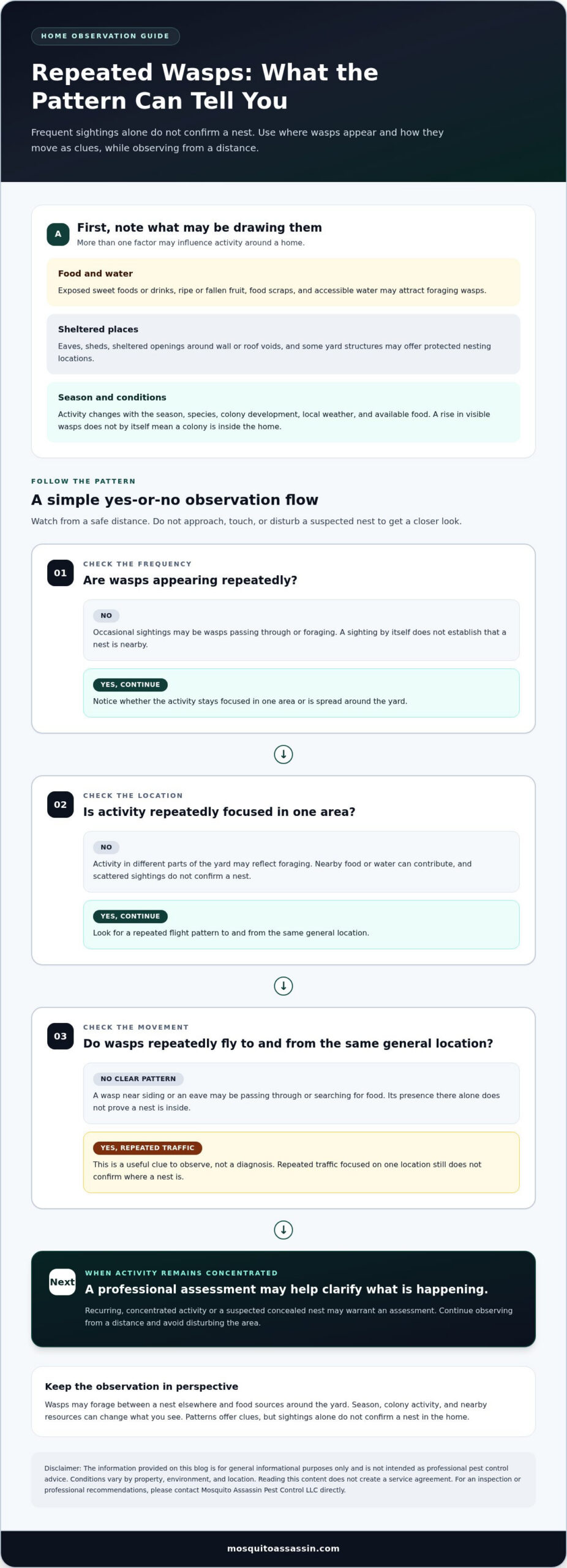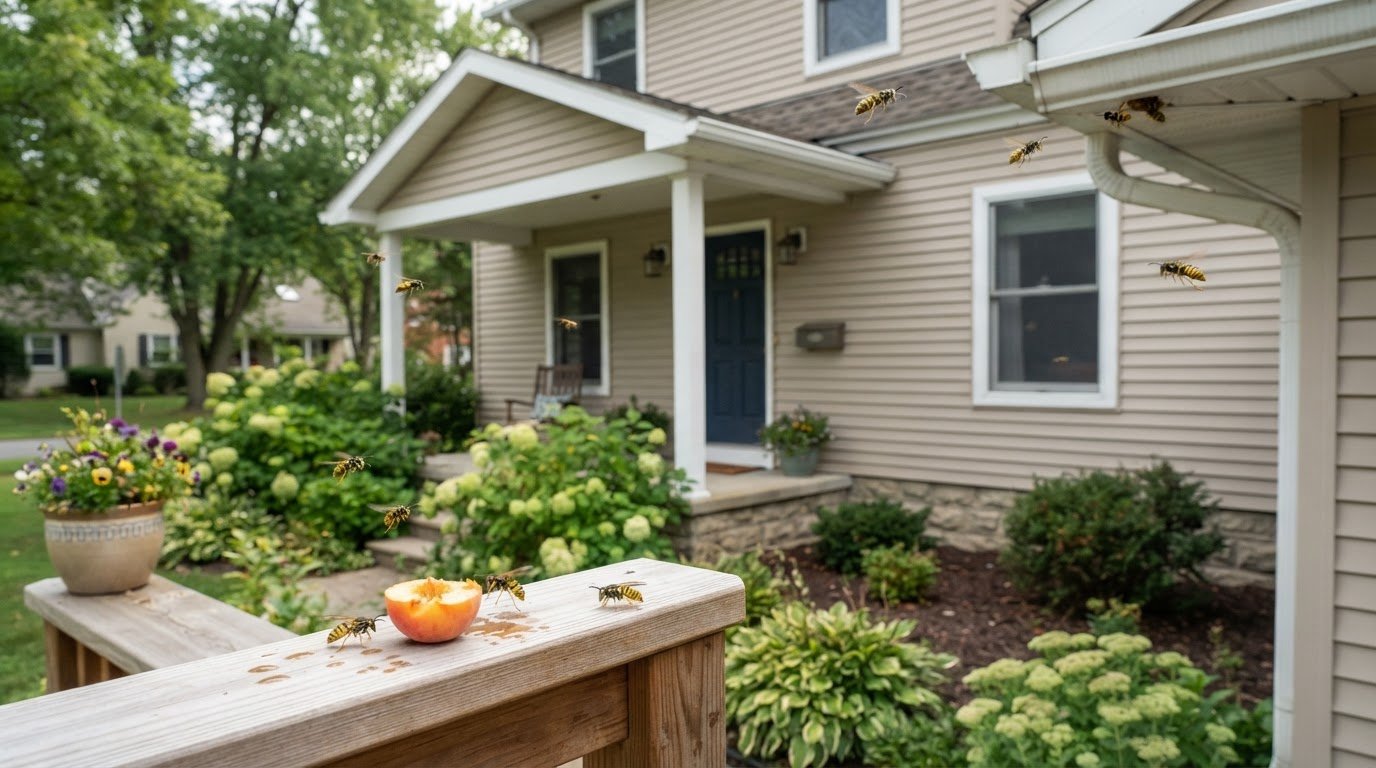
Tag: Stinging Insects

  • The 2026 Seasonal Pest Control Schedule for Pennsylvania and Ohio Homes

    The 2026 Seasonal Pest Control Schedule for Pennsylvania and Ohio Homes

    Waiting for the first ant to crawl across the kitchen counter in May is often the exact moment a homeowner has already lost the battle against spring infestations. While many people believe pest control is a reactive response to a visible problem, the most effective strategy is actually a biological race against temperature and moisture. With the National Pest Management Association predicting an early start to the 2026 season due to a mild winter and erratic temperatures, sticking to a proactive seasonal pest control schedule is more critical than ever for residents in Erie, Crawford, and Ashtabula counties.

    It is exhausting to face recurring ant problems every spring or to worry about ticks every time the dog comes inside. This article explains the specific biological cycles of pests in the tri-state area and how a structured timeline prevents these issues from taking root. Readers will gain a clear understanding of when to expect specific threats, from summer stinging insects to winter rodents, and receive a preventative maintenance checklist designed to provide year-round peace of mind.

    Key Takeaways

    • Understand how temperature and degree days trigger the emergence of pests in early spring to stay ahead of the curve.
    • Identify the early signs of ant activity and the critical timing for tick prevention in wooded or grassy areas as temperatures rise.
    • Discover how a proactive seasonal pest control schedule targets stinging insects and spiders before they reach peak populations in late summer.
    • Learn why winter is the most effective time for interior inspections and exclusion tactics to manage indoor pests like silverfish.
    • Explore how Integrated Pest Management (IPM) provides long-term protection by focusing on pest biology rather than just reactive treatments.

    Understanding the Biological Drivers of a Seasonal Pest Schedule

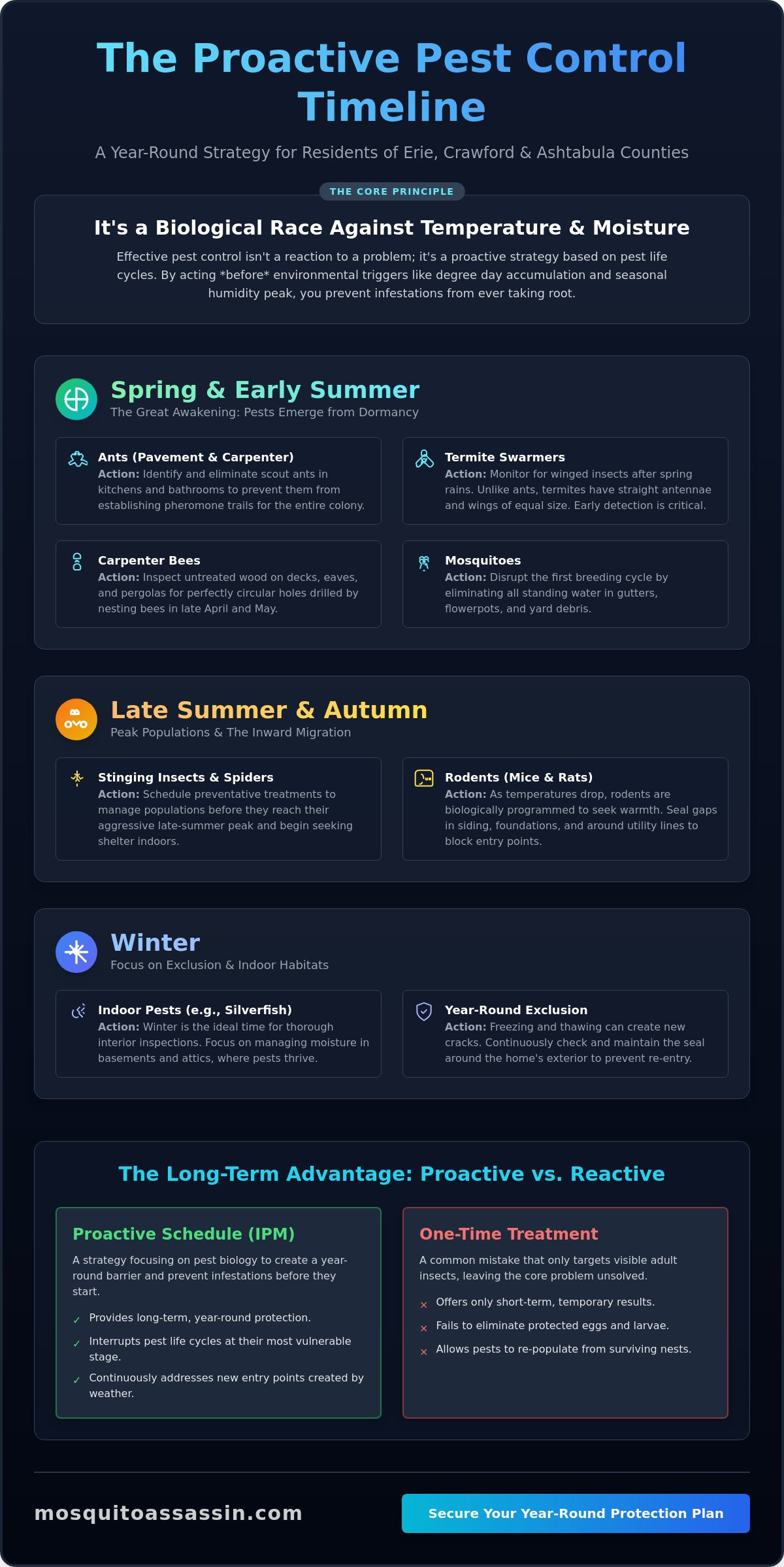
    Pest control is often misunderstood as a “see a bug, spray a bug” service. Effective protection relies on a seasonal pest control schedule that targets pests before they reach maturity. This proactive approach focuses on the Biological Drivers of a Seasonal Pest Schedule, which are the environmental factors that dictate when insects hatch, feed, and reproduce. Instead of waiting for an infestation to become visible, a scheduled strategy interrupts these life cycles at their most vulnerable stages.

    The primary trigger for pest activity isn’t the date on a calendar; it’s the accumulation of degree days, which is the measure of heat over time. For example, the National Pest Management Association (NPMA) predicts that the mild winter of 2025 and the warm start to 2026 will cause termites and ants to emerge weeks earlier than in previous years. While reactive extermination attempts to eliminate an existing population, preventative management ensures that a protective barrier is already in place before these biological triggers occur.

    To better understand why timing is everything in pest management, watch this helpful video:

    The Impact of the Great Lakes Climate on Local Pests

    Residents in Erie and Crawford counties experience unique pest pressures due to the Lake Erie effect. The lake acts as a massive thermal regulator; it often delays the first spring thaw, but it also creates intense localized humidity. In Ashtabula County and Northeast Ohio, this high moisture level is a primary driver for mosquito and tick populations, which thrive in damp environments. As the first frosts typically arrive in late September or October, the sudden drop in temperature signals a biological migration for rodents. Mice and rats don’t just happen to find your basement; they’re biologically programmed to seek the thermal heat of your home the moment the ground begins to freeze.

    Why One-Time Treatments Often Fail Long-Term

    A common mistake is assuming a single treatment can solve a pest problem. Most one-time applications only target adult insects, leaving behind hundreds of eggs or larvae that are protected by protective casings or hidden in deep wall voids. Without a consistent seasonal pest control schedule, these survivors will simply repopulate within weeks. Additionally, the extreme temperature fluctuations in Pennsylvania and Ohio cause building materials like wood and vinyl siding to expand and contract. This physical movement creates new gaps and entry points throughout the year. Maintaining a year-round barrier is the only way to ensure these new openings aren’t immediately exploited by opportunistic pests.

    Spring and Early Summer: Managing the Seasonal Awakening

    Spring in the tri-state area triggers a surge in biological activity as pests emerge from winter dormancy. For homeowners in Erie and Crawford counties, this represents the most critical window in a seasonal pest control schedule. The first signs often appear indoors as tiny pavement ants or larger carpenter ants scout for moisture in kitchens and bathrooms. Identifying these scouts early prevents them from establishing the pheromone trails that lead the rest of the colony into living spaces.

    Beyond ants, homeowners should monitor for termite swarmers. These winged insects often emerge on warm, humid days following spring rains. They are frequently mistaken for flying ants, but their straight antennae and uniform wing size are key identifiers. According to resources on Pennsylvania Pest Management, early detection of wood-destroying organisms is essential to preventing long-term structural issues. Carpenter bees also become active in late April and May, drilling perfectly circular holes into untreated wood on decks, pergolas, and eaves.

    Standing water is another priority during the seasonal awakening. Even a small amount of water in a clogged gutter or a forgotten flowerpot can host thousands of mosquito larvae. Emptying these containers early disrupts the first breeding cycle of the year. This significantly reduces the local population before the intense heat of July arrives.

    Foundational Protection for the Year Ahead

    The winter freeze-thaw cycles in Northeast Ohio and Western Pennsylvania are brutal on home foundations. These shifts create hairline cracks that serve as highways for insects. Inspecting the perimeter and sealing these gaps is a vital first step in home maintenance. Clearing debris from gutters is equally important; trapped organic matter holds moisture against the roofline, attracting silverfish and other moisture-loving pests. Implementing a professional general pest control plan during this time creates a durable barrier that keeps the spring awakening outside where it belongs.

    Tick and Mosquito Prevention Strategies

    Ticks become active as soon as temperatures consistently stay above 45 degrees Fahrenheit. Early season applications are often more effective than waiting until mid-summer because they target pests before they reach peak reproductive capacity. Homeowners can assist by trimming tall grass and managing leaf litter, which removes the cool, damp habitats these pests prefer. Strategic mosquito control programs focus on these early biological windows to ensure outdoor spaces remain usable throughout the summer. If you noticed high pest activity on your property last year, professional pest control may help reduce risk by identifying breeding sites you might have missed.

    The 2026 Seasonal Pest Control Schedule for Pennsylvania and Ohio Homes

    Late Summer and Autumn: Peak Populations and Indoor Migration

    As the calendar turns toward August and September, the biological activity that began in the spring reaches its maximum intensity. This period represents the peak of the seasonal pest control schedule because insect colonies have had months to grow to their full size. Homeowners in Erie, Crawford, and Ashtabula counties will notice a significant increase in spider activity as these predators follow the abundance of smaller insects like flies and gnats. Simultaneously, invasive species such as the brown marmorated stink bug and multicolored Asian lady beetles begin congregating on the sun-facing exterior walls of homes, searching for small openings to overwinter inside wall voids.

    The drop in evening temperatures during late September acts as a biological alarm clock for rodents. Mice and rats begin scouting for reliable heat sources and nesting sites, often following the scent of food or the warm air escaping from gaps as small as a quarter inch. Addressing these issues before the first hard frost is essential for maintaining a pest-free environment throughout the colder months. Establishing a defensive perimeter during this transition prevents these opportunistic pests from claiming your attic or basement as their winter shelter.

    Stinging Insect Safety and Prevention

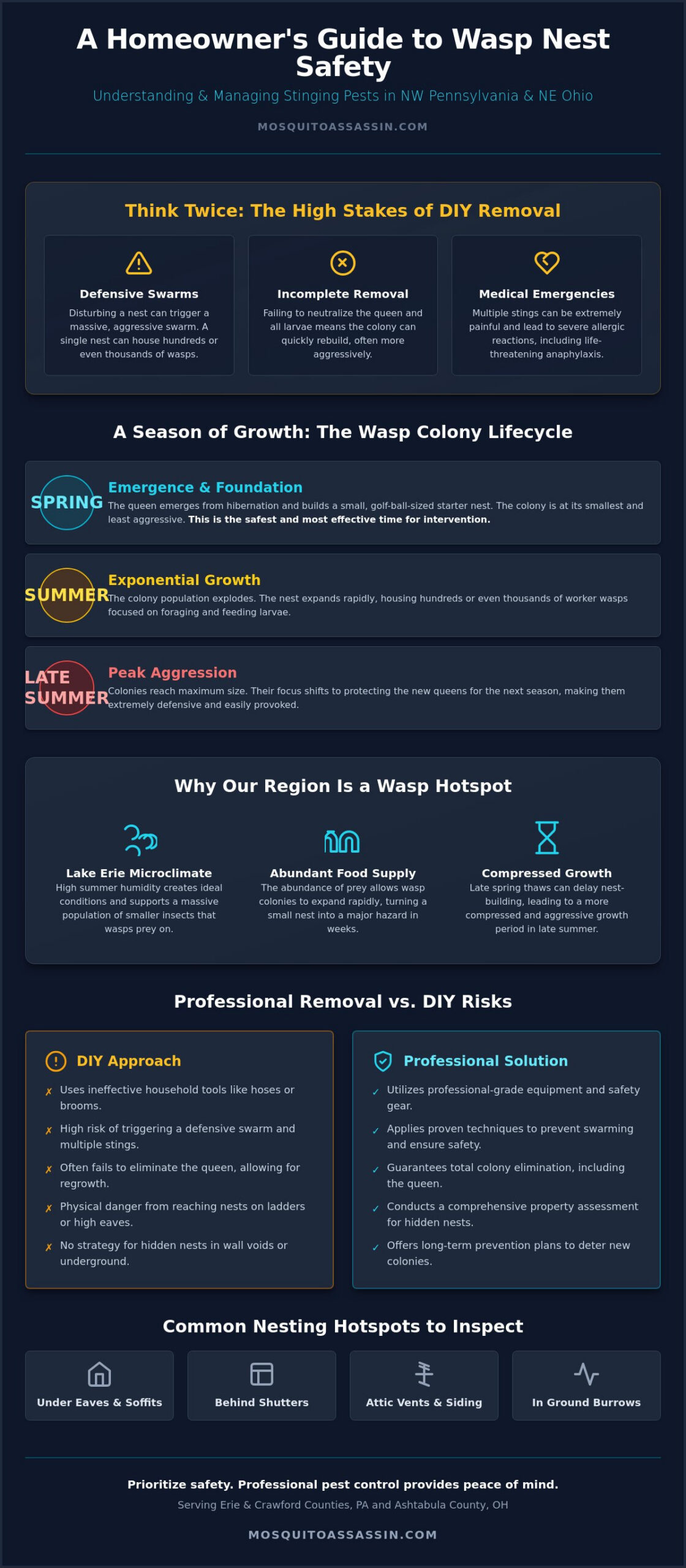
    By late summer, social insect colonies like yellowjackets and bald-faced hornets have thousands of members. Their behavior becomes increasingly aggressive as their natural food sources, such as nectar and other insects, begin to dwindle. It is vital to distinguish between ground-nesting yellowjackets, which often build nests in abandoned rodent burrows, and aerial hornets that construct large, paper-like nests in trees or under eaves. DIY nest removal is hazardous; stinging insects are highly protective of their colonies and can swarm if they perceive a threat. Professional intervention is the safest way to manage these risks, particularly for nests located near high-traffic areas like decks or entryways.

    The Fall Exclusion Phase

    The most effective way to prevent autumn infestations is through the application of Integrated Pest Management (IPM) principles, which emphasize physical barriers over reactive chemicals. This exclusion phase involves sealing gaps around utility lines, dryer vents, and door sweeps. Professional rodent removal should be prioritized if signs of activity, such as droppings or chewed insulation, are found in the attic or crawlspace. Checking these areas in early October allows for the identification of nesting sites before populations expand under the protection of your home’s heating system.

    Winter Pest Management: Focus on Exclusion and Indoor Habitats

    While the sub-zero temperatures of a Pennsylvania or Ohio winter might seem like a natural deterrent, they actually drive pests deeper into the structural voids of a home. Pests like silverfish and cockroaches don’t hibernate; they thrive in the 68 to 72-degree temperatures of a climate-controlled environment. This makes the winter months a vital phase of a seasonal pest control schedule. During this time, the focus shifts from the exterior perimeter to deep-interior inspections and exclusion tactics. Because outdoor activity is limited, it’s the ideal window to identify and seal the tiny entry points that pests exploit to reach warmth and food sources.

    Basements and crawlspaces are particularly vulnerable during the winter. These areas often harbor excess moisture from melting snow or plumbing condensation, providing the perfect habitat for centipedes and spiders. Homeowners should also remain vigilant when bringing items into the home. Firewood stored outside can harbor wood-boring beetles or carpenter ants, while holiday decorations kept in garages or sheds often contain hitchhiking rodents or spiders. Inspecting these items before they cross the threshold prevents accidental introductions of new pest populations.

    Indoor Vigilance Checklist

    Maintaining a pest-free home in the winter requires a methodical approach to indoor monitoring. Focus on these three areas to catch problems early:

    • Step 1: Inspect dark, undisturbed areas. Use a flashlight to check under kitchen sinks, behind heavy appliances, and around water heaters for signs of silverfish or cockroach activity.
    • Step 2: Monitor for signs of mice. Look for gnaw marks on baseboards or small, dark droppings in the corners of pantries and utility rooms.
    • Step 3: Check pantry items. Inspect flour, grains, and birdseed for stored product pests like Indian meal moths, which can be introduced via contaminated packaging.

    Why Winter Service is Critical for Year-Round Success

    The primary goal of winter service is to eliminate overwintering populations before they have the chance to breed in the spring. If a small rodent population or a cockroach colony is allowed to establish itself in December, it will reach peak numbers by the time the first spring thaw occurs. Maintaining the integrity of the home’s exterior barrier is also essential; even in the middle of a snowstorm, opportunistic pests will follow the thermal heat escaping from unsealed vents or gaps in the siding. This proactive approach is equally important for local businesses, as commercial pest control services often use the winter months to reinforce exclusion zones and monitor sensitive areas without the interference of high summer foot traffic. Homeowners looking to secure their property before the spring awakening can professional pest control may help reduce risk by identifying hidden nesting sites.

    Implementing a Year-Round Pest Prevention Strategy

    Adopting a comprehensive strategy is the most effective way to manage the biological pressures unique to Erie, Crawford, and Ashtabula counties. A consistent seasonal pest control schedule relies on the principles of Integrated Pest Management (IPM). This scientific approach prioritizes long-term prevention by combining thorough inspections, habitat modification, and targeted treatments. Instead of relying solely on reactive applications, IPM focuses on why a pest is present in the first place, addressing the root causes like moisture, food access, and entry points.

    Professional inspections are the cornerstone of this strategy. A licensed technician can identify subtle signs of activity, such as early-stage termite mud tubes or pheromone trails from scouting ants, long before a homeowner notices a problem. This early intervention is particularly important for maintaining a healthy home environment. By using family-safe treatments and focusing on the exterior perimeter, professionals can keep the interior of the home free from unnecessary products while still providing a high level of protection against invasive species.

    Proactive vs. Reactive Maintenance

    There is a significant difference between reactive extermination and proactive maintenance. Reactive services often involve higher costs due to the need for emergency visits or the repair of structural damage caused by wood-destroying insects or rodents. When evaluating the prices of pest control, recurring services generally prove more cost-effective over time. Regular visits allow for the maintenance of a continuous protective barrier, which actually reduces the total amount of product required annually. Because the population is never allowed to reach peak levels, the treatments can be more localized and less intensive, providing consistent peace of mind that the property is safeguarded.

    Next Steps for Homeowners in PA and OH

    Homeowners can begin their prevention journey by conducting a self-audit of the property exterior. Look for areas where mulch touches the siding, check for gaps around utility penetrations, and ensure that gutters are directing water at least three feet away from the foundation. While these steps are helpful, consulting with a licensed professional for a customized property assessment ensures that no hidden vulnerabilities are overlooked. A professional can provide a tailored seasonal pest control schedule based on the specific environment of your lot, whether it is a wooded area in Crawford County or a lakeside property in Ashtabula. Taking these steps early in the year ensures that you stay ahead of the biological cycles of local pests. Ultimately, professional pest control may help reduce risk and safeguard your property against the evolving threats of the 2026 season.

    Disclaimer: The information provided on this blog is for general informational purposes only and is not intended as professional pest control advice. Conditions vary by property, environment, and location. Reading this content does not create a service agreement. For an inspection or professional recommendations, please contact Mosquito Assassin Pest Control LLC directly.

    Securing Your Home for the Year Ahead

    Effective pest management is a year-round commitment that adapts to the biological rhythms of the tri-state area. By following a seasonal pest control schedule, homeowners move away from reactive treatments and toward a model of consistent protection. Success depends on understanding the early spring awakening triggered by heat accumulation and the critical late-autumn exclusion window before rodents seek warmth. Maintaining these physical and chemical barriers ensures that pests are addressed at their most vulnerable life stages before they can establish indoor colonies.

    As a locally owned and operated business based in Cranesville, PA, Mosquito Assassin understands the specific climate pressures facing Erie, Crawford, and Ashtabula counties. Professional technicians provide family-safe treatment options and are fully licensed and insured in both Pennsylvania and Ohio. Taking a proactive step now prevents the stress of a full-scale infestation later in the year. To begin safeguarding your property, you may schedule a professional inspection for your property today. Consistent vigilance is the most reliable way to maintain a healthy, comfortable home environment for your family.

    Disclaimer: The information provided on this blog is for general informational purposes only and is not intended as professional pest control advice. Conditions vary by property, environment, and location. Reading this content does not create a service agreement. For an inspection or professional recommendations, please contact Mosquito Assassin Pest Control LLC directly.

    Frequently Asked Questions

    Why is pest control necessary in the winter if I do not see bugs?

    Winter pest control is necessary because most pests don’t die off; they seek the thermal heat of your home’s interior. Rodents, cockroaches, and silverfish thrive in climate-controlled environments even when outdoor temperatures drop below freezing. A winter service visit focuses on deep-interior inspections and sealing entry points. By destroying indoor nesting sites during the cold months, you significantly reduce the risk of a massive population surge when spring arrives.

    When is the best time to start a seasonal pest control program?

    Implementing a seasonal pest control schedule in early spring, typically by late March, is the most effective strategy. This proactive approach allows technicians to establish a protective barrier before the first cycle of insect emergence begins. By targeting pests during their initial reproductive phase, you prevent the exponential population growth that usually occurs in July and August. Early intervention is the key to maintaining a pest-free home throughout the entire year.

    How often should a professional pest control service visit my home?

    Quarterly visits are generally recommended for homes in the tri-state area to align with seasonal biological shifts. Each visit addresses specific threats, such as spring ants or autumn rodents. According to industry data, 70% of residential pest problems are prevented through these regular maintenance cycles. While some properties with heavy foliage may benefit from monthly service, a four-visit annual plan provides the foundational protection needed for most Pennsylvania and Ohio homes.

    Can I manage seasonal pests myself using DIY products?

    DIY products often provide only temporary relief because they fail to reach the heart of the colony. Most store-bought aerosols are contact killers that don’t have the residual strength to eliminate hidden larvae or eggs. Licensed professionals use specialized equipment and integrated strategies that target pest biology. This approach is more effective than the “see a bug, spray a bug” method common with over-the-counter products.

    What pests are most active in Erie and Crawford Counties during the spring?

    Ants and wood-destroying insects are the primary concerns in Erie and Crawford counties during the spring. Pavement ants often appear in kitchens after the first significant rain, while termite swarmers emerge once soil temperatures hit 50 degrees Fahrenheit. Carpenter bees also begin drilling into wooden structures during late April. Identifying these pests early is essential for preventing structural damage and maintaining the integrity of your home’s exterior during the spring awakening.

    Is professional pest control safe for my children and pets?

    Professional pest control is safe for families and pets when performed by trained technicians following EPA-approved labels. Modern methods prioritize low-impact, targeted applications in areas that are inaccessible to children. By focusing on cracks, crevices, and the exterior perimeter, professionals minimize product exposure while maximizing effectiveness. This methodical approach ensures your home remains a safe environment while still being completely protected from the health risks associated with pests.

    What should I do if I see pests between scheduled service visits?

    You should notify your pest control provider immediately if you notice activity between your scheduled visits. Seeing pests can mean a new entry point has opened or a specific environmental factor has triggered a local surge. Most professional service agreements include follow-up treatments at no additional cost to address these issues. Prompt reporting allows the technician to adjust your customized plan and reinforce the barrier before a minor sighting becomes an infestation.

    How does the weather in Ohio and Pennsylvania affect pest activity?

    The unique climate of the Great Lakes region dictates the timing of local infestations. High humidity in Ashtabula County and Erie County creates ideal conditions for moisture-loving pests like mosquitoes and silverfish. Additionally, the rapid shift from a frozen winter to a wet spring in Pennsylvania triggers immediate biological responses in wood-destroying insects. Weather patterns are the primary driver of the seasonal pest control schedule, making local expertise vital for effective treatment.

    Disclaimer: The information provided on this blog is for general informational purposes only and is not intended as professional pest control advice. Conditions vary by property, environment, and location. Reading this content does not create a service agreement. For an inspection or professional recommendations, please contact Mosquito Assassin Pest Control LLC directly.

  • How Big Are Queen Yellow Jackets? Identification and Size Guide

    How Big Are Queen Yellow Jackets? Identification and Size Guide

    Imagine walking into your garage in Erie County on a warm April afternoon only to see a massive, bright yellow insect hovering near the rafters. It looks far larger than the typical pests you see at summer picnics, and the loud buzz is enough to make anyone take a step back. Many homeowners across Pennsylvania and Ohio feel that same spike of anxiety when they encounter an oversized stinger, fearing that a dangerous nest is already under construction near their front door.

    It’s perfectly normal to feel uneasy when you can’t tell if you’re looking at a common worker or a founding queen. This guide explains exactly how big are queen yellow jackets, providing the precise measurements and physical traits needed to distinguish them from other stinging insects. You’ll learn the specific length of a queen, which can reach up to 19 millimeters (about 0.75 inches), her unique abdomen markings, and why her presence in early spring signals a different level of concern than a late-season worker. Understanding these identifying features helps determine if professional pest control may help reduce risk to your property.

    Key Takeaways

    • Learn exactly how big are queen yellow jackets and why their 0.75 to 1 inch length makes them significantly larger than standard workers.
    • Identify unique physical features of the queen, such as a thicker, elongated abdomen and more prominent orange or amber markings.
    • Understand the seasonal lifecycle to recognize when queens emerge from winter hibernation in Pennsylvania and Ohio.
    • Compare the queen yellow jacket to other large wasps like European hornets and cicada killers to ensure accurate pest identification.
    • Recognize the importance of early spring detection as a primary strategy to prevent the establishment of massive summer colonies.

    Measuring the Queen Yellow Jacket: Size and Scale

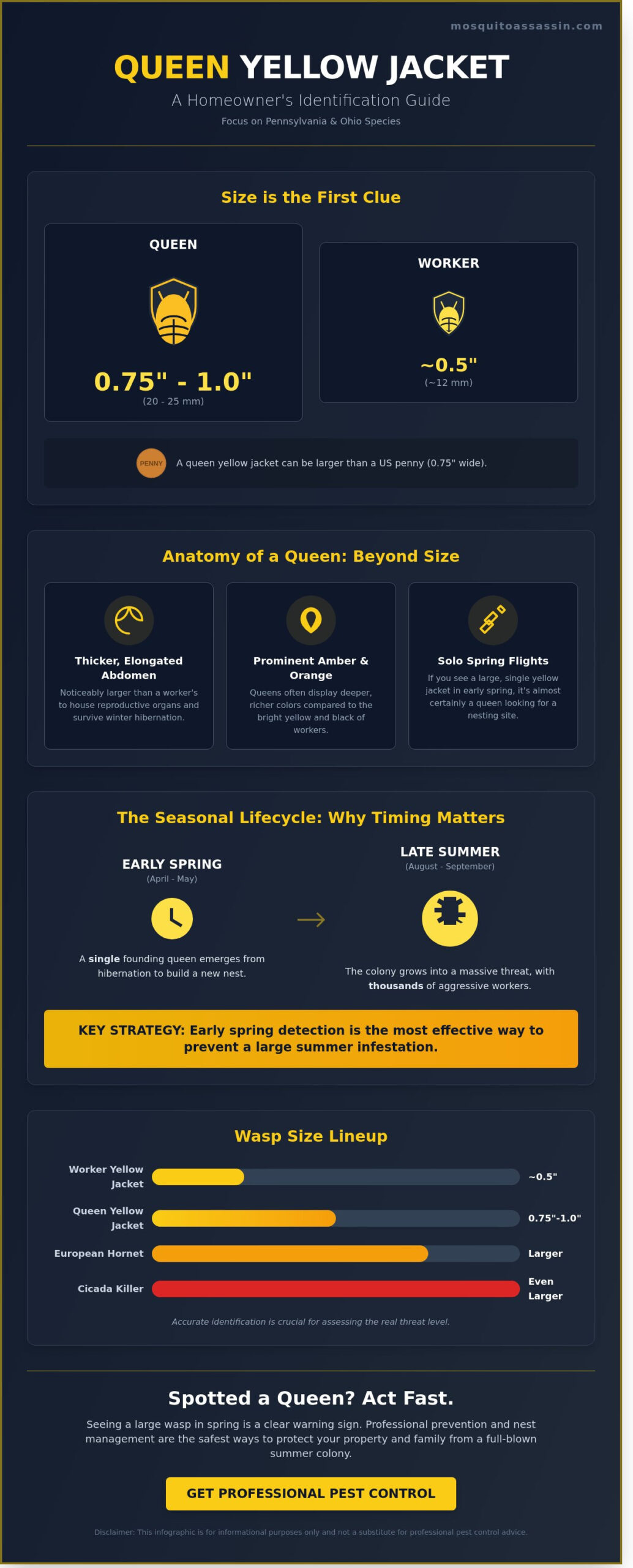
    A queen yellow jacket is a formidable sight compared to its smaller colony members. Typically, these reproductive females measure between 0.75 and 1 inch in length (20 to 25 millimeters). To get a sense of how big are queen yellow jackets, imagine the width of a standard US penny or a large paperclip. This substantial size isn’t just for show; it allows them to survive winter hibernation and establish new colonies in the spring. For a detailed look at their biology and lifecycle, you can refer to this resource on Yellowjacket Identification and Size.

    To better understand the scale and appearance of these insects, watch this helpful video:

    Queen vs. Worker Size Comparison

    The visual difference between a queen and a worker is striking. While a queen reaches up to an inch, workers are significantly smaller, usually measuring about 0.5 inches. This size gap is a result of physiological needs. The queen possesses a larger abdomen to carry eggs and store the energy reserves necessary for survival during the winter months. Homeowners in Erie County or Ashtabula County often mistake workers for common flies because of their smaller 0.5 inch frame. However, seeing a queen makes the distinction clear; she appears nearly double the size of a standard worker. The queen’s thorax is broader, and her abdomen is noticeably elongated to accommodate her reproductive organs. Workers, by contrast, are built for speed and foraging. Their compact bodies allow them to dart in and out of tight spaces, which is why they’re frequently confused with houseflies at a distance.

    Why Size Matters in Identification

    Identifying the size of a wasp is the first indicator that you’re looking at a reproductive female. In early spring, a large wasp is almost certainly a queen seeking a nesting site. Spotting one of these “foundress” queens early can prevent a massive colony from forming later in the summer. Size variations do exist among species. For example, the German yellowjacket queen is slightly more robust and bulky than the Eastern variety. Understanding how big are queen yellow jackets helps residents distinguish them from other large insects like European hornets or cicada killers. While those species are even larger, the yellow jacket queen’s specific yellow and black banding remains her signature. If you notice multiple large wasps around your property in Crawford County, professional pest control may help reduce risk before they establish a permanent home.

    Disclaimer: The information provided on this blog is for general informational purposes only and is not intended as professional pest control advice. Conditions vary by property, environment, and location. Reading this content does not create a service agreement. For an inspection or professional recommendations, please contact Mosquito Assassin Pest Control LLC directly.

    Distinguishing Features of a Queen Yellow Jacket

    Identifying a queen requires looking beyond just her total length. While most homeowners ask how big are queen yellow jackets, the answer involves body proportions as much as actual measurements. A queen’s abdomen is noticeably thicker and more elongated than that of a worker. This extra space is biologically necessary to house her reproductive organs. Despite this increased bulk, she retains a very thin waist, known as a petiole, which is a classic characteristic of the Vespidae family. Her wings are also longer and more powerful, specifically evolved to support her larger body mass during her solo flights in the early spring when she’s searching for a place to start a colony.

    Color Patterns and Markings

    Coloration is a primary way to tell a queen apart from her workers. While workers are typically bright yellow and black, queens often display more prominent orange or amber hues. This is especially common in species found throughout the Eastern and Southern United States. For instance, the Eastern yellowjacket life cycle begins with a queen that can reach 18 mm in length, making her roughly 50 percent larger than the 12 mm workers she eventually produces. In regions like Ashtabula County, Ohio, the German yellowjacket is a frequent visitor. This specific species is distinguished by three tiny black dots on its face and distinct black dots centered within its yellow abdominal bands. Unlike honeybees, which are fuzzy and brown, yellow jackets have a smooth, shiny exterior with high-contrast markings that lack dense hair.

    Anatomical Differences

    A queen’s anatomy is built for both survival and heavy labor. She possesses powerful mandibles used to chew weathered wood fibers from fences or decks. By mixing these fibers with her saliva, she creates the grey, paper-like material used to build the initial hexagonal cells of her nest. Her antennae serve as critical sensory organs, allowing her to detect chemical signals to locate sugar sources and ideal nesting sites in the early spring. One of the most significant anatomical features is the stinger, which is actually a modified ovipositor (an egg-laying tube). Unlike honeybees, a yellow jacket queen has a smooth, lance-like stinger. This allows her to sting multiple times without losing the stinger or dying. Understanding how big are queen yellow jackets helps residents in Erie and Crawford Counties identify potential nesting activity before a colony grows to its full size. If you spot these larger insects frequently, professional pest control may help reduce risk on your property.

    Disclaimer: The information provided on this blog is for general informational purposes only and is not intended as professional pest control advice. Conditions vary by property, environment, and location. Reading this content does not create a service agreement. For an inspection or professional recommendations, please contact Mosquito Assassin Pest Control LLC directly.

    How Big Are Queen Yellow Jackets? Identification and Size Guide

    The Seasonal Life Cycle of a Yellow Jacket Queen

    The queen is the central figure in the survival of the species. Unlike worker wasps that die off when the first hard frost hits Pennsylvania and Ohio, the queen possesses a unique biological resilience. She is the only member of the colony that lives through the winter. This survival strategy ensures that the population can restart each spring. Knowing how big are queen yellow jackets helps residents distinguish them from workers; queens are nearly twice the size of their offspring during this phase.

    Overwintering Habits in the Great Lakes Region

    In places like Erie and Crawford counties, winter temperatures often drop well below freezing. Queens seek out micro-climates to stay protected during a dormant state called diapause. Common spots include the undersides of loose tree bark, deep within woodpiles, or inside wall voids of residential homes. These locations provide enough insulation to prevent the queen’s body from freezing solid. Research suggests that less than 5% of queens survive these harsh conditions due to predation and extreme weather. You can learn more about how different species handle the colder months in this general pest control guide.

    Spring Nest Foundation

    When temperatures consistently reach 50 degrees Fahrenheit in late March or April, the queen emerges. This begins the solitary phase. She must find a suitable site, gather wood fibers to make paper, and construct the first few hexagonal cells of the nest. Because she is doing all the work alone, she is highly visible. If you see a particularly large wasp inside your home in April, it’s likely a queen that emerged from your attic or wall void.

    Understanding Yellowjacket nest management is crucial at this stage. Removing a single queen effectively prevents a colony of up to 5,000 workers from forming later in the summer. Homeowners often ask how big are queen yellow jackets during these spring sightings. They typically measure between 0.5 and 0.75 inches long. They appear much bulkier than the workers seen in July.

    Once the first generation of workers matures, the queen’s role shifts. She becomes a full-time egg layer, remaining deep inside the nest while the workers take over foraging and defense. In late autumn, the colony produces new reproductive queens. These new queens mate and find their own winter shelter, while the original queen and her colony perish. This completes the annual cycle that repeats across the Great Lakes region every year.

    Disclaimer: The information provided on this blog is for general informational purposes only and is not intended as professional pest control advice. Conditions vary by property, environment, and location. Reading this content does not create a service agreement. For an inspection or professional recommendations, please contact Mosquito Assassin Pest Control LLC directly.
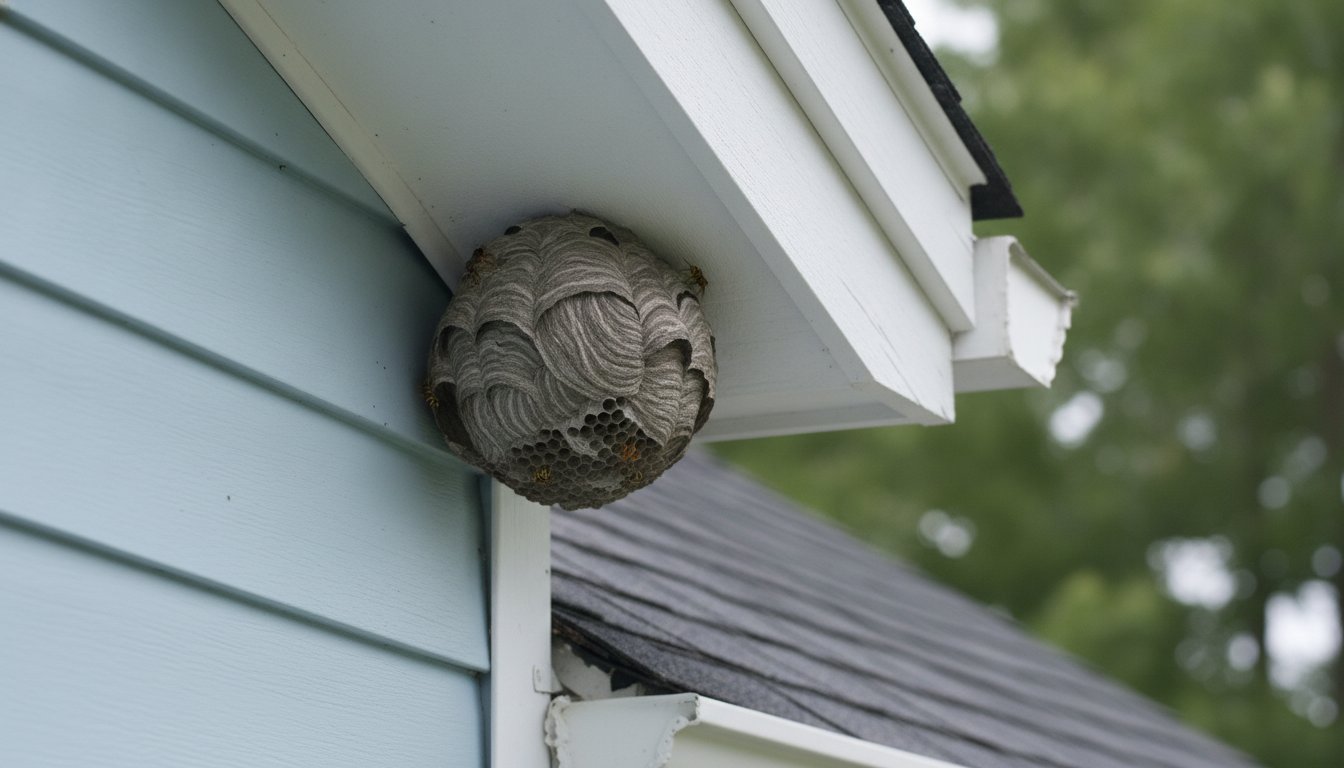
    Size Comparisons: Queen Yellow Jackets versus Other Large Wasps

    Identifying a large stinging insect requires looking at more than just the wings. While understanding how big are queen yellow jackets is helpful, they often share the air with even larger species. In regions like Erie and Crawford Counties in Pennsylvania, residents frequently encounter several distinct types of wasps that dwarf the average yellow jacket worker. Distinguishing a queen from a hornet or a solitary wasp is the first step in determining the level of risk to your property.

    Yellow Jacket Queen vs. European Hornet

    The European Hornet is a common sight in Ashtabula County and can be quite intimidating. While a yellow jacket queen usually measures about 1 inch long, the European Hornet often reaches 1.5 inches. You can tell them apart by looking at the thorax. Yellow jacket queens have a solid black thorax, whereas the hornet features distinct reddish-brown markings. Their nesting habits also differ significantly. Yellow jackets typically prefer ground nests or structural voids, but European Hornets build large, papery aerial nests, often high in trees or inside hollow trunks. Seeing a 1.5-inch insect can be alarming, but professional identification is the best way to handle a potential infestation.

    Identifying the Cicada Killer

    The Cicada Killer is the giant of the wasp world, reaching up to 2 inches in length. Because of their yellow and black abdominal patterns, homeowners often mistake them for oversized yellow jackets. These insects appear in late summer, specifically July and August, and are solitary ground-nesters that prefer sandy soil. Despite their size, they aren’t aggressive like a colony-protecting queen. If you see large holes in the lawn, professional rodent removal logic applies here too; sealing entry points and maintaining thick turf helps discourage these large insects from settling in. They’re focused on hunting cicadas, not bothering humans, but their size alone makes them a frequent concern for residents in Crawford County.

    Paper Wasps and Bald-faced Hornets

    Paper wasps are easily distinguished by their slender waists and long, dangling legs that hang down during flight. Unlike the stocky, robust build of a yellow jacket queen, paper wasps have a more delicate silhouette and often build umbrella-shaped nests under railings or eaves. Bald-faced hornets are another common comparison. They’re mostly black with white or cream markings on their face and abdomen. While a bald-faced hornet worker is roughly the same size as a yellow jacket queen, their queen can grow even larger. Understanding how big are queen yellow jackets helps you realize that while they’re large for their species, they’re often the middle-weight when compared to these other giants. Professional pest control services may help reduce risk if these nests are located near high-traffic areas.

    Disclaimer: The information provided on this blog is for general informational purposes only and is not intended as professional pest control advice. Conditions vary by property, environment, and location. Reading this content does not create a service agreement. For an inspection or professional recommendations, please contact Mosquito Assassin Pest Control LLC directly.
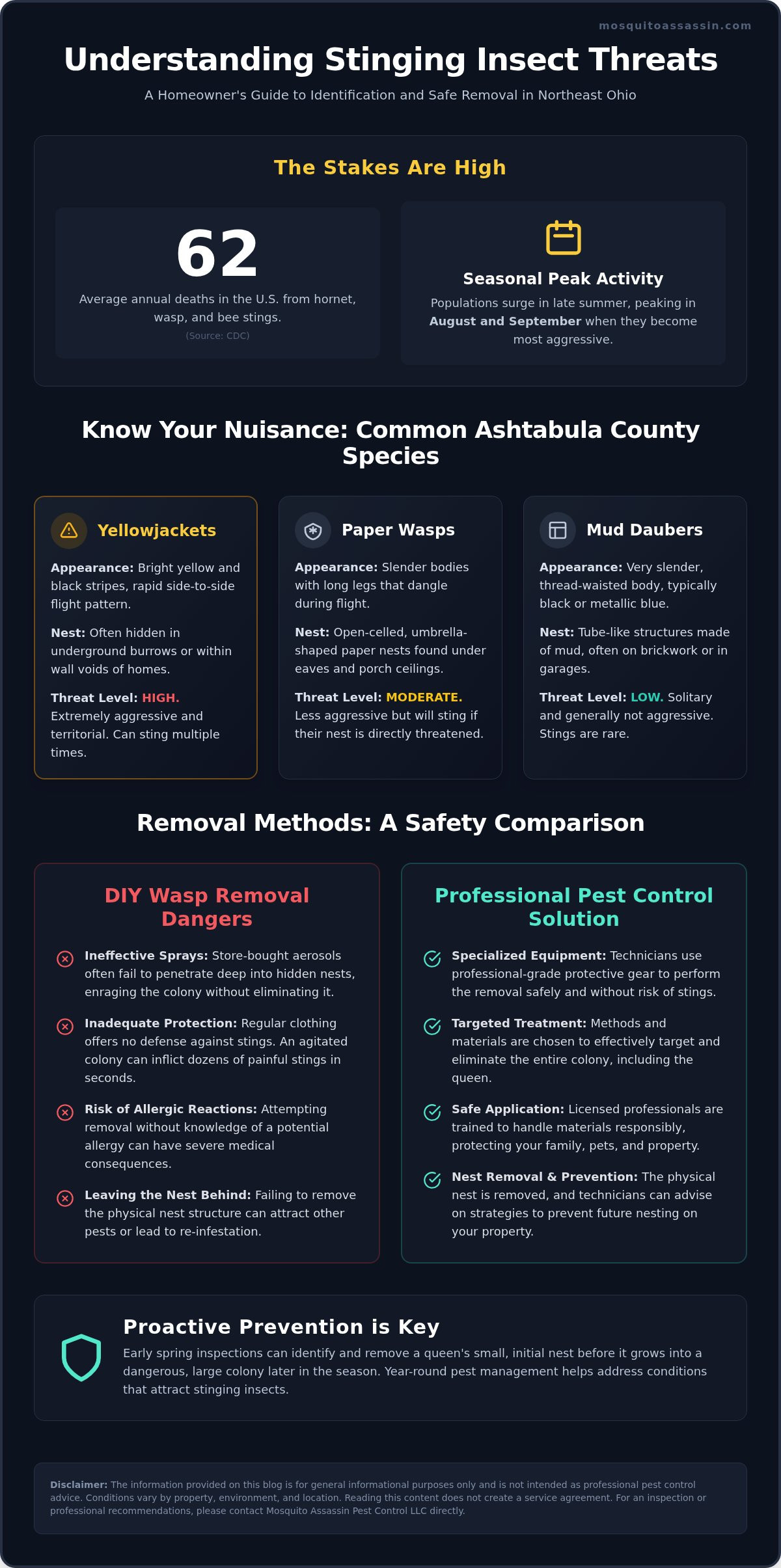
    Professional Prevention and Nest Management

    Identifying a queen in the early spring provides a critical window of opportunity to stop a colony before it truly begins. Because these insects are significantly larger than their offspring, homeowners often ask how big are queen yellow jackets when they spot a lone wasp crawling near the roofline. A queen typically measures between 0.75 and 1 inch in length, making her much more visible than the half-inch workers that appear later in the summer. Understanding how big are queen yellow jackets helps residents distinguish a queen from a common worker or a different species entirely.

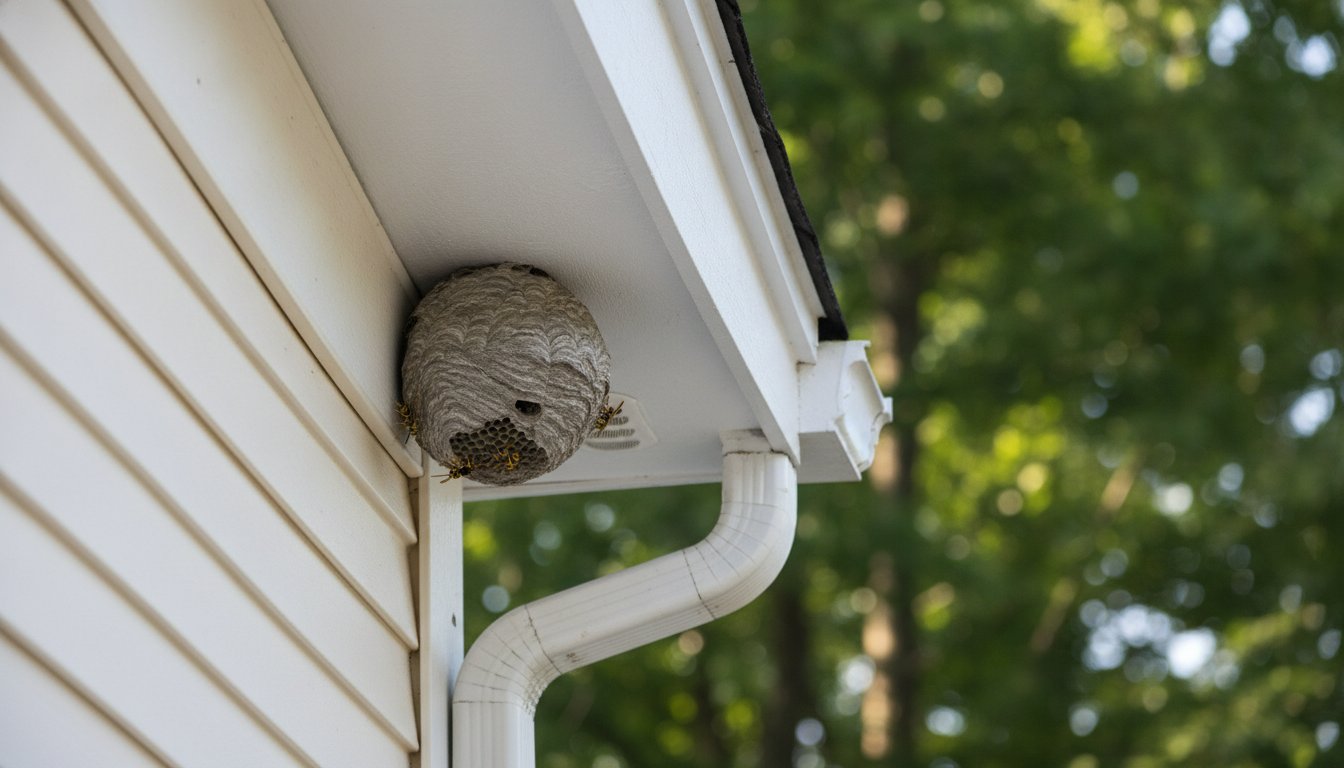
    Professional inspections focus on common entry points where queens seek shelter to begin their nests. These areas often include eaves, soffits, and gaps in foundations. Licensed technicians look for the start of small, golf-ball-sized paper structures during the spring months. Intercepting a queen at this stage prevents the exponential growth of a colony. Homeowners should avoid attempting to handle or swat a queen. While she’s solitary during the early season, she can become aggressive when defending a nascent nest (the small structure she builds to house her first generation of workers).

    The Importance of Early Detection

    The math of wasp reproduction is staggering. A single queen emerging from hibernation in May can produce a nest containing 5,000 workers by August. This rapid expansion is why professional pest control focuses on “protective barriers” applied to the exterior of a home. These treatments are designed to intercept queens before they can establish permanent residences in wall voids or attics. Local expertise in Erie and Crawford Counties is vital for understanding regional pest pressure. The timing of queen emergence in Pennsylvania and Ohio varies based on soil temperatures and local weather patterns, making local knowledge indispensable.

    When to Contact a Professional

    Homeowners should seek help if they see wasps entering a hole in a wall, a gap in siding, or a burrow in the ground. These flight patterns usually indicate a nest is already under construction. Professional pest control may help reduce risk without the dangers of DIY methods, such as ladder falls or multiple stings. Year-round protection plans are designed to intercept queens before they establish permanent nests on the property. For more information on localized service, visit the contact page. Taking action in the spring ensures the summer months remain peaceful and free of large, aggressive colonies.

    Disclaimer: The information provided on this blog is for general informational purposes only and is not intended as professional pest control advice. Conditions vary by property, environment, and location. Reading this content does not create a service agreement. For an inspection or professional recommendations, please contact Mosquito Assassin Pest Control LLC directly.
    Proactive Management for Spring Nesting

    Homeowners often wonder how big are queen yellow jackets when they spot an unusually large wasp in early spring. These queens can reach lengths of 0.75 inches (19 millimeters), which is nearly double the size of the workers seen later in the year. It’s important to identify these insects early to prevent a single queen from establishing a colony that can grow to 5,000 workers by late summer. Because these pests are active across Erie and Crawford Counties in Pennsylvania and Ashtabula County in Ohio, staying vigilant during the transition from hibernation to nest building is essential for property maintenance.

    Professional pest control may help reduce risk and protect your home from aggressive territorial behavior. Mosquito Assassin Pest Control LLC is a locally owned and operated business that provides five-star rated service to the local community. The team is fully licensed and insured in PA and OH, ensuring that every property assessment adheres to professional standards. For an inspection or professional recommendations, please contact Mosquito Assassin Pest Control LLC directly. Taking the right steps now helps ensure your yard remains a comfortable space for your family all season long.
    Disclaimer: The information provided on this blog is for general informational purposes only and is not intended as professional pest control advice. Conditions vary by property, environment, and location. Reading this content does not create a service agreement. For an inspection or professional recommendations, please contact Mosquito Assassin Pest Control LLC directly.

    Frequently Asked Questions

    Is a queen yellow jacket more dangerous than a worker?

    A queen yellow jacket isn’t typically more aggressive than a worker; she’s actually more cautious. While her larger body allows her to carry more venom, her primary biological drive is to survive and establish a new colony. If she dies, the entire future nest dies with her. Because of this, she’ll usually fly away from threats rather than initiating an attack during the early spring months.

    Can a queen yellow jacket sting you?

    A queen yellow jacket possesses a smooth stinger and is physically capable of stinging multiple times. Unlike honeybees, her stinger doesn’t detach, which allows her to defend herself without dying. While she has the equipment to sting, she’s less likely to use it unless she’s cornered or handled. Homeowners in Erie County often encounter these insects while they’re searching for nesting sites in April and May.

    Why is there a giant yellow jacket in my house in the spring?

    Seeing a large yellow jacket indoors during the spring usually indicates a queen has emerged from hibernation. These queens often overwinter in wall voids or attics to survive temperatures that drop below 32 degrees Fahrenheit. As the weather warms, they follow light and heat, which frequently leads them into living spaces through small gaps or vents. They’re trying to find a way outside to start a nest.

    What happens to the queen yellow jacket in the winter?

    Only inseminated queens survive the winter months, while the rest of the 5,000 to 10,000 workers in a typical nest perish. The queen enters a state of diapause, hiding under tree bark or inside residential insulation to stay protected. She remains dormant for approximately 5 to 6 months until the spring thaw triggers her search for a new location. This survival strategy ensures the species continues once the local environment warms up.

    Do queen yellow jackets build nests in the ground?

    Queen yellow jackets frequently select abandoned rodent burrows or natural depressions in the soil to start their colonies. Approximately 80 percent of yellow jacket species in the United States prefer nesting in the ground or at the base of structures. Once the queen finds a suitable spot, she uses chewed wood fibers to create the first small, golf ball sized paper cells for her eggs. These nests can expand rapidly throughout the summer.

    How can I tell the difference between a queen yellow jacket and a hornet?

    Size is a primary indicator, and many people ask how big are queen yellow jackets when they see a large insect indoors. A queen yellow jacket is roughly 19 millimeters long, while a European hornet can exceed 25 millimeters. Yellow jackets have distinct yellow and black bands on their abdomen; hornets often display more reddish brown or orange hues. Additionally, hornets have a much larger vertex, which is the area on the head behind the eyes.

    Will a queen yellow jacket leave my house on its own?

    A queen yellow jacket that enters a home may become trapped as she tries to fly toward windows or bright light sources. While she might eventually find an exit, she is often searching for a protected area to begin building her nest. Professional pest control may help reduce risk if you notice these insects entering your property in Ashtabula County. For professional recommendations, visit www.mosquitoassassin.com/contact-us.

    How many queens are in a single yellow jacket nest?

    A standard yellow jacket colony contains only one active, egg laying queen for the majority of the season. However, by late August or September, a healthy nest can produce 1,000 to 1,500 new potential queens. These new queens leave the nest to mate and find protected hibernation spots for the winter. The original queen and all the workers will die off when the first hard frost hits Crawford County, leaving only the new queens.

    Disclaimer: The information provided on this blog is for general informational purposes only and is not intended as professional pest control advice. Conditions vary by property, environment, and location. Reading this content does not create a service agreement. For an inspection or professional recommendations, please contact Mosquito Assassin Pest Control LLC directly.
  • Urgent Pest Situations in Erie: Identifying and Managing Immediate Threats

    Urgent Pest Situations in Erie: Identifying and Managing Immediate Threats

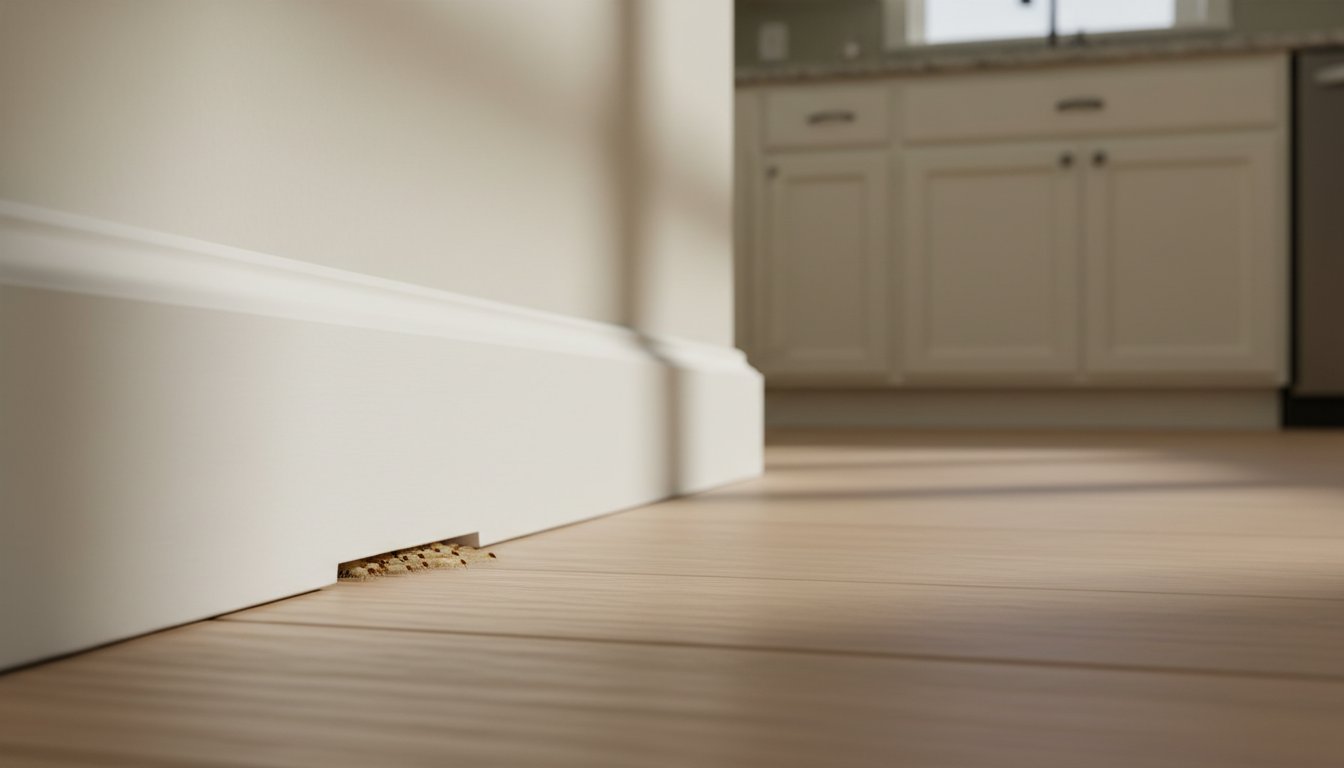
    Imagine walking into your kitchen on the evening of October 12th only to find a swarm of subterranean termites emerging from your baseboards. This type of discovery often triggers immediate anxiety about your home’s structural integrity and your family’s safety. Rapidly escalating infestations and other situations that cannot wait are exactly when we want you to call. We serve Erie and the surrounding areas of Crawford and Ashtabula Counties to help residents distinguish between a minor nuisance and a genuine pest emergency.

    It’s completely normal to feel overwhelmed when you realize a pest problem has spiraled out of control. Most homeowners fear that waiting even one more day could lead to irreversible property damage or health risks. According to industry observations, certain wood-destroying insects can cause visible structural damage in as little as 90 days if left unchecked. This guide explains how to identify high-risk infestations that demand professional intervention right away. You’ll learn the specific signs of urgent threats and the best practices for maintaining a safe environment while waiting for an expert. By understanding these red flags, you can move from uncertainty to a clear path for professional resolution.

    Disclaimer: The information provided on this blog is for general informational purposes only and is not intended as professional pest control advice. Conditions vary by property, environment, and location. Reading this content does not create a service agreement. For an inspection or professional recommendations, please contact Mosquito Assassin Pest Control LLC directly.

    Key Takeaways

    • Learn to identify pest situations that require immediate attention, such as those involving rapid reproduction or direct risks to the property structure.
    • Understand the risks associated with bed bugs and stinging insects, which often necessitate rapid intervention to prevent widespread infestation or safety hazards.
    • Recognize that rapidly evolving infestations and other situations that cannot wait are exactly when we want you to call. We serve Erie, Crawford, and Ashtabula Counties.
    • Discover best practices for managing urgent pest challenges, including how to safeguard residents and pets while documenting evidence for professional assessment.
    • Gain insight into the professional management process, which utilizes comprehensive inspections and customized treatment plans based on specific pest biology.

    Recognizing Pest Situations That Require Immediate Attention in Northwest Pennsylvania

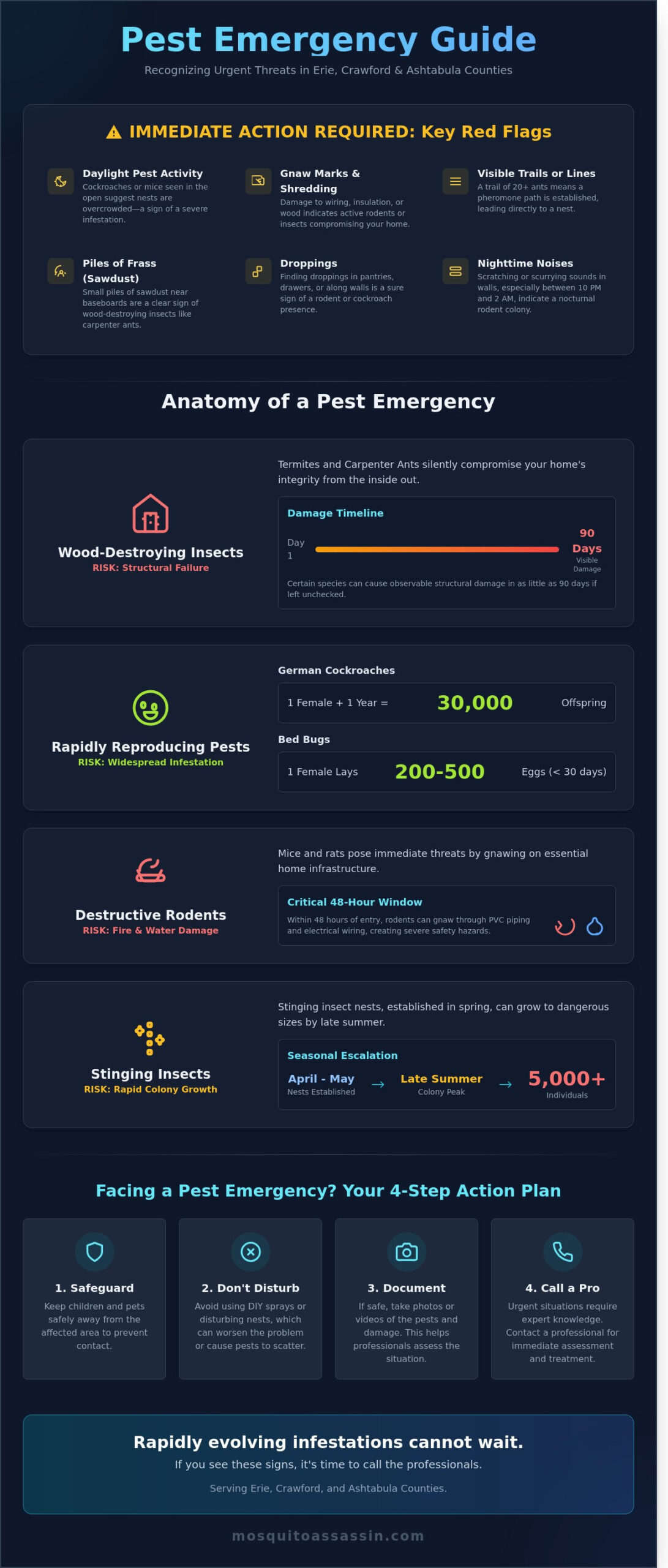
    In Northwest Pennsylvania, a pest issue transitions from a minor annoyance to an urgent threat when it compromises structural integrity or involves species with high reproductive rates. For example, a single female German cockroach and her offspring can produce 30,000 individuals in one year. The humid climate near Lake Erie often accelerates these biological cycles, making quick identification vital. Rapidly growing colonies and other situations that cannot wait are exactly when we want you to call. We serve Erie and the surrounding counties to help residents manage these immediate concerns before they escalate.

    Distinguishing between a single nuisance sighting and a developing infestation is the first step in property maintenance. A lone ant might be a scout, but a trail of 20 or more signifies a pheromone path to a food source. In Crawford County, the 38 inches of average annual rainfall can drive pests indoors seeking dry ground. Timing is the most critical factor in long-term management; addressing a problem in its first 48 hours is significantly more effective than waiting until structural damage is visible. Professional pest control may help reduce risk when these early signs appear.

    Indicators of an Escalating Problem

    Visual signs often include shredded insulation, droppings, or gnaw marks on electrical wiring. If you hear scratching or scurrying inside walls between 10:00 PM and 2:00 AM, it typically indicates a nocturnal rodent population. Seeing pests like cockroaches or mice during daylight hours is a major red flag; it often suggests the hidden nesting areas are overcrowded, forcing individuals into the open. Finding small piles of sawdust (frass) near baseboards can also indicate wood-destroying insects that require immediate evaluation.

    Seasonal Urgency in the Tri-County Area

    Environmental shifts in the Tri-County area dictate pest behavior. During April and May, stinging insects begin establishing nests in Erie and Ashtabula, which can grow to house over 5,000 individuals by late summer. As temperatures drop below 45 degrees Fahrenheit in October, rodents migrate toward the warmth of Northwest Pennsylvania homes. Some threats, like bed bugs or certain stored product pests, remain constant regardless of the snow or sun. Understanding these seasonal patterns allows for better preparation and faster response times when a breach occurs.

    Disclaimer: The information provided on this blog is for general informational purposes only and is not intended as professional pest control advice. Conditions vary by property, environment, and location. Reading this content does not create a service agreement. For an inspection or professional recommendations, please contact Mosquito Assassin Pest Control LLC directly.
    Common Pests in Erie and Ashtabula Counties That Cannot Wait

    Pest problems in Northwest Pennsylvania and Northeast Ohio often escalate faster than homeowners realize. Rodents, for instance, are known to gnaw through electrical insulation or PVC piping within 48 hours of entering a structure, creating immediate fire and water damage risks. Similarly, wood-destroying organisms like carpenter ants can compromise the structural integrity of a porch or rim joist if left unaddressed for a single season. These and other situations that cannot wait are exactly when we want you to call. We serve Erie and the surrounding regions with a focus on rapid identification to prevent long-term property loss.

    The Rapid Lifecycle of Bed Bugs

    Bed bugs are prolific breeders that don’t stay confined to one room for long. A single female bed bug can lay 200 to 500 eggs in her lifetime; this allows a small introduction to become a widespread infestation in less than 30 days. In multi-family units or closely packed residential streets in Erie, these pests move through wall voids, shared plumbing lines, and electrical conduits. Early professional assessment is vital because bed bugs are experts at hiding in spots most people overlook, including:

    • Electrical outlets and wall plates
    • Behind baseboards and crown molding
    • Inside the joints of bed frames and nightstands
    • Behind wall-mounted electronics or picture frames

    Identifying these pests early prevents them from spreading to every piece of furniture in the home. Because their eggs are resistant to many over-the-counter treatments, professional intervention is a standard recommendation for successful eradication.

    Stinging Insect Threats Near Living Spaces

    Yellowjackets and hornets become significantly more aggressive in late summer as their natural food sources dwindle. By August and September, a single yellowjacket colony can house up to 5,000 individuals. When these nests are located near entryways, under decks, or inside attic soffits, they pose a direct threat to anyone entering or exiting the home. Independent removal attempts often result in multiple stings, which can be dangerous for individuals with unknown allergies. Professional pest control may help reduce risk, and residents can find assistance through the online contact portal.

    High-traffic areas like patios and playgrounds are particularly sensitive zones. These and other situations that cannot wait are exactly when we want you to call. We serve Erie, Crawford, and Ashtabula counties to ensure these stinging insect colonies are managed before they lead to painful encounters. Prompt action is the most effective way to safeguard your living space during the peak of the season.

    Disclaimer: The information provided on this blog is for general informational purposes only and is not intended as professional pest control advice. Conditions vary by property, environment, and location. Reading this content does not create a service agreement. For an inspection or professional recommendations, please contact Mosquito Assassin Pest Control LLC directly.
    The Risks of Delaying Professional Intervention

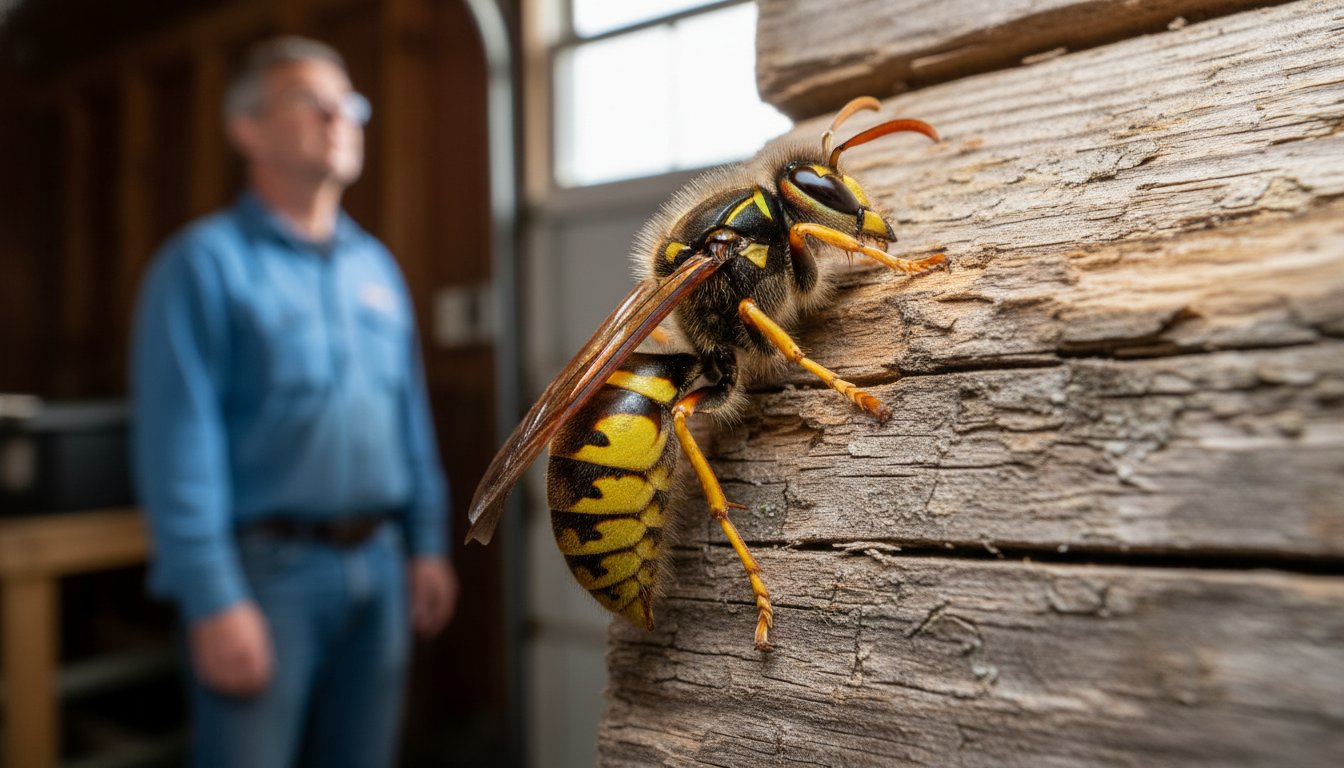
    Pest activity rarely remains static. A single female German cockroach and her offspring can produce over 30,000 descendants within a single year. Waiting just 14 to 21 days to address a sighting often allows these pests to establish deep-seated harborages within wall voids and kitchen appliances. This rapid escalation directly impacts the complexity of the required treatment. While an initial sighting might be managed with targeted, low-impact applications, a month-long delay often requires comprehensive flushing agents and multiple follow-up cycles to break the reproductive loop.

    In many Erie neighborhoods, where approximately 60% of homes were built before 1950, structural vulnerabilities are a significant concern. These older properties often feature crawlspaces, balloon framing, or aging foundations that provide easy entry points for opportunistic pests. Unaddressed activity in these areas isn’t just a nuisance; it’s a threat to property value. Wood-destroying organisms can compromise load-bearing beams over several months of neglect. Beyond the physical damage, the psychological toll is measurable. Research indicates that residents in infested environments frequently experience elevated levels of stress, anxiety, and sleep disruption. Sudden sightings and other situations that cannot wait are exactly when we want you to call. We serve Erie and the surrounding counties with professional oversight to mitigate these risks.

    Structural Damage and Rodent Presence

    Rodents like the common house mouse or Norway rat possess incisors that grow continuously throughout their lives. To manage this growth, they gnaw on hard materials, including plastic-coated electrical wiring and PVC piping. This behavior is a leading cause of property damage; industry data suggests that up to 20% of house fires with undetermined origins may be linked to rodent damage. Nesting in attics can also ruin fiberglass insulation with urine and droppings, necessitating expensive remediation. For business owners, maintaining a pest-free environment is critical for health code compliance. Utilizing commercial services helps protect high-traffic properties from these structural and financial threats.

    Compounding Effects of Seasonal Pests

    Seasonal pests in Northwest Pennsylvania, such as yellow jackets or carpenter ants, follow a strict biological timeline. A single queen starting a nest in May can lead to a colony of 5,000 workers by late August. Managing a mature colony is significantly more difficult and hazardous than removing a small, emerging nest. Professional intervention relies on location-specific expertise to identify these patterns based on local weather trends. Aggressive stinging insects and other situations that cannot wait are exactly when we want you to call. We serve Erie and understand how the local climate influences pest behavior and population spikes.

    Disclaimer: The information provided on this blog is for general informational purposes only and is not intended as professional pest control advice. Conditions vary by property, environment, and location. Reading this content does not create a service agreement. For an inspection or professional recommendations, please contact Mosquito Assassin Pest Control LLC directly.
    Best Practices for Homeowners Facing Immediate Pest Challenges

    When a pest emergency strikes, the first 30 minutes are critical for containment. Protecting vulnerable residents is the top priority. If an active stinging insect nest or a high-volume indoor infestation occurs, restrict access to that room immediately. Keep children and pets at least 10 feet away from the suspected area. Active swarms, structural damage, and other situations that cannot wait are exactly when we want you to call. We serve Erie and the surrounding regions with prompt, professional guidance to help stabilize the environment.

    Avoid the temptation to use over-the-counter foggers or “bug bombs.” These products often contain pyrethrins that cause a flushing effect, which forces pests to retreat deeper into wall voids or move to other rooms. This can scatter a localized infestation throughout the entire 2,000-square-foot home, making the eventual professional treatment more complex. Instead, implement simple exclusion methods like closing interior doors or using painters’ tape to seal small gaps where pests are emerging.

    Immediate Safety Protocols

    Safely monitoring a suspected site from a distance of at least 5 feet allows for better data collection without risking exposure. Documenting the specific location, such as under the kitchen sink near the hot water pipe, helps a professional consultant identify the source quickly. Note the frequency of sightings; seeing 10 or more insects within a 60-minute window often indicates a high-level threat. Professional pest control may help reduce risk to the household by utilizing targeted, low-impact methods that address the specific biology of the pest.

    Environmental Modifications

    Reducing moisture and food sources is a vital step in managing local pest populations. A single leaky faucet can provide enough hydration for a colony of 400 cockroaches. Homeowners should also manage outdoor debris by keeping mulch and firewood at least 20 feet away from the home foundation to discourage nesting. Consulting the general services page for prevention strategies can provide a roadmap for long-term protection. Professional pest control may help reduce risk by identifying these environmental triggers during an initial assessment. You can schedule an inspection online to begin the process of reclaiming your home.

    Disclaimer: The information provided on this blog is for general informational purposes only and is not intended as professional pest control advice. Conditions vary by property, environment, and location. Reading this content does not create a service agreement. For an inspection or professional recommendations, please contact Mosquito Assassin Pest Control LLC directly.
    Professional Approaches to Urgent Pest Management in the Tri-County Area

    Professional pest management in the Tri-County area relies on a deep understanding of regional ecology. Technicians in Erie County often deal with specific moisture-driven pests that differ from those found further inland in Crawford County. A comprehensive inspection identifies the root cause, such as a cracked foundation or a leaking pipe, rather than just treating the symptoms. Developing customized plans based on the specific biology of the pest is the only way to address the source of a colony. Severe structural threats and other situations that cannot wait are exactly when we want you to call. We serve Erie and neighboring regions with rapid response protocols designed for immediate intervention.

    In the United States, local environmental factors like Lake Erie’s humidity levels significantly influence pest activity. For example, subterranean termite colonies in Pennsylvania can contain 60,000 to 1 million members. Addressing these colonies requires a customized plan based on the specific biology of the species. Stinging insect nests near entryways and other situations that cannot wait are exactly when we want you to call. We serve Erie with priority scheduling for safety-related concerns to ensure property boundaries remain secure.

    Integrated Pest Management (IPM) Standards

    IPM standards represent the gold standard in modern pest control. This scientific approach manages pests with minimal environmental impact by focusing on the lifecycle of the organism. Licensed professionals are necessary because they have access to specialized tools and materials not available to the general public. The four-step professional process ensures no detail is overlooked:

    • Inspect: A thorough evaluation of the property to find nesting sites.
    • Identify: Pinpointing the exact species to determine the correct treatment.
    • Treat: Applying targeted methods that focus on the pest biology.
    • Monitor: Following up to ensure the solution remains effective over time.

    In 2023, data indicated that properties using IPM saw a 70% reduction in recurring infestations compared to traditional methods. Handling specialized infestations, such as bed bugs which can survive 12 months without a meal, requires the technical expertise of certified technicians.

    Securing Professional Assistance

    Property owners can prepare for a professional inspection by clearing clutter from baseboards and identifying areas of high moisture. Documenting the time and location of sightings helps the technician map the movement of the infestation. It’s helpful to spend time learning more about local experts to verify their licensing and insurance status before an emergency arises.

    When a situation demands immediate attention, directing inquiries to the online booking portal allows for expedited communication and faster scheduling. Professional pest control may help reduce risk to the property and its inhabitants. Quick action is often essential, as certain pests can cause significant property damage within 48 to 72 hours of arrival if left unmanaged.

    Disclaimer: The information provided on this blog is for general informational purposes only and is not intended as professional pest control advice. Conditions vary by property, environment, and location. Reading this content does not create a service agreement. For an inspection or professional recommendations, please contact Mosquito Assassin Pest Control LLC directly.
    Taking Action Against Immediate Pest Threats

    Identifying an urgent pest issue early prevents significant structural damage and potential health hazards. Homeowners in Erie and Crawford Counties, along with Ashtabula County, often face sudden infestations of stinging insects or rodents that require a specialized understanding of Northwest PA pest biology. These biological threats move quickly; for example, a single colony can grow by thousands in just 21 days. Active infestations, structural vulnerabilities, and other situations that cannot wait are exactly when we want you to call. We serve Erie with a focus on local expertise and professional standards.

    Professional intervention ensures management strategies are applied safely and effectively. Mosquito Assassin Pest Control LLC is locally owned and operated in Cranesville and maintains full licensing and insurance in both PA and OH. Specialized knowledge of regional pests ensures that treatments are targeted and efficient. For an inspection or professional recommendations, please contact Mosquito Assassin Pest Control LLC directly. Taking the right steps today helps ensure your home remains a comfortable and secure place for your family.

    Disclaimer: The information provided on this blog is for general informational purposes only and is not intended as professional pest control advice. Conditions vary by property, environment, and location. Reading this content does not create a service agreement. For an inspection or professional recommendations, please contact Mosquito Assassin Pest Control LLC directly.

    Frequently Asked Questions

    What defines a pest emergency in the Erie, PA area?

    A pest emergency involves any situation where human health is at immediate risk or structural damage is occurring rapidly. This includes sightings of wood-destroying insects like termites, which cause over $5 billion in property damage annually across the United States. Active infestations of stinging insects near entryways or bed bug sightings in sleeping areas also qualify as urgent. These and other situations that cannot wait are exactly when we want you to call. We serve Erie and surrounding counties to address these immediate concerns through professional evaluation.

    Can I wait a few days before calling a professional for bed bugs?

    Waiting even 48 hours to address a bed bug sighting can lead to a significantly larger problem. A single female bed bug typically lays 1 to 5 eggs every day, totaling up to 500 eggs in her lifetime. Because these pests move between rooms through wall voids and electrical outlets, a localized issue can become a whole-house infestation within 7 days. Prompt identification is the most effective way to limit the scope of work needed to clear the property.

    Are there specific pests in Ohio that require immediate attention?

    Residents in Ashtabula County, Ohio, should prioritize immediate action for German cockroaches and ticks. German cockroaches reproduce faster than any other residential cockroach; a single female and her offspring can produce over 30,000 individuals in one year. Ticks are also a major concern in the region, as they can transmit pathogens like Lyme disease within 24 to 48 hours of attachment. Identifying these pests early is essential for maintaining a healthy living environment.

    What should I do if I find a large hornet nest on my porch?

    If a nest larger than a softball is discovered, residents should maintain a minimum distance of 20 feet. A mature bald-faced hornet nest can contain over 700 workers that become highly aggressive if they perceive a threat to the queen. It’s important to avoid using over-the-counter sprays on large nests, as these often fail to reach the interior and can trigger a swarm response. Professional pest control may help reduce risk when stinging insect colonies are located near high-traffic areas.

    How fast do mice reproduce once they enter a home?

    Mice are prolific breeders that can reach sexual maturity in just 30 days. A single female house mouse can produce 5 to 10 litters per year, with an average of 6 to 8 pups per litter. This means a pair of mice could theoretically lead to a population of 60 or more within a few months if they aren’t managed. Rapid reproduction makes early intervention critical to prevent a small intrusion from becoming a major sanitary concern for the household.

    Is it safe to stay in my house during a professional pest assessment?

    It’s generally safe for residents and pets to remain indoors during an initial pest assessment. During this phase, a licensed professional conducts a 30 to 60 minute visual inspection to identify entry points and nesting sites. No materials are typically applied during the evaluation itself. If a management plan is established later, the technician provides specific instructions regarding any necessary wait times or safety protocols tailored to the property.

    What information should I have ready when calling for urgent pest help?

    Providing specific details helps technicians prepare the correct tools for the job. Callers should note the exact location of the pest, the approximate number of insects or rodents seen, and the date of the first sighting. Mentioning if anyone in the home has specific allergies to stings is also vital for safety. This information allows for a more accurate evaluation of the risk level for properties in Erie and Crawford Counties.

    How do professional services differ for commercial properties in Erie?

    Commercial pest management focuses heavily on prevention and strict adherence to local health department regulations. While residential visits might occur quarterly, many Erie businesses require monthly inspections to maintain compliance with food safety standards. Documentation is also a key difference; commercial properties must keep detailed logs of all sightings and actions taken to satisfy inspectors. Professional pest control may help reduce risk for business owners facing these stringent requirements.

    Disclaimer: The information provided on this blog is for general informational purposes only and is not intended as professional pest control advice. Conditions vary by property, environment, and location. Reading this content does not create a service agreement. For an inspection or professional recommendations, please contact Mosquito Assassin Pest Control LLC directly.