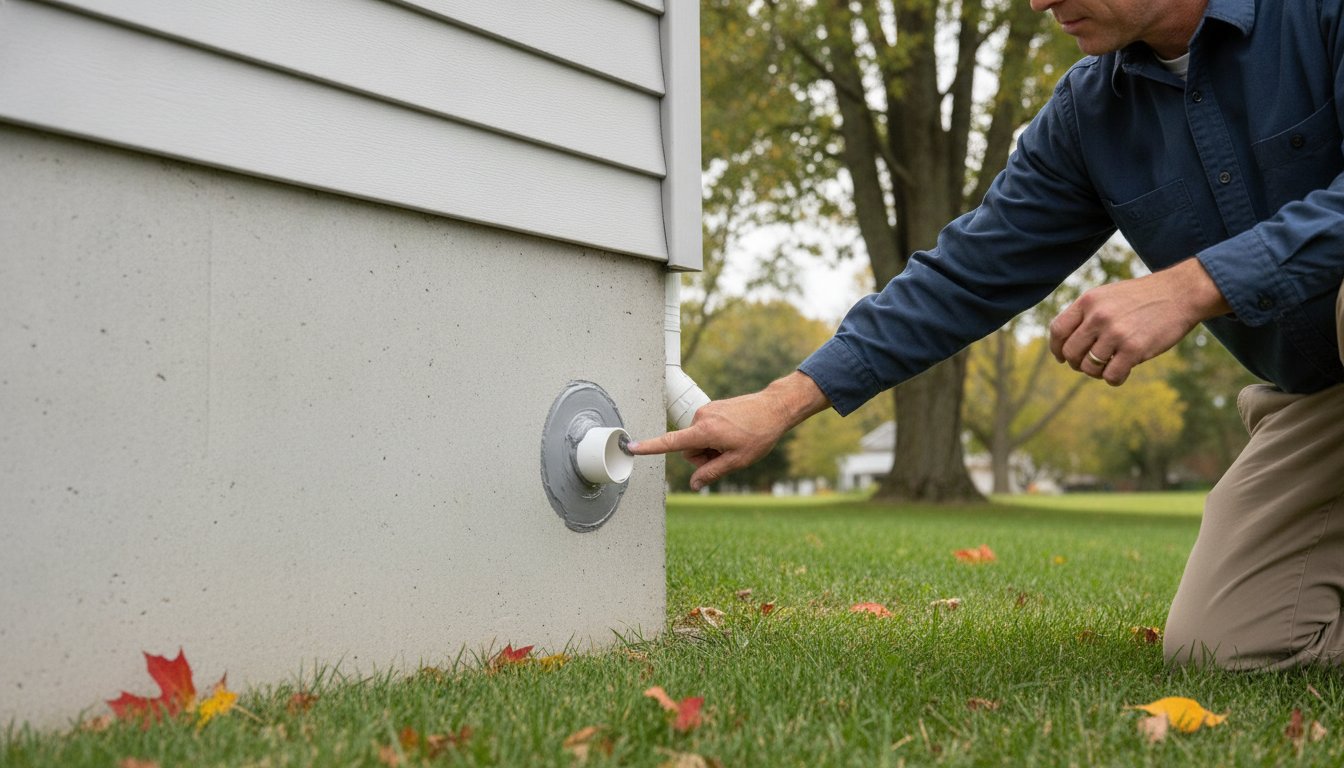
A mouse can squeeze through a gap the size of a ballpoint pen, making your home a high-stakes puzzle where one missed opening leads to a full-scale infestation. It’s natural to feel a sense of dread when you hear scratching behind the drywall or discover droppings in the pantry. You want to protect your family from health risks and your property from expensive electrical damage, but finding every entry point in a home across Erie or Ashtabula County can feel like an overwhelming task.
This guide provides a comprehensive rodent proofing my house checklist designed to help you identify structural vulnerabilities before the winter chill drives pests indoors. This expert-backed resource details how to conduct a professional-grade inspection of your foundation, roofline, and utility entries. You’ll gain clarity on which high-performance exclusion materials actually stop rodents from gnawing through your defenses, ensuring your living space remains secure and rodent-free throughout the season.
Key Takeaways
- Understand how seasonal shifts in Erie and Ashtabula counties drive rodents indoors and why structural defense is your first line of protection.
- Identify critical exterior vulnerabilities, such as gaps where siding meets the foundation and unsealed utility penetrations.
- Use a comprehensive rodent proofing my house checklist to pinpoint hidden interior entry points behind appliances and under cabinetry.
- Learn why professional exclusion techniques provide a more permanent solution than traditional reactive trapping methods.
- Establish a sustainable year-round prevention strategy by maintaining clear perimeter zones and conducting biannual property inspections.
Understanding Rodent Pressure in Pennsylvania and Ohio
Residents in Erie and Crawford counties, along with those in Ashtabula County, often notice a shift in pest activity as autumn fades. The house mouse and Norway rat are highly opportunistic mammals. They spend the summer months in fields and gardens but seek the stability of a climate-controlled building when the frost arrives. Rodent proofing is the professional process of structurally modifying a building to deny entry to these pests. It requires a systematic approach, often starting with a rodent proofing my house checklist, to identify every potential breach in the building’s exterior envelope.
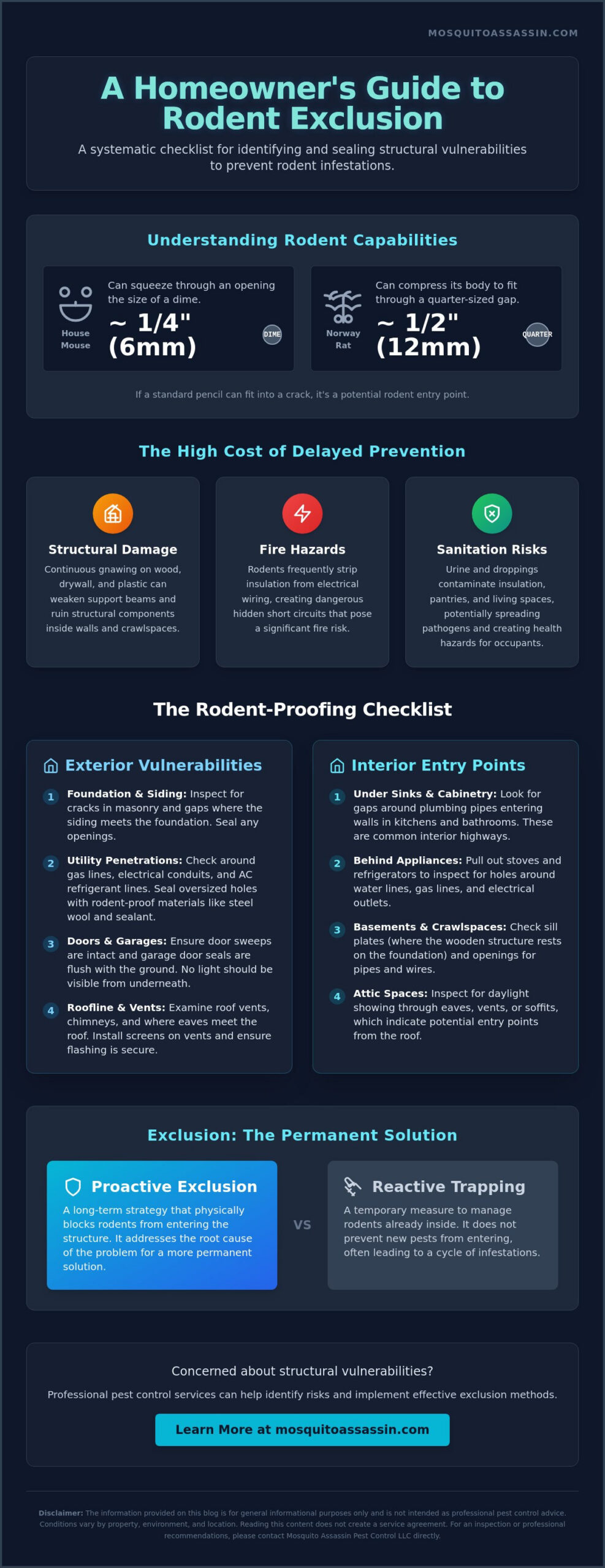
Understanding the physical agility of these animals is vital for effective exclusion. A house mouse only needs a gap the size of a dime to gain entry into your basement or crawlspace. Norway rats are larger, but they can still compress their bodies to fit through openings no larger than a quarter. If a pencil can fit into a crack or hole, it’s a viable entry point for a rodent looking for a winter home.
To see these entry points in a real-world setting, watch this professional property walk-through:
Why Winter Increases Infestation Risks
The sharp drop in ambient temperature across the region forces rodents to seek artificial heat sources. Homes naturally leak warmth through gaps in siding, rooflines, and foundations. Thermal imaging of residential properties often reveals these heat signatures, which act as beacons for cold rodents. As outdoor food supplies like seeds and fallen fruit diminish, rodents move toward the reliable scents of household waste and stored pantry goods. Adopting a comprehensive integrated pest management strategy helps address these environmental pressures by focusing on long-term structural prevention rather than just reactive measures.
The Cost of Delayed Prevention
Postponing structural repairs can lead to expensive consequences. Rodents possess incisors that grow continuously, which drives them to gnaw on wood, plastic, and soft metals to keep their teeth sharp. This behavior often results in significant structural damage inside walls and crawlspaces. If you don’t address these gaps early, the risks accumulate quickly:
- Structural damage: Weakened support beams, chewed drywall, and ruined door frames.
- Fire hazards: Rodents frequently strip the insulation off electrical wiring, creating hidden short circuits.
- Sanitation risks: Contamination of attic insulation and living spaces with urine and droppings that carry pathogens.
Reviewing a rodent proofing my house checklist early in the season can help prevent these costly scenarios. For those concerned about structural vulnerabilities, seeking professional pest control may help reduce risk. Detailed information on professional exclusion methods is available at www.mosquitoassassin.com/contact-us.
Disclaimer: The information provided on this blog is for general informational purposes only and is not intended as professional pest control advice. Conditions vary by property, environment, and location. Reading this content does not create a service agreement. For an inspection or professional recommendations, please contact Mosquito Assassin Pest Control LLC directly.
The Essential Exterior Rodent Proofing Checklist
Securing the exterior shell of your home is the most effective way to prevent rodents from establishing a presence. This stage of the rodent proofing my house checklist focuses on the structural envelope, where even the smallest oversight can lead to a winter-long infestation. Every crack in the masonry or gap in the siding is an open invitation. You should begin your inspection at the ground level and work your way up to the roofline, looking for any sign of wear or structural compromise. Professional exclusion involves more than just filling holes; it requires an understanding of how rodents exploit building materials to gain entry.
Utility penetrations are among the most common entry points. Gas lines, electrical conduits, and AC refrigerant lines often have oversized holes that were never properly sealed during construction. If a gap is large enough for a thumb, it’s large enough for a rat. Similarly, you should examine door sweeps and garage door seals. A simple way to test these is to stand inside a dark garage during the day; if you see light spilling in from the bottom or sides, a rodent can easily squeeze through. For properties with complex structural issues, seeking a professional rodent control service may help reduce risk by identifying hidden breaches that are easily missed by the untrained eye.
Securing the Foundation and Ground Level
A solid foundation is your first line of defense against Norway rats and house mice. In many older homes across Crawford County, rubble-stone foundations or aging brickwork often develop small voids. You should seal these gaps using professional-grade mortar or stainless steel mesh, as rodents can easily chew through standard caulk or spray foam. Referencing established Rodent-Proof Construction and Exclusion Methods provides the technical standards needed for long-lasting repairs. Additionally, ensure that all basement windows are tightly fitted and that crawl space vent covers are made of heavy-duty hardware cloth rather than flimsy plastic screens.
Roofline and Attic Vulnerabilities
Rodents are excellent climbers and will frequently use overhanging tree branches to reach your roof. Once there, they target ridge vents, gable vents, and intersections where different roof sections meet the soffit. You should inspect these areas for sturdy metal screening and look for chewed corners on fascia boards. Clogged gutters are another concern; they trap moisture that softens wood, making it much easier for a rodent to gnaw a hole into your attic. Maintaining a clear perimeter of at least 18 inches between your foundation and any mulch or dense vegetation will further discourage pests from nesting near the structure. This proactive maintenance is a vital part of your rodent proofing my house checklist for the 2026 season.
Disclaimer: The information provided on this blog is for general informational purposes only and is not intended as professional pest control advice. Conditions vary by property, environment, and location. Reading this content does not create a service agreement. For an inspection or professional recommendations, please contact Mosquito Assassin Pest Control LLC directly.
Interior Vulnerabilities and Common Entry Points
Once the exterior perimeter is secured, the focus must shift to the interior of the structure. In the older housing stock found throughout the Erie and Ashtabula regions, rodents often exploit internal wall voids that connect different floors. These hidden “highways” allow pests to move from a stone foundation basement up to the attic without being seen. Adding internal inspection points to your rodent proofing my house checklist is critical because rodents may already be nesting inside the walls before your exterior exclusion work is finished. Identifying these breaches early prevents a small problem from becoming a persistent infestation.
Major appliances like stoves and dishwashers provide the perfect environment for mice and rats. These areas offer warmth from motors and easy access to food debris. Pulling these units away from the wall often reveals unsealed gaps where gas lines or electrical cords enter the kitchen. Similarly, you should check under every sink in the house. Plumbers frequently cut oversized holes in the back of cabinets or floors to accommodate pipes. If there is a gap larger than a dime between the pipe and the wall, it needs to be sealed immediately to prevent rodents from traveling between rooms.
In the basement or cellar, a simple “light test” can reveal significant vulnerabilities. Turn off all the lights during a sunny day and look for any pinpricks of daylight entering where the foundation meets the sill plate. This is especially common in the rubble-stone foundations found in older Pennsylvania homes. In the attic, you should look for disturbed or compressed insulation. Rodents leave distinct “runways” or tunnels in fiberglass and cellulose insulation. If you find nesting materials like shredded paper or fabric, it indicates an active or recent presence that requires immediate attention.
Kitchen and Pantry Safety
The kitchen is the primary destination for any rodent that enters your home. You should seal gaps around baseboards and inside cabinets using a combination of steel wool and professional-grade caulk. Rodents cannot chew through the metal fibers, which creates a permanent physical barrier. To remove the scent trails that attract more pests, store all dry goods in airtight glass or heavy plastic containers. Cardboard boxes and thin plastic bags are easily compromised. Maintaining a floor area free of crumbs and spills removes the primary attractants that keep rodents coming back to your kitchen night after night.
Utility Rooms and Garage Security
Utility spaces often contain the most overlooked entry points. You should check the seal around your dryer vent and ensure the exterior flap closes tightly when the machine isn’t running. A stuck flap is a direct doorway into your laundry room. In the water heater closet, inspect the floor for gaps where the plumbing or drainage lines exit the house. Finally, verify that the door leading from the garage to your living space has a tight-fitting threshold and weatherstripping. Garages are often the first place rodents enter, and a poor seal on this interior door gives them full access to your home. Professional pest control may help reduce risk if these utility areas show signs of persistent activity.
Disclaimer: The information provided on this blog is for general informational purposes only and is not intended as professional pest control advice. Conditions vary by property, environment, and location. Reading this content does not create a service agreement. For an inspection or professional recommendations, please contact Mosquito Assassin Pest Control LLC directly.
Exclusion Methods vs. Traditional Trapping
Many homeowners in the Ashtabula and Crawford County areas rely solely on snap traps or bait stations when they first notice a rodent problem. While these tools are useful for managing an existing population, they are fundamentally reactive. Trapping only addresses the rodents that are already inside; it does nothing to stop the next family from moving in. To achieve long-term results, you must move beyond temporary measures and focus on exclusion. Exclusion is a proactive structural fix that addresses the root cause of the infestation by physically preventing entry. While traps have their place, they are ineffective without sealing entry points.
A comprehensive rodent proofing my house checklist prioritizes the structural integrity of the building over the quantity of traps set. Professional exclusion involves a methodical closure of every gap, crack, and void discovered during your inspection. This approach shifts the focus from constant pest removal to permanent property protection. By turning your home into a fortress, you eliminate the need for endless cycles of trapping and disposal. For a professional assessment of your property’s structural defenses, professional rodent control services can help secure your home against future intrusions.
The Limits of Temporary Deterrents
Sensory deterrents like peppermint oil, mothballs, or ultrasonic sound devices are popular but often insufficient for long-term control. Rodents are highly adaptable and quickly habituate to new scents or sounds if a reliable source of food and shelter remains available. Once a mouse realizes that a specific smell isn’t a direct threat to its survival, it will simply ignore the deterrent. Physical barriers are the only way to ensure a rodent-free environment. Relying on sensory tricks often provides a false sense of security while the structural damage described in previous sections continues unabated.
Professional Exclusion Materials
Effective exclusion requires materials specifically designed to withstand the powerful incisors of rats and mice. Standard construction materials like plywood, plastic screening, or expanding foam are easily gnawed through. Instead, use these professional-grade options:
- Hardware cloth: Use 1/4 inch galvanized steel mesh to cover crawl space vents, gable vents, and large openings.
- Stainless steel or copper wool: Stuff these metal fibers into small holes around pipes and utility lines before sealing them with a high-quality sealant.
- Heavy-duty door sweeps: Install sweeps with metal backing and thick rubber or brush seals to close ground-level gaps under exterior doors.
Professional pest control may help reduce risk by providing the technical expertise needed to implement these permanent structural changes. Securely sealing your property according to a rodent proofing my house checklist is the most reliable way to maintain a pest-free home through the winter season.
Disclaimer: The information provided on this blog is for general informational purposes only and is not intended as professional pest control advice. Conditions vary by property, environment, and location. Reading this content does not create a service agreement. For an inspection or professional recommendations, please contact Mosquito Assassin Pest Control LLC directly.
Establishing a Year-Round Prevention Strategy
Maintaining a rodent-free environment requires more than a single afternoon of work. A home is a dynamic structure that settles and shifts with the extreme temperature changes common in Erie and Crawford counties. To ensure your defenses remain intact, you must adopt a long-term mindset. Integrating a rodent proofing my house checklist into your regular home maintenance schedule allows you to catch minor issues before they escalate into structural damage or health concerns. Conducting a thorough perimeter inspection every spring and fall is the most effective way to stay ahead of seasonal pest pressure.
Landscape management plays a vital role in this ongoing defense. You should maintain a clear zone of at least 18 inches between your house foundation and any mulch, tall grass, or ornamental plants. This gap removes the cover that rodents use to approach your siding unseen. Additionally, keep firewood piles elevated at least 18 inches off the ground and store them as far from the exterior walls as possible. Woodpiles are prime nesting sites for Norway rats; placing them against the house provides a direct staging area for an intrusion. Professional pest control may help reduce risk through ongoing monitoring and consistent maintenance of these exterior zones.
Seasonal Maintenance Tasks
Specific tasks should be performed as the weather changes to keep your rodent proofing my house checklist current. Clean your gutters in late autumn to remove wet leaves and debris. As discussed in previous sections, clogged gutters trap moisture that softens fascia boards, making them easy targets for gnawing. After the winter thaw, inspect the foundation for new settling cracks. The freeze-thaw cycle in Northwest Pennsylvania and Northeast Ohio can open small voids that weren’t there the previous fall. Finally, inspect window and door screens for damage or small tears before the warmer months arrive to prevent opportunistic entry.
When to Seek a Professional Inspection
Despite your best efforts, some structural breaches are difficult to spot without specialized equipment. If you hear scratching in the walls or attic during the night, it’s a clear sign that a rodent has breached your perimeter. Finding droppings or shredded nesting material in your kitchen or basement indicates that an infestation is likely established. For those currently facing an active intrusion, reading a guide on rodent removal can provide valuable context on the necessary steps to reclaim your space. You can also visit the contact page for localized assistance and expert recommendations tailored to the specific needs of properties in Ashtabula or Erie.
Disclaimer: The information provided on this blog is for general informational purposes only and is not intended as professional pest control advice. Conditions vary by property, environment, and location. Reading this content does not create a service agreement. For an inspection or professional recommendations, please contact Mosquito Assassin Pest Control LLC directly.
Securing Your Property for the Seasons Ahead
Protecting a home from rodent intrusions requires a shift from reactive trapping to permanent structural exclusion. By following a rodent proofing my house checklist, property owners can identify gaps in the foundation, unsealed utility entries, and roofline vulnerabilities before the winter chill arrives. Maintaining a clear perimeter and performing biannual inspections ensures that seasonal shifts don’t compromise your home’s security.
Professional pest control may help reduce risk by addressing complex structural issues hidden behind walls or under foundations. For a professional inspection or recommendations, contact Mosquito Assassin Pest Control LLC directly. They serve Erie and Crawford Counties in Pennsylvania and Ashtabula County in Ohio, utilizing a methodical three-step process to secure living spaces. Proactive steps prevent the costly damage and health risks associated with infestations. Keeping your home sealed provides lasting peace of mind.
Disclaimer: The information provided on this blog is for general informational purposes only and is not intended as professional pest control advice. Conditions vary by property, environment, and location. Reading this content does not create a service agreement. For an inspection or professional recommendations, please contact Mosquito Assassin Pest Control LLC directly.
Frequently Asked Questions
How do I know if I have mice or rats in my house?
You can identify a rodent presence by looking for droppings, gnaw marks, and dark rub marks along walls. Mice leave small, pointed droppings about the size of rice, while rat droppings are significantly larger and blunt. You may also hear scratching or scurrying sounds in the attic or wall voids during the night. Finding shredded paper or insulation is another clear sign of nesting activity inside your home.
Can rodents climb up the sides of a house to get in?
Yes, rodents are exceptional climbers and can easily scale brick, siding, and wood to reach upper levels. They often use overhanging tree branches or utility wires as bridges to access your roofline. This climbing ability is why a comprehensive rodent proofing my house checklist must include an inspection of the soffits, vents, and any gaps where the roof intersects with the siding.
What is the best material to seal mouse holes?
The most effective materials for sealing holes are stainless steel wool and 1/4 inch galvanized hardware cloth. Rodents have powerful teeth but cannot chew through these metal barriers. You should stuff small gaps with metal wool before applying a professional-grade sealant. For larger vents or foundation voids, hardware cloth provides a durable, long-term solution that standard spray foam or wood cannot match.
Is it possible to completely rodent-proof an older home?
It is possible to secure older homes, though the process requires a more meticulous look at stone foundations and aging masonry. Professional exclusion involves identifying every structural void and reinforcing vulnerable areas with metal-backed materials. While older structures in the Erie region often have more entry points, a systematic repair process can effectively deny entry to pests and protect the building for years.
Do mothballs or peppermint oil actually keep rodents away?
No, sensory deterrents like mothballs and peppermint oil are generally ineffective for long-term control. Rodents are highly adaptable and will quickly ignore these scents if a reliable source of food and warmth is available inside. Physical exclusion remains the only proven method to prevent infestations. Relying on temporary deterrents often allows structural damage to continue while the root cause remains unaddressed.
How often should I check my house for rodent entry points?
You should conduct a structural inspection at least twice a year, specifically during the spring and fall. These seasonal checks allow you to find new settling cracks in the foundation or damage caused by harsh winter weather. Regularly updating your rodent proofing my house checklist ensures that your home stays secure as the building naturally shifts and materials wear down over time.
Why do rodents keep coming back even after I catch them?
Rodents keep coming back because the original entry points remain unsealed and existing scent trails guide new pests to your home. Trapping is a reactive measure that only removes the current population. Until you physically block every access point with durable materials, new rodents will continue to exploit the same structural flaws. Permanent exclusion is the only way to break this cycle.
What should I do if I find a rodent nest in my attic?
If you discover a nest, avoid disturbing it to prevent the spread of dust or airborne pathogens. Professional pest control may help reduce risk by safely removing the material and sanitizing the contaminated area. Once the space is clean, you must identify and seal the specific structural breach that allowed the rodents into your attic to prevent a repeat infestation in the future.
Disclaimer: The information provided on this blog is for general informational purposes only and is not intended as professional pest control advice. Conditions vary by property, environment, and location. Reading this content does not create a service agreement. For an inspection or professional recommendations, please contact Mosquito Assassin Pest Control LLC directly.