Tag: Winter Pests

  • Winter Pest Control Services: A Guide for Pennsylvania and Ohio Homeowners

    Winter Pest Control Services: A Guide for Pennsylvania and Ohio Homeowners

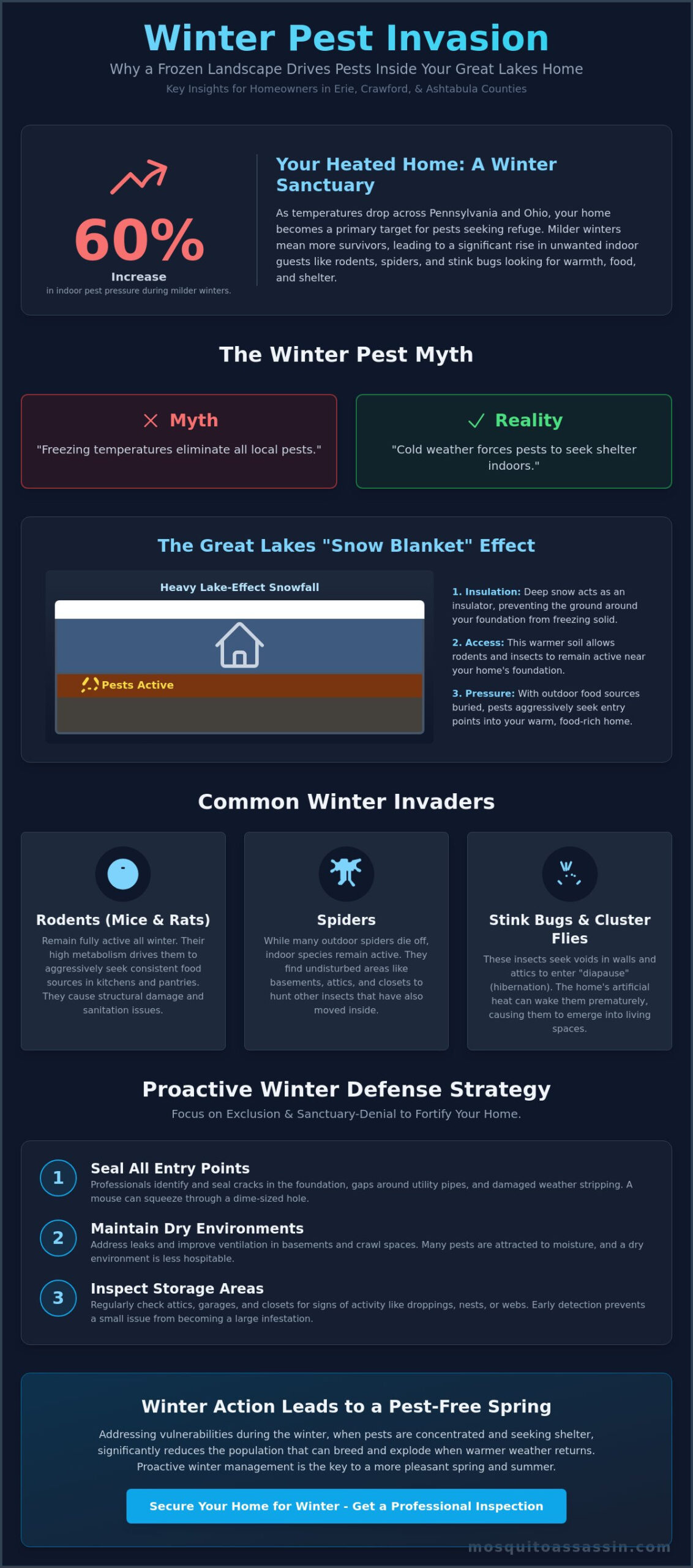
    Why would a homeowner invest in winter pest control services when the ground is frozen and the insects appear to be gone? It is a common assumption that the Great Lakes winter acts as a natural reset for local ecosystems, yet the reality inside a heated home is often quite different. While the exterior environment remains harsh, the interior of a house becomes a primary sanctuary for survival. Data for the 2025-2026 season indicates that milder winters are leading to a 60 percent increase in indoor pressure from pests like rodents, spiders, and stink bugs in the region.

    You likely agree that finding mouse droppings in the pantry or spotting a spider in the living room during the holidays is an unwelcome stress. This guide explains why professional winter management is essential for protecting properties in Erie County, Crawford County, and Ashtabula County from structural damage and sanitation issues. By focusing on exclusion and sanctuary-denial, homeowners can maintain a pest-free environment throughout the coldest months. This article examines common entry points, the behavior of overwintering insects, and the long-term benefits of prevention for the upcoming spring season.

    Disclaimer: The information provided on this blog is for general informational purposes only and is not intended as professional pest control advice. Conditions vary by property, environment, and location. Reading this content does not create a service agreement. For an inspection or professional recommendations, please contact Mosquito Assassin Pest Control LLC directly.
    Key Takeaways

    • Understand why freezing temperatures in Pennsylvania and Ohio do not eliminate pests but instead drive them indoors toward heat and food sources.
    • Learn how professional winter pest control services utilize structural fortification and exclusion to physically block rodents and insects from entering the home.
    • Identify the specific behaviors of common winter invaders like rodents and spiders, which remain active indoors throughout the coldest months.
    • Discover practical prevention strategies, such as maintaining dry environments and inspecting storage areas, to catch infestations early.
    • Explore how addressing entry points during the winter can significantly reduce pest activity and pressure for the following spring.

    Why Winter Pest Control Services Are Essential in Cold Climates

    Winter pest control services involve the systematic identification and sealing of entry points that pests use to seek refuge from the elements. Many homeowners believe that the freezing temperatures characteristic of the Great Lakes region naturally eliminate insect and rodent populations. However, cold weather in areas like Erie County doesn’t eradicate these pests; it simply forces them to relocate. When the external environment becomes inhospitable, the climate-controlled interior of a home becomes the primary target for survival.

    Professional management during the colder months shifts focus from broad outdoor barriers to the interior and the immediate perimeter of the structure. Maintaining this defensive line is a critical step in preventing a population explosion when spring temperatures arrive. By addressing vulnerabilities while pests are concentrated in specific nesting areas, homeowners can avoid the widespread infestations that often follow a winter of neglect. Professional pest control may help reduce risk by identifying these hidden sanctuary spots before they become unmanageable.

    To better understand this concept, watch this helpful video:

    The Biological Reality of Overwintering Pests

    Many insects in Pennsylvania and Ohio enter a state known as diapause. This is a biological mechanism similar to hibernation where metabolic activity slows significantly to conserve energy. However, the artificial warmth generated by modern heating systems can disrupt this cycle. When a home stays at a consistent temperature, pests like stink bugs or cluster flies may become active prematurely. They often emerge into living areas in search of moisture or food. Survival mechanisms for local insects often involve producing specific proteins that prevent cell damage during deep freezes, meaning they’re ready to resume activity the moment they find a heat source.

    Lake Effect Winters and Pest Migration

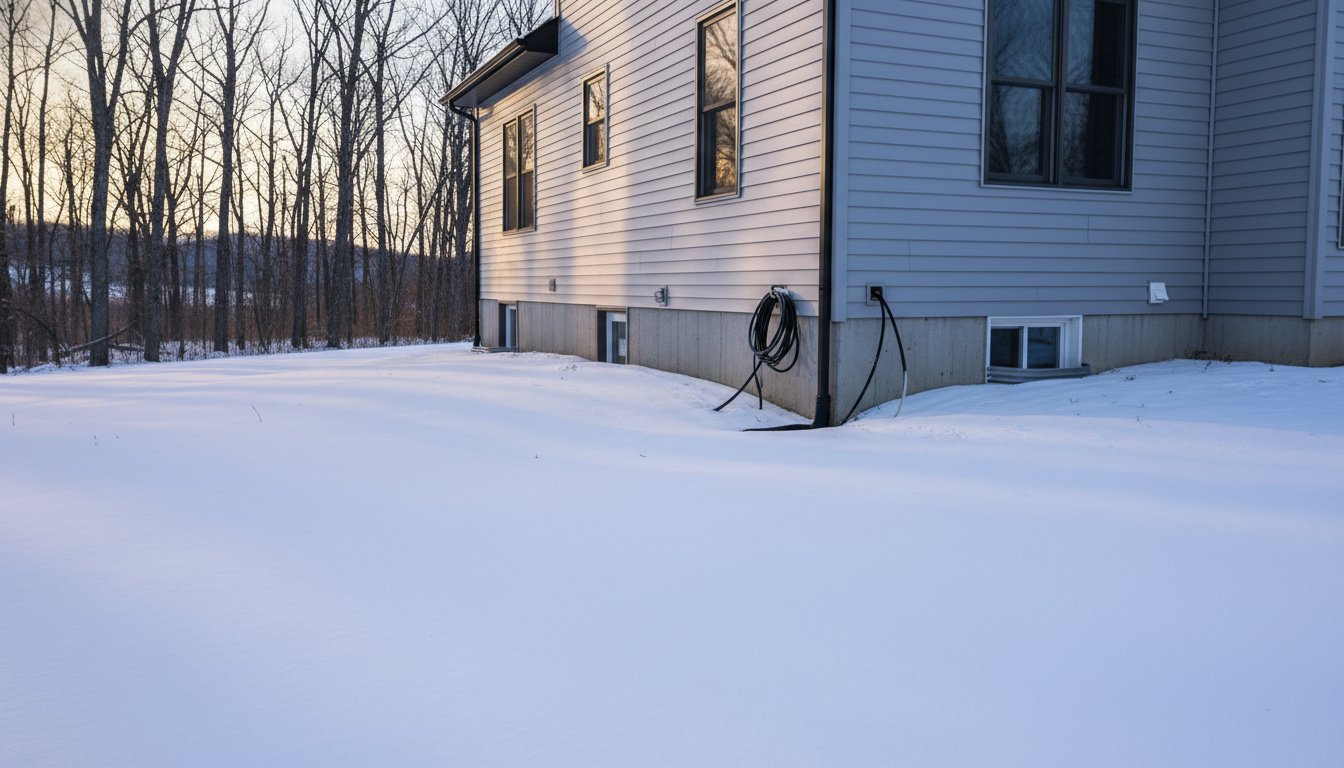
    In Ashtabula and Crawford counties, heavy lake-effect snowfall creates a unique environment for pest migration. While deep snow might seem like a deterrent, it actually acts as a powerful insulator for foundations. This snow blanket prevents the ground near the home from freezing as deeply, allowing insects and rodents to remain active near entry points. Extreme cold puts immense pressure on rodent populations, such as mice and rats, to find consistent caloric intake. Because their natural outdoor food sources are buried, they aggressively seek out kitchens and pantries. During intense lake-effect storms, attic spaces and basements become primary targets for nesting because they offer undisturbed sanctuary away from the wind and snow.

    Disclaimer: The information provided on this blog is for general informational purposes only and is not intended as professional pest control advice. Conditions vary by property, environment, and location. Reading this content does not create a service agreement. For an inspection or professional recommendations, please contact Mosquito Assassin Pest Control LLC directly.
    Common Pests Found in Pennsylvania and Ohio Homes During Winter

    While the previous section explained the environmental drivers behind pest migration, identifying the specific species that invade local properties is the next step in effective management. Rodents are the most frequent winter invaders because their high metabolism requires a consistent caloric intake that the frozen outdoors cannot provide. Unlike many insects, rodents don’t enter diapause; they remain fully active and destructive throughout the season. Homeowners often seek professional winter pest control services to address these mammals before they establish permanent nesting sites.

    Spiders also remain active indoors where humidity levels and food sources are stable. While summer spiders often die off or lay eggs and disappear, indoor species can thrive year-round in the controlled climate of a basement or crawlspace. Additionally, cockroaches thrive in moisture-rich environments like kitchens and bathrooms. Because winter air is naturally dry, these pests congregate around leaky pipes or under sinks. Finally, overwintering insects such as brown marmorated stink bugs and multi-colored Asian lady beetles may emerge on sunny winter days, mistakenly believing spring has arrived due to the warmth hitting the home’s siding.

    Rodent Behavior and Nesting Habits

    Mice and rats are masters of finding small vulnerabilities in a home’s exterior. Common signs of an active infestation include small, dark droppings, gnaw marks on food packaging or baseboards, and greasy rub marks along walls. These animals target fiberglass or cellulose insulation because it provides the perfect material for nesting. By shredding insulation in attics and crawlspaces, they compromise the home’s energy efficiency. Beyond structural damage, rodents pose significant health risks. Their droppings and urine can contaminate surfaces with pathogens such as Salmonella or trigger respiratory issues in sensitive individuals. Professional pest control may help reduce risk by removing attractants and sealing entry points.

    Spider Activity and Indoor Food Chains

    It’s a common misconception that all spiders come inside from the garden when it gets cold. In reality, many indoor spiders belong to species that have evolved to live specifically in human structures. A sudden increase in spider sightings often indicates a secondary infestation of smaller prey insects like fruit flies, fungus gnats, or silverfish. Spiders typically congregate in undisturbed areas where they can spin webs without interference. Basements, dark storage corners, and the spaces behind large appliances are primary hotspots. While most local spiders are harmless, their presence serves as a biological indicator that the home’s “indoor ecosystem” is supporting a variety of smaller pests that require professional attention.

    Disclaimer: The information provided on this blog is for general informational purposes only and is not intended as professional pest control advice. Conditions vary by property, environment, and location. Reading this content does not create a service agreement. For an inspection or professional recommendations, please contact Mosquito Assassin Pest Control LLC directly.
    Winter Pest Control Services: A Guide for Pennsylvania and Ohio Homeowners

    The Importance of Exclusion and Structural Fortification

    Exclusion is the practice of physically blocking pests from entering a structure. It represents a shift from reactive treatments to proactive structural fortification. While the previous sections discussed the biological pressure of lake-effect winters, exclusion provides the physical barrier necessary to withstand that pressure. Many homeowners find that winter pest control services are most effective during the coldest months because pest activity is concentrated at specific entry points. Identifying these vulnerabilities now prevents an established infestation from taking root deep within the walls or attic.

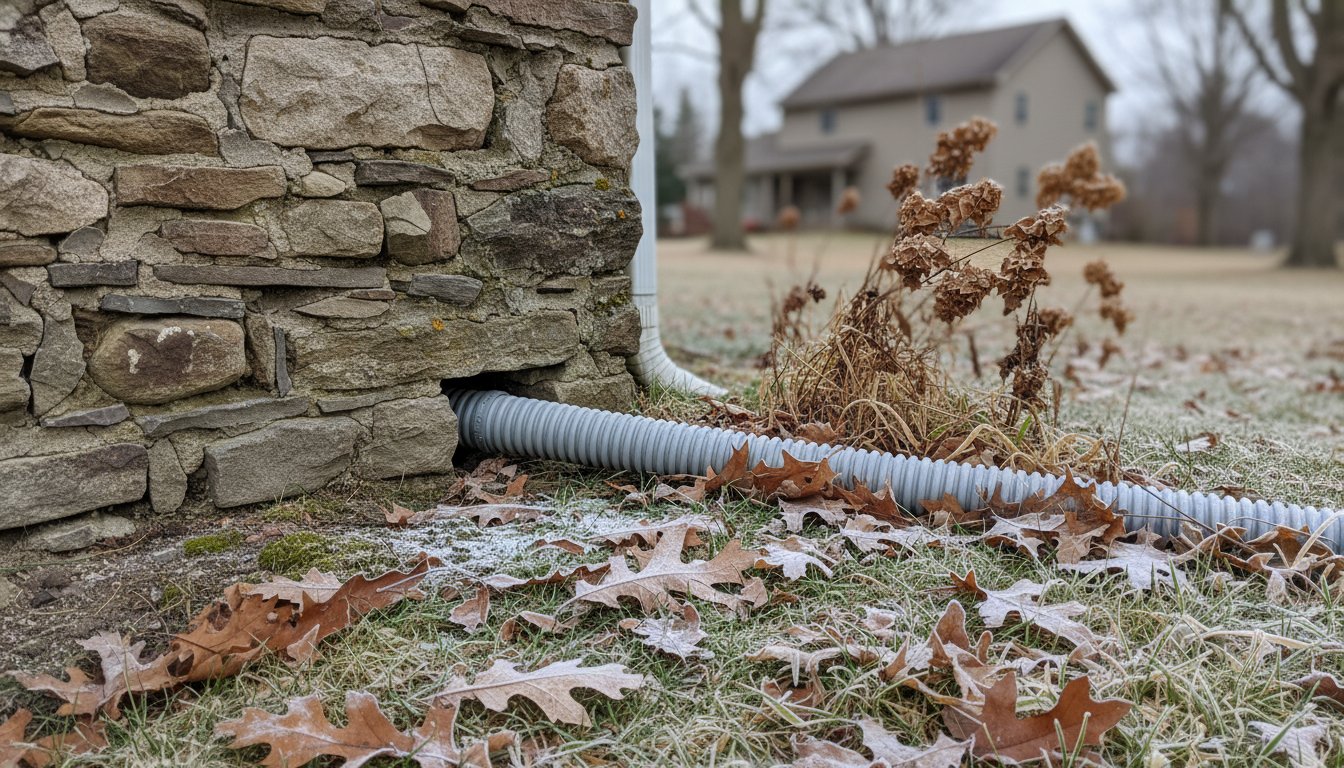
    Professional technicians focus on utility penetrations and foundation gaps during a winter inspection. These are the highways that rodents and insects use to navigate from the frozen soil to the warmth of a basement. Sealing these areas offers a permanent solution that significantly reduces the reliance on seasonal chemical applications in the future. By denying sanctuary to pests, property owners in Erie and Crawford counties can maintain a more sanitary living environment without constant intervention.

    Identifying Common Entry Points

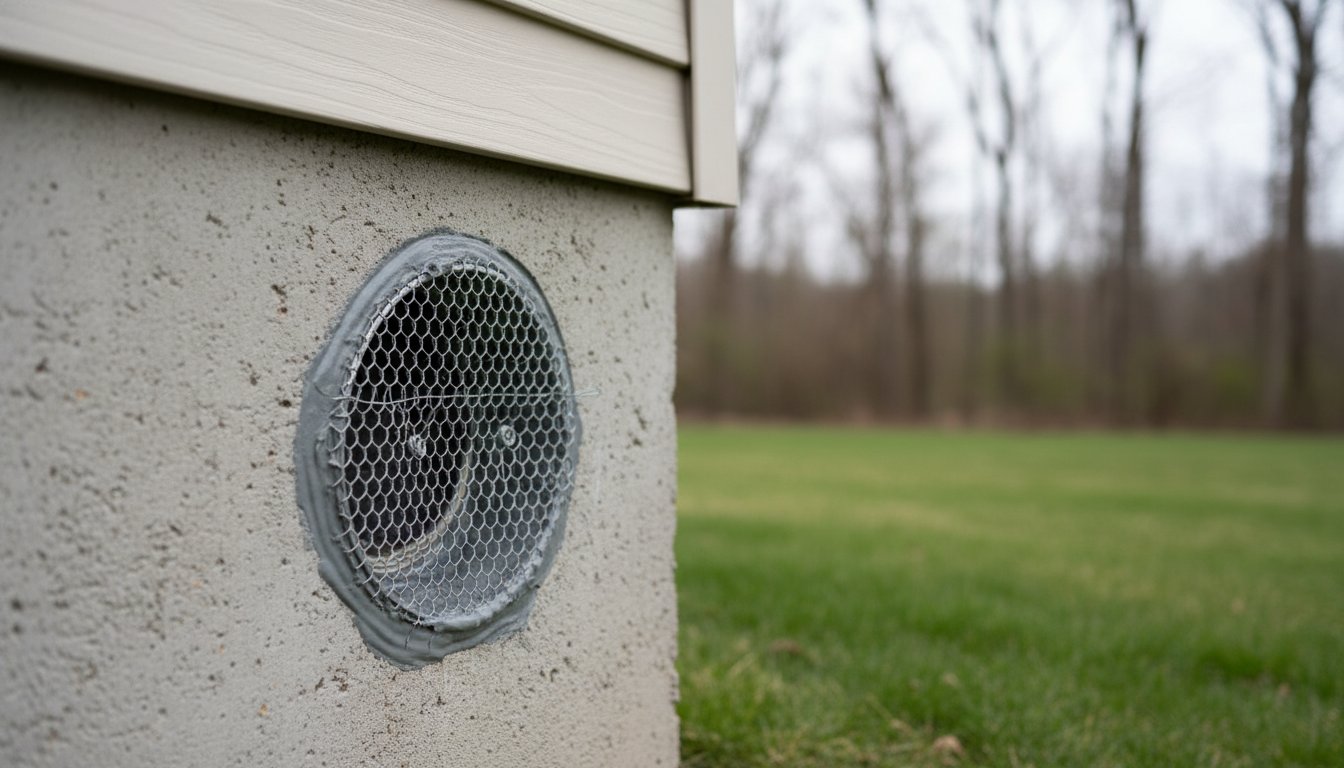
    The most vulnerable areas of a home are often where plumbing, gas, and electrical lines enter the building. Over time, the materials around these penetrations can settle or degrade, leaving gaps. Damaged door sweeps and torn window screens also facilitate easy migration for spiders and stink bugs. A critical rule of thumb used by professionals is the pencil test. If a gap is at least a quarter inch wide, or roughly the diameter of a standard pencil, it’s large enough for a young mouse to squeeze through. These tiny openings are frequently found at the corners of garage doors or where the siding meets the foundation. Professional pest control may help reduce risk by locating these hidden breaches that are often missed during a casual walkthrough.

    Materials Used in Professional Exclusion

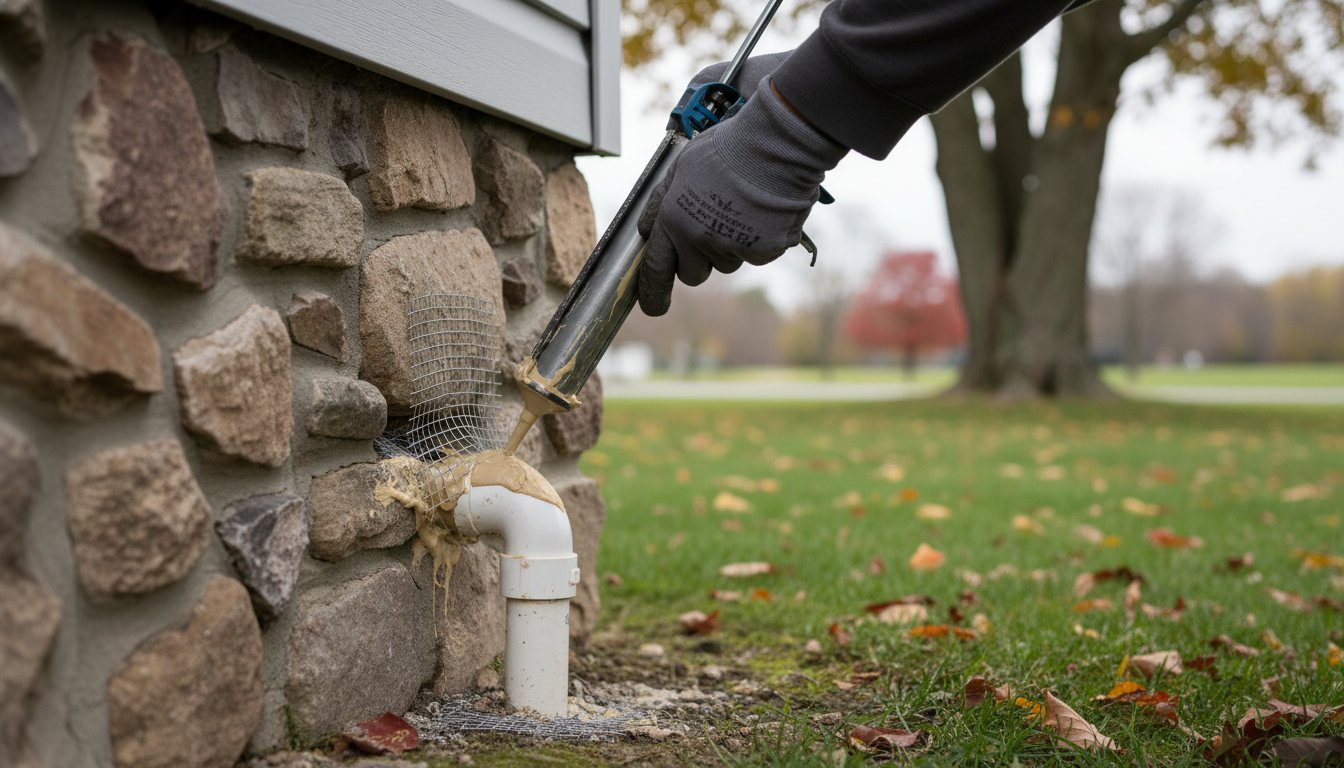
    Effective exclusion requires materials that can withstand the persistent gnawing of rodents. Professionals often use copper mesh or stainless steel wool to pack gaps before applying specialized sealants. Unlike standard expanding foam, which mice can easily chew through to create a tunnel, these metallic barriers provide a painful and impenetrable deterrent. High-grade elastomeric sealants are then used to create a weather-tight finish. Weather stripping is another essential component. While it’s often viewed as a way to improve energy efficiency, it also serves as a critical barrier against crawling insects. Using the right materials ensures that the fortification remains intact despite the extreme temperature fluctuations common in Ashtabula County.

    Disclaimer: The information provided on this blog is for general informational purposes only and is not intended as professional pest control advice. Conditions vary by property, environment, and location. Reading this content does not create a service agreement. For an inspection or professional recommendations, please contact Mosquito Assassin Pest Control LLC directly.
    Homeowner Checklist for Winter Pest Prevention

    While structural fortification provides the necessary physical barrier against invaders, daily maintenance serves as the first line of defense. Professional winter pest control services are most effective when paired with consistent homeowner habits that remove the incentives for pests to remain. A clean and dry environment eliminates the food and water sources that attract rodents and insects during the harsh winters of Northwest Pennsylvania and Northeast Ohio. By following a systematic checklist, you can significantly reduce the likelihood of a mid-winter infestation taking root in your living space.

    Regular inspections of storage areas like basements, attics, and garages are essential. Pests thrive in undisturbed environments, so moving boxes and checking for signs of shredded paper or droppings can help catch a problem before it spreads. Managing indoor humidity is also a critical factor. Because winter air is naturally dry, pests are aggressively drawn to any source of moisture within a home. Addressing these attractants now prevents the structural damage and sanitation issues that often occur when pests are left to nest until spring.

    Kitchen and Pantry Management

    Pantry pests and rodents are drawn to the scent of unsealed food. Cardboard packaging offers no protection against gnawing teeth, so dry goods should be transferred into airtight plastic or glass containers. It’s also vital to clean behind stoves and refrigerators where grease and crumbs accumulate over time. Finally, fixing leaks under sinks immediately removes the moisture sources that sustain cockroaches and silverfish throughout the coldest months of the year.

    Exterior Perimeter Maintenance

    Pest pressure often starts at the woodpile. Keep firewood at least twenty feet from the foundation to prevent it from serving as a bridge for rodents. Clearing dead leaves and vegetation away from the home’s perimeter removes the damp environments that attract overwintering insects. Additionally, ensure gutters remain clear of debris. Clogged gutters trap moisture against the roofline, eventually rotting wood and creating soft entry points for pests seeking the warmth of your attic.

    Implementing these simple changes can make your property far less inviting to unwanted guests. For homeowners who want to ensure their defenses are complete, scheduling winter pest control services provides a professional evaluation of hidden risks. A thorough inspection can identify vulnerabilities that are often missed by the untrained eye, ensuring your home remains a sanctuary throughout the holiday season.

    Disclaimer: The information provided on this blog is for general informational purposes only and is not intended as professional pest control advice. Conditions vary by property, environment, and location. Reading this content does not create a service agreement. For an inspection or professional recommendations, please contact Mosquito Assassin Pest Control LLC directly.
    Professional Winter Pest Management Strategies

    Professional winter pest control services provide the final layer of defense by identifying hidden nesting sites that are inaccessible to the average homeowner. While previous sections highlighted the importance of exclusion and sanitation, a professional inspection uncovers activity within the structural voids of the building. Licensed technicians utilize localized treatments that are both targeted and family-safe, ensuring the interior environment remains protected without unnecessary chemical exposure. Year-round protection plans are particularly valuable in the Great Lakes region because they ensure the exterior barrier is reinforced as soon as the ground thaws in the spring.

    Ongoing monitoring is necessary because a home is a dynamic structure. House settling or damage from heavy winter storms in Ashtabula County can create new vulnerabilities in the foundation or roofline. Professional pest control may help reduce risk by catching these changes before they are exploited by a new wave of invaders. This proactive approach ensures that the structural fortification discussed earlier remains intact throughout the year.

    The Comprehensive Inspection Process

    A thorough professional evaluation covers the most secluded areas of a property, including crawlspaces, attics, and basements. These are the locations where pests such as rodents and spiders are most likely to establish long-term colonies. Technicians use specialized tools to detect activity behind walls, such as moisture meters that identify the damp conditions favored by cockroaches and silverfish. A customized plan is then developed based on the specific architecture of the home, whether it’s a historic farmhouse in Crawford County or a modern suburban residence in Erie. This tailored strategy ensures that every unique vulnerability is addressed.

    Targeted Interior Treatments

    When an infestation is detected inside the home, professionals use precise application methods like gel baits and dusts within wall voids. These materials are placed specifically where pests congregate, which is often far away from the reach of children and pets. This targeted approach is a core part of modern pest management, focusing on effectiveness while maintaining high safety protocols for residents. Addressing infestations at the source prevents pests from spreading to other areas of the house. Professional pest control may help reduce risk by utilizing these specialized protocols that provide long-term results while prioritizing the health of the household.

    Disclaimer: The information provided on this blog is for general informational purposes only and is not intended as professional pest control advice. Conditions vary by property, environment, and location. Reading this content does not create a service agreement. For an inspection or professional recommendations, please contact Mosquito Assassin Pest Control LLC directly.
    Securing Your Home for the Season Ahead

    Maintaining a pest-free home in the Great Lakes region requires a shift from reactive treatments to proactive structural defense. As discussed throughout this guide, the biological drive for warmth and food during lake-effect winters pushes rodents and insects into human living spaces. Effective winter pest control services focus on identifying vulnerabilities, such as gaps as small as a quarter inch, and sealing them with durable materials like copper mesh. This proactive approach prevents the structural damage caused by nesting and the sanitation risks associated with overwintering insects.

    Professional pest control may help reduce risk by providing a comprehensive evaluation of your property’s perimeter and interior voids. To safeguard your home, contact a licensed professional for a winter inspection. Utilizing a locally owned and operated provider from Cranesville ensures your technician understands the specific environmental pressures of Erie, Crawford, and Ashtabula counties. With the right combination of homeowner maintenance and professional oversight, you can enjoy a quiet, comfortable, and sanitary winter season. Mosquito Assassin is licensed and insured in both Pennsylvania and Ohio, utilizing family-safe treatment protocols to protect your household.

    Disclaimer: The information provided on this blog is for general informational purposes only and is not intended as professional pest control advice. Conditions vary by property, environment, and location. Reading this content does not create a service agreement. For an inspection or professional recommendations, please contact Mosquito Assassin Pest Control LLC directly.
    Frequently Asked Questions

    Does the cold weather kill off all the bugs in the winter?

    Cold weather does not eliminate pest populations in Pennsylvania or Ohio; it merely changes their behavior. Many insects enter diapause, a state of dormant metabolic activity, while others seek the artificial warmth of residential structures. Data from 2026 suggests that milder winters are increasing the survival rates of overwintering pests, leading to higher indoor pressure during the coldest months when pests seek sanctuary.

    Why am I seeing spiders in my house during a snowstorm?

    Spiders seen during a snowstorm are typically indoor species that live within the structural voids of your home year-round. These pests don’t come in from the cold; rather, the consistent indoor temperature and humidity allow them to remain active. Their presence often indicates a secondary food source of smaller insects, such as silverfish or fungus gnats, that are also thriving in the climate-controlled environment.

    How do mice get into my house if I keep the doors and windows shut?

    Mice enter homes through structural vulnerabilities rather than open doors or windows. A young mouse can squeeze through a gap as small as a quarter inch, which is roughly the diameter of a pencil. Common entry points include gaps around utility penetrations, cracks in the foundation, or compromised siding. Professional winter pest control services focus on identifying and sealing these hidden breaches to deny entry effectively.

    Is it safe to have pest control treatments done inside during the winter?

    Professional interior treatments are safe when performed by licensed technicians using targeted protocols. Modern pest management utilizes localized applications, such as gel baits or dusts placed deep within wall voids, to keep materials away from children and pets. These family-safe methods address infestations at the source while maintaining a healthy indoor environment during the months when families spend most of their time inside.

    What are the most common signs of a winter rodent infestation?

    The most frequent indicators of rodents are small, dark droppings and greasy rub marks along baseboards. Homeowners may also find shredded insulation in attics or gnaw marks on food packaging and electrical wires. Because rodents are nocturnal, hearing scratching sounds within the walls or ceilings at night is a strong sign that a population has established a nest within the structure during the winter.

    Do I need to continue my pest service if I do not see any bugs?

    Maintaining service during the winter is critical for preventing a population explosion when spring arrives. Professional winter pest control services focus on exclusion and sanctuary-denial, which are proactive measures that stop pests from nesting. By reinforcing the home’s exterior barrier and monitoring for structural changes, professionals ensure that the property remains protected even when active sightings appear low.

    How can I tell the difference between a mouse and a rat infestation?

    The primary difference lies in the size and shape of the droppings and the scale of the damage. Mouse droppings are small and pointed, similar to a grain of rice, while rat droppings are larger and blunt, resembling a bean. Additionally, rats leave larger gnaw marks and often cause more significant structural damage to heavy materials like wood or PVC piping compared to the smaller nibbles left by mice.

    What should I do if I find a stink bug in my house in February?

    Avoid crushing the insect, as this releases a pungent odor that can attract more pests. The best immediate action is to vacuum the bug and dispose of the bag or canister contents outdoors. Finding a stink bug in February indicates that the insect was already overwintering in your walls and was drawn out by indoor heat. This serves as a reminder to check for exterior gaps in your home’s siding.

    Disclaimer: The information provided on this blog is for general informational purposes only and is not intended as professional pest control advice. Conditions vary by property, environment, and location. Reading this content does not create a service agreement. For an inspection or professional recommendations, please contact Mosquito Assassin Pest Control LLC directly.
  • Erie PA Mice Exterminator: A Complete Guide to Rodent Control in 2026

    Erie PA Mice Exterminator: A Complete Guide to Rodent Control in 2026

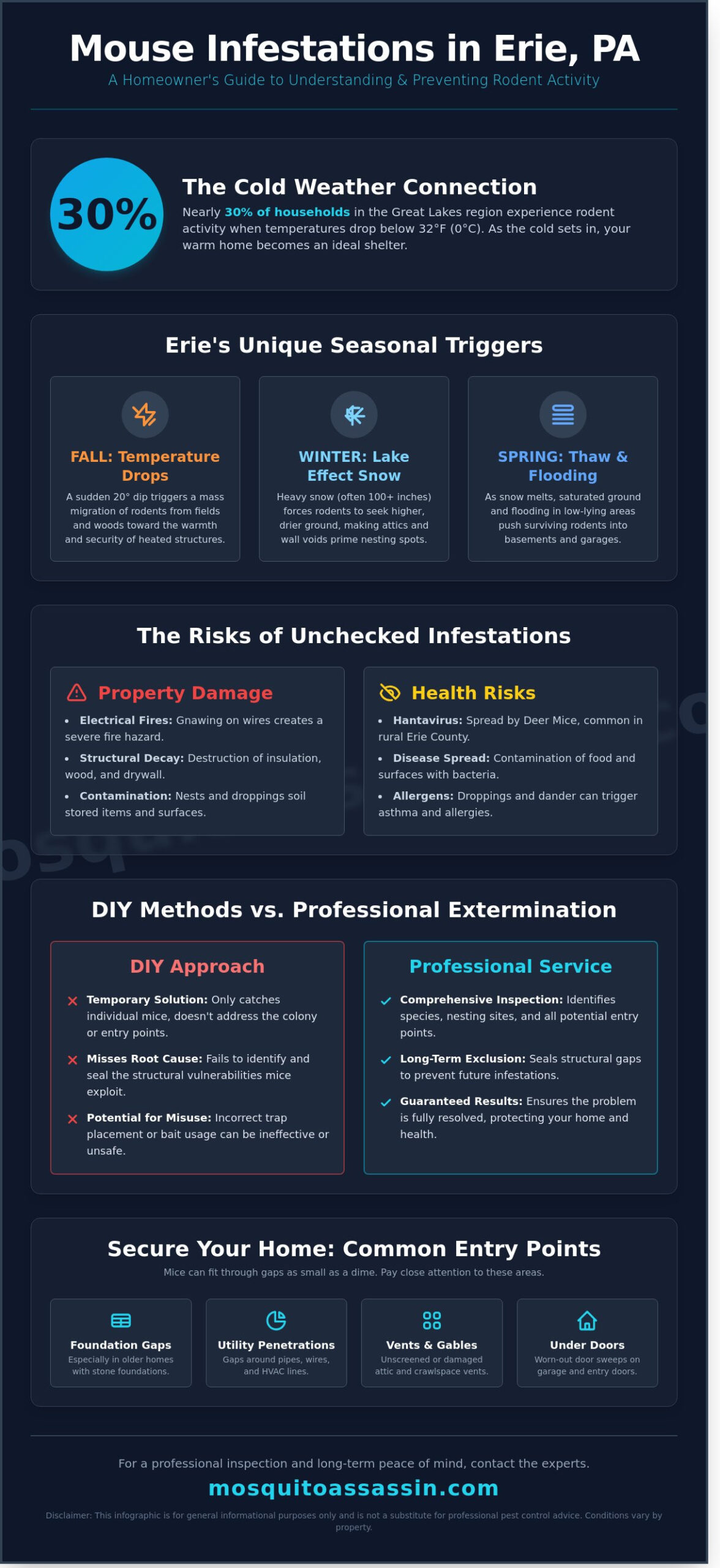
    Imagine waking up on a cold January morning in Erie to find the corner of a cereal box shredded or hearing a persistent scratching behind the drywall. You aren’t alone in this frustration; data from 2024 indicates that nearly 30% of households in the Great Lakes region experience rodent activity when temperatures drop below 32 degrees Fahrenheit. It’s a stressful situation, especially when concerns about electrical fires from chewed wires or the spread of diseases like Hantavirus start to weigh on your mind. If traditional traps haven’t solved the problem, consulting an erie pa mice exterminator can provide the professional insight needed to protect your property.

    You deserve the peace of mind that comes with a secure, mouse-free home. This guide explains how to identify common entry points specific to the unique architecture of Erie and Crawford counties, while also offering practical management strategies. You’ll learn about the biology of local rodent species and the most effective ways to prevent them from returning. The following sections cover everything from initial identification to long-term exclusion techniques that account for the local climate, ensuring your home remains a sanctuary throughout the year.

    Disclaimer: The information provided on this blog is for general informational purposes only and is not intended as professional pest control advice. Conditions vary by property, environment, and location. Reading this content does not create a service agreement. For an inspection or professional recommendations, please contact Mosquito Assassin Pest Control LLC directly.

    Key Takeaways

    • Understand how the unique climate of Northwest Pennsylvania triggers seasonal rodent migrations into residential structures.
    • Identify the specific structural risks and health concerns associated with unchecked mouse activity in local homes.
    • Evaluate the effectiveness of DIY methods compared to the comprehensive approach used by a professional Erie PA mice exterminator.
    • Learn to locate and seal common entry points (such as foundation gaps and utility penetrations) found in regional architecture.
    • Discover long-term management strategies and cleaning habits that help prevent future infestations throughout the year.

    Understanding Mouse Infestations in Erie, PA

    Erie residents face unique pest challenges because of the region’s specific geography and historical housing. Identifying the signs of an infestation is the first step in effective management. When searching for a qualified erie pa mice exterminator, homeowners often find that local environmental factors dictate the severity of the problem. It’s not just about a single mouse; it’s about understanding how the local ecosystem interacts with residential properties.

    To better understand this concept, watch this helpful video:

    Common Rodent Species in the Region

    The House Mouse (Mus musculus) is the most frequent indoor invader in urban Erie neighborhoods. These rodents typically nest near food sources and can fit through gaps as small as a quarter inch. In more rural parts of Erie County, the Deer Mouse is common. Unlike the House Mouse, the Deer Mouse is often associated with the transmission of Hantavirus. Distinguishing between a single invader and an established colony is critical. An established infestation usually involves multiple nesting sites and visible droppings. Utilizing professional Pest control methods helps identify these species accurately to ensure the right mitigation strategy is applied.

    Seasonal Patterns and the Lake Effect

    The Lake Erie climate dictates rodent behavior through distinct seasonal shifts. As temperatures drop in late September or October, rodents begin an immediate search for warmth, often moving from fields into residential crawlspaces or attics. The humid Erie summers also play a role, as high moisture levels support larger outdoor populations by providing ample vegetation.

    • Fall Temperature Drops: A sudden 20 degree dip in temperature can trigger a mass migration of rodents toward heated structures.
    • Lake Effect Snow: Heavy snow accumulation, which can exceed 100 inches annually in parts of the snowbelt, insulates the ground. This forces rodents to seek higher, drier ground inside human dwellings.
    • Spring Thaw: As snow melts, flooding in low lying areas can push rodents into basements and garages.

    Erie’s architectural landscape also impacts rodent access. Many homes in the city were constructed between 1900 and 1950; these older structures often feature stone foundations or settled wooden frames that have developed small entry points over time. A professional erie pa mice exterminator understands that these historical building techniques require specific exclusion strategies. Local knowledge is essential because pest behavior in the Great Lakes region differs from that in drier or warmer climates. Professional intervention focuses on long term prevention by addressing these structural vulnerabilities. For those seeking assistance, visiting https://mosquitoassassin.com/location can provide more information on regional service areas.

    Disclaimer: The information provided on this blog is for general informational purposes only and is not intended as professional pest control advice. Conditions vary by property, environment, and location. Reading this content does not create a service agreement. For an inspection or professional recommendations, please contact Mosquito Assassin Pest Control LLC directly.

    The Risks of Unchecked Rodent Activity in Pennsylvania Homes

    A mouse infestation in Northwest Pennsylvania is more than a minor annoyance; it’s a significant threat to property integrity and family safety. In regions like Erie and Crawford counties, the drop in temperature during late autumn drives rodents into residential spaces seeking warmth and food. When homeowners delay contacting an erie pa mice exterminator, the damage quickly compounds. Mice possess incisors that grow continuously, necessitating constant gnawing on hard materials to keep them filed down. This biological drive leads to the destruction of various household components that are often expensive and difficult to replace.

    Rodents are opportunistic and will utilize any available material to establish their territory. Finding an erie pa mice exterminator early can prevent the structural decay that occurs when rodents are left to their own devices for months at a time. Because mice are nocturnal and secretive, the damage they cause is often hidden behind walls or under floorboards until the situation becomes critical.

    Property and Structural Damage

    Mice frequently target attic and wall insulation to create soft nesting environments. Research indicates that rodent activity can degrade insulation efficiency by up to 25% in affected areas, which directly increases home heating costs during harsh Pennsylvania winters. Beyond insulation, rodents regularly chew through PVC plumbing pipes and wooden floor joists. The most severe hazard involves electrical systems. By stripping the plastic coating off wires, mice create short circuits that are difficult to detect. The National Fire Protection Association has estimated that rodents are responsible for approximately 20% to 25% of fires where the cause is otherwise unknown. Replacing damaged wiring behind drywall often requires extensive demolition and high labor costs. Drywall itself is also at risk, as mice chew through it to create corridors between rooms.

    Health Risks and Sanitation Issues

    The presence of rodents introduces serious biological hazards into the home environment. Mice contaminate food preparation areas and storage pantries through their droppings, urine, and hair. This behavior facilitates the spread of Salmonellosis, a bacterial infection that causes severe gastrointestinal distress. Another concern is Hantavirus, which can be transmitted when people breathe in dust contaminated by rodent waste. Indoor air quality suffers as droppings dry out and become airborne particles, often aggravating respiratory conditions like asthma or allergies.

    Mice don’t stay in one place; they traverse countertops, silverware drawers, and food containers, leaving behind invisible pathogens. Professional sanitation is necessary after an infestation to ensure these pathogens are neutralized safely without spreading them further into the air. Consulting with a professional may help reduce these risks. Homeowners can schedule an inspection online to evaluate their property’s safety and identify potential entry points.

    Disclaimer: The information provided on this blog is for general informational purposes only and is not intended as professional pest control advice. Conditions vary by property, environment, and location. Reading this content does not create a service agreement. For an inspection or professional recommendations, please contact Mosquito Assassin Pest Control LLC directly.

    Erie PA Mice Exterminator: A Complete Guide to Rodent Control in 2026

    Professional Mouse Extermination vs. DIY Methods

    Homeowners often turn to hardware store shelves when they first spot a mouse. While over-the-counter snap traps or glue boards can catch individual rodents, they rarely eliminate a colony. A single female mouse can produce up to 60 offspring annually; catching one or two mice per week doesn’t keep pace with their reproductive cycle. This is why many residents in Erie and Crawford counties find themselves in a cycle of constant trapping without seeing real results. Most retail traps are designed for convenience rather than total eradication.

    Electronic ultrasonic repellents are another popular DIY choice, yet research from institutions like the University of Nebraska-Lincoln shows that rodents often habituate to these sounds within days. Similarly, home remedies like peppermint oil or mothballs lack the longevity to deter a hungry mouse. These methods provide a false sense of security while the underlying infestation grows within the wall voids and insulation. Relying on these fixes often allows a small problem to become a structural crisis.

    The Problem with Temporary Fixes

    DIY rodent control focuses on the symptoms rather than the root cause. If a homeowner kills a mouse but leaves a 1/4 inch gap under a door or around a utility pipe, another mouse will simply take its place. This creates a revolving door effect. Common mistakes include placing traps in open areas where mice don’t travel and using too few traps for the size of the population. A professional erie pa mice exterminator understands that placement is as critical as the tool itself. Effective control requires sealing entry points with gnaw-proof materials like steel wool or hardware cloth, something simple trapping ignores.

    The Professional Integrated Pest Management Approach

    Professional management uses a systematic process to find hidden nests that are often located in crawlspaces or behind appliances. Technicians perform detailed inspections to identify structural vulnerabilities specific to older homes in the Great Lakes region. This approach includes ongoing monitoring to ensure that new populations don’t establish themselves during the harsh winter months. For homeowners seeking a broader shield against various invaders, general pest control strategies provide a comprehensive layer of protection for the entire property. Relying on an erie pa mice exterminator ensures that the focus remains on long-term exclusion rather than just temporary removal.

    The long-term cost analysis often favors professional intervention. While a bag of traps is inexpensive, the cumulative cost of contaminated food, damaged electrical wiring, and ruined attic insulation quickly exceeds the price of a professional service plan. Addressing the problem early prevents these expensive structural repairs and maintains the value of the property.

    Disclaimer: The information provided on this blog is for general informational purposes only and is not intended as professional pest control advice. Conditions vary by property, environment, and location. Reading this content does not create a service agreement. For an inspection or professional recommendations, please contact Mosquito Assassin Pest Control LLC directly.

    Identifying and Sealing Common Entry Points in Erie Homes

    Mice are opportunistic survivors that only need a gap of 1/4 inch, roughly the size of a dime, to enter a structure. In Erie, Pennsylvania, where older architecture is common, these small vulnerabilities are frequently found around the building envelope. Effective rodent control relies on a systematic approach to exclusion, which involves identifying and sealing every potential doorway into the living space. A professional erie pa mice exterminator typically begins this process with a detailed exterior inspection, focusing on areas where different building materials meet.

    Foundation and Ground-Level Vulnerabilities

    Many homes in Erie County and Crawford County feature historical fieldstone foundations. Over time, the mortar between these stones can crumble or settle, creating small tunnels that lead directly into the basement or crawlspace. It’s vital to inspect the entire perimeter at the ground level for these structural weaknesses. Door sweeps and garage door seals are also common failure points. If light is visible under a door during the day, the gap is large enough for a mouse to squeeze through. Additionally, maintaining a 12 inch clear zone between the foundation and any vegetation is a standard practice. Overgrown shrubs or stacked firewood near the home provide the necessary cover for rodents to work on entry points without being seen by predators.

    Upper-Level and Structural Entry Points

    Rodents are skilled climbers. They easily scale brick walls, downspouts, or overhanging tree branches to reach the roofline. Architectural gaps where different siding materials meet, such as the transition from stone veneer to vinyl siding, are prime entry spots. Chimneys and roof vents require heavy-duty galvanized hardware cloth to prevent access while still allowing for proper ventilation. Soffit gaps and warped fascia boards often provide a direct route into the attic. Identifying these high-level vulnerabilities is a core part of what an erie pa mice exterminator looks for during a comprehensive assessment. Mice often use these upper entries to nest in insulation, away from the high-traffic areas of the home.

    For long-term results, the materials used for exclusion must be durable. Mice can chew through wood, plastic, and standard expanding foam. Professionals utilize specific materials to ensure the seals remain intact:

    • 1/4 inch galvanized steel hardware cloth: This is used for covering vents and larger gaps where airflow is still required.
    • Stainless steel wool or copper mesh: These materials are packed into small holes before being sealed with a weather-resistant sealant.
    • Professional-grade caulk and mortar: These are used to finish the exclusion work, preventing moisture from entering and hiding the repair visually.

    Identifying every potential entry point on a large property can be challenging for homeowners. If you suspect your home has structural gaps, scheduling a professional inspection may help identify these hidden risks.

    Disclaimer: The information provided on this blog is for general informational purposes only and is not intended as professional pest control advice. Conditions vary by property, environment, and location. Reading this content does not create a service agreement. For an inspection or professional recommendations, please contact Mosquito Assassin Pest Control LLC directly.

    Long-Term Rodent Management and Prevention Strategies

    Long-term rodent control requires a shift from reactive trapping to proactive exclusion. While a local erie pa mice exterminator can address an immediate crisis, maintaining a rodent-free home involves consistent environmental management. Rodents are opportunistic creatures. They seek three primary resources: food, water, and shelter. Removing these elements significantly reduces the likelihood of a recurring infestation. Consistency is the most effective tool in any prevention strategy.

    Environmental Modification Tips

    Small changes to a property often yield the most significant results. Pet food and birdseed are high-calorie attractants that can support a colony of 20 or more mice if left in original paper bags. It’s best to use metal or heavy-duty plastic containers with airtight seals to block scent and access. Outside the home, woodpiles should sit at least 20 feet from the foundation. Piles of debris or stacked firewood provide ideal nesting sites for mice before they attempt to enter the structure. Moisture is another critical factor. Keeping humidity levels in basements and crawlspaces below 50 percent makes the environment less hospitable for rodents and the insects they prey upon.

    The Value of Professional Monitoring

    Professional oversight provides a layer of defense that standard DIY methods lack. Regular inspections catch structural vulnerabilities, such as a quarter-inch gap near a utility line, before it becomes a primary entry point. This level of detail is especially vital for commercial properties in Erie where health codes and business reputations are at stake. Hiring an erie pa mice exterminator for annual or quarterly monitoring ensures that the strategy evolves with the seasons.

    A professional plan adapts to changing environmental pressures. In the autumn, the focus remains on sealing entry points as temperatures drop. During the spring, the strategy shifts to managing outdoor populations before they expand. For homeowners currently facing an active problem, seeking professional rodent removal can provide the necessary expertise to clear the structure safely and effectively.

    Residents in Erie, Crawford, and Ashtabula counties deal with unique environmental pressures, including harsh winters that drive rodents indoors. Professional pest control may help reduce risk and ensure the property remains secure throughout the year. For an inspection or to discuss long-term prevention strategies, reaching out to a local professional is a practical next step. Information regarding service options is available at https://mosquitoassassin.com/services.

    Disclaimer: The information provided on this blog is for general informational purposes only and is not intended as professional pest control advice. Conditions vary by property, environment, and location. Reading this content does not create a service agreement. For an inspection or professional recommendations, please contact Mosquito Assassin Pest Control LLC directly.

    Securing Your Erie Home Against Rodent Infestations

    Maintaining a rodent-free environment in Pennsylvania requires a proactive approach that combines structural exclusion with professional monitoring. Data from the National Pest Management Association suggests that a single pair of mice can produce up to 60 offspring in a 12 month period, making early detection vital for homeowners. Effective management involves identifying entry points as small as 0.25 inches and implementing long-term prevention strategies tailored to the local climate. These rodents frequently chew through electrical wiring, which presents a significant risk to residential structures.

    Homeowners in the region often find that professional intervention provides more consistent results than temporary DIY fixes. When seeking a qualified erie pa mice exterminator, it’s important to choose a provider with deep local roots. Mosquito Assassin is a locally owned and operated company based in Cranesville, PA. Licensed and insured technicians provide professional oversight throughout Erie, Crawford, and Ashtabula counties. Professional pest control may help reduce the risk of rodent infestations. For an inspection, visit mosquitoassassin.com. Taking these steps today helps ensure a safer, more comfortable living space for the future.

    Disclaimer: The information provided on this blog is for general informational purposes only and is not intended as professional pest control advice. Conditions vary by property, environment, and location. Reading this content does not create a service agreement. For an inspection or professional recommendations, please contact Mosquito Assassin Pest Control LLC directly.

    Frequently Asked Questions

    How much does a mice exterminator cost in Erie, PA?

    Professional rodent control costs in Pennsylvania typically range from $200 to $600 for an initial service visit. This price variation depends on 3 main factors: the size of the infestation, the square footage of the home, and the extent of exclusion repairs needed. Hiring an Erie PA mice exterminator involves a detailed inspection to determine the specific scope of work required for a property.

    Can mice get into a house through the roof in Pennsylvania?

    Mice frequently enter Pennsylvania homes through roof lines by climbing nearby trees, siding, or utility lines. These rodents can squeeze through gaps as small as 6 millimeters, which are common near soffits, chimneys, and roof vents. Research shows that deer mice can jump 30 centimeters vertically, allowing them to reach low-hanging gutters or shingles with ease during the winter months.

    How do I know if I have mice in my walls or just a noisy house?

    Audible scratching or scurrying sounds between 10 PM and 6 AM often indicate a rodent presence rather than standard house settling. Homeowners should look for 3 to 6 millimeter dark droppings or grease marks along baseboards to confirm an infestation. An Erie PA mice exterminator uses these physical signs to differentiate between structural noises and active rodent nesting sites within the wall voids.

    Are mouse treatments safe for my pets and children?

    Licensed professionals use tamper-resistant bait stations designed to keep children and pets from accessing rodenticides. These heavy-duty containers are locked and often secured to the ground to prevent movement or accidental opening. Technicians follow strict EPA guidelines to ensure that all materials are placed in areas inaccessible to non-target animals, such as crawlspaces, attics, or behind heavy appliances.

    How long does it take for a professional to get rid of mice?

    Most residential rodent infestations are successfully eliminated within 14 to 21 days of the initial treatment. The first 7 days typically see a significant reduction in activity as mice interact with the professional treatment plan. Complete eradication requires this multi-week window to account for the life cycle of the rodents and to ensure every member of the colony is addressed.

    What is the best way to prevent mice from returning in the winter?

    Sealing every exterior opening larger than 6 millimeters with steel wool or hardware cloth is the most effective prevention strategy. Homeowners should focus on the foundation, utility entrances, and door sweeps before temperatures drop below 45 degrees Fahrenheit. Maintaining a 12-inch gravel border around the home perimeter also discourages rodents from nesting near the foundation during the snowy season.

    Do I need to leave my home during a rodent treatment?

    Residents don’t usually need to vacate their homes during a standard professional rodent treatment. Since technicians primarily use localized baiting, trapping, and exclusion techniques, there’s no airborne risk that requires evacuation. If a specific situation requires a different approach, a professional technician will provide specific instructions at least 24 hours before the service begins to ensure resident comfort.

    Is it possible to totally mouse-proof an older Erie home?

    Achieving a mouse-proof status in older Erie homes is possible through comprehensive exclusion and consistent structural maintenance. Many houses built before 1950 have stone foundations or settling gaps that require professional-grade sealants and metal flashing to secure. While challenging, identifying and closing every 1/4-inch gap ensures that rodents cannot find a way inside when seeking warmth. Professional pest control may help reduce risk.

    Disclaimer: The information provided on this blog is for general informational purposes only and is not intended as professional pest control advice. Conditions vary by property, environment, and location. Reading this content does not create a service agreement. For an inspection or professional recommendations, please contact Mosquito Assassin Pest Control LLC directly.

  • Attic Mouse Removal in Erie, PA: A Professional Guide to Rodent-Free Living

    Attic Mouse Removal in Erie, PA: A Professional Guide to Rodent-Free Living

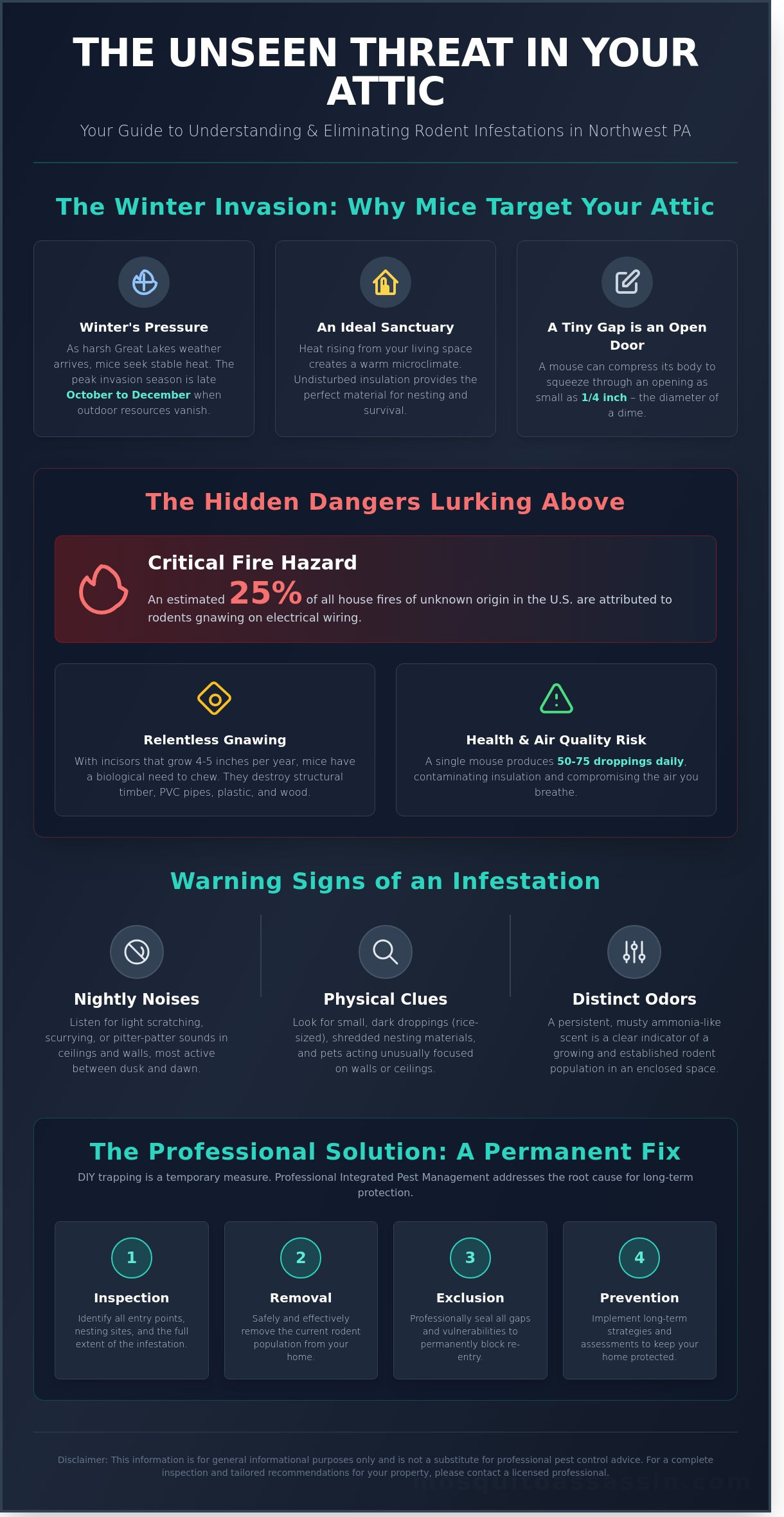
    Imagine it’s 2:00 AM on a cold November night in Erie, and instead of sleep, you’re focused on the rhythmic scratching sounds coming from directly above your bed. For many residents in Erie and Crawford Counties, this is the first sign that a rodent population has moved into the attic insulation. When investigating the need for attic mouse removal erie pa, the concern isn’t just the noise; it’s the reality that a single mouse can produce between 50 and 75 droppings every 24 hours, quickly compromising your home’s air quality and safety.

    It’s understandable to feel a sense of anxiety when you consider that mice can chew through plastic, wood, and even electrical wiring, which causes approximately 25 percent of all house fires of unknown origin in the United States. You deserve the peace of mind that comes with a quiet, rodent-free home. This guide outlines the professional steps for identifying an infestation, removing the intruders safely, and sealing entry points to prevent a recurrence. You’ll gain the knowledge needed to protect your attic’s insulation and ensure your family remains safe from the risks associated with rodent contamination.

    Disclaimer: The information provided on this blog is for general informational purposes only and is not intended as professional pest control advice. Conditions vary by property, environment, and location. Reading this content does not create a service agreement. For an inspection or professional recommendations, please contact Mosquito Assassin Pest Control LLC directly.

    Key Takeaways

    • Understand why Northwest Pennsylvania winters drive mice into attic spaces and how to identify common entry points like roof vents and fascia gaps.
    • Recognize the serious structural and safety risks posed by rodents, including the fire hazards created when mice gnaw on attic electrical wiring.
    • Learn why professional attic mouse removal erie pa is more effective than DIY trapping by addressing the root causes of an infestation.
    • Discover the importance of professional exclusion strategies that identify and seal entry points as small as a quarter inch (the size of a dime).
    • Explore how long-term prevention plans and regular assessments can protect homes in Erie County from recurring rodent issues throughout the year.

    Understanding Attic Mouse Infestations in Northwest Pennsylvania

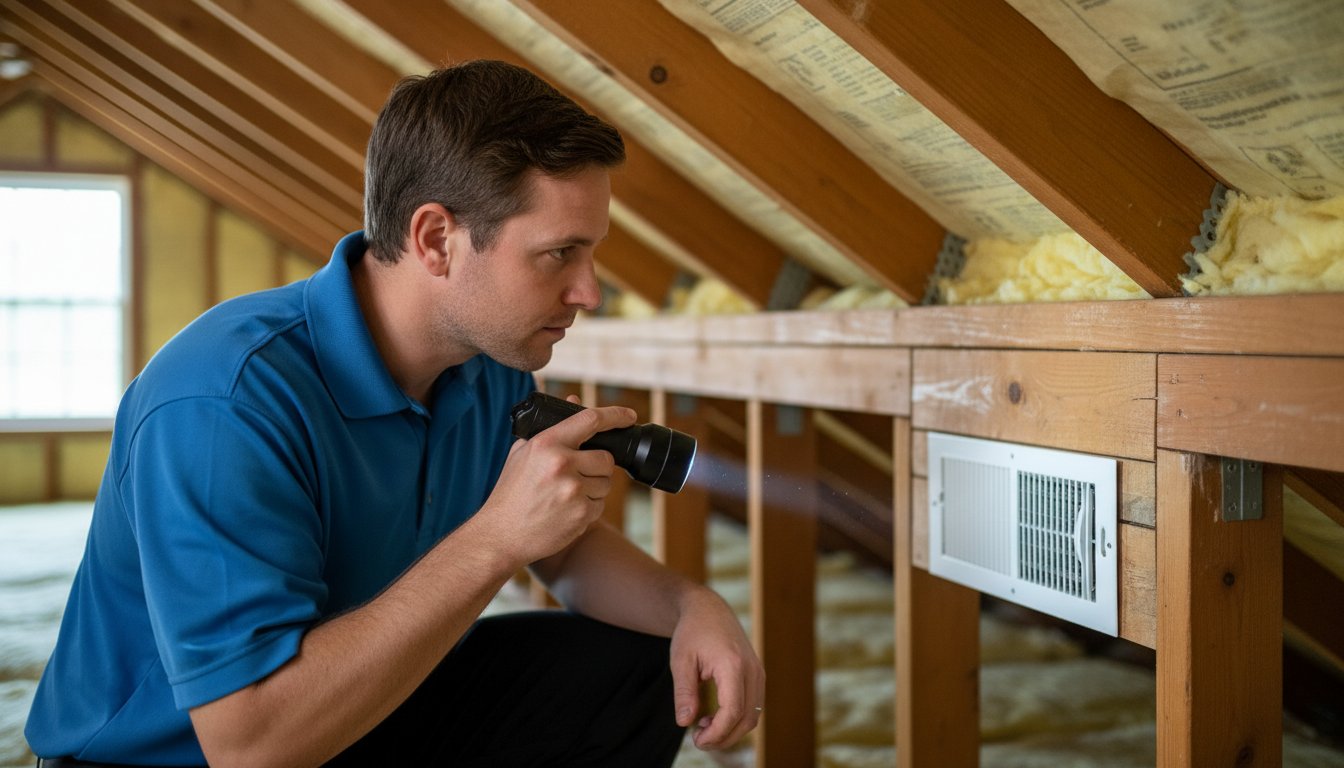
    Erie, Pennsylvania, experiences some of the most demanding winter weather in the Great Lakes region. When the first frost hits in October, local rodent populations begin a desperate search for stable heat sources. Attics are the primary target because heat rises from the living spaces below, creating a microclimate that allows rodents to survive even during sub-zero temperatures. For homeowners considering attic mouse removal erie pa, understanding the biology of these pests is the first step toward a permanent solution.

    The House mouse (Mus musculus) is a small, agile mammal that weighs less than an ounce. Its physical structure allows it to compress its body and squeeze through gaps as narrow as 1/4 inch, which is roughly the diameter of a standard pencil. In Erie County, housing styles ranging from Victorian-era builds to mid-century ranches often have vulnerabilities in the roofline. Common entry points include warped fascia boards, gaps where the soffit meets the siding, and unprotected ridge vents. Once inside, mice quickly establish nests within the insulation to maintain their body temperature.

    To better understand the process of identifying and addressing these issues, watch this helpful video:

    Seasonal Migration Patterns in the Great Lakes Region

    Rodent activity in Northwest Pennsylvania follows a predictable seasonal cycle. While mice are active year-round, the peak period for residential entry occurs between late October and early December. Lake-effect weather patterns often bring sudden drops in temperature and heavy snow, which eliminates natural food sources and outdoor nesting sites. This environmental pressure forces mice into human structures. Once they’ve settled into fiberglass or cellulose insulation, they can thrive throughout the winter. The insulation provides an R-value that keeps them warm, while the lack of human foot traffic in the attic ensures their survival remains undisturbed for months.

    Signs of Mice in the Attic and Walls

    Identifying an infestation early is critical for effective attic mouse removal erie pa. Homeowners should listen for specific auditory cues. Mice are nocturnal, so scratching or scurrying sounds are most common between dusk and dawn. These sounds are often localized in the ceiling or behind drywall as mice move through wall voids. Unlike larger wildlife like squirrels or raccoons, which make heavy thumping noises, mice produce light, rapid pitter-patter sounds. Physical evidence includes:

    • Droppings: Small, dark pellets about the size of a grain of rice, typically found in clusters near the eaves or chimney chase.
    • Nesting Material: Shredded paper, cardboard, or clumps of insulation gathered in dark corners.
    • Pet Reactions: Dogs or cats may paw at baseboards or stare intently at specific spots on the ceiling.
    • Odors: A distinct, musty ammonia scent that becomes more pronounced as the population grows.

    If these signs are present, professional pest control may help reduce risk. Early detection prevents the accumulation of waste and damage to electrical wiring or structural components.

    Disclaimer: The information provided on this blog is for general informational purposes only and is not intended as professional pest control advice. Conditions vary by property, environment, and location. Reading this content does not create a service agreement. For an inspection or professional recommendations, please contact Mosquito Assassin Pest Control LLC directly.

    The Structural and Health Risks of Rodents in the Attic

    Rodents in the attic represent more than a simple noise nuisance. They’re a direct threat to the structural integrity and safety of a home. Mice possess incisors that grow continuously, at a rate of approximately 4 to 5 inches per year. To manage this growth, they have a biological compulsion to gnaw on hard materials. In a typical attic, this often includes structural timber, PVC piping, and electrical wiring. When mice strip the plastic insulation from wires, they create exposed “hot” spots. In the dry, dusty environment of an attic, these exposed wires are a leading cause of house fires. According to the National Fire Protection Association, rodents are suspected in 20% to 25% of fires where the cause is never officially determined.

    Homeowners seeking attic mouse removal in Erie, PA, often discover that the damage extends to the very air they breathe. As mice move through the space, they leave behind a trail of urine, feces, and nesting debris. Over time, these waste products dry out and break down into microscopic particles. Because many HVAC systems and ventilation ducts run through the attic, these airborne pathogens can be pulled into the home’s living areas, compromising the indoor air quality for everyone inside.

    Damage to Attic Insulation and R-Value

    Mice don’t just live on top of insulation; they destroy it from the inside out. They tunnel through fiberglass batts and cellulose, which causes the material to compress. This compression significantly reduces the “R-value,” or the thermal resistance, of the insulation. A 20% reduction in insulation efficiency can lead to noticeable drafts and a 15% increase in seasonal heating costs during harsh Pennsylvania winters. Professional assessments frequently reveal that once insulation is heavily contaminated with pheromones and waste, a partial or full replacement is the only way to restore energy efficiency and eliminate lingering odors. Identifying these issues early through a professional inspection can prevent long-term financial loss.

    Health Concerns and Food Safety

    The health risks associated with a rodent infestation are documented and serious. Mice are known carriers of Salmonellosis, a bacterial infection transmitted through contact with their waste. Beyond direct diseases, rodents bring secondary “hitchhiker” pests into the home, including fleas, ticks, and mites. These parasites can migrate from the attic into bedrooms and living spaces, creating a multi-layered infestation. Maintaining a clean and secure environment is vital for family safety. This is why professional general pest control is a critical component of home maintenance in Erie and Crawford Counties. Licensed experts focus on breaking the reproductive cycle of these pests to ensure the home remains a healthy place to live.

    Disclaimer: The information provided on this blog is for general informational purposes only and is not intended as professional pest control advice. Conditions vary by property, environment, and location. Reading this content does not create a service agreement. For an inspection or professional recommendations, please contact Mosquito Assassin Pest Control LLC directly.

    Attic Mouse Removal in Erie, PA: A Professional Guide to Rodent-Free Living

    Evaluating Removal Methods: Trapping vs. Integrated Management

    Effective attic mouse removal erie pa requires more than just setting a few wooden traps near a chimney or crawl space. Most homeowners discover that DIY efforts provide only a short reprieve before the scratching sounds return. Professional pest control focuses on long term results by moving beyond simple lethal control to a comprehensive management strategy.

    The Problem with Temporary Fixes

    Mice are prolific breeders. A single female can produce up to ten litters in a calendar year, meaning a small entry point can quickly lead to a full scale infestation. Standard snap traps often fail to keep pace with this reproductive cycle. Additionally, mice are naturally suspicious of new objects, a trait known as neophobia. Smart rodents often learn to avoid traps after seeing others caught, leading to a lingering population that refuses to take the bait.

    Relying on deterrents like ultrasonic plug-ins or peppermint oil is another common pitfall. Scientific studies show these methods have limited efficacy. Ultrasonic waves don’t penetrate solid objects; they’re easily blocked by attic insulation, wooden beams, and storage boxes. Scent based deterrents lose their potency within hours or days, making them unreliable for a 24/7 defense. Without physical exclusion, trapping creates a revolving door where new mice simply move in to occupy the space vacated by those removed.

    Integrated Pest Management (IPM) for Rodents

    The most effective strategy for lasting success is rodent removal through Integrated Pest Management. This scientific approach focuses on the biology and behavior of the pest. It prioritizes environmental modifications to make the home less attractive to rodents. This involves identifying and eliminating food sources, water access, and nesting materials that encourage mice to settle in Erie and Crawford County attics.

    A professional three step process ensures the attic mouse removal erie pa is permanent. This includes:

    • Removal: Utilizing professional grade equipment to eliminate the current population quickly.
    • Exclusion: Sealing every gap, crack, or hole larger than one quarter of an inch with rodent proof materials like steel mesh or specialized sealants.
    • Maintenance: Regular monitoring and inspections to ensure that new entry points haven’t developed due to house settling or weather damage.

    Professional monitoring is essential because mice leave behind pheromone trails. These chemical markers act as a map for other rodents in the neighborhood, signaling that the attic is a safe place to nest. Only a systematic approach that combines population reduction with total structural sealing can break this cycle and protect the home’s value.

    Disclaimer: The information provided on this blog is for general informational purposes only and is not intended as professional pest control advice. Conditions vary by property, environment, and location. Reading this content does not create a service agreement. For an inspection or professional recommendations, please contact Mosquito Assassin Pest Control LLC directly.

    Professional Exclusion Strategies for Erie Homes

    Effective attic mouse removal erie pa depends on extreme precision. A common house mouse only needs a gap the size of a dime, which is roughly one-quarter of an inch, to enter a structure. Professionals perform an exhaustive exterior inspection that begins at the foundation and extends all the way to the highest roofline. This process identifies every structural vulnerability that allows rodents to bypass a home’s exterior envelope. Without a total seal, any removal efforts will only provide temporary relief before new rodents discover the same entry points.

    Critical Entry Points in Local Architecture

    Homes in the Erie and Crawford County areas often feature older architectural details like fieldstone foundations or traditional wood siding. These materials can settle or warp over time, creating tiny openings that mice easily exploit. In many local neighborhoods, mature trees have branches that hang within 4 to 6 feet of the roofline. Mice are excellent climbers and use these branches as natural bridges to reach the eaves and gutters. Once they reach the roof, they look for gaps in the soffits or around chimney flashings.

    Utility lines represent another major vulnerability in local homes. Gaps where cable, gas, and electricity lines enter the structure are frequently overlooked. If these holes aren’t filled with the right materials, they become permanent doorways for pests. Professionals focus on several key areas during the inspection:

    • Roof vents and attic fans that lack heavy-duty screening
    • Gaps in the mortar of older brick or stone foundations
    • Unsecured chimney caps that allow easy access to the flue
    • Loose trim boards or rotted fascia along the roofline

    The Exclusion Process Step-by-Step

    Success requires more than just blocking a hole; it involves a systematic approach to fortify the entire building. Professionals start by cleaning and disinfecting known entry areas to neutralize pheromone trails. These chemical scents act as a beacon, attracting other rodents to the same spot even after the original inhabitants are gone. Eliminating these trails is a vital step in long-term attic mouse removal erie pa.

    After cleaning, durable barriers are installed using professional-grade materials. Rodents can easily chew through wood, plastic, or standard expanding foam. Instead, experts use stainless steel mesh, copper wool, and specialized industrial sealants that pests cannot penetrate. Every seal is verified through a follow-up inspection to ensure the integrity of the barrier remains intact. This methodical sealing of roof vents, chimney caps, and foundation gaps creates a permanent shield against future intrusions.

    If you suspect rodents have found a way into your home, professional pest control may help reduce the risk of a growing infestation. You can learn more about securing your property by visiting the Mosquito Assassin booking portal.

    Disclaimer: The information provided on this blog is for general informational purposes only and is not intended as professional pest control advice. Conditions vary by property, environment, and location. Reading this content does not create a service agreement. For an inspection or professional recommendations, please contact Mosquito Assassin Pest Control LLC directly.

    Long-Term Prevention and Professional Assessment in Erie County

    Successful attic mouse removal in Erie PA requires more than just trapping existing rodents; it demands a strategy to keep them out permanently. Ongoing maintenance is the foundation of a rodent-free home. Mice are opportunistic and can squeeze through openings as small as a quarter-inch, which is roughly the size of a pencil. In the Erie region, where lake-effect weather causes significant temperature swings, building materials naturally expand and contract. This process often creates new gaps in siding, soffits, and rooflines that rodents quickly exploit. Homeowners who prioritize regular inspections of these vulnerable areas can often stop an infestation before it begins.

    Year-round protection plans are the most effective strategy for local residents. While many people only think about rodents when the temperature drops in October, mice are a constant presence in Pennsylvania. A consistent management plan ensures that potential entry points are identified and sealed during every season. This proactive approach reduces the “rodent pressure” on a home, making it less likely that a wandering mouse will find a way into the insulation. Utilizing professional pest control services provides peace of mind by ensuring that every corner of the property is monitored by those trained to spot the subtle signs of activity.

    Maintaining a Rodent-Resistant Property

    Managing the exterior environment is a critical step in long-term prevention. Vegetation should be trimmed back at least 6 to 10 feet from the house to eliminate natural bridges to the roof. Bird feeders and outdoor pet food bowls should be secured or removed, as these provide easy calories that sustain local populations. Additionally, addressing moisture issues is vital. A leaky outdoor spigot or a clogged gutter can provide the small amount of water a mouse needs to thrive near your foundation. Keeping the perimeter dry and clear of debris reduces the reasons for a mouse to linger near the structure.

    Choosing a Local Expert

    Working with a company that understands the specific Erie and Crawford County environment is invaluable. Local experts know the common construction styles of the region and where mice typically hide in older Erie homes. A professional inspection should be comprehensive, covering the basement, crawlspace, and attic to identify the full scope of the problem. If a homeowner suspects an attic infestation, the next step is to seek a professional assessment. Professional technicians can develop a customized plan that focuses on exclusion and sanitation rather than just temporary fixes. For those ready to take action, visiting an online booking portal at https://portal.gorilladesk.com/mosquitoassassin or using a contact form at www.mosquitoassassin.com/contact-us can help start the process of reclaiming the home.

    Disclaimer: The information provided on this blog is for general informational purposes only and is not intended as professional pest control advice. Conditions vary by property, environment, and location. Reading this content does not create a service agreement. For an inspection or professional recommendations, please contact Mosquito Assassin Pest Control LLC directly.

    Maintaining a Rodent-Free Home in Erie County

    Securing an attic against mice requires more than just setting a few traps. In Northwest Pennsylvania, rodents often seek shelter as temperatures drop, leading to chewed wiring and contaminated insulation that can result in significant repair costs. Effective attic mouse removal erie pa relies on a specialized three-step rodent process that combines thorough inspection, strategic removal, and permanent exclusion. By sealing entry points as small as 0.25 inches, homeowners can prevent recurring infestations and safeguard their property’s structural integrity. Because a single female mouse can produce up to 10 litters per year, addressing an infestation early is vital to maintaining a healthy living environment. Professional pest control may help reduce the risk of property damage and provide long-term peace of mind for families. Using a licensed and insured provider in PA and OH ensures the work meets industry standards. For an inspection, contact a professional today. Taking proactive steps now ensures your home remains a safe, rodent-free sanctuary through every season.

    Disclaimer: The information provided on this blog is for general informational purposes only and is not intended as professional pest control advice. Conditions vary by property, environment, and location. Reading this content does not create a service agreement. For an inspection or professional recommendations, please contact Mosquito Assassin Pest Control LLC directly.

    Frequently Asked Questions

    How much does attic mouse removal cost in Erie, PA?

    Professional rodent exclusion and removal costs typically range from $200 to $600 for a standard residential property in Pennsylvania. This price varies based on the house size, the severity of the infestation, and the amount of sealing work required to close entry points. Larger homes or those requiring extensive sanitation and insulation repair can see higher totals depending on the specific labor hours involved.

    How do I know if the scratching in my attic is from mice or a larger animal?

    Listen for the volume and frequency of the sounds to distinguish between species. Mice produce light, rapid pitter-patter noises and scratching sounds that are most active between 10:00 PM and 2:00 AM. Larger animals like raccoons or squirrels create heavy thuds, loud dragging sounds, or vocalizations. You can also check for droppings; mice leave waste about 1/4 inch long with pointed ends, while larger pests leave significantly bigger deposits.

    Can mice in the attic cause an electrical fire?

    Mice pose a documented fire risk because their incisors grow continuously, forcing them to gnaw on hard surfaces like electrical wiring. They often strip the plastic insulation from wires inside attic walls, which can lead to short circuits and sparks. Industry data suggests that rodents are responsible for approximately 25% of house fires where the cause is listed as unknown in the United States.

    Will mice eventually leave my attic on their own during the summer?

    Mice don’t leave a stable environment once they’ve established a nest and a food source. While they might spend more time foraging outdoors during 90-degree Pennsylvania summer days, they return to the attic for safety from predators. Without professional intervention, a single pair of mice can produce up to 10 litters in a year, causing the population to grow regardless of the season.

    Is professional rodent control safe for my pets and children?

    Licensed professionals use Integrated Pest Management (IPM) strategies that prioritize the safety of all residents. Technicians place treatments in tamper-resistant stations or in areas like wall voids and attics where children and pets cannot reach them. Using these targeted methods ensures that the rodent population is managed without exposing family members to the materials used during the process.

    How small of a hole can a mouse fit through to get into an attic?

    A mouse can squeeze through a gap as small as 1/4 inch, which is roughly the diameter of a standard ink pen. Their flexible skeletal structure allows them to enter any opening that accommodates their head. This physical capability makes professional attic mouse removal erie pa necessary, as every tiny crack in the foundation or roofline must be identified and sealed with chew-proof materials.

    What is the most common entry point for mice in Pennsylvania homes?

    The most frequent entry points are gaps where different building materials meet, such as the roofline, soffit vents, and corner trim. In Erie County, mice often use overgrown tree branches to access the roof, where they find openings in fascia boards or ridge vents. They also commonly enter through utility penetrations where pipes or wires pass through the exterior walls.

    Should I replace my attic insulation after a mouse infestation?

    Replacement is recommended if the insulation has been contaminated by urine, droppings, or nesting debris. Soiled insulation loses its R-value and can trap pheromones that attract future rodents to the space. Removing the damaged material and sanitizing the attic floor is a critical step in comprehensive attic mouse removal erie pa to ensure the home remains healthy and energy efficient.

    Disclaimer: The information provided on this blog is for general informational purposes only and is not intended as professional pest control advice. Conditions vary by property, environment, and location. Reading this content does not create a service agreement. For an inspection or professional recommendations, please contact Mosquito Assassin Pest Control LLC directly.

  • Rodent Exclusion Services: A Permanent Solution for PA and OH Homeowners

    Rodent Exclusion Services: A Permanent Solution for PA and OH Homeowners

    Every winter, many homeowners in Erie and Crawford Counties, Pennsylvania, and Ashtabula County, Ohio, experience the same frustrating cycle. The sound of scratching in the walls or the discovery of chewed wires often leads to a search for rodent exclusion services near me to address the immediate problem. While traps and baits provide temporary relief, they rarely stop the root cause of the issue. Professional rodent exclusion focuses on safeguarding a property by identifying and sealing the tiny structural gaps that allow mice and rats to enter in the first place.

    This article explores how establishing a permanent physical barrier protects a home from recurring infestations. Readers will learn about the professional sealing process, which utilizes durable materials to close entry points that are often overlooked. By understanding the science behind rodent behavior and structural vulnerability, homeowners can transition from reactive pest control to a proactive, long-term solution. Investing in these structural improvements helps maintain a rodent-free environment and provides the peace of mind that comes with a truly secure home.

    Key Takeaways

    • Understand why structural exclusion is a proactive strategy that moves beyond temporary fixes to provide a long-term solution for your home.
    • Discover how professional rodent exclusion services near me identify entry points as small as a dime and seal them using durable, non-chewable materials.
    • Compare the efficiency of permanent structural barriers against the labor-intensive cycle of traditional trapping and removal methods.
    • Learn how to perform a visual exterior audit to recognize vulnerable openings and signs of activity around your property.
    • Explore how regional weather patterns in Northwest Pennsylvania and Northeast Ohio drive rodents indoors and the specific challenges of protecting historic homes.

    Understanding Rodent Exclusion and Why It Matters

    Rodent exclusion is a proactive, structural pest management strategy designed to deny pests entry into a building. While traditional extermination is often a reactive response to an existing infestation, exclusion focuses on long-term prevention by addressing the physical vulnerabilities of a structure. This methodology is a foundational component of Integrated Pest Management (IPM), a professional standard that prioritizes environmental modifications and physical barriers over a primary reliance on chemical treatments.

    In regions such as Erie and Crawford Counties in Pennsylvania and Ashtabula County in Ohio, rodents are biologically hardwired to seek shelter within human structures. Mice and rats are highly sensitive to temperature changes and will exploit even the smallest gaps (some as small as a quarter-inch) to find warmth and nesting sites. Utilizing professional rodent exclusion services near me ensures that these biological drivers are met with a definitive structural defense, safeguarding the home from the outside in.

    The Problem with Temporary Fixes

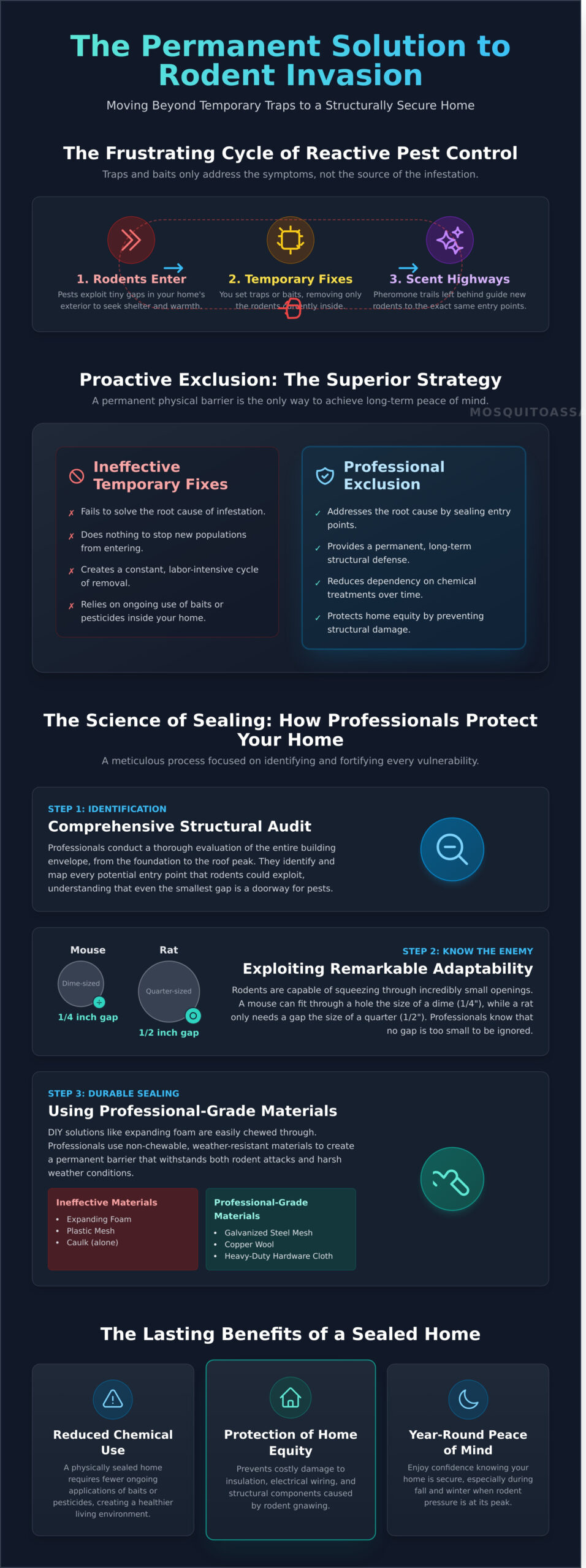
    Trapping and baiting alone often fail to solve the root cause of a pest problem. While these methods may eliminate individual rodents currently inside the home, they do nothing to stop new populations from entering. This creates a frustrating cycle of re-infestation. Furthermore, rodents leave behind pheromone trails that signal safety and food to other nearby pests. Without professional sealing of entry points, these “scent highways” lead new rodents directly to the same holes and gaps used by their predecessors.

    Long-Term Benefits for Homeowners

    Implementing a comprehensive exclusion plan offers significant advantages for property owners seeking a permanent solution. By focusing on structural integrity, homeowners can enjoy several benefits:

    • Reduced Chemical Dependency: A well-sealed home requires fewer ongoing bait or pesticide applications over time.
    • Protection of Home Equity: Rodents are notorious for destroying attic insulation and gnawing through expensive electrical wiring. Exclusion prevents this structural degradation.
    • Seasonal Peace of Mind: Professional rodent exclusion services near me are particularly vital during late autumn and winter, when the pressure for rodents to move indoors is at its peak.

    For those looking to secure their property, professional pest control may help reduce risk and provide a more sustainable living environment.

    Disclaimer: The information provided on this blog is for general informational purposes only and is not intended as professional pest control advice. Conditions vary by property, environment, and location. Reading this content does not create a service agreement. For an inspection or professional recommendations, please contact Mosquito Assassin Pest Control LLC directly.

    The Science of Sealing: How Professional Exclusion Works

    Professional rodent exclusion is a meticulous process that focuses on the structural integrity of a building to prevent pest entry. This method requires a high level of precision because rodents are remarkably adaptable. A mouse can squeeze through a gap as small as a dime, while a rat only needs an opening the size of a quarter. When homeowners search for rodent exclusion services near me, they are often seeking a permanent structural solution that moves beyond temporary trapping or baiting.

    A successful exclusion strategy involves a comprehensive evaluation of the entire building envelope. This means identifying every possible vulnerability from the foundation to the peak of the roof. By understanding rodent biology and behavior, professionals can predict where animals are likely to exploit weaknesses in a home’s exterior. This proactive approach is a core component of modern pest management, ensuring that the focus remains on long-term prevention.

    Professional Grade Exclusion Materials

    Many hardware store solutions, such as expanding foam or plastic mesh, are insufficient against determined rodents. Rats and mice can easily gnaw through soft materials, rendering those repairs useless in a short amount of time. Professionals utilize non-chewable, weather-resistant materials designed to withstand both animal activity and environmental stress. This includes galvanized steel mesh, copper wool, and heavy-duty hardware cloth. In areas like Erie and Crawford Counties, specialized sealants are also necessary to handle significant temperature fluctuations, ensuring that seals do not crack or pull away during harsh winters or humid summers.

    Common Critical Entry Points

    Technicians focus on specific areas where structural gaps are most likely to occur. Utility penetrations, where pipes, cables, or wires enter the home, are among the most common culprits. According to University of California research, properly sealing these openings is a fundamental step in rodent-proofing any structure. Other frequent vulnerabilities include:

    • Foundation cracks and gaps in mortar or brickwork.
    • Roofline vulnerabilities, including damaged soffits, fascia, and ridge vents.
    • Gaps under door sweeps or around window frames.
    • Unprotected basement vents or crawlspace openings.

    Effective exclusion is most successful when integrated with sanitation and population reduction. By removing attractants and nesting sites while simultaneously sealing entry points, the environment becomes inhospitable to pests. Utilizing rodent exclusion services near me provides a professional framework to safeguard homes in Pennsylvania and Ohio against the persistent threat of infestation.

    Disclaimer: The information provided on this blog is for general informational purposes only and is not intended as professional pest control advice. Conditions vary by property, environment, and location. Reading this content does not create a service agreement. For an inspection or professional recommendations, please contact Mosquito Assassin Pest Control LLC directly.

    Exclusion vs. Trapping: Why Structural Barriers are Superior

    Trapping is often the first response to a rodent sighting, but it is fundamentally a reactive strategy. While traps remove individual pests, they do nothing to address how the animals entered the building. In contrast, exclusion focuses on long-term prevention by sealing entry points. Searching for rodent exclusion services near me often reveals that structural repairs are a more permanent solution than the labor-intensive cycle of setting, checking, and resetting traps.

    One significant drawback of internal trapping is the risk of a rodent dying in an inaccessible area, such as inside a wall void or ceiling. This leads to unpleasant odors and difficult cleanup. Exclusion avoids this scenario by keeping the animals outside the building envelope from the start. Furthermore, structural barriers provide environmental benefits by reducing the need for rodenticides, which helps protect non-target wildlife and pets in communities throughout Erie and Ashtabula counties.

    From a financial perspective, a cost-benefit analysis over a five-year period typically favors exclusion. While the initial investment in professional materials and labor may be higher than a box of traps, it is a one-time fix. Trapping requires ongoing maintenance, bait replacement, and recurring service visits, which can exceed the cost of a permanent structural solution.

    Breaking the Infestation Cycle

    Rodents are biological machines designed for rapid reproduction, with a single pair capable of producing dozens of offspring in a single season. They also leave behind pheromone scent trails that act as a map for other rodents, signaling that a structure is a “safe” entry point. By utilizing rodent-proof construction techniques, homeowners can effectively “remove the door” rather than simply trying to remove the “guest.” This interruption of the biological cycle is vital for preventing re-infestation.

    Safety and Hygiene Considerations

    Beyond structural damage, rodents introduce health risks through droppings and nesting materials. These can harbor pathogens that may impact indoor air quality. Additionally, mice and rats often carry secondary pests such as fleas, ticks, or mites into the home. When a rodent is excluded, these secondary risks are also mitigated. Professional pest control may help reduce risk to family health by ensuring that all potential gaps, including those as small as a quarter-inch, are sealed with durable materials. When residents in Crawford County seek rodent exclusion services near me, they are prioritizing the long-term hygiene and safety of their property.

    For more information on structural protection, homeowners may visit the online booking portal.

    Disclaimer: The information provided on this blog is for general informational purposes only and is not intended as professional pest control advice. Conditions vary by property, environment, and location. Reading this content does not create a service agreement. For an inspection or professional recommendations, please contact Mosquito Assassin Pest Control LLC directly.

    Identifying Vulnerable Entry Points in Your Home

    To effectively safeguard a property, homeowners must think like a rodent. Mice can squeeze through openings as small as a dime, while rats only need a space the size of a quarter. Performing a visual exterior audit is the first step in determining if professional rodent exclusion services near me are required to secure the structure. This process involves walking the entire perimeter of the home, starting at the foundation and moving upward, while looking for grease marks (rub marks) left by oily fur, small droppings, or evidence of gnawing on wood and plastic.

    Landscaping plays a significant role in rodent behavior. Overgrown shrubbery and woodpiles stacked against the foundation provide perfect hiding spots and nesting materials. Keeping woodpiles at least 20 feet away from the structure and trimming branches back from the siding reduces the incentive for rodents to approach the home. If entry points are discovered during this audit, professional pest control may help reduce risk by implementing durable exclusion materials.

    Another often-overlooked rodent magnet is an unused or junk vehicle sitting on the property. These can offer pests shelter from predators and the elements, creating a staging ground for infestations. For homeowners in the Great Lakes region looking to remove these attractants, services like Cash For Junk Cars Michigan offer a straightforward solution as part of a comprehensive pest exclusion strategy.

    Ground Level Vulnerabilities

    The most common entry points are found at the ground level. Homeowners should inspect garage door seals for gaps or chewed corners, as these are frequent bypass points for mice. Basement windows and window wells should be checked for structural integrity, ensuring that frames are tight and glass is not cracked. Additionally, crawl space vents and access panels must be secured with heavy-duty hardware cloth to prevent entry while maintaining necessary airflow for the home’s foundation.

    If you find that your garage or entry doors are damaged or improperly sealed, addressing these issues is crucial for effective exclusion. While based in Atlanta, the work done by specialists like Liberty Door Repair provides a good example of the professional repair and installation services that can eliminate these key vulnerabilities.

    Upper Level and Roof Access

    Rodents are skilled climbers that often use overhanging tree branches as bridges to reach the roof. Once on the roof, they search for gaps where different roof planes meet or where soffits have pulled away from the fascia. Chimney caps and sturdy vent screens are essential to prevent pests from entering the attic space. If signs of activity are found in these high-reach or hidden areas, a professional inspection is necessary to ensure all entry points are identified and sealed correctly.

    For residents in Erie County, Crawford County, or Ashtabula County who suspect an infestation, seeking professional rodent exclusion services near me can help secure the property against future intruders. More information is available at www.mosquitoassassin.com/contact-us.

    Disclaimer: The information provided on this blog is for general informational purposes only and is not intended as professional pest control advice. Conditions vary by property, environment, and location. Reading this content does not create a service agreement. For an inspection or professional recommendations, please contact Mosquito Assassin Pest Control LLC directly.

    Professional Rodent Management in Erie, Crawford, and Ashtabula Counties

    In the Great Lakes region, local weather patterns play a significant role in rodent behavior. As temperatures drop in Northwest Pennsylvania and Northeast Ohio, mice and rats instinctively seek the warmth and shelter of human structures. The transition from the humid summer to the harsh, lake-effect winters of Erie, Crawford, and Ashtabula counties creates a predictable surge in rodent activity. Homeowners often begin searching for rodent exclusion services near me when they notice the first signs of activity in attics or crawlspaces as the frost sets in.

    The architectural landscape of this region also presents unique challenges for pest management. Many historic homes in cities like Erie and Meadville feature fieldstone foundations, aging timber frames, and intricate trim work that provide numerous entry points for small intruders. Securing rodent exclusion services near me is often a priority for those living in these older structures, which require a nuanced understanding of traditional construction to effectively seal gaps. Identifying the difference between a house mouse, which prefers nesting near human food sources, and a deer mouse, which often migrates from nearby wooded areas and can carry different risks, is essential for an effective strategy.

    Seasonal Timing for Exclusion

    Proactive sealing is most effective during late summer and early fall. This timing allows for the fortification of the home before the winter rush begins, when freezing temperatures force rodents to find permanent indoor nesting sites. Maintaining this barrier is equally important during the rainy spring season, as consistent moisture can soften building materials and create new vulnerabilities in a home’s exterior. A year-round approach ensures the structure remains protected against seasonal migrations.

    Selecting a Local Professional

    Choosing a provider familiar with regional building styles is vital for long-term success. Licensed professionals who understand the specific needs of Great Lakes homeowners can provide a more thorough assessment than those unfamiliar with the local environment. A comprehensive inspection should always precede any work to identify active nesting sites and structural weaknesses. For those seeking assistance, professional pest control may help reduce the risk of infestation. Further information and booking options are available at https://portal.gorilladesk.com/mosquitoassassin.

    Disclaimer: The information provided on this blog is for general informational purposes only and is not intended as professional pest control advice. Conditions vary by property, environment, and location. Reading this content does not create a service agreement. For an inspection or professional recommendations, please contact Mosquito Assassin Pest Control LLC directly.

    Securing Your Home Against Rodent Intrusions

    Effective rodent control requires moving beyond temporary trapping to a more permanent, structural solution. Professional rodent exclusion focuses on identifying and sealing the tiny gaps and vulnerabilities that allow pests to enter a property. This scientific approach creates a durable barrier, making it a superior choice for long-term protection. For homeowners in Erie, Crawford, and Ashtabula Counties, working with licensed and insured professionals ensures that every entry point is addressed through comprehensive management plans that include both removal and ongoing maintenance.

    Choosing rodent exclusion services near me provides the peace of mind that comes from a locally owned and operated team familiar with regional pest behaviors. These proactive measures are essential for safeguarding the structural integrity of a home and preventing the recurring stress of infestations. For professional recommendations or a detailed inspection, contact Mosquito Assassin Pest Control LLC directly. Investing in structural defenses today is a practical step toward maintaining a secure and pest-free living environment.

    Disclaimer: The information provided on this blog is for general informational purposes only and is not intended as professional pest control advice. Conditions vary by property, environment, and location. Reading this content does not create a service agreement. For an inspection or professional recommendations, please contact Mosquito Assassin Pest Control LLC directly.

    Frequently Asked Questions

    What is the difference between rodent control and rodent exclusion?

    Rodent control typically refers to the reactive measures taken to eliminate an existing population, such as using traps or baits. In contrast, rodent exclusion is a preventative strategy focused on sealing the physical structure of a building. By identifying and closing entry points, exclusion aims to stop pests from entering in the first place, providing a more permanent solution than recurring trapping alone.

    Can I do rodent exclusion myself with materials from a hardware store?

    While hardware stores sell various sealants and mesh, professional-grade results are difficult to achieve without specialized experience. Homeowners often overlook small gaps or use materials like expanding foam that rodents can easily chew through. Seeking professional rodent exclusion services near me ensures that high-durability materials are applied correctly to the specific vulnerabilities of a home in Erie or Crawford County.

    How much does professional rodent exclusion usually cost?

    The scope of professional exclusion depends on several factors, including the size of the structure and the number of entry points identified. Because every property in the Ashtabula or Erie area is unique, a comprehensive inspection is necessary to determine the specific requirements for a home. Professional assessments help homeowners understand the structural needs of their property without the guesswork of DIY methods.

    How long does a rodent exclusion treatment last?

    When performed correctly with durable materials, a professional exclusion treatment can last for many years. Unlike temporary baits that require constant replenishment, structural repairs are designed to be a long-term defense. Regular maintenance and annual inspections are recommended to ensure that new gaps have not formed due to the natural settling of the house or environmental wear over time.

    Will exclusion get rid of the mice already inside my house?

    Exclusion is designed to keep new rodents from entering, but it does not remove those already nesting within the walls or attic. If animals are trapped inside after sealing, they may cause further damage trying to exit. A comprehensive plan usually involves a combination of interior trapping to remove the current population and exterior exclusion to prevent future infestations from occurring.

    Is rodent exclusion safe for my pets and children?

    Rodent exclusion is one of the safest methods for pest management because it relies on mechanical barriers rather than chemical applications. By using metal mesh and specialized sealants to block entry, there is no risk of exposure to toxic substances for children or household pets. This structural approach is a preferred choice for families looking for environmentally conscious pest prevention strategies.

    What are the most common materials used in professional exclusion?

    Professionals use heavy-duty materials that are resistant to the gnawing of powerful rodent teeth. Common materials include galvanized hardware cloth, stainless steel wool, and copper mesh, which are often paired with high-grade silicone or elastomeric sealants. In some cases, metal flashing or specialized door sweeps are installed to reinforce vulnerable areas like roof lines, crawl spaces, and garage doors.

    How small of a hole can a mouse actually fit through?

    Mice are incredibly flexible and can squeeze through any opening that is at least one quarter of an inch wide (roughly the size of a standard pencil). Rats require slightly more space, generally needing a hole the size of a quarter. This is why professional rodent exclusion services near me focus on even the smallest crevices around utility lines and foundation vents to ensure a home remains protected.

    For homeowners in Pennsylvania and Ohio seeking assistance with property protection, professional pest control may help reduce risk. More information and scheduling options are available at the online booking portal at https://portal.gorilladesk.com/mosquitoassassin or by visiting www.mosquitoassassin.com/contact-us.

    Disclaimer: The information provided on this blog is for general informational purposes only and is not intended as professional pest control advice. Conditions vary by property, environment, and location. Reading this content does not create a service agreement. For an inspection or professional recommendations, please contact Mosquito Assassin Pest Control LLC directly.