Spotted Lanternfly (SLF) Ohio Quarantine
https://agri.ohio.gov/divisions/plant-health/invasive-pests/invasive-insects/slf
The invasive spotted lanternfly (SLF) has spread across numerous Ohio counties, with a statewide quarantine now in place as of February 2026 to manage its spread. The Spotted Laternfly is an important topic for both residents and officials. In Ohio, the Spotted Laternfly has posed a threat to grapes, fruit trees, and nursery stock, feeding on sap and causing damage. Residents should report Spotted Laternfly sightings outside known areas, destroy egg masses, and check vehicles for hitchhikers. Ohio Department of Natural Resources.
Key Information & Actions:
- Locations: Found in over a dozen counties, including Cuyahoga, Ashtabula, Franklin, Hamilton, Lucas, Summit, and Portage.
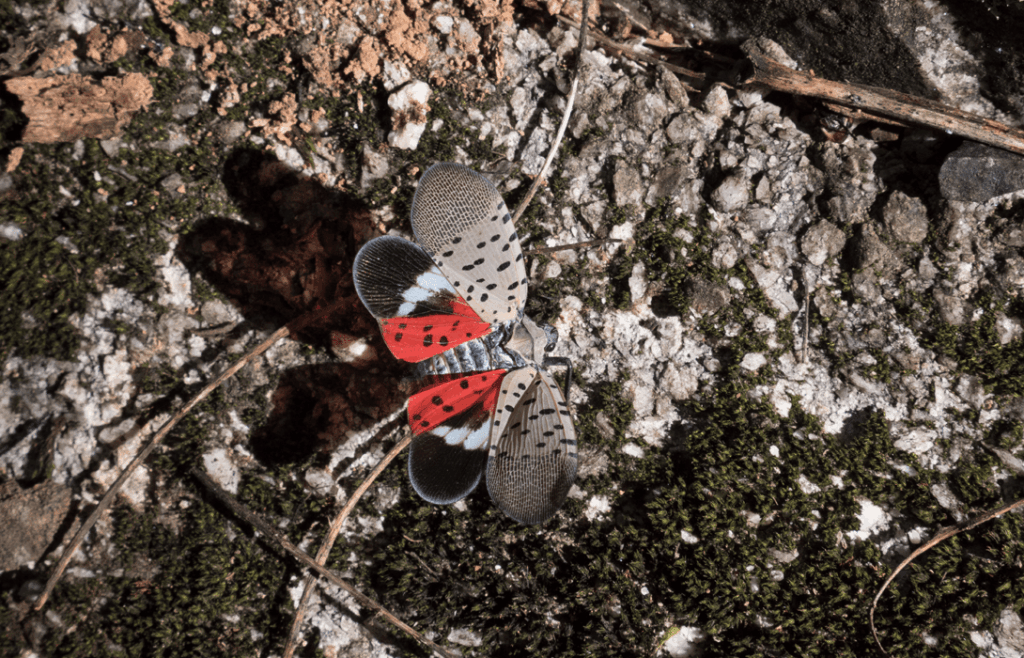
- Identification: Adult SLF are roughly 1 inch long with light-grey/tan wings featuring black spots and, when open, red, black, and white hindwings. Nymphs are black with white spots, turning red and black before adulthood.
- Egg Masses: Laid from late summer through winter, they appear as 1–1.5 inch, mud-like, grayish-brown, or shiny, waxy patches on trees, vehicles, and outdoor furniture.
- What to Do: If Spotted Laternfly is found, kill them immediately by crushing or scraping egg masses into soapy water or rubbing alcohol.
- Reporting: Report new Spotted Laternfly sightings in non-quarantined areas using the Ohio Plant Pest Reporter.
- Movement: Do not move firewood or outdoor items from infested areas without checking for egg masses, as noted by the USDA. Ohio Department of Natural Resources
- The spotted lanternfly (Lycorma delicatula) first appeared in Pennsylvania in 2014. Since then, they’ve spread quickly through the East Coast, from New York to Virginia and beyond. Adult lanternflies are about an inch long, with gray spotted wings and a sudden flash of red when they take off, a sight that’s both beautiful and unsettling.
- But beneath that colorful exterior lies a destructive habit. Spotted lanternflies feed by tapping into the sap that flows beneath a tree’s bark, using their needle-like mouths to drain the plant’s nutrients. They excrete a sticky substance called “honeydew,” which promotes mold growth and attracts other pests. Over time, this feeding weakens trees and plants, leaving them vulnerable to disease and reducing their ability to grow.
Why They’re a Forest’s Worst Nightmare
- For woodland owners, the spotted lanternfly is more than just an annoyance; it’s a serious threat to both forests and farms. While they especially love the tree-of-heaven (Ailanthus altissima), they’ll also target maples, oaks, black walnut, birch, and even fruit trees and grapevines. In large numbers, Spotted Laternfly infestations can stress or even kill young trees and saplings.
- This kind of widespread damage has a ripple effect throughout the ecosystem. Weakened trees store less carbon, wildlife loses important habitat and food sources, and forest health declines over time. For agricultural producers, especially vineyards and orchards, lanternfly infestations can mean significant crop losses.
The Takeaway
While the spotted lanternfly might look like something out of a Halloween story, its impact on forests and farms is a real-life fright. Above all, vigilance and reporting are needed to help stop Spotted Laternfly from spreading further. By keeping watch and taking small actions, landowners can help protect the East Coast’s trees, crops, and ecosystems from this invasive menace.
Lets reclaim your yard. https://blog.mosquitoassassin.com/mosquito-treatment-ohio-the-ultimate-guide-to-reclaiming-your-yard/
So, this October, if you spot flashes of red wings among your trees, don’t just get spooked. Get involved.
Estimated reading time: 3 minutes