An estimated 40% of all dogs are affected by flea allergy dermatitis, which means that even a minor infestation can quickly become a health crisis for your pets. It is incredibly frustrating to deal with persistent itching and bites on your family, especially when homeowners find that standard DIY treatments fail to provide lasting pest control for fleas in the house. Many residents in Erie and Crawford Counties in Pennsylvania, along with those in Ashtabula County in Ohio, feel overwhelmed by the confusion of the flea life cycle and the constant cleaning required to keep up.
This guide provides the professional strategies and biological insights required to eliminate persistent infestations from your home for good. You will gain a clear understanding of why previous attempts failed and how to establish a successful plan for professional intervention. By focusing on the science of flea behavior, this article explores the necessary steps to transition from a state of anxiety to a completely flea-free environment.
Key Takeaways
- Learn why adult fleas represent only five percent of an infestation and where the remaining eggs and larvae hide in your flooring.
- Understand why standard over-the-counter foggers often fail to penetrate the “pupae window” and why professional pest control for fleas in the house is required for total elimination.
- Discover the essential preparation steps, including how high-heat washing and daily vacuuming stimulate flea emergence for more effective treatment results.
- Identify how professional-grade adulticides and growth regulators work together to break the reproductive cycle and provide immediate relief from biting.
- Explore strategies for year-round protection in the PA and OH region to prevent seasonal re-infestation from outdoor environments.
Understanding the Flea Life Cycle and Indoor Infestations
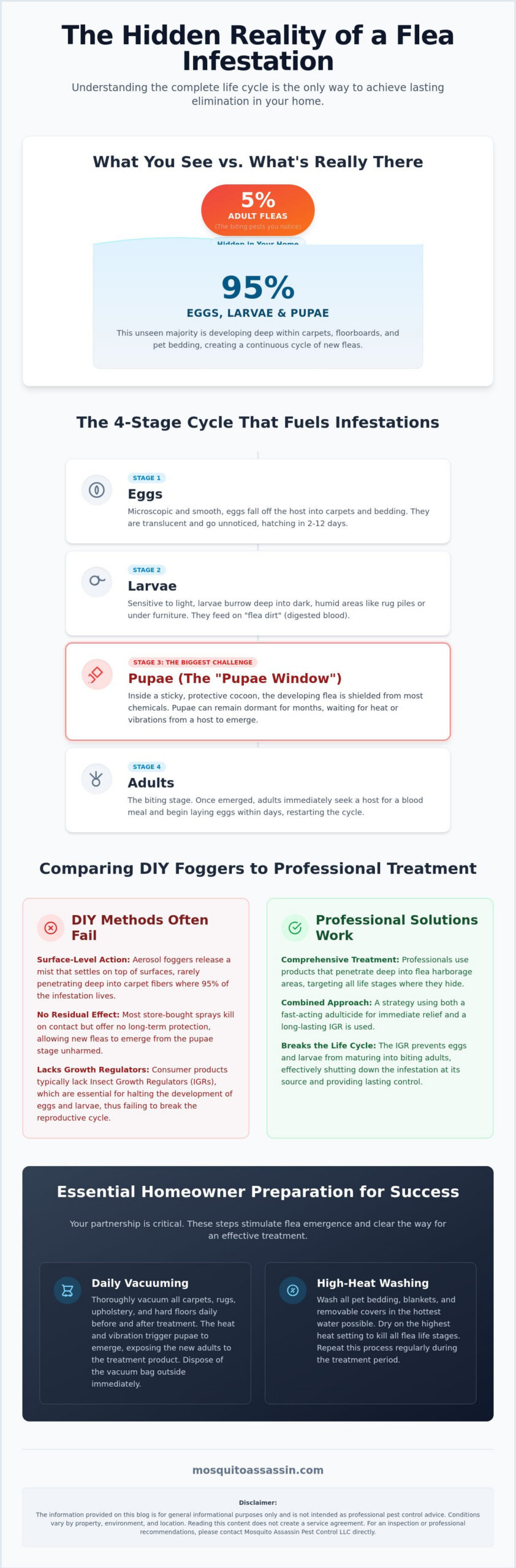
Achieving total pest control for fleas in the house requires a scientific approach to their biology. Most residents only notice the adult fleas biting their legs or pets, yet these visible pests represent a mere 5 percent of the total population. The remaining 95 percent of the infestation exists as eggs, larvae, and pupae hidden throughout the home. Understanding the Flea Life Cycle reveals why surface-level cleaning is rarely sufficient for eradication.
These microscopic eggs are smooth and lack any adhesive properties. They fall off the host animal almost immediately, settling into the deepest recesses of carpet fibers, floor cracks, and pet bedding. Because they are translucent and microscopic, these eggs often go unnoticed until they hatch into the next stage of development.
To better understand this concept, watch this helpful video:
The Four Stages of Flea Development
The larval stage typically begins within two to twelve days of the eggs being laid. Flea larvae are highly sensitive to light and instinctively move away from open spaces. They seek the dark, humid environment found under furniture or inside rug piles, creating an environmental reservoir. They survive by consuming “flea dirt,” which is dried blood excreted by adult fleas, making pet sleeping areas prime locations for their growth.
The pupae stage represents the most significant challenge for homeowners. Inside a sticky, protective cocoon, the flea is shielded from many environmental factors and standard cleaning products. This resistance creates what is often called the “pupae window,” a period where new adults continue to emerge even after an initial treatment. These pupae can remain dormant for several months, waiting for the heat and vibrations of a passing host to trigger their final emergence.
How Fleas Enter the House
Pets serve as the primary transport system, picking up adult fleas from the yard or during interactions with other animals. In regions like Erie and Crawford Counties in Pennsylvania and Ashtabula County in Ohio, wildlife such as raccoons, opossums, and stray cats often carry fleas near home foundations. These pests can easily transition from a wild host to a domestic pet or even hop through gaps in doorways.
While less common, humans can also introduce fleas into a residence. Hitchhiking adults may cling to clothing after a walk in tall grass, or eggs may be brought in on used furniture and rugs. Identifying these entry points is a critical part of professional pest control for fleas in the house, as it helps prevent future re-infestation after the initial population is removed.
Why DIY Flea Control Often Fails in Residential Settings
Many homeowners begin their battle against infestations with a trip to the local hardware store. While over-the-counter solutions seem convenient, they frequently lead to a cycle of temporary relief followed by a renewed surge of biting pests. Effective pest control for fleas in the house requires more than just killing the adults you see today; it requires addressing the resilient environmental reservoir that DIY products simply cannot reach. For families in Erie and Crawford Counties in Pennsylvania, or Ashtabula County in Ohio, the frustration of a failed DIY attempt is a common reason for seeking expert help.
One of the most common reasons for failure is the lack of Insect Growth Regulators (IGRs) in standard consumer products. While a store-bought spray might kill adult fleas on contact, it often does nothing to prevent larvae from maturing or eggs from hatching. Without these specialized chemicals, the infestation continues to regenerate in the background, even if you don’t see jumping adults for a few days.
The Limitation of Consumer Foggers
Aerosol bug bombs or foggers are a popular choice, but they are fundamentally flawed for flea management. These devices release a fine mist that travels upward and settles on top of furniture and countertops. Unfortunately, flea larvae and eggs are located deep within carpet fibers, behind baseboards, and under heavy furniture. The mist rarely penetrates these hot spots, leaving the majority of the population untouched. This often results in a false sense of security while the next generation develops undisturbed.
Improper application also poses safety risks. Over-applying these chemicals can create hazardous residues without actually solving the primary issue. In some cases, the irritating nature of the fogger can cause fleas to scatter further into wall voids or floor joists, making the eventual resolution more complex. Following proper Homeowner Preparation and Sanitation Steps is vital, but even the best cleaning cannot compensate for a product that fails to reach the target areas.
The Resilience of the Flea Cocoon
The pupae stage is the ultimate defense mechanism for this pest. Encased in a silk-like cocoon, the developing flea is biologically shielded from almost all contact insecticides available to the public. DIY methods typically lack the residual efficacy needed to wait out this stage, which can last for weeks or even months. When the cocoon finally opens, the cycle begins all over again.
Professional strategies utilize specialized, long-lasting products that remain active on surfaces. When a new adult finally emerges from its cocoon, it immediately contacts the treatment. Without this residual barrier, homeowners find themselves in a constant loop of re-infestation. If your efforts have stalled, a professional inspection and treatment may be necessary to break the cycle. This methodical approach ensures that no areas behind baseboards or under large appliances are missed, providing the comprehensive coverage required for a flea-free home.
The Professional Process for Eradicating Fleas
The transition from frustration to resolution begins with a systematic approach that addresses every stage of the flea life cycle. While DIY attempts often only scratch the surface, the Professional Flea Eradication Process involves a multi-layered strategy designed for total elimination. This method ensures that the biting adults are neutralized while simultaneously halting the development of the next generation. For residents in Erie and Crawford Counties in Pennsylvania, or Ashtabula County in Ohio, this methodical intervention provides the security and peace of mind that random spraying cannot achieve.
Initial Inspection and Identification
A successful outcome depends on a thorough assessment of the property. Professionals identify “hot spots” where pets spend the majority of their time, such as rug borders, basements, and crawl spaces. These areas serve as the primary larval habitats. It’s also vital to distinguish between species; for instance, flea activity is often confused with bed bug infestations by the untrained eye. Identifying the correct pest ensures the right treatment protocol is deployed. Professional pest control may help reduce risk when hotspots are correctly identified, preventing the spread of the population to previously unaffected rooms.
Integrated Pest Management (IPM) Strategies
A modern approach to pest control for fleas in the house relies on Integrated Pest Management (IPM). This strategy combines the application of professional-grade adulticides with the strategic use of advanced Insect Growth Regulators (IGRs). Adulticides provide immediate relief by reducing the biting population. Meanwhile, IGRs act as a form of “birth control” for the infestation, preventing eggs from hatching and larvae from pupating. This dual action is necessary because killing only the adults leaves the environmental reservoir of eggs and larvae untouched.
Treatment isn’t limited to carpets. Professionals apply residuals to hard flooring, ensuring that cracks and crevices where eggs settle are thoroughly covered. These residual products remain active for several weeks, creating a defensive barrier. Because the pupae stage is so resilient, follow-up visits are a standard part of a professional plan. These visits address the emerging population as they exit their protective cocoons and contact the treated surfaces. This sustained pressure is the only way to ensure the infestation doesn’t return. Combining these chemical applications with mechanical sanitation creates a comprehensive plan for a flea-free home. For more information on identifying your specific needs, visiting a local service page can provide regional context for these treatments.
Essential Homeowner Preparation and Sanitation Steps
Successful pest control for fleas in the house is a partnership between the property owner and the professional. While expert treatments provide the necessary chemical intervention, homeowners must create an environment that allows those products to work at peak efficiency. This coordination ensures that the environmental reservoir of eggs and larvae is fully exposed and neutralized. Residents in Northwest PA and Northeast OH should prioritize these logistics before and after a service visit to maximize results.
The Role of Vacuuming in Flea Control
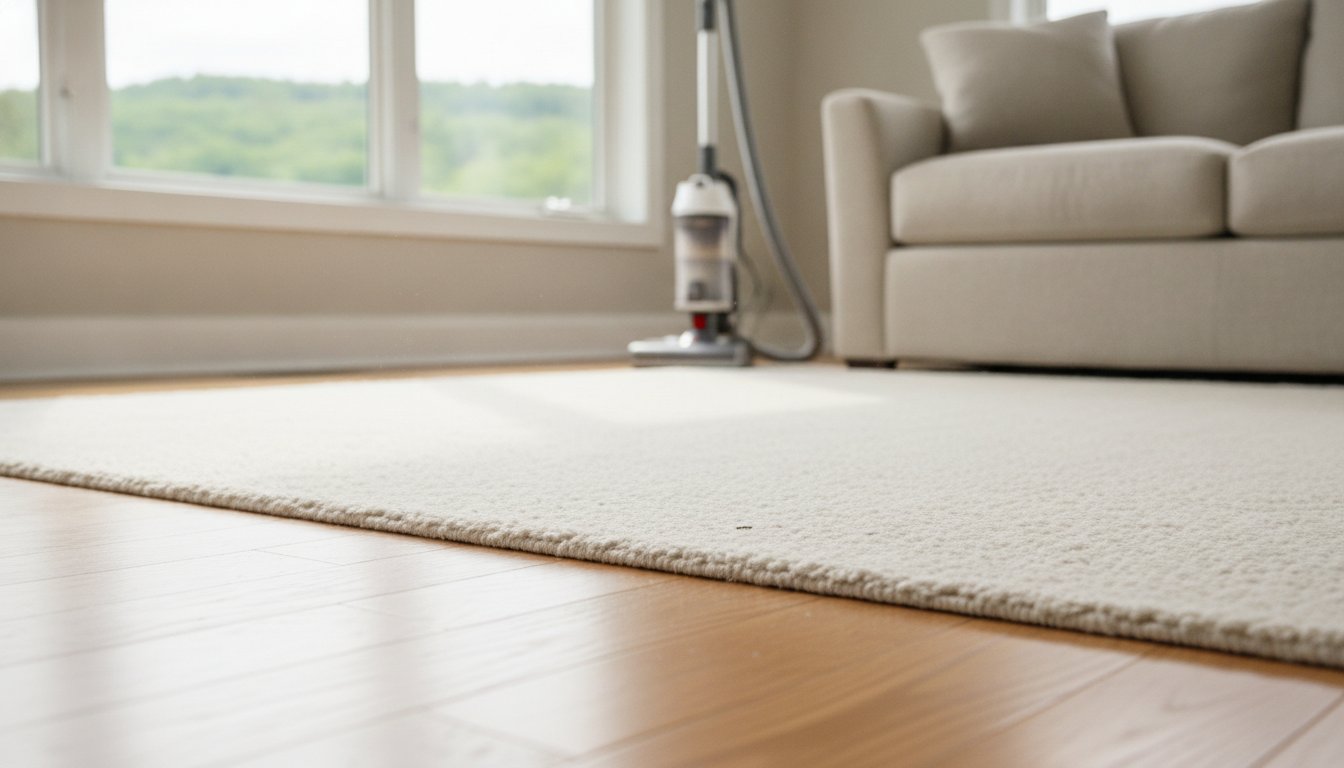
Daily vacuuming is perhaps the most critical task a homeowner can perform during an infestation. Beyond simple cleaning, the mechanical vibrations of a vacuum cleaner serve a biological purpose. These vibrations trick dormant pupae into believing a host is nearby, stimulating them to emerge from their protective cocoons. Once they exit, they come into direct contact with the professional residuals applied to the floor. Without this stimulation, pupae can remain shielded and inactive for months, leading to a resurgence long after the initial treatment.
Consistency is key to this process. Focus specifically on wall-to-wall carpet edges, rug borders, and the dark zones under heavy furniture where larvae congregate. It’s vital to discard vacuum bags or empty canisters into an outdoor trash receptacle immediately after every session. This prevents captured fleas from crawling back out and re-infesting the living space. For those looking to establish a broader defense, learning more about general pest control can provide a foundation for comprehensive home protection.
Laundry and Pet Care Coordination
Treating the physical structure of the home without addressing the host animal is a recipe for immediate failure. Coordination with a veterinarian is essential to ensure all household pets receive a professional-grade flea preventative simultaneously. This removes the transport system that brings new pests into the house. While the pets are being cared for, homeowners should clear all floor areas of clutter, including toys and shoes, to allow the technician total access to every square inch of the flooring.
Sanitation extends to fabrics as well. All pet bedding, linens, and throw rugs should be laundered in high heat. Research indicates that water temperatures must reach at least 140 degrees Fahrenheit to effectively kill all life stages of the flea. Following this with a high-heat drying cycle provides an extra layer of protection. If you are struggling with a persistent infestation, reviewing a professional pest control service plan can help you organize these preparation steps effectively. These combined efforts ensure the treatment penetrates the deepest fibers of the home, leading to a swift and definitive resolution.
Long-Term Prevention and Regional Pest Management
Achieving a flea-free home is a significant milestone, but maintaining that status requires a shift from eradication to prevention. Long-term success depends on a year-round management strategy that accounts for the unique environmental pressures of the Great Lakes region. Effective pest control for fleas in the house involves more than interior treatments; it requires a proactive approach to the property’s exterior and structural integrity. By addressing the root causes of re-infestation, homeowners can avoid the stress of a recurring population surge.
Climate Factors in Pennsylvania and Ohio
The Great Lakes climate plays a major role in flea activity. The high humidity levels common in Erie and Ashtabula during the summer months create ideal conditions for rapid flea reproduction. Many residents fall victim to the “winter lull” misconception, assuming that the harsh Pennsylvania and Ohio winters will naturally eliminate the problem. However, adult fleas and pupae easily survive the cold by nesting in the fur of local wildlife or by taking refuge in the warmth of a centrally heated home. In Crawford County and surrounding areas, wildlife like raccoons and opossums are frequent carriers that bring fleas to the very edge of your living space.
Establishing a Protective Barrier
Managing the outdoor environment is the first line of defense. Fleas are sensitive to desiccation and prefer shady, moist areas with tall grass. By keeping the lawn manicured and removing leaf litter, homeowners can reduce the areas where fleas congregate. Furthermore, excluding wildlife from porches, decks, and crawl spaces prevents these animals from depositing flea eggs near entry points. Because rodents are also significant carriers, it is often beneficial to explore professional rodent removal to address these secondary flea sources before they become a household issue.
Establishing a protective barrier through bi-monthly or quarterly professional maintenance ensures that residual treatments are always active. These regular visits allow for the identification of new entry points or changes in pest pressure. Sealing cracks in the foundation and ensuring window screens are intact further fortifies the home against intruders. This methodical, year-round approach provides the most reliable protection for families and pets in the PA and OH region. For residents seeking a permanent resolution, professional pest control may help reduce risk by stopping infestations before they start.
Disclaimer: The information provided on this blog is for general informational purposes only and is not intended as professional pest control advice. Conditions vary by property, environment, and location. Reading this content does not create a service agreement. For an inspection or professional recommendations, please contact Mosquito Assassin Pest Control LLC directly.
Restoring Comfort to Your Home
Eradicating an infestation requires a disciplined approach that targets every stage of the life cycle. Success depends on recognizing that adult fleas are only a small fraction of the total population and that the resilient pupae stage requires specialized, long-term residuals. By combining rigorous homeowner sanitation with expert methodology, property owners can finally break the cycle of re-infestation. Addressing the environmental reservoir hidden in carpets and floorboards is the only way to ensure a lasting resolution.
Licensed professionals in Pennsylvania and Ohio bring specialized expertise in residential pest management to Erie, Crawford, and Ashtabula Counties. Professional pest control for fleas in the house may help reduce risk and restore the security of your living environment. To begin the process of total elimination, you can schedule a professional inspection for your home. Taking this decisive step allows for a thorough assessment of your property and the implementation of a methodical plan to protect your family and pets.
Disclaimer: The information provided on this blog is for general informational purposes only and is not intended as professional pest control advice. Conditions vary by property, environment, and location. Reading this content does not create a service agreement. For an inspection or professional recommendations, please contact Mosquito Assassin Pest Control LLC directly.
Frequently Asked Questions
How long does it take for professional flea treatment to work?
It typically takes six to eight weeks to achieve complete eradication of a flea infestation. While professional grade adulticides reduce the biting population almost immediately, the entire life cycle must run its course. New adults will continue to emerge from their protective pupae cocoons over several weeks and must contact the residual treatment to be neutralized.
Do I need to leave my house during a flea treatment?
Residents and pets must vacate the property for a specified period, usually several hours, during and after the application. this vacancy allows the treatment to dry completely and ensures the safety of all household members. A licensed technician will provide specific instructions regarding the necessary timeframe based on the products used and the size of your residence.
Why am I still seeing fleas after the first professional visit?
Seeing fleas shortly after a visit is a normal part of the eradication process known as the pupae window. These pests were protected inside their cocoons during the initial application and are now emerging as adults. As they move across treated surfaces like carpets and baseboards, they will encounter the active residuals and eventually perish before they can reproduce.
Can fleas live in hardwood or laminate flooring?
Fleas can easily thrive in the small cracks and crevices found in hardwood, laminate, or tile flooring. Eggs and larvae often fall into the gaps between floorboards or settle under baseboards where they are shielded from light. Comprehensive pest control for fleas in the house must include these hard surfaces to ensure the environmental reservoir is fully addressed.
Is professional flea control safe for my children and pets?
Professional treatments are applied according to strict EPA label instructions to prioritize the safety of your family and animals. Once the application has dried thoroughly, the risk of exposure is significantly minimized. Licensed professionals use specialized products designed for residential use, providing a methodical solution that balances effectiveness with the wellbeing of the household.
How many follow-up treatments are typically required for fleas?
Most moderate to severe infestations require at least one follow-up visit scheduled approximately 10 to 14 days after the initial service. This secondary application is vital for breaking the reproductive cycle. It targets the wave of new adults emerging from the pupae stage, ensuring they are neutralized before they have the opportunity to lay a new generation of eggs.
Can fleas survive the winter in Pennsylvania or Ohio?
Fleas successfully survive the winter in the PA and OH region by taking refuge in centrally heated homes or on wild hosts. While they cannot survive extreme outdoor freezing, your home provides the warmth and humidity they need to remain active year-round. Wildlife like raccoons or opossums can also carry them in fur, keeping the population alive near your foundation during cold months.
What should I do with my vacuum bag after cleaning a flea-infested area?
You must discard the vacuum bag or empty the canister into an outdoor trash receptacle immediately after every cleaning session. Fleas and eggs captured by the vacuum can survive inside the machine and eventually crawl back out into your living space. Removing them from the building is a critical step in supporting the success of professional pest control for fleas in the house.
Disclaimer: The information provided on this blog is for general informational purposes only and is not intended as professional pest control advice. Conditions vary by property, environment, and location. Reading this content does not create a service agreement. For an inspection or professional recommendations, please contact Mosquito Assassin Pest Control LLC directly.