Tag: Home Protection

  • Termite Inspection Costs in Erie, PA: A 2026 Pricing Guide

    Termite Inspection Costs in Erie, PA: A 2026 Pricing Guide

    Trying to find a straight answer on termite inspection costs Erie PA can feel like a guessing game, leaving you worried about hidden fees, potential up-sells, and the massive damage these silent destroyers could be causing. We believe safeguarding your home-and your peace of mind-starts with absolute transparency. You deserve to know exactly what a fair price is for a professional service without the stress of the unknown.

    That’s precisely why we at Mosquito Assassin Pest Control LLC created this 2026 pricing guide. Forget the confusion. Here, you’ll get a clear, honest breakdown of what you can expect to pay for a comprehensive termite inspection in the Erie area. We’ll also reveal the key factors that influence the final price, empower you to tell a reputable company from a less reliable one, and give you the confidence to protect your most valuable asset from these destructive pests.

    Key Takeaways

    • Get a clear, upfront estimate to understand the typical termite inspection costs Erie PA. Knowing what to expect for termite inspection costs Erie PA helps you budget for this essential home protection service.
    • Understand the key factors that can raise or lower your final quote, such as your home’s size and foundation type, as these directly influence the termite inspection costs Erie PA.
    • Learn what a truly comprehensive inspection from a professional should cover to ensure you get maximum value for the termite inspection costs Erie PA.
    • Discover the critical next steps to take after you receive your report, providing a clear path forward for safeguarding your home beyond the initial termite inspection costs Erie PA.

    Average Termite Inspection Cost in Erie, PA: What to Expect

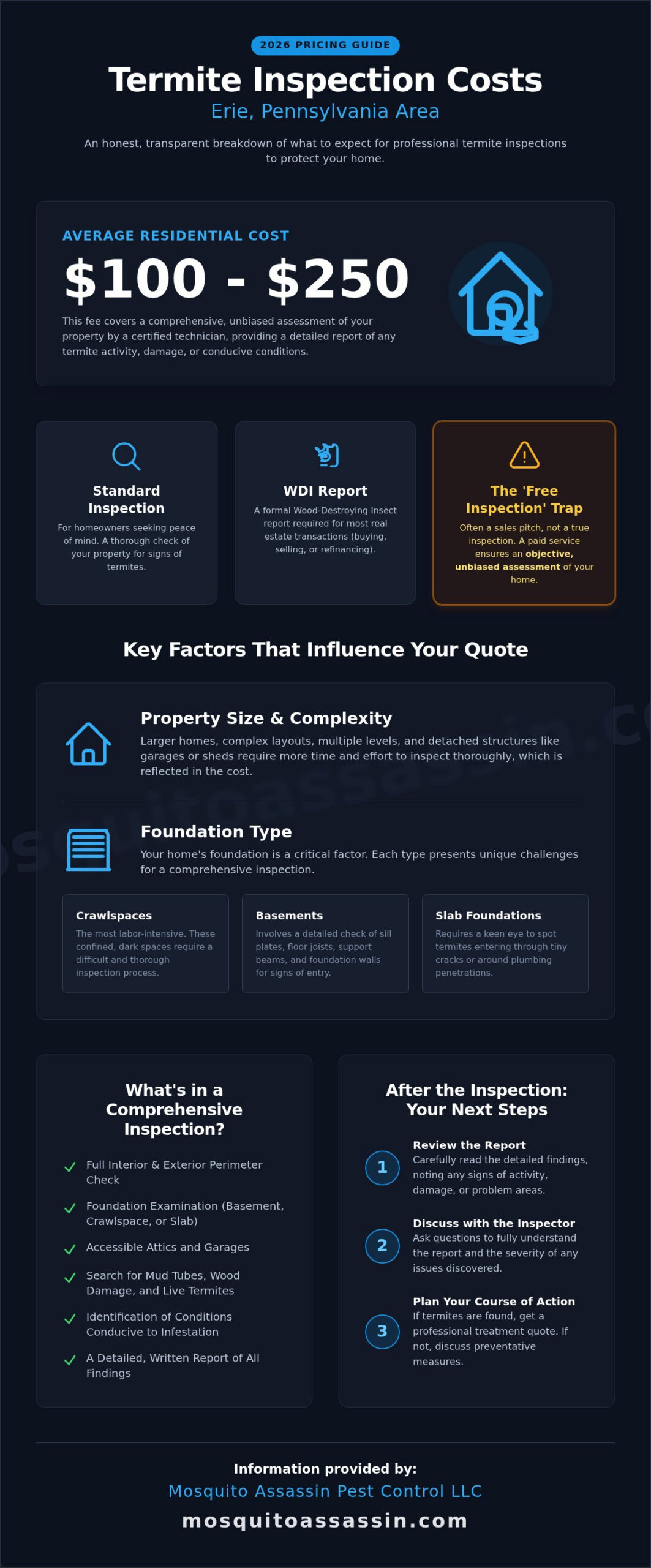
    When safeguarding your home from silent destroyers, understanding the typical termite inspection costs Erie PA homeowners face is the first step. For a standard, professional residential termite inspection in the Erie area, you can expect to pay between $100 and $250. This fee covers a comprehensive assessment of your property by a certified technician who meticulously examines accessible areas-from your foundation to your attic-for any sign of these destructive pests. For a comprehensive overview of termites and their behavior, it becomes clear why a professional eye is essential. A paid inspection ensures you receive a detailed, unbiased report outlining any evidence of activity, damage, or conditions conducive to future infestations.

    To see what a professional annual inspection looks like in practice, watch this detailed video:

    Standard Inspection vs. WDI Report for Real Estate

    For most homeowners seeking peace of mind, a standard inspection is sufficient. However, if you are buying, selling, or refinancing a home in Erie, you will likely need a specific document called a Wood-Destroying Insect (WDI) Report. This formal report, often required by lenders, documents the presence or absence of termites and other wood-boring pests. Due to the official paperwork and liability involved, a WDI report may have a slightly different cost than a standard inspection.

    The ‘Free Inspection’ Trap: What You Need to Know

    You’ve probably seen offers for a “free termite inspection.” While tempting, it’s crucial to understand the business model behind them. These are often not true inspections but sales appointments designed to find any reason to sell you an expensive treatment plan. A technician offering a free service has a powerful incentive to find a problem. Investing in a paid inspection from a reputable, locally-owned company is an investment in honesty. It guarantees you receive an objective, thorough assessment of your home’s condition, giving you the real information you need to make smart decisions.

    Key Factors That Influence Your Termite Inspection Quote

    When you’re researching termite inspection costs Erie PA, you’ll quickly discover that a single, flat-rate price is rare. This isn’t a lack of transparency; it’s a reflection of a thorough, professional approach. A reliable quote is customized to your property’s unique characteristics. At Mosquito Assassin, we believe in empowering homeowners by explaining exactly what goes into our assessment, so you can understand the value of a comprehensive inspection and ask the right questions.

    Property Size and Complexity

    The most straightforward factor is the size of your home. A larger property with more square footage simply takes more time for our certified technicians to inspect meticulously. Beyond just size, a complex layout with multiple levels, additions, or unconventional room shapes requires a more detailed and time-consuming process to ensure no area is overlooked. We also account for any detached structures on your property, such as garages, sheds, or workshops, which must be inspected as well.

    Foundation Type: Crawlspace, Basement, or Slab

    Your home’s foundation is a critical factor in determining the inspection’s complexity and cost. Each type presents unique challenges and requires a specialized approach. A professional understands exactly where to look for the subtle signs of an infestation, a key part of learning how to identify and control termites effectively.

    • Crawlspaces: Often confined, dark, and difficult to navigate, crawlspaces demand the most intensive labor to inspect thoroughly.
    • Basements: Whether finished or unfinished, a basement inspection involves a detailed check of sill plates, floor joists, support beams, and foundation walls for mud tubes and wood damage.
    • Slab Foundations: With a slab, termites can enter through tiny cracks in the concrete or around plumbing penetrations. This requires a keen eye and specialized knowledge to detect.

    Commercial vs. Residential Properties

    The scope of a termite inspection changes significantly between a home and a business. Commercial buildings are typically larger and can have more complex construction, including multiple units, extensive plumbing, and different foundation styles. These factors increase the inspection time and complexity, influencing the overall quote. Mosquito Assassin is fully equipped to handle these larger-scale projects, offering proven commercial pest control services to safeguard businesses throughout Erie County.

    What’s Included in a Professional Termite Inspection from Mosquito Assassin?

    When you’re evaluating termite inspection costs Erie PA, it’s crucial to understand what you’re actually paying for. A low price for a quick glance is no bargain. At Mosquito Assassin, we treat a termite inspection not as a simple service, but as a comprehensive health check-up for your most valuable asset: your home. Our methodical process is designed to give you complete peace of mind, ensuring every vulnerable area is professionally assessed by a certified technician.

    Our commitment is to provide definitive answers and a clear path forward. Here’s a detailed breakdown of what our professional inspection entails:

    Comprehensive Interior and Exterior Examination

    Our licensed technicians conduct a systematic, top-to-bottom evaluation of your property. We don’t just look for active termites; we identify the conditions that attract them. This thorough process covers all critical areas, including:

    • Exterior Assessment: We meticulously examine the foundation, siding, window and door frames, decks, and any wooden structures attached to your home for signs of entry or damage.
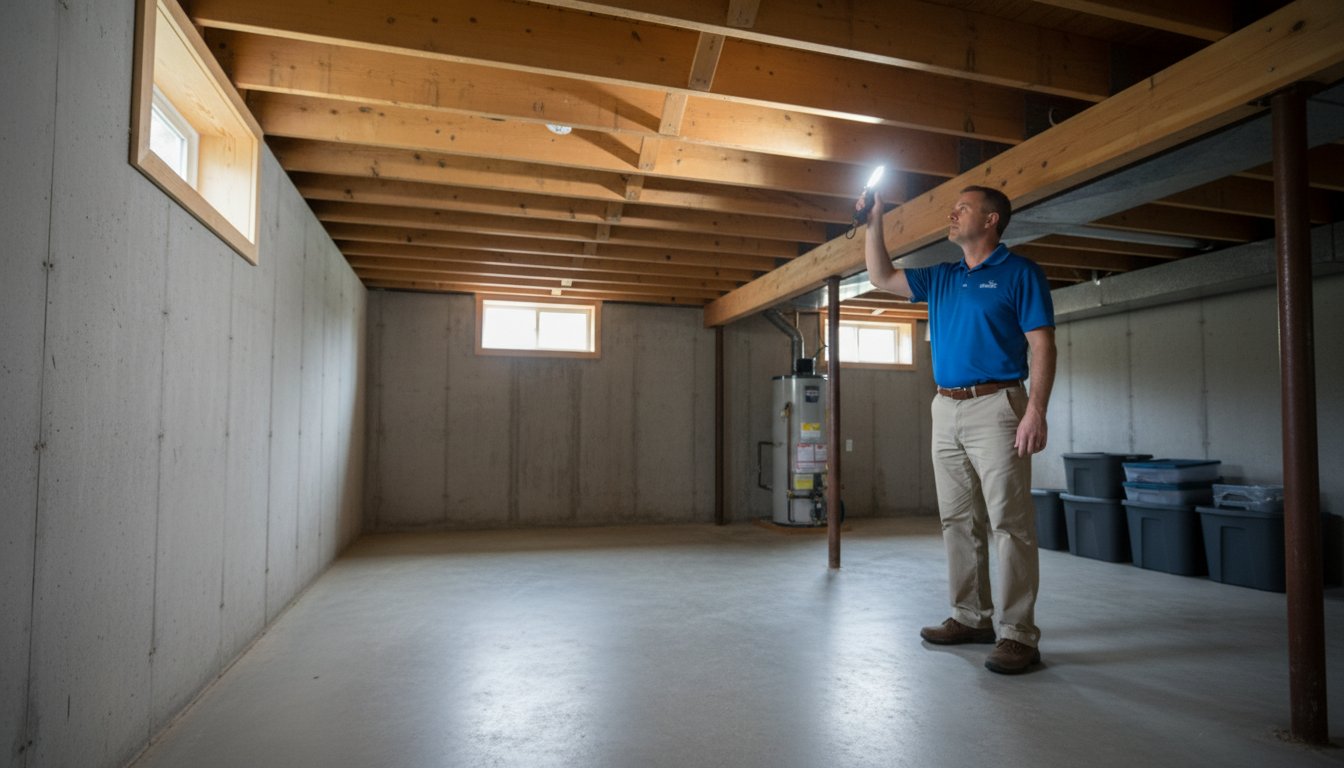
    • Interior Inspection: We move inside to inspect basements, crawlspaces, attics, and main living areas, paying close attention to baseboards, walls, and flooring.
    • Visible Evidence: Our team is trained to spot the subtle but critical signs of an infestation, such as mud tubes, wood that sounds hollow, bubbling or peeling paint, and discarded swarmer wings.

    Focus on High-Risk Areas

    Termites are masters of stealth, often targeting areas of your home you rarely see. That’s why we zero in on high-risk zones where infestations are most likely to begin. As noted by the National Pest Management Association, Subterranean termites can cause the most damage, and they are relentlessly drawn to moisture. We use specialized tools like moisture meters and sounding devices to investigate areas with plumbing, utility rooms, and any wood structures in direct contact with the ground, ensuring nothing is overlooked.

    A Detailed Report and Consultation

    Once the inspection is complete, you won’t be left with questions. We provide a detailed, easy-to-understand written report of our findings, complete with photographs of any areas of concern. This document clearly outlines whether termites or other wood-destroying insects were found and highlights any conditions conducive to future infestations. If an issue is detected, we will provide a clear, no-pressure recommendation and a customized treatment plan, giving you the information you need to safeguard your home effectively.
    Choosing the Right Termite Inspector in the Erie, PA Area

    When evaluating the termite inspection costs Erie PA homeowners encounter, it’s crucial to look beyond the price tag. The expertise and reliability of the inspector you choose are what will truly safeguard your property from devastating damage. A cheap inspection that misses the subtle signs of an infestation is far more expensive in the long run. To protect your investment, look for a company that demonstrates professionalism, local knowledge, and a commitment to its customers.

    Verify Licensing and Insurance

    This is the absolute baseline for any professional you allow on your property. A reputable termite control company must be licensed by the Pennsylvania Department of Agriculture, which ensures their technicians are certified and follow state regulations. Furthermore, they must carry comprehensive liability insurance to protect you and your home from any accidental damage. At Mosquito Assassin, we are fully licensed and insured, providing the professional peace of mind you deserve.

    Look for Local Experience and Strong Reviews

    Termite behavior can vary based on local climate, soil conditions, and common construction styles. A company with deep roots in the Erie area will have invaluable, hands-on experience with the specific termite species, like the Eastern Subterranean Termite, that threaten our homes. Always check recent reviews on platforms like Google to gauge a company’s reputation for reliability and effectiveness. Our team of local experts lives in the communities we serve, giving us an unmatched understanding of how to protect local properties.

    Understand Their Service Guarantee

    What happens if termites are found shortly after an all-clear inspection? A trustworthy company stands firmly behind its work with a clear satisfaction guarantee. Before you hire, ask what their guarantee covers and for how long. A strong policy is a sign of confidence in their inspection process and treatment methods. We are proud to serve customers across the Erie and Crawford County region and back our services with a commitment to getting the job done right, every time.

    After the Inspection: Understanding Your Report and Next Steps

    Once your termite inspection is complete, you have a detailed report in hand. So, what happens now? Whether the news is good or challenging, there is always a clear path forward to protect your home. Understanding the results is just as crucial as evaluating the initial termite inspection costs Erie PA, as it dictates the necessary actions for safeguarding your property.

    If Your Home is Clear: Preventative Measures

    A report showing no signs of termite activity is fantastic news! This confirmation provides invaluable peace of mind, affirming that your home is currently safe from these destructive pests. However, protection is an ongoing process. To keep your home secure, we strongly recommend annual inspections. This proactive approach ensures you catch any new threats early, making it a wise investment in your property’s long-term health.

    To further fortify your home against future infestations, consider these simple tips:

    • Repair any leaky faucets, pipes, or AC units to reduce moisture sources.
    • Ensure gutters and downspouts direct water far away from your foundation.
    • Keep firewood, mulch, and other wood debris at least 20 feet from your home.
    • Maintain a visible gap between soil and any wood siding on your house.

    If Termites are Found: Treatment Options

    First and foremost, do not panic. Discovering termites is unsettling, but it’s a common issue for Erie homeowners and it is completely solvable with a professional plan. Our certified technicians are experts in termite eradication. Based on the detailed findings in your report-the species, location, and extent of the colony-we will design a customized treatment plan to eliminate the threat and protect your home from further damage.

    Your plan will utilize proven, effective methods such as creating a protective liquid barrier around your foundation or strategically placing advanced baiting stations to destroy the colony at its source. Each approach is designed for maximum effectiveness and family safety. To learn more about these professional methods, explore our comprehensive termite control services or contact Mosquito Assassin today for a definitive solution.

    Safeguard Your Home: The Smart Choice for Termite Protection in Erie, PA

    Understanding the factors that influence your termite inspection costs Erie PA is the first critical step toward safeguarding your most valuable asset. As we’ve covered, this proactive measure is a minor investment compared to the devastating expense of termite damage. By knowing what affects your quote and what a comprehensive report includes, you are now empowered to make a confident decision for your home’s future.

    When it comes to protecting your property, choose the proven, local experts. Mosquito Assassin is a proud, Locally Owned and Operated company, fully Licensed & Insured in Pennsylvania. Our commitment is backed by our simple Pest-Free Guarantee: If pests return, so do we. We provide the professional, reliable service Erie homeowners trust to keep their property secure.

    Don’t leave your home’s safety to chance. Protect Your Home Today! Schedule Your Professional Termite Inspection in Erie, PA. Take control and ensure your home is secure for years to come.

    Frequently Asked Questions

    How long does a typical termite inspection take in Erie, PA?

    A comprehensive termite inspection performed by one of our licensed technicians typically takes between 60 and 90 minutes. The exact time depends on the size and complexity of your home, including factors like crawl spaces, basements, and accessibility. Our goal is not speed, but thoroughness. We meticulously examine all vulnerable areas inside and out to ensure we provide a complete and accurate assessment of any termite activity, safeguarding your property from hidden threats.

    Do I need to be home during the termite inspection?

    We highly recommend that you are home during the inspection. Being present allows our technician to access all necessary areas, including the basement, garage, and attic, without delay. More importantly, it gives you the opportunity to ask questions and see any areas of concern firsthand. Our expert will walk you through the findings in real-time, providing you with a clear understanding of your home’s condition and any recommended actions for complete protection.

    How often should I have my home inspected for termites?

    For homeowners in Erie, PA, we strongly recommend a professional termite inspection at least once a year. Annual inspections are the most effective way to catch termite activity early, before they can cause significant and costly structural damage. Think of it as a crucial part of your home’s preventative maintenance. Factoring in annual termite inspection costs Erie PA is a small price to pay to protect your single largest investment from silent destruction.

    Are termite swarmers in Erie a sign of a serious problem?

    Yes, absolutely. Seeing termite swarmers-winged termites emerging from your walls, floors, or foundation-is a definitive sign of a mature, active termite colony nearby. These swarmers are seeking to establish new colonies. Their presence indicates that an infestation is not only active but has likely been established for several years. If you see swarmers, contact a professional immediately for an emergency inspection to assess the extent of the problem and begin eradication.

    What’s the difference between a termite inspection and a WDI report?

    A termite inspection is the physical act of examining a property for evidence of wood-destroying insects. A Wood-Destroying Insect (WDI) report is the official, standardized document that our licensed inspector fills out based on those findings. This report is often a mandatory requirement for real estate transactions, especially for VA and FHA loans. While the termite inspection costs Erie PA cover the service itself, the generation of a formal WDI report is a key deliverable.

    Can I perform a termite inspection myself?

    While you can look for obvious signs, a DIY inspection is no substitute for a professional one. Our certified technicians are trained to identify the subtle and often hidden evidence of termites, such as faint mud tubes in crawl spaces, damaged wood that appears fine on the surface, and other signs an untrained eye would miss. We use specialized tools and have an expert understanding of termite behavior in our local Erie climate, ensuring nothing is overlooked.
  • Carpenter Ant Removal: The Ultimate Guide to Protecting Your Home

    Carpenter Ant Removal: The Ultimate Guide to Protecting Your Home

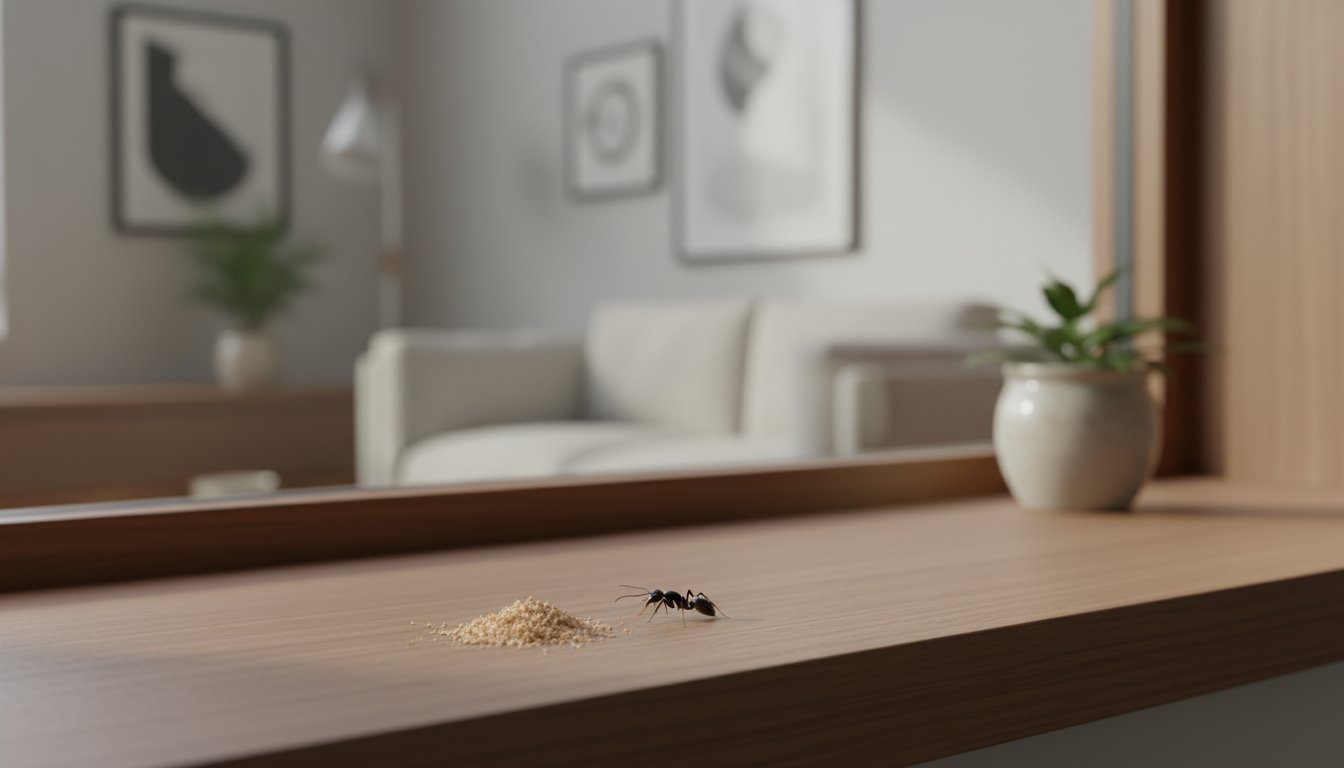
    That nagging worry often starts with just a few large black ants in your kitchen. Are they simply foraging, or is something more sinister happening unseen within your walls? The fear of hidden, costly structural damage is real, and the uncertainty of whether you’re dealing with carpenter ants or termites can be paralyzing. For effective carpenter ant removal, you need more than a can of store-bought spray, which often just scatters the colony and makes the problem worse.

    This is your definitive guide to safeguarding your home. We will empower you with the expert knowledge to confidently identify these wood-destroying pests, pinpoint the exact location of their hidden nests, and implement a proven plan for their complete and permanent eradication. Forget wasting time and money on solutions that don’t work. Get ready to reclaim your peace of mind and learn how to protect your home’s structure for good.

    Key Takeaways

    • Learn to correctly identify carpenter ants versus other pests to ensure you are targeting the right threat before any damage occurs.
    • Understand how carpenter ants silently compromise your home’s structural integrity by excavating wood for their nests, not by eating it.
    • Discover the most effective strategies for complete carpenter ant removal and learn why professional methods are crucial for eliminating the entire colony.
    • Implement proven prevention techniques to safeguard your property and make your home a hostile environment for future infestations.

    First Steps: How to Identify a Carpenter Ant Infestation

    Before you can begin any treatment, positive identification is the essential first step. Misidentifying your pest can lead to ineffective solutions and wasted time, allowing the real problem to worsen. The key to successful carpenter ant removal is knowing exactly what you’re up against, from the appearance of the insect to the unique signs of damage they leave behind.

    To help you visually confirm what you’re seeing, this video provides an excellent overview:

    What Do Carpenter Ants Look Like?

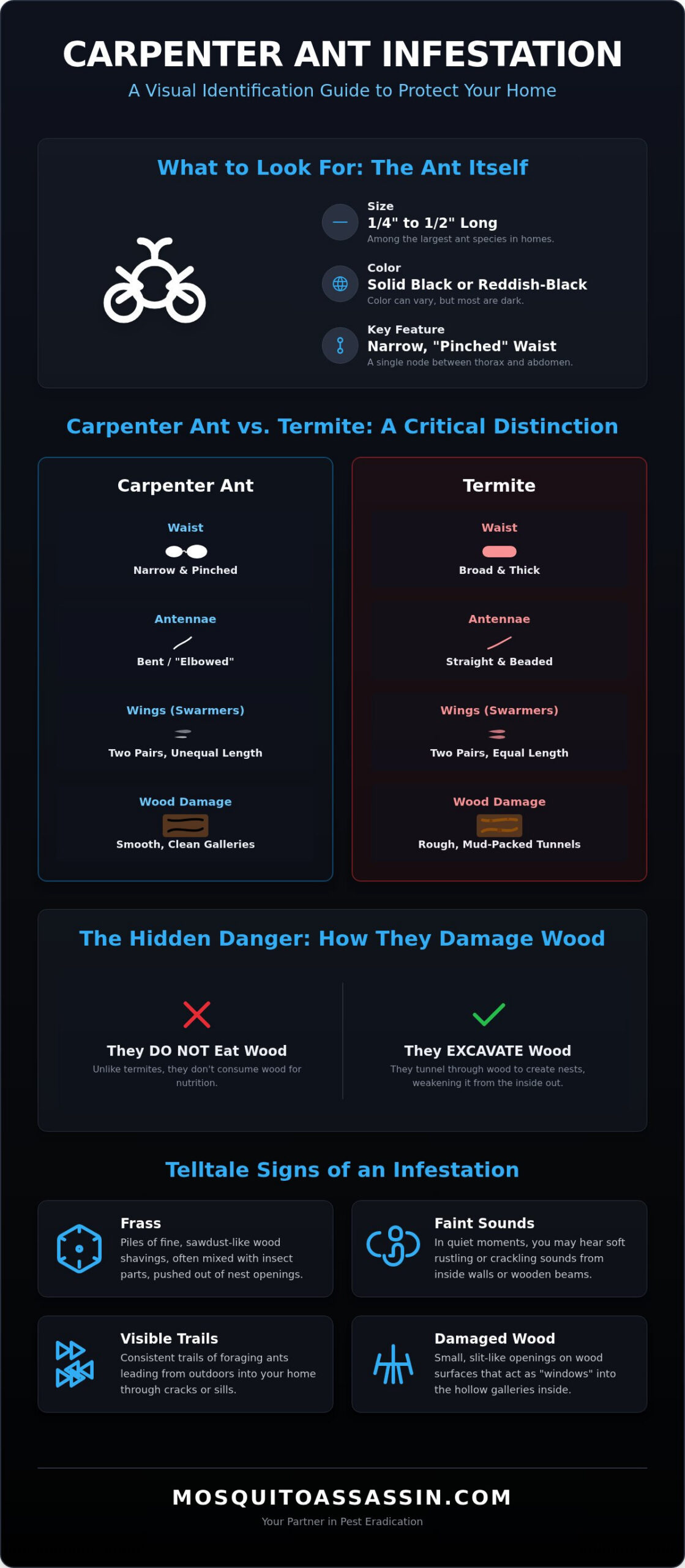
    Carpenter ants are among the largest ant species you’ll find in your home, typically measuring between 1/4 and 1/2 inch long. While most are solid black, some can be reddish-black or a combination of red and black. Their most distinct feature is a single, small node between their thorax and abdomen, giving them a segmented, “pinched” waist. In the spring, you might also spot winged swarmers, which are reproductive ants leaving the nest to mate. For a more detailed Carpenter ant overview, including their life cycle and behavior, this resource is highly informative.

    Carpenter Ants vs. Termites: A Critical Distinction

    It’s common to confuse carpenter ants with termites, but they are very different pests requiring different treatments. Here’s how to tell them apart:

    • Waist: Carpenter ants have a narrow, pinched waist. Termites have a broad, thick waist with no visible segmentation.
    • Antennae: Ants possess bent or “elbowed” antennae. Termites have straight, beaded antennae.
    • Wings: Winged ant swarmers have two pairs of wings of unequal length (front wings are longer than hind wings). Termite swarmers have two pairs of wings that are equal in length.
    • Damage: Carpenter ants excavate wood to create nests, leaving behind smooth, clean galleries. Termites eat wood and leave behind rough tunnels packed with mud and soil.

    Telltale Signs of Carpenter Ant Activity

    Even if you don’t see the ants themselves, they leave behind clear evidence of their presence. Recognizing these signs is crucial for assessing the scale of your infestation and planning for carpenter ant removal. Look for:

    • Frass: Piles of fine, sawdust-like wood shavings mixed with insect parts. Ants push this debris out of small holes in wood as they excavate their nests.
    • Faint Sounds: In quiet moments, you may hear soft rustling or crackling sounds coming from inside your walls or wooden beams.
    • Visible Trails: Watch for consistent trails of foraging ants, often leading from outdoor areas (like a tree stump or woodpile) into your home through cracks in the foundation or window sills.
    • Damaged Wood: Small, slit-like openings on the surface of wood can be “windows” into the smooth, hollowed-out galleries the ants have created inside.

    The Hidden Danger: How Carpenter Ants Damage Your Home

    Many homeowners mistakenly believe carpenter ants are like termites, but there’s a critical difference: carpenter ants don’t eat wood. Instead, they excavate it, tunneling through beams and joists to create vast, hidden nests. This relentless excavation process systematically weakens the structural integrity of your home. They are particularly drawn to wood with existing moisture damage, turning a small leak into a major vulnerability. If left unaddressed, a single colony can cause thousands of dollars in repairs, making prompt and professional carpenter ant removal essential for safeguarding your property.

    Understanding Their Nesting Habits

    A carpenter ant infestation typically involves a main “parent” colony, often located outdoors in a dead tree stump or damp woodpile, and one or more “satellite” colonies inside your home. These indoor nests are where the real damage occurs. The ants create smooth, clean, and sandpaper-like galleries within the wood, a key sign that distinguishes them from the messy, mud-packed tunnels of termites. Seeing a few large black ants in your kitchen is rarely an isolated incident; it’s a warning sign of a much larger, hidden colony that requires a comprehensive approach. Correctly identifying carpenter ants and their activity is the first step toward effective eradication.

    Common Nesting Spots in PA & OH Homes

    As local experts serving Pennsylvania and Ohio, we know exactly where these pests love to hide. Their prime targets are areas where moisture compromises wood, providing the perfect environment for a satellite nest. Be sure to check:

    • Window and door frames, especially those with poor seals.
    • Attics and crawl spaces suffering from poor ventilation or roof leaks.
    • Underneath siding or behind walls, particularly on the cooler, north side of a house.
    • Water-damaged wood in porch columns, decks, and outdoor sheds.

    The Long-Term Structural Risks

    The damage from carpenter ants is slow but devastating. Over several years, their tunneling can severely weaken floor joists, wall studs, and critical support beams. The integrity of your deck, porch, or even your roof structure can be compromised, turning what was once a minor nuisance into a major structural failure. Don’t wait for sagging floors or warped window frames to appear. Effective carpenter ant removal is not just about eliminating pests-it’s about protecting the very foundation of your home.

    Worried about hidden damage? Get a professional inspection from Mosquito Assassin.

    Carpenter Ant Removal Methods: DIY vs. Professional Extermination

    When you discover a carpenter ant infestation, you face a critical decision: attempt a do-it-yourself solution or call in the professionals. While handling it yourself might seem like a cost-saving measure, effective carpenter ant removal is more complex than simply spraying the ants you see. The right choice depends on the scale of the problem and your confidence in eliminating the entire colony, not just the visible foragers.

    Popular DIY Approaches and Their Limitations

    Home improvement stores offer various products, from bait stations and insecticidal sprays to boric acid dusts. These can provide temporary relief by killing worker ants, but their effectiveness is often superficial and short-lived.

    • Bait Stations: These are slow-acting and can be ineffective if ants have a more attractive food source nearby, rendering the bait useless.
    • Insecticidal Sprays: These products only kill ants on contact and rarely penetrate the wall voids or wood galleries where the nest and queen are hidden.
    • Dusts: Boric acid can work but is only effective if applied directly into nest galleries, which are notoriously difficult for homeowners to locate.

    The primary risk with DIY methods is that they create a false sense of security. You might eliminate the foraging workers, but the satellite and parent colonies remain active, continuing to damage your home’s structure. As experts in Carpenter ant prevention and control emphasize, a comprehensive approach is necessary for complete eradication.

    Why Professional Treatment is More Effective

    A licensed pest control professional brings expertise and tools that are unavailable to the public. We don’t just treat the symptoms; we eliminate the source. Our technicians are trained to accurately locate hidden nests by identifying subtle signs of activity. We then use specialized, non-repellent insecticides that foraging ants carry back to the colony, unknowingly poisoning the queen and other members. This targeted application into wall voids, crawlspaces, and other inaccessible areas ensures the entire infestation is destroyed from the inside out.

    The Mosquito Assassin 4-Step Eradication Process

    At Mosquito Assassin, we’ve developed a proven, methodical process to guarantee complete elimination and protect your home. Our approach ensures nothing is left to chance.

    • Step 1: Thorough Inspection: We conduct a comprehensive assessment of your property to identify all nest locations, entry points, and the extent of any damage.
    • Step 2: Customized Treatment Plan: Based on our findings, we create a tailored plan that addresses your home’s specific vulnerabilities and the unique characteristics of the infestation.
    • Step 3: Targeted, Family-Safe Application: We apply our family-safe treatments directly to the source, eliminating the entire colony while safeguarding your loved ones and pets.
    • Step 4: Follow-Up & Prevention: We provide follow-up service and expert advice to ensure the ants don’t return, giving you lasting peace of mind.

    Don’t let a failed DIY attempt lead to costly structural repairs. Trust the proven system for complete carpenter ant removal by contacting the experts at Mosquito Assassin today.

    How to Prevent Carpenter Ants From Coming Back

    Successfully eliminating a carpenter ant colony is a major victory, but the battle isn’t over. Effective carpenter ant removal is only half the solution; the other half is diligent prevention. To safeguard your home for the long term, you must make it an unattractive and inaccessible fortress for these wood-destroying pests. Most preventative strategies focus on two key areas: controlling moisture and sealing potential entry points.

    Eliminate Moisture Sources

    Carpenter ants don’t eat wood, they excavate it to build nests. They overwhelmingly prefer wood that has been softened by water. By eliminating moisture, you remove their ideal nesting material. Focus on these critical tasks:

    • Immediately repair any leaky pipes, dripping faucets, clogged gutters, or damaged roofing that could create damp conditions.
    • Use dehumidifiers and fans to ensure basements, attics, and crawl spaces stay dry and well-ventilated.
    • Check that the soil around your foundation is graded to slope away from the house, preventing water from pooling against your home’s structure.

    Seal Up Entry Points

    Think of your home’s exterior as its armor-even the smallest crack is a vulnerability that ants can exploit. A thorough inspection and sealing project can fortify your defenses and deny them access.

    • Use high-quality silicone caulk to seal cracks and crevices in your foundation, around windows and door frames, and along siding.
    • Pay close attention to where utility pipes, wires, and cables enter your house. Seal any gaps with caulk or expanding foam.
    • Install fine-mesh screens over attic, foundation, and crawl space vents to block pests without impeding essential airflow.

    Manage Wood and Landscaping

    Your yard can inadvertently create a direct highway for pests to march right up to your home. Simple landscaping maintenance creates a crucial buffer zone that keeps ants at a distance.

    • Keep firewood stacks at least 20 feet away from your house and elevated off the ground on a rack.
    • Trim tree branches, shrubs, and overgrown vegetation so they do not make contact with your siding or roof.
    • Promptly remove dead tree stumps, fallen logs, and other decaying wood from your property, as these are prime nesting sites.

    These proactive measures are the most effective way to protect your home after a professional carpenter ant removal service. While these DIY steps are powerful, nothing beats a comprehensive, year-round strategy. Need ongoing protection? Explore our Year-Round Pest Control Plans.

    Your Final Step to a Carpenter Ant-Free Home

    Protecting your home from wood-destroying insects is a serious responsibility. You’ve learned how to identify the subtle signs of a carpenter ant infestation, from faint rustling sounds in your walls to tell-tale piles of sawdust-like frass. You also understand the hidden, structural danger they pose, silently chewing through your home’s framework. While DIY solutions can seem appealing, the only certain path to total eradication and lasting protection is professional carpenter ant removal.

    Don’t leave the integrity of your biggest investment to chance. For homeowners in Erie and Crawford Counties, Mosquito Assassin is your trusted local partner in pest elimination. As a locally owned and operated team, we are committed to safeguarding our neighbors’ homes with proven, family-safe treatments. Our confidence is backed by our Pest-Free Guarantee: If the pests return, so do we!

    Take decisive action against these destructive pests. Protect Your Home from Carpenter Ant Damage. Schedule Your Free Inspection Now!

    Frequently Asked Questions About Carpenter Ant Removal

    How much does professional carpenter ant removal cost?

    The cost for professional carpenter ant removal depends on several factors, including the size of your property and the severity of the infestation. A small, localized colony will be less complex to treat than a large, established nest with multiple satellite colonies. For an accurate and transparent price, Mosquito Assassin provides a comprehensive inspection to create a customized treatment plan. This ensures you only pay for the precise services needed to safeguard your home effectively.

    Are the treatments used by Mosquito Assassin safe for my children and pets?

    Absolutely. The safety of your family is our top priority. We use proven, family-safe treatments and our licensed technicians apply them with precision according to strict industry standards. We will always provide clear instructions, such as keeping children and pets away from specific treated areas until they are completely dry. This methodical approach ensures we eliminate the pests while giving you total peace of mind, knowing your loved ones are protected.

    Can carpenter ants return after a professional treatment?

    While our treatments are designed for complete eradication, new colonies can attempt to move in if the original attracting conditions, like moisture-damaged wood, persist. However, we stand by our work with our Pest-Free Guarantee. Our comprehensive process is designed to eliminate the entire colony structure to prevent a rebound. As we always say at Mosquito Assassin, if the pests return, so do we. We’ll make it right at no extra charge.

    How long does it take to completely get rid of a carpenter ant infestation?

    The timeline for complete elimination varies with the infestation’s size and complexity. You will see a significant reduction in ant activity shortly after our initial treatment. However, it can take a few weeks for the treatment to be carried back to the nest and eliminate the entire colony, including the queen. Our process includes diligent follow-up and monitoring to ensure the job is done right, delivering the dependable, lasting results you expect.

    What’s the difference between a big black ant and a carpenter ant?

    While many large ants are black, carpenter ants have specific identifying features: a single, small node between their thorax and abdomen, an evenly rounded upper back, and a defined, pinched waist. The most definitive sign, however, is their behavior. Carpenter ants excavate wood to create nests, leaving behind piles of coarse, sawdust-like shavings called “frass.” Finding frass near wood structures is a clear sign you are dealing with destructive carpenter ants.

    Do carpenter ants bite people?

    Yes, carpenter ants can bite. They do not have a stinger, but if they feel their nest is threatened, they will use their strong mandibles to bite defensively. They can also spray formic acid into the wound, which creates a painful burning sensation. While the bites are not medically dangerous for most people, they are a clear sign that an infestation is uncomfortably close and requires immediate professional attention for safe and effective removal.

  • 7 Termite Warning Signs You Can’t Afford to Ignore

    7 Termite Warning Signs You Can’t Afford to Ignore

    There’s a silent destroyer that can compromise the safety of your home from the inside out: termites. The fear of hidden structural damage and the staggering cost of repairs is enough to keep any homeowner awake at night. You might have seen a stray winged insect and wondered if it was just an ant, or you may be completely unsure of where to even begin looking for a problem. This uncertainty is stressful, but ignoring it can be catastrophic for your most valuable asset.

    That’s why knowing the critical termite warning signs is your first and most powerful line of defense. In this essential guide, we are eliminating the guesswork. We’ll provide a clear, professional checklist of the seven key signs of an infestation, from tell-tale mud tubes to the sudden appearance of swarmers. You will gain the confidence to identify a potential threat and learn the immediate, proven steps to take to safeguard your property and secure your peace of mind.

    The ‘Big Three’: Unmistakable Signs of a Termite Invasion

    When it comes to safeguarding your home, ignoring potential threats is not an option. Some issues whisper, but a termite infestation screams for attention. If you discover any of the following ‘Big Three’ termite warning signs, you are almost certainly dealing with an active colony that requires immediate, professional intervention. These are not subtle hints; they are definitive proof that your property is under attack.

    To help you visualize what to look for, this video provides an excellent overview of common signs and the damage termites can cause:

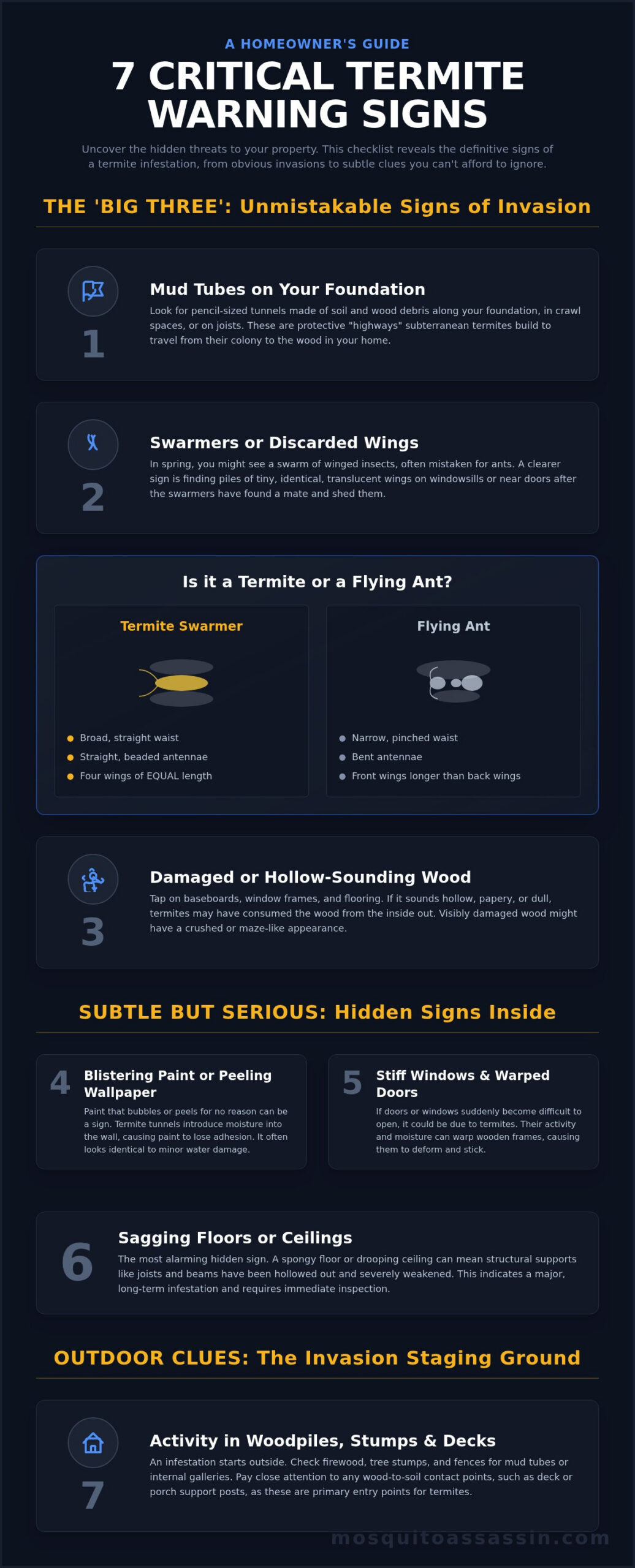
    1. Mud Tubes on Your Foundation

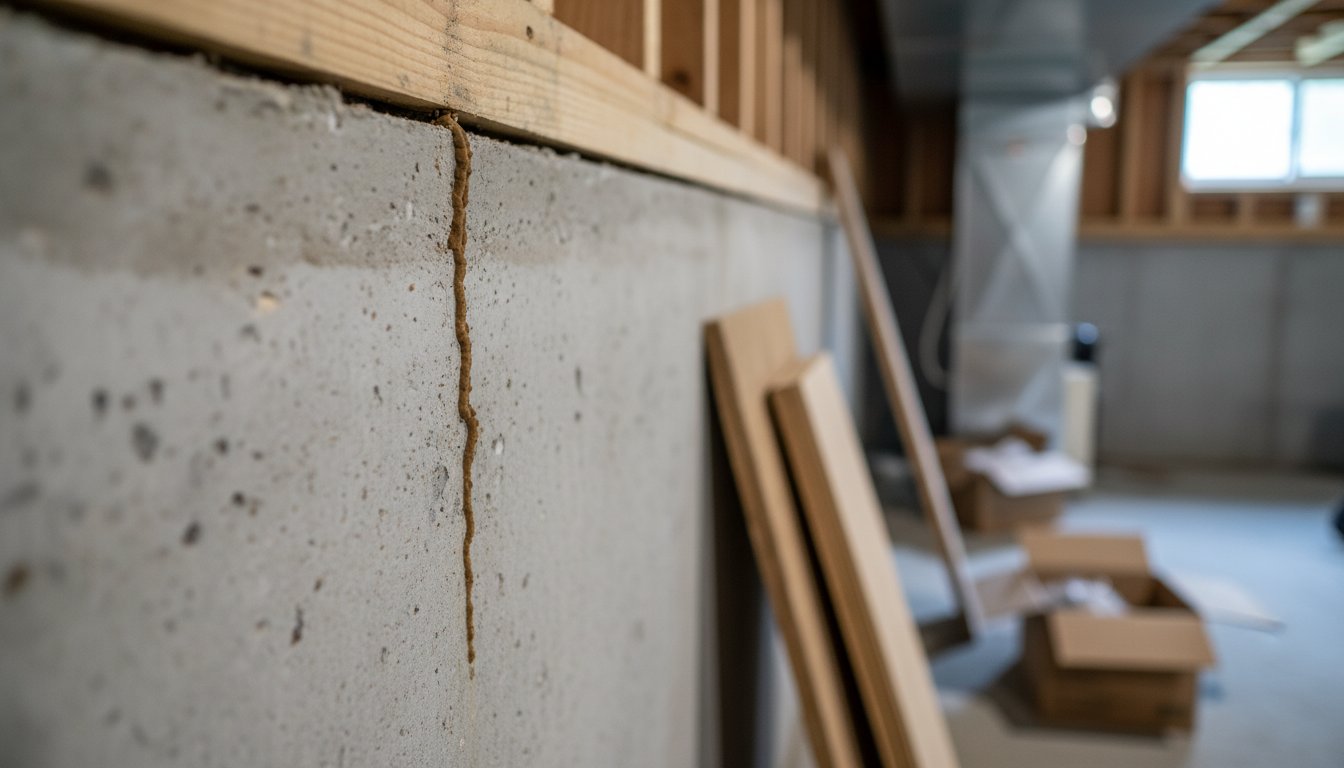
    Termites build protective tunnels, often called mud tubes, to travel from their underground colony to the wood in your home. These pencil-sized "highways" are made of soil, wood, and saliva, and they protect the termites from predators and dehydration. This is a classic sign of subterranean termites, the most common type found in Pennsylvania and Ohio. Be sure to inspect your:

    • Exterior foundation walls

    • Basement or crawl space supports

    • Floor joists and sill plates

    2. Swarmers or Discarded Wings

    In the spring, mature termite colonies send out "swarmers" (or alates) to mate and establish new colonies. Many homeowners mistake them for flying ants. A key tell-tale sign is finding piles of tiny, translucent wings on windowsills or near doors, as swarmers shed their wings after finding a mate. While they look similar, you can tell them apart. Termites have:

    • A broad, straight waist (ants have a pinched waist).

    • Straight, beaded antennae (ants have bent antennae).

    • Four wings of equal length (ants have larger front wings).

    3. Visibly Damaged or Hollow-Sounding Wood

    Because termites consume wood from the inside out, damage can go unnoticed for years. One of the most reliable termite warning signs is wood that sounds hollow when tapped. Gently tap on baseboards, window frames, and flooring with the handle of a screwdriver. If you hear a dull, papery thud instead of a solid sound, you may have a problem. Visibly damaged wood often has a crushed or maze-like appearance. Finding this type of damage typically means the infestation is well-established and has been active for a significant amount of time. Understanding their behavior, as detailed in this comprehensive overview of termites, explains why their damage is so often hidden from view until it becomes severe.

    Subtle but Serious: Hidden Termite Signs Inside Your Home

    Beyond the more obvious evidence like mud tubes or discarded wings, termites often leave behind more subtle clues. These hidden signs are frequently mistaken for common household issues like humidity, water damage, or the natural settling of your home. Ignoring them can lead to devastating structural problems. Understanding these subtle clues is a key part of learning how to identify and control termites before they cause irreversible damage. If you notice any of the following issues, it’s time to take a closer, more critical look.

    4. Blistering Paint or Peeling Wallpaper

    Paint that bubbles, peels, or looks water-damaged for no apparent reason can be a sign of termite activity. As subterranean termites tunnel through drywall and the wood behind it, they introduce moisture and compromise the integrity of the wall surface. This causes the paint to lose adhesion and blister, or for wallpaper to peel away. It looks almost identical to a slow leak, but the culprit may be chewing away just beneath the surface.

    5. Stiff Windows and Warped Doors

    Is a window suddenly difficult to open or a door sticking in its frame? While seasonal humidity can cause wood to swell, a sudden and persistent problem could be caused by termites. Their tunneling activity weakens wooden frames from the inside out. The combination of hollowed-out wood and the moisture they bring with them can cause frames to warp and deform, making doors and windows difficult to operate. This is one of the more deceptive termite warning signs because it’s so easily blamed on the weather.

    6. Sagging Floors or Ceilings

    Perhaps the most alarming hidden sign is a floor that feels spongy or a ceiling that appears to be sagging. This indicates that the structural supports, the floor joists or ceiling beams, may be severely compromised. Termites eat wood from the inside, hollowing out critical support members until they can no longer bear weight. While a severe water leak can also cause this, any structural sagging demands an immediate professional inspection to identify the cause and prevent a potential collapse.

    Outdoor Clues: Checking Your Property for Termite Activity

    A termite infestation doesn’t begin in your living room; it almost always starts from the outside. The soil, woodpiles, and wooden structures around your property are the staging grounds for a full-scale invasion. By conducting a simple but thorough inspection of your home’s exterior, you can spot the earliest termite warning signs and stop a colony before it breaches your foundation. At Mosquito Assassin, we believe proactive protection is the most effective strategy for safeguarding your home.

    Take a walk around your property and keep a sharp eye out for these critical outdoor clues.

    Checking Woodpiles and Stumps

    To a termite colony, a stack of firewood, an old tree stump, or a pile of untreated lumber sitting near your house is an all-you-can-eat buffet. We strongly advise keeping all firewood and wood debris at least 20 feet away from your foundation and elevated off the ground. When inspecting these areas, look for the tell-tale mud tubes climbing the wood or break a piece open to check for intricate galleries carved within.

    Inspecting Decks, Porches, and Fences

    Any place where wood meets soil is a potential termite entry point. Pay close attention to the support posts for your deck, porch, or fence. Use a screwdriver to gently probe the base of these posts. If the wood feels soft, sounds hollow, or flakes away easily, it could be a sign of termite damage. These structures often act as a bridge, giving termites direct, undetected access to your home’s framework.

    Looking for Drywood Termite Droppings (Frass)

    While Subterranean termites are the primary threat in Pennsylvania and Ohio, it’s still wise to recognize signs of other types. Drywood termites leave behind a distinct calling card: frass. This is a gritty mixture of tiny, wood-colored pellets that can look like sawdust or coffee grounds. Finding small piles of frass near window sills, door frames, or on your deck is a clear indicator of an active colony above. For more details on identifying different species, the US Environmental Protection Agency’s guide to termites offers a comprehensive overview.

    Discovering any of these outdoor termite warning signs is a serious matter that requires immediate action. If you’ve spotted suspicious activity, don’t wait for the damage to spread. Contact the certified professionals at Mosquito Assassin for a comprehensive inspection and a proven treatment plan to protect your most valuable investment.

    Found a Sign? Your Immediate Action Plan (and What NOT to Do)

    Discovering potential termite warning signs in your home can be alarming, but a panicked reaction can often make the situation worse. As your dependable local experts, we believe in empowering homeowners with a clear, calm strategy. Acting correctly from the start is the key to effective and efficient eradication. Follow these proven steps to safeguard your property without making costly mistakes.

    Step 1: Don’t Panic and Don’t Disturb the Area

    The first rule is simple: take a breath. Termite damage happens over months or years, not overnight. Resist the urge to break open drywall, scrape away mud tubes, or spray the area. Disturbing the termites can cause them to abandon the visible location and retreat deeper into your home’s structure, making a professional assessment and treatment far more difficult.

    Step 2: Avoid DIY Chemical Treatments

    While grabbing an over-the-counter pest spray might feel proactive, it’s one of the worst things you can do. These products are rarely strong enough to eliminate an entire colony. They typically kill only a few surface-level worker termites, leaving the queen and the heart of the nest untouched. Furthermore, improper use of chemicals can pose a health risk to your family and pets.

    Step 3: Document What You Found

    Your observations are incredibly valuable. Before you do anything else, take clear, well-lit photos of what you’ve found, be it mud tubes, discarded wings, or damaged wood. Make a note of the exact location (e.g., "in the basement, along the sill plate below the window"). This documentation provides our certified technicians with a crucial head start during their comprehensive inspection.

    Step 4: Schedule a Professional Inspection

    This is the most critical step. Only a trained and licensed professional can accurately confirm an active infestation, identify the specific termite species, and determine the full extent of the problem. A comprehensive inspection is the foundation of a customized treatment plan designed to eliminate the colony for good and protect your most valuable asset. Don’t leave your home’s safety to chance.

    **Don’t wait. Schedule your professional termite inspection now! **

    Don’t Let Termites Win: Your Action Plan for a Secure Home

    Your home is your greatest asset, and protecting it starts with vigilance. Recognizing everything from blatant swarms and mud tubes to subtle clues like hollow-sounding wood is your first line of defense. The most critical takeaway is that termites are silent destroyers, often causing thousands in damage long before you see them. Ignoring these crucial termite warning signs is a gamble you can’t afford to take, making swift, professional action absolutely essential.

    If you’ve noticed even one of these signs, the time to act is now. Don’t risk your property’s structural integrity with DIY solutions that often fail. As a locally owned and operated company in Pennsylvania and Ohio, Mosquito Assassin’s certified and licensed technicians are your neighbors, dedicated to safeguarding our communities. We provide definitive answers with a comprehensive inspection and stand by our work with our powerful Pest-Free Guarantee: If pests return, so do we. ******Suspect Termites? Contact Mosquito Assassin for a Professional Inspection Today! ** and restore your peace of mind.

    Frequently Asked Questions About Termite Warning Signs

    What’s the difference between flying ants and termite swarmers?

    Distinguishing between these pests is crucial for protecting your home. Flying ants have a distinctly pinched "waist," bent antennae, and two pairs of wings that are unequal in length. In contrast, termite swarmers possess a broad, straight body, straight antennae, and two pairs of wings that are both equal in length. While both can be a nuisance, correctly identifying a termite swarmer demands immediate professional action to prevent a destructive infestation.

    How quickly can termites actually damage a house?

    The speed of damage depends on the colony’s size and maturity. While a new colony works slowly, an established subterranean termite colony can consume wood 24/7, potentially eating through a foot of a 2×4 beam in a matter of months. The real danger is that this damage occurs silently within your walls for years. This hidden activity allows for significant structural harm long before any visible signs appear, making early detection and elimination essential.

    Can you hear termites moving in your walls?

    Yes, in cases of a severe infestation, it is possible to hear termites. Homeowners describe a faint, dry, rustling or quiet clicking sound from behind the drywall. This is often the sound of worker termites chewing wood or soldier termites tapping their heads to signal danger to the colony. If you hear these sounds, especially at night when your home is quiet, it’s a serious indicator that you need an immediate professional inspection to assess the activity.

    What does termite wood damage look like compared to water damage?

    Termite damage appears as a network of hollowed-out tunnels, or "galleries," that typically run with the grain of the wood, leaving a thin outer layer intact. The wood will sound hollow when tapped. Conversely, water damage causes wood to become soft, spongy, and discolored. It will often swell, rot, and crack across the grain and may be accompanied by the distinct, musty odor of mold or mildew, which is absent with termites.
    Since both issues threaten your home’s structure, addressing moisture problems at the source with services like basement waterproofing Philadelphia is a critical part of overall home protection.

    How often should I get a professional termite inspection?

    We recommend a comprehensive professional termite inspection at least once a year. Annual inspections are the most reliable and effective way to catch early termite warning signs before a colony can cause widespread and expensive structural damage. This proactive measure is a small investment in safeguarding your property’s integrity and value. Consider it an essential part of your home’s maintenance routine, ensuring peace of mind and protection from these silent destroyers.

    Are termites a common problem in Pennsylvania and Ohio?

    Absolutely. Subterranean termites are a significant and common threat to homeowners throughout Pennsylvania and Ohio. Our region’s climate and the prevalence of wooden home structures create the ideal conditions for these destructive pests to establish colonies and thrive. Because they are so widespread in our local communities, it is critical for homeowners to remain vigilant and prioritize regular, professional inspections. Assuming your home is safe is a risk not worth taking in our area.

  • Year-Round Pest Control: The Ultimate Protection Guide

    Year-Round Pest Control: The Ultimate Protection Guide


    Your home is your sanctuary, but a single line of ants or a stray spider can make it feel invaded. Many homeowners hesitate to call for help, wondering what a professional visit entails or if they’ll be pushed into a service they don’t need. The term general exterminating or general pest control can seem vague, leaving you unsure about what’s covered and, more importantly, if the treatments are safe for your family and pets. We believe in clarity and confidence. Your peace of mind is our top priority, and that starts with understanding exactly what you’re getting.

    This ultimate protection guide is designed to eliminate that uncertainty. We’ll pull back the curtain on our professional extermination process, showing you step-by-step what to expect from our expert technicians. You’ll discover what comprehensive pest control truly includes and why our year-round protection plan isn’t just a service—it’s the proven strategy for safeguarding your home and family for good. Get ready to trade anxiety for assurance and finally achieve a permanently pest-free home.

    What is General Pest Control? More Than Just a One-Time Fix

    Many homeowners think of pest control as a frantic call made only after spotting a spider in the shower or ants on the counter. While that’s a reactive solution, professional exterminating is a completely different, proactive strategy. It’s an ongoing service designed to create a powerful, invisible shield around your home, safeguarding your family from pests year-round. This approach isn’t about a single spray; it’s a comprehensive plan to stop infestations before they ever begin.

    The Problem with the ‘Wait and See’ Approach

    Waiting until you have a visible pest problem is a risky gamble. For every one pest you see, dozens or even hundreds could be hiding in your walls, attic, or foundation. Pests multiply with astonishing speed, and a minor issue can quickly become a full-blown infestation that poses health risks to your family and can cause serious structural damage. Emergency exterminations are almost always more disruptive, stressful, and costly than preventative care.

    Core Principles of Integrated Pest Management (IPM)

    At Mosquito Assassin, our general exterminating service is built on the proven principles of Integrated Pest Management (IPM). This modern, intelligent strategy, central to the professional understanding of what pest control is, focuses on long-term prevention and minimal chemical use. It’s a smarter way to protect your home.

    • Long-Term Prevention: We focus on identifying and eliminating the conditions that allow pests to thrive in the first place.
    • Understanding Pest Biology: By knowing pest life cycles and habits, we can disrupt them effectively and stop them from breeding.
    • Targeted, Family-Safe Treatments: We apply professional-grade, family-safe products strategically only where they are needed, rather than blanketing your property unnecessarily.
    • Exclusion and Sanitation: A key part is identifying and sealing potential entry points and advising on how to remove food and water sources that attract pests.

    Common Pests Covered by a General Protection Plan in PA & OH

    Homeowners across Pennsylvania and Ohio know that pest pressure isn’t just a summer problem—it’s a year-round battle. Different seasons bring different invaders, from ants in the spring to spiders in the fall. A comprehensive general exterminating plan is your first line of defense, designed by professionals who understand the specific threats in our local communities. This proactive protection is designed to safeguard your home against a wide spectrum of common household pests.

    Crawling Insects: Ants, Spiders, and Cockroaches

    Some of the most persistent intruders crawl their way inside. A reliable pest control plan is built to eliminate them and prevent their return. Key threats include:

    • Ants: Carpenter ants can cause serious structural damage by chewing through wood, while odorous house ants march into kitchens, contaminating food supplies.
    • Spiders: While most common house spiders are a nuisance, our region is also home to medically significant species like the black widow, whose bite requires immediate medical attention.
    • Cockroaches: These pests are notorious for spreading bacteria and pathogens. Their droppings and shed skin are also significant triggers for asthma and allergies, posing a direct health risk to your family.

    Stinging Insects: Wasps, Hornets, and Yellowjackets

    When stinging insects build nests on or near your property, they pose a serious safety risk. These aggressive pests often nest under eaves, behind siding, or in decks and bushes. A single sting is painful, but a swarm can lead to severe allergic reactions, including life-threatening anaphylaxis. Attempting to remove a nest yourself is extremely dangerous. Professional treatment is the only guaranteed safe way to eliminate the colony and protect your family from harm.

    Overwintering Pests: Stink Bugs, Boxelder Bugs, and Lady Beetles

    As temperatures drop in the fall, hordes of overwintering pests seek warmth and shelter inside your home. While not typically dangerous, they can become a massive nuisance, staining walls and fabrics when crushed. A key part of professional pest control involves proactive strategies that align with the U.S. Environmental Protection Agency’s Integrated Pest Management (IPM) Principles, focusing on creating a protective barrier that prevents these pests from ever getting inside.

    Ultimately, a proven general service provides peace of mind by addressing this full range of threats. It’s not just about reacting to a problem—it’s about establishing year-round protection to keep your home and family safe from unwanted invaders.

    The Professional Extermination Process: Our 4-Step ‘Assassin’ Method

    Effective general exterminating is far more than just spraying chemicals. It’s a precise, strategic operation designed to eliminate current pests and prevent future invasions. To demystify the process and show you exactly what to expect, we’ve perfected our proven 4-Step ‘Assassin’ Method. This systematic approach ensures we safeguard your home with professional, reliable, and long-lasting results.

    Step 1: Comprehensive Property Inspection

    Our process always begins with a thorough investigation. A certified Mosquito Assassin technician will conduct a top-to-bottom inspection of your property to identify not just existing pests, but also potential risks. We meticulously examine:

    • Interior & Exterior Zones: From your basement and attic to the foundation and eaves.
    • Vulnerable Entry Points: Cracks, gaps, and crevices where pests can infiltrate your home.
    • Conducive Conditions: Moisture issues, uncovered food sources, and harborage areas that attract pests.

    Step 2: Customized Treatment Plan

    Based on our inspection, we develop a customized action plan tailored to your home’s specific needs—we don’t believe in one-size-fits-all solutions. Our strategy is built on proven Integrated Pest Management (IPM) principles, which prioritize effective, long-term prevention. We’ll walk you through our findings, explain our recommended treatments, and answer any questions you have about the products we use. You’ll have a clear, transparent plan before any work begins.

    Step 3: Targeted, Family-Safe Treatment

    With your approved plan, we execute the treatment with precision and care. The cornerstone of our general exterminating service is a powerful protective barrier applied around your home’s exterior foundation, stopping pests before they get inside. Interior treatments are used strategically and only when necessary, focusing on cracks, crevices, and other hidden areas. As part of our service, we also remove accessible spider webs and wasp nests to immediately improve your home’s comfort and safety.

    Step 4: Ongoing Monitoring and Follow-Up

    Our commitment doesn’t end after the first visit. True pest control is an ongoing process. We provide scheduled follow-up services to monitor activity and maintain your home’s protective shield, ensuring it remains effective year-round. We stand by our work with the Mosquito Assassin guarantee: If pests return between services, so do we—at no extra cost.

    Ready to secure your home? Schedule your initial inspection today!

    Why Year-Round Protection Beats a One-Time Treatment

    Many homeowners believe a single pest spray will solve their problems for good. While a one-time treatment can handle an immediate infestation, it’s merely a temporary fix. Pests are a persistent, year-round threat, and their activity changes with the seasons. A reactive approach leaves your home vulnerable to the next wave of invaders. True protection comes from a proactive, comprehensive general exterminating plan that safeguards your property 365 days a year.

    Seasonal Pest Activity in Our Region

    Pests don’t disappear in the off-season; they simply change their behavior. As local experts, we know exactly what to expect as the calendar turns. A year-round strategy anticipates and neutralizes these threats before they breach your home’s defenses.

    • Spring: As the ground thaws, ants begin foraging for food and termites start to swarm, posing a direct threat to your home’s structure.
    • Summer: The heat brings peak activity for mosquitoes, ticks, and stinging insects like wasps, turning your yard into a hazardous space.
    • Fall: Rodents, spiders, and other overwintering pests actively seek warmth and shelter, making your home a prime target.
    • Winter: While outdoor activity slows, mice and spiders that have already moved in remain active inside your warm, comfortable home.

    The Long-Term Value of Prevention

    Investing in a continuous pest control plan is one of the smartest decisions you can make for your home and family. It’s not an expense; it’s an investment in security and well-being. A professional general exterminating service is far more cost-effective than paying for emergency treatments and repairing the damage left behind.

    Consider the benefits:

    • Avoid Costly Damage: Proactive treatments prevent destructive pests like termites, carpenter ants, and rodents from causing thousands of dollars in structural damage or chewing through electrical wiring.
    • Protect Your Family’s Health: Ongoing service creates a barrier against pests that carry diseases (ticks, mosquitoes) and trigger allergies or asthma (cockroaches, dust mites).
    • Enjoy Total Peace of Mind: The ultimate benefit is knowing your home is professionally protected. You can enjoy your indoor and outdoor spaces without the constant stress and worry of unwanted guests.

    Don’t wait for an infestation to take action. Safeguard your home with a proven, year-round protection plan from Mosquito Assassin and experience true peace of mind.

    Choosing the Right Exterminator in Erie, Crawford & Ashtabula Counties

    Understanding the products used for pest control is only half the battle. The expertise, reliability, and local knowledge of the company you hire are just as crucial for achieving lasting results. When selecting a provider for general exterminating services in Erie County or surrounding areas, you’re not just buying a treatment; you’re investing in your home’s safety and your family’s peace of mind. Making an informed decision ensures you partner with a professional who understands the unique pest pressures of our region, from the lakefront to the countryside.

    Your Local Pest Control Checklist

    Before you commit to a service, arm yourself with the right questions. A reputable company will be transparent and proud to provide these answers. Use this checklist to vet potential exterminators:

    • Are they licensed and fully insured in PA and OH? This is non-negotiable. Proper licensing protects you and confirms the company meets state standards for safety and professionalism.
    • Do they have proven reviews from local customers? Look for feedback from neighbors in Erie, Meadville, or Ashtabula. Real reviews reflect a company’s track record for dependable results.
    • Do they offer a satisfaction guarantee? A confident exterminator stands behind their work. Look for a clear promise, like our motto: “If pests return, so do we.”
    • Are their technicians certified and knowledgeable? Technicians should be experts on the specific pests that thrive in Northwestern Pennsylvania and Northeastern Ohio, from stink bugs to carpenter ants.

    The Mosquito Assassin Difference

    When it comes to safeguarding homes in our community, local expertise matters most. At Mosquito Assassin, we’re not a faceless national chain. We are your locally owned and operated neighbors, dedicated to providing effective general exterminating solutions tailored specifically to the pests and environmental conditions of NW PA and NE OH. Our team lives here, so we understand the importance of using treatments that are proven to be safe for your family and pets while being tough on unwanted invaders. We combine professional-grade products with a deep commitment to our community’s well-being and a guarantee you can trust.

    Ready for a pest-free home? See why your neighbors choose the ‘Best of the Best’!

    Safeguard Your Home with Erie’s Trusted Exterminators

    Protecting your property from pests isn’t a one-time event—it’s an ongoing commitment to your family’s safety and comfort. As we’ve covered, a proactive, year-round plan is far superior to a reactive fix. A professional approach to general exterminating, like our proven 4-step ‘Assassin’ Method, is the key to not only eliminating current infestations but also creating a lasting barrier against future ones. You deserve total peace of mind, no matter the season.

    As your locally owned and operated neighbors based in Cranesville, PA, Mosquito Assassin is dedicated to safeguarding homes across Erie, Crawford, and Ashtabula counties. Our Five-Star Rated service is backed by our ‘Pest-Free Guarantee’: If pests return, so do we. Don’t settle for anything less than complete, reliable protection from a team that lives in the communities we serve.

    Ready to secure your home? Get Your Free Quote and Reclaim Your Home Today!

    Frequently Asked Questions About General Pest Spraying

    Is general pest control safe for my children and pets?

    Absolutely. Professional exterminators prioritize the safety of your family. We use EPA-approved, family-safe products and apply them strategically in areas inaccessible to children and pets, like wall voids, crawl spaces, and exterior perimeters. Our licensed technicians are trained to follow strict safety protocols, and we advise on simple precautions, such as keeping pets away from treated areas until they are completely dry. Your family’s well-being is our top priority during every service.

    How much does a year-round pest control plan cost?

    The cost of a year-round pest control plan varies based on factors like your home’s size, location, and the specific pests being targeted. On average, homeowners can expect to invest between $400 and $700 annually for a comprehensive quarterly service plan. This investment provides consistent protection and peace of mind, often proving more cost-effective than dealing with a major infestation down the line. We provide a clear, upfront quote after a thorough inspection.

    Do I really need a long-term contract for pest control?

    While a one-time service can address an immediate problem, long-term plans are essential for lasting protection. Pests are a year-round threat, and their life cycles mean new waves can appear with each season. A quarterly plan for general exterminating is designed to be proactive, not just reactive. It establishes and maintains a protective barrier around your home, preventing pests from ever establishing a foothold and ensuring your home remains pest-free.

    What happens if I see pests between my scheduled services?

    Our commitment to you doesn’t end when our truck drives away. Reputable pest control companies stand by their work with a satisfaction guarantee. For our recurring plan customers, this means if you spot pests between your scheduled appointments, we will return to re-treat the affected areas at no additional cost. Our promise is simple and effective: if pests return, so do we. Your peace of mind is guaranteed.

    How long does a typical pest control service visit take?

    Your initial service visit is the most comprehensive and typically takes between 60 to 90 minutes. This allows our technician to conduct a thorough inspection, identify problem areas, and apply the initial treatment. Subsequent quarterly visits are much quicker, usually lasting around 20 to 30 minutes. These follow-up services are focused on maintaining the protective barrier around your property and ensuring continued pest prevention, providing maximum protection with minimal disruption to your day.

    Can’t I just use DIY products from the hardware store?

    While DIY products can offer a temporary fix for a few visible pests, they rarely solve the root problem. Store-bought sprays are often repellents that can scatter pests, making the infestation harder to treat. Professional general exterminating uses commercial-grade, non-repellent products that pests unknowingly carry back to their colony, eliminating the source. A licensed technician has the expertise to identify entry points and apply a proven, comprehensive strategy for lasting results.