Could a single colony of Eastern subterranean termites really be hiding a million workers behind your drywall without making a sound? For many property owners, the fear of hidden structural damage is a constant source of anxiety, especially during the spring swarm season. It’s common to feel overwhelmed when trying to distinguish between harmless flying ants and destructive pests, or when facing the strict wood-destroying insect reporting requirements of a real estate closing.
Scheduling a professional termite inspection Crawford County ensures that these concerns are addressed with technical precision and local expertise. This guide explains the systematic process used by licensed professionals to identify wood-destroying insects, entry points, and moisture-prone areas that attract colonies. By understanding the specific risks in Pennsylvania and the scientific methods used to detect activity, homeowners can gain a clear path toward long-term property protection and total peace of mind regarding their investment. You will learn exactly what happens during an assessment and how to maintain a resilient, pest-free structure throughout the year.
Key Takeaways
- Identify the Eastern subterranean termite as the primary threat in Northwest Pennsylvania and understand how local climate conditions impact activity.
- Understand the systematic components of a professional termite inspection Crawford County and why professional tools are more effective than visual DIY checks.
- Master the simple physical checks used to differentiate termites from flying ants during the confusing spring swarm season.
- Recognize the critical timing for scheduling an assessment and the immediate red flags that indicate potential structural risk.
- Discover practical maintenance steps and exclusion strategies to make your property less attractive to wood-destroying organisms.
Understanding Termite Risks in Crawford County
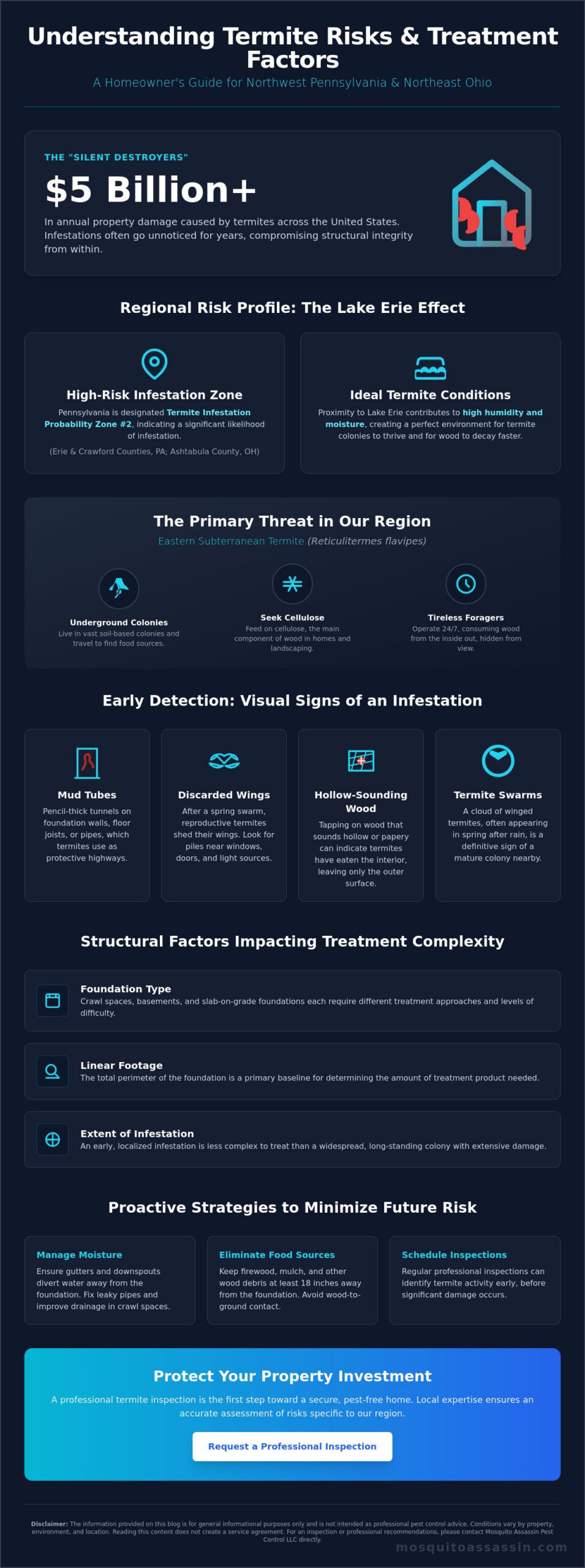
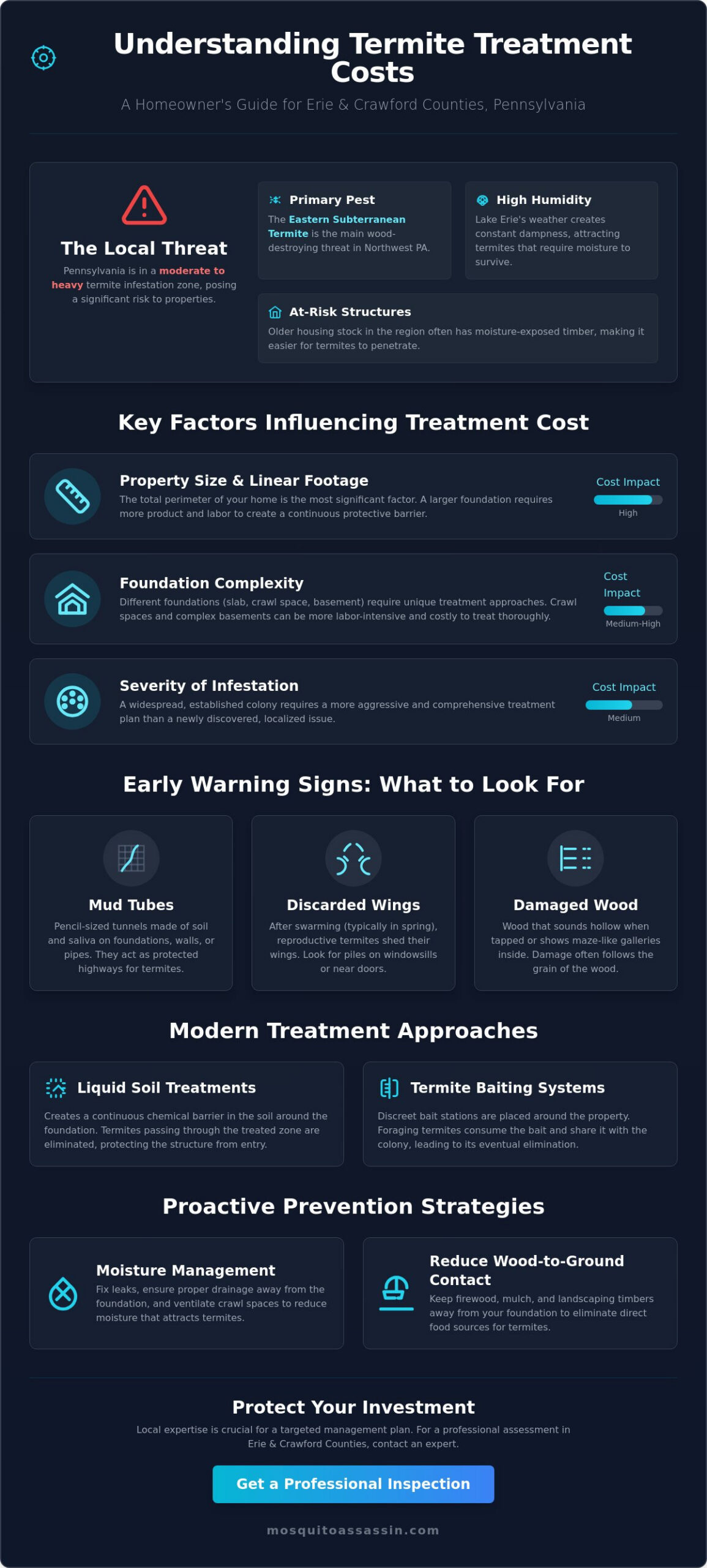
The primary termite threat across Northwest Pennsylvania is the Eastern subterranean termite. These insects live in large underground colonies and are specifically adapted to the humid, temperate climate of Crawford County. Because they remain hidden within the soil or inside the wood they consume, property owners often don’t realize an infestation exists until significant damage has occurred. This behavior has earned them the reputation of being “silent destroyers” because they bypass the surface and eat through the interior of structural members. A professional termite inspection Crawford County is more than a simple search for bugs; it’s a comprehensive structural evaluation designed to identify current activity and environmental conditions that might invite future colonies. For those seeking a comprehensive overview of termites, understanding their biology reveals why they are such persistent pests in our region.
The Role of Moisture and Soil in Termite Activity
Northwest Pennsylvania is known for its high annual rainfall and humidity levels, which creates a high-risk environment for homeowners. Subterranean termites require constant moisture to survive and prevent their bodies from drying out. When soil near a foundation remains damp due to the region’s frequent precipitation, it provides a perfect highway for termites to tunnel toward a home. Common moisture traps include clogged gutters that spill water next to the foundation or poor landscape grading that allows water to pool. These conditions don’t just attract termites; they facilitate their movement from the ground into the wooden components of the structure. Maintaining dry soil around the perimeter is a fundamental step in property protection that is often checked during a professional termite inspection Crawford County.
Why Termites Target Residential Structures
Residential properties in areas like Meadville or Titusville offer an abundant supply of cellulose, which is the primary organic compound found in wood, cardboard, and paper products. Termites are relentless in their search for this food source. They can enter a building through foundation cracks as small as 1/32 of an inch, which is roughly the thickness of a credit card. Once inside, they feed on structural beams, subflooring, and even drywall paper. Undetected feeding can continue for years, eventually compromising the integrity of the home. This hidden damage can lead to thousands of dollars in repair costs and significantly decrease the resale value of a property. Regular assessments help ensure that these entry points are identified before a colony establishes a foothold.
The Components of a Professional Termite Inspection
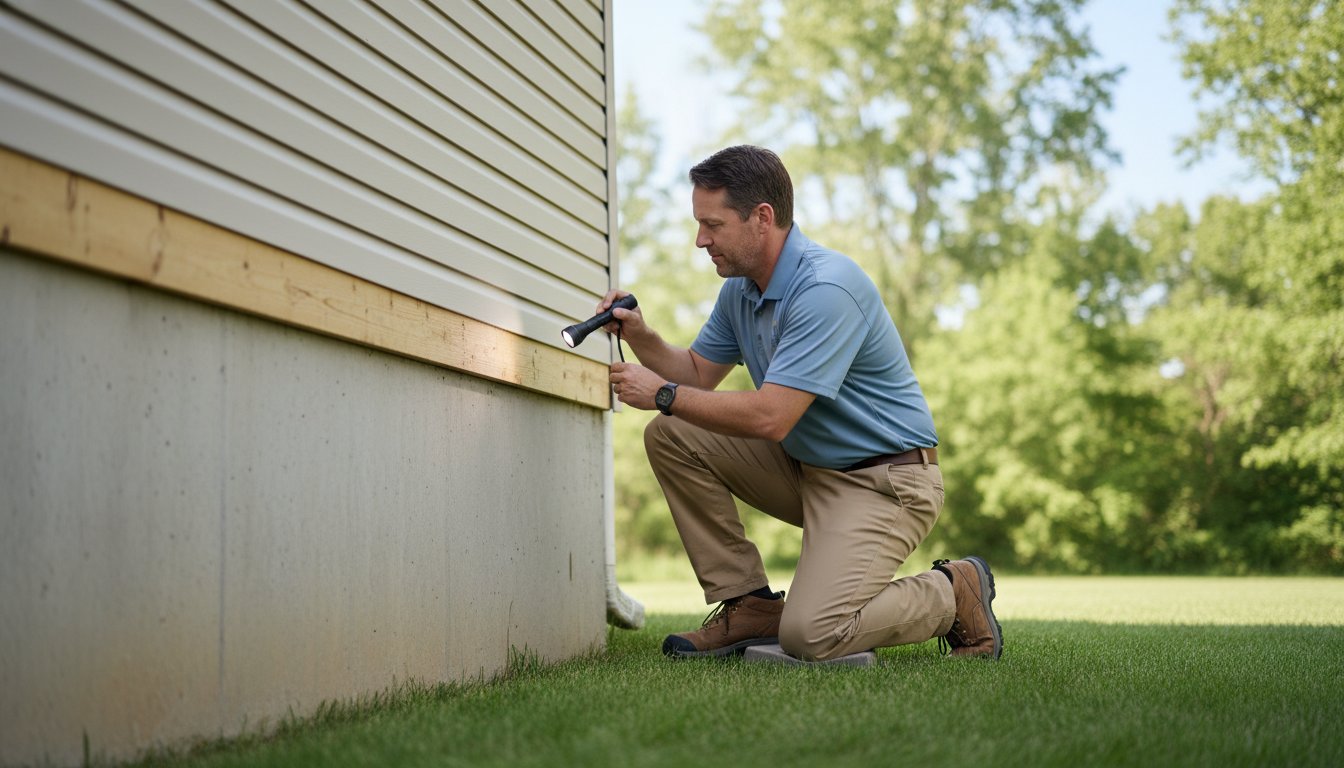
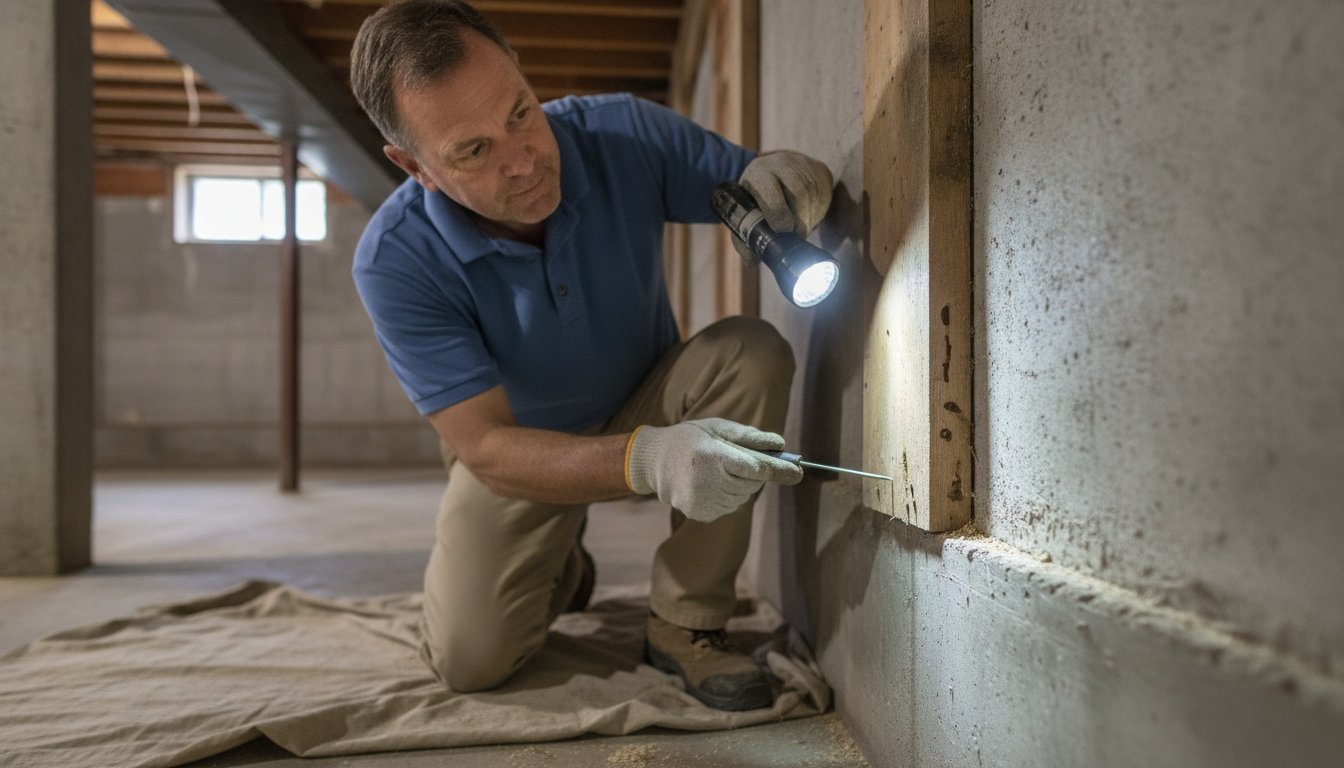
A professional termite inspection Crawford County follows a disciplined, multi-step protocol designed to uncover activity that remains invisible to the untrained eye. This process is far more intensive than a basic walk-through; it is a forensic evaluation of a property’s structural health. Licensed professionals utilize a systematic approach to identify wood-destroying organisms and the environmental factors that support them. By identifying these issues early, professional pest control may help reduce risk of long-term structural failure and the high costs associated with major timber repairs. For more information on the standards used during these assessments, homeowners can consult the EPA guide to termite control.
Technical proficiency is supported by specialized equipment that allows inspectors to see “through” surfaces. Moisture meters are frequently used to detect high-humidity pockets behind drywall or under floorboards, which often indicate termite nesting sites. Sounding tools, such as specialized mallets, help inspectors evaluate the density of wooden beams. A hollow sound during a tap test often reveals where termites have consumed the interior of a stud while leaving the outer shell intact. These tools, combined with high-powered lighting and mirrors, ensure that no corner of the foundation is left unexamined.
Exterior Inspection Points and Foundation Checks
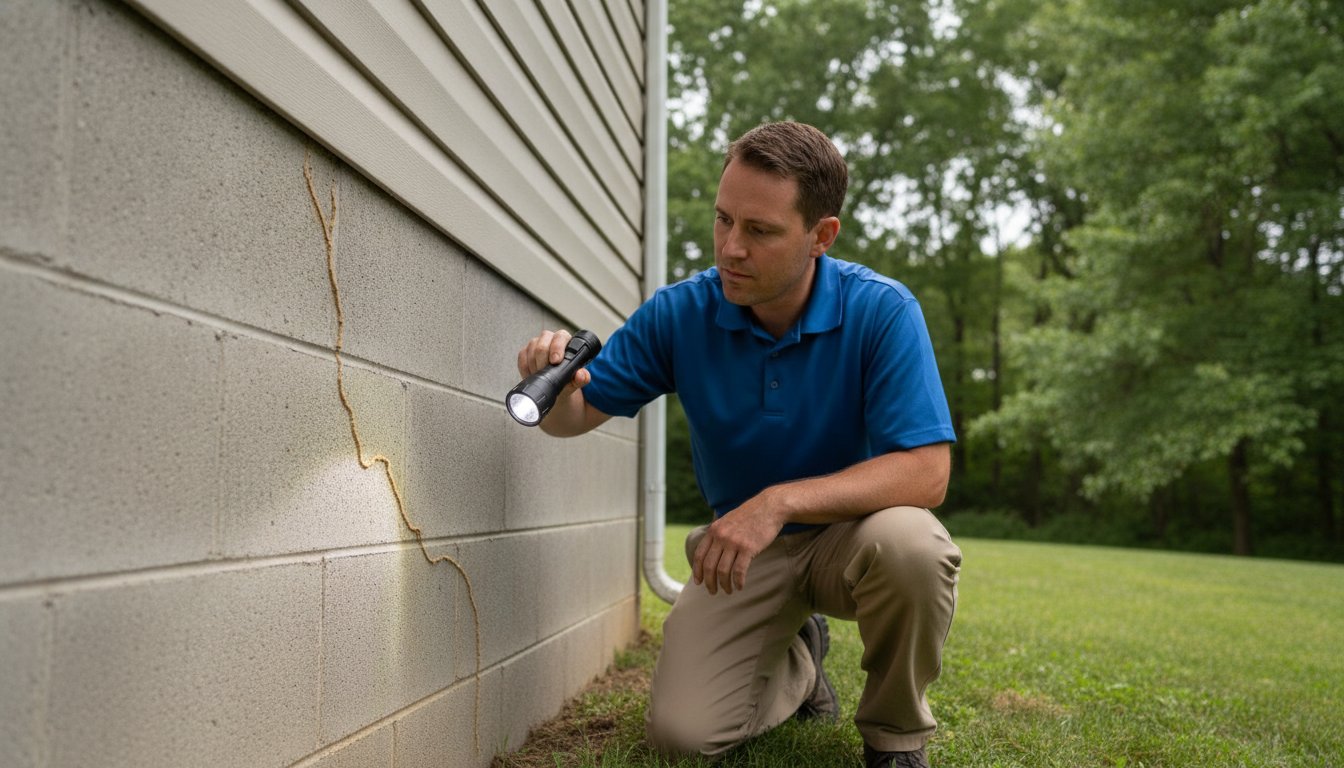
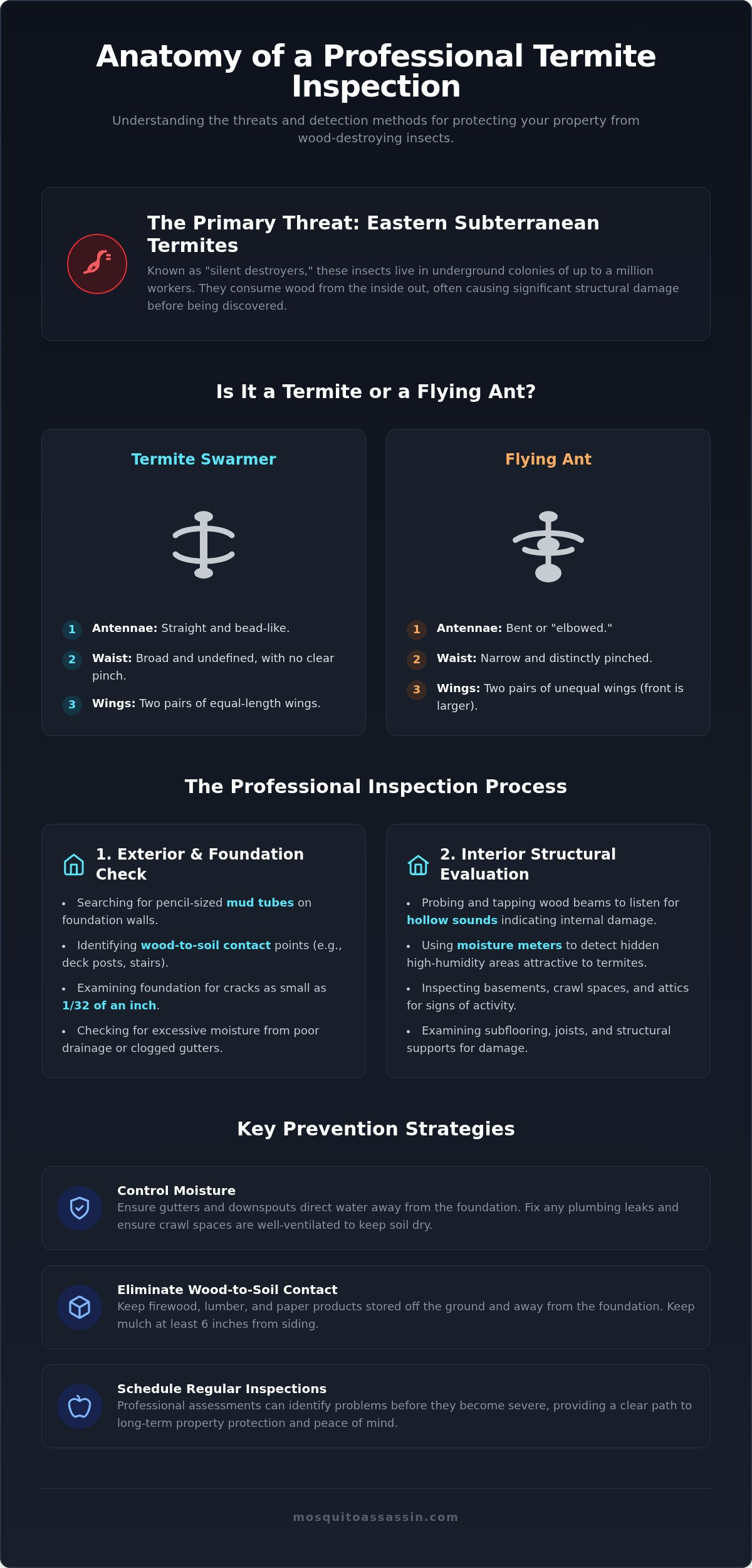
The exterior evaluation begins at the ground level, focusing on the foundation walls and piers. Inspectors search for mud tubes, which are pencil-sized tunnels made of soil and saliva that subterranean termites use to travel from the earth to the house without drying out. Critical attention is paid to wood-to-soil contact points, such as wooden porch steps, deck supports, or fence posts attached to the home. These provide a direct bridge for colonies to enter the structure. Additionally, the inspector evaluates mulch beds and firewood piles. While mulch is common in Crawford County landscaping, it can retain excessive moisture and provide cover for foraging termites if it is placed too close to the foundation siding.
Interior Evaluation and Critical Structural Areas
Inside the home, the focus shifts to the lowest points of the structure, including basements and crawlspaces. The sill plate, which is the wooden member resting directly on the foundation, is a primary area of concern. Inspectors look for bubbling paint or wallpaper that may resemble water damage but actually indicates termite galleries just beneath the surface. They also search for discarded wings near windowsills and light fixtures, which are evidence of a recent swarm. While subterranean termites don’t leave the large piles of “frass” (droppings) associated with drywood species, they often leave behind small amounts of soil or debris in the cracks of damaged wood. For homeowners concerned about the integrity of their foundation, a professional assessment provides the data needed to make informed protection decisions.
Termites vs. Flying Ants: Identifying the Threat
Spring in Northwest Pennsylvania often brings an unsettling discovery for homeowners: a sudden eruption of winged insects inside the house. Because both species are highly active during the same season, many people struggle to differentiate between a harmless ant swarm and a serious structural threat. Misidentification can lead to a false sense of security or, conversely, unnecessary panic. A professional termite inspection Crawford County provides the technical clarity needed to distinguish these pests and implement the correct management strategy. While they may look similar from a distance, several specific physical markers set them apart:
- Antennae: Termites have straight, bead-like antennae. Ants have distinctly elbowed or “bent” antennae.
- Waist Shape: Termites possess a broad, thick waist that blends into the abdomen. Ants have a narrow, constricted waist, often described as wasp-like.
- Wing Length: Termite wings are all the same length and are usually twice as long as their bodies. Ant wings come in two different sizes, with the front pair being significantly larger than the back pair.
According to the Penn State Extension guide to termites, these physical markers are the most reliable way for a property owner to begin an initial assessment. However, because these insects are small and move quickly, a professional eye is often required for a definitive diagnosis.
Recognizing Termite Swarmers
Winged termites, also known as alates, are the reproductive members of a colony. Their primary purpose is to leave an established nest, mate, and start a new colony. In Crawford County, these swarms typically occur between February and June, often triggered by a warm spring rain. If you find a pile of discarded, translucent wings on a windowsill or near a light fixture, it’s a major red flag. Termites shed their wings shortly after landing to begin the nesting process. Seeing these wings inside a home suggests that a colony is either already established within the structure or is attempting to move in.
Behavioral Differences and Nesting Habits
The way these insects interact with wood is fundamentally different. Carpenter ants are “excavators.” They don’t eat the wood; they simply chew through it to create galleries for their nests, often leaving behind “frass” that looks like coarse sawdust. Their galleries are smooth and remarkably clean. Subterranean termites, however, are “consumers.” They eat the cellulose within the wood, leaving behind gritty, mud-packed galleries that look like they’ve been lined with dried soil. Because termites require a high-moisture environment, they use this mud to seal their tunnels. Whether you see the clean paths of an ant or the muddy debris of a termite, both indicate that the wooden members of your home are being compromised. Professional identification is the only way to ensure the treatment matches the specific biology of the pest involved.
When to Schedule a Professional Inspection
Deciding when to book a professional termite inspection Crawford County often depends on whether you’re reacting to a specific warning sign or protecting a long-term investment. While many homeowners wait until they see a swarm, proactive annual checks are the most effective way to prevent hidden structural damage. Regular assessments identify vulnerabilities before a colony can establish itself. Integrating these checks into a broader general pest control plan provides a strong foundation for overall home safety and ensures that your property remains resilient against a variety of regional threats.
Immediate red flags require an urgent visit. If you notice “soft” wood that yields to a screwdriver, see mud tubes on the foundation, or find piles of discarded wings, don’t wait for the next season. These are indicators that a colony is already active. Early intervention is the key to minimizing the scope of necessary repairs.
Inspections for Real Estate Transactions
For those buying or selling property in Northwest Pennsylvania, a Wood Destroying Insect (WDI) report is often a non-negotiable requirement. Most lenders, particularly for VA or FHA loans, require the standardized NPMA-33 form before a closing can proceed. A “clear” report indicates that no visible evidence of active infestation was found at the time of the walkthrough. It’s best to schedule this assessment early in the escrow process, usually within the first 10 to 14 days, to allow time for professional recommendations if activity is discovered. This documentation protects the buyer’s investment and satisfies the regulatory requirements of the financial institution.
Seasonal and Maintenance Milestones
Spring is the most common time for scheduling because of the visible swarms discussed in previous sections. However, autumn is an equally critical window. As temperatures drop, termites remain active deep in the soil and look for stable environments to overwinter. Checking for foundation entry points before the ground freezes can prevent a hidden infestation from growing during the winter months. While some owners worry about the cost, understanding pest control prices helps frame these services as an investment in structural longevity rather than an unplanned expense. Consistent maintenance is far more affordable than replacing support beams or subflooring later. If you have noticed any red flags or are preparing for a property transfer, professional pest control may help reduce risk and provide the necessary documentation for your records.
Long-Term Protection and Prevention Strategies
Long-term safety isn’t the result of a single event; it’s a continuous commitment to property maintenance. While a professional termite inspection Crawford County provides a snapshot of current conditions, preventing future infestations requires a systematic approach to exclusion. By removing the environmental factors that invite colonies, property owners can significantly decrease the likelihood of a structural breach. Professional pest control may help reduce risk when homeowners actively participate in habitat modification. A professional termite inspection Crawford County acts as the baseline for these ongoing strategies, ensuring that no hidden issues are left to fester.
Environmental Modifications for Homeowners
Moisture control is the most critical element of any prevention plan. Since subterranean termites require damp soil to survive, diverting water away from the foundation is essential. Ensure that downspouts extend at least several feet from the house and that the ground slopes away from the foundation walls. Landscape choices also play a role in structural health. Wood mulch is a common source of cellulose; it should be kept at least six inches away from the siding to prevent a direct path for foragers. Similarly, firewood, scrap lumber, and cardboard boxes shouldn’t be stored against the exterior of the house or in crawlspaces. Elevating wood piles on metal stands away from the structure creates a necessary gap that termites find difficult to cross.
The Value of Professional Monitoring
Reactive treatments occur after damage has started, but professional monitoring systems offer a proactive alternative. These systems utilize specialized stations placed around the perimeter of the property to detect activity before the colony reaches the actual structure. Consistent oversight identifies changes in the soil or foundation that might otherwise go unnoticed for years. This method allows for targeted intervention based on actual pest pressure in the Crawford County area. Choosing year-round pest management ensures that these stations are checked regularly and that the property’s defenses remain intact through every season. Comprehensive home safety often involves looking beyond just one type of pest. Integrating professional rodent removal into a total protection plan helps address multiple vulnerabilities at once, as rodents can create entry points that other pests eventually exploit.
Disclaimer: The information provided on this blog is for general informational purposes only and is not intended as professional pest control advice. Conditions vary by property, environment, and location. Reading this content does not create a service agreement. For an inspection or professional recommendations, please contact Mosquito Assassin Pest Control LLC directly.
Securing Your Crawford County Property for the Future
Protecting a property in Northwest Pennsylvania requires a vigilant approach to structural health. By identifying the specific traits of the Eastern subterranean termite and maintaining dry conditions around the foundation, homeowners can significantly lower the risk of an infestation. Whether you’re preparing for a real estate closing or simply performing annual maintenance, the clarity provided by a professional assessment is invaluable. This proactive mindset helps address potential issues before they escalate into major financial burdens.
A professional termite inspection Crawford County ensures that hidden activity is identified before it leads to costly timber replacements. Licensed and insured professionals serving Erie, Crawford, and Ashtabula counties provide the detailed structural reports necessary to make informed decisions about your property’s future. Combining professional monitoring with environmental modifications, like proper drainage and wood storage, creates a robust defense for your home. These methodical steps provide a clear path toward maintaining a safe and stable environment for your household.
For an inspection or professional recommendations, please contact Mosquito Assassin Pest Control LLC directly. Taking these proactive steps today provides the long-term security your property deserves.
Disclaimer: The information provided on this blog is for general informational purposes only and is not intended as professional pest control advice. Conditions vary by property, environment, and location. Reading this content does not create a service agreement. For an inspection or professional recommendations, please contact Mosquito Assassin Pest Control LLC directly.
Frequently Asked Questions
How long does a professional termite inspection take?
A standard professional termite inspection Crawford County typically takes between 45 and 90 minutes. This timeframe varies based on the size of the structure and the accessibility of critical areas like crawlspaces or basements. Large properties or those with complex foundations may require additional time for a thorough walkthrough. The inspector needs enough time to examine the entire perimeter and all interior wood-to-foundation contact points to ensure no activity is missed.
What is the difference between a termite inspection and a general home inspection?
A general home inspection evaluates the overall condition of a property’s systems, such as the roof, electrical, and plumbing. In contrast, a termite inspection focuses exclusively on wood-destroying organisms. While a general inspector might notice broad issues, a specialized professional termite inspection Crawford County uses specific tools to find evidence of termites, carpenter bees, and wood-boring beetles. These specialized reports are often required separately for real estate transactions.
Will a termite inspection damage my walls or floors?
No, a professional inspection is a non-invasive process that doesn’t require removing drywall or floorboards. Inspectors use specialized tools like moisture meters and sounding mallets to evaluate structural members without causing damage. These instruments allow them to detect hollow wood or high-humidity pockets behind surfaces. If further investigation is needed in a specific area, the inspector will discuss the options with the homeowner before taking any additional steps.
Can I perform a termite inspection myself?
Homeowners can certainly look for obvious signs like mud tubes or swarms, but a self-check can’t replace a professional assessment. Licensed inspectors are trained to identify subtle indicators that are often overlooked by the untrained eye. Additionally, official real estate transactions and mortgage lenders require an NPMA-33 form, which can only be completed by a certified professional. Relying on professional expertise ensures that hidden colonies are identified before they cause structural failure.
Do termites go away on their own in the winter?
Termites don’t disappear or hibernate during the winter months in Northwest Pennsylvania. While they may move deeper into the soil to escape the freezing surface temperatures, they remain active year-round. If a colony has already entered the heated foundation of a home, they can continue feeding throughout the coldest months. This is why consistent monitoring is essential regardless of the season or the outdoor temperature.
What happens if the inspector finds evidence of termites?
If activity or damage is discovered, the inspector will provide a detailed structural report outlining the location and extent of the infestation. This documentation includes a description of the evidence found, such as mud tubes or damaged timber. Following the report, the professional will recommend a specific treatment plan tailored to the property’s needs. This may include soil barriers or monitoring stations to address the colony and prevent future re-entry.
How often should a home in Crawford County be inspected for termites?
Homeowners should schedule an inspection at least once per year. Given that Crawford County is in a moderate to heavy infestation zone, annual checks are a standard best practice for property maintenance. Regular assessments allow for the early detection of foraging colonies, which can save thousands of dollars in structural repairs. Homes with a history of activity or those with significant wood-to-soil contact may benefit from even more frequent monitoring.
Is a termite inspection required for a VA or FHA loan?
Yes, for properties located in Pennsylvania, a Wood Destroying Insect (WDI) report is a mandatory requirement for securing VA and FHA loans. The state is classified within Termite Infestation Probability Zone 2, which indicates a moderate to heavy risk. Lenders require the NPMA-33 form to ensure the structure is sound and free of active infestations before they’ll authorize the funding for a home purchase or refinance.
Disclaimer: The information provided on this blog is for general informational purposes only and is not intended as professional pest control advice. For an inspection or professional recommendations, please contact Mosquito Assassin Pest Control LLC directly.