There’s a silent threat that can compromise the safety and value of your home, working undetected behind your walls and beneath your floors. For homeowners here, knowing the specific signs of termite infestation Crawford County properties are vulnerable to isn’t just helpful-it’s your first line of defense. The fear of hidden, costly damage is real, especially when it’s so easy to mistake a termite swarmer for a flying ant or dismiss subtle wood damage as a minor issue. This uncertainty can leave you feeling powerless to protect your biggest investment.
This expert guide is designed to eliminate that doubt and give you peace of mind. We will arm you with the professional knowledge to confidently identify the seven most crucial warning signs of a termite problem, from their distinctive mud tubes to discarded wings. You’ll learn exactly what to look for, how to tell termites apart from other common pests, and the immediate steps to take to safeguard your home. It’s time to take control and ensure your property is protected from these destructive invaders.
Key Takeaways
- Understand why Crawford County’s specific climate and housing make local homes a prime target for destructive Eastern Subterranean Termites.
- Learn to spot the most common visible signs of termite infestation Crawford County homeowners often miss, including tell-tale mud tubes and discarded swarmer wings.
- Go beyond the obvious to identify subtle clues of a hidden problem and confidently distinguish termites from look-alikes like flying ants.
- Discover the critical first steps to take-and the costly mistakes to avoid-the moment you suspect termites are damaging your property.
Why Crawford County Homes Are a Prime Target for Termites
For homeowners in Crawford County, the threat of termites isn’t just a possibility-it’s a reality rooted in our local environment. Our region’s specific climate, with its ample rainfall and seasonal humidity, creates the ideal damp soil conditions that termites need to thrive. Combined with a housing stock rich in wooden structures, basements, and crawl spaces, our properties offer the perfect combination of shelter, moisture, and food for these destructive pests. Understanding these local risk factors is the first step in safeguarding your most valuable asset from silent destruction.
To help you identify the damage these pests can cause, watch this video overview:
The Eastern Subterranean Termite: Crawford County’s #1 Threat
The primary culprit behind local infestations is the Eastern Subterranean Termite. True to their name, these pests live in massive underground colonies, sometimes numbering in the hundreds of thousands, and travel through the soil in search of food. These social insects, known broadly as Termites, feed on cellulose, a material found in wood, paper backing on drywall, and even books. They can invade your home through foundation cracks no wider than a credit card, working silently for years. Because they operate out of sight, recognizing the subtle signs of termite infestation Crawford County homeowners face often requires a professional eye.
Local Conditions That Encourage Infestations
Several common features of Crawford County properties can unintentionally invite termites. Being aware of these vulnerabilities is crucial for effective prevention and protection. Key risk factors include:
- Moisture: Our humid summers and consistent rainfall create moist soil, which is essential for subterranean termite survival. Leaky pipes, poor drainage, and clogged gutters near the foundation only make matters worse.
- Wood-to-Ground Contact: Any wooden part of your home touching the ground, like a deck post or porch step, provides a direct highway for termites to enter.
- Common Landscaping: Piling firewood against the house or using thick layers of wood mulch near the foundation offers termites a convenient food source right next to your home.
These same risk factors that endanger homes also threaten local businesses. Mosquito Assassin Pest Control LLC provides proven protection for commercial properties with our dedicated commercial pest services, safeguarding your investment and ensuring a pest-free environment.
The 4 Most Obvious Signs of Termites You Can See
Termites are masters of stealth, causing extensive damage long before they are ever noticed. However, these silent destroyers do leave behind critical evidence of their presence. For homeowners, learning to spot the most common visual clues is the first line of defense. If you know what to look for, you can catch an infestation early and prevent catastrophic damage to your property. These are the most definitive signs of termite infestation Crawford County residents should be watching for.
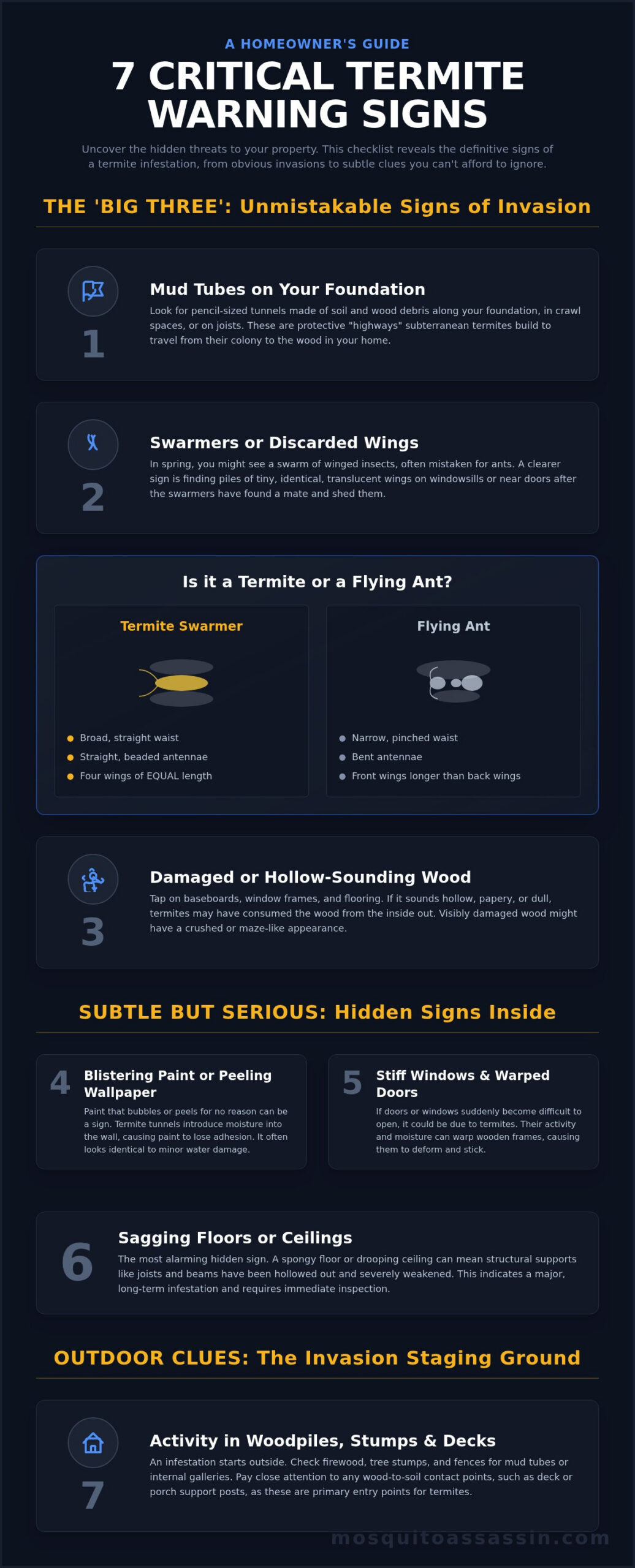
Sign #1: Mud Tubes on Your Foundation
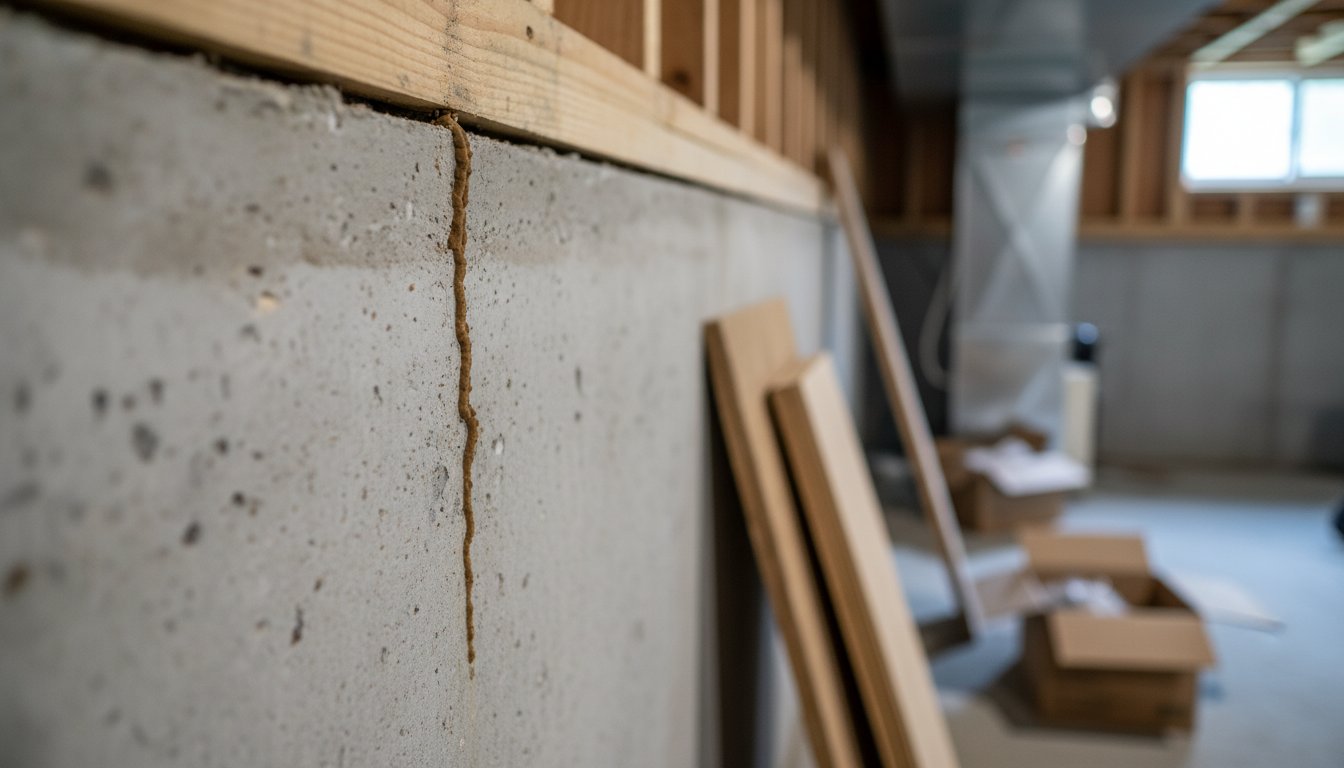
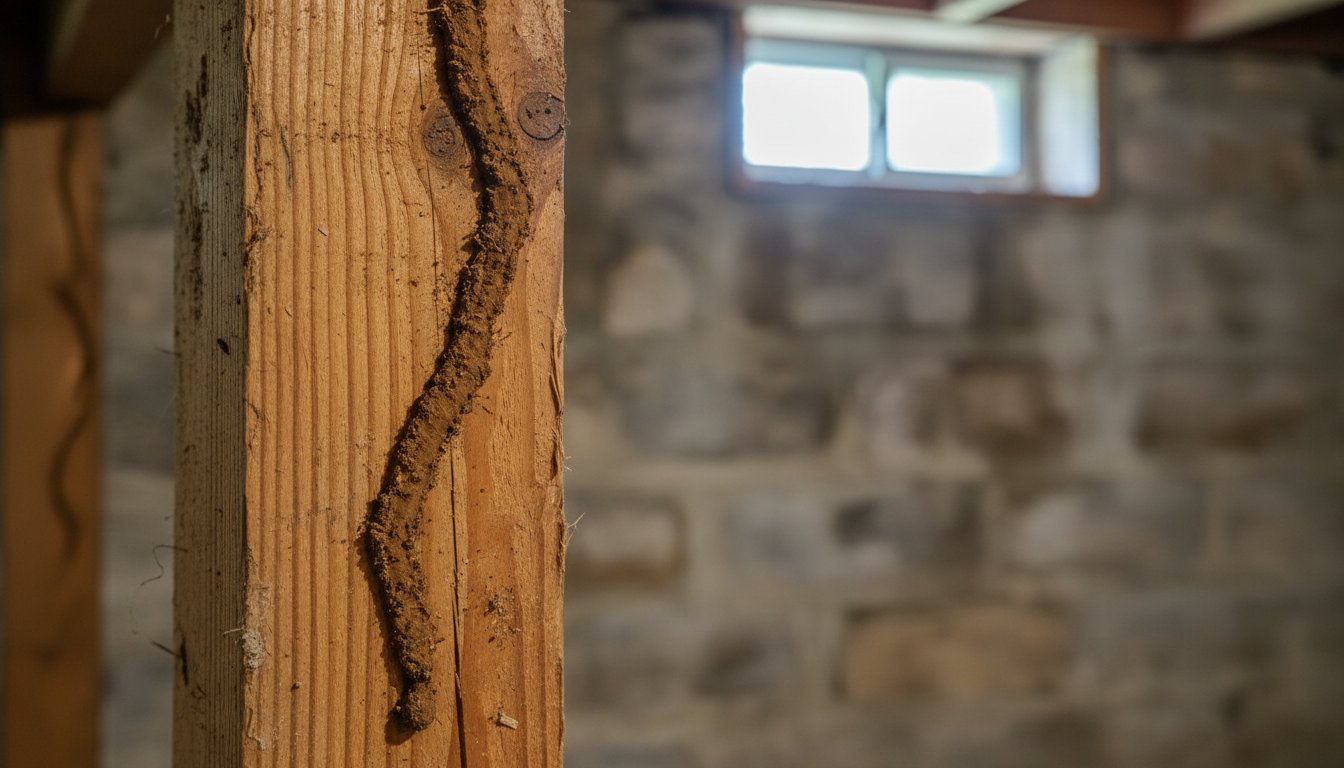
Subterranean termites, the most common type in our region, build protective tunnels to travel from their underground colony to the wood in your home. These “mud tubes” are like highways for termites, shielding them from the open air and predators.
- What they look like: Pencil-sized tunnels made of soil, wood particles, and termite saliva, often snaking up foundation walls or support piers.
- Where to check: Carefully inspect your home’s exterior foundation, interior crawl space walls, support piers, sill plates, and floor joists.
- Pro Tip: Gently break off a small section of an active-looking tube. If the tube is rebuilt within a few days, you have a live, active termite colony.
Sign #2: Damaged or Hollow-Sounding Wood
Termites consume wood from the inside out, leaving a very thin veneer of wood or just the paint on the surface. This means wood that looks perfectly normal on the outside can be completely compromised within. Tapping on wood structures is a simple yet effective test.
Listen for a dull, hollow thud instead of a solid sound. Visually, infested wood may appear blistered, darkened, or cracked. If you break a piece open, you may see intricate, honeycombed galleries, which are a classic sign of termite damage. Pay close attention to floor joists, window sills, door frames, and structural beams in basements and crawl spaces.
Sign #3: Termite Swarmers or Discarded Wings
Perhaps the most alarming sign is a termite swarm. This occurs when a mature colony sends out winged reproductive termites, known as “swarmers” or “alates,” to establish new colonies. In Crawford County, this often happens on a warm day following a spring rain. You might see the swarm itself, or you might find the evidence it leaves behind: piles of discarded wings. These wings are all identical and look like tiny, iridescent fish scales on windowsills, floors, or caught in spider webs. Finding these wings is a definitive sign that a mature termite colony is active in or very near your home.
Discovering even one of these signs is a clear warning that should not be ignored. A swift response is critical to safeguarding the structural integrity of your home. Understanding these indicators is the first step, but a professional inspection is essential for a complete diagnosis and effective termite prevention and control. Don’t wait for the damage to become obvious; if you see the signs, it’s time to call for backup.
Hidden Clues: The Subtle Signs of a Termite Problem
Termite damage doesn’t happen overnight. Long before you see a swarm or find hollowed-out wood, these silent destroyers leave behind subtle clues. Spotting these early indicators is crucial for safeguarding your property from extensive damage. Many of these symptoms are easily mistaken for common household issues like humidity or settling, which is why a professional eye is essential. Understanding these hidden warnings can mean the difference between a simple treatment and a costly structural repair.
Sign #4: Peeling Paint or Bubbling Drywall
If you notice paint bubbling or peeling on your walls for no apparent reason, don’t just assume it’s water damage. Subterranean termites bring moisture from the soil into the spaces where they feed. As they consume the paper backing on drywall, this moisture can push paint away from the surface, creating bubbles and blisters that look remarkably similar to a leak. Check walls and ceilings, especially those near your home’s foundation, for this unexplained symptom.
Sign #5: Tight-Fitting Doors and Sticking Windows
Has a door that always opened smoothly suddenly started sticking? While high humidity in Crawford County can cause wood to swell, persistent issues can point to a more serious problem. Termites tunnel through wooden frames, compromising their structural integrity and introducing moisture. This damage can cause the wood to warp, making doors and windows difficult to operate. If seasonal changes don’t explain the issue, it’s a critical warning sign that warrants a professional inspection.
Sign #6: Tiny Pinholes in Drywall
Small, unexplained holes in your drywall or wallpaper are easy to dismiss but should never be ignored. These tiny pinholes can be exit holes created by termites as they burrow. You might even see a small amount of dirt or frass around the opening. While not the most common of the signs of a subterranean termite infestation, these holes are a definitive red flag. Any breach in your drywall is an open invitation for a professional assessment, as it proves something is happening behind the wall. These are often the most overlooked signs of termite infestation Crawford County residents face.
Termites vs. Other Pests: Don’t Mistake These Look-Alikes
One of the biggest challenges for homeowners in Crawford County is correctly identifying the pest causing damage. Winged insects swarming in the spring or strange debris near a windowsill can trigger alarm bells, but it’s not always termites. Misidentification can lead to the wrong treatment and allow a real termite problem to grow unchecked. Knowing the key differences between termites and their common look-alikes-flying ants and carpenter ants-is your first line of defense.
Termite Swarmers vs. Flying Ants
During their reproductive phase, termites grow wings and “swarm” to establish new colonies. These swarmers are frequently mistaken for flying ants. A close look, however, reveals clear differences that tell you exactly what you’re dealing with.
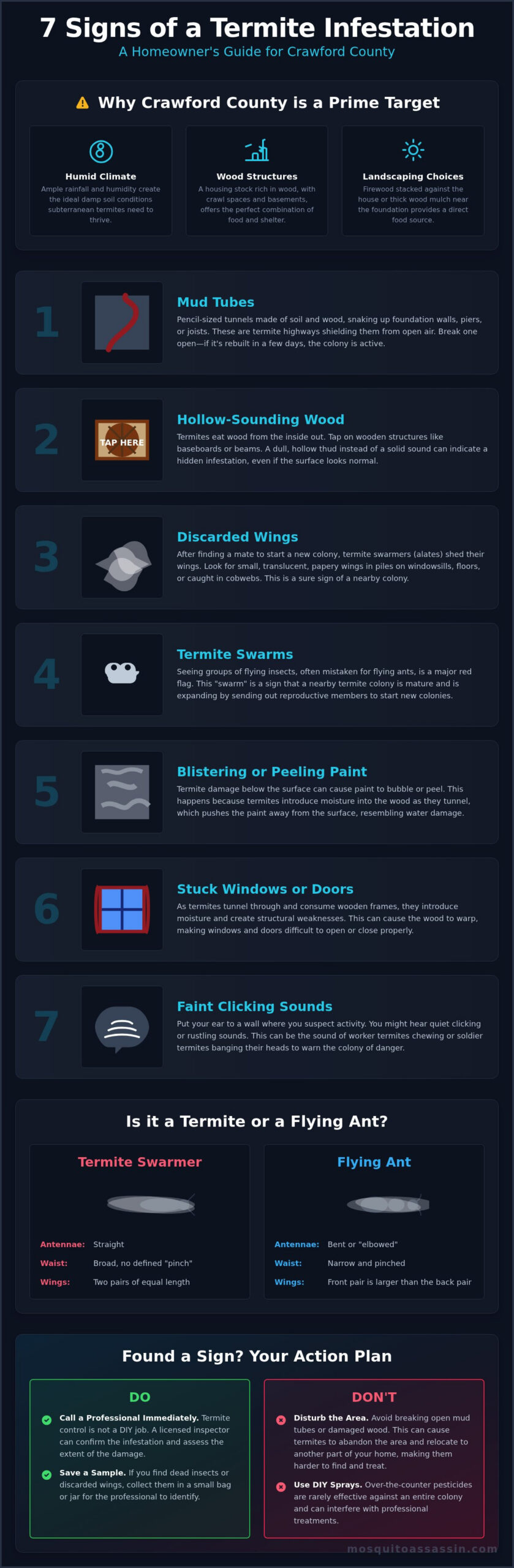
- Body Shape: Termites have a broad, straight waist, giving their body a uniform, capsule-like shape. Ants, in contrast, have a distinctly pinched or “cinched” waist.
- Antennae: Termite antennae are straight and beaded. Ant antennae are noticeably bent or “elbowed.”
- Wing Size: This is often the easiest giveaway. A termite swarmer has two pairs of wings that are equal in size and length. A flying ant has a larger pair of front wings and a smaller pair of hind wings.
Termite Damage vs. Carpenter Ant Damage
Both termites and carpenter ants damage wood, but for entirely different reasons, leaving behind distinct evidence. Termites consume wood for its cellulose, while carpenter ants excavate it to build their nests. This fundamental difference is clear in the damage they create, and it’s a critical part of identifying the true signs of termite infestation in Crawford County.
- Wood Galleries: Termite tunnels are rough, jagged, and often packed with mud, soil, and feces (known as spotting). Carpenter ant galleries, however, are smooth and clean, almost like they’ve been sandpapered. They keep their nesting areas tidy.
- Leftover Debris: Because they excavate wood instead of eating it, carpenter ants push debris out of their nests. This creates small piles of frass-a material that looks like fine sawdust. Subterranean termites consume the wood, so you won’t find these tell-tale shavings.
If you’ve spotted any of these pests or their unique signs of damage, don’t guess. An incorrect identification can lead to costly delays and further destruction of your property. For a definitive, professional inspection, contact Mosquito Assassin today. We’ll eliminate the threat and safeguard your home with confidence.
Found a Sign? Your Crawford County Termite Action Plan
Discovering potential signs of a termite infestation in your Crawford County home is unsettling, but a calm, strategic response is your most powerful weapon. These silent destroyers cause significant damage precisely because they go unnoticed. If you’ve spotted any of the signs we’ve discussed, it’s time to act decisively. Follow this proven plan to safeguard your property.
Step 1: Don’t Panic and Don’t Disturb the Area
Your first instinct might be to break open damaged wood or scrape away a mud tube. Resist this urge. Disturbing the evidence can cause termites to retreat and relocate to another part of your home, making a professional assessment more difficult. It’s also crucial to avoid using store-bought sprays; these are ineffective against the hidden colony and can interfere with professional-grade treatments. If you see a swarmer or discarded wings, you can collect a sample in a sealed bag for our technicians to identify.
Step 2: Document What You’ve Found
Before you do anything else, grab your phone. Take clear, well-lit photos of the signs you’ve discovered-the mud tubes, the wood damage, or the insects themselves. Make a quick note of the exact location (e.g., “basement, along the west wall” or “under the front porch steps”). This documentation is extremely valuable, providing our experts with crucial information before they even arrive.
Step 3: Call Your Local Termite Professionals
The only way to confirm an infestation, identify the termite species, and understand the full extent of the problem is with a professional inspection. When you see the signs of termite infestation Crawford County homeowners fear, you need a reliable expert who understands our local environment and building practices.
To understand what a comprehensive professional approach looks like, you can find out more about the methods used by industry experts.
At Mosquito Assassin, our comprehensive termite inspection is the first step toward complete eradication. A certified technician will meticulously examine your property’s vulnerable areas to provide a clear and honest assessment. As a local company, our team lives in the communities we serve. We know exactly what to look for. Learn more about our local commitment.
Don’t let termites silently threaten your biggest investment. Protect your home and your peace of mind with a professional, proven solution. Schedule your professional termite inspection in Crawford County today!
Your Next Step to a Termite-Free Home in Crawford County
Your home is your most significant investment, and protecting it from the silent destruction of termites is crucial. By now, you know how to identify the critical warnings, from visible mud tubes and discarded wings to more subtle clues like hollow-sounding wood and bubbling paint. Early detection is the key to preventing widespread, costly damage and safeguarding your property’s value.
If you’ve noticed any potential signs of termite infestation Crawford County homeowners dread, the time for decisive action is now. Don’t let uncertainty lead to costly repairs. As your locally owned and operated, five-star rated neighbors, Mosquito Assassin is here to provide definitive answers and effective solutions. We stand by our work with a powerful Pest-Free Guarantee: If pests return, so do we. Protect your investment and gain total peace of mind. Think you’ve seen the signs? Don’t wait. Schedule a Professional Termite Inspection in Crawford County Now!
Frequently Asked Questions About Termites in Crawford County
When is termite season in Crawford County, PA?
Termites are a year-round threat in Pennsylvania, actively damaging structures even in winter. However, their most visible period is the “swarming season” in spring, typically from March to May. During this time, winged reproductive termites leave the colony to mate and expand. Seeing a swarm is a definitive sign that a mature, destructive colony is already established nearby and requires immediate professional attention to prevent further damage to your property.
Can I really have termites and not see them?
Yes, absolutely. Termites are known as “silent destroyers” because they consume wood from the inside out, often within your walls, floors, or crawl spaces. They can cause extensive structural damage for years before any obvious signs become visible. This hidden nature is why you may not see a single termite while a colony is actively weakening your home’s foundation, making professional inspections essential for early detection.
How often should I have my home inspected for termites?
We recommend a professional termite inspection for your Crawford County home at least once a year. Annual inspections are the most effective way for a licensed technician to identify the subtle signs of termite infestation in Crawford County before they escalate into a major structural problem. This proactive approach is the best defense for safeguarding your property’s value and ensuring your family’s peace of mind from these destructive pests.
Is termite damage covered by my homeowner’s insurance?
Unfortunately, nearly all standard homeowner’s insurance policies do not cover termite damage. Insurance companies consider termite control to be a part of regular home maintenance, making the homeowner responsible for prevention and repair costs. This makes investing in professional termite protection not just a smart choice, but an essential step in protecting your home from potentially thousands of dollars in out-of-pocket repair bills.
Can I treat termites myself with store-bought products?
While DIY termite products are available, they are rarely effective for complete eradication. These treatments often only kill a small number of surface-level termites, leaving the hidden queen and the core of the colony untouched and free to continue their destruction. For a problem this serious, only a professional, comprehensive treatment plan can locate the colony and ensure it is fully eliminated. The standards for professional pest control sydney, for example, emphasize complete colony elimination, protecting your home for the long term.
What does a professional termite treatment from Mosquito Assassin involve?
Our proven process starts with a comprehensive inspection to identify all entry points and areas of activity. Based on our findings, we create a customized treatment plan using industry-leading, family-safe products to eliminate the entire colony. Our certified technicians apply these treatments strategically to create a protective barrier around your home, ensuring complete eradication. We back our work with a satisfaction guarantee for your total peace of mind.