
Tag: Tick Prevention

  • How to Prevent Ticks in Your Yard: A Comprehensive Prevention Guide

    How to Prevent Ticks in Your Yard: A Comprehensive Prevention Guide

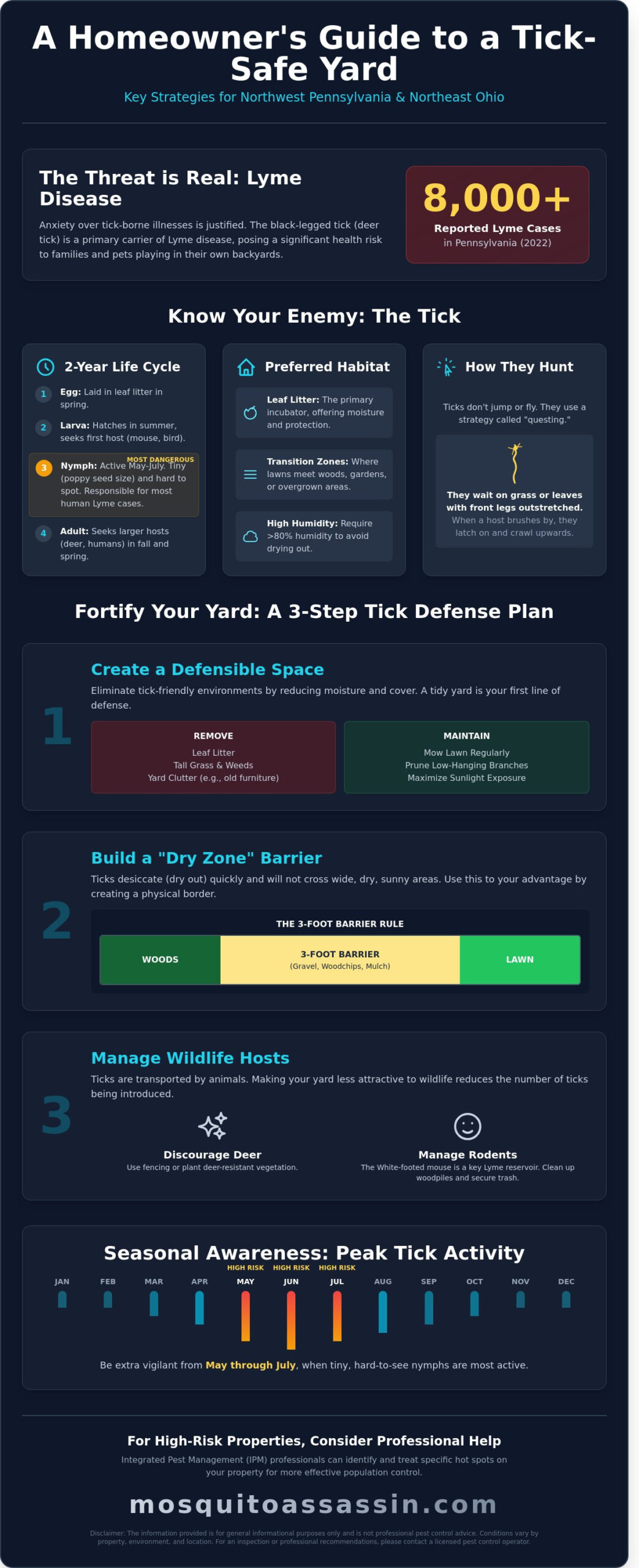
    Last Saturday, a homeowner in Erie County spent just ten minutes gardening before finding a deer tick attached to their ankle. It’s a stressful reality for many families in Northwest Pennsylvania and Northeast Ohio who want to know how to prevent ticks in your yard without feeling like a prisoner in their own home. You likely feel that your backyard should be a sanctuary, yet the anxiety over Lyme disease (which saw over 8,000 reported cases in Pennsylvania in 2022) makes it difficult to relax when children or pets are playing outside.

    This guide provides a professional roadmap for reducing these risks through strategic landscape modifications and wildlife management. By understanding the specific habits of local tick species, property owners can implement a plan that targets tick habitats directly. You will learn about the seasonal cycles of tick activity in Crawford and Ashtabula Counties and discover how managing the movements of deer and rodents can significantly lower the local population. Professional pest control may help reduce risk further by addressing specific environmental factors unique to your property.

    Disclaimer: The information provided on this blog is for general informational purposes only and is not intended as professional pest control advice. Conditions vary by property, environment, and location. Reading this content does not create a service agreement. For an inspection or professional recommendations, please contact Mosquito Assassin Pest Control LLC directly.

    Key Takeaways

    • Learn why maintaining a clean lawn and clearing leaf litter is essential for reducing the high-humidity environments where ticks thrive.
    • Understand how to prevent ticks in your yard by creating physical “dry zones” using gravel or woodchips to block their movement.
    • Identify the role of local wildlife like the white-footed mouse in transporting ticks and carrying the bacteria responsible for Lyme disease.
    • Discover the peak activity windows for ticks in Northwest Pennsylvania and Northeast Ohio to better time your personal protection efforts.
    • Explore how professional integrated pest management identifies specific high-risk hot spots on a property for more effective population control.

    Understanding Tick Habitats in Pennsylvania and Ohio

    Erie and Crawford counties in Pennsylvania, along with Ashtabula County in Ohio, provide a lush environment where ticks thrive. These pests require high humidity levels, typically above 80%, to avoid drying out. Leaf litter serves as the primary incubator for local populations, offering a damp, shaded floor that protects them from the sun’s heat. Understanding these specific environmental needs is the foundation for learning how to prevent ticks in your yard effectively.

    The black-legged tick, or deer tick, is the most significant concern for residents in the Northeast and Great Lakes regions. These arachnids follow a rigorous two-year life cycle that includes four distinct stages: egg, larva, nymph, and adult. Each stage requires a blood meal to advance. Learn more about tick biology to see how these stages dictate their behavior. Nymphs are particularly dangerous because they’re roughly the size of a poppy seed and are most active from May through July, making them difficult to spot on skin or clothing.

    Ticks don’t have the physical ability to jump or fly onto their targets. They rely on a strategy called “questing.” During this process, a tick clings to the edge of a blade of grass or a low-hanging leaf with its back legs while reaching out with its front legs. When a person or animal brushes past the vegetation, the tick quickly latches on. Because they stay low to the ground, most ticks attach at the ankle or calf level before crawling upward to find a feeding site.

    Common Tick Species in the Great Lakes Region

    The black-legged tick is the primary vector for Lyme disease in our region, preferring the deep shade of wooded areas. However, the American dog tick is also a frequent threat. Unlike the deer tick, the dog tick is more likely to be found in open, grassy fields and along sun-drenched hiking trails. In Erie County, the consistent moisture from the lake helps maintain the humidity levels these species need to survive through the hottest parts of August.

    The Biology of Questing and Survival

    Ticks use specialized sensory organs, called Haller’s organs, to detect carbon dioxide, heat, and vibrations. These sensors allow them to identify a potential host from several feet away. They’re most successful in “transition zones,” which are the specific areas where a manicured lawn meets a wooded edge or an overgrown fence line. These borders offer the perfect combination of host traffic and protective moisture. Removing these high-risk zones is a critical step when considering how to prevent ticks in your yard.

    Professional pest control may help reduce risk for homeowners in high-risk areas. For a detailed property assessment, visit https://portal.gorilladesk.com/mosquitoassassin to book an inspection.

    Disclaimer: The information provided on this blog is for general informational purposes only and is not intended as professional pest control advice. Conditions vary by property, environment, and location. Reading this content does not create a service agreement. For an inspection or professional recommendations, please contact Mosquito Assassin Pest Control LLC directly.

    Creating a Tick-Resistant Landscape through Yard Maintenance

    Ticks don’t fall from trees or fly into your yard. They’re opportunistic hitchhikers that rely on high humidity and dense cover to survive. Understanding how to prevent ticks in your yard starts with altering the physical environment to make it inhospitable for these arachnids. A well-maintained landscape acts as a primary defense, removing the transitional cover ticks need to move from the woods into your active living spaces. By creating a landscape that prioritizes sunlight and airflow, you can naturally reduce the tick population on your property.

    The Three-Foot Barrier Rule

    One of the most effective strategies for how to prevent ticks in your yard involves creating a physical “dry zone” between wooded areas and manicured lawns. Ticks are highly susceptible to desiccation, which is the process of drying out. They rarely cross wide, dry surfaces because they lose vital moisture quickly. Homeowners should install a three-foot-wide barrier of wood chips, gravel, or mulch along the perimeter of their property where the lawn meets the woods.

    In the climate of Erie and Crawford Counties, where summer humidity often stays above 65%, these barriers are essential. Wood chips or bark mulch are popular choices because they’re affordable and blend with the natural landscape. Gravel or decorative stone provides an even more permanent solution. According to the Tick Management Handbook, these barriers serve a dual purpose. They remind family members where the “safe zone” ends and physically restrict tick migration by creating a hot, dry environment that ticks won’t cross.

    Vegetation and Lawn Management

    Proper vegetation control is about more than just aesthetics; it’s a safety requirement. Ticks thrive in tall grass and dense brush where they can quest for hosts without drying out. Keeping your grass mowed to a height of three inches or less is a critical maintenance task. Short grass allows the sun to reach the soil surface, which lowers the humidity levels where ticks spend most of their time.

    Managing specific plant species is equally important. Invasive plants like Japanese Barberry are notorious for harboring tick populations. Research conducted in 2021 showed that areas infested with Japanese Barberry can host up to 120 infected black-legged ticks per acre, while areas with native vegetation host significantly fewer. Removing these shrubs and clearing leaf litter is vital. Nymphal ticks, which are responsible for the majority of Lyme disease cases, often overwinter in the leaf mulch. Clearing this debris before the spring thaw in Ashtabula County prevents these tiny pests from emerging directly into your yard.

    Strategic placement of outdoor living areas also reduces exposure. Learning how to prevent ticks in your yard also requires a strategic approach to playground and patio placement. Keep swing sets, sandboxes, and seating areas at least 10 feet away from the yard’s edge. If possible, place these items in sunny locations rather than under dense tree canopies. While these landscape adjustments are powerful, professional pest control may help reduce risk during peak tick seasons.

    Disclaimer: The information provided on this blog is for general informational purposes only and is not intended as professional pest control advice. Conditions vary by property, environment, and location. Reading this content does not create a service agreement. For an inspection or professional recommendations, please contact Mosquito Assassin Pest Control LLC directly.

    Managing Wildlife Hosts to Reduce Tick Populations

    Ticks are biological hitchhikers that lack the physical ability to jump or fly. They rely entirely on animal hosts for survival, nutrition, and transportation across a property. In the Great Lakes region, including Erie and Crawford Counties in Pennsylvania and Ashtabula County in Ohio, the movement of wildlife directly dictates the density of tick populations. By managing the animals that carry these parasites, homeowners can significantly disrupt the tick life cycle. Understanding how to prevent ticks in your yard requires a shift in focus from the insects themselves to the mammals that sustain them.

    The white-footed mouse is the most significant reservoir for Lyme disease bacteria in the United States. While deer often receive the blame for tick infestations, mice are responsible for infecting the majority of ticks during their larval and nymphal stages. Research from the Cary Institute of Ecosystem Studies suggests that a single mouse can carry up to 100 ticks at a time. Because these rodents have small home ranges, an infestation of mice in a crawlspace or woodpile creates a localized “hot zone” for infected ticks right where families play and garden.

    Rodent Prevention and Habitat Modification

    Reducing nesting sites for rodents is a primary strategy in long-term tick management. Mice seek out sheltered areas that provide protection from predators and the elements. Homeowners should focus on these specific actions:

    • Stack firewood at least 20 feet away from the home and keep it elevated off the ground.
    • Clear away dense brush, leaf litter, and tall weeds, especially along the perimeter of the lawn.
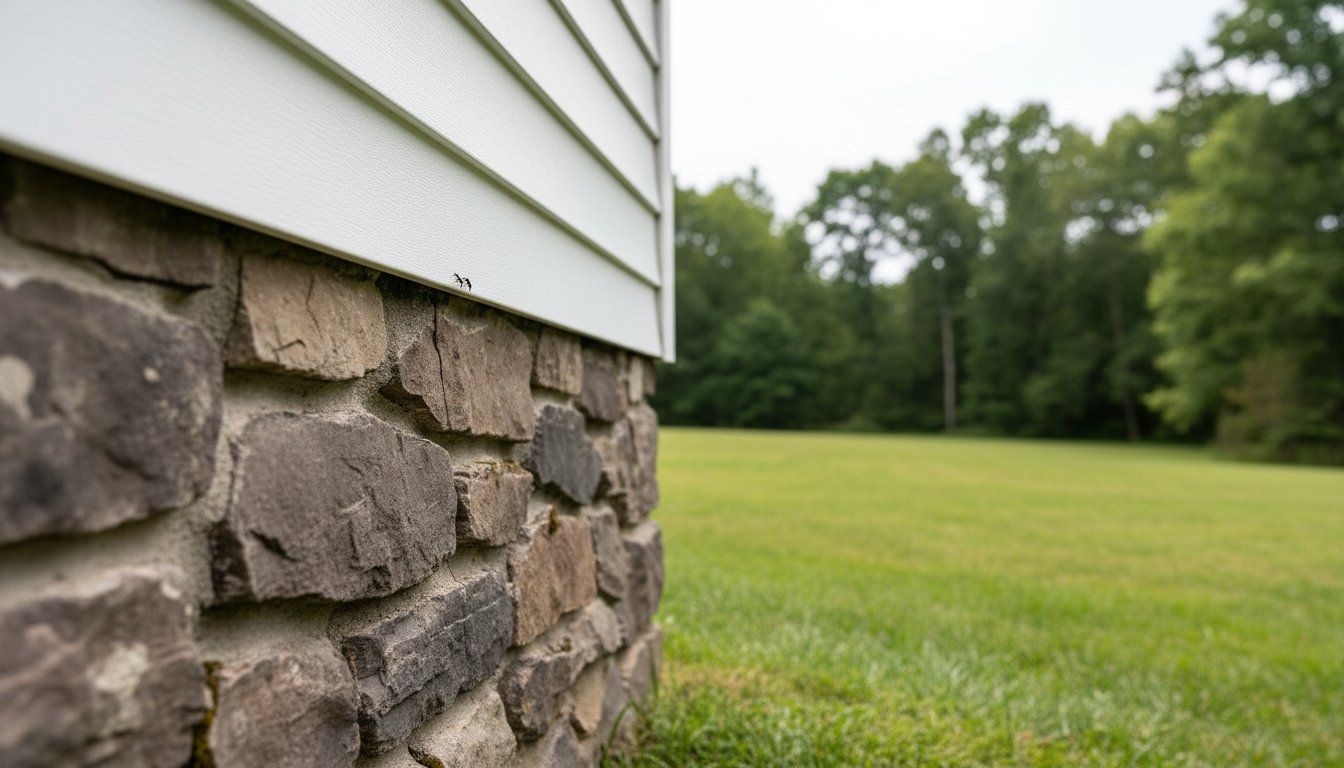
    • Seal gaps in stone walls or foundations that are larger than a quarter-inch (the size of a pencil).
    • Remove fallen fruit and spilled birdseed, which serve as easy food sources for mice and chipmunks.

    A comprehensive strategy often involves professional pest control to address existing rodent populations. Licensed technicians can identify high-traffic areas and implement baiting or trapping programs that reduce the number of hosts available to ticks. This professional intervention breaks the connection between the disease reservoir (the mouse) and the vector (the tick), providing a layer of protection that landscaping alone cannot achieve.

    Deterring Larger Hosts

    While mice infect the ticks, larger hosts like white-tailed deer are responsible for the reproduction of the species. Adult female ticks require a large blood meal to lay their eggs, and deer are their preferred source. A single deer can drop 500 or more engorged ticks in a single season. To limit this impact, physical fencing is the most effective deterrent. A fence must be at least 8 feet tall to prevent deer from jumping over, or it must be a slanted design that confuses their depth perception.

    Landscaping choices also play a role in discouraging deer from entering the immediate perimeter of a home. Choosing deer-resistant plants like lavender, boxwood, or certain varieties of spruce can make a property less attractive as a feeding ground. Conversely, plants like hostas and arborvitae act as magnets for deer, bringing them closer to the house. Bird feeders are another common attractant. Spilled seed draws in both rodents and deer, essentially creating a centralized meeting point for various tick hosts. Moving feeders to the far edge of the property or removing them during peak tick months (April through November) can help reduce the risk of infestation.
    Disclaimer: The information provided on this blog is for general informational purposes only and is not intended as professional pest control advice. Conditions vary by property, environment, and location. Reading this content does not create a service agreement. For an inspection or professional recommendations, please contact Mosquito Assassin Pest Control LLC directly.
    How to Prevent Ticks in Your Yard: A Comprehensive Prevention Guide

    Seasonal Prevention and Personal Safety Protocols

    Tick activity in Northwest Pennsylvania and Northeast Ohio isn’t limited to the hottest days of summer. Understanding the biological triggers for these pests is a critical component of learning how to prevent ticks in your yard. Ticks become active as soon as ground temperatures reach 45 degrees Fahrenheit. In regions like Crawford and Ashtabula counties, this threshold is often met much earlier in the spring than many homeowners realize, sometimes as early as late February or March.

    Peak Activity Windows in the Northeast

    Adult black-legged ticks and nymphs follow a bimodal activity pattern in the Great Lakes region. The first peak typically occurs from April through June when nymphs are most active. These tiny, poppy-seed-sized ticks are responsible for a high percentage of disease transmission because they’re incredibly difficult to spot. A second peak occurs in the fall, usually from September through November, as adult ticks seek a final blood meal before winter. Mild winters in Erie and Crawford counties often lead to earlier emergence, making tick prevention a year-round necessity rather than a seasonal chore. In 2023, local observations showed ticks remained active well into December due to delayed hard frosts.

    How to Perform an Effective Tick Check

    Personal protection serves as the final line of defense after implementing yard treatments. Once yard work or outdoor recreation is finished, performing a thorough inspection is mandatory. Ticks prefer warm, moist areas where the skin is thin and blood flow is close to the surface. When considering how to prevent ticks in your yard from affecting your health, focus your search on these specific locations:

    • Inside the belly button and around the waistline.
    • Behind the knees and between the legs.
    • Under the arms and around the chest.
    • Inside and behind the ears.
    • Throughout the hairline and across the scalp.

    Showering within 120 minutes of coming indoors is proven to reduce the risk of tick-borne illness. This practice helps wash away unattached ticks and provides a focused opportunity for a visual check. Don’t leave outdoor clothing in a hamper where ticks can crawl out and hide in the home. Placing dry clothes in a dryer on high heat for 10 minutes will kill any ticks hiding in the fabric. If the clothes are damp, they require a full drying cycle plus an extra 10 minutes of high heat to ensure total eradication.

    If you find a tick attached to the skin, removal must be handled with precision. Use fine-tipped tweezers to grasp the tick as close to the skin’s surface as possible. Pull upward with steady, even pressure; don’t twist or jerk, as this can cause the mouthparts to break off and remain in the skin. Avoid using folk remedies like nail polish, matches, or petroleum jelly, because these methods are ineffective and can increase the risk of infection. Professional pest control may help reduce risk by managing populations before they reach the home. For more information on property protection, you can contact a professional for an inspection.

    Disclaimer: The information provided on this blog is for general informational purposes only and is not intended as professional pest control advice. Conditions vary by property, environment, and location. Reading this content does not create a service agreement. For an inspection or professional recommendations, please contact Mosquito Assassin Pest Control LLC directly.

    The Role of Professional Integrated Pest Management

    While basic maintenance like clearing tall grass is a vital first step, professional services provide a layer of protection that standard DIY methods often cannot match. Licensed technicians possess the specialized equipment and training required to identify high-risk “hot spots” that go unnoticed by the untrained eye. On a typical property in Erie County or Ashtabula County, these areas often include stone walls, dense groundcover, and the critical transition zones where a manicured lawn meets the woods. Identifying these micro-habitats is essential when determining how to prevent ticks in your yard effectively.

    Integrated Pest Management (IPM) is the industry standard for long-term prevention. This methodology doesn’t rely on the heavy, indiscriminate use of chemicals. Instead, it focuses on a combination of biological, cultural, and physical tactics to manage pest populations with minimal environmental impact. For properties located near dense forests or fields, ongoing protection plans aren’t just a luxury; they’re a necessary strategy. Ticks are active whenever temperatures rise above 45 degrees Fahrenheit. Because local wildlife like deer and rodents constantly move through residential areas, new ticks are frequently reintroduced to the environment, making a single application insufficient for season-long safety.

    Targeted Perimeter Treatments

    Precision is the hallmark of professional tick control. Targeted perimeter treatments involve applying barrier products specifically to the areas where ticks are most likely to hide and quest for a host. There’s a significant difference between broadcast spraying and targeted application. Broadcast spraying often coats the center of a sunny lawn where ticks rarely survive due to the risk of drying out. In contrast, local experts customize plans for specific yard layouts by focusing on the shaded, moist leaf litter at the property’s edge. This might include a 10-foot wide buffer zone along the woodline or specific treatment of ornamental shrubs where pets often wander. This methodical approach ensures that the product is placed exactly where the pests reside.

    Establishing a Year-Round Protection Plan

    Consistency is the only way to maintain a low-risk environment. Establishing a year-round protection plan provides the benefit of regular monitoring and maintenance visits. These visits allow technicians to catch population surges before they become a threat to the household. Professional pest control may help reduce risk for families and pets by disrupting the tick life cycle at multiple stages. Learning more about professional standards for tick management can help homeowners understand the science behind these schedules. In regions like Crawford County, weather patterns can be unpredictable. A professional plan adapts to these changes, ensuring that the strategy for how to prevent ticks in your yard remains effective even during unseasonably warm winters or exceptionally wet springs. Regular inspections also provide an opportunity to identify new wildlife trails or wood piles that could serve as breeding grounds.

    Disclaimer: The information provided on this blog is for general informational purposes only and is not intended as professional pest control advice. Conditions vary by property, environment, and location. Reading this content does not create a service agreement. For an inspection or professional recommendations, please contact Mosquito Assassin Pest Control LLC directly.
    Taking Control of Your Outdoor Space

    Maintaining a tick-resistant yard requires consistent effort and a strategic approach. Homeowners in Erie, Crawford, and Ashtabula Counties can significantly reduce risk by implementing 3-foot wide wood chip or gravel buffers between lawns and wooded areas. Keeping grass mowed to a height of 3 inches or less removes the tall vegetation ticks need to quest for hosts. Managing local wildlife like deer and rodents is also essential; these animals often carry ticks onto the property. Understanding how to prevent ticks in your yard involves a combination of these physical barriers and routine maintenance.

    It’s important to remember that while DIY methods are a great start, professional inspections provide a deeper level of protection. Licensed and insured technicians in PA and OH use family-safe treatment approaches to address specific property needs. This locally owned and operated team in Cranesville focuses on integrated pest management to keep local landscapes enjoyable for families and pets. For a professional inspection of your property, contact Mosquito Assassin Pest Control LLC today. Taking these steps helps ensure a safer environment for everyone.

    Disclaimer: The information provided on this blog is for general informational purposes only and is not intended as professional pest control advice. Conditions vary by property, environment, and location. Reading this content does not create a service agreement. For an inspection or professional recommendations, please contact Mosquito Assassin Pest Control LLC directly.

    Frequently Asked Questions

    What is the best thing to put in your yard for ticks?

    Installing a 3-foot wide barrier of wood chips or gravel between your lawn and wooded areas is the most effective physical deterrent. According to the CDC, these dry borders can reduce tick migration into the main yard by up to 90 percent. This creates a high-temperature zone that ticks cannot cross without dehydrating. It’s a foundational step in how to prevent ticks in your yard by clearly defining safe recreation zones.

    Can ticks survive in a well-mowed lawn?

    Ticks struggle to survive in short grass because they require humidity levels above 80 percent to stay hydrated. Keeping a lawn mowed to 3 inches or shorter exposes these pests to direct sunlight and wind, which kills them. However, a 2018 study found that 82 percent of ticks in residential yards are still found within 9 feet of the lawn’s edge. Regular mowing helps, but edge management remains critical.

    Do cedar chips actually repel ticks in a backyard?

    Cedar chips contain thujone, a natural oil that repels certain insects, but their effectiveness is limited to a specific timeframe. The repellent properties typically decrease as the oils evaporate over 6 to 12 months. While they aren’t a foolproof chemical solution, using them as a 3-foot border provides a vital physical barrier. Don’t rely on the scent alone; the dry texture of the mulch does the heavy lifting.

    How often should a yard be treated for ticks in Pennsylvania?

    Properties in Erie and Crawford Counties usually require professional treatments every 30 to 60 days during the peak season. Tick activity in Pennsylvania starts when temperatures reach 45 degrees Fahrenheit, which often occurs as early as March. Most professional plans involve 4 to 6 applications between April and October. This schedule targets the Black-legged tick throughout its 2-year life cycle to ensure consistent suppression.

    Are there plants that naturally keep ticks away from my house?

    Plants like lavender, rosemary, and marigolds produce oils that ticks dislike, but they don’t create a protective “shield” for your home. You’d need a massive density of these plants to see any measurable impact on a property’s tick population. A single plant won’t stop a tick from crawling past it. Most experts recommend focusing on clearing brush and tall weeds rather than relying on a garden for pest management.

    What should I do if I find a tick in my yard?

    Identify the tick species immediately and check all family members and pets for hitchhikers. Finding one tick indicates a presence, and in 2022, the Pennsylvania Department of Environmental Protection confirmed ticks are active in all 67 counties. Save the tick in a sealed container with rubbing alcohol for identification. Professional pest control may help reduce risk if you notice an increase in sightings. Visit www.mosquitoassassin.com/contact-us for more information.

    How do tick tubes work and are they effective for home use?

    Tick tubes are cardboard cylinders filled with cotton treated with permethrin, which mice collect for nesting material. This method targets ticks during their larval and nymph stages by killing them on the rodents that act as their primary hosts. Research indicates that consistent use can reduce the risk of encountering an infected tick by over 70 percent. They’re a practical, targeted addition to a comprehensive plan for how to prevent ticks in your yard.

    Is it possible to completely eliminate ticks from a property near the woods?

    Total elimination is nearly impossible for properties bordering wooded areas, but populations can be managed with high success rates. Rural properties in Ashtabula County face constant “re-invasion” from wildlife like deer and white-footed mice that carry new ticks daily. Professional management strategies typically aim for an 85 to 95 percent reduction in tick numbers. The goal is creating a “tick-safe zone” through landscaping and regular maintenance rather than 100 percent eradication.

    Disclaimer: The information provided on this blog is for general informational purposes only and is not intended as professional pest control advice. Conditions vary by property, environment, and location. Reading this content does not create a service agreement. For an inspection or professional recommendations, please contact Mosquito Assassin Pest Control LLC directly.
  • Common Pests in Crawford County PA: A Professional Overview for 2026

    Common Pests in Crawford County PA: A Professional Overview for 2026

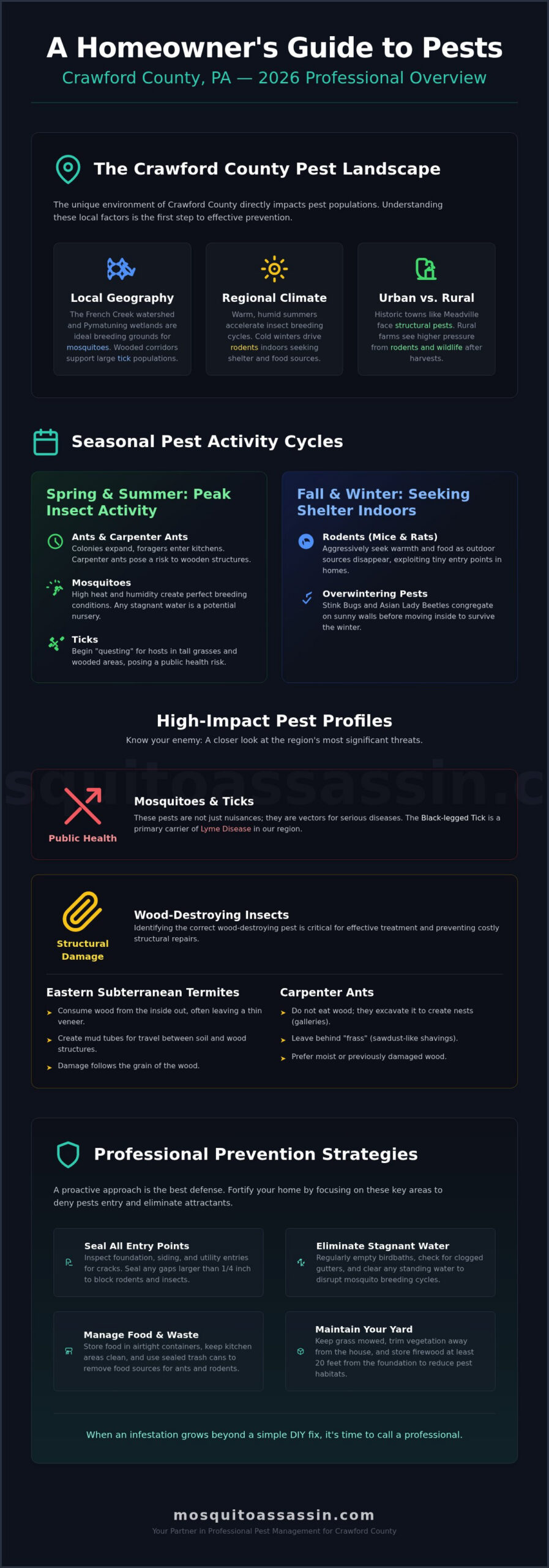
    That quiet scratching sound from behind a wall, the constant concern over ticks after a walk through the woods, or the sight of wood-destroying insects near your foundation-these are more than simple annoyances. For property owners, they represent a significant source of stress, potential health risks, and the threat of costly damage. Gaining a clear understanding of the top pests in Crawford County PA is the most effective first step toward safeguarding your home and family. This professional overview for 2026 is designed to do just that.

    Beyond structural pests and rodents, rural properties can also contend with burrowing animals like gophers and ground squirrels that damage lawns, gardens, and agricultural land. For those facing these specific challenges, it’s helpful to explore Gopher Control & Elimination options to protect your property’s integrity.

    In this guide, you will find reliable information to help you accurately identify the most common invaders in the region, from ants and spiders to mosquitoes and rodents. More importantly, you will learn proven, professional-grade prevention strategies to help fortify your home against these recurring threats. The guide also provides clarity on recognizing the signs that an infestation has grown beyond a simple DIY fix and may require the attention of a licensed pest control professional. Prepare to take control and protect your peace of mind.

    Key Takeaways

    • Learn how Crawford County’s unique geography, including the French Creek watershed and local agriculture, influences which pests are most active each season.
    • Identify the primary public health pests in the region, such as the Black-legged Tick and specific mosquito species, and understand their peak activity periods.
    • Discover the key differences and warning signs of structural damage caused by Eastern Subterranean Termites versus Carpenter Ants in Pennsylvania homes.
    • Understand professional-grade prevention strategies to help manage the top pests in Crawford County PA by focusing on sealing entry points and eliminating attractants.

    Understanding the Local Pest Landscape in Crawford County PA

    Effective pest management begins with understanding the local environment. Crawford County’s unique combination of geography, climate, and land use creates a distinct set of challenges for homeowners. Unlike generic national strategies, a localized approach considers the specific factors that allow insects and rodents to thrive in our region. Recognizing what makes Northwest Pennsylvania a haven for certain pests is the first step toward safeguarding your property and identifying the top pests in Crawford County PA.

    To better understand some of the common pests homeowners may encounter, this video offers a helpful visual guide:

    The region’s high humidity and significant seasonal temperature swings play a major role in pest activity. Warm, damp summers create ideal breeding conditions for insects, while cold winters drive rodents indoors seeking shelter and food. Furthermore, the extensive agricultural patterns in the area mean that as crops are harvested in the fall, mice and rats often migrate from fields to nearby homes and structures. This seasonal pressure is a key reason why proactive pest control is so important for local residents.

    The Impact of Local Geography on Pest Pressure

    Crawford County’s natural features directly influence pest populations. The French Creek watershed and the expansive wetlands around Pymatuning State Park are primary breeding grounds for mosquitoes and biting midges. The area’s beautiful wooded corridors, while great for recreation, also support large tick populations. Proximity to Lake Erie contributes to regional moisture levels, creating an environment where moisture-loving pests like carpenter ants and certain types of beetles can flourish. These conditions create ideal habitats for many common household pests that can become a significant nuisance.

    Urban vs Rural Pest Challenges

    Pest pressures vary significantly between the county’s towns and its rural expanses. In historic communities like Meadville, older homes can be more vulnerable to structural pests such as termites, powderpost beetles, and carpenter ants that damage wood. In contrast, rural farming communities often face heightened pressure from rodents and larger wildlife seeking food and shelter in barns, sheds, and homes. Understanding these distinct urban and rural challenges is critical for developing an effective management plan for the top pests in Crawford County PA. Homeowners can view a local service map to see the diverse areas that require specialized attention.

    Seasonal Pest Activity Cycles in Northwest Pennsylvania

    Understanding the seasonal behavior of the top pests in Crawford County PA is a critical first step toward effective home protection. Pest pressures are not constant; they fluctuate dramatically with the region’s distinct seasons, from the insect population boom of summer to the determined rodent intrusions of winter. Recognizing these cycles helps homeowners anticipate and prepare for potential infestations.

    Spring and Summer: The Peak of Insect Activity

    As the ground thaws and temperatures rise in spring, insect activity surges. Ant colonies, dormant through the winter, expand rapidly and send out foragers for food, often leading them straight into kitchens and pantries. Carpenter ants are particularly active and can pose a risk to wooden structures. Homeowners can find valuable information on Carpenter ant damage and prevention from university extension resources. By late spring and summer, high heat and humidity create ideal conditions for mosquitoes and ticks. Ticks begin “questing” in tall grasses and wooded areas, while mosquitoes use any source of stagnant water to lay their eggs, making regular property maintenance essential.

    Fall and Winter: Seeking Shelter Indoors

    The arrival of cooler autumn weather signals a shift in pest behavior. As outdoor food sources dwindle and temperatures drop below freezing, rodents like mice and rats aggressively seek warmth and shelter. They can exploit tiny openings in a home’s exterior to invade attics, basements, and crawl spaces. At the same time, overwintering insects such as the Brown Marmorated Stink Bug and Asian Lady Beetle congregate on sunny exterior walls before finding their way indoors. While not destructive, their presence can be a significant nuisance. Because the types of pests threatening your home change with each season, managing them effectively requires a consistent approach. Proactive homeowners can learn about comprehensive year-round protection plans designed to provide continuous coverage against these predictable threats.

    High-Impact Public Health Pests: Mosquitoes and Ticks

    Beyond being simple annoyances, certain insects present genuine public health concerns for residents. Among the top pests in Crawford County PA, mosquitoes and ticks are vectors for diseases that can have serious health consequences. Our region’s beautiful landscape, with its abundant woodlands and proximity to Pymatuning Lake, provides an ideal environment for these pests to thrive. The Black-legged Tick (or deer tick), a known carrier of Lyme disease, is particularly prevalent throughout Northwest Pennsylvania.

    Mosquito populations also flourish in our humid summers, with species common to the area being most active during dawn and dusk. Protecting your family requires understanding their habits, managing your property, and taking personal precautions. Simple steps like using an EPA-registered insect repellent, wearing light-colored long sleeves and pants in wooded areas, and performing thorough tick checks after spending time outdoors are essential first-line defenses.

    Tick Identification and Habitat Management

    Recognizing different tick species is key to assessing risk. The deer tick is much smaller than the more common American dog tick and has a reddish-orange body. To reduce tick exposure on your property, create a “tick-safe zone” by keeping lawns mowed, removing leaf litter, and creating a buffer of wood chips or gravel between your yard and wooded areas. For more comprehensive protection, professional tick management can target areas where ticks live and quest.

    Mosquito Breeding Mitigation Strategies

    Mosquitoes can breed in any amount of standing water that lasts for more than a week. Diligently eliminating these sources is critical. Routinely check for hidden water in clogged gutters, birdbaths, tarps, and children’s toys. For broader control, professional barrier treatments are an effective science-based solution. Licensed technicians apply a fine mist to foliage where adult mosquitoes rest, disrupting their life cycle. A comprehensive approach, which you can learn more about in guides to Common Pests in Pennsylvania, combined with diligent property maintenance, is highly effective. Professional pest control may help reduce the risk of bites around your home.

    Common Pests in Crawford County PA: A Professional Overview for 2026

    Structural and Wood-Destroying Insects Common to the Region

    Some of the most significant threats to a home’s structural integrity are insects that chew, tunnel, and nest within its wooden components. These structural invaders are among the top pests in Crawford County PA because they can cause thousands of dollars in damage before homeowners even notice a problem. Understanding the signs of these destructive insects is the first step in safeguarding your property and maintaining its value.

    Termite and Carpenter Ant Recognition

    Eastern Subterranean Termites pose a relentless threat to wooden structures. They consume wood from the inside out, often going unnoticed for years. Key signs of their presence include mud tubes on foundation walls, discarded wings from seasonal swarms, and wood that sounds hollow when tapped. In contrast, carpenter ants excavate moisture-damaged wood to build their nests, leaving behind piles of coarse sawdust-like material called frass. Because both pests operate out of sight, a regular structural inspection by a licensed professional is essential for early detection.

    Stinging Insects and Secondary Damage

    While known for their painful stings, insects like yellowjackets and hornets can also cause property damage by building large nests in wall voids and attics. Carpenter bees, often mistaken for bumble bees, create structural problems by drilling perfectly round, half-inch holes into wood siding, decks, and fascia boards. This damage is often worsened by woodpeckers, which are attracted to the bee larvae and will tear at the wood to get to them, causing significant secondary damage. Managing these pests is critical to preventing this destructive cycle.

    Early detection is the most effective strategy for mitigating damage from all wood-destroying insects. If you suspect an infestation, seeking a professional evaluation can provide peace of mind and a clear path forward. For professional assistance, you may contact a licensed pest control company for a comprehensive assessment.

    Long-Term Prevention and Professional Management Strategies

    Effectively safeguarding a property from pests requires more than just reactive treatments. A long-term strategy focuses on prevention and proactive management to create an environment that is less attractive to common invaders. By addressing the root causes of infestations, homeowners can significantly reduce the risk of future problems with the top pests in Crawford County PA. Key principles include sealing entry points, maintaining proper sanitation, and managing the property’s perimeter.

    A comprehensive approach known as Integrated Pest Management (IPM) combines these preventative measures with targeted, professional interventions when necessary. This strategy prioritizes sustainable results by focusing on the pest’s life cycle and environmental interactions, offering a reliable alternative to repeated chemical applications.

    Homeowner Maintenance Checklist

    Consistent property maintenance is a homeowner’s first line of defense against pests. Regularly checking and addressing potential vulnerabilities can prevent pests from ever getting inside. Key tasks include:

    • Inspect Entry Points: Routinely check window screens, door sweeps, and weather stripping for damage. Seal any cracks in the foundation or gaps around utility lines where pests can enter.
    • Manage Outdoor Attractants: Keep mulch at least six inches away from the foundation to discourage moisture-loving pests. Store firewood on a raised rack and away from the house.
    • Plan for Prevention: Understanding available general pest services can help homeowners create an effective year-round preventative maintenance schedule.

    The Professional Inspection Process

    When dealing with persistent issues or for a comprehensive assessment, a professional inspection is invaluable. A licensed technician conducts a thorough walk-through of the property, looking for more than just active pests. They identify potential entry points, moisture problems, food sources, and other conditions that could attract the top pests in Crawford County PA. This detailed evaluation allows for the creation of a customized management plan tailored to the property’s specific needs and challenges. For a complete evaluation, homeowners can contact a professional.

    Your Proactive Pest Management Strategy in Crawford County

    Navigating the seasonal challenges presented by pests in Northwest Pennsylvania is the foundation of a secure and comfortable property. Understanding the life cycles of common invaders, from public health concerns like mosquitoes and ticks to structural threats like carpenter ants and termites, empowers homeowners to take effective preventative action. A proactive approach, including routine maintenance and landscape management, remains the most reliable defense against the top pests in Crawford County PA.

    When pest activity escalates beyond simple prevention, a professional assessment is a logical next step. A locally owned and operated team with specialized knowledge of the regional pest ecosystem can provide a comprehensive evaluation. As a fully licensed and insured provider in both Pennsylvania and Ohio, Mosquito Assassin Pest Control LLC is equipped to handle local challenges. For professional recommendations or a thorough property inspection, contact Mosquito Assassin Pest Control LLC directly.

    By pairing your own knowledge with expert support when needed, you can confidently protect your home or business from unwanted intrusions year-round.

    Frequently Asked Questions About Crawford County Pests

    What are the most common pests in Crawford County PA?

    Homeowners in this region face a variety of intruders depending on the season. The top pests in Crawford County PA include carpenter ants, which can damage wood structures, and stinging insects like wasps and hornets. Rodents, particularly mice, become a major issue in the fall and winter as they seek shelter indoors. Other common nuisances include stink bugs, mosquitoes, ticks, and spiders, each presenting unique challenges for property owners throughout the year.

    When is tick season most active in Northwest Pennsylvania?

    While ticks can be active any time temperatures are above freezing, their activity peaks from late spring through early fall. The highest risk period in Northwest Pennsylvania generally runs from April through October. The blacklegged tick (deer tick), a carrier of Lyme disease, is a significant concern. Diligence is crucial after spending time outdoors in wooded or grassy areas, as regular checks can help prevent tick-borne illnesses and ensure early removal of any attached ticks.

    Are termites a significant problem for homeowners in Meadville?

    Yes, termites are a serious threat to homeowners in Meadville and throughout Crawford County. The Eastern subterranean termite is prevalent in this area and can cause extensive, silent damage to a home’s wooden structure. Because they operate out of sight within walls and foundations, an infestation can go unnoticed for years. Regular inspections by a pest control professional are recommended to detect termite activity early and protect your property from costly repairs.

    How can I tell the difference between a flying ant and a termite?

    There are three key features to distinguish them. First, check the antennae: termites have straight, beaded antennae, while ants have elbowed or bent antennae. Second, look at the waist: termites have a broad, thick waist with no pinching, whereas ants have a distinctly narrow, constricted waist. Finally, examine the wings. Both have two pairs, but a termite’s wings are all equal in length, while a flying ant’s front wings are noticeably longer than its back wings.

    What is the best way to prevent mice from entering my home in the winter?

    The most effective method for preventing mice is exclusion, which means sealing any potential entry points. Inspect your home’s foundation and exterior for cracks or gaps, paying close attention to areas where utility lines enter the house. Use steel wool and caulk to seal holes, as mice can squeeze through openings as small as a dime. Also, ensure door sweeps and garage door seals are intact to eliminate easy access points before cold weather arrives.

    Are there venomous spiders common to Crawford County?

    While most spiders in the area are harmless, two medically significant species can be found in Pennsylvania: the Northern Black Widow and, less frequently, the Brown Recluse. Both are reclusive and prefer to live in dark, undisturbed areas like woodpiles, sheds, and cluttered basements or garages. Bites are rare and typically occur only when the spider feels threatened or trapped. Caution is advised when working in or cleaning out these types of spaces.

    Why do I have so many mosquitoes in my yard despite having no standing water?

    Mosquitoes can breed in very small, often overlooked sources of moisture. Clogged gutters, corrugated drain pipes, plant saucers, and even wrinkled tarps can hold enough water for larvae to develop. Furthermore, dense, shady vegetation and damp leaf litter can provide the moist environment adult mosquitoes need to rest during the day. A thorough property inspection can often reveal these hidden breeding grounds that contribute to a high mosquito population.

    Can professional pest control help with seasonal stink bug infestations?

    Yes, professional pest management is highly effective for controlling stink bugs. The most successful approach is preventative. A licensed technician can apply a specialized exterior treatment to your home in the late summer or early fall, just before stink bugs begin searching for overwintering sites. This creates a protective barrier that stops them from congregating on and entering your home, preventing the large-scale indoor infestations that occur during colder months.

  • Tick Bite Prevention in PA: Your Expert Guide to Staying Safe Outdoors

    Tick Bite Prevention in PA: Your Expert Guide to Staying Safe Outdoors

    Pennsylvania’s beautiful outdoors-from our rolling hills to our own backyards-should be a source of joy, not anxiety. Yet, the persistent threat of ticks and Lyme disease can make any parent or pet owner hesitate. You deserve to enjoy every moment without constantly worrying about your family’s safety. That’s why having a proven set of tick bite prevention tips PA residents can trust is not just helpful-it’s essential for your peace of mind.

    As local pest control experts who live and work in the communities we serve, we understand these concerns firsthand. In this comprehensive guide, we are eliminating the guesswork. You will learn actionable, Pennsylvania-specific strategies to safeguard your property, properly check your family and pets after coming indoors, and confidently handle a tick if you find one. Consider this your definitive plan for taking back your yard and enjoying the outdoors with confidence.

    Key Takeaways

    • Learn how to properly prepare yourself and your family before any outdoor activity, from hiking to gardening, to create a personal barrier against ticks.
    • Discover proven strategies to transform your own backyard from a tick habitat into a safe zone for your children and pets.
    • Master the correct, step-by-step method for safely removing an attached tick to minimize the risk of disease transmission.
    • This guide provides the comprehensive tick bite prevention tips PA residents need, covering personal repellents, yard maintenance, and professional treatments.

    Understanding the Tick Threat in Pennsylvania: Know Your Enemy

    When it comes to tick-borne illness, Pennsylvania is ground zero. For years, our state has consistently ranked among the highest in the nation for reported cases of Lyme disease, making it absolutely critical for families in Erie and Crawford counties to be proactive. Safeguarding your loved ones from these dangerous pests begins with a clear understanding of the enemy. The most effective tick bite prevention tips PA residents can use are rooted in knowledge of where ticks live, what they are, and when they are most active.

    For a professional overview of essential prevention strategies, this video from Johns Hopkins Medicine is an excellent resource:

    Ticks are not just a problem for deep-woods hikers. They thrive in common environments right here in our community, including wooded trails, areas with tall grass, damp leaf litter, and even your own backyard. Any time you, your children, or your pets spend time in these high-risk zones, you need a proven protection plan in place.

    Common Ticks in Erie and Crawford Counties

    To properly defend your family, you must know which specific threats you’re facing. Here in Northwest Pennsylvania, three tick species pose the most significant danger. For a comprehensive overview of the illnesses they transmit, Understanding Tick-Borne Diseases provides critical information. The primary culprits in our area include:

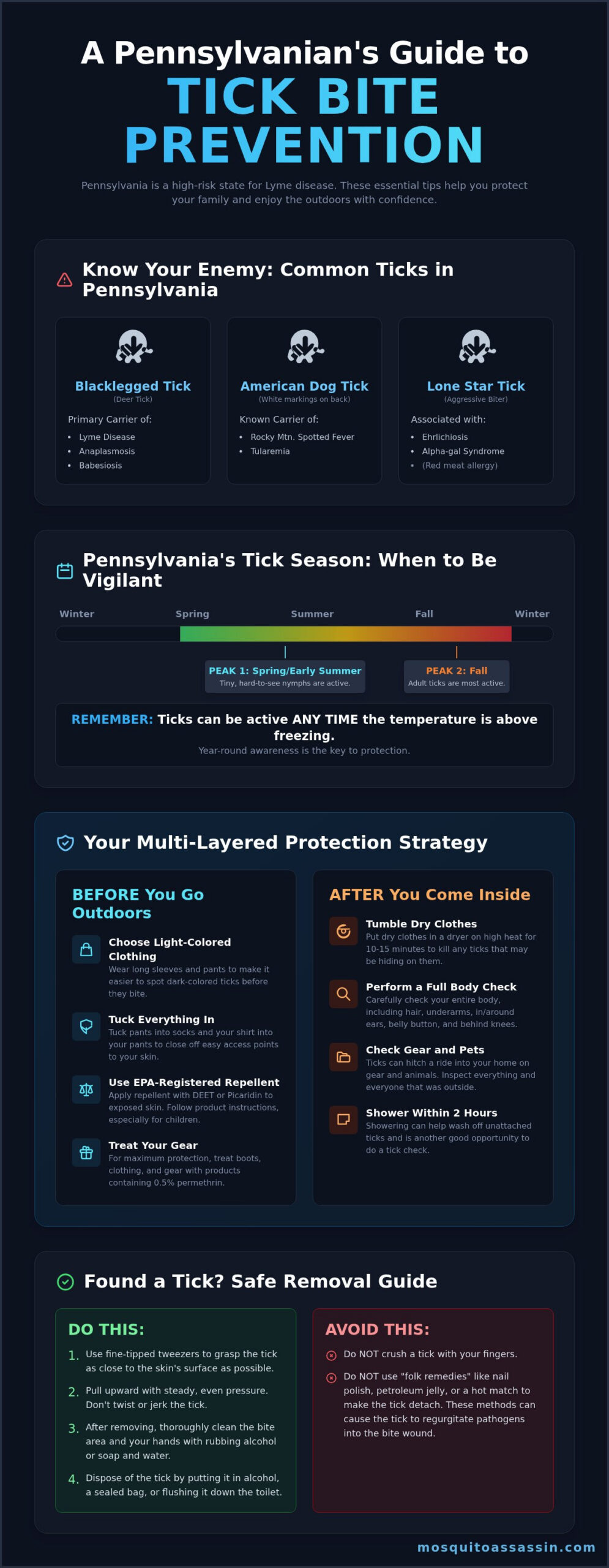
    • Blacklegged Tick (Deer Tick): The most dangerous tick in PA, it is the primary carrier of Lyme disease, anaplasmosis, and babesiosis.
    • American Dog Tick: Easily identified by the ornate white markings on its back, this tick is a known carrier of Rocky Mountain Spotted Fever and tularemia.
    • Lone Star Tick: An aggressive biter, this tick is associated with ehrlichiosis and alpha-gal syndrome, which can cause a severe red meat allergy.

    Pennsylvania’s Tick Season: When to Be Most Vigilant

    Many people mistakenly believe ticks are only a summer problem. The reality is that ticks can be active any time the temperature is above freezing. However, their activity peaks twice during the year: in the spring and early summer when the tiny, hard-to-see nymphs are questing, and again in the fall when adult ticks are most active. This is why year-round awareness is the cornerstone of any reliable tick protection strategy for your home and family.

    Personal Protection: Your First Line of Defense Against Ticks

    Safeguarding yourself and your family begins long before you step outside. Effective tick bite prevention is an active process, not a passive hope. By adopting a proven, multi-layered strategy, you can dramatically reduce your risk of encountering ticks and the dangerous diseases they carry. These essential tick bite prevention tips PA residents need to know will become a simple, second-nature routine for enjoying the outdoors safely.

    Before You Go Out: Dress and Repel

    Your first layer of defense is what you wear and apply. Ticks are opportunistic pests, so your goal is to create a physical and chemical barrier that makes you an undesirable target. Follow this professional checklist before any outdoor activity, from exploring local trails to gardening in your Erie backyard.

    • Choose Light-Colored Clothing: Wear light-colored long sleeves and pants. This simple tactic makes it much easier to spot a dark-colored tick crawling on you before it has a chance to bite.
    • Tuck Everything In: Tuck your long pants into your socks and your shirt into your pants. This closes off easy access points for ticks trying to reach your skin.
    • Use an EPA-Registered Repellent: Apply an insect repellent containing DEET or Picaridin to exposed skin. Always follow the product instructions, especially when applying to children.
    • Treat Your Gear: For maximum protection, treat your clothing, boots, and camping gear with products containing 0.5% permethrin. It remains effective through several washings and is a powerful tool for repelling and killing ticks on contact.

    After You Come Inside: The Critical 2-Hour Window

    What you do upon returning home is just as critical as your preparation. Ticks often wander on the body for hours before attaching, giving you a crucial window to find and remove them. Make these steps a non-negotiable routine for everyone in the family, including pets.

    • Tumble Dry Clothes First: Before washing, toss your clothes into a dryer on high heat for 10-15 minutes. The heat will kill any ticks that may have hitched a ride inside.
    • Shower Immediately: Taking a shower or bath within two hours of coming indoors can help wash off unattached ticks and provides a perfect opportunity for a tick check.
    • Perform a Full-Body Tick Check: This is the most important step. Use a handheld or full-length mirror to inspect your entire body. For a complete overview of what to look for, the official PA Department of Health Tick Guide provides excellent, state-specific resources. Pay special attention to their favorite hiding spots:
      • In and around the hair and scalp
      • Behind and inside the ears
      • Under the arms
      • Around the waist and in the belly button
      • In the groin area
      • Behind the knees

    Finally, don’t forget your four-legged family members. Dogs are prime targets for ticks and can easily carry them into your home. Check your pets thoroughly every time they come inside, and consult your veterinarian about the best tick prevention products to create a complete shield of protection for your entire household.

    Creating a Tick-Safe Zone: How to Protect Your PA Property

    While personal repellents are your first line of defense when you’re out and about, the battle against ticks truly begins at home. Studies show that a significant majority of tick encounters happen right in our own yards. By transforming your property from a tick paradise into a hostile environment, you can dramatically reduce your family’s risk. These proactive landscaping and maintenance strategies are some of the most effective tick bite prevention tips PA homeowners can implement.

    Landscaping Tips to Deter Ticks

    Creating a tick-safe yard is about eliminating the damp, shady habitats where they thrive. Ticks can’t survive in short, dry, sunny areas. The goal is to create clear transition zones and remove their hiding spots. These landscaping strategies are endorsed by experts and align with the official Pennsylvania Department of Health guide to tick prevention for creating a safer outdoor space.

    • Maintain Your Lawn: Keep your grass mowed to a height of three inches. This increases sun exposure to the soil, creating a drier environment that ticks hate.
    • Create a Barrier: Establish a 3-foot-wide barrier of dry wood chips or gravel between your lawn and any wooded areas, stone walls, or tall ornamental grasses. This “tick moat” is a dry, inhospitable zone that ticks are reluctant to cross.
    • Clean Up Debris: Remove leaf litter, brush piles, and tall weeds promptly. These are prime nesting and questing spots for ticks looking for their next meal.
    • Place Equipment Wisely: Position swing sets, sandboxes, patios, and other recreational areas in the sunniest, driest part of your yard, far from tree lines and overgrown edges.

    Discourage Tick-Carrying Wildlife

    Ticks don’t travel far on their own; they hitch rides on animals. Deer are the primary transportation and reproductive host for adult deer ticks, while mice and other small rodents are key hosts for the nymph stage, which is responsible for most Lyme disease transmissions. Making your yard less attractive to these animals is a crucial step in tick control.

    • Secure garbage cans with tight-fitting lids.
    • Remove bird feeders, as spilled seed attracts rodents.
    • Consider installing deer-resistant fencing around your primary yard area.

    Professional Yard Treatments: The Mosquito Assassin Pest Control LLC Advantage

    For the ultimate safeguard, nothing beats a professional barrier treatment. While the landscaping methods above reduce tick populations, our proven treatment process is designed to eliminate them. Our certified technicians apply a family-safe treatment that targets the cool, damp, and shady areas where ticks rest and wait for a host-like under decks, in shrubbery, and along the edges of your property. This powerful approach provides a reliable zone of protection, offering peace of mind that DIY tick bite prevention tips PA residents try can’t always guarantee. The treatments are highly effective and dry quickly, ensuring they are safe for your family and pets to enjoy the yard. Ready to reclaim your property? Contact us for a free estimate on our pest control services. This is also a key service for local businesses with outdoor seating; see our commercial services to keep your patrons safe.

    Tick Bite Prevention in PA: Your Expert Guide to Staying Safe Outdoors

    Found a Tick? A Step-by-Step Guide to Safe Removal and Next Steps

    Even with the best precautions, you might find a tick attached to yourself, a family member, or a pet. The most important thing is to stay calm and act swiftly. Prompt and proper removal is your best defense against the transmission of tick-borne diseases like Lyme disease. Panicking can lead to improper removal, which may increase your risk.

    The Correct Way to Remove an Attached Tick

    Forget the myths you’ve heard. The only professionally recommended method for tick removal is simple, direct, and requires one basic tool: fine-tipped tweezers. Follow these proven steps:

    • Grasp Firmly: Use the tweezers to grasp the tick as close to the skin’s surface as possible. You want to grab its head and mouthparts, not its body.
    • Pull Steadily: Pull upward with steady, even pressure. Do not twist, jerk, or crush the tick, as this can cause its mouthparts to break off in the skin or force it to regurgitate infectious fluids into the bite.
    • Clean Thoroughly: After removing the tick, thoroughly clean the bite area and your hands with rubbing alcohol, an iodine scrub, or soap and water.
    • Dispose Safely: Submerge the tick in alcohol, place it in a sealed bag/container, wrap it tightly in tape, or flush it down the toilet.

    Crucially, never use folk remedies. Applying petroleum jelly, nail polish, or a hot match to the tick is ineffective and dangerous. These methods can agitate the tick, causing it to burrow deeper or release more saliva, increasing the risk of infection.

    After the Bite: Monitoring for Symptoms

    While following the best tick bite prevention tips PA residents trust is your first line of defense, knowing what to do after a bite is just as critical. For the next 30 days, be vigilant for early signs of tick-borne illness, even if the bite seemed minor.

    Consult a doctor if you or a family member develops any of the following symptoms:

    • A rash, especially the classic bull’s-eye (Erythema migrans) rash associated with Lyme disease.
    • Fever and/or chills.
    • Unexplained fatigue, headache, or muscle and joint aches.

    Remember: Not everyone who contracts a tick-borne illness develops a rash. Any flu-like symptoms following a known tick bite warrant a professional medical evaluation. For comprehensive tick control that safeguards your property, contact the experts at Mosquito Assassin for a proven treatment plan.

    Why DIY Isn’t Enough: Trust PA’s Local Tick Control Experts

    Following personal safety measures and keeping a tidy yard are crucial first steps in protecting your family from tick-borne illnesses. However, when it comes to truly safeguarding your property, DIY solutions often create a false sense of security. For the most effective tick bite prevention tips PA residents can rely on, professional intervention is the key to comprehensive protection.

    The Limits of Store-Bought Products

    Consumer-grade granules and sprays you find at the hardware store offer a temporary fix at best. They have a low residual effect, meaning they break down quickly and wash away with the first heavy Pennsylvania rain. More importantly, effective application requires a deep understanding of tick biology. Ticks don’t just wander in open lawns; they hide in specific “hotspots” like dense ground cover, shaded perimeters, and under decks-areas that are easily missed without professional training.

    The Mosquito Assassin Guarantee

    This is where professional expertise makes all the difference. As a locally owned company, we aren’t a faceless national chain; our team lives and works right here, giving us firsthand knowledge of the specific tick pressures facing our communities. We safeguard your yard with a proven process designed for maximum effectiveness and family safety.

    • Expert Technicians: Our licensed professionals are trained to identify and target the precise areas on your property where ticks thrive, ensuring no hiding spot is overlooked.
    • Professional-Grade Treatments: We use powerful, long-lasting solutions that are proven to eliminate ticks while remaining safe for your children and pets once dry.
    • Season-Long Peace of Mind: Our services are designed to provide a durable barrier of protection, giving you the freedom to enjoy your yard all season long. We proudly serve homeowners throughout Erie, Crawford, and surrounding locations.

    Don’t leave your family’s health to chance with ineffective products. By partnering with a trusted local expert, you gain the confidence that your property is professionally protected. Implementing these professional tick bite prevention measures is the ultimate step in reclaiming your outdoor space. Contact Mosquito Assassin today to schedule a consultation and take back your yard with confidence.

    Safeguard Your Family with Pennsylvania’s Tick Experts

    Enjoying Pennsylvania’s beautiful outdoors doesn’t have to come with the constant worry of tick-borne illnesses. This guide has armed you with the essential knowledge for personal and property protection-from choosing the right repellent to creating a tick-safe zone in your yard. Mastering these tick bite prevention tips PA residents trust is your first line of defense, but true peace of mind comes from knowing your property is professionally secured against these persistent threats.

    Don’t leave your family’s safety to chance. As a locally owned and operated Pennsylvania team, Mosquito Assassin provides a definitive solution. Our family-safe and pet-safe treatments are designed to eliminate ticks and let you reclaim your outdoor living space. We’re so confident in our proven process that we back it with our Pest-Free Guarantee: if pests return, so do we! Protect your family and reclaim your yard. Get a free tick control quote from Mosquito Assassin today!

    Take the final step towards a safer, more enjoyable season outdoors. Your worry-free yard is just a call away.

    Frequently Asked Questions About Tick Prevention in PA

    What is the peak season for ticks in Pennsylvania?

    The peak season for ticks in Pennsylvania typically runs from April through September when nymphs and adult ticks are most active. However, ticks can be present and seek a host any time temperatures are above freezing, even during warmer winter days. This is why year-round vigilance is one of the most important tick bite prevention tips PA residents can follow to protect their families and pets from tick-borne illnesses.

    Are tick bites always painful or itchy?

    No, tick bites are often completely painless and go unnoticed. Ticks secrete a small amount of anesthetic in their saliva, which numbs the area while they feed. Any itching, soreness, or the development of a rash-like the bull’s-eye rash associated with Lyme disease-usually occurs hours or days after the tick has detached or been removed. This stealthy nature is why performing daily tick checks after spending time outdoors is so critical.

    Can ticks survive the winter in PA?

    Yes, many tick species, including the deer tick that transmits Lyme disease, are well-equipped to survive Pennsylvania’s cold winters. They find shelter and insulation by burrowing into leaf litter, soil, or under snow cover. On unseasonably warm winter days, these ticks can re-emerge and become active, posing a year-round threat. Consistent property maintenance and awareness are essential for comprehensive protection against these resilient pests.

    Is professional tick yard treatment safe for my children and pets?

    Absolutely. When performed by a licensed professional, a tick yard treatment is designed with your family’s safety as the top priority. We use proven, family-safe products and adhere to strict application protocols. Typically, we advise that you keep children and pets off the treated areas until the product has fully dried. This precaution ensures the treatment is both highly effective against ticks and completely safe for your loved ones to enjoy their yard.

    How long does a tick need to be attached to transmit Lyme disease?

    In most cases, a deer tick must be attached for 36 to 48 hours or more to transmit the bacteria that causes Lyme disease. However, other tick-borne diseases can be transmitted much more quickly. Because of this, it is crucial to find and properly remove any attached tick as soon as possible. Prompt removal is your best defense and significantly reduces the risk of contracting a dangerous illness.

    What is the most effective tick repellent I can use?

    The most effective repellents for skin, as recommended by the CDC, contain active ingredients like DEET (20-30% concentration) or Picaridin. For an even stronger layer of defense, treat your clothing and outdoor gear with products containing 0.5% permethrin. Permethrin is not for use on skin, but it kills ticks on contact with treated fabric and can last through multiple wash cycles, offering proven and long-lasting protection.

    Do all deer ticks in Pennsylvania carry Lyme disease?

    No, not every single deer tick carries the bacteria that causes Lyme disease. However, Pennsylvania has one of the highest rates of Lyme disease in the nation, and studies show a significant percentage of the deer tick population is infected. Because you cannot tell if a tick is a carrier just by looking at it, it is essential to treat every deer tick bite as a potential risk and take immediate, appropriate action.

  • Ticks in Erie, PA: Your Ultimate Guide to Prevention

    Ticks in Erie, PA: Your Ultimate Guide to Prevention

    Enjoying your beautiful Erie backyard shouldn’t come with a side of anxiety. For homeowners, especially those bordering wooded areas, every outdoor moment can be clouded by the worry of unseen threats to children and pets. The rising threat of Lyme disease is serious, and the uncertainty around the best ticks in Erie PA – prevention tips can leave you feeling overwhelmed and unsure if you’re doing enough to protect your family.

    This guide is your definitive action plan. We are cutting through the confusion to provide you with expert-backed, locally-focused strategies to safeguard your home and loved ones. You will learn powerful, actionable steps to make your property a tick-free zone, gain confidence in how to properly check your family after outdoor fun, and achieve the peace of mind that comes from knowing you’re in control. It’s time to eliminate the worry and take back your yard.

    Key Takeaways

    • Understand why Erie County’s unique landscape and climate create a high-risk environment for ticks and Lyme disease.
    • Learn simple, effective personal defense strategies to safeguard yourself from tick bites while enjoying Erie’s parks, trails, and even your own backyard.
    • Discover practical ticks in Erie PA – prevention tips for your property, using strategic landscaping to create a tick-safe zone and deter the wildlife that carries them.
    • Recognize the limits of DIY methods and know when to call for professional tick control to guarantee comprehensive protection for your home and family.

    Why Erie County is a Hotspot for Ticks

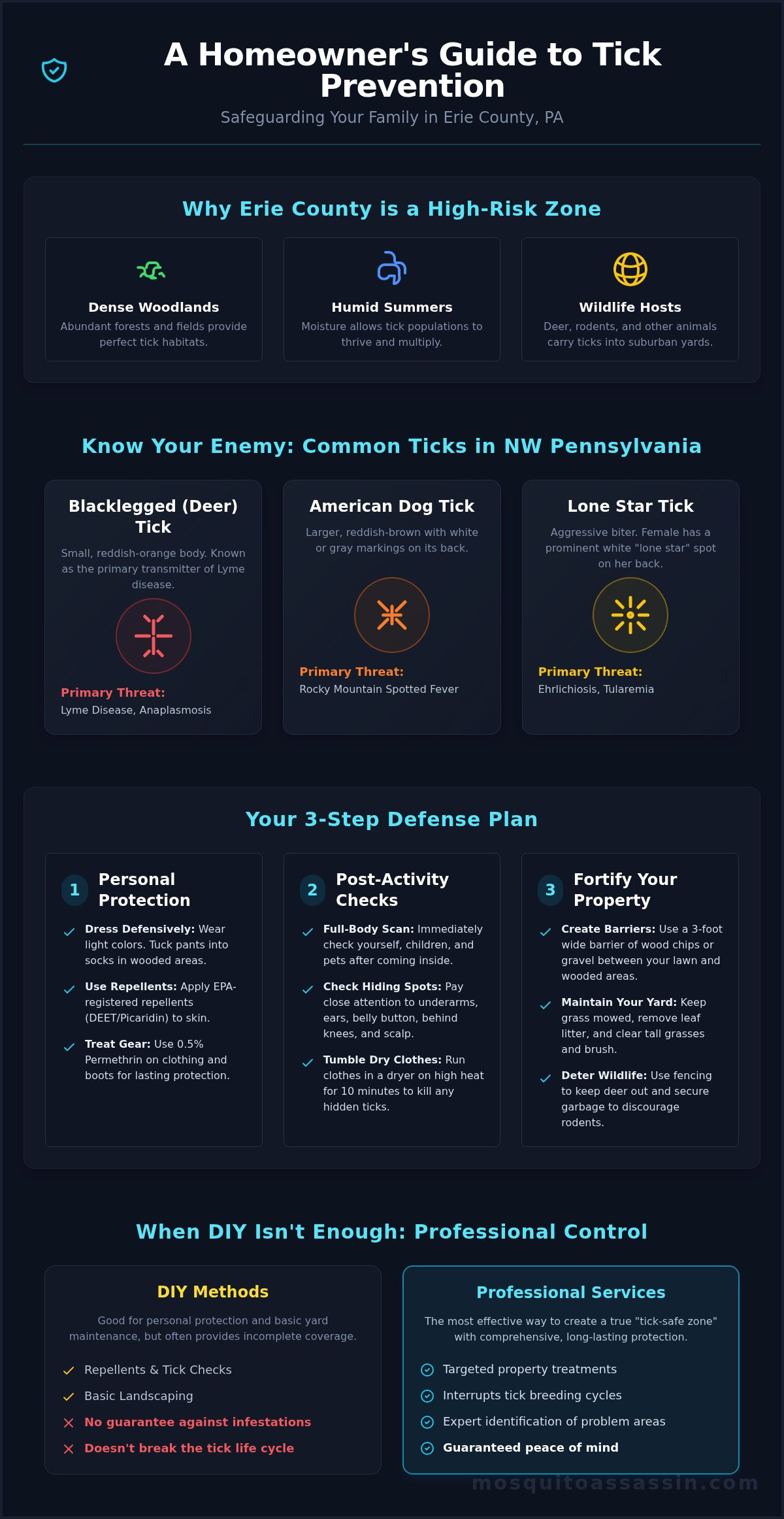
    Living in Northwestern Pennsylvania means enjoying beautiful seasons and lush, green landscapes. Unfortunately, the very features that make our region beautiful-dense woodlands, sprawling parks, and humid summers-also create the perfect breeding ground for ticks. The combination of forests, fields, and moisture provides an ideal habitat where these pests can thrive, putting Erie County squarely in a high-risk zone for tick encounters and the diseases they carry.

    Statewide data consistently ranks Pennsylvania among the worst for Lyme disease cases, and our local environment is a major contributor. To understand the threat and the best prevention strategies, watch this important local report:

    Ticks are not confined to remote hiking trails. They are a persistent threat in our local parks, wooded suburban neighborhoods, and even our own backyards. They hide in tall grass, leaf litter, and overgrown shrubs, waiting for a host-a person or a pet-to pass by. This is why having effective ticks in Erie PA – prevention tips is not just a good idea; it’s an essential part of safeguarding your family’s health.

    Common Ticks to Watch For in Northwestern PA

    Knowing your enemy is the first step in protection. Here are the three most common tick species you are likely to find in Erie County:

    • Blacklegged Tick (Deer Tick): Small and hard to spot, this tick has a reddish-orange body with black legs and a black “shield” near its head. It is the primary transmitter of Lyme disease.
    • American Dog Tick: Larger than the deer tick, this species is reddish-brown with white or grayish markings on its back. It is a known carrier of Rocky Mountain spotted fever.
    • Lone Star Tick: Distinguished by its aggressive biting, the female of this reddish-brown tick has a prominent white or silvery spot (the “lone star”) on her back.

    Understanding the Risk: Tick-Borne Illnesses

    A tick bite is more than just an annoyance; it’s a direct threat to your health. These pests are vectors for several serious illnesses. While there are many common tick-borne diseases, Lyme disease is the most significant concern in our area. Early symptoms often mimic the flu and can include fever, headache, and fatigue, but the most telling sign is the classic “bull’s-eye” rash that may appear around the bite. Other local concerns include Anaplasmosis, which presents similar flu-like symptoms. When it comes to the dangers of ticks in Erie PA – prevention tips are your most powerful defense, helping you avoid these illnesses before they start.

    Personal Protection: Staying Safe Outdoors in Erie

    Enjoying a hike at Presque Isle State Park or gardening in your own backyard is part of what makes living in Erie great. However, these beautiful natural spaces are also prime habitats for ticks. Safeguarding yourself and your family requires a proactive defense strategy. Following these proven ticks in Erie PA – prevention tips is your best defense against a bite and the potential for disease.

    Before You Go Out: The Right Gear and Repellent

    Your first line of defense begins before you even step outside. Dressing smart and using the right products can dramatically reduce your risk of a tick encounter. This simple preparation is a critical step in any effective plan for dealing with ticks in Erie PA.

    • Dress Defensively: Wear light-colored clothing so you can spot ticks more easily. When in wooded or grassy areas, wear long sleeves and tuck your pants into your socks to create a barrier.
    • Use Proven Repellents: Apply an EPA-registered insect repellent containing DEET or Picaridin to exposed skin. Follow the product instructions carefully, especially for children.
    • Treat Your Gear: For long-lasting protection, treat your clothing, boots, and hiking gear with products containing 0.5% Permethrin. It remains effective through several washings.

    After Returning Home: The Critical Tick Check

    Even with the best preparation, a tick can still find its way onto your body or clothing. A thorough check immediately after coming indoors is a non-negotiable step. With tick-borne illnesses being a significant concern, as documented by the Pennsylvania Department of Health, this simple routine is your most effective safeguard.

    • Perform a Full-Body Scan: Carefully check yourself, your children, and your pets. Pay close attention to hiding spots like under the arms, in and around the ears, inside the belly button, behind the knees, and on the scalp.
    • Tumble Clothes on High Heat: Toss your outdoor clothes into a dryer on high heat for at least 10 minutes to kill any ticks that may have hitched a ride.
    • Shower Promptly: Showering within two hours of coming inside can help wash off unattached ticks and provides another opportunity to do a tick check.

    How to Properly Remove a Tick

    If you find a tick attached to your skin, it’s crucial to remove it quickly and correctly. Do not use folk remedies like nail polish or a hot match, as these can cause the tick to burrow deeper. Instead, follow this professional method:

    1. Use fine-tipped tweezers to grasp the tick as close to the skin’s surface as possible.
    2. Pull upward with steady, even pressure. Avoid twisting or jerking, which can cause the mouth-parts to break off and remain in the skin.
    3. After removing the tick, thoroughly clean the bite area and your hands with rubbing alcohol or soap and water.
    4. Note the date of the bite and monitor the area for any signs of a rash, fever, or flu-like symptoms in the coming weeks.

    Ticks in Erie, PA: Your Ultimate Guide to Prevention

    Fortify Your Property: Creating a Tick-Safe Yard

    While you can’t control the woods and fields around your home, you have complete authority over your own property. A well-maintained yard is your first and most effective line of defense against these pests. By making strategic changes, you can create a “safety zone” that significantly reduces your family’s exposure. This proactive approach is a cornerstone of our ticks in Erie PA – prevention tips, empowering you to safeguard your outdoor living space.

    Strategic Landscaping to Deter Ticks

    Ticks thrive in damp, shady, and overgrown areas. Eliminating these habitats makes your yard far less inviting and is a proven method for tick control. By implementing the following landscaping strategies, you can immediately make your property less hospitable to ticks and the animals that carry them.

    • Maintain Your Lawn: Keep your grass mowed regularly. Short grass allows more sunlight to reach the soil, creating a drier environment that ticks cannot survive in.
    • Eliminate Debris: Remove all leaf litter, brush piles, and tall weeds from your property. These are prime hiding spots for ticks awaiting a host.
    • Create a Barrier: Establish a 3-foot-wide border of wood chips or gravel between your lawn and any wooded areas. This dry, inhospitable zone acts as a “no-tick-crossing” line.
    • Position Outdoor Living Areas Wisely: Place swing sets, patios, and decks in sunny locations, away from the tree line and yard edges where ticks often congregate.

    Discourage Tick-Carrying Wildlife

    Ticks don’t travel far on their own; they hitch rides on animals. Deer, mice, and raccoons are the primary transporters that introduce ticks to your yard. By making your property less appealing to this wildlife, you cut off the tick supply line. These hosts are responsible for spreading many of the common Ticks found in Pennsylvania, including the deer tick which can transmit Lyme disease.

    • Fence Your Yard: A sturdy fence is one of the most reliable ways to keep deer from wandering through your main yard area.
    • Secure Food Sources: Keep garbage cans tightly sealed and consider removing bird feeders, as spilled seed often attracts rodents and other small mammals.
    • Choose Deer-Resistant Plants: When landscaping, opt for plants that deer find unappetizing, such as lavender, boxwood, or ornamental grasses.

    Implementing these property management techniques is a powerful step in safeguarding your family. For a comprehensive protection plan that combines these strategies with professional-grade treatments, the experts at Mosquito Assassin are ready to help fortify your yard. Visit mosquitoassassin.com to learn more.

    When DIY Isn’t Enough: Professional Tick Control for Erie Homes

    You’ve kept your lawn mowed, cleared away leaf litter, and followed all the standard landscaping advice. While these are excellent first steps, the reality is that Erie’s lush environment can be a perfect breeding ground for ticks, making even the best DIY efforts feel like an uphill battle. Store-bought products often provide only temporary relief and can easily miss the key harborage areas where ticks hide and multiply.

    When you need guaranteed protection and lasting peace of mind, it’s time to call in the experts. A professionally applied barrier treatment is one of the most effective ticks in Erie PA – prevention tips for homeowners who want to reclaim their yards from these dangerous pests.

    The Mosquito Assassin Advantage

    Our proven process goes beyond what you can achieve on your own. We provide a strategic, multi-layered defense to eliminate ticks and keep them from coming back. Here’s how we safeguard your property:

    • Targeted Application: Our licensed technicians are trained to identify tick hotspots-the wooded perimeters, tall grasses, and dense ground cover where they wait for a host. We apply treatment precisely where it will be most effective.
    • Family-Safe Treatments: We use powerful, EPA-approved products that create a protective barrier around your property. Once dry, these treatments are safe for your children and pets to be around, so you can enjoy your yard without worry.
    • Season-Long Protection: Ticks are a persistent threat. Our ongoing treatment plans are designed to provide consistent protection throughout their peak season, from spring through fall. Learn more about our comprehensive pest control services.

    Why a Local Erie Company Matters

    Successfully managing ticks in Erie PA – prevention tips and treatments requires deep local knowledge. As your neighbors, we have firsthand experience with the specific challenges Erie homeowners face. We understand the life cycles of local species like the deer tick and know exactly when and where they are most active. This insider expertise allows us to deliver more effective and timely service. We are dedicated to safeguarding the health of our community because our team lives here, too. We proudly serve homeowners throughout the Erie region.

    Don’t let the threat of ticks keep your family indoors. Take back your yard with confidence by contacting Mosquito Assassin today for a free quote and let our experts create a customized plan to protect your home.

    Safeguard Your Family and Property from Erie’s Tick Threat

    Living in Erie County doesn’t have to mean living in fear of ticks. The power to protect your loved ones is in your hands. By combining personal vigilance, like regular tick checks, with proactive yard maintenance, you create a powerful first line of defense. Following these crucial ticks in Erie PA – prevention tips is your best strategy for reducing exposure and enjoying the outdoors safely.

    But when DIY measures aren’t enough to eliminate the threat, it’s time to call in the experts. For ultimate peace of mind, trust the team at Mosquito Assassin. As a Locally Owned & Operated company dedicated to Northwestern PA, our Five-Star Rated Service provides professional, effective tick eradication. Protect Your Family from Ticks. Schedule Your Free Inspection Today!

    We stand by our work with our ‘Pest-Free Guarantee’: If pests return, so do we! Take definitive action and reclaim your yard. Enjoy a safer, more relaxing summer with the confidence that your property is protected.

    Frequently Asked Questions About Tick Control

    When is tick season in Erie, PA?

    In Erie, PA, tick season typically runs from April through October, with peak activity occurring in late spring and again in early fall. However, ticks can become active any time the temperature rises above freezing. Understanding the peak season for ticks in Erie, PA is one of the most critical prevention tips for safeguarding your family and property against the threat of tick-borne illnesses.

    Are professional tick treatments safe for my children and pets?

    Absolutely. At Mosquito Assassin, safeguarding your family is our top priority. We use professional-grade, family-safe treatments applied by licensed technicians. Our proven process requires that people and pets simply stay out of the treated area until the product has completely dried, which usually takes about 30-60 minutes. Once dry, your yard is ready for your family and pets to enjoy safely and without the threat of ticks.

    Can ticks survive the winter in Pennsylvania?

    Yes, many tick species, including the deer tick known for carrying Lyme disease, can survive our tough Pennsylvania winters. They enter a dormant state, taking shelter under leaf litter, brush, and snow cover. On warmer winter days when temperatures rise above freezing, these ticks can reemerge to search for a host. This makes year-round property maintenance and vigilance essential for comprehensive tick elimination.

    What should I do if I get a tick bite and see a rash?

    While we are experts in tick eradication, we are not medical professionals. If you have been bitten by a tick and notice any kind of rash (especially a bull’s-eye rash), skin irritation, or develop flu-like symptoms, it is crucial to contact your doctor or a healthcare provider immediately. Prompt medical attention is the most important step you can take to address potential health concerns related to tick-borne diseases.

    How often is professional tick treatment needed to be effective?

    For maximum effectiveness and continuous protection, our professional tick treatments are applied every 3 to 4 weeks throughout their active season. This regular schedule maintains a consistent barrier around your property that interrupts the tick life cycle and eliminates new ticks that enter your yard. Our customized treatment plans ensure your property is defended all season long, giving you reliable peace of mind.

    Does yard treatment also help control fleas and mosquitoes?

    Yes, our comprehensive yard treatments are formulated to be effective against a variety of nuisance biting pests. While our primary focus is eliminating ticks and mosquitoes, the same proven application also significantly reduces flea populations in your yard. This multi-pest approach provides broader protection for your property, making your outdoor spaces more comfortable and safer for your entire family and your pets.