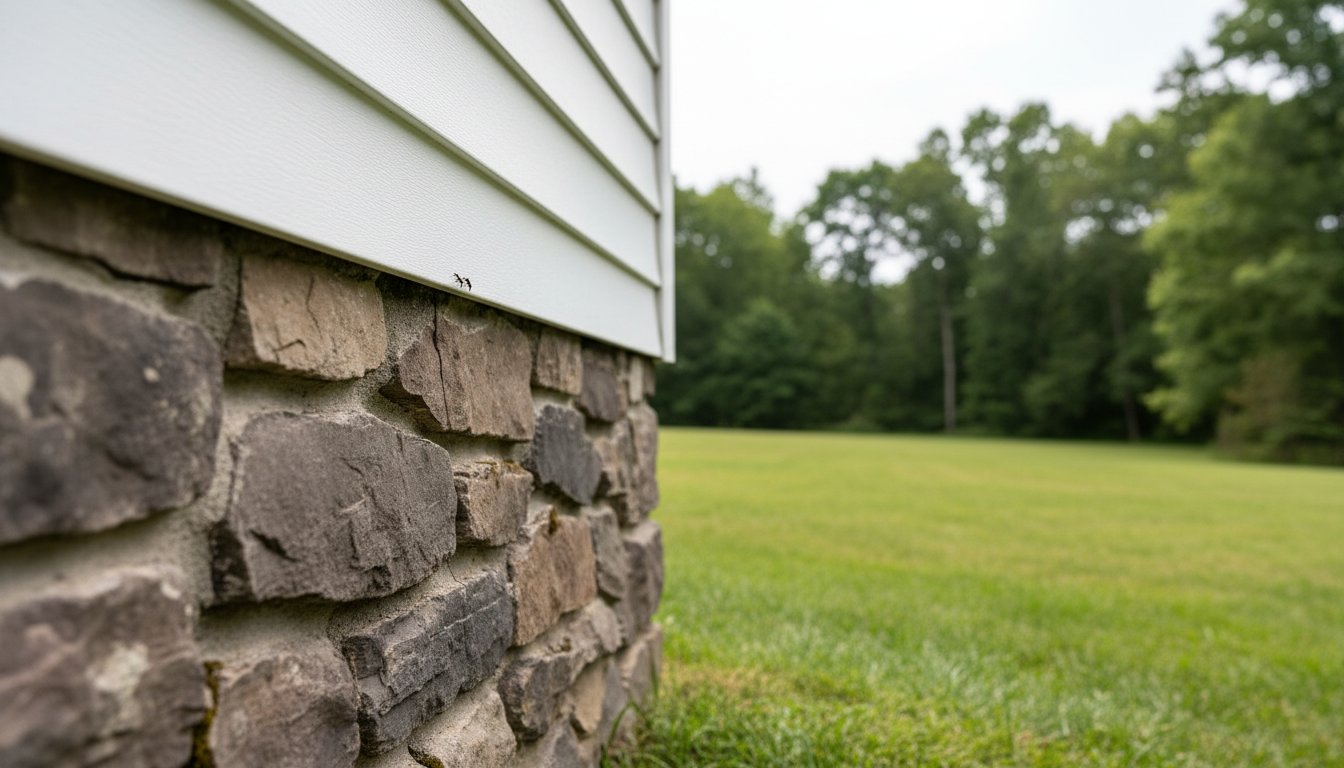
That quiet scratching sound from behind a wall, the constant concern over ticks after a walk through the woods, or the sight of wood-destroying insects near your foundation-these are more than simple annoyances. For property owners, they represent a significant source of stress, potential health risks, and the threat of costly damage. Gaining a clear understanding of the top pests in Crawford County PA is the most effective first step toward safeguarding your home and family. This professional overview for 2026 is designed to do just that.
Beyond structural pests and rodents, rural properties can also contend with burrowing animals like gophers and ground squirrels that damage lawns, gardens, and agricultural land. For those facing these specific challenges, it’s helpful to explore Gopher Control & Elimination options to protect your property’s integrity.
In this guide, you will find reliable information to help you accurately identify the most common invaders in the region, from ants and spiders to mosquitoes and rodents. More importantly, you will learn proven, professional-grade prevention strategies to help fortify your home against these recurring threats. The guide also provides clarity on recognizing the signs that an infestation has grown beyond a simple DIY fix and may require the attention of a licensed pest control professional. Prepare to take control and protect your peace of mind.
Key Takeaways
- Learn how Crawford County’s unique geography, including the French Creek watershed and local agriculture, influences which pests are most active each season.
- Identify the primary public health pests in the region, such as the Black-legged Tick and specific mosquito species, and understand their peak activity periods.
- Discover the key differences and warning signs of structural damage caused by Eastern Subterranean Termites versus Carpenter Ants in Pennsylvania homes.
- Understand professional-grade prevention strategies to help manage the top pests in Crawford County PA by focusing on sealing entry points and eliminating attractants.
Understanding the Local Pest Landscape in Crawford County PA
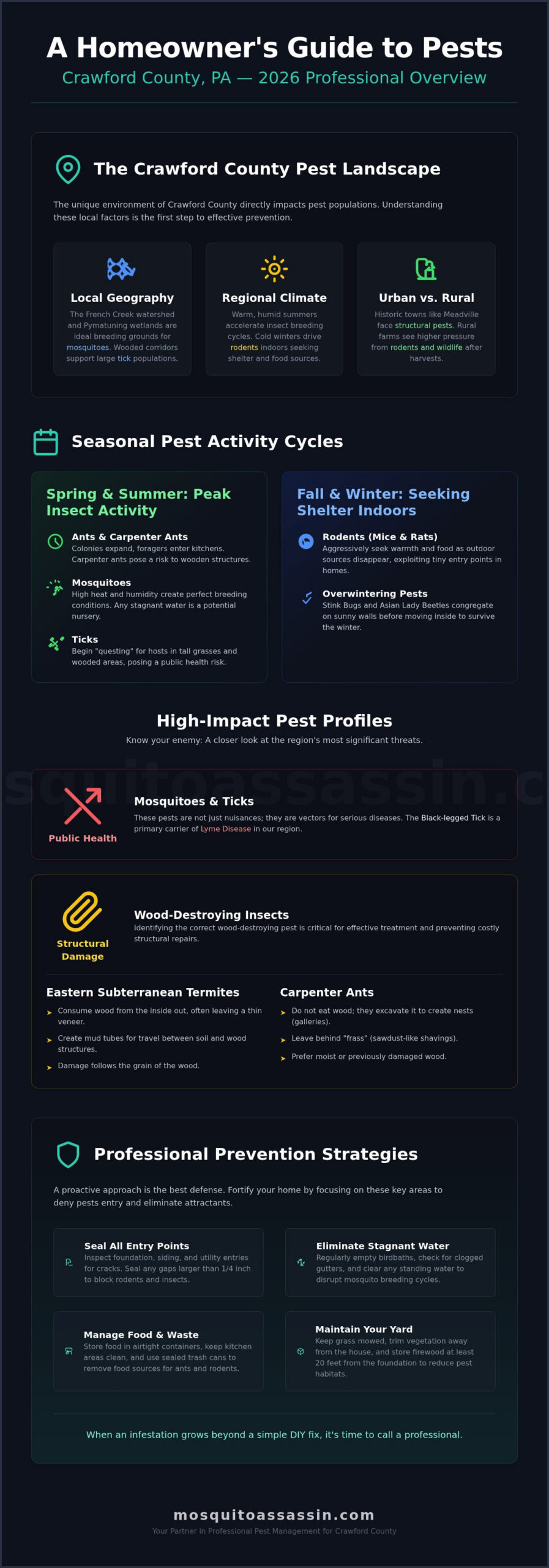
Effective pest management begins with understanding the local environment. Crawford County’s unique combination of geography, climate, and land use creates a distinct set of challenges for homeowners. Unlike generic national strategies, a localized approach considers the specific factors that allow insects and rodents to thrive in our region. Recognizing what makes Northwest Pennsylvania a haven for certain pests is the first step toward safeguarding your property and identifying the top pests in Crawford County PA.
To better understand some of the common pests homeowners may encounter, this video offers a helpful visual guide:
The region’s high humidity and significant seasonal temperature swings play a major role in pest activity. Warm, damp summers create ideal breeding conditions for insects, while cold winters drive rodents indoors seeking shelter and food. Furthermore, the extensive agricultural patterns in the area mean that as crops are harvested in the fall, mice and rats often migrate from fields to nearby homes and structures. This seasonal pressure is a key reason why proactive pest control is so important for local residents.
The Impact of Local Geography on Pest Pressure
Crawford County’s natural features directly influence pest populations. The French Creek watershed and the expansive wetlands around Pymatuning State Park are primary breeding grounds for mosquitoes and biting midges. The area’s beautiful wooded corridors, while great for recreation, also support large tick populations. Proximity to Lake Erie contributes to regional moisture levels, creating an environment where moisture-loving pests like carpenter ants and certain types of beetles can flourish. These conditions create ideal habitats for many common household pests that can become a significant nuisance.
Urban vs Rural Pest Challenges
Pest pressures vary significantly between the county’s towns and its rural expanses. In historic communities like Meadville, older homes can be more vulnerable to structural pests such as termites, powderpost beetles, and carpenter ants that damage wood. In contrast, rural farming communities often face heightened pressure from rodents and larger wildlife seeking food and shelter in barns, sheds, and homes. Understanding these distinct urban and rural challenges is critical for developing an effective management plan for the top pests in Crawford County PA. Homeowners can view a local service map to see the diverse areas that require specialized attention.
Seasonal Pest Activity Cycles in Northwest Pennsylvania
Understanding the seasonal behavior of the top pests in Crawford County PA is a critical first step toward effective home protection. Pest pressures are not constant; they fluctuate dramatically with the region’s distinct seasons, from the insect population boom of summer to the determined rodent intrusions of winter. Recognizing these cycles helps homeowners anticipate and prepare for potential infestations.
Spring and Summer: The Peak of Insect Activity
As the ground thaws and temperatures rise in spring, insect activity surges. Ant colonies, dormant through the winter, expand rapidly and send out foragers for food, often leading them straight into kitchens and pantries. Carpenter ants are particularly active and can pose a risk to wooden structures. Homeowners can find valuable information on Carpenter ant damage and prevention from university extension resources. By late spring and summer, high heat and humidity create ideal conditions for mosquitoes and ticks. Ticks begin “questing” in tall grasses and wooded areas, while mosquitoes use any source of stagnant water to lay their eggs, making regular property maintenance essential.
Fall and Winter: Seeking Shelter Indoors
The arrival of cooler autumn weather signals a shift in pest behavior. As outdoor food sources dwindle and temperatures drop below freezing, rodents like mice and rats aggressively seek warmth and shelter. They can exploit tiny openings in a home’s exterior to invade attics, basements, and crawl spaces. At the same time, overwintering insects such as the Brown Marmorated Stink Bug and Asian Lady Beetle congregate on sunny exterior walls before finding their way indoors. While not destructive, their presence can be a significant nuisance. Because the types of pests threatening your home change with each season, managing them effectively requires a consistent approach. Proactive homeowners can learn about comprehensive year-round protection plans designed to provide continuous coverage against these predictable threats.
High-Impact Public Health Pests: Mosquitoes and Ticks
Beyond being simple annoyances, certain insects present genuine public health concerns for residents. Among the top pests in Crawford County PA, mosquitoes and ticks are vectors for diseases that can have serious health consequences. Our region’s beautiful landscape, with its abundant woodlands and proximity to Pymatuning Lake, provides an ideal environment for these pests to thrive. The Black-legged Tick (or deer tick), a known carrier of Lyme disease, is particularly prevalent throughout Northwest Pennsylvania.
Mosquito populations also flourish in our humid summers, with species common to the area being most active during dawn and dusk. Protecting your family requires understanding their habits, managing your property, and taking personal precautions. Simple steps like using an EPA-registered insect repellent, wearing light-colored long sleeves and pants in wooded areas, and performing thorough tick checks after spending time outdoors are essential first-line defenses.
Tick Identification and Habitat Management
Recognizing different tick species is key to assessing risk. The deer tick is much smaller than the more common American dog tick and has a reddish-orange body. To reduce tick exposure on your property, create a “tick-safe zone” by keeping lawns mowed, removing leaf litter, and creating a buffer of wood chips or gravel between your yard and wooded areas. For more comprehensive protection, professional tick management can target areas where ticks live and quest.
Mosquito Breeding Mitigation Strategies
Mosquitoes can breed in any amount of standing water that lasts for more than a week. Diligently eliminating these sources is critical. Routinely check for hidden water in clogged gutters, birdbaths, tarps, and children’s toys. For broader control, professional barrier treatments are an effective science-based solution. Licensed technicians apply a fine mist to foliage where adult mosquitoes rest, disrupting their life cycle. A comprehensive approach, which you can learn more about in guides to Common Pests in Pennsylvania, combined with diligent property maintenance, is highly effective. Professional pest control may help reduce the risk of bites around your home.
Structural and Wood-Destroying Insects Common to the Region
Some of the most significant threats to a home’s structural integrity are insects that chew, tunnel, and nest within its wooden components. These structural invaders are among the top pests in Crawford County PA because they can cause thousands of dollars in damage before homeowners even notice a problem. Understanding the signs of these destructive insects is the first step in safeguarding your property and maintaining its value.
Termite and Carpenter Ant Recognition
Eastern Subterranean Termites pose a relentless threat to wooden structures. They consume wood from the inside out, often going unnoticed for years. Key signs of their presence include mud tubes on foundation walls, discarded wings from seasonal swarms, and wood that sounds hollow when tapped. In contrast, carpenter ants excavate moisture-damaged wood to build their nests, leaving behind piles of coarse sawdust-like material called frass. Because both pests operate out of sight, a regular structural inspection by a licensed professional is essential for early detection.
Stinging Insects and Secondary Damage
While known for their painful stings, insects like yellowjackets and hornets can also cause property damage by building large nests in wall voids and attics. Carpenter bees, often mistaken for bumble bees, create structural problems by drilling perfectly round, half-inch holes into wood siding, decks, and fascia boards. This damage is often worsened by woodpeckers, which are attracted to the bee larvae and will tear at the wood to get to them, causing significant secondary damage. Managing these pests is critical to preventing this destructive cycle.
Early detection is the most effective strategy for mitigating damage from all wood-destroying insects. If you suspect an infestation, seeking a professional evaluation can provide peace of mind and a clear path forward. For professional assistance, you may contact a licensed pest control company for a comprehensive assessment.
Long-Term Prevention and Professional Management Strategies
Effectively safeguarding a property from pests requires more than just reactive treatments. A long-term strategy focuses on prevention and proactive management to create an environment that is less attractive to common invaders. By addressing the root causes of infestations, homeowners can significantly reduce the risk of future problems with the top pests in Crawford County PA. Key principles include sealing entry points, maintaining proper sanitation, and managing the property’s perimeter.
A comprehensive approach known as Integrated Pest Management (IPM) combines these preventative measures with targeted, professional interventions when necessary. This strategy prioritizes sustainable results by focusing on the pest’s life cycle and environmental interactions, offering a reliable alternative to repeated chemical applications.
Homeowner Maintenance Checklist
Consistent property maintenance is a homeowner’s first line of defense against pests. Regularly checking and addressing potential vulnerabilities can prevent pests from ever getting inside. Key tasks include:
- Inspect Entry Points: Routinely check window screens, door sweeps, and weather stripping for damage. Seal any cracks in the foundation or gaps around utility lines where pests can enter.
- Manage Outdoor Attractants: Keep mulch at least six inches away from the foundation to discourage moisture-loving pests. Store firewood on a raised rack and away from the house.
- Plan for Prevention: Understanding available general pest services can help homeowners create an effective year-round preventative maintenance schedule.
The Professional Inspection Process
When dealing with persistent issues or for a comprehensive assessment, a professional inspection is invaluable. A licensed technician conducts a thorough walk-through of the property, looking for more than just active pests. They identify potential entry points, moisture problems, food sources, and other conditions that could attract the top pests in Crawford County PA. This detailed evaluation allows for the creation of a customized management plan tailored to the property’s specific needs and challenges. For a complete evaluation, homeowners can contact a professional.
Your Proactive Pest Management Strategy in Crawford County
Navigating the seasonal challenges presented by pests in Northwest Pennsylvania is the foundation of a secure and comfortable property. Understanding the life cycles of common invaders, from public health concerns like mosquitoes and ticks to structural threats like carpenter ants and termites, empowers homeowners to take effective preventative action. A proactive approach, including routine maintenance and landscape management, remains the most reliable defense against the top pests in Crawford County PA.
When pest activity escalates beyond simple prevention, a professional assessment is a logical next step. A locally owned and operated team with specialized knowledge of the regional pest ecosystem can provide a comprehensive evaluation. As a fully licensed and insured provider in both Pennsylvania and Ohio, Mosquito Assassin Pest Control LLC is equipped to handle local challenges. For professional recommendations or a thorough property inspection, contact Mosquito Assassin Pest Control LLC directly.
By pairing your own knowledge with expert support when needed, you can confidently protect your home or business from unwanted intrusions year-round.
Frequently Asked Questions About Crawford County Pests
What are the most common pests in Crawford County PA?
Homeowners in this region face a variety of intruders depending on the season. The top pests in Crawford County PA include carpenter ants, which can damage wood structures, and stinging insects like wasps and hornets. Rodents, particularly mice, become a major issue in the fall and winter as they seek shelter indoors. Other common nuisances include stink bugs, mosquitoes, ticks, and spiders, each presenting unique challenges for property owners throughout the year.
When is tick season most active in Northwest Pennsylvania?
While ticks can be active any time temperatures are above freezing, their activity peaks from late spring through early fall. The highest risk period in Northwest Pennsylvania generally runs from April through October. The blacklegged tick (deer tick), a carrier of Lyme disease, is a significant concern. Diligence is crucial after spending time outdoors in wooded or grassy areas, as regular checks can help prevent tick-borne illnesses and ensure early removal of any attached ticks.
Are termites a significant problem for homeowners in Meadville?
Yes, termites are a serious threat to homeowners in Meadville and throughout Crawford County. The Eastern subterranean termite is prevalent in this area and can cause extensive, silent damage to a home’s wooden structure. Because they operate out of sight within walls and foundations, an infestation can go unnoticed for years. Regular inspections by a pest control professional are recommended to detect termite activity early and protect your property from costly repairs.
How can I tell the difference between a flying ant and a termite?
There are three key features to distinguish them. First, check the antennae: termites have straight, beaded antennae, while ants have elbowed or bent antennae. Second, look at the waist: termites have a broad, thick waist with no pinching, whereas ants have a distinctly narrow, constricted waist. Finally, examine the wings. Both have two pairs, but a termite’s wings are all equal in length, while a flying ant’s front wings are noticeably longer than its back wings.
What is the best way to prevent mice from entering my home in the winter?
The most effective method for preventing mice is exclusion, which means sealing any potential entry points. Inspect your home’s foundation and exterior for cracks or gaps, paying close attention to areas where utility lines enter the house. Use steel wool and caulk to seal holes, as mice can squeeze through openings as small as a dime. Also, ensure door sweeps and garage door seals are intact to eliminate easy access points before cold weather arrives.
Are there venomous spiders common to Crawford County?
While most spiders in the area are harmless, two medically significant species can be found in Pennsylvania: the Northern Black Widow and, less frequently, the Brown Recluse. Both are reclusive and prefer to live in dark, undisturbed areas like woodpiles, sheds, and cluttered basements or garages. Bites are rare and typically occur only when the spider feels threatened or trapped. Caution is advised when working in or cleaning out these types of spaces.
Why do I have so many mosquitoes in my yard despite having no standing water?
Mosquitoes can breed in very small, often overlooked sources of moisture. Clogged gutters, corrugated drain pipes, plant saucers, and even wrinkled tarps can hold enough water for larvae to develop. Furthermore, dense, shady vegetation and damp leaf litter can provide the moist environment adult mosquitoes need to rest during the day. A thorough property inspection can often reveal these hidden breeding grounds that contribute to a high mosquito population.
Can professional pest control help with seasonal stink bug infestations?
Yes, professional pest management is highly effective for controlling stink bugs. The most successful approach is preventative. A licensed technician can apply a specialized exterior treatment to your home in the late summer or early fall, just before stink bugs begin searching for overwintering sites. This creates a protective barrier that stops them from congregating on and entering your home, preventing the large-scale indoor infestations that occur during colder months.