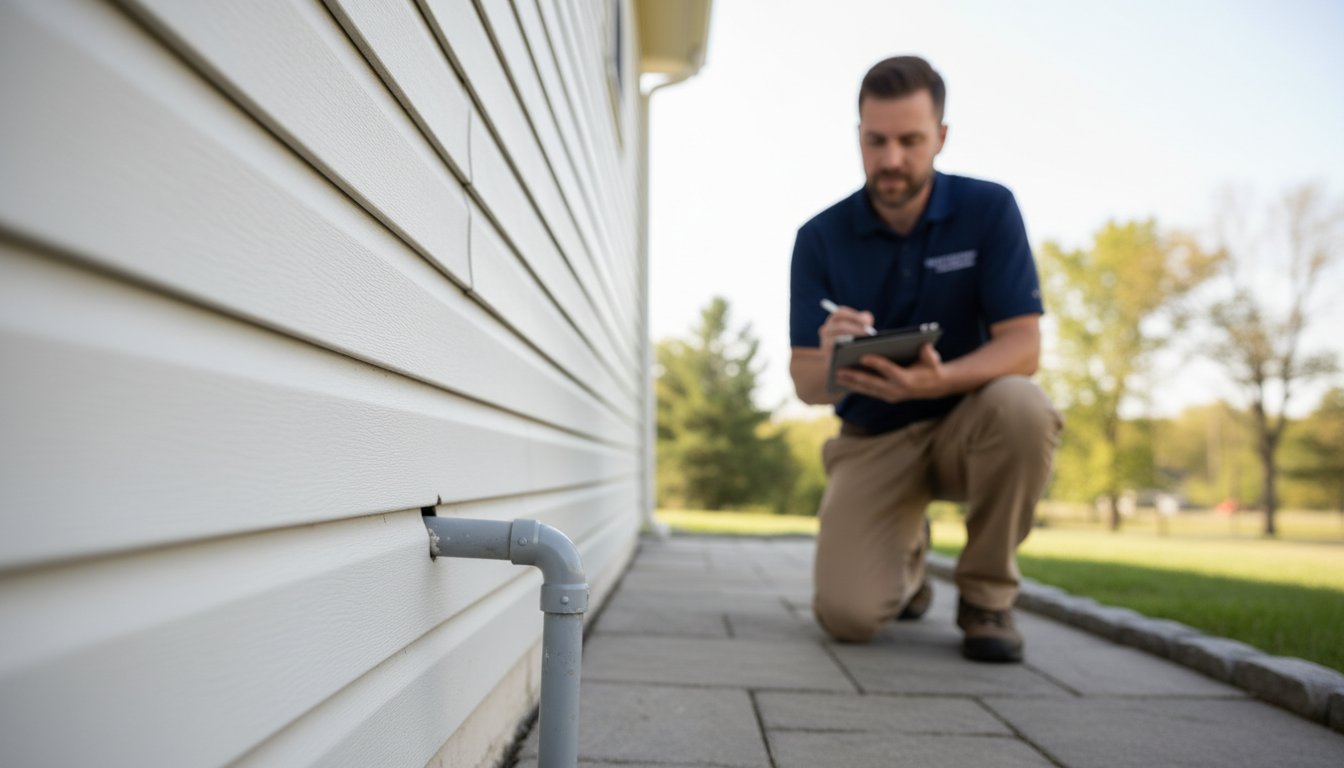
Why does a kitchen that was just treated for ants still have scouts appearing on the counters just 48 hours later? It’s a common frustration for property owners in Erie, Crawford, and Ashtabula Counties who find themselves trapped in a cycle of recurring infestations. Many people believe that simply applying more chemicals is the answer, but relying solely on reactive treatments often fails to address why the pests arrived in the first place. This is where understanding what is integrated pest management (IPM) becomes essential for achieving lasting results.
It’s understandable to feel concerned about the over-application of chemicals, especially when the pests seem to return regardless of the effort. This guide explains how science-based IPM principles provide sustainable, long-term protection for homes and businesses. This article examines the specific steps of the IPM process, including how environmental modifications can prevent pests from returning. By the end, you’ll have the knowledge to choose professional methods that prioritize safety and effectiveness over temporary fixes.
Key Takeaways
- Learn the core principles of what is integrated pest management (IPM) and how it shifts the focus from reactive extermination to proactive, long-term prevention strategies.
- Understand the systematic four-step workflow that helps define what is integrated pest management (IPM) when creating customized plans tailored to unique environmental needs.
- Discover the hierarchy of control methods central to what is integrated pest management (IPM), prioritizing cultural and physical barriers over invasive chemical applications.
- Identify how seasonal pest behaviors in Erie, Crawford, and Ashtabula Counties influence the specific tactics used when applying what is integrated pest management (IPM).
- Recognize the importance of professional expertise in navigating the complexities of what is integrated pest management (IPM) as a science-based program.
Understanding the Principles of Integrated Pest Management (IPM)
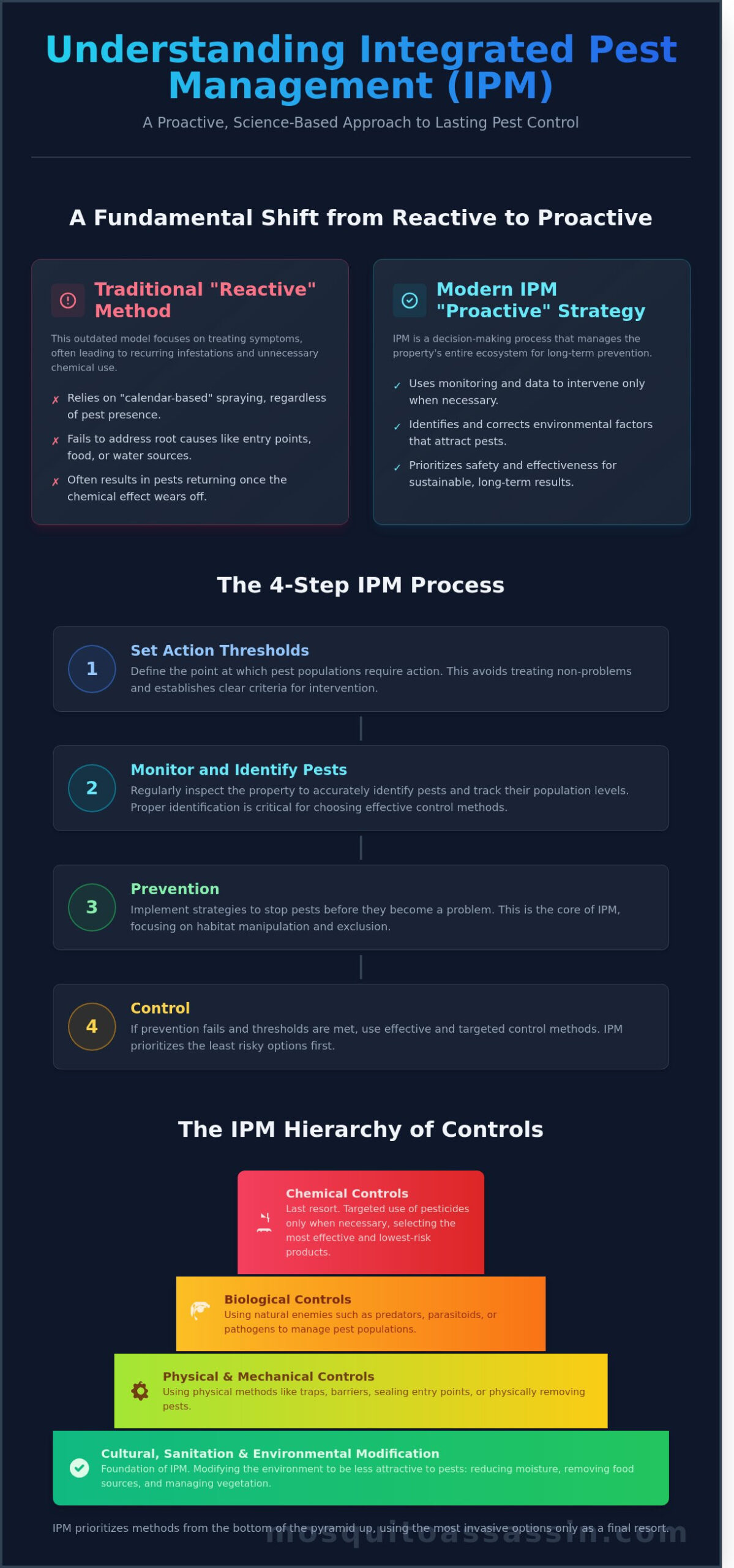
When homeowners ask what is integrated pest management (IPM), they’re often surprised to learn it isn’t a single product or service. Instead, Integrated pest management (IPM) is a science-based decision-making process that identifies and manages pest populations while minimizing risks to people, pets, and the environment. This method represents a major shift in the industry, moving away from reactive extermination toward a proactive, long-term strategy. Rather than simply treating a symptom, this approach manages the entire ecosystem of a property to prevent pests from finding food, water, or shelter in the first place.
The Environmental Protection Agency (EPA) emphasizes that IPM relies on a combination of common-sense practices. By using comprehensive information on the life cycles of pests and their interaction with the environment, professionals can manage pest damage by the most economical means. This strategy focuses on long-term prevention through a mix of techniques such as biological control, habitat manipulation, and the use of resistant varieties. It’s about working with nature to keep populations at manageable levels without relying solely on chemical intervention.
To better understand this concept, watch this helpful video:
The Core Philosophy of Sustainable Pest Control
The priority of a modern pest strategy is identifying the root cause of an infestation. Traditional “calendar-based” spraying methods, which were common in the mid-20th century, involved applying pesticides on a set schedule regardless of whether pests were actually present. IPM replaces this outdated model with regular monitoring and precise intervention. Professionals look for entry points, moisture issues, or food sources that attract insects and rodents. By balancing economic factors, public health, and environmental safety, this philosophy ensures that treatments are only applied when necessary and targeted exactly where they’ll be most effective.
Why IPM is the Standard for Modern Property Protection
For residential properties in Erie and Crawford counties, this approach builds a more resilient environment. Local weather patterns in Northwest Pennsylvania and Northeast Ohio often drive pests indoors during seasonal shifts. A proactive plan helps homeowners safeguard their structures before these migrations occur. This standard is equally critical for commercial pest control services, where maintaining a pest-free reputation is vital for business continuity. Using these methods reduces the likelihood of recurring infestations by addressing the environmental factors that allowed the pests to thrive initially. Professional pest control may help reduce risk and provide peace of mind for property owners in the Ashtabula County area.
Disclaimer: The information provided on this blog is for general informational purposes only and is not intended as professional pest control advice. Conditions vary by property, environment, and location. Reading this content does not create a service agreement. For an inspection or professional recommendations, please contact Mosquito Assassin Pest Control LLC directly.
The Four Essential Steps of an IPM Program
Understanding what is integrated pest management (IPM) begins with recognizing that it’s a systematic process, not a random application of products. Every property in Erie and Crawford Counties has a unique ecosystem, meaning a cookie-cutter approach won’t work. Success depends on a customized plan that adapts to the specific structure and surrounding environment of the home. This method shifts the focus from a “one and done” mindset to an ongoing cycle of evaluation. Professional documentation is a key part of this workflow. It allows for tracking population trends over several months and identifying if a specific strategy needs adjustment based on real-time data.
The Environmental Protection Agency outlines the four essential steps of an IPM program to ensure long-term results. By following these established stages, property owners can address the root causes of infestations rather than just treating the visible symptoms. This structured approach ensures that interventions are only used when truly necessary, focusing on long-term prevention and sustainability.
Monitoring and Accurate Pest Identification
Effective control starts with knowing exactly what’s crawling in the walls. Misidentifying a pest often leads to wasted time and ineffective treatments because different species respond to different baits or exclusion methods. Monitoring tools, such as glue boards or pheromone traps, act as early warning systems. These tools help determine where pests are traveling and how many are present in a specific area. Understanding pest life cycles is equally important for timing. For instance, knowing that a certain species of cockroach produces an egg case every 20 to 25 days allows a professional to time follow-up visits perfectly to break the reproductive cycle. Without accurate identification, it’s impossible to implement a truly effective management plan.
Setting Action Thresholds for Intervention
Properly implementing what is integrated pest management (IPM) involves setting an action threshold. This is the specific point where pest activity becomes a nuisance, a health hazard, or an economic threat. It’s the moment when a response is required. Finding a single ant in a kitchen doesn’t always require immediate chemical intervention; it might just mean a crumb needs to be swept up or a window seal needs a small repair. However, thresholds change based on the environment. A residential home in Ashtabula County may have a higher tolerance for occasional insects than a commercial food facility. In food processing, strict regulations often mandate a zero-tolerance policy for certain pests to ensure public safety. Establishing these levels helps prevent the unnecessary use of treatments while ensuring that action is taken before an infestation becomes unmanageable.
When these thresholds are met, professional pest control may help reduce risk by implementing targeted, science-based solutions.
Disclaimer: The information provided on this blog is for general informational purposes only and is not intended as professional pest control advice. Conditions vary by property, environment, and location. Reading this content does not create a service agreement. For an inspection or professional recommendations, please contact Mosquito Assassin Pest Control LLC directly.
The IPM Toolbox: Four Types of Control Methods
Understanding what is integrated pest management (IPM) requires viewing it as a tiered hierarchy of defense. Rather than jumping straight to chemical solutions, this framework utilizes a diverse toolbox to address the root causes of an infestation. This systematic approach ensures that interventions are effective, sustainable, and tailored to the specific environment of a home. By combining multiple strategies, technicians create a comprehensive barrier that is far more resilient than any single method used in isolation. Professional general pest control relies on this multi-layered strategy to protect properties in Erie and Crawford Counties from recurring issues.
Cultural and Physical Controls
Cultural controls are the first line of defense and focus on modifying human behavior to make a property less attractive to invaders. This involves strict sanitation practices, such as removing standing water or ensuring food is stored in airtight containers. Since many pests are opportunistic, removing their survival resources can drastically reduce population growth. Statistics from the Environmental Protection Agency (EPA) indicate that effective IPM programs can reduce the need for pesticides by 50 to 90 percent through these preventative measures alone.
Physical controls involve mechanical barriers that block entry or remove pests directly. Technicians prioritize exclusion tactics, such as installing door sweeps or using high-quality caulk to seal gaps. For larger intruders, professional rodent removal often starts with identifying and sealing every opening larger than 1/4 inch. Moisture control also plays a vital role here; maintaining gutters and fixing leaky pipes removes the damp environments where termites and silverfish thrive. Proper landscape maintenance, such as keeping mulch at least 12 inches away from the foundation, further eliminates the “bridges” pests use to enter a home.
Biological and Chemical Control Options
Biological control involves the use of natural enemies, such as predators, parasites, or pathogens, to manage pest populations. While this is more common in large-scale agricultural settings, it remains a core component of the broader definition of what is integrated pest management (IPM). In a residential context, this might include encouraging natural local predators or using specific microbial products that target larvae without affecting other beneficial insects.
Chemical control is the final tier of the IPM hierarchy. It’s used judiciously and only when other methods fail to keep a pest population below an acceptable threshold. When chemicals are necessary, professionals select targeted, low-toxicity options that minimize risk to residents and pets. Licensed technicians in Ashtabula County apply these treatments to specific cracks and crevices rather than performing broad, unnecessary sprays. This precision ensures that the “assassin” approach to pest management remains both definitive and responsible, safeguarding the home while effectively eradicating the threat.
Implementing IPM for Common Pests in Pennsylvania and Ohio
The humid continental climate of Northwest Pennsylvania and Northeast Ohio creates unique pest pressures for homeowners. In regions like Erie and Ashtabula, seasonal shifts dictate pest behavior with precision. When temperatures consistently rise above 50 degrees Fahrenheit, typically in late March or early April, biological activity for many species begins to accelerate. Understanding what is integrated pest management (IPM) helps residents adapt to these changes by focusing on long-term prevention rather than reactive measures. Local environmental factors, such as the high moisture levels near Lake Erie and the dense foliage of Crawford County, directly influence how pests move and reproduce. For residents looking to understand how these factors affect their specific community, the Mosquito Assassin location page provides context on the regional service area.
Managing Seasonal Mosquito and Tick Populations
Effective IPM for biting insects starts with source reduction. This process involves removing standing water where mosquitoes deposit eggs. A single discarded tire or a clogged gutter can host over 100 larvae in less than a cup of water. A science-based mosquito control program uses biological knowledge to disrupt these life cycles before insects reach the flying adult stage. For ticks, vegetation management is the primary defense. Keeping grass mowed to a height of 3 inches or less reduces the humid microclimates ticks need to survive. Creating a 3 foot wide barrier of wood chips or gravel between lawns and wooded areas serves as a physical deterrent that limits tick migration into high-traffic yard zones.
Long-Term Rodent Exclusion and Prevention
Older residential structures across the tri-county area often have foundation gaps or settling cracks that serve as entry points. A house mouse can squeeze through an opening as small as 0.25 inches, which is roughly the width of a pencil. A professional IPM strategy for rodents follows a rigorous three-step process: population removal, ongoing maintenance, and permanent exclusion. Exclusion involves sealing gaps with durable materials like steel wool or hardware cloth that pests cannot chew through. Sanitation is the most powerful tool in this process. By storing birdseed in metal bins and cleaning kitchen surfaces daily, homeowners reduce the environmental “carrying capacity,” making the property less attractive to scavengers. When physical barriers and cleanliness are prioritized, the reliance on chemical baits is significantly reduced.
Disclaimer: The information provided on this blog is for general informational purposes only and is not intended as professional pest control advice. Conditions vary by property, environment, and location. Reading this content does not create a service agreement. For an inspection or professional recommendations, please contact Mosquito Assassin Pest Control LLC directly.
The Role of Professional Expertise in IPM Success
While many homeowners attempt to handle pests independently, DIY methods often focus on reactive measures rather than the systematic approach required by what is integrated pest management (IPM). Professional expertise bridges the gap between temporary relief and long-term prevention. Licensed technicians utilize commercial-grade equipment and specialized knowledge that isn’t available to the general public. This ensures that treatments are applied precisely where they’re needed, reducing unnecessary exposure and maximizing effectiveness. Comprehensive pest management services provide the technical foundation for a successful IPM strategy by addressing the root causes of infestations.
Why Professional Inspections are Vital
A professional inspection is the cornerstone of any IPM program. Trained eyes can identify subtle indicators of pest activity that often go unnoticed by residents. For instance, a technician might spot specialized fecal spotting from bed bugs or the specific “kick-out” holes of wood-boring insects. Beyond spotting the pests themselves, professionals evaluate structural vulnerabilities. This includes identifying gaps in foundations or moisture-damaged wood that invite infestations. According to the National Pest Management Association, pests cause billions in property damage annually, much of which begins with undetected entry points. Based on inspection findings, a customized plan is developed. This plan addresses the unique biology of the pest and the specific layout of the property, rather than relying on a one-size-fits-all solution.
Maintaining Pest-Free Environments Year-Round
Pest activity changes with the seasons, especially in regions like Erie and Crawford Counties in Pennsylvania or Ashtabula County in Ohio. A successful application of what is integrated pest management (IPM) requires ongoing monitoring and adjustments. Follow-up visits allow professionals to track the success of previous interventions and detect new threats before they become full-blown infestations. Professional-grade monitoring tools can detect activity behind walls or in crawlspaces that homeowners rarely access. Consistent management is the most reliable way to ensure a home remains a protected environment throughout the year. For those seeking an inspection or professional recommendations, contacting a local professional is a practical next step to secure a property against seasonal invaders.
Achieving Long Term Protection Through IPM
Successful pest control relies on a systematic approach rather than a single application. Understanding what is integrated pest management (IPM) allows property owners to utilize a scientific, four-step management process that combines inspection, monitoring, and diverse control methods. This strategy effectively reduces pest populations while minimizing environmental impact through biological, cultural, and physical interventions. By focusing on the root causes of an infestation, this method provides a sustainable alternative to traditional reactive treatments.
In regions like Erie and Crawford Counties in Pennsylvania, or Ashtabula County in Ohio, local conditions dictate specific pest pressures. Licensed and insured experts from locally owned operations in Cranesville, Pennsylvania, provide the professional oversight needed to execute these complex plans. Taking proactive steps today can prevent significant property damage and health risks in the future. To begin securing a property, residents can schedule a professional property inspection via the online portal at mosquitoassassin.com. Professional expertise is a reliable way to maintain a comfortable, pest-free environment throughout the year.
Disclaimer: The information provided on this blog is for general informational purposes only and is not intended as professional pest control advice. Conditions vary by property, environment, and location. Reading this content does not create a service agreement. For an inspection or professional recommendations, please contact Mosquito Assassin Pest Control LLC directly.
Frequently Asked Questions
Is Integrated Pest Management (IPM) the same as organic pest control?
Integrated Pest Management (IPM) is not the same as organic pest control, though they share common goals regarding environmental safety. While organic control relies strictly on naturally derived products, what is integrated pest management (IPM) is a comprehensive strategy that uses biological, cultural, physical, and chemical tools. It prioritizes the least toxic methods first but allows for synthetic treatments when they’re necessary to protect a structure from damage or health risks.
Does IPM mean that pesticides are never used on my property?
Pesticides are still a component of an IPM strategy, but they aren’t the first or only line of defense. In an IPM framework, professionals only apply pesticides when monitoring shows that pest populations have reached a specific action threshold. These applications are targeted to specific areas rather than being used as broad, calendar-based sprays. This approach ensures that chemicals are used efficiently and only when other methods like exclusion or sanitation fail.
How long does it take for an IPM program to show results?
Most homeowners see a noticeable reduction in pest activity within 7 to 14 days of implementing an IPM plan. Because this method addresses the root causes of an infestation, such as food sources or entry points, it may take longer than traditional sprays to achieve total elimination. However, the results are more sustainable. Research from the Environmental Protection Agency (EPA) suggests that long-term IPM programs can reduce pest complaints by up to 90 percent.
Can I implement Integrated Pest Management on my own without a pro?
Homeowners can perform the foundational steps of IPM, such as sealing gaps and managing waste. Success often starts with simple tasks like installing door sweeps or fixing leaky pipes that provide water to insects. While DIY efforts are helpful for prevention, complex infestations in Erie and Crawford Counties often require professional expertise to accurately identify species. Professional pest control may help reduce risk, and more information is available at https://portal.gorilladesk.com/mosquitoassassin.
Is Integrated Pest Management safer for my children and pets?
IPM is designed to minimize risks to human health and the environment by reducing unnecessary chemical exposure. By focusing on non-chemical methods like trapping and exclusion, the amount of pesticide residue in living spaces is significantly lowered. The strategy involves applying products in cracks, crevices, or bait stations where pets and children cannot easily reach them. This targeted approach aligns with safety guidelines while still effectively managing pest populations in the home.
Why is pest identification so important in the IPM process?
Accurate identification is the most critical step because different pests require vastly different management strategies. For example, treating a carpenter ant infestation requires a different approach than managing nuisance pavement ants. Identifying the specific species ensures that the chosen control method is effective, which prevents the waste of resources and unnecessary chemical applications. Understanding what is integrated pest management (IPM) involves recognizing that every pest has a unique biology and set of behaviors.
What are some examples of cultural controls I can use at home?
Cultural controls are practices that reduce pest survival and reproduction by changing the environment. Examples include keeping firewood at least 20 feet away from the foundation and ensuring that mulch is not touching the siding of the house. Inside the home, storing food in airtight containers and cleaning crumbs from under appliances are effective cultural controls. These simple adjustments remove the resources that pests need to thrive, making the property less attractive to invaders.
How often should a property be monitored under an IPM plan?
Properties should generally be monitored on a monthly or quarterly basis. This frequency helps catch potential issues before they become full-blown infestations. Seasonal changes in Pennsylvania and Ohio often trigger new pest behaviors, making regular checks essential. Monitoring involves checking traps, inspecting entry points, and looking for signs of activity like droppings. Consistent oversight allows for small adjustments to the plan, ensuring the home remains protected throughout the year.
Disclaimer: The information provided on this blog is for general informational purposes only and is not intended as professional pest control advice. Conditions vary by property, environment, and location. Reading this content does not create a service agreement. For an inspection or professional recommendations, please contact Mosquito Assassin Pest Control LLC directly.