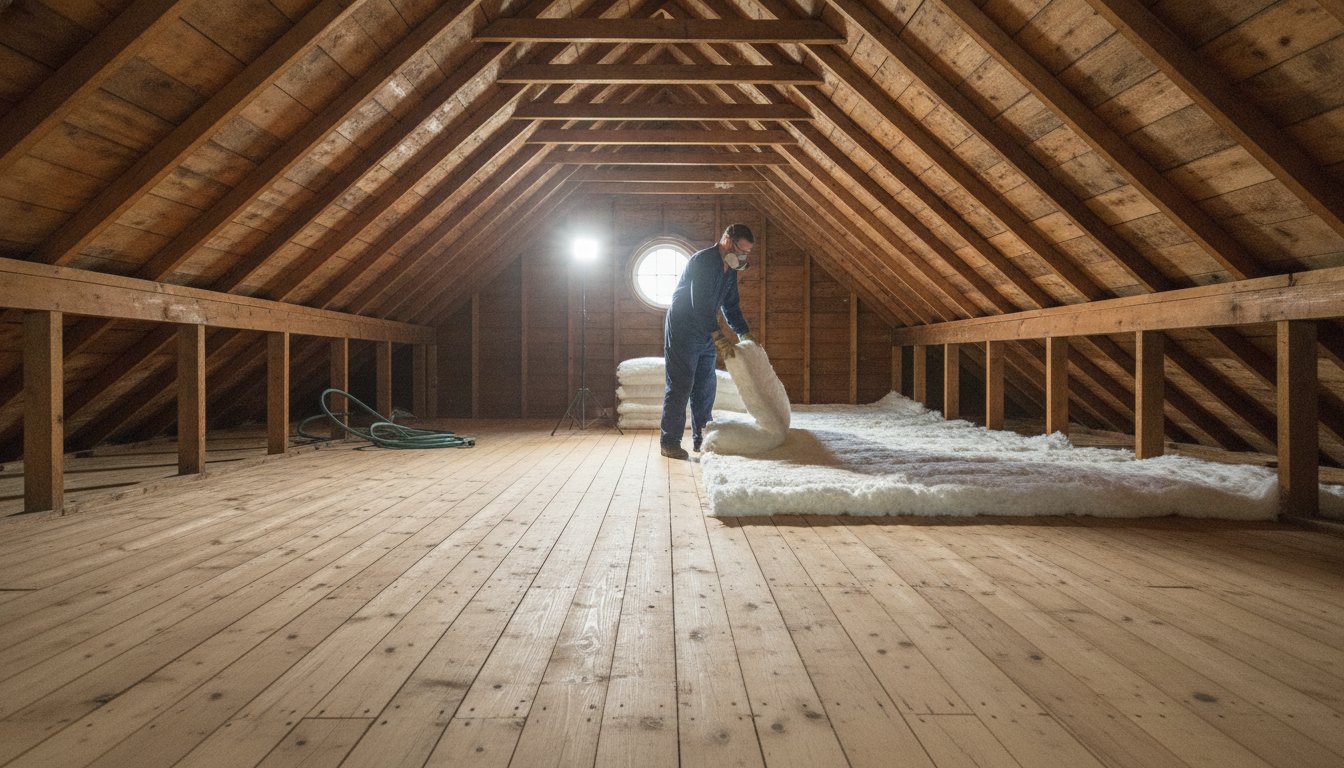
The real danger of a rodent infestation doesn’t leave when the pests do; it lingers in the very air you breathe. For homeowners in Erie and Crawford Counties in Pennsylvania or Ashtabula County in Ohio, discovering a nest is stressful, but the biological aftermath is where the true risk lies. It’s common to feel overwhelmed by persistent foul odors or the fear of respiratory illnesses caused by disturbed droppings. You deserve a home that’s safe, and you likely want your energy efficiency restored after insulation has been soiled or damaged.
This guide outlines the essential steps for thorough attic decontamination after rats to help you safely neutralize biohazards and restore your living space. You’ll learn how professional sanitation protocols address biological signals that attract future pests, the importance of proper safety equipment, and how to handle contaminated insulation according to modern standards. By following professional best practices, property owners can transition from a state of anxiety to a state of resolution, ensuring the health and security of everyone under their roof.
Disclaimer: The information provided on this blog is for general informational purposes only and is not intended as professional pest control advice. Conditions vary by property, environment, and location. Reading this content does not create a service agreement. For an inspection or professional recommendations, please contact Mosquito Assassin Pest Control LLC directly.
Key Takeaways
- Understand why removing rodents is only the first step and how pathogens in droppings can remain active and dangerous long after the infestation ends.
- Learn the critical risks associated with DIY cleaning, including how improper vacuuming during attic decontamination after rats can spread airborne contaminants through your home’s HVAC system.
- Discover the professional standards for sanitation that involve containment strategies and the use of specialized antimicrobial agents to neutralize biological signals.
- Identify why soiled or compressed insulation must be replaced to protect indoor air quality and maintain energy efficiency during harsh Pennsylvania and Ohio winters.
- Get practical tips for long-term maintenance and monitoring to ensure your attic remains a clean, rodent-free environment year-round.
Why Attic Decontamination is Essential After a Rat Infestation
Removing the rodents is only the first half of the battle. The mess they leave behind is a biological hazard that continues to impact a home long after the traps are removed. Attic decontamination after rats is the specific process of removing biohazards and neutralizing the odors rodents use to communicate. It’s a critical safety protocol because rat droppings and urine contain pathogens that remain active and infectious even after the animals themselves are gone. Without professional intervention, these materials dry out and crumble, allowing microscopic particles to circulate through the home.
To better understand this concept, watch this helpful video:
Leaving an attic in a contaminated state often invites secondary problems. Decaying organic matter and waste act as a food source for other pests. It isn’t uncommon for homeowners in Erie or Ashtabula to deal with sudden outbreaks of cockroaches or carpet beetles following a rodent issue. These insects are drawn to the protein and oils found in rodent waste, turning a single pest problem into a multi-species infestation that affects the entire structure.
Health Risks Associated with Rodent Waste
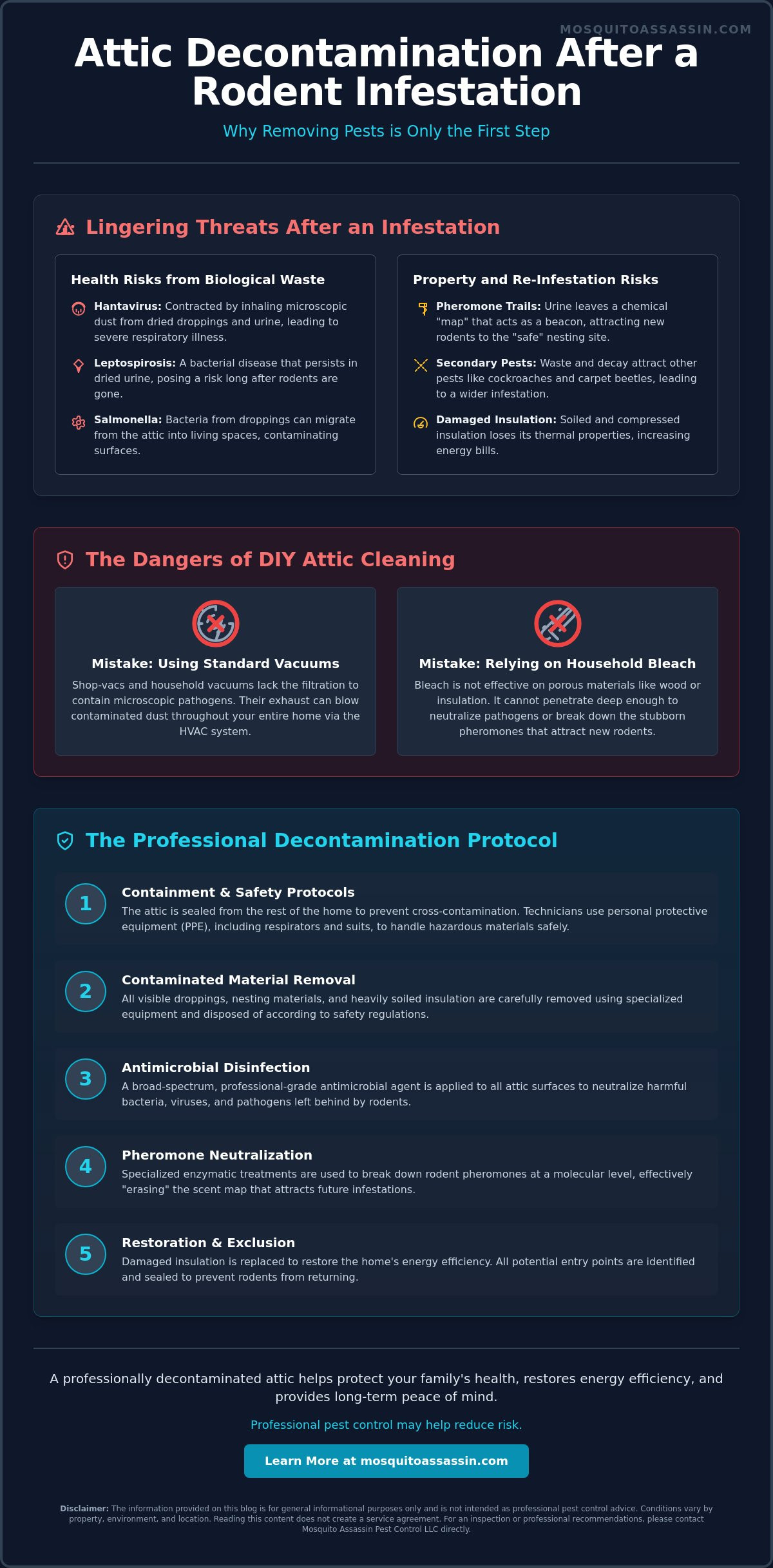
The primary driver for professional cleaning is the mitigation of serious health risks like Hantavirus. This respiratory illness can be contracted by simply inhaling dust that has been contaminated with rodent urine or droppings. Other threats include Leptospirosis, which can persist in dried urine trapped within insulation layers for extended periods. Because many attics have air gaps around light fixtures or plumbing stacks, bacteria like Salmonella can easily migrate from the attic into the main living areas, potentially contaminating surfaces where families eat and sleep.
The Role of Pheromones in Re-infestation
Rats don’t just leave a mess; they leave a map. They use urine trails to mark safe paths and designate nesting sites for their colony. These pheromones act as a powerful chemical beacon for other rodents in the neighborhood. Even if every entry point is sealed, new rats may be relentlessly driven to chew through wood or siding to reach the established “safe” scent of a previous nest. Simple household cleaners don’t have the chemical properties to break down these deep-seated pheromones. Professional attic decontamination after rats requires specialized enzymatic treatments that neutralize these signals at a molecular level, effectively “deleting” the map and preventing future colonies from being drawn to the property.
Disclaimer: The information provided on this blog is for general informational purposes only and is not intended as professional pest control advice. Conditions vary by property, environment, and location. Reading this content does not create a service agreement. For an inspection or professional recommendations, please contact Mosquito Assassin Pest Control LLC directly.
The Dangers of DIY Attic Cleaning and Common Mistakes
Many property owners in Erie and Crawford Counties assume that a shop vac and a bottle of bleach are sufficient to handle the aftermath of an infestation. This is a dangerous misconception. Attempting attic decontamination after rats without professional grade equipment often causes more harm than the rodents did themselves. Standard household vacuums, including those marketed with basic HEPA filters, are not designed to contain microscopic viral pathogens. Instead of removing the hazard, the vacuum’s exhaust vent can blast these particles directly into the air of your living space, contaminating rooms far away from the attic.
Another common error is the over-reliance on household bleach. While bleach is an effective surface disinfectant for non-porous materials, it fails to penetrate the porous surfaces found in most attics. Wooden rafters, joists, and fiberglass insulation are highly absorbent. Bleach often sits on the surface while the bacteria and pheromones remain deeply embedded within the material. This leaves the biological hazard intact and the chemical signals for re-infestation active.
The Hazard of Aerosolization
Aerosolization occurs when dried, microscopic waste particles become airborne. This happens instantly when you sweep or vacuum dry droppings. These particles are incredibly light and can remain suspended in the air for several hours. Once airborne, they are easily pulled into the home’s HVAC system and circulated through every vent. Following public health guidance on rodent control requires misting all waste with a disinfectant solution to dampen it before any movement occurs. This saturation prevents dust from rising and keeps pathogens trapped in the liquid until they can be safely removed.
Inadequate Protective Gear
A simple paper dust mask provides zero protection against the viral pathogens found in rodent waste. Professional attic decontamination after rats requires P100 or N95 respirators that are specifically fitted to the user to ensure a perfect seal. Without this, you are breathing in concentrated biohazards. Proper protection also includes:
- Full-body Tyvek suits: These prevent contaminants from clinging to your clothing and being tracked into your car or living areas.
- Non-porous gloves: Standard work gloves absorb urine and bacteria; professionals use chemical-resistant, disposable layers.
- Eye protection: Pathogens can enter the body through the mucous membranes of the eyes if contaminated dust is disturbed.
Protecting your family from these invisible risks is a priority. If you’re concerned about the safety of your home, consulting a professional rodent control service can provide a safe and definitive path toward a healthy environment.
Disclaimer: The information provided on this blog is for general informational purposes only and is not intended as professional pest control advice. Conditions vary by property, environment, and location. Reading this content does not create a service agreement. For an inspection or professional recommendations, please contact Mosquito Assassin Pest Control LLC directly.
The Professional Attic Decontamination Process
The industry standard for professional attic decontamination after rats is a systematic, multi-stage protocol that utilizes industrial-grade, EPA-approved antimicrobial agents specifically formulated to neutralize rodent-borne pathogens and pheromones. This process is far more rigorous than a standard household cleaning; it is a technical restoration designed to return the attic to a sanitary, pre-infestation state. By following a disciplined sequence of containment, removal, and sterilization, property owners can ensure that invisible biological threats are fully eliminated from the structure.
Containment and Preparation
Before any waste is disturbed, a secure physical barrier must be established. Professionals use heavy-duty plastic sheeting to seal the attic entrance, creating a vestibule that prevents cross-contamination with the rest of the home. To maintain air quality, negative air machines equipped with HEPA filtration are often deployed. These machines pull air out of the attic and vent it safely outside, ensuring that any microscopic dust disturbed during the process cannot migrate into living areas. Additionally, every HVAC vent and plumbing stack is sealed to prevent pathogens from entering the home’s climate control system.
Once the environment is stabilized, the removal of large-scale waste begins. This includes the extraction of heavily soiled insulation, nesting materials, and any rodent carcasses. Removing the bulk of the contaminated material is essential, as these items often harbor the highest concentration of pathogens. Following the bulk removal, a fine-cleaning phase involves the use of specialized HEPA vacuums. Unlike standard equipment, these vacuums are designed to capture 99.97 percent of particles as small as 0.3 microns, effectively stripping away the fine dust that settles on joists and floorboards.
Professional Sanitization Methods
The final and most critical phase of attic decontamination after rats is the application of antimicrobial treatments. While surface sprays are used for accessible areas, thermal fogging is often necessary to reach deep into wall voids, crevices, and tight corners where liquid sprays cannot penetrate. This fogging process suspends disinfectant particles in the air, allowing them to settle on every square inch of the attic’s interior surfaces.
Enzyme-based cleaners are the preferred choice for this stage because they are engineered to break down the specific proteins found in rodent urine and feces. By dissolving these proteins, the cleaners effectively neutralize the pheromone trails that would otherwise attract new colonies. It is vital that the disinfectant used is specifically labeled for rodent-borne pathogens to ensure the environment is truly sanitized. This methodical approach provides a level of security that simple cleaning cannot match, protecting the long-term health of households in Erie and Crawford Counties.
Disclaimer: The information provided on this blog is for general informational purposes only and is not intended as professional pest control advice. Conditions vary by property, environment, and location. Reading this content does not create a service agreement. For an inspection or professional recommendations, please contact Mosquito Assassin Pest Control LLC directly.
Insulation Replacement and Rodent Exclusion
Completing the decontamination phase is a victory for your home’s hygiene, but the physical restoration of the attic space is what ensures long term safety. Soiled insulation cannot simply be vacuumed or “refreshed” with a spray. Because fiberglass and cellulose are highly porous, they act like a sponge for rodent urine and fecal matter. Even after the pathogens are neutralized, the physical degradation of the material remains. Replacing these materials is the only way to fully remove the biological load and the lingering odors that can permeate through your ceiling and into your living areas.
The structural damage caused by rodents also has a direct impact on your wallet. During the harsh winters in Erie and Crawford Counties in Pennsylvania or Ashtabula County in Ohio, your attic insulation is your primary defense against heat loss. Rats are notorious for tunneling through batts and compressing blown-in insulation to create nesting chambers. This activity destroys the R-value (the measure of thermal resistance) of the material. When insulation is flattened or filled with air pockets from tunneling, your heating system has to work significantly harder to maintain a comfortable temperature.
Identifying Damaged Insulation
When assessing the state of your attic, look for visible urine “spotting” which often appears as dark or yellowish discolorations on the top of the insulation. You may also find shredded paper, cardboard, or bits of plastic that rodents have carried in to build nests. These materials are fire hazards and signs of a compromised thermal barrier. Installing new, pest-resistant insulation materials after a thorough attic decontamination after rats provides a fresh start for your home’s energy profile and air quality. It also allows for a clear view of the attic floor to ensure no entry points were missed during the initial inspection.
Permanent Exclusion Strategies
A professional cleanup is only as good as the barriers that prevent a repeat infestation. This process, known as exclusion, involves sealing every potential gap in your roofline, soffits, and gable vents. It is essential to use chew-proof materials like steel mesh or hardware cloth. Many homeowners make the mistake of using expanding foam, which rats can chew through in seconds. Proper attic ventilation must be maintained during this process to prevent moisture buildup, which can lead to mold and attract other pests. For a deeper look at how to secure your property, you can read this rodent removal guide for more on exclusion.
Securing your home requires a methodical approach that addresses both the mess and the entry points. If you are dealing with the aftermath of an infestation, a professional rodent control service can help you reclaim your space and restore your peace of mind.
Disclaimer: The information provided on this blog is for general informational purposes only and is not intended as professional pest control advice. Conditions vary by property, environment, and location. Reading this content does not create a service agreement. For an inspection or professional recommendations, please contact Mosquito Assassin Pest Control LLC directly.
Maintaining a Pest-Free and Sanitized Attic
Once the biological hazards are removed and the physical structure is restored, the focus shifts to long term prevention. In Western Pennsylvania and Northeast Ohio, the sharp drop in temperature during late September and October triggers a massive migration of rodents toward heated structures. An attic that has undergone attic decontamination after rats is a clean slate, but it remains a target if the exterior of the home isn’t properly maintained. Keeping tree branches trimmed at least six feet away from the roofline is a simple yet effective way to eliminate “rodent highways” that lead directly to your gutters and soffits.
Homeowners should also stay vigilant by monitoring for any signs of new activity. This includes looking for fresh droppings, which will appear dark and moist compared to old, gray waste, or new gnaw marks on wooden supports and electrical wiring. If you notice these signs, it’s a signal that the exclusion barriers may have been compromised by house settling or environmental wear. Year-round protection plans provide the necessary oversight to catch these issues before they escalate into a repeat infestation.
Seasonal Inspection Checkpoints
Autumn is the most critical time for a proactive checkup. Before the first hard frost hits Crawford County, conduct a thorough perimeter check of the attic’s interior. Focus specifically on utility penetrations where pipes or wires enter the siding, as these are common failure points. You should also inspect the chimney flashing and ensure that all attic fans or vents remain covered with heavy-duty, intact screening. Small gaps can easily develop over time due to the intense freeze-thaw cycles common in the Erie and Ashtabula regions, providing a perfect entry point for opportunistic pests.
When to Seek Professional Assistance
While routine visual checks are a great habit, some vulnerabilities are invisible to the untrained eye. If you discover a breach or feel uncomfortable navigating the tight spaces of your attic, seeking professional help is the safest course of action. Recognizing when an infestation has exceeded the limits of safe DIY intervention protects your health and prevents costly structural damage. A professional general pest control assessment can identify hidden nesting sites and weak points in your home’s exterior that you might have missed.
Professional pest control may help reduce risk and ensure your home remains a healthy environment for your family. For a detailed evaluation of your property or to address any concerns about your attic’s condition, visit mosquitoassassin.com/contact-us for an inspection.
Disclaimer: The information provided on this blog is for general informational purposes only and is not intended as professional pest control advice. Conditions vary by property, environment, and location. Reading this content does not create a service agreement. For an inspection or professional recommendations, please contact Mosquito Assassin Pest Control LLC directly.
Reclaiming Your Home and Health
Securing your home from the biological aftermath of a rodent infestation is a critical step in protecting your family’s health and your property’s value. Effective attic decontamination after rats requires a methodical approach that combines industrial-grade sanitation with permanent exclusion strategies. By replacing soiled insulation and sealing structural gaps, you neutralize the pheromone trails that invite future colonies and restore the energy efficiency of your home. It’s a task that demands technical expertise and the right protective equipment to avoid aerosolizing dangerous pathogens.
Licensed pest control professionals utilize a comprehensive three-step rodent control process to ensure every biohazard is addressed safely. Serving Erie and Crawford Counties in Pennsylvania and Ashtabula County in Ohio, these local experts understand the specific seasonal challenges of the region. Taking decisive action now prevents the spread of illness and provides long term peace of mind for your household. You don’t have to face these risks alone.
For an inspection or professional recommendations, please contact Mosquito Assassin Pest Control LLC directly. Reclaiming your attic is the final step in ensuring your home remains a safe, secure sanctuary for years to come.
Disclaimer: The information provided on this blog is for general informational purposes only and is not intended as professional pest control advice. Conditions vary by property, environment, and location. Reading this content does not create a service agreement. For an inspection or professional recommendations, please contact Mosquito Assassin Pest Control LLC directly.
Frequently Asked Questions
Is it safe to go into my attic if I know rats were there?
Entering a contaminated attic without professional grade personal protective equipment is generally unsafe. Disturbing dried droppings or nesting materials can cause microscopic pathogens to become airborne instantly. Once these particles are suspended in the air, you risk inhaling them, which is a primary transmission route for several serious respiratory illnesses.
Can I just use bleach to clean up rat droppings?
Bleach is an ineffective solution for the porous materials typically found in an attic, such as wooden joists and fiberglass insulation. While it may kill surface bacteria, bleach cannot penetrate deep enough to neutralize embedded pathogens or pheromones. Additionally, bleach doesn’t break down the organic proteins in rodent waste, leaving behind the chemical signals that attract new pests.
How long do rat pheromones stay in an attic?
Rodent pheromones are incredibly resilient and can persist for several years if they aren’t chemically neutralized. These scent markers act as a permanent map for other rodents in the neighborhood, signaling that your attic is a safe nesting site. Professional attic decontamination after rats involves using enzymatic cleaners that specifically dissolve these protein based markers to prevent future infestations.
Should I remove all the insulation after a rat infestation?
Heavily soiled, compressed, or tunneled insulation should always be removed and replaced. Because insulation is highly absorbent, it’s impossible to fully sanitize it once it has been contaminated with urine or feces. Removing the material is the only way to ensure the biological load is gone and to restore the thermal efficiency of your home in Pennsylvania or Ohio.
What kind of respirator do I need for cleaning rat droppings?
A fit-tested N95 or P100 respirator is the minimum requirement for safely handling rodent waste. Standard paper dust masks do not provide a tight enough seal and aren’t designed to filter out microscopic viral pathogens. Using the wrong mask can provide a false sense of security while still allowing you to breathe in concentrated, hazardous dust particles.
How much does professional attic decontamination typically cost?
The cost of attic decontamination after rats depends on several factors, including the square footage of the space and the severity of the biological damage. Other variables include the type of insulation being removed and the amount of structural exclusion work required to seal entry points. A professional inspection is necessary to provide an accurate assessment based on your property’s specific conditions.
Can rat droppings in the attic make me sick downstairs?
Pathogens from the attic can migrate into your main living areas through air gaps around light fixtures, plumbing stacks, and attic hatches. When dust from dried droppings is disturbed by air movement, it can also be pulled into the HVAC system and circulated through every room. This cross contamination makes it possible for an attic problem to impact the air quality of the entire home.
What is the best disinfectant for rodent urine and feces?
The professional standard involves using EPA-approved, broad-spectrum disinfectants that are specifically labeled for rodent-borne pathogens. These specialized formulas are often paired with enzymatic cleaners that break down organic matter at a molecular level. Unlike household cleaners, these industrial grade solutions are designed to neutralize both the health hazards and the pheromones that lead to re-infestation.
Disclaimer: The information provided on this blog is for general informational purposes only and is not intended as professional pest control advice. Conditions vary by property, environment, and location. Reading this content does not create a service agreement. For an inspection or professional recommendations, please contact Mosquito Assassin Pest Control LLC directly.