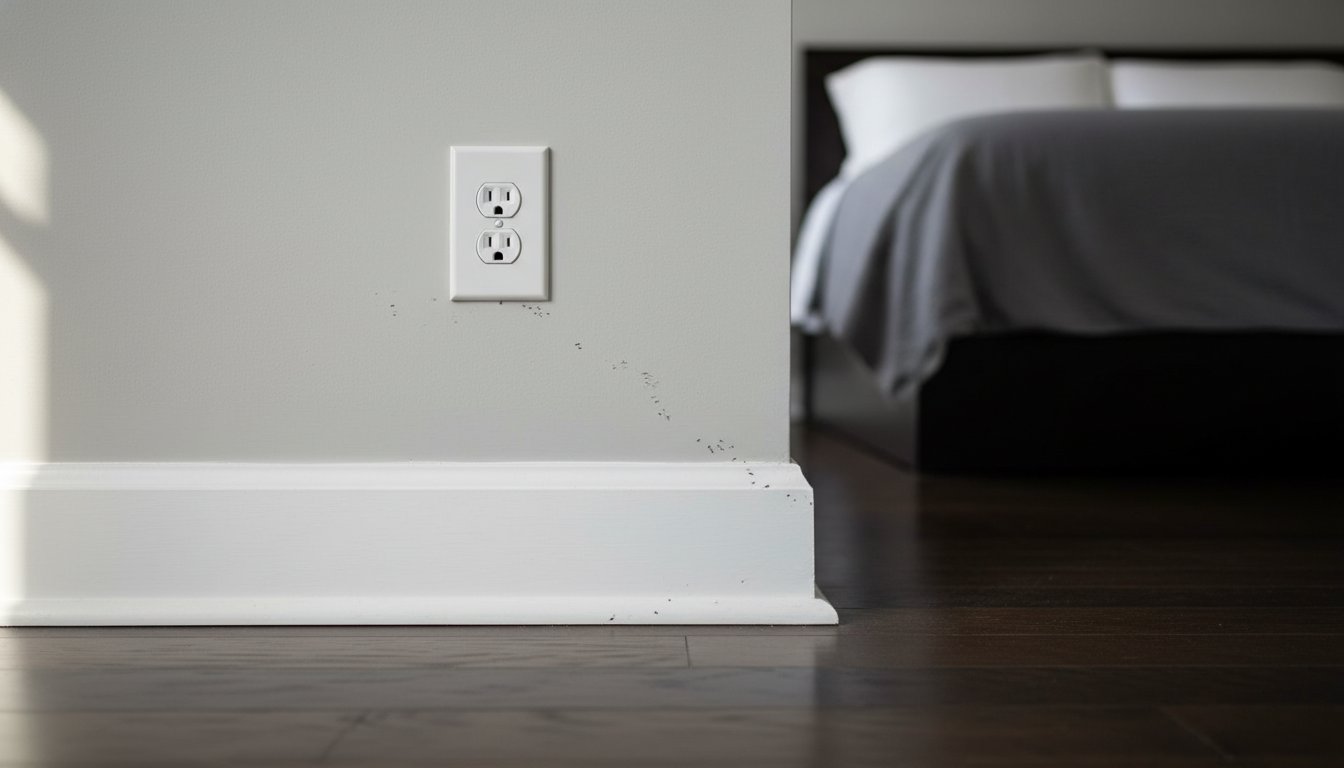
A single pregnant female can lead to an infestation of over 13,000 bed bugs in just six months. This staggering statistic is why many homeowners in Erie, Crawford, and Ashtabula counties feel an immediate sense of urgency when they suspect a problem. You are likely wondering exactly how fast do bed bugs spread from one bedroom to the next, especially when you’re worried about the safety of your children or the potential cost of a whole-home treatment. It’s common to feel overwhelmed by the confusion of whether these pests are crawling through your floorboards or hitching a ride on your clothing.
We recognize that facing an infestation is a high-stakes situation that requires a methodical approach. You deserve to know the biological and mechanical factors that determine how quickly these pests move through a property. This article provides a clear timeline of infestation growth and highlights actionable signs that the spread is worsening. By understanding the difference between a lone traveler and an established colony, you can make informed decisions to protect your household and restore your peace of mind.
Disclaimer: The information provided on this blog is for general informational purposes only and is not intended as professional pest control advice. Conditions vary by property, environment, and location. Reading this content does not create a service agreement. For an inspection or professional recommendations, please contact Mosquito Assassin Pest Control LLC directly.
Key Takeaways
- Bed bugs are efficient crawlers that move at a rate of approximately five feet per minute, allowing them to traverse a standard bedroom in a very short amount of time.
- Understanding how fast do bed bugs spread requires looking at their reproductive cycle, as a single female can lead to a colony of thousands in just a few months.
- Temperature plays a critical role in development; central heating in regions like Pennsylvania and Ohio allows infestations to grow steadily throughout the winter.
- Infestations often migrate beyond the mattress to adjacent furniture and neighboring rooms via electrical outlets and wall voids within just a few weeks.
- Conducting a thorough inspection of upholstery and curtains near the primary sleeping area can help identify if the population has already begun to expand its radius.
Understanding Bed Bug Locomotion and Travel Speed
Bed bugs are often misunderstood as pests that can jump like fleas or fly like mosquitoes. In reality, their movement is strictly limited to crawling. This fundamental aspect of bed bug characteristics explains why they are so reliant on human behavior to travel long distances. While they lack wings, they are surprisingly agile on their six legs, allowing them to navigate complex environments with ease.
On average, an adult bed bug can travel at a speed of about five feet per minute. In a standard bedroom, this means a bug can move from a baseboard to your mattress in under sixty seconds. Because they are primarily nocturnal, they use the cover of darkness to navigate toward a host. They identify their targets by sensing body heat and the carbon dioxide we exhale while sleeping. This biological GPS allows them to find a meal with precision while residents remain completely unaware of the activity.
This behavior is a survival mechanism designed to keep them hidden. Bed bugs don’t just wander aimlessly; they stay tucked away in cracks and crevices during the day to avoid detection. Their ability to remain undetected while moving is what makes an early infestation so difficult to spot. By the time a homeowner sees a bug crawling in broad daylight, the population has likely reached a point of significant overcrowding, forcing individuals to seek new hiding spots.
To better understand this concept, watch this helpful video:
Mechanical vs. Biological Spread
To fully grasp how fast do bed bugs spread, you must distinguish between their natural movement and human-assisted transport. Biological spread occurs when the bugs crawl between rooms through wall voids or under doors. This is a relatively slow and steady process. In contrast, mechanical spread happens when they hitchhike on luggage, backpacks, or clothing. This method is nearly instantaneous and accounts for the majority of new infestations.
In regional hubs like Erie, Meadville, and Ashtabula, common transit points include high-turnover environments like hotels, public transportation, and shared laundry facilities. A single trip to a laundromat can result in a bug being transported miles away in minutes. Furthermore, movement between multi-family housing units is a major factor. Bed bugs can crawl through the plumbing gaps or electrical wiring that connects apartments, meaning an infestation in one unit can become a building-wide issue if not addressed decisively.
The Limitations of Bed Bug Mobility
Despite their agility, certain physical barriers can hinder their progress. They struggle to climb smooth surfaces like polished metal or high-quality plastic. This is why interceptor traps placed under bed legs can be effective at stopping their journey to the mattress. Surface texture also plays a role; deep, shag carpeting requires more energy to navigate than hardwood or laminate flooring, which can slightly slow their travel speed between rooms.
Most importantly, bed bugs are biologically programmed to stay close to their food source. Research suggests they prefer to remain within eight feet of a sleeping host. They only begin to wander further when the population becomes overcrowded or the host is no longer present. If you suspect they have moved beyond the bedroom, professional pest control may help reduce risk. For an inspection or professional recommendations, you can reach out through the services portal to identify the extent of the movement.
Disclaimer: The information provided on this blog is for general informational purposes only and is not intended as professional pest control advice. Conditions vary by property, environment, and location. Reading this content does not create a service agreement. For an inspection or professional recommendations, please contact Mosquito Assassin Pest Control LLC directly.
The Biological Clock: How Fast Bed Bug Populations Multiply
While their physical movement is quick, the true engine behind an infestation is their reproductive speed. A single female bed bug is a biological powerhouse, capable of laying between one and five eggs every single day. Over the course of her life, this can total more than 500 eggs. These eggs are resilient, coated in a sticky substance that allows them to adhere to the undersides of furniture, deep within mattress seams, or inside electrical outlets where they remain protected from casual cleaning.
The journey from a freshly laid egg to a reproductive adult typically takes between 21 and 35 days, depending heavily on environmental factors for bed bugs. During this development, nymphs must pass through five distinct stages. Each stage requires a successful blood meal to molt and progress to the next level. Without this nourishment, the lifecycle pauses, but the pest does not necessarily die; adult bed bugs are famously hardy and can survive for up to a year without feeding.
When you analyze how fast do bed bugs spread, the numbers become staggering. An infestation can grow from just two insects to over 13,000 in only six months. This exponential growth is why early intervention is so critical for property owners in Erie and Crawford counties. If the biological clock is allowed to run uninterrupted, a minor nuisance quickly transforms into a structural crisis.
Reproductive Rates and Egg Laying Patterns
Bed bugs don’t leave their eggs in the open. They tuck them into tight, dark spaces to ensure maximum survival rates. In the temperate climates of Northwest Pennsylvania and Northeast Ohio, indoor heating provides the perfect year-round incubator. Higher temperatures accelerate their metabolism, shortening the time it takes for a nymph to become an egg-laying adult. This creates a feedback loop where the population expands faster as the home gets warmer.
The “Silent” Phase of Infestation
Most residents don’t realize they have a problem for the first 30 to 60 days. During this silent phase, the population is small enough that bites may be dismissed as skin irritation or mosquito activity. By the time you find a live bug, you are likely looking at a multi-generational colony that has already begun to migrate. Under optimal conditions, a bed bug population can double in size every sixteen days. Discovering this reality can be a significant psychological burden for families, but identifying the growth early allows for a more focused resolution. If you suspect your home has reached this stage, professional bed bug treatment may help reduce the risk of further expansion.
Disclaimer: The information provided on this blog is for general informational purposes only and is not intended as professional pest control advice. Conditions vary by property, environment, and location. Reading this content does not create a service agreement. For an inspection or professional recommendations, please contact Mosquito Assassin Pest Control LLC directly.

Timelines of Infestation: From One Bed to the Entire Property
Bed bugs are experts at finding secure hiding spots within a few feet of their food source. Within days of an initial introduction, they will migrate from the mattress seams to the bed frame, headboard, and nearby nightstands. If left unaddressed for two to four weeks, the population often begins to explore the perimeter of the room, seeking out baseboards and even the folds of curtains. This initial radius is the most critical time for intervention before the problem expands beyond the primary sleeping area.
The transition from a single infested room to the rest of the property depends largely on population density. Once the primary hiding spots become overcrowded, bed bugs use electrical outlets, wall voids, and plumbing gaps to access adjacent rooms. This structural spread can happen in as little as three to five weeks. In multi-family properties and apartment buildings across Ashtabula and Erie, this spread is often accelerated by shared walls and common ventilation systems, allowing a single unit’s problem to become a building-wide issue.
Shared laundry facilities are another high-risk environment for rapid transmission. While the heat of a commercial dryer is effective at killing all life stages of the pest, the journey to and from the laundry room provides ample opportunity for spread. Bed bugs can easily crawl out of a laundry basket or hitch a ride on a neighbor’s folding table. In these high-traffic areas, a localized infestation can jump between households in a single afternoon.
The Danger of Moving Rooms
Many residents instinctively move to a couch or a guest room after discovering bites or seeing a bug. This is a common mistake that significantly increases how fast do bed bugs spread throughout the home. Bed bugs are highly sensitive to the carbon dioxide you exhale and your body heat. If you move your sleeping location, they will eventually detect your new position and crawl through the walls or across the floor to find you. This “host-shifting” behavior can turn a contained bedroom problem into a whole-home crisis in a matter of days.
Cross-Property Transmission
Infestations aren’t limited by your four walls. Social visits are a primary way for bed bugs to travel between households in Crawford County. A single bug on a jacket, handbag, or even a child’s backpack can easily start a new colony at a friend’s house. Additionally, the risk associated with second-hand items cannot be overstated. Used furniture, electronics, and even picture frames can harbor eggs or nymphs that are nearly invisible to the naked eye.
Maintaining a proactive stance is vital for any property owner. While bed bugs are a specialized challenge, understanding broader general pest control strategies can help you maintain a more resilient and easily inspected home. Professional pest control may help reduce risk if you suspect a spread has already occurred between rooms or properties.
Disclaimer: The information provided on this blog is for general informational purposes only and is not intended as professional pest control advice. Conditions vary by property, environment, and location. Reading this content does not create a service agreement. For an inspection or professional recommendations, please contact Mosquito Assassin Pest Control LLC directly.
Environmental Factors Influencing the Rate of Spread
The rate at which a population expands is not just a matter of biology; it is heavily influenced by the environment provided within the home. In Northwest Pennsylvania and Northeast Ohio, the unique climate plays a significant role in determining how fast do bed bugs spread throughout a property. During humid summers near Lake Erie, moisture levels help protect bed bugs from drying out, while the consistent indoor temperatures of local homes provide a stable breeding ground during the harsh winters.
Host availability also dictates the speed of colony expansion. If a room is left empty, bed bugs will naturally begin to wander in search of a blood meal. This is why an infestation in a guest room or a vacant apartment can spread to neighboring units much faster than one in a room that is occupied every night. They are driven by survival, and a lack of food triggers their instinct to explore new territory.
Temperature Extremes and Bed Bug Metabolism
Bed bugs are most active and reproduce most efficiently when temperatures are between 70 and 80 degrees Fahrenheit. This is the exact range where most residents in Crawford and Ashtabula counties keep their thermostats. There is a persistent myth that the harsh winter cold will naturally kill off an infestation inside a house. In reality, as long as your home is heated for human comfort, bed bugs remain fully active and continue to reproduce year-round. While bed bugs are resilient, they cannot survive sustained temperatures above 113 degrees Fahrenheit, a level far beyond the comfort range of a standard home furnace.
The Impact of Clutter on Inspection and Spread
Clutter is a primary ally for a growing infestation. Items like cardboard boxes, stacks of paper, and magazines act as highways that allow insects to move safely between furniture and walls without being seen. When you consider how fast do bed bugs spread in a cluttered home, it becomes clear that physical barriers are just as important as biological ones. In high-clutter environments, detecting a spreading population becomes nearly impossible until the numbers are overwhelming.
These items provide thousands of tiny crevices where eggs are deposited far away from the reach of standard cleaning tools. Interestingly, professional rodent removal often reveals hidden bed bug issues, as both pests frequently utilize the same shared wall spaces and insulation to navigate through a building. When clutter is removed and access points are inspected, the true extent of a colony’s reach often comes to light. If you are struggling to identify the source of bites in a cluttered space, seeking professional bed bug treatment is a dependable way to reclaim your environment.
Disclaimer: The information provided on this blog is for general informational purposes only and is not intended as professional pest control advice. Conditions vary by property, environment, and location. Reading this content does not create a service agreement. For an inspection or professional recommendations, please contact Mosquito Assassin Pest Control LLC directly.
Evaluating the Extent of an Infestation and Professional Steps
Determining the severity of a problem requires a methodical assessment of your living space. To understand how fast do bed bugs spread in your specific environment, you should conduct a “radius check” starting from the primary sleeping area. Begin by stripping the bed and examining the seams of the mattress and box spring. From there, expand your search to the bed frame and headboard. If you find activity here, the next step is to inspect nightstands, baseboards, and electrical outlets within a five to eight foot radius of the bed.
Identifying signs of spread in other areas of the home is equally important. Living rooms are common secondary sites because of upholstered sofas and recliners. Examine the piping of cushions and the underside of furniture for small dark spots, which are signs of bed bug excrement. Curtains and window treatments near beds or couches should also be checked, as these offer vertical pathways for movement. Early detection at this stage is the most effective way to prevent a localized issue from becoming a total home infestation.
Professional Inspection vs. DIY Assessment
Visual inspections by untrained homeowners have significant limitations. Bed bug eggs are nearly transparent and the size of a pinhead, making them almost impossible to spot without specialized training. Professionals utilize high intensity lighting and magnification tools to identify these life stages. In many cases, they must also inspect wall voids and flooring gaps where bugs hide during the day. For residents in our service areas, visiting the Mosquito Assassin location page can provide more information on regional pest pressures and professional inspection standards.
Next Steps for Homeowners
If you confirm an infestation, immediate containment is vital. Avoid moving furniture or clothing from the infested room to other parts of the house, as this is the primary way human behavior influences how fast do bed bugs spread. Heat laundering is a highly effective first step; wash and dry all bedding and clothing on the highest possible heat setting for at least thirty minutes. This process kills all life stages, including resilient eggs. While these steps help manage the population, a professional evaluation of bed bug treatment options may be necessary for escalating cases. Professional pest control may help reduce risk and ensure the problem is resolved completely.
Disclaimer: The information provided on this blog is for general informational purposes only and is not intended as professional pest control advice. Conditions vary by property, environment, and location. Reading this content does not create a service agreement. For an inspection or professional recommendations, please contact Mosquito Assassin Pest Control LLC directly.
Taking Control of Your Home Environment
Bed bugs are resilient pests that rely on a combination of steady biological growth and rapid mechanical transport to colonize a property. Recognizing early signs within the primary sleeping area and avoiding mistakes like moving rooms helps you limit the population’s reach. Understanding how fast do bed bugs spread is the first step in moving from anxiety to a clear resolution. You don’t have to manage this stress alone when expert resources are available in your community.
Professional pest control may help reduce the risk of an escalating infestation. As a local, family owned and operated business licensed in Pennsylvania and Ohio, Mosquito Assassin Pest Control LLC utilizes specialized bed bug treatment protocols to protect your home. Reclaiming your peace of mind starts with a methodical, expert assessment. Contact Mosquito Assassin Pest Control LLC for an inspection.
Taking decisive action today ensures the long term comfort and security of your household.
Disclaimer: The information provided on this blog is for general informational purposes only and is not intended as professional pest control advice. Conditions vary by property, environment, and location. Reading this content does not create a service agreement. For an inspection or professional recommendations, please contact Mosquito Assassin Pest Control LLC directly.
Frequently Asked Questions
Can bed bugs spread from one house to another on your clothes?
Bed bugs can definitely spread between properties on your clothing. They are passive travelers that latch onto fabric or hide in pockets and seams when you sit on infested furniture. This is a primary way that infestations move between social circles in Erie and Crawford counties. Once you enter a new environment, the bugs crawl off the clothing to find a new hiding spot near a host.
How long does it take for one bed bug to turn into an infestation?
A single pregnant female can initiate a massive colony in a very short time. Under optimal indoor conditions, an infestation can grow to over 13,000 individuals in just six months. Because a female lays up to five eggs per day, the population can double every sixteen days. This rapid growth explains how fast do bed bugs spread once they have established a foothold in a bedroom or living area.
Do bed bugs travel through walls and electrical outlets?
Bed bugs frequently utilize wall voids and electrical outlets to migrate through a building. They are small enough to fit through the gaps around wiring, plumbing, and ventilation ducts. In multi-family housing units in Ashtabula, this structural movement allows them to travel from one apartment to another without ever being seen in a hallway or common area. Professional pest control may help reduce risk in these scenarios.
Can you spread bed bugs by moving from the bed to the couch?
Moving to the couch is one of the most common ways to accelerate the spread within your home. Bed bugs are attracted to the carbon dioxide you exhale and your body heat. If you move your sleeping location, the insects will eventually detect your presence and crawl across the floor or through the walls to find you. This behavior often results in the living room becoming infested within days.
How fast do bed bugs move when they are disturbed?
When bed bugs are disturbed by light or movement, they can crawl at a speed of three to four feet per minute. While this might seem slow, it is fast enough to allow them to disappear into a crack or crevice before you can catch them. Their agility on various surfaces, including wood and fabric, makes them difficult to pin down once they have been startled from their hiding place.
What is the most common way bed bugs spread to new locations?
Passive transport, or hitchhiking, is the most common way these pests reach new locations. They do not have wings and cannot jump, so they rely on humans to carry them on luggage, backpacks, or used furniture. This mechanical spread is significantly faster than their natural crawling speed, allowing them to move across cities or even states in a single day. This is how fast do bed bugs spread when assisted by human travel.
Does washing clothes stop bed bugs from spreading?
Washing clothes is an effective part of the process, but the drying cycle is what actually eliminates the pests. To stop the spread, clothing and bedding must be dried on high heat for at least thirty minutes. This sustained temperature kills all life stages, including eggs. Simply washing in cold or warm water may not be enough to ensure the insects are fully removed from the fabric.
Can bed bugs spread to your car?
Bed bugs can easily spread to your vehicle if they are carried on your clothing or luggage. Once inside the car, they find hiding spots in seat seams, floor mats, or under the dashboard. While they cannot survive the extreme heat of a car parked in the sun for long periods, they can remain active in a climate-controlled vehicle for several months while waiting for a host.
Disclaimer: The information provided on this blog is for general informational purposes only and is not intended as professional pest control advice. Conditions vary by property, environment, and location. Reading this content does not create a service agreement. For an inspection or professional recommendations, please contact Mosquito Assassin Pest Control LLC directly.
Leave a Reply