Tag: DIY pest control

  • Signs You Need to Call an Exterminator: A Professional 2026 Homeowner Guide

    Signs You Need to Call an Exterminator: A Professional 2026 Homeowner Guide

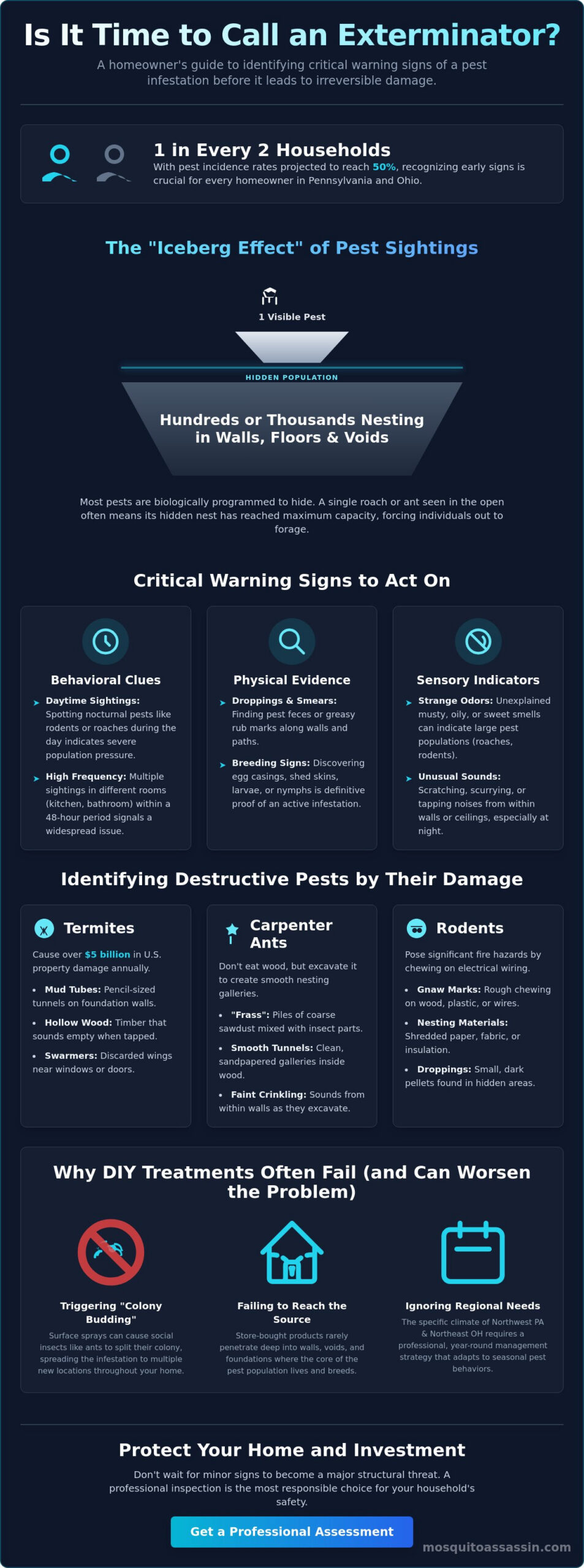
    With pest incidence rates surging to 50% in early 2026, one in every two households is currently facing some form of biological invasion. It’s a startling statistic that highlights why identifying the signs you need to call an exterminator is more critical than ever for homeowners in Pennsylvania and Ohio. You’ve likely felt that spike of anxiety after spotting a single cockroach or finding mysterious sawdust near your baseboards, wondering if it’s a fluke or a symptom of a much larger structural problem.

    It’s common to feel frustrated when store-bought sprays fail to deliver results, especially when the health of your family and the integrity of your property are at stake. This guide provides clear, fact-based criteria to help you distinguish between a minor nuisance and a structural threat. You’ll learn to recognize subtle indicators of activity, understand the limitations of DIY treatments, and gain the clarity needed to protect your home before damage becomes irreversible. This professional overview offers a framework for evaluating your property’s safety and knowing exactly when expert intervention is the most responsible choice for your household.

    Key Takeaways

    • Understand why a single pest sighting often represents a much larger hidden population nesting within the structure of your home.
    • Identify the physical signs you need to call an exterminator by distinguishing between superficial wear and structural damage caused by wood-destroying organisms.
    • Learn to recognize the distinct olfactory signatures and acoustic clues that reveal hidden pests before they cause significant property damage.
    • Discover why surface-level DIY treatments can trigger colony (budding) and why the specific climate of Northwest Pennsylvania and Northeast Ohio requires a year-round management strategy.

    Visible Pest Sightings: When One Bug Signals a Larger Problem

    Finding a single insect in your home often feels like a minor inconvenience, but in the professional field of Pest control, a lone sighting is frequently viewed as the “iceberg effect.” Most common household pests are biologically programmed to remain hidden in dark, tight spaces. When you see one individual out in the open, it’s rarely an isolated traveler. Instead, it’s often a sign that the nesting sites behind your walls or under your floors have reached maximum capacity. This is especially true for social insects like ants or cockroaches, where a single visible worker suggests an established colony of hundreds or thousands nearby.

    It’s important to distinguish between occasional invaders and residential colonies. An occasional invader, like a lone beetle that flew in through an open door, doesn’t necessarily indicate an infestation. However, identifying juvenile stages such as larvae, nymphs, or egg casings is definitive evidence of active breeding. When pests are reproducing within the structure, it’s one of the most reliable signs you need to call an exterminator to address the root of the biological invasion before it spreads further into the property.

    To better understand this concept, watch this helpful video:

    Nocturnal Pests and Daytime Activity

    Most high-risk pests, including rodents and cockroaches, are nocturnal. They’ve evolved to forage in the safety of darkness to avoid predators. If you spot a mouse or a roach during the middle of the day, it indicates severe biological pressure. This usually happens because the population density has become so high that subordinate members are forced to forage during high-risk daylight hours just to find food. The population threshold is the point at which a pest colony exceeds its hidden nesting capacity, forcing individual members into human living spaces to compete for resources.

    Frequency and Location of Sightings

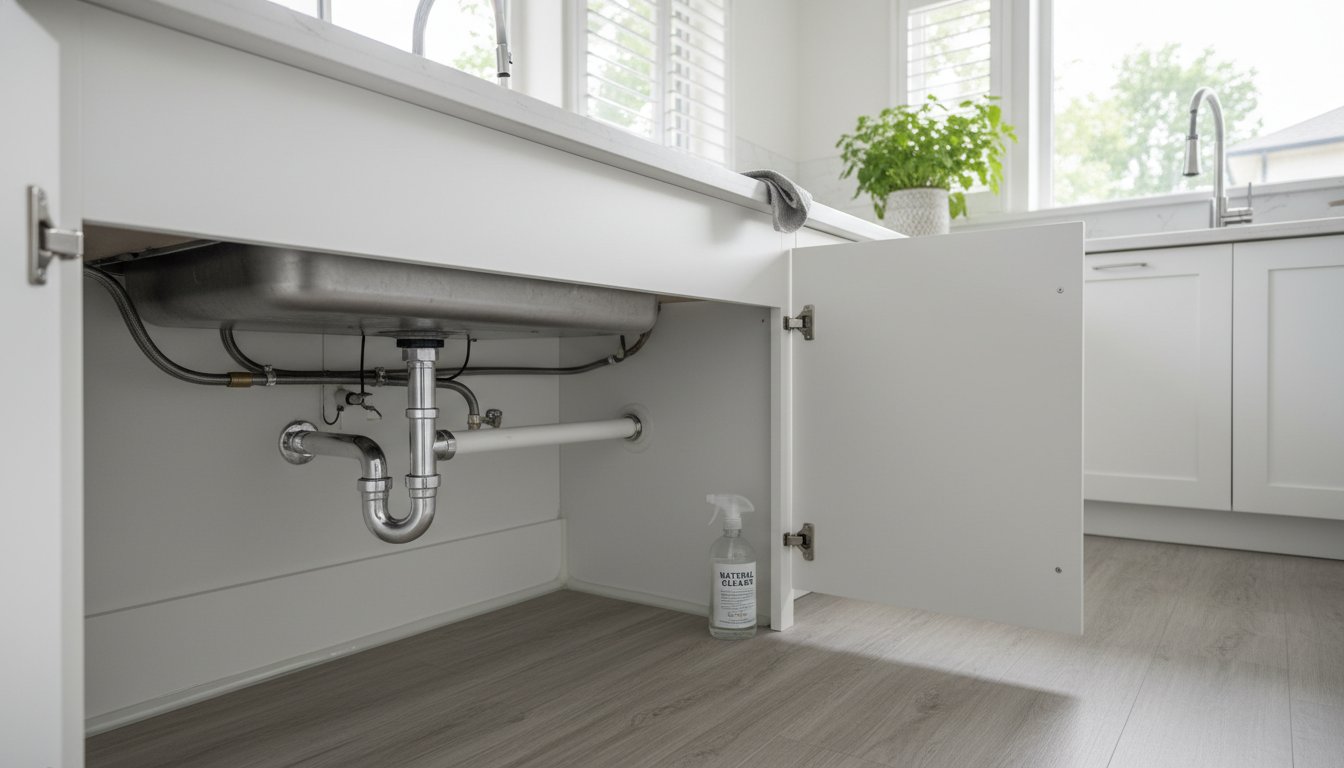
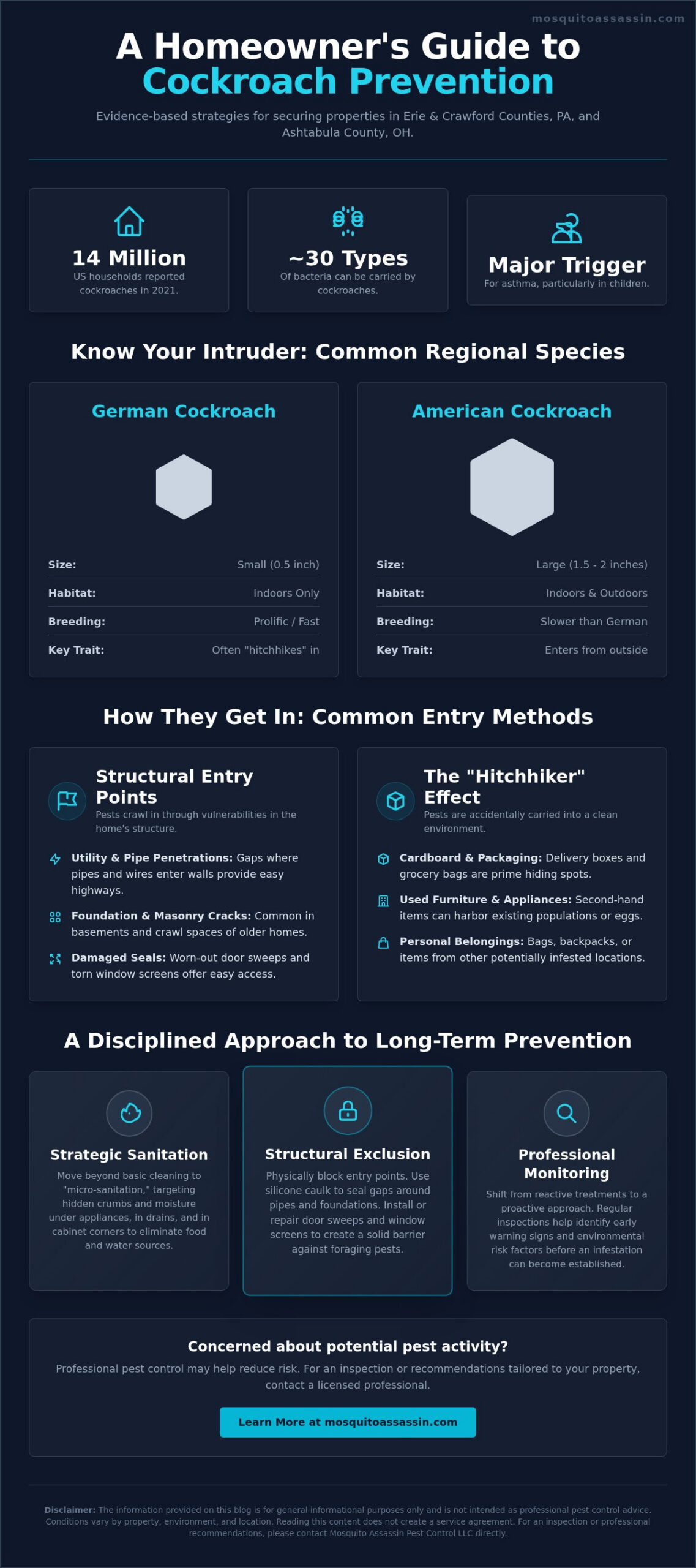
    The scale of an infestation can often be determined by tracking sightings over a 48 hour period. If you see multiple pests in different rooms (especially sanitary areas like kitchens or bathrooms) within two days, the infestation has likely moved past the initial entry phase. Pay close attention to utility penetrations under sinks or foundation cracks in the basement. These are primary highways for pests. Consistent activity in these zones is among the clear signs you need to call an exterminator to safeguard your home’s hygiene and structural integrity.

    Property Damage: Identifying the Physical Signs of Infestation

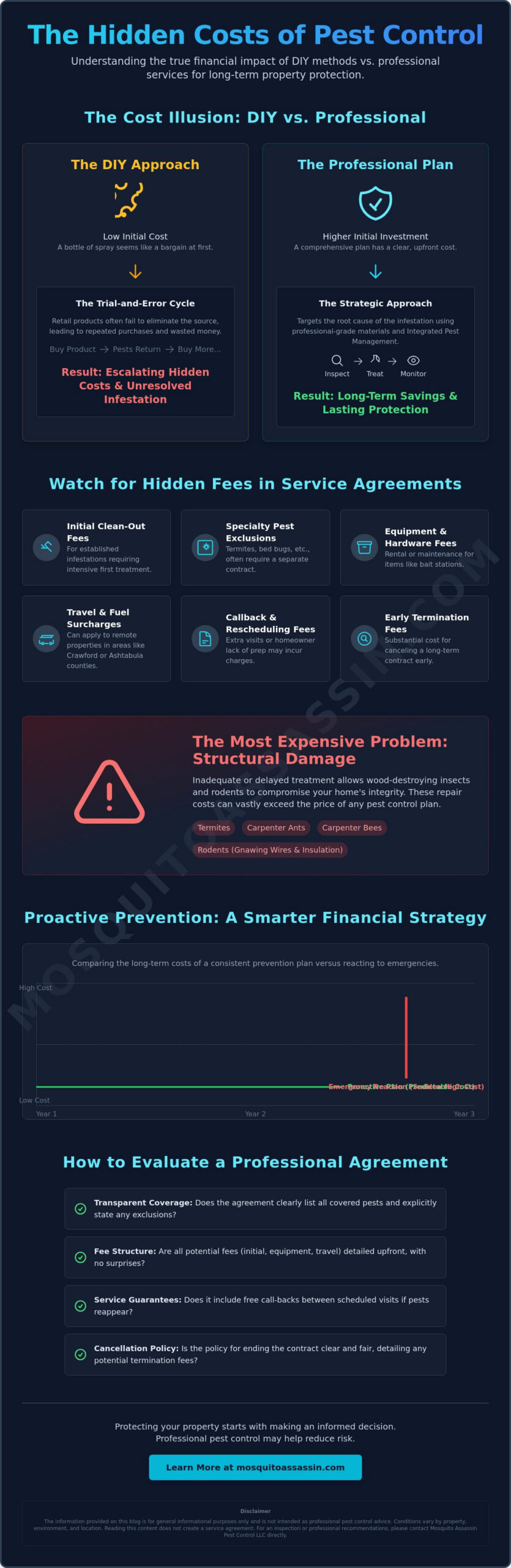
    Property damage is often the first tangible evidence of an infestation that homeowners notice. While seeing a pest is concerning, finding physical destruction is one of the most definitive signs you need to call an exterminator. Distinguishing between different types of damage is essential for identifying the culprit. Rodent gnaw marks, for example, are typically rough and found on hard surfaces like wood, plastic, or even soft metals. In contrast, insect-related wood damage is usually more internal and structural, often remaining hidden until the integrity of the material is compromised.

    Structural Wood and Foundation Damage

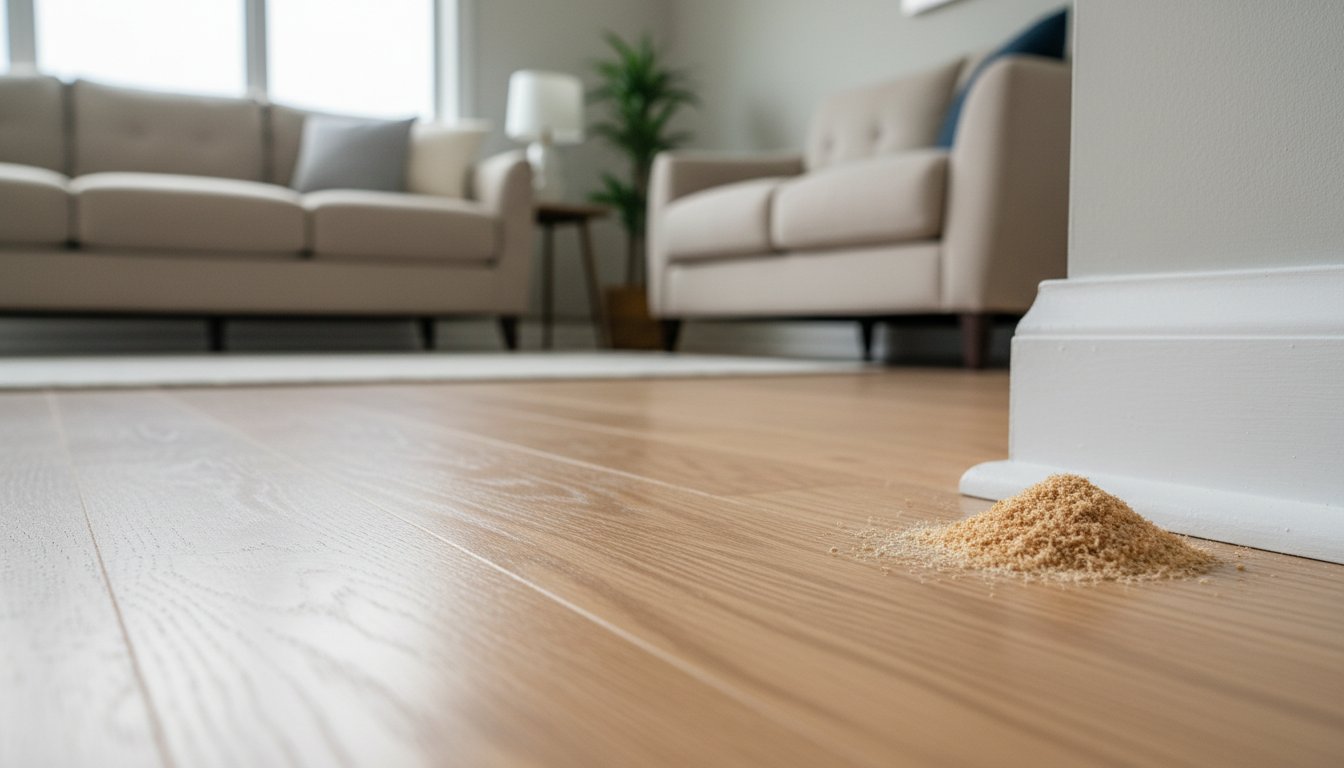
    Termites are among the most destructive wood-destroying organisms, contributing to over $5 billion in property damage in the United States annually. A primary indicator of their presence is the discovery of mud tubes on foundation walls. These pencil-sized tunnels provide termites with the moisture and protection they need to travel from the soil into your home’s wooden framework. Carpenter ants present a different challenge; they don’t eat wood but instead excavate it to create nesting galleries. You can identify their activity by finding “frass,” which looks like coarse sawdust and consists of wood shavings mixed with insect parts. Recognizing these specific indicators is a vital part of general pest control and long-term structural protection.

    Beyond structural timber, pests pose significant risks to a home’s infrastructure. Rodents have incisors that never stop growing, forcing them to gnaw on hard materials to keep their teeth at a manageable length. They frequently target the plastic insulation on electrical wiring hidden inside walls. This behavior creates a severe fire hazard that often goes unnoticed until an electrical failure occurs. If you suspect activity, seeking professional pest control may help reduce risk to your home’s vital systems.

    Damage to Personal Belongings and Food Supplies

    Pests don’t restrict their activity to the skeleton of your home. They often target personal belongings and food stores. Pantry pests, such as weevils or Indian meal moths, leave behind webbing or tiny holes in the packaging of dry goods like flour, grains, and cereal. If you find irregular holes in natural fiber rugs, wool sweaters, or silk clothing, you might be dealing with carpet beetles or clothes moths. It’s also helpful to Identify and Prevent Rodent Infestations by looking for grease marks. These “rub marks” are dark, oily stains left along baseboards and floorboards as rodents travel the same paths every night. Finding these marks along with chewed packaging is a clear signal that the infestation has moved into your living spaces.

    • Gnaw Marks: Found on baseboards, cabinets, and electrical wires.
    • Wood Damage: Hollow-sounding timber or perfectly round exit holes from carpenter bees.
    • Fabric Damage: Holes in natural fibers like wool, silk, or fur.
    • Pantry Signs: Small holes in cardboard boxes or silk-like webbing in containers.

    Signs You Need to Call an Exterminator: A Professional 2026 Homeowner Guide

    Sensory Indicators: Detecting Pests Through Smell, Sound, and Pets

    Visible sightings are often the final stage of a biological invasion, but your senses can detect an infestation much earlier. Pests leave behind distinct biological markers that often bypass our eyes but trigger our sense of smell or hearing. Recognizing these sensory signs you need to call an exterminator can prevent a localized issue from becoming a property-wide crisis. Humans often miss these subtle changes. In many cases, these indicators are strongest in quiet, enclosed areas like attics, crawlspaces, or behind kitchen cabinetry.

    Olfactory Signals: What Different Pests Smell Like

    Large pest populations produce concentrated pheromones, waste, and decaying matter that create unique olfactory signatures. A sweet yet musty odor, often compared to rotting raspberries or coriander, is frequently associated with bed bug harborages. If you notice an oily, pungent, or musky scent in the kitchen or bathroom, it may indicate a high-density cockroach population. Established rodent nesting sites produce a sharp, unmistakable ammonia smell caused by accumulated urine. These odors are rarely detectable when only a few pests are present. This means a noticeable scent usually points to an established colony that requires professional pest control intervention.

    Acoustic Indicators and Pet Behavior

    Acoustic clues often become apparent during the quiet hours of the night. You might hear scratching, scurrying, or gnawing sounds emanating from wall voids or ceilings. While larger rodents produce audible thumps or squeaks, certain wood-destroying insects like termites produce faint clicking or tapping sounds as they feed. It’s also vital to monitor the behavior of domestic animals. Pets know first. Domestic cats and dogs possess an acute sensitivity to high-frequency sounds and pheromones, allowing them to detect movement within wall voids long before it becomes audible to humans. If a pet consistently stares at a specific section of a wall or paws at a baseboard, it’s often responding to the ultrasonic frequencies of hidden pests.

    Beyond smell and sound, physical evidence often accumulates in hidden corners. Look for these specific indicators:

    • Droppings: Rodent droppings are spindle-shaped, while cockroach droppings resemble black pepper or coffee grounds.
    • Nesting Materials: Finding piles of shredded paper, fabric, or attic insulation in dark corners suggests rodents are preparing for reproduction.
    • Discarded Wings: Piles of small, uniform wings near windowsills or doors are a primary indicator of a recent termite swarm.

    Identifying these sensory markers early provides the peace of mind that comes from taking proactive steps. If your home exhibits any of these biological signatures, professional pest control may help reduce risk to your property and health.

    Assessing DIY Limitations: When to Seek Professional Intervention

    The immediate reaction to finding a pest is often a trip to the local hardware store for a can of spray. While these products might provide a sense of control, they frequently fail to address the biological reality of an infestation. Surface-level sprays are designed to kill on contact, but they rarely reach the deep, protected nesting sites where the majority of the population resides. This creates a false sense of security. You might stop seeing a few foragers, but the colony remains active and continues to grow behind your walls or under your foundation.

    One of the most significant risks of DIY chemical application is a biological phenomenon known as “budding.” Certain species, particularly Pharaoh ants and some types of stinging insects, perceive over the counter chemicals as a threat to the colony’s survival. Instead of dying off, the colony reacts by splitting into multiple smaller colonies that scatter to different areas of the home. This defensive mechanism effectively turns a localized problem into a widespread structural issue. Understanding these complex behaviors is one of the key signs you need to call an exterminator before a manageable situation escalates.

    The Cycle of Recurring Infestations

    Pests often return to the same locations even after a seemingly successful DIY treatment. This happens because of pheromone trails. These invisible chemical roadmaps are left behind by foragers to guide the rest of the colony to food and nesting sites. Most consumer grade cleaners and sprays don’t eliminate these trails, meaning the “pathway” into your home remains open. Breaking this cycle requires more than just chemicals; it involves precise exclusion techniques. You can learn more about sealing your home’s perimeter in this guide to professional rodent removal, which highlights why structural barriers are as important as eradication.

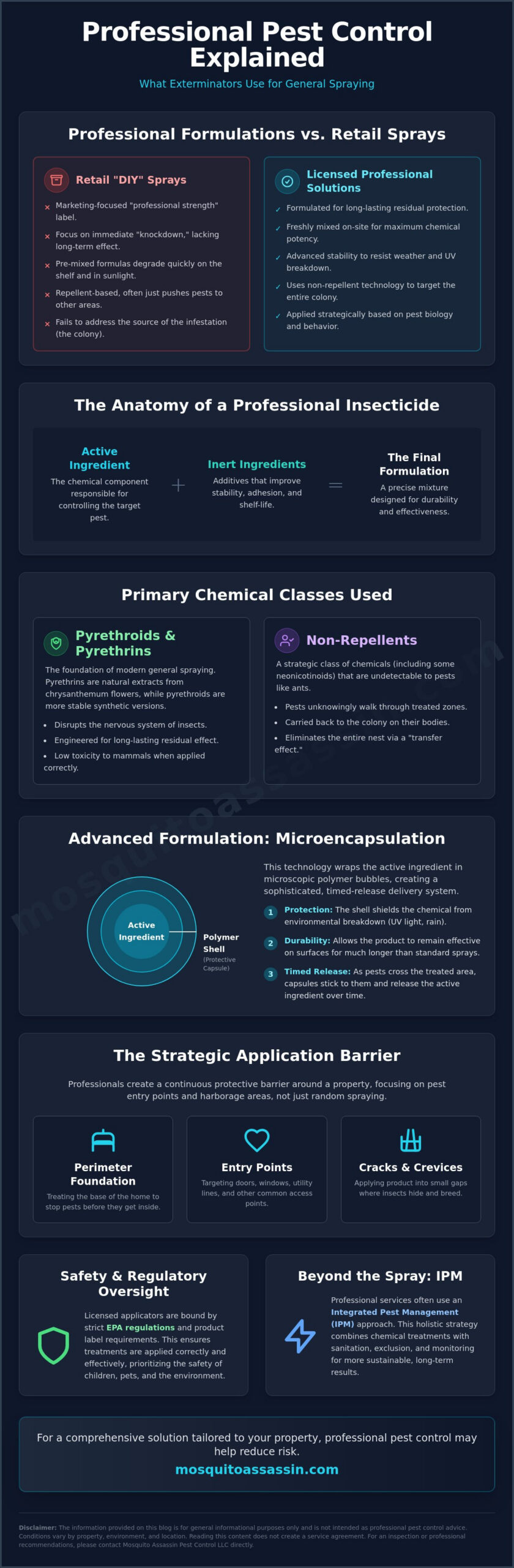
    Biological resilience also plays a major role in DIY failure. In early 2026, research continues to show that pests like bed bugs have developed significant resistance to pyrethroids, the active ingredient in most retail pesticides. When these products are used, they often just irritate the pests, causing them to move deeper into the structure or into adjacent rooms. If you’re facing a persistent or growing population, professional pest control may help reduce risk to your property by utilizing advanced, non-repellent formulations.

    Safety and Environmental Considerations

    Safety is a primary concern when homeowners attempt to handle infestations alone. Off-label use of pesticides, such as applying outdoor chemicals inside or using higher dosages than recommended, can lead to lingering indoor air quality issues. There’s also the risk of secondary poisoning. This occurs when non-target wildlife or domestic pets encounter baits or treated pests. Licensed professionals utilize Integrated Pest Management (IPM), a methodical approach that prioritizes inspection, sanitation, and physical barriers. This strategy ensures that chemical applications are used as a last resort and are targeted with precision equipment, significantly reducing the overall chemical footprint within your living environment.

    Professional Strategy: Long-Term Pest Management in PA and OH

    The environmental conditions in Northwest Pennsylvania and Northeast Ohio create unique biological pressures that dictate how pests behave throughout the year. Recognizing the signs you need to call an exterminator is just the first step in a larger regional strategy. In this specific geographic corridor, pest activity is not merely a seasonal nuisance but a year-round challenge influenced by the proximity to Lake Erie and the varying terrain of the Tri-County area. Transitioning from reactive “emergency” calls to a proactive, year-round management plan is the most effective way to maintain property value and ensure the structural integrity of a residence.

    Seasonal Migration Patterns in the Tri-County Area

    The harsh Lake Erie winters play a significant role in local pest behavior. As temperatures drop, rodents and overwintering insects seek the thermal stability provided by residential basements, crawlspaces, and attics. This winter migration often goes unnoticed until the population density increases in the spring. For residents in Erie, Crawford, and Ashtabula counties, the spring thaw brings a surge in moisture-seeking pests and wood-destroying organisms like termites and carpenter ants. Preparing for these surges involves more than just interior treatments. Utilizing professional pest services to establish a defensive perimeter around the home’s exterior can prevent these pests from ever crossing the threshold.

    Developing a Comprehensive Protection Plan

    A professional approach to pest management follows a methodical four-step process: inspection, customized planning, targeted treatment, and consistent follow-up. This system is designed to identify vulnerabilities in the home’s envelope before they are exploited. While one-time treatments may resolve a visible sighting, they rarely address the underlying environmental factors that attracted the pests in the first place. Ongoing monitoring is significantly more effective at breaking the life cycle of persistent species and preventing re-infestation. Professional assistance may help resolve persistent issues that DIY methods cannot reach. For those seeking expert validation of their property’s status, visiting the Mosquito Assassin contact page provides a direct path to professional recommendations.

    The ultimate goal of long-term management is peace of mind. By understanding the regional signs you need to call an exterminator and implementing a defensive strategy, homeowners can protect their families from the health risks and property damage associated with local infestations. Professional inspections serve as an early warning system, ensuring that minor biological entries do not escalate into costly structural repairs or health concerns for children and pets.

    Disclaimer: The information provided on this blog is for general informational purposes only and is not intended as professional pest control advice. Conditions vary by property, environment, and location. Reading this content does not create a service agreement. For an inspection or professional recommendations, please contact Mosquito Assassin Pest Control LLC directly.

    Safeguarding Your Property and Peace of Mind

    Protecting a residence from biological invasions requires a shift from reactive measures to a proactive defensive strategy. Recognizing the signs you need to call an exterminator, such as the subtle clicking of wood-destroying insects or the distinct olfactory signatures of established colonies, is the first step in preventing structural damage. Visible sightings are often just the tip of the iceberg; DIY attempts can inadvertently spread the infestation deeper into the home’s voids.

    Homeowners in Northwest PA and Northeast OH face unique challenges due to the Lake Erie climate, making year-round protection plans essential. Licensed and insured professionals ensure that treatments are targeted and safe for families. For an inspection or professional recommendations, schedule an evaluation through the online portal. Choosing a locally owned and operated expert provides neighborly care combined with a methodical approach to eradication. Taking action today establishes a permanent safeguard for your property’s value and your family’s health.

    Disclaimer: The information provided on this blog is for general informational purposes only and is not intended as professional pest control advice. Conditions vary by property, environment, and location. Reading this content does not create a service agreement. For an inspection or professional recommendations, please contact Mosquito Assassin Pest Control LLC directly.
    Frequently Asked Questions

    How do I know if I have an infestation or just a few stray bugs?

    An infestation is confirmed when you see multiple life stages, such as larvae or nymphs, or pests in areas far from entry points. A single bug near a door might be a stray, but finding insects in a pantry or bathroom indicates an active breeding population. This is one of the clear signs you need to call an exterminator to address the root cause rather than just the visible symptoms.

    What does a cockroach infestation smell like in a home?

    A cockroach infestation produces a distinct oily or musky scent that becomes more pungent as the population grows. This odor is caused by pheromones and waste products concentrated in dark, damp areas like under sinks or behind appliances. If a room has a lingering, unpleasant smell that persists after cleaning, it’s often a sign of a high-density colony hidden within the structural voids of the home.

    Why can I hear scratching sounds in my walls at night?

    Scratching sounds in walls at night are typically caused by the nocturnal foraging of rodents or large insects moving through wall voids. These sounds are most audible during quiet hours when pests are active and searching for food or nesting materials. While rodents produce scurrying noises, wood-destroying insects may create faint clicking sounds as they tunnel through structural timber, signaling a need for an inspection.

    What are the most common signs of a rodent problem in Pennsylvania?

    Common indicators of rodents in Pennsylvania include spindle-shaped droppings, chewed electrical insulation, and dark grease marks along baseboards. In the Lake Erie region, these signs often increase during late autumn as temperatures drop and rodents seek warmth indoors. Finding shredded paper or insulation in corners is another strong signal that a nesting site has been established and requires professional intervention to prevent property damage.

    When is a pest sighting considered an emergency for a homeowner?

    A sighting becomes an emergency when nocturnal pests like cockroaches or mice are seen during daylight hours, suggesting the population has exceeded its hidden nesting capacity. The presence of wood-destroying organisms like termites or carpenter ants also requires immediate attention to prevent structural failure. Sightings in food preparation areas are particularly concerning due to the risk of contamination and the potential for rapid population growth.

    Why do pests keep returning after I use store-bought sprays?

    Store-bought sprays often fail because they don’t eliminate the invisible pheromone trails that lead pests back to your home. Many consumer products act as repellents that merely scatter the colony, leading to “budding” where a single nest splits into several new ones. Professional pest control utilizing non-repellent formulations is necessary to reach the core of the population and prevent the recurring activity that DIY methods often miss.

    What are the early signs of bed bugs in a clean house?

    Early signs of bed bugs include tiny rust-colored spots on mattresses, discarded translucent skins, and a sweet, musty odor. Even in a clean house, these pests can be introduced through travel or used furniture. Check the seams of mattresses and behind headboards for small, dark clusters of spotting, which is definitive evidence of their presence regardless of the home’s cleanliness or the frequency of household maintenance.

    How often should a home be inspected for pests in the Ohio and Pennsylvania region?

    Homes in the Ohio and Pennsylvania region should be inspected at least once or twice a year to account for seasonal migration patterns. A professional inspection in the spring can identify early signs you need to call an exterminator before the summer surge of stinging insects and wood-destroying pests. Regular monitoring helps maintain a defensive perimeter against the environmental pressures unique to the Erie, Crawford, and Ashtabula county areas.

    Disclaimer: The information provided on this blog is for general informational purposes only and is not intended as professional pest control advice. Conditions vary by property, environment, and location. Reading this content does not create a service agreement. For an inspection or professional recommendations, please contact Mosquito Assassin Pest Control LLC directly.
  • Bed Bug Bites Treatment at Home: A Guide to Relief and Identification

    Bed Bug Bites Treatment at Home: A Guide to Relief and Identification

    Imagine waking up at 3:00 AM in Erie County with a row of red, itchy welts that weren’t there when you went to sleep. It’s a distressing experience that triggers immediate anxiety about your home’s safety and a desperate search for a bed bug bites treatment at home. You aren’t alone; research published in the journal “Insects” indicates that nearly 98 percent of individuals facing an infestation report significant emotional distress and sleep loss. It’s natural to feel overwhelmed when your bedroom no longer feels like a sanctuary.

    This guide explains how to manage the symptoms safely while identifying whether the source is actually bed bugs or another common pest like fleas or mosquitoes. You’ll learn how to soothe the skin with standard household items, distinguish specific bite patterns (such as the “breakfast, lunch, and dinner” row), and establish a plan to regain control of your home. While home remedies can stop the itching, it’s vital to address the root cause. Understanding the difference between topical relief and total elimination is the first step toward a peaceful night’s rest for residents in Crawford or Ashtabula County.

    Disclaimer: The information provided on this blog is for general informational purposes only and is not intended as professional pest control advice. Conditions vary by property, environment, and location. Reading this content does not create a service agreement. For an inspection or professional recommendations, please contact Mosquito Assassin Pest Control LLC directly.
    Key Takeaways

    • Learn to identify the classic “breakfast, lunch, and dinner” feeding pattern to distinguish bed bug bites from other common pests.
    • Discover how to safely manage itching and inflammation using effective bed bug bites treatment at home methods like mild soap and hydrocortisone.
    • Understand the biological mechanisms bed bugs use to locate hosts and why their bites often go unnoticed during the night.
    • Recognize the specific symptoms of secondary bacterial infections and severe allergic reactions that necessitate professional intervention.
    • Master proactive prevention techniques for traveling and furniture shopping to protect your household from future infestations.

    Identifying Bed Bug Bites and Common Symptoms

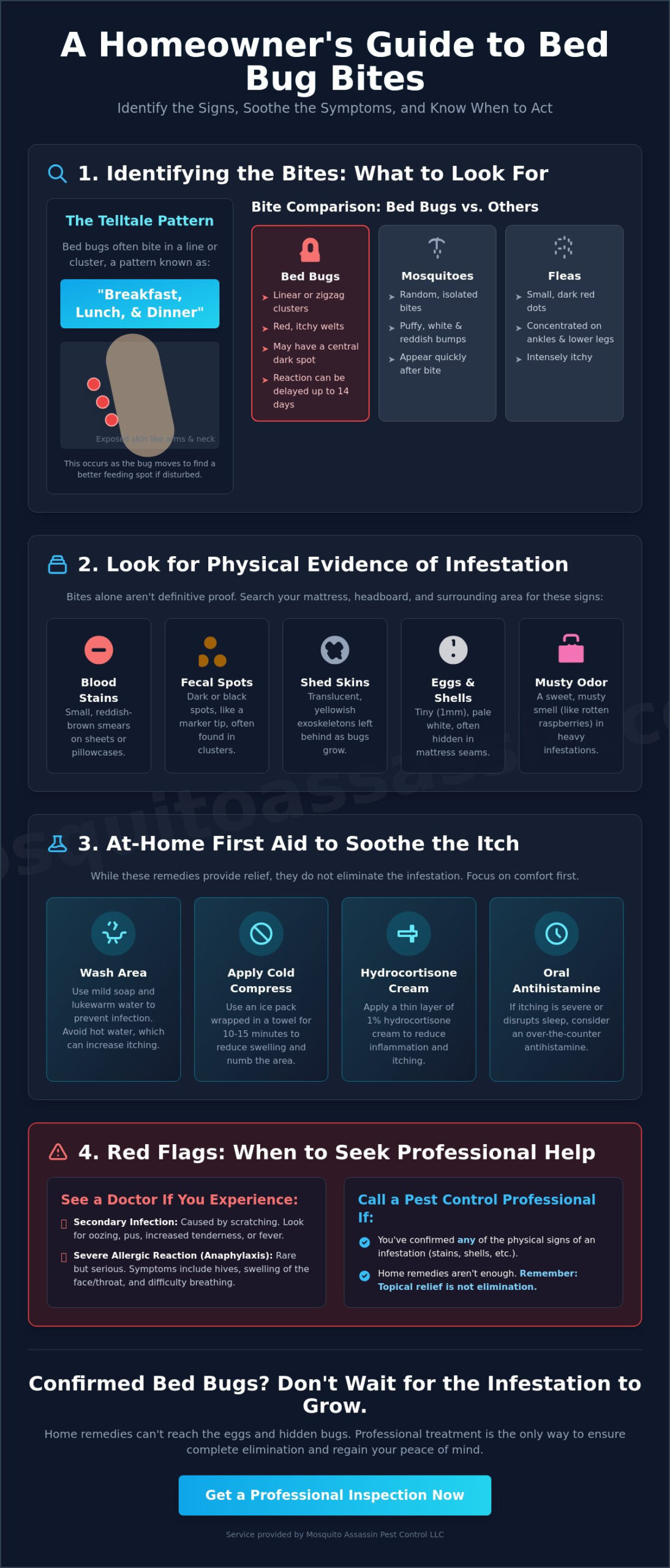
    Correctly identifying the source of skin irritation is the first step toward finding an effective bed bug bites treatment at home. Bed bug bites often look similar to other insect stings, but their unique arrangement usually provides the first clue. These pests are nocturnal and feed while you sleep, targeting areas of exposed skin such as the arms, neck, and shoulders. While individual reactions vary, most people experience some degree of redness and swelling shortly after exposure.

    A signature characteristic of these pests is the linear or zigzag pattern they leave behind, often called the “breakfast, lunch, and dinner” sequence. This occurs because the insect may move to a new spot if its feeding is interrupted. For a comprehensive overview of bed bugs and their biological traits, scientific records show that these welts often feature a central dark spot where the mouthparts entered the skin. It’s also vital to realize that reactions don’t always happen instantly. According to clinical observations from the American Academy of Dermatology, it can take up to 14 days for a bite to become visible on the skin, which often leads to confusion about when the exposure actually happened.

    To better understand this concept, watch this helpful video:

    Bed Bug Bites vs Other Common Insects

    Differentiating these welts from other pests is crucial for residents in Erie or Crawford County. Mosquito bites are typically random and isolated, appearing anywhere the skin is accessible. In contrast, flea bites are much smaller and usually concentrate around the ankles and lower legs. Hives can also mimic bed bug reactions, but hives typically change shape or disappear within 24 hours, whereas bed bug welts can persist for a week or longer.

    Signs of an Infestation Beyond the Bites

    Because bites are an unreliable indicator on their own, you should look for physical evidence in your sleeping area. Check your bed linens for small blood stains or rust-colored fecal spots, which are common indicators of activity. Heavy infestations often produce a distinct, sweet, and musty odor similar to rotting raspberries. You might also find discarded translucent skins or tiny white eggshells tucked into the seams of mattresses or headboards. Finding these signs alongside physical symptoms confirms that professional pest control may help reduce risk.

    Practical At-Home Treatments for Itching and Swelling

    Once you’ve identified the telltale signs of activity, your immediate priority is comfort. Finding an effective bed bug bites treatment at home starts with basic hygiene. Wash the affected area with mild soap and lukewarm water as soon as possible. This simple step removes surface bacteria and debris, which helps prevent secondary skin infections that often occur when the skin is broken. Avoid using hot water, as high temperatures can dilate blood vessels and actually worsen the itching sensation.

    For many, over-the-counter solutions provide the most reliable relief. Applying a 1 percent hydrocortisone cream can significantly reduce localized inflammation and redness. The American Academy of Dermatology provides expert advice on treating bed bug bites, suggesting that these topical steroids are most effective when applied thinly to the welts. If the itching is intense and disrupts your sleep, an oral antihistamine like diphenhydramine can help manage the body’s allergic response from the inside out. Always follow the dosage instructions on the packaging or consult a pharmacist to ensure these products are appropriate for your health history.

    Physical relief is also accessible through temperature control. Applying a cold compress or an ice pack wrapped in a thin towel for 10 to 15 minutes can numb the area and constrict blood vessels. This reduces the swelling and provides a temporary break from the burning sensation. If the discomfort continues to keep you awake, professional pest control may help reduce risk by addressing the source of the problem.

    Natural and Pantry-Based Remedies

    If you prefer using items already in your kitchen, a baking soda paste is a time-tested option. Mix three parts baking soda with one part water until it reaches a thick consistency and apply it directly to the bites. Let it dry for 10 minutes before rinsing. Pure aloe vera gel, known for its anti-inflammatory properties, can also soothe irritated skin. Additionally, witch hazel acts as a natural astringent; applying it with a cotton ball helps calm the skin and may reduce the urge to scratch.

    Safety Precautions for Home Treatment

    While treating the symptoms, you must protect the skin’s integrity. Don’t scratch the welts. Scratching can lead to open sores, which increases the likelihood of infections like impetigo or cellulitis. If you use essential oils or lemon juice, test a small, unaffected patch of skin first to ensure you don’t have a sensitivity. It’s also vital to consult a healthcare professional before applying any medicinal treatments to infants or children under age 2, as their skin is much more absorbent and sensitive than an adult’s.

    Disclaimer: The information provided on this blog is for general informational purposes only and is not intended as professional pest control advice. Conditions vary by property, environment, and location. Reading this content does not create a service agreement. For an inspection or professional recommendations, please contact Mosquito Assassin Pest Control LLC directly.
    Bed Bug Bites Treatment at Home: A Guide to Relief and Identification

    Understanding Bed Bug Behavior and Feeding Patterns

    Many people find it unsettling that they can be bitten multiple times without ever waking up. This isn’t a coincidence; it’s the result of a highly evolved biological process. Bed bugs track their hosts by detecting the carbon dioxide we exhale and the heat radiating from our bodies. Once they’ve located a patch of skin, they use a specialized proboscis to pierce the surface. This is where the actual biological “stealth” begins.

    The saliva of a bed bug is a complex mixture containing more than 46 different proteins. Two of these are critical: a local anesthetic and an anticoagulant. The anesthetic numbs the nerves at the site of the puncture, ensuring the host remains asleep. At the same time, the anticoagulant prevents the blood from clotting, allowing the insect to feed efficiently for 5 to 10 minutes. Because of this chemical interference, the initial sensation is non-existent, which is why a bed bug bites treatment at home usually starts days after the actual event occurred.

    While a single bed bug typically feeds only once every 5 to 10 days, the presence of a colony can make it feel like a nightly occurrence. Their metabolic rate is closely tied to the environment. In a room kept at 70 degrees Fahrenheit, they may wait longer between meals, but in warmer summer months, their feeding cycles accelerate. This predictable behavior is why identifying their habits is just as important as managing the physical symptoms.

    The Nocturnal Nature of Bed Bugs

    Bed bugs are primarily nocturnal and have a strong aversion to light. During the day, they retreat into tight, dark crevices near their “feeding station,” which is usually the bed. Common hiding spots include the interior of headboards, the undersides of nightstands, and behind baseboards. If you suddenly turn on a light or move significantly, it can disrupt their feeding cycle, causing them to retreat before they’ve finished their meal. This often results in the clustered bite patterns mentioned in earlier sections.

    Why Do New Bites Appear After Treatment?

    It’s common for residents in Erie or Crawford County to see “new” welts even after applying a bed bug bites treatment at home. This doesn’t always mean new insects are feeding. Individual immune systems react at different speeds. Research from the University of Kentucky indicates that while some people react within 24 hours, others don’t show a physical response for up to 14 days. If your body has a delayed response, you’re seeing the results of a feeding that happened a week ago. Treating the skin only addresses the itch; it doesn’t stop the biological cycle of the insects living in the room. Professional pest control may help reduce risk by stopping these feeding cycles at the source.

    Disclaimer: The information provided on this blog is for general informational purposes only and is not intended as professional pest control advice. Conditions vary by property, environment, and location. Reading this content does not create a service agreement. For an inspection or professional recommendations, please contact Mosquito Assassin Pest Control LLC directly.

    When to Seek Professional Guidance for Bites and Infestations

    While a bed bug bites treatment at home can manage the immediate discomfort of itching, it doesn’t address the biological threat living in your furniture. There are specific moments when home care is no longer sufficient and medical or professional intervention becomes necessary. If you notice that your bites are becoming increasingly painful, swollen, or warm to the touch, you may be developing a secondary bacterial infection. Cellulitis and impetigo are common complications that arise when scratching introduces staphylococcal or streptococcal bacteria into the broken skin. Signs to watch for include red streaks extending from the bite or the presence of yellow, crusty drainage.

    Severe allergic reactions, though less common, require immediate emergency medical care. Anaphylaxis can manifest as difficulty breathing, swelling of the tongue or throat, and a rapid pulse. Beyond these physical risks, the psychological impact of an infestation shouldn’t be ignored. A study published in “BMJ Open” found that individuals dealing with these pests often experience clinical levels of anxiety, hyper-vigilance, and persistent insomnia. When the stress of the situation begins to interfere with your daily life or your ability to sleep in your own bed, it’s time to shift from topical relief to a more definitive solution.

    The Limitations of DIY Eradication

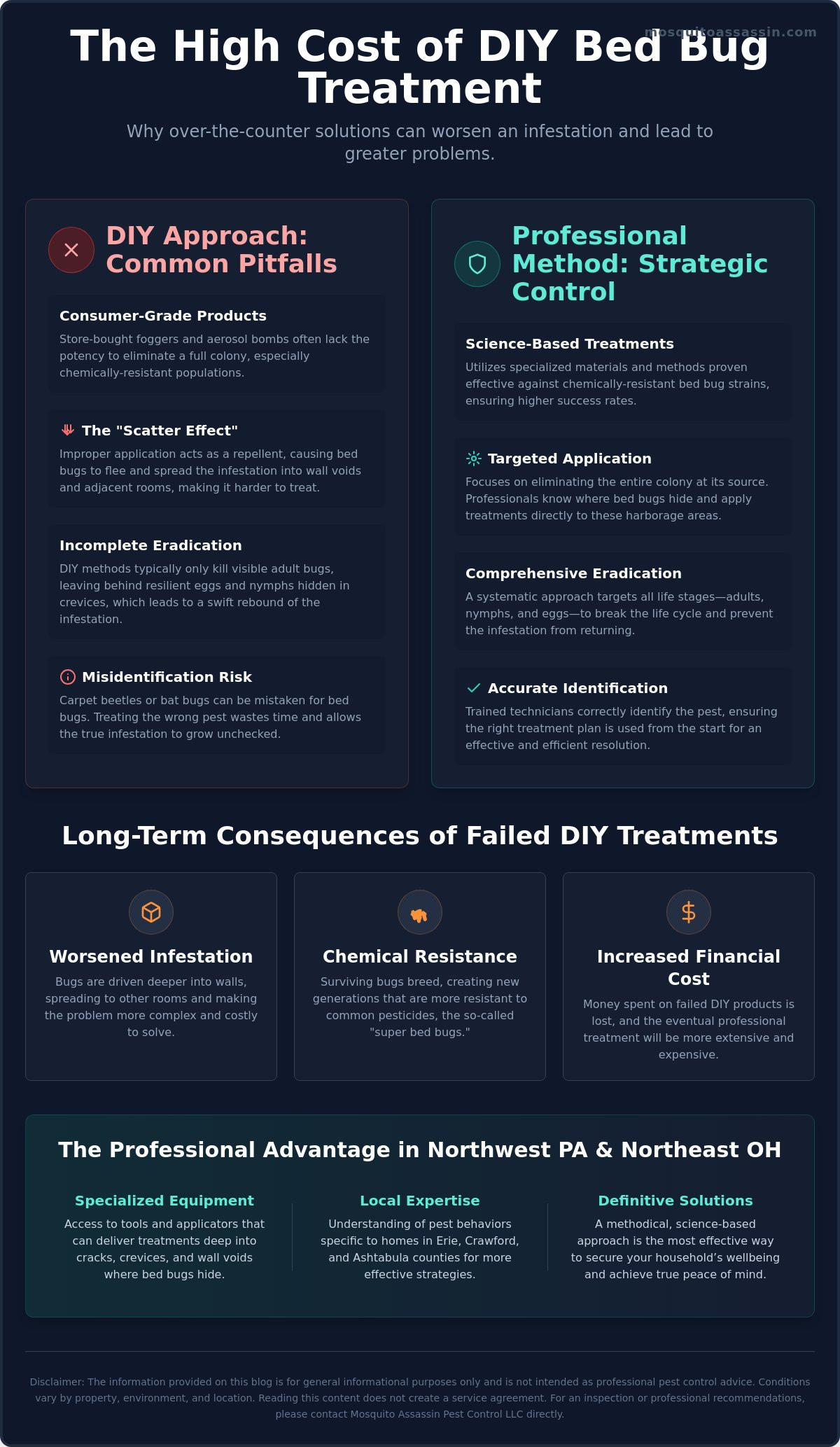
    Retail products often promise quick results but rarely deliver total elimination. Many homeowners in Erie and Crawford counties reach for “bug bombs” or total release foggers, but these can actually make the problem worse. The chemicals in these canisters often fail to penetrate the deep crevices where bed bugs hide. Instead, the irritating mist can drive the insects deeper into wall voids or behind baseboards, spreading the infestation to other rooms. Standard over-the-counter sprays also struggle to kill eggs and nymphs, which are protected by a resilient outer casing that professional-grade equipment is specifically designed to bypass.

    The Importance of a Professional Inspection

    A licensed professional provides a level of precision that a bed bug bites treatment at home cannot replicate. Experts use a combination of high-powered vacuums, specialized heat treatments, and targeted residuals to disrupt the entire life cycle of the pest. For residents in Ashtabula County, a professional inspection identifies the full extent of a “hidden” infestation, ensuring that every harborages point is located. A customized treatment plan is then tailored to your home’s specific layout, providing a more sustainable and long-term solution than repetitive DIY attempts. If you are struggling to find the source of your bites, professional pest control may help reduce risk and restore your peace of mind.

    Disclaimer: The information provided on this blog is for general informational purposes only and is not intended as professional pest control advice. Conditions vary by property, environment, and location. Reading this content does not create a service agreement. For an inspection or professional recommendations, please contact Mosquito Assassin Pest Control LLC directly.
    Preventing Future Bites in Pennsylvania and Ohio Homes

    Northwest Pennsylvania and Northeast Ohio serve as major transit corridors, which makes regional homes susceptible to hitchhiking pests. While managing symptoms with a bed bug bites treatment at home provides temporary comfort, preventing a reintroduction is the only way to ensure long-term relief. Bed bugs are expert travelers, often moving from hotels, public transportation, or shared laundry facilities into private residences. Establishing a strict inspection protocol for all items entering your home is essential for maintaining a pest-free environment.

    Secondhand items present a significant risk factor for residents in Erie and Crawford counties. If you enjoy shopping at local thrift stores or acquiring furniture from online marketplaces, you must perform a thorough inspection outdoors before bringing anything inside. Even small items like picture frames or electronics can harbor eggs in tiny crevices. For clothing or linens, a high-heat laundry cycle is your best defense. Research from the University of Minnesota confirms that placing items in a dryer on the highest heat setting for at least 30 minutes effectively kills all life stages, including resilient eggs. This is a simple but powerful step to take after returning from any trip or purchasing used goods.

    Travel Tips for Residents of Erie and Ashtabula

    When staying in hotels or rentals, never place your suitcase directly on the bed or carpeted floor. Use the provided metal luggage racks instead; the smooth, cold legs are difficult for insects to climb. Before unpacking, conduct a five-minute visual sweep of the mattress seams, headboard, and upholstered furniture. Look for the small blood spots or discarded skins described in the identification section of this guide. If you suspect exposure during your travels, seal your belongings in plastic bags until they can be laundered at high temperatures upon your return home.

    Protective Measures for the Home

    In your own bedroom, high-quality mattress and box spring encasements are invaluable tools. These specialized covers lack the deep folds and seams where insects prefer to hide, which makes early detection much easier during your regular cleaning routine. You should also take time to seal cracks in baseboards or gaps around electrical outlets with caulk to limit the movement of pests between rooms. Reducing clutter is another vital strategy. Piles of clothing, papers, or boxes on the floor provide ideal hiding spots that are difficult to treat. By keeping the area around your bed clear and vacuuming along the edges of carpets weekly, you make your home much less hospitable to unwanted guests. If these preventative measures aren’t enough to stop the appearance of new welts, professional pest control may help reduce risk.

    Disclaimer: The information provided on this blog is for general informational purposes only and is not intended as professional pest control advice. Conditions vary by property, environment, and location. Reading this content does not create a service agreement. For an inspection or professional recommendations, please contact Mosquito Assassin Pest Control LLC directly.
    Restoring Peace of Mind to Your Home

    Successfully managing the physical discomfort of an infestation requires both immediate action and a long-term strategy. While a bed bug bites treatment at home can effectively soothe intense itching and reduce localized swelling, it doesn’t address the underlying biological threat. Identifying the classic feeding patterns and maintaining high-heat laundry cycles are critical first steps for residents in Erie, Crawford, and Ashtabula counties. However, these efforts are most effective when paired with a thorough understanding of how these pests hide in undisturbed environments.

    Professional pest control may help reduce risk and provide a permanent solution for your household. As a locally owned and operated business licensed and insured in PA and OH, Mosquito Assassin utilizes specialized bed bug treatment protocols to target pests at every life stage. Taking definitive action today is the best way to safeguard your bedroom and ensure a restful night’s sleep. For an inspection or professional recommendations, please contact Mosquito Assassin Pest Control LLC directly.

    Disclaimer: The information provided on this blog is for general informational purposes only and is not intended as professional pest control advice. Conditions vary by property, environment, and location. Reading this content does not create a service agreement. For an inspection or professional recommendations, please contact Mosquito Assassin Pest Control LLC directly.
    Frequently Asked Questions

    How long do bed bug bites last on the skin?

    Most bed bug bites resolve within 7 to 14 days without medical intervention. The duration depends heavily on your body’s specific immune response and whether the skin remains intact. While the initial swelling might subside in a few days, the red mark can linger for two weeks or longer in sensitive individuals. Consistent application of a bed bug bites treatment at home can help manage the appearance during this time.

    Can I get rid of bed bugs on my own using store-bought sprays?

    Total elimination with retail sprays is statistically unlikely because these products often lack the residual strength to kill eggs or reach deep harborages. While you might kill a few visible insects, the remaining colony often retreats further into wall voids. Professional pest control may help reduce risk by using commercial-grade equipment that reaches these hidden areas in Erie and Crawford County homes.

    Do bed bug bites always appear in a straight line?

    While linear patterns are a classic sign, bites can also appear in random clusters or isolated welts. If the insect’s feeding is frequently interrupted by your movement, it may bite several times in a small area rather than a straight row. This variation often leads to confusion when homeowners are trying to identify the source of their irritation during the initial stages of an infestation.

    What happens if a bed bug bite becomes infected?

    An infected bite will typically show increased swelling, persistent warmth, and may develop pus or a yellow crust. If you notice red streaks spreading from the site or if you develop a fever, seek medical attention immediately. These symptoms suggest a bacterial infection like cellulitis that requires professional medical treatment rather than topical home care or standard over-the-counter creams.

    Are bed bug bites dangerous or do they carry diseases?

    Bed bugs aren’t currently known to transmit blood-borne diseases to humans. The primary risks are physical and psychological, including severe allergic reactions, secondary skin infections, and significant sleep deprivation. While they don’t carry pathogens like mosquitoes or ticks, the stress of an infestation can impact your overall well-being and requires a methodical approach to eradication.

    Why do some people in the same bed not have any bites?

    It’s common for one person to show severe welts while their partner appears completely unaffected. Data from clinical studies suggests that approximately 30 percent of the population does not have a skin reaction to bed bug saliva. The insects are likely biting both individuals, but one person simply doesn’t produce the histamine response that causes the visible itching and redness associated with a bite.

    Can pets like dogs or cats get bed bug bites?

    Pets can be bitten, though bed bugs prefer human hosts because our skin is easier to access and provides a more consistent heat signature. Fur provides a natural barrier that makes it harder for the insects to reach the skin surface. If you notice your pet scratching excessively or see small red bumps on their belly, a thorough inspection of their bedding is recommended.

    What is the fastest way to stop the itching from bed bug bites?

    Applying a cold compress for 15 minutes is the quickest way to numb the nerves and reduce the immediate urge to scratch. Following this with an over-the-counter antihistamine helps block the body’s internal allergic response. Combining these methods with a topical bed bug bites treatment at home provides the most comprehensive relief for persistent nighttime irritation and helps prevent skin damage from scratching.

    Disclaimer: The information provided on this blog is for general informational purposes only and is not intended as professional pest control advice. Conditions vary by property, environment, and location. Reading this content does not create a service agreement. For an inspection or professional recommendations, please contact Mosquito Assassin Pest Control LLC directly.
  • Natural Cure for Bed Bugs: What Works and What Falls Short

    Natural Cure for Bed Bugs: What Works and What Falls Short

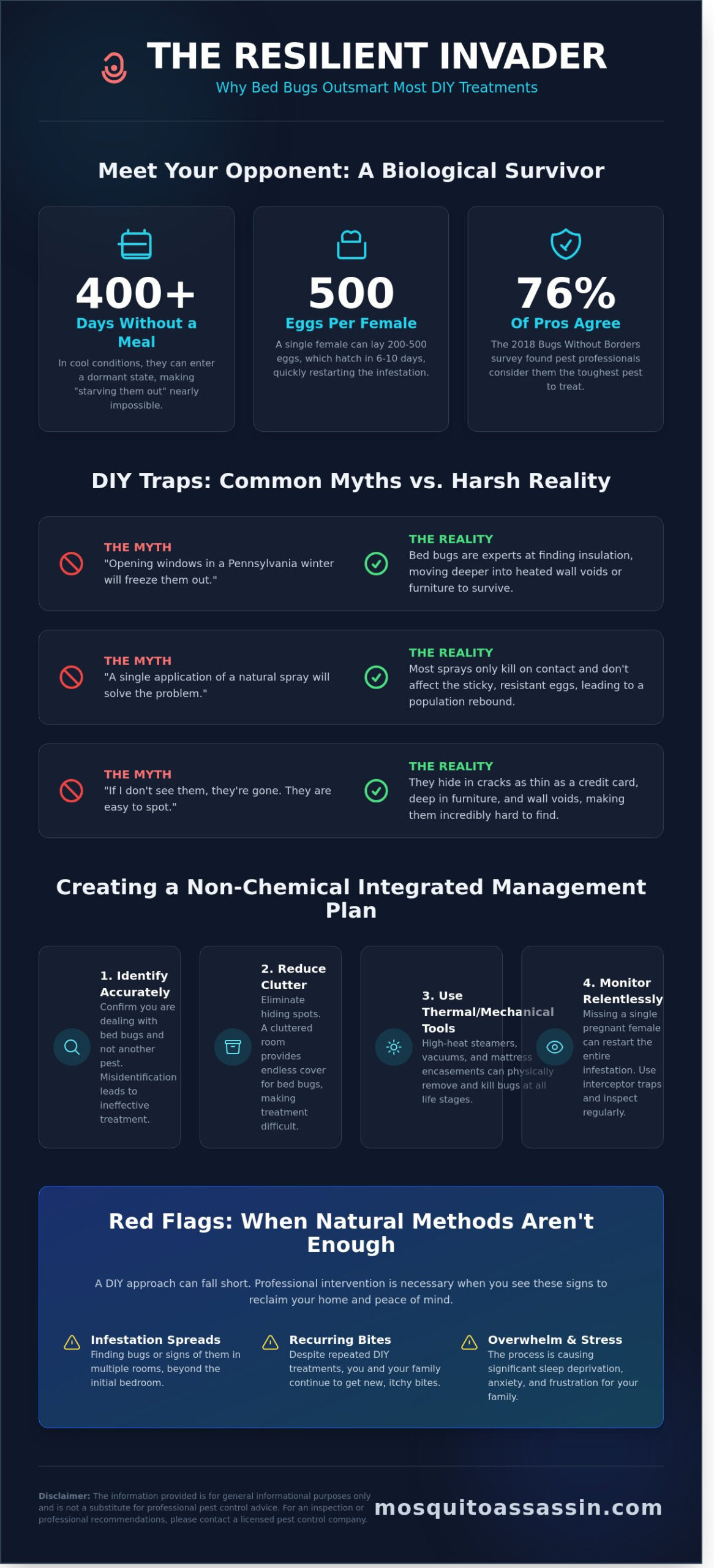
    While many believe starving bed bugs is a viable solution, research from the University of Kentucky indicates these pests can survive for up to 400 days without a blood meal. It’s completely understandable why families in Erie, Crawford, or Ashtabula counties search for a natural cure for bed bugs. The 2018 Bugs Without Borders survey reported that 76% of pest professionals consider these the toughest pests to treat; this leads to anxiety over chemical exposure and rising costs. You’ll discover the reality of natural bed bug treatments, including which home methods provide genuine relief and how to correctly use them to reduce pest populations.

    This article breaks down the effectiveness of heat, cold, and botanical oils so you can protect your home without unnecessary risks. Understanding these limitations is the first step toward reclaiming your bedroom and ending the frustration of itchy, recurring bites. Knowing when a DIY approach is sufficient and when professional intervention becomes necessary can save months of sleep deprivation and stress. Professional pest control may help reduce risk when these home methods fall short of total elimination.

    Disclaimer: The information provided on this blog is for general informational purposes only and is not intended as professional pest control advice. Conditions vary by property, environment, and location. Reading this content does not create a service agreement. For an inspection or professional recommendations, please contact Mosquito Assassin Pest Control LLC directly.
    Key Takeaways

    • Understand the biological factors that make bed bugs resilient and why many popular home remedies fail to address the root of the infestation.
    • Evaluate the effectiveness of physical desiccants and botanical sprays to determine which methods offer relief and which are limited to contact-only results.
    • Explore how thermal energy and mechanical extraction can be used as part of a strategy to target all life stages of the pest.
    • Learn the critical steps of an integrated management plan, including the importance of accurate identification and reducing clutter to eliminate hiding spots.
    • Identify the specific signs that indicate a natural cure for bed bugs is falling short and when professional intervention is necessary to safeguard the home.

    Understanding Bed Bug Biology and the Quest for a Natural Cure

    Bed bugs are among the most difficult household pests to manage. These nocturnal insects hide in gaps as thin as a credit card during the day, emerging at night to feed on human blood. For many homeowners in the tri-state area, the search for a natural cure for bed bugs stems from a desire to avoid harsh chemicals around children and pets. However, finding a single permanent solution is difficult because bed bugs are not just a nuisance; they are biological survivors designed to withstand environmental pressure.

    Understanding the fundamentals of Bed Bug Biology reveals why topical treatments often fail. Bed bug eggs are coated in a protective, sticky substance that resists many liquids. This means that even if a treatment kills the adults, a new generation can hatch within 6 to 10 days, restarting the infestation cycle. A successful strategy usually requires a multi-step management process rather than a one-time application.

    To better understand this concept, watch this helpful video:

    The Resilience of Bed Bugs: Why They Survive DIY Efforts

    Bed bugs have survived for thousands of years by adapting to their environment. Research indicates that certain populations have developed exoskeletons that are 15 percent thicker than they were in previous decades, providing a physical shield against contact-based remedies. They can also enter a state of dormancy, surviving without a blood meal for over 400 days in cool environments. Their behavior is equally defensive; they often hide deep within wall voids and furniture joints where domestic sprays cannot reach. Because a single female can lay between 200 and 500 eggs in her lifetime, missing just one or two insects can lead to a full rebound of the population within a month.

    Natural Solutions in Pennsylvania and Ohio Homes

    In regions like Erie, Pennsylvania, and Ashtabula, Ohio, the local environment plays a significant role in pest activity. Older housing stock, particularly homes built before 1950, features lath-and-plaster walls and original woodwork that provide endless hiding spots for parasites. The high humidity near Lake Erie can also influence how certain botanical powders or dusts perform, sometimes causing them to clump and lose effectiveness.

    A common regional misconception is that freezing temperatures in a Pennsylvania winter will provide a natural cure for bed bugs if a homeowner simply opens the windows. In reality, bed bugs are experts at finding insulation. They will move deeper into heated wall voids or floorboards until the danger passes. Residents in Erie and Crawford Counties should recognize that while natural repellents like essential oils may offer temporary relief, they rarely achieve total eradication in complex, older structures. Professional pest control may help reduce risk in these challenging environments.

    Disclaimer: The information provided on this blog is for general informational purposes only and is not intended as professional pest control advice. Conditions vary by property, environment, and location. Reading this content does not create a service agreement. For an inspection or professional recommendations, please contact Mosquito Assassin Pest Control LLC directly.

    Evaluating Common Natural Remedies and Home Treatments

    Many homeowners in Erie and Crawford Counties seek a natural cure for bed bugs to avoid using synthetic chemicals around their families. While the desire for an organic approach is understandable, it’s vital to distinguish between substances that kill a single bug on contact and those that can actually eliminate an entire population. Most DIY attempts fail because they lack a residual effect, meaning they stop working the moment they dry or the scent dissipates.

    Diatomaceous Earth: Benefits and Safety Limitations

    Diatomaceous earth (DE) is a popular physical desiccant made from the fossilized remains of tiny aquatic organisms called diatoms. This powder works by absorbing the waxy fats and lipids from the bed bug’s exoskeleton. Once this protective layer is compromised, the insect dehydrates and dies. For residents in Ashtabula County, using food-grade versions is a requirement for safety, as pool-grade DE contains crystalline silica that can cause permanent lung damage if inhaled.

    Effective application requires a light, almost invisible layer. If the powder is piled too high, bed bugs will simply walk around it. Even when applied correctly, DE is a slow-acting solution. It often takes 7 to 12 days of direct contact to kill a single insect. Because bed bugs can hide for weeks without feeding, relying solely on powder often allows the infestation to grow faster than the treatment can manage.

    Essential Oils and Botanical Sprays: Scent vs. Substance

    Botanical sprays featuring peppermint, tea tree, or neem oil are frequently marketed as a natural cure for bed bugs. Research from 2021 indicates that while high concentrations of certain essential oils can kill bed bugs on contact, they offer zero residual protection. Once the spray dries, it loses its efficacy.

    A significant risk with scent-based remedies is their repellent nature. Instead of eliminating the colony, these strong odors often “flush” the bugs out of their hiding spots. This can cause the insects to migrate through wall voids and electrical outlets into adjacent rooms, spreading the problem from a single mattress to the entire house. Following EPA bed bug control methods is a more reliable way to manage these pests without inadvertently making the infestation more difficult to treat.

    Common kitchen items like vinegar or baking soda are largely ineffective. Vinegar is acidic enough to kill a bug if you drench it directly, but it won’t affect eggs or bugs hidden inside furniture. Baking soda does not have the sharp edges or the absorptive capacity required to dehydrate an insect. When home remedies fail to produce results within 14 days, consulting with professional pest control may help reduce risk of a total home infestation.

    Disclaimer: The information provided on this blog is for general informational purposes only and is not intended as professional pest control advice. Conditions vary by property, environment, and location. Reading this content does not create a service agreement. For an inspection or professional recommendations, please contact Mosquito Assassin Pest Control LLC directly.
    Natural Cure for Bed Bugs: What Works and What Falls Short

    Mechanical and Physical Control Methods for Bed Bug Management

    Mechanical control methods represent the most reliable natural cure for bed bugs because they rely on physics rather than chemistry. These tactics target the biology of the pest directly by crushing, removing, or overheating the insects. Unlike some essential oils or home remedies that lack scientific backing, physical controls are proven to provide an immediate reduction in the population density of a home. They’re the most effective tools for homeowners who want to avoid synthetic chemicals while achieving measurable results.

    High-Heat Laundering and Steam Treatment

    Heat is a lethal tool in the fight against infestations. Bed bugs at all life stages, including the resilient eggs, die when exposed to sustained high temperatures. For a safe and effective kill, homeowners should set dryers to at least 120 degrees Fahrenheit. Running a high-heat cycle for a minimum of thirty minutes ensures the core of the fabric reaches the necessary lethal temperature. This is especially effective for bedding, clothing, and curtains that can withstand high-heat laundering.

    Steamers offer a different advantage by reaching bugs hidden deep in upholstery, box springs, and carpet seams. A commercial-grade steamer is required to produce “dry” steam, which minimizes moisture and prevents mold. When using a steamer, it’s vital to move the head at a rate of about one inch per second. This slow, deliberate movement ensures the heat transfers deeply into hiding spots. This approach is a core component of Integrated Pest Management (IPM) for bed bugs, focusing on non-chemical mortality through environmental manipulation.

    The Role of Vacuuming and Physical Removal

    Vacuuming is a front-line strategy for immediate relief. High-suction vacuums equipped with crevice tools can pull adults, nymphs, and some eggs from seams, tufts, and bed frames. It’s a manual extraction process that reduces the “pest load” in a room instantly. While it won’t eliminate every bug hidden behind a baseboard, it’s a critical step in a comprehensive plan. Regular maintenance through vacuuming also supports general pest control efforts by removing the dust and debris that can provide cover for various household pests.

    Specific disposal steps are required to ensure the vacuum doesn’t become a transport vehicle for the infestation. Users must seal vacuum bags in plastic and dispose of them in an outdoor bin immediately after use. For bagless models, the canister should be emptied into a sealed bag and the container washed with hot, soapy water to kill any remaining hitchhikers. Mattress encasements also play a vital role here. By sealing the mattress and box spring, you trap existing bugs inside and eventually starve them, while making it impossible for new bugs to find harborages in the bed’s complex structures.

    Disclaimer: The information provided on this blog is for general informational purposes only and is not intended as professional pest control advice. Conditions vary by property, environment, and location. Reading this content does not create a service agreement. For an inspection or professional recommendations, please contact Mosquito Assassin Pest Control LLC directly.

    Creating a Non-Chemical Integrated Pest Management Plan

    Finding a single natural cure for bed bugs is often the first instinct for homeowners, but these pests are resilient. A more effective approach involves a non-chemical Integrated Pest Management (IPM) plan. This method focuses on the biology and behavior of the insects to disrupt their life cycle. Success depends on a systematic five-step process that requires patience and consistency.

    Accurate identification is the first step. Bed bugs are frequently mistaken for carpet beetles or spider beetles, which leads to ineffective treatment choices. Homeowners should look for flat, oval, reddish-brown insects about the size of an apple seed. Confirming the species ensures the strategy actually targets the correct pest. Once identified, clutter reduction is essential. Bed bugs can hide in gaps as small as 1 millimeter. Removing excess paper, boxes, and fabric from the bedroom eliminates these harborages and increases the odds of success for any following steps.

    Laundering at high temperatures is a critical third step. To effectively kill all life stages, including eggs, items must be dried on high heat for at least 30 minutes. Research from the University of Kentucky indicates that the internal temperature of the fabric must reach 122 degrees Fahrenheit to ensure total mortality. This should be part of a weekly schedule for all bedding and clothing near the infested area.

    Utilizing physical barriers and monitors constitutes the fourth step. Mattress encasements trap existing bugs inside and prevent new ones from nesting in the seams. Finally, evaluating progress is necessary. If bite frequency doesn’t decrease within 14 days, the strategy needs adjustment. Professional pest control may help reduce risk, and residents can find assistance by scheduling an inspection through the online booking portal.

    Decluttering and Sealing Entry Points in Older Homes

    Historic properties in Erie and Meadville often feature intricate woodwork, such as thick baseboards and crown molding. These architectural details provide deep crevices where bed bugs hide during the day. Using high-quality caulk to seal these cracks prevents the insects from retreating into the wall voids. Organized, sealed spaces make any subsequent bed bug treatment significantly more effective because the pests have fewer places to escape.

    Monitoring Techniques to Track Infestation Progress

    Passive interceptor traps are vital tools for tracking a population. Placing these plastic dishes under bed legs catches bugs as they attempt to climb up to find a host. Checking these monitors weekly allows residents to gauge the size of the infestation. Using white bedding also helps, as it makes spotting dark fecal spots or crushed bugs much easier. If a natural cure for bed bugs is being tested, these monitors provide the data needed to see if it’s actually working.

    Disclaimer: The information provided on this blog is for general informational purposes only and is not intended as professional pest control advice. Conditions vary by property, environment, and location. Reading this content does not create a service agreement. For an inspection or professional recommendations, please contact Mosquito Assassin Pest Control LLC directly.
    When to Transition from Natural Methods to Professional Assistance

    Homeowners often start with a natural cure for bed bugs to avoid chemicals or save money. While these methods can manage small, isolated groups, they rarely eliminate a full scale infestation. Recognizing when the population is growing despite your efforts is critical. If you continue to find new bite marks, see live nymphs (young bugs), or notice blood spots on bedding after 14 days of consistent DIY treatment, the infestation has likely moved into areas that home remedies cannot reach.

    Prolonged infestations carry risks that go beyond physical discomfort. Chronic sleep deprivation is a common side effect, leading to decreased cognitive function and increased stress. Additionally, excessive scratching of bites can lead to secondary skin infections such as impetigo or cellulitis. In multi-family housing, a slow response time allows the bugs to travel through wall voids and electrical outlets, potentially infesting neighboring units and creating a much larger legal and financial liability.

    Identifying the Limits of Home-Based Remedies

    Natural methods typically rely on direct contact. This is a major limitation because bed bugs are experts at hiding in spots that essential oils or vacuums cannot penetrate. They often retreat deep into wall voids, behind baseboards, or inside sensitive electronics like laptops and televisions. At this stage, the “natural cure for bed bugs” approach often fails because it cannot reach the core of the colony.

    The cost of DIY efforts also adds up quickly. Between the price of high quality steamers, specialized laundry additives, and the dozens of hours spent cleaning, many families find that the financial and time investment exceeds the value of a professional intervention. The psychological toll is equally significant. Managing a persistent infestation without expert help can lead to social isolation and long term anxiety within the home environment.

    Professional Risk Reduction and Long-Term Prevention

    Licensed expertise is essential for complex layouts or multi-family buildings where pests move freely between walls. Engaging professional pest control may help reduce risk for families in Erie and Crawford Counties in Pennsylvania, as well as Ashtabula County in Ohio. Professionals use integrated strategies that combine sanitation with specialized equipment to target bugs in their most hidden refuges.

    A customized treatment plan accounts for the specific architecture of a property, ensuring no hiding spot is overlooked. For those managing businesses or rental properties, maintaining a pest-free environment often requires year-round commercial pest control services. This proactive approach helps protect reputations and ensures that small introductions don’t turn into uncontrollable outbreaks. Transitioning to professional care provides a methodical path back to a normal, bite-free life.

    Disclaimer: The information provided on this blog is for general informational purposes only and is not intended as professional pest control advice. Conditions vary by property, environment, and location. Reading this content does not create a service agreement. For an inspection or professional recommendations, please contact Mosquito Assassin Pest Control LLC directly.
    Moving Toward a Pest-Free Environment

    Managing an infestation requires a balance of persistence and science. Many homeowners discover that a natural cure for bed bugs often lacks the residual power needed to eliminate a colony. While mechanical methods like vacuuming and high-heat laundering (reaching temperatures over 120 degrees Fahrenheit) provide relief, they don’t always reach the deep crevices where insects hide. Research from the University of Kentucky indicates that bed bugs can survive for months without a blood meal, so simple isolation isn’t enough to solve the problem.

    Effective management involves monitoring and consistent intervention. For residents in the Erie, Crawford, and Ashtabula communities, working with a locally owned team ensures that treatments are tailored to the local environment. Choosing a licensed and insured professional in Pennsylvania or Ohio provides peace of mind through family-safe treatment approaches. Professional pest control may help reduce risk and restore comfort to the home. For a professional inspection or recommendations, contact Mosquito Assassin Pest Control LLC directly. It’s possible to regain control of your space and sleep soundly again.

    Disclaimer: The information provided on this blog is for general informational purposes only and is not intended as professional pest control advice. Conditions vary by property, environment, and location. Reading this content does not create a service agreement. For an inspection or professional recommendations, please contact Mosquito Assassin Pest Control LLC directly.
    Frequently Asked Questions

    Can essential oils really kill bed bugs on contact?

    Directly spraying certain essential oils can kill bed bugs, but they aren’t a reliable natural cure for bed bugs on their own. A 2014 study from Rutgers University showed that while some plant based sprays killed 90 percent of bed bugs in a laboratory setting, they failed to eliminate infestations in real homes. These oils lack the residual power needed to kill bugs that are hiding deep inside furniture or behind baseboards.

    Is diatomaceous earth safe to use around my pets and children?

    Food grade diatomaceous earth is generally safe, but it’s still a fine powder that can irritate lungs and eyes. The Occupational Safety and Health Administration (OSHA) notes that inhaling crystalline silica can cause respiratory issues over time. You should only apply it in thin layers within cracks and crevices where children and pets won’t kick it up into the air or touch it directly.

    How long does it take for heat to kill bed bugs in a dryer?

    Bed bugs at all life stages die when they’re exposed to temperatures of 118 degrees Fahrenheit for 90 minutes. To ensure the heat reaches the center of the load, you should run your dryer on the highest setting for at least 30 minutes. This method is one of the most effective ways to treat clothing, bedding, and plush toys without using any chemicals.

    Will a steamer from a local hardware store work for bed bug treatment?

    A consumer grade steamer can work if it produces steam at a temperature of at least 160 degrees Fahrenheit. However, many small units don’t have the pressure to push heat more than 0.75 inches into a mattress or upholstered chair. Professional equipment usually offers better temperature control and specialized nozzles that ensure the heat penetrates deep enough to reach hidden eggs.

    Can I get rid of bed bugs naturally if I live in an apartment?

    Eliminating an infestation naturally is much harder in an apartment because bed bugs move through shared walls and plumbing. Data from the National Pest Management Association suggests that 89 percent of professionals find bed bugs in multi family housing more challenging than in single family homes. If you don’t treat the entire structure, the bugs will often just move to a neighbor’s unit and return later.

    What is the most effective natural powder for bed bug control?

    Food grade diatomaceous earth is the most frequently recommended natural powder because it physically dehydrates the insect’s outer shell. It doesn’t work instantly; it can take 10 to 14 days for a bed bug to die after it walks through the dust. It’s best used as a long term barrier in dry areas where the powder won’t get clumpy or wet.

    How do I know if my natural bed bug treatment is actually working?

    You’ll know your efforts are succeeding if you see a steady decline in the number of live bugs caught in interceptor traps over a 21 day period. If you continue to find fresh fecal spots or new bites after three weeks, the natural cure for bed bugs you’re using isn’t reaching the entire population. Consistent monitoring is the only way to confirm the insects are truly gone.

    Is it possible to starve bed bugs by leaving the house for a few weeks?

    You can’t starve these pests by leaving for a short vacation because adult bed bugs can live for 400 days without feeding in cool conditions. If you leave your home empty, the bugs may enter a dormant state or migrate to neighboring properties in search of a host. Staying in your bedroom and using protective covers is actually better for keeping the infestation contained to one area.

    Professional pest control may help reduce risk for residents in Erie County, Crawford County, and Ashtabula County. For more information, you can visit https://portal.gorilladesk.com/mosquitoassassin.

    Disclaimer: The information provided on this blog is for general informational purposes only and is not intended as professional pest control advice. Conditions vary by property, environment, and location. Reading this content does not create a service agreement. For an inspection or professional recommendations, please contact Mosquito Assassin Pest Control LLC directly.
  • How to Keep Mice Out of Your House: A Professional Guide to Exclusion

    How to Keep Mice Out of Your House: A Professional Guide to Exclusion

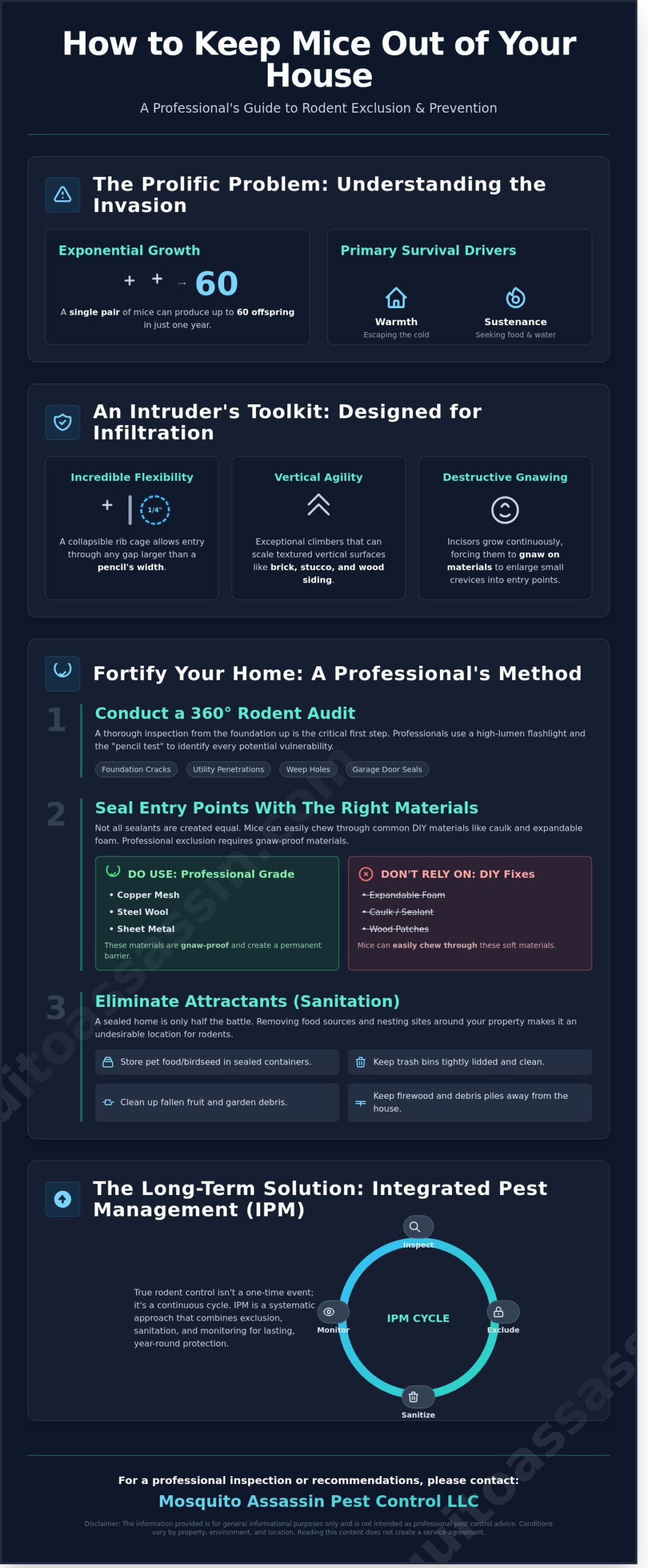
    Last Tuesday, a homeowner in Erie County discovered that a single pair of mice can produce up to 60 offspring in a single year, explaining why their store-bought traps weren’t solving the problem. It’s a common frustration for many residents in Crawford and Ashtabula Counties who find that catching a few rodents doesn’t stop the cycle of infestation. If you’ve spent weeks setting bait only to hear scratching in the walls at 2 AM, you’re likely searching for how to keep mice out of your house once and for all.

    It’s exhausting to deal with the constant worry of chewed wires or contaminated pantries, especially when DIY methods seem to fail. This guide provides the professional methods used to secure a home, from sealing structural vulnerabilities to removing the subtle attractants that draw rodents inside. You will learn which professional-grade materials actually stop teeth and how to maintain a rodent-free environment year-round. This overview covers structural exclusion, sanitation protocols, and long-term maintenance strategies.

    Disclaimer: The information provided on this blog is for general informational purposes only and is not intended as professional pest control advice. Conditions vary by property, environment, and location. Reading this content does not create a service agreement. For an inspection or professional recommendations, please contact Mosquito Assassin Pest Control LLC directly.
    Key Takeaways

    • Understand the biological drivers that attract rodents to a property and how their unique physiology allows them to enter through openings as small as a quarter-inch.
    • Learn how to conduct a professional-grade exterior audit to identify common structural vulnerabilities frequently found in Pennsylvania and Ohio homes.
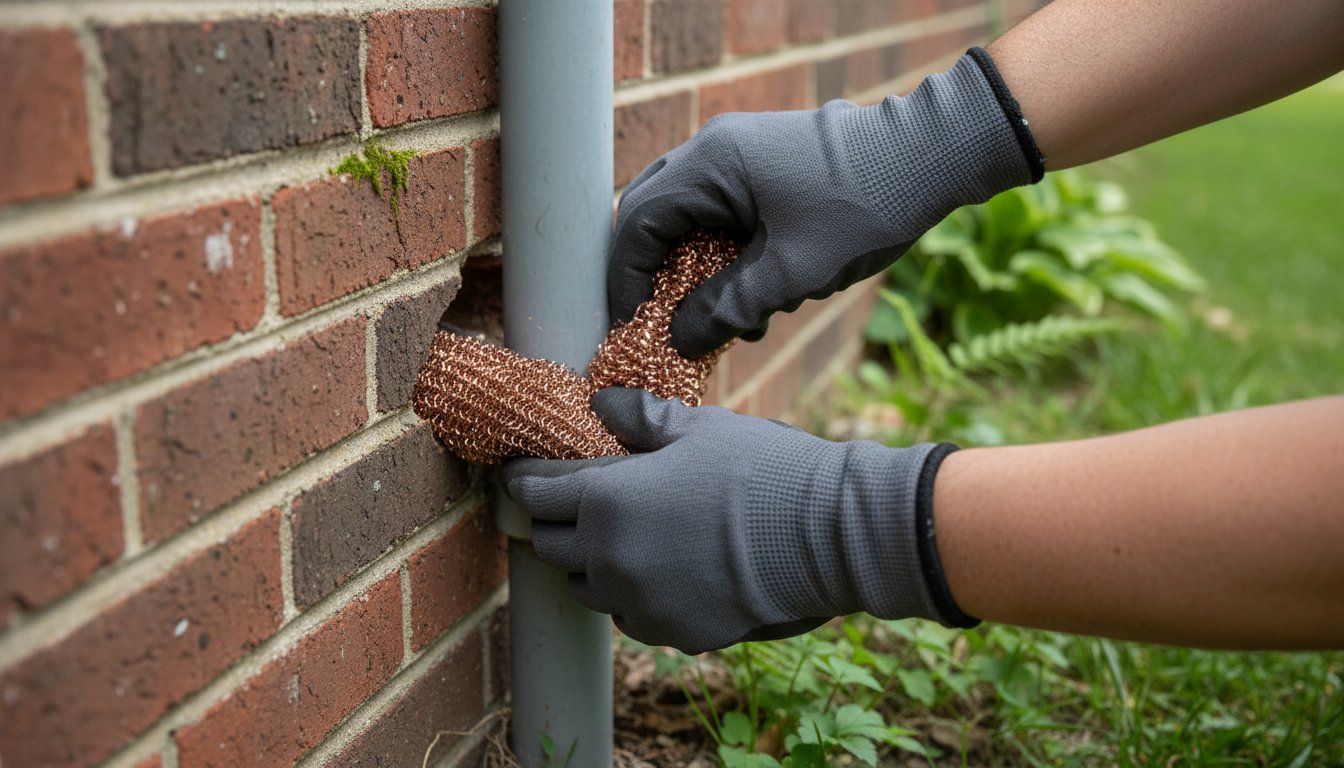
    • Discover why professional exclusion materials like copper mesh and steel wool are more effective than expandable foam for blocking rodent entry points.
    • Identify sanitation and landscaping strategies that explain how to keep mice out of your house by reducing the availability of food and nesting sites.
    • Explore the benefits of Integrated Pest Management (IPM), a systematic approach that combines detailed inspections with long-term maintenance to prevent recurring infestations.

    Understanding Why Mice Target Your Property

    Mice do not enter homes by accident or out of simple curiosity. They are driven by powerful biological imperatives that prioritize survival above all else. In the Great Lakes region, specifically across Erie and Crawford Counties in Pennsylvania and Ashtabula County in Ohio, this behavior follows a predictable seasonal rhythm. As temperatures begin to fluctuate in late October and early November, the local rodent population experiences a massive shift in habitat. When the ground freezes and natural food sources like seeds and insects disappear, your home becomes the most viable survival pod in the area. Understanding these motivations is the first step in learning how to keep mice out of your house effectively.

    A common mistake homeowners make is assuming a single sighting is an isolated event. Biology suggests otherwise. A female House mouse can give birth to a new litter every 21 days, with each litter containing up to six pups. Because these rodents are nocturnal and naturally avoid open spaces, seeing one during daylight hours often signals that the internal nesting sites within your walls or attic have reached maximum capacity. This forced migration into living areas means a colony is likely already well established within the structure.

    The Driving Forces: Warmth and Sustenance

    Rodents are highly sensitive to thermal gradients. During the late autumn temperature drops, heat signatures leaking from a home act as a beacon. Dryer vents, gaps around outdoor faucets, and poorly sealed basement windows release plumes of warm air that rodents follow directly to the source. Once a single mouse finds a way inside, it leaves behind a pheromone trail. This chemical “roadmap” is composed of urine and body oils that guide other mice to the exact same entry point, even months later. Inside, they seek out calorie-dense resources. A single pound of spilled birdseed or an unsealed bag of dog food can sustain a colony of 15 mice for several weeks, providing the energy they need to reproduce through the winter months.

    The Physical Capabilities of the Common House Mouse

    The physical anatomy of a mouse is designed for infiltration. Their skeletons are remarkably flexible; specifically, their rib cages are collapsible. If a mouse can fit its skull through an opening, the rest of the body will follow. This means any gap larger than one-quarter inch, roughly the width of a standard pencil, is a potential doorway. They don’t require a clear path on the ground to enter, either. Mice are exceptional climbers that can scale vertical surfaces with significant texture, such as brick, wood siding, or stucco.

    Their teeth are another formidable tool. A mouse’s incisors grow at a rate of roughly 0.3 millimeters per day, requiring them to constantly gnaw on hard materials to keep the teeth at a functional length. They will instinctively target soft spots in a home’s exterior, such as weather stripping, plastic vent covers, or aging wood trim, to enlarge small crevices into functional tunnels. This combination of persistence and physical agility is why how to keep mice out of your house requires a comprehensive, structural approach rather than just setting a few traps. Professional pest control may help reduce risk by identifying these subtle vulnerabilities before the winter migration begins.

    Disclaimer: The information provided on this blog is for general informational purposes only and is not intended as professional pest control advice. Conditions vary by property, environment, and location. Reading this content does not create a service agreement. For an inspection or professional recommendations, please contact Mosquito Assassin Pest Control LLC directly.

    Conducting a Comprehensive Professional Rodent Audit

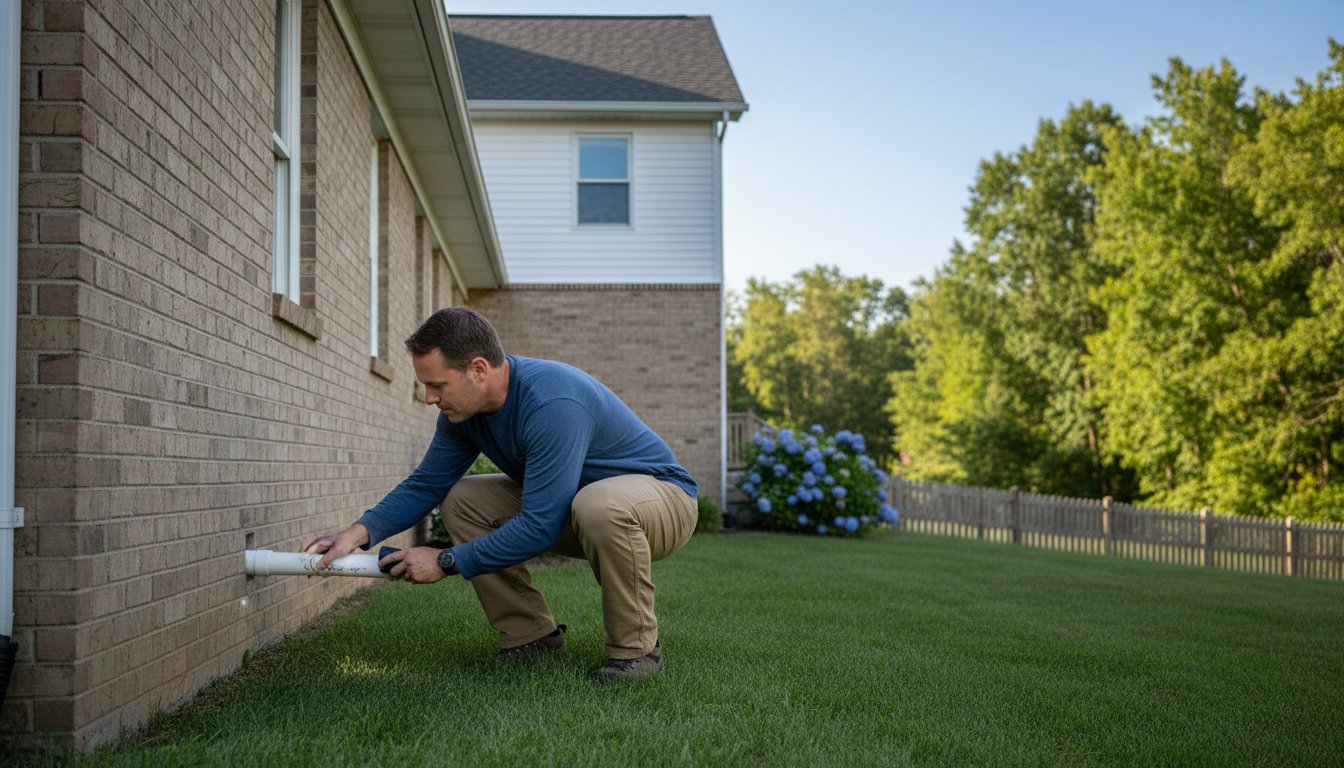
    A successful strategy for how to keep mice out of your house begins with a 360-degree inspection of the property. This process starts at the lowest point of the foundation and moves upward. In regions like Erie and Crawford Counties, older homes often feature fieldstone or stacked stone foundations. These materials naturally shift over time, creating small voids that serve as open invitations for rodents. A professional audit uses a high-lumen flashlight to hunt for “light gaps” or shadows that indicate a breach in the home’s envelope. The “pencil test” remains a gold standard for verification; if a standard #2 pencil can slide into a gap, a juvenile mouse can pass through that same space with ease. Technicians look for these openings not just at eye level, but also behind overgrown vegetation and beneath low-hanging decks where mice feel most secure.

    Exterior Vulnerabilities: The First Line of Defense

    The sill plate, which is the point where the wooden house frame meets the masonry foundation, is a primary entry zone. In Pennsylvania and Ohio, fluctuating seasonal temperatures cause building materials to expand and contract, often pulling vinyl or wood siding away from the foundation. Utility penetrations for gas lines, AC conduits, and electrical wires are frequently overlooked by homeowners. A gap of just 0.25 inches around a pipe is enough for a rodent to enter. Garage doors are another significant weak point. If the bottom weather stripping is brittle or the corner posts have even minor wood rot, mice will exploit the opening within 24 hours of discovery. Corner posts on houses with “J-channel” siding often act as hollow ladders, allowing mice to climb directly from the ground into the soffits.

    Interior Hotspots: Where Mice Hide and Travel

    Once inside, mice prioritize areas with proximity to food and nesting material. Auditing the kitchen requires looking behind heavy appliances like stoves and dishwashers where heat and crumbs accumulate. Sink cabinets often have unfinished gaps around plumbing that lead directly into wall voids. In the attic and crawl space, look for compressed or tunneled insulation. Basement rim joists provide a hidden corridor for mice to travel the perimeter of the home unseen. Floor drains without secure covers also provide access from subterranean levels. Understanding Integrated Pest Management for house mice helps clarify that these interior spaces must be addressed alongside exterior exclusion to be effective. Identifying these travel paths is a vital step in how to keep mice out of your house permanently.

    Identifying Signs of Active Infestation

    Distinguishing between an old problem and a current threat is vital for an accurate audit. Fresh droppings are dark, moist, and have the consistency of putty, while old evidence is gray, dry, and crumbles when touched. “Rub marks” are another key indicator; these are dark, oily stains left by the sebum in mouse fur as they squeeze through tight spots or run along baseboards. Professionals also look for “picket fencing,” which is a pattern of droppings along a specific trail. Nesting materials like shredded paper, bits of fiberglass insulation, or gathered string indicate a female may be preparing for a litter. If these signs are present, scheduling a professional evaluation can provide clarity on the extent of the activity. Active entry points will often have a “clean” look from frequent use, whereas old, unused gaps may be filled with cobwebs or dust.

    Disclaimer: The information provided on this blog is for general informational purposes only and is not intended as professional pest control advice. Conditions vary by property, environment, and location. Reading this content does not create a service agreement. For an inspection or professional recommendations, please contact Mosquito Assassin Pest Control LLC directly.

    Professional Exclusion Techniques and Materials

    Success in understanding how to keep mice out of your house depends entirely on the durability of the materials used. Many homeowners reach for cans of expandable spray foam, but this is rarely a permanent solution. While foam fills a void, it lacks structural integrity. Mice can chew through standard polyurethane foam in less than 60 seconds once they detect a heat signature from inside. Professional exclusion requires materials that provide a physical deterrent to gnawing rather than just a visual plug.

    Copper mesh and stainless steel wool are the industry standards for blocking small entry points. Unlike standard steel wool, which rusts and degrades when exposed to the moisture of Erie County winters, copper mesh maintains its integrity for years. When packed tightly into a crevice, the sharp fibers irritate a rodent’s mouth, causing them to abandon the entry attempt. For the best results, these materials should be paired with high-quality, weather-resistant sealants. In the Great Lakes region, temperatures can fluctuate from -10°F in January to 90°F in July. This requires elastomeric sealants that can expand and contract up to 25% without cracking or pulling away from the substrate.

    Sealing Small Gaps and Crevices

    Mice can compress their bodies to fit through openings as small as 1/4 inch, which is roughly the diameter of a standard ink pen. Focus efforts on the utility penetrations where plumbing pipes, gas lines, or electrical conduits enter the home. Behind toilets and under kitchen sinks are common hotspots. Pack these gaps with copper mesh until they’re dense, then finish with a layer of silicone caulk. In older homes across Crawford County, pay close attention to gaps where floorboards meet the baseboards.

    Securing Larger Openings and Vents

    Larger architectural gaps require 1/4 inch galvanized hardware cloth. This heavy-duty wire mesh is essential for covering crawl space vents and attic soffits. Standard plastic vent covers are easily bypassed by determined rodents. Installing 23-gauge steel mesh ensures that even the most persistent mice can’t chew their way inside. Implementing these physical barriers is a critical step in how to keep mice out of your house during the colder months. Don’t forget to inspect the roofline for damaged fascia boards.

    The Necessity of Durable Door and Window Seals

    The garage door is often the weakest link in a home’s defense. Standard rubber bottom seals become brittle and crack over time, leaving gaps at the corners. Replace these with nylon brush seals or rodent-resistant gaskets reinforced with steel fabric. Basement windows and bulkhead doors also require tight-fitting weatherstripping to eliminate light and scent cues that attract pests. While DIY efforts are a great start, professional pest control may help reduce risk by identifying obscure entry points that are easily missed by the untrained eye.

    Disclaimer: The information provided on this blog is for general informational purposes only and is not intended as professional pest control advice. Conditions vary by property, environment, and location. Reading this content does not create a service agreement. For an inspection or professional recommendations, please contact Mosquito Assassin Pest Control LLC directly.

    Sanitation and Habitat Modification Strategies

    Reducing the carrying capacity of a structure is a fundamental principle in professional pest management. A home’s carrying capacity is the maximum population of rodents the environment can sustain based on available food, water, and shelter. By strictly managing these resources, homeowners can significantly lower the chances of an infestation. Understanding how to keep mice out of your house starts with viewing the property through the lens of a scavenger. Mice only need about three grams of food per day to survive, which means even small lapses in sanitation can support a growing colony.

    Eliminating Indoor Food Sources

    Dry goods stored in original cardboard packaging are highly vulnerable; mice can gnaw through paper and thin plastic in seconds. Transferring flour, cereal, and grains into airtight glass or metal containers removes the scent and prevents access. Pet food is another primary attractant that is often overlooked. Storing large bags of kibble in sealed galvanized steel bins is a proven method to reduce rodent pressure. Homeowners should also pull out the stove and refrigerator at least twice a year. Crumbs and grease spills often accumulate in these hidden areas, providing enough calories to support several mice for weeks. In garages or mudrooms, spilled birdseed or grass seed should be swept up immediately, as these high-protein sources are favorites for local mice.

    Exterior Habitat Management

    The transition from the yard to the foundation is a critical zone for pest prevention. Maintaining a 12-inch pest-free perimeter by replacing organic mulch with crushed stone or gravel discourages mice from nesting directly against the house. Vegetation should be trimmed so no branches or shrubs touch the siding or roofline, as these act as natural bridges. Woodpiles and debris piles are common nesting sites and should be relocated at least 20 feet away from the foundation. Additionally, clogged gutters create moisture pockets that attract rodents looking for a water source. Ensuring downspouts direct water away from the crawlspace or basement helps keep the perimeter dry and less inviting. These simple changes are essential steps in how to keep mice out of your house over the long term.

    Waste Management Best Practices

    Standard plastic trash cans often fail to stop determined rodents. Using heavy-duty bins with locking, tight-fitting lids is essential for managing waste near the home. Outdoor bins require regular cleaning with a mild soap or degreaser to remove lingering food odors that act as beacons for local wildlife. Recycling bins should also be rinsed, as soda and juice residue are significant attractants. Composting is another factor; open compost piles can increase local rodent activity by over 35 percent in residential areas. Using elevated, fully enclosed tumblers is a safer alternative for those who wish to compost without providing a buffet for the local mouse population.

    In regions like Erie and Crawford Counties in Pennsylvania or Ashtabula County in Ohio, seasonal shifts drive mice toward human structures in search of warmth. Professional residential services focus on these environmental factors during a comprehensive inspection. Technicians identify specific habitat risks that a homeowner might overlook, such as birdseed spills in a garage or gaps near utility lines. Addressing these root causes is more effective than reactive measures alone. For those seeking a detailed evaluation of their property’s vulnerabilities, scheduling a professional pest inspection may help reduce the risk of future infestations.

    Disclaimer: The information provided on this blog is for general informational purposes only and is not intended as professional pest control advice. Conditions vary by property, environment, and location. Reading this content does not create a service agreement. For an inspection or professional recommendations, please contact Mosquito Assassin Pest Control LLC directly.

    The Role of Professional Integrated Pest Management

    DIY methods often hit a wall when dealing with established colonies. A single female mouse can produce up to 10 litters in a year, with each litter containing five to six pups. This rapid reproduction means trapping alone rarely solves the root problem. Professional Integrated Pest Management (IPM) focuses on a multi-step strategy. This includes a deep inspection, structural exclusion, and long term maintenance. In regions like Erie and Crawford Counties, the changing seasons drive rodents indoors for warmth. Local experts at Mosquito Assassin Pest Control LLC understand these regional patterns and provide solutions tailored to the specific construction of Pennsylvania and Ohio homes. Professional intervention shifts the focus from temporary fixes to a permanent barrier.

    The Limitations of Trapping Without Exclusion

    Mice are persistent and can squeeze through gaps as small as a pencil. If a homeowner sets traps but ignores a 1/4 inch gap under a garage door, the cycle continues indefinitely. Trapping only removes the mice currently inside; it doesn’t address how to keep mice out of your house in the future. Professional exclusion involves sealing these entry points with gnaw-proof materials like steel wool or specialized metal mesh. This ensures the structure stays vacated after the initial removal. Without these physical barriers, new rodents will simply follow the pheromone trails left by previous inhabitants. A professional ensures the house is sealed before the population outpaces the capacity of a few plastic traps.

    Benefits of Ongoing Pest Management Plans

    Homes are dynamic structures that change with the weather. Foundations settle and wood expands or contracts, creating new vulnerabilities over time. A 2023 study by the National Pest Management Association found that rodents are a top concern for 21 percent of homeowners. Regular monitoring identifies these new gaps before a full infestation starts. These plans often provide early detection for other common invaders like carpenter ants or spiders. Proactive safeguarding offers a level of security that reactionary DIY efforts cannot match. Consistent checkups by a technician familiar with the local climate in Ashtabula County can stop a problem before it requires expensive remediation.

    Taking the Next Step for a Mouse-Free Home

    It’s time to seek professional assistance when sightings persist despite active trapping or when you find signs of nesting in multiple rooms. A customized plan addresses the specific environmental pressures of the tri-state area. Professional pest control may help reduce risk and protect property value by preventing structural damage to insulation and electrical wiring. Rodents are known to chew through plastic coated wires, which creates a fire hazard. For those ready to secure their property, visiting the online booking portal is a practical first step. Expert intervention provides a comprehensive answer to the question of how to keep mice out of your house permanently. Protecting a home requires a combination of vigilance and professional grade materials that stand up to the elements.

    Disclaimer: The information provided on this blog is for general informational purposes only and is not intended as professional pest control advice. Conditions vary by property, environment, and location. Reading this content does not create a service agreement. For an inspection or professional recommendations, please contact Mosquito Assassin Pest Control LLC directly.

    Protecting Your Property From Rodent Intrusion

    Effective rodent exclusion requires a systematic approach that addresses both the physical structure and the surrounding environment. Professionals often cite the 0.25-inch rule; the National Pest Management Association (NPMA) notes that if a gap is large enough for a pencil to fit, a house mouse can likely enter. Understanding how to keep mice out of your house involves sealing these entry points with durable materials like 19-gauge hardware cloth or specialized metal sealants that resist persistent gnawing. It’s also vital to maintain a clean perimeter by removing debris and managing food waste, which reduces the biological cues that attract rodents. Licensed and insured technicians in Pennsylvania and Ohio follow a specialized rodent exclusion process to identify vulnerabilities that are often missed during casual inspections. For an evaluation of property vulnerabilities, contact Mosquito Assassin Pest Control LLC directly. Taking proactive steps today helps ensure a more secure and comfortable living environment for everyone in the home.

    Disclaimer: The information provided on this blog is for general informational purposes only and is not intended as professional pest control advice. Conditions vary by property, environment, and location. Reading this content does not create a service agreement. For an inspection or professional recommendations, please contact Mosquito Assassin Pest Control LLC directly.

    Frequently Asked Questions

    How much space does a mouse need to get into a house?

    A mouse can squeeze through a gap as small as 0.25 inches (6 millimeters), which is roughly the diameter of a standard number two pencil. Their skulls are the only rigid part of their bodies; if the head fits, the rest of the body follows easily. Homeowners in Erie County should inspect foundation vents and utility penetrations for any opening exceeding 0.25 inches to understand how to keep mice out of your house effectively.

    Will peppermint oil or mothballs keep mice away?

    Research from the University of Arizona indicates that peppermint oil and mothballs don’t provide long-term protection against rodent infestations. While the scent of peppermint is strong initially, it dissipates within 24 to 48 hours and loses its deterrent effect. Mothballs contain naphthalene, which is a registered pesticide that shouldn’t be used as a repellent, as it requires high concentrations to affect mice and can pose risks to indoor air quality.

    Why do I keep getting mice even though I set traps?

    Traps only address the mice already inside and don’t stop new individuals from entering through existing gaps. A single female mouse can produce up to 10 litters per year, with 5 to 6 pups per litter, leading to rapid population growth. If the exterior entry points remain unsealed, the scent of previous inhabitants often attracts new mice, making it difficult to learn how to keep mice out of your house without structural exclusion.

    Can mice climb up the sides of a house?

    Mice are excellent climbers and can scale vertical surfaces like brick, stucco, and wood siding that have even slight textures. They can jump up to 12 inches vertically and use downspouts or overhanging tree branches within 3 feet of the roofline to access upper levels. This agility allows them to enter through attic vents or gaps in the soffit that are 20 feet above the ground, making roofline inspections necessary.

    What is the best material to plug mouse holes?

    The most effective materials for sealing entry points are 19-gauge hardware cloth, stainless steel wool, or copper mesh. Mice can’t chew through these metal barriers, unlike wood, plastic, or expanding foam. For a permanent seal, professionals often pack the metal mesh into gaps and secure it with a high-quality silicone caulk or weather-resistant sealant to prevent the material from being pulled out by persistent rodents or weather conditions.

    How do I know if the mice are finally gone?

    A home is typically considered mouse-free when no new droppings, gnaw marks, or scratching sounds are detected for 14 consecutive days. You can monitor activity by placing non-toxic tracking powder or small amounts of flour in suspected travel paths to check for footprints. If no tracks or fresh 3-to-6-millimeter droppings appear after 2 weeks, the localized population has likely been eliminated. Professional pest control may help reduce risk if activity persists.

    Is it possible to mouse-proof an older home?

    It’s entirely possible to mouse-proof an older home, though structures built before 1950 often require more extensive sealing of stone foundations and sill plates. Focusing on the bottom 3 feet of the structure is critical, as this is where 80 percent of entries occur. For residents in Crawford and Ashtabula Counties, identifying structural vulnerabilities is the first step. For an inspection or professional recommendations, please contact Mosquito Assassin Pest Control LLC at www.mosquitoassassin.com/contact-us.

    Disclaimer: The information provided on this blog is for general informational purposes only and is not intended as professional pest control advice. Conditions vary by property, environment, and location. Reading this content does not create a service agreement. For an inspection or professional recommendations, please contact Mosquito Assassin Pest Control LLC directly.

  • Pest Prevention Tips for Homeowners: The 2026 Essential Defense Guide

    Pest Prevention Tips for Homeowners: The 2026 Essential Defense Guide

    That faint scratching in the walls at night. The relentless line of ants marching toward your kitchen counter. The nagging worry about ticks every time your family enjoys the yard. Your home is your sanctuary, but it can feel like a fortress under constant siege when pests invade. Reclaiming your peace of mind starts not with panic, but with a powerful, proactive strategy. This guide delivers the essential pest prevention tips for homeowners needed to build an impenetrable defense against unwanted invaders, ensuring your home remains a safe haven for your family.

    Forget temporary fixes and ineffective store-bought sprays. We’re unlocking the professional secrets to safeguarding your property from the inside out. You’ll learn practical, low-cost methods to seal entry points, eliminate common attractants, and create an environment where pests simply can’t thrive. Master these defensive tactics to fortify your home, and discover exactly when a strategic strike is necessary-and it’s time to call in the Assassins for a swift, decisive victory. Your pest-free home is within reach.

    Key Takeaways

    • Master the “Pest Triangle” principle by systematically eliminating the food, water, and shelter sources that attract invaders to your property.
    • Fortify your home’s exterior with our step-by-step checklist for finding and sealing the tiny cracks and gaps pests use as hidden entry points.
    • Get exclusive pest prevention tips for homeowners tailored to the unique seasonal pest cycles and humidity challenges in Pennsylvania and Ohio.
    • Recognize the critical signs that a pest issue requires professional-grade, family-safe treatments for guaranteed eradication.

    Understanding Pest Prevention: More Than Just a Clean House

    Effective pest prevention is about safeguarding your home through proactive management, not just reactive cleaning. While a tidy house helps, true protection involves understanding what attracts pests in the first place. Every unwanted invader-from ants to rodents-is searching for three simple things: food, water, and shelter. This “Pest Triangle” is the foundation of nearly every infestation. By strategically removing their access to these resources, you can make your home an undesirable target. These foundational pest prevention tips for homeowners are about creating an environment that naturally repels insects and wildlife.

    To see these principles in action, watch this helpful overview for new homeowners:

    It’s crucial to distinguish between surface cleaning and deep-sanitation prevention. Wiping down counters is a daily task, but pulling out your refrigerator to clean up food debris or fixing a slow drip under the sink are the actions that eliminate critical resources for pests. This comprehensive mindset is the core of modern pest control. The gold standard for 2026 and beyond is a proven, science-based philosophy known as Integrated Pest Management (IPM), which combines environmental management, physical barriers, and targeted treatments for a sustainable, long-term solution.

    This IPM approach is adopted by leading experts globally. For example, even in Australia, the principles remain the same, as demonstrated by the comprehensive services offered by ABC Pest Control Sydney to protect local homes and businesses.

    The Psychology of a Pest: Why They Chose Your Home

    Pests are not a sign that your home is “dirty”-they are opportunistic survivalists hardwired to find resources. The first scout that finds a crumb trail or water source leaves a pheromone signal for others to follow, quickly turning a single intruder into a full-blown infestation. Common “invitation” signals you might be sending include exterior lights that attract flying insects, pet food left out overnight, or firewood stacked directly against your foundation, which provides ideal shelter for rodents and termites.

    Prevention vs. Eradication: Knowing the Difference

    Think of prevention as proactively locking your doors and windows. Eradication is the process of removing an intruder who has already broken in. While DIY pest prevention tips for homeowners are excellent for keeping your home secure, they often fail once an active nest is established. At that point, you are no longer just cleaning up-you are fighting an entrenched colony. For active infestations, the most reliable and efficient solution is to enlist professional services to eliminate the problem at its source and restore your home’s defenses.

    The Three Pillars of Home Pest Defense

    Effective, long-term pest control isn’t about just spraying chemicals; it’s about strategic environmental control. At Mosquito Assassin, our professional approach is built on safeguarding your home by systematically eliminating the three things every pest needs to survive: food, water, and shelter. By disrupting this survival triangle, you transform your property from a welcoming haven into a hostile environment for invaders. Mastering these core principles is the foundation of all effective pest prevention tips for homeowners.

    Starving the Enemy: Advanced Food Storage

    Pests are opportunistic feeders, and your home can be an all-you-can-eat buffet if you’re not careful. It goes far beyond just pantry crumbs. To truly eliminate food sources, you must think like a pest and cut off every potential meal.

    • Ditch the Cardboard: Shipping boxes and cereal packaging are not just containers; they are food and nesting material for cockroaches, silverfish, and rodents. Transfer grains, cereals, and pastas into airtight glass or hard plastic containers immediately.
    • Pet Food Protocols: A pet food bowl left out overnight is a guaranteed attractant for ants, roaches, and even rodents. For homeowners in Erie or Crawford County, it’s crucial to pick up bowls after feeding and store pet food in a sealed, chew-proof container.
    • Garbage Management: Your trash can is a primary target. Always use cans with tight-fitting lids, both indoors and out. Regularly wash your bins to remove odorous residue that signals a feast to nearby pests.

    Moisture Management: Drying Out the Invaders

    Water is life, especially for pests like termites, cockroaches, and carpenter ants that thrive in damp conditions. Controlling moisture is a non-negotiable step in safeguarding your home from these destructive and unsanitary invaders.

    • Fix Leaks Immediately: A slow drip from a pipe in your basement or under a sink creates a permanent watering hole for rodents and insects. Regular inspections and prompt repairs are critical.
    • Control Humidity: The damp crawl spaces and basements common in our PA/OH climate are ideal for pests. A dehumidifier is a powerful tool to make these areas inhospitable.
    • Maintain Your Gutters: We find that clogged gutters are the #1 cause of carpenter ant infestations. When water overflows, it soaks the fascia boards and siding, creating soft, rotted wood that is perfect for nesting.

    Finally, you must address shelter by modifying the habitat around your home. Your yard can act as a staging ground for pests preparing to invade. Create a defensive perimeter by trimming shrubs away from your foundation, clearing away leaf litter, and removing large debris. An old vehicle, for instance, is a prime nesting spot for rodents and insects. If you need to clear out an old car, a service like Cash For Junk Cars Michigan can be a useful resource. These foundational steps, detailed in nearly every professional home pest management guide, deny pests the cover they need to approach your house. When you eliminate their food, water, and shelter in tandem, you create a powerful, pest-free fortress.

    Generic advice doesn’t cut it in the Tri-State area. The “lake effect” from Lake Erie creates a unique microclimate with higher humidity, accelerating pest breeding cycles and creating distinct seasonal challenges. Effective pest prevention tips for homeowners in our region must account for these unique shifts. From the spring thaw in Erie County to the first frost in Ashtabula, pests follow a predictable, yet formidable, calendar of invasion.

    Spring and Summer: The Mosquito and Tick Surge

    As temperatures rise, our area experiences a population explosion of mosquitoes and ticks. With vector-borne diseases becoming more prevalent, peak season-typically May through September-demands proactive defense. In our location, this means focusing on eliminating breeding grounds and creating hostile environments for these dangerous pests.

    • The “Tip and Toss” Method: Once a week, walk your property and empty any standing water from buckets, tarps, birdbaths, and clogged gutters. A mosquito can breed in a bottle cap of water.
    • Landscaping for Tick Prevention: To combat the black-legged ticks common in Crawford County, create a three-foot-wide barrier of gravel or woodchips between your lawn and wooded areas. This deters ticks from migrating into your yard.

    Fall and Winter: The Great Rodent Migration

    The moment the temperature drops in Northwest PA, a different threat emerges. Rodents like mice and rats begin their relentless search for warmth, food, and shelter inside your home. They are joined by overwintering pests like stink bugs and lady beetles, which gather on sunny walls before finding their way inside. Sealing your home is the most critical step in preventing this migration.

    • The “Dime-Sized” Rule: A mouse can squeeze through an opening the size of a dime. Meticulously inspect your foundation, siding, and utility entry points for even the smallest gaps. For a comprehensive guide on finding these vulnerabilities, Clemson’s Pest Prevention Checklist offers expert-level detail.

    Understanding this seasonal cycle is why year-round protection is no longer optional. With climate projections for 2026 indicating milder winters and earlier springs, the pest activity window is expanding. This makes constant vigilance one of the most important pest prevention tips for homeowners looking to safeguard their property now and in the future.

    The Ultimate Homeowner’s Exclusion Checklist

    Your home’s first and most effective line of defense against pests is physical exclusion. By sealing entry points, you create a fortress that keeps unwanted invaders out. Following this checklist is one of the most crucial pest prevention tips for homeowners, safeguarding your family and property from infestation before it begins.

    Step 1: The Perimeter Walk. Grab a pencil and walk the exterior of your home. Your mission is to identify every crack, gap, or hole larger than the pencil’s eraser-that’s all a mouse needs to squeeze through. Pay close attention to the foundation, where siding meets brick, and around window frames.

    Step 2: Seal the Envelope. Once you’ve identified the weak points, it’s time to seal them with the right materials. Don’t just rely on a single solution; a professional approach layers defenses:

    • Caulk: Use high-quality silicone caulk for sealing small cracks and gaps.
    • Copper Mesh & Steel Wool: For larger holes, stuff them tightly with copper mesh or steel wool, as rodents cannot chew through these materials. Then, seal over them for a permanent fix.

    Step 3: Door and Window Fortification. Check all exterior doors for worn-out weatherstripping or damaged door sweeps. A tight seal not only keeps pests out but also improves energy efficiency. Meticulously inspect every window and door screen for even the smallest tears and repair or replace them immediately.

    Step 4: Utility Entry Point Defense. Pests often use utility lines as a highway into your home. Inspect where pipes, electrical wiring, and HVAC lines enter the structure. Seal any gaps around these entry points to shut down these common pest pathways.

    Professional Sealing Techniques

    While DIY efforts are a great start, professional techniques offer guaranteed protection. Many homeowners reach for expanding foam, but rodents can and will chew right through it. A true pest professional will pack a void with chew-proof steel wool before sealing. For plumbing lines under sinks, decorative escutcheon plates provide a clean, tight seal. We also recommend screening attic vents and installing chimney caps to block entry for wildlife like squirrels and wasps.

    Landscaping for Exclusion

    Your yard can either invite pests or deter them. Keep vegetation trimmed at least 18 inches away from your foundation to eliminate hiding spots and moisture buildup. While wood mulch looks nice, it’s a playground for termites and ants; consider using stone or rubber mulch near your home. Finally, trim back tree branches that touch or overhang your roofline-these act as a bridge for rodents and insects to gain access to your attic.

    Managing large trees to ensure they don’t serve as bridges for pests is often a job for specialists. Professional arborists, like the team at We Love Trees, can help maintain a safe distance between branches and your home, which is a critical part of any pest exclusion plan.

    Implementing these pest prevention tips for homeowners is a powerful step. For a comprehensive inspection and professional exclusion services guaranteed to fortify your home, contact the experts at Mosquito Assassin today.

    When DIY Isn’t Enough: The Mosquito Assassin Advantage

    While the right DIY strategies are a great first line of defense, some pest infestations require a more definitive, professional approach. When you’ve exhausted your options, it’s time to call in a specialist. The Mosquito Assassin philosophy isn’t just about spraying chemicals; it’s about systematic eradication. We use professional-grade tools and a proven methodology to eliminate pests at their source, safeguarding your home and family.

    The principle of relying on a specialist for guaranteed results applies to many areas of life, not just pest control. For travelers, ensuring a timely and professional airport transfer is crucial, which is why services like MSP Car Service are so valued in their region. In the same way, we provide that expert-level assurance for protecting your home.

    Our Four-Step Systematic Process

    Our confidence comes from a methodical process designed for total pest elimination. We leave nothing to chance:

    • Deep Inspection: Our certified technicians identify the root of the problem, uncovering nesting sites and entry points that DIYers almost always miss.
    • Customized Treatment: We don’t use a one-size-fits-all solution. We design a targeted plan for your specific Erie or Ashtabula pest profile.
    • Execution (The Assassination): We implement the plan with precision, using advanced, family-safe treatments for a rapid knockdown of active pest populations.
    • Follow-up & Guarantee: Our job isn’t done after the first visit. We ensure the treatment is effective, backed by our simple promise: “If pests return, so do we.”

    Many homeowners worry that “family-safe” means “weak.” Modern pest control has evolved. Our targeted treatments are engineered to be highly effective against specific pests while being safe for use around your children and pets. We focus on eliminating the threat without compromising your family’s well-being.

    For true peace of mind, the most effective of all pest prevention tips for homeowners is proactive, year-round protection. Our Platinum Year-Round Protection plan is designed to stop infestations before they start, creating a permanent barrier around your property. It’s the ultimate investment in a consistently pest-free home.

    Protecting Your Family and Your Investment

    Ignoring a pest problem can lead to costly structural damage from termites, health risks from rodents, and endless stress. As your neighbors, we understand the unique challenges local pests present because we live where we work. Don’t let a small issue become a major crisis. Schedule your professional inspection with Mosquito Assassin today and take the first, definitive step toward a pest-free 2026.

    Your Ultimate Defense: From Prevention to Professional Protection

    You now have a powerful arsenal of strategies for safeguarding your home. From understanding the three pillars of defense-exclusion, sanitation, and maintenance-to implementing a detailed exclusion checklist, you’re better equipped than ever to stop pests before they start. Mastering these pest prevention tips for homeowners is the crucial first step in maintaining a secure, comfortable living space.

    However, even the most diligent homeowner can face a persistent invasion. When DIY measures fall short, or for guaranteed year-round peace of mind, it’s time to call in the professionals. The team at Mosquito Assassin is ready to provide the ultimate backup. As a 5-Star Rated local service with licensed and insured technicians, we deliver professional, family-safe solutions you can trust. We stand by our work with our signature “If Pests Return, So Do We” Guarantee. Take the final step in securing your home.

    Get Your Free Pest Protection Quote from the Best of the Best

    Your pest-free home is just a click away.

    Frequently Asked Questions About Pest Prevention

    Is professional pest control safe for my kids and pets?

    Absolutely. Your family’s safety is our number one priority. We use proven, family-safe treatments and Integrated Pest Management (IPM) techniques to minimize material use. Our certified technicians are experts at applying products strategically in areas inaccessible to children and pets, like wall voids and crawl spaces. We provide clear instructions after treatment to ensure a safe environment for everyone, giving you complete peace of mind while we safeguard your home from unwanted intruders.

    How often should a homeowner perform a pest prevention check?

    We recommend performing a thorough pest prevention check at least seasonally, especially in the spring and fall when pest activity changes. Walk your property to inspect for foundation cracks, check the seals around windows and doors, and ensure gutters are clean and directing water away from your home. Following these proactive pest prevention tips for homeowners is a crucial first step in creating a defensive barrier and keeping your home protected year-round from common invaders.

    What are the most common pests in the Erie and Ashtabula regions?

    As a locally owned and operated team, we know exactly what our neighbors in Erie County and Ashtabula County are up against. The most common pests we eliminate include carpenter ants, which can cause significant structural damage, as well as spiders, stinging insects like wasps and hornets, and rodents such as mice and rats. Our comprehensive plans are designed specifically to target and control the pests that are most prevalent right here in our community.

    Can I really get rid of mice on my own without a professional?

    While DIY traps might catch an occasional mouse, they rarely solve the entire problem. A single mouse often indicates a larger, hidden infestation. Professional technicians are trained to identify all entry points mice use to get inside and will implement a comprehensive eradication plan to eliminate the entire colony. Relying on a professional ensures the problem is handled completely, protecting your home from the property damage and health risks associated with a lingering rodent infestation.

    How much does a year-round pest protection plan cost?

    The cost of a year-round protection plan is tailored to your specific needs. Pricing depends on several factors, including the size of your home and property, the type of pests being targeted, and the level of existing infestation. We provide a comprehensive inspection to create a customized treatment plan that offers the most effective and affordable solution. Contact us today for a free, no-obligation quote to see how we can safeguard your home all year long.

    What should I do if I find a tick on my property?

    Finding a single tick often signals a larger population is hiding on your property. Due to the health risks associated with ticks, such as Lyme disease, it’s critical to take immediate action. Avoid DIY sprays, which can be ineffective. The most reliable solution is a professional yard treatment. Our technicians target tick habitats like tall grass, shrubs, and wooded areas, effectively eliminating them and providing lasting protection for your family and pets.

    Does a clean house guarantee I won’t get pests?

    A clean house is certainly less attractive to pests, but it is not a guarantee of protection. Pests need only three things to survive: food, water, and shelter. Even the most spotless home provides these resources. Pests can enter through tiny cracks in the foundation, gaps under doors, or even on packages brought inside. True protection combines a clean environment with professional pest control services that create a barrier to stop pests before they get in.

    What happens if the pests come back after a professional treatment?

    Our commitment to you is simple: if the pests return, so do we. We stand behind our work with a 100% satisfaction guarantee. If you see any pest activity between your regularly scheduled service visits, just give us a call. A certified technician will return to your home at no additional charge to assess the situation and provide further treatment. Your peace of mind is our mission, and we won’t stop until the problem is solved for good.

  • How to Get Rid of Ants in Erie, PA: A Complete Guide

    How to Get Rid of Ants in Erie, PA: A Complete Guide

    You’ve tried the store-bought sprays and sticky traps, but the relentless line of ants marching across your kitchen counter just keeps coming back. It’s a frustrating battle, especially when you’re worried about which chemicals are safe around your children and pets. For homeowners, figuring out how to get rid of ants in Erie, PA, for good can feel like an impossible task. Are they just a nuisance, or could they be destructive carpenter ants threatening your home’s very structure? You deserve a permanent solution and the peace of mind that comes with a truly pest-free home.

    This comprehensive guide is your battle plan. We will break down exactly why ants are targeting your Erie home, empowering you with the knowledge to fight back effectively. You’ll discover proven, family-safe prevention tips you can implement today to safeguard your space from future invasions. Most importantly, we’ll help you identify the critical signs that mean it’s time to stop the DIY struggle and call in Erie’s trusted professionals for a guaranteed, long-term eradication.

    Key Takeaways

    • Properly identifying common Erie ants, like Pavement or Carpenter ants, is the critical first step when learning how to get rid of ants Erie PA effectively.
    • Discover simple DIY tactics as part of your strategy for how to get rid of ants Erie PA, focusing on eliminating the food, water, and shelter sources they seek.
    • Learn to recognize when your problem is too big for DIY, a key part of knowing how to get rid of ants in Erie PA and when to call a professional to prevent damage.
    • When DIY methods fail, understanding how to get rid of ants Erie PA for good involves a professional, multi-step process that targets the entire colony safely.

    Identify Your Enemy: Common Ants Found in Erie, PA Homes

    Before you can effectively eliminate an ant infestation, you must first identify your enemy. Not all ants are created equal; a strategy that works on one species might be completely ineffective against another. Erie’s unique climate, with its humid summers and proximity to Lake Erie, creates a perfect environment for specific types of ants to thrive. Understanding which invader has breached your home is the critical first step in learning how to get rid of ants in Erie, PA, for good.

    Correctly identifying the ant species helps determine the level of threat to your property and dictates the most effective treatment plan. A few ants on the counter might be a simple nuisance, or they could be scouts for a destructive colony hidden within your walls. A professional inspection is always the surest way to get a definitive answer.

    To see some general approaches to ant control, watch this helpful video:

    Pavement Ants: The Tiny Sidewalk Invaders

    These small, dark brown or black ants are a common sight on sidewalks, driveways, and patios across Erie County. Pavement ants typically build their nests in or under the cracks in pavement, foundations, or concrete slabs. While they don’t pose a structural threat, they are a significant nuisance, constantly foraging in your kitchen for sugary foods, grease, and other scraps.

    Carpenter Ants: The Wood-Destroying Threat

    Easily the most destructive ant species in our region, carpenter ants are a serious threat to your home. These large, black or reddish-black ants don’t eat wood; they excavate it to create smooth tunnels and galleries for their nests, compromising structural integrity over time. A key sign of an infestation is finding piles of fine sawdust, known as frass, near baseboards, window sills, or in crawl spaces.

    Odorous House Ants: The Smelly Nuisance

    Named for the distinct rotten coconut-like smell they release when crushed, odorous house ants are a persistent nuisance. These small, dark ants often march indoors in long trails after heavy rain, searching for sweets. Unlike many other types of Common Ants, their colonies can contain multiple queens and split into several nests, making them notoriously difficult to eliminate with DIY methods.

    First Line of Defense: DIY Ant Prevention & Control

    Before you call for professional backup, you can take powerful, proactive steps to make your Erie home an unwelcome place for ants. The most effective strategies are often the simplest, focusing on eliminating the three things every ant colony needs to survive: food, water, and shelter. Consistent prevention is the secret to long-term success and is a core component of any plan for how to get rid of ants in Erie PA for good.

    These methods are part of a professional strategy known as Integrated Pest Management (IPM). By making your home less attractive to pests, you create a powerful first line of defense. As experts in local pest behavior, we know that a clean, sealed home is the best deterrent, a concept supported by resources on DIY Ant Prevention & Control from the Penn State Extension.

    Eliminate Food and Water Sources

    An ant scout is always searching for its next meal. Don’t let it be in your kitchen. By cutting off their supply lines, you can send them marching elsewhere. Make these habits part of your routine:

    • Clean Relentlessly: Wipe up crumbs and spills, especially sugary liquids like juice or soda, immediately. A single drop can attract hundreds of ants.
    • Secure All Food: Store food, including pet food and pantry staples like sugar and flour, in airtight containers.
    • Eliminate Moisture: Fix leaky faucets, dripping pipes, and any areas of standing water. Ants need water just as much as food.
    • Manage Your Trash: Take out kitchen trash daily and ensure both indoor and outdoor cans have tight-fitting lids.

    Seal Off Entry Points

    Ants are incredibly small and can exploit the tiniest cracks to invade your home. Fortify your home’s perimeter by methodically sealing any potential entry points. Walk the perimeter of your house and look for:

    • Foundation Cracks: Use caulk to seal any cracks or crevices in your home’s foundation.
    • Utility Gaps: Check where pipes, wires, and utility lines enter your home and seal any gaps around them.
    • Windows & Doors: Ensure weather stripping is intact and that window and door frames are properly sealed.
    • “Ant Bridges”: Trim back tree branches, shrubs, and overgrown vegetation that touch your house, as ants use these as highways to get inside.

    The Truth About DIY Sprays and Baits

    While store-bought products can offer temporary relief, they often fall short of providing a permanent solution. Understanding their limitations is key. Over-the-counter sprays typically only kill the worker ants you see, leaving the queen and the rest of the hidden colony safe to continue breeding. Baits can be more effective, but they must be the correct type for the specific ant species and placed strategically in their foraging paths. Using the wrong product or placement can sometimes cause a phenomenon called “budding,” where the colony splits into multiple new colonies, making your infestation even worse.

    When to Call a Professional: Signs You Need an ‘Assassin’

    While many small ant problems can be handled with store-bought solutions, some infestations in Erie are simply too established for DIY methods to be effective. Recognizing the warning signs that you’re outmatched can save you significant time, money, and potential property damage down the road. A professional technician has the training, tools, and proven products to eliminate the entire colony for good, not just the foragers you see. Don’t wait for a nuisance to become a nightmare.

    If you see any of the following signs, it’s time to call for professional backup.

    You See Large, Winged Ants Inside

    Spotting a few large ants with wings crawling on your windowsill or near a light fixture is more than just an annoyance-it’s a serious red flag. These are “swarmers,” the reproductive members of a mature ant colony. Their sole purpose is to leave the original nest and establish a new one nearby. This often signals that a well-established colony, possibly destructive carpenter ants, is operating in or around your home and requires immediate, expert attention.

    DIY Efforts Have Failed

    You’ve set out baits, sprayed the baseboards, and sealed every crack you can find, but the ants keep marching back. Persistent ant activity despite your best efforts means the source of the problem-the hidden nest-remains active and untouched. While resources like Penn State Extension’s guide to ant control offer excellent strategies, a resilient infestation indicates a deeper issue that over-the-counter products can’t solve. Our professional pest control services are designed to bypass the foragers and target the queen and colony directly for complete eradication.

    You Suspect Carpenter Ants

    When the question of how to get rid of ants in Erie, PA, involves potential structural damage, the stakes are much higher. Look for these tell-tale signs of carpenter ants:

    • Unexplained Wood Shavings: Finding small, sawdust-like piles (called “frass”) along baseboards, in basements, or in crawl spaces is a classic sign of excavation.
    • Faint Rustling Noises: At night, you may hear faint crinkling or rustling sounds coming from inside your walls as the ants work.

    Your home is your biggest investment. Don’t risk its integrity by trying to fight a destructive carpenter ant infestation on your own.

    The Mosquito Assassin Solution: Our Proven Ant Control Process in Erie

    DIY sprays and traps often fail because they only kill the ants you see, not the hidden colony. At Mosquito Assassin, we deliver a strategic, multi-step solution designed for total ant eradication. Our approach isn’t just about eliminating the current invasion; it’s about safeguarding your home and family from future ones. We understand that knowing how to get rid of ants in Erie, PA, means targeting the source with professional-grade, family-safe treatments. As your local pest control experts, we are deeply committed to protecting our neighbors. You can learn more about our company and our dedication to Erie residents.

    Step 1: Comprehensive Property Inspection

    Effective ant control starts with a professional assessment. Our certified technicians conduct a thorough inspection of your property to identify the specific ant species causing the problem-whether it’s odorous house ants in the kitchen or carpenter ants in your walls. We meticulously trace ant trails to pinpoint entry points, foraging routes, and the location of the nest. This critical first step allows us to build a precise and effective battle plan.

    Step 2: Customized Treatment Plan

    There is no one-size-fits-all solution for ant infestations. Based on our inspection, we develop a customized treatment strategy tailored to your home’s unique situation. This may include:

    • Targeted Baits: Placed strategically to be carried back to the colony, eliminating the queen and the entire nest from within.
    • Non-Repellent Sprays: Applied to key areas so ants unknowingly track the treatment back to the colony, maximizing its effectiveness.
    • Exterior Barrier Protection: Creating a powerful shield around your home’s foundation to stop new ants from getting inside.

    We walk you through the entire plan before we begin, ensuring you know exactly what to expect from our professional service.

    Step 3: Long-Term Prevention and Guarantee

    Our job isn’t done after the initial treatment. We focus on long-term prevention by creating a protective barrier and providing you with practical recommendations to make your property less attractive to ants. All our ant control services are backed by our ironclad Pest-Free Guarantee. It’s simple: if the pests return between scheduled services, so do we-at no extra charge. That’s the Mosquito Assassin promise.

    Why Choose a Local Erie, PA Exterminator?

    When you discover an ant infestation, you have a choice to make. While national chains offer a one-size-fits-all approach, pest control is not a universal problem-it’s a local one. When dealing with pests in Erie County, local expertise makes a significant difference. A local company is invested in our community’s well-being and its reputation, offering a level of personalized service and accountability that larger corporations simply can’t match. If you’re looking for the most effective way how to get rid of ants in Erie, PA, the answer is a professional who knows your neighborhood.

    Unmatched Knowledge of Local Ant Behavior

    We understand the unique pest pressures facing homeowners in Erie. Our certified technicians know how our distinct seasons-from humid summers to lake-effect winters-affect ant activity. We anticipate the carpenter ant swarms in spring and the pavement ants that invade kitchens seeking warmth in the fall. This local knowledge allows us to time our proven treatments for maximum effectiveness, targeting ants based on their seasonal behavior and the specific building styles common throughout our area.

    Fast, Reliable Service When You Need It Most

    An ant problem can’t wait. Being local means we can provide faster, more reliable response times when you need us most. Our team lives in the communities we serve across the Erie area, so we’re never far away. To us, you’re not just an account number in a national database; you’re our neighbor, and we are committed to providing the dependable, professional service you deserve.

    Invest in the Community You Call Home

    Choosing a local exterminator like Mosquito Assassin means your investment stays right here in the Erie economy. We are proud to safeguard the health and property of our neighbors, serving both homeowners and other local businesses. In addition to residential services, we offer specialized commercial pest control services to protect restaurants, offices, and other establishments that make our community thrive. When you need a definitive, professional solution for how to get rid of ants in Erie, PA, trust the local experts at Mosquito Assassin.

    Your Final Step to an Ant-Free Home in Erie

    Dealing with a persistent ant invasion is a battle no Erie homeowner should fight alone. This guide has walked you through the essential first steps, from identifying common local ant species to trying effective DIY prevention tactics. While these measures are a great first line of defense, we’ve also seen that a stubborn, large-scale infestation often requires the strategic intervention of a professional to achieve complete eradication.

    When you need the most reliable and effective answer for how to get rid of ants Erie PA, trust your local experts at Mosquito Assassin. As a locally owned and operated team, we are your neighbors, dedicated to safeguarding our community. We combine our deep knowledge of Erie’s unique pest challenges with family-safe treatments and our ironclad Pest-Free Guarantee: If pests return, so do we.

    Don’t let ants take over your peace of mind for another day. Take decisive action and reclaim your space with confidence. Reclaim Your Home from Ants. Get Your Free Estimate Today!

    Frequently Asked Questions

    How much does professional ant extermination cost in Erie, PA?

    The cost for professional ant extermination in Erie varies depending on the type of ant, the size of your property, and the severity of the infestation. While a standard treatment may range from $150 to $350, a complex carpenter ant problem could be more. At Mosquito Assassin, we provide a comprehensive inspection and a detailed, no-obligation quote. This ensures you receive a customized and effective treatment plan tailored specifically to your home’s needs for dependable results.

    Are the treatments used by Mosquito Assassin safe for my children and pets?

    Absolutely. Safeguarding your family is our highest priority. We use professional-grade, family-safe treatments that are approved by the EPA. Our certified technicians are expertly trained in precise application methods that target ants where they live and breed, minimizing any risk to your loved ones. We will always provide clear instructions for any necessary precautions, ensuring your home is returned to you pest-free and, most importantly, safe for your entire family, including pets.

    How long will it take to completely get rid of my ant problem?

    You will see a dramatic reduction in ant activity within 24-48 hours of our initial treatment. However, complete colony eradication can take longer, as our treatments are designed to be carried back to the nest to eliminate the queen. For a reliable solution on how to get rid of ants in Erie PA for good, our proven process may include a follow-up visit to ensure the entire colony has been destroyed and to prevent re-infestation.

    What is the difference between flying ants and termites?

    Misidentifying these pests can be a costly mistake. Flying ants have a distinctly pinched “waist,” bent antennae, and two pairs of wings of unequal length. In contrast, termites have a broad, uniform waist, straight antennae, and two pairs of wings that are equal in size and length. If you see swarming winged insects, it’s crucial to get a professional inspection from our expert technicians to correctly identify the pest and protect your home from potential damage.

    Why do I get ants in my kitchen every spring?

    As temperatures rise in Erie each spring, ant colonies become active and begin foraging for food and water sources. Your kitchen provides the perfect environment with crumbs, sticky spills, and moisture around sinks. Once ants find a food source, they leave behind an invisible pheromone trail for the rest of the colony to follow. This is why they often return to the exact same spots year after year until that trail and the colony are professionally eliminated.

    Can you get rid of carpenter ants for good?

    Yes. Complete and permanent eradication of carpenter ants is absolutely possible with a professional strategy. Unlike simple baiting, our comprehensive treatment focuses on locating and destroying the primary nest and any satellite colonies, which are often hidden inside your home’s wood structures. Our technicians have the expertise and tools to eliminate the entire colony, stopping the structural damage they cause and safeguarding your home from future infestations. We guarantee our results.

  • Wasp Nest Removal Near Me: Your Guide to Safe & Professional Service

    Wasp Nest Removal Near Me: Your Guide to Safe & Professional Service

    That knot of anxiety in your stomach is a familiar feeling for any homeowner in Pennsylvania or Ohio who discovers a wasp nest. The constant worry about a child, a pet, or even yourself accidentally disturbing it can ruin a peaceful summer day, and the fear of painful stings-or worse, a severe allergic reaction-is very real. This immediate concern is why so many people search for “wasp nest removal near me,” looking for a fast, definitive solution to protect their family.

    Yes, most professional pest control companies provide expert wasp nest removal services for all types of commercial properties, including restaurants, office buildings, storefronts, and industrial sites. The need to keep employees and customers safe is universal. For example, specialists like Vanish Canada Inc. handle both residential and commercial wildlife and pest control, demonstrating the industry-wide commitment to maintaining safe professional environments.

    Before you reach for a can of spray and a ladder, understand this: DIY removal is a dangerous gamble that often makes the problem worse. It can provoke the colony, turning a contained threat into an aggressive, swarming hazard. In this guide, we will eliminate the guesswork. You’ll discover the specific dangers posed by wasps in our local communities, understand why professional eradication is the only truly safe choice, and learn how to select a reliable, certified technician you can trust. Let’s get you the expert help you need to safeguard your home and restore your peace of mind.

    Key Takeaways

    • Understand the significant risks of DIY removal and why searching for a professional “wasp nest removal near me” is essential for your family’s safety.
    • Discover how to identify the specific type of wasp nest on your property, as this is the first step toward a successful wasp nest removal near me.
    • Learn what a safe, certified process for wasp nest removal near me looks like, so you can confidently choose the right service in PA and OH. This is key for anyone needing wasp nest removal near me.
    • Gain actionable, long-term strategies to wasp-proof your home and prevent new nests from forming after your initial wasp nest removal near me is complete.

    Identifying the Threat: Common Wasps & Nests in PA and OH

    Finding a wasp nest on your property is an unnerving experience. Your first instinct is often to search for “wasp nest removal near me” to get the threat handled-fast. But before any action is taken, professional identification is the critical first step. The strategy for eliminating a ground nest of yellow jackets is vastly different from handling a paper wasp nest under your deck. Understanding the different types of Common Wasps & Nests in Pennsylvania and Ohio is how our certified technicians ensure a safe and effective eradication plan for your family and property.

    Yellow Jackets: Aggressive Ground and Wall Nesters

    With their iconic yellow and black striped bodies, yellow jackets are a formidable threat. They are notoriously aggressive, defending their colony with painful, repeated stings. Unlike other wasps, they often build concealed nests in underground burrows, within wall voids, or behind your home’s siding. This hidden nature makes them especially dangerous, as a colony can be disturbed by something as simple as mowing the lawn, triggering a massive and immediate attack.

    Paper Wasps: The Umbrella-Shaped Nests on Your Eaves

    Identified by their slender bodies and long legs that dangle in flight, paper wasps are a frequent sight across PA and OH. They construct distinctive, open-comb nests from a paper-like material made of chewed wood and saliva, which resemble an upside-down umbrella. You’ll typically find these nests hanging from protected spots like porch ceilings, window frames, and deck railings. While generally less aggressive than yellow jackets, they will not hesitate to sting to defend their home.

    Bald-Faced Hornets: The Large, Intimidating Nests

    Don’t let the name fool you; bald-faced hornets are technically a large, predatory species of yellow jacket. They are best known for their massive, enclosed, gray paper nests that can grow larger than a basketball. These intimidating structures are often built high in trees, dense shrubs, or on the side of buildings. Bald-faced hornets are extremely protective of their nest and will attack intruders with painful stings, making them one of the most dangerous stinging insects in our area.

    The High Stakes of DIY: Why You Shouldn’t Remove a Wasp Nest Yourself

    When you discover a wasp nest on your property, the temptation to grab a can of store-bought spray and handle it yourself is understandable. However, when it comes to effective pest control, the risk vs. reward of DIY wasp nest removal is dangerously unbalanced. What seems like a quick fix can rapidly escalate into a hazardous situation for you and your family. The only truly safe and reliable solution is to trust a professional.

    The Danger of a Swarm Attack

    Disturbing a wasp nest, even slightly, can have severe consequences. When a single wasp feels threatened, it releases alarm pheromones that signal the entire colony to attack. Unlike bees, which can only sting once, wasps are aggressive defenders capable of stinging multiple times. A swarm attack can inflict hundreds of painful stings in seconds, leading to serious injury and overwhelming pain. This is not a risk worth taking.

    Ineffective Treatments and Hidden Nests

    Consumer-grade sprays often fail to solve the problem. They may kill the wasps near the entrance but rarely penetrate deep enough to eliminate the queen and the entire colony within. This is especially true for nests hidden in wall voids, attics, or underground, which can be much larger than they appear. A failed attempt not only leaves the core of the colony intact but also makes the surviving wasps more agitated and aggressive, creating a bigger threat than you started with.

    Risk of Allergic Reactions and Injury

    The health risks associated with a wasp attack are significant. Many people are unaware they have a wasp sting allergy until it’s too late, and a swarm attack can easily trigger anaphylactic shock-a life-threatening condition. Beyond the stings, there are physical dangers. The significant dangers of DIY wasp nest removal, including falling from a ladder while trying to reach a high nest, are very real. A single trip to the emergency room will cost far more than calling an expert for guaranteed wasp nest removal near me. Protecting your family’s safety is priceless.

    The Professional Process: What to Expect from a Wasp Assassin

    Wondering what happens when you call in the experts? It’s far more than just spraying a can and hoping for the best. When you search for wasp nest removal near me, you deserve a service that is methodical, safe, and guaranteed. At Mosquito Assassin Pest Control LLC, our certified technicians follow a proven, multi-step process designed to eliminate the threat completely while safeguarding your family and property.

    Step 1: Thorough Inspection and Risk Assessment

    Our process begins with a comprehensive site assessment. A certified technician will first correctly identify the stinging insect, as the strategy for aggressive hornets can differ from that for ground-nesting yellow jackets. Our team is trained to recognize the nests and behaviors of the most common social wasps in Pennsylvania. We then locate all active nests and assess potential hazards, such as proximity to doorways or children’s play areas, to create a customized and safe eradication plan for your property.

    Step 2: Safe and Targeted Treatment

    With a clear plan in place, our technician gets to work. Dressed in professional-grade protective gear to ensure their safety, they apply a targeted treatment using commercial-grade products that are significantly more effective than over-the-counter sprays. This treatment is applied directly into the nest, ensuring it reaches the queen and eliminates the entire colony from the inside out. This precise, powerful approach is what makes professional service the only reliable solution for complete eradication.

    To keep your home protected from every angle, Mosquito Assassin also offers a full range of other pest control services to handle any uninvited guests.

    Step 3: Nest Removal and Prevention Tips

    Once the colony is neutralized, our job isn’t finished. If the nest is safely accessible, we will remove the physical structure to prevent other pests from taking it over and to give you a clean slate. More importantly, your technician will provide expert advice to help you prevent future infestations. This includes practical, actionable tips such as:

    • Sealing cracks, crevices, and other potential entry points on your home’s exterior.
    • Ensuring trash and recycling bins have tight-fitting lids.
    • Reducing attractants like fallen fruit or open food sources in outdoor areas.

    This final step empowers you to keep your property less attractive to future wasp colonies, providing lasting peace of mind.

    Choosing a Wasp Removal Service in Erie, PA and Ashtabula, OH

    When you search for “wasp nest removal near me,” you’re not just looking for any service-you’re looking for a fast, reliable, and local expert you can trust. For homeowners in Erie, PA, and Ashtabula, OH, making the right choice means safeguarding your family and property from aggressive stinging insects. To ensure you hire a true professional, look for these critical qualifications.

    Key Credentials: Licensing and Insurance

    Hiring a licensed and insured company is non-negotiable. Proper licensing proves the technicians are trained and certified according to state regulations, while comprehensive insurance protects you from any liability in the rare event of an accident or property damage. Mosquito Assassin is fully licensed and insured to operate in both Pennsylvania and Ohio, giving you complete peace of mind that your home is in capable and responsible hands.

    The Importance of Local Expertise

    A national chain can’t match the specific knowledge of a dedicated local team. Our technicians understand the unique pest pressures and wasp species common to the Lake Erie region, from Bald-Faced Hornets in wooded areas to Yellow Jackets nesting in wall voids. Because we’re local, we guarantee faster response times for urgent situations. More importantly, the Mosquito Assassin team lives in the communities we serve. We’re your neighbors, dedicated to keeping our shared environment safe. You can learn more about our local commitment on our about us page.

    Check for Guarantees and Reviews

    A reputable company will always stand behind its work. Before you commit, check recent customer reviews on platforms like Google and look for a solid satisfaction guarantee. At Mosquito Assassin, we offer our unequivocal Pest-Free Guarantee. It’s our simple, powerful promise: if the pests return, so do we. This commitment to definitive results is why your search for dependable wasp nest removal near me ends here. We don’t just treat the problem; we eliminate it for good.

    By choosing a licensed, local, and guaranteed service, you ensure the job is done right the first time. For a swift and professional solution, contact Mosquito Assassin today and let our experts protect your home.

    After the Removal: How to Wasp-Proof Your Property

    Once our expert technicians have safely eliminated the immediate threat, the next step is safeguarding your property against future invasions. Proactive prevention is the most effective strategy to ensure wasps don’t return. By making your home less attractive to these aggressive pests, you can enjoy lasting peace of mind. Here are some proven, actionable steps our professionals recommend you take.

    Seal Potential Entry Points

    Wasps are opportunistic builders, constantly searching for sheltered, secure locations to establish a colony. Even a tiny crack can be an open invitation. A thorough inspection of your home’s exterior is your first line of defense against hidden nests inside your walls or attic.

    • Inspect and Seal: Carefully check for and seal any cracks or gaps in your home’s siding, foundation, and around utility lines where pipes and wires enter the house.
    • <li><strong>Secure Screens:</strong> Repair or replace any torn window and door screens. Ensure all vents (attic, crawlspace, and dryer) are covered with fine-gauge screening to block access.</li>
      

    Reduce Food and Water Attractants

    Like any pest, wasps are driven by the search for food and water. Limiting their access to these resources on your property makes it a much less appealing place to build a nest and helps prevent swarms from gathering during outdoor activities.

    • Manage Trash: Keep all outdoor trash and recycling bins tightly sealed.
    • <li><strong>Clean Up Outdoors:</strong> After picnics or barbecues, promptly clean up leftover food, sugary drink spills, and pet food.</li>
      
      <li><strong>Eliminate Standing Water:</strong> Fix leaky outdoor faucets, hoses, and sprinkler heads. Tip over any containers that collect rainwater.</li>
      

    Consider Year-Round Protection

    While these DIY steps are crucial, the most reliable way to protect your home and family is with a comprehensive pest management plan. Instead of reacting to an infestation and searching for “wasp nest removal near me,” you can prevent one from ever starting. Our recurring service plans are designed to create a protective barrier around your property, targeting pests before they become a problem.

    This proactive approach offers more than just convenience; it delivers year-round security and the confidence that your home is always safeguarded. If you’re ready to stop worrying about seasonal pest problems, learn more about our comprehensive pest protection plans and let us be your partner in prevention.

    Secure Your Home with Professional Wasp Removal

    When a wasp nest appears on your property, the stakes are high. As we’ve discussed, attempting a DIY removal can lead to painful stings and an incomplete job, leaving your family at risk. The only definitive solution is to call on certified experts who can safely and completely eliminate the colony. This ensures the immediate threat is neutralized and helps you take the first step in preventing future infestations.

    For trusted wasp nest removal near me in Erie, PA, and Ashtabula, OH, look no further than Mosquito Assassin. As your locally owned and operated neighbors, we are committed to protecting our communities with family-safe treatment options. We stand behind our work with our ‘If Pests Return, So Do We’ guarantee, ensuring your complete satisfaction and peace of mind.

    Don’t let wasps dictate how you use your outdoor space. Take decisive action and reclaim your yard today.

    Don’t Risk It! Schedule Your Safe Wasp Nest Removal Today.

    Frequently Asked Questions About Wasp Nest Removal

    How much does professional wasp nest removal cost?

    The cost for professional wasp nest removal depends on several key factors, including the nest’s size, its location, and the species of wasp. For example, a highly accessible paper wasp nest under an eave will typically cost less to remove than a large yellow jacket nest located inside a wall. We provide a firm, transparent quote after a thorough inspection, so you know the exact price before we start any work. Contact us for your no-obligation estimate.

    How quickly can you come out to remove a wasp nest?

    We know a wasp nest is an urgent safety concern. As a dedicated local company, we prioritize rapid response times for our community. When you need wasp nest removal near me, you can count on us for swift action. In most situations, we can dispatch a certified technician for same-day or next-day service to assess and neutralize the threat, quickly restoring safety and peace of mind to your property.

    Are your wasp removal treatments safe for my children and pets?

    Absolutely. Your family’s safety is our highest priority. We use proven, family-safe treatments and apply them with precision to target the wasp nest directly. Our licensed technicians are trained in integrated pest management techniques that effectively eliminate the colony while minimizing any risk to your children, pets, or the surrounding environment. We will always discuss our safety protocols with you before beginning treatment so you can be completely confident in our process.

    What is the difference between a wasp, a hornet, and a yellow jacket?

    While related, these stinging insects have distinct characteristics. Hornets are a type of large wasp, often building gray, paper-like aerial nests. Yellow jackets are smaller wasps, famous for aggressively defending their nests, which are often hidden in the ground or in wall voids. Paper wasps are another common type, building smaller, open-comb umbrella-shaped nests under eaves and overhangs. Our experts will accurately identify the pest to ensure the correct eradication strategy is used.

    If you remove a nest, will the wasps just build another one in the same spot?

    Our goal is complete eradication, not just removal. Our professional treatment eliminates the entire colony, including the queen, which is essential for preventing a return. Once the queen is gone, the colony cannot be re-established in that location. We also treat the area to deter other wasps from seeing it as a viable spot. Our service comes with our Pest-Free Guarantee, ensuring a lasting solution to your wasp problem.

    What should I do if I get stung by a wasp?

    First, calmly move away from the area to avoid attracting more stings. Wash the site with soap and water and then apply a cold pack to help reduce pain and swelling. Over-the-counter antihistamines or hydrocortisone cream can also help alleviate itching and discomfort. If you experience severe symptoms like difficulty breathing, dizziness, or swelling of the face and throat, seek immediate emergency medical attention as this could indicate a serious allergic reaction.

    Do you also handle wasp nests for businesses and commercial properties?

    Yes, we provide expert wasp nest removal services for all types of commercial properties, including restaurants, office buildings, storefronts, and industrial sites. We understand the critical importance of keeping your employees and customers safe from stinging insects. Our technicians work efficiently and discreetly to eliminate the threat with minimal disruption to your daily operations, helping you maintain a safe and professional environment for everyone.

    The use of advanced tools like drones for inspecting such large properties is becoming more common, and for businesses that rely on this technology, support from specialists like Drone Doctor LLC is crucial for maintenance and repairs.

  • How to Identify Ants in Erie, PA: A Homeowner’s Guide

    How to Identify Ants in Erie, PA: A Homeowner’s Guide

    You see that thin, dark line marching across your kitchen counter and your mind starts racing. Are these just harmless ants searching for a crumb, or are they a sign of a much bigger problem, like destructive carpenter ants chewing away inside your walls? For most homeowners, the uncertainty is the worst part. Trying to tell one tiny black ant from another feels impossible, and store-bought sprays often feel like a temporary fix. Learning how to identify ants in Erie is the first, most critical step to safeguarding your property and regaining your peace of mind.

    This professional guide was created to eliminate the guesswork for Erie homeowners just like you. We’ll give you the clear, reliable information you need to distinguish between common local invaders-from pavement ants to odorous house ants and the wood-destroying carpenter ant. By the end of this article, you will be able to confidently identify your specific ant problem, understand the real threat level to your home, and know the proven next steps to eliminate them for good. Let’s get you the answers you need to take back control.

    Key Takeaways

    • Use our simple 3-step checklist to confidently identify the ant species in your home before taking action.
    • This guide covers how to identify ants in Erie, detailing the 5 most common species and the specific threats they pose to your property.
    • Protect your home from costly damage by learning the critical visual differences between a harmless winged ant and a destructive termite swarmer.
    • Discover why most DIY ant treatments fail and learn the definitive signs that it’s time to call a professional for complete colony elimination.

    Start Here: A 3-Step Ant Identification Checklist for Erie Residents

    Seeing a trail of ants marching across your kitchen floor is a frustrating sight for any homeowner. Before you can effectively eliminate them, you must first identify your opponent. Different ant species require different treatment strategies, and a misidentification can lead to ineffective results and prolonged infestations. Knowing how to identify ants in Erie is the first, most critical step toward reclaiming your home.

    A thorough visual inspection is crucial for accurate identification. Take your time to observe their behavior and physical characteristics. If you’re struggling to get a clear picture, don’t hesitate to reach out to the experts at Mosquito Assassin Pest Control LLC for assistance with how to identify ants in Erie.

    Use this simple, professional checklist to narrow down the ant species you’re dealing with. If you can, safely capture one in a clear container and grab a magnifying glass. Focus on these three key characteristics to gather the intel you need.

    Step 1: Judge Their Size and Shape

    An ant’s physical profile provides major clues. While it helps to understand the full anatomy of an ant, from its antennae to its abdomen-you can learn all about ants and their complex structures for a deeper dive-start with these basics:

    • Size: Are they very small (around 1/16 inch, like a poppy seed) or relatively large (up to 1/2 inch or more)? For a simple reference, compare one to a dry grain of rice.
    • Body Shape: Look at the section between the ant’s main body (thorax) and its rear end (abdomen). Do you see one small hump or “node,” or are there two?
    • Profile: Does the ant’s upper body (thorax) have a smooth, evenly rounded curve, or is it bumpy and uneven?

    Step 2: Pinpoint Their Color

    While many people assume all ants are black, color can be a key differentiator. Don’t just glance; try to get a good look under a bright light. Note if the ants are:

    • Uniformly colored: Are they solid black, dark brown, or reddish-brown from head to tail?
    • Two-toned: Do they have a combination of colors, such as a reddish-brown head and thorax with a black abdomen?
    • Light or Pale: Some smaller indoor ants can appear light brown, honey-colored, or almost translucent.

    Step 3: Note Where You Found Them

    The location of the ant trail is your final piece of the puzzle. An ant’s behavior and nesting preferences tell you a lot about its species. This is a crucial part of how to identify ants in Erie homes.

    • In the Kitchen: Are they trailing along countertops, raiding the pantry, or marching along baseboards?
    • Near Moisture: Did you spot them in a damp area like a bathroom, under a leaky sink, or near a dishwasher?
    • Around Wood: Are they emerging from window sills, deck posts, rotting landscape timbers, or other wooden structures?
    • Outdoors: Have you seen small mounds of displaced, sand-like dirt along sidewalk cracks or at the edge of your driveway?

    The 4 Most Common Ants in Erie, PA (And What They Mean for Your Home)

    When you see a line of ants in your home, it’s tempting to think they’re all the same. However, our region is home to several common ant invaders, and each species poses a different threat and requires a unique approach for eradication. Knowing how to identify ants in Erie is the first critical step toward safeguarding your home. While a comprehensive ant identification guide can help with fine details, this overview covers the pests our certified technicians see most often in Erie County.

    Carpenter Ants: The Wood Destroyers

    These are the heavyweights of the ant world and a major threat to your home’s integrity. They don’t eat wood but excavate it to build their nests, causing significant structural damage over time.

    • Appearance: Large (1/4 to 1/2 inch long), and typically black or a combination of reddish-black.
    • Behavior: Look for piles of coarse sawdust-like material called “frass” near damp window sills, decks, or porches.
    • Risk Level: High. A carpenter ant infestation requires immediate professional attention to protect your property.

    Pavement Ants: The Driveway Invaders

    As their name suggests, these ants nest in the soil under sidewalks, driveways, and foundations. While less destructive than carpenter ants, they can easily find their way inside your home to forage for food.

    • Appearance: Small (about 1/8 inch long) and dark brown to black.
    • Behavior: Often seen traveling in distinct trails from their nest to a food source. They are attracted to greasy and sweet substances.
    • Risk Level: Low to Medium. Primarily a nuisance, but they can contaminate food supplies.

    Odorous House Ants: The Smelly Nuisance

    Famous for the unpleasant, rotten coconut-like smell they release when crushed, these are one of Erie’s most common indoor pests. They are drawn to moisture and can build massive colonies with multiple queens.

    • Appearance: Very small (1/16 to 1/8 inch long), and dark brown or black.
    • Behavior: They often nest in wall voids near leaky pipes, under sinks, or behind appliances.
    • Risk Level: Low. While not dangerous, their sheer numbers make them a persistent and frustrating nuisance.

    Pharaoh Ants: The Indoor Health Risk

    Pharaoh ants are a serious concern because of their ability to spread pathogens. They are notoriously difficult to control, as standard baits can cause the colony to split into multiple new colonies-a process called “budding” that makes the problem worse.

    • Appearance: Tiny (about 1/16 inch long) with a light yellow to reddish-brown body.
    • Behavior: They nest in warm, hidden areas like wall voids, behind baseboards, or in electrical outlets.
    • Risk Level: Medium. Known to spread bacteria, making them a significant health risk in kitchens.

    Is It a Flying Ant or a Termite? A Critical Distinction

    When spring arrives in Erie, you might notice swarms of small, winged insects emerging around your property. It’s easy to dismiss them as a temporary nuisance, but mistaking a termite swarmer for a flying ant is one of the most expensive errors a homeowner can make. While most common household ants are primarily a nuisance, termites are silent destroyers, causing billions in property damage across the country each year. Knowing how to identify ants in Erie versus their destructive look-alikes is critical for safeguarding your home. Fortunately, you don’t need to be an expert. Just look for three simple visual cues to tell them apart instantly.

    Check the Body: Waist Shape is Key

    The most reliable and easiest difference to spot is the insect’s waist. An ant has a distinctly thin, “pinched” waist (thorax) that creates a segmented appearance. It’s a clear separation between the middle and back sections of its body. In stark contrast, a termite has a broad, straight body with no defined waist, making it look more like a single, solid piece from its chest to its abdomen.

    Look at the Antennae: Bent vs. Straight

    If you can get a closer look, the antennae provide another definitive clue. Ants possess elbowed or “bent” antennae that look like they have a joint in the middle. Termite swarmers, however, have straight antennae that often appear beaded, like a tiny string of pearls. This feature can be small, so you may need a clear view or a magnified image to confirm it with confidence.

    Examine the Wings: Equal vs. Unequal

    Both insects have two pairs of wings, but their size and shape differ significantly. A flying ant’s front pair of wings is noticeably longer than its back pair. A termite swarmer has two pairs of wings that are equal in length and size. Termites also shed their wings after swarming, so a tell-tale sign of their presence is finding piles of identical, discarded wings on windowsills or near baseboards.

    If you’re still unsure after checking these features, don’t risk your property on a guess. Learning how to identify ants in Erie is a valuable skill, but when wood-destroying insects are a possibility, professional confirmation from a certified technician is your safest and most reliable course of action.

    Finding the Source: How to Track an Ant Infestation

    Spotting a single ant foraging in your kitchen is a warning shot. Seeing a distinct line of them marching across your floor means you have an established colony, and it’s time for action. Simply spraying the ants you see is a temporary fix that does nothing to solve the core problem. To truly eliminate an infestation, you must locate the nest and neutralize the queen. This is the only proven method for lasting ant control.

    Successfully tracking an ant colony requires patience and a bit of detective work. A key part of how to identify ants in Erie and solve the problem is understanding their behavior. The worker ants you see are just a fraction of a much larger, hidden population.

    How to Follow an Ant Trail Like a Pro

    Resist the urge to grab the nearest can of ant spray. Your first step is observation. Ants create invisible “pheromone trails” for other colony members to follow from the nest to a food source. To leverage this, place a small drop of honey or jam on a piece of wax paper near their trail. Don’t interrupt them; watch where they take their prize. The trail will lead you directly back to their entry point-a tiny crack in the foundation, a gap under a door, or an opening around a utility pipe.

    Common Indoor and Outdoor Nesting Spots

    Once you’ve tracked the trail to an entry point, the nest is likely nearby. Ants are experts at finding protected, out-of-the-way locations to build their colonies. Knowing where to look is critical for homeowners trying to figure out how to identify ants in Erie and their hiding places.

    • Indoor Nests: Check inside wall voids, behind baseboards, underneath large appliances like refrigerators and dishwashers, in and around potted plants, and in quiet corners of basements or attics.
    • Outdoor Nests: Common locations include under stones and pavers, within rotting tree stumps, in piles of firewood, and beneath mulch. Pavement ants often create small, tell-tale mounds of sand along sidewalk cracks. Carpenter ants, a more destructive species, prefer to nest in water-damaged or decaying wood around your home’s foundation, deck, or roofline.

    Finding the heart of the infestation can be challenging. If the trail disappears into a wall or you suspect a carpenter ant problem, don’t hesitate. For a comprehensive inspection and guaranteed elimination, contact the professional technicians at Mosquito Assassin today.

    When to Call a Professional Ant Exterminator in Erie

    Many homeowners in Erie reach for store-bought sprays and baits, only to find the same ant trails reappearing days later. This frustrating cycle happens because most DIY products only kill the worker ants you see, leaving the queen and the core of the colony safe to rebuild. A persistent or large-scale ant problem requires a strategic, professional approach. Knowing when to call for help saves you time, money, and stress in the long run.

    The Limits of DIY Ant Control

    Over-the-counter ant treatments often fall short and can even make the situation worse. Without professional expertise, you risk:

    • Causing the colony to split. Certain sprays can trigger a defensive response called “budding,” where the colony divides into multiple new colonies, spreading the infestation throughout your home.
    • Using ineffective treatments. If you don’t know exactly how to identify ants in Erie, you can’t choose the right bait. Some species, like Pharaoh ants, require specific baits, and using the wrong one is a waste of money.
    • Allowing property damage. Misidentifying destructive carpenter ants as common house ants is a critical mistake that can lead to silent, unchecked structural damage to your home’s wood frame.

    The Mosquito Assassin Advantage: Our Proven Process

    At Mosquito Assassin, we replace guesswork with a proven, methodical process for total ant eradication. Our expertise in how to identify ants in Erie is the critical first step to effective, long-lasting control.

    • Our certified technicians correctly identify the specific ant species and locate their nests.
    • We use targeted, family-safe treatments designed to eliminate the entire colony, including the queen.
    • We find and seal potential entry points to safeguard your home against future invasions.
    • Our comprehensive pest control services are backed by our Pest-Free Guarantee: If the pests return, so do we.

    Your Local, Trusted Erie Pest Experts

    We aren’t a faceless national chain. Mosquito Assassin is locally owned, and our team lives right here in the communities we serve. We have firsthand knowledge of the specific pest pressures facing homeowners across Erie County. We understand the local environment and how it impacts pest behavior. Learn more about our company and our unwavering commitment to protecting your home.

    Don’t let a frustrating ant infestation take over your home. Put an end to the endless cycle of ineffective treatments. Schedule your professional ant inspection today!

    Take Back Your Erie Home from Ants for Good

    You now have the essential knowledge for how to identify ants in Erie. Understanding the difference between a nuisance pavement ant and a structure-damaging carpenter ant is the critical first step to protecting your property. You also know how to distinguish a harmless flying ant from a destructive termite and why tracking an infestation to its nest is the only path to a real solution. This knowledge puts you in control of your home’s defense.

    But when DIY methods fall short and that line of ants keeps marching, it’s time for a definitive solution. As a proud Locally Owned and Operated company, Mosquito Assassin is your trusted neighbor in the fight against pests. We bring professional expertise and powerful, Family-Safe Treatments to your doorstep, ensuring your family and pets are protected. Our commitment is absolute, backed by our Pest-Free Guarantee: If pests return, so do we!

    Don’t Guess, Get Answers. Schedule a Free Ant Inspection Today! Reclaim your peace of mind and enjoy an ant-free home.

    Frequently Asked Questions

    Why do I suddenly have so many ants in my house in Erie?

    A sudden ant invasion is often due to weather changes in Erie, like heavy rain or drought, driving them inside for shelter or food. A single scout ant can find a crumb and create a chemical trail for the entire colony to follow. Understanding how to identify ants in Erie is the first step, as different species are attracted to different things. This helps pinpoint the source and create an effective eradication plan for your specific problem.

    What is the fastest way to get rid of ants?

    The fastest and most effective way to eliminate an ant colony is to bypass ineffective store-bought sprays. These often just scatter the ants, making the problem worse. A professional-grade baiting system is the superior solution. Worker ants carry the bait back to the nest, which eliminates the entire colony, including the queen. For guaranteed, rapid results, a professional treatment is the most reliable method for safeguarding your home from these pests.

    Are carpenter ants a serious problem for homes in Pennsylvania?

    Yes, carpenter ants pose a significant threat to homes throughout Pennsylvania. Unlike termites, they don’t eat wood, but they excavate it to build their nests. This tunneling process can compromise the structural integrity of your home’s framework, support beams, and subflooring over time, leading to extensive and costly repairs. If you see large black ants and small piles of sawdust-like material (frass), you need a professional inspection immediately.

    How can I prevent ants from coming into my house in the first place?

    Proactive prevention is your best defense. Start by sealing cracks and gaps in your foundation, around windows, and where utility lines enter the house. Maintain a clean kitchen, storing food in airtight containers and wiping up spills promptly. Trim back any tree branches or shrubs touching your home, as ants use these as bridges. For the ultimate protection, a professional exterior barrier treatment from a licensed technician will stop them before they ever get inside.

    How much does it cost for a professional to get rid of ants?

    The cost for professional ant eradication depends on the specific situation, including the type of ant, the size of the infestation, and your property’s size. Knowing how to identify ants in Erie is a key part of our process, as a complex carpenter ant treatment will differ from a standard pavement ant service. We provide a comprehensive inspection and a transparent, no-obligation quote for a customized treatment plan that guarantees results.

    What scent do ants hate?

    Ants strongly dislike potent scents that disrupt their chemical trails. Natural deterrents like peppermint oil, citrus peels, cinnamon, and white vinegar can be effective for short-term prevention. Wiping down counters with a vinegar-water solution or placing peppermint-soaked cotton balls near entry points can help repel them. However, while these scents can deter scouts, they are not powerful enough to eliminate an established colony and its nest.

  • How to Get Rid of Ants in the Kitchen: An Expert’s 5-Step Guide

    How to Get Rid of Ants in the Kitchen: An Expert’s 5-Step Guide

    It starts with one scout. Before you know it, a determined line of ants is marching across your countertop, turning your clean kitchen into their personal buffet. That feeling of frustration-and disgust-is something no homeowner should tolerate. You’ve wiped, you’ve sprayed, but they just keep coming back, leaving you worried about using harsh chemicals around your family and pets. The good news is that you don’t have to live with these unwanted invaders. Learning how to get rid of ants in the kitchen for good is about having a proven strategy, not just reacting to the problem.

    In this expert guide, we are handing you our professional, 5-step battle plan to eliminate your ant problem. We’ll show you how to identify their entry points, use powerful yet family-safe DIY methods to eradicate the entire colony, and implement simple strategies to safeguard your home against future invasions. It’s time to take back your kitchen with a clear, actionable plan that delivers fast, reliable results.

    Key Takeaways

    • Before you act, identify the specific ant species in your home; a successful treatment strategy depends on knowing your enemy.

    • Your first line of defense is a deep clean. Eliminating crumbs and spills removes the ants’ food supply and disrupts their chemical trails.

    • A comprehensive plan for how to get rid of ants in the kitchen combines effective DIY treatments with sealing off entry points to prevent future invasions.

    • Learn to recognize the critical signs of a major infestation so you know when DIY methods are not enough and it’s time to call for professional eradication.

    Table of Contents

    Step 1: Identify the Ant and Find the Source

    Before you grab the first can of bug spray you see, stop. The first and most critical step in any effective pest eradication plan is to know your enemy. Different ant species respond to different baits and require unique strategies for complete elimination. Simply spraying the ants you see is a temporary fix that fails to address the colony, which is the true source of your problem. A professional approach always begins with proper identification.

    Common Kitchen Ants in PA and OH

    As your local pest control experts in Pennsylvania and Ohio, we most often see three types of ants invading kitchens. Knowing which one you’re dealing with is key to understanding how to get rid of ants in the kitchen for good.

    • Pavement Ants: These small, dark brown or black ants are a common nuisance. They are typically drawn to sugary spills, crumbs, and pet food left on the floor.

    • Odorous House Ants: Famous for the rotten coconut or blue cheese smell they emit when crushed, these tiny ants are relentless foragers of sweets and proteins.

    • Carpenter Ants: The most concerning of the three. These large, black ants don’t eat wood, but they excavate it to build their nests, which can lead to serious structural damage over time. Seeing carpenter ants is a major red flag that requires immediate attention.

    How to Follow the Pheromone Trail

    Ants leave behind an invisible chemical trail called a pheromone trail for others in the colony to follow to a food source. Your mission is to play detective and use this trail against them. Instead of spraying the line of ants, observe them during their peak activity times-often early morning or at dusk. Follow the consistent "highway" of ants back from the food source (like a sticky spot on the counter) to discover where they are entering your home.

    Tracing this trail will lead you directly to the source of the invasion. Look for entry points in common weak spots: tiny cracks in the foundation, gaps around window and door sills, or openings where utility lines and pipes enter your home. Once you’ve identified the ant and found their entry point, you can choose from various Pest control methods to eliminate the colony at its source, not just the foragers in your kitchen.

    Step 2: Clean, Sanitize, and Eliminate Food Sources

    Before you deploy any baits or traps, your most powerful weapon against an ant invasion is a deep, methodical clean. Ants enter your home for one reason: to find food and water. By systematically removing their resources, you not only make your kitchen less attractive but also disrupt the chemical signals they rely on. When a scout ant finds a crumb, it lays down a pheromone trail-an invisible chemical road map-for the rest of the colony to follow. A proper cleaning eliminates both the food and the map, which is a core principle of professional Integrated Pest Management for ants. This is the foundational step for how to get rid of ants in the kitchen for good.

    The Deep Clean Checklist

    To effectively safeguard your kitchen, you must be more thorough than the ants are. Focus your efforts on these critical and often-missed areas to remove every potential attractant. This isn’t just a quick wipe-down; it’s a strategic operation.

    • Wipe Down All Surfaces: Use a 50/50 solution of white vinegar and water to clean countertops, backsplashes, and cabinet faces. The vinegar helps neutralize and erase the ants’ pheromone trails, preventing reinforcements from arriving.

    • Sweep and Mop Thoroughly: Pay close attention to the edges along walls, corners, and the areas under appliances like the stove and refrigerator, where crumbs love to hide.

    • Manage Your Trash: Take out the kitchen trash daily. Make sure the can has a tight-fitting lid and wash the can itself regularly with a disinfectant to eliminate sticky residues and odors.

    • Secure Pet Food: Clean your pet’s food and water bowls daily. Don’t leave food out; sweep up any kibble that spills onto the floor immediately after your pet finishes eating.

    Airtight Food Storage Solutions

    A deep clean is crucial, but its effects won’t last if your pantry remains an all-you-can-eat buffet. Long-term ant control is non-negotiable and requires upgrading your food storage. Cardboard boxes and thin plastic bags offer zero protection against a determined ant scout.

    • Invest in Airtight Containers: Transfer pantry staples like sugar, flour, cereal, pasta, and cookies into sealed glass or plastic containers. This creates an impenetrable barrier.

    • Wipe Down Sticky Jars: After each use, wipe down the outside of containers for honey, syrup, jam, and other sticky condiments. A tiny, unnoticed drip is a feast for an entire ant column.

    • Leave No Food Out: Never leave food, especially sweets, greasy leftovers, or ripe fruit, sitting out on the counter. Store leftovers in the refrigerator promptly.

    Section 3: Use Ant Baits for Total Colony Eradication

    While reaching for a repellent spray offers instant gratification, it’s a short-sighted tactic. Sprays only kill the worker ants you see, leaving the queen and the rest of the colony untouched and ready to send out more foragers. For a definitive solution to how to get rid of ants in the kitchen, you must target the source. This is where ant baits prove their superiority, offering a strategic approach to eliminate the entire nest from the inside out.

    How Ant Baits Work

    Ant baits are the ultimate Trojan horse. They contain a slow-acting insecticide mixed with a sweet substance that ants find irresistible. Worker ants consume this "food" and, because it doesn’t kill them immediately, they successfully carry it back to the nest. There, they share it with the other ants, larvae, and most importantly, the queen. This process, known as trophallaxis, ensures the poison spreads throughout the entire colony. Don’t be alarmed if you see more ants at first; this means the bait is working effectively.

    Strategic Bait Placement

    Proper placement is crucial for success and safety. You must place baits directly in the path of foraging ants without making them accessible to unintended targets. For the most effective eradication, place baits in areas where you’ve observed ant activity.

    • Along baseboards and in the corners of cabinets.

    • Under the kitchen sink, especially near plumbing lines.

    • Behind or under major appliances like the refrigerator, dishwasher, or microwave.

    • Near potential entry points like windowsills, door frames, or cracks in the wall.

    Crucial Safety Note: Always place baits in locations inaccessible to children and pets. While effective, store-bought solutions still pose a risk if ingested. For a guaranteed and worry-free approach, our professional pest control services use targeted, family-safe methods to eliminate pests without compromising your family’s well-being.

    Step 4: Seal Entry Points and Create a Barrier

    You’ve eliminated the visible ants and removed their scent trails. Now for the most critical phase: fortifying your kitchen. Simply killing the ants you see is a temporary fix; preventing new platoons from marching in is the key to long-term victory. This proactive step is what truly separates a recurring nuisance from a permanent solution.

    A successful defense strategy requires a comprehensive inspection of your kitchen’s interior and exterior. Ants are masters of exploitation, capable of squeezing through the tiniest of cracks. Your mission is to find and seal these vulnerabilities. Fortunately, this doesn’t require a major renovation-simple materials like caulk and weatherstripping are your most powerful weapons in creating an impenetrable barrier.

    Interior Sealing Checklist

    Your first line of defense starts inside. Grab a flashlight and a tube of sealant to meticulously inspect and secure your kitchen. Focus your efforts on these common weak points:

    • Cracks and Gaps: Use a quality caulk to seal any cracks around window frames, door frames, baseboards, and along the back of your countertops where they meet the wall.

    • Utility Lines: Check for gaps around pipes and wiring that enter your kitchen, especially under the sink. Seal these openings with caulk or expanding foam.

    • Screens: A torn window or door screen is an open invitation for pests. Repair or replace any damaged screens immediately to maintain your home’s shield.

    Exterior Barrier Tactics

    An ant army can’t breach your kitchen if it can’t reach the walls. Taking the fight outside is a non-negotiable part of learning how to get rid of ants in the kitchen for good. Here’s how to create a formidable exterior defense:

    • Foundation: Carefully inspect your home’s foundation for any cracks or holes, particularly near the kitchen area. Seal them with an appropriate exterior-grade sealant.

    • Doors and Windows: Ensure all exterior doors and windows have tight-fitting weatherstripping. If you can see daylight around a closed door, ants can get through.

    • Vegetation: Trim back any tree branches, shrubs, or vines that are touching your house. These act as natural bridges, giving ants easy access to your siding and windows.

    While these DIY methods are highly effective, a professional inspection can uncover hidden entry points you might miss. For comprehensive, guaranteed pest protection that safeguards your home, the certified technicians at Mosquito Assassin are ready to help.

    When to Call a Professional: Signs Your Ant Problem is Out of Control

    While DIY sprays and bait traps can handle a few stray ants, a persistent infestation requires a professional strategy. Ignoring a serious ant problem won’t make it go away; it can lead to contaminated food, frustrated family members, and in some cases, significant property damage. When you’ve exhausted your options for how to get rid of ants in the kitchen, it’s time to call for reinforcements.

    A professional pest control technician does more than just spray. We have access to specialized, more effective treatments that aren’t available to the public. More importantly, we can identify the root cause of the invasion, locate the colony’s source, and implement a targeted plan that guarantees complete elimination.

    Red Flags That Demand an Expert

    If you notice any of the following signs, your ant problem has likely escalated beyond a simple DIY fix. Don’t wait for the situation to worsen-these are clear indicators that you need professional help immediately.

    • You see large ants (1/4" to 1/2"). These could be Carpenter Ants, which don’t just steal food-they tunnel through and destroy wood, potentially compromising your home’s structural integrity.

    • Ants reappear consistently. If you win the battle one day only to see them marching back the next, it means you’re only eliminating foragers, not the nest itself.

    • You find multiple nests inside. Discovering ant nests in wall voids, under floors, or in insulation means the colony is well-established within your home.

    • The infestation is widespread. Seeing ants in the kitchen was bad enough, but now they’re in the bathroom, bedrooms, or basement. This signals a massive infestation that requires a comprehensive approach.

    The Mosquito Assassin Advantage

    When you’re facing a stubborn ant invasion in the Erie, PA area, you need a local expert you can trust. At Mosquito Assassin, we provide definitive solutions, not temporary fixes. Our certified technicians are trained to correctly identify the specific ant species plaguing your home, which is the critical first step to effective eradication. We then deploy a customized treatment plan using family-safe products and an Integrated Pest Management (IPM) approach to safeguard your home and loved ones.

    As a local company, we have firsthand knowledge of the pest pressures unique to our community. We stand behind our work with a 100% satisfaction guarantee because our mission is to restore your peace of mind. Learn more about our company and our commitment to dependable results. When you’re ready to eliminate ants for good, contact Mosquito Assassin and let us take back your kitchen.

    Reclaim Your Kitchen with Confidence

    Knowing how to get rid of ants in the kitchen is about more than just spraying a single trail; it’s about a comprehensive strategy. By diligently identifying the source, eliminating their food and water supplies through sanitation, and sealing every potential entry point, you are taking powerful, proactive steps. This integrated approach is your first and best line of defense against these persistent invaders, disrupting their ability to thrive in your home.

    However, some infestations are too widespread or stubborn for DIY methods alone. When you need to guarantee their complete eradication, it’s time to call in the professionals. As your locally owned and operated experts in PA & OH, Mosquito Assassin brings Five-Star Rated service directly to your door. We don’t just treat the problem; we eliminate it with our proven, family-safe methods, giving you a definitive solution to your ant problem.

    Trust our Pest-Free Guarantee: If pests return, so do we. Tired of battling ants? Schedule your professional inspection with Mosquito Assassin today! Reclaim your space and enjoy the peace of mind that comes with a truly pest-free home.

    Frequently Asked Questions About Kitchen Ants

    Why do I have ants in my kitchen if it’s always clean?

    This is a common frustration for homeowners. Even a spotless kitchen can have tiny, unseen crumbs or a single drop of a sugary liquid that attracts scout ants. Once a scout finds a food or water source, it leaves a pheromone trail for the rest of the colony to follow. Ants can also be seeking shelter from weather changes, and your clean kitchen provides a perfect, climate-controlled environment for them to invade and explore.

    Are liquid ant baits safe to use around my pets and children?

    When used according to professional guidelines, liquid ant baits are designed for maximum safety. The active ingredient is used in very small, targeted quantities and is enclosed within a durable, tamper-resistant plastic station. This design minimizes the risk of exposure to children and pets. For complete peace of mind, our certified technicians strategically place these baits in areas that are inaccessible to your family members, ensuring effective treatment without compromising their safety.

    How long does it take for ant baits to work?

    Patience is key for effective ant eradication. You may see an increase in ant activity for the first few days as they swarm the bait-this is a sign it’s working. The worker ants carry the slow-acting bait back to the nest, eliminating the entire colony, including the queen. Depending on the size and type of ant infestation, this process typically takes anywhere from a few days to two weeks to achieve complete control and see a significant reduction in activity.

    What is the difference between an ant repellent and an ant bait?

    An ant repellent, typically a spray, kills ants on contact and creates a temporary chemical barrier. However, it only affects the ants you see and can cause the colony to split into multiple new colonies-a problem called "budding." An ant bait is a far more effective, long-term solution. It uses a slow-acting poison mixed with an attractant, which ants carry back to the nest, eliminating the problem at its source for complete colony eradication.

    Can ants come up through the kitchen sink drain?

    Yes, kitchen sink drains are a common and often overlooked entry point for ants. The pipes contain moisture and tiny food particles that become trapped in the p-trap, creating an ideal environment for ants to thrive. They can travel through the plumbing from outside or from other areas of the building, using the drain as a hidden highway directly into your kitchen. Regular drain cleaning can help make this route less attractive to these invasive pests.

    What’s the best way to get rid of ants permanently?

    The most effective strategy for how to get rid of ants in the kitchen permanently involves a comprehensive, multi-step approach. This includes not only using targeted, professional-grade baits to eliminate the entire colony but also identifying and sealing all potential entry points around your home’s foundation, windows, and utility lines. A customized treatment plan from a licensed pest control professional is the most reliable way to ensure complete and lasting eradication of the infestation.

  • Carpenter Ant Removal: The Ultimate Guide to Protecting Your Home

    Carpenter Ant Removal: The Ultimate Guide to Protecting Your Home

    That nagging worry often starts with just a few large black ants in your kitchen. Are they simply foraging, or is something more sinister happening unseen within your walls? The fear of hidden, costly structural damage is real, and the uncertainty of whether you’re dealing with carpenter ants or termites can be paralyzing. For effective carpenter ant removal, you need more than a can of store-bought spray, which often just scatters the colony and makes the problem worse.

    This is your definitive guide to safeguarding your home. We will empower you with the expert knowledge to confidently identify these wood-destroying pests, pinpoint the exact location of their hidden nests, and implement a proven plan for their complete and permanent eradication. Forget wasting time and money on solutions that don’t work. Get ready to reclaim your peace of mind and learn how to protect your home’s structure for good.

    Key Takeaways

    • Learn to correctly identify carpenter ants versus other pests to ensure you are targeting the right threat before any damage occurs.
    • Understand how carpenter ants silently compromise your home’s structural integrity by excavating wood for their nests, not by eating it.
    • Discover the most effective strategies for complete carpenter ant removal and learn why professional methods are crucial for eliminating the entire colony.
    • Implement proven prevention techniques to safeguard your property and make your home a hostile environment for future infestations.

    First Steps: How to Identify a Carpenter Ant Infestation

    Before you can begin any treatment, positive identification is the essential first step. Misidentifying your pest can lead to ineffective solutions and wasted time, allowing the real problem to worsen. The key to successful carpenter ant removal is knowing exactly what you’re up against, from the appearance of the insect to the unique signs of damage they leave behind.

    To help you visually confirm what you’re seeing, this video provides an excellent overview:

    What Do Carpenter Ants Look Like?

    Carpenter ants are among the largest ant species you’ll find in your home, typically measuring between 1/4 and 1/2 inch long. While most are solid black, some can be reddish-black or a combination of red and black. Their most distinct feature is a single, small node between their thorax and abdomen, giving them a segmented, “pinched” waist. In the spring, you might also spot winged swarmers, which are reproductive ants leaving the nest to mate. For a more detailed Carpenter ant overview, including their life cycle and behavior, this resource is highly informative.

    Carpenter Ants vs. Termites: A Critical Distinction

    It’s common to confuse carpenter ants with termites, but they are very different pests requiring different treatments. Here’s how to tell them apart:

    • Waist: Carpenter ants have a narrow, pinched waist. Termites have a broad, thick waist with no visible segmentation.
    • Antennae: Ants possess bent or “elbowed” antennae. Termites have straight, beaded antennae.
    • Wings: Winged ant swarmers have two pairs of wings of unequal length (front wings are longer than hind wings). Termite swarmers have two pairs of wings that are equal in length.
    • Damage: Carpenter ants excavate wood to create nests, leaving behind smooth, clean galleries. Termites eat wood and leave behind rough tunnels packed with mud and soil.

    Telltale Signs of Carpenter Ant Activity

    Even if you don’t see the ants themselves, they leave behind clear evidence of their presence. Recognizing these signs is crucial for assessing the scale of your infestation and planning for carpenter ant removal. Look for:

    • Frass: Piles of fine, sawdust-like wood shavings mixed with insect parts. Ants push this debris out of small holes in wood as they excavate their nests.
    • Faint Sounds: In quiet moments, you may hear soft rustling or crackling sounds coming from inside your walls or wooden beams.
    • Visible Trails: Watch for consistent trails of foraging ants, often leading from outdoor areas (like a tree stump or woodpile) into your home through cracks in the foundation or window sills.
    • Damaged Wood: Small, slit-like openings on the surface of wood can be “windows” into the smooth, hollowed-out galleries the ants have created inside.

    The Hidden Danger: How Carpenter Ants Damage Your Home

    Many homeowners mistakenly believe carpenter ants are like termites, but there’s a critical difference: carpenter ants don’t eat wood. Instead, they excavate it, tunneling through beams and joists to create vast, hidden nests. This relentless excavation process systematically weakens the structural integrity of your home. They are particularly drawn to wood with existing moisture damage, turning a small leak into a major vulnerability. If left unaddressed, a single colony can cause thousands of dollars in repairs, making prompt and professional carpenter ant removal essential for safeguarding your property.

    Understanding Their Nesting Habits

    A carpenter ant infestation typically involves a main “parent” colony, often located outdoors in a dead tree stump or damp woodpile, and one or more “satellite” colonies inside your home. These indoor nests are where the real damage occurs. The ants create smooth, clean, and sandpaper-like galleries within the wood, a key sign that distinguishes them from the messy, mud-packed tunnels of termites. Seeing a few large black ants in your kitchen is rarely an isolated incident; it’s a warning sign of a much larger, hidden colony that requires a comprehensive approach. Correctly identifying carpenter ants and their activity is the first step toward effective eradication.

    Common Nesting Spots in PA & OH Homes

    As local experts serving Pennsylvania and Ohio, we know exactly where these pests love to hide. Their prime targets are areas where moisture compromises wood, providing the perfect environment for a satellite nest. Be sure to check:

    • Window and door frames, especially those with poor seals.
    • Attics and crawl spaces suffering from poor ventilation or roof leaks.
    • Underneath siding or behind walls, particularly on the cooler, north side of a house.
    • Water-damaged wood in porch columns, decks, and outdoor sheds.

    The Long-Term Structural Risks

    The damage from carpenter ants is slow but devastating. Over several years, their tunneling can severely weaken floor joists, wall studs, and critical support beams. The integrity of your deck, porch, or even your roof structure can be compromised, turning what was once a minor nuisance into a major structural failure. Don’t wait for sagging floors or warped window frames to appear. Effective carpenter ant removal is not just about eliminating pests-it’s about protecting the very foundation of your home.

    Worried about hidden damage? Get a professional inspection from Mosquito Assassin.

    Carpenter Ant Removal Methods: DIY vs. Professional Extermination

    When you discover a carpenter ant infestation, you face a critical decision: attempt a do-it-yourself solution or call in the professionals. While handling it yourself might seem like a cost-saving measure, effective carpenter ant removal is more complex than simply spraying the ants you see. The right choice depends on the scale of the problem and your confidence in eliminating the entire colony, not just the visible foragers.

    Popular DIY Approaches and Their Limitations

    Home improvement stores offer various products, from bait stations and insecticidal sprays to boric acid dusts. These can provide temporary relief by killing worker ants, but their effectiveness is often superficial and short-lived.

    • Bait Stations: These are slow-acting and can be ineffective if ants have a more attractive food source nearby, rendering the bait useless.
    • Insecticidal Sprays: These products only kill ants on contact and rarely penetrate the wall voids or wood galleries where the nest and queen are hidden.
    • Dusts: Boric acid can work but is only effective if applied directly into nest galleries, which are notoriously difficult for homeowners to locate.

    The primary risk with DIY methods is that they create a false sense of security. You might eliminate the foraging workers, but the satellite and parent colonies remain active, continuing to damage your home’s structure. As experts in Carpenter ant prevention and control emphasize, a comprehensive approach is necessary for complete eradication.

    Why Professional Treatment is More Effective

    A licensed pest control professional brings expertise and tools that are unavailable to the public. We don’t just treat the symptoms; we eliminate the source. Our technicians are trained to accurately locate hidden nests by identifying subtle signs of activity. We then use specialized, non-repellent insecticides that foraging ants carry back to the colony, unknowingly poisoning the queen and other members. This targeted application into wall voids, crawlspaces, and other inaccessible areas ensures the entire infestation is destroyed from the inside out.

    The Mosquito Assassin 4-Step Eradication Process

    At Mosquito Assassin, we’ve developed a proven, methodical process to guarantee complete elimination and protect your home. Our approach ensures nothing is left to chance.

    • Step 1: Thorough Inspection: We conduct a comprehensive assessment of your property to identify all nest locations, entry points, and the extent of any damage.
    • Step 2: Customized Treatment Plan: Based on our findings, we create a tailored plan that addresses your home’s specific vulnerabilities and the unique characteristics of the infestation.
    • Step 3: Targeted, Family-Safe Application: We apply our family-safe treatments directly to the source, eliminating the entire colony while safeguarding your loved ones and pets.
    • Step 4: Follow-Up & Prevention: We provide follow-up service and expert advice to ensure the ants don’t return, giving you lasting peace of mind.

    Don’t let a failed DIY attempt lead to costly structural repairs. Trust the proven system for complete carpenter ant removal by contacting the experts at Mosquito Assassin today.

    How to Prevent Carpenter Ants From Coming Back

    Successfully eliminating a carpenter ant colony is a major victory, but the battle isn’t over. Effective carpenter ant removal is only half the solution; the other half is diligent prevention. To safeguard your home for the long term, you must make it an unattractive and inaccessible fortress for these wood-destroying pests. Most preventative strategies focus on two key areas: controlling moisture and sealing potential entry points.

    Eliminate Moisture Sources

    Carpenter ants don’t eat wood, they excavate it to build nests. They overwhelmingly prefer wood that has been softened by water. By eliminating moisture, you remove their ideal nesting material. Focus on these critical tasks:

    • Immediately repair any leaky pipes, dripping faucets, clogged gutters, or damaged roofing that could create damp conditions.
    • Use dehumidifiers and fans to ensure basements, attics, and crawl spaces stay dry and well-ventilated.
    • Check that the soil around your foundation is graded to slope away from the house, preventing water from pooling against your home’s structure.

    Seal Up Entry Points

    Think of your home’s exterior as its armor-even the smallest crack is a vulnerability that ants can exploit. A thorough inspection and sealing project can fortify your defenses and deny them access.

    • Use high-quality silicone caulk to seal cracks and crevices in your foundation, around windows and door frames, and along siding.
    • Pay close attention to where utility pipes, wires, and cables enter your house. Seal any gaps with caulk or expanding foam.
    • Install fine-mesh screens over attic, foundation, and crawl space vents to block pests without impeding essential airflow.

    Manage Wood and Landscaping

    Your yard can inadvertently create a direct highway for pests to march right up to your home. Simple landscaping maintenance creates a crucial buffer zone that keeps ants at a distance.

    • Keep firewood stacks at least 20 feet away from your house and elevated off the ground on a rack.
    • Trim tree branches, shrubs, and overgrown vegetation so they do not make contact with your siding or roof.
    • Promptly remove dead tree stumps, fallen logs, and other decaying wood from your property, as these are prime nesting sites.

    These proactive measures are the most effective way to protect your home after a professional carpenter ant removal service. While these DIY steps are powerful, nothing beats a comprehensive, year-round strategy. Need ongoing protection? Explore our Year-Round Pest Control Plans.

    Your Final Step to a Carpenter Ant-Free Home

    Protecting your home from wood-destroying insects is a serious responsibility. You’ve learned how to identify the subtle signs of a carpenter ant infestation, from faint rustling sounds in your walls to tell-tale piles of sawdust-like frass. You also understand the hidden, structural danger they pose, silently chewing through your home’s framework. While DIY solutions can seem appealing, the only certain path to total eradication and lasting protection is professional carpenter ant removal.

    Don’t leave the integrity of your biggest investment to chance. For homeowners in Erie and Crawford Counties, Mosquito Assassin is your trusted local partner in pest elimination. As a locally owned and operated team, we are committed to safeguarding our neighbors’ homes with proven, family-safe treatments. Our confidence is backed by our Pest-Free Guarantee: If the pests return, so do we!

    Take decisive action against these destructive pests. Protect Your Home from Carpenter Ant Damage. Schedule Your Free Inspection Now!

    Frequently Asked Questions About Carpenter Ant Removal

    How much does professional carpenter ant removal cost?

    The cost for professional carpenter ant removal depends on several factors, including the size of your property and the severity of the infestation. A small, localized colony will be less complex to treat than a large, established nest with multiple satellite colonies. For an accurate and transparent price, Mosquito Assassin provides a comprehensive inspection to create a customized treatment plan. This ensures you only pay for the precise services needed to safeguard your home effectively.

    Are the treatments used by Mosquito Assassin safe for my children and pets?

    Absolutely. The safety of your family is our top priority. We use proven, family-safe treatments and our licensed technicians apply them with precision according to strict industry standards. We will always provide clear instructions, such as keeping children and pets away from specific treated areas until they are completely dry. This methodical approach ensures we eliminate the pests while giving you total peace of mind, knowing your loved ones are protected.

    Can carpenter ants return after a professional treatment?

    While our treatments are designed for complete eradication, new colonies can attempt to move in if the original attracting conditions, like moisture-damaged wood, persist. However, we stand by our work with our Pest-Free Guarantee. Our comprehensive process is designed to eliminate the entire colony structure to prevent a rebound. As we always say at Mosquito Assassin, if the pests return, so do we. We’ll make it right at no extra charge.

    How long does it take to completely get rid of a carpenter ant infestation?

    The timeline for complete elimination varies with the infestation’s size and complexity. You will see a significant reduction in ant activity shortly after our initial treatment. However, it can take a few weeks for the treatment to be carried back to the nest and eliminate the entire colony, including the queen. Our process includes diligent follow-up and monitoring to ensure the job is done right, delivering the dependable, lasting results you expect.

    What’s the difference between a big black ant and a carpenter ant?

    While many large ants are black, carpenter ants have specific identifying features: a single, small node between their thorax and abdomen, an evenly rounded upper back, and a defined, pinched waist. The most definitive sign, however, is their behavior. Carpenter ants excavate wood to create nests, leaving behind piles of coarse, sawdust-like shavings called “frass.” Finding frass near wood structures is a clear sign you are dealing with destructive carpenter ants.

    Do carpenter ants bite people?

    Yes, carpenter ants can bite. They do not have a stinger, but if they feel their nest is threatened, they will use their strong mandibles to bite defensively. They can also spray formic acid into the wound, which creates a painful burning sensation. While the bites are not medically dangerous for most people, they are a clear sign that an infestation is uncomfortably close and requires immediate professional attention for safe and effective removal.