Pennsylvania was ranked as the 6th most rat-infested state in the country in 2024, making effective rodent control Edinboro PA a vital necessity for local property owners. Hearing scratching in the walls or finding damaged insulation can be incredibly stressful, especially when traditional DIY efforts fail to stop the intrusion. It’s natural to worry about the health risks and significant property damage these pests cause to your family and your home’s infrastructure.
You can regain control of your living space by moving beyond reactive trapping and focusing on how rodents actually enter your house. This guide explains how to identify common entry points and manage infestations using a professional framework of removal, maintenance, and exclusion. By understanding local rodent behavior and following a structured prevention plan, you’ll be able to protect your property and ensure long-term peace of mind in Erie County’s seasonal climate. Learn how to secure your home from the ground up and maintain a rodent-free environment throughout the year.
Key Takeaways
- Effective rodent control Edinboro PA requires understanding how the local lakeside and agricultural landscape creates high pressure for residential properties.
- Learn to identify early warning signs like droppings and gnaw marks in pantries or attics to address infestations before they spread.
- Discover why a structured framework of removal, maintenance, and exclusion is more effective than temporary DIY trapping for long-term success.
- Implement practical outdoor strategies, such as managing bird feeders and firewood storage, to reduce the likelihood of rodents entering your foundation.
- Understand how professional intervention leverages knowledge of rodent biology and commercial-grade tools for comprehensive home protection.
Understanding Rodent Pressure in Edinboro, PA
Rodent control Edinboro PA is a systematic management process designed to eliminate mice and rats while preventing future property damage and health risks. Edinboro’s unique geography makes it a high-pressure area for these pests. The combination of lakeside properties near Edinboro Lake and surrounding rural farmland provides rodents with ideal nesting sites and abundant food sources. When these environments overlap with residential neighborhoods, the risk of an indoor infestation increases significantly.
As Northwest Pennsylvania moves through seasonal shifts, rodents naturally seek the warmth of indoor shelter. When temperatures drop, your home’s foundation and attic become prime targets for opportunistic pests. High moisture levels around the lake can also lead to secondary pest issues that attract rodents looking for a meal. Professional providers utilize comprehensive pest control methods to address these environmental factors before they escalate into a full-blown infestation.
To better understand this concept, watch this helpful video:
Common Rodent Species in Erie County
Identifying the specific intruder is the first step in effective management. The House Mouse (Mus musculus) is the most frequent visitor, known for nesting in wall voids and insulation. Norway Rats are a more aggressive threat; these burrowing rodents often tunnel under foundations and concrete slabs, causing structural instability. In more rural parts of Edinboro, Deer Mice are common. They prefer outbuildings and crawlspaces, and they carry higher risks regarding certain pathogens compared to their urban cousins.
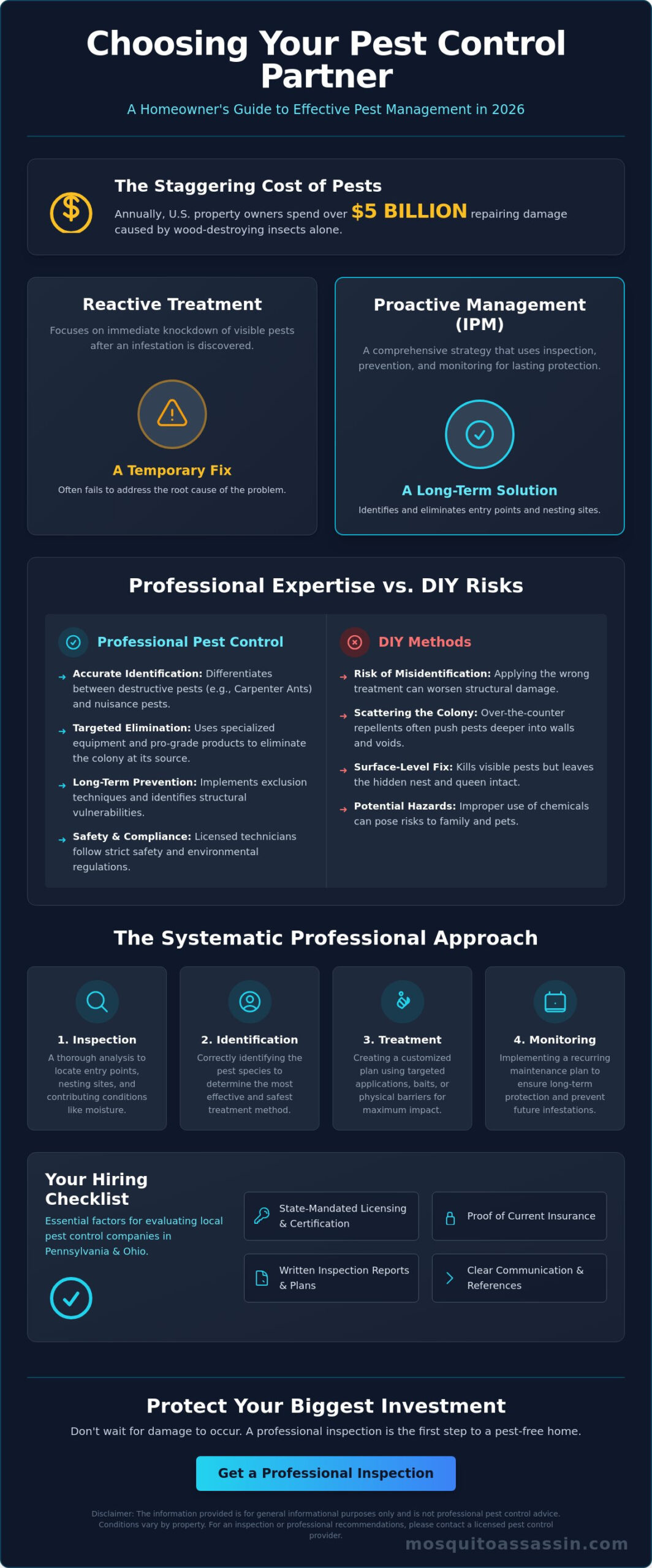
Why DIY Methods Often Fail in Local Homes
Many residents start with hardware store traps, but these often fall short against established colonies. Standard snap traps or glue boards only target the few rodents bold enough to venture out, leaving the rest of the population to continue breeding. Scent-based deterrents like peppermint oil or ultrasonic devices rarely provide long-term results because rodents quickly adapt to these minor annoyances.
The most frustrating part of DIY efforts is the “rebound effect.” When you only remove a few visible rodents, the remaining population experiences less competition for food and space. This often triggers a spike in reproduction, meaning the infestation returns stronger than before. Professional strategies focus on the entire colony and the structural gaps that let them in, rather than just the individuals you happen to see.
Disclaimer: The information provided on this blog is for general informational purposes only and is not intended as professional pest control advice. Conditions vary by property, environment, and location. Reading this content does not create a service agreement. For an inspection or professional recommendations, please contact Mosquito Assassin Pest Control LLC directly.
Signs of a Rodent Infestation in Your Pennsylvania Home
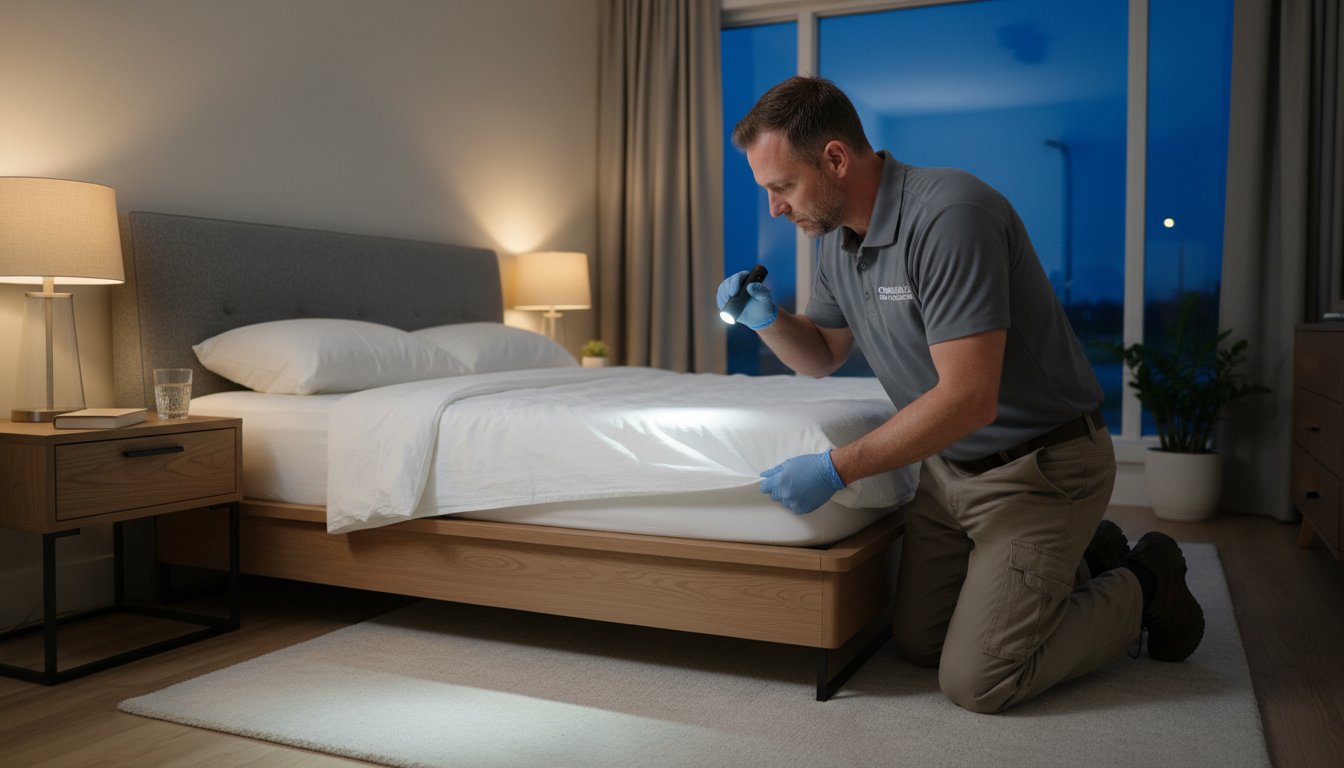
Spotting a rodent problem early can save property owners thousands of dollars in structural repairs and sanitization costs. Most homeowners first notice signs in quiet, undisturbed areas of the house where pests feel secure. Because mice and rats are nocturnal, they’re most active while you sleep, making physical evidence the most reliable way to confirm their presence. Effective rodent control Edinboro PA begins with a thorough inspection of your living spaces to identify high-activity zones.
Beyond visual evidence, listen for scratching or scurrying sounds in walls and ceilings at night. These sounds often intensify near corners or in the attic. You may also notice “rub marks,” which are dark, greasy stains along baseboards and floorboards. These marks are caused by oils and dirt in a rodent’s fur as they repeatedly travel the same routes between their nest and food sources.
Visual Evidence and Dropping Identification
Identifying droppings is the most common way to confirm an infestation. Mouse droppings are typically the size of a grain of rice (about 1/4 inch) with pointed ends. Rat droppings are significantly larger, often reaching 3/4 of an inch, and have blunt ends. Look closely at the texture; fresh droppings are dark and moist, while older evidence appears grey and crumbly. High-activity areas usually include the space behind water heaters, under kitchen appliances, and inside pantries. This systematic approach to monitoring aligns with Integrated Pest Management (IPM) principles, which emphasize accurate identification before taking action.
Structural Damage Indicators
Rodents possess incisors that never stop growing, forcing them to chew on hard materials to keep their teeth filed down. You might recognize gnaw marks on food packaging, wooden baseboards, or plastic storage bins. A more serious concern is the fire hazard associated with chewed electrical insulation. When rodents strip the protective coating off wires, it creates a significant risk of short circuits and house fires. In the attic, rodents frequently shred fiberglass or cellulose insulation to create nesting material. This behavior doesn’t just create a mess; it actively reduces your home’s energy efficiency by creating gaps in your thermal barrier.
If you’ve discovered damaged materials or nesting sites, understanding the full scope of the cleanup is essential. For more information on reclaiming your space after an infestation, you can explore this guide on Professional Rodent Removal. If you suspect activity but aren’t sure where they’re hiding, professional rodent control services can provide a definitive assessment of your property’s vulnerabilities.
Disclaimer: The information provided on this blog is for general informational purposes only and is not intended as professional pest control advice. Conditions vary by property, environment, and location. Reading this content does not create a service agreement. For an inspection or professional recommendations, please contact Mosquito Assassin Pest Control LLC directly.
Professional Rodent Control vs. DIY Approaches
Many homeowners in Northwest Pennsylvania attempt to handle infestations using retail products found at local hardware stores. While these items might catch a single mouse, they rarely address the root of the problem. Professional rodent control Edinboro PA differs because it targets the entire population rather than just the individual pests you see. Licensed technicians apply their knowledge of rodent biology, such as their rapid reproductive cycles and “neophobia” (a natural fear of new objects), to create a strategy that outsmarts the colony. This expertise is vital in Edinboro, where older homes and lakeside cottages often have complex structural layouts that allow rodents to hide effectively.
The long-term costs of failed DIY attempts often exceed the price of a single professional intervention. Homeowners frequently cycle through various traps, baits, and electronic repellents that fail to provide lasting relief. During these months of trial and error, the rodent population continues to grow, leading to more extensive damage to attic insulation and internal wiring. A professional approach stops this cycle of wasted spending by identifying the exact entry points and nesting sites. Professionals focus on total eradication and future prevention, whereas DIY efforts are almost always reactive.
The Role of Professional Equipment
Commercial-grade materials and specialized tools provide a level of precision that retail products cannot match. Tamper-resistant bait stations are a primary example; these are engineered to keep bait secure from children and pets while remaining highly attractive to rodents. Technicians also utilize advanced tracking powders and high-sensitivity monitoring devices to detect activity in hidden wall voids or crawlspaces. These tools allow for a surgical approach to removal, ensuring that every corner of the property is accounted for without the guesswork associated with DIY trapping.
Safety Considerations for Families and Pets
Safety remains the highest priority when managing an infestation. Unlicensed individuals often misapply rodenticides, which can lead to accidental exposure for pets, children, or local wildlife. Professionals are trained to minimize these risks by using precise application methods and secure, locked equipment. For a broader look at how professional standards protect your household, you can review this General Pest Control safety overview. Opting for professional rodent control Edinboro PA ensures that all materials are handled according to strict regulatory protocols, providing a resolution that protects the well-being of your family and animals.
Disclaimer: The information provided on this blog is for general informational purposes only and is not intended as professional pest control advice. Conditions vary by property, environment, and location. Reading this content does not create a service agreement. For an inspection or professional recommendations, please contact Mosquito Assassin Pest Control LLC directly.
The Three-Step Process for Rodent Eradication
Achieving a rodent-free environment requires more than just a handful of traps scattered in the basement. Effective rodent control Edinboro PA relies on a disciplined, three-step framework: removal, maintenance, and exclusion. This systematic approach ensures that the immediate problem is resolved while building a long-term defense against future intruders. Professional pest control may help reduce risk by addressing the biological and structural factors that lead to persistent infestations.
The first phase, removal, focuses on the immediate crisis. Technicians use strategic trapping to eliminate the current population residing within the structure. Once the active colony is managed, the process moves into the maintenance phase. This involves ongoing monitoring to detect new waves of activity early. Finally, the exclusion phase addresses the root cause by sealing the house against future entry. Without this final step, the cycle of infestation will likely repeat as new rodents discover the pheromone trails left behind by previous inhabitants.
Structural Exclusion Techniques
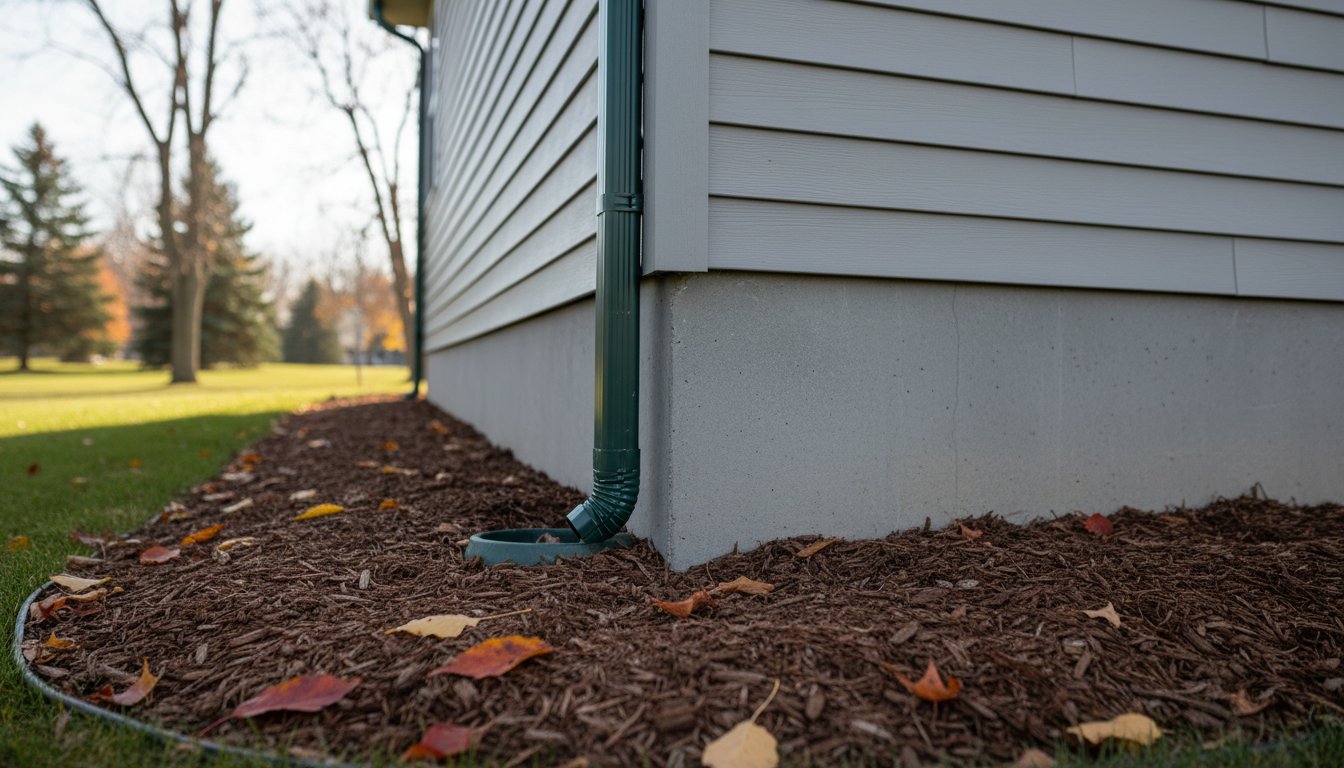
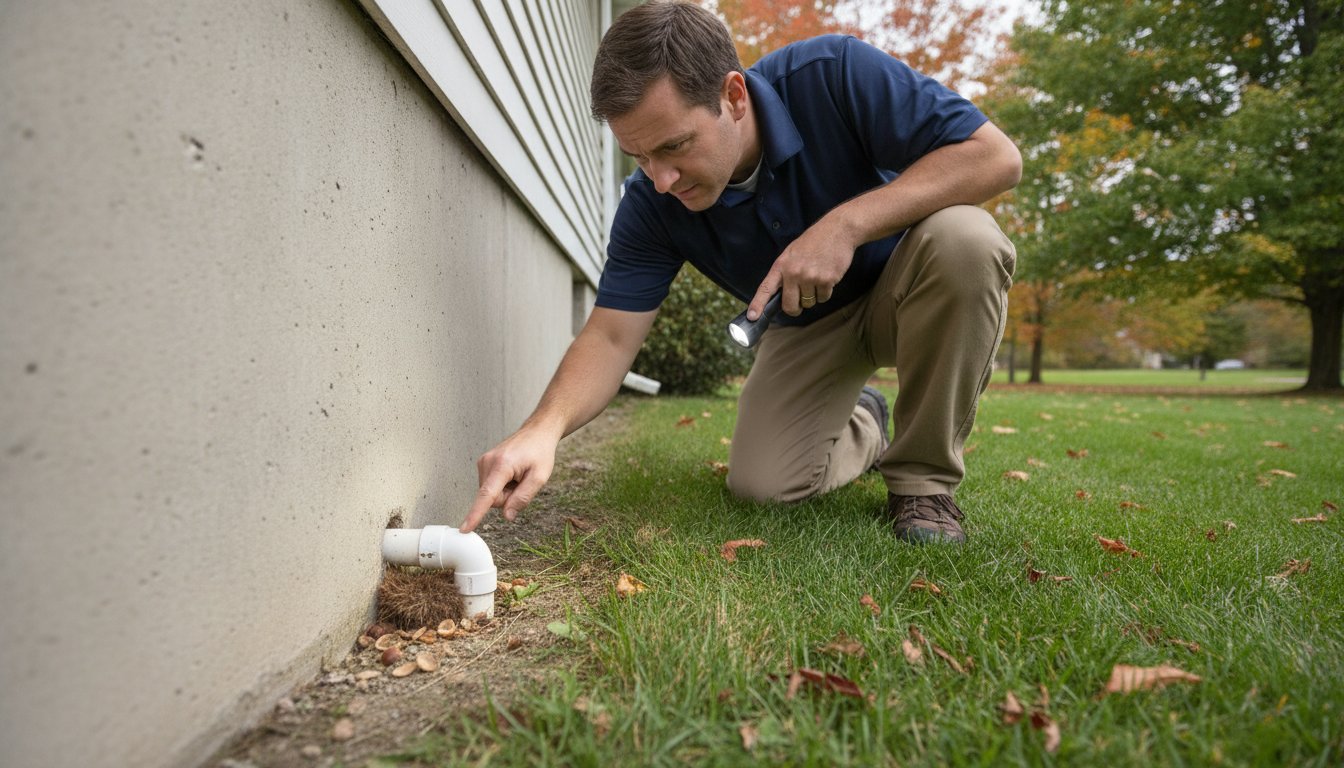
Exclusion is the most critical component for long-term success, yet it is often overlooked in DIY efforts. Mice are capable of squeezing through openings as small as a dime (roughly 1/4 inch), while rats only need a gap the size of a quarter. Identifying these tiny vulnerabilities requires a keen eye and professional experience. Technicians focus on utility penetrations where pipes and wires enter the home, as well as gaps in the foundation sills and rooflines.
To create a lasting barrier, professionals use durable materials that rodents cannot chew through. These include:
- Steel Wool and Copper Mesh: Used to pack into small crevices and holes.
- Hardware Cloth: A heavy-duty wire mesh used to cover vents and larger openings.
- Metal Flashing: Installed along baseboards or corners to prevent gnawing through wood.
- Professional Grade Sealants: Applied to close up cracks in the foundation or siding.
The Importance of Ongoing Maintenance
A single visit is rarely enough for permanent control because the environmental pressures in Northwest Pennsylvania are constant. As seasons change, rodents are perpetually looking for new ways to enter warm structures. Ongoing monitoring allows for the early detection of new vulnerabilities, such as a damaged vent screen or a new crack in the foundation. Implementing year-round protection prevents re-infestation by maintaining a defensive perimeter around your property. If you have noticed signs of new activity despite previous efforts, professional rodent control service can provide the consistent oversight needed to keep your home secure.
Disclaimer: The information provided on this blog is for general informational purposes only and is not intended as professional pest control advice. Conditions vary by property, environment, and location. Reading this content does not create a service agreement. For an inspection or professional recommendations, please contact Mosquito Assassin Pest Control LLC directly.
Preventing Rodents in Edinboro: Homeowner Best Practices
Establishing a defensive perimeter is the most effective way to support professional rodent control Edinboro PA. While exclusion seals the gaps in your home’s structure, sanitation and habitat modification remove the incentives for rodents to approach your property in the first place. These pests are driven by three basic needs: food, water, and shelter. By systematically eliminating these resources, you can significantly decrease the likelihood of a new infestation taking root.
Outdoor attractants are often the primary reason rodents migrate toward a house. Edinboro’s beautiful rural and lakeside settings often include bird feeders and fruit trees, which provide high-calorie meals for mice and rats. If you use bird feeders, it’s vital to clean up spilled seed daily or use squirrel-proof designs that limit ground waste. Similarly, fallen fruit from backyard trees should be cleared immediately. Storing firewood and yard debris directly against the foundation is another common mistake; these piles create a protected “ladder” and nesting site. Keep firewood elevated and at least 20 feet away from the home.
Inside the house, moisture management is just as important as food storage. Rodents don’t need much water to survive, so a leaky pipe under a kitchen sink or a sweating water heater provides more than enough hydration for a colony. Ensure all pantry items, especially grains and pet foods, are kept in airtight, rodent-proof containers made of glass or heavy-duty plastic. Cardboard boxes are easily chewed through and don’t provide a sufficient barrier.
Sanitation and Habitat Modification
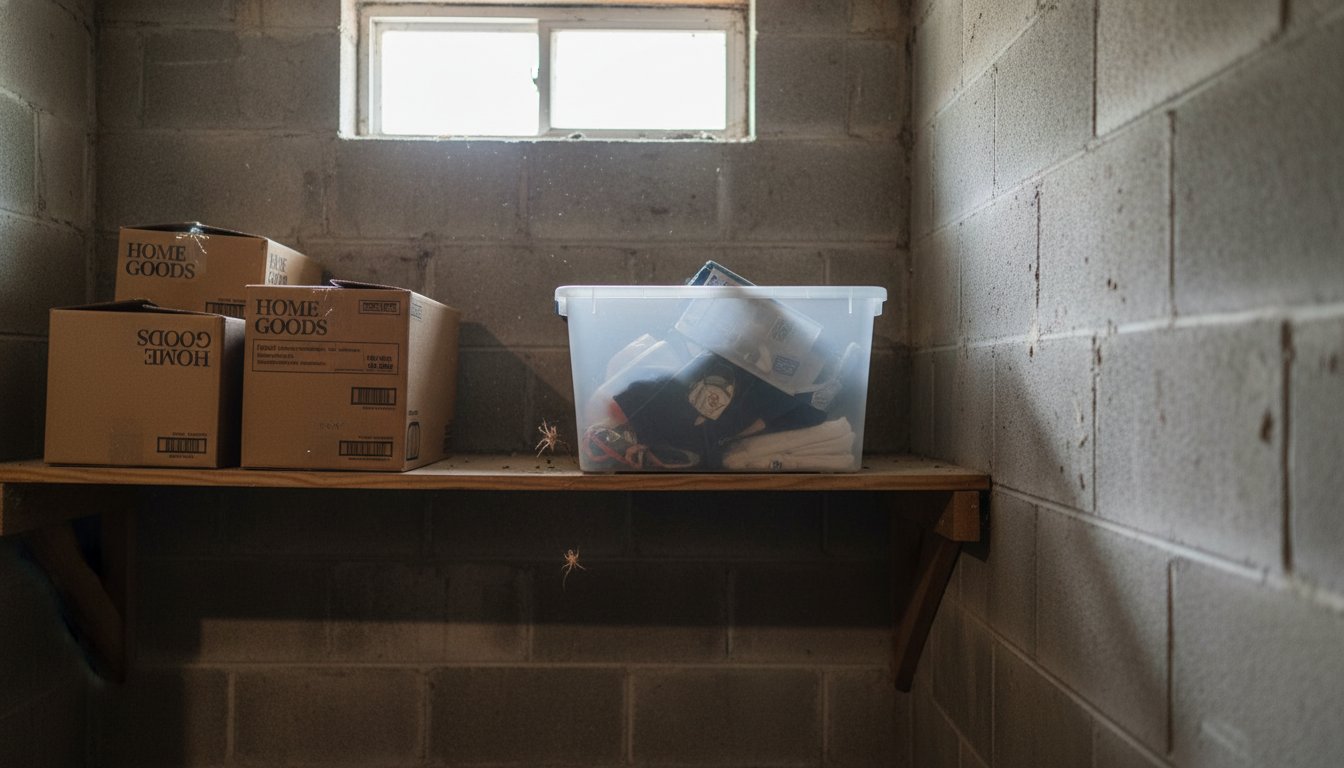
Clutter provides rodents with the security they need to nest and breed undisturbed. Garages, basements, and attics are high-risk zones because they often contain cardboard boxes, old newspapers, and fabric scraps, all of which are ideal nesting materials. Transitioning your storage to plastic totes can eliminate these opportunities. Maintaining a clean perimeter around the home’s exterior is also essential. This includes keeping grass trimmed below eight inches and ensuring that trash bins have tight-fitting, secure lids that can’t be easily nudged open.
When to Contact a Professional
While homeowner maintenance is vital, some situations require specialized intervention. If you see a rodent during daylight hours, it often indicates that the population has grown large enough to push individuals out of their hiding spots. Similarly, if you find signs of activity shortly after a DIY trapping effort, the colony has likely outpaced your removal methods. The value of a professional inspection in Erie County lies in the ability to identify subtle entry points and behavioral patterns that an untrained eye might miss. Professional pest control may help reduce risk by implementing a comprehensive removal and exclusion plan. For professional recommendations, please contact Mosquito Assassin Pest Control LLC directly.
Disclaimer: The information provided on this blog is for general informational purposes only and is not intended as professional pest control advice. Conditions vary by property, environment, and location. Reading this content does not create a service agreement. For an inspection or professional recommendations, please contact Mosquito Assassin Pest Control LLC directly.
Securing Your Edinboro Home for the Future
Protecting a property requires shifting from temporary fixes to a long-term strategy. The combination of structural exclusion and consistent sanitation addresses the root causes of infestations. By removing current populations and sealing entry points as small as a dime, homeowners can prevent the costly structural damage and health risks associated with mice and rats. Maintaining a clean perimeter and managing outdoor attractants will further discourage pests from ever approaching a foundation.
Professional intervention provides the methodical approach needed for lasting results. Local family-owned experts who are licensed and insured in Pennsylvania and Ohio utilize a proven three-step framework of removal, maintenance, and exclusion to protect your living space. This level of oversight is essential for effective rodent control Edinboro PA; especially given the high pest pressure from local agricultural and lakeside environments. If activity is identified or there is a need to confirm structural vulnerabilities, request a professional inspection for your property. Professional pest control may help reduce risk and ensure a home remains a safe and secure environment for every family member.
Disclaimer: The information provided on this blog is for general informational purposes only and is not intended as professional pest control advice. Conditions vary by property, environment, and location. Reading this content does not create a service agreement. For an inspection or professional recommendations, please contact Mosquito Assassin Pest Control LLC directly.
Frequently Asked Questions
How much does rodent control cost in Edinboro, PA?
The cost for professional rodent management depends on several factors, including the size of your property, the severity of the infestation, and the extent of the necessary exclusion work. Property owners should consider that initial setup fees often cover a comprehensive inspection and the placement of professional equipment, while ongoing maintenance plans provide year-round protection. Factors like the Borough of Edinboro Property Nuisance Ordinance can also influence local requirements for property maintenance to prevent attracting pests.
Can rodents in my walls cause a fire?
Yes, rodents are a significant fire hazard because they frequently chew through the protective insulation on electrical wiring. Their incisors never stop growing, so they gnaw on hard materials like wire coatings to keep them filed down. This behavior can lead to exposed wires, short circuits, and potential ignition within wall voids or attic spaces. Addressing an infestation quickly is vital for the safety of your home’s infrastructure.
Are the treatments safe for my dogs and cats?
Professional rodent control Edinboro PA utilizes tamper-resistant bait stations that are specifically designed to keep materials secure and inaccessible to pets. Licensed technicians place these stations in strategic locations where your dogs and cats don’t spend time. These professional standards help mitigate the risks associated with accidental exposure, which is a common danger when using unsecure retail products at home.
How long does it take to completely get rid of mice?
Complete eradication typically takes between two and four weeks, though this timeline varies based on the population size and the home’s structural condition. The initial phase focuses on removing the active rodents, while the subsequent exclusion phase seals entry points to prevent new ones from moving in. A structured approach ensures that the problem is resolved permanently rather than just providing a temporary reduction in activity.
Do I need to leave my house during a rodent treatment?
Most residents do not need to vacate their homes during a professional rodent treatment. Because technicians primarily use localized trapping and secure bait stations rather than broad chemical applications, there is very little disruption to your daily life. Your technician will provide specific guidance if any part of your customized plan requires you to briefly step away from a specific area.
How do mice get into my house if I keep the doors closed?
Mice are highly opportunistic and can squeeze through gaps as small as a 1/4 inch, which is roughly the size of a dime. Common entry points include utility penetrations where pipes or wires enter the foundation, gaps under siding, and weathered door sweeps. Even if you are diligent about closing doors, these small structural vulnerabilities allow rodents to bypass your efforts and enter your living space.
What should I do if I find a dead mouse in my home?
Always wear rubber or plastic gloves and spray the mouse and the surrounding area with a disinfectant or a bleach solution. Use a paper towel to pick up the rodent, place it in a sealed plastic bag, and dispose of it in an outdoor trash bin with a secure lid. This process helps protect you from pathogens and prevents other pests from being attracted to the remains.
Does homeowner’s insurance cover rodent damage?
Most standard homeowner’s insurance policies do not cover damage caused by rodents, such as chewed wiring or soiled insulation. Insurance companies generally categorize infestations as preventable maintenance issues rather than sudden, accidental events. Investing in professional rodent control Edinboro PA and structural exclusion is the most effective way to avoid these out of pocket repair costs.
Disclaimer: The information provided on this blog is for general informational purposes only and is not intended as professional pest control advice. Conditions vary by property, environment, and location. Reading this content does not create a service agreement. For an inspection or professional recommendations, please contact Mosquito Assassin Pest Control LLC directly.