Tag: northeast ohio

  • Outdoor Tick Spray Service: A Comprehensive Guide for Homeowners in 2026

    Outdoor Tick Spray Service: A Comprehensive Guide for Homeowners in 2026

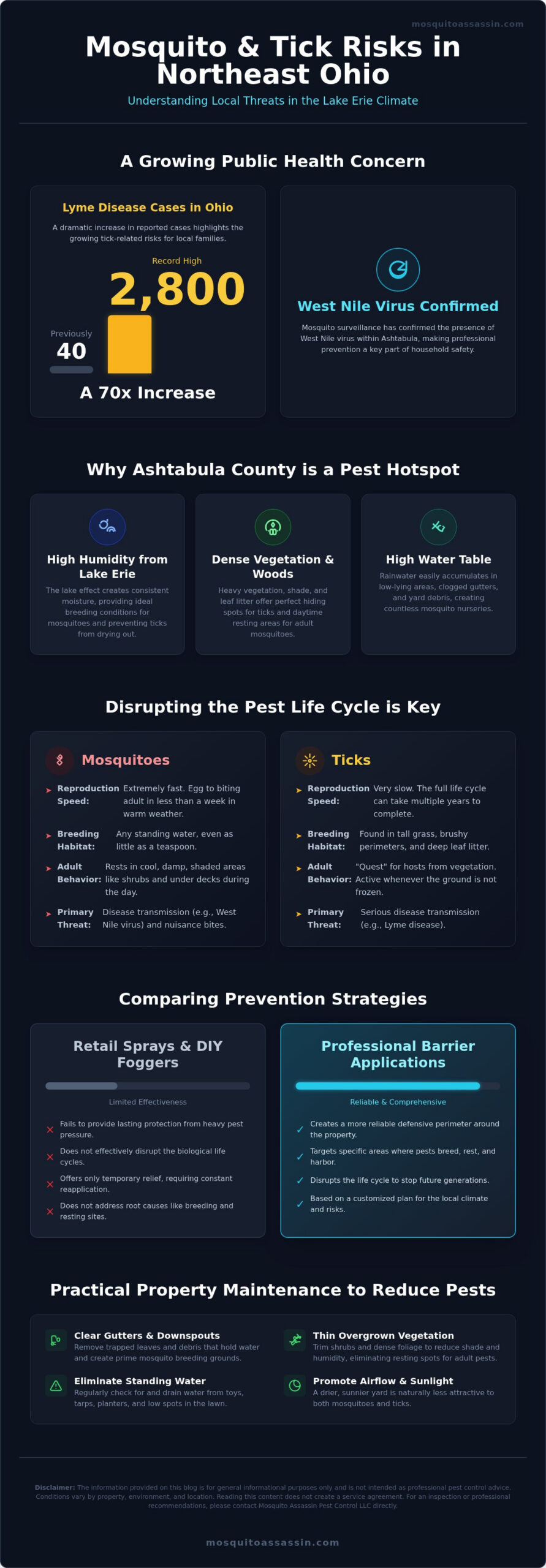
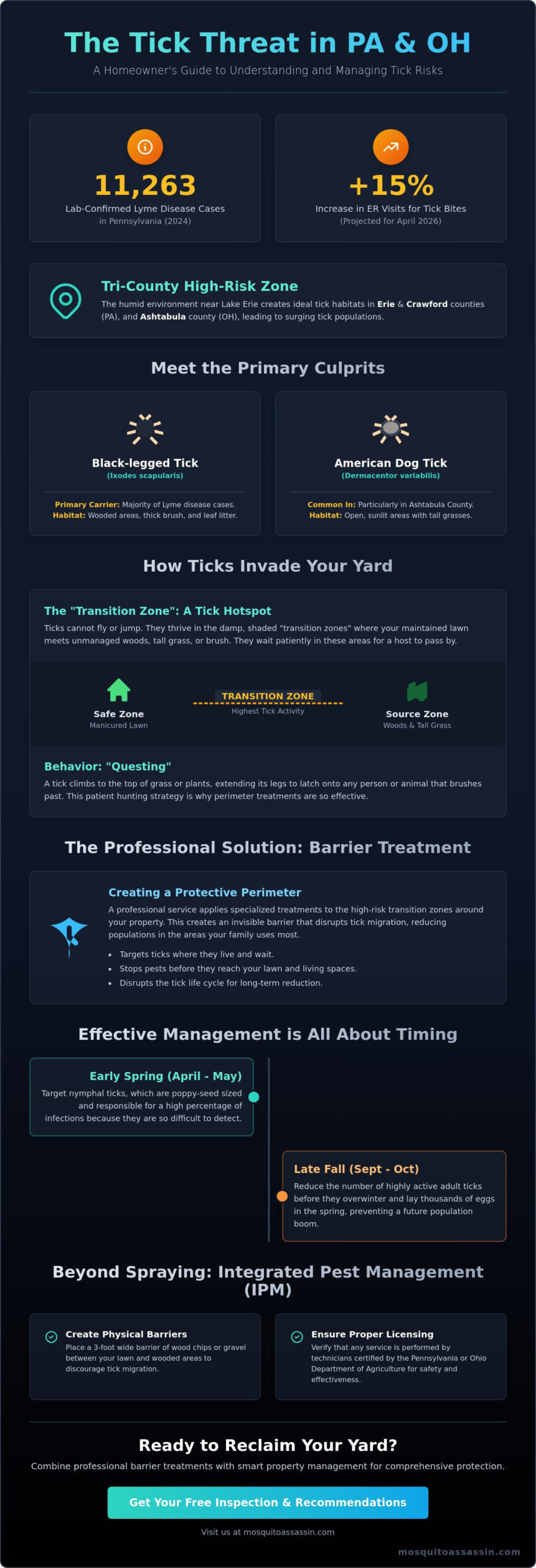
    With 11,263 lab-confirmed cases of Lyme disease in Pennsylvania in 2024 and a 15 percent increase in emergency room visits for tick bites in April 2026, the health risks in the tri-county region have reached a critical point. Many homeowners are now considering a professional outdoor tick spray service to address these concerns, as tick populations in Northeast Ohio have surged to record levels this season. It is natural to feel a sense of anxiety when letting pets or children play in the yard, especially when the effectiveness of various retail products remains inconsistent and confusing.

    This guide explains the science behind professional tick treatments and how they function as part of a comprehensive property management plan. You will learn about the differences between various treatment formulas (including 25(b) minimum-risk options) and how state-certified applicators navigate strict regulations in Pennsylvania and Ohio. By combining professional expertise with strategic landscape modifications, residents in Erie, Crawford, and Ashtabula counties can better manage their outdoor spaces and reduce the presence of these persistent pests.

    Disclaimer: The information provided on this blog is for general informational purposes only and is not intended as professional pest control advice. Conditions vary by property, environment, and location. Reading this content does not create a service agreement. For an inspection or professional recommendations, please contact Mosquito Assassin Pest Control LLC directly.

    Key Takeaways

    • Identify high-risk transition zones where residential lawns meet wooded areas to focus prevention efforts where ticks are most likely to quest for hosts.
    • Understand how a professional outdoor tick spray service creates a perimeter barrier to reduce populations in the areas of your yard used most frequently by families.
    • Learn to implement Integrated Pest Management techniques, such as using wood chips or gravel to create physical boundaries that discourage tick migration.
    • Ensure all property treatments are performed by technicians who are properly licensed and certified by the Pennsylvania or Ohio Department of Agriculture.

    Ticks in Pennsylvania and Ohio: Understanding Regional Risks

    An outdoor tick spray service involves the application of specialized products to yard perimeters to reduce tick populations before they reach your family. For residents in Erie and Crawford counties in Pennsylvania and Ashtabula County in Ohio, this protection is a necessity rather than a luxury. The region’s unique geography near Lake Erie creates a humid environment where ticks thrive in both wooded edges and tall grasses. Professional treatments focus on the specific areas where these pests hide, creating a barrier that disrupts their ability to migrate into your active lawn space.

    To better understand how these pests interact with your property, watch this helpful video:

    Common Tick Species in the Tri-County Area

    The black-legged tick (Ixodes scapularis) is the primary concern for homeowners in Pennsylvania and Ohio. This species is responsible for the majority of common tick-borne diseases reported in the state. In 2024, Pennsylvania recorded 11,263 lab-confirmed cases of Lyme disease, highlighting the prevalence of this species in wooded habitats. They’re often found in the leaf litter at the base of trees or in thick brush.

    American dog ticks (Dermacentor variabilis) are also common, particularly in Ashtabula County. Unlike the black-legged tick, the dog tick prefers open, sunlit areas with tall grasses. They’re hardy and can survive in drier conditions. Because ticks go through a multi-year life cycle consisting of egg, larva, nymph, and adult stages, a single treatment isn’t enough. Professional outdoor tick spray service protocols are designed to address these pests at various points in their development to ensure the population doesn’t rebound.

    The Importance of Seasonal Timing

    Local weather patterns in the Great Lakes region significantly influence tick behavior. While many believe ticks disappear in winter, they actually remain active whenever temperatures rise above 32 degrees Fahrenheit. This means adult ticks can be questing for a host even during a mid-winter thaw. However, activity typically peaks during two distinct windows in our region.

    • Early Spring: Applications during April and May target nymphal ticks. These are the size of a poppy seed and cause a high percentage of infections because they’re so hard to detect.
    • Late Fall: As temperatures drop in September and October, adult black-legged ticks become highly active. Fall treatments help reduce the number of adults that would otherwise overwinter and lay thousands of eggs in the spring.

    Effective management requires understanding these biological clocks. By timing treatments to match local emergence patterns, homeowners can maintain a more consistent level of protection throughout the year.

    Disclaimer: The information provided on this blog is for general informational purposes only and is not intended as professional pest control advice. Conditions vary by property, environment, and location. Reading this content does not create a service agreement. For an inspection or professional recommendations, please contact Mosquito Assassin Pest Control LLC directly.

    Tick Habitats and Behavior: Where Pests Hide in Residential Landscapes

    Ticks are patient, opportunistic hunters that don’t possess the ability to fly or jump. Instead, they rely on a unique behavior known as questing to find their next host. A tick will climb to the top of a blade of grass or the tip of a low-hanging branch, extending its front legs to latch onto any person or animal that brushes past. Because they move so slowly on their own, their survival depends entirely on being in the right place at the right time. A professional outdoor tick spray service focuses on these specific high-risk areas rather than treating the middle of a sunny lawn where ticks are unlikely to survive.

    The Science of Questing

    Ticks are highly sensitive to their environment. They use specialized sensors, called Haller’s organs, located on their front legs to detect carbon dioxide, heat, and vibrations from a distance. When a potential host approaches, the tick becomes alert and prepares to grab hold. You’ll rarely find ticks in the center of a well-manicured, sun-drenched lawn. This is because ticks are extremely vulnerable to desiccation (drying out). They require shady, moist environments with at least 80 percent humidity to maintain their internal water balance. If they stay in the sun too long, they will die from dehydration, which is why they retreat to the cool dampness of leaf litter during the heat of the day.

    Identifying High-Risk Zones on Your Property

    In the tri-county region of Erie, Crawford, and Ashtabula, the transition zone is the most dangerous area for tick encounters. This is the perimeter where your maintained grass meets woods, tall weeds, or decorative ground cover. Research suggests that the vast majority of ticks in residential yards are found within nine feet of this edge. These areas provide the perfect “nursery” environment: plenty of shade, high moisture, and a steady supply of hosts.

    • Woodpiles and Stone Walls: These structures are ideal nesting sites for white-footed mice and other small rodents. These animals are the primary reservoirs for pathogens. When rodents live near your home, they bring ticks directly into your landscape.
    • Dense Ornamental Plantings: Thick ground covers like pachysandra or ivy create a humid microclimate at the soil level. This protects ticks from the wind and sun, allowing them to remain active longer.
    • Leaf Litter: Accumulations of dead leaves provide an insulating blanket that protects ticks from temperature extremes, even during the colder months in Northwest Pennsylvania.

    Understanding these biological requirements helps homeowners prioritize their yard work. While maintaining your landscape is essential, professional pest control may help reduce risk by treating these specific zones where ticks are most concentrated. Managing the environment is a powerful way to disrupt the tick life cycle before they have a chance to quest for a host.

    Disclaimer: The information provided on this blog is for general informational purposes only and is not intended as professional pest control advice. Conditions vary by property, environment, and location. Reading this content does not create a service agreement. For an inspection or professional recommendations, please contact Mosquito Assassin Pest Control LLC directly.

    Outdoor Tick Spray Service: A Comprehensive Guide for Homeowners in 2026

    The Science of Professional Tick Barrier Treatments

    A professional outdoor tick spray service relies on technical precision rather than simple volume. Unlike a general broadcast application that blankets an entire property, a barrier treatment is a surgical approach. Licensed technicians use high-pressure sprayers to penetrate deep into dense foliage and reach the underside of leaves where ticks congregate to avoid the sun. This high-pressure delivery is essential. Standard handheld sprayers often lack the force to reach the humid micro-climates at the base of shrubs or within thick ground covers where ticks are most likely to survive.

    Perimeter vs. Broadcast Spraying

    Targeting the property edge is significantly more effective than treating a sunny, well-manicured lawn. Since ticks are concentrated within the first nine feet of the transition zone, the treatment focuses on creating a literal barrier between the woods and your living space. Professional equipment is calibrated to provide a consistent droplet size that adheres to organic matter. This differs from many retail products, which often wash away after the first heavy rain. In addition to sprays, comprehensive management may include the use of tick tubes. These are biodegradable cylinders filled with treated cotton that rodents take back to their nests. This targets ticks at their host source; the mice and chipmunks that bring them onto your property. Granular applications are also used in thick leaf litter to reach ticks that are buried beneath the surface where liquid sprays might not penetrate.

    Residual Effectiveness and Follow-Up

    Modern formulations are engineered to bind to the surface of plants and mulch, providing residual protection for several weeks. However, environmental factors like UV light and heavy rainfall naturally break down these products. In the Great Lakes region, where spring rains can be frequent, maintaining this barrier requires a recurring schedule. With tick populations in Northeast Ohio reaching record highs in 2026, consistent protection is vital to manage the ongoing threat. Technicians identify specific micro-climates on a property, such as shaded dog runs or the areas around stone walls, that require targeted attention.

    By understanding the local environment and the specific biology of regional ticks, a customized plan ensures that the treatment remains effective throughout the peak seasons. While environmental management is a key part of the process, professional pest control may help reduce risk by significantly lowering the number of questing ticks in your immediate landscape. This methodical approach provides a level of coverage that is difficult to achieve with standard DIY methods.

    Disclaimer: The information provided on this blog is for general informational purposes only and is not intended as professional pest control advice. Conditions vary by property, environment, and location. Reading this content does not create a service agreement. For an inspection or professional recommendations, please contact Mosquito Assassin Pest Control LLC directly.

    Integrated Strategies for Reducing Tick Populations on Your Property

    Effective tick control is rarely the result of a single action. It requires a partnership between a professional outdoor tick spray service and strategic landscape management. This approach, known as Integrated Pest Management (IPM), focuses on making the environment less hospitable for pests through multiple biological and physical methods. By reducing the humidity and shelter that ticks require, homeowners can significantly decrease the likelihood of these parasites establishing a presence in active yard spaces. This strategy doesn’t just target the ticks themselves; it addresses the entire ecosystem that allows them to thrive.

    Landscape Modification Tips

    Using woodchips or gravel to create a three-foot buffer zone between the lawn and wooded areas is a proven strategy for disrupting tick movement. This physical barrier serves two important purposes. It creates a dry, sun-exposed strip that ticks are reluctant to cross because they risk dehydration. It also provides a clear visual reminder for family members and pets to stay within the maintained safe zone. For properties in Erie and Crawford counties, where woods often meet suburban lawns, this separation is vital. Keeping playground equipment, patios, and deck areas at least ten feet away from the yard perimeter further reduces the chance of accidental encounters. Pruning low-hanging branches and thinning out dense ornamental shrubs increases sunlight and airflow, which naturally lowers the humidity levels at the soil surface.

    Managing Tick Hosts

    Ticks don’t travel long distances on their own; they rely on wildlife to move through the tri-county region. The white-footed mouse is the primary host for nymphal ticks and a major reservoir for the bacteria that cause Lyme disease. Reducing rodent attractants is a critical step in a comprehensive plan. Bird feeders often drop seeds that attract mice and chipmunks directly to your foundation. Moving these feeders to the far edge of the property and sealing trash containers can limit rodent activity. Deer are the primary hosts for adult ticks, often transporting them from deep woods into residential landscapes. Planting deer-resistant vegetation or installing physical fencing can help discourage these larger animals from bedding down near your home. Clearing leaf litter remains the most effective DIY task for homeowners, as it removes the damp insulation ticks use for protection during temperature fluctuations. For an inspection of your property’s specific high-risk zones, professional pest control may help reduce risk.

    Regular lawn maintenance also plays a role in this integrated approach. Keeping grass mown to a height of three inches or less allows the sun to reach the soil, creating a drier environment. When combined with a targeted outdoor tick spray service, these landscape changes create a multi-layered defense system that is much more effective than relying on any single treatment alone.

    Disclaimer: The information provided on this blog is for general informational purposes only and is not intended as professional pest control advice. Conditions vary by property, environment, and location. Reading this content does not create a service agreement. For an inspection or professional recommendations, please contact Mosquito Assassin Pest Control LLC directly.

    Choosing a Professional Tick Control Service for Your Home

    Selecting an outdoor tick spray service requires careful consideration of credentials and methodology. In both Pennsylvania and Ohio, anyone applying pesticides for hire must be a certified commercial applicator. This means they have passed rigorous exams administered by the Pennsylvania or Ohio Department of Agriculture. Beyond legal requirements, a reputable provider should emphasize a customized treatment plan. Every property has unique drainage, vegetation, and wildlife patterns that dictate where ticks are most likely to aggregate. Professional recommendations should always follow a thorough on-site inspection rather than a blind estimate over the phone. Homeowners should also inquire about safety protocols, ensuring that treatments are applied in a manner that respects the health of families and pets. This includes verifying that the products used are registered for residential use and that the technician follows all label instructions precisely.

    The Value of Local Expertise

    Pest pressure isn’t uniform across the country. Technicians who live in communities like Erie or Meadville understand the specific environmental factors of the Lake Erie region. They know how a particularly wet spring or a mild winter affects local tick emergence. This regional knowledge is essential for identifying the specific micro-climates on a property that require targeted attention. When a company is locally owned and operated, they’re often more responsive if pests return between scheduled visits. You can learn more about the importance of community-focused service on the Mosquito Assassin about page, which highlights how local roots contribute to more effective pest management. Local experts aren’t just visiting a territory; they’re protecting the neighborhoods where they also live and work.

    Establishing an Ongoing Protection Plan

    Because ticks and mosquitoes often thrive in the same shaded, humid environments, many residents find value in a combined mosquito control program. This dual-purpose approach ensures that the perimeter barrier addresses multiple pests simultaneously, providing a more comprehensive shield for the yard. When reviewing a service agreement, look for clear language regarding a satisfaction guarantee. A reliable provider stands by their work and will return to re-treat the area if the initial application doesn’t meet the expected results. This commitment is a hallmark of professional service, indicating that the company is invested in the long-term management of your property’s pest population. To confirm if service is available in your specific town, visiting the Mosquito Assassin location page is a helpful next step.

    Professional pest control may help reduce risk when managed by experts who understand the seasonal biology of the tri-county area. By choosing a licensed professional who prioritizes a methodical, integrated approach, homeowners can reclaim their outdoor spaces with greater confidence. Managing tick populations is a seasonal commitment, but with the right partnership, it’s possible to maintain a more comfortable environment for your family throughout the year.

    Disclaimer: The information provided on this blog is for general informational purposes only and is not intended as professional pest control advice. Conditions vary by property, environment, and location. Reading this content does not create a service agreement. For an inspection or professional recommendations, please contact Mosquito Assassin Pest Control LLC directly.

    Protecting Your Property for the Seasons Ahead

    Managing a property in the tri-county region requires a proactive approach to tick population control. By focusing on the transition zones where lawns meet wooded areas and implementing Integrated Pest Management strategies, residents can create a less hospitable environment for these parasites. A professional outdoor tick spray service provides the technical precision needed to reach questing ticks in their humid micro-habitats. This methodical approach, combined with regular leaf litter removal and rodent management, forms a comprehensive defense for your outdoor living space. Mosquito Assassin is locally owned and operated in Northwest PA and Northeast OH; utilizing licensed and insured technicians who understand regional pest pressures. Their satisfaction-focused service approach ensures that treatment plans are tailored to the specific needs of each property.

    Professional pest control may help reduce risk. Contact Mosquito Assassin for a property assessment to begin establishing a customized barrier for your yard. Taking these steps now ensures you can enjoy your outdoor space with greater peace of mind throughout the 2026 season.

    Disclaimer: The information provided on this blog is for general informational purposes only and is not intended as professional pest control advice. Conditions vary by property, environment, and location. Reading this content does not create a service agreement. For an inspection or professional recommendations, please contact Mosquito Assassin Pest Control LLC directly.

    Frequently Asked Questions

    When is the best time to start an outdoor tick spray service?

    The ideal time to begin treatment is in early spring, typically during April or May, when nymphal ticks first become active. Starting an outdoor tick spray service early in the season targets these younger pests before they have a chance to mature and reproduce. This proactive approach helps suppress the population before it reaches peak levels during the summer months.

    How long does a tick spray treatment last in my yard?

    A professional barrier treatment generally remains effective for approximately 21 to 30 days. Environmental conditions in the Great Lakes region, such as heavy rainfall or intense UV exposure, can cause the product to break down more quickly. Consistent, recurring applications are necessary to maintain a protective shield and ensure that the barrier remains intact throughout the entire active season.

    Is the tick spray service safe for my children and pets to be around?

    Treatments are designed to be family-safe and pet-safe once the application has completely dried on the foliage. Licensed technicians utilize products registered for residential use and follow strict application protocols to ensure the safety of your household. It’s important to keep everyone indoors during the treatment and for a short period afterward until the yard is dry.

    Do I need to be home when the tick treatment is applied?

    Homeowners do not need to be present for the application as long as the technician can access the perimeter of the property. Most professional services provide a notification once the treatment is finished, allowing you to go about your daily schedule without interruption. Simply ensure that all pets are indoors and that any gates or entry points are unlocked for the technician.

    Will the tick spray also kill mosquitoes and other yard pests?

    The formulations used in an outdoor tick spray service are often effective against mosquitoes and other common perimeter pests. Since these insects thrive in the same shaded, humid environments, a single barrier application can provide broad-spectrum protection. This integrated approach simplifies yard maintenance by addressing multiple pest concerns with a coordinated treatment plan.

    How soon can we use the yard after a tick treatment has been applied?

    The yard can typically be used within 30 to 60 minutes after the technician finishes the application. The primary requirement is that the product must be completely dry on the grass and shrubs before people or pets resume outdoor activities. Drying times can vary slightly based on local humidity levels and the amount of sunlight the yard receives.

    Does a professional tick spray guarantee I will not find ticks on my property?

    No service can provide a 100 percent guarantee because wildlife, such as deer and rodents, can continuously drop new ticks into the landscape. Professional pest control may help reduce risk by significantly lowering the number of questing ticks in your immediate environment. Using a professional service should always be combined with personal protection measures like regular tick checks.

    Can I spray for ticks myself using products from a home improvement store?

    While DIY products are available, they often lack the residual strength and professional-grade delivery systems required for effective control. Licensed professionals use high-pressure sprayers to ensure the product reaches the underside of leaves and deep into thick brush where ticks hide. They also have the expertise to identify specific micro-climates that are most likely to harbor pests.

    Disclaimer: The information provided on this blog is for general informational purposes only and is not intended as professional pest control advice. Conditions vary by property, environment, and location. Reading this content does not create a service agreement. For an inspection or professional recommendations, please contact Mosquito Assassin Pest Control LLC directly.

  • Understanding the Value of a Free Pest Inspection in Erie and Surrounding Areas

    Understanding the Value of a Free Pest Inspection in Erie and Surrounding Areas

    On a quiet Tuesday evening in Erie, a homeowner might notice a faint scratching behind the drywall or a small, unexplained pile of debris near the baseboard. It’s often in these small moments that property owners realize they aren’t alone in their own houses. Dealing with potential infestations causes significant anxiety, especially when you aren’t sure if you’re looking at ants, termites, or something else entirely. Most people worry that calling a professional will lead to high-pressure sales or confusing jargon, but a free pest inspection Erie residents can access is actually a structured, educational process designed to provide clarity and peace of mind.

    You’ll learn exactly what occurs during a professional property evaluation and how identifying specific vulnerabilities helps safeguard homes across Northwest Pennsylvania and Northeast Ohio. This guide covers the essential steps of a thorough inspection, from identifying specific pests to creating a practical roadmap for long-term prevention. Understanding these vulnerabilities is the first step in ensuring a secure, pest-free environment.

    Key Takeaways

    • Differentiate between a basic visual check and a thorough professional diagnostic audit to uncover hidden pest vulnerabilities.
    • Understand how the Lake Erie shoreline and local humidity levels impact seasonal pest activity in Northwest Pennsylvania and Northeast Ohio.
    • Learn why a free pest inspection Erie residents schedule is essential for identifying structural entry points and exterior perimeter risks.
    • Identify common moisture management issues and structural gaps that frequently attract pests to residences in the tri-county area.
    • Discover how Integrated Pest Management (IPM) principles use inspection data to establish proactive, long-term protection for your property.

    The Role of a Professional Pest Inspection in Property Maintenance

    A professional pest inspection serves as a systematic evaluation of a residential or commercial property. It involves a thorough search for active infestations, evidence of past activity, and structural vulnerabilities that might invite future issues. Homeowners in Erie County, Crawford County, and Ashtabula County often view these evaluations as a critical part of routine property maintenance. Scheduling a free pest inspection Erie provides a baseline for understanding the health and safety of a building’s structure.

    To better understand the technical aspects of a professional evaluation, watch this helpful video:

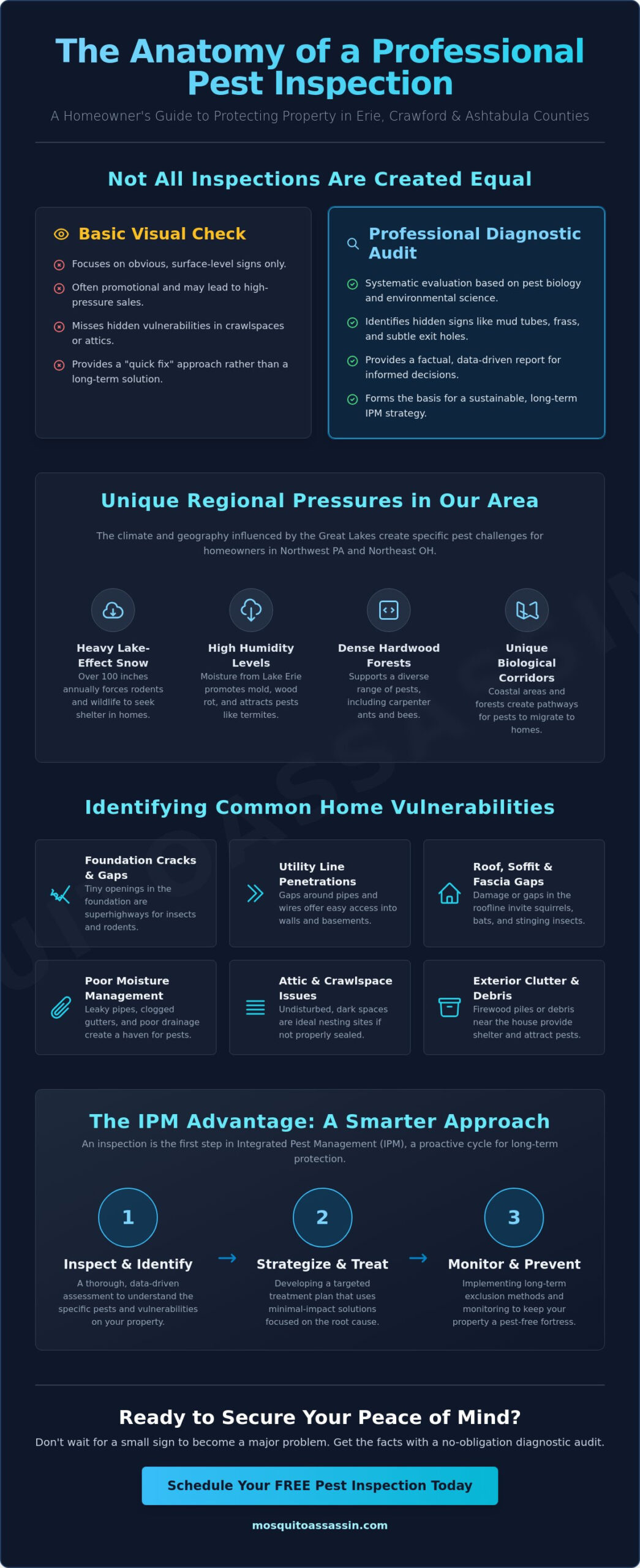
    Unlike a simple visual walkthrough, a professional diagnostic audit relies on specialized knowledge of insect behavior and local environmental factors. Trained technicians look for signs that are often invisible to the untrained eye, such as mud tubes in crawlspaces, subtle frass piles, or specific exit holes in timber. In Pennsylvania and Ohio, where seasonal shifts drastically change pest pressure, these inspections protect long-term property value by identifying problems before they require expensive structural repairs. Utilizing a free pest inspection Erie ensures that localized threats, such as moisture-driven wood rot or attic-dwelling rodents, are documented before they escalate into an emergency.

    Diagnostic vs. Promotional Inspections

    Professional inspections focus on pest biology and environmental science rather than meeting sales quotas. This approach aligns with the principles of Integrated Pest Management (IPM), which prioritizes long-term prevention and minimal impact. An objective report provides homeowners with factual data, allowing them to make informed decisions based on the actual risks present on their property. Educational assessments help residents understand why certain pests are attracted to their specific landscape or foundation type, shifting the focus from a quick fix to a sustainable strategy.

    Benefits of Regular Property Evaluations

    Regular evaluations lead to the early detection of wood-destroying organisms like termites or carpenter bees. These pests can cause thousands of dollars in damage long before a homeowner notices a single insect. Seasonal monitoring reduces the likelihood of large-scale infestations by addressing entry points and nesting sites during peak activity periods. For those looking to understand the broader context of home protection, learning about general pest control provides a foundation for maintaining a healthy living environment. Consistent oversight ensures that a property remains a fortress against the common pests found in the Great Lakes region.

    Disclaimer: The information provided on this blog is for general informational purposes only and is not intended as professional pest control advice. Conditions vary by property, environment, and location. Reading this content does not create a service agreement. For an inspection or professional recommendations, please contact Mosquito Assassin Pest Control LLC directly.

    Regional Pest Pressures in Erie, Crawford, and Ashtabula Counties

    Property owners in Erie, Crawford, and Ashtabula counties deal with a climate that is heavily influenced by the Great Lakes. This region sees an average of 100 inches of snow annually in some lake-effect zones, which forces wildlife and rodents to seek shelter in man-made structures. Understanding these local pressures is the first step in effective management. A free pest inspection Erie residents can access helps pinpoint where these environmental factors are compromising a home’s exterior before a minor issue becomes a full-scale infestation.

    The geography of Northwest Pennsylvania and Northeast Ohio creates unique biological corridors. The combination of dense hardwood forests in Crawford County and the marshy coastal areas of Erie County supports a diverse range of pests. These pests don’t just exist in the wild; they actively migrate toward residential areas as seasons change. Professional pest management in this region requires a deep understanding of how local weather patterns, such as the high humidity from Lake Erie, dictate the life cycles of everything from ants to arachnids.

    Lake Effect Environments and Insect Activity

    The Lake Erie shoreline produces a microclimate characterized by high moisture and rapid temperature shifts. These conditions are particularly conducive to carpenter ant and cockroach infestations. Moisture-damaged wood, common in lakefront properties, serves as a primary nesting site for wood-destroying organisms. Professional evaluations often follow EPA’s IPM Principles to manage these risks by focusing on habitat reduction rather than just reactive treatments. This approach is vital in the tri-county area, where environmental sensitivity is a priority for protecting local waterways and soil health.

    High humidity levels, which often exceed 75% during the summer months in Ashtabula and Erie, also accelerate the decay of organic matter. This provides an abundant food source for silverfish and centipedes. Without addressing the underlying moisture issues typical of lake-effect environments, pest populations can rebound quickly even after initial removal efforts.

    Seasonal Transitions in the Tri-County Area

    Pest activity follows a predictable, yet intense, cycle in this region. In the spring, typically starting in late April, stinging insects and termites emerge as ground temperatures rise. Summer brings peak mosquito and tick activity, fueled by the dense vegetation and tall grasses found throughout rural Crawford and Ashtabula counties. Identifying larval sites in standing water is a critical summer prevention step to reduce the local mosquito population.

    • Spring: Emergence of carpenter ants and social wasps seeking nesting sites.
    • Summer: Rapid mosquito breeding cycles in humid, stagnant environments.
    • Fall: Rodent exclusion becomes the priority as mice look for warmth.
    • Winter: Indoor pests like cockroaches and spiders remain active in climate-controlled spaces.

    As temperatures drop in October, rodents become a primary concern. Mice can squeeze through openings as small as a quarter inch to escape the harsh lake-effect winters. Scheduling a free pest inspection Erie can help identify these tiny entry points before the first deep freeze. Property owners concerned about seasonal infestations can find more information or schedule a professional evaluation at the online booking portal.

    Disclaimer: The information provided on this blog is for general informational purposes only and is not intended as professional pest control advice. Conditions vary by property, environment, and location. Reading this content does not create a service agreement. For an inspection or professional recommendations, please contact Mosquito Assassin Pest Control LLC directly.

    Understanding the Value of a Free Pest Inspection in Erie and Surrounding Areas

    The Anatomy of a Comprehensive Professional Evaluation

    A professional evaluation is much more than a quick walk-through of a property. It’s a systematic process that begins with a detailed consultation to discuss specific observations and the history of the building. In Erie and Crawford Counties, local environmental factors like seasonal lake-effect moisture and older structural foundations play a significant role in how pests behave. Technicians look for patterns that reveal how pests interact with the environment. This methodical approach is grounded in the principles of Integrated Pest Management (IPM), which focuses on long-term prevention and accurate identification before any action is taken.

    Exterior Inspection Protocols

    The exterior of a home serves as the first line of defense. During a free pest inspection Erie, the foundation is examined for any gaps or cracks larger than 0.25 inches. These small openings are common entry points for rodents and crawling insects. In areas like Ashtabula County, rooflines and eaves require close attention for signs of stinging insect nests or wildlife activity. Proper drainage is also critical; standing water or overgrown landscaping within 12 inches of the structure can create ideal harborage sites for pests seeking shelter and hydration. Identifying these vulnerabilities helps property owners understand how to harden their homes against local threats.

    Interior Assessment Focal Points

    Inside the home, the focus shifts to high-risk zones where pests often hide or travel undetected. Kitchens and bathrooms are primary targets because of plumbing penetrations. Small openings around pipes under sinks provide a direct highway for insects and mice. Technicians also evaluate moisture levels in basements and crawlspaces. High humidity levels, often exceeding 60% during humid Pennsylvania summers, can attract wood-destroying organisms and other moisture-loving pests. Searching for subtle signs of activity, such as droppings, shed skins, or grease tracks along baseboards, allows for a more accurate assessment of the situation.

    The final stage of the evaluation involves the documentation of findings and the identification of specific pest species. It’s not enough to simply know that “bugs” are present; knowing whether a property has carpenter ants or field ants changes the entire approach to management. Accurate documentation ensures that any future strategy is tailored to the unique needs of the property. Professional pest control may help reduce risk for those concerned about local infestations. For more information on identifying potential issues, property owners can visit mosquitoassassin.com/location to learn about regional pest pressures.

    Disclaimer: The information provided on this blog is for general informational purposes only and is not intended as professional pest control advice. Conditions vary by property, environment, and location. Reading this content does not create a service agreement. For an inspection or professional recommendations, please contact Mosquito Assassin Pest Control LLC directly.

    Identifying Common Vulnerabilities in Local Homes

    Homes in Erie and Crawford Counties face unique environmental pressures due to the regional climate and the age of local architecture. Many residences in the city of Erie were constructed before 1960, meaning they often feature stone foundations or aging wood siding that has shifted over decades. These structural shifts create tiny gaps that serve as open invitations for pests. Scheduling a free pest inspection Erie homeowners can utilize is a practical way to identify where these vulnerabilities exist before they lead to significant property damage.

    The Great Lakes region receives an average of 43 inches of rain and over 100 inches of snow annually. This consistent moisture leads to wood rot and high humidity in crawlspaces, which attracts damp-wood pests like carpenter ants and termites. Beyond structural issues, internal habits often contribute to pest pressure. Kitchen pantries with unsealed containers or leaking pipes under sinks provide the necessary resources for a colony to thrive. Additionally, cluttered storage areas in basements or attics offer the perfect nesting material for rodents seeking shelter from the harsh Pennsylvania winters.

    Exclusion Gaps and Entry Points

    Utility penetrations are among the most common entry points in local residences. When lines for gas, water, or electricity enter a home, the surrounding hole is often larger than the conduit itself. Mice can squeeze through a gap the size of a dime, making these openings prime targets for entry. Maintaining intact door sweeps and ensuring window screens don’t have tears is essential for a pest-resistant home. Professional pest control may help reduce risk through exclusion recommendations that target these specific “weak links” in the home’s perimeter.

    Sanitation and Habitat Modification

    Managing the environment outside the home is just as vital as cleaning the inside. Piles of firewood or construction debris stacked against the foundation provide immediate harborage for spiders and rodents. Proper waste management, including the use of heavy-duty bins with locking lids, helps deter larger wildlife from frequenting the property. For those already dealing with an active infestation, following professional rodent removal strategies can assist in reclaiming the home and preventing future nesting. Removing standing water and keeping gutters clear of debris are also critical steps in modifying the habitat to be less attractive to local pests.

    Identifying these vulnerabilities early is the most effective way to safeguard your family and property. To get a professional assessment of your home’s defenses, schedule an inspection through the online booking portal.

    Disclaimer: The information provided on this blog is for general informational purposes only and is not intended as professional pest control advice. Conditions vary by property, environment, and location. Reading this content does not create a service agreement. For an inspection or professional recommendations, please contact Mosquito Assassin Pest Control LLC directly.

    Interpreting Findings and Planning for Prevention

    The conclusion of a free pest inspection Erie homeowners utilize serves as a critical turning point in property maintenance. This document isn’t just a list of insects; it’s a strategic blueprint for safeguarding a home. By reviewing the findings, property owners can move from a reactive state of worry to a proactive state of control. A professional report establishes a clear baseline for ongoing monitoring. This allows for the detection of subtle changes in pest activity before they become costly structural issues.

    Professional strategies rely heavily on Integrated Pest Management (IPM). This approach shifts the focus from temporary fixes to long-term prevention. While DIY methods often rely on the repeated application of over-the-counter sprays, professional recommendations target the root cause. This might include identifying moisture sources or entry points that a typical homeowner might overlook. Professional logic is built on building science and pest biology, ensuring the solution matches the specific environment of the Great Lakes region.

    Understanding the Inspection Report

    A comprehensive report differentiates between active infestations and potential risks. Active infestations require immediate action to prevent further damage to the structure or health risks to residents. Potential risks, often called conducive conditions, include things like wood-to-ground contact or high humidity in crawlspaces. Prioritizing structural repairs, such as sealing gaps or fixing leaky pipes, often provides more permanent results than chemical treatments alone. Utilizing professional services ensures that the plan is customized to the specific biology of local pests found in Erie and Crawford counties. According to 2024 industry standards, exclusion techniques are now considered the first line of defense in modern pest management.

    Next Steps for Homeowners

    Once the inspection is complete, homeowners should implement environmental changes based on the technician’s feedback. Simple actions like moving firewood piles 20 feet away from the foundation or clearing gutters can significantly reduce pest pressure. Scheduling follow-up evaluations is also vital because pest behavior shifts with the seasons in Erie and Ashtabula counties. Residents can learn more about us and the local expertise required to manage these regional challenges. Professional pest control may help reduce risk through consistent, data-driven monitoring and seasonal adjustments to the protection plan. Taking these steps ensures the home remains a fortress against local invaders year-round.

    Disclaimer: The information provided on this blog is for general informational purposes only and is not intended as professional pest control advice. Conditions vary by property, environment, and location. Reading this content does not create a service agreement. For an inspection or professional recommendations, please contact Mosquito Assassin Pest Control LLC directly.

    Securing Your Home Against Regional Pest Pressures

    Maintaining a property in Northwest Pennsylvania and Northeast Ohio requires a strategy that accounts for the unique climate of the Great Lakes region. With Erie County receiving an average of over 100 inches of snow annually according to historical weather data, local structures often become primary targets for pests seeking shelter from the cold. A detailed evaluation helps identify entry points and moisture issues that attract wood-destroying insects or rodents. Utilizing a free pest inspection Erie residents have access to provides a clear diagnostic report, highlighting specific vulnerabilities before they escalate into structural damage. Professional technicians who live in and understand the Erie, Crawford, and Ashtabula county areas can spot subtle signs of activity that often go unnoticed by the untrained eye. It’s a practical way to ensure property maintenance remains manageable and effective throughout the changing seasons.

    For an inspection or professional recommendations, please contact Mosquito Assassin Pest Control LLC directly. Taking charge of your home’s defense today prevents avoidable headaches tomorrow.

    Disclaimer: The information provided on this blog is for general informational purposes only and is not intended as professional pest control advice. Conditions vary by property, environment, and location. Reading this content does not create a service agreement. For an inspection or professional recommendations, please contact Mosquito Assassin Pest Control LLC directly.

    Frequently Asked Questions

    What is included in a free pest inspection in Erie?

    A comprehensive evaluation involves a detailed walkthrough of both the interior and exterior of the property to identify active infestations and potential vulnerabilities. Technicians examine common entry points, nesting sites, and signs of activity such as droppings or structural damage. A free pest inspection Erie typically covers common local threats like ants, spiders, and rodents across Erie and Crawford Counties.

    How long does a professional pest evaluation typically take?

    A standard professional evaluation usually takes between 30 and 45 minutes to complete for an average residential property. The exact duration depends on the square footage of the home and the complexity of its layout. Larger properties or those with detached structures in Ashtabula County might require up to 60 minutes for a thorough assessment of all potential hiding spots.

    Do I need to be home for the technician to inspect my property?

    Yes, it’s necessary for the property owner or an adult representative to be present during the scheduled visit. This presence allows the technician to access interior spaces like basements, attics, and crawlspaces where pests often congregate. Being on-site also ensures the technician can discuss specific observations and provide immediate feedback on the property’s condition.

    What happens if the technician finds pests during the inspection?

    If activity is detected, the technician documents the specific species and the extent of the infestation within a detailed report. They’ll identify environmental factors, such as moisture or food sources, that are attracting the pests to the home. After the assessment, a customized management plan is developed to address the specific biological needs of the pests found on the property.

    Are the methods used during an inspection safe for my family and pets?

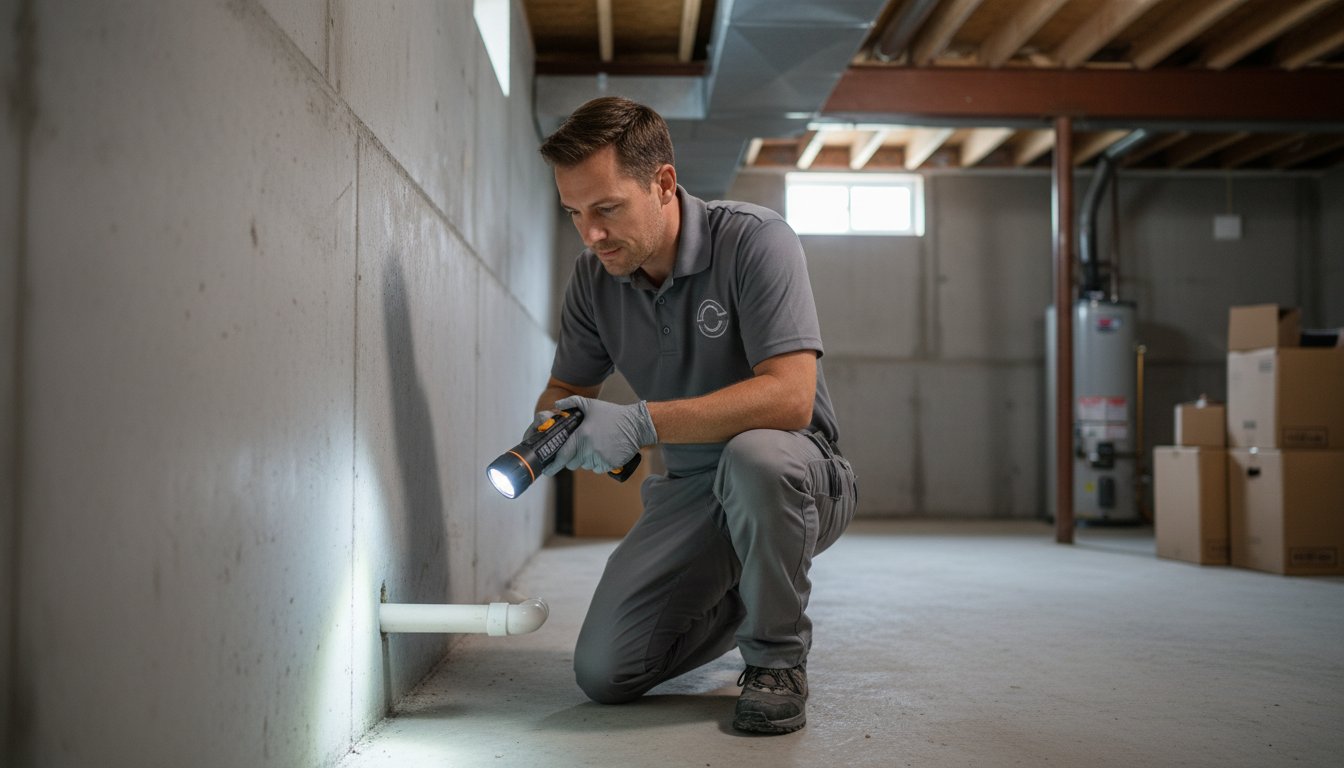
    Professional inspections are non-invasive and rely primarily on visual observation and diagnostic tools rather than chemical applications. Technicians use equipment like high-powered flashlights and moisture meters to locate pests without disturbing the household. This process is completely safe for children and pets, as it focuses on identification rather than active treatment during the initial visit.

    Is a free inspection truly free, or are there hidden costs?

    A legitimate free pest inspection Erie carries no financial obligation or hidden service fees for the homeowner. The purpose of the visit is to provide an accurate diagnosis of the property’s health so the owner can make informed decisions. While the initial assessment is complimentary, any recommended treatment plans or preventative measures would involve separate costs that are clearly outlined before any work begins.

    How often should a home in Pennsylvania or Ohio be inspected for pests?

    Licensed professionals recommend an annual inspection for most residential properties in the Great Lakes region to catch issues before they escalate. In environments with high humidity or older construction, a bi-annual schedule (every 6 months) is often more effective at preventing seasonal infestations. Regular checks are vital because pests like rodents and insects often seek shelter indoors during the fluctuating weather patterns of the Northeast.

    Can an inspection detect termites even if there are no visible signs?

    Yes, trained technicians can identify subtle indicators of termite activity that are invisible to the untrained eye. They look for specific evidence like mud tubes, pin-sized holes in drywall, or hollow-sounding wood in structural supports. Early detection through a professional evaluation is critical because termites can cause significant structural damage for 3 to 5 years before becoming obvious to a homeowner.

    Disclaimer: The information provided on this blog is for general informational purposes only and is not intended as professional pest control advice. Conditions vary by property, environment, and location. Reading this content does not create a service agreement. For an inspection or professional recommendations, please contact Mosquito Assassin Pest Control LLC directly.

  • Commercial Pest Control for Businesses in Ohio: A Comprehensive Guide

    Commercial Pest Control for Businesses in Ohio: A Comprehensive Guide

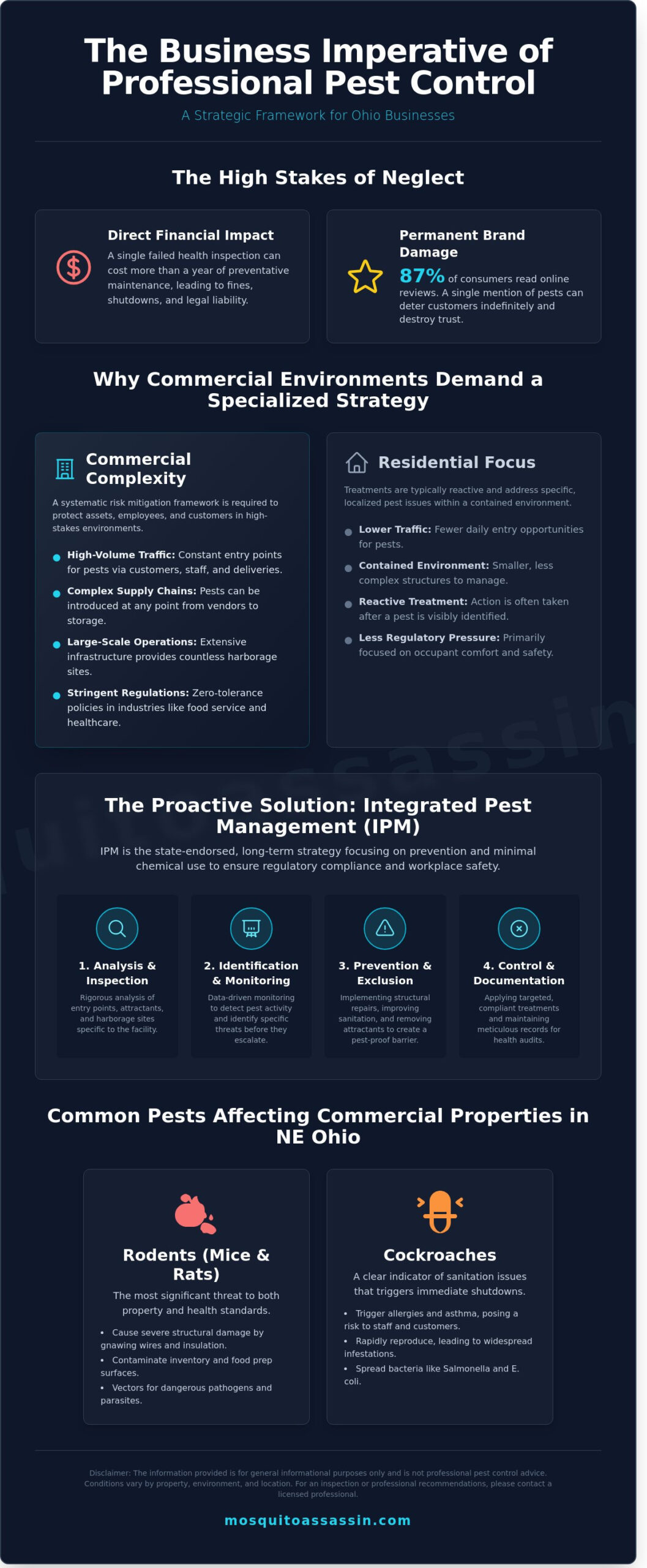
    What if a single health department inspection could cost your Ashtabula County business more than a year of professional maintenance? It’s a reality that surfaced in 2023 health audit reports, where improper pest documentation led to immediate operational setbacks for local establishments. Most professionals understand that a single rodent sighting doesn’t just mean a fine; it can damage a brand’s reputation permanently. Implementing effective pest control for businesses in Ohio is a non-negotiable requirement for staying compliant with state health codes and protecting your facility from structural damage.

    This guide provides the essential strategies and regulatory insights needed to maintain a pest-free commercial environment in Northeast Ohio. You’ll learn how to move from reactive treatments to a reliable prevention framework that aligns with Ohio’s safety standards. By understanding local pest behaviors and implementing professional management practices, businesses can focus on growth instead of health department violations. Professional pest control may help reduce risk for your facility.

    Disclaimer: The information provided on this blog is for general informational purposes only and is not intended as professional pest control advice. Conditions vary by property, environment, and location. Reading this content does not create a service agreement. For an inspection or professional recommendations, please contact Mosquito Assassin Pest Control LLC directly.

    Key Takeaways

    • Understand how systematic risk mitigation strategies protect brand reputation and maintain customer trust in commercial environments.
    • Identify the specific threats rodents and cockroaches pose to the structural integrity and hygiene of facilities in Northeast Ohio.
    • Learn about the stringent regulatory requirements and zero-tolerance policies governing the food service, hospitality, and healthcare industries.
    • Discover how Integrated Pest Management (IPM) serves as a proactive framework for professional pest control for businesses in ohio.
    • Gain insights on evaluating commercial partnerships by verifying state licensing and sector-specific experience for licensed applicators.

    The Role of Professional Pest Management in Ohio Business Operations

    Commercial pest management functions as a systematic framework for risk mitigation. It isn’t merely a reactive service; it’s a proactive strategy to protect physical assets and operational continuity. For a company, a pest infestation represents more than a nuisance. It is a direct threat to the structural integrity of the building and the safety of the inventory. Professional pest control for businesses in ohio focuses on creating a barrier between the enterprise and external biological threats. This involves a rigorous analysis of entry points, attractants, and harborage sites specific to the local climate in areas like Ashtabula County.

    Commercial environments require strategies that differ significantly from residential protocols. While a homeowner might prioritize the removal of a specific visible pest, a business must account for high-volume foot traffic, complex supply chains, and large-scale waste management. Residential treatments often address localized issues. In contrast, commercial strategies must account for the daily movement of goods and people, which provides constant opportunities for pests to hitchhike into a facility. Effective pest control for businesses in ohio utilizes data-driven monitoring to detect activity before it becomes a public-facing problem.

    Protecting Business Reputation and Revenue

    A single pest sighting can trigger a cascade of financial losses. In an era where 87% of consumers read online reviews before visiting a local business, a mention of rodents or insects can be devastating. Negative feedback spreads rapidly across social media and review platforms. This often results in a measurable decline in foot traffic and immediate revenue loss. Maintaining high sanitation standards is directly correlated with customer retention; shoppers and diners expect a sterile environment as a baseline for their patronage.

    Utilizing professional commercial services provides a critical layer of protection against public relations crises. It demonstrates a commitment to quality that reassures both customers and employees. When a business invests in a professional management plan, they’re essentially purchasing insurance for their brand equity. Consistent monitoring ensures that small issues don’t escalate into headline-grabbing infestations that could force a temporary or permanent closure.

    Regulatory Compliance and Health Standards

    The Ohio Department of Agriculture (ODA) maintains strict standards for commercial properties, particularly regarding pesticide application and environmental safety. Compliance isn’t optional. Businesses that fail to meet these health codes face heavy fines, legal liability, and the potential revocation of operating licenses. Licensed professionals follow the principles of Integrated Pest Management (IPM) to ensure that treatments are both effective and compliant with state regulations. This methodology focuses on long-term prevention and minimizes the use of chemicals through improved sanitation and structural repairs.

    Workplace safety is another primary driver for professional pest management. Pests are known vectors for various pathogens that can cause respiratory issues or allergic reactions among staff. In properties with high foot traffic, the risk of disease transmission increases. Managing these risks involves more than just spraying; it requires a comprehensive understanding of pest biology and behavior. Professional intervention helps maintain a healthy environment for employees, which reduces sick leave and improves overall morale. Following ODA guidelines ensures that the property remains a safe space for the public and the workforce alike.

    Disclaimer: The information provided on this blog is for general informational purposes only and is not intended as professional pest control advice. Conditions vary by property, environment, and location. Reading this content does not create a service agreement. For an inspection or professional recommendations, please contact Mosquito Assassin Pest Control LLC directly.

    Common Pests Affecting Commercial Properties in Northeast Ohio

    Commercial properties in Northeast Ohio face a diverse range of pest pressures that fluctuate with the seasons. Rodents, specifically mice and rats, represent the most significant threat to both structural integrity and hygiene standards. A Norway rat can exert up to 24,000 pounds of pressure per square inch with its teeth, allowing it to chew through wood, plastic, and even soft metals. This behavior often leads to damaged electrical wiring and compromised insulation. In commercial kitchens and food service environments, cockroach infestations are a primary concern. A single female German cockroach and her subsequent offspring can produce more than 30,000 individuals within a single year if left unchecked. This rapid colonization makes consistent pest control for businesses in ohio essential for meeting health department regulations and maintaining a professional reputation.

    Warehouses and food processing facilities often encounter stored product pests like Indian meal moths and saw-toothed grain beetles. These insects can contaminate entire shipments of dry goods, leading to significant financial losses. Outside the facility, flies and stinging insects create immediate issues for entryways and outdoor dining areas. Filth flies are known to carry more than 100 different pathogens, including Salmonella and E. coli, which they transfer to surfaces upon landing. Effective management often involves following Integrated Pest Management (IPM) principles to address the root causes of these infestations rather than relying solely on reactive measures.

    Rodent Pressures in Urban and Rural Ohio Settings

    The behavior of rodents varies significantly between urban centers and rural commercial sites. In urban areas, Norway rats are common near loading docks and waste disposal zones. These rats are burrowers and often enter buildings through utility gaps or damaged floor drains. House mice are more prevalent in rural settings, though they’re found in nearly every commercial environment. A mouse only requires a gap of 1/4 inch (about the size of a dime) to gain access to a structure. The Northeast Ohio climate plays a decisive role in rodent activity; as temperatures drop in October and November, rodents aggressively seek indoor shelter and food sources to survive the winter months.

    Nuisance and Health-Hazard Insects

    Insects in a business context are categorized by the specific risks they pose. Filth flies originate from decaying organic matter and represent a high health risk, while fruit flies are typically drawn to fermenting liquids in bars or breakrooms. In Ashtabula County, Odorous house ants are a frequent spring nuisance, often entering buildings in large numbers following heavy rains. For businesses with outdoor amenities, seasonal pressures from mosquitoes and ticks are a major concern from May through September. Black-legged ticks are particularly active in properties with high grass or wooded borders. Implementing professional pest control may help reduce risk for employees and customers alike. Facility managers seeking an evaluation of their property can visit the Mosquito Assassin contact page for further information.

    Disclaimer: The information provided on this blog is for general informational purposes only and is not intended as professional pest control advice. Conditions vary by property, environment, and location. Reading this content does not create a service agreement. For an inspection or professional recommendations, please contact Mosquito Assassin Pest Control LLC directly.

    Industry-Specific Pest Control Requirements

    Commercial pest management isn’t a one-size-fits-all solution. Different sectors face unique biological threats and regulatory pressures that dictate how treatments are applied. In warehousing and logistics hubs throughout Ashtabula County, the primary concern involves preventing the transport of pests through complex supply chains. A 2023 industry report indicated that 24% of warehouse infestations originate from incoming shipments rather than local environmental factors. Technicians must focus on high-traffic loading docks and pallet storage areas where hitchhiking pests like German cockroaches or stored product beetles often hide.

    Multi-unit housing and office complexes present a different challenge: pest migration. In buildings with shared walls and utility lines, a localized issue can quickly become a building-wide crisis. Research shows that if one apartment in a complex has a cockroach infestation, there’s a 60% chance the adjacent units will also be affected within 14 days. Effective management requires a holistic approach that addresses structural gaps and common areas to prevent pests from moving between units. For those evaluating a professional partnership, Ohio State University’s Pesticide Safety Education Program provides essential resources on the standards required for commercial applicators to handle these complex environments safely.

    Food Safety and Restaurant Standards

    Food service establishments operate under a zero-tolerance policy for pests. According to the 2022 FDA Food Code, even a single sighting of a rodent or cockroach can lead to immediate facility closure. Management must maintain detailed service logs for health inspectors to prove consistent monitoring. Focusing on waste disposal areas is critical; 75% of restaurant pest entries begin at poorly maintained dumpsters or grease traps. Proper exclusion and sanitation are the primary defenses in these high-risk zones.

    Healthcare and Sensitive Environments

    Hospitals, clinics, and assisted living facilities require sterile environments where traditional chemical applications are often restricted. Pest management in these spaces prioritizes low-impact, non-disruptive schedules to protect patient health and comfort. Utilizing localized pest control for businesses in Ohio ensures that service providers are familiar with regional health department regulations and the specific needs of Ohio healthcare facilities. Technicians focus on Integrated Pest Management (IPM) techniques, emphasizing structural repairs and monitoring over broad-spectrum sprays. This approach safeguards vulnerable populations while maintaining the high hygiene standards necessary for medical certification. Precise pest control for businesses in Ohio helps facility managers stay compliant with state-specific healthcare safety audits while keeping sensitive areas free of biological contaminants.

    Disclaimer: The information provided on this blog is for general informational purposes only and is not intended as professional pest control advice. Conditions vary by property, environment, and location. Reading this content does not create a service agreement. For an inspection or professional recommendations, please contact Mosquito Assassin Pest Control LLC directly.

    Implementing Integrated Pest Management (IPM) for Long-Term Protection

    Integrated Pest Management (IPM) is a science-based approach that focuses on long-term prevention rather than just reacting to infestations. It’s a strategy that prioritizes the least hazardous methods first. Effective pest control for businesses in ohio relies on this methodology to ensure that commercial environments remain compliant with health codes and safety standards. According to a 2022 report from the National Pest Management Association, proactive IPM strategies can reduce the need for intensive chemical applications by up to 90% in commercial settings. The process follows five distinct steps that work together to create a hostile environment for pests.

    • Step 1: Comprehensive facility inspection. A thorough walkthrough identifies structural vulnerabilities. This includes checking loading docks, utility penetrations, and employee breakrooms where crumbs often accumulate.
    • Step 2: Identification of specific pest species. Knowing the biology of the pest is vital. For instance, treating for a German cockroach requires a different strategy than managing an American cockroach due to their different nesting habits and reproductive cycles.
    • Step 3: Implementation of non-chemical measures. This involves physical changes to the building. It’s about removing the food, water, and shelter that pests need to survive.
    • Step 4: Targeted treatment only when necessary. If pests persist after exclusion, professionals apply treatments to specific areas. This minimizes exposure and ensures the most effective results.
    • Step 5: Ongoing monitoring and documentation. Keeping a detailed log of sightings and trap counts allows for data-driven decisions. It’s not enough to solve the problem once; it’s about maintaining a barrier.

    The Science of Exclusion and Sanitation

    Exclusion is the first line of defense in any commercial facility. Small gaps are significant risks; a mouse can fit through a hole the size of a dime, which is roughly 0.7 inches. Sealing cracks with weather-resistant caulk and installing heavy-duty door sweeps prevents these intruders from gaining access. Moisture control is equally vital. Leaky pipes or poorly graded landscaping in Erie or Ashtabula Counties can create standing water that attracts flies and mosquitoes. Employee training is the final piece of this puzzle. When staff members understand how to properly store food and dispose of waste, the risk of an internal infestation drops significantly. This collective effort is a core component of sustainable pest control for businesses in ohio.

    Monitoring and Reporting Systems

    Modern pest management utilizes advanced monitoring tools to catch problems before they escalate. Pheromone traps are used to detect stored product pests in warehouses, while digital bait stations can alert managers to rodent activity in real-time. These systems provide 24/7 surveillance that manual inspections might miss. Digital reporting provides facility managers with a transparent trail of data for audits and health inspections. Regular services allow for adjustments based on seasonal pest activity, ensuring the strategy evolves as the weather changes. Monitoring ensures that every action taken is based on current, site-specific evidence rather than guesswork.

    For facility managers in Crawford County or surrounding areas, understanding these protocols is the first step toward a cleaner workspace. While many factors influence pest behavior, professional pest control may help reduce risk and protect a company’s reputation.

    Disclaimer: The information provided on this blog is for general informational purposes only and is not intended as professional pest control advice. Conditions vary by property, environment, and location. Reading this content does not create a service agreement. For an inspection or professional recommendations, please contact Mosquito Assassin Pest Control LLC directly.

    Evaluating Professional Pest Control Partnerships in Ohio

    Selecting the right partner for securing reliable pest control for businesses in ohio requires more than a quick online search. Verification of credentials is the first essential step. The Ohio Department of Agriculture (ODA) regulates all commercial pesticide applications in the state. Business owners should confirm that a provider holds a valid commercial applicator license and maintains at least $300,000 in general liability insurance. This coverage protects the physical assets of the facility and ensures the provider meets state-mandated safety standards. Checking these documents annually helps maintain a high standard of safety for employees and customers alike.

    Experience in specific commercial sectors is just as vital as licensing. A technician who understands the strict sanitation requirements of a food processing plant may not have the same approach as one specializing in multi-unit housing. Effective pest control for businesses in ohio relies on sector-specific knowledge to address unique vulnerabilities. For example, a 50,000-square-foot warehouse has different entry points and nesting risks than a retail storefront. Professional partners should demonstrate a history of managing similar environments, as this reduces the risk of overlooked infestations.

    Communication protocols define the success of a long-term partnership. Clear channels for reporting sightings and a guaranteed response time, often within 24 hours for urgent issues, prevent minor problems from becoming full-scale infestations. Documentation is the backbone of this communication. In 2023, data from regional health inspections showed that nearly 35% of pest-related citations were linked to inadequate record-keeping rather than the presence of pests themselves. Audit-ready reporting must include detailed pesticide usage logs, comprehensive site maps, and trend analysis reports that show the history of the facility’s pest activity.

    Local Expertise vs. National Chains

    Local knowledge of regional pest cycles is a major advantage for businesses in Ashtabula County. The Lake Erie climate creates specific humidity levels that influence when insects like carpenter ants or cluster flies emerge. A provider with about ten years of experience in the local area understands these seasonal shifts better than a national corporation using a one-size-fits-all strategy. Local teams often provide faster response times during extreme weather events, such as heavy spring rains, which can drive pests indoors across the region.

    Questions to Ask Potential Service Providers

    When interviewing a potential partner, specific questions help reveal their level of expertise and commitment to professional standards. Business owners don’t have to guess about the quality of service if they ask the right technical questions during the consultation phase. Use these points to evaluate their capabilities:

    • Can you provide examples of Integrated Pest Management (IPM) strategies used in facilities similar to mine? Genuine IPM focuses on prevention and structural repairs rather than just chemical application.
    • What is your experience with specific industry audits like SQF, AIB, or GFSI? Providers should be familiar with the documentation requirements of these third-party auditors.
    • How do you handle emergency call-outs between scheduled visits? Confirm if there are additional fees for these visits and what the expected arrival time is.
    • Will I receive digital documentation immediately after every site visit? Real-time reporting ensures that management can address structural recommendations or sanitation issues without delay.

    A professional partnership is an investment in the reputation and operational continuity of a company. By focusing on licensing, sector experience, and clear documentation, business owners can safeguard their property against the financial and physical risks of pests. Professional pest control may help reduce risk and ensure long-term compliance with state and local health regulations.

    Disclaimer: The information provided on this blog is for general informational purposes only and is not intended as professional pest control advice. Conditions vary by property, environment, and location. Reading this content does not create a service agreement. For an inspection or professional recommendations, please contact Mosquito Assassin Pest Control LLC directly.

    Protecting Your Business Reputation and Infrastructure

    Maintaining a pest-free environment is a critical component of successful business operations in the Great Lakes region. Implementing specialized commercial Integrated Pest Management protocols allows facility managers to address vulnerabilities before they escalate into infestations. These methods prioritize long-term prevention and structural integrity over temporary fixes. Because regulations for commercial properties are strict, working with a provider that’s licensed and insured in Ohio and Pennsylvania is essential for maintaining industry standards. A locally owned and operated partner understands the specific seasonal pressures facing Erie, Crawford, and Ashtabula Counties.

    Consistency is the foundation of effective pest control for businesses in Ohio. It’s important to establish a routine that includes regular inspections and data-driven monitoring to safeguard inventory and staff. Effective management requires understanding the specific biological cycles of regional pests like rodents or flies. Taking these proactive steps helps maintain a professional atmosphere and protects the bottom line from costs associated with property damage or health code violations. Professional pest control may help reduce risk and ensure compliance. By focusing on prevention today, business owners invest in the continued success and safety of their commercial space.

    Disclaimer: The information provided on this blog is for general informational purposes only and is not intended as professional pest control advice. Conditions vary by property, environment, and location. Reading this content does not create a service agreement. For an inspection or professional recommendations, please contact Mosquito Assassin Pest Control LLC directly.

    Frequently Asked Questions

    What are the legal requirements for pest control in Ohio businesses?

    Ohio Administrative Code 3701-21-02 requires food service operations to stay free of insects and rodents. Commercial facilities must adhere to standards set by the Ohio Department of Agriculture for safe pesticide application. 100% of food-handling businesses must keep detailed records of all pest management activities to satisfy local health department inspections. Professional pest control may help reduce risk for these establishments.

    How often should a commercial property in Ohio be inspected for pests?

    Most commercial properties in Ohio benefit from monthly inspections to identify vulnerabilities before they lead to an infestation. High-risk facilities like restaurants or warehouses often schedule weekly visits, while standard retail spaces might only require 4 inspections per year. Consistent monitoring prevents 90% of pest-related structural damage and ensures the property remains in good standing.

    What is Integrated Pest Management (IPM) and why is it used for businesses?

    Integrated Pest Management is a strategic approach that prioritizes sanitation and structural repairs over chemical applications. It’s the preferred method for pest control for businesses in ohio because it reduces chemical usage by 70% while maintaining high efficacy. This science-based system focuses on the biology of pests to create long-term solutions that don’t rely solely on reactive treatments.

    Can a business stay open during a professional pest control treatment?

    Most businesses can continue operations during a professional treatment, especially when technicians use non-volatile baits and traps. If a liquid application is necessary, it’s often scheduled during the 8 to 12 hours the business is closed. When treatments occur during business hours, technicians focus on secluded areas to ensure zero disruption for customers. It’s important to coordinate with professionals to determine the best timing.

    What should a business do if they fail a health inspection due to pests?

    A business that fails an inspection should immediately secure a professional evaluation to address the specific violations cited. The Ohio Department of Health usually schedules a re-inspection within 10 days to confirm that the issues are resolved. Implementing corrective actions like sealing entry points can fix 85% of common pest-related health code failures. Professional pest control may help reduce risk of future failures.

    Are commercial pest treatments safe for employees and customers?

    Professional treatments are safe for people when applied by licensed technicians following EPA-approved label instructions. These applications target specific pest harborages like cracks and wall voids rather than open surfaces. 100% of modern commercial-grade products are chosen for their effectiveness and low impact on the indoor environment. Technicians ensure that no one is exposed to unnecessary risks during the process.

    How do seasonal changes in Ohio affect commercial pest management?

    Pest activity in Ohio fluctuates with the 4 distinct seasons, requiring different strategies throughout the year. For instance, 80% of ant infestations occur when spring temperatures reach 50 degrees, while rodents migrate indoors when the ground freezes in November. Effective pest control for businesses in ohio involves adjusting prevention tactics every 90 days to stay ahead of these biological shifts.

    What documentation does a business need to provide to health inspectors regarding pest control?

    Business owners should maintain a logbook containing service reports, pesticide labels, and safety data sheets. Inspectors also look for a site map showing the location of all 20 or 30 bait stations on the property. Keeping 100% of these records organized ensures the business remains compliant with the Ohio Food Code during unannounced audits. For more information, please visit www.mosquitoassassin.com/contact-us.

    Disclaimer: The information provided on this blog is for general informational purposes only and is not intended as professional pest control advice. Conditions vary by property, environment, and location. Reading this content does not create a service agreement. For an inspection or professional recommendations, please contact Mosquito Assassin Pest Control LLC directly.

  • Considering Orkin in Ashtabula? A Local Expert Alternative

    Considering Orkin in Ashtabula? A Local Expert Alternative

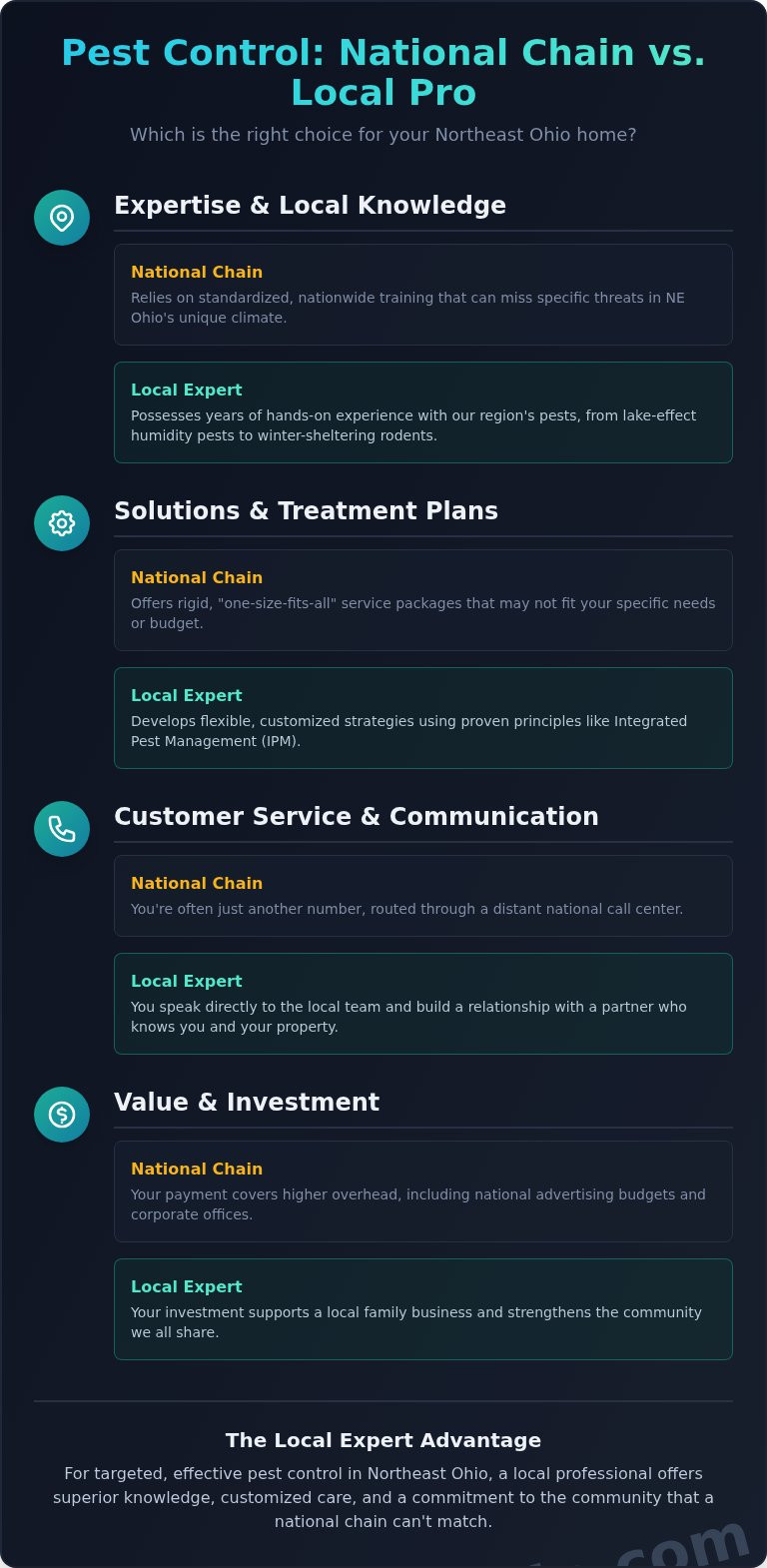
    When pests invade your home, you want a swift, definitive solution. A quick search for pest control often leads to big national brands, and if you’re considering Orkin, you’re looking at one of the largest. But is a massive, one-size-fits-all corporation the right choice for your Northeast Ohio home? Many homeowners worry about becoming just another number, dealing with distant call centers and paying for national advertising budgets instead of targeted, local expertise. You deserve a professional partner who understands the specific challenges of Ashtabula-area pests, from our humid summers that attract mosquitoes to the specific rodents seeking shelter in our winters.

    Before you commit to a national chain, let’s compare. This guide provides an honest look at how a dedicated, local pest control expert compares on the factors that matter most: personalized service, deep regional knowledge, and dependable, family-safe results. We’ll help you see the difference so you can feel confident you’re making the best and most valuable choice to protect your Cleveland-area home and family.

    Your Pest Control Options in Ashtabula: National Chain vs. Local Pro

    If you’re typing "orkin" into your search bar, you’re not alone. When pests invade, homeowners often turn to the most recognizable names first. But in Northeast Ohio, you have a critical choice to make: do you partner with a large national chain, or do you trust a dedicated local professional? This guide is designed to help you compare these two models and decide which approach offers the best protection for your home and family. The right answer depends entirely on what you value most in a service provider.

    The National Brand Approach (e.g., Orkin)

    National chains offer a predictable experience built on a massive corporate framework. Their primary strengths lie in brand recognition and standardized procedures, ensuring a similar service whether you’re in Cleveland or California. This model typically includes:

    • Widespread Recognition: Their name is backed by extensive national advertising campaigns and a coast-to-coast presence.

    • Standardized Systems: Technicians follow uniform training programs and service protocols designed to be applied across diverse regions.

    • Corporate Resources: They have access to large-scale resources and a corporate support structure for operations.

    • Centralized Contact: Initial calls and scheduling are often handled by a remote national call center, not a local office.

    The Local Expert Advantage (e.g., Mosquito Assassin)

    A local expert provides a fundamentally different level of service, one built on community roots and specialized knowledge. We understand the specific pest pressures facing homes from Ashtabula to Conneaut because our team lives here, too. A dedicated local pro delivers:

    • Unmatched Local Knowledge: Our technicians have years of hands-on experience with the unique pests, climate, and environmental conditions of NE Ohio and NW PA.

    • Customized Solutions: We don’t use a one-size-fits-all script. Instead, we develop a targeted strategy based on proven principles like Integrated Pest Management (IPM), tailored specifically to your property’s needs.

    • Direct Communication: When you call us, you speak directly with our local team, the same people who will be safeguarding your home.

    • Community Investment: Your investment supports a local family and strengthens the community we all share.

    A Fair Look at Orkin’s Services in Ohio

    When Ashtabula homeowners face a pest problem, a name that often comes to mind is Orkin. As one of the largest pest control companies in the nation, they have a significant presence and offer a wide range of services, from general pest management to specialized termite and rodent eradication. To make an informed decision about using a service like Orkin in Conneaut, it’s essential to look at both the advantages and potential disadvantages of choosing a national provider for your home.

    Our goal is to provide a balanced perspective so you can choose the pest control partner that truly fits your needs, budget, and expectations for service.

    Strengths of a National Company

    There’s no denying the benefits that come with a company of Orkin’s scale. Their extensive network provides a foundation of perceived reliability for many customers. Key advantages include:

    • Vast Resources: National chains invest heavily in research and development, creating proprietary treatments and large-scale training programs for their technicians.

    • Standardized Procedures: With a corporate model comes uniform service protocols. This can mean a consistent, predictable experience no matter which technician arrives at your door.

    • Brand Recognition: A long history and national advertising create powerful brand trust. You know the name, and that familiarity can be reassuring when you need a quick solution.

    Potential Drawbacks for Kingsville Homeowners

    However, the same corporate structure that provides consistency can also create challenges when addressing the unique needs of Ashtabula County-area properties. What works in Florida or Arizona isn’t always the best solution for Ohio’s distinct seasons and pest pressures.

    • Rigid Service Plans: Corporate policies often lead to one-size-fits-all treatment plans that may lack the flexibility to be tailored to your specific situation or budget.

    • Higher Overhead Costs: National advertising campaigns, corporate offices, and shareholder expectations can translate to higher prices for the end customer.

    • Technician Turnover: Large companies can sometimes experience higher employee turnover, meaning you may not have the same technician building a long-term understanding of your property’s history and challenges.

    • Less Hyper-Local Expertise: A national approach may miss the subtle, block-by-block pest trends specific to our region. A local pro stays current on specific pressures, often guided by invaluable research from institutions like the Ohio State University’s IPM Program, to provide more effective, targeted protection.

    The Mosquito Assassin Difference: Your Northeast Ohio Neighbor

    When you need pest control, you’re not just hiring a service; you’re trusting someone with the safety and comfort of your home. While national brands have a presence in the area, Mosquito Assassin offers something they can’t: a deep, personal understanding of Northeast Ohio. We’re your neighbors. We live here, shop here, and raise our families here. We experience the same humid summers and bitter winters, giving us the firsthand knowledge needed to protect your home with unmatched effectiveness.

    Unmatched Knowledge of Northeast Ohio-Area Pests

    Our technicians are more than just certified; they are local experts who understand the unique pest pressures of our region. We know that the humid climate off Lake Erie creates a perfect breeding ground for mosquitoes and moisture-loving spiders. We anticipate how mice and rats seek shelter during harsh Conneaut winters. Our eradication plans are specifically designed for the pavement ants that invade local kitchens and the wolf spiders common to our backyards, not generic pests from a corporate manual.

    Personalized Service & Our Pest-Free Guarantee

    Tired of navigating call centers and being sold a standardized plan? So are we. When you call Mosquito Assassin, you speak directly with a member of our local team who understands your concerns. While a large provider like Orkin may offer a set package, we conduct a thorough inspection to create a customized treatment plan tailored to your property’s unique challenges. Our promise is simple and powerful: our Pest-Free Guarantee means if the pests return between treatments, so do we. No questions asked.

    Advanced, Family-Safe Treatment Methods

    Safeguarding your home means protecting your family first. We are committed to using the most advanced and effective treatments on the market that are also safe for your children and pets. Our strategy is built on the principles of Integrated Pest Management (IPM), a comprehensive approach that aligns with the EPA’s IPM guidance to solve pest problems while minimizing risks. We target pests with precision, ensuring your family’s well-being remains the top priority. See our proven, 4-step process for a pest-free home.

    Service Comparison: How We Tackle Geneva’s Toughest Pests

    When you face a pest problem, you need a definitive solution, not a generic, one-size-fits-all service. While a national brand like Orkin operates on a standardized model, a local expert brings a customized strategy built on years of hands-on experience with our area’s unique challenges. We don’t just treat pests; we understand the local conditions that invite them into your home in the first place and create a plan to stop them for good.

    Here’s how our targeted, local approach provides superior results for Ohio’s most common pest frustrations.

    Rodent Control for Ohio Winters

    A national chain’s response to rodents is often limited to placing bait stations and traps. Our approach is far more comprehensive. We know how Jefferson’s lake-effect weather drives rats and mice to seek shelter. Our technicians are trained to identify and seal the specific entry points common in Northeast Ohio’s diverse housing stock, from historic homes in Shaker Heights to newer constructions in the suburbs. We build a fortress for your home, not just a temporary fix.

    Mosquito & Tick Control for Your Yard

    Timing is everything. Our mosquito and tick treatments are meticulously scheduled to align with their peak breeding seasons in the Ashtabula area, ensuring maximum effectiveness. We go beyond basic yard sprays by offering advanced, eco-friendly solutions like the In2Care station, which uses a mosquito’s own biology to eliminate larvae and halt the breeding cycle. The result is a yard you and your family can actually enjoy all summer long.

    Ants, Spiders, and Stinging Insects

    A generic spray is a temporary fix, not a solution. While a company like Orkin can offer a general treatment, our integrated pest management strategy is built on precision for lasting eradication:

    • Species Identification: We identify the exact type of ant, spider, or stinging insect to apply a treatment that is scientifically proven to work against it.

    • Colony Elimination: Instead of just spraying surfaces where pests walk, we track down and eliminate the nest, stopping the problem at its source.

    • Preventative Barrier: We apply a professional-grade exterior treatment to create an invisible shield around your home, preventing future invasions.

    The difference is clear: a standardized service versus a strategic, localized defense. Get the expert protection your Conneaut home deserves.

    Make the Smart Choice for Your Ashtabula-Area Home

    The decision for your home’s pest control is a significant one. While a national brand like Orkin offers widespread recognition, it often comes at the cost of personalized service and local expertise. When safeguarding your home and family, the right choice is the one that provides proven results, accountability, and a deep understanding of the unique pest pressures we face here in Northeast Ohio. The choice is clear: for a local problem, you need a local expert.

    Quick Comparison: National Chain vs. Mosquito Assassin

    See the difference for yourself. When you break it down, the value of a dedicated local partner becomes immediately apparent.

    Feature National Chain (e.g., Orkin) Mosquito Assassin
    Local Knowledge Standardized, one-size-fits-all approach. Expert understanding of Ashtabula’s specific pests, seasons, and environment.
    Custom Plans Generic service packages based on corporate templates. Tailored treatment plans designed specifically for your property and infestation.
    Customer Service National call centers and unpredictable technician assignments. Direct access to our local team. You know who you’re talking to.
    Price & Value Higher prices to cover corporate overhead and marketing. Efficient, targeted solutions that deliver superior results and lasting value.

    Hear from Your Neighbors in Northeast Ohio

    Don’t just take our word for it. Our 5-star rating is built on a foundation of trust and dependable results for homeowners just like you. We live in the communities we serve, and our reputation matters.

    "After a frustrating experience with a big national company, we called Mosquito Assassin. The difference was incredible. Their technician was knowledgeable about our specific issues in Geneva-on-the-lake and created a plan that worked fast. We finally have peace of mind in our own backyard!"

    – Jessica L., Geneva-on-the-lake, OH

    "Professional, responsive, and effective. They eliminated a persistent spider problem that other services couldn’t handle. It’s reassuring to know you’re working with a local company that stands by their work. Highly recommend!"

    – David M., Shaker Heights, OH

    Ready for a Better Pest Control Experience?

    Stop settling for impersonal service and start getting the expert, customized protection your home deserves. Our team is ready to provide a comprehensive assessment of your property and deliver a fast, no-obligation quote. Experience the confidence that comes from working with Ohio’s trusted local pest control professionals.

    Get Your Free Pest Assessment and Quote Today!

    The Smart Choice for Safeguarding Your Ashtabula Home

    When it comes to protecting your home from pests, the choice between a large national chain and a dedicated local expert is clear. While a search for orkin will show you a familiar name, it won’t give you the personalized attention and deep regional knowledge of a team that lives in the very communities we serve. Mosquito Assassin isn’t just another pest control company; we are your neighbors. As a Locally Owned and Operated business, our reputation is built on delivering Five-Star Rated Service you can trust. We stand behind our work with an ironclad Pest-Free Guarantee: If they come back, so do we.

    Don’t settle for a one-size-fits-all solution. Experience the difference a dedicated local professional makes. Take the first step towards a pest-free home and the peace of mind you deserve.

    **Call the Best of the Best! Schedule Your Free Inspection Now. **

    Frequently Asked Questions About Pest Control in Ashtabula

    Is a local pest control company cheaper than Orkin?

    While pricing varies by infestation, many homeowners find our customized plans more cost-effective than standardized packages from large chains like Orkin in Ashtabula. As a local business, we have lower overhead and focus on targeted, efficient treatments. This means you only pay for the services you actually need to eliminate your specific pest problem, delivering superior value and a better return on your investment for a pest-free home.

    Does Mosquito Assassin serve Ashtabula Counties and its eastern suburbs?

    Yes, absolutely. Mosquito Assassin proudly provides professional pest control throughout Ashtabula County and the surrounding eastern suburbs. Our local technicians serve communities across Ashtabula County. Because our team lives in the communities we serve, we provide prompt, reliable service to our neighbors. Contact us today to confirm service for your specific zip code.

    Are your pest control treatments safe for my kids and pets?

    Safeguarding your family is our highest priority. We use family-safe treatments and an Integrated Pest Management (IPM) approach, which minimizes material use by focusing on targeted applications and preventative measures. Our certified technicians are trained to apply products precisely where they are needed, away from children and pets. We ensure all treated areas are safe for your family, giving you complete peace of mind while we eliminate your pest problem.

    What kind of guarantee do you offer on your services?

    We stand behind our work with our comprehensive Pest-Free Guarantee. Our mission is to solve your pest problem for good. If you experience any issues with the targeted pest between our scheduled service visits, we will return to your home to re-treat the area at no additional charge. Our commitment is simple and powerful: if the pests return, so do we. Your complete satisfaction and a pest-free home are our ultimate goals.

    How quickly can you get a technician to my home compared to a national company?

    As a locally owned company, we offer significantly faster response times. Our technicians are based right here in Northeast Ohio, not dispatched from a regional call center. This allows us to provide prompt, often same-day or next-day, service for urgent pest issues. We eliminate the long wait times and scheduling headaches, ensuring a certified expert is at your door quickly to assess the situation and begin treatment without delay.

    Why is local knowledge so important for treating pests in Northeast Ohio?

    Northeast Ohio has unique pest pressures influenced by our distinct seasons, local wildlife, and housing types. Our technicians understand the specific life cycles of pests like carpenter ants, stink bugs, and overwintering insects common to the Conneaut area. This local expertise allows us to create more effective, customized treatment plans than a one-size-fits-all national approach. We know precisely what to look for and how to achieve long-term eradication.