Tag: Pest Identification

  • Bed Bug Bites Treatment at Home: A Guide to Relief and Identification

    Bed Bug Bites Treatment at Home: A Guide to Relief and Identification

    Imagine waking up at 3:00 AM in Erie County with a row of red, itchy welts that weren’t there when you went to sleep. It’s a distressing experience that triggers immediate anxiety about your home’s safety and a desperate search for a bed bug bites treatment at home. You aren’t alone; research published in the journal “Insects” indicates that nearly 98 percent of individuals facing an infestation report significant emotional distress and sleep loss. It’s natural to feel overwhelmed when your bedroom no longer feels like a sanctuary.

    This guide explains how to manage the symptoms safely while identifying whether the source is actually bed bugs or another common pest like fleas or mosquitoes. You’ll learn how to soothe the skin with standard household items, distinguish specific bite patterns (such as the “breakfast, lunch, and dinner” row), and establish a plan to regain control of your home. While home remedies can stop the itching, it’s vital to address the root cause. Understanding the difference between topical relief and total elimination is the first step toward a peaceful night’s rest for residents in Crawford or Ashtabula County.

    Disclaimer: The information provided on this blog is for general informational purposes only and is not intended as professional pest control advice. Conditions vary by property, environment, and location. Reading this content does not create a service agreement. For an inspection or professional recommendations, please contact Mosquito Assassin Pest Control LLC directly.
    Key Takeaways

    • Learn to identify the classic “breakfast, lunch, and dinner” feeding pattern to distinguish bed bug bites from other common pests.
    • Discover how to safely manage itching and inflammation using effective bed bug bites treatment at home methods like mild soap and hydrocortisone.
    • Understand the biological mechanisms bed bugs use to locate hosts and why their bites often go unnoticed during the night.
    • Recognize the specific symptoms of secondary bacterial infections and severe allergic reactions that necessitate professional intervention.
    • Master proactive prevention techniques for traveling and furniture shopping to protect your household from future infestations.

    Identifying Bed Bug Bites and Common Symptoms

    Correctly identifying the source of skin irritation is the first step toward finding an effective bed bug bites treatment at home. Bed bug bites often look similar to other insect stings, but their unique arrangement usually provides the first clue. These pests are nocturnal and feed while you sleep, targeting areas of exposed skin such as the arms, neck, and shoulders. While individual reactions vary, most people experience some degree of redness and swelling shortly after exposure.

    A signature characteristic of these pests is the linear or zigzag pattern they leave behind, often called the “breakfast, lunch, and dinner” sequence. This occurs because the insect may move to a new spot if its feeding is interrupted. For a comprehensive overview of bed bugs and their biological traits, scientific records show that these welts often feature a central dark spot where the mouthparts entered the skin. It’s also vital to realize that reactions don’t always happen instantly. According to clinical observations from the American Academy of Dermatology, it can take up to 14 days for a bite to become visible on the skin, which often leads to confusion about when the exposure actually happened.

    To better understand this concept, watch this helpful video:

    Bed Bug Bites vs Other Common Insects

    Differentiating these welts from other pests is crucial for residents in Erie or Crawford County. Mosquito bites are typically random and isolated, appearing anywhere the skin is accessible. In contrast, flea bites are much smaller and usually concentrate around the ankles and lower legs. Hives can also mimic bed bug reactions, but hives typically change shape or disappear within 24 hours, whereas bed bug welts can persist for a week or longer.

    Signs of an Infestation Beyond the Bites

    Because bites are an unreliable indicator on their own, you should look for physical evidence in your sleeping area. Check your bed linens for small blood stains or rust-colored fecal spots, which are common indicators of activity. Heavy infestations often produce a distinct, sweet, and musty odor similar to rotting raspberries. You might also find discarded translucent skins or tiny white eggshells tucked into the seams of mattresses or headboards. Finding these signs alongside physical symptoms confirms that professional pest control may help reduce risk.

    Practical At-Home Treatments for Itching and Swelling

    Once you’ve identified the telltale signs of activity, your immediate priority is comfort. Finding an effective bed bug bites treatment at home starts with basic hygiene. Wash the affected area with mild soap and lukewarm water as soon as possible. This simple step removes surface bacteria and debris, which helps prevent secondary skin infections that often occur when the skin is broken. Avoid using hot water, as high temperatures can dilate blood vessels and actually worsen the itching sensation.

    For many, over-the-counter solutions provide the most reliable relief. Applying a 1 percent hydrocortisone cream can significantly reduce localized inflammation and redness. The American Academy of Dermatology provides expert advice on treating bed bug bites, suggesting that these topical steroids are most effective when applied thinly to the welts. If the itching is intense and disrupts your sleep, an oral antihistamine like diphenhydramine can help manage the body’s allergic response from the inside out. Always follow the dosage instructions on the packaging or consult a pharmacist to ensure these products are appropriate for your health history.

    Physical relief is also accessible through temperature control. Applying a cold compress or an ice pack wrapped in a thin towel for 10 to 15 minutes can numb the area and constrict blood vessels. This reduces the swelling and provides a temporary break from the burning sensation. If the discomfort continues to keep you awake, professional pest control may help reduce risk by addressing the source of the problem.

    Natural and Pantry-Based Remedies

    If you prefer using items already in your kitchen, a baking soda paste is a time-tested option. Mix three parts baking soda with one part water until it reaches a thick consistency and apply it directly to the bites. Let it dry for 10 minutes before rinsing. Pure aloe vera gel, known for its anti-inflammatory properties, can also soothe irritated skin. Additionally, witch hazel acts as a natural astringent; applying it with a cotton ball helps calm the skin and may reduce the urge to scratch.

    Safety Precautions for Home Treatment

    While treating the symptoms, you must protect the skin’s integrity. Don’t scratch the welts. Scratching can lead to open sores, which increases the likelihood of infections like impetigo or cellulitis. If you use essential oils or lemon juice, test a small, unaffected patch of skin first to ensure you don’t have a sensitivity. It’s also vital to consult a healthcare professional before applying any medicinal treatments to infants or children under age 2, as their skin is much more absorbent and sensitive than an adult’s.

    Disclaimer: The information provided on this blog is for general informational purposes only and is not intended as professional pest control advice. Conditions vary by property, environment, and location. Reading this content does not create a service agreement. For an inspection or professional recommendations, please contact Mosquito Assassin Pest Control LLC directly.
    Bed Bug Bites Treatment at Home: A Guide to Relief and Identification

    Understanding Bed Bug Behavior and Feeding Patterns

    Many people find it unsettling that they can be bitten multiple times without ever waking up. This isn’t a coincidence; it’s the result of a highly evolved biological process. Bed bugs track their hosts by detecting the carbon dioxide we exhale and the heat radiating from our bodies. Once they’ve located a patch of skin, they use a specialized proboscis to pierce the surface. This is where the actual biological “stealth” begins.

    The saliva of a bed bug is a complex mixture containing more than 46 different proteins. Two of these are critical: a local anesthetic and an anticoagulant. The anesthetic numbs the nerves at the site of the puncture, ensuring the host remains asleep. At the same time, the anticoagulant prevents the blood from clotting, allowing the insect to feed efficiently for 5 to 10 minutes. Because of this chemical interference, the initial sensation is non-existent, which is why a bed bug bites treatment at home usually starts days after the actual event occurred.

    While a single bed bug typically feeds only once every 5 to 10 days, the presence of a colony can make it feel like a nightly occurrence. Their metabolic rate is closely tied to the environment. In a room kept at 70 degrees Fahrenheit, they may wait longer between meals, but in warmer summer months, their feeding cycles accelerate. This predictable behavior is why identifying their habits is just as important as managing the physical symptoms.

    The Nocturnal Nature of Bed Bugs

    Bed bugs are primarily nocturnal and have a strong aversion to light. During the day, they retreat into tight, dark crevices near their “feeding station,” which is usually the bed. Common hiding spots include the interior of headboards, the undersides of nightstands, and behind baseboards. If you suddenly turn on a light or move significantly, it can disrupt their feeding cycle, causing them to retreat before they’ve finished their meal. This often results in the clustered bite patterns mentioned in earlier sections.

    Why Do New Bites Appear After Treatment?

    It’s common for residents in Erie or Crawford County to see “new” welts even after applying a bed bug bites treatment at home. This doesn’t always mean new insects are feeding. Individual immune systems react at different speeds. Research from the University of Kentucky indicates that while some people react within 24 hours, others don’t show a physical response for up to 14 days. If your body has a delayed response, you’re seeing the results of a feeding that happened a week ago. Treating the skin only addresses the itch; it doesn’t stop the biological cycle of the insects living in the room. Professional pest control may help reduce risk by stopping these feeding cycles at the source.

    Disclaimer: The information provided on this blog is for general informational purposes only and is not intended as professional pest control advice. Conditions vary by property, environment, and location. Reading this content does not create a service agreement. For an inspection or professional recommendations, please contact Mosquito Assassin Pest Control LLC directly.

    When to Seek Professional Guidance for Bites and Infestations

    While a bed bug bites treatment at home can manage the immediate discomfort of itching, it doesn’t address the biological threat living in your furniture. There are specific moments when home care is no longer sufficient and medical or professional intervention becomes necessary. If you notice that your bites are becoming increasingly painful, swollen, or warm to the touch, you may be developing a secondary bacterial infection. Cellulitis and impetigo are common complications that arise when scratching introduces staphylococcal or streptococcal bacteria into the broken skin. Signs to watch for include red streaks extending from the bite or the presence of yellow, crusty drainage.

    Severe allergic reactions, though less common, require immediate emergency medical care. Anaphylaxis can manifest as difficulty breathing, swelling of the tongue or throat, and a rapid pulse. Beyond these physical risks, the psychological impact of an infestation shouldn’t be ignored. A study published in “BMJ Open” found that individuals dealing with these pests often experience clinical levels of anxiety, hyper-vigilance, and persistent insomnia. When the stress of the situation begins to interfere with your daily life or your ability to sleep in your own bed, it’s time to shift from topical relief to a more definitive solution.

    The Limitations of DIY Eradication

    Retail products often promise quick results but rarely deliver total elimination. Many homeowners in Erie and Crawford counties reach for “bug bombs” or total release foggers, but these can actually make the problem worse. The chemicals in these canisters often fail to penetrate the deep crevices where bed bugs hide. Instead, the irritating mist can drive the insects deeper into wall voids or behind baseboards, spreading the infestation to other rooms. Standard over-the-counter sprays also struggle to kill eggs and nymphs, which are protected by a resilient outer casing that professional-grade equipment is specifically designed to bypass.

    The Importance of a Professional Inspection

    A licensed professional provides a level of precision that a bed bug bites treatment at home cannot replicate. Experts use a combination of high-powered vacuums, specialized heat treatments, and targeted residuals to disrupt the entire life cycle of the pest. For residents in Ashtabula County, a professional inspection identifies the full extent of a “hidden” infestation, ensuring that every harborages point is located. A customized treatment plan is then tailored to your home’s specific layout, providing a more sustainable and long-term solution than repetitive DIY attempts. If you are struggling to find the source of your bites, professional pest control may help reduce risk and restore your peace of mind.

    Disclaimer: The information provided on this blog is for general informational purposes only and is not intended as professional pest control advice. Conditions vary by property, environment, and location. Reading this content does not create a service agreement. For an inspection or professional recommendations, please contact Mosquito Assassin Pest Control LLC directly.

    Preventing Future Bites in Pennsylvania and Ohio Homes

    Northwest Pennsylvania and Northeast Ohio serve as major transit corridors, which makes regional homes susceptible to hitchhiking pests. While managing symptoms with a bed bug bites treatment at home provides temporary comfort, preventing a reintroduction is the only way to ensure long-term relief. Bed bugs are expert travelers, often moving from hotels, public transportation, or shared laundry facilities into private residences. Establishing a strict inspection protocol for all items entering your home is essential for maintaining a pest-free environment.

    Secondhand items present a significant risk factor for residents in Erie and Crawford counties. If you enjoy shopping at local thrift stores or acquiring furniture from online marketplaces, you must perform a thorough inspection outdoors before bringing anything inside. Even small items like picture frames or electronics can harbor eggs in tiny crevices. For clothing or linens, a high-heat laundry cycle is your best defense. Research from the University of Minnesota confirms that placing items in a dryer on the highest heat setting for at least 30 minutes effectively kills all life stages, including resilient eggs. This is a simple but powerful step to take after returning from any trip or purchasing used goods.

    Travel Tips for Residents of Erie and Ashtabula

    When staying in hotels or rentals, never place your suitcase directly on the bed or carpeted floor. Use the provided metal luggage racks instead; the smooth, cold legs are difficult for insects to climb. Before unpacking, conduct a five-minute visual sweep of the mattress seams, headboard, and upholstered furniture. Look for the small blood spots or discarded skins described in the identification section of this guide. If you suspect exposure during your travels, seal your belongings in plastic bags until they can be laundered at high temperatures upon your return home.

    Protective Measures for the Home

    In your own bedroom, high-quality mattress and box spring encasements are invaluable tools. These specialized covers lack the deep folds and seams where insects prefer to hide, which makes early detection much easier during your regular cleaning routine. You should also take time to seal cracks in baseboards or gaps around electrical outlets with caulk to limit the movement of pests between rooms. Reducing clutter is another vital strategy. Piles of clothing, papers, or boxes on the floor provide ideal hiding spots that are difficult to treat. By keeping the area around your bed clear and vacuuming along the edges of carpets weekly, you make your home much less hospitable to unwanted guests. If these preventative measures aren’t enough to stop the appearance of new welts, professional pest control may help reduce risk.

    Disclaimer: The information provided on this blog is for general informational purposes only and is not intended as professional pest control advice. Conditions vary by property, environment, and location. Reading this content does not create a service agreement. For an inspection or professional recommendations, please contact Mosquito Assassin Pest Control LLC directly.

    Restoring Peace of Mind to Your Home

    Successfully managing the physical discomfort of an infestation requires both immediate action and a long-term strategy. While a bed bug bites treatment at home can effectively soothe intense itching and reduce localized swelling, it doesn’t address the underlying biological threat. Identifying the classic feeding patterns and maintaining high-heat laundry cycles are critical first steps for residents in Erie, Crawford, and Ashtabula counties. However, these efforts are most effective when paired with a thorough understanding of how these pests hide in undisturbed environments.

    Professional pest control may help reduce risk and provide a permanent solution for your household. As a locally owned and operated business licensed and insured in PA and OH, Mosquito Assassin utilizes specialized bed bug treatment protocols to target pests at every life stage. Taking definitive action today is the best way to safeguard your bedroom and ensure a restful night’s sleep. For an inspection or professional recommendations, please contact Mosquito Assassin Pest Control LLC directly.

    Disclaimer: The information provided on this blog is for general informational purposes only and is not intended as professional pest control advice. Conditions vary by property, environment, and location. Reading this content does not create a service agreement. For an inspection or professional recommendations, please contact Mosquito Assassin Pest Control LLC directly.
    Frequently Asked Questions

    How long do bed bug bites last on the skin?

    Most bed bug bites resolve within 7 to 14 days without medical intervention. The duration depends heavily on your body’s specific immune response and whether the skin remains intact. While the initial swelling might subside in a few days, the red mark can linger for two weeks or longer in sensitive individuals. Consistent application of a bed bug bites treatment at home can help manage the appearance during this time.

    Can I get rid of bed bugs on my own using store-bought sprays?

    Total elimination with retail sprays is statistically unlikely because these products often lack the residual strength to kill eggs or reach deep harborages. While you might kill a few visible insects, the remaining colony often retreats further into wall voids. Professional pest control may help reduce risk by using commercial-grade equipment that reaches these hidden areas in Erie and Crawford County homes.

    Do bed bug bites always appear in a straight line?

    While linear patterns are a classic sign, bites can also appear in random clusters or isolated welts. If the insect’s feeding is frequently interrupted by your movement, it may bite several times in a small area rather than a straight row. This variation often leads to confusion when homeowners are trying to identify the source of their irritation during the initial stages of an infestation.

    What happens if a bed bug bite becomes infected?

    An infected bite will typically show increased swelling, persistent warmth, and may develop pus or a yellow crust. If you notice red streaks spreading from the site or if you develop a fever, seek medical attention immediately. These symptoms suggest a bacterial infection like cellulitis that requires professional medical treatment rather than topical home care or standard over-the-counter creams.

    Are bed bug bites dangerous or do they carry diseases?

    Bed bugs aren’t currently known to transmit blood-borne diseases to humans. The primary risks are physical and psychological, including severe allergic reactions, secondary skin infections, and significant sleep deprivation. While they don’t carry pathogens like mosquitoes or ticks, the stress of an infestation can impact your overall well-being and requires a methodical approach to eradication.

    Why do some people in the same bed not have any bites?

    It’s common for one person to show severe welts while their partner appears completely unaffected. Data from clinical studies suggests that approximately 30 percent of the population does not have a skin reaction to bed bug saliva. The insects are likely biting both individuals, but one person simply doesn’t produce the histamine response that causes the visible itching and redness associated with a bite.

    Can pets like dogs or cats get bed bug bites?

    Pets can be bitten, though bed bugs prefer human hosts because our skin is easier to access and provides a more consistent heat signature. Fur provides a natural barrier that makes it harder for the insects to reach the skin surface. If you notice your pet scratching excessively or see small red bumps on their belly, a thorough inspection of their bedding is recommended.

    What is the fastest way to stop the itching from bed bug bites?

    Applying a cold compress for 15 minutes is the quickest way to numb the nerves and reduce the immediate urge to scratch. Following this with an over-the-counter antihistamine helps block the body’s internal allergic response. Combining these methods with a topical bed bug bites treatment at home provides the most comprehensive relief for persistent nighttime irritation and helps prevent skin damage from scratching.

    Disclaimer: The information provided on this blog is for general informational purposes only and is not intended as professional pest control advice. Conditions vary by property, environment, and location. Reading this content does not create a service agreement. For an inspection or professional recommendations, please contact Mosquito Assassin Pest Control LLC directly.

  • Professional Carpenter Ant Treatment: Identification, Behavior, and Control

    Professional Carpenter Ant Treatment: Identification, Behavior, and Control

    Last Tuesday, a homeowner in Erie County discovered a small pile of what appeared to be sawdust near a basement support beam, unaware that a satellite colony was currently excavating the structural timber. It’s a common frustration to realize that standard DIY sprays often fail to reach the heart of a nest hidden deep within wall voids. Most people feel a sense of urgency when they realize that seeing a few large ants might indicate a much larger, invisible problem threatening their home’s stability. Professional carpenter ant treatment is essential in these cases because these insects don’t consume wood; they hollow it out for shelter, often compromising the integrity of the support beams within a structure.

    This guide provides the information needed to accurately identify these wood-destroying pests and understand their complex nesting habits. Readers will learn the specific signs of an active infestation and the professional methods used to safeguard properties across Erie and Crawford Counties in Pennsylvania and Ashtabula County in Ohio. This overview covers the differences between carpenter ants and other species, the conditions that attract them, and the systematic approach required for successful long-term control.

    Disclaimer: The information provided on this blog is for general informational purposes only and is not intended as professional pest control advice. Conditions vary by property, environment, and location. Reading this content does not create a service agreement. For an inspection or professional recommendations, please contact Mosquito Assassin Pest Control LLC directly.
    Key Takeaways

    • Learn to identify carpenter ants by their specific anatomical markers, such as an evenly rounded thorax and a single-node waist.
    • Understand the relationship between moisture-damaged wood and nesting habits to better protect the structural integrity of a property.
    • Discover how professional carpenter ant treatment uses non-repellent insecticides to facilitate material transfer throughout the entire colony.
    • Explore the importance of seasonal moisture control and structural maintenance for preventing infestations in Erie, Crawford, and Ashtabula counties.
    • Gain insight into why comprehensive inspections and year-round management plans are more effective than standard over-the-counter sprays.

    Identifying Carpenter Ants in Pennsylvania and Ohio

    Carpenter ants are among the most common wood-destroying insects found throughout the Northeast, including Erie and Crawford Counties in Pennsylvania and Ashtabula County in Ohio. Unlike termites that consume wood for nutrition, these ants excavate galleries to create nesting sites. Understanding Carpenter ant behavior and biology is the first step in determining if a property requires professional carpenter ant treatment. These insects are known for their structural impact, especially in older homes or structures with history of moisture issues.

    To better understand this concept, watch this helpful video:

    Identifying these pests requires looking for specific physical traits. A carpenter ant has an evenly rounded thorax when viewed from the side and a single node, or petiole, between the thorax and abdomen. Colony members vary significantly in size within a single nest. Major workers can reach 13 mm in length, while minor workers might be as small as 3.8 mm. This size variation is a distinct trait of a mature, healthy colony. Many homeowners confuse these ants with termites, but the differences are clear upon close inspection. Termites have straight antennae and a broad waist, while carpenter ants have elbowed antennae and a constricted waist. Additionally, the wings on a reproductive ant are unequal in length, whereas termite wings are equal in size and much longer than their bodies.

    Visual Markers and Physical Characteristics

    Local species in the Pennsylvania and Ohio region range in color from solid jet black to a combination of reddish brown and black. Their size is a major indicator, as they are significantly larger than common pavement ants. The elbowed antennae are a vital identification marker, helping to distinguish them from other crawling insects that might inhabit a home foundation or attic. Because they don’t eat the wood, their presence is often related to a search for protein and sugar based food sources in kitchens and pantries.

    Signs of an Active Infestation

    Finding “frass” is often the most obvious sign of an issue. This material looks like coarse sawdust but contains fragments of dead insects and wood shavings. Because these ants are active at night, residents might hear faint rustling sounds within walls or structural timbers during quiet hours. In the early spring months, the appearance of winged swarmers indoors is a strong indicator of a nearby or internal nest. Identifying these signs early is essential for effective carpenter ant treatment and preventing long term structural damage. Professional pest control may help reduce risk if these signs are present. For more information on identifying local pests, you can visit mosquitoassassin.com/location.

    Disclaimer: The information provided on this blog is for general informational purposes only and is not intended as professional pest control advice. Conditions vary by property, environment, and location. Reading this content does not create a service agreement. For an inspection or professional recommendations, please contact Mosquito Assassin Pest Control LLC directly.
    Understanding Carpenter Ant Behavior and Property Damage

    Carpenter ants are often misunderstood by homeowners who mistake them for termites. While both pests damage wood, their methods differ significantly. Termites consume cellulose for nutrition, but carpenter ants don’t eat wood at all. Instead, they use their powerful mandibles to excavate it. They chew through the fibers to create smooth, clean galleries for their colonies to inhabit. In Erie County and surrounding regions, property owners often identify an infestation by finding “frass.” This material looks like fine sawdust and consists of wood shavings, dead insects, and debris that the ants have pushed out of their tunnels.

    Infestations typically start in wood that has been softened by moisture, rot, or fungal decay. This might include a leaking window frame, a damp corner in a crawlspace, or a porch pillar exposed to heavy rain. Once a colony is established, it doesn’t remain restricted to these soft areas. As the population grows, the ants expand their galleries into sound, dry structural timber. Over a period of three to five years, this expansion can compromise the integrity of wall studs, floor joists, and roof rafters. Because the damage happens inside the wood, it often remains hidden until the structural weakening becomes severe.

    The Parent and Satellite Nest Dynamic

    A single colony often operates across multiple locations, creating a complex management challenge. The parent nest, which houses the queen and young larvae, is usually located outdoors in a high-moisture environment like a stump, log, or stacked firewood. Satellite nests are then established indoors to house older larvae and workers. These satellite sites don’t require the same moisture levels as the parent nest, allowing the ants to spread throughout a home’s dry framing. Treating only the visible ants inside a kitchen rarely eliminates the problem because the queen remains protected in the outdoor parent nest. Effective Carpenter Ant Management strategies require identifying these travel paths to ensure the entire network is addressed.

    Dietary Habits and Foraging Patterns

    Outside the home, these ants primarily feed on “honeydew,” a sugary substance produced by aphids and scale insects. They also hunt other small insects for protein. When they venture into homes in Ashtabula or Crawford counties, they’re searching for similar nutrients. They’re naturally attracted to:

    • Sugars like honey, jelly, and syrup
    • Proteins found in pet food or meat scraps
    • Fats and grease spills in kitchens

    Most foraging activity is nocturnal, peaking between 10:00 PM and 2:00 AM. A worker ant can travel over 100 yards from its nest to find food, often using established trails along garden hoses, tree branches, or utility lines. Because they’re so mobile, a comprehensive carpenter ant treatment involves more than just surface sprays; it requires a deep understanding of these foraging habits. While homeowners can take steps to limit food access, professional pest control may help reduce risk for those facing persistent activity. If you’re seeing consistent activity, you can reach out through the Mosquito Assassin contact page for more information. Understanding these biological patterns is vital for a successful carpenter ant treatment plan that protects the long-term value of a property.

    Disclaimer: The information provided on this blog is for general informational purposes only and is not intended as professional pest control advice. Conditions vary by property, environment, and location. Reading this content does not create a service agreement. For an inspection or professional recommendations, please contact Mosquito Assassin Pest Control LLC directly.
    Professional Carpenter Ant Treatment: Identification, Behavior, and Control

    Professional Approaches to Carpenter Ant Treatment

    Professional carpenter ant treatment requires a systematic approach that addresses both the visible foragers and the hidden colony structure. A single colony often consists of a primary parent nest located outdoors and multiple satellite nests established within a building’s framework. Because of this complex social structure, a simple surface spray is rarely enough to solve the problem permanently. Eradication depends on reaching the queen, who remains protected deep within the nesting galleries.

    Inspection and Nest Location

    Technicians begin by following foraging trails, which are often most visible during the evening hours between 10:00 PM and 2:00 AM when ant activity peaks. These trails lead back to entry points such as gaps around utility lines or cracks in the foundation. Inspection focuses on moisture-prone areas where wood moisture content often exceeds 20 percent, such as window sills, door frames, and areas under leaking sinks. In regions like Erie and Crawford counties, overhanging tree branches frequently serve as bridges, allowing ants to bypass ground-level barriers and enter through rooflines. For residents in the neighboring Ashtabula County, Identifying Carpenter Ants in Ohio provides specific details on recognizing the black carpenter ant and its unique nesting habits. Understanding these local environmental factors is a vital step for those living in Erie, Crawford, and Ashtabula counties.

    Integrated Pest Management Strategies

    Integrated Pest Management (IPM) combines chemical and physical methods to achieve long-term results. Professionals utilize non-repellent insecticides that ants cannot detect. This allows the insects to carry the material back to the nest, ensuring a colony-wide transfer that eventually reaches the queen. Strategic baiting techniques also exploit natural foraging behaviors by providing a slow-acting food source that workers share with the rest of the colony through a process called trophallaxis. This method is highly effective because it uses the ants’ own social biology against them.

    When nests are concealed behind drywall or within insulation, void treatments are necessary. This involves precision application into wall cavities where moisture levels remain high. To prevent future infestations, physical exclusion is required, including sealing cracks and trimming vegetation at least 12 inches away from the structure. Growth regulators may also be used to disrupt the reproductive cycle, preventing the colony from rebounding. Consistent follow-up protocols verify that the parent nest is fully neutralized, as satellite nests cannot survive indefinitely without a connection to the primary colony. If you suspect an infestation, professional pest control may help reduce risk and protect your property’s structural integrity. For more information, you may visit www.mosquitoassassin.com/contact-us.

    Disclaimer: The information provided on this blog is for general informational purposes only and is not intended as professional pest control advice. Conditions vary by property, environment, and location. Reading this content does not create a service agreement. For an inspection or professional recommendations, please contact Mosquito Assassin Pest Control LLC directly.

    Moisture Control and Structural Prevention

    Effective carpenter ant treatment starts with moisture management. These insects don’t actually eat wood for nutrition, but they excavate it to create galleries for their nests. They’re drawn to wood that’s been softened by fungal decay or consistent water exposure. While a colony can eventually migrate into sound, dry wood, initial satellite nests almost always begin in areas with high moisture content. By eliminating these damp conditions, property owners remove the primary invitation for a long-term infestation.

    In regions like Erie, Crawford, and Ashtabula counties, the risk of infestation increases significantly during the spring thaw. As temperatures climb above 50 degrees Fahrenheit in late March or early April, overwintering colonies become active and begin foraging. The frequent rainfall and high humidity levels common to the Great Lakes region often lead to hidden water accumulation in wall voids. This moisture makes local residential and commercial structures particularly vulnerable to wood-destroying organisms.

    Addressing Environmental Vulnerabilities

    Structural integrity depends on keeping water away from wooden components. Leaky gutters or poorly aimed downspouts can saturate rim joists and sill plates, creating ideal nesting sites. Property owners should ensure that crawlspaces and attics maintain proper ventilation to prevent condensation buildup. A gap of at least six inches between the soil and wooden siding is a standard professional recommendation to prevent subterranean moisture from wicking into the structure. Fixing plumbing leaks under sinks and around tubs is equally vital, as even a small drip can rot floorboards over time.

    Landscape and Exterior Maintenance

    The exterior environment often dictates how easily pests access a building. Trees and shrubs that touch the roofline or siding serve as natural bridges for foraging ants. Trimming these back by at least three feet reduces direct access points. Additionally, removing decaying stumps and moving firewood piles at least 20 feet away from the foundation eliminates common parent nesting sites. Sealing cracks in the foundation and around utility lines with professional-grade silicone or urethane caulk further hardens the structure against entry. These physical barriers are essential components of a comprehensive carpenter ant treatment plan.

    If you’ve noticed signs of wood damage or active foraging near your foundation, professional pest control services may help reduce the risk of structural damage.

    Disclaimer: The information provided on this blog is for general informational purposes only and is not intended as professional pest control advice. Conditions vary by property, environment, and location. Reading this content does not create a service agreement. For an inspection or professional recommendations, please contact Mosquito Assassin Pest Control LLC directly.

    Professional Management for Wood-Destroying Pests

    Over-the-counter sprays often fail to address the root of a carpenter ant infestation. These retail products typically target only the visible foragers, leaving the queen and the main colony intact. In many cases, these sprays can actually worsen the situation by causing a colony to split into multiple satellite nests, a process known as budding. Effective carpenter ant treatment requires reaching deep-seated galleries hidden within wall voids or structural timbers that standard aerosols cannot penetrate.

    Licensed technicians utilize a methodical approach to verify the total elimination of a colony. This involves more than just a single application; it requires monitoring activity levels and identifying the specific trails leading to the parent nest, which can be located up to 300 feet away from the structure. Year-round protection plans are a practical solution for preventing re-infestation, especially in areas with high pest pressure. Consistent monitoring ensures that new queens attempting to establish colonies are stopped before they can cause significant structural damage.

    Benefits of Professional Oversight

    Professional management provides access to specialized tools that the average homeowner doesn’t possess. Moisture meters and acoustic sensors help technicians locate hidden galleries without unnecessary demolition. In Erie and Crawford Counties, local environmental factors like high humidity and seasonal temperature shifts play a major role in pest behavior. Technicians familiar with the Great Lakes region understand how these patterns affect wood-destroying organisms. This localized knowledge allows for a more targeted carpenter ant treatment that accounts for regional biology and environmental stress.

    Taking Action Against Carpenter Ants

    Early detection is the most effective way to save on structural repair costs. Industry data indicates that wood-destroying pests cause billions of dollars in property damage across the United States annually. Professional inspections offer property peace of mind by identifying vulnerabilities like leaking pipes or failing sealants that attract ants. Taking proactive steps can help reduce the risk of long-term damage to a home’s integrity. For tailored recommendations or to schedule an inspection, property owners in Ashtabula County and surrounding areas can visit the online booking portal or submit a request at www.mosquitoassassin.com/contact-us.

    Disclaimer: The information provided on this blog is for general informational purposes only and is not intended as professional pest control advice. Conditions vary by property, environment, and location. Reading this content does not create a service agreement. For an inspection or professional recommendations, please contact Mosquito Assassin Pest Control LLC directly.

    Protecting Your Home From Structural Damage

    Managing wood-destroying insects requires a combination of vigilance and technical expertise. Property owners in Erie and Crawford Counties in Pennsylvania and Ashtabula County in Ohio should prioritize identifying moisture sources; damp wood is a primary attractant for nesting colonies. Because these pests tunnel through structural members rather than eating them, the damage often remains hidden until it’s substantial. A comprehensive carpenter ant treatment involves more than just surface-level sprays; it requires locating the parent colony and implementing structural modifications to prevent re-infestation. Licensed and insured professionals based in Cranesville understand the specific challenges posed by the regional environment. These experts specialize in wood-destroying insect management, providing the necessary oversight to maintain a sound structure. It’s often more effective to address small signs of activity before they turn into major structural failures. For a professional inspection or recommendations, contact Mosquito Assassin Pest Control LLC today. Maintaining a dry, well-ventilated home is a great first step toward long-term protection.

    Disclaimer: The information provided on this blog is for general informational purposes only and is not intended as professional pest control advice. Conditions vary by property, environment, and location. Reading this content does not create a service agreement. For an inspection or professional recommendations, please contact Mosquito Assassin Pest Control LLC directly.

    Frequently Asked Questions

    Do carpenter ants actually eat the wood in my house?

    Carpenter ants don’t eat wood; they only excavate it to create nesting galleries. Unlike termites, these ants lack the specific enzymes required to digest cellulose. They use their powerful mandibles to chew through wood fibers, pushing the debris out of the nest. According to the University of Minnesota Extension, their primary diet consists of protein and sugars like the honeydew produced by aphids.

    How can I tell the difference between a carpenter ant and a termite?

    You can distinguish these pests by observing their body shape and wing structure. Carpenter ants have a narrow, pinched waist and elbowed antennae. Their four wings are unequal in length. In contrast, termites have a broad waist, straight antennae, and four wings of equal length. Identifying a pinched midsection is a reliable way to confirm the insect is an ant rather than a termite.

    Why do I see large black ants in my house during the winter?

    Seeing active ants during the winter usually indicates a nest is located inside the home’s structure. Carpenter ants typically hibernate during cold months in Erie County and Crawford County. If they’re active indoors while it’s freezing outside, they’ve likely found a heat source within walls or insulation. This activity suggests the colony is established and reacting to the home’s internal climate.

    Is a one-time treatment enough to get rid of carpenter ants?

    A single application rarely provides a complete solution for an established infestation. Professional carpenter ant treatment often requires multiple visits to locate the parent colony and various satellite nests. Research from Iowa State University indicates that colonies can house up to 50,000 workers. Effective management involves ongoing monitoring to ensure the queen is eliminated and the reproductive cycle is permanently broken.

    Are the treatments used for carpenter ants safe for my family and pets?

    Licensed professionals use products that are registered with the EPA specifically for residential use. When applied according to the strict label instructions, these treatments minimize exposure to residents. Technicians focus on targeted applications in wall voids or exterior perimeters rather than broad spraying. It’s standard practice to keep children and pets away from treated areas until the product has dried, which usually takes 2 to 4 hours.

    What is the “sawdust” I found near my baseboards?

    This material, known as frass, is a mixture of wood shavings, insect parts, and general debris. Because carpenter ants don’t consume the wood they remove, they must discard it through small openings. Finding small piles of light-colored wood fibers often indicates a nearby nest entrance. In 90% of cases, frass is located directly below the exit holes where the ants are actively tunneling.

    How long does it take to completely eliminate a carpenter ant colony?

    Total elimination can take anywhere from a few weeks to several months depending on the colony size. While initial carpenter ant treatment may reduce visible activity by 70% within the first week, the baiting process relies on workers carrying materials back to the queen. This biological process takes time to ensure the entire population, including the reproductive core, is successfully reached and managed.

    Can carpenter ants cause the house to collapse?

    It’s extremely rare for carpenter ants to cause a total structural collapse. While they can cause significant damage over 5 to 10 years, they work much slower than subterranean termites. They prefer moist or decaying wood, which can eventually compromise the integrity of specific beams or joists. Regular inspections in Ashtabula County help identify these issues before the structural stability of the home is at risk.

    If you suspect an infestation, professional pest control may help reduce risk. You can find more information at www.mosquitoassassin.com/contact-us.

    Disclaimer: The information provided on this blog is for general informational purposes only and is not intended as professional pest control advice. Conditions vary by property, environment, and location. Reading this content does not create a service agreement. For an inspection or professional recommendations, please contact Mosquito Assassin Pest Control LLC directly.
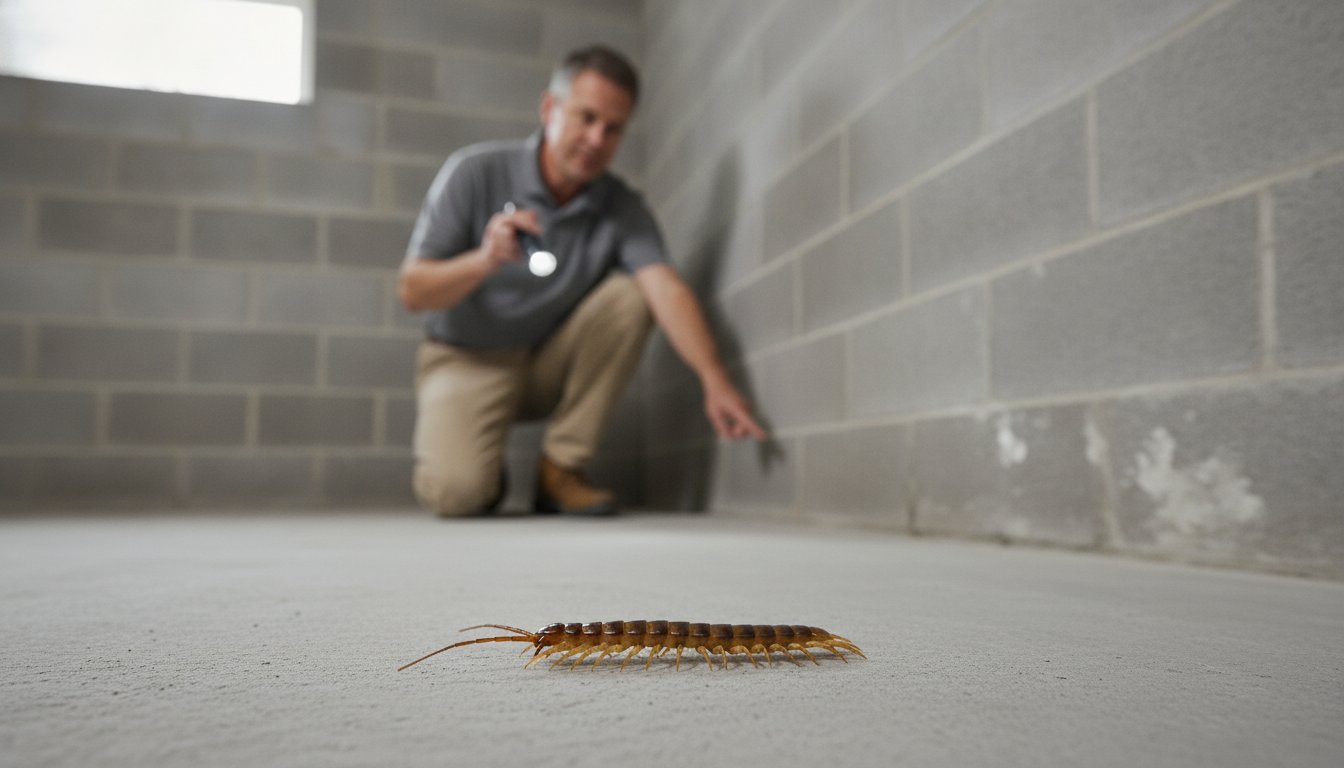
  • Urgent Pest Situations in Erie: Identifying and Managing Immediate Threats

    Urgent Pest Situations in Erie: Identifying and Managing Immediate Threats

    Imagine walking into your kitchen on the evening of October 12th only to find a swarm of subterranean termites emerging from your baseboards. This type of discovery often triggers immediate anxiety about your home’s structural integrity and your family’s safety. Rapidly escalating infestations and other situations that cannot wait are exactly when we want you to call. We serve Erie and the surrounding areas of Crawford and Ashtabula Counties to help residents distinguish between a minor nuisance and a genuine pest emergency.

    It’s completely normal to feel overwhelmed when you realize a pest problem has spiraled out of control. Most homeowners fear that waiting even one more day could lead to irreversible property damage or health risks. According to industry observations, certain wood-destroying insects can cause visible structural damage in as little as 90 days if left unchecked. This guide explains how to identify high-risk infestations that demand professional intervention right away. You’ll learn the specific signs of urgent threats and the best practices for maintaining a safe environment while waiting for an expert. By understanding these red flags, you can move from uncertainty to a clear path for professional resolution.

    Disclaimer: The information provided on this blog is for general informational purposes only and is not intended as professional pest control advice. Conditions vary by property, environment, and location. Reading this content does not create a service agreement. For an inspection or professional recommendations, please contact Mosquito Assassin Pest Control LLC directly.
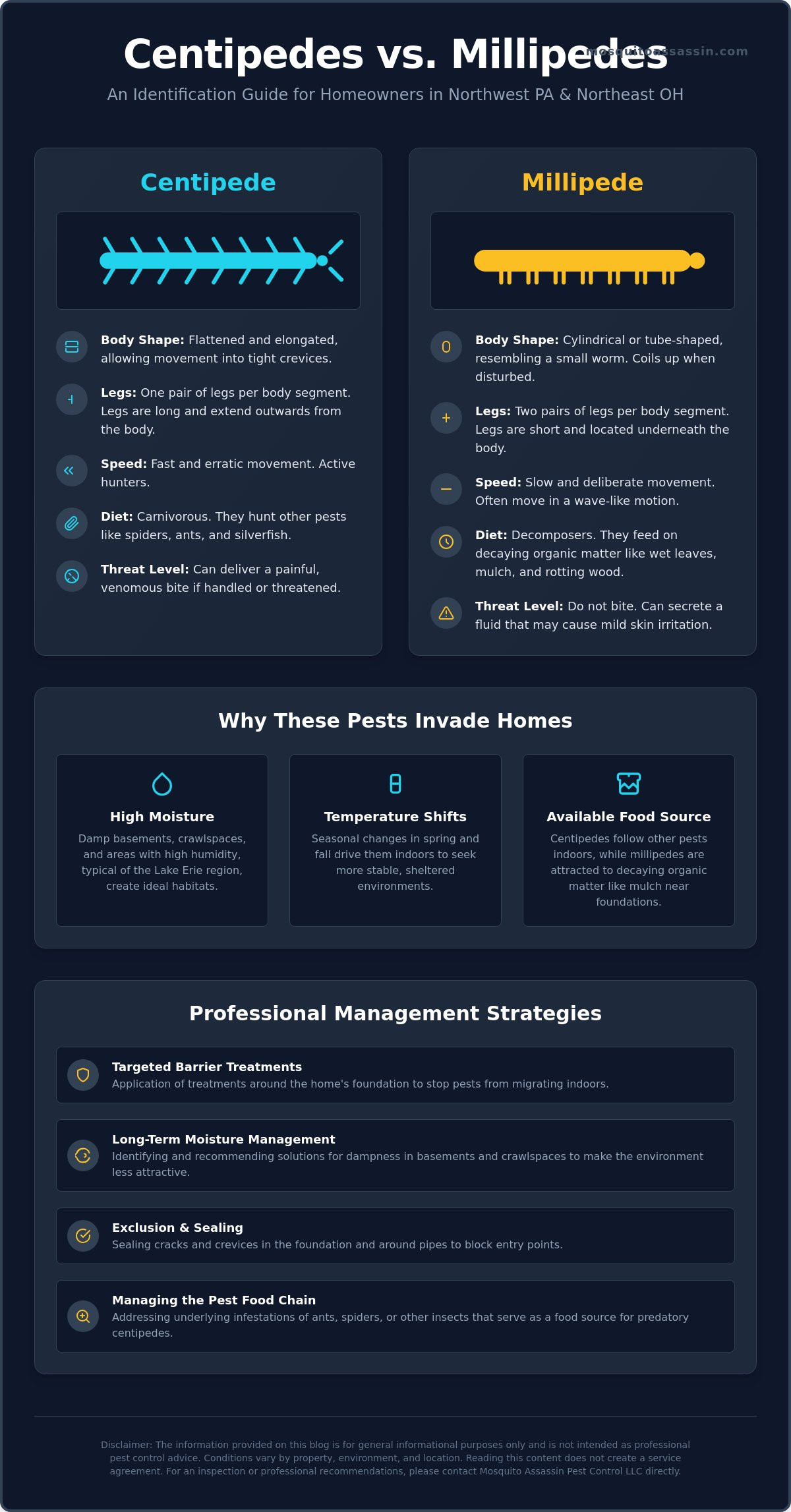
    Key Takeaways

    • Learn to identify pest situations that require immediate attention, such as those involving rapid reproduction or direct risks to the property structure.
    • Understand the risks associated with bed bugs and stinging insects, which often necessitate rapid intervention to prevent widespread infestation or safety hazards.
    • Recognize that rapidly evolving infestations and other situations that cannot wait are exactly when we want you to call. We serve Erie, Crawford, and Ashtabula Counties.
    • Discover best practices for managing urgent pest challenges, including how to safeguard residents and pets while documenting evidence for professional assessment.
    • Gain insight into the professional management process, which utilizes comprehensive inspections and customized treatment plans based on specific pest biology.

    Recognizing Pest Situations That Require Immediate Attention in Northwest Pennsylvania

    In Northwest Pennsylvania, a pest issue transitions from a minor annoyance to an urgent threat when it compromises structural integrity or involves species with high reproductive rates. For example, a single female German cockroach and her offspring can produce 30,000 individuals in one year. The humid climate near Lake Erie often accelerates these biological cycles, making quick identification vital. Rapidly growing colonies and other situations that cannot wait are exactly when we want you to call. We serve Erie and the surrounding counties to help residents manage these immediate concerns before they escalate.

    Distinguishing between a single nuisance sighting and a developing infestation is the first step in property maintenance. A lone ant might be a scout, but a trail of 20 or more signifies a pheromone path to a food source. In Crawford County, the 38 inches of average annual rainfall can drive pests indoors seeking dry ground. Timing is the most critical factor in long-term management; addressing a problem in its first 48 hours is significantly more effective than waiting until structural damage is visible. Professional pest control may help reduce risk when these early signs appear.

    Indicators of an Escalating Problem

    Visual signs often include shredded insulation, droppings, or gnaw marks on electrical wiring. If you hear scratching or scurrying inside walls between 10:00 PM and 2:00 AM, it typically indicates a nocturnal rodent population. Seeing pests like cockroaches or mice during daylight hours is a major red flag; it often suggests the hidden nesting areas are overcrowded, forcing individuals into the open. Finding small piles of sawdust (frass) near baseboards can also indicate wood-destroying insects that require immediate evaluation.

    Seasonal Urgency in the Tri-County Area

    Environmental shifts in the Tri-County area dictate pest behavior. During April and May, stinging insects begin establishing nests in Erie and Ashtabula, which can grow to house over 5,000 individuals by late summer. As temperatures drop below 45 degrees Fahrenheit in October, rodents migrate toward the warmth of Northwest Pennsylvania homes. Some threats, like bed bugs or certain stored product pests, remain constant regardless of the snow or sun. Understanding these seasonal patterns allows for better preparation and faster response times when a breach occurs.

    Disclaimer: The information provided on this blog is for general informational purposes only and is not intended as professional pest control advice. Conditions vary by property, environment, and location. Reading this content does not create a service agreement. For an inspection or professional recommendations, please contact Mosquito Assassin Pest Control LLC directly.

    Common Pests in Erie and Ashtabula Counties That Cannot Wait

    Pest problems in Northwest Pennsylvania and Northeast Ohio often escalate faster than homeowners realize. Rodents, for instance, are known to gnaw through electrical insulation or PVC piping within 48 hours of entering a structure, creating immediate fire and water damage risks. Similarly, wood-destroying organisms like carpenter ants can compromise the structural integrity of a porch or rim joist if left unaddressed for a single season. These and other situations that cannot wait are exactly when we want you to call. We serve Erie and the surrounding regions with a focus on rapid identification to prevent long-term property loss.

    The Rapid Lifecycle of Bed Bugs

    Bed bugs are prolific breeders that don’t stay confined to one room for long. A single female bed bug can lay 200 to 500 eggs in her lifetime; this allows a small introduction to become a widespread infestation in less than 30 days. In multi-family units or closely packed residential streets in Erie, these pests move through wall voids, shared plumbing lines, and electrical conduits. Early professional assessment is vital because bed bugs are experts at hiding in spots most people overlook, including:

    • Electrical outlets and wall plates
    • Behind baseboards and crown molding
    • Inside the joints of bed frames and nightstands
    • Behind wall-mounted electronics or picture frames

    Identifying these pests early prevents them from spreading to every piece of furniture in the home. Because their eggs are resistant to many over-the-counter treatments, professional intervention is a standard recommendation for successful eradication.

    Stinging Insect Threats Near Living Spaces

    Yellowjackets and hornets become significantly more aggressive in late summer as their natural food sources dwindle. By August and September, a single yellowjacket colony can house up to 5,000 individuals. When these nests are located near entryways, under decks, or inside attic soffits, they pose a direct threat to anyone entering or exiting the home. Independent removal attempts often result in multiple stings, which can be dangerous for individuals with unknown allergies. Professional pest control may help reduce risk, and residents can find assistance through the online contact portal.

    High-traffic areas like patios and playgrounds are particularly sensitive zones. These and other situations that cannot wait are exactly when we want you to call. We serve Erie, Crawford, and Ashtabula counties to ensure these stinging insect colonies are managed before they lead to painful encounters. Prompt action is the most effective way to safeguard your living space during the peak of the season.

    Disclaimer: The information provided on this blog is for general informational purposes only and is not intended as professional pest control advice. Conditions vary by property, environment, and location. Reading this content does not create a service agreement. For an inspection or professional recommendations, please contact Mosquito Assassin Pest Control LLC directly.

    The Risks of Delaying Professional Intervention

    Pest activity rarely remains static. A single female German cockroach and her offspring can produce over 30,000 descendants within a single year. Waiting just 14 to 21 days to address a sighting often allows these pests to establish deep-seated harborages within wall voids and kitchen appliances. This rapid escalation directly impacts the complexity of the required treatment. While an initial sighting might be managed with targeted, low-impact applications, a month-long delay often requires comprehensive flushing agents and multiple follow-up cycles to break the reproductive loop.

    In many Erie neighborhoods, where approximately 60% of homes were built before 1950, structural vulnerabilities are a significant concern. These older properties often feature crawlspaces, balloon framing, or aging foundations that provide easy entry points for opportunistic pests. Unaddressed activity in these areas isn’t just a nuisance; it’s a threat to property value. Wood-destroying organisms can compromise load-bearing beams over several months of neglect. Beyond the physical damage, the psychological toll is measurable. Research indicates that residents in infested environments frequently experience elevated levels of stress, anxiety, and sleep disruption. Sudden sightings and other situations that cannot wait are exactly when we want you to call. We serve Erie and the surrounding counties with professional oversight to mitigate these risks.

    Structural Damage and Rodent Presence

    Rodents like the common house mouse or Norway rat possess incisors that grow continuously throughout their lives. To manage this growth, they gnaw on hard materials, including plastic-coated electrical wiring and PVC piping. This behavior is a leading cause of property damage; industry data suggests that up to 20% of house fires with undetermined origins may be linked to rodent damage. Nesting in attics can also ruin fiberglass insulation with urine and droppings, necessitating expensive remediation. For business owners, maintaining a pest-free environment is critical for health code compliance. Utilizing commercial services helps protect high-traffic properties from these structural and financial threats.

    Compounding Effects of Seasonal Pests

    Seasonal pests in Northwest Pennsylvania, such as yellow jackets or carpenter ants, follow a strict biological timeline. A single queen starting a nest in May can lead to a colony of 5,000 workers by late August. Managing a mature colony is significantly more difficult and hazardous than removing a small, emerging nest. Professional intervention relies on location-specific expertise to identify these patterns based on local weather trends. Aggressive stinging insects and other situations that cannot wait are exactly when we want you to call. We serve Erie and understand how the local climate influences pest behavior and population spikes.

    Disclaimer: The information provided on this blog is for general informational purposes only and is not intended as professional pest control advice. Conditions vary by property, environment, and location. Reading this content does not create a service agreement. For an inspection or professional recommendations, please contact Mosquito Assassin Pest Control LLC directly.

    Best Practices for Homeowners Facing Immediate Pest Challenges

    When a pest emergency strikes, the first 30 minutes are critical for containment. Protecting vulnerable residents is the top priority. If an active stinging insect nest or a high-volume indoor infestation occurs, restrict access to that room immediately. Keep children and pets at least 10 feet away from the suspected area. Active swarms, structural damage, and other situations that cannot wait are exactly when we want you to call. We serve Erie and the surrounding regions with prompt, professional guidance to help stabilize the environment.

    Avoid the temptation to use over-the-counter foggers or “bug bombs.” These products often contain pyrethrins that cause a flushing effect, which forces pests to retreat deeper into wall voids or move to other rooms. This can scatter a localized infestation throughout the entire 2,000-square-foot home, making the eventual professional treatment more complex. Instead, implement simple exclusion methods like closing interior doors or using painters’ tape to seal small gaps where pests are emerging.

    Immediate Safety Protocols

    Safely monitoring a suspected site from a distance of at least 5 feet allows for better data collection without risking exposure. Documenting the specific location, such as under the kitchen sink near the hot water pipe, helps a professional consultant identify the source quickly. Note the frequency of sightings; seeing 10 or more insects within a 60-minute window often indicates a high-level threat. Professional pest control may help reduce risk to the household by utilizing targeted, low-impact methods that address the specific biology of the pest.

    Environmental Modifications

    Reducing moisture and food sources is a vital step in managing local pest populations. A single leaky faucet can provide enough hydration for a colony of 400 cockroaches. Homeowners should also manage outdoor debris by keeping mulch and firewood at least 20 feet away from the home foundation to discourage nesting. Consulting the general services page for prevention strategies can provide a roadmap for long-term protection. Professional pest control may help reduce risk by identifying these environmental triggers during an initial assessment. You can schedule an inspection online to begin the process of reclaiming your home.

    Disclaimer: The information provided on this blog is for general informational purposes only and is not intended as professional pest control advice. Conditions vary by property, environment, and location. Reading this content does not create a service agreement. For an inspection or professional recommendations, please contact Mosquito Assassin Pest Control LLC directly.

    Professional Approaches to Urgent Pest Management in the Tri-County Area

    Professional pest management in the Tri-County area relies on a deep understanding of regional ecology. Technicians in Erie County often deal with specific moisture-driven pests that differ from those found further inland in Crawford County. A comprehensive inspection identifies the root cause, such as a cracked foundation or a leaking pipe, rather than just treating the symptoms. Developing customized plans based on the specific biology of the pest is the only way to address the source of a colony. Severe structural threats and other situations that cannot wait are exactly when we want you to call. We serve Erie and neighboring regions with rapid response protocols designed for immediate intervention.

    In the United States, local environmental factors like Lake Erie’s humidity levels significantly influence pest activity. For example, subterranean termite colonies in Pennsylvania can contain 60,000 to 1 million members. Addressing these colonies requires a customized plan based on the specific biology of the species. Stinging insect nests near entryways and other situations that cannot wait are exactly when we want you to call. We serve Erie with priority scheduling for safety-related concerns to ensure property boundaries remain secure.

    Integrated Pest Management (IPM) Standards

    IPM standards represent the gold standard in modern pest control. This scientific approach manages pests with minimal environmental impact by focusing on the lifecycle of the organism. Licensed professionals are necessary because they have access to specialized tools and materials not available to the general public. The four-step professional process ensures no detail is overlooked:

    • Inspect: A thorough evaluation of the property to find nesting sites.
    • Identify: Pinpointing the exact species to determine the correct treatment.
    • Treat: Applying targeted methods that focus on the pest biology.
    • Monitor: Following up to ensure the solution remains effective over time.

    In 2023, data indicated that properties using IPM saw a 70% reduction in recurring infestations compared to traditional methods. Handling specialized infestations, such as bed bugs which can survive 12 months without a meal, requires the technical expertise of certified technicians.

    Securing Professional Assistance

    Property owners can prepare for a professional inspection by clearing clutter from baseboards and identifying areas of high moisture. Documenting the time and location of sightings helps the technician map the movement of the infestation. It’s helpful to spend time learning more about local experts to verify their licensing and insurance status before an emergency arises.

    When a situation demands immediate attention, directing inquiries to the online booking portal allows for expedited communication and faster scheduling. Professional pest control may help reduce risk to the property and its inhabitants. Quick action is often essential, as certain pests can cause significant property damage within 48 to 72 hours of arrival if left unmanaged.

    Disclaimer: The information provided on this blog is for general informational purposes only and is not intended as professional pest control advice. Conditions vary by property, environment, and location. Reading this content does not create a service agreement. For an inspection or professional recommendations, please contact Mosquito Assassin Pest Control LLC directly.

    Taking Action Against Immediate Pest Threats

    Identifying an urgent pest issue early prevents significant structural damage and potential health hazards. Homeowners in Erie and Crawford Counties, along with Ashtabula County, often face sudden infestations of stinging insects or rodents that require a specialized understanding of Northwest PA pest biology. These biological threats move quickly; for example, a single colony can grow by thousands in just 21 days. Active infestations, structural vulnerabilities, and other situations that cannot wait are exactly when we want you to call. We serve Erie with a focus on local expertise and professional standards.

    Professional intervention ensures management strategies are applied safely and effectively. Mosquito Assassin Pest Control LLC is locally owned and operated in Cranesville and maintains full licensing and insurance in both PA and OH. Specialized knowledge of regional pests ensures that treatments are targeted and efficient. For an inspection or professional recommendations, please contact Mosquito Assassin Pest Control LLC directly. Taking the right steps today helps ensure your home remains a comfortable and secure place for your family.

    Disclaimer: The information provided on this blog is for general informational purposes only and is not intended as professional pest control advice. Conditions vary by property, environment, and location. Reading this content does not create a service agreement. For an inspection or professional recommendations, please contact Mosquito Assassin Pest Control LLC directly.

    Frequently Asked Questions

    What defines a pest emergency in the Erie, PA area?

    A pest emergency involves any situation where human health is at immediate risk or structural damage is occurring rapidly. This includes sightings of wood-destroying insects like termites, which cause over $5 billion in property damage annually across the United States. Active infestations of stinging insects near entryways or bed bug sightings in sleeping areas also qualify as urgent. These and other situations that cannot wait are exactly when we want you to call. We serve Erie and surrounding counties to address these immediate concerns through professional evaluation.

    Can I wait a few days before calling a professional for bed bugs?

    Waiting even 48 hours to address a bed bug sighting can lead to a significantly larger problem. A single female bed bug typically lays 1 to 5 eggs every day, totaling up to 500 eggs in her lifetime. Because these pests move between rooms through wall voids and electrical outlets, a localized issue can become a whole-house infestation within 7 days. Prompt identification is the most effective way to limit the scope of work needed to clear the property.

    Are there specific pests in Ohio that require immediate attention?

    Residents in Ashtabula County, Ohio, should prioritize immediate action for German cockroaches and ticks. German cockroaches reproduce faster than any other residential cockroach; a single female and her offspring can produce over 30,000 individuals in one year. Ticks are also a major concern in the region, as they can transmit pathogens like Lyme disease within 24 to 48 hours of attachment. Identifying these pests early is essential for maintaining a healthy living environment.

    What should I do if I find a large hornet nest on my porch?

    If a nest larger than a softball is discovered, residents should maintain a minimum distance of 20 feet. A mature bald-faced hornet nest can contain over 700 workers that become highly aggressive if they perceive a threat to the queen. It’s important to avoid using over-the-counter sprays on large nests, as these often fail to reach the interior and can trigger a swarm response. Professional pest control may help reduce risk when stinging insect colonies are located near high-traffic areas.

    How fast do mice reproduce once they enter a home?

    Mice are prolific breeders that can reach sexual maturity in just 30 days. A single female house mouse can produce 5 to 10 litters per year, with an average of 6 to 8 pups per litter. This means a pair of mice could theoretically lead to a population of 60 or more within a few months if they aren’t managed. Rapid reproduction makes early intervention critical to prevent a small intrusion from becoming a major sanitary concern for the household.

    Is it safe to stay in my house during a professional pest assessment?

    It’s generally safe for residents and pets to remain indoors during an initial pest assessment. During this phase, a licensed professional conducts a 30 to 60 minute visual inspection to identify entry points and nesting sites. No materials are typically applied during the evaluation itself. If a management plan is established later, the technician provides specific instructions regarding any necessary wait times or safety protocols tailored to the property.

    What information should I have ready when calling for urgent pest help?

    Providing specific details helps technicians prepare the correct tools for the job. Callers should note the exact location of the pest, the approximate number of insects or rodents seen, and the date of the first sighting. Mentioning if anyone in the home has specific allergies to stings is also vital for safety. This information allows for a more accurate evaluation of the risk level for properties in Erie and Crawford Counties.

    How do professional services differ for commercial properties in Erie?

    Commercial pest management focuses heavily on prevention and strict adherence to local health department regulations. While residential visits might occur quarterly, many Erie businesses require monthly inspections to maintain compliance with food safety standards. Documentation is also a key difference; commercial properties must keep detailed logs of all sightings and actions taken to satisfy inspectors. Professional pest control may help reduce risk for business owners facing these stringent requirements.

    Disclaimer: The information provided on this blog is for general informational purposes only and is not intended as professional pest control advice. Conditions vary by property, environment, and location. Reading this content does not create a service agreement. For an inspection or professional recommendations, please contact Mosquito Assassin Pest Control LLC directly.

  • Identifying and Managing Active Rodent Problems in Your Home

    Identifying and Managing Active Rodent Problems in Your Home

    On October 12, a resident in Ashtabula County heard a persistent scratching inside their bedroom wall that stopped every time they tapped on the plaster. It’s incredibly unsettling to live with the suspicion that pests are moving through your home, and many homeowners struggle to tell if they’re looking at old signs or active rodent problems. It’s natural to worry about family health and the structural damage caused when pests chew through wiring or insulation.

    You’ll learn how to distinguish between historical evidence and a current infestation to get the answers you need. This article explains pest behaviors and the professional methods used to identify entry points. The following sections outline indicators of a current problem and the systematic approach required to restore your sense of security. Professional pest control may help reduce risk; visiting the online booking portal for an assessment is a practical next step for residents in Erie, Crawford, and Ashtabula Counties.

    Disclaimer: The information provided on this blog is for general informational purposes only and is not intended as professional pest control advice. Conditions vary by property, environment, and location. Reading this content does not create a service agreement. For an inspection or professional recommendations, please contact Mosquito Assassin Pest Control LLC directly.

    Key Takeaways

    • Recognize the subtle indicators of a current infestation to help prevent rapid population growth through early detection.
    • Understand how rodents utilize their nocturnal behavior and physical capabilities to enter homes through openings as small as a dime.
    • Identify the health implications and secondary pest risks, such as ticks and fleas, associated with active rodent problems.
    • Learn how sanitation and environmental modifications serve as primary tools for discouraging rodent activity on a property.
    • Discover why a professional framework of removal, maintenance, and exclusion is the industry standard for resolving established colonies.

    Identifying Active Rodent Problems in Residential Spaces

    An active rodent problem refers to current, ongoing activity from mice or rats within a home or building. It’s distinct from a historic infestation where only old, dried debris remains. Detecting these pests early is essential because a single pair of mice can produce between five and ten litters in a single year, leading to a population explosion if left unaddressed. In Erie and Crawford Counties in Pennsylvania, and Ashtabula County in Ohio, homeowners primarily encounter the House Mouse, the Deer Mouse, and the Norway Rat. While spotting a live rodent is a definitive sign, most people identify active rodent problems through secondary evidence left behind during the night.

    Visual Indicators of Current Activity

    Fresh droppings are the most reliable indicator of current activity. New droppings appear dark, moist, and have a soft consistency; old droppings turn grey, dusty, and crumble when disturbed. Homeowners should also look for fresh gnaw marks on baseboards, utility lines, or food packaging. These marks often leave behind light-colored wood shavings or small plastic fragments that haven’t yet gathered dust. Active nesting sites are typically tucked away in wall voids or behind large appliances. These nests are constructed from shredded insulation, fabric, or paper, and will often feel warm to the touch if they’ve been recently occupied.

    Auditory and Behavioral Clues

    Rodents are nocturnal, which means scratching, gnawing, or scurrying sounds inside ceilings and walls are most audible after sunset. Domestic pets often detect these movements long before humans do. If a dog or cat persistently paws at a specific wall section or stares intensely at a gap under a kitchen cabinet, it often indicates a rodent is moving behind the surface. Additionally, a distinct, stale odor similar to ammonia may persist in enclosed areas like pantries, closets, or crawlspaces. This smell is caused by accumulated urine and signifies a concentrated area of activity. Identifying these signs early allows for a faster response before the population spreads to other areas of the structure.

    If you suspect an infestation, professional pest control may help reduce risk. You can find more information at mosquitoassassin.com/services or book an inspection through the online booking portal.

    Disclaimer: The information provided on this blog is for general informational purposes only and is not intended as professional pest control advice. Conditions vary by property, environment, and location. Reading this content does not create a service agreement. For an inspection or professional recommendations, please contact Mosquito Assassin Pest Control LLC directly.

    Understanding Rodent Behavior and Seasonal Entry Points

    Rodents are remarkably discreet. Most homeowners don’t realize they have active rodent problems until a population has already established itself. Because mice and rats are nocturnal, they spend daylight hours nesting in wall voids, crawlspaces, or attic insulation. They typically emerge only when the house is quiet and dark. A single “scout” rodent often enters a structure first to assess safety and food availability. If the scout identifies a reliable heat source and accessible crumbs, it leaves pheromone trails that guide the rest of the colony directly into the home.

    These pests possess incredible physical flexibility. A house mouse can squeeze through a hole just 0.25 inches wide, which is roughly the diameter of a standard pencil. Larger Norway rats only need an opening of 0.5 inches to gain entry. Their ribs are hinged at the spine, allowing them to collapse their ribcages and pass through any gap large enough for their skull. This physical capability makes every small crack a potential gateway for an infestation.

    Common Access Points in the Home

    • Utility Penetrations: Gaps around plumbing stacks, gas lines, and HVAC refrigerant lines are primary targets.
    • The Roofline: Gaps in the soffit or fascia boards allow rodents to enter attics, especially if tree branches hang within 3 feet of the gutters.
    • Attached Garages: These areas often serve as the first point of entry because garage doors rarely create a perfect seal against the pavement.
    • Foundation Cracks: Even a hairline fracture in a concrete block can be gnawed into a larger opening by a determined rat.

    The Impact of Local Climate on Infestations

    In Erie and Crawford Counties, the arrival of the first frost typically triggers a massive indoor migration. As temperatures drop below 40 degrees Fahrenheit, rodents seek the consistent 70-degree warmth of human dwellings. Fall food sources, such as fallen apples or birdseed from feeders, often draw them toward the foundation initially. During humid Ohio summers in Ashtabula County, rodents may enter homes specifically searching for water, targeting leaky pipes or condensation under kitchen sinks. Identifying these environmental triggers may help homeowners secure their properties before the weather shifts.

    Disclaimer: The information provided on this blog is for general informational purposes only and is not intended as professional pest control advice. Conditions vary by property, environment, and location. Reading this content does not create a service agreement. For an inspection or professional recommendations, please contact Mosquito Assassin Pest Control LLC directly.

    Health Risks and Property Damage Associated with Infestations

    Active rodent problems pose more than just a nuisance; they represent a significant threat to the safety of residents in Erie County and surrounding areas. Direct contact with rodent waste, including urine and saliva, can lead to serious health complications for humans and domestic animals. Beyond direct contact, these pests act as biological vehicles, carrying secondary hitchhikers like ticks, fleas, and mites into living spaces. These parasites can quickly transition to pets and family members, creating a multi-layered infestation that requires comprehensive attention. Professional pest control may help reduce risk to families and pets by identifying these hidden hazards before they spread.

    Diseases Spread by Rodents

    Rodents are known carriers of over 35 diseases worldwide according to the Centers for Disease Control and Prevention. Salmonellosis is frequently spread through contaminated food or surfaces, while Leptospirosis can be contracted through contact with water or soil contaminated by rodent urine. A particularly dangerous risk is Hantavirus Pulmonary Syndrome. This respiratory disease is transmitted when people inhale dust contaminated by rodent droppings or nesting materials. Because of these airborne risks, professional cleaning is often necessary after a significant infestation is resolved to ensure all microscopic pathogens are safely removed from the environment.

    Structural and Fire Hazards

    The physical damage caused by rodents is often expensive and dangerous. Because their incisors never stop growing, rodents must gnaw on hard materials to keep them filed down. This behavior frequently targets electrical wiring inside walls and attics. The National Fire Protection Association estimates that rodents are responsible for approximately 20% of fires labeled with undetermined causes annually. Addressing active rodent problems before they escalate can prevent these catastrophic events.

    In addition to fire risks, rodents frequently destroy attic insulation to create nesting sites. This damage can reduce a home’s energy efficiency by 15% to 25%, leading to higher utility bills for homeowners in Crawford or Ashtabula counties. Their burrowing behavior also compromises the integrity of building materials like drywall, wood, and even soft metals. Professional pest control may help reduce risk by locating entry points and stopping the cycle of destruction. For more information on identifying these risks, residents can visit the contact page to speak with a professional.

    Disclaimer: The information provided on this blog is for general informational purposes only and is not intended as professional pest control advice. Conditions vary by property, environment, and location. Reading this content does not create a service agreement. For an inspection or professional recommendations, please contact Mosquito Assassin Pest Control LLC directly.

    Environmental Modifications to Discourage Rodent Activity

    Eliminating the resources rodents need to survive is the most effective way to address active rodent problems. When a property provides easy access to food, water, and shelter, it becomes a target for local populations in Erie and Crawford Counties. Sanitation isn’t just about cleanliness; it’s a strategic method of integrated pest management that makes your home less hospitable to intruders. By removing attractants, you force rodents to look elsewhere for their survival needs.

    Interior Sanitation and Food Storage

    Rodents possess incredibly sharp incisors that can easily penetrate cardboard boxes or thin plastic bags. To protect your supplies, store all pantry items in airtight glass or heavy plastic containers. This prevents the scent of food from attracting pests and denies them a meal if they do manage to enter. Deep cleaning is also vital for long-term management. In roughly 80% of residential kitchens, grease and crumbs accumulate behind stoves and refrigerators, providing enough calories to sustain a small colony for weeks. Additionally, homeowners should eliminate standing water in basements or under sinks. Even a small leak provides the hydration necessary for a rodent to thrive.

    Exterior Exclusion and Yard Maintenance

    Securing the perimeter is a primary step in preventing new arrivals from entering your living space. Mice can fit through an opening as small as 1/4 inch, which is roughly the width of a standard pencil. Seal these small gaps with steel wool and caulk; rodents cannot easily chew through metallic fibers. Maintaining the yard is equally important for long-term protection in the Ashtabula County area.

    • Trim Vegetation: Keep tree branches and shrubs at least 3 feet away from the roofline to remove “natural bridges” that allow roof rats access to your attic.
    • Manage Storage: Keep firewood stacks at least 20 feet away from the foundation and elevated off the ground to eliminate easy nesting sites.
    • Control Feeders: Bird feeders and outdoor pet bowls are major attractants. Spilled seeds can attract dozens of rodents to a yard in a single night.

    If you suspect your property has structural vulnerabilities, professional pest control may help reduce risk by identifying entry points you might’ve missed. Taking these practical steps creates a formidable barrier against active rodent problems and helps safeguard your family’s environment.

    Disclaimer: The information provided on this blog is for general informational purposes only and is not intended as professional pest control advice. Conditions vary by property, environment, and location. Reading this content does not create a service agreement. For an inspection or professional recommendations, please contact Mosquito Assassin Pest Control LLC directly.

    The Professional Framework for Resolving Active Infestations

    Resolving active rodent problems requires more than a few hardware store traps. Professionals follow a rigorous three-step protocol: removal, maintenance, and exclusion. This framework is the industry standard because it addresses the biology of the pest, not just the visible symptoms. DIY methods frequently fail because they don’t account for the rapid reproductive rate of a colony. For example, a single female mouse can produce up to 10 litters per year. Without a comprehensive strategy, the population grows faster than a homeowner can set individual traps. Licensed experts provide the necessary oversight to break this cycle effectively.

    The Inspection and Removal Phase

    Licensed technicians use specialized tools, such as high-intensity UV lights and borescopes, to find nests tucked deep inside wall voids. These areas are usually inaccessible to residents without professional equipment. During this phase, experts deploy strategic mechanical controls to rapidly thin the population. This isn’t a one-size-fits-all approach. Instead, professional pest control services develop customized plans based on the specific species and the layout of the structure. This data-driven method ensures that traps are placed in high-traffic runways where rodents feel safest; this increases the success rate by nearly 75% compared to random placement by an amateur.

    Maintenance and Long-Term Exclusion

    Exclusion is the most critical step for permanent relief. A mouse can squeeze through a hole the size of a dime, which is approximately 0.25 inches. Professionals identify these tiny gaps in foundations, soffits, and rooflines that the untrained eye often misses. Ongoing maintenance prevents active rodent problems from recurring after the initial clean-out. This is especially important because rodent pressure changes with the seasons.

    Local pest control experts understand that in regions like Erie and Crawford Counties, the drop in temperature during October triggers a massive migration of rodents into heated crawlspaces. To learn more about the team’s history and commitment to these communities, readers can visit the about page. Consistent monitoring ensures that if a new entry point develops due to house settling or weathering, it’s sealed before a new colony can establish itself.

    Disclaimer: The information provided on this blog is for general informational purposes only and is not intended as professional pest control advice. Conditions vary by property, environment, and location. Reading this content does not create a service agreement. For an inspection or professional recommendations, please contact Mosquito Assassin Pest Control LLC directly.

    Securing Your Property Against Future Infestations

    Rodents don’t need much space to cause significant trouble; a hole the size of a dime is often enough for a mouse to gain entry. Since a single pair of rats can produce up to 1,250 descendants in one year, ignoring early warning signs isn’t an option. Effective management of active rodent problems requires a combination of structural repairs and strategic environmental changes. Homeowners in Erie and Crawford Counties, Pennsylvania, and Ashtabula County, Ohio, can rely on professional standards to safeguard their property. Licensed and insured in both PA and OH, this five-star rated local service utilizes family-safe treatment approaches to address infestations at the source. Taking these steps protects against the 20 percent of house fires with undetermined causes that are often linked to rodent-gnawed wires. For a professional inspection or recommendations regarding this issue, please contact Mosquito Assassin Pest Control LLC directly. Maintaining a pest-free home is an achievable goal with the right professional guidance.

    Disclaimer: The information provided on this blog is for general informational purposes only and is not intended as professional pest control advice. Conditions vary by property, environment, and location. Reading this content does not create a service agreement. For an inspection or professional recommendations, please contact Mosquito Assassin Pest Control LLC directly.

    Frequently Asked Questions

    How can I tell if a mouse dropping is new or old?

    New droppings are dark and moist, while old ones appear gray, dull, and crumbly to the touch. Fresh droppings often look like black grains of rice and will glisten under a flashlight for the first 24 hours. If you find soft, pliable droppings in your Erie County home, it’s a clear indicator of active rodent problems that require immediate attention.

    Can rodents actually chew through electrical wires in the walls?

    Rodents frequently chew through electrical wires because their incisors grow about 4 to 5 inches per year and must be worn down constantly. This behavior causes roughly 20% to 25% of fires with undetermined causes in the United States every year. They target the plastic insulation on wiring in walls and attics, which can lead to short circuits or total power failure in specific rooms.

    What is the fastest way to stop rodents from entering my home?

    Sealing every exterior gap larger than 1/4 inch with steel wool and silicone caulk is the most immediate way to block access. Focus on areas where utility pipes enter the siding, as these are common bypasses for pests. While traps can remove individuals, permanent exclusion is the only way to ensure active rodent problems don’t continue through the winter months in Ashtabula County.

    Is it possible to have an active rodent problem without ever seeing a mouse?

    Yes, it’s common to have an infestation without ever seeing a live rodent because they’re nocturnal and naturally avoid humans. You’re more likely to find secondary signs like 3 to 5 millimeter grease marks along baseboards or chewed food packaging. In a typical infestation, for every one mouse seen during the day, there may be 10 to 12 others hiding nearby in wall voids.

    What diseases are most commonly spread by rodents in the United States?

    Rodents in the United States most commonly spread Hantavirus, Leptospirosis, and Salmonellosis through their waste. The CDC tracks these illnesses, noting that Hantavirus is often transmitted through the inhalation of dust contaminated with rodent urine. Maintaining a clean environment in Crawford County helps reduce the risk of the 35 different diseases that rodents can carry or spread to humans.

    How small of a hole can a rat or mouse actually fit through?

    A house mouse can squeeze through a hole the size of a dime, which is approximately 0.25 inches in diameter. Rats are larger but can still fit through any opening the size of a quarter, or about 0.5 inches wide. If a rodent can fit its skull through a gap, its flexible rib cage allows the rest of its body to follow through the opening easily.

    Why do I hear scratching noises in my walls only at night?

    You hear scratching at night because mice and rats are nocturnal, meaning their peak activity occurs between dusk and dawn. They use the cover of darkness to forage for food and gather nesting materials within wall cavities or floor joists. These sounds are often amplified by the hollow space between studs, making a single 20-gram mouse sound like a much larger animal.

    What are the most common entry points for rodents in a typical garage?

    The most frequent entry point in a garage is the bottom corners of the overhead door where the rubber weather stripping has worn away. Gaps as small as 1/4 inch allow easy access for pests seeking shelter from the cold. Other common spots include the threshold of the side entry door and unsealed holes for electrical conduits or irrigation lines that pass through the garage walls.

    Disclaimer: The information provided on this blog is for general informational purposes only and is not intended as professional pest control advice. Conditions vary by property, environment, and location. Reading this content does not create a service agreement. For an inspection or professional recommendations, please contact Mosquito Assassin Pest Control LLC directly.

  • Emergency Pest Control: Determining When Immediate Professional Intervention is Required

    Emergency Pest Control: Determining When Immediate Professional Intervention is Required

    On a humid Tuesday evening in Erie County, a homeowner discovered a massive swarm of subterranean termites emerging from a baseboard, indicating a colony that had been silently damaging the home’s structure for months. This discovery often leads to the urgent question: Q: Are you available for same-day or emergency pest control service? Most people agree that the sight of a sudden infestation triggers immediate anxiety regarding property damage and the safety of children and pets. You’ll learn how to distinguish between a routine nuisance and a genuine pest emergency that requires rapid intervention.

    This guide provides the critical steps for safeguarding your property and maintaining a safe environment before a licensed professional arrives on the scene. This article examines specific red flags like structural buzzing or nesting in electrical boxes and outlines a clear plan for immediate risk reduction and long-term prevention. Understanding these triggers ensures that the process to eliminate the threat begins the moment it is identified.

    Disclaimer: The information provided on this blog is for general informational purposes only and is not intended as professional pest control advice. Conditions vary by property, environment, and location. Reading this content does not create a service agreement. For an inspection or professional recommendations, please contact Mosquito Assassin Pest Control LLC directly.

    Key Takeaways

    • Identify the specific indicators that distinguish a minor nuisance from a true pest emergency requiring you to ask, Q: Are you available for same-day or emergency pest control service?
    • Understand the biological factors that cause certain infestations to spread rapidly, providing clarity for those asking, Q: Are you available for same-day or emergency pest control service?
    • Learn the critical safety protocols to implement to protect your household while awaiting a response to the question, Q: Are you available for same-day or emergency pest control service?
    • Evaluate the strategic differences between year-round protection and reactive treatments for those wondering, Q: Are you available for same-day or emergency pest control service? in Erie, Crawford, and Ashtabula counties.
    • Discover how delayed responses to wood-destroying organisms can lead to rapid escalation of damage, making the answer to Q: Are you available for same-day or emergency pest control service? a top priority for property owners.

    Defining a Pest Control Emergency: When to Seek Immediate Assistance

    Homeowners in Erie, Crawford, and Ashtabula counties often face situations where a pest presence shifts from a minor annoyance to a legitimate crisis. Determining when a situation requires an immediate response is critical for property protection and resident safety. A common inquiry during these high-pressure moments is, Q: Are you available for same-day or emergency pest control service? Identifying the difference between a nuisance and an emergency often comes down to the speed of reproduction and the potential for physical harm.

    A nuisance pest, like a solitary beetle or a few pavement ants in a basement, typically doesn’t require an hour-by-hour response. However, an emergency involves pests that compromise the safety of the inhabitants or the structural stability of the building. Rapid response is necessary because many pests follow an exponential growth curve. For example, a single German cockroach and her offspring can produce 30,000 individuals within one calendar year. Waiting even 48 hours to begin treatment can allow a localized problem to spread into wall voids and adjacent rooms. Professional intervention utilizes specialized equipment, such as high-volume injection systems and HEPA-filtered extraction tools, which aren’t available to the general public through retail channels.

    Stinging Insect Threats Near Entry Points

    When hornets, wasps, or yellowjackets establish nests directly above doorways or near HVAC units, they pose an immediate physical threat. Statistics from the Journal of Asthma and Allergy indicate that approximately 5% of the U.S. population will experience a systemic allergic reaction to insect stings in their lifetime. DIY removal is dangerous for unlicensed individuals because a single colony can contain over 5,000 aggressive insects. Professionals use protective gear and long-range application tools to ensure safety while removing the threat from high-traffic areas.

    Rapidly Spreading Indoor Infestations

    Indoor emergencies often involve pests that move quickly or cause hidden damage. Bed bugs can travel 4 feet per minute; this means they can infest multiple rooms in a single night. Rodents present a different type of emergency; they’re responsible for an estimated 20% of house fires with undetermined causes due to their habit of gnawing on electrical insulation. In residential spaces, sudden surges of fleas or cockroaches introduce pathogens and allergens that trigger respiratory distress. These situations demand a fast assessment to stop the cycle of destruction before it impacts every room in the house.

    Understanding these risks helps residents prioritize their response. When these signs appear, professional pest control may help reduce risk and prevent further escalation. Residents often ask, Q: Are you available for same-day or emergency pest control service? when they discover a nest or infestation that threatens their peace of mind. Accessing professional help quickly ensures that the right tools are deployed before the population doubles. For an evaluation in the tri-state area, visiting the online booking portal at https://portal.gorilladesk.com/mosquitoassassin is a practical first step toward resolving the issue.

    Disclaimer: The information provided on this blog is for general informational purposes only and is not intended as professional pest control advice. Conditions vary by property, environment, and location. Reading this content does not create a service agreement. For an inspection or professional recommendations, please contact Mosquito Assassin Pest Control LLC directly.

    The Risks of Delayed Response in Pest Management

    Pests don’t follow a human schedule, and their biological clocks are set for rapid expansion. A single female German cockroach can produce a lineage of 30,000 descendants within a single year if environmental conditions are favorable. This exponential growth turns a minor nuisance into a structural crisis in a matter of weeks. Homeowners often ask, Q: Are you available for same-day or emergency pest control service? because they recognize that every hour of delay allows for another cycle of reproduction. In regions like Erie and Crawford Counties, local climate shifts can accelerate these cycles during peak seasons, making immediate intervention a professional necessity.

    The correlation between response time and eradication success is absolute. Professional data suggests that treating an infestation in its early stages is 40 percent more likely to achieve total elimination with fewer intervention cycles. Waiting until a pest problem is visible to the naked eye often means the colony has already established deep roots within wall voids or foundations. Prompt action limits the biological footprint of the pests, reducing the amount of sanitization and structural repair needed after the treatment is complete. A rapid response ensures that the customized treatment plan can be implemented while the population is still manageable.

    Property and Structural Integrity Concerns

    Structural damage is rarely a sudden event; it’s a persistent erosion of a home’s value. Carpenter bees and termites are particularly destructive in the tri-county area of Pennsylvania and Ohio. Termites consume cellulose 24 hours a day, and a mature colony can eat through a significant portion of a 2×4 stud in approximately six months. Professional pest management services can help identify hidden structural risks before they require expensive contractor repairs. Beyond wood destruction, rodents pose a severe fire hazard. The National Fire Protection Association has indicated that rodents chewing through electrical insulation are responsible for a notable percentage of house fires with undetermined origins. Common property risks include:

    • Structural weakening of floor joists and support beams from wood-boring insects.
    • Damage to attic insulation and drywall from rodent nesting materials.
    • Compromised electrical systems and potential short circuits from gnawing pests.

    Public Health and Safety Considerations

    The presence of pests introduces a variety of pathogens into the living environment. In the United States, ticks and mosquitoes are the primary vectors for diseases like Lyme disease and West Nile virus. These aren’t just outdoor concerns; pests often find ways into basements and attics where they continue to shed bacteria and parasites. Pest waste, including droppings and shed skins, degrades indoor air quality. This organic debris becomes airborne, acting as a potent trigger for respiratory issues and allergic reactions. Meeting local health standards in residential properties requires a proactive approach to sanitation and pest exclusion. If an infestation is suspected, seeking an inspection through a professional booking portal can help mitigate these health risks quickly.

    Addressing an infestation immediately isn’t just about comfort; it’s about protecting the long-term viability of the asset. When residents inquire, Q: Are you available for same-day or emergency pest control service? they’re taking the first step in a methodical process to safeguard their property. Fast action prevents the physical and financial stress of a long-term battle against established colonies.

    Disclaimer: The information provided on this blog is for general informational purposes only and is not intended as professional pest control advice. Conditions vary by property, environment, and location. Reading this content does not create a service agreement. For an inspection or professional recommendations, please contact Mosquito Assassin Pest Control LLC directly.

    Emergency Intervention vs. Year-Round Protection Plans

    The tactical difference between reactive emergency service and proactive management is the difference between fighting a fire and installing a sprinkler system. Emergency interventions are designed for immediate impact; they stop the current infestation in its tracks to prevent further property damage. However, relying solely on these one-time events often leads to a cycle of “pest-and-spray” where the problem returns every few months. Homeowners in Erie County and Crawford County frequently find themselves asking, “Q: Are you available for same-day or emergency pest control service?” when a sudden swarm or sighting occurs. While immediate response is a critical tool for safety, it is only the first step in a larger strategy for property protection.

    Transitioning from an emergency state to a maintenance-free environment requires a systematic approach. Professionals use the initial emergency visit to stabilize the situation, but the real work begins with a comprehensive assessment of the property’s vulnerabilities. A 2021 industry report indicated that 65% of residential pest problems stem from structural issues like unsealed gaps or improper drainage. By identifying these factors during an emergency call, a technician can set the stage for a long-term plan that prevents the next crisis. This shift from reactive to proactive care reduces the overall volume of pesticides used on a property by focusing on targeted, strategic applications rather than broad-spectrum emergency saturation.

    The Limitations of One-Time Treatments

    One-time treatments often fail to address the complex life cycles of common pests. A single application may kill adult fleas, but it will not affect the pupae stage, which can remain dormant for 30 days. Without a scheduled follow-up, the infestation will likely resurface. Monitoring after an emergency is essential to confirm total eradication. You can learn more about the professional approach to managing these biological timelines.

    The Value of Consistent Management

    Consistent management visits, performed bi-monthly or quarterly, provide a shield for the home. These visits focus on exclusion techniques, such as sealing 1/8-inch gaps that serve as entry points. In Ashtabula County, seasonal shifts drive different pests indoors; a year-round plan anticipates these movements. This stability removes the anxiety of a 2:00 AM discovery. When residents ask, “Q: Are you available for same-day or emergency pest control service?”, they seek the peace of mind that consistent protection provides.

    The long-term benefits of integrated pest management (IPM) go beyond just killing bugs. It involves environmental modifications that make a home less attractive to pests. This includes managing moisture levels in crawlspaces and ensuring that mulch is kept at least 12 inches away from the foundation. These practical steps, combined with professional monitoring, create a barrier that emergency-only services cannot replicate. Moving away from the stress of emergency calls allows property owners to enjoy their space without the constant threat of a sudden infestation. Professional pest control may help reduce risk by maintaining these barriers year-round.

    Disclaimer: The information provided on this blog is for general informational purposes only and is not intended as professional pest control advice. Conditions vary by property, environment, and location. Reading this content does not create a service agreement. For an inspection or professional recommendations, please contact Mosquito Assassin Pest Control LLC directly.

    Immediate Safety Protocols While Awaiting Professional Service

    When a homeowner asks, “Q: Are you available for same-day or emergency pest control service?” the immediate goal is stabilization. While waiting for a professional to arrive at a property in Erie County, Crawford County, or Ashtabula County, taking proactive steps can limit the spread of an infestation. These initial actions don’t involve chemicals; instead, they focus on physical barriers and hazard reduction. It’s essential to treat every active infestation as a potential safety risk until a licensed technician completes a full assessment of the environment.

    Securing the Environment

    Safety starts with isolating the area of activity to protect vulnerable residents. If stinging insects like yellow jackets or hornets are spotted near an entry point, all windows and doors must remain closed. According to the American College of Allergy, Asthma & Immunology, insect stings send more than 500,000 people to emergency rooms every year. Keeping children and pets in a separate, unaffected part of the home prevents accidental encounters that could lead to injury. For indoor pests like rodents or cockroaches, sanitation is the most effective temporary deterrent. A single gram of food waste can sustain a small colony of cockroaches for an entire week, so immediate cleaning of crumbs and spills is vital. Homeowners should move all pantry items from cardboard boxes into airtight glass or heavy-duty plastic containers, as rodents can gnaw through standard paper packaging in less than 24 hours.

    Information Gathering for Technicians

    Documentation provides the technician with a roadmap for the inspection and eventual treatment. High-quality photos of the pests, or the damage they’ve caused, allow for faster identification without the need for the technician to wait for the pest to reappear. It’s also helpful to maintain a simple log of sightings. Noting the exact time and location of activity is crucial because many pests follow strict biological rhythms; for instance, roughly 80% of rodent activity occurs during nocturnal hours. This data helps the professional determine if the infestation is localized or widespread. Before the technician arrives, clearing a path to utility closets, attic hatches, and crawl space entries is a practical step. Research indicates that pre-clearing these access points can reduce the duration of an initial inspection by up to 20%, allowing the treatment phase to begin much sooner.

    Non-chemical exclusion is another temporary measure that residents can implement to manage the situation. If a clear entry point is identified, such as a gap under a door or a hole in a screen, blocking it with a heavy object or temporary sealant can slow the rate of entry. However, homeowners shouldn’t seal a hole if they suspect stinging insects are nesting inside, as this may force the insects further into the wall voids of the home. Maintaining a calm, systematic approach ensures that the environment remains controlled until expert help arrives. If there’s an active threat that requires immediate attention, professional pest control may help reduce risk.

    When residents in the tri-county area find themselves asking, “Q: Are you available for same-day or emergency pest control service?” they’re often dealing with high-stress situations. Following these protocols ensures that the household remains as safe as possible while providing the technician with the necessary tools to identify the problem efficiently. Proper preparation directly impacts the success of the eventual treatment plan and helps restore peace of mind to the household.

    Disclaimer: The information provided on this blog is for general informational purposes only and is not intended as professional pest control advice. Conditions vary by property, environment, and location. Reading this content does not create a service agreement. For an inspection or professional recommendations, please contact Mosquito Assassin Pest Control LLC directly.

    Professional Pest Resources in Pennsylvania and Ohio

    Managing pest activity in the Great Lakes region requires an understanding of the specific environmental factors found in Erie, Crawford, and Ashtabula counties. The proximity to Lake Erie creates unique humidity levels and weather patterns that influence how insects and rodents behave throughout the year. When a sudden infestation occurs, property owners often ask, Q: Are you available for same-day or emergency pest control service? Rapid intervention is often necessary to prevent minor issues from becoming structural threats. Professional technicians focus on identifying the source of the problem rather than just treating the visible symptoms.

    Hiring licensed and insured professionals is a critical step for property protection. In Pennsylvania and Ohio, technicians must meet specific state requirements to apply treatments safely and effectively. Verified professionals carry insurance that protects the property owner during the service process. This level of oversight ensures that the methods used align with Integrated Pest Management (IPM) standards, which prioritize long-term prevention and minimal environmental impact. Local expertise is invaluable because technicians who live in these communities understand the specific challenges of the 16417 or 44004 zip codes.

    Regional Pest Dynamics in Northwest PA and Northeast OH

    Crawford County frequently experiences seasonal surges of mosquitoes and ticks, particularly between May and September. Data from regional surveillance often shows higher activity in areas with dense vegetation or standing water. In Erie and Ashtabula, the presence of older residential structures built in the early 1900s provides numerous entry points for rodents during the first frost in November. Winter rodent issues require a focus on exclusion techniques to seal these historical entry points. Businesses can access commercial pest solutions to address these seasonal shifts effectively.

    Connecting with Local Expertise

    Property owners should always verify state licensing through the Pennsylvania or Ohio Department of Agriculture before starting service. Technicians who understand the local climate can better predict pest movements based on lake effect snow or spring flooding. Finding professional support in your specific location ensures the response is tailored to the local geography. Local professionals are familiar with the specific species of ants, spiders, and rodents common to the tri-county area, allowing for more accurate identification and treatment plans.

    Commercial properties face additional pressure to maintain regulatory compliance. Health departments in Erie and Ashtabula counties require strict documentation of pest management activities to ensure public safety. A professional service provides the necessary logs and reports to demonstrate that a facility meets all local health codes. This documentation is essential for restaurants, warehouses, and multi-family housing units where a single lapse in pest control can lead to significant fines or operational shutdowns. Establishing a routine inspection schedule helps businesses stay ahead of potential violations.

    The next step for any property owner dealing with an active concern is to secure a professional inspection. A thorough walkthrough identifies vulnerabilities that are not always obvious to the untrained eye. During this process, a technician might address the common inquiry, Q: Are you available for same-day or emergency pest control service? by evaluating the severity of the situation and recommending an immediate course of action. For those ready to begin, the online booking portal provides a direct way to request a professional evaluation. Taking proactive steps today can prevent the long-term costs associated with pest-related damage.

    Disclaimer: The information provided on this blog is for general informational purposes only and is not intended as professional pest control advice. Conditions vary by property, environment, and location. Reading this content does not create a service agreement. For an inspection or professional recommendations, please contact Mosquito Assassin Pest Control LLC directly.

    Securing Your Property Through Rapid Professional Assessment

    Recognizing the difference between a minor nuisance and a true emergency is vital for effective property maintenance. Immediate intervention is often necessary when pests like stinging insects or rodents threaten the safety of a household or the structural integrity of a building in Erie County, Crawford County, and Ashtabula County. Professionals licensed and insured in Pennsylvania and Ohio understand how regional pest biology affects local structures. While homeowners often wonder, Q: Are you available for same-day or emergency pest control service?, the primary focus remains on rapid assessment to prevent escalating damage. Relying on a locally owned and operated expert ensures that the specific environmental factors of the tri-county area are considered during every inspection. Addressing these issues early helps protect the long-term value of a home. For professional recommendations or to request an inspection, contact Mosquito Assassin Pest Control LLC today. Maintaining a pest-free environment starts with informed decisions and timely professional support.

    Disclaimer: The information provided on this blog is for general informational purposes only and is not intended as professional pest control advice. Conditions vary by property, environment, and location. Reading this content does not create a service agreement. For an inspection or professional recommendations, please contact Mosquito Assassin Pest Control LLC directly.

    Frequently Asked Questions

    Is same-day pest control service usually necessary for ants?

    Same-day service isn’t always required for a few nuisance ants, but it’s vital if you identify carpenter ants or a massive indoor swarm. Carpenter ants can cause structural damage to wooden beams over a period of 12 to 24 months if left unchecked. When a large infestation appears in a kitchen, homeowners often ask, “Q: Are you available for same-day or emergency pest control service?” because ants can contaminate food surfaces within 30 minutes of arrival.

    What should I do if I find a bed bug in my home late at night?

    Isolate the affected room immediately and don’t move any furniture, bedding, or clothing to other parts of the house. You should place the specimen in a sealed plastic bag or glass jar so a professional can provide a 100% accurate identification the next day. Moving items during a panic often spreads the infestation to other sleeping areas, increasing the complexity of the eventual treatment. Professional pest control may help reduce risk when contacted at the first sign of activity.

    Are emergency pest treatments safe for my indoor pets?

    Emergency treatments are safe for domestic pets when a licensed professional applies products according to strict EPA label instructions. Residents in Erie County are typically advised to keep cats and dogs out of the treated area for 2 to 4 hours until the application is completely dry. Following these standard safety protocols ensures that 0% of the treatment poses a risk to your animals once it has settled into the target surfaces.

    How can I tell if a stinging insect nest requires immediate professional removal?

    Immediate removal is necessary if the nest is located within 5 feet of a primary entrance or if a resident has a known allergy to venom. A single yellow jacket nest can house between 1,000 and 5,000 insects by the peak of the summer season. If the insects are nesting inside a wall void or attic space, they pose a constant risk of entering the living quarters, which requires a swift professional response to ensure safety.

    What qualifies as a rodent emergency in a commercial kitchen?

    Any sighting of a live rodent or fresh droppings in a food preparation area constitutes an immediate emergency for a business. Health department regulations in Crawford and Ashtabula Counties may require a facility to close if evidence of rodents is found near open food. A single pair of rats can produce 2,000 droppings in just 7 days, making it essential to address the breach before pathogens like Salmonella spread to customers.

    Can I stay in my house during an emergency pest treatment?

    Whether you can stay depends entirely on the specific application method, as exterior perimeter sprays often allow residents to remain indoors. However, for intensive interior liquid or aerosol treatments, occupants usually need to vacate the premises for 3 to 4 hours. When residents ask, “Q: Are you available for same-day or emergency pest control service?”, they should plan for a brief period of absence to ensure the total safety of the family while the products dry.

    How quickly do pests typically return after an emergency service?

    Most active pests are eliminated within 24 hours, but a follow-up visit is typically scheduled for 10 to 14 days later to address newly hatched larvae. Emergency services focus on the immediate population, yet many species have egg cycles that require a second treatment to break. Statistics show a 40% higher chance of re-infestation within the first month if a secondary inspection isn’t performed to verify the success of the initial knockdown. For more information, visit the online booking portal.

    Disclaimer: The information provided on this blog is for general informational purposes only and is not intended as professional pest control advice. Conditions vary by property, environment, and location. Reading this content does not create a service agreement. For an inspection or professional recommendations, please contact Mosquito Assassin Pest Control LLC directly.

  • Common Pests in Crawford County PA: A Professional Overview for 2026

    Common Pests in Crawford County PA: A Professional Overview for 2026

    That quiet scratching sound from behind a wall, the constant concern over ticks after a walk through the woods, or the sight of wood-destroying insects near your foundation-these are more than simple annoyances. For property owners, they represent a significant source of stress, potential health risks, and the threat of costly damage. Gaining a clear understanding of the top pests in Crawford County PA is the most effective first step toward safeguarding your home and family. This professional overview for 2026 is designed to do just that.

    Beyond structural pests and rodents, rural properties can also contend with burrowing animals like gophers and ground squirrels that damage lawns, gardens, and agricultural land. For those facing these specific challenges, it’s helpful to explore Gopher Control & Elimination options to protect your property’s integrity.

    In this guide, you will find reliable information to help you accurately identify the most common invaders in the region, from ants and spiders to mosquitoes and rodents. More importantly, you will learn proven, professional-grade prevention strategies to help fortify your home against these recurring threats. The guide also provides clarity on recognizing the signs that an infestation has grown beyond a simple DIY fix and may require the attention of a licensed pest control professional. Prepare to take control and protect your peace of mind.

    Key Takeaways

    • Learn how Crawford County’s unique geography, including the French Creek watershed and local agriculture, influences which pests are most active each season.
    • Identify the primary public health pests in the region, such as the Black-legged Tick and specific mosquito species, and understand their peak activity periods.
    • Discover the key differences and warning signs of structural damage caused by Eastern Subterranean Termites versus Carpenter Ants in Pennsylvania homes.
    • Understand professional-grade prevention strategies to help manage the top pests in Crawford County PA by focusing on sealing entry points and eliminating attractants.

    Understanding the Local Pest Landscape in Crawford County PA

    Effective pest management begins with understanding the local environment. Crawford County’s unique combination of geography, climate, and land use creates a distinct set of challenges for homeowners. Unlike generic national strategies, a localized approach considers the specific factors that allow insects and rodents to thrive in our region. Recognizing what makes Northwest Pennsylvania a haven for certain pests is the first step toward safeguarding your property and identifying the top pests in Crawford County PA.

    To better understand some of the common pests homeowners may encounter, this video offers a helpful visual guide:

    The region’s high humidity and significant seasonal temperature swings play a major role in pest activity. Warm, damp summers create ideal breeding conditions for insects, while cold winters drive rodents indoors seeking shelter and food. Furthermore, the extensive agricultural patterns in the area mean that as crops are harvested in the fall, mice and rats often migrate from fields to nearby homes and structures. This seasonal pressure is a key reason why proactive pest control is so important for local residents.

    The Impact of Local Geography on Pest Pressure

    Crawford County’s natural features directly influence pest populations. The French Creek watershed and the expansive wetlands around Pymatuning State Park are primary breeding grounds for mosquitoes and biting midges. The area’s beautiful wooded corridors, while great for recreation, also support large tick populations. Proximity to Lake Erie contributes to regional moisture levels, creating an environment where moisture-loving pests like carpenter ants and certain types of beetles can flourish. These conditions create ideal habitats for many common household pests that can become a significant nuisance.

    Urban vs Rural Pest Challenges

    Pest pressures vary significantly between the county’s towns and its rural expanses. In historic communities like Meadville, older homes can be more vulnerable to structural pests such as termites, powderpost beetles, and carpenter ants that damage wood. In contrast, rural farming communities often face heightened pressure from rodents and larger wildlife seeking food and shelter in barns, sheds, and homes. Understanding these distinct urban and rural challenges is critical for developing an effective management plan for the top pests in Crawford County PA. Homeowners can view a local service map to see the diverse areas that require specialized attention.

    Seasonal Pest Activity Cycles in Northwest Pennsylvania

    Understanding the seasonal behavior of the top pests in Crawford County PA is a critical first step toward effective home protection. Pest pressures are not constant; they fluctuate dramatically with the region’s distinct seasons, from the insect population boom of summer to the determined rodent intrusions of winter. Recognizing these cycles helps homeowners anticipate and prepare for potential infestations.

    Spring and Summer: The Peak of Insect Activity

    As the ground thaws and temperatures rise in spring, insect activity surges. Ant colonies, dormant through the winter, expand rapidly and send out foragers for food, often leading them straight into kitchens and pantries. Carpenter ants are particularly active and can pose a risk to wooden structures. Homeowners can find valuable information on Carpenter ant damage and prevention from university extension resources. By late spring and summer, high heat and humidity create ideal conditions for mosquitoes and ticks. Ticks begin “questing” in tall grasses and wooded areas, while mosquitoes use any source of stagnant water to lay their eggs, making regular property maintenance essential.

    Fall and Winter: Seeking Shelter Indoors

    The arrival of cooler autumn weather signals a shift in pest behavior. As outdoor food sources dwindle and temperatures drop below freezing, rodents like mice and rats aggressively seek warmth and shelter. They can exploit tiny openings in a home’s exterior to invade attics, basements, and crawl spaces. At the same time, overwintering insects such as the Brown Marmorated Stink Bug and Asian Lady Beetle congregate on sunny exterior walls before finding their way indoors. While not destructive, their presence can be a significant nuisance. Because the types of pests threatening your home change with each season, managing them effectively requires a consistent approach. Proactive homeowners can learn about comprehensive year-round protection plans designed to provide continuous coverage against these predictable threats.

    High-Impact Public Health Pests: Mosquitoes and Ticks

    Beyond being simple annoyances, certain insects present genuine public health concerns for residents. Among the top pests in Crawford County PA, mosquitoes and ticks are vectors for diseases that can have serious health consequences. Our region’s beautiful landscape, with its abundant woodlands and proximity to Pymatuning Lake, provides an ideal environment for these pests to thrive. The Black-legged Tick (or deer tick), a known carrier of Lyme disease, is particularly prevalent throughout Northwest Pennsylvania.

    Mosquito populations also flourish in our humid summers, with species common to the area being most active during dawn and dusk. Protecting your family requires understanding their habits, managing your property, and taking personal precautions. Simple steps like using an EPA-registered insect repellent, wearing light-colored long sleeves and pants in wooded areas, and performing thorough tick checks after spending time outdoors are essential first-line defenses.

    Tick Identification and Habitat Management

    Recognizing different tick species is key to assessing risk. The deer tick is much smaller than the more common American dog tick and has a reddish-orange body. To reduce tick exposure on your property, create a “tick-safe zone” by keeping lawns mowed, removing leaf litter, and creating a buffer of wood chips or gravel between your yard and wooded areas. For more comprehensive protection, professional tick management can target areas where ticks live and quest.

    Mosquito Breeding Mitigation Strategies

    Mosquitoes can breed in any amount of standing water that lasts for more than a week. Diligently eliminating these sources is critical. Routinely check for hidden water in clogged gutters, birdbaths, tarps, and children’s toys. For broader control, professional barrier treatments are an effective science-based solution. Licensed technicians apply a fine mist to foliage where adult mosquitoes rest, disrupting their life cycle. A comprehensive approach, which you can learn more about in guides to Common Pests in Pennsylvania, combined with diligent property maintenance, is highly effective. Professional pest control may help reduce the risk of bites around your home.

    Structural and Wood-Destroying Insects Common to the Region

    Some of the most significant threats to a home’s structural integrity are insects that chew, tunnel, and nest within its wooden components. These structural invaders are among the top pests in Crawford County PA because they can cause thousands of dollars in damage before homeowners even notice a problem. Understanding the signs of these destructive insects is the first step in safeguarding your property and maintaining its value.

    Termite and Carpenter Ant Recognition

    Eastern Subterranean Termites pose a relentless threat to wooden structures. They consume wood from the inside out, often going unnoticed for years. Key signs of their presence include mud tubes on foundation walls, discarded wings from seasonal swarms, and wood that sounds hollow when tapped. In contrast, carpenter ants excavate moisture-damaged wood to build their nests, leaving behind piles of coarse sawdust-like material called frass. Because both pests operate out of sight, a regular structural inspection by a licensed professional is essential for early detection.

    Stinging Insects and Secondary Damage

    While known for their painful stings, insects like yellowjackets and hornets can also cause property damage by building large nests in wall voids and attics. Carpenter bees, often mistaken for bumble bees, create structural problems by drilling perfectly round, half-inch holes into wood siding, decks, and fascia boards. This damage is often worsened by woodpeckers, which are attracted to the bee larvae and will tear at the wood to get to them, causing significant secondary damage. Managing these pests is critical to preventing this destructive cycle.

    Early detection is the most effective strategy for mitigating damage from all wood-destroying insects. If you suspect an infestation, seeking a professional evaluation can provide peace of mind and a clear path forward. For professional assistance, you may contact a licensed pest control company for a comprehensive assessment.

    Long-Term Prevention and Professional Management Strategies

    Effectively safeguarding a property from pests requires more than just reactive treatments. A long-term strategy focuses on prevention and proactive management to create an environment that is less attractive to common invaders. By addressing the root causes of infestations, homeowners can significantly reduce the risk of future problems with the top pests in Crawford County PA. Key principles include sealing entry points, maintaining proper sanitation, and managing the property’s perimeter.

    A comprehensive approach known as Integrated Pest Management (IPM) combines these preventative measures with targeted, professional interventions when necessary. This strategy prioritizes sustainable results by focusing on the pest’s life cycle and environmental interactions, offering a reliable alternative to repeated chemical applications.

    Homeowner Maintenance Checklist

    Consistent property maintenance is a homeowner’s first line of defense against pests. Regularly checking and addressing potential vulnerabilities can prevent pests from ever getting inside. Key tasks include:

    • Inspect Entry Points: Routinely check window screens, door sweeps, and weather stripping for damage. Seal any cracks in the foundation or gaps around utility lines where pests can enter.
    • Manage Outdoor Attractants: Keep mulch at least six inches away from the foundation to discourage moisture-loving pests. Store firewood on a raised rack and away from the house.
    • Plan for Prevention: Understanding available general pest services can help homeowners create an effective year-round preventative maintenance schedule.

    The Professional Inspection Process

    When dealing with persistent issues or for a comprehensive assessment, a professional inspection is invaluable. A licensed technician conducts a thorough walk-through of the property, looking for more than just active pests. They identify potential entry points, moisture problems, food sources, and other conditions that could attract the top pests in Crawford County PA. This detailed evaluation allows for the creation of a customized management plan tailored to the property’s specific needs and challenges. For a complete evaluation, homeowners can contact a professional.

    Your Proactive Pest Management Strategy in Crawford County

    Navigating the seasonal challenges presented by pests in Northwest Pennsylvania is the foundation of a secure and comfortable property. Understanding the life cycles of common invaders, from public health concerns like mosquitoes and ticks to structural threats like carpenter ants and termites, empowers homeowners to take effective preventative action. A proactive approach, including routine maintenance and landscape management, remains the most reliable defense against the top pests in Crawford County PA.

    When pest activity escalates beyond simple prevention, a professional assessment is a logical next step. A locally owned and operated team with specialized knowledge of the regional pest ecosystem can provide a comprehensive evaluation. As a fully licensed and insured provider in both Pennsylvania and Ohio, Mosquito Assassin Pest Control LLC is equipped to handle local challenges. For professional recommendations or a thorough property inspection, contact Mosquito Assassin Pest Control LLC directly.

    By pairing your own knowledge with expert support when needed, you can confidently protect your home or business from unwanted intrusions year-round.

    Frequently Asked Questions About Crawford County Pests

    What are the most common pests in Crawford County PA?

    Homeowners in this region face a variety of intruders depending on the season. The top pests in Crawford County PA include carpenter ants, which can damage wood structures, and stinging insects like wasps and hornets. Rodents, particularly mice, become a major issue in the fall and winter as they seek shelter indoors. Other common nuisances include stink bugs, mosquitoes, ticks, and spiders, each presenting unique challenges for property owners throughout the year.

    When is tick season most active in Northwest Pennsylvania?

    While ticks can be active any time temperatures are above freezing, their activity peaks from late spring through early fall. The highest risk period in Northwest Pennsylvania generally runs from April through October. The blacklegged tick (deer tick), a carrier of Lyme disease, is a significant concern. Diligence is crucial after spending time outdoors in wooded or grassy areas, as regular checks can help prevent tick-borne illnesses and ensure early removal of any attached ticks.

    Are termites a significant problem for homeowners in Meadville?

    Yes, termites are a serious threat to homeowners in Meadville and throughout Crawford County. The Eastern subterranean termite is prevalent in this area and can cause extensive, silent damage to a home’s wooden structure. Because they operate out of sight within walls and foundations, an infestation can go unnoticed for years. Regular inspections by a pest control professional are recommended to detect termite activity early and protect your property from costly repairs.

    How can I tell the difference between a flying ant and a termite?

    There are three key features to distinguish them. First, check the antennae: termites have straight, beaded antennae, while ants have elbowed or bent antennae. Second, look at the waist: termites have a broad, thick waist with no pinching, whereas ants have a distinctly narrow, constricted waist. Finally, examine the wings. Both have two pairs, but a termite’s wings are all equal in length, while a flying ant’s front wings are noticeably longer than its back wings.

    What is the best way to prevent mice from entering my home in the winter?

    The most effective method for preventing mice is exclusion, which means sealing any potential entry points. Inspect your home’s foundation and exterior for cracks or gaps, paying close attention to areas where utility lines enter the house. Use steel wool and caulk to seal holes, as mice can squeeze through openings as small as a dime. Also, ensure door sweeps and garage door seals are intact to eliminate easy access points before cold weather arrives.

    Are there venomous spiders common to Crawford County?

    While most spiders in the area are harmless, two medically significant species can be found in Pennsylvania: the Northern Black Widow and, less frequently, the Brown Recluse. Both are reclusive and prefer to live in dark, undisturbed areas like woodpiles, sheds, and cluttered basements or garages. Bites are rare and typically occur only when the spider feels threatened or trapped. Caution is advised when working in or cleaning out these types of spaces.

    Why do I have so many mosquitoes in my yard despite having no standing water?

    Mosquitoes can breed in very small, often overlooked sources of moisture. Clogged gutters, corrugated drain pipes, plant saucers, and even wrinkled tarps can hold enough water for larvae to develop. Furthermore, dense, shady vegetation and damp leaf litter can provide the moist environment adult mosquitoes need to rest during the day. A thorough property inspection can often reveal these hidden breeding grounds that contribute to a high mosquito population.

    Can professional pest control help with seasonal stink bug infestations?

    Yes, professional pest management is highly effective for controlling stink bugs. The most successful approach is preventative. A licensed technician can apply a specialized exterior treatment to your home in the late summer or early fall, just before stink bugs begin searching for overwintering sites. This creates a protective barrier that stops them from congregating on and entering your home, preventing the large-scale indoor infestations that occur during colder months.