Tag: pest prevention

  • Commercial Pest Control for Businesses in Ohio: A Comprehensive Guide

    Commercial Pest Control for Businesses in Ohio: A Comprehensive Guide

    What if a single health department inspection could cost your Ashtabula County business more than a year of professional maintenance? It’s a reality that surfaced in 2023 health audit reports, where improper pest documentation led to immediate operational setbacks for local establishments. Most professionals understand that a single rodent sighting doesn’t just mean a fine; it can damage a brand’s reputation permanently. Implementing effective pest control for businesses in Ohio is a non-negotiable requirement for staying compliant with state health codes and protecting your facility from structural damage.

    This guide provides the essential strategies and regulatory insights needed to maintain a pest-free commercial environment in Northeast Ohio. You’ll learn how to move from reactive treatments to a reliable prevention framework that aligns with Ohio’s safety standards. By understanding local pest behaviors and implementing professional management practices, businesses can focus on growth instead of health department violations. Professional pest control may help reduce risk for your facility.

    Disclaimer: The information provided on this blog is for general informational purposes only and is not intended as professional pest control advice. Conditions vary by property, environment, and location. Reading this content does not create a service agreement. For an inspection or professional recommendations, please contact Mosquito Assassin Pest Control LLC directly.
    Key Takeaways

    • Understand how systematic risk mitigation strategies protect brand reputation and maintain customer trust in commercial environments.
    • Identify the specific threats rodents and cockroaches pose to the structural integrity and hygiene of facilities in Northeast Ohio.
    • Learn about the stringent regulatory requirements and zero-tolerance policies governing the food service, hospitality, and healthcare industries.
    • Discover how Integrated Pest Management (IPM) serves as a proactive framework for professional pest control for businesses in ohio.
    • Gain insights on evaluating commercial partnerships by verifying state licensing and sector-specific experience for licensed applicators.

    The Role of Professional Pest Management in Ohio Business Operations

    Commercial pest management functions as a systematic framework for risk mitigation. It isn’t merely a reactive service; it’s a proactive strategy to protect physical assets and operational continuity. For a company, a pest infestation represents more than a nuisance. It is a direct threat to the structural integrity of the building and the safety of the inventory. Professional pest control for businesses in ohio focuses on creating a barrier between the enterprise and external biological threats. This involves a rigorous analysis of entry points, attractants, and harborage sites specific to the local climate in areas like Ashtabula County.

    Commercial environments require strategies that differ significantly from residential protocols. While a homeowner might prioritize the removal of a specific visible pest, a business must account for high-volume foot traffic, complex supply chains, and large-scale waste management. Residential treatments often address localized issues. In contrast, commercial strategies must account for the daily movement of goods and people, which provides constant opportunities for pests to hitchhike into a facility. Effective pest control for businesses in ohio utilizes data-driven monitoring to detect activity before it becomes a public-facing problem.

    Protecting Business Reputation and Revenue

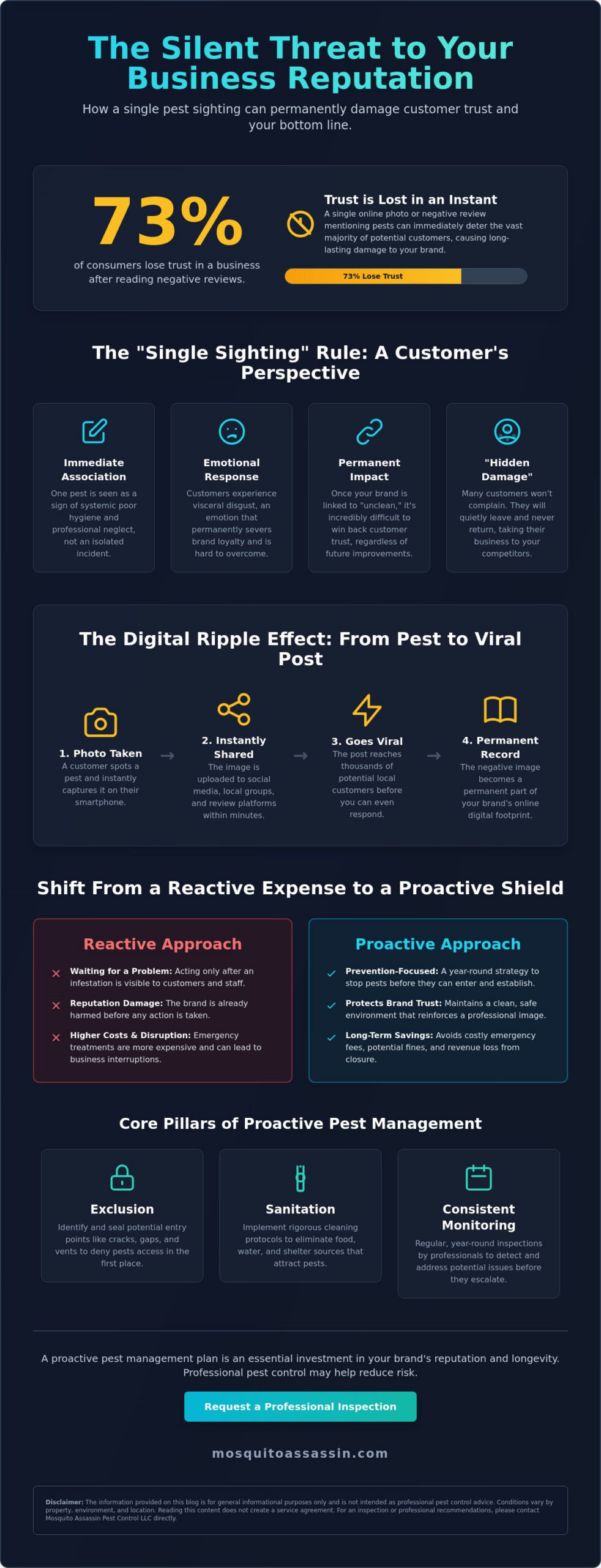
    A single pest sighting can trigger a cascade of financial losses. In an era where 87% of consumers read online reviews before visiting a local business, a mention of rodents or insects can be devastating. Negative feedback spreads rapidly across social media and review platforms. This often results in a measurable decline in foot traffic and immediate revenue loss. Maintaining high sanitation standards is directly correlated with customer retention; shoppers and diners expect a sterile environment as a baseline for their patronage.

    Utilizing professional commercial services provides a critical layer of protection against public relations crises. It demonstrates a commitment to quality that reassures both customers and employees. When a business invests in a professional management plan, they’re essentially purchasing insurance for their brand equity. Consistent monitoring ensures that small issues don’t escalate into headline-grabbing infestations that could force a temporary or permanent closure.

    Regulatory Compliance and Health Standards

    The Ohio Department of Agriculture (ODA) maintains strict standards for commercial properties, particularly regarding pesticide application and environmental safety. Compliance isn’t optional. Businesses that fail to meet these health codes face heavy fines, legal liability, and the potential revocation of operating licenses. Licensed professionals follow the principles of Integrated Pest Management (IPM) to ensure that treatments are both effective and compliant with state regulations. This methodology focuses on long-term prevention and minimizes the use of chemicals through improved sanitation and structural repairs.

    Workplace safety is another primary driver for professional pest management. Pests are known vectors for various pathogens that can cause respiratory issues or allergic reactions among staff. In properties with high foot traffic, the risk of disease transmission increases. Managing these risks involves more than just spraying; it requires a comprehensive understanding of pest biology and behavior. Professional intervention helps maintain a healthy environment for employees, which reduces sick leave and improves overall morale. Following ODA guidelines ensures that the property remains a safe space for the public and the workforce alike.

    Disclaimer: The information provided on this blog is for general informational purposes only and is not intended as professional pest control advice. Conditions vary by property, environment, and location. Reading this content does not create a service agreement. For an inspection or professional recommendations, please contact Mosquito Assassin Pest Control LLC directly.

    Common Pests Affecting Commercial Properties in Northeast Ohio

    Commercial properties in Northeast Ohio face a diverse range of pest pressures that fluctuate with the seasons. Rodents, specifically mice and rats, represent the most significant threat to both structural integrity and hygiene standards. A Norway rat can exert up to 24,000 pounds of pressure per square inch with its teeth, allowing it to chew through wood, plastic, and even soft metals. This behavior often leads to damaged electrical wiring and compromised insulation. In commercial kitchens and food service environments, cockroach infestations are a primary concern. A single female German cockroach and her subsequent offspring can produce more than 30,000 individuals within a single year if left unchecked. This rapid colonization makes consistent pest control for businesses in ohio essential for meeting health department regulations and maintaining a professional reputation.

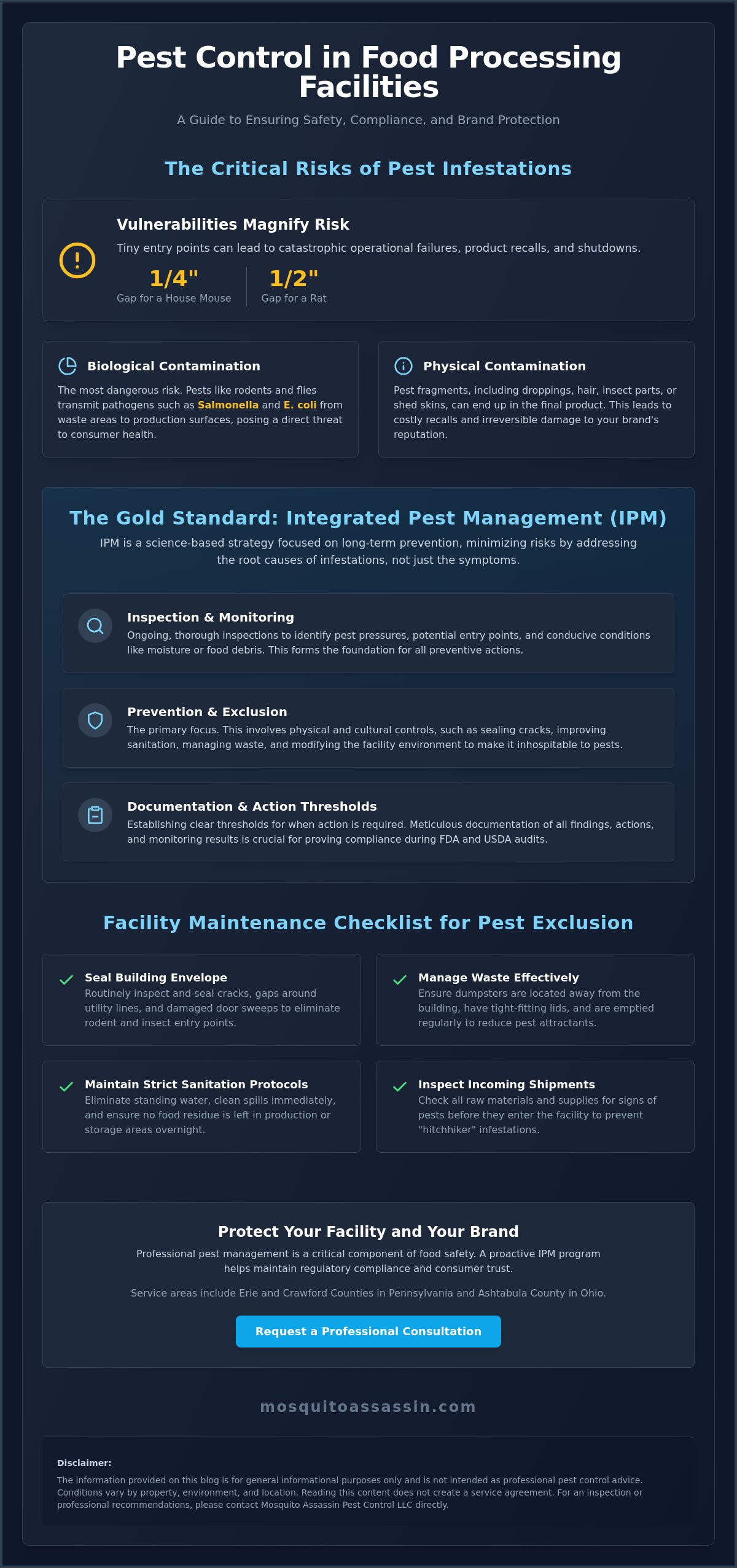
    Warehouses and food processing facilities often encounter stored product pests like Indian meal moths and saw-toothed grain beetles. These insects can contaminate entire shipments of dry goods, leading to significant financial losses. Outside the facility, flies and stinging insects create immediate issues for entryways and outdoor dining areas. Filth flies are known to carry more than 100 different pathogens, including Salmonella and E. coli, which they transfer to surfaces upon landing. Effective management often involves following Integrated Pest Management (IPM) principles to address the root causes of these infestations rather than relying solely on reactive measures.

    Rodent Pressures in Urban and Rural Ohio Settings

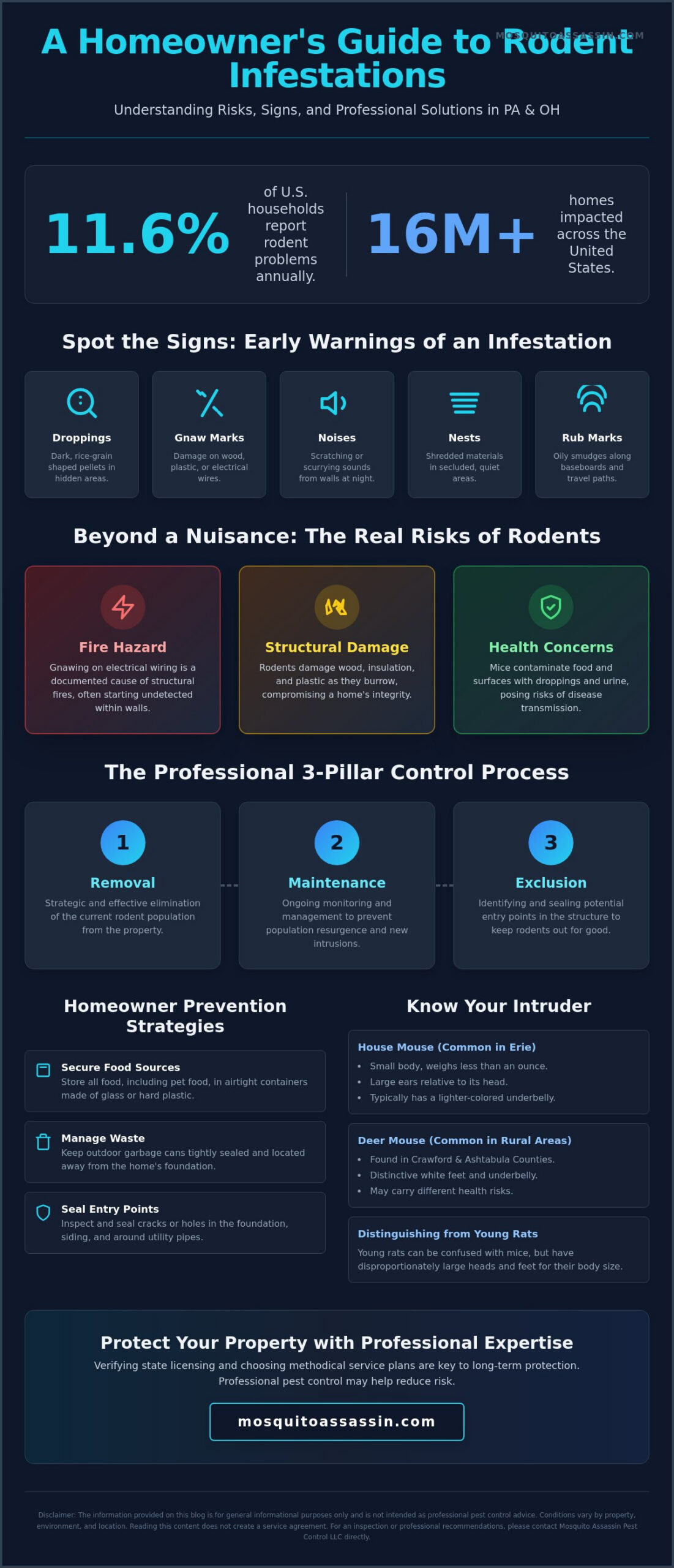
    The behavior of rodents varies significantly between urban centers and rural commercial sites. In urban areas, Norway rats are common near loading docks and waste disposal zones. These rats are burrowers and often enter buildings through utility gaps or damaged floor drains. House mice are more prevalent in rural settings, though they’re found in nearly every commercial environment. A mouse only requires a gap of 1/4 inch (about the size of a dime) to gain access to a structure. The Northeast Ohio climate plays a decisive role in rodent activity; as temperatures drop in October and November, rodents aggressively seek indoor shelter and food sources to survive the winter months.

    Nuisance and Health-Hazard Insects

    Insects in a business context are categorized by the specific risks they pose. Filth flies originate from decaying organic matter and represent a high health risk, while fruit flies are typically drawn to fermenting liquids in bars or breakrooms. In Ashtabula County, Odorous house ants are a frequent spring nuisance, often entering buildings in large numbers following heavy rains. For businesses with outdoor amenities, seasonal pressures from mosquitoes and ticks are a major concern from May through September. Black-legged ticks are particularly active in properties with high grass or wooded borders. Implementing professional pest control may help reduce risk for employees and customers alike. Facility managers seeking an evaluation of their property can visit the Mosquito Assassin contact page for further information.

    Disclaimer: The information provided on this blog is for general informational purposes only and is not intended as professional pest control advice. Conditions vary by property, environment, and location. Reading this content does not create a service agreement. For an inspection or professional recommendations, please contact Mosquito Assassin Pest Control LLC directly.
    Industry-Specific Pest Control Requirements

    Commercial pest management isn’t a one-size-fits-all solution. Different sectors face unique biological threats and regulatory pressures that dictate how treatments are applied. In warehousing and logistics hubs throughout Ashtabula County, the primary concern involves preventing the transport of pests through complex supply chains. A 2023 industry report indicated that 24% of warehouse infestations originate from incoming shipments rather than local environmental factors. Technicians must focus on high-traffic loading docks and pallet storage areas where hitchhiking pests like German cockroaches or stored product beetles often hide.

    Multi-unit housing and office complexes present a different challenge: pest migration. In buildings with shared walls and utility lines, a localized issue can quickly become a building-wide crisis. Research shows that if one apartment in a complex has a cockroach infestation, there’s a 60% chance the adjacent units will also be affected within 14 days. Effective management requires a holistic approach that addresses structural gaps and common areas to prevent pests from moving between units. For those evaluating a professional partnership, Ohio State University’s Pesticide Safety Education Program provides essential resources on the standards required for commercial applicators to handle these complex environments safely.

    Food Safety and Restaurant Standards

    Food service establishments operate under a zero-tolerance policy for pests. According to the 2022 FDA Food Code, even a single sighting of a rodent or cockroach can lead to immediate facility closure. Management must maintain detailed service logs for health inspectors to prove consistent monitoring. Focusing on waste disposal areas is critical; 75% of restaurant pest entries begin at poorly maintained dumpsters or grease traps. Proper exclusion and sanitation are the primary defenses in these high-risk zones.

    Healthcare and Sensitive Environments

    Hospitals, clinics, and assisted living facilities require sterile environments where traditional chemical applications are often restricted. Pest management in these spaces prioritizes low-impact, non-disruptive schedules to protect patient health and comfort. Utilizing localized pest control for businesses in Ohio ensures that service providers are familiar with regional health department regulations and the specific needs of Ohio healthcare facilities. Technicians focus on Integrated Pest Management (IPM) techniques, emphasizing structural repairs and monitoring over broad-spectrum sprays. This approach safeguards vulnerable populations while maintaining the high hygiene standards necessary for medical certification. Precise pest control for businesses in Ohio helps facility managers stay compliant with state-specific healthcare safety audits while keeping sensitive areas free of biological contaminants.

    Disclaimer: The information provided on this blog is for general informational purposes only and is not intended as professional pest control advice. Conditions vary by property, environment, and location. Reading this content does not create a service agreement. For an inspection or professional recommendations, please contact Mosquito Assassin Pest Control LLC directly.
    Implementing Integrated Pest Management (IPM) for Long-Term Protection

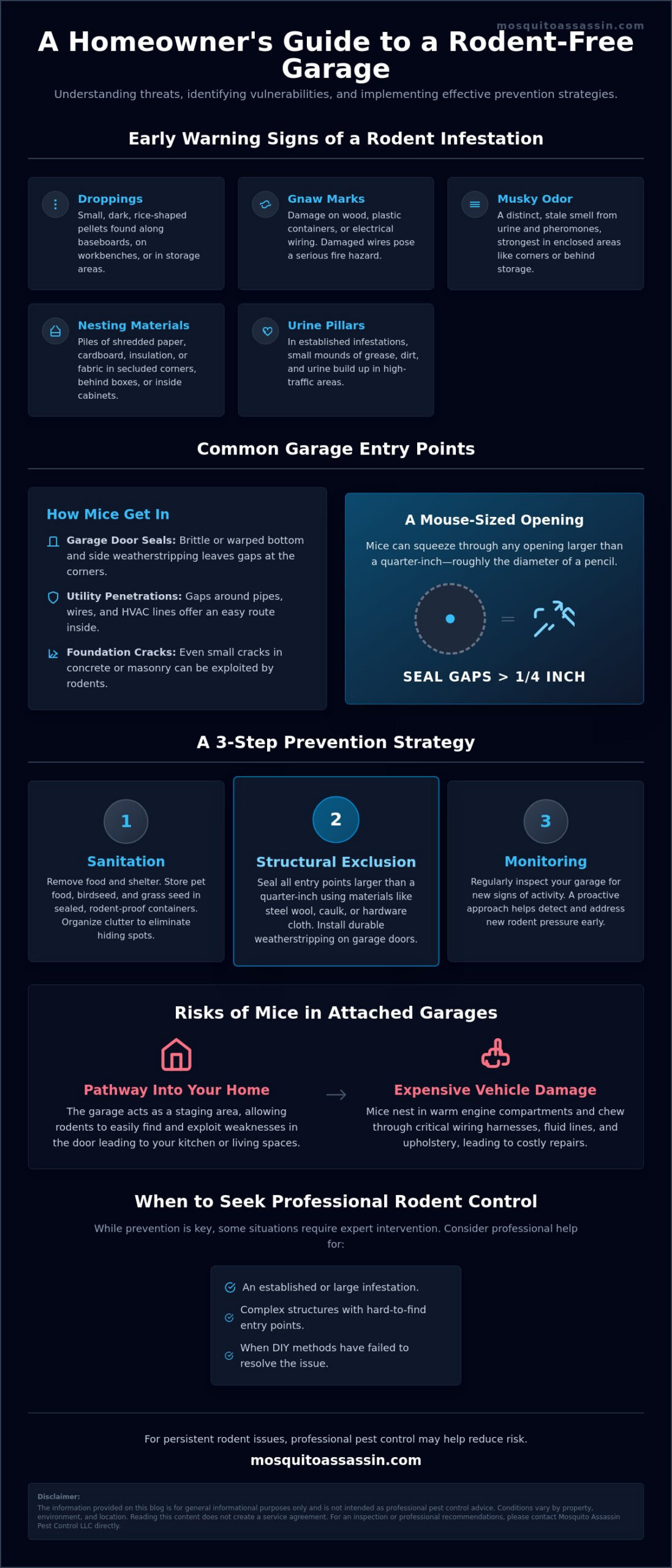
    Integrated Pest Management (IPM) is a science-based approach that focuses on long-term prevention rather than just reacting to infestations. It’s a strategy that prioritizes the least hazardous methods first. Effective pest control for businesses in ohio relies on this methodology to ensure that commercial environments remain compliant with health codes and safety standards. According to a 2022 report from the National Pest Management Association, proactive IPM strategies can reduce the need for intensive chemical applications by up to 90% in commercial settings. The process follows five distinct steps that work together to create a hostile environment for pests.

    • Step 1: Comprehensive facility inspection. A thorough walkthrough identifies structural vulnerabilities. This includes checking loading docks, utility penetrations, and employee breakrooms where crumbs often accumulate.
    • Step 2: Identification of specific pest species. Knowing the biology of the pest is vital. For instance, treating for a German cockroach requires a different strategy than managing an American cockroach due to their different nesting habits and reproductive cycles.
    • Step 3: Implementation of non-chemical measures. This involves physical changes to the building. It’s about removing the food, water, and shelter that pests need to survive.
    • Step 4: Targeted treatment only when necessary. If pests persist after exclusion, professionals apply treatments to specific areas. This minimizes exposure and ensures the most effective results.
    • Step 5: Ongoing monitoring and documentation. Keeping a detailed log of sightings and trap counts allows for data-driven decisions. It’s not enough to solve the problem once; it’s about maintaining a barrier.

    The Science of Exclusion and Sanitation

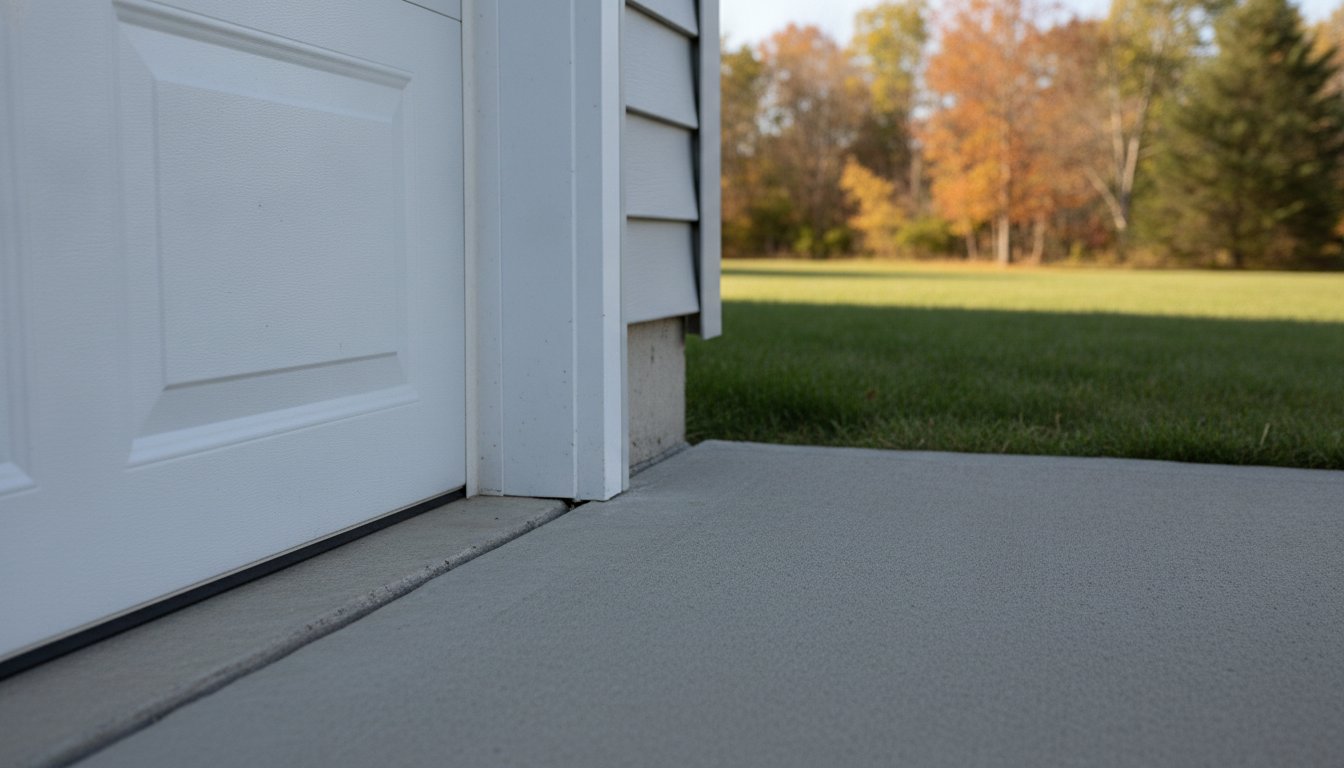
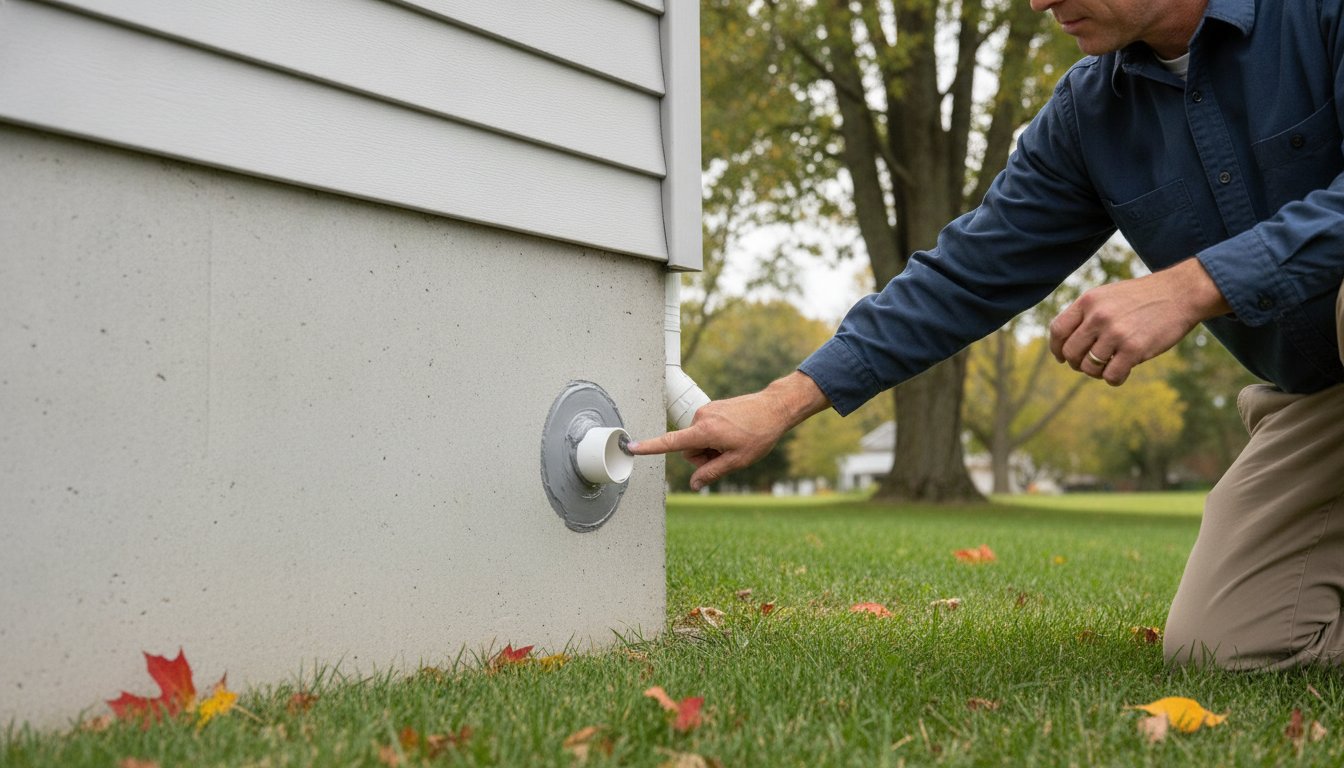
    Exclusion is the first line of defense in any commercial facility. Small gaps are significant risks; a mouse can fit through a hole the size of a dime, which is roughly 0.7 inches. Sealing cracks with weather-resistant caulk and installing heavy-duty door sweeps prevents these intruders from gaining access. Moisture control is equally vital. Leaky pipes or poorly graded landscaping in Erie or Ashtabula Counties can create standing water that attracts flies and mosquitoes. Employee training is the final piece of this puzzle. When staff members understand how to properly store food and dispose of waste, the risk of an internal infestation drops significantly. This collective effort is a core component of sustainable pest control for businesses in ohio.

    Monitoring and Reporting Systems

    Modern pest management utilizes advanced monitoring tools to catch problems before they escalate. Pheromone traps are used to detect stored product pests in warehouses, while digital bait stations can alert managers to rodent activity in real-time. These systems provide 24/7 surveillance that manual inspections might miss. Digital reporting provides facility managers with a transparent trail of data for audits and health inspections. Regular services allow for adjustments based on seasonal pest activity, ensuring the strategy evolves as the weather changes. Monitoring ensures that every action taken is based on current, site-specific evidence rather than guesswork.

    For facility managers in Crawford County or surrounding areas, understanding these protocols is the first step toward a cleaner workspace. While many factors influence pest behavior, professional pest control may help reduce risk and protect a company’s reputation.

    Disclaimer: The information provided on this blog is for general informational purposes only and is not intended as professional pest control advice. Conditions vary by property, environment, and location. Reading this content does not create a service agreement. For an inspection or professional recommendations, please contact Mosquito Assassin Pest Control LLC directly.
    Evaluating Professional Pest Control Partnerships in Ohio

    Selecting the right partner for securing reliable pest control for businesses in ohio requires more than a quick online search. Verification of credentials is the first essential step. The Ohio Department of Agriculture (ODA) regulates all commercial pesticide applications in the state. Business owners should confirm that a provider holds a valid commercial applicator license and maintains at least $300,000 in general liability insurance. This coverage protects the physical assets of the facility and ensures the provider meets state-mandated safety standards. Checking these documents annually helps maintain a high standard of safety for employees and customers alike.

    Experience in specific commercial sectors is just as vital as licensing. A technician who understands the strict sanitation requirements of a food processing plant may not have the same approach as one specializing in multi-unit housing. Effective pest control for businesses in ohio relies on sector-specific knowledge to address unique vulnerabilities. For example, a 50,000-square-foot warehouse has different entry points and nesting risks than a retail storefront. Professional partners should demonstrate a history of managing similar environments, as this reduces the risk of overlooked infestations.

    Communication protocols define the success of a long-term partnership. Clear channels for reporting sightings and a guaranteed response time, often within 24 hours for urgent issues, prevent minor problems from becoming full-scale infestations. Documentation is the backbone of this communication. In 2023, data from regional health inspections showed that nearly 35% of pest-related citations were linked to inadequate record-keeping rather than the presence of pests themselves. Audit-ready reporting must include detailed pesticide usage logs, comprehensive site maps, and trend analysis reports that show the history of the facility’s pest activity.

    Local Expertise vs. National Chains

    Local knowledge of regional pest cycles is a major advantage for businesses in Ashtabula County. The Lake Erie climate creates specific humidity levels that influence when insects like carpenter ants or cluster flies emerge. A provider with about ten years of experience in the local area understands these seasonal shifts better than a national corporation using a one-size-fits-all strategy. Local teams often provide faster response times during extreme weather events, such as heavy spring rains, which can drive pests indoors across the region.

    Questions to Ask Potential Service Providers

    When interviewing a potential partner, specific questions help reveal their level of expertise and commitment to professional standards. Business owners don’t have to guess about the quality of service if they ask the right technical questions during the consultation phase. Use these points to evaluate their capabilities:

    • Can you provide examples of Integrated Pest Management (IPM) strategies used in facilities similar to mine? Genuine IPM focuses on prevention and structural repairs rather than just chemical application.
    • What is your experience with specific industry audits like SQF, AIB, or GFSI? Providers should be familiar with the documentation requirements of these third-party auditors.
    • How do you handle emergency call-outs between scheduled visits? Confirm if there are additional fees for these visits and what the expected arrival time is.
    • Will I receive digital documentation immediately after every site visit? Real-time reporting ensures that management can address structural recommendations or sanitation issues without delay.

    A professional partnership is an investment in the reputation and operational continuity of a company. By focusing on licensing, sector experience, and clear documentation, business owners can safeguard their property against the financial and physical risks of pests. Professional pest control may help reduce risk and ensure long-term compliance with state and local health regulations.

    Disclaimer: The information provided on this blog is for general informational purposes only and is not intended as professional pest control advice. Conditions vary by property, environment, and location. Reading this content does not create a service agreement. For an inspection or professional recommendations, please contact Mosquito Assassin Pest Control LLC directly.
    Protecting Your Business Reputation and Infrastructure

    Maintaining a pest-free environment is a critical component of successful business operations in the Great Lakes region. Implementing specialized commercial Integrated Pest Management protocols allows facility managers to address vulnerabilities before they escalate into infestations. These methods prioritize long-term prevention and structural integrity over temporary fixes. Because regulations for commercial properties are strict, working with a provider that’s licensed and insured in Ohio and Pennsylvania is essential for maintaining industry standards. A locally owned and operated partner understands the specific seasonal pressures facing Erie, Crawford, and Ashtabula Counties.

    Consistency is the foundation of effective pest control for businesses in Ohio. It’s important to establish a routine that includes regular inspections and data-driven monitoring to safeguard inventory and staff. Effective management requires understanding the specific biological cycles of regional pests like rodents or flies. Taking these proactive steps helps maintain a professional atmosphere and protects the bottom line from costs associated with property damage or health code violations. Professional pest control may help reduce risk and ensure compliance. By focusing on prevention today, business owners invest in the continued success and safety of their commercial space.

    Disclaimer: The information provided on this blog is for general informational purposes only and is not intended as professional pest control advice. Conditions vary by property, environment, and location. Reading this content does not create a service agreement. For an inspection or professional recommendations, please contact Mosquito Assassin Pest Control LLC directly.
    Frequently Asked Questions

    What are the legal requirements for pest control in Ohio businesses?

    Ohio Administrative Code 3701-21-02 requires food service operations to stay free of insects and rodents. Commercial facilities must adhere to standards set by the Ohio Department of Agriculture for safe pesticide application. 100% of food-handling businesses must keep detailed records of all pest management activities to satisfy local health department inspections. Professional pest control may help reduce risk for these establishments.

    How often should a commercial property in Ohio be inspected for pests?

    Most commercial properties in Ohio benefit from monthly inspections to identify vulnerabilities before they lead to an infestation. High-risk facilities like restaurants or warehouses often schedule weekly visits, while standard retail spaces might only require 4 inspections per year. Consistent monitoring prevents 90% of pest-related structural damage and ensures the property remains in good standing.

    What is Integrated Pest Management (IPM) and why is it used for businesses?

    Integrated Pest Management is a strategic approach that prioritizes sanitation and structural repairs over chemical applications. It’s the preferred method for pest control for businesses in ohio because it reduces chemical usage by 70% while maintaining high efficacy. This science-based system focuses on the biology of pests to create long-term solutions that don’t rely solely on reactive treatments.

    Can a business stay open during a professional pest control treatment?

    Most businesses can continue operations during a professional treatment, especially when technicians use non-volatile baits and traps. If a liquid application is necessary, it’s often scheduled during the 8 to 12 hours the business is closed. When treatments occur during business hours, technicians focus on secluded areas to ensure zero disruption for customers. It’s important to coordinate with professionals to determine the best timing.

    What should a business do if they fail a health inspection due to pests?

    A business that fails an inspection should immediately secure a professional evaluation to address the specific violations cited. The Ohio Department of Health usually schedules a re-inspection within 10 days to confirm that the issues are resolved. Implementing corrective actions like sealing entry points can fix 85% of common pest-related health code failures. Professional pest control may help reduce risk of future failures.

    Are commercial pest treatments safe for employees and customers?

    Professional treatments are safe for people when applied by licensed technicians following EPA-approved label instructions. These applications target specific pest harborages like cracks and wall voids rather than open surfaces. 100% of modern commercial-grade products are chosen for their effectiveness and low impact on the indoor environment. Technicians ensure that no one is exposed to unnecessary risks during the process.

    How do seasonal changes in Ohio affect commercial pest management?

    Pest activity in Ohio fluctuates with the 4 distinct seasons, requiring different strategies throughout the year. For instance, 80% of ant infestations occur when spring temperatures reach 50 degrees, while rodents migrate indoors when the ground freezes in November. Effective pest control for businesses in ohio involves adjusting prevention tactics every 90 days to stay ahead of these biological shifts.

    What documentation does a business need to provide to health inspectors regarding pest control?

    Business owners should maintain a logbook containing service reports, pesticide labels, and safety data sheets. Inspectors also look for a site map showing the location of all 20 or 30 bait stations on the property. Keeping 100% of these records organized ensures the business remains compliant with the Ohio Food Code during unannounced audits. For more information, please visit www.mosquitoassassin.com/contact-us.

    Disclaimer: The information provided on this blog is for general informational purposes only and is not intended as professional pest control advice. Conditions vary by property, environment, and location. Reading this content does not create a service agreement. For an inspection or professional recommendations, please contact Mosquito Assassin Pest Control LLC directly.
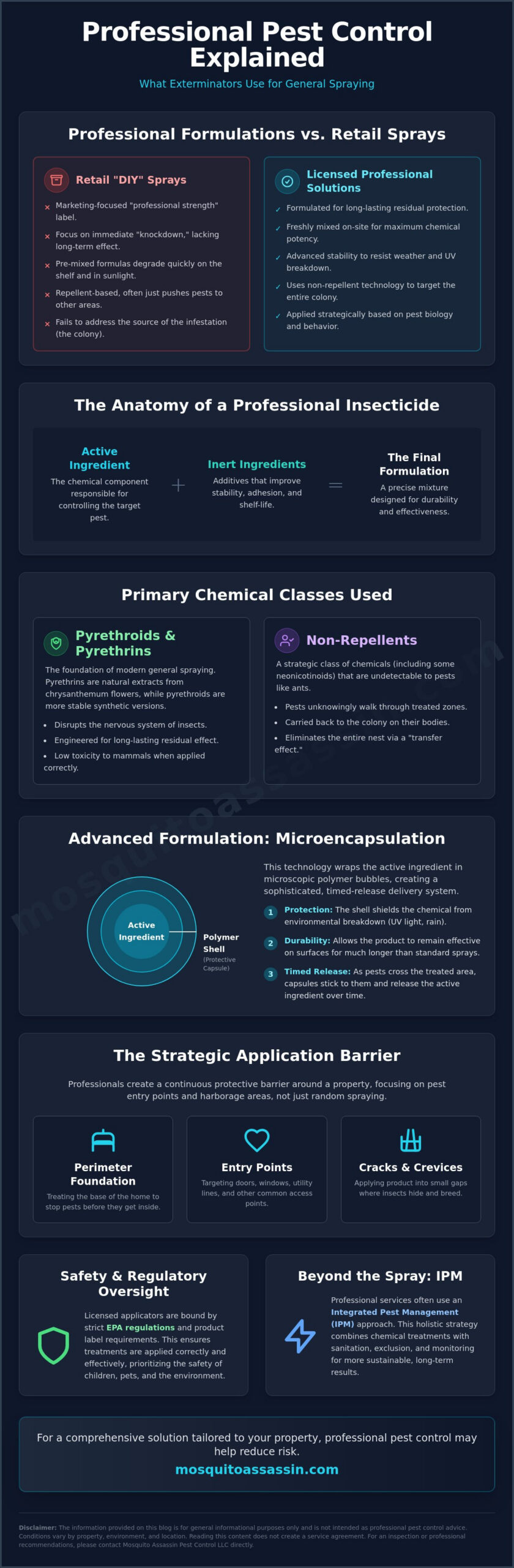
  • Restaurant Pest Control Services in Erie, PA: A Guide to Food Safety and Compliance

    Restaurant Pest Control Services in Erie, PA: A Guide to Food Safety and Compliance

    Last Tuesday, a local bistro owner in downtown Erie watched a health inspector walk through the front door right at the start of the lunch rush. Even with a spotless kitchen, the stress of managing a century-old building means the fear of a surprise visitor is always present. Maintaining high food safety standards in such environments often requires professional restaurant pest control services erie pa to address the unique structural vulnerabilities found near the lakefront.

    It’s a fact that 84% of customers will never return to a restaurant after spotting a pest; you likely agree that protecting your reputation is just as important as the food you serve. This guide explains how professional management helps you achieve a clean kitchen and total compliance with local health regulations in Erie and Crawford Counties. You’ll find information on common regional pests, the importance of discreet monitoring, and how to maintain peace of mind during your next surprise inspection.

    Disclaimer: The information provided on this blog is for general informational purposes only and is not intended as professional pest control advice. Conditions vary by property, environment, and location. Reading this content does not create a service agreement. For an inspection or professional recommendations, please contact Mosquito Assassin Pest Control LLC directly.

    Key Takeaways

    • Understand the critical connection between pest activity and health department compliance to safeguard a restaurant’s reputation and customer reviews.
    • Identify how local rodents and insects exploit aging urban infrastructure in downtown Erie and Crawford County to gain entry into food service facilities.
    • Explore the benefits of Integrated Pest Management (IPM), a science-based approach that prioritizes long-term prevention over reactive chemical applications.
    • Learn practical sanitation and waste management strategies designed to eliminate attractants and reduce pest pressure around commercial kitchen perimeters.
    • Discover why specialized restaurant pest control services erie pa provide the local expertise necessary to address the unique environmental challenges of the Great Lakes region.

    The Importance of Professional Pest Management for Erie Restaurants

    Erie restaurants face a unique set of environmental challenges. The proximity to Lake Erie brings high humidity levels that frequently exceed 70% during the summer months. These conditions are ideal for German cockroaches and various fly species to thrive and reproduce rapidly. It isn’t just a seasonal issue. When temperatures drop below freezing in December, rodents seek the warmth and consistent food supplies found in commercial kitchens. Utilizing professional restaurant pest control services erie pa ensures that these biological cycles don’t disrupt daily operations or compromise food safety.

    Local data from the Erie County Health Department indicates that sanitation and pest evidence are among the most cited violations during unannounced inspections. A single critical violation can lead to a “yellow” or “red” placard. This immediately signals a problem to every potential customer walking through the door. Beyond the public embarrassment, the financial consequences of a health code violation are steep. Fines can range from hundreds to thousands of dollars, and the cost of discarded inventory due to contamination can sink a small business’s profit margins for an entire quarter.

    To better understand how these strategies work in a commercial kitchen, watch this helpful video:

    Health Department Standards and Compliance

    The Erie County Health Department inspection criteria are rigorous and focused on identifying active harborages and entry points. Inspectors don’t just look for live insects; they look for evidence like rub marks, gnawings, or droppings. Most professionals utilize Integrated Pest Management (IPM) to address these issues. This method focuses on long term prevention rather than just reactive treatments. It involves detailed documentation that proves a restaurant is following a proactive sanitation plan. This paper trail is often the first thing an inspector asks to see during a visit. Having a “zero tolerance” policy is the only way to ensure compliance, as even a minor sighting can trigger a mandatory follow up inspection within 48 hours.

    Protecting the Brand and Customer Trust

    A restaurant’s reputation is its most valuable asset. In the digital age, a single photo of a pest posted to a review site can cause a 20% drop in revenue within weeks. Modern diners in Erie and Crawford Counties rely on platforms like Yelp and Google Reviews to vet their dining choices. Consistent restaurant pest control services erie pa help maintain the “invisible layer” of protection that keeps the guest experience positive. Discreet service is vital to this process. Technicians usually work during off hours to ensure that pest management activities remain out of the public eye. This maintains the atmosphere while safeguarding the business from the financial ruin of a public relations crisis. When a guest sees a clean, pest free environment, it reinforces their trust in the kitchen’s overall hygiene and food quality.

    Disclaimer: The information provided on this blog is for general informational purposes only and is not intended as professional pest control advice. Conditions vary by property, environment, and location. Reading this content does not create a service agreement. For an inspection or professional recommendations, please contact Mosquito Assassin Pest Control LLC directly.
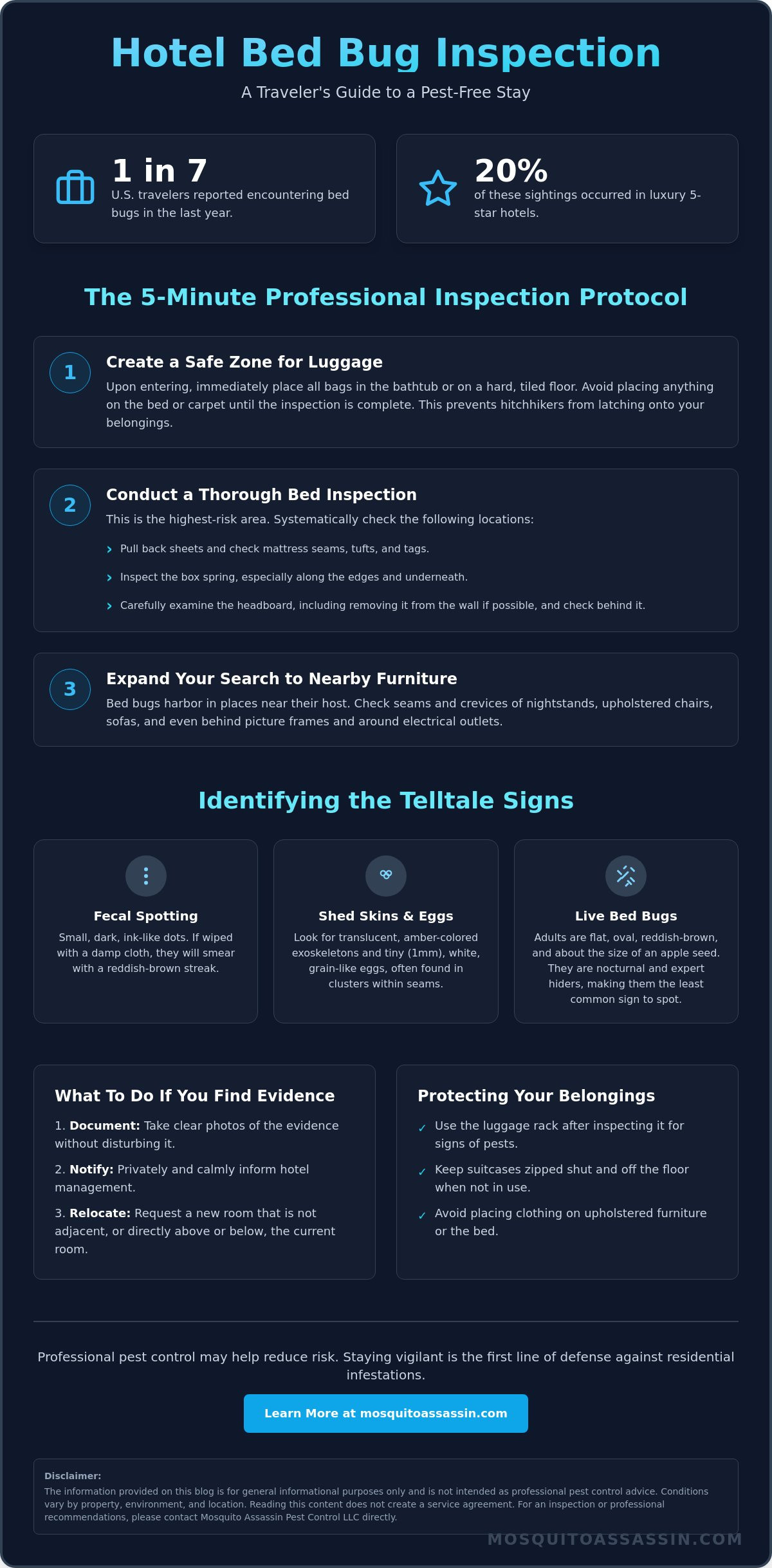
    Common Pests in Northwestern Pennsylvania Food Service

    Northwestern Pennsylvania’s unique climate and aging urban landscape create specific challenges for food service providers. In Erie and Crawford Counties, the transition from humid summers to harsh winters drives pests indoors, looking for the warmth and steady food supply found in commercial kitchens. Maintaining high standards for hygiene and safety requires a deep understanding of the local pest biology. Adhering to the guidelines set by the FDA Food Code is a baseline requirement for any establishment, as these regulations are designed to prevent the contamination of food and equipment. Effective restaurant pest control services erie pa rely on identifying these threats before they escalate into health department violations.

    Rodent Challenges in Historic Erie Buildings

    Downtown Erie and Meadville are home to many structures built in the late 1800s and early 1900s. While these buildings offer character, they also present significant structural vulnerabilities. Mice only need a gap of 6 millimeters (about 1/4 inch) to enter a facility, while rats can squeeze through an opening the size of a half-dollar. Over time, settling foundations and aging brickwork in Lake Erie coastal properties create these entry points. Rodents often exploit loading docks, utility lines, and basement floor drains to gain access.

    The presence of rodents in a food environment is a critical safety issue. They are known carriers of various pathogens and their droppings, urine, and nesting materials can quickly contaminate dry storage areas. In addition to health risks, rodents pose a fire hazard. They have a constant need to gnaw to keep their incisors sharp, often targeting electrical wiring behind kitchen walls. Implementing consistent restaurant pest control services erie pa ensures that these historic vulnerabilities don’t become permanent liabilities for a business. Identifying these entry points through professional inspections can help reduce the risk of a full-scale infestation.

    Cockroach and Fly Management in Kitchens

    The German cockroach is the most common species found in commercial kitchens in the tri-county area. These pests thrive in the micro-climates created by heavy-duty appliances. They prefer temperatures around 85 degrees Fahrenheit and high humidity, making the space behind reach-in coolers and under dishwashing stations ideal. Their reproduction cycle is incredibly fast; a single female can produce an egg capsule containing 30 to 40 eggs, which can reach maturity in as little as 28 days. This rapid growth means a few hitchhikers on a delivery pallet can become a significant problem within a single month.

    • German Cockroaches: These pests are often introduced via cardboard boxes or food shipments rather than entering from the outdoors.
    • Fruit Flies: Often found near bar areas or produce storage, these flies indicate overripe organic matter or fermenting liquids.
    • Drain Flies: These pests breed in the gelatinous film that builds up inside floor drains, signaling a need for deep cleaning or plumbing maintenance.

    Small flies are frequently more than just a nuisance; they are indicators of underlying sanitation or plumbing issues. While occasional invaders like house flies might enter through an open door, a persistent population of fruit or drain flies suggests that organic debris is accumulating somewhere in the facility. Distinguishing between a one-time visitor and an established infestation is vital for proper management. Professionals look for “hot spots” where moisture and food particles collect, such as the gaskets of refrigeration units or the undersides of prep tables, to address the root cause of the activity.

    Disclaimer: The information provided on this blog is for general informational purposes only and is not intended as professional pest control advice. Conditions vary by property, environment, and location. Reading this content does not create a service agreement. For an inspection or professional recommendations, please contact Mosquito Assassin Pest Control LLC directly.
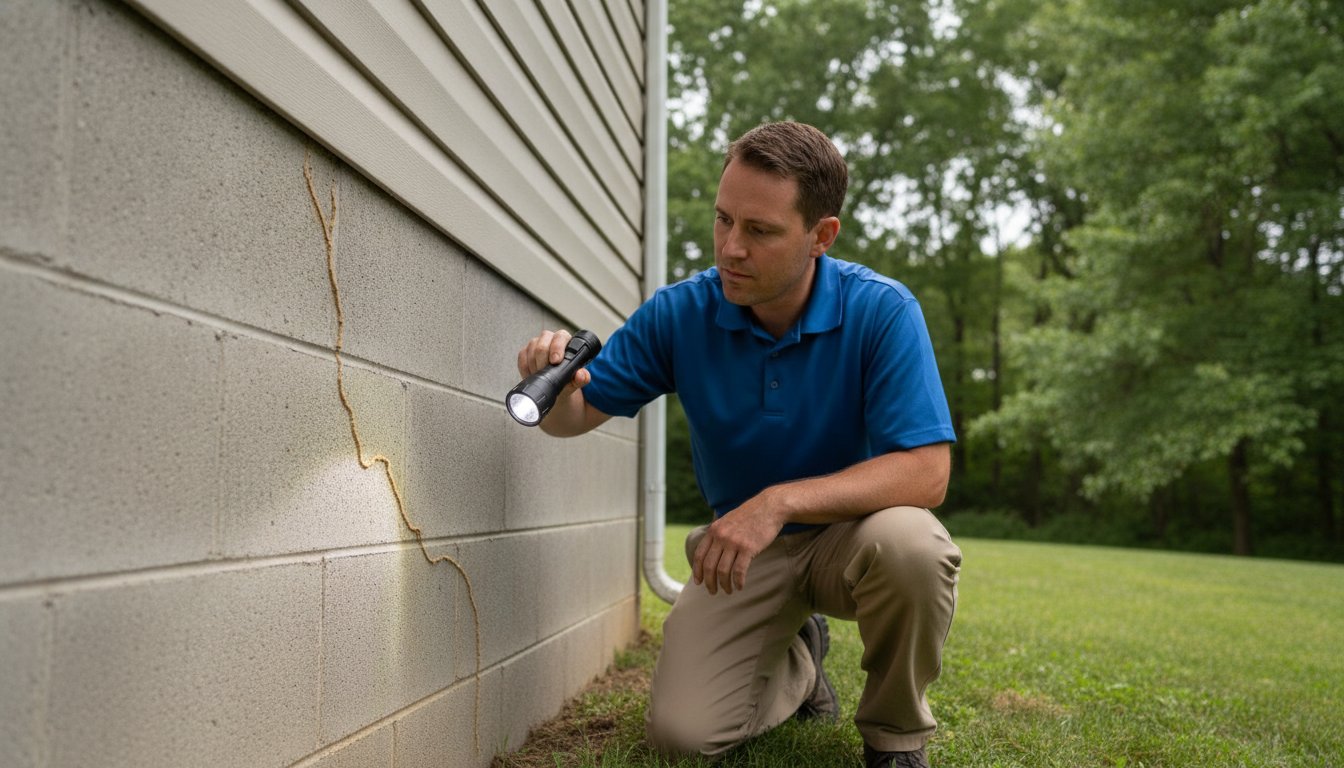
    Integrated Pest Management (IPM) for Food Safety

    Integrated Pest Management (IPM) is a science-based decision-making process that identifies and reduces risks from pests and pest management strategies. Instead of relying solely on the scheduled application of pesticides, IPM focuses on long-term prevention through a combination of techniques such as biological control, habitat manipulation, and modification of cultural practices. Implementing high-quality restaurant pest control services erie pa involves moving away from reactive treatments and toward a proactive system that prioritizes the structural integrity and cleanliness of the facility.

    Adopting this science-based framework aligns with the 2022 FDA Food Code, which emphasizes the necessity of protecting food from contamination. Statistics from the food service industry indicate that environmental management can resolve up to 90% of recurring pest issues without the immediate need for chemical intervention. This approach is particularly effective in Erie and Crawford Counties, where seasonal temperature shifts drive rodents and insects toward the warmth of commercial kitchens. By managing the environment, restaurant operators create a sustainable defense that protects both their reputation and their customers.

    Success depends on a collaborative relationship between kitchen staff and licensed pest professionals. Technicians provide the expertise to identify vulnerabilities, but the daily habits of employees determine the long-term effectiveness of the program. When staff members understand how their actions impact pest behavior, they become the first line of defense in maintaining a pest-free environment.

    The Four Pillars of a Successful IPM Program

    Effective restaurant pest control services erie pa rely on four foundational pillars to maintain a sterile environment. The first pillar is a comprehensive inspection. Professionals conduct site surveys to find the root cause of activity, looking for entry points as small as 1/16th of an inch for cockroaches or 1/4th of an inch for mice. This data drives the rest of the strategy.

    Sanitation stands as the second pillar. Removing food and water sources is vital for long-term success. Practical prevention strategies often focus on deep cleaning schedules and proper waste management to discourage nesting. Third is exclusion, which involves using physical barriers like door sweeps and silicone sealants to keep pests outside where they belong. Finally, monitoring involves the use of non-toxic tracking tools to detect new activity 24 hours a day, allowing for rapid response before a single sighting becomes a full-blown crisis.

    Documentation and Reporting for Inspectors

    Detailed logbooks are a mandatory component of professional pest management in Pennsylvania. Health inspectors from the Erie County Department of Health specifically look for a chronological record of all pest control activities, including sightings, treatments, and corrective actions taken by the restaurant. A complete logbook proves that the management is exercising due diligence in protecting public health.

    Digital reporting has transformed how managers track trends across their facilities. Modern systems provide data visualization that highlights problem areas, such as a specific floor drain or a loading dock door that stays open too long. When an inspector arrives, having instant access to these records via a digital portal demonstrates a high level of professional oversight. This transparency helps ensure that the restaurant remains compliant with all local and federal food safety regulations while providing peace of mind to the ownership team.

    Disclaimer: The information provided on this blog is for general informational purposes only and is not intended as professional pest control advice. Conditions vary by property, environment, and location. Reading this content does not create a service agreement. For an inspection or professional recommendations, please contact Mosquito Assassin Pest Control LLC directly.
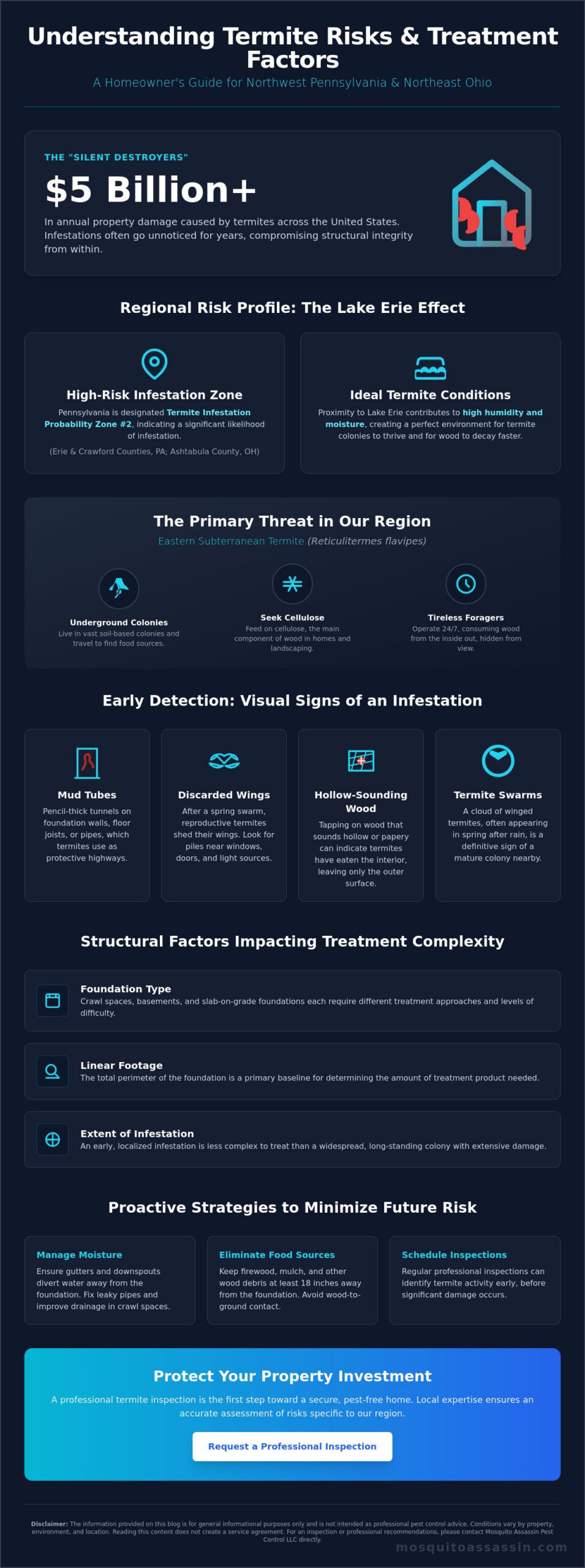
    Practical Prevention Strategies for Commercial Kitchens

    Maintaining a pest-free environment in Erie County requires more than reactive treatments; it demands a daily commitment to rigorous sanitation. Research from the Journal of Food Protection indicates that nearly 85 percent of pest sightings in commercial kitchens correlate directly with sanitation lapses or structural defects. Establishing a strict daily schedule ensures that food debris and grease don’t accumulate in hard-to-reach areas. This proactive approach is a cornerstone of effective restaurant pest control services erie pa, as it removes the primary attractants that draw insects and rodents indoors.

    Waste management plays a vital role in reducing exterior pest pressure. Dumpsters should be located at least 25 feet away from the building’s entrance to prevent pests from migrating inside. Keeping lids tightly closed and scheduling power washing for the dumpster pad every 14 days can reduce fly populations by up to 50 percent. Additionally, managing incoming shipments is critical. German cockroaches and stored product pests often hitchhike into facilities inside corrugated cardboard boxes. Inspecting every delivery on the loading dock before it enters the storage area prevents a localized infestation from becoming a facility-wide crisis.

    Staff members are the first line of defense against infestations. Training employees to spend 10 minutes at the end of each shift looking for early signs of activity (such as small droppings, smear marks along baseboards, or damaged packaging) allows for faster intervention. When employees understand the biology of common pests, they can identify risks before they escalate into health code violations.

    Sanitation Protocols and Moisture Control

    Deep cleaning must extend beyond visible surfaces. Organic buildup in floor drains is a primary breeding ground for small flies; using microbial cleaners can eliminate this “biofilm” where larvae thrive. Addressing plumbing leaks is equally urgent. A single dripping faucet can provide enough water to sustain a rodent colony indefinitely. Eliminating standing water in mop buckets and floor pans reduces the survival rate of pests by removing their most essential resource.

    Structural Exclusion and Maintenance

    Physical barriers are the most permanent form of pest control. Mice can squeeze through gaps as small as 1/4 inch, which is roughly the width of a pencil. Sealing utility penetrations with stainless steel wool and caulk prevents entry. Loading docks should be equipped with heavy-duty door sweeps and air curtains to deter flying insects. Maintaining window screens (using 16-mesh or finer) ensures that ventilation doesn’t become an invitation for flies during the humid summer months in Erie and Crawford Counties.

    Implementing these practical steps creates a hostile environment for pests and protects the reputation of the establishment. For a detailed assessment of a facility’s specific vulnerabilities, professional pest control may help reduce risk by identifying hidden entry points and nesting sites.

    Disclaimer: The information provided on this blog is for general informational purposes only and is not intended as professional pest control advice. Conditions vary by property, environment, and location. Reading this content does not create a service agreement. For an inspection or professional recommendations, please contact Mosquito Assassin Pest Control LLC directly.

    Selecting a Professional Partner in Erie and Crawford Counties

    Selecting a professional partner in Erie and Crawford counties requires more than just picking a name from a list. The unique climate of the Great Lakes region means pests behave differently here than in southern Pennsylvania or central Ohio. Business owners in Erie, Meadville, and Ashtabula must prioritize providers who understand these local variables. Choosing restaurant pest control services erie pa ensures that the unique architectural styles and older infrastructure found in downtown Erie are accounted for during inspections. Older buildings often have hidden entry points that generic, cookie-cutter treatment plans might miss. A customized approach focuses on these structural vulnerabilities and identifies specific risks, such as the 15% increase in rodent activity typically observed during the first frost in late October.

    Evaluating the credentials and licensing of a commercial provider is a non-negotiable step in the selection process. In Pennsylvania, commercial pesticide applicators must hold valid certification in specific categories, such as Category 11 for household and health-related pests. Verifying these licenses ensures that the methods used align with modern Integrated Pest Management (IPM) practices. Professional pest control may help reduce risk for local business owners by providing a layer of documented compliance that health inspectors look for during unannounced visits. This proactive stance protects the reputation of the establishment and ensures the environment remains conducive to food safety.

    What to Look for in a Commercial Service Plan

    A robust plan prioritizes consistency and transparency. High-traffic food service environments usually require monthly or bi-monthly inspections to remain compliant with 2024 regional health standards. It’s vital that a provider delivers written reports after every visit. These documents should detail sightings, sanitation issues, and structural repairs needed to prevent future infestations. Availability of emergency support within 24 hours is another critical factor for businesses that can’t afford downtime. When evaluating restaurant pest control services erie pa, look for a partner that offers detailed service recommendations rather than just a quick application of product.

    The Value of Local Knowledge and Support

    Regional pest cycles dictate the timing of specific treatments. In Northwestern PA, the transition from humid summers to lake-effect snow creates distinct windows for pest migration. Local providers anticipate the surge of cluster flies in the spring or the movement of rats toward heat sources in December. They understand how local health regulations in Crawford and Ashtabula counties might differ slightly in their documentation requirements. For more information on tailored solutions, professional pest control services can provide a comprehensive assessment of these seasonal risks and structural needs.

    Working with a provider who lives and works in the Erie and Crawford county areas ensures a faster response and a deeper understanding of the local environment. This local expertise is the most effective way to safeguard a commercial kitchen against the persistent threat of regional pests. By focusing on data-driven results and local pest behavior, business owners can maintain a clean, safe, and professional environment for their staff and customers throughout the year.

    Disclaimer: The information provided on this blog is for general informational purposes only and is not intended as professional pest control advice. Conditions vary by property, environment, and location. Reading this content does not create a service agreement. For an inspection or professional recommendations, please contact Mosquito Assassin Pest Control LLC directly.
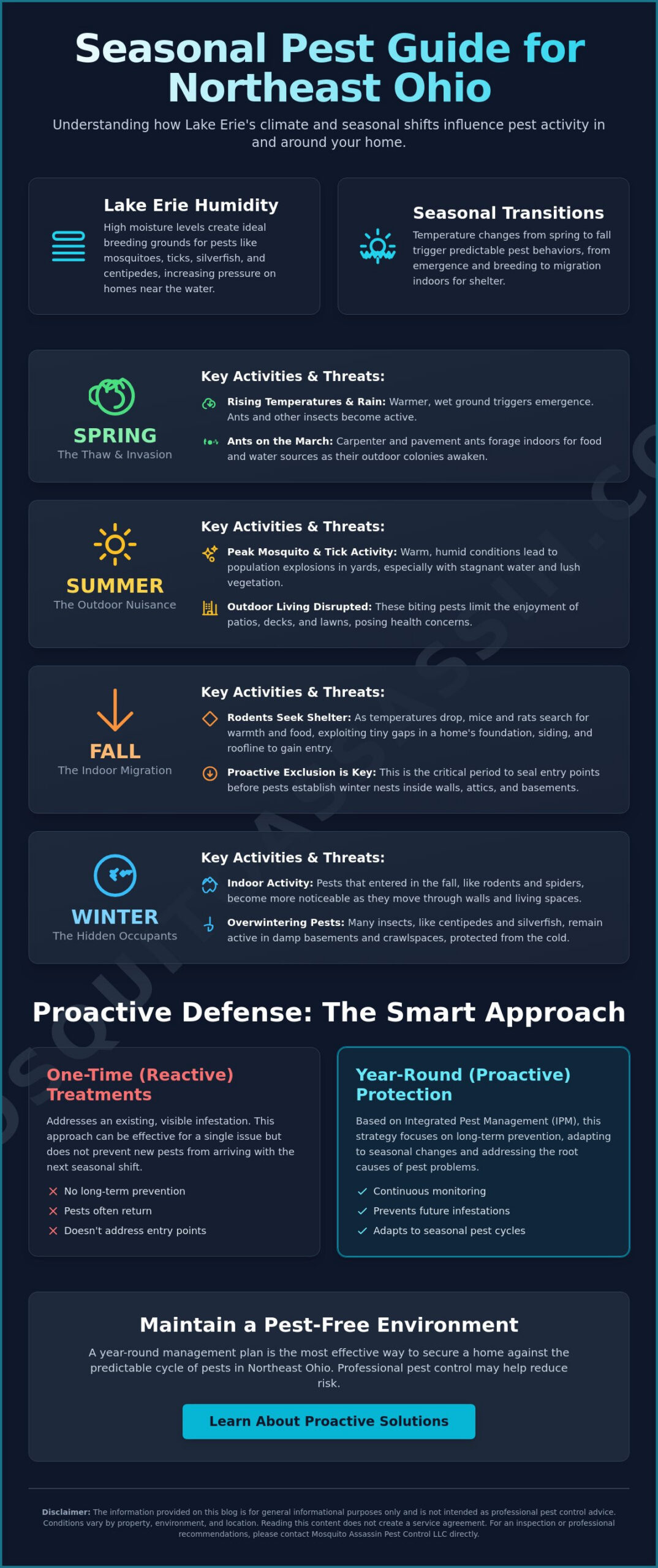
    Maintaining Compliance and Food Safety Standards

    Food safety standards in Northwestern Pennsylvania require constant vigilance to prevent infestations. Small oversights can lead to health code violations. Implementing a comprehensive Integrated Pest Management (IPM) approach helps maintain a sterile environment by focusing on exclusion and sanitation. Licensed and insured technicians who live in the Erie community understand the specific seasonal challenges of the local climate. Choosing professional restaurant pest control services erie pa ensures that a commercial kitchen remains compliant with the latest Pennsylvania Department of Agriculture food safety regulations. It’s a proactive step that protects the investment made into the business and the health of every customer. High standards build long-term trust with the community in Erie and Crawford counties. For those seeking to safeguard their establishment, scheduling a professional inspection for your restaurant through a locally owned provider can identify hidden risks before they become costly problems. Taking action today keeps the focus on serving the local community.

    Disclaimer: The information provided on this blog is for general informational purposes only and is not intended as professional pest control advice. Conditions vary by property, environment, and location. Reading this content does not create a service agreement. For an inspection or professional recommendations, please contact Mosquito Assassin Pest Control LLC directly.
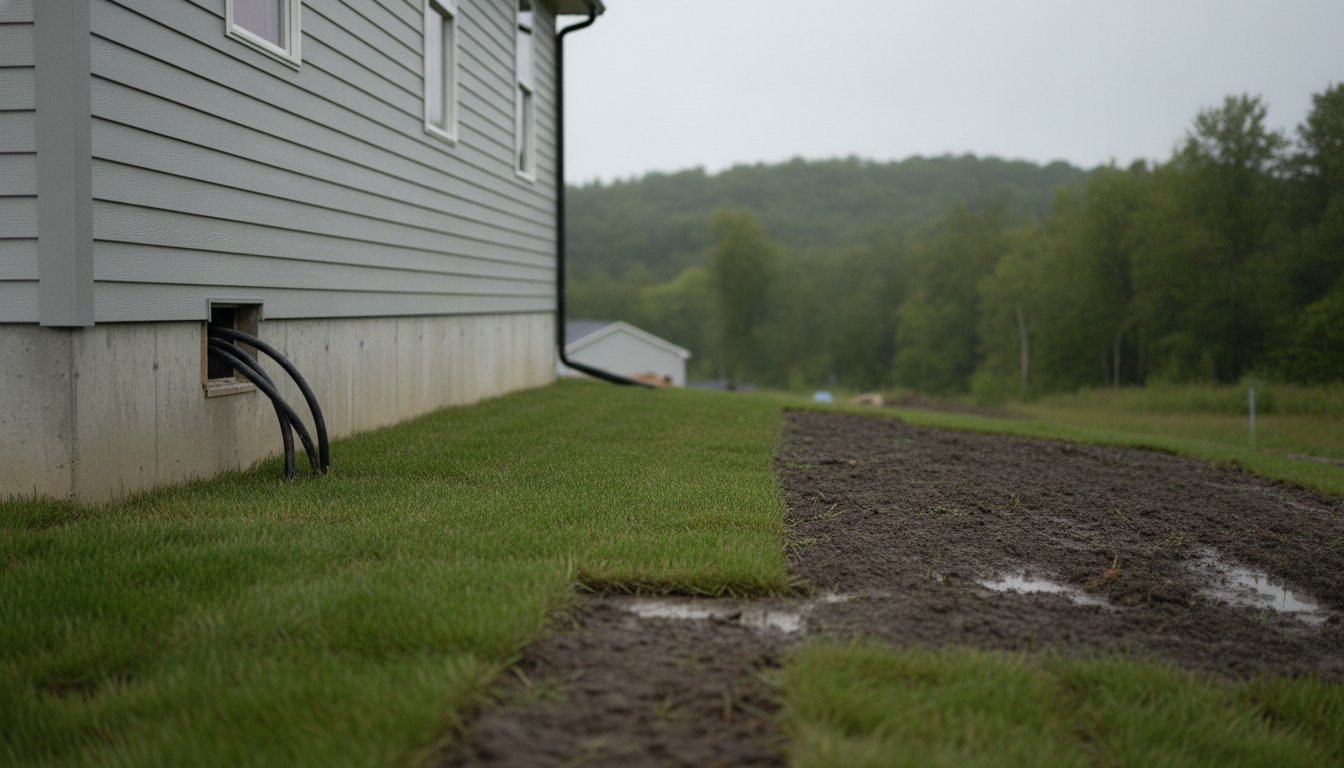
    Frequently Asked Questions

    How often should a restaurant have professional pest control services?

    Most commercial kitchens in Erie, PA, schedule professional inspections at least 12 times per year to maintain compliance with local health codes. High-volume establishments often require bi-weekly visits to monitor traps and maintain sanitation standards. Monthly inspections help identify 100% of potential entry points before they lead to larger infestations.

    Can a pest infestation cause a restaurant to be shut down in Erie, PA?

    Yes, a severe infestation can lead to an immediate closure by the Erie County Department of Health. Inspectors categorize active pest activity as a high-risk violation; this often results in a 48-hour mandatory shutdown until the facility is cleared. Statistics show that roughly 15% of health code failures in commercial kitchens stem from inadequate pest management.

    Are pest control treatments safe to use in food preparation areas?

    Professional treatments are designed for use in food-handling environments when applied by licensed technicians. These experts follow EPA-approved labels that specify application methods, such as crack and void treatments, which keep products away from 100% of food contact surfaces. Integrated Pest Management (IPM) focuses on non-chemical solutions first to ensure the highest level of safety.

    What are the most common signs of rodents in a commercial kitchen?

    The most frequent indicators include droppings, which are typically 3 to 6 millimeters long, and gnaw marks on food packaging. You might also find nesting materials like shredded paper or cardboard tucked into dark corners or behind large appliances. Since a single pair of mice can produce up to 50 offspring in one year, identifying these signs early is critical for restaurant pest control services erie pa.

    How do I get rid of fruit flies in my restaurant bar or kitchen?

    Eliminating fruit flies requires removing their breeding grounds, which are usually fermenting organic matter in drains or under equipment. A single female fruit fly can lay up to 500 eggs in its brief 10-day lifespan. Deep cleaning floor drains with enzymatic cleaners every 7 days helps break the life cycle and reduces the population significantly.

    What documentation do I need for a health department inspection?

    Restaurants must maintain a detailed pest management logbook for health inspectors to review. This folder should contain 3 years of service reports, pesticide application records, and site maps showing the location of all bait stations. Providing these documents proves that the facility follows a consistent schedule for restaurant pest control services erie pa.

    Will professional pest control help with cockroach problems in an old building?

    Professional treatments are effective even in historic buildings where cracks and crevices are common. Since German cockroaches can fit through gaps as narrow as 1.5 millimeters, technicians use specialized baits and dusts that reach deep into wall voids. Regular monitoring helps detect 90% of new activity before it spreads through the plumbing or electrical chases of older structures.

    Does professional pest control offer a guarantee for restaurants?

    Most professional services include a service guarantee that ensures a technician will return if pests appear between scheduled visits. This typically includes a 24-hour response time for emergency sightings of high-risk pests like rodents or cockroaches. While no one can promise 0% pest presence forever, these agreements provide a 100% commitment to resolving issues as they arise.

    For those managing a commercial kitchen, professional pest control may help reduce risk. To request an inspection or learn more about management plans, visit the online booking portal or contact a specialist at www.mosquitoassassin.com/contact-us.

    Disclaimer: The information provided on this blog is for general informational purposes only and is not intended as professional pest control advice. Conditions vary by property, environment, and location. Reading this content does not create a service agreement. For an inspection or professional recommendations, please contact Mosquito Assassin Pest Control LLC directly.
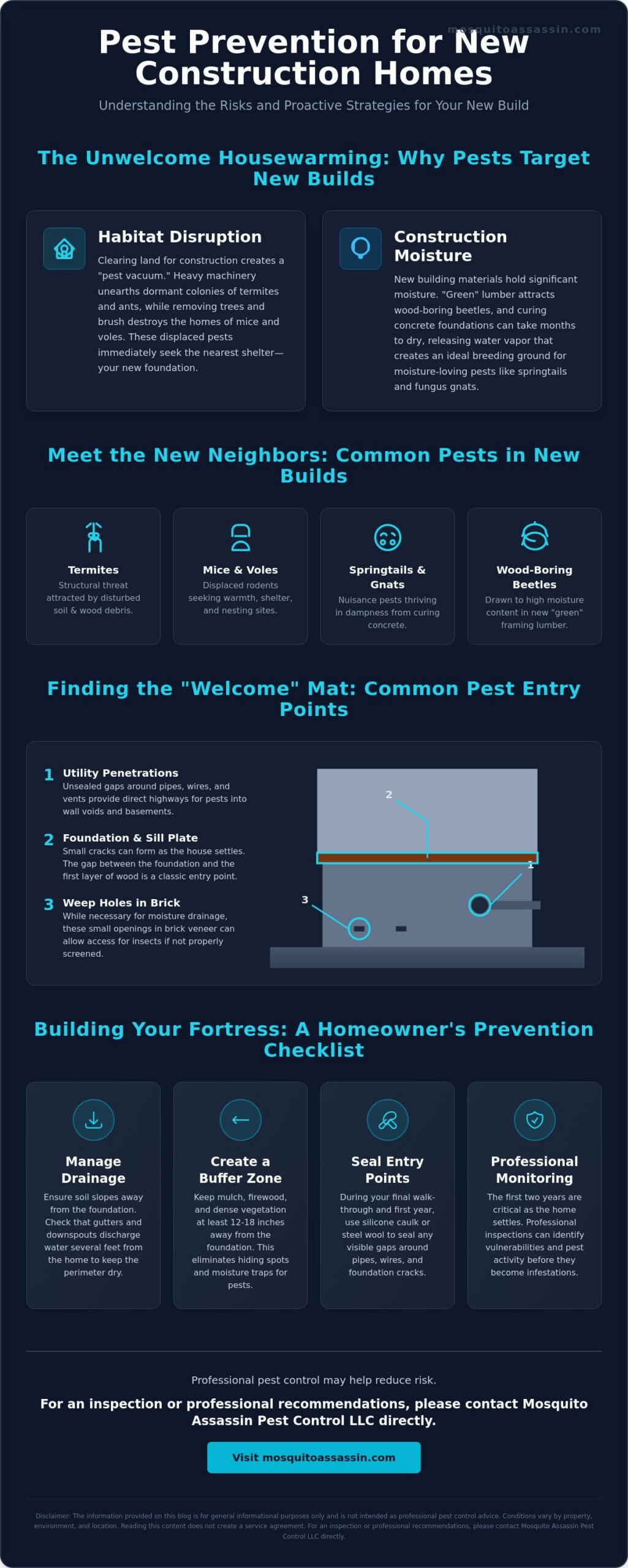
  • Pest Prevention Tips for Homeowners: The 2026 Essential Defense Guide

    Pest Prevention Tips for Homeowners: The 2026 Essential Defense Guide

    That faint scratching in the walls at night. The relentless line of ants marching toward your kitchen counter. The nagging worry about ticks every time your family enjoys the yard. Your home is your sanctuary, but it can feel like a fortress under constant siege when pests invade. Reclaiming your peace of mind starts not with panic, but with a powerful, proactive strategy. This guide delivers the essential pest prevention tips for homeowners needed to build an impenetrable defense against unwanted invaders, ensuring your home remains a safe haven for your family.

    Forget temporary fixes and ineffective store-bought sprays. We’re unlocking the professional secrets to safeguarding your property from the inside out. You’ll learn practical, low-cost methods to seal entry points, eliminate common attractants, and create an environment where pests simply can’t thrive. Master these defensive tactics to fortify your home, and discover exactly when a strategic strike is necessary-and it’s time to call in the Assassins for a swift, decisive victory. Your pest-free home is within reach.

    Key Takeaways

    • Master the “Pest Triangle” principle by systematically eliminating the food, water, and shelter sources that attract invaders to your property.
    • Fortify your home’s exterior with our step-by-step checklist for finding and sealing the tiny cracks and gaps pests use as hidden entry points.
    • Get exclusive pest prevention tips for homeowners tailored to the unique seasonal pest cycles and humidity challenges in Pennsylvania and Ohio.
    • Recognize the critical signs that a pest issue requires professional-grade, family-safe treatments for guaranteed eradication.

    Understanding Pest Prevention: More Than Just a Clean House

    Effective pest prevention is about safeguarding your home through proactive management, not just reactive cleaning. While a tidy house helps, true protection involves understanding what attracts pests in the first place. Every unwanted invader-from ants to rodents-is searching for three simple things: food, water, and shelter. This “Pest Triangle” is the foundation of nearly every infestation. By strategically removing their access to these resources, you can make your home an undesirable target. These foundational pest prevention tips for homeowners are about creating an environment that naturally repels insects and wildlife.

    To see these principles in action, watch this helpful overview for new homeowners:

    It’s crucial to distinguish between surface cleaning and deep-sanitation prevention. Wiping down counters is a daily task, but pulling out your refrigerator to clean up food debris or fixing a slow drip under the sink are the actions that eliminate critical resources for pests. This comprehensive mindset is the core of modern pest control. The gold standard for 2026 and beyond is a proven, science-based philosophy known as Integrated Pest Management (IPM), which combines environmental management, physical barriers, and targeted treatments for a sustainable, long-term solution.

    This IPM approach is adopted by leading experts globally. For example, even in Australia, the principles remain the same, as demonstrated by the comprehensive services offered by ABC Pest Control Sydney to protect local homes and businesses.

    The Psychology of a Pest: Why They Chose Your Home

    Pests are not a sign that your home is “dirty”-they are opportunistic survivalists hardwired to find resources. The first scout that finds a crumb trail or water source leaves a pheromone signal for others to follow, quickly turning a single intruder into a full-blown infestation. Common “invitation” signals you might be sending include exterior lights that attract flying insects, pet food left out overnight, or firewood stacked directly against your foundation, which provides ideal shelter for rodents and termites.

    Prevention vs. Eradication: Knowing the Difference

    Think of prevention as proactively locking your doors and windows. Eradication is the process of removing an intruder who has already broken in. While DIY pest prevention tips for homeowners are excellent for keeping your home secure, they often fail once an active nest is established. At that point, you are no longer just cleaning up-you are fighting an entrenched colony. For active infestations, the most reliable and efficient solution is to enlist professional services to eliminate the problem at its source and restore your home’s defenses.

    The Three Pillars of Home Pest Defense

    Effective, long-term pest control isn’t about just spraying chemicals; it’s about strategic environmental control. At Mosquito Assassin, our professional approach is built on safeguarding your home by systematically eliminating the three things every pest needs to survive: food, water, and shelter. By disrupting this survival triangle, you transform your property from a welcoming haven into a hostile environment for invaders. Mastering these core principles is the foundation of all effective pest prevention tips for homeowners.

    Starving the Enemy: Advanced Food Storage

    Pests are opportunistic feeders, and your home can be an all-you-can-eat buffet if you’re not careful. It goes far beyond just pantry crumbs. To truly eliminate food sources, you must think like a pest and cut off every potential meal.

    • Ditch the Cardboard: Shipping boxes and cereal packaging are not just containers; they are food and nesting material for cockroaches, silverfish, and rodents. Transfer grains, cereals, and pastas into airtight glass or hard plastic containers immediately.
    • Pet Food Protocols: A pet food bowl left out overnight is a guaranteed attractant for ants, roaches, and even rodents. For homeowners in Erie or Crawford County, it’s crucial to pick up bowls after feeding and store pet food in a sealed, chew-proof container.
    • Garbage Management: Your trash can is a primary target. Always use cans with tight-fitting lids, both indoors and out. Regularly wash your bins to remove odorous residue that signals a feast to nearby pests.

    Moisture Management: Drying Out the Invaders

    Water is life, especially for pests like termites, cockroaches, and carpenter ants that thrive in damp conditions. Controlling moisture is a non-negotiable step in safeguarding your home from these destructive and unsanitary invaders.

    • Fix Leaks Immediately: A slow drip from a pipe in your basement or under a sink creates a permanent watering hole for rodents and insects. Regular inspections and prompt repairs are critical.
    • Control Humidity: The damp crawl spaces and basements common in our PA/OH climate are ideal for pests. A dehumidifier is a powerful tool to make these areas inhospitable.
    • Maintain Your Gutters: We find that clogged gutters are the #1 cause of carpenter ant infestations. When water overflows, it soaks the fascia boards and siding, creating soft, rotted wood that is perfect for nesting.

    Finally, you must address shelter by modifying the habitat around your home. Your yard can act as a staging ground for pests preparing to invade. Create a defensive perimeter by trimming shrubs away from your foundation, clearing away leaf litter, and removing large debris. An old vehicle, for instance, is a prime nesting spot for rodents and insects. If you need to clear out an old car, a service like Cash For Junk Cars Michigan can be a useful resource. These foundational steps, detailed in nearly every professional home pest management guide, deny pests the cover they need to approach your house. When you eliminate their food, water, and shelter in tandem, you create a powerful, pest-free fortress.

    Generic advice doesn’t cut it in the Tri-State area. The “lake effect” from Lake Erie creates a unique microclimate with higher humidity, accelerating pest breeding cycles and creating distinct seasonal challenges. Effective pest prevention tips for homeowners in our region must account for these unique shifts. From the spring thaw in Erie County to the first frost in Ashtabula, pests follow a predictable, yet formidable, calendar of invasion.

    Spring and Summer: The Mosquito and Tick Surge

    As temperatures rise, our area experiences a population explosion of mosquitoes and ticks. With vector-borne diseases becoming more prevalent, peak season-typically May through September-demands proactive defense. In our location, this means focusing on eliminating breeding grounds and creating hostile environments for these dangerous pests.

    • The “Tip and Toss” Method: Once a week, walk your property and empty any standing water from buckets, tarps, birdbaths, and clogged gutters. A mosquito can breed in a bottle cap of water.
    • Landscaping for Tick Prevention: To combat the black-legged ticks common in Crawford County, create a three-foot-wide barrier of gravel or woodchips between your lawn and wooded areas. This deters ticks from migrating into your yard.

    Fall and Winter: The Great Rodent Migration

    The moment the temperature drops in Northwest PA, a different threat emerges. Rodents like mice and rats begin their relentless search for warmth, food, and shelter inside your home. They are joined by overwintering pests like stink bugs and lady beetles, which gather on sunny walls before finding their way inside. Sealing your home is the most critical step in preventing this migration.

    • The “Dime-Sized” Rule: A mouse can squeeze through an opening the size of a dime. Meticulously inspect your foundation, siding, and utility entry points for even the smallest gaps. For a comprehensive guide on finding these vulnerabilities, Clemson’s Pest Prevention Checklist offers expert-level detail.

    Understanding this seasonal cycle is why year-round protection is no longer optional. With climate projections for 2026 indicating milder winters and earlier springs, the pest activity window is expanding. This makes constant vigilance one of the most important pest prevention tips for homeowners looking to safeguard their property now and in the future.

    The Ultimate Homeowner’s Exclusion Checklist

    Your home’s first and most effective line of defense against pests is physical exclusion. By sealing entry points, you create a fortress that keeps unwanted invaders out. Following this checklist is one of the most crucial pest prevention tips for homeowners, safeguarding your family and property from infestation before it begins.

    Step 1: The Perimeter Walk. Grab a pencil and walk the exterior of your home. Your mission is to identify every crack, gap, or hole larger than the pencil’s eraser-that’s all a mouse needs to squeeze through. Pay close attention to the foundation, where siding meets brick, and around window frames.

    Step 2: Seal the Envelope. Once you’ve identified the weak points, it’s time to seal them with the right materials. Don’t just rely on a single solution; a professional approach layers defenses:

    • Caulk: Use high-quality silicone caulk for sealing small cracks and gaps.
    • Copper Mesh & Steel Wool: For larger holes, stuff them tightly with copper mesh or steel wool, as rodents cannot chew through these materials. Then, seal over them for a permanent fix.

    Step 3: Door and Window Fortification. Check all exterior doors for worn-out weatherstripping or damaged door sweeps. A tight seal not only keeps pests out but also improves energy efficiency. Meticulously inspect every window and door screen for even the smallest tears and repair or replace them immediately.

    Step 4: Utility Entry Point Defense. Pests often use utility lines as a highway into your home. Inspect where pipes, electrical wiring, and HVAC lines enter the structure. Seal any gaps around these entry points to shut down these common pest pathways.

    Professional Sealing Techniques

    While DIY efforts are a great start, professional techniques offer guaranteed protection. Many homeowners reach for expanding foam, but rodents can and will chew right through it. A true pest professional will pack a void with chew-proof steel wool before sealing. For plumbing lines under sinks, decorative escutcheon plates provide a clean, tight seal. We also recommend screening attic vents and installing chimney caps to block entry for wildlife like squirrels and wasps.

    Landscaping for Exclusion

    Your yard can either invite pests or deter them. Keep vegetation trimmed at least 18 inches away from your foundation to eliminate hiding spots and moisture buildup. While wood mulch looks nice, it’s a playground for termites and ants; consider using stone or rubber mulch near your home. Finally, trim back tree branches that touch or overhang your roofline-these act as a bridge for rodents and insects to gain access to your attic.

    Managing large trees to ensure they don’t serve as bridges for pests is often a job for specialists. Professional arborists, like the team at We Love Trees, can help maintain a safe distance between branches and your home, which is a critical part of any pest exclusion plan.

    Implementing these pest prevention tips for homeowners is a powerful step. For a comprehensive inspection and professional exclusion services guaranteed to fortify your home, contact the experts at Mosquito Assassin today.

    When DIY Isn’t Enough: The Mosquito Assassin Advantage

    While the right DIY strategies are a great first line of defense, some pest infestations require a more definitive, professional approach. When you’ve exhausted your options, it’s time to call in a specialist. The Mosquito Assassin philosophy isn’t just about spraying chemicals; it’s about systematic eradication. We use professional-grade tools and a proven methodology to eliminate pests at their source, safeguarding your home and family.

    The principle of relying on a specialist for guaranteed results applies to many areas of life, not just pest control. For travelers, ensuring a timely and professional airport transfer is crucial, which is why services like MSP Car Service are so valued in their region. In the same way, we provide that expert-level assurance for protecting your home.

    Our Four-Step Systematic Process

    Our confidence comes from a methodical process designed for total pest elimination. We leave nothing to chance:

    • Deep Inspection: Our certified technicians identify the root of the problem, uncovering nesting sites and entry points that DIYers almost always miss.
    • Customized Treatment: We don’t use a one-size-fits-all solution. We design a targeted plan for your specific Erie or Ashtabula pest profile.
    • Execution (The Assassination): We implement the plan with precision, using advanced, family-safe treatments for a rapid knockdown of active pest populations.
    • Follow-up & Guarantee: Our job isn’t done after the first visit. We ensure the treatment is effective, backed by our simple promise: “If pests return, so do we.”

    Many homeowners worry that “family-safe” means “weak.” Modern pest control has evolved. Our targeted treatments are engineered to be highly effective against specific pests while being safe for use around your children and pets. We focus on eliminating the threat without compromising your family’s well-being.

    For true peace of mind, the most effective of all pest prevention tips for homeowners is proactive, year-round protection. Our Platinum Year-Round Protection plan is designed to stop infestations before they start, creating a permanent barrier around your property. It’s the ultimate investment in a consistently pest-free home.

    Protecting Your Family and Your Investment

    Ignoring a pest problem can lead to costly structural damage from termites, health risks from rodents, and endless stress. As your neighbors, we understand the unique challenges local pests present because we live where we work. Don’t let a small issue become a major crisis. Schedule your professional inspection with Mosquito Assassin today and take the first, definitive step toward a pest-free 2026.

    Your Ultimate Defense: From Prevention to Professional Protection

    You now have a powerful arsenal of strategies for safeguarding your home. From understanding the three pillars of defense-exclusion, sanitation, and maintenance-to implementing a detailed exclusion checklist, you’re better equipped than ever to stop pests before they start. Mastering these pest prevention tips for homeowners is the crucial first step in maintaining a secure, comfortable living space.

    However, even the most diligent homeowner can face a persistent invasion. When DIY measures fall short, or for guaranteed year-round peace of mind, it’s time to call in the professionals. The team at Mosquito Assassin is ready to provide the ultimate backup. As a 5-Star Rated local service with licensed and insured technicians, we deliver professional, family-safe solutions you can trust. We stand by our work with our signature “If Pests Return, So Do We” Guarantee. Take the final step in securing your home.

    Get Your Free Pest Protection Quote from the Best of the Best

    Your pest-free home is just a click away.

    Frequently Asked Questions About Pest Prevention

    Is professional pest control safe for my kids and pets?

    Absolutely. Your family’s safety is our number one priority. We use proven, family-safe treatments and Integrated Pest Management (IPM) techniques to minimize material use. Our certified technicians are experts at applying products strategically in areas inaccessible to children and pets, like wall voids and crawl spaces. We provide clear instructions after treatment to ensure a safe environment for everyone, giving you complete peace of mind while we safeguard your home from unwanted intruders.

    How often should a homeowner perform a pest prevention check?

    We recommend performing a thorough pest prevention check at least seasonally, especially in the spring and fall when pest activity changes. Walk your property to inspect for foundation cracks, check the seals around windows and doors, and ensure gutters are clean and directing water away from your home. Following these proactive pest prevention tips for homeowners is a crucial first step in creating a defensive barrier and keeping your home protected year-round from common invaders.

    What are the most common pests in the Erie and Ashtabula regions?

    As a locally owned and operated team, we know exactly what our neighbors in Erie County and Ashtabula County are up against. The most common pests we eliminate include carpenter ants, which can cause significant structural damage, as well as spiders, stinging insects like wasps and hornets, and rodents such as mice and rats. Our comprehensive plans are designed specifically to target and control the pests that are most prevalent right here in our community.

    Can I really get rid of mice on my own without a professional?

    While DIY traps might catch an occasional mouse, they rarely solve the entire problem. A single mouse often indicates a larger, hidden infestation. Professional technicians are trained to identify all entry points mice use to get inside and will implement a comprehensive eradication plan to eliminate the entire colony. Relying on a professional ensures the problem is handled completely, protecting your home from the property damage and health risks associated with a lingering rodent infestation.

    How much does a year-round pest protection plan cost?

    The cost of a year-round protection plan is tailored to your specific needs. Pricing depends on several factors, including the size of your home and property, the type of pests being targeted, and the level of existing infestation. We provide a comprehensive inspection to create a customized treatment plan that offers the most effective and affordable solution. Contact us today for a free, no-obligation quote to see how we can safeguard your home all year long.

    What should I do if I find a tick on my property?

    Finding a single tick often signals a larger population is hiding on your property. Due to the health risks associated with ticks, such as Lyme disease, it’s critical to take immediate action. Avoid DIY sprays, which can be ineffective. The most reliable solution is a professional yard treatment. Our technicians target tick habitats like tall grass, shrubs, and wooded areas, effectively eliminating them and providing lasting protection for your family and pets.

    Does a clean house guarantee I won’t get pests?

    A clean house is certainly less attractive to pests, but it is not a guarantee of protection. Pests need only three things to survive: food, water, and shelter. Even the most spotless home provides these resources. Pests can enter through tiny cracks in the foundation, gaps under doors, or even on packages brought inside. True protection combines a clean environment with professional pest control services that create a barrier to stop pests before they get in.

    What happens if the pests come back after a professional treatment?

    Our commitment to you is simple: if the pests return, so do we. We stand behind our work with a 100% satisfaction guarantee. If you see any pest activity between your regularly scheduled service visits, just give us a call. A certified technician will return to your home at no additional charge to assess the situation and provide further treatment. Your peace of mind is our mission, and we won’t stop until the problem is solved for good.

  • What Bugs Are Seasonal in NW PA? A Year-Round Pest Guide

    What Bugs Are Seasonal in NW PA? A Year-Round Pest Guide

    As a homeowner in Northwest Pennsylvania, you face a relentless, rotating army of pests. Just when you’ve dealt with the spring ants marching across your counters, the summer wasps arrive to ruin your cookout. Then, as the leaves fall, spiders and rodents start looking for a warm place to spend the winter-inside your walls. It’s an overwhelming cycle that can leave you questioning if you have a serious infestation or just a temporary nuisance.

    Understanding what bugs are seasonal in NW PA is the first, most crucial step to taking back control of your property. This comprehensive guide is your year-round battle plan. We’ll arm you with a clear pest calendar, proven prevention strategies for every season, and the expert knowledge to identify when a seasonal pest becomes a serious threat. Get ready to eliminate the guesswork, safeguard your home, and enjoy total peace of mind, no matter the season.

    Key Takeaways

    • Prepare for the shift from spring’s foraging ants to summer’s aggressive stinging insects by understanding their unique seasonal behaviors.
    • Learn how dropping temperatures in the fall trigger an invasion as pests like rodents and spiders seek shelter inside your home to survive the winter.
    • Understanding what bugs are seasonal in NW PA is the first step toward creating a proactive, year-round defense plan for your property.
    • Discover why pest control isn’t just a summer issue; even in the coldest months, certain pests thrive and multiply within your heated home.

    Spring Awakening: Pests to Watch For in NW PA (March – May)

    As the last of the snow melts across Erie and Crawford counties, a hidden world awakens. The pests that survived the harsh Pennsylvania winter through various fascinating strategies are now emerging, hungry and ready to multiply. Understanding the science behind how insects survive winter helps explain why this spring surge is so predictable. Increased moisture from the thaw and budding plants create the perfect environment for these dormant pests to become active, forage for food, and search for new places to build their nests.

    To see exactly how these pests make it through the cold, watch this brief video:

    This makes spring a critical time for homeowners. Taking decisive, preventative action now is the key to safeguarding your property before a minor nuisance escalates into a full-blown infestation. When you know what bugs are seasonal in NW PA, you can prepare your defenses. Many of the most destructive pests are focused on establishing new colonies in March, April, and May, making early detection and elimination essential.

    Common Spring Intruders

    As temperatures rise, be on high alert for these pests making their move. They are driven to find food, water, and shelter to establish their new homes for the season.

    • Ants: Carpenter ants can begin excavating nests in damp wood, while odorous house ants often invade kitchens in long trails, searching for sugary spills.
    • Termites: The appearance of winged termite “swarmers” is a definitive sign of a nearby colony looking to expand. This is a major threat to your home’s structural integrity.
    • Stinging Insects: Queen wasps, hornets, and yellow jackets emerge from overwintering to build new nests in sheltered spots like roof eaves, porch ceilings, and decks.
    • Carpenter Bees: These large bees bore perfectly round, half-inch holes into unpainted wood siding, railings, and fascia boards to lay their eggs.

    Proactive Prevention Tips for Spring

    A strong defense is your best offense. Securing your home’s perimeter can eliminate the easy entry points that pests rely on to get inside.

    • Seal cracks and crevices in your foundation, siding, and around utility pipes.
    • Trim back tree branches and overgrown shrubs that touch your house.
    • Ensure your gutters are clean and downspouts direct water away from the foundation.
    • Remove and replace any water-damaged or rotting wood on your property.

    When a Nuisance Becomes a Threat

    Some pest sightings are more than just an annoyance-they are a red alert that demands immediate, professional action to protect your family and property.

    • Seeing winged ‘swarmer’ termites indoors is a sign of an active, mature infestation that requires professional eradication.
    • A persistent, heavy trail of ants inside your home suggests a well-established colony is living within your walls or foundation.
    • A wasp or hornet nest forming near a doorway, window, or high-traffic area poses a direct safety and sting risk.

    Summer Invasion: Bugs Thriving in the Erie Heat (June – August)

    As the long-awaited summer sun warms up Erie and the surrounding NW PA region, the heat and humidity create the perfect breeding ground for a host of invasive pests. This warmth accelerates their life cycles, leading to population explosions that can quickly overrun your property. With families spending more time outdoors at cookouts, parties, and evenings on the deck, encounters with biting and stinging insects become unavoidable. The focus for homeowners and businesses alike shifts from simple prevention to active defense, safeguarding your family and reclaiming your yard from these unwelcome guests.

    This is the peak season for some of our area’s most notorious pests, and understanding the threat is the first step toward effective elimination.

    Peak Summer Pests in NW PA

    If you’re asking what bugs are seasonal in NW PA during the summer, the answer is dominated by insects that thrive in the heat and can ruin outdoor activities. Our certified technicians are experts at identifying and eliminating these specific threats:

    • Mosquitoes: These biting pests are more than just an annoyance; they are a public health risk, capable of transmitting diseases like West Nile Virus. They breed in any standing water, turning your backyard into an unbearable swamp.
    • Ticks: Found lurking in tall grass, leaf litter, and wooded areas, ticks pose a significant threat, carrying Lyme disease and other dangerous pathogens.
    • Spiders: While beneficial in gardens, their populations swell in summer, leading to a network of unsightly webs on porches, decks, and around the exterior of your home.
    • House Flies & Cluster Flies: These insects become a major nuisance at any outdoor gathering and inevitably find their way indoors. As some of the most common household insects in Pennsylvania, their numbers skyrocket in the summer, creating unsanitary conditions.

    How to Reclaim Your Yard

    Don’t let pests dictate how you spend your summer. Taking decisive, preventative action is key to enjoying a peaceful, pest-free yard. Start with these proven steps:

    • Eliminate all sources of standing water where mosquitoes breed, such as in birdbaths, clogged gutters, old tires, and children’s toys.
    • Keep your lawn mowed and trim back overgrown vegetation and landscaping to reduce the cool, damp areas where ticks hide.
    • Inspect and repair any holes or tears in window and door screens to create a solid barrier against indoor invaders.
    • For guaranteed, season-long relief, consider our professional pest control services. Our family-safe treatments are designed to eliminate pests so you can enjoy your property with peace of mind.

    Protecting Local Businesses and Events

    For local businesses in Erie County, Crawford County, and Ashtabula County, summer pests are bad for the bottom line. Mosquitoes and flies can quickly ruin the customer experience at outdoor restaurants, wineries, parks, and special event venues. Mosquito Assassin provides reliable, seasonal pest management to ensure your patrons remain comfortable and your reputation stays pristine. Ask about our effective commercial pest services to safeguard your property all season long.

    Fall Retreat: Pests Seeking Shelter Indoors (September – November)

    As the crisp autumn air settles across Northwest Pennsylvania, many pests begin a relentless search for warmth and shelter to survive the coming winter. Unfortunately, your home provides the perfect five-star resort. This instinct-driven migration, known as overwintering, is why fall is the most common season for homeowners to discover unwelcome guests like mice in the attic or an increase in spiders in the basement. Safeguarding your property during these months is all about proactive defense and exclusion.

    Understanding what bugs are seasonal in NW PA during the fall is the first step to effective protection. While summer pests may be fading, a new group is ready to move in.

    Common Autumn Intruders

    As temperatures drop, your home’s exterior walls become a beacon for pests. The warmth radiating from inside signals a safe haven from the cold. The most common invaders you’ll encounter include:

    • Rodents: Mice and rats can squeeze through dime-sized holes to access your walls, attic, and basement. Once inside, they seek out food sources and build nests, posing a risk to your wiring and insulation.
    • Spiders: While many spiders have been outside all summer, the changing season drives them indoors in search of mates and shelter, leading to more frequent and unnerving sightings.
    • Stink Bugs & Boxelder Bugs: These insects are notorious for congregating in large numbers on the sunny sides of homes. They exploit tiny cracks and gaps to get inside, where they’ll hide until spring.
    • Cockroaches: The cooler, wetter weather can drive resilient pests like cockroaches from their outdoor hiding spots into the warmth and consistent moisture of your kitchen or bathroom.

    Fortify Your Home for Fall

    The single most effective strategy to prevent a fall infestation is exclusion-physically blocking pests from getting inside. Just as the National Pest Management Association provides a seasonal pest forecast that helps predict pest pressure, the autumn invasion is an equally predictable event that you can prepare for. A thorough inspection and a few key actions can make all the difference.

    • Seal Every Gap: Carefully inspect your home’s foundation and exterior. Use caulk or steel wool to seal any cracks or holes around utility pipes, vents, and wiring.
    • Secure Doors & Windows: Install door sweeps on all exterior doors to close the gap at the threshold. Repair or replace any torn or damaged window screens.
    • Check HVAC Penetrations: Gaps around the pipes and vents for your heating and cooling system are common highways for pests. For a professional inspection and tune-up that includes sealing these vulnerable spots, consider contacting a specialist like RMI Heating and Air Conditioning.
    • Manage Your Yard: Store firewood at least 20 feet away from the house and on a raised platform. Trim back tree branches and overgrown shrubs that touch your home, as these act as bridges for pests.
    • Eliminate Food Sources: Keep your kitchen immaculate. Store all food, including pet food, in airtight containers and promptly clean up any crumbs or spills.

    Taking these preventative measures is crucial for a pest-free fall and winter. For a professional evaluation to ensure every entry point is identified and secured, trust the local experts. Contact Mosquito Assassin for a comprehensive home protection plan.

    Winter Holdouts: The Pests That Don’t Disappear (December – February)

    As the snow falls across Northwest Pennsylvania, many homeowners breathe a sigh of relief, believing pest season is over. This is a dangerous misconception. While outdoor insect activity plummets, your warm, sheltered home becomes a prime target for pests seeking refuge. Your heated walls and stocked pantry provide the perfect environment not just for survival, but for breeding, turning a minor issue into a major infestation.

    Understanding what bugs are seasonal in NW PA also means knowing which ones never take a break. Winter is a critical and strategic time to address pest problems, eliminating indoor threats without the pressure of new pests constantly migrating from outside.

    Pests Active During a NW PA Winter

    While you’re cozying up by the fire, these pests are making themselves at home. Keep a vigilant eye out for these year-round threats that thrive indoors during our cold winters:

    • Rodents: Mice and rats are a significant problem as they invade homes for warmth and food. Once inside, they nest in walls, attics, and basements, chewing through wiring and contaminating surfaces.
    • Cockroaches: These resilient pests multiply rapidly in the warmth and humidity of kitchens and bathrooms. An infestation can grow exponentially before you even see a single roach.
    • Bed Bugs: Unaffected by outdoor temperatures, bed bugs are a year-round nightmare. They are expert hitchhikers and can be brought into your home at any time.
    • Spiders: Common house spiders that have already established themselves indoors will remain active throughout the winter, and their webs can become a constant nuisance.

    Why Winter is Critical for Pest Control

    Discovering a pest problem in January often means the infestation has been growing silently for months. Taking decisive action during the winter is your best defense against a population explosion come spring. This is the ideal time for a professional technician to perform a comprehensive inspection, identify and seal entry points like cracks in the foundation or gaps around pipes, and implement a targeted treatment plan. By tackling the problem now, you safeguard your home and prevent a much larger, more expensive issue later.

    The Case for Year-Round Protection

    As this guide demonstrates, pest threats in our region don’t disappear-they simply change with the seasons. A proactive, year-round pest protection plan is always more effective and affordable than dealing with full-blown infestations reactively. Continuous monitoring and preventative treatments ensure your home’s defenses are never down. Learn about our company’s unwavering commitment to keeping local families safe from pests 365 days a year. A comprehensive plan from a trusted local expert is the only way to guarantee your peace of mind, no matter the weather.

    Year-Round Pest Protection for Your NW PA Home

    As we’ve seen, pest activity in Northwest Pennsylvania doesn’t stop when the weather cools. From the spring awakening of ants to the fall retreat of rodents seeking shelter, each season presents a new challenge for homeowners. Understanding what bugs are seasonal in NW PA is the crucial first step in creating a proactive defense for your property.

    You don’t have to face these invaders alone. For comprehensive, year-round defense, trust the experts at Mosquito Assassin. As a Locally Owned & Operated company, we pride ourselves on our Five-Star Rated Service and commitment to using effective, Family-Safe Treatments. We’re so confident in our ability to eliminate pests that we back every service with our powerful Pest-Free Guarantee.

    Don’t Wait for an Infestation. Protect Your Home All Year with Mosquito Assassin! Take control today and enjoy the peace of mind that comes with a pest-free home, no matter the season.

    Frequently Asked Questions About Seasonal Pests

    Are seasonal bugs in Erie and Crawford County different from the rest of PA?

    Yes, to some extent. While many pest species are found statewide, the unique “lake effect” climate of Erie and Crawford counties influences their behavior and activity cycles. When considering what bugs are seasonal in NW PA, factors like higher humidity and heavy snowfall create distinct conditions. As local experts, we tailor our proven treatments to these specific regional challenges, ensuring effective pest elimination for our neighbors right here at home.

    When is mosquito and tick season officially over in Northwest PA?

    While mosquito and tick activity drops significantly after the first hard frost, typically in October, the season is never truly “over.” Some hardy tick species can remain active on warmer winter days, posing a year-round threat. True relief from mosquitoes only comes with consistent freezing temperatures. For total peace of mind, ongoing vigilance and professional perimeter treatments are the most reliable way to safeguard your family and pets from these dangerous pests.

    Why do I see so many more spiders and stink bugs in the fall?

    This common autumn invasion is driven by a survival instinct called overwintering. As temperatures begin to fall, pests like spiders, stink bugs, and boxelder bugs actively seek warm, sheltered locations to survive the harsh NW PA winter. Your home provides the perfect refuge from the cold. A preventative exterior treatment in late summer or early fall is the most effective way to create a protective barrier and stop these invaders before they get inside.

    Can rodents like mice cause serious damage to my home during the winter?

    Absolutely. Rodents are far more than a simple nuisance; they are a serious threat to your property and health. Mice and rats chew through electrical wiring, creating significant fire hazards, and shred insulation, which drives up your energy bills. They also contaminate food and surfaces with urine and droppings, spreading dangerous diseases. Swift and professional eradication is critical to protecting your home and family from the costly damage these pests cause.

    How can I tell the difference between swarming termites and flying ants in the spring?

    There are three key visual differences. Termites have straight antennae, a thick waist, and two pairs of wings that are equal in size. In contrast, flying ants have elbowed (bent) antennae, a distinctly pinched waist, and a front pair of wings that is longer than the back pair. Because a termite infestation can cause devastating structural damage, a professional inspection is the safest way to get a definitive identification and a customized treatment plan.

    Is a year-round pest control plan really necessary in a climate with cold winters?

    Yes, a year-round plan is the most effective way to guarantee your home is protected. Pests don’t vanish in the winter; they either move indoors to find warmth or hibernate within your walls. Our comprehensive plans proactively address what bugs are seasonal in NW PA by stopping autumn invaders, eliminating winter rodent threats, and preventing the inevitable explosion of insect activity in the spring. It’s about maintaining a constant defense, not just reacting to an infestation.

  • Office Pest Management: The Complete Guide for Businesses

    Office Pest Management: The Complete Guide for Businesses

    That one mouse sighting. The ant trail by the coffee machine. The hushed complaints from your team. These seemingly small annoyances are more than just a nuisance; they’re a direct threat to your company’s reputation, employee morale, and even your compliance with health and safety standards. Ignoring the problem isn’t an option, and DIY solutions rarely work without disrupting your operations. This is where a strategic, professional approach to office pest management becomes essential for safeguarding your bottom line and professional image.

    In this complete guide, we eliminate the guesswork. You will learn how to implement a proven, professional plan to protect your workspace, reassure your employees, and impress your clients. We’ll outline a comprehensive process that is both effective and discreet, giving you the peace of mind that comes from having a reliable, ongoing strategy in place. It’s time to secure your workplace and get back to business, confident that the problem is handled by experts.

    Why Professional Pest Management is a Business Essential

    In a commercial setting, pests are far more than a simple nuisance-they are a direct and serious threat to your business operations, your employees, and your bottom line. Ignoring the signs of an infestation can lead to cascading problems that impact health, safety, and your company’s reputation. Effective office pest management isn’t an expense; it’s a critical investment in the long-term stability and success of your enterprise.

    To see why professional oversight is crucial for a healthy workplace, watch this short video:

    Protecting Your People and Productivity

    Your team is your most valuable asset, and their well-being is paramount. Pests introduce significant health risks into the workplace. Rodents and cockroaches can spread diseases and trigger allergies, while the mere presence of pests can create a stressful and distracting environment. A clean, pest-free office ensures your employees can focus on their work without anxiety, safeguarding both their health and their productivity.

    Safeguarding Your Reputation and Client Trust

    First impressions are everything. A single cockroach skittering across a conference room floor or a rodent sighting in a breakroom can instantly demolish client confidence and tarnish your brand. In today’s digital world, a negative online review mentioning pests can cause lasting damage. Proactive office pest management demonstrates that you are a professional, well-run business that pays attention to every detail, building and maintaining client trust.

    Avoiding Financial and Structural Damage

    The hidden costs of an unchecked infestation can be devastating. Rodents are notorious for chewing through electrical wiring, creating serious fire hazards and causing costly equipment failures. Meanwhile, pests like termites or carpenter ants can silently compromise your building’s structural integrity. A proven, long-term strategy involves Integrated Pest Management (IPM), a comprehensive approach that prioritizes prevention. This professional oversight is always more cost-effective than facing emergency repairs, downtime, and potential legal issues from failing to meet health codes or lease agreements.

    Common Pests in Office Environments and Their Hiding Spots

    An office building, with its climate control, steady supply of crumbs, and hidden water sources, is an unintentional paradise for pests. What seems like a secure, professional space to you is an all-inclusive resort for rodents, insects, and other unwelcome invaders looking for shelter and sustenance.

    Understanding where these pests hide and what to look for is the first step in safeguarding your workspace. A proactive approach is central to any successful office pest management strategy. In fact, identifying potential threats and their habitats is a cornerstone of the official IPM principles outlined by the U.S. Environmental Protection Agency (EPA). Knowing your enemy is the key to effective elimination.

    Rodents (Mice & Rats)

    Rodents are more than a nuisance; they are a direct threat to your building’s infrastructure and your team’s health. They seek warmth and food, making your office a prime target, especially during colder months.

    • Key Hiding Spots: Look for them in undisturbed areas like break rooms, kitchens, utility closets, server rooms (where they chew on warm wires), ceilings, and inside wall voids.

    • Signs of Infestation: Keep an eye out for small, dark droppings; gnaw marks on food packaging or electrical wires; and distinct scratching noises in walls or ceilings.

    • The Threat: Rodents transmit diseases and can cause fires or equipment failure by chewing through critical wiring.

    Cockroaches

    Notoriously resilient, cockroaches thrive in environments with moisture and food debris. Their presence is a serious sanitation concern that demands immediate, professional action to prevent a widespread infestation.

    • Key Hiding Spots: Check dark, damp areas such as drains, sinks, bathrooms, and behind or under break room appliances like microwaves, coffee makers, and refrigerators.

    • Signs of Infestation: A strong, unpleasant oily odor; droppings that resemble black pepper or coffee grounds; and seeing them scurry away when lights are turned on.

    • The Threat: They spread bacteria like Salmonella and E. coli, while their shed skins and droppings can trigger severe allergies and asthma.

    Ants and Flies

    These common invaders are masters at finding the smallest spills and crumbs. A few ants or flies can quickly become a major infestation, creating a disruptive and unsanitary work environment.

    • Common Areas: They are drawn to kitchens, trash receptacles, sink drains, and any employee desks where food is consumed or left out.

    • Signs of Infestation: The most obvious signs are visible trails of ants marching toward a food source or a persistent swarm of flies around waste bins and food prep surfaces.

    • The Threat: Both pests contaminate surfaces and food, damaging your company’s reputation and impacting employee focus and morale.

    The Professional Approach: What to Expect from a Commercial Service

    Effective pest control in a commercial setting goes far beyond simply spraying for bugs. A professional service understands that your business needs a strategic, multi-faceted approach that protects your employees, clients, and reputation. Unlike residential treatments, a plan for an office must account for high foot traffic, sensitive equipment, and strict health regulations. This is why our process is built on a modern, sustainable methodology that delivers long-term results. We focus on safeguarding your workspace by following established Integrated Pest Management (IPM) Principles, which prioritize prevention and targeted solutions over broad chemical applications.

    Here’s a breakdown of our proven, professional process for comprehensive office pest management:

    Step 1: Discreet and Thorough Inspection

    Our work begins with a comprehensive assessment conducted by a certified technician. We schedule our inspections to minimize any disruption to your daily operations, often working before or after business hours. During this phase, we identify not just the pests themselves, but also the root causes: entry points, food and water sources, and harborage areas. You receive a detailed report outlining our findings and a clear, customized action plan.

    Step 2: A Customized, Targeted Treatment Plan

    There is no one-size-fits-all solution in professional pest control. Based on our inspection, we design a customized treatment plan that directly addresses your building’s specific vulnerabilities and pest pressures. We utilize low-impact, professional-grade products that are safe for your work environment. Our primary focus is on eradication and exclusion-sealing entry points and removing attractants-to create a lasting barrier against future infestations.

    Step 3: Ongoing Monitoring and Prevention

    Eliminating pests is a process, not a single event. Our service includes regularly scheduled visits to monitor for any new activity, maintain protective barriers, and adjust your plan as needed. This proactive approach ensures your office remains a safe, pest-free environment year-round, giving you and your team complete peace of mind. Ready to secure your workspace? Schedule your free office inspection today.

    Developing an Integrated Pest Management (IPM) Program for Your Office

    Reactive spraying is an outdated, inefficient approach to pest control. A modern, professional strategy focuses on long-term prevention. An Integrated Pest Management (IPM) program is a comprehensive and sustainable system designed to safeguard your workplace. It combines proactive measures like sanitation and exclusion with targeted, low-risk treatments when necessary. This smarter approach to office pest management not only eliminates current issues but also prevents future infestations, creating a healthier environment for your employees and clients. A key component of a successful IPM plan is employee involvement; when your team understands their role, your defenses become significantly stronger.

    Sanitation and Exclusion: The First Line of Defense

    The most powerful pest control tools are often the simplest. By denying pests access to food, water, and shelter, you create an environment where they cannot thrive. This is the core of an IPM strategy.

    • Daily Cleanliness: Enforce clean desk policies to remove food crumbs and clutter. Pay special attention to break rooms and kitchens, ensuring spills are cleaned immediately and food is stored in airtight containers.

    • Proper Waste Management: Utilize trash receptacles with secure, tight-fitting lids. Schedule frequent trash removal, especially in areas where food waste is generated.

    • Structural Seal-Up: A professional will help you identify and seal cracks in the foundation, gaps around pipes, and damaged window screens to physically block pests from entering.

    Facility Maintenance and Landscaping

    Your building’s physical condition and its immediate surroundings directly impact your vulnerability to pests. Diligent maintenance is a non-negotiable part of effective prevention.

    • Eliminate Moisture: Promptly repair leaky pipes, faucets, and clogged drains. Pests are drawn to moisture, and eliminating these sources is critical for control.

    • Manage Landscaping: Keep tree branches and shrubbery trimmed back from the building. This removes "pest highways" and improves airflow, reducing damp conditions near the foundation.

    • Secure Entryways: Check that all exterior doors have proper door sweeps and that windows seal tightly to prevent pests from simply walking or crawling inside.

    The Role of Your Pest Control Professional

    While your team’s efforts are vital, partnering with a certified pest control expert ties everything together. A professional provides the expert guidance needed to develop and execute a customized IPM plan tailored to your specific property. They use their knowledge to implement targeted, precise treatments only where necessary, minimizing the use of materials and focusing on maximum impact. They also provide essential documentation for health and safety compliance. A reliable professional partner transforms your checklist into a proven, ongoing system for dependable office pest management.

    How to Choose the Right Pest Management Partner for Your Business

    Selecting a pest control provider for your facility isn’t just about eliminating a current problem; it’s about safeguarding your employees, clients, and brand reputation. Not all companies are equipped for the unique challenges of a commercial setting. A proactive approach to office pest management requires a partner who understands the complexities of high-traffic areas, sensitive equipment, and regulatory compliance. Use this checklist to vet potential vendors and find a reliable partner.

    Licensing, Insurance, and Experience

    Your first step is to verify credentials. A professional partner must be fully licensed and insured for commercial work to protect your business from liability. Ask about their direct experience with businesses similar to yours and their specific protocols for office pest management. Inquire about their technicians’ certifications and commitment to ongoing training to ensure they use the most current, effective, and safe methods available.

    Communication and Reporting

    A successful partnership is built on clear communication. Vague promises aren’t enough; you need tangible proof of service and a transparent process. Before signing a contract, ask these critical questions:

    • Do you provide detailed digital reports after every visit?

    • Will we have a dedicated account manager or a direct point of contact?

    • What is your typical response time for non-emergency and emergency calls?

    A partner who values clear reporting and accessibility is one you can trust.

    Guarantees and Local Expertise

    A confident provider will always stand behind their work. Ask them directly: "What is your service guarantee?" The answer should be simple and powerful, like our promise: If pests return, so do we. Furthermore, a local company possesses invaluable regional knowledge. They understand the specific pest pressures in Erie and Ashtabula counties-from spiders that thrive near the lake to rodents seeking shelter in commercial zones during the winter. This local expertise translates to faster, more effective solutions for your business.

    Don’t leave your property’s health to chance. Choose a partner with proven local expertise and an unwavering commitment to results. Get a no-obligation quote from your local experts at Mosquito Assassin Pest Control LLC.

    Safeguard Your Reputation with Expert Pest Management

    Protecting your workplace from pests is more than a simple cleaning task-it’s an essential investment in your company’s reputation, employee morale, and public health. This guide has shown that a proactive strategy, built on a comprehensive Integrated Pest Management (IPM) program, is the most effective defense. Executing this strategy requires professional expertise, as successful office pest management is a continuous process, not a one-time fix. Choosing the right partner is the most critical step in safeguarding your commercial space from unwanted intruders.

    For businesses in PA & OH, Mosquito Assassin is the definitive solution. As your locally owned and operated partner, we bring unparalleled expertise to every job. Our licensed, insured, and certified technicians don’t just treat problems-they create customized, year-round protection plans to prevent them from ever happening. Your peace of mind is our priority. Don’t wait for an infestation to damage your business. Protect your business. Schedule a free commercial pest inspection now.

    Frequently Asked Questions About Office Pest Management

    How much does office pest management cost?

    The cost of professional office pest control is customized to your facility’s specific needs. We determine pricing based on several factors, including the size of your building, the type of pest, the severity of the infestation, and the required frequency of service. To provide an accurate and transparent price, we begin with a comprehensive inspection and then deliver a detailed, no-obligation quote tailored to your business, ensuring you only pay for the protection you need.

    Are the treatments you use safe for my employees and clients?

    Absolutely. The safety of your staff and visitors is our highest priority. We utilize EPA-approved, low-impact treatments and adhere to the strictest industry safety standards. Our certified technicians are experts in Integrated Pest Management (IPM), a proven approach that minimizes material use while maximizing effectiveness. We are committed to safeguarding your workplace, ensuring it remains a healthy and productive environment for everyone long after our service is complete.

    How discreet is your service? We don’t want to alarm anyone.

    We understand that maintaining a professional image is crucial. Our technicians operate with the utmost discretion to avoid disrupting your business operations or causing concern. We arrive in unmarked vehicles and can schedule services during non-peak or after-hours, including evenings and weekends. Our goal is to perform our work efficiently and invisibly, protecting your reputation while we eliminate pests from your property.

    Do we need to close the office for treatment?

    In the vast majority of cases, closing your office is not necessary. Our targeted treatments and modern application methods are designed for minimal disruption to your daily operations. We can focus on specific problem areas without affecting your employees’ workflow. For more comprehensive services, we will coordinate with you to schedule a time outside of business hours that ensures zero downtime for your company.

    What’s the difference between a one-time service and a year-round plan for a business?

    A one-time service is a reactive solution designed to eliminate a current, active pest problem. In contrast, a year-round commercial plan is a proactive strategy focused on prevention. Our ongoing office pest management program establishes a protective barrier around your property, with regular monitoring and preventative treatments to stop infestations before they can start. This provides continuous, reliable protection for your facility, employees, and reputation.

    How can our employees help prevent pests in the office?

    Employee participation is a powerful tool in preventing pests. Encourage your team to maintain clean desks and breakroom areas by promptly wiping up spills and crumbs. Storing food in airtight containers and ensuring trash is disposed of in lined bins are also critical steps. Ask staff to immediately report any signs of pest activity, such as droppings or gnaw marks, so we can take swift, decisive action during our next scheduled visit.

  • Pest Protection Plans: The Ultimate Guide to a Pest-Free Home

    Pest Protection Plans: The Ultimate Guide to a Pest-Free Home

    Are you tired of fighting the same pest battles season after season? One month it’s ants in the kitchen, the next it’s spiders in the basement. Those one-time sprays can feel like a temporary fix for a recurring problem, leaving you to worry about the next invasion and the unpredictable cost of another emergency call. If you’re done with the frustrating cycle of reacting to infestations, it’s time to build a permanent defense. Professional pest protection plans are designed to eliminate this stress, creating a reliable, year-round shield for your home.

    For instance, providers focused on this principle, such as PerimeGuard, build their entire service model around eco-friendly and family-safe methods.

    In this guide, we’ll show you exactly how a comprehensive, ongoing strategy delivers the lasting peace of mind your family deserves. You will discover how to prevent infestations before they ever start, save money by avoiding costly emergency treatments, and feel secure knowing our proven methods are safe for your children and pets. Get ready to stop pests in their tracks and reclaim your home as the sanctuary it was meant to be.

    What is a Pest Protection Plan? Beyond a One-Time Fix

    Many homeowners only think about pest control when they see a spider in the corner or find a line of ants marching across the kitchen counter. This reactive approach, calling for a one-time spray, is like waiting for your car’s engine to seize before getting an oil change. It addresses the immediate symptom but ignores the root cause, leaving your home vulnerable to the next invasion.

    A professional pest protection plan is different. It’s a proactive, year-round service designed to safeguard your home by creating and maintaining a protective barrier. Instead of just reacting to pests you see, we focus on preventing them from getting inside in the first place. It’s the ultimate form of preventative maintenance for the health and safety of your home and family.

    The Four Pillars of Effective Pest Protection

    Our proven process for delivering reliable, year-round peace of mind is built on four essential pillars. This methodical system ensures nothing is left to chance when it comes to safeguarding your home.

    • Initial Inspection: A certified technician performs a comprehensive assessment of your property, identifying current pest activity, potential entry points, and conditions that could attract future invaders.

    • Customized Treatment: We don’t believe in one-size-fits-all solutions. Based on our inspection, we develop a tailored strategy for your home’s unique needs. This approach is rooted in the principles of Integrated Pest Management, a proven strategy for effective, long-term control.

    • Scheduled Maintenance: We perform regular exterior treatments throughout the year to reinforce your home’s protective barrier, stopping pests before they cross your threshold.

    • The Guarantee: Our commitment is simple and absolute. If pests return between our scheduled visits, so do we, at no extra charge.

    Breaking the Pest Life Cycle

    A single treatment might eliminate the adult pests you can see, but it often leaves behind eggs and larvae ready to hatch, leading to a frustrating cycle of recurring infestations. The true secret to lasting control is disrupting this cycle.

    Our ongoing pest protection plans are specifically designed to break the pest life cycle. By treating your property at key intervals, our technicians eliminate new generations before they can mature and reproduce. This systematic approach is what turns a persistent pest problem into a lasting solution, preventing a minor nuisance from escalating into a major infestation.

    Is a Year-Round Pest Plan Worth The Investment?

    Many homeowners wonder if an ongoing service is truly necessary, often weighing the predictable cost of a plan against the one-time charge for an emergency call. The answer comes down to a simple question: Do you prefer proactive protection or reactive panic? A year-round plan is an investment in your home’s health and your family’s peace of mind, safeguarding your property from pests before they become a costly infestation.

    Beyond the immediate stress of an infestation, pests can cause significant hidden damage. Rodents chew through electrical wiring, creating fire hazards. Carpenter ants can silently compromise your home’s structural integrity. These repair bills can dwarf the cost of a preventative service. Our comprehensive pest protection plans are designed to eliminate these threats by focusing on long-term prevention, not just short-term fixes. This entire strategy is built on proven Integrated Pest Management (IPM) principles, ensuring we use the most effective and responsible methods to keep your home secure year-round.

    Cost-Benefit Analysis: Plan vs. One-Time Service

    A one-time emergency service addresses a single, active problem, often at a premium price. A protection plan offers a more financially sound approach. Consider this scenario: you pay for an ant treatment in May, a wasp nest removal in July, and a rodent call in October. The combined cost of these separate emergency calls will almost always exceed the annual price of a plan that covers all three, and includes our "Pest-Free Guarantee." If pests return between visits, so do we, at no extra charge.

    Who Needs a Pest Protection Plan Most?

    While any homeowner can benefit from year-round protection, these plans are especially valuable for:

    • Homeowners in the wooded or rural communities of Pennsylvania and Ohio, where pest pressure is consistently high.

    • Families with young children and pets who need the reassurance of a consistently pest-free and safe living space.

    • Anyone who has dealt with recurring pest issues and wants a definitive, long-term solution.

    See if a protection plan is right for your home.

    What a Quality Pest Protection Plan Should Always Include

    Not all pest protection plans are created equal. When you invest in safeguarding your home, you deserve a service that is comprehensive, reliable, and safe. Before signing any contract, use this checklist to evaluate what a company offers. A professional, trustworthy provider will always meet these core standards, ensuring you receive true peace of mind, not just a temporary fix.

    Comprehensive Pest Coverage

    A foundational plan should provide robust protection against the most common household invaders. While every home is unique, a quality general pest control service typically targets the pests that frequently trouble homeowners in our region. To know what to watch for, it’s helpful to understand the various Seasonal pest threats in Pennsylvania that can impact your property. Your plan should clearly list its covered pests, which must include:

    • Ants (excluding carpenter ants)

    • Spiders

    • Mice and Rats

    • Cockroaches

    • Centipedes and Millipedes

    • Wasps and Hornets

    Note: Specialty pests that require more intensive, targeted treatments, like termites, bed bugs, or carpenter ants, are almost always offered as separate, specialized services and are not included in standard pest protection plans.

    A Rock-Solid Service Guarantee

    This is non-negotiable. A reputable pest control company will stand behind its work with a pest-free guarantee. This means that if pests reappear between your regularly scheduled service visits, the company should return to address the issue promptly and effectively. Crucially, these follow-up visits should be performed at no additional cost to you. Our signature promise says it all: If pests return, so do we.

    Safety Protocols for Family and Pets

    Your family’s well-being is the top priority. A professional company must be committed to using EPA-approved, family-safe products. Ask about their approach to Integrated Pest Management (IPM), a modern strategy that focuses on long-term prevention and uses targeted treatments to minimize material use. Furthermore, ensure their technicians are licensed, certified, and undergo continuous training. This guarantees they have the expertise to eliminate pests while safeguarding what matters most, your home and loved ones.

    Seasonal Pest Threats in Pennsylvania and Ohio

    Many homeowners believe pests simply disappear during the colder months. Here in Pennsylvania and Ohio, we know that’s not the case, the threat simply changes form. Pests are a year-round problem, with different species becoming active as the seasons shift. This constant pressure is why effective pest protection plans are designed for 365-day coverage, safeguarding your home from the unique challenges each season brings.

    Spring Awakening: Ants, Termites, and Stinging Insects

    As the ground thaws and temperatures rise, a new wave of pests emerges. Carpenter ants and odorous house ants begin foraging aggressively, often finding their way into kitchens and pantries. This is also the primary season for termite swarmers to appear, a definitive sign of a potentially devastating infestation. At the same time, wasps, hornets, and yellow jackets start building new nests on and around your property, creating a painful hazard for your family.

    Summer Invasion: Mosquitoes, Ticks, and Spiders

    Summer’s warmth and humidity create a perfect breeding ground for biting insects. Mosquitoes and ticks thrive in our region, turning your backyard into a no-go zone and posing significant health risks. Spiders also become more visible as they build webs to catch the booming population of flies and other insects. Without professional intervention, your outdoor living spaces can quickly become unusable.

    Fall Retreat: Rodents, Stink Bugs, and Spiders

    When the first chill hits the air, pests begin their desperate search for a warm place to spend the winter, and your home is the top destination. Mice and rats exploit tiny cracks and gaps to gain entry, seeking food and shelter. Swarms of stink bugs and boxelder bugs congregate on sunny exterior walls before moving inside. Spiders that were outdoors all summer now migrate indoors, leading to more unwelcome encounters.

    Winter Hideout: Rodents and Overwintering Pests

    Just because you don’t see them doesn’t mean they’re gone. Rodent activity often peaks during the coldest months as they nest and reproduce within your walls, attics, and basements. The pests that entered in the fall, like stink bugs, remain hidden in wall voids, waiting for a warm day to emerge. A proactive winter service is crucial for inspecting and sealing entry points, which is a core component of our comprehensive pest protection plans.

    The Mosquito Assassin Platinum Plan: Your Local Shield

    After comparing the features, coverage, and value of different service tiers, the choice becomes clear. For homeowners who demand total peace of mind and an impenetrable defense against invaders, our Platinum Protection Plan is the definitive solution. This isn’t just a service; it’s our promise of complete pest elimination, delivered with the expertise only a dedicated local provider can offer. When you choose Platinum, you’re choosing the full power of the Mosquito Assassin name to safeguard your home and family.

    What Our Year-Round Protection Delivers

    Our most comprehensive of all the pest protection plans, the Platinum tier is designed for proactive, year-round defense. Our certified technicians establish a powerful barrier around your property with strategic bi-monthly treatments, stopping pests before they ever get inside. This plan provides complete eradication services for a vast array of common household pests, including:

    • Ants (all common species)

    • Spiders

    • Cockroaches

    • Mice & Rats

    • Wasps & Hornets

    • Centipedes & Millipedes

    • And many more…

    We stand behind our work with an ironclad guarantee. If pests return between scheduled services, so do we, at no extra charge.

    Why Choose a Local Erie & Ashtabula Expert?

    National chains can’t match the specialized knowledge of a team that lives in the communities they serve. Our technicians aren’t just experts; they’re your neighbors in Erie and Ashtabula. We have firsthand experience with the unique pest pressures our region faces each season, from lakefront spiders to resilient winter rodents. This local insight allows us to deliver faster response times, more effective treatments, and the kind of personalized, friendly service you deserve. We’re not just protecting houses; we’re protecting our community. Don’t settle for a one-size-fits-all approach. Safeguard your home with our Platinum Protection Plan today!

    Your Year-Round Shield: Secure Your Home with Mosquito Assassin

    Ultimately, safeguarding your home from pests is not a single battle but a year-round commitment. A reactive, one-time fix simply can’t compete with the proactive, comprehensive defense of a dedicated plan. It’s the difference between constantly fighting back infestations and ensuring they never get a foothold in the first place, especially with the unique seasonal threats we face in Pennsylvania and Ohio.

    As your locally owned and operated experts in Cranesville, PA, Mosquito Assassin delivers that peace of mind. Our team understands the specific pest pressures in Erie, Crawford, and Ashtabula Counties because we live here, too. We don’t believe in one-size-fits-all solutions. Instead, we create custom pest protection plans backed by our Five-Star Rated service and an unwavering commitment to your family’s safety.

    Your comfort is our mission. That’s why we offer our Pest-Free Guarantee: If pests return, so do we! Stop worrying about what’s lurking in the shadows and start enjoying your home again. Get Your Free Quote and Reclaim Your Home Today!

    Frequently Asked Questions About Our Pest Protection Plans

    Are pest protection plans safe for my children and pets?

    Absolutely. Safeguarding your family is our top priority. We use professional-grade, family-safe treatments and proven Integrated Pest Management techniques to target pests precisely where they live and breed. Our certified technicians apply products strategically to minimize exposure for your loved ones. We are committed to providing effective pest elimination that gives you complete peace of mind, ensuring a safe and comfortable home environment for everyone, including pets.

    What specific pests are covered in a typical year-round plan?

    Our plans provide comprehensive, year-round defense. The Gold Plan eliminates common invaders like ants, spiders, wasps, centipedes, and mice. For ultimate protection, the Platinum Plan includes everything in the Gold Plan plus coverage for more resilient pests like cockroaches and fleas. Both plans are designed to eradicate existing issues and proactively prevent future infestations, keeping your home secure through every season in Pennsylvania and Ohio.

    Do I really need pest control during the winter in Pennsylvania or Ohio?

    Yes, winter service is crucial for maintaining a pest-free home. As temperatures drop, pests like rodents, spiders, and cockroaches aggressively seek warmth and shelter inside your walls. A winter treatment reinforces the protective barrier around your home, stopping these invaders before they can nest and multiply. This proactive step is essential for preventing a major infestation when spring arrives, ensuring your home remains protected year-round.

    What happens if I see a pest in my house between scheduled services?

    Your satisfaction is our guarantee. If a covered pest appears between our regular visits, we stand by our promise: "If pests return, so do we." Simply give us a call, and we will dispatch a certified technician back to your home to reassess and retreat the affected area at no additional charge to you. Our goal is to ensure your home remains completely pest-free, and our guarantee backs that commitment.

    How is a protection plan different from just calling when I see a bug?

    Calling for a one-time service is a reactive fix for a problem that already exists. Our pest protection plans are a proactive strategy for lasting security. Instead of just treating a visible infestation, we focus on prevention by creating and maintaining a powerful defensive barrier around your property. This approach stops pests before they get inside, offering a far more effective and reliable solution for long-term peace of mind.

    Do I have to sign a long-term, binding contract?

    We earn your loyalty through dependable results, not restrictive contracts. Our protection plans are continuous service agreements that you can cancel at any time with proper notice. We are confident that our professional service, knowledgeable technicians, and pest-free guarantee will demonstrate the value of our partnership. Our focus is on providing effective, reliable protection that you’ll want to keep for the long haul.

  • General Pest Control: The Complete Guide for Homeowners

    General Pest Control: The Complete Guide for Homeowners

    You’ve seen the term before, but what does "general pest control" actually mean? For many homeowners, it brings up more questions than answers. Does it cover the specific pests invading your kitchen? Are the treatments safe for your children and pets? And is it really more effective than the countless sprays and traps lining the store shelves? This uncertainty can be frustrating, especially when you just want a reliable solution to protect your home and family from unwanted intruders.

    We believe you deserve clarity and confidence. This guide is designed to eliminate the guesswork. We’re pulling back the curtain to give you a complete understanding of what professional general pest control services include, how our proven process works, and why it is the most effective way to safeguard your property. You’ll learn exactly which pests are targeted, how we ensure every treatment is family-safe, and what to expect from a professional service. Get ready to trade your pest-related stress for lasting peace of mind.

    What is General Pest Control? Defining Your Home’s First Line of Defense

    When you think of an exterminator, you might picture a last-ditch effort to eliminate a full-blown infestation. However, professional general pest control is your home’s first line of defense, a proactive, comprehensive service designed to stop pests before they ever become a major problem. It’s less about reacting to a crisis and more about creating and maintaining a protective barrier around your property.

    This ongoing service focuses on the exterior and interior perimeter of your home, targeting the entry points and nesting areas that common pests use. By treating these key zones regularly, a certified technician can intercept pests and disrupt their life cycles. This preventative approach is a core principle of modern pest control, focusing on long-term prevention to safeguard your home and family from recurring invaders.

    To see how a professional application works, watch this helpful video:

    Common Pests Covered Under a General Plan

    A general pest control plan is designed to manage the most frequent and persistent pests that homeowners face. These are the unwelcome guests that thrive in and around our living spaces. A typical plan provides reliable protection against:

    • Crawling Insects: Ants, spiders, cockroaches, and silverfish are primary targets.

    • Stinging Insects: Wasps and hornets that build nests on the exterior of your home.

    • Occasional Invaders: Pests like centipedes, millipedes, and earwigs that seek shelter indoors.

    What’s Typically Not Included?

    While comprehensive, general plans are not a one-size-fits-all solution. Certain pests require highly specialized methods, equipment, and materials for effective eradication due to their unique biology and destructive potential. These services are almost always separate:

    • Wood-Destroying Organisms: Termites and carpenter ants require targeted treatments to protect your home’s structure.

    • Severe Bed Bug Infestations: These resilient pests demand a dedicated, intensive eradication plan.

    • Wildlife Removal: Trapping and removing animals like raccoons, squirrels, or bats is a distinct specialty.

    Residential vs. Commercial General Pest Control

    Both homeowners and business owners rely on general pest control, but the focus differs. A residential plan prioritizes family safety and comfort within living spaces, using family-safe products. Commercial plans are built on the same proactive principles but must also address industry regulations, public health standards, and the protection of customers and inventory. Ultimately, both are designed to provide peace of mind through consistent, professional management.

    The Professional Pest Control Process: A Step-by-Step Guide

    Hiring a professional exterminator can feel like a big step. You might wonder what exactly they do besides spray for bugs. The truth is, effective general pest control is a precise, scientific process designed to eliminate pests while safeguarding your family and property. At Mosquito Assassin, we’ve perfected a methodical approach that demystifies the service, builds trust, and delivers dependable results. Here’s exactly what you can expect when our team arrives.

    Step 1: Comprehensive Property Inspection

    The foundation of any successful treatment is a thorough understanding of the problem. A certified technician begins by conducting a comprehensive inspection of your property’s interior and exterior. They aren’t just looking for pests; they’re identifying potential entry points in your foundation, locating conducive conditions like moisture issues or woodpiles, and assessing the unique pressures on your home. This diagnostic step is crucial for creating a truly custom plan.

    Step 2: Customized Treatment Plan

    A one-size-fits-all approach simply doesn’t work. Based on the inspection findings, your technician will develop a customized treatment plan tailored to your specific situation. They will clearly explain the methods and products they recommend and why they are the right choice for your home. This transparency is a hallmark of a trustworthy provider; the U.S. Environmental Protection Agency (EPA) even offers helpful Tips for Selecting a Pest Control Service to help homeowners know what questions to ask. We welcome your questions and ensure you feel confident in the plan before we begin.

    Step 3: Safe and Effective Treatment

    With your approval, our licensed technician will execute the treatment with precision and care. Our strategy focuses on proactive defense and minimal interior application to ensure the safety of your family and pets. Key elements of our treatment include:

    • Exterior Barrier: We apply a protective barrier around your home’s foundation, windows, and doorways to stop pests before they can get inside.

    • Targeted Interior Application: If pests are already indoors, we use targeted, low-impact treatments only in necessary areas like cracks and crevices, avoiding broad application in living spaces.

    • IPM Techniques: We utilize Integrated Pest Management (IPM) principles, combining smart product application with recommendations for sealing entry points and reducing pest-friendly conditions.

    This proven process ensures the complete eradication of your current pest problems and provides lasting protection. Ready to safeguard your home with a professional, methodical approach? Schedule your professional pest consultation today!

    Why Year-Round Pest Control Is a Smart Investment

    Many homeowners only think about pest control when they see a trail of ants or hear scratching in the walls. This reactive approach is a common and costly mistake. True general pest control is not a one-time emergency fix; it’s an essential form of ongoing home maintenance, just like servicing your HVAC unit or caring for your lawn. A year-round plan is a proactive investment in safeguarding your property, your family, and your peace of mind.

    Understanding Pest Seasonality in PA and OH

    In Pennsylvania and Ohio, the threat from pests never truly disappears, it just changes with the calendar. A professional year-round service adapts its strategy to combat the specific threats each season brings.

    • Spring: As the ground thaws, ants, spiders, and other crawling insects become active, aggressively searching for entry points into your home.

    • Summer: Warm weather is peak season for wasps, yellow jackets, and stinging insects, making your backyard a potential hazard for family and pets.

    • Fall & Winter: When temperatures drop, rodents, cockroaches, and other pests desperately seek warmth and shelter, making your home their prime target.

    The Power of a Consistent Protective Barrier

    A single pest treatment is a temporary solution. Its effectiveness degrades over time due to weather and environmental factors, eventually leaving your home vulnerable again. Consistent, year-round service maintains a powerful and reliable protective barrier around your home’s perimeter. This preventative shield is always more effective because, as our technicians know, it is far easier to keep pests out than to get them out. This proactive approach aligns with expert recommendations, such as the EPA’s Pest Control Do’s and Don’ts, which emphasize prevention as a key to responsible pest management.

    Long-Term Benefits & True Cost Savings

    The real value of an ongoing general pest control plan is measured in the significant costs and stress you avoid. An emergency call to eliminate a full-blown carpenter ant infestation can cost thousands and require extensive structural repairs. A hidden rodent problem can lead to chewed electrical wiring, creating a serious fire hazard. By investing in a predictable and affordable year-round plan, you stop these destructive scenarios before they ever begin. You aren’t just buying a service; you’re securing the long-term health of your home and the priceless comfort that comes from knowing you are always protected.

    DIY vs. Professional Pest Control: Making the Right Choice

    When pests invade, the temptation to grab a bottle from the hardware store or order from a DIY pest control website is strong. It seems faster and cheaper. But when it comes to safeguarding your home and family, the real cost of a failed DIY attempt can be much higher than you think. A professional service isn’t just about spraying chemicals; it’s about delivering a comprehensive, safe, and guaranteed solution.

    The Hidden Risks of DIY Chemicals

    Store-bought doesn’t mean risk-free. Without professional training, it’s easy to make critical mistakes that can have serious consequences. The primary goal of any general pest control plan should be safety, and that’s where DIY often falls short.

    • Endangering Families: Improper application, over-spraying, or using products in the wrong areas can expose children and pets to harmful chemicals.

    • Misidentification: Treating for ants when you actually have termites (or vice-versa) not only wastes money but allows the real infestation to grow unchecked.

    • Property Damage: Certain chemicals can stain siding, kill landscaping, or cause runoff that contaminates your yard and local water sources.

    Effectiveness: Pro-Grade vs. Store-Bought

    The difference in results comes down to two things: tools and training. Our licensed technicians have access to more effective, controlled-use products that are not available to the public. More importantly, they have the expertise to diagnose the root of the problem.

    A DIY approach often just treats the symptoms, the line of ants on your counter or the spider in the corner. A professional technician investigates to find the nest, seal the entry points, and eliminate the source of the infestation, preventing future invasions.

    The Mosquito Assassin Guarantee

    What happens when your DIY spray doesn’t work? You spend more time and more money, with no guarantee of success. At Mosquito Assassin, we eliminate that uncertainty. We provide a professional promise built on reliable results and total peace of mind.

    Our commitment is simple and direct: If pests return, so do we. We stand by our work with follow-up services included, ensuring the problem is fully resolved. You aren’t just paying for a treatment; you’re investing in a pest-free home, guaranteed. Tired of DIY failures? Let the pros handle it.

    How to Choose the Right Pest Control Company in PA & OH

    Choosing a pest control provider is a crucial decision for safeguarding your home and family. The right company delivers more than just treatments; they provide peace of mind. To make a confident choice, focus on a provider’s credentials, deep local knowledge, and unwavering commitment to results. These three pillars separate the professionals from the rest.

    Check for Licensing, Insurance, and Certifications

    This is the absolute baseline for any professional service. A reputable company will be fully licensed by the appropriate state Department of Agriculture and carry comprehensive liability insurance to protect your property. Furthermore, ask if their technicians are certified and receive ongoing training. This demonstrates a serious commitment to safety, effectiveness, and the latest industry standards for protecting your family and pets.

    The Value of Local Expertise

    A national chain can’t match the specific knowledge of a true local expert. A company rooted in our region understands the unique pest pressures we face, from the seasonal invasion of stink bugs in Erie County to the specific ant species troubling homes in Ashtabula County. Local providers offer faster response times and are accountable to the communities they live in and serve. They know our climate, our homes, and most importantly our pests.

    Demand a Pest-Free Guarantee

    Confidence is key. Any company that is truly effective at general pest control will stand firmly behind its work with a clear satisfaction guarantee. Don’t hesitate to ask for the details: What happens if pests return between scheduled services? A trustworthy provider will have a simple answer: they will return to make it right at no extra charge. This guarantee is your ultimate assurance of quality and a pest-free home.

    By prioritizing these criteria, you can confidently select a partner to protect your property. A provider that meets these standards isn’t just an exterminator; they are a professional dedicated to safeguarding your family’s health and comfort. When you’re ready for a comprehensive pest management plan from a team that checks every box, contact Mosquito Assassin to reclaim your peace of mind.

    Take Command of Your Home with Expert Pest Control

    Protecting your home from pests is about more than reacting to an invasion, it’s about creating a proactive, year-round defensive barrier. While DIY methods can offer temporary relief, professional general pest control provides lasting peace of mind and guaranteed results. Making the right choice in a professional partner is the most critical step in safeguarding your property and, more importantly, your family’s well-being.

    For homeowners in PA & OH, you don’t have to face this challenge alone. As a locally owned and operated team, Mosquito Assassin is your trusted neighbor in the fight against pests. We are committed to providing family-safe treatments you can trust, and we stand by our work with our Pest-Free Guarantee: If they come back, so do we. It’s our promise to you.

    Stop letting pests dictate the rules in your home. It’s time to take definitive action. Reclaim Your Home! Get Your Free Pest Assessment Now.

    Frequently Asked Questions About General Pest Control

    How much does general pest control cost?

    The cost for professional pest control is not one-size-fits-all, as it depends on factors like your home’s size, the type of pests, and the severity of the infestation. We provide a comprehensive inspection to create a customized treatment plan tailored to your specific needs. This ensures you only pay for the effective, targeted protection you require. Contact us for a free, no-obligation quote to get a precise cost for safeguarding your home.

    Are your pest control treatments safe for my children and pets?

    Absolutely. Safeguarding your family is our highest priority. We use professional-grade, family-safe treatments and follow strict application protocols to ensure the well-being of your children and pets. Our certified technicians are trained to apply products precisely where pests live and breed, minimizing exposure. You can have peace of mind knowing our methods are tough on pests but gentle on your loved ones. We will also provide specific instructions for maximum safety.

    How often will you need to service my home?

    For most homes, we recommend quarterly service to maintain a consistent protective barrier against pests. This proactive approach stops infestations before they can take hold and is the most effective strategy for year-round protection. However, the ideal frequency can vary based on your location and specific pest pressures. After our initial inspection, your dedicated technician will recommend a customized service schedule designed for optimal results for your property.

    What do I need to do to prepare for a pest control visit?

    Preparation is simple and helps us work more effectively. Before we arrive, please clear kitchen and bathroom countertops, move small items away from baseboards, and ensure our technicians have easy access to areas like under sinks. If we are treating outside, please unlock any gates. For specific infestations, your technician will provide a detailed checklist of any additional steps needed to ensure the most successful and efficient treatment possible.

    Why do I sometimes see pests right after a treatment?

    It’s completely normal and actually a good sign to see an increase in pest activity immediately following a treatment. Our professional products are designed to flush pests out from their hiding spots, such as wall voids and crevices, forcing them to cross treated surfaces. This increased activity is temporary and shows the treatment is working effectively. You should notice a significant decline in pests within a few days as the product takes full effect.

    Can you get rid of spiders in my basement for good?

    We can definitely eliminate the current spider population in your basement and significantly reduce future ones. Our comprehensive approach targets spiders and the insects they feed on, removing their food source. While complete, permanent eradication is impossible due to new spiders coming from outside, our ongoing general pest control service plans create a powerful barrier to keep them out. And remember our guarantee: if the pests return between scheduled services, so do we.

  • Year-Round Pest Control: The Ultimate Protection Guide

    Year-Round Pest Control: The Ultimate Protection Guide


    Your home is your sanctuary, but a single line of ants or a stray spider can make it feel invaded. Many homeowners hesitate to call for help, wondering what a professional visit entails or if they’ll be pushed into a service they don’t need. The term general exterminating or general pest control can seem vague, leaving you unsure about what’s covered and, more importantly, if the treatments are safe for your family and pets. We believe in clarity and confidence. Your peace of mind is our top priority, and that starts with understanding exactly what you’re getting.

    This ultimate protection guide is designed to eliminate that uncertainty. We’ll pull back the curtain on our professional extermination process, showing you step-by-step what to expect from our expert technicians. You’ll discover what comprehensive pest control truly includes and why our year-round protection plan isn’t just a service—it’s the proven strategy for safeguarding your home and family for good. Get ready to trade anxiety for assurance and finally achieve a permanently pest-free home.

    What is General Pest Control? More Than Just a One-Time Fix

    Many homeowners think of pest control as a frantic call made only after spotting a spider in the shower or ants on the counter. While that’s a reactive solution, professional exterminating is a completely different, proactive strategy. It’s an ongoing service designed to create a powerful, invisible shield around your home, safeguarding your family from pests year-round. This approach isn’t about a single spray; it’s a comprehensive plan to stop infestations before they ever begin.

    The Problem with the ‘Wait and See’ Approach

    Waiting until you have a visible pest problem is a risky gamble. For every one pest you see, dozens or even hundreds could be hiding in your walls, attic, or foundation. Pests multiply with astonishing speed, and a minor issue can quickly become a full-blown infestation that poses health risks to your family and can cause serious structural damage. Emergency exterminations are almost always more disruptive, stressful, and costly than preventative care.

    Core Principles of Integrated Pest Management (IPM)

    At Mosquito Assassin, our general exterminating service is built on the proven principles of Integrated Pest Management (IPM). This modern, intelligent strategy, central to the professional understanding of what pest control is, focuses on long-term prevention and minimal chemical use. It’s a smarter way to protect your home.

    • Long-Term Prevention: We focus on identifying and eliminating the conditions that allow pests to thrive in the first place.
    • Understanding Pest Biology: By knowing pest life cycles and habits, we can disrupt them effectively and stop them from breeding.
    • Targeted, Family-Safe Treatments: We apply professional-grade, family-safe products strategically only where they are needed, rather than blanketing your property unnecessarily.
    • Exclusion and Sanitation: A key part is identifying and sealing potential entry points and advising on how to remove food and water sources that attract pests.

    Common Pests Covered by a General Protection Plan in PA & OH

    Homeowners across Pennsylvania and Ohio know that pest pressure isn’t just a summer problem—it’s a year-round battle. Different seasons bring different invaders, from ants in the spring to spiders in the fall. A comprehensive general exterminating plan is your first line of defense, designed by professionals who understand the specific threats in our local communities. This proactive protection is designed to safeguard your home against a wide spectrum of common household pests.

    Crawling Insects: Ants, Spiders, and Cockroaches

    Some of the most persistent intruders crawl their way inside. A reliable pest control plan is built to eliminate them and prevent their return. Key threats include:

    • Ants: Carpenter ants can cause serious structural damage by chewing through wood, while odorous house ants march into kitchens, contaminating food supplies.
    • Spiders: While most common house spiders are a nuisance, our region is also home to medically significant species like the black widow, whose bite requires immediate medical attention.
    • Cockroaches: These pests are notorious for spreading bacteria and pathogens. Their droppings and shed skin are also significant triggers for asthma and allergies, posing a direct health risk to your family.

    Stinging Insects: Wasps, Hornets, and Yellowjackets

    When stinging insects build nests on or near your property, they pose a serious safety risk. These aggressive pests often nest under eaves, behind siding, or in decks and bushes. A single sting is painful, but a swarm can lead to severe allergic reactions, including life-threatening anaphylaxis. Attempting to remove a nest yourself is extremely dangerous. Professional treatment is the only guaranteed safe way to eliminate the colony and protect your family from harm.

    Overwintering Pests: Stink Bugs, Boxelder Bugs, and Lady Beetles

    As temperatures drop in the fall, hordes of overwintering pests seek warmth and shelter inside your home. While not typically dangerous, they can become a massive nuisance, staining walls and fabrics when crushed. A key part of professional pest control involves proactive strategies that align with the U.S. Environmental Protection Agency’s Integrated Pest Management (IPM) Principles, focusing on creating a protective barrier that prevents these pests from ever getting inside.

    Ultimately, a proven general service provides peace of mind by addressing this full range of threats. It’s not just about reacting to a problem—it’s about establishing year-round protection to keep your home and family safe from unwanted invaders.

    The Professional Extermination Process: Our 4-Step ‘Assassin’ Method

    Effective general exterminating is far more than just spraying chemicals. It’s a precise, strategic operation designed to eliminate current pests and prevent future invasions. To demystify the process and show you exactly what to expect, we’ve perfected our proven 4-Step ‘Assassin’ Method. This systematic approach ensures we safeguard your home with professional, reliable, and long-lasting results.

    Step 1: Comprehensive Property Inspection

    Our process always begins with a thorough investigation. A certified Mosquito Assassin technician will conduct a top-to-bottom inspection of your property to identify not just existing pests, but also potential risks. We meticulously examine:

    • Interior & Exterior Zones: From your basement and attic to the foundation and eaves.
    • Vulnerable Entry Points: Cracks, gaps, and crevices where pests can infiltrate your home.
    • Conducive Conditions: Moisture issues, uncovered food sources, and harborage areas that attract pests.

    Step 2: Customized Treatment Plan

    Based on our inspection, we develop a customized action plan tailored to your home’s specific needs—we don’t believe in one-size-fits-all solutions. Our strategy is built on proven Integrated Pest Management (IPM) principles, which prioritize effective, long-term prevention. We’ll walk you through our findings, explain our recommended treatments, and answer any questions you have about the products we use. You’ll have a clear, transparent plan before any work begins.

    Step 3: Targeted, Family-Safe Treatment

    With your approved plan, we execute the treatment with precision and care. The cornerstone of our general exterminating service is a powerful protective barrier applied around your home’s exterior foundation, stopping pests before they get inside. Interior treatments are used strategically and only when necessary, focusing on cracks, crevices, and other hidden areas. As part of our service, we also remove accessible spider webs and wasp nests to immediately improve your home’s comfort and safety.

    Step 4: Ongoing Monitoring and Follow-Up

    Our commitment doesn’t end after the first visit. True pest control is an ongoing process. We provide scheduled follow-up services to monitor activity and maintain your home’s protective shield, ensuring it remains effective year-round. We stand by our work with the Mosquito Assassin guarantee: If pests return between services, so do we—at no extra cost.

    Ready to secure your home? Schedule your initial inspection today!

    Why Year-Round Protection Beats a One-Time Treatment

    Many homeowners believe a single pest spray will solve their problems for good. While a one-time treatment can handle an immediate infestation, it’s merely a temporary fix. Pests are a persistent, year-round threat, and their activity changes with the seasons. A reactive approach leaves your home vulnerable to the next wave of invaders. True protection comes from a proactive, comprehensive general exterminating plan that safeguards your property 365 days a year.

    Seasonal Pest Activity in Our Region

    Pests don’t disappear in the off-season; they simply change their behavior. As local experts, we know exactly what to expect as the calendar turns. A year-round strategy anticipates and neutralizes these threats before they breach your home’s defenses.

    • Spring: As the ground thaws, ants begin foraging for food and termites start to swarm, posing a direct threat to your home’s structure.
    • Summer: The heat brings peak activity for mosquitoes, ticks, and stinging insects like wasps, turning your yard into a hazardous space.
    • Fall: Rodents, spiders, and other overwintering pests actively seek warmth and shelter, making your home a prime target.
    • Winter: While outdoor activity slows, mice and spiders that have already moved in remain active inside your warm, comfortable home.

    The Long-Term Value of Prevention

    Investing in a continuous pest control plan is one of the smartest decisions you can make for your home and family. It’s not an expense; it’s an investment in security and well-being. A professional general exterminating service is far more cost-effective than paying for emergency treatments and repairing the damage left behind.

    Consider the benefits:

    • Avoid Costly Damage: Proactive treatments prevent destructive pests like termites, carpenter ants, and rodents from causing thousands of dollars in structural damage or chewing through electrical wiring.
    • Protect Your Family’s Health: Ongoing service creates a barrier against pests that carry diseases (ticks, mosquitoes) and trigger allergies or asthma (cockroaches, dust mites).
    • Enjoy Total Peace of Mind: The ultimate benefit is knowing your home is professionally protected. You can enjoy your indoor and outdoor spaces without the constant stress and worry of unwanted guests.

    Don’t wait for an infestation to take action. Safeguard your home with a proven, year-round protection plan from Mosquito Assassin and experience true peace of mind.

    Choosing the Right Exterminator in Erie, Crawford & Ashtabula Counties

    Understanding the products used for pest control is only half the battle. The expertise, reliability, and local knowledge of the company you hire are just as crucial for achieving lasting results. When selecting a provider for general exterminating services in Erie County or surrounding areas, you’re not just buying a treatment; you’re investing in your home’s safety and your family’s peace of mind. Making an informed decision ensures you partner with a professional who understands the unique pest pressures of our region, from the lakefront to the countryside.

    Your Local Pest Control Checklist

    Before you commit to a service, arm yourself with the right questions. A reputable company will be transparent and proud to provide these answers. Use this checklist to vet potential exterminators:

    • Are they licensed and fully insured in PA and OH? This is non-negotiable. Proper licensing protects you and confirms the company meets state standards for safety and professionalism.
    • Do they have proven reviews from local customers? Look for feedback from neighbors in Erie, Meadville, or Ashtabula. Real reviews reflect a company’s track record for dependable results.
    • Do they offer a satisfaction guarantee? A confident exterminator stands behind their work. Look for a clear promise, like our motto: “If pests return, so do we.”
    • Are their technicians certified and knowledgeable? Technicians should be experts on the specific pests that thrive in Northwestern Pennsylvania and Northeastern Ohio, from stink bugs to carpenter ants.

    The Mosquito Assassin Difference

    When it comes to safeguarding homes in our community, local expertise matters most. At Mosquito Assassin, we’re not a faceless national chain. We are your locally owned and operated neighbors, dedicated to providing effective general exterminating solutions tailored specifically to the pests and environmental conditions of NW PA and NE OH. Our team lives here, so we understand the importance of using treatments that are proven to be safe for your family and pets while being tough on unwanted invaders. We combine professional-grade products with a deep commitment to our community’s well-being and a guarantee you can trust.

    Ready for a pest-free home? See why your neighbors choose the ‘Best of the Best’!

    Safeguard Your Home with Erie’s Trusted Exterminators

    Protecting your property from pests isn’t a one-time event—it’s an ongoing commitment to your family’s safety and comfort. As we’ve covered, a proactive, year-round plan is far superior to a reactive fix. A professional approach to general exterminating, like our proven 4-step ‘Assassin’ Method, is the key to not only eliminating current infestations but also creating a lasting barrier against future ones. You deserve total peace of mind, no matter the season.

    As your locally owned and operated neighbors based in Cranesville, PA, Mosquito Assassin is dedicated to safeguarding homes across Erie, Crawford, and Ashtabula counties. Our Five-Star Rated service is backed by our ‘Pest-Free Guarantee’: If pests return, so do we. Don’t settle for anything less than complete, reliable protection from a team that lives in the communities we serve.

    Ready to secure your home? Get Your Free Quote and Reclaim Your Home Today!

    Frequently Asked Questions About General Pest Spraying

    Is general pest control safe for my children and pets?

    Absolutely. Professional exterminators prioritize the safety of your family. We use EPA-approved, family-safe products and apply them strategically in areas inaccessible to children and pets, like wall voids, crawl spaces, and exterior perimeters. Our licensed technicians are trained to follow strict safety protocols, and we advise on simple precautions, such as keeping pets away from treated areas until they are completely dry. Your family’s well-being is our top priority during every service.

    How much does a year-round pest control plan cost?

    The cost of a year-round pest control plan varies based on factors like your home’s size, location, and the specific pests being targeted. On average, homeowners can expect to invest between $400 and $700 annually for a comprehensive quarterly service plan. This investment provides consistent protection and peace of mind, often proving more cost-effective than dealing with a major infestation down the line. We provide a clear, upfront quote after a thorough inspection.

    Do I really need a long-term contract for pest control?

    While a one-time service can address an immediate problem, long-term plans are essential for lasting protection. Pests are a year-round threat, and their life cycles mean new waves can appear with each season. A quarterly plan for general exterminating is designed to be proactive, not just reactive. It establishes and maintains a protective barrier around your home, preventing pests from ever establishing a foothold and ensuring your home remains pest-free.

    What happens if I see pests between my scheduled services?

    Our commitment to you doesn’t end when our truck drives away. Reputable pest control companies stand by their work with a satisfaction guarantee. For our recurring plan customers, this means if you spot pests between your scheduled appointments, we will return to re-treat the affected areas at no additional cost. Our promise is simple and effective: if pests return, so do we. Your peace of mind is guaranteed.

    How long does a typical pest control service visit take?

    Your initial service visit is the most comprehensive and typically takes between 60 to 90 minutes. This allows our technician to conduct a thorough inspection, identify problem areas, and apply the initial treatment. Subsequent quarterly visits are much quicker, usually lasting around 20 to 30 minutes. These follow-up services are focused on maintaining the protective barrier around your property and ensuring continued pest prevention, providing maximum protection with minimal disruption to your day.

    Can’t I just use DIY products from the hardware store?

    While DIY products can offer a temporary fix for a few visible pests, they rarely solve the root problem. Store-bought sprays are often repellents that can scatter pests, making the infestation harder to treat. Professional general exterminating uses commercial-grade, non-repellent products that pests unknowingly carry back to their colony, eliminating the source. A licensed technician has the expertise to identify entry points and apply a proven, comprehensive strategy for lasting results.

  • Rodent Exclusion: The Ultimate Guide to a Permanently Pest-Free Home

    Rodent Exclusion: The Ultimate Guide to a Permanently Pest-Free Home

    That familiar, unsettling scratch in the walls. The droppings you keep finding despite setting countless traps. If you’re tired of the endless, frustrating cycle of fighting mice and rats, you understand that temporary fixes are just that-temporary. While baits and traps might catch a few invaders, they do nothing to stop the next wave from getting in. The only proven, permanent strategy for safeguarding your home and family is professional rodent exclusion. It’s not just about removing pests; it’s about making it impossible for them to ever return.

    This is your ultimate guide to reclaiming your peace of mind. We will pull back the curtain on the professional process, showing you how experts identify and seal every hidden entry point to turn your home into an impenetrable fortress. You’ll learn why this one-time investment is the most effective way to eliminate recurring infestations, protect your property from costly damage, and ensure your family’s health and safety for good. It’s time to stop managing the problem and finally solve it.

    What is Rodent Exclusion? The Permanent Fix for Mice and Rats

    When you hear scratching in the walls, your first instinct might be to set a trap. But traps and baits are temporary fixes-they only deal with the rodents already inside. Rodent exclusion is the professional, long-term solution. It’s a proactive process of identifying and sealing every potential entry point, from foundation cracks to roof vents, to permanently deny pests access. The goal is simple and effective: to turn your home into a fortress that mice and rats simply cannot breach.

    To see how our technicians approach this comprehensive process, watch this short video:

    Beyond Traps: Why Prevention is Better Than Elimination

    Reactive methods only manage the symptoms of an infestation, while exclusion targets the root cause. By safeguarding your home’s perimeter, you break the cycle of pests getting in, nesting, and multiplying. This is a crucial component of any professional integrated pest management strategy. The benefits are clear:

    • Stops the Infestation for Good: Instead of catching one mouse at a time, you prevent the entire colony from ever entering.

    • Prevents Costly Damage: Safeguards your home’s critical systems by stopping rodents from chewing through electrical wiring, destroying insulation, and damaging plumbing.

    • Protects Your Family’s Health: Eliminates the health risks posed by rodent droppings, urine, and parasites that can carry diseases.

    Which Pests Does Exclusion Stop?

    Our comprehensive sealing services are designed to block access for the most common and destructive invaders, including house mice, Norway rats, and even larger pests like squirrels and chipmunks. It’s critical to be thorough, as a determined house mouse can squeeze its body through an opening the size of a dime. Our trained technicians know exactly where to look for these hidden entry points, ensuring no vulnerability is overlooked.

    A Homeowner’s Inspection Checklist: Common Rodent Entry Points

    To effectively safeguard your property, you need to think like a pest. A mouse can squeeze through a gap the size of a dime, and a rat only needs an opening the size of a quarter. A systematic inspection is the first critical step in any professional rodent exclusion plan. The U.S. Environmental Protection Agency offers foundational advice on rodent-proofing your home, which starts by finding and sealing these vulnerabilities. Use this checklist to conduct a thorough walk-around of your home, just like our technicians would.

    Ground Level: Foundation, Siding, and Utilities

    Your home’s foundation is the frontline defense. Start low and look for small imperfections that create big opportunities for pests.

    • Foundation Cracks: Inspect for any cracks or gaps in the concrete or blockwork, especially around corners and where additions meet the original structure.

    • Utility Penetrations: Check where pipes for gas, water, electricity, and air conditioning enter your home. The gaps around these lines are common rodent highways.

    • Siding Gaps: Look for spaces under the lowest row of siding and behind corner posts. Vinyl and wood siding can warp or shift, creating hidden entry points.

    • Crawl Space Access: Ensure crawl space vents are covered with sturdy mesh and that access doors seal tightly without any damage or rot.

    Mid-Level: Doors, Windows, and Vents

    Any opening in your home’s main structure is a potential door for rodents. These areas often have seals that wear down over time.

    • Garage and Entry Doors: Check the rubber weather stripping at the bottom of your garage door for wear and tear. Ensure all entry doors have a tight-fitting door sweep.

    • Exhaust Vents: Dryer, kitchen, and bathroom vents should have secure, pest-proof covers or flappers that close properly.

    • Window Frames: Examine the seals around window frames and any window-mounted AC units for gaps or deteriorating caulk.

    Up High: The Roofline, Chimney, and Soffits

    Don’t forget to look up! Rodents are excellent climbers, and the roof offers numerous undefended entry points into your attic and wall voids.

    • Roof and Gable Vents: Make sure all vents are covered with strong, intact screens. Plastic or aluminum screening is easily chewed through.

    • Soffit and Eaves: Inspect the area where the roof meets the walls. Gaps in soffits, fascia, and eaves are a primary entry point for squirrels and rats.

    • Chimney Stacks: Look for damaged flashing around the base of your chimney and ensure you have a properly fitted chimney cap.

    • Overhanging Branches: Trim any tree limbs that act as a bridge, providing rodents with easy access to your roof.

    A detailed inspection often reveals just how many vulnerabilities a typical home has. Addressing every one of these points is the key to a successful, long-term rodent exclusion strategy.
    A proactive approach to your home’s exterior protects it from more than just pests; in areas with harsh winters, for example, professional Snow Removal Denver is key to preventing damage from heavy snow and ice.

    The Professional Exclusion Process: How We Seal Your Home for Good

    A successful rodent exclusion service isn’t about just plugging a few visible holes. It’s a systematic, multi-step process designed to turn your home into an impenetrable fortress against pests. At Mosquito Assassin, our certified technicians follow a proven methodology to identify every vulnerability, seal it with the right materials, and ensure your home is completely free of unwanted guests for good.

    Step 1: The Comprehensive Rodent Vulnerability Assessment

    Our process begins with a meticulous top-to-bottom inspection of your property. A trained technician examines both the interior and exterior, searching for more than just obvious gaps. We identify subtle signs of rodent activity-like greasy rub marks along runways, hidden droppings, and faint chew marks-to understand how they move through your home. This detailed assessment allows us to create a customized blueprint for sealing your home, targeting every potential entry point, no matter how small.

    Step 2: Sealing and Securing with Rodent-Proof Materials

    Unlike DIY solutions that fail quickly, our professional service relies on materials that pests simply cannot defeat. We use a combination of steel wool, sturdy wire mesh, and other gnaw-proof materials secured with specialized sealants to block entry points permanently. Our certified technicians apply professional Mechanical Rodent Proofing Techniques to safeguard everything from foundation cracks to roof vents and chimney flues. This is why we never rely on spray foam alone-rodents can and will chew right through it in a matter of hours.

    Step 3: Trapping and Monitoring for Total Eradication

    Once your home is completely sealed, the final step in our rodent exclusion process is to address any pests that were trapped inside. Based on our initial assessment, we strategically place traps to quickly and effectively remove the remaining population. We don’t just seal and leave; we conduct follow-up visits to monitor the traps and confirm that the exclusion was 100% successful. Our goal is total eradication and your complete peace of mind.

    Ready to turn your home into a fortress? Get your professional inspection today.

    Understanding the Cost of Rodent Exclusion: An Investment in Peace of Mind

    One of the first questions homeowners ask about professional pest control is, "How much will it cost?" It’s a valid concern, but when it comes to safeguarding your property from mice and rats, it’s more accurate to view the cost not as an expense, but as a crucial investment. A one-time, professional sealing of your home is a permanent defense against the recurring damage, health risks, and stress that a rodent infestation brings.

    What Factors Determine the Price?

    No two homes are alike, which is why a professional assessment is essential. Our certified technicians evaluate several key factors to provide a precise, customized quote for your property:

    • Size and Age of Your Home: Larger or older structures often have more potential entry points that require sealing.

    • Number of Entry Points: The extent of the work depends on how many gaps, cracks, and vulnerabilities are discovered.

    • Complexity of the Job: Accessing high rooflines, crawl spaces, or complex foundations can influence the scope of the project.

    • Extent of an Existing Infestation: If rodents are already inside, the service may also include removal and sanitation.

    Cost of Exclusion vs. The Cost of Damage

    The upfront cost of a comprehensive rodent exclusion service provides far greater value than the endless cycle of buying traps and baits. More importantly, it prevents catastrophic expenses down the line. A single mouse can chew through electrical wiring, creating a serious fire hazard that requires costly repairs. Rodents will shred and soil insulation, driving up your energy bills and necessitating a full replacement. The health risks from droppings alone can lead to expensive professional cleaning and sanitation services.

    Ultimately, sealing your home is a definitive solution. It stops the problem at the source, paying for itself by eliminating the need for future repairs and giving you lasting peace of mind. Protecting your family and your property is a priceless investment. For a detailed assessment and a customized plan to safeguard your home, contact the experts at Mosquito Assassin today.

    Secure Your Home for Good with Professional Rodent Exclusion

    Stop the endless cycle of setting traps and putting down bait. The only way to permanently safeguard your home from mice and rats is to physically block their entry points. While a thorough inspection is the first step, a professional seal-up is what delivers lasting results. Investing in professional rodent exclusion isn’t just about eliminating a current nuisance-it’s about reclaiming your home and securing your peace of mind for years to come.

    The team at Mosquito Assassin is ready to put our expertise to work for you. As a locally owned and operated company serving PA & OH, we pride ourselves on our Five-Star rated service. We are so confident in our comprehensive methods that we back every job with our Pest-Free Guarantee: if pests return, so do we.

    Take the definitive step toward a safer, healthier home. ******Stop Rodents for Good. Schedule Your Professional Exclusion Service Now! **

    Frequently Asked Questions About Rodent Exclusion

    How small of a hole can a mouse or rat get through?

    You would be shocked by how small of a gap rodents can exploit. A mouse can squeeze its body through an opening the size of a dime (¼ inch), while a rat only needs a space the size of a quarter (½ inch). Their flexible skeletons allow them to flatten themselves to get inside. This is why a professional inspection is critical to identify and seal every single potential entry point, no matter how insignificant it may seem.

    Will sealing the holes trap rodents inside my walls?

    This is a common concern, which is why our process is methodical and proven. Before we seal any entry points, our certified technicians perform a comprehensive inspection to understand the current activity. We then implement a trapping and removal plan to eliminate any rodents already inside your home. We only begin the exclusion work after we are confident the interior population has been dealt with, ensuring no pests are trapped inside.

    What materials do you use for rodent exclusion?

    We use professional-grade materials that rodents cannot chew through, unlike common spray foam or caulk. Our primary materials include galvanized steel mesh, copper mesh, and specialized pest-proof sealants designed for durability. For larger gaps around utility lines or vents, we may install custom-cut metal flashing to create a permanent, impenetrable barrier. These materials are chosen for their effectiveness and ability to withstand the elements and persistent pests.

    How long does a professional rodent exclusion service last?

    A professional rodent exclusion service is designed to be a permanent solution, not a temporary fix. We use high-quality, weather-resistant materials that are built to last for years, safeguarding your home from future invasions. As long as the seals remain intact and new damage doesn’t create fresh entry points, the protection is permanent. We build a fortress around your home so you can have lasting peace of mind.

    Is rodent exclusion safe for my pets and children?

    Absolutely. In fact, rodent exclusion is one of the safest pest control methods available because it is a physical, non-chemical solution. Our focus is on creating barriers to prevent entry, which involves no materials that are harmful to your family or pets. If any trapping is necessary before the exclusion work, all devices are placed strategically in areas inaccessible to children and pets, guaranteeing their safety throughout the entire process.

    Do you offer a guarantee or warranty on your exclusion work?

    Yes, all of our rodent exclusion work is backed by our comprehensive Pest-Free Guarantee. We are confident in our expert technicians, proven techniques, and the high-quality materials we use to protect your home. Our promise is simple and straightforward: If pests return, so do we. This warranty ensures your investment provides the lasting protection and peace of mind you deserve from a trusted local expert.

  • Restaurant Pest Control: A Complete Guide to Protecting Your Business

    Restaurant Pest Control: A Complete Guide to Protecting Your Business

    A single cockroach scurrying across the floor. A fly buzzing around a customer’s plate. In the restaurant business, your reputation is everything, and nothing destroys it faster than a pest sighting. The anxiety over a surprise health inspection or a viral one-star review is a heavy weight for any owner to carry. This is why a professional restaurant pest control strategy isn’t just a line item in your budget, it’s the armor that safeguards your hard-earned success, your customers’ trust, and your peace of mind.

    You don’t have to operate in a state of constant worry. This complete guide is your new game plan for total pest eradication and prevention. We’ll show you how to implement a comprehensive strategy that protects your business, keeps diners happy, and ensures you pass every health inspection with confidence. It’s time to eliminate the threat and focus on what you do best: creating incredible dining experiences in a safe, clean, and pest-free environment.

    Why One Pest Sighting Can Cost Your Restaurant Everything

    You’ve invested years building your restaurant’s reputation, perfecting recipes, and creating an inviting atmosphere. All that hard work can be destroyed in a single moment by one pest. In the highly competitive food service industry, a clean, pest-free environment isn’t just a goal, it’s a non-negotiable requirement for survival. Viewing professional restaurant pest control as a core operational investment, not a discretionary expense, is the first step to safeguarding your future.

    The Power of a Bad Review

    In the age of the smartphone, every customer is a potential food critic with a global audience. A single photo of a fly in a drink or a cockroach near a baseboard, posted to Google, Yelp, or social media, can go viral in hours. This digital word-of-mouth directly impacts your bottom line, as one negative review can deter hundreds of potential diners, leading to empty tables and devastating revenue loss.

    Navigating Health Department Inspections

    Health inspectors have zero tolerance for pests, and for good reason. The presence of rodents, cockroaches, or flies is considered a critical violation of health codes, indicating an immediate risk to public safety. The consequences are severe and swift: steep fines, forced temporary or permanent closures, and public notices that permanently damage your credibility. A consistently clean inspection record is your best defense and a testament to your professionalism.

    The Hidden Financial Impact

    The damage caused by pests extends far beyond public perception. The unseen costs can cripple a restaurant’s finances and operations from the inside out. Consider the direct financial drain from:

    • Contaminated Inventory: Pests spoil food and ruin dry goods, forcing you to discard thousands of dollars in product.

    • Structural Damage: Rodents gnaw through electrical wiring, plumbing, and insulation, creating fire hazards and leading to expensive repair bills.

    • Staff Morale: An infested workplace is stressful and unsanitary, causing a sharp decline in employee morale, productivity, and retention.

    A proactive defense is the only reliable strategy. A comprehensive approach to restaurant pest control is about more than just reacting to a problem; it’s about creating an environment where pests cannot thrive. This involves a professional partnership built on the principles of Integrated Pest Management, a proven methodology for long-term protection and peace of mind.

    Top 5 Pests That Threaten Restaurants in PA and OH

    Knowing your enemy is the first step to victory. For restaurant owners in Pennsylvania and Ohio, the battle against pests is constant due to our region’s specific climate and urban density. These aren’t just minor annoyances; they are significant threats to your reputation, inventory, and compliance. A professional restaurant pest control plan is your best defense against these top five invaders.

    Cockroaches: The Ultimate Kitchen Invader

    The German cockroach is the number one nemesis of commercial kitchens. These pests thrive in the warm, humid environments behind ovens, under sinks, and inside floor drains. They are notorious for spreading dangerous bacteria, including Salmonella and E. coli, directly onto food prep surfaces, utensils, and dishes. A single sighting often signals a much larger, hidden infestation that puts public health at risk.

    Rodents: A Threat to Structure and Supplies

    Mice and rats pose a dual threat of contamination and destruction. Their droppings and urine can contaminate entire pallets of food, leading to significant financial loss. Worse, their constant gnawing can damage structural elements, packaging, and even electrical wiring, creating a serious fire hazard. They often find entry points near dumpster areas or through gaps from adjoining properties, making exterior vigilance critical.

    Flies: More Than Just a Nuisance

    The presence of flies, whether drain flies in the mop sink, fruit flies at the bar, or house flies in the dining room, is an immediate red flag for sanitation issues. These pests travel from filth to food, transmitting dozens of pathogens with every landing. To a customer, a fly buzzing around their table is a clear sign of an unclean environment, instantly damaging your restaurant’s reputation and driving business away.

    Stored Product Pests (Pantry Pests)

    Often arriving as unseen hitchhikers in deliveries, stored product pests like Indian meal moths and weevils can decimate dry goods. An infestation can quickly spread through flour, grains, spices, and pasta, ruining hundreds of dollars in inventory. Discovering webbing in a bag of flour or beetles in a spice container requires immediate action to prevent a small problem from contaminating your entire pantry.

    Ants: Unwanted Patrons in Dining Areas

    While small, ants can create big problems. A few scout ants can quickly lead an entire colony to your establishment, forming visible trails from the kitchen to the dining room. They are drawn to the smallest crumbs and sugary spills, making them a particular nuisance around soda stations and dessert prep areas. An ant trail across a table or floor is a sight no customer wants to see, compromising the dining experience you work so hard to create.

    The Mosquito Assassin Strategy: Integrated Pest Management (IPM)

    Forget the outdated "spray and pray" tactics of the past. Modern, professional restaurant pest control is a science built on a smarter, more sustainable strategy: Integrated Pest Management (IPM). This isn’t a one-time chemical blitz; it’s a comprehensive, long-term partnership designed to safeguard your reputation, protect your inventory, and ensure compliance with health codes. IPM is the gold standard for the foodservice industry because it focuses on proactive prevention and uses targeted, low-impact treatments only when necessary, giving you dependable results and complete peace of mind.

    Step 1: Comprehensive Inspection and Assessment

    Our proven process begins with a meticulous, top-to-bottom inspection of your establishment. A certified Mosquito Assassin technician will identify existing pest pressures, potential entry points, and environmental factors that attract pests. We assess critical vulnerabilities in your sanitation, food storage, and building structure, from tiny cracks in the foundation to drainage issues. This detailed assessment forms the unshakable foundation of your customized protection plan.

    Step 2: A Customized, Targeted Treatment Plan

    Based on our findings, we design a multi-faceted treatment plan tailored specifically to your restaurant’s needs. We believe in using the right tool for the job, combining a range of effective methods like strategic baiting, discreet trapping, and physical exclusion to seal pests out for good. In sensitive areas like kitchens and dining rooms, we prioritize the use of low-impact, food-safe treatments. The plan is engineered for maximum effectiveness while remaining completely discreet to avoid disrupting your operations.

    Step 3: Ongoing Monitoring and Prevention

    Effective pest management is a continuous process, not a single event. Our service includes regular monitoring visits to inspect devices, check for new activity, and ensure your protective barrier remains secure. After each visit, we provide detailed service reports and actionable sanitation recommendations to help your staff be the first line of defense. We stand by our work with a simple, powerful guarantee: If pests return, so do we. Ready to protect your business? Schedule your comprehensive restaurant inspection today.

    Creating a Pest-Proof Fortress: A Zone-by-Zone Guide

    A proactive defense is the foundation of effective restaurant pest control. Pests don’t see your business as a single entity; they see a collection of opportunities. By breaking down your restaurant into distinct operational zones, you can identify vulnerabilities and implement targeted strategies to safeguard your reputation, your inventory, and your bottom line.

    The Kitchen and Food Prep Areas

    This is ground zero for pest activity. The constant presence of food, moisture, and warmth makes your kitchen a paradise for cockroaches, flies, and rodents. Eliminating these attractants is non-negotiable. Your team’s daily protocol must include:

    • Deep Cleaning: Scour floor drains, clean grease traps, and pull out heavy equipment to clean underneath. Eradicating the hidden grease and moisture buildup that pests thrive on is critical.

    • Proper Food Storage: Immediately transfer all ingredients from cardboard boxes into sealed, rodent-proof containers made of hard plastic or metal.

    • Structural Sealing: Diligently inspect for and seal any cracks, crevices, or gaps around pipes and utility lines. Every sealed entry point is another victory in denying pests shelter.
      While your team handles daily wipe-downs, achieving the deep sanitation needed to truly deter pests often requires professional help. A commercial cleaning service like AlphaLux Cleaning can tackle the heavy-duty tasks, ensuring that the foundational cleanliness of your kitchen supports your pest prevention goals.

    Dining Rooms, Bars, and Patios

    Your guest experience can be instantly ruined by a single pest sighting. At the bar, fruit flies are a persistent threat; a nightly regimen of cleaning soda gun holsters, drip trays, and floor mats is essential. In dining areas, maintain immaculate floors and regularly clean under booths and tables where crumbs accumulate. For patios, protect your patrons from mosquitoes and flies with professional treatments, strategic lighting, and the elimination of any standing water sources.

    Storage Rooms and Dumpster Areas

    Often overlooked, these exterior and back-of-house areas are critical weak points in any restaurant pest control plan. Keep storerooms impeccably organized, with all goods stored on shelves at least six inches off the floor and away from walls. This simple practice eliminates hiding spots for rodents and makes inspections far more effective. Your dumpster area is a primary beacon for pests; ensure dumpsters have tight-fitting lids, are placed on a cleanable concrete pad, and are positioned as far from building entrances as possible.

    Keeping the dumpster pad and surrounding exterior surfaces free of the grease and food spills that attract pests is a crucial part of this defense. Professional exterior cleaning, like the commercial services offered by Poseidon Power Washing LLC, ensures these high-traffic areas remain sanitary and unattractive to rodents and insects.
    A zone-by-zone defense creates a formidable barrier, but a professional assessment ensures no vulnerability is missed. Contact Mosquito Assassin today to design a customized protection plan for your establishment.

    Choosing the Right Pest Control Partner in Erie and Ashtabula

    Your reputation is your most valuable asset, and your approach to restaurant pest control is only as strong as the partner you choose. While large national chains offer a one-size-fits-all solution, a local expert understands the specific pest pressures and regulatory landscape of Erie and Ashtabula counties. Choosing a dedicated, local partner means investing in a team that is as committed to your success as you are.

    Look for Foodservice Experience and Licensing

    When vetting a commercial pest control provider, expertise is non-negotiable. A general exterminator may not understand the unique challenges and stringent requirements of the foodservice industry. Before signing a contract, ensure your potential partner can provide proof of the following:

    • Proper Credentials: They must be fully licensed, insured, and certified to operate in Pennsylvania or Ohio.

    • Local Restaurant Experience: Ask for examples of their work with other foodservice businesses in the area. A proven track record is your best guarantee of quality.

    • Health Code Knowledge: A knowledgeable technician understands local health codes and provides services designed to help you pass inspections with confidence.

    Demand Discretion and Scheduling Flexibility

    The sight of a pest control truck parked outside your entrance during business hours can damage your reputation before a customer even walks through the door. A true professional understands this. Your partner should offer discreet service, including the use of unmarked vehicles upon request. They must also work around your schedule, performing treatments during off-hours, whether it’s early in the morning, late at night, or on days you are closed-to ensure zero disruption to your operations and dining experience.

    Prioritize Safety and Clear Communication

    Protecting your staff and patrons is paramount. Your pest control partner must use products and methods that are specifically approved and rated for use in sensitive foodservice environments. They should also provide comprehensive documentation after every visit, creating a clear logbook that satisfies health inspectors and demonstrates your commitment to a clean, safe establishment. This commitment to transparency is the foundation of a strong partnership. A true partner provides ongoing advice and support to safeguard your business for the long term. See why local restaurants trust Mosquito Assassin.

    Safeguard Your Reputation with the Right Pest Control Partner

    Your restaurant’s reputation is your most valuable asset, and as we’ve detailed, a single pest sighting can put it all at risk. Lasting protection comes from a proactive, comprehensive strategy, not just reactive treatments. For establishments in the Erie, PA and Ashtabula, OH areas, choosing a partner who understands your unique challenges is non-negotiable.

    At Mosquito Assassin, we are that partner. As a locally owned and operated team, we are experts in the foodservice health and safety regulations critical to your success. Our professional approach to restaurant pest control is designed to eliminate threats and ensure compliance, safeguarding your business from the inside out. We stand by our work with our Pest-Free Guarantee: If pests return, so do we.

    Don’t wait for a pest problem to become a public relations crisis. Take the definitive step toward total protection and peace of mind. ******Protect Your Reputation. Get a Free Restaurant Pest Control Quote Now! **

    Frequently Asked Questions About Restaurant Pest Control

    How often do restaurants need professional pest control services?

    For optimal protection, most restaurants benefit from a monthly or bi-monthly service schedule. Factors like your building’s age, location, and specific pest pressures can influence this frequency. A proactive, consistent plan is the best defense against pests. We conduct a thorough inspection to create a customized service schedule that safeguards your reputation, ensures health code compliance, and keeps your establishment pest-free and protected year-round.

    Are the pest control treatments you use safe for a commercial kitchen?

    Absolutely. The safety of your staff, customers, and kitchen is our highest priority. We utilize EPA-approved, food-safe products and Integrated Pest Management (IPM) techniques specifically designed for sensitive commercial environments. Our certified technicians are experts in precise application, targeting pest harborage areas while meticulously avoiding food contact surfaces. We ensure our methods are fully compliant with health regulations, providing you with effective and safe pest eradication.

    How much does restaurant pest control cost?

    The cost of professional restaurant pest control depends on the size of your facility, the type of pests being targeted, the severity of any current infestation, and the required service frequency. Following a comprehensive inspection, we provide a detailed, transparent quote with no hidden fees. Investing in a professional plan is a crucial measure to protect your business from the costly damage, health code violations, and reputation loss that a pest problem can cause.

    Will my customers know I have a pest control service?

    We operate with the utmost discretion. Our technicians understand the importance of your restaurant’s reputation and arrive in discreetly marked vehicles. We are highly flexible and will schedule our services during your off-peak hours or after closing to ensure there is no disruption to your daily operations or your customers’ dining experience. Our goal is to be your silent partner in maintaining a clean, pest-free environment.

    What can my staff do to help prevent pests between services?

    Your team is your first line of defense. Staff can help by adhering to strict sanitation protocols, including cleaning spills immediately, wiping down all prep surfaces, and ensuring floors are free of food debris. All food ingredients should be stored in sealed, airtight containers. Regularly emptying indoor and outdoor trash receptacles is also critical. Consistent cleanliness is a powerful deterrent that makes your establishment far less attractive to pests.

    Do you offer emergency services if we have a sudden pest sighting?

    Yes. A sudden pest sighting is a critical event for any restaurant, and we treat it with the urgency it deserves. We offer fast-response emergency services to tackle unexpected pest problems swiftly and decisively. Our team is prepared to deploy quickly to assess the situation, eliminate the immediate threat, and help you maintain business continuity. If you have a pest emergency, call us immediately for a rapid solution.