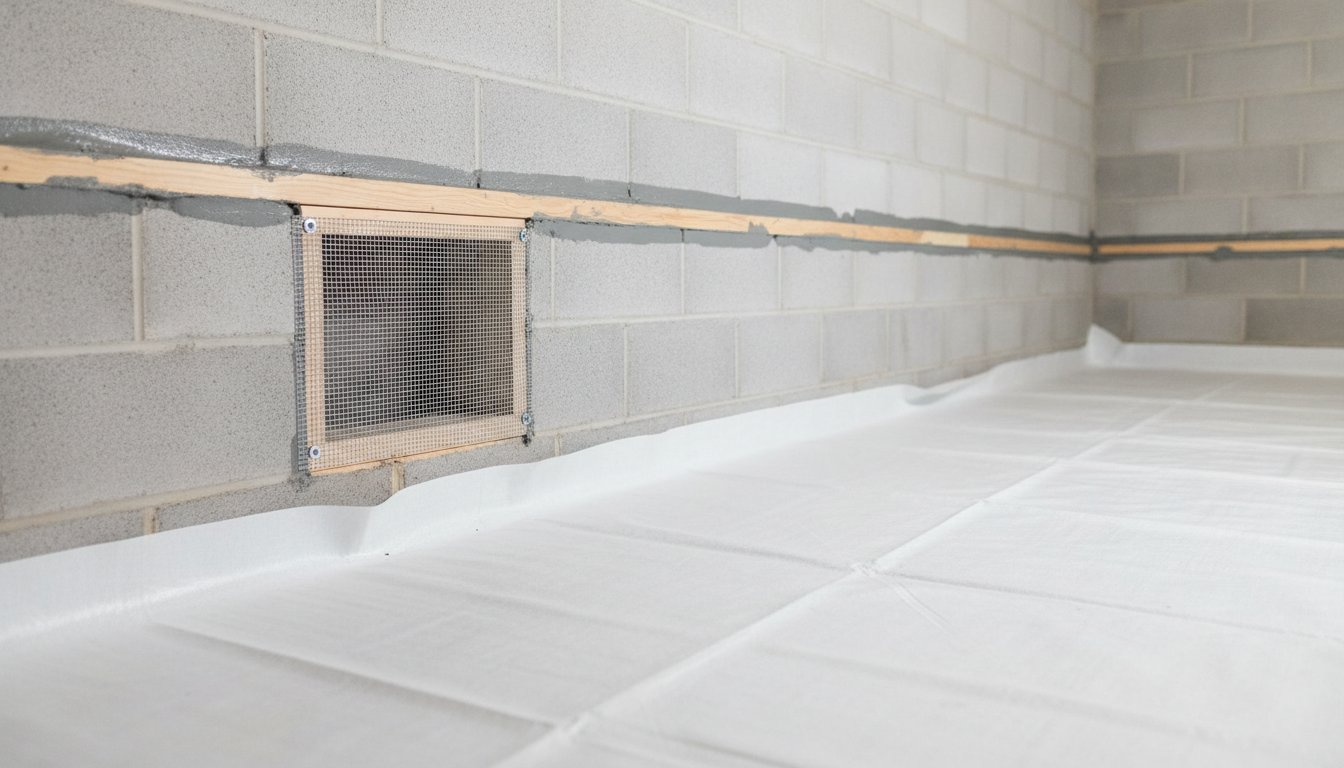
Tag: pest prevention

  • Rodent Proofing Crawl Spaces in Erie, PA: Prevention and Exclusion Guide

    Rodent Proofing Crawl Spaces in Erie, PA: Prevention and Exclusion Guide

    Did you know that rodents are capable of transmitting more than 35 different diseases to humans while simultaneously destroying the structural integrity of a home? Homeowners seeking effective rodent proofing crawl space Erie PA solutions often find that standard store-bought traps are no match for the persistent pressure of local mice seeking warmth. If a crawl space feels like a revolving door for pests, it’s likely because the underlying entry points remain unaddressed. Professional exclusion requires a transition from a vulnerable refuge to a sealed fortress that accounts for the region’s specific moisture and cold-weather patterns.

    It’s frustrating to find chewed insulation or damaged wiring just weeks after a temporary fix. Protecting a home foundation against pests is about more than just removal; it’s about permanent exclusion. This guide explains how to secure a property in Erie, Crawford, or Ashtabula County by focusing on structural sealing and long-term prevention. Readers will learn the professional exclusion process, how to protect home value, and the steps required to maintain high air quality by keeping rodents out for good.

    Key Takeaways

    • Understand how Northwest Pennsylvania winters and crawl space moisture create the perfect environment for rodent infestations.
    • Learn to recognize the visual and auditory warning signs of mice and rats nesting beneath your floorboards before structural damage occurs.
    • Discover why professional rodent proofing crawl space Erie PA involves durable materials that mice cannot chew through (unlike standard expanding foam or wood).
    • Gain clarity on the essential three-step professional process involving thorough inspection, removal, and permanent structural sealing.
    • Identify simple landscape management tips and seasonal foundation checks to keep your home protected year-round in Erie and Crawford counties.

    Why Crawl Spaces in Erie and Crawford Counties Attract Rodents

    Northwest Pennsylvania winters are notoriously harsh, and rodents are biologically programmed to seek shelter before the first major snow. In Erie and Crawford counties, a home’s heated foundation acts as a powerful attractant. While the outdoors becomes a frozen landscape, the area beneath a house remains relatively stable and warm. This space isn’t just a thermal refuge; it’s a sanctuary from local predators like hawks, owls, and foxes. Rodents find a nearly unlimited supply of bedding in fiberglass or cellulose insulation, which provides excellent heat retention for nesting. Predators are unable to reach these recessed areas, allowing rodent populations to grow undisturbed throughout the winter months.

    To better understand how these critters utilize crawl spaces, watch this helpful video:

    The Impact of the Erie Climate

    The Erie climate is defined by Lake Effect moisture and fluctuating temperatures. High humidity in local foundations often leads to condensation on pipes, giving mice and rats a reliable water source. During the fall, a mass migration occurs as field mice move toward suburban and rural structures in search of winter quarters. Because these pests are so determined, professional rodent proofing crawl space Erie PA requires more than just setting traps. It involves understanding how these animals exploit the specific environmental conditions of the Great Lakes region. Successful long term results often come from combining structural sealing with general pest control strategies that prioritize physical exclusion.

    Structural Vulnerabilities in Local Foundations

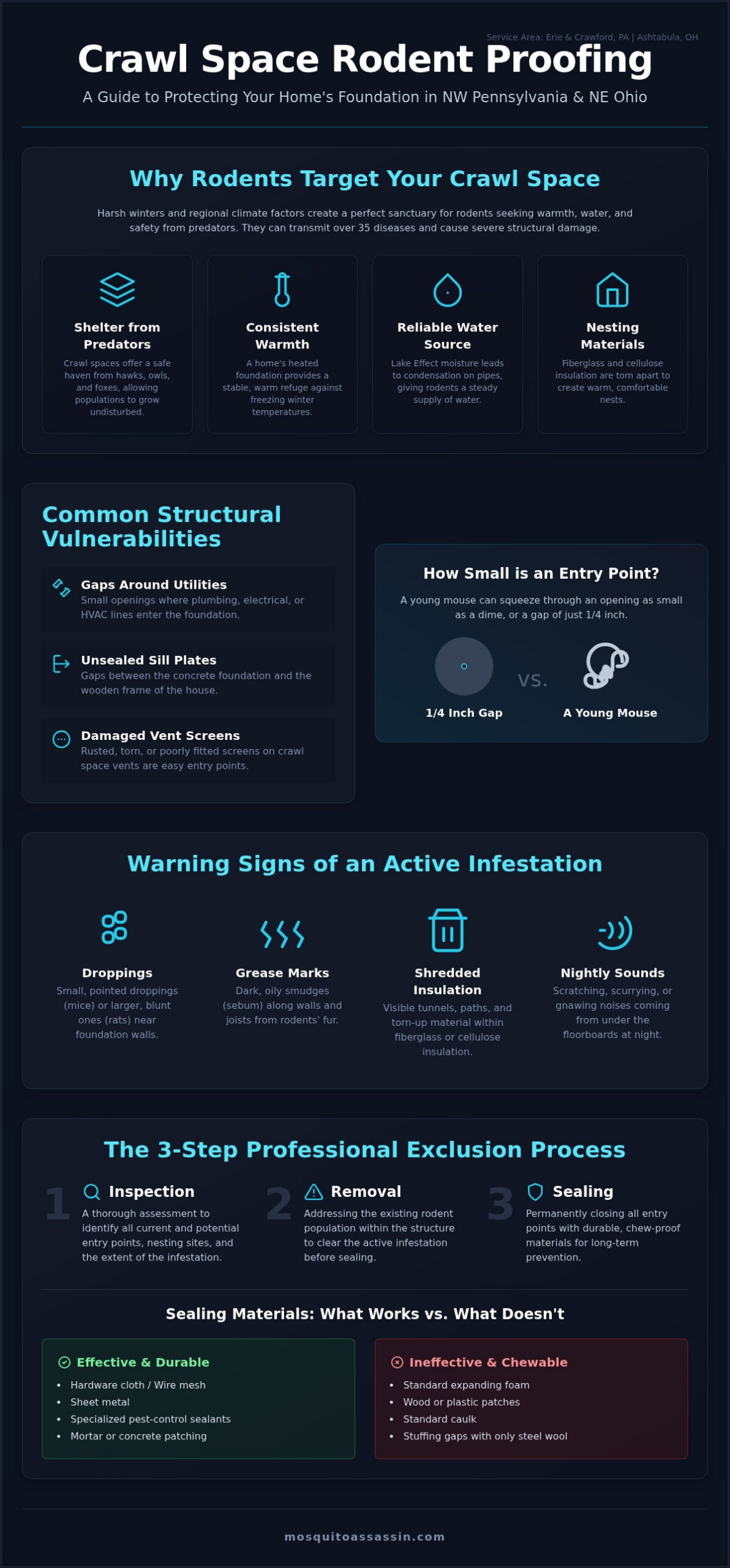
    Many homes in Erie were built with construction techniques that left small, often invisible gaps. A gap as small as a quarter inch is enough for a young mouse to enter. Common vulnerabilities include unsealed sill plates and gaps around utility lines for plumbing or electricity. Standard crawl space vents, intended for airflow, often become the primary entry point if the screens are rusted or torn. Professional rodent control services can identify these weak points that homeowners often miss. Because rodents can chew through wood and thin plastic, these points must be reinforced with professional grade materials. Effective rodent proofing crawl space Erie PA involves more than just plugging holes with foam; it requires a systematic approach to structural integrity. Once these pests establish a base of operations in the crawl space, they often follow the warmth upward into kitchens and pantries, creating a larger household problem.

    Identifying Signs of Infestation and Structural Vulnerabilities

    Detecting a rodent problem before it spreads to the living areas of a home is critical for maintaining structural integrity. While moisture is a common concern in Northwest Pennsylvania, biological evidence often provides the first definitive proof of an active infestation. Homeowners often report hearing scratching or scurrying sounds under the floorboards at night when the house is quiet. These auditory clues suggest that rodents have already established a nesting site within the foundation. Effective rodent proofing crawl space Erie PA begins with a meticulous search for these subtle indicators and the physical gaps that allowed entry in the first place.

    Recognizing Biological Signs

    Biological evidence tells a story about the size and type of the infestation. Different species leave distinct markers; for example, house mouse droppings are small and pointed, while rat droppings are larger and blunt. Beyond waste, look for sebum trails, which are dark, greasy smudge marks left by the oils in rodent fur as they travel along foundation walls or floor joists. Because rodents have poor eyesight, they tend to follow the same paths repeatedly. Fiberglass insulation is another prime target. If you notice shredded material or “tunnels” within the batting, it’s a clear sign of nesting behavior. Identifying these patterns is a key step in preventing rodent infestations from becoming permanent fixtures in your home.

    Pinpointing Physical Entry Points

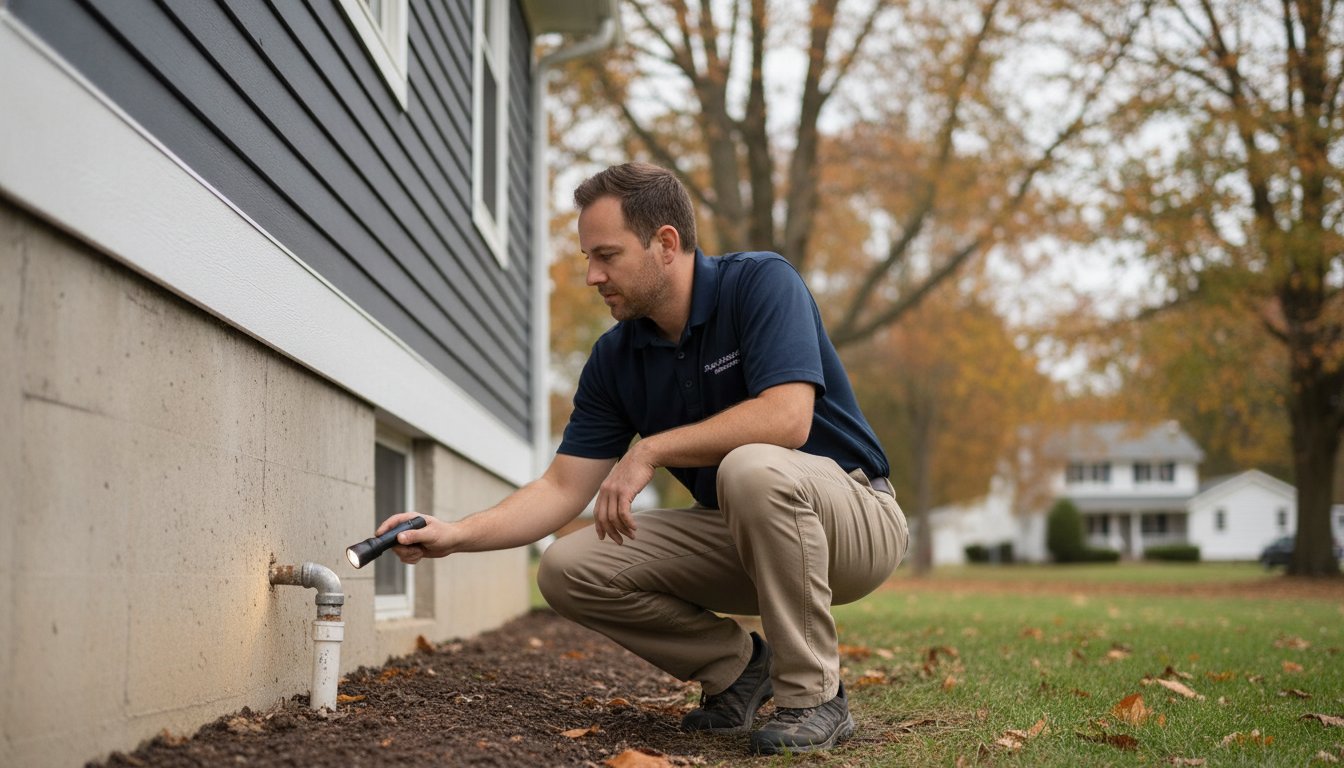
    Finding where pests enter requires looking at the foundation from a rodent’s perspective. Any gap larger than a quarter inch is a potential doorway. Common overlooked areas include:

    • Crawl Space Doors: Older wooden doors often warp or rot at the base, leaving enough room for a mouse to squeeze through.
    • Utility Penetrations: Gaps around HVAC lines, plumbing, and electrical conduits are frequent entry points if they aren’t properly sealed with high-grade materials.
    • Foundation Vents: Standard mesh screens can rust or be chewed through, providing easy access to the interior.
    • Masonry Gaps: Small cracks in the mortar or gaps where the sill plate meets the foundation wall are often exploited by rodents.

    A professional inspection can help uncover these hidden vulnerabilities that might be missed during a casual walkthrough.

    The health risks associated with these infestations are significant. In Pennsylvania, rodents are primary hosts for ticks that transmit Lyme disease, which saw over 18,600 cases in the state in 2025. Additionally, the accumulation of droppings and urine in the confined, poorly ventilated air of a crawl space can degrade indoor air quality throughout the entire house. Addressing these vulnerabilities is the only way to ensure rodent proofing crawl space Erie PA efforts are successful and long lasting. Protecting your family’s health starts with securing the very bottom of your home foundation.

    Many property owners in Northwest Pennsylvania initially try to manage infestations using hardware store supplies. While snap traps and poison baits might provide a temporary reduction in the rodent population, they rarely solve the underlying issue. Without a permanent structural barrier, a crawl space remains an open invitation for the next generation of pests. Effective rodent proofing crawl space Erie PA requires moving beyond these reactive measures toward a proactive, structural solution known as exclusion.

    The Problem with Temporary Fixes

    Relying solely on baits can create unintended consequences for a household. When rodents consume poison, they often retreat into inaccessible wall voids or deep within floor joists to die. This leads to foul odors and potential health hazards that are difficult to remediate. Additionally, common DIY sealing materials like expanding foam or wood are no match for a rodent’s teeth. Penn State Extension specifically advises against relying on expanding foam because mice can easily chew through soft sealants to regain entry. This creates a frustrating cycle where the homeowner is constantly fighting new invaders rather than securing the foundation. Temporary deterrents don’t address the biological drive that pushes rodents toward heated foundations during Erie winters.

    The Advantages of Structural Exclusion

    Professional exclusion is a methodical approach that focuses on the physical denial of entry. This process utilizes heavy-duty, rodent-proof materials designed to withstand constant gnawing. Unlike store-bought solutions, professional grade materials are permanent. Exclusion works by identifying every possible entry point and reinforcing it with materials that are physically impossible for a rodent to penetrate. This isn’t just about stopping an current infestation; it’s about altering the structure so it’s no longer vulnerable.

    • Galvanized Hardware Cloth: Using 19-gauge or heavier metal mesh is essential for covering vents and large gaps.
    • Metal Flashing: Installing steel or copper flashing around corners and sill plates prevents rodents from finding a grip to start chewing.
    • Structural Mortars: Sealing gaps in masonry with specialized mortars ensures a permanent bond that rodents cannot penetrate.

    Investing in structural rodent proofing crawl space Erie PA does more than just stop pests. It improves the home’s overall energy efficiency by sealing drafts and protects the air quality from biological contaminants. Year-round protection plans, such as the rodent control services provided by licensed professionals, offer a level of security that one-time treatments cannot match. By addressing the foundation’s physical vulnerabilities, homeowners can protect their property value and ensure their family’s well-being remains uncompromised by recurring infestations. Professional pest control may help reduce risk by providing a comprehensive, three-step approach of removal, maintenance, and exclusion.
    Rodent Proofing Crawl Spaces in Erie, PA: Prevention and Exclusion Guide

    The Professional Process for Rodent Proofing a Crawl Space

    A common mistake in many DIY attempts is sealing the crawl space as soon as a hole is discovered. While this seems logical, it often traps live rodents inside the foundation. Trapped pests become desperate, frequently chewing through floorboards or drywall to reach the living areas of the home in search of food and water. If they cannot escape, they die within the structure, leading to severe odor issues and health hazards. Professional rodent proofing crawl space Erie PA follows a disciplined, three-step sequence of removal, maintenance, and exclusion to ensure the home is vacant before it’s sealed.

    Step 1: Removal and Trapping

    The process begins with a comprehensive inspection to identify active runways and nesting sites. Rodents typically travel along the edges of the foundation and floor joists, leaving behind grease marks and droppings. Professionals place traps strategically along these identified paths to clear the existing population. It’s essential to remove every individual before structural changes are made. By establishing a clear understanding of the rodent’s behavior and movement patterns, licensed experts can ensure the trapping phase is both swift and effective. This phase is non-negotiable for a long-term solution.

    Step 2: Maintenance and Monitoring

    After the initial trapping phase, a period of maintenance and monitoring follows. This step confirms that no new activity is present within the perimeter. Professionals check for fresh biological signs and monitor trap activity to verify the crawl space is truly vacant. If rodents are still active in specific sectors, the strategy is adjusted to address those remaining individuals. This “wait and see” period prevents the risk of sealing a live animal into the foundation, which is a frequent error in amateur rodent control attempts. It also allows the professional to identify if there are secondary entry points that only become active after the primary ones are blocked.

    Step 3: Permanent Exclusion

    The final phase involves transforming the crawl space into a fortress. Once vacancy is confirmed, every identified gap, crack, and utility penetration is sealed using professional-grade materials. This includes installing 19-gauge or heavier galvanized hardware cloth over vents and using structural mortars for masonry gaps. Standard crawl space doors and access hatches are reinforced to prevent forced entry. Unlike temporary foam, these materials are physically impossible for rodents to penetrate. This permanent structural transition is the most effective way to maintain a pest-free environment in the Northwest Pennsylvania climate.

    For property owners ready to secure their foundation, professional rodent control services provide the necessary expertise to execute this three-step process safely and effectively. Professional pest control may help reduce risk by ensuring that every vulnerability is addressed with durable, long-lasting materials that stand up to the local weather patterns in Erie and Crawford counties.

    Maintaining a Rodent-Free Foundation in Northwest Pennsylvania

    Achieving a permanently sealed foundation is a significant milestone, but the changing seasons in Northwest Pennsylvania require ongoing vigilance. Rodents are opportunistic and will continuously test a home’s perimeter for new weaknesses as temperatures fluctuate. Effective rodent proofing crawl space Erie PA is not a one-time event; it is a sustained effort that combines structural integrity with environmental management. By addressing the factors that draw pests to a property, homeowners can reduce the pressure on their exclusion barriers and ensure long-term success.

    Environmental Management Around the Home

    Pests often find their way to a foundation because the surrounding landscape provides a perfect bridge. Vegetation and mulch should be kept at least one foot away from the crawl space walls to eliminate hiding spots for mice and rats. Overgrown shrubs or stacked firewood against the house provide cover from predators and easy access to vents. Similarly, bird feeders and improperly stored pet food act as dinner bells for local rodent populations. It is also vital to ensure that gutters and downspouts direct water away from the structure. Excess moisture near the foundation can soften building materials over time, making it easier for rodents to chew through or exploit new gaps in the masonry.

    The Value of Ongoing Professional Protection

    Homes are dynamic structures that shift and settle over time, especially with the freeze-thaw cycles common in Ashtabula and Erie. These minor shifts can create new vulnerabilities in even the best exclusion work. Regular bi-monthly or quarterly inspections allow for the early detection of these changes before an infestation can take hold. High-pressure areas, particularly rural properties in Crawford County, benefit from this consistent oversight. Professional rodent removal provides a foundation for long-term success, but maintenance plans ensure that the sealed status of the crawl space remains intact.

    Humidity control and encapsulation also play a supporting role in pest prevention. A dry, clean environment is far less attractive to rodents than a damp, dark one. By managing the air quality and moisture levels beneath the floorboards, homeowners create an inhospitable environment for pests while simultaneously protecting the wood from rot. Professional pest control may help reduce risk by providing these tailored recommendations and ensuring that the structural barriers remain uncompromised by the harsh Northwest Pennsylvania climate. Year-round protection is the most reliable way to maintain the structural integrity and air quality of a home.

    Disclaimer: The information provided on this blog is for general informational purposes only and is not intended as professional pest control advice. Conditions vary by property, environment, and location. Reading this content does not create a service agreement. For an inspection or professional recommendations, please contact Mosquito Assassin Pest Control LLC directly.

    Securing Your Home Foundation for the Long Term

    Securing a crawl space requires a shift from reactive trapping to proactive structural defense. Effective rodent proofing crawl space Erie PA depends on a methodical three-step process involving removal, maintenance, and permanent exclusion. By addressing the specific environmental pressures of Northwest Pennsylvania, including Lake Effect moisture and freezing winters, property owners can protect their structural integrity and indoor air quality. Relying on durable materials like galvanized hardware cloth rather than temporary foam ensures that the foundation remains a fortress against invading pests. This systematic approach is the most reliable way to prevent recurring infestations.

    Licensed and insured professionals provide the expertise needed to identify hidden vulnerabilities in Erie, Crawford, and Ashtabula counties. Professional pest control may help reduce risk by implementing a comprehensive exclusion strategy tailored to the unique needs of local foundations. To begin the process of reclaiming a home from pests, property owners can request a professional crawl space inspection. Taking these practical steps today provides lasting protection for a property and ensures the well-being of all household members throughout every season.

    Disclaimer: The information provided on this blog is for general informational purposes only and is not intended as professional pest control advice. Conditions vary by property, environment, and location. Reading this content does not create a service agreement. For an inspection or professional recommendations, please contact Mosquito Assassin Pest Control LLC directly.
    Frequently Asked Questions

    Can rodents chew through the insulation in my crawl space?

    Yes, rodents easily chew through fiberglass and cellulose insulation to create soft, warm nesting sites. These materials provide excellent heat retention, which is why pests target them during Northwest Pennsylvania winters. Chewed insulation loses its effectiveness, leading to higher energy costs and potential structural damage. Replacing contaminated insulation is a common step in the remediation process once the foundation has been permanently sealed against future invaders.

    Is it possible to rodent-proof an older home in Erie, PA?

    Yes, older homes can be successfully rodent-proofed through a process known as structural exclusion. Many Erie foundations have shifted over decades, creating small gaps in sill plates or masonry that pests exploit. Professionals identify these specific vulnerabilities and reinforce them with heavy-duty materials like galvanized steel mesh and structural mortars. This permanent approach is far more effective than temporary fixes, ensuring that even a century-old foundation remains secure.

    What is the most common entry point for mice in a crawl space?

    The most common entry points are gaps around utility penetrations and damaged foundation vents. Mice only need a space the size of a quarter-inch to squeeze into a structure. Gaps where plumbing, HVAC lines, or electrical conduits enter the foundation are frequent culprits. Effective rodent proofing crawl space Erie PA requires identifying these small openings and reinforcing them with professional-grade materials that rodents cannot chew through or bypass.

    Will encapsulation stop rodents from entering my foundation?

    Encapsulation alone does not prevent rodent entry; it must be combined with structural exclusion for total protection. While thick plastic liners improve humidity control, rodents can easily chew through them if they aren’t physically blocked from entering the foundation. However, encapsulation does make the crawl space less attractive by removing the damp, dark environment pests prefer. For the best results, the foundation must be physically sealed before encapsulation is finalized.

    How long does the professional rodent exclusion process take?

    The duration of the process varies based on the level of activity, but it typically includes a monitoring period of several days. The removal phase ensures the space is vacant before any permanent sealing occurs. Once vacancy is confirmed, the physical exclusion work can often be completed in a single visit. This methodical approach ensures that no rodents are trapped inside the foundation during the final sealing phase of the project.

    Should I use mothballs or peppermint oil to deter rodents?

    Home remedies like mothballs or peppermint oil are generally ineffective for long-term rodent control. These scents may provide a temporary deterrent, but they don’t address the structural gaps that allow pests to enter. Additionally, using mothballs in a crawl space can release harmful chemicals into the home’s air supply. Permanent structural exclusion is the only scientific method proven to keep rodents out of a foundation in high-pressure areas like Erie County.

    What are the health risks of having mice in a crawl space?

    Rodents in a crawl space pose significant health risks by spreading diseases and degrading indoor air quality. In Pennsylvania, mice are primary hosts for the ticks that transmit Lyme disease, which saw over 18,600 confirmed cases in 2025. Droppings and urine can also lead to the spread of bacteria and allergens. Because crawl space air often circulates into the living areas above, these contaminants can directly affect the well-being of all household members.

    How often should a crawl space be inspected for pest activity?

    Homeowners should have their crawl space inspected at least twice a year, ideally during the spring and fall. These seasonal checks are critical for rodent proofing crawl space Erie PA because they coincide with the natural migration patterns of local pests. Identifying a new gap or a damaged vent early can prevent a full-scale infestation from taking hold. Regular monitoring ensures that the structural integrity of the exclusion barriers remains uncompromised.

    Disclaimer: The information provided on this blog is for general informational purposes only and is not intended as professional pest control advice. For an inspection or professional recommendations, please contact Mosquito Assassin Pest Control LLC directly.
  • The Dangers of Mice in Walls: Structural, Health, and Safety Risks

    The Dangers of Mice in Walls: Structural, Health, and Safety Risks

    Did you know that an estimated 20% to 25% of fires with an unknown cause are actually attributed to rodents chewing through electrical wires and gas lines? It’s deeply unsettling to lie awake at night listening to scratching sounds inside your bedroom walls, wondering what kind of damage is occurring while you sleep. If you’re currently searching for how to get rid of mice in walls Erie PA, you likely already feel the urgency of protecting your family and your property from these hidden threats.

    This article explores the serious risks of rodent infestations within wall cavities and provides the knowledge needed to safeguard your home from long-term damage. You’ll discover the full scope of structural and health dangers, learn to identify the early signs of a wall infestation, and understand why professional exclusion is the only permanent solution. By the end, you’ll have a clear understanding of why a quick, methodical response is necessary to maintain a safe and healthy environment in Erie and Crawford Counties in Pennsylvania and Ashtabula County in Ohio.

    Disclaimer: The information provided on this blog is for general informational purposes only and is not intended as professional pest control advice. Conditions vary by property, environment, and location. Reading this content does not create a service agreement. For an inspection or professional recommendations, please contact Mosquito Assassin Pest Control LLC directly.

    Key Takeaways

    • Understand how the biological need for mice to gnaw leads to stripped electrical insulation, creating serious fire hazards hidden behind your walls.
    • Learn how air currents within structural voids can carry microscopic pathogens from rodent waste directly into your family’s living spaces.
    • Discover why pheromone trails and rapid reproductive cycles mean that a small problem quickly escalates into a systemic infestation.
    • Explore the effective three-step professional method for how to get rid of mice in walls Erie PA, which prioritizes permanent exclusion over temporary fixes.
    • Gain insights into why sealing structural entry points is the only way to protect your property from recurring rodent activity and long-term damage.

    Understanding the Hidden Presence of Mice in Walls

    Mice in walls represent a specialized type of infestation where rodents exploit the hollow spaces within your home’s framework. These structural voids offer a perfect environment for nesting, providing a buffer against the elements and protection from predators. Within these cavities, rodents find proximity to heat sources like water heaters or furnace vents, which allows them to remain active even during the coldest months. In our region, homeowners typically encounter two primary species: the house mouse and the deer mouse. For those interested in the specific biology of these pests, this House mouse overview provides details on their nesting habits and behavior.

    If you spot a single rodent scurrying across the kitchen floor, it’s rarely a solitary visitor. In most cases, one visible mouse indicates a larger, established colony already thriving within the wall cavities. This regional activity is part of a broader trend, as reports from 2024 indicated a 76% increase in rodent activity across 12 Midwestern states, including Ohio and Pennsylvania. Identifying the problem early is essential for anyone determining how to get rid of mice in walls Erie PA before the population expands.

    To better understand the challenges of managing rodents inside structural voids, watch this helpful video:

    Common Signs of Wall Infestations

    Identifying the presence of rodents behind drywall requires attention to subtle cues. Homeowners often report distinct scratching or scurrying sounds that become most audible during the quiet hours of the night. These noises are the result of mice moving through insulation, shredding materials for nests, or gnawing on wooden studs. This behavior is more than a nuisance; it’s a safety hazard, as an estimated 20% to 25% of fires with an unknown cause are attributed to rodents chewing on electrical wires and gas lines. Beyond sound, look for dark smudge marks or grease trails along baseboards and near suspected entry points. These rub marks are caused by the oils and dirt in a rodent’s fur as they repeatedly travel the same paths. In rooms with poor ventilation, a faint, musky odor resembling ammonia may permeate the air, indicating a buildup of rodent waste inside the walls.

    Entry Points and Structural Vulnerabilities

    Mice are incredibly resourceful, utilizing gaps as small as a quarter inch (roughly the size of a pencil) to gain entry. During the harsh winters in Erie, Crawford, and Ashtabula Counties, rodents are drawn to thermal bridges. These are specific areas where heat escapes the home, signaling a warm refuge to pests seeking to escape the sub-zero temperatures. Common entry sites include:

    • Gaps around utility pipes and electrical conduits
    • Cracks or settling in the foundation
    • Poorly sealed roof vents or soffit gaps
    • Gaps where different building materials meet, such as siding and masonry

    If you don’t address these structural weaknesses, you cannot achieve a permanent solution. Understanding how to get rid of mice in walls Erie PA involves a thorough inspection of these vulnerabilities. Professional rodent control services prioritize identifying these gaps to prevent future infestations.

    Disclaimer: The information provided on this blog is for general informational purposes only and is not intended as professional pest control advice. Conditions vary by property, environment, and location. Reading this content does not create a service agreement. For an inspection or professional recommendations, please contact Mosquito Assassin Pest Control LLC directly.
    Structural Hazards and Fire Risks from Rodent Activity

    The primary reason mice cause such extensive structural damage is a biological necessity. A rodent’s incisors never stop growing, often increasing by several inches each year. To prevent these teeth from overgrowing, mice must constantly gnaw on hard materials. Inside a wall cavity, this includes everything from wooden studs and PVC piping to the plastic coating on electrical wires. This behavior is not just a nuisance; it is a direct threat to the integrity of your property. Understanding the mechanics of this damage is a critical step for anyone learning how to get rid of mice in walls Erie PA.

    The Threat to Electrical Systems

    Electrical wiring is particularly vulnerable to rodent activity. Mice often strip the protective insulation from wires to use as nesting material or simply to wear down their teeth. When wires are left exposed, they can arc, creating sparks that ignite surrounding fiberglass insulation, dust, or wooden framing. Because this damage occurs deep within wall voids, it’s nearly impossible for a homeowner to detect until a circuit fails or a fire starts. This hidden danger is why fire investigators often attribute unexplained structure fires to rodent activity. For comprehensive safety protocols, referring to a CDC guide to rodent control can provide additional context on managing these risks. If an infestation is confirmed, a follow-up inspection by a licensed electrician is highly recommended to ensure the home’s wiring remains safe.

    Damage to Insulation and Drywall

    Beyond fire risks, mice significantly degrade a home’s energy efficiency. They don’t just live in insulation; they destroy it. Whether your walls contain fiberglass batts or blown-in cellulose, rodents tunnel through these materials, causing them to compress. This compression destroys the material’s R-value, leading to increased heating costs during the harsh winters in Erie and Crawford Counties. Additionally, mice soil these areas with urine and droppings, turning once-clean insulation into a reservoir for pathogens. Replacing contaminated insulation within wall voids is a labor-intensive and costly process that often requires removing sections of drywall. Persistent burrowing can also weaken structural supports over time as mice chew through wood and soft metals to expand their nesting galleries. Identifying these vulnerabilities early through professional rodent control may help reduce the risk of long-term structural degradation.

    Disclaimer: The information provided on this blog is for general informational purposes only and is not intended as professional pest control advice. For an inspection or professional recommendations, please contact Mosquito Assassin Pest Control LLC directly.

    Health Risks Associated with Rodent Infestations in Wall Cavities

    While structural damage is a major concern, the invisible health risks posed by rodents are often more immediate. Mice utilize wall cavities as a network of private highways, leaving behind dried urine, droppings, and saliva as they travel. These waste products contain dangerous pathogens that can cause serious illness. Common diseases associated with these pests include Hantavirus, Leptospirosis, and Lymphocytic Choriomeningitis (LCMV). For example, the deer mouse is a known carrier of Hantavirus Pulmonary Syndrome, a severe respiratory disease. From 1993 through 2023, the U.S. reported 890 laboratory-confirmed cases of hantavirus disease. Understanding identifying mouse damage helps homeowners see that the threat extends beyond chewed wood to the contamination of everything the rodents touch.

    Air Quality and Respiratory Concerns

    The air inside your home is not as isolated from wall cavities as you might think. Small gaps around outlets, baseboards, and light fixtures allow air currents to pull microscopic particles from rodent waste directly into your living spaces. If you are researching how to get rid of mice in walls Erie PA, you should know that these airborne particles can trigger severe allergies or asthma attacks in sensitive individuals. The risk increases significantly if rodents nest near or inside air ducts. Pathogens can enter the HVAC system and be distributed throughout the entire house. When you encounter dry droppings, never use a vacuum or a broom. These actions aerosolize bacteria and viruses, making them easier to inhale. Professional intervention is the safest way to determine how to get rid of mice in walls Erie PA while protecting your family’s health.

    Secondary Infestations and Parasites

    Rodents also serve as transport hosts for secondary pests like ticks, fleas, and mites. In Pennsylvania and Ohio, these parasites are common and can easily migrate from a mouse’s fur into your home’s wall voids. Once established in the walls, these parasites often move into furniture, carpeting, and bedding in search of a new host. This creates a multi-layered infestation that is difficult to manage without a comprehensive rodent control service. Even after the primary rodent population is removed, these parasites may remain active in the wall voids for some time. Professional exclusion and maintenance are necessary to ensure that both the rodents and their associated parasites are fully addressed.

    Disclaimer: The information provided on this blog is for general informational purposes only and is not intended as professional pest control advice. For an inspection or professional recommendations, please contact Mosquito Assassin Pest Control LLC directly.

    The Dangers of Mice in Walls: Structural, Health, and Safety Risks

    Why Ignoring Mice in Walls Leads to Larger Infestations

    A single female house mouse is capable of producing between five and ten litters every year, with each litter typically containing five to six pups. Mice reach sexual maturity in as little as four to six weeks, meaning that by the time you hear the first scratching sound in your walls, the second generation of rodents may already be nearing reproductive age. This exponential growth ensures that a small pair of rodents nesting in a spring wall cavity can result in dozens of offspring before the first frost. When property owners delay seeking professional help for how to get rid of mice in walls Erie PA, they aren’t just dealing with a stagnant population; they’re facing an active breeding colony that is aggressively expanding its territory within the structure.

    Beyond rapid reproduction, the scent trail phenomenon ensures that an infestation remains persistent even if individual mice are removed. Mice communicate through pheromones found in their urine and droppings, which act as a biological GPS for other rodents. These chemical signals mark your home as a safe environment with established nesting sites and accessible heat sources. Even if the initial inhabitants are eliminated, these lingering scent markers attract new mice from the surrounding environment. This creates a revolving door of pests that standard retail traps simply cannot stop, as the structural entry points remain open and inviting.

    The High Cost of Delayed Intervention

    The financial impact of a rodent infestation increases significantly as the colony grows and spreads. Early intervention focuses on exclusion and minor cleanup, but late-stage infestations often require extensive structural repairs and professional decontamination of wall voids. DIY methods, such as placing retail snap traps in the kitchen, often fail because they don’t reach the source of the problem deep within the walls. A comprehensive strategy for rodent removal is necessary to reclaim your home from these persistent invaders. Investing in professional services early prevents the need for costly insulation replacement or electrical rewiring that results from long-term gnawing and soiling.

    Regional Seasonal Patterns in Erie and Ashtabula

    In Erie and Ashtabula counties, the harsh Great Lakes winters create immense pressure on residential structures. As temperatures begin to drop in late summer and early autumn, rodents actively scout for warm shelters to survive the sub-zero lake effect weather. A small entry point that went unnoticed in May becomes a primary highway for an entire colony by October. This is why late-summer inspections are a critical component of a general pest control plan. Identifying structural vulnerabilities before the winter freeze ensures that your home remains secure. A proactive approach to how to get rid of mice in walls Erie PA involves sealing these gaps before the seasonal shift drives local rodent populations indoors. If you suspect activity, consulting with experts at a local service location can help you identify hidden risks before the population peaks.

    Disclaimer: The information provided on this blog is for general informational purposes only and is not intended as professional pest control advice. For an inspection or professional recommendations, please contact Mosquito Assassin Pest Control LLC directly.

    Professional Strategies for Rodent Exclusion and Management

    Managing a rodent infestation inside structural voids requires a systematic approach that goes beyond simple trapping. Licensed professionals utilize a disciplined three-step methodology: removal, maintenance, and exclusion. This strategy ensures the current population is eliminated while the structure is reinforced against future invaders. When homeowners investigate how to get rid of mice in walls Erie PA, they find that professional pest control may help reduce risk to the property and its inhabitants by addressing the root cause of the entry rather than just the symptoms.

    Sealing entry points is the only way to prevent recurring infestations. Don’t rely on retail spray foam or plastic mesh, as rodents can easily chew through these soft materials to regain access. Professionals use high-grade, durable materials that are resistant to the powerful incisors of a mouse. Steel wool, copper mesh, and specialized elastomeric sealants create a permanent barrier. These materials are strategically applied to common vulnerabilities like sill plates, soffit gaps, and utility penetrations. Because mice are persistent, these barriers must be installed with technical precision to withstand the environmental pressures of the Great Lakes region.

    The Importance of a Comprehensive Inspection

    A successful resolution begins with a detailed evaluation of the entire property. Professionals are trained to identify hidden nesting sites and complex entry routes that are often invisible to the untrained eye. This process relies heavily on regional knowledge. For instance, understanding the specific breeding cycles and winter behaviors of rodents in Pennsylvania and Ohio allows for more precise placement of control measures. Identifying these patterns is a core part of professional services designed to reclaim a home’s integrity. It isn’t just about finding the mice; it’s about understanding how they’re utilizing the specific architecture of your home to survive.

    Long-Term Prevention and Exclusion

    Rodent-proofing a home involves permanent structural modifications. This exclusion process targets every potential vulnerability, from the foundation to the roofline. However, because homes settle and building materials age, ongoing maintenance is necessary to ensure new entry points don’t develop over time. Regular monitoring helps detect early signs of activity before a new colony can establish itself in the wall voids. For those seeking a professional assessment of their property’s vulnerabilities, contacting experts at a local service location is a critical step in maintaining a pest-free environment. This proactive approach is the most effective way to manage the long-term safety of your household.

    Disclaimer: The information provided on this blog is for general informational purposes only and is not intended as professional pest control advice. For an inspection or professional recommendations, please contact Mosquito Assassin Pest Control LLC directly.

    Protecting Your Property from Hidden Structural Risks

    Mice inhabiting wall cavities are more than a minor nuisance; they’re a significant threat to the structural integrity and safety of your household. The biological necessity for these rodents to gnaw leads to compromised electrical systems and degraded insulation, which can result in unseen fire hazards and increased energy costs. Additionally, the accumulation of waste within wall voids directly impacts indoor air quality, potentially introducing serious pathogens into your living environment. Because these pests reproduce rapidly, a small problem can quickly escalate into a systemic infestation if left unaddressed.

    Understanding how to get rid of mice in walls Erie PA involves moving beyond temporary fixes and focusing on a methodical removal and exclusion process. Professional pest control may help reduce risk by identifying every structural vulnerability and implementing permanent barriers that rodents cannot penetrate. If you suspect activity, it’s vital to act before the population expands further. For an inspection or professional recommendations, contact Mosquito Assassin Pest Control LLC directly. Licensed in PA and OH, the team provides regional expertise in local rodent behavior to ensure a comprehensive resolution. Reclaiming your home starts with a thorough, professional assessment.

    Disclaimer: The information provided on this blog is for general informational purposes only and is not intended as professional pest control advice. For an inspection or professional recommendations, please contact Mosquito Assassin Pest Control LLC directly.

    Frequently Asked Questions

    How can I tell if there are mice in my walls?

    Identifying a wall infestation involves listening for distinct nocturnal scratching or scurrying sounds. You should also look for dark grease marks along baseboards, which are caused by oils in rodent fur as they travel. A faint, musky odor resembling ammonia is often present in rooms where waste has accumulated behind the drywall. If you find small droppings near gaps in the foundation or utility pipes, these are clear indicators of an established population.

    Can mice in the walls cause a house fire?

    Rodents are a significant fire hazard because they must chew on hard materials to wear down their continuously growing teeth. This biological need often leads them to strip the protective insulation from electrical wiring inside wall cavities. When these wires arc, they can ignite surrounding insulation or dust. An estimated 20% to 25% of fires with an unknown cause in the United States are attributed to rodent damage, making hidden infestations a serious safety concern.

    What diseases do mice carry in Pennsylvania and Ohio?

    Local rodents in Pennsylvania and Ohio are known vectors for several serious pathogens. The deer mouse is a primary carrier of Hantavirus Pulmonary Syndrome, which is transmitted through contact with infected waste. Other risks include Leptospirosis and Lymphocytic Choriomeningitis (LCMV). Additionally, mice act as transport hosts for secondary pests like ticks and fleas. These parasites can migrate from the wall voids into your living spaces, posing further health risks to your family and pets.

    Will mice eventually leave the walls on their own?

    Mice will not leave a structure on their own as long as it provides warmth, nesting materials, and protection from predators. Instead of moving out, they establish breeding colonies that grow exponentially. A single female can produce up to ten litters annually, and the offspring reach maturity in just a few weeks. Without professional intervention, a small seasonal problem in the autumn will likely become a full scale infestation by the time spring arrives.

    Is it safe to use DIY poisons for mice inside walls?

    Using retail rodenticides inside walls is generally discouraged by licensed professionals. When a mouse consumes poison, it often crawls deep into an inaccessible wall void to die. As the carcass decomposes, it produces a strong, persistent odor that can permeate the entire home and attract secondary pests like flies or beetles. Professional strategies prioritize removal and exclusion to manage the infestation without the negative side effects of leaving decaying rodents behind your drywall.

    How much damage can a single mouse cause in a wall?

    A single mouse can cause extensive structural and functional damage within a wall cavity. Their constant tunneling through fiberglass or cellulose insulation causes the material to compress, which significantly reduces the home’s energy efficiency. They also gnaw on wooden studs and PVC piping to maintain their incisors. Over time, the accumulation of urine and droppings contaminates building materials, often requiring costly repairs and professional decontamination once the rodents are finally removed from the structure.

    Why do I hear scratching noises in my walls at night?

    Scratching noises are most common at night because mice are primarily nocturnal creatures. They utilize the quiet hours to forage for food, shred materials for nesting, and interact with other members of the colony. The hollow nature of wall cavities acts like a drum, amplifying the sounds of their tiny claws against wooden studs or drywall. Hearing these noises is a primary sign that you need to investigate how to get rid of mice in walls Erie PA.

    How do professionals get mice out of walls?

    Professionals utilize a methodical three step approach to resolve infestations: removal, maintenance, and exclusion. This process involves identifying all structural entry points and sealing them with durable materials like steel wool or copper mesh that rodents cannot chew through. Determining how to get rid of mice in walls Erie PA requires this comprehensive strategy to ensure the problem does not recur. Professional pest control may help reduce risk by permanently reinforcing the home’s exterior.

    Disclaimer: The information provided on this blog is for general informational purposes only and is not intended as professional pest control advice. For an inspection or professional recommendations, please contact Mosquito Assassin Pest Control LLC directly.

  • Rodent Control in Erie PA: A Comprehensive Guide to Year-Round Protection

    Rodent Control in Erie PA: A Comprehensive Guide to Year-Round Protection

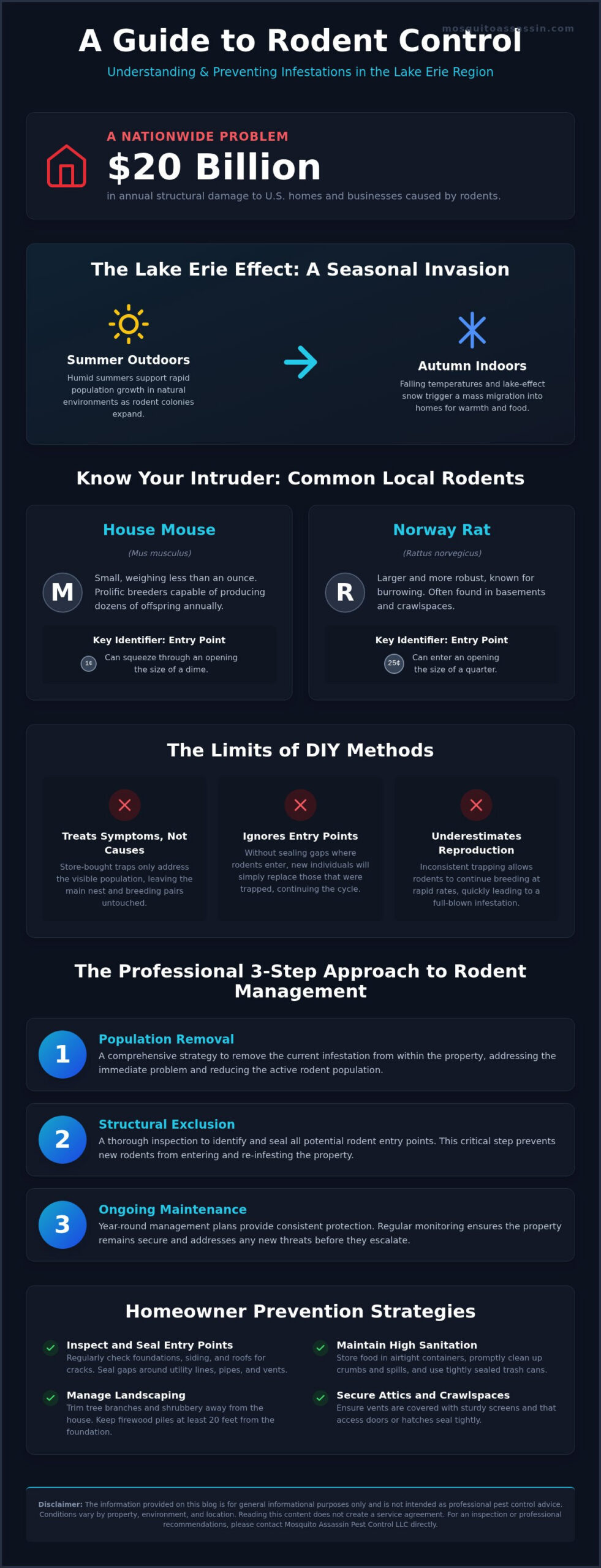
    Did you know that rodents are responsible for approximately $20 billion in structural damage to homes and businesses across the United States every year? In the Lake Erie region, where lake-effect snow drives pests indoors for warmth, finding effective rodent control Erie PA residents can rely on is a vital part of property maintenance. It’s exhausting to deal with the persistent scratching sounds in the walls or the discovery of chewed wires and ruined insulation after multiple failed DIY trapping attempts. The anxiety regarding disease transmission and structural integrity is a common concern for many neighbors in Erie and Crawford Counties.

    You deserve the peace of mind that comes with a secure, rodent-free home. This guide explores the professional three-step process for identifying, removing, and preventing infestations throughout the year. By understanding the science of rodent behavior and the necessity of structural exclusion, property owners can move from temporary fixes to long-term protection. The following sections examine how to locate hidden entry points for the house mouse and Norway rat, the methodology of professional population suppression, and the maintenance strategies required to keep local pests out for good.

    Key Takeaways

    • Learn how Lake Erie lake-effect weather patterns trigger seasonal rodent migrations and why early autumn is a critical time for property inspections.
    • Identify the specific behaviors of house mice and Norway rats to implement the most effective strategies for rodent control Erie PA residents need to protect their homes.
    • Understand the professional three-step methodology consisting of population removal, ongoing maintenance, and structural exclusion to ensure long-term results.
    • Discover how to identify common structural entry points and why maintaining high sanitation standards is the foundation of a rodent-free environment.
    • Recognize why a single treatment is rarely sufficient and how year-round management plans provide consistent protection against recurring infestations.

    Understanding Rodent Activity in Erie and Northwest Pennsylvania

    Rodents present a relentless challenge for property owners across Erie and Crawford Counties. The region’s extreme seasonal transitions create a cycle of pest activity that demands consistent vigilance. Effective rodent control Erie PA requires a deep understanding of how local climate patterns influence animal behavior. Residential and commercial properties offer the consistent warmth and food sources that become scarce in the wild as the year progresses.

    Lake-effect weather patterns are a primary driver of rodent activity. In early autumn, the first significant temperature drops signal to mice and rats that their outdoor survival is at risk. This seasonal trigger initiates a mass migration toward foundations, crawlspaces, and attics. Professional management is necessary because local species possess high reproductive rates that can quickly overwhelm a property if left unchecked.

    To better understand how these pests enter local properties, watch this helpful video:

    The Impact of the Lake Erie Climate

    The unique geography of Northwest Pennsylvania creates specific challenges for pest management. Humid summers in Erie and Ashtabula counties support rapid population growth in natural environments. Abundant vegetation and moisture allow rodent colonies to expand unchecked throughout the spring and summer. However, the arrival of lake-effect snow events changes the dynamic immediately. When natural food sources are buried under heavy snow, rodents become highly motivated to bypass structural barriers. This is especially true for the Norway rat and house mouse, which are the most common invaders in this climate. Following a comprehensive guide to pest control helps property owners understand that weather isn’t just a nuisance for people; it’s a survival driver for pests.

    Why DIY Methods Often Fail in Local Environments

    Many property owners start with store-bought traps, but these tools often fail to provide a permanent solution. Snap traps and glue boards typically only address the visible population, leaving the main nest and breeding pairs untouched. Rodents are prolific breeders. A small group can grow into a significant infestation in just a few months. DIY attempts also rarely involve a thorough inspection to identify specialized entry points like utility gaps or foundation cracks. Without sealing the gaps where rodents enter, new individuals will simply replace those that were trapped. Inconsistent trapping allows rodents to continue breeding at rapid rates. Professional rodent control Erie PA focuses on stopping the cycle by addressing the root causes of the infestation rather than just the symptoms.

    Common Rodents in the Tri-County Area: Identification and Risks

    Identifying the exact species of pest is the foundational step in effective rodent management. In Erie, Crawford, and Ashtabula counties, property owners typically encounter two primary invaders. While they share some behaviors, their nesting habits and physical capabilities differ significantly. Effective rodent control Erie PA starts with a clear understanding of these biological differences to ensure the management strategy targets the specific biology of the pest involved. Professional inspections can confirm activity in hidden areas like attics and crawlspaces where these pests often hide.

    The House Mouse (Mus musculus)

    The house mouse is a small, grayish-brown rodent often weighing less than an ounce. Despite their tiny size, they are prolific breeders capable of producing dozens of offspring annually. Their flexible bodies allow them to squeeze through openings as small as a dime, making them a common sight in kitchens and pantries where food is easily accessible. Because they prefer nesting in wall voids near heat sources, they are frequently discovered in Northwest Pennsylvania homes during the first significant frost of the autumn season.

    The Norway Rat (Rattus norvegicus)

    Unlike the smaller mouse, the Norway rat is a heavy, blunt-nosed rodent that prefers the lower levels of structures. Basements and crawlspaces are common harborages for these pests in the Lake Erie region. They are exceptional chewers with teeth strong enough to gnaw through wood, heavy plastic, and even soft metals like lead or copper. This physical strength makes them particularly dangerous to a building’s foundation and structural integrity, as they can bypass barriers that would stop smaller pests.

    Health and Property Risks Associated with Infestations

    The presence of rodents is more than a nuisance; it is a genuine risk to health and safety. These animals are known carriers of various pathogens, which they spread through urine, droppings, and nesting materials. To protect your property, it is essential to prevent rodent nesting sites by maintaining structural barriers and high sanitation standards. Early detection helps minimize property damage and health risks before they become unmanageable.

    Infestations typically lead to several critical issues for property owners:

    • Electrical Hazards: Continuous gnawing on live wires can lead to short circuits and electrical fires.
    • Structural Damage: Rats can damage wooden support beams and foundations over time.
    • Thermal Loss: Nesting materials in insulation reduce its energy efficiency, leading to higher utility costs.

    If you suspect activity in hidden areas like crawlspaces or wall voids, a professional rodent control Erie PA inspection may help determine the extent of the population. Early detection is the best way to minimize the risk of expensive structural repairs.

    The Professional Three-Step Approach to Rodent Management

    A systematic methodology is essential for properties in Northwest Pennsylvania to achieve lasting results. Unlike one-time treatments that only address visible pests, a professional strategy addresses both the current infestation and the environmental factors that allowed it to start. Effective rodent control Erie PA residents can trust prioritizes long-term security over temporary fixes. This process combines immediate population suppression with permanent structural improvements and ongoing monitoring to ensure a rodent-free environment.

    Step 1: Comprehensive Removal

    The first phase of the process focuses on decisive intervention within the structure. Initial removal involves the strategic placement of professional-grade tools in high-activity zones identified during the property inspection. Technicians target nesting sites and primary travel paths to eliminate the current population residing in wall voids, attics, or basements. This immediate action is necessary to stop the ongoing destruction of insulation and the contamination of living spaces. By using a data-driven approach to placement, the removal phase achieves maximum impact in the shortest possible timeframe.

    Step 2: Consistent Maintenance

    Removal is a critical starting point, but it is rarely a final solution. Ongoing monitoring is essential for maintaining a secure perimeter, especially for properties located near the wooded areas or open fields common in Crawford and Ashtabula counties. Maintenance plans are tailored to the specific pressure of the property and its surrounding environment. Regular visits allow technicians to monitor for new activity and address it immediately before a few stray mice can establish a breeding colony. This proactive layer of protection is the foundation of a year-round management strategy.

    Step 3: Professional Exclusion

    The most vital component of long-term protection is professional exclusion. This involves sealing the physical entry points rodents use to gain access to the building. While DIY attempts often rely on materials like spray foam that rodents can easily chew through, professional exclusion utilizes durable materials such as heavy-duty steel mesh, metal flashing, and specialized sealants. Focus areas for this structural hardening include:

    • Utility Penetrations: Sealing gaps where pipes, HVAC lines, or electrical wires enter the foundation or siding.
    • Door Sweeps and Thresholds: Replacing worn seals that allow rodents to squeeze under entry points.
    • Foundation and Siding Gaps: Identifying and closing cracks in masonry or gaps behind corner posts and J-channel.

    By hardening the exterior of the home, the property becomes significantly less vulnerable to the seasonal migrations triggered by the Lake Erie climate. For those facing an active infestation, a professional rodent control Erie PA inspection can identify these hidden vulnerabilities before they lead to structural damage.

    Rodent Control in Erie PA: A Comprehensive Guide to Year-Round Protection

    Homeowner Prevention Strategies and Identifying Entry Points

    Homeowners are essential partners in the pest management process. While professional intervention is necessary for active infestations, daily habits and property maintenance determine how attractive a structure remains to future invaders. Sanitation and structural maintenance are the foundations of prevention. Implementing these strategies creates a hostile environment for pests and makes it much harder for them to establish a foothold. Professional rodent control Erie PA may help reduce risk by identifying and addressing these vulnerabilities before they are exploited by seasonal migrations.

    Interior and Exterior Sanitation Tips

    Rodents possess a highly developed sense of smell and can detect food sources from significant distances. To mitigate this primary attractant, store all pantry items in airtight containers made of glass or heavy plastic. Cardboard boxes and thin plastic bags offer no protection against gnawing teeth. It’s also vital to remove clutter from basements, crawlspaces, and attics. Stacks of old newspapers, cardboard boxes, and seasonal clothing provide the ideal nesting material for a growing colony. On the exterior, keep all vegetation trimmed at least 18 to 24 inches away from the foundation and roofline. This eliminates the natural bridges and cover that pests use to reach the structure undetected.

    Common Entry Points to Inspect

    Identifying entry points requires a keen eye for small gaps and signs of wear. Property owners should regularly check for gaps around plumbing pipes, gas lines, and electrical conduits. Even a quarter-inch opening is enough for a young mouse to enter. Inspect the weather stripping and seals around garage doors and basement windows, as these often degrade over time due to the harsh Northwest Pennsylvania winters. Look for physical evidence such as chew marks on wooden door frames or dark rub marks along baseboards and exterior corners. These greasy stains are caused by the oils in a rodent’s fur as it repeatedly travels the same path. Finding these signs early is the key to preventing a full-scale infestation.

    Managing Outdoor Attractants

    The environment surrounding a home often dictates the level of pest pressure. Secure all exterior trash cans with tight-fitting, heavy-duty lids to prevent scavenging. While bird feeders are popular in Erie and Crawford Counties, they often drop large amounts of seed that provide a high-protein food source for rats and mice. It’s best to remove feeders or use no-mess varieties during peak activity seasons in early autumn. Similarly, pick up any fallen fruit from trees or vegetables from gardens immediately. Firewood is another common harborage site; ensure it’s stored on an elevated rack at least 20 feet away from the home’s exterior walls to prevent it from becoming a staging area for rodents.

    If you’ve identified these signs or vulnerabilities on your property, a rodent control Erie PA inspection can confirm the extent of the activity and provide a professional path toward total protection.

    Long-Term Protection and Year-Round Rodent Management

    Rodent pressure is not limited to a single season in Pennsylvania and Ohio. While autumn triggers the most visible indoor migrations, the breeding cycles that occur during the spring and summer months dictate the severity of the year-end surge. Ongoing management is often the only way to remain totally pest-free in a region characterized by significant environmental shifts. Professional rodent control Erie PA services provide peace of mind for residential and commercial owners by maintaining a constant barrier against intrusion throughout the calendar year.

    The Benefits of Continuous Protection

    Regular inspections serve as a proactive filter, catching potential issues before they escalate into full infestations. Continuous protection is highly effective because it addresses various pests as they become active. For example, a technician might address a budding rodent issue in the basement while simultaneously treating for ants or spiders near entry points. Homeowners can find additional details in this general pest control guide for comprehensive coverage of residential pest management strategies.

    Commercial Rodent Management

    Businesses in Erie and Crawford Counties face unique risks that extend beyond structural damage, including potential health code violations and significant reputation damage. A single rodent sighting in a commercial environment can lead to immediate loss of consumer trust. Commercial plans focus on discreet and effective commercial pest control services that prioritize safety and compliance. These strategies often include regular documentation and digital monitoring, providing the necessary paper trail for regulatory audits and quality assurance in sensitive industries like food service and healthcare.

    Taking the Next Step for a Rodent-Free Home

    If signs of rodent activity are present, professional intervention is recommended to stop the cycle of reproduction. Early action prevents the exponential growth of a colony, which can otherwise lead to extensive damage to wiring and insulation. Professional rodent control Erie PA experts can identify the specific biology of the invading species and implement a targeted removal and exclusion strategy. For an inspection or professional recommendations, please contact a licensed provider to secure your property against the unique pest pressures of the Lake Erie region.

    Disclaimer: The information provided on this blog is for general informational purposes only and is not intended as professional pest control advice. Conditions vary by property, environment, and location. Reading this content does not create a service agreement. For an inspection or professional recommendations, please contact Mosquito Assassin Pest Control LLC directly.

    Secure Your Property Against Seasonal Rodent Pressure

    Managing rodents in the Northwest Pennsylvania climate requires more than just reactive trapping. Effective rodent control Erie PA residents can depend on relies on a systematic approach that combines immediate population suppression with long-term structural exclusion. By sealing entry points with durable materials and maintaining a consistent monitoring schedule, property owners can prevent the recurring cycle of infestation triggered by lake-effect weather patterns. These steps are essential for protecting both the structural integrity and the sanitary environment of any building.

    Mosquito Assassin Pest Control LLC is locally owned and operated in Cranesville, PA, and maintains licensing in both Pennsylvania and Ohio. Utilizing a specialized three-step rodent removal process ensures that every vulnerability is addressed, from the initial inspection to the final structural hardening. Taking proactive steps today prevents the structural damage and health risks associated with established colonies. To begin securing your home or business, schedule your rodent inspection via our online portal for professional recommendations. Protecting your property is a year-round commitment that starts with professional expertise and local knowledge.

    Disclaimer: The information provided on this blog is for general informational purposes only and is not intended as professional pest control advice. Conditions vary by property, environment, and location. Reading this content does not create a service agreement. For an inspection or professional recommendations, please contact Mosquito Assassin Pest Control LLC directly.
    Frequently Asked Questions

    How do I know if I have a rodent problem in my Erie home?

    You can identify a rodent problem by looking for physical evidence such as small, dark droppings or gnaw marks on food packaging and wooden structures. In many Erie homes, scratching sounds in the walls or attic during the night are the first indicators of activity. You might also notice greasy rub marks along baseboards where rodents travel. Finding these signs early is the best way to address a population before it expands.

    Why are mice more common in the winter in Northwest Pennsylvania?

    Mice seek shelter indoors during the winter because natural food sources become scarce and temperatures drop below freezing. In Northwest Pennsylvania, lake-effect snow events create harsh conditions that force rodents to migrate toward the warmth of residential foundations and crawlspaces. Human structures provide the consistent temperatures and nesting materials they need to survive the season. This seasonal pressure makes professional rodent control Erie PA a necessary part of winter property maintenance.

    What is rodent exclusion and why is it necessary for long-term control?

    Rodent exclusion is the process of physically sealing the gaps and cracks that pests use to enter a building. This step is necessary for long-term control because it addresses the root cause of the infestation rather than just the current population. By using durable materials like steel mesh and professional sealants, technicians can harden the structure against future invaders. Without exclusion, new rodents will simply replace those that were previously removed from the property.

    Can rodents cause structural damage to my property in Crawford County?

    Rodents cause significant structural damage by continuously gnawing on various building materials to keep their teeth sharp. In Crawford County, this often involves the destruction of attic insulation and the chewing of electrical wires, which can lead to fire hazards. They are also capable of damaging wooden support beams and foundation components. Addressing an infestation quickly is the only way to prevent expensive repairs and maintain the long-term integrity of your property.

    How long does a professional rodent treatment typically take?

    The duration of a professional rodent treatment varies based on the size of the infestation and the complexity of the structure. An initial inspection and the placement of management tools typically take between one and three hours. However, total removal is a process that requires follow-up visits to monitor activity and ensure the population is suppressed. Ongoing maintenance visits are usually shorter but are essential for verifying that the exclusion measures remain effective over time.

    Are rodent control methods safe for households with pets and children?

    Professional rodent management prioritizes the safety of household members and domestic animals by utilizing tamper-resistant bait stations and strategic placement. These specialized containers are designed to prevent accidental access by children or pets while remaining accessible to the target pests. Licensed technicians follow strict safety protocols regarding the selection and application of all products. Homeowners should always discuss their specific household needs with a professional to ensure the most secure management plan is implemented.

    What is the difference between a mouse and a rat infestation?

    The primary difference between these infestations lies in the size of the pests and the resulting damage. House mice are small and typically nest in wall voids or near kitchens, leaving droppings about the size of a grain of rice. Norway rats are much larger and prefer lower levels like basements or crawlspaces. Their droppings are significantly larger, and their powerful gnawing can damage heavier materials like plastic pipes and thick wooden beams.

    How can I prevent rodents from entering my business in Ashtabula OH?

    Preventing rodent entry in an Ashtabula OH business requires a combination of high sanitation standards and structural maintenance. You should secure all exterior trash containers with tight-fitting lids and ensure that food waste is disposed of properly. Regular inspections of delivery bays and utility penetrations can identify new entry points before pests exploit them. Implementing a professional rodent control Erie PA plan for your commercial property provides the consistent monitoring needed to protect your reputation.

    Disclaimer: The information provided on this blog is for general informational purposes only and is not intended as professional pest control advice. Conditions vary by property, environment, and location. Reading this content does not create a service agreement. For an inspection or professional recommendations, please contact Mosquito Assassin Pest Control LLC directly.

  • Commercial Pest Control in Ashtabula Ohio: A Business Owner’s Guide (2026)

    Commercial Pest Control in Ashtabula Ohio: A Business Owner’s Guide (2026)

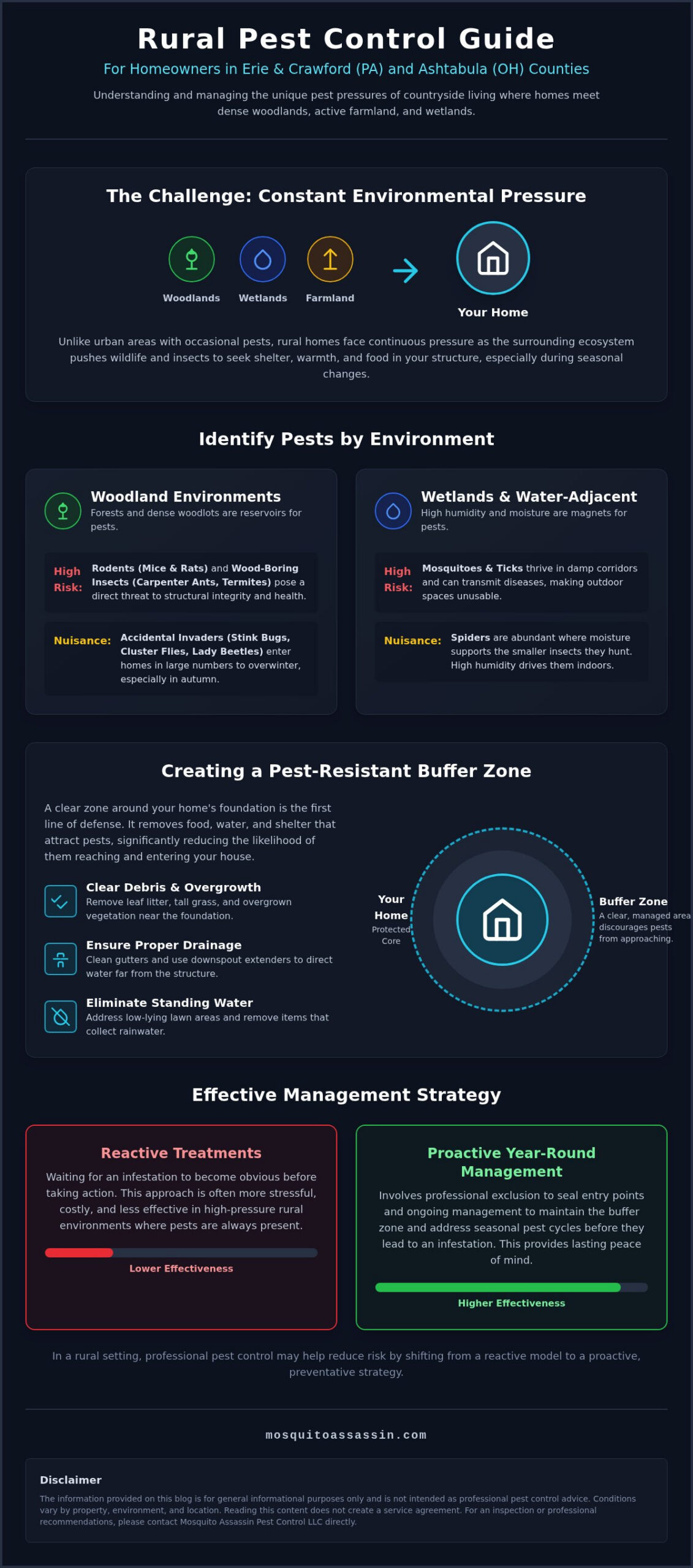
    What if a single negative customer review regarding a pest sighting could undo years of hard-earned community trust in a single afternoon? For business owners, the threat of health department violations or structural damage from rodents and termites isn’t just a nuisance; it’s a significant risk to the bottom line. Maintaining a clean, compliant facility is a constant priority, especially when dealing with the unique environmental pressures found near the Lake Erie shoreline. Securing reliable commercial pest control Ashtabula Ohio is essential for any establishment that values its reputation and the safety of its patrons.

    It’s understandable to feel the weight of these responsibilities, particularly as the Ohio Department of Agriculture introduces updated 2026 regulations for commercial applicators. This guide explores how professional pest management protects local businesses from seasonal threats and ensures compliance with the latest standards. You’ll discover effective strategies for discreet elimination and long-term prevention that address the specific needs of the Northeast Ohio business community. By shifting from a reactive mindset to a proactive risk management strategy, property owners can maintain a professional environment that’s free from the disruptions caused by local infestations.

    Disclaimer: The information provided on this blog is for general informational purposes only and is not intended as professional pest control advice. Conditions vary by property, environment, and location. Reading this content does not create a service agreement. For an inspection or professional recommendations, please contact Mosquito Assassin Pest Control LLC directly.
    Key Takeaways

    • Systematically managing pests is essential for complying with Ohio health and safety standards and maintaining a positive customer reputation.
    • Local environmental factors near Lake Erie increase the risk of rodent and seasonal insect activity, requiring specialized commercial pest control Ashtabula Ohio.
    • Business environments often demand more frequent inspections and specialized treatment protocols than typical residential properties due to higher foot traffic.
    • Implementing strict sanitation practices and structural repairs creates a strong first line of defense against potential infestations.
    • Selecting a service provider with specific regional expertise helps ensure that treatments are effective against the unique pest trends of Northeast Ohio.

    The Importance of Commercial Pest Control for Ashtabula Businesses

    Commercial pest management is a systematic framework designed to identify, manage, and eliminate pest populations within a business setting. It isn’t just about reacting to a problem; it’s about building a defensive perimeter that keeps pests out. Unlike residential services, these strategies must account for high-traffic environments, complex supply chains, and large square footage. Many successful operations in Northeast Ohio utilize Integrated Pest Management (IPM) to combine physical, cultural, and biological controls. This comprehensive approach ensures that businesses remain operational while minimizing disruptions. Implementing professional commercial pest control Ashtabula Ohio provides a level of consistency that protects the physical structure and the people inside.

    Regulatory Compliance in Ashtabula County

    Maintaining a pest-free facility isn’t just a preference. It’s a legal requirement. Local health departments in Northeast Ohio enforce strict standards, particularly for the food service, hospitality, and healthcare sectors. A single violation during a surprise inspection can lead to heavy fines or even temporary closure. Professional services help businesses stay ahead of these requirements by providing detailed documentation of all activities. This paper trail is often necessary for commercial insurance policies and third-party audits. Licensed professionals ensure that all interventions comply with Ohio Department of Agriculture standards. This includes the updated 2026 recordkeeping rules that require precise tracking of treated areas, specific sites, and license ID numbers for every application.

    Protecting Business Reputation and Revenue

    A single pest sighting can devastate a company’s reputation in minutes. In the age of instant online reviews and social media, a photo of a rodent or cockroach can go viral, deterring potential customers and damaging the brand for years. Consistent management prevents these public relations crises before they start. Beyond reputation, pests cause tangible financial loss through inventory contamination and physical damage to buildings. Rodents often chew through wiring or insulation, creating fire hazards and expensive repair bills. Taking a proactive stance is significantly more cost-effective than paying for reactive, emergency treatments after a problem has escalated. Professional commercial pest control Ashtabula Ohio creates a barrier that safeguards both the facility and the revenue it generates.

    Professional services provide a level of expertise and consistency that DIY methods simply can’t match. Business owners often find that off-the-shelf products are insufficient for the scale of commercial infestations. Professionals use specialized equipment and targeted strategies that address the root cause of the problem rather than just the visible symptoms. This methodical approach reduces the risk of recurring issues and ensures that the business environment remains safe for employees and customers alike. Investing in a long-term prevention strategy is a foundational part of modern risk management.

    Common Pests Affecting Northeast Ohio Commercial Properties

    Ashtabula’s location along the Lake Erie shoreline presents a set of pest challenges that differ significantly from inland regions. Humid summers and lake-driven weather patterns influence which species thrive and when they become most active. Local businesses often struggle with a rotating cycle of seasonal invaders that threaten both health standards and the customer experience. Implementing professional commercial pest control Ashtabula Ohio helps managers stay ahead of these environmental shifts before they impact the bottom line.

    Rodent Challenges in Commercial Structures

    Mice and rats are a year-round threat, but pressure intensifies during the harsh Ohio winters. As temperatures drop, rodents aggressively seek warmth and food inside warehouses, retail centers, and food storage facilities. They don’t just contaminate inventory; they pose a significant structural risk by gnawing through electrical wiring, insulation, and sensitive business equipment. This behavior can lead to sudden equipment failure or even fire hazards. A methodical approach following EPA’s IPM principles is necessary for long-term success. This involves a three-step process: total removal of the existing population, consistent maintenance of the perimeter, and structural exclusion to seal entry points. Sealing gaps as small as a quarter-inch is essential to keep these intruders out for good, and consistent commercial pest control Ashtabula Ohio provides the oversight needed to prevent these breaches.

    Seasonal Insect Surges Near Lake Erie

    Lakefront properties face specific aesthetic and sanitary challenges from flying insects. Lake Erie midges can swarm commercial lighting and entryways in massive numbers during late spring and summer. While they don’t bite, their sheer volume can deter customers and clog HVAC systems. Spiders quickly follow these insect populations, spinning thick, unsightly webs across storefronts and windows. This buildup damages curb appeal and gives an impression of neglect. Professional management is vital for maintaining a clean exterior that welcomes visitors and protects the property’s reputation.

    For establishments with outdoor seating, such as restaurants or hotels with recreational areas, mosquitoes and ticks are a serious public health concern. These pests can drive customers away and create potential liability issues if not managed properly. Effective mosquito control ensures that patio spaces remain comfortable and safe throughout the peak summer months. If you’re noticing increased activity around your property, professional pest control may help reduce risk. Addressing these pests proactively protects the health of your staff and patrons while ensuring business continuity.

    Key Differences Between Residential and Commercial Pest Management

    Residential pest control usually centers on the comfort and safety of a single family. In contrast, managing a business property involves protecting hundreds of employees, thousands of customers, and expensive inventory. The stakes are much higher because a single failure can lead to legal liability or a permanent loss of consumer trust. Because of this, commercial pest control Ashtabula Ohio requires a more rigorous, data-driven approach than a typical home service. It’s about protecting a professional reputation as much as it’s about protecting the building itself.

    One major difference is the frequency of service. While a home might only need seasonal visits, a high-traffic retail space or a food production plant often requires monthly or even weekly inspections. These frequent check-ins allow technicians to spot early warning signs before they become full-blown infestations. Additionally, businesses must maintain meticulous communication logs. These reports serve as proof of compliance for health inspectors and insurance auditors, documenting every treatment and observation made on-site. This level of transparency is a standard requirement for commercial pest control Ashtabula Ohio.

    Integrated Pest Management (IPM) for Businesses

    Commercial strategies prioritize Integrated Pest Management (IPM) to ensure the safety of public spaces. This methodology focuses on long-term prevention by altering the environment to make it less hospitable to pests. Instead of relying solely on broad-spectrum pesticides, technicians use habitat modification and exclusion techniques. They analyze the property to identify specific entry points and food sources that attract insects or rodents. By sealing gaps and improving sanitation protocols, businesses can reduce their reliance on chemical interventions. This is essential in sensitive environments like schools, daycares, or healthcare facilities where the wellbeing of vulnerable populations is the top priority.

    Scale and Complexity of Commercial Facilities

    The sheer size of commercial buildings introduces complexities that aren’t found in residential homes. Large facilities feature expansive HVAC systems, intricate plumbing networks, and drop ceilings that provide perfect hiding spots for pests. Managing these areas requires specialized tools and a deep understanding of structural entomology. Technicians must be able to navigate these hidden voids to locate nests and harborage points that are often inaccessible to the layperson. Commercial pest control services are specifically tailored to these complex environments, providing the specialized expertise needed to maintain a secure perimeter across thousands of square feet. Dealing with these large-scale systems requires a disciplined and methodical operational approach to ensure no corner is overlooked.

    Commercial Pest Control in Ashtabula Ohio: A Business Owner's Guide (2026)

    Best Practices for Maintaining a Pest-Free Business Environment

    Building a resilient defense against pests requires a multi-layered approach. While professional intervention is necessary for total elimination, daily operational habits determine the long-term success of any plan. Effective commercial pest control Ashtabula Ohio starts with a commitment to high sanitation standards and proactive structural care. When these elements work together, they create an environment where pests cannot find the resources they need to survive. With material costs becoming the primary business risk for many operators in 2026, proactive prevention is more valuable than ever to avoid the rising expense of reactive treatments.

    Sanitation and Waste Management

    Sanitation is the single most important factor in preventing infestations. Pests are primarily motivated by food and water; removing these attractants is essential. Trash management is a critical first step. Dumpsters and waste receptacles should be positioned as far from building entrances as possible to avoid drawing pests toward the interior. Inside the facility, regular cleaning of floor drains and the areas behind heavy equipment is vital. These overlooked spots often accumulate organic matter, providing a perfect breeding ground for flies and cockroaches. In businesses that handle food, implementing the first-in, first-out (FIFO) inventory method ensures that products don’t sit long enough to become a nesting site or a food source.

    Facility Maintenance and Exclusion Strategies

    Keeping pests out is more efficient than removing them once they’ve entered. Structural maintenance focuses on closing the gaps that serve as “pest highways” into your building. Loading docks and bay doors are frequent entry points because they are often left open or have worn weather stripping. Inspecting these areas for gaps and ensuring a tight seal can significantly reduce the risk of rodent or insect entry. Moisture management is another key component. Repairing leaky pipes and ensuring proper drainage around the foundation reduces the attractiveness of the site. Understanding general pest control principles can help staff identify these common entry points before they are exploited.

    Employee Training and Ongoing Monitoring

    Staff members are the first line of defense. Training employees to recognize early signs of pest activity, such as droppings, gnaw marks, or unusual odors, allows for much faster resolution. Catching a problem in its early stages is far more cost-effective than dealing with a widespread infestation. Ongoing monitoring via professional tools ensures that even hidden activity is detected. Implementing a strict monitoring schedule as part of your commercial pest control Ashtabula Ohio strategy catches infestations before they become unmanageable. For a comprehensive evaluation of your property’s needs, professional pest control may help reduce risk. Consistency is the key to business continuity in Northeast Ohio’s challenging environment.

    Selecting a Professional Pest Management Partner in Ashtabula County

    Choosing the right partner for commercial pest control Ashtabula Ohio is a strategic decision that affects the long-term health of any business. A generic approach often fails to address the specific biological pressures of the Lake Erie region. Business owners should prioritize providers with deep experience in their specific sector, whether it is manufacturing, hospitality, or retail. These industries have different high-stakes requirements, from strict food safety protocols to maintaining high-end customer aesthetics. A professional service provider brings a methodical, scientific approach to these challenges. This ensures that interventions are both effective and compliant with state regulations.

    Evaluating Local Expertise and Reliability

    Local knowledge is a primary differentiator in effective pest management. Providers rooted in Northeast Ohio understand the nuances of the local climate and how it influences pest behavior. They anticipate the winter rodent surge and the summer midge swarms common along the shoreline. This specialized insight allows for a more proactive defense rather than a reactive scramble. Managing recurring services for a commercial property requires absolute reliability. In a professional setting, missed appointments or delayed responses can lead to a crisis. A neighborly, community-focused approach often results in better communication and faster intervention times. Trustworthy partners act as a dependable extension of the business’s own facility management team.

    Next Steps for Business Protection

    Protecting a commercial property is an ongoing responsibility that requires a comprehensive protection plan. One-time treatments rarely solve the root cause of an infestation in a complex building. Instead, look for services that focus on year-round monitoring and prevention. This long-term strategy safeguards the structural integrity of the facility and prevents reputation damage. Professional pest control may help reduce risk and ensure that the business remains a safe, welcoming environment for everyone. Investing in professional standards today protects the long-term value of the enterprise.

    The first step toward securing a facility is scheduling a professional inspection. This thorough evaluation identifies current vulnerabilities, from structural gaps to sanitation lapses. Following the inspection, a customized plan is developed to fit the specific operational schedule and needs of the business. For professional recommendations or to begin an assessment, business owners can reach out through the online booking portal. Taking decisive action now prevents small issues from becoming major liabilities.

    Disclaimer: The information provided on this blog is for general informational purposes only and is not intended as professional pest control advice. Conditions vary by property, environment, and location. Reading this content does not create a service agreement. For an inspection or professional recommendations, please contact Mosquito Assassin Pest Control LLC directly.

    Securing the Future of Your Ashtabula Business

    Maintaining a professional environment in Northeast Ohio requires constant vigilance against seasonal pressures and shifting regulatory standards. By prioritizing sanitation and structural exclusion, property owners can build a formidable defense against the rodents and insects that thrive near Lake Erie. Implementing a consistent strategy for commercial pest control Ashtabula Ohio isn’t just about addressing current sightings; it’s a critical investment in your company’s reputation and long-term operational continuity.

    Relying on local experts who understand the specific needs of Ashtabula County ensures that your facility stays ahead of health department inspections and avoids the pitfalls of reactive treatments. Comprehensive protection plans provide the documentation and consistency necessary for modern business compliance. For those ready to strengthen their facility’s defenses, contact Mosquito Assassin Pest Control LLC for professional recommendations. Professional pest control may help reduce risk and keep your focus where it belongs: on growing your business successfully.

    Disclaimer: The information provided on this blog is for general informational purposes only and is not intended as professional pest control advice. Conditions vary by property, environment, and location. Reading this content does not create a service agreement. For an inspection or professional recommendations, please contact Mosquito Assassin Pest Control LLC directly.

    Frequently Asked Questions

    How often should a business in Ashtabula receive pest control inspections?

    Most businesses benefit from monthly or quarterly inspections, though the specific frequency depends on the industry and level of risk. High-risk environments like restaurants or food processing plants often require monthly visits to maintain compliance with health standards. Warehouses or retail spaces might opt for quarterly check-ups. Regular commercial pest control Ashtabula Ohio ensures that potential issues are identified early, preventing a small presence from escalating into a widespread infestation that disrupts daily operations.

    What are the most common signs of a rodent infestation in a commercial building?

    Identifying a rodent problem early is critical for protecting inventory and equipment. Common indicators include small, dark droppings near food sources or along baseboards. You might also notice gnaw marks on packaging, electrical wiring, or structural materials. In dusty areas, rub marks from oily fur may appear along walls or entry points. If employees hear scratching sounds in walls or ceilings, it’s a sign that immediate professional intervention is necessary to prevent structural damage.

    Is commercial pest control safe for employees and customers?

    Professional pest management prioritizes the safety of everyone inside a facility by using targeted application methods. Technicians place bait stations in secure, tamper-resistant containers that are inaccessible to the public. They focus on cracks, crevices, and voids where pests hide rather than performing broad-spectrum spraying in open areas. By following strict safety protocols and utilizing non-chemical strategies like exclusion, a professional plan effectively eliminates pests while maintaining a secure and healthy environment for both staff and patrons.

    What should a business do if a pest is found between scheduled services?

    If a pest is discovered between visits, the business should immediately document the sighting and notify their service provider. Recording the specific location, time, and type of pest helps the technician address the issue more effectively during a follow-up visit. Many professional plans include interim service calls to handle these unexpected occurrences. Addressing the sighting quickly prevents the pest from establishing a nest and ensures that your facility remains compliant with local health and safety regulations.

    How does the proximity to Lake Erie affect pest control for Ashtabula businesses?

    Proximity to Lake Erie increases humidity and creates unique environmental pressures that attract specific pests. During the warmer months, lakefront businesses often deal with massive swarms of midges and the spiders that feed on them. The damp environment also supports higher mosquito populations. In the winter, the cold lake winds drive rodents to seek shelter inside warm commercial buildings. Reliable commercial pest control Ashtabula Ohio accounts for these seasonal lakefront trends to provide year-round protection.

    What information is typically included in a commercial pest control report?

    A comprehensive commercial report provides a detailed log of all pest activity and management actions taken on the property. It typically includes a list of identified pests, the specific locations where activity was observed, and a record of any treatments applied. The report also highlights structural vulnerabilities, such as gaps in doors or leaky pipes, and provides sanitation recommendations. These documents are essential for demonstrating compliance during health department inspections and for maintaining accurate records for insurance purposes.

    Can professional pest control help a business pass health inspections?

    Professional pest management is a vital component of passing health inspections and avoiding costly violations. Inspectors look for evidence of active infestations and the presence of a proactive management plan. By providing consistent monitoring and detailed documentation, professional services prove that a business is meeting the required safety standards. Maintaining a pest-free environment protects your public health rating and prevents the negative publicity associated with failed inspections or temporary closures due to unsanitary conditions.

    What is Integrated Pest Management and why is it used for businesses?

    Integrated Pest Management (IPM) is a science-based approach that focuses on long-term prevention rather than just reactive treatments. It combines multiple strategies, including structural repairs, improved sanitation, and regular monitoring, to manage pest populations effectively. Businesses use IPM because it reduces the need for broad-spectrum pesticides in public spaces. By addressing the root causes of an infestation, such as entry points or food sources, IPM provides a more sustainable and cost-effective solution for commercial properties.

    Disclaimer: The information provided on this blog is for general informational purposes only and is not intended as professional pest control advice. Conditions vary by property, environment, and location. Reading this content does not create a service agreement. For an inspection or professional recommendations, please contact Mosquito Assassin Pest Control LLC directly.

  • Professional Rodent Control in Ashtabula, Ohio: A Complete Homeowner Guide

    Professional Rodent Control in Ashtabula, Ohio: A Complete Homeowner Guide

    A gap the size of a pencil is all a mouse needs to bypass a home’s defenses and establish a nest inside the walls. For those seeking reliable rodent control Ashtabula Ohio, understanding these small vulnerabilities is the first step toward reclaiming a property from unwanted pests. It’s common to feel overwhelmed when DIY traps fail to stop the scratching sounds in the attic or the discovery of damaged insulation. Many homeowners share the anxiety regarding structural fire hazards from chewed wires or the health risks associated with bacteria and disease transmission.

    This guide provides the essential knowledge needed to identify infestations, manage current populations, and prevent future intrusions through professional exclusion techniques. Readers will gain a clear understanding of how to protect their households by sealing entry points and maintaining a rodent-free environment year-round. By following a proven three-step process of removal, maintenance, and exclusion, property owners can move from a state of frustration to a state of long-term resolution. The following sections detail how to spot the subtle signs of rodent activity and why structural integrity is the best defense against the specific pest challenges found in Northeast Ohio.

    Key Takeaways

    • Identify how seasonal temperature drops and proximity to Lake Erie influence rodent behavior in Northeast Ohio homes.
    • Learn to spot critical entry points, including gaps as small as a quarter-inch, that allow pests to bypass structural defenses.
    • Understand the benefits of a three-step professional process for rodent control Ashtabula Ohio that focuses on removal, maintenance, and permanent exclusion.
    • Compare the limitations of DIY trapping against professional-grade inspections that target the root cause of an infestation.
    • Recognize why local expertise and year-round protection plans are essential for maintaining a rodent-free property in Ashtabula County.

    The Rodent Challenge in Ashtabula County and Northeast Ohio

    Effective rodent control involves the systematic identification, removal, and prevention of mice and rats within a structure. In Northeast Ohio, this process requires a deep understanding of the local environment. Ashtabula County faces unique challenges due to its proximity to Lake Erie and the dramatic seasonal temperature drops that characterize the region. These weather shifts force wildlife to seek shelter in places they wouldn’t normally go during the summer months. Establishing reliable rodent control Ashtabula Ohio starts with recognizing these local pressures.

    Local property owners typically encounter two primary invaders: the house mouse and the Norway rat. These species are highly adaptable and often establish nesting sites within wall voids or crawlspaces where they remain hidden from view. Because these areas are difficult to access, professional intervention is often necessary to ensure a complete resolution. For those interested in a comprehensive overview of pest control, it’s clear that successful management requires a strategic approach rather than reactive measures.

    To better understand this concept, watch this helpful video:

    Seasonal Rodent Behavior in the Lake Erie Region

    As temperatures cool in autumn, a mass migration of rodents toward heated structures begins. During the summer, local agricultural fields and wooded areas provide food and shelter, allowing populations to thrive outdoors. However, as the first frost approaches, typically between late September and November, these rodents seek the warmth of residential and commercial buildings. The dense woods and vast farmlands surrounding Ashtabula provide a perfect breeding ground during the warmer months, but the lake effect weather patterns eventually drive these animals indoors. Residents often hear the first signs of scurrying in October as pests settle in for the winter.

    Risks Associated with Unmanaged Rodent Populations

    Leaving a rodent issue unaddressed leads to significant structural risks. Mice and rats have teeth that never stop growing. They gnaw on hard materials like electrical wires, PVC piping, and attic insulation. This behavior creates fire hazards and compromises a home’s energy efficiency. Beyond property damage, there are serious health concerns related to the accumulation of droppings and urine in living spaces. Small infestations don’t stay small for long. Because rodents have rapid reproductive cycles, a single pair leads to dozens of offspring in just a few months. Professional rodent control Ashtabula Ohio ensures these cycles are broken before they cause permanent damage to the property.

    Understanding Rodent Entry Points and Nesting Habits

    Rodents are master opportunists. While homeowners often look for large cracks, a house mouse can squeeze through an opening as small as a quarter of an inch (the diameter of a pencil). Rats require only a half-inch gap to gain access. This means that a standard utility penetration or a slightly warped piece of siding is a welcome mat for pests. Identifying these entry points requires a meticulous inspection of the foundation, the roofline, and every utility penetration. Professional inspectors don’t just look for holes; they look for the evidence left behind, such as rub marks from oily fur, gnaw patterns on wood or plastic, and fresh droppings that indicate active nesting sites.

    Adopting an integrated pest management (IPM) approach is the most effective way to address these structural vulnerabilities. This strategy emphasizes long-term prevention through exclusion rather than relying solely on reactive trapping. For local business owners, maintaining a tight building envelope is critical for commercial rodent control to prevent inventory loss and health code violations. Identifying these hidden paths is the first step toward a permanent solution.

    Common Vulnerabilities in Ohio Residential Architecture

    In Ashtabula County, specific architectural styles and the age of certain properties present unique risks. Crawlspace vents are often damaged or poorly screened, providing a direct path under the floorboards. Basement rim joists, where the home’s wood frame meets the concrete foundation, frequently have small gaps that rodents exploit. Attached garages are another primary concern. They often serve as an easy staging area where mice can nest in stored boxes before finding a way into the main living space through the interior door or shared utility lines. Gaps around outdoor faucets and HVAC lines are also frequently overlooked, providing a literal tunnel into the interior wall voids.

    Internal Nesting Sites and Foraging Routes

    Once inside, rodents prefer quiet, undisturbed areas that provide quick access to food and water. They often nest behind large appliances like refrigerators or stoves where the motor provides consistent warmth. Kitchen cabinetry is another favorite spot, especially the “kick plate” area at the bottom of the units. These pests use wall voids as high-speed highways to move between floors without being seen by residents. Cluttered storage areas in basements and attics offer ideal nesting material and protection from predators. Effective rodent control Ashtabula Ohio requires a professional who knows how to track these foraging routes and locate the heart of the nest. If you suspect hidden activity, a professional inspection may help identify these secret pathways.

    The Three-Step Professional Rodent Control Process

    Professional rodent control Ashtabula Ohio involves a disciplined, multi-step strategy designed to eliminate existing pests and prevent future invasions. A reactive approach, such as placing a few retail traps after seeing a mouse, rarely addresses the scope of an infestation. Instead, a comprehensive process ensures that current populations are removed using professional-grade tools while the structure’s vulnerabilities are permanently sealed. This systematic method transitions a property from a state of vulnerability to one of long-term security.

    Step One: Systematic Removal and Eradication

    The process begins with an intensive removal phase. Rather than random placement, traps are strategically set along the identified foraging routes and “highways” within wall voids or crawlspaces discussed previously. Professional trapping is significantly more effective than DIY attempts because it accounts for rodent behavior, such as their natural suspicion of new objects. Specialists utilize high-tension traps and specific baiting techniques to ensure rapid results. Frequent monitoring of these traps is essential during the initial phase to track progress and adjust the strategy as the population decreases. This phase continues until all activity within the structure has ceased.

    Step Two: Ongoing Maintenance and Monitoring

    Securing a property with rodent control Ashtabula Ohio is not a one-time event; it requires ongoing vigilance. Maintenance involves the use of exterior bait stations that serve as a first line of defense, managing rodent populations before they ever reach the foundation. Because of the seasonal shifts in Northeast Ohio, year-round monitoring is necessary to catch new activity during peak migration months. Professionals often employ tracking powders or specialized gels in non-living areas to identify exactly where new pests are attempting to gain entry. This data-driven approach allows for immediate intervention before a single stray rodent can establish a new nest.

    Step Three: Professional Exclusion and Structural Sealing

    Exclusion is the final and most critical step for achieving a rodent-free home. This involves the physical blocking of every potential entry point identified during the initial inspection. While many homeowners attempt to use spray foam, rodents can easily gnaw through it in seconds. Professional exclusion utilizes durable, pest-proof materials including:

    • Steel Mesh: Used to cover vents and larger openings without restricting airflow.
    • Copper Wool: Stuffed into small gaps and utility penetrations where it provides a painful deterrent to gnawing.
    • Specialized Sealants: Heavy-duty caulking and metal flashing used to reinforce basement rim joists and rooflines.

    By reinforcing these structural weak points, the building becomes impenetrable to mice and rats. This permanent structural sealing is what separates professional results from temporary DIY fixes. When the exterior is secure, the cycle of infestation is broken for good.

    Professional Rodent Control in Ashtabula, Ohio: A Complete Homeowner Guide

    Comparing Professional Rodent Control to DIY Methods

    Many property owners begin their battle against pests with a trip to the local hardware store. While store-bought solutions might catch an occasional mouse, they rarely address the underlying cause of a structural infestation. DIY methods are almost exclusively reactive. They focus on the rodents currently visible while ignoring the dozens hidden within wall voids or crawlspaces. Choosing professional rodent control Ashtabula Ohio ensures a shift from temporary relief to a definitive, long-term resolution. Licensed technicians have access to high-grade materials and scientific methodologies that are simply not available to the general public. This expertise allows for a comprehensive strategy that targets the root of the problem rather than just the symptoms.

    The Limitations of Store-Bought Traps and Baits

    Rodents are naturally neophobic, meaning they possess a deep-seated fear of new objects in their environment. When DIY traps are placed incorrectly or handled with human scent, rodents often develop “trap shyness” and learn to avoid those areas entirely. This makes the infestation even harder to manage later. There are also significant risks associated with the improper use of rodenticides. If baits are not secured in tamper-resistant stations, there is a danger of secondary poisoning for non-target animals like neighborhood pets or local wildlife. Most frustrating is the “revolving door” effect. Homeowners catch a few mice, assume the problem is solved, and then face a new wave of activity just weeks later because the structural entry points were never identified or sealed with professional-grade materials.

    Why Professional Inspection is Essential for Ashtabula Homes

    A professional inspection goes far beyond looking for droppings in the pantry. Experts use specialized equipment like thermal imaging cameras and borescopes to detect heat signatures and nesting sites hidden deep inside finished walls without damaging the structure. This technical proficiency is backed by a thorough understanding of rodent biology, which informs the precise placement of baits and traps based on specific foraging patterns. In Northeast Ohio, where aging foundations and varied construction styles are common, this level of detail is vital for success. A professional service agreement provides peace of mind through consistent monitoring and rapid response to new threats before they become full-blown infestations. Professional pest control may help reduce risk by providing a more thorough and lasting solution than any retail product. To secure your property against future invasions, consider scheduling a professional rodent control service today.

    Selecting a Local Rodent Control Expert in Ashtabula

    Choosing the right provider for rodent control Ashtabula Ohio involves more than just finding a name in a search engine. It requires identifying a team that possesses granular knowledge of the specific environmental pressures in Northeast Ohio. National franchises often lack the specialized understanding of how Lake Erie weather patterns and local construction styles affect pest behavior. A company with a physical presence in the region ensures faster response times, which is critical when a rodent has been spotted inside a living space. Verified local reviews and a strong community reputation are the most reliable indicators of service quality. These local experts are familiar with the specific challenges of the region and can provide a level of detail that distant contractors cannot match.

    The Importance of Regional Expertise in Ohio and Pennsylvania

    Technicians who live and work in areas like Ashtabula, Erie, or Meadville are better equipped to handle local infestations because they understand the terrain. They are familiar with the common structural vulnerabilities of regional architecture, such as the aging foundations and specific crawlspace designs found throughout the county. Supporting local businesses that are deeply rooted in the community ensures that the staff members are invested in the wellbeing of their neighbors. This local connection fosters a level of trust and accountability that is essential for long-term property protection. You can learn more about local pest control services to see how regional knowledge translates into more effective exclusion and removal strategies.

    Integrating Rodent Control into a Year-Round Protection Plan

    Effective rodent management is most successful when it is integrated into a broader general pest control strategy. Instead of waiting for a crisis to occur, property owners can maintain a pest-free environment through bi-monthly or quarterly visits. These scheduled inspections allow for the constant monitoring of exterior bait stations and the early detection of new entry attempts before they escalate into full-blown infestations. Consistent professional rodent control may help reduce risk for both residential and commercial properties by maintaining a secure structural envelope year-round. This proactive approach transitions the property from reactive trapping to a state of permanent prevention. To secure a home or business against future invasions, visit the contact page or use the online booking portal to schedule a professional inspection.

    Disclaimer: The information provided on this blog is for general informational purposes only and is not intended as professional pest control advice. Conditions vary by property, environment, and location. Reading this content does not create a service agreement. For an inspection or professional recommendations, please contact Mosquito Assassin Pest Control LLC directly.

    Securing Your Property Against Future Infestations

    Managing rodents in Northeast Ohio requires more than just reactive trapping. It demands a systematic approach that combines immediate removal with permanent structural exclusion. By identifying entry points as small as a quarter-inch and reinforcing these vulnerabilities with durable materials, property owners can break the cycle of seasonal invasions. Relying on local expertise for rodent control Ashtabula Ohio ensures that technicians understand the specific environmental pressures of the Lake Erie region. This knowledge, combined with a comprehensive three-step removal and exclusion process, provides a clear path toward long-term peace of mind. Professional technicians who reside in your community are best equipped to identify hidden nesting sites and foraging routes that others might miss. Reclaiming your home from pests is a manageable process when it’s backed by the right expertise and a commitment to structural integrity. For a professional inspection and recommendations tailored to your property, contact Mosquito Assassin Pest Control LLC or use the online booking portal. Professional pest control may help reduce risk.

    Disclaimer: The information provided on this blog is for general informational purposes only and is not intended as professional pest control advice. Conditions vary by property, environment, and location. Reading this content does not create a service agreement. For an inspection or professional recommendations, please contact Mosquito Assassin Pest Control LLC directly.

    Frequently Asked Questions

    How much does rodent control in Ashtabula typically cost?

    Pricing for rodent control Ashtabula Ohio varies based on the size of the structure, the severity of the infestation, and the extent of the necessary exclusion work. A thorough inspection is required to identify the specific vulnerabilities of a property before a detailed service plan is developed. Factors such as the number of entry points to be sealed and the type of materials required for structural reinforcement will influence the total investment for long-term protection.

    How long does it take to get rid of a mouse infestation?

    A typical removal phase usually takes between two and four weeks, though this timeline depends on the population size and activity levels. Initial trapping results are often seen within the first few days. However, the process is only complete once activity has ceased and all structural entry points are sealed. Professional monitoring ensures that any lingering rodents are accounted for before the property is transitioned into a maintenance phase for ongoing protection.

    Are rodent control treatments safe for my pets and children?

    Professional technicians prioritize the safety of all household members by using tamper-resistant bait stations and strategic trap placement. These stations are designed to prevent access by non-target animals and children while remaining effective for rodent management. When rodenticides are used, they are applied strictly according to the product’s label and federal regulations. Licensed professionals possess the training to minimize risks through precise application and the use of mechanical exclusion methods.

    What are the signs that I have mice in my walls?

    Auditory signs such as scratching, scuttling, or gnawing sounds behind drywall are primary indicators of activity within wall voids. These sounds are most common at night when rodents are most active. Property owners may also notice localized odors or see grease marks (rub marks) along baseboards where rodents exit the walls to forage. If insulation is found scattered near utility penetrations or small droppings appear in cabinets, it confirms that pests have established routes.

    Can rodents enter my home through the roof or attic?

    Yes, rodents like the Norway rat and common house mouse are excellent climbers that frequently enter through rooflines, soffits, and attic vents. Overhanging tree branches often serve as bridges that allow pests to bypass ground-level defenses. Once on the roof, they exploit gaps around chimney flashing or warped shingles to gain access to the attic. Professional rodent control Ashtabula Ohio includes a full-height inspection to ensure these elevated entry points are properly identified and sealed.

    Why do I keep getting mice every winter in Ashtabula?

    The seasonal migration in Northeast Ohio is triggered by the first significant temperature drop, usually occurring between late September and November. As outdoor food sources disappear and temperatures fall, rodents seek the warmth and shelter provided by heated buildings. If a home has not undergone professional exclusion, small structural gaps remain open year after year. This creates a predictable cycle where new populations follow the scent trails left by previous inhabitants into the property.

    Is professional exclusion better than just using traps?

    Trapping is a reactive measure that only removes the rodents currently inside, while exclusion is a proactive strategy that prevents future invasions. Without sealing the entry points, a property remains vulnerable to the next wave of pests. Professional exclusion uses permanent materials like steel mesh and copper wool to block access points for good. This structural reinforcement is the only way to achieve a long-term resolution rather than repeating the same trapping cycle every season.

    Do I need a one-time service or a year-round protection plan for rodents?

    A one-time service can address a current infestation, but a year-round protection plan is often recommended for properties in Northeast Ohio. Rodent pressures change with the seasons, and ongoing monitoring allows for the early detection of new activity. Regular maintenance of exterior bait stations provides a first line of defense that manages populations before they reach the foundation. For most homeowners, the peace of mind provided by consistent vigilance outweighs the risk of a recurring infestation.

    Disclaimer: The information provided on this blog is for general informational purposes only and is not intended as professional pest control advice. Conditions vary by property, environment, and location. Reading this content does not create a service agreement. For an inspection or professional recommendations, please contact Mosquito Assassin Pest Control LLC directly.

  • Bed Bug Treatment in Crawford County PA: A Professional Eradication Guide

    Bed Bug Treatment in Crawford County PA: A Professional Eradication Guide

    What if the most stressful part of a bed bug infestation isn’t the bites themselves, but the fear of accidentally carrying them into a loved one’s home? For many residents in Northwest Pennsylvania, the discovery of a single bug can trigger immediate anxiety about the complexity of remediation and the safety of their family. Finding an effective bed bug treatment Crawford County PA relies on moving past the panic and focusing on a methodical, professional approach.

    It’s understandable to feel overwhelmed by the technical requirements of a successful cleanup, yet total eradication is achievable with the right strategy. This guide provides the essential steps for identifying these elusive pests and preparing a property for professional management. Readers will learn how to distinguish bites from other irritants, why professional-grade tools outperform retail products, and how to reclaim peace of mind through a systematic plan tailored to the local climate. By following these practical insights, homeowners can protect their household and stop the spread of an infestation before it travels further.

    Key Takeaways

    • Learn to recognize the specific patterns of bed bug bites and visual indicators, such as spotting on bedding, to confirm an infestation early.
    • Understand why professional bed bug treatment Crawford County PA is necessary to overcome the increasing pesticide resistance found in local insect populations.
    • Discover why common retail solutions, such as bug bombs, often fail and can actually push pests deeper into the structural voids of a home.
    • Explore the Integrated Pest Management (IPM) protocols that licensed specialists use to ensure thorough, methodical, and lasting eradication.
    • Gain practical strategies for inspecting travel accommodations and second-hand items to prevent future infestations from entering a property.

    Understanding Bed Bug Infestations in Crawford County PA

    Bed bugs are nocturnal parasitic insects that feed exclusively on human blood. While many people believe these pests only thrive in neglected properties, this is a pervasive myth. These insects are attracted to the carbon dioxide and heat emitted by humans, meaning any home in Northwest Pennsylvania is a potential target regardless of its cleanliness. The local climate in Crawford County plays a role in their behavior. While outdoor temperatures drop significantly in the winter, the consistent heat inside modern homes allows bed bugs to remain active and reproductive throughout the year.

    For a comprehensive overview of bed bugs, scientific research confirms that they have adapted specifically to live alongside humans in climate-controlled spaces. Understanding this biology is the first step toward effective management. These pests don’t distinguish between a luxury hotel and a modest apartment; they simply seek a host and a place to hide. Because they are so small and flat, they can fit into the narrowest cracks in furniture or walls, remaining undetected for weeks.

    The Hitchhiking Nature of Modern Bed Bugs

    Bed bugs move across vast distances by hitchhiking on personal belongings. They frequently enter Crawford County homes via luggage, backpacks, and clothing after a resident travels or visits a high-traffic area. Meadville’s position near regional transit hubs and its mix of student and high-turnover housing creates many opportunities for these pests to relocate. Another common entry point is through the purchase of second-hand mattresses or upholstered furniture. If an item is infested, the bugs will quickly migrate to nearby sleeping areas. Because they are so adept at hiding in seams and folds, many people don’t realize they’ve brought a “hitchhiker” home until a colony is already established. Obtaining a professional bed bug treatment Crawford County PA is the most reliable way to address these hidden invaders before they spread.

    Biological Traits That Make Eradication Difficult

    Eradication is difficult due to the insect’s unique biological defenses. Bed bugs are masters of survival; they can endure months without a blood meal by slowing their metabolism. This makes “starving them out” an impossible task for homeowners. Additionally, their reproduction cycle is incredibly fast. A single fertile female can trigger a massive infestation within weeks, as eggs hatch quickly and nymphs begin feeding immediately. When they sense standard cleaning products, they instinctively retreat into deep structural voids like electrical outlets or baseboards. Effective bed bug treatment Crawford County PA requires a deep understanding of these biological traits to ensure that all life stages are neutralized. Seeking professional pest control services is the best way to address these hidden harborages.

    Disclaimer: The information provided on this blog is for general informational purposes only and is not intended as professional pest control advice. Conditions vary by property, environment, and location. Reading this content does not create a service agreement. For an inspection or professional recommendations, please contact Mosquito Assassin Pest Control LLC directly.

    Signs and Symptoms of a Bed Bug Problem

    Identifying the presence of these pests requires a keen eye for subtle clues left behind in sleeping areas. Bites are often the first indicator, though they can be mistaken for other skin irritations or allergic reactions. Bed bug bites typically appear in small clusters or straight lines, a pattern often described as “breakfast, lunch, and dinner.” Beyond physical reactions, homeowners should look for physical evidence on linens and furniture. This evidence is a more reliable indicator of an infestation than bites alone, as some individuals do not react to the insect’s saliva at all.

    Visual evidence often includes small reddish-brown spots on mattresses or sheets; these are fecal deposits left by the insects after feeding. As nymphs grow, they shed their translucent exoskeletons to accommodate their increasing size. Finding these papery, amber colored shed skins near bed frames or baseboards confirms an active population. In cases of significant infestations, a distinct sweet and musty odor, produced by the insects’ scent glands, may be detectable. If these signs are present, securing a professional bed bug treatment Crawford County PA is the most effective way to address the issue before the population grows exponentially.

    Common Hiding Spots in Crawford County Homes

    Because these insects are photophobic, they spend daylight hours in dark, narrow recesses. Key areas to inspect include mattress seams, piping, and tufts, as well as the underside of box springs and behind headboards. They also frequently hide in gaps behind baseboards, inside electrical outlets, and behind light switch plates. Don’t overlook living areas; upholstered chairs, sofas, and the pleats of curtains are common harborages for hitchhiking bugs that have moved beyond the bedroom. A professional pest inspection can help locate these hidden colonies in areas that are difficult for homeowners to access.

    Distinguishing Bed Bugs from Other Local Pests

    Misidentification is a common hurdle for residents. For example, carpet beetle larvae are frequently mistaken for bed bugs due to their similar size and the skin irritation caused by their hairs. In Northwest Pennsylvania, bat bugs are also a significant concern. These look nearly identical to bed bugs but are usually associated with bats nesting in attics or chimneys. Because treatment strategies vary wildly between species, professional confirmation is essential. While the EPA provides resources on Do-it-yourself Bed Bug Control, identifying the species correctly is the prerequisite for any successful intervention. Relying on an expert ensure that the bed bug treatment Crawford County PA is actually targeting the correct insect.

    Disclaimer: The information provided on this blog is for general informational purposes only and is not intended as professional pest control advice. Conditions vary by property, environment, and location. Reading this content does not create a service agreement. For an inspection or professional recommendations, please contact Mosquito Assassin Pest Control LLC directly.

    The Challenges of Self-Treatment for Bed Bugs

    Many homeowners in Northwest Pennsylvania attempt to resolve infestations using retail products before seeking professional bed bug treatment Crawford County PA. While the desire for a quick fix is understandable, the biology of modern bed bugs makes self-treatment notoriously difficult. A primary factor is the widespread development of pesticide resistance. Research across Pennsylvania indicates that many bed bug populations have evolved to withstand common pyrethroids, which are the active ingredients in most hardware store sprays. This means that even if the insects are directly hit, they may not die, allowing the infestation to persist and grow.

    Total release foggers, commonly known as bug bombs, are particularly problematic for residential use. These devices fail to penetrate the deep crevices where bed bugs hide during the day. Instead, the irritating chemicals often cause the colony to scatter. This “flushing” effect drives the insects into wall voids, electrical outlets, or neighboring rooms. This makes the eventual professional eradication more complex and time consuming. Additionally, while vacuuming is a helpful part of home preparation, standard household vacuums lack the specialized attachments and suction power to remove eggs. Bed bug eggs are coated in a cement-like substance that adheres them firmly to surfaces like mattress seams and wooden frames, making them nearly impossible to dislodge without professional intervention.

    The False Sense of Security from DIY Sprays

    Surface-level sprays often provide a false sense of security because they only kill the insects they touch directly. They leave hidden nesting sites untouched. Missing a single egg cluster or one pregnant female allows the population to rebound within weeks. Home remedies, such as essential oils or rubbing alcohol, are often dangerous or entirely ineffective at a systemic level. Improperly applying chemicals in sleeping areas also poses health risks to residents and pets. Relying on professional pest control ensures that the methods used are both safe and effective for sensitive environments.

    Structural Barriers to Successful Eradication

    Successful eradication requires reaching pests inside complex structural barriers. Bed bugs utilize the gaps behind floorboards and within wall voids to avoid surface-level treatments. They also harbor inside electronics, picture frames, and decorative items where liquid sprays cannot be applied safely. Professional-grade tools, including specialized dusts and precision application equipment, are necessary for deep penetration into these harborages. Without these tools, a bed bug treatment Crawford County PA is unlikely to reach the entire population, leading to a cycle of re-infestation.

    Disclaimer: The information provided on this blog is for general informational purposes only and is not intended as professional pest control advice. Conditions vary by property, environment, and location. Reading this content does not create a service agreement. For an inspection or professional recommendations, please contact Mosquito Assassin Pest Control LLC directly.

    Bed Bug Treatment in Crawford County PA: A Professional Eradication Guide

    Professional Bed Bug Treatment Protocols

    Professional protocols begin with a thorough evaluation of the property. A licensed specialist must determine the extent of the infestation before any application begins. This initial inspection targets primary harborages like bed frames and secondary sites like upholstered furniture or baseboards. By mapping the population, a technician can deploy Integrated Pest Management (IPM) strategies. IPM is a science-based approach that combines physical removal, monitoring, and targeted chemical applications. This methodical process ensures that the bed bug treatment Crawford County PA is as precise as possible, minimizing chemical exposure while maximizing results in residential sleeping areas.

    Chemical options used by professionals are specifically registered for use in sensitive environments. These products are designed to provide a residual barrier that continues to work after the initial application. However, a single visit is rarely sufficient. Because bed bug eggs are highly resistant to many treatments, follow-up visits are essential. These scheduled inspections allow professionals to neutralize nymphs that have hatched since the first treatment, ensuring total elimination of the colony. For those facing a suspected infestation, reaching out for professional bed bug treatment is the most reliable way to secure a home.

    Homeowner Preparation Checklist

    Success depends on a partnership between the resident and the pest control professional. Residents must complete specific tasks to ensure the treatment reaches every hiding spot. Key preparation steps include:

    • Laundering: Wash all bedding, clothing, and curtains in hot water and dry them on the highest heat setting for at least 30 minutes. High heat is one of the few things that reliably kills all life stages, including eggs.
    • Clutter Reduction: Clear items from floors and under beds. Reducing clutter removes potential harborages that can shield pests from the treatment process.
    • Access: Pull furniture at least 12 inches away from walls. This allows technicians to treat baseboards and the back of furniture pieces where bugs often hide.

    The Role of Specialized Equipment

    Professionals utilize tools that are far more effective than standard household items. High-powered vacuums equipped with HEPA filtration are used for immediate physical removal of live bugs and debris. This step reduces the population instantly without scattering the insects. Technicians also apply residual dusts into wall voids and electrical crevices (areas where liquid sprays cannot reach safely) to provide long term protection. Post-treatment, specialized monitoring devices are often placed in high-risk areas. These traps provide real-time data on insect activity, confirming that the eradication is complete before the service is finalized.

    Disclaimer: The information provided on this blog is for general informational purposes only and is not intended as professional pest control advice. Conditions vary by property, environment, and location. Reading this content does not create a service agreement. For an inspection or professional recommendations, please contact Mosquito Assassin Pest Control LLC directly.

    Prevention Strategies for Crawford County Residents

    Prevention is the most cost-effective defense against a recurring infestation. In Northwest Pennsylvania, many infestations originate from travel or the introduction of used items into the home. Implementing a proactive strategy helps residents avoid the need for emergency bed bug treatment Crawford County PA. When traveling, it’s essential to inspect hotel rooms immediately upon arrival. Check the seams of the mattress and the headboard for small dark spots or live insects. Keeping luggage on a raised rack rather than the floor or the bed reduces the chance of hitchhikers returning with you.

    Second-hand furniture, especially upholstered items, should be treated with extreme caution. Before bringing a used sofa or chair into the home, perform a detailed inspection of all crevices and seams. High-quality mattress and box spring encasements are another vital tool. These specialized covers trap any existing bugs inside and prevent new ones from nesting in the mattress fibers. Integrating these steps into a general pest control plan provides a layer of security for the household.

    Maintaining a Pest-Free Environment

    Reducing indoor clutter is a simple yet effective way to limit potential hiding spots. When a home is organized, it’s much easier to spot the early signs of an infestation. Regular vacuuming, particularly around baseboards and pet bedding, can help remove stray insects before a colony establishes itself. For high-risk properties, such as multi-family housing or homes where residents travel frequently, scheduling annual inspections can identify issues in their infancy. This methodical approach ensures that any necessary bed bug treatment Crawford County PA is localized and manageable rather than property-wide.

    When to Contact a Professional

    Early intervention is the key to preventing a minor issue from becoming a complex structural problem. If a single bug is found or a suspicious bite pattern appears, professional pest control may help reduce risk. Licensed specialists have the diagnostic tools to confirm the species and determine if a full-scale treatment is required. For more details on localized support, residents can review Crawford County service information to understand the resources available in Meadville and surrounding areas. Prompt action protects both the home and the peace of mind of the family.

    Disclaimer: The information provided on this blog is for general informational purposes only and is not intended as professional pest control advice. Conditions vary by property, environment, and location. Reading this content does not create a service agreement. For an inspection or professional recommendations, please contact Mosquito Assassin Pest Control LLC directly.

    Reclaiming Your Home from Bed Bugs

    Managing a bed bug infestation requires moving beyond the initial panic and implementing a disciplined, scientific strategy. Success depends on recognizing early signs, avoiding the pitfalls of ineffective retail products, and following professional preparation protocols. Because modern pests have developed significant resistance to standard chemicals, a professional bed bug treatment Crawford County PA is the most dependable path to total eradication. Choosing a local provider ensures that the technicians are familiar with the specific pest pressures of Northwest Pennsylvania.

    Licensed and insured professionals in both Pennsylvania and Ohio bring specialized expertise directly to your doorstep. These technicians reside in the same communities they serve, providing a neighborly level of care combined with professional results. By combining physical removal with targeted applications, experts provide the year-round protection necessary for a healthy home environment. If you suspect an infestation, early intervention is the best way to safeguard your property and your family’s wellbeing. Residents can request a professional inspection through the online booking portal to begin the process of reclaiming their space. Taking action today provides the peace of mind that comes with a professionally managed, pest-free home.

    Disclaimer: The information provided on this blog is for general informational purposes only and is not intended as professional pest control advice. Conditions vary by property, environment, and location. Reading this content does not create a service agreement. For an inspection or professional recommendations, please contact Mosquito Assassin Pest Control LLC directly.

    Frequently Asked Questions

    Are bed bug treatments in Crawford County PA safe for children and pets?

    Professional bed bug treatment Crawford County PA utilizes products specifically registered by the Environmental Protection Agency for residential use. Licensed technicians prioritize safety by applying treatments in targeted areas where children and pets are unlikely to have direct contact. Residents are provided with clear instructions regarding the necessary time to remain out of the home. Adhering to these professional guidelines ensures that the environment remains secure for all household members while effectively neutralizing the infestation.

    How long does a professional bed bug treatment usually take?

    The duration of a service depends on the size of the home and the severity of the infestation. Typically, a thorough initial treatment takes between two and five hours. This time allows the technician to inspect every potential harborage and apply precision treatments to furniture, baseboards, and structural voids. Larger properties or those with significant clutter may require additional time. Following the professional preparation checklist helps ensure the process is completed efficiently and effectively.

    Do I need to throw away my mattress if I have bed bugs?

    It’s rarely necessary to discard a mattress or box spring during a professional eradication program. Most mattresses can be successfully treated and then sealed within high-quality, bite-proof encasements. These encasements trap any remaining insects inside and prevent new ones from entering the mattress fibers. Discarding furniture without professional guidance can actually spread the infestation to other areas of the home or to neighbors if the items are moved through hallways improperly.

    Can bed bugs travel through walls in apartment buildings?

    Bed bugs are capable of moving between units in multi-family dwellings by traveling through wall voids and along shared utility lines. They often use electrical outlets, plumbing pipes, and gaps under baseboards to navigate between rooms or apartments. This is why a comprehensive bed bug treatment Crawford County PA often includes inspecting adjacent units. Identifying and sealing these structural pathways is a critical component of a professional Integrated Pest Management strategy to prevent re-infestation.

    What is the most common way bed bugs enter a home?

    Hitchhiking on personal belongings is the primary way these pests enter new environments. They are frequently picked up in high-turnover locations like hotels, public transit, or dormitories and carried home in luggage or clothing. Another common entry point is through the introduction of second-hand furniture or used electronics. Because they are flat and adept at hiding, they often go unnoticed until a colony has established itself in the new location after travel.

    Why are bed bugs so difficult to kill with store-bought products?

    Retail products often fail because many bed bug populations have developed a high level of resistance to pyrethroid-based sprays. Additionally, many over-the-counter solutions act as repellents rather than lethal agents, causing the insects to scatter into deep structural recesses like wall voids. This makes the infestation harder to reach. Professional technicians use specialized equipment and a rotation of professional-grade products that aren’t available to the general public to overcome these biological defenses.

    How soon can I return home after a professional treatment?

    Residents can typically return to their property once the liquid applications have completely dried. This period usually lasts about four hours, though it can vary based on the humidity levels in Northwest Pennsylvania and the specific products used. Technicians provide a specific re-entry time at the conclusion of the service. Returning too early can interfere with the drying process, so it’s essential to wait for the professional’s clearance to ensure maximum safety for everyone.

    What should I do if I find a bed bug after the first treatment?

    Seeing a few bed bugs shortly after the initial service is a normal part of the eradication process. Treatments are designed to draw insects out of hiding, and eggs that were previously laid may hatch into nymphs. This is exactly why professional protocols include scheduled follow-up visits. Residents should document the location of any sightings but avoid applying their own sprays, as this can disrupt the residual barrier established by the professional technician during the initial visit.

    Disclaimer: The information provided on this blog is for general informational purposes only and is not intended as professional pest control advice. Conditions vary by property, environment, and location. Reading this content does not create a service agreement. For an inspection or professional recommendations, please contact Mosquito Assassin Pest Control LLC directly.

  • How to Stop Pests from Entering Through Pipes: A Complete Exclusion Guide

    How to Stop Pests from Entering Through Pipes: A Complete Exclusion Guide

    A 2024 pest control industry report indicates that rodents infest an estimated 21 million homes in the United States each winter, often utilizing the very utilities meant to keep a household running. It’s unsettling to realize that even a clean home can become a target for roaches or silverfish because of its infrastructure. Many homeowners in Erie and Crawford Counties, as well as Ashtabula County, feel a sense of anxiety when they spot a pest in the bathroom or near a utility line. You’re right to be concerned, especially if you want to avoid using excessive chemicals. Learning how to stop pests from entering through pipes begins with understanding that your plumbing often acts as a literal superhighway into your home.

    This guide explains specific entry points and the professional exclusion techniques required to block pests from using your utility lines. You’ll learn which materials are safe for sealing penetrations, how to address floor drains, and how to harden your home’s exterior. By focusing on these structural vulnerabilities, you can achieve a pest-proof home and significantly reduce indoor sightings for long-term peace of mind.

    Disclaimer: The information provided on this blog is for general informational purposes only and is not intended as professional pest control advice. Conditions vary by property, environment, and location. Reading this content does not create a service agreement. For an inspection or professional recommendations, please contact Mosquito Assassin Pest Control LLC directly.

    Key Takeaways

    • Learn why moisture and warmth make plumbing a primary target for rodents and insects seeking shelter.
    • Discover how to stop pests from entering through pipes by identifying hidden gaps around utility penetrations and HVAC lines.
    • Understand which professional grade exclusion materials, such as copper mesh or specialized sealants, provide a permanent physical barrier.
    • Maintain consistent water flow in drains to ensure P-traps remain filled, preventing sewer pests from gaining access.
    • Explore why professional exclusion is a standard for long-term prevention in the unique climates of Northwest Pennsylvania and Northeast Ohio.

    Why Plumbing and Utility Pipes are Pest Superhighways

    Pipes are more than just essential utilities. For many pests, they are structural superhighways. In Northwest Pennsylvania and Northeast Ohio, seasonal shifts drive insects and rodents to seek the stable climate found near internal plumbing. Whether it’s the humid summers in Ashtabula or the freezing winters in Erie and Crawford Counties, pests prioritize survival. Your plumbing provides the three things they need most: consistent moisture, warmth from water heaters or friction, and a dark, protected travel corridor. Understanding how to stop pests from entering through pipes requires looking at these lines as more than just conduits for water; they are invitations for entry.

    The “stack effect” in a home often complicates this issue. As warm air rises and escapes through upper levels, it creates a vacuum that pulls air, and the scents of food or shelter, through gaps around pipe penetrations. This airflow acts as a beacon for intruders. Professional nuisance wildlife management strategies emphasize that sealing these gaps is a structural necessity for long-term protection.

    The Difference Between Internal and External Entry

    Pests utilize two distinct pathways to enter a home through plumbing. Internal entry occurs when pests, such as American cockroaches or sewer rats, travel directly through the water in sewer lines. They often emerge through floor drains or toilets if the water seal in a P-trap has evaporated. External entry is more common and involves pests crawling through the gaps where pipes penetrate exterior walls or foundation lines. Since these two pathways are fundamentally different, they require separate prevention strategies. While internal entry is often about hygiene and water flow, external entry focuses on physical barriers and structural integrity.

    Pests That Frequently Utilize Pipe Entry Points

    Different pests exploit pipe vulnerabilities in different ways. Rodents are notorious for using the larger gaps around utility lines, such as gas or HVAC conduits, to gain access to basements and crawlspaces. A mouse only needs a hole the size of a dime to enter. Inside the pipes themselves, cockroaches and drain flies thrive in the organic biofilm that builds up over time. This slime provides both food and a breeding ground. Once these smaller pests establish a presence, predators like centipedes and spiders follow. These larger arthropods congregate near moisture-rich pipe areas specifically to hunt the insects already living there, creating a multi-layered infestation within your walls.

    Disclaimer: The information provided on this blog is for general informational purposes only and is not intended as professional pest control advice. Conditions vary by property, environment, and location. Reading this content does not create a service agreement. For an inspection or professional recommendations, please contact Mosquito Assassin Pest Control LLC directly.

    Identifying Vulnerable Entry Points in Your Home

    While many homeowners focus on the drain itself, the most significant risk often lies in the structural gap where the pipe meets the wall. These voids are common in residential properties across Erie and Crawford Counties, where construction tolerances often leave holes much larger than the pipes they accommodate. Understanding how to stop pests from entering through pipes involves a thorough inspection of these hidden “dead spaces” that provide easy access to your home’s interior.

    Beyond the obvious sinks, floor drains in basements or garages are high-risk zones. The Pennsylvania Plumbing Code requires floor drain traps to maintain a water seal to block sewer gases and pests. If a drain is rarely used, this water evaporates, allowing sewer-dwelling cockroaches or silverfish to walk right into your living space. Similarly, the gaps behind large appliances like dishwashers and washing machines are frequently overlooked. These areas are difficult to reach, providing the warmth, moisture, and darkness that pests require to thrive undisturbed.

    Kitchen and Bathroom Plumbing Voids

    To find these entry points, examine the space where the cabinet back meets the wall and the pipe. The decorative metal rings around pipes, known as escutcheon plates, are often loose, poorly fitted, or missing entirely. These plates should be flush against the wall to act as a barrier. If you notice dark rub marks from rodent fur or small droppings near these openings, it indicates a high-traffic pest route. These voids connect directly to the interior of your walls, allowing intruders to move between rooms without being seen.

    Exterior Utility Penetrations and HVAC Lines

    The home envelope is most vulnerable where utilities cross from the outside in. AC refrigerant lines, gas lines, and electrical conduits often have gaps that were never properly sealed with professional-grade materials. A gap the size of a pencil is enough for a young mouse or a colony of ants to gain a foothold. Inspecting outdoor hose bibs and spigots is also essential, as these often have small cracks in the surrounding masonry or siding. If you find signs of entry around these lines, professional pest control plans can help address these structural weaknesses before they lead to a major infestation.

    Disclaimer: The information provided on this blog is for general informational purposes only and is not intended as professional pest control advice. Conditions vary by property, environment, and location. Reading this content does not create a service agreement. For an inspection or professional recommendations, please contact Mosquito Assassin Pest Control LLC directly.

    Effective Exclusion Materials and Techniques

    Choosing the right materials is the most critical step in learning how to stop pests from entering through pipes. A common mistake is using materials that look like barriers but offer no real resistance to determined intruders. In the damp climates of Erie, Crawford, and Ashtabula counties, durability is paramount. Materials must withstand constant moisture from condensation and the physical pressure of rodents trying to force entry. Professional exclusion relies on permanent physical barriers rather than temporary fixes that degrade or wash away over time. Applying these techniques is a foundational part of how to stop pests from entering through pipes and securing your property’s perimeter.

    Sealing Small Gaps and Cracks

    Silicone-based caulk is the preferred material for small gaps, particularly around pipe flanges and bathroom fixtures. Unlike latex caulk, 100% silicone is waterproof and maintains its flexibility as the house settles or pipes vibrate. This prevents the seal from cracking and creating new entry points for tiny insects like ants or silverfish. For voids that are too large for caulk but too small for mesh, a combination approach is best. Expanding foam provides an airtight seal that blocks the scents of food and warmth from escaping, but it must be reinforced. Inserting a small amount of copper wool into the gap before foaming ensures that any rodent attempting to chew through the foam will meet a metal barrier. Always ensure the surface is free of dust and grease before application to ensure a long-lasting bond.

    Rodent-Proofing Larger Pipe Penetrations

    Larger openings around utility lines, such as gas pipes or HVAC conduits, require heavy-duty materials that rodents cannot bypass. Stainless steel or copper mesh is the industry standard because these metals don’t rust or degrade in the presence of moisture. These materials are essential for any professional-grade defense.

    • Mesh Packing: Stuff the metal mesh tightly into the opening. It should be dense enough that a pencil cannot be pushed through it.
    • Sealant Caps: Cover the mesh with a weather-resistant sealant or hydraulic cement. This creates a smooth finish and prevents the mesh from being pulled out by curious animals.
    • Escutcheon Plate Security: Decorative plates should be screwed or glued firmly to the wall. A loose plate often hides a massive entry point that allows pests to move freely between the wall voids and the living area.

    These techniques provide a robust defense that protects the home’s structural envelope. For those dealing with recurring issues, professional rodent control services that include exclusion can provide a more comprehensive solution than DIY efforts alone. By focusing on these specific materials, you ensure your home remains a fortress against unwanted visitors.

    Disclaimer: The information provided on this blog is for general informational purposes only and is not intended as professional pest control advice. Conditions vary by property, environment, and location. Reading this content does not create a service agreement. For an inspection or professional recommendations, please contact Mosquito Assassin Pest Control LLC directly.

    How to Stop Pests from Entering Through Pipes: A Complete Exclusion Guide

    Maintaining Plumbing Hygiene to Discourage Pests

    Stopping pests is not just about blocking the physical gap around a pipe. It involves managing the environment inside the plumbing itself. In the humid regions of Northwest Pennsylvania and Northeast Ohio, pipes often accumulate a thick layer of organic slime known as biofilm. This material is a primary food source for cockroaches and the ideal breeding ground for drain flies. Understanding how to stop pests from entering through pipes involves a two-pronged approach: sealing the exterior penetrations and maintaining the internal hygiene of the lines. If the interior of your pipes is clean, pests have fewer reasons to navigate the plumbing system in search of food.

    Regular inspections are essential for catching slow leaks. Even a minor drip under a sink creates the high-moisture environment that silverfish and centipedes crave. By keeping these areas dry and clean, you remove the primary attractants that pull pests toward your plumbing in the first place. If you have already addressed structural gaps but still see activity, professional general pest control plans can help identify hidden breeding sites within your plumbing infrastructure.

    Managing the P-Trap and Floor Drains

    The P-trap is your first line of internal defense. This U-shaped pipe holds a small amount of water that creates a seal, blocking sewer gases and pests from traveling up the line. In basements, garages, or guest bathrooms, this water can evaporate if the drain is not used frequently. When the seal breaks, the pipe becomes an open door for sewer-dwelling insects. Priming these drains by running water through them once a week is a simple but effective preventive measure. For floor drains in high-risk areas like garages, consider using specialized covers or trap primers that automatically maintain the water level to ensure the barrier remains intact.

    Cleaning and Biofilm Removal

    Biofilm removal requires a methodical approach. While many people turn to harsh, corrosive chemicals, these can damage older plumbing systems common in historic homes throughout Erie and Crawford Counties. Enzymatic cleaners are a safer, more effective alternative. These biological solutions break down the organic matter that pests feed on without causing structural damage. It is also important to scrub the interior of drain covers and the upper lip of the drain pipe. Hair, soap scum, and food debris often accumulate in these spots, providing a perfect nursery for flies and a buffet for cockroaches. Consistent cleaning of these surfaces is a vital part of how to stop pests from entering through pipes and staying in your home.

    Disclaimer: The information provided on this blog is for general informational purposes only and is not intended as professional pest control advice. Conditions vary by property, environment, and location. Reading this content does not create a service agreement. For an inspection or professional recommendations, please contact Mosquito Assassin Pest Control LLC directly.

    The Importance of Professional Exclusion and Year-Round Plans

    Knowledge of how to stop pests from entering through pipes is a specialized skill that bridges the gap between construction and biology. While a homeowner might see a small gap behind a sink, a professional sees a thermal signature and a scent trail leading directly to a nesting site. Professional exclusion is the standard for permanent pest reduction because it focuses on the structural envelope of the building. This approach is far more effective than simply treating the interior of a home after pests have already arrived. It addresses the root cause of the problem rather than just managing the symptoms.

    Professional Exclusion vs. DIY Fixes

    Licensed professionals use commercial-grade materials specifically engineered to resist the persistent gnawing of rodents and the corrosive effects of moisture. DIY fixes often rely on materials like plastic mesh or standard expanding foam, which mice can bypass in minutes. There is a critical connection between successful rodent removal and the exclusion phase. If an intruder is removed without sealing the pipe penetration they used to enter, the vacancy will soon be filled by another. A professional inspection is exhaustive, covering the entire perimeter, including crawlspaces, basements, and attics, to ensure no utility line is left vulnerable. This comprehensive view ensures that how to stop pests from entering through pipes is part of a total home protection strategy.

    Maintaining a Pest-Free Environment in PA and OH

    The local climate in Erie, Crawford, and Ashtabula counties creates a high-stakes environment for property owners. Fluctuating temperatures and high humidity levels mean that pests are constantly looking for a way inside. Quarterly or bi-monthly service plans are designed to maintain a consistent barrier against these seasonal migrations. These plans are not just about reactive treatments; they are about ongoing structural maintenance and monitoring. By choosing professional pest control, you ensure that your home is protected by experts who understand the specific pest pressures of the tri-county area. This methodical strategy provides a permanent solution rather than a temporary reprieve, reducing the need for heavy chemical use inside your living spaces.

    Disclaimer: The information provided on this blog is for general informational purposes only and is not intended as professional pest control advice. Conditions vary by property, environment, and location. Reading this content does not create a service agreement. For an inspection or professional recommendations, please contact Mosquito Assassin Pest Control LLC directly.

    Securing Your Home Against Plumbing Vulnerabilities

    Protecting your property from unwanted intruders is a structural challenge that requires constant vigilance. By identifying vulnerable gaps around utility lines and maintaining the integrity of your P-traps, you can effectively harden your home against seasonal migrations. Understanding how to stop pests from entering through pipes is a critical first step in reducing indoor sightings and the need for reactive chemical treatments in your living spaces.

    While DIY efforts provide a starting point, professional exclusion is the industry standard for long-term prevention. In the unique climates of Erie, Crawford, and Ashtabula Counties, year-round protection plans ensure that your home remains secure through every temperature shift. For an inspection or professional recommendations, please contact Mosquito Assassin Pest Control LLC today. Taking proactive steps to seal your home’s envelope provides the lasting security and peace of mind your household deserves.

    Disclaimer: The information provided on this blog is for general informational purposes only and is not intended as professional pest control advice. Conditions vary by property, environment, and location. Reading this content does not create a service agreement. For an inspection or professional recommendations, please contact Mosquito Assassin Pest Control LLC directly.

    Frequently Asked Questions

    Can cockroaches really swim up through the toilet or sink drain?

    Yes, certain species like the American cockroach can navigate through sewer lines and hold their breath for approximately 40 minutes. They use the water in P-traps to enter homes, especially if the water level is low. Maintaining a consistent water seal is the most effective way to prevent this internal entry. Regular usage of all sinks and floor drains ensures the barrier remains functional against sewer-dwelling pests.

    What is the best material to seal gaps around outdoor pipes?

    Stainless steel or copper mesh is the superior choice for sealing gaps around outdoor pipes because rodents cannot chew through these metals. Once the mesh is packed tightly into the void, it should be capped with hydraulic cement or a high-quality, weather-resistant sealant. This combination creates a permanent physical barrier that resists both physical pressure from animals and the harsh seasonal weather common in Ashtabula and Erie Counties.

    How do I know if bugs are coming from the drain or just near it?

    You can identify the source of an infestation by performing a simple “tape test” over the drain opening at night. Place a piece of clear packing tape over the drain with small holes for airflow. If you find insects stuck to the underside of the tape the next morning, they are emerging from the plumbing. If the tape is clear, the pests are likely entering through structural gaps near the pipe.

    Will expanding foam stop mice from entering through pipe gaps?

    Standard expanding foam alone will not stop mice because they can easily gnaw through the soft material. To effectively address how to stop pests from entering through pipes when rodents are a concern, you must embed copper or stainless steel wool into the foam. The metal fibers irritate the rodent’s teeth and mouth, forcing them to abandon their attempt to chew through the seal and enter your home.

    Why do I see more pests near my pipes during the winter in Ohio?

    Seasonal temperature drops in Ohio and Pennsylvania drive pests to seek the stable warmth and moisture found near internal plumbing. As the ground freezes, utility lines provide a protected pathway into crawlspaces and basements. The condensation on pipes also offers a reliable water source when outdoor options are frozen. Year-round protection plans are often necessary to manage these predictable surges in pest activity during the winter months.

    How often should I clean my drains to prevent pest infestations?

    Cleaning your drains with an enzymatic solution once a month is a practical standard for most residential properties. This frequency prevents the buildup of organic biofilm, which serves as a primary food source and breeding ground for drain flies and cockroaches. In high-use areas like kitchen sinks, more frequent cleaning may be required to remove food debris. Regular maintenance is a key component of how to stop pests from entering through pipes.

    Are there specific drain covers that block insects but allow water flow?

    Yes, specialized strainer plates and trap seal protection devices are designed to block pests while allowing water to flow freely. The 2024 Ohio Plumbing Code specifies that openings in strainer plates must be no larger than 1/2 inch to prevent rodent entry. Additionally, barrier-type floor drain protectors conform to ASSE 1072 standards, providing a physical flap that opens for water but remains closed to block insects and sewer gases.

    Can pests enter my home through the HVAC condensation line?

    Pests frequently utilize HVAC condensation lines because they provide a constant source of water and a direct path through the home’s exterior envelope. Ants, spiders, and even small rodents are attracted to the moisture. If the line’s exit point is not properly screened or if the gap where the line enters the wall is unsealed, it becomes a high-traffic entry point. Professional exclusion should always include an inspection of these lines.

    Disclaimer: The information provided on this blog is for general informational purposes only and is not intended as professional pest control advice. Conditions vary by property, environment, and location. Reading this content does not create a service agreement. For an inspection or professional recommendations, please contact Mosquito Assassin Pest Control LLC directly.

  • Restaurant Pest Control: Strategic Guide for 2026

    Restaurant Pest Control: Strategic Guide for 2026

    Did you know that pest control can account for as much as 20% of a health inspection score in Pennsylvania? For a local establishment, the stakes involve more than just a grade on a window. A single rodent sighting can lead to negative customer reviews, contaminated inventory, and the constant fear of a health department shutdown. Professional pest control for restaurants Erie PA is not just a cleaning task, it’s a critical component of risk management for any food service professional.

    Maintaining a sanitary environment requires a proactive strategy that aligns with the 2026 FDA Food Code updates and regional health regulations. This guide provides an educational overview of how specialized management protects a restaurant’s reputation while ensuring strict health code compliance. By focusing on exclusion and consistent maintenance, it’s possible to achieve zero pest sightings in both front-of-house and back-of-house areas. Readers will learn the essential steps for maintaining perfect health inspection scores and protecting property from damage in Erie, Crawford, and Ashtabula counties.

    Disclaimer: The information provided on this blog is for general informational purposes only and is not intended as professional pest control advice. Conditions vary by property, environment, and location. Reading this content does not create a service agreement. For an inspection or professional recommendations, please contact Mosquito Assassin Pest Control LLC directly.

    Key Takeaways

    • Commercial kitchens provide ideal habitats for pests, making it vital to understand how heat, moisture, and high-volume deliveries impact facility safety.
    • Modern food safety relies on Integrated Pest Management (IPM), a science-based approach that prioritizes thorough inspections and long-term prevention over reactive chemical use.
    • Professional pest control for restaurants Erie PA addresses specific local challenges, including the high seasonal pressure and humidity levels characteristic of the Lake Erie region.
    • Implementing disciplined sanitation protocols and managing waste disposal sites are practical ways for managers to significantly reduce the likelihood of food contamination.
    • Selecting a regional partner familiar with Erie and Crawford counties ensures that your business benefits from specialized knowledge of local pest behaviors and rapid response times.

    Why Restaurant Operations Require Specialized Commercial Pest Management

    Commercial kitchens are high-activity hubs that inadvertently serve as sanctuaries for various pests. Several factors contribute to this vulnerability:

    • Constant heat generated by industrial ovens and stovetops.
    • Persistent moisture around dishwashing stations and floor drains.
    • Abundant food sources and prep waste.

    Unlike residential settings, restaurants face a unique challenge: the constant influx of external supplies. High-volume deliveries arrive daily in cardboard boxes and wooden crates, which often act as “Trojan horses” for cockroaches or silverfish. Effective pest control for restaurants Erie PA requires a deep understanding of these operational vulnerabilities and the specific behaviors of local pests.

    To manage these risks, industry professionals utilize The Core of Modern Food Safety: Integrated Pest Management (IPM). This methodology moves away from heavy chemical reliance and focuses on exclusion and sanitation. By sealing entry points and eliminating breeding grounds, businesses can maintain a sanitary environment that meets both local health codes and customer expectations. Since pest control can account for as much as 20% of a health inspection score in Pennsylvania, professional pest control for restaurants Erie PA is a critical component of any compliance strategy.

    Reputation Management and the Digital Age

    A restaurant’s reputation is its most valuable asset, yet it’s also the most fragile. In the current digital landscape, a single pest sighting isn’t just a private incident; it’s a potential viral post. Online reviews frequently use cleanliness as a primary filter for quality. If a customer spots a rodent or insect in the dining area, that experience can reach thousands of people in the local Erie community within hours. This type of negative feedback is difficult to erase and can lead to a significant drop in foot traffic. Consistent monitoring and professional oversight are the only ways to prevent these sightings. Utilizing professional commercial pest control services helps maintain the high standards that patrons expect and keeps the brand’s image untarnished.

    Financial Implications of Inadequate Pest Control

    The financial impact of an infestation extends far beyond the cost of a service visit. Inventory loss is a primary concern for kitchen managers. When pests contaminate food stocks, the entire inventory must be discarded to remain compliant, which directly hits the bottom line. Rodents pose an additional threat to the facility’s physical structure and equipment. They’re known to chew through electrical wiring, which can lead to expensive equipment failure or even fire hazards. Structural repairs to drywall and insulation are also common after an infestation. Choosing a proactive maintenance plan is generally more cost-effective than waiting for an emergency. Reactive treatments often involve higher fees and potential business downtime, whereas regular maintenance keeps operations running smoothly for establishments across Erie, Crawford, and Ashtabula counties.

    The Core of Modern Food Safety: Integrated Pest Management (IPM)

    Modern food safety has shifted from reactive treatments to a structured, scientific discipline. Integrated Pest Management (IPM) serves as the foundation of this shift. It prioritizes long-term prevention by removing the resources pests need to survive: food, water, and shelter. Instead of relying on routine chemical applications, IPM uses monitoring and data to determine when and where intervention is necessary. This approach aligns with federal food safety regulations that mandate effective measures for pest elimination.

    Establishing a comprehensive plan for pest control for restaurants Erie PA involves more than just a monthly visit. It requires a partnership between the facility manager and the service provider to maintain a fortress-like environment. Professional commercial pest management can help identify these structural gaps before they become entry points.

    The Four Pillars of an Effective IPM Program

    A successful IPM strategy is built on four distinct stages that ensure no detail is overlooked. First, a detailed inspection examines high-risk areas like loading docks, floor drains, and dry storage. Second, accurate identification is crucial. Treating a German cockroach requires a different strategy than managing an occasional invader from the Lake Erie shoreline. Third, monitoring stations are placed strategically to track activity levels and identify “hot spots” within the kitchen. Finally, control methods prioritize structural exclusion (sealing cracks or installing door sweeps) and sanitation improvements. Chemical treatments are used as a targeted tool only when monitoring data confirms a specific need.

    Documentation and Regulatory Compliance

    In Pennsylvania and Ohio, maintaining a paper trail is just as important as maintaining a clean kitchen. The Pennsylvania Food Code (7 Pa. Code Chapter 46) requires establishments to be maintained free of pests, and local health inspectors often look for proof of a proactive plan. Under state law (7 Pa. Code § 128.112), pesticide application records for commercial facilities must be kept for a minimum of three years. Technicians performing these services in Pennsylvania must be certified in Category 7B (Structural Pest Control) under the Pennsylvania Pesticide Control Act of 1973. A professional pest management folder should include service logs, monitoring data, and corrective action reports. This documentation provides clear evidence of due diligence during surprise inspections, helping managers secure high health scores and avoid costly violations. Keeping these records organized ensures that a restaurant is always ready for a regulatory review and demonstrates a commitment to high-quality pest control for restaurants Erie PA.

    Common Pest Challenges for Restaurants in Erie, PA and Surrounding Areas

    The unique geography of Northwest Pennsylvania creates specific challenges for food service establishments. The proximity to Lake Erie results in high humidity levels, which acts as a catalyst for pest activity throughout the year. While national chains might treat every location the same, effective pest control for restaurants Erie PA requires an understanding of how the local climate dictates insect and rodent behavior.

    Cockroaches remain a primary threat due to their ability to spread pathogens such as Salmonella and E. coli. In a commercial kitchen, these pests exploit small cracks and the warmth behind refrigeration units. Similarly, small flies, including fruit flies and drain flies, thrive in moist environments. They often breed in the organic film found in floor drains or under heavy equipment, making deep sanitation as vital as professional intervention. Consistent monitoring is the only way to catch these issues before they escalate into a health code violation.

    Seasonal Pest Cycles in the Tri-County Region

    Establishments in Erie, Crawford, and Ashtabula counties experience distinct shifts in pest pressure as the seasons change. Spring and summer months bring a surge in flying insects and stinging pests that can disrupt outdoor dining areas. As the humid summer air transitions into the crisp autumn of Northwest PA, the focus shifts toward the exterior perimeter. This is the period when rodents begin their migration toward the warmth and abundant food sources found inside commercial buildings. During the harsh winter months, pests don’t disappear; they simply move indoors. Winter management focuses on intensive indoor monitoring within heated facilities to ensure that populations don’t establish themselves in out-of-the-way storage areas.

    The Threat of Rodents and Structural Integrity

    Rodents are more than just a sanitation issue; they’re a direct threat to the building’s infrastructure. Mice can squeeze through a gap the size of a dime, while rats only need a hole the size of a quarter. Once inside, their constant need to gnaw leads them to chew through drywall, insulation, and even electrical wiring. This behavior creates significant fire hazards and can cause expensive equipment failures that disrupt service. Exclusion is the first defense.

    Effective rodent removal focuses heavily on structural exclusion. By identifying and sealing these tiny entry points, a restaurant can break the cycle of infestation. Maintaining a secure perimeter is a fundamental part of professional pest control for restaurants Erie PA, ensuring that the local rodent population stays outdoors where it belongs. Professional management ensures these vulnerabilities are addressed before they impact the bottom line.

    Restaurant Pest Control: Strategic Guide for 2026

    Practical Prevention Strategies for Restaurant Staff and Managers

    Daily operations play a decisive role in the efficacy of any professional program. While technicians manage the technical aspects of exclusion and monitoring, restaurant staff maintain the environment that either invites or repels activity. A successful strategy for pest control for restaurants Erie PA relies on this synergy between professional expertise and operational discipline. A strict sanitation schedule for all food preparation and storage areas is non-negotiable. This involves more than just wiping down surfaces; it requires deep cleaning behind heavy equipment and inside refrigeration gaskets where organic debris accumulates over time.

    Managing waste disposal is another critical pillar of prevention. Dumpsters must be kept clean, lids must remain shut, and ideally, these units should be located as far from the building as possible. If dumpsters are neglected, they become a beacon for rodents and flies, drawing them toward the kitchen entrance. Inside the pantry, utilizing a first-in, first-out (FIFO) system for inventory ensures that older stock is used before it can become a potential harborage site for stored product pests. This practice also makes it easier for staff to spot early signs of an issue during routine inventory rotations.

    Back-of-House Sanitation and Maintenance

    Back-of-house maintenance often focuses on what is visible, but the invisible areas are where pests thrive. Floor drains are primary breeding grounds for small flies, such as drain flies and fruit flies. Regularly cleaning these drains to prevent the buildup of organic matter is a vital preventative step. Structural integrity is equally important. Ensuring that all exterior doors have tight-fitting sweeps eliminates the most common entry points for rodents seeking warmth. To facilitate thorough inspections, all food items should be stored at least six inches off the floor and away from walls, leaving no place for pests to hide undetected.

    Employee Engagement and Reporting

    Training employees to recognize early signs of activity, such as droppings or actual sightings, is a powerful defense. Staff should be encouraged to report these findings immediately in a dedicated logbook that is accessible to the management and the pest control technician. Education helps staff understand that simple actions, such as keeping back doors closed during deliveries, are essential for exclusion. Even the breakroom requires attention; maintaining a clean staff area ensures that pests aren’t attracted to non-production zones where they might eventually migrate into the main kitchen. Implementing these daily practices alongside professional commercial pest control may help reduce risk for your establishment.

    Disclaimer: The information provided on this blog is for general informational purposes only and is not intended as professional pest control advice. Conditions vary by property, environment, and location. Reading this content does not create a service agreement. For an inspection or professional recommendations, please contact Mosquito Assassin Pest Control LLC directly.

    Selecting a Local Commercial Pest Control Partner in the Tri-County Area

    Selecting a partner for pest control for restaurants Erie PA is a decision that impacts both food safety and business reputation. While national corporations emphasize their scale, they often lack the granular knowledge of Northwest Pennsylvania’s specific environmental pressures. A local provider understands how the lakefront humidity and seasonal shifts in Crawford County influence pest migration. This regional insight allows for more accurate predictions of activity and more effective exclusion strategies. Consistency is a hallmark of a dedicated local partner. Having professionals who are familiar with a facility’s layout and history ensures that monitoring remains thorough and that small changes in the building’s integrity are caught early.

    Quick response times are vital when a business faces an urgent concern. In the food service industry, waiting days for a technician isn’t an option. Local experts reside in the same communities they serve, allowing for more flexible scheduling and rapid intervention. This neighborly approach builds a rapport based on shared community values and a mutual interest in the success of local businesses.

    The Value of Regional Expertise

    Local expertise goes beyond knowing the pests; it involves understanding the architecture of the region. From the historic buildings in downtown Erie to newer commercial developments in Meadville, each structure has unique vulnerabilities. Professionals who live and work in the same community can identify common structural weaknesses that national technicians might overlook. This familiarity extends to regulatory compliance as well. Local providers are well-versed in the specific documentation requirements and standards of regional health departments in Pennsylvania and Ohio. This knowledge is invaluable during surprise inspections, as it ensures the restaurant’s pest management folder is always audit-ready. Clear communication between the provider and the client ensures that everyone understands their role in maintaining a pest-free facility.

    Next Steps for Protecting Your Restaurant

    Establishing a long-term defense starts with a professional evaluation of the facility. This proactive assessment helps managers identify current risk levels and prioritize necessary structural repairs or sanitation improvements. While one-time treatments might address an immediate sighting, ongoing general pest control plans offer the most reliable protection against future infestations. Sustained management is the only definitive way to remain pest-free throughout the year.

    Professional pest control for restaurants Erie PA may help reduce risk for businesses across Erie, Meadville, and Ashtabula. By choosing a partner that prioritizes exclusion and maintenance, managers can focus on their operations with the confidence that their reputation is protected. Requesting a professional inspection is a practical first step toward maintaining a sanitary environment and achieving perfect health inspection scores.

    Disclaimer: The information provided on this blog is for general informational purposes only and is not intended as professional pest control advice. Conditions vary by property, environment, and location. Reading this content does not create a service agreement. For an inspection or professional recommendations, please contact Mosquito Assassin Pest Control LLC directly.

    Securing the Future of Your Food Service Establishment

    Maintaining a high standard of cleanliness is a continuous commitment that goes beyond passing a single inspection. By adopting Integrated Pest Management (IPM) protocols, businesses move away from reactive treatments and toward a sustainable, science-based model of prevention. This approach prioritizes structural exclusion and rigorous sanitation, ensuring that pests never find a foothold in the first place. Consistency in staff training and documentation remains the most effective way to safeguard a restaurant’s reputation and bottom line.

    Implementing professional pest control for restaurants Erie PA provides the specialized oversight needed to navigate the unique seasonal challenges of the Lake Erie region. Neighborly expertise and a deep understanding of local building styles allow for a level of precision that national providers often miss. For a professional evaluation of your facility, contact Mosquito Assassin Pest Control LLC today. Protecting the health of patrons and the integrity of the facility is a goal that’s entirely achievable with the right regional partner.

    Disclaimer: The information provided on this blog is for general informational purposes only and is not intended as professional pest control advice. Conditions vary by property, environment, and location. Reading this content does not create a service agreement. For an inspection or professional recommendations, please contact Mosquito Assassin Pest Control LLC directly.

    Frequently Asked Questions

    Is commercial pest control different from residential pest control?

    Yes, commercial management focuses on high-traffic environments and strict regulatory compliance. Commercial facilities face higher risks due to large-scale food storage and frequent high-volume deliveries. Unlike residential homes, restaurants must adhere to specific health codes and maintain detailed service documentation. Specialized protocols emphasize exclusion and sanitation in high-heat areas like kitchens, which require a more rigorous and frequent monitoring schedule than a typical household would normally need.

    How often should a restaurant have a professional pest inspection?

    Most restaurants require at least monthly inspections to remain proactive. High-volume facilities or those in older buildings often benefit from bi-weekly visits. Regular monitoring is essential because pest pressure in Northwest Pennsylvania shifts with the seasons. Monthly checks ensure that small issues, like a minor fly breeding site or a new rodent entry point, are identified and resolved before they impact health inspection scores or lead to negative customer reviews.

    Are the treatments used in commercial kitchens safe for employees and guests?

    Licensed professionals prioritize non-chemical methods and targeted applications to ensure the safety of food preparation areas. Integrated Pest Management (IPM) focuses on sanitation and structural exclusion first. When chemical intervention is necessary, products are applied according to strict label instructions and federal safety standards. This methodical approach minimizes exposure while effectively managing pest populations, protecting both the staff and the dining public from potential contamination risks and health hazards.

    Can professional pest control help my restaurant stay compliant with health regulations?

    Professional management is a primary tool for meeting state and local health codes. In Pennsylvania, pest control can account for up to 20% of a health inspection score. A professional partner provides the required documentation, including service logs and pesticide application records, which must be kept for three years. This proof of due diligence demonstrates to inspectors that the facility is actively managing risks and maintaining a sanitary environment for food production.

    What are the most common pests found in restaurants in Erie and Crawford Counties?

    Establishments in this region frequently encounter German cockroaches, rodents, and various species of small flies. The humid climate near Lake Erie creates ideal conditions for fruit flies and drain flies to thrive in moist kitchen areas. During autumn, mice and rats often attempt to enter buildings for warmth. Identifying these specific local behaviors is a core part of effective pest control for restaurants Erie PA, allowing for targeted prevention strategies.

    How can a restaurant prepare for a professional pest control visit?

    Preparation involves clearing clutter and ensuring access to high-risk areas like floor drains and storage rooms. Staff should have the pest sighting logbook ready for the technician to review. It’s helpful to move trash receptacles and clean under heavy equipment before the visit. This allows the professional to conduct a thorough inspection of the facility’s perimeter and interior “hot spots” without obstruction, ensuring the most accurate assessment of the property’s needs.

    Does professional pest control offer discretion for my customers?

    Professional services are designed to be discreet and minimally disruptive to daily operations. Many commercial visits are scheduled during off-peak hours or before the restaurant opens to avoid contact with patrons. Technicians use professional, unmarked equipment and focus on targeted applications that aren’t visible to the public. This ensures that the facility remains protected without drawing unnecessary attention to the pest management activities taking place behind the scenes in the kitchen.

    What happens if pests return between scheduled service visits?

    A dependable local expert provides ongoing support to address activity that occurs between regular visits. Professional pest control for restaurants Erie PA typically includes a response protocol for urgent sightings. Managers should document the location and type of pest in their logbook and notify their provider immediately. This allows for a swift follow-up inspection to identify any new entry points or sanitation lapses that may have contributed to the unexpected activity during the month.

    Disclaimer: The information provided on this blog is for general informational purposes only and is not intended as professional pest control advice. Conditions vary by property, environment, and location. Reading this content does not create a service agreement. For an inspection or professional recommendations, please contact Mosquito Assassin Pest Control LLC directly.

  • Dealing with Pests in Rural PA and OH Homes

    Dealing with Pests in Rural PA and OH Homes

    Living in the countryside of Erie, Crawford, or Ashtabula County offers a level of peace that suburban neighborhoods simply can’t match, but that tranquility often comes with a hidden price. While a city home might deal with an occasional ant trail, dealing with pests in a rural home is a constant, high-pressure battle against the surrounding environment. Many residents find it exhausting to manage the persistent scratching of mice in the walls or the fear of structural damage from wood-boring insects. It is discouraging when outdoor spaces become unusable due to the heavy presence of ticks and mosquitoes, effectively trapping families inside their own homes.

    This guide explains how to reclaim a property by understanding the unique environmental pressures of Pennsylvania and Ohio country living. Readers will learn how to identify common invaders (including the invasive species currently tracked by state extensions), recognize the seasonal cycles that drive them indoors, and take actionable steps to harden a structure against unwanted guests. Understanding these biological patterns provides the necessary tools to manage infestations effectively. This article provides a clear strategy to protect the home and restore the peace of mind that rural living is supposed to provide.

    Disclaimer: The information provided on this blog is for general informational purposes only and is not intended as professional pest control advice. Conditions vary by property, environment, and location. Reading this content does not create a service agreement. For an inspection or professional recommendations, please contact Mosquito Assassin Pest Control LLC directly.

    Key Takeaways

    • Understand how the dense flora of Northwest Pennsylvania and Northeast Ohio creates unique environmental pressures for rural property owners.
    • Learn the critical differences between nuisance invaders and high-risk threats when dealing with pests in a rural home.
    • Identify common structural weak points, such as stone foundations and dirt crawl spaces, that allow rodents and insects easy access.
    • Discover how creating a Buffer Zone through strategic landscaping can significantly reduce pest activity near the home foundation.
    • Recognize why professional exclusion and year-round management are more effective than reactive treatments in high-pressure environments.

    Understanding the Rural Ecosystem and Pest Pressure

    Rural pest pressure is defined by the proximity of a residence to vast, undisturbed natural habitats. In Northwest Pennsylvania and Northeast Ohio, homes are often situated adjacent to active farmland or dense woodlots. This creates an environment where the local ecosystem constantly pushes against the boundaries of the structure. Dealing with pests in a rural home requires a shift in perspective; it’s less about a single infestation and more about managing a continuous biological cycle.

    The diverse flora in Erie and Crawford Counties, along with Ashtabula County, supports an incredible variety of life. High biodiversity means that rural homeowners face a wider range of species than those in urban centers. While city dwellers might primarily battle cockroaches, country residents contend with everything from field mice and cluster flies to wood-boring beetles. This pressure intensifies during the autumn months. As the first frosts arrive, pests instinctively migrate toward the warmth radiating from residential structures. Using principles of Integrated Pest Management helps homeowners understand these behaviors to create more effective defenses.

    Woodland Environments and Forest Pests

    Thick forests provide the perfect cover for rodents and wood-feeding insects. Properties bordered by heavy timber, particularly those with a high density of acer (maple) and ash species, face specific risks. These trees often harbor carpenter ants or termites that can easily transition from a fallen log to a porch or foundation. The forest edge acts as a highway for accidental invaders like stink bugs and lady beetles. Without a clear barrier, the home becomes the most attractive shelter in the immediate landscape. Managing the unique challenges of dealing with pests in a rural home involves recognizing that the woods are a permanent reservoir for these populations.

    Wetlands and Water-Adjacent Properties

    Properties near the Lake Erie shoreline or the many inland wetlands of the region face extreme seasonal pressure. High outdoor humidity levels are a primary driver for spider populations, as moisture supports the smaller insects that spiders hunt. Mosquitoes and ticks also thrive in these damp corridors, making outdoor spaces nearly unusable during peak months. Effective management involves:

    • Clearing leaf litter and tall grass near the foundation.
    • Ensuring gutters and downspouts direct water far from the structure.
    • Reducing standing water in low-lying areas of the lawn.

    Managing these moisture attractants is a critical step in general pest control plans designed for high-pressure environments. This systematic approach reduces the overall appeal of the property to water-loving pests and helps maintain a more comfortable living environment.

    Identifying Common Rural Pests in Pennsylvania and Ohio

    Accurate identification is the foundation of any successful management strategy. In the Erie and Ashtabula regions, residents encounter a diverse array of species that shift with the seasons. While some visitors are merely nuisance pests, others pose legitimate risks to the structural integrity of the house or the health of its occupants. Correctly distinguishing between these categories prevents unnecessary stress and ensures that prevention efforts are properly focused. Penn State Extension offers a comprehensive look at common pests in Pennsylvania, which helps local property owners recognize frequent invaders.

    Seasonal cycles heavily influence pest behavior. Spring typically marks the emergence of stinging insects as queens begin building new colonies near eaves and porches. As temperatures drop in the autumn, the pressure shifts toward overwintering insects and rodents. Dealing with pests in a rural home requires vigilance during these transition periods to catch signs of entry before populations grow out of control.

    Rodents: The Persistent Rural Challenge

    Mice and rats are among the most difficult invaders to manage in country settings. Common signs of their presence include dark, rice-shaped droppings, shredded insulation, and distinct scratching sounds within walls or crawl spaces. These rodents are not just a nuisance; they carry bacteria and parasites that can contaminate food and living areas. Managing high volumes of these invaders is a core part of dealing with pests in a rural home, as standard retail traps often fail to keep pace with the massive populations found in surrounding fields and forests.

    Wood-Destroying Insects and Structural Pests

    Older rural structures are particularly vulnerable to wood-destroying organisms. Termites and carpenter bees can cause significant damage before they are even noticed. Carpenter bees are easily spotted by the perfectly circular holes they drill into unpainted wood, while termites often hide behind mud tubes along the foundation. It’s critical to distinguish between termite swarmers and flying ants. Termites have straight antennae and wings of equal length, whereas ants have elbowed antennae and wings of different sizes. In barns and outbuildings, wood-boring beetles may leave behind fine, sawdust-like frass near tiny exit holes in structural beams. For homeowners concerned about these hidden threats, professional pest control may help reduce risk and provide a more thorough assessment of the property.

    Structural Vulnerabilities in Country Homes

    Rural architecture in Erie and Ashtabula Counties often prioritizes durability and utility over airtight seals. Older farmhouses and modified structures frequently possess hidden entry points that develop as the building settles into the soil. Dealing with pests in a rural home is complicated by these structural shifts, as even a small crack in a foundation or a gap in a door frame can invite unwanted visitors. Natural wear from harsh Lake Erie winters further compromises a home’s defenses, making regular structural audits necessary to maintain a secure perimeter.

    Foundations and Lower-Level Entry Points

    Stone foundations and dirt crawl spaces represent a significant challenge for lower-level exclusion. Unlike modern poured concrete, older stone foundations have mortar joints that can crumble over time, providing easy access for rodents. Dirt crawl spaces act as moisture reservoirs, creating the damp conditions that attract termites and encourage wood rot. Detached structures like garages or equipment sheds often serve as staging areas where populations grow undisturbed before moving into the main residence. To identify vulnerabilities, homeowners should focus on several key areas:

    • Sill Plates and Rim Joists: Inspect these areas for gaps larger than a quarter inch, which is enough space for a young mouse to enter.
    • Utility Penetrations: Check where pipes, wires, and HVAC lines enter the home; these are often poorly sealed or have oversized openings.
    • Crawl Space Vents: Ensure screens are intact and made of heavy-duty mesh that rodents cannot chew through.

    Addressing these gaps is a fundamental part of general pest control plans that focus on long-term prevention rather than just temporary fixes.

    Rooflines and Upper-Level Vulnerabilities

    The upper levels of a country home are just as vulnerable as the basement. Overhanging trees act as natural highways, allowing ants and rodents to bypass ground-level defenses and reach the roof. Once they arrive, these pests exploit gaps in soffits or fascia boards that have warped or pulled away from the structure. Attic vents are another common weak point, providing easy access for larger invaders like bats and squirrels if the covers are damaged. Identifying these upper-level gaps is a vital part of dealing with pests in a rural home, as these entry points are often overlooked during a standard ground-level walk-through. Regular maintenance of the roofline and trimming back branches at least six to ten feet from the house can significantly reduce the risk of an upper-level breach.

    Dealing with Pests in Rural PA and OH Homes

    Creating a Pest-Resistant Buffer Zone

    Dealing with pests in a rural home often feels like an uphill battle because nature is right at the doorstep. The most effective way to tilt the odds is by establishing a “Buffer Zone.” This is a managed area of transition that creates distance between wild habitats and the residential structure. By intentionally designing the immediate surroundings, property owners in Erie, Crawford, and Ashtabula Counties can significantly reduce the number of pests that ever reach the foundation. A well-maintained perimeter serves as the first line of defense, making the home less attractive to invaders seeking food or shelter.

    Landscaping and Vegetation Management

    Vegetation provides the bridge pests need to cross the buffer zone. Trimming branches at least six feet away from the roofline and siding prevents ants and rodents from using trees as aerial highways to access the attic. Ground-level choices are equally important. Mulch is popular for aesthetics, but it retains moisture and provides a perfect breeding ground for millipedes, earwigs, and even termites. Replacing mulch with a strip of gravel or crushed stone directly against the foundation creates a dry, inhospitable barrier that discourages burrowing and nesting. Additionally, selecting plants that aren’t prone to aphid infestations helps reduce the production of honeydew, a sticky substance that attracts large ant colonies toward the house.

    Sanitation and Storage Best Practices

    In rural areas, storage habits often dictate the severity of seasonal infestations. Firewood is a primary culprit for bringing wood-destroying insects close to the structure. It should be stored at least twenty feet from the house and kept off the ground on a rack to prevent it from becoming a massive rodent and termite harborage. Managing food sources is another critical step in dealing with pests in a rural home. Bird feeders and outdoor pet food bowls are powerful attractants for raccoons, skunks, and mice. Keeping these items far from the structure and using properly sealed, heavy-duty trash containers reduces the odors that draw scavengers into the living space. Regular removal of leaf litter and fallen fruit also eliminates the damp, dark environments where ticks and spiders thrive.

    Maintaining a dry perimeter is essential for long-term success. Moisture trapped against the foundation is a primary attractant for termites and can provide breeding sites for mosquitoes. Ensuring that the ground slopes away from the house and that all gutters are free of debris will help keep the buffer zone effective. Professional general pest control plans can provide additional layers of protection by treating these transition areas systematically to prevent pests from ever crossing the threshold.

    The Role of Professional Year-Round Management

    Dealing with pests in a rural home requires a shift from reactive treatments to proactive management. In high-pressure environments like Crawford and Ashtabula Counties, a one-time service rarely provides lasting relief. The surrounding fields and forests act as a constant reservoir for new infestations. When one population is removed, the ecological vacuum is quickly filled by others waiting at the property line. Ongoing monitoring allows for the identification of pest activity before it escalates into a full-blown infestation. Professional management focuses on the specific environmental pressures of a property, creating a customized plan that adapts to seasonal changes and regional pest cycles.

    Professional exclusion offers a permanent solution that temporary trapping cannot match. While retail traps might catch a few individual invaders, they don’t address the structural gaps that allowed entry in the first place. Sealing a home effectively creates a fortified barrier, ensuring that the interior remains a pest-free zone. This methodical approach is far more effective than DIY methods that often rely on broad-spectrum chemicals without addressing the root cause of the problem. For those living in areas with high biodiversity, professional pest control may help reduce risk by providing a scientific, multi-layered defense system.

    The Three-Step Rodent Process

    Managing rodents in a rural setting involves a disciplined three-step process: removal, maintenance, and permanent exclusion. Initial removal clears the current population, while maintenance ensures that any new arrivals are dealt with before they can nest. The most critical phase is exclusion, which involves using professional-grade materials to seal every possible entry point. Rodents can chew through many common household materials, so professionals use heavy-duty steel mesh, specialized sealants, and metal flashing that withstands persistent gnawing. Regular inspections are necessary to ensure these defenses remain intact as the home settles or ages.

    Seasonal Protection for Outdoor Spaces

    Rural properties often feature unique breeding sites for mosquitoes and ticks, such as drainage ditches, stagnant ponds, or dense tall-grass perimeters. Professional management involves identifying and treating these specific areas to break the reproductive cycle. This is especially important for maintaining safe outdoor living spaces during the peak summer months. Professional pest control may help reduce risk of tick-borne illnesses by significantly lowering the population density of these parasites in the immediate yard. By focusing on the biological needs of these pests, year-round management ensures that outdoor spaces remain comfortable and functional for the whole family.

    Disclaimer: The information provided on this blog is for general informational purposes only and is not intended as professional pest control advice. Conditions vary by property, environment, and location. Reading this content does not create a service agreement. For an inspection or professional recommendations, please contact Mosquito Assassin Pest Control LLC directly.

    Securing Your Rural Property for the Future

    Successfully dealing with pests in a rural home requires a shift from temporary fixes to a disciplined, defensive strategy. By identifying structural vulnerabilities in older foundations and maintaining a clear buffer zone, homeowners can significantly reduce the environmental pressure on their living spaces. Licensed professional pest control services provide the specialized expertise needed to handle the high-volume infestations common in Erie, Crawford, and Ashtabula Counties. Specialized rodent exclusion and year-round protection plans ensure that a home remains a sanctuary rather than a battlefield. It’s possible to enjoy the tranquility of the countryside without the constant stress of uninvited guests. Learn more about professional pest management to secure your home today.

    Disclaimer: The information provided on this blog is for general informational purposes only and is not intended as professional pest control advice. Conditions vary by property, environment, and location. Reading this content does not create a service agreement. For an inspection or professional recommendations, please contact Mosquito Assassin Pest Control LLC directly.

    Frequently Asked Questions

    How do I keep mice out of my rural home permanently?

    Permanent mouse prevention requires a rigorous process of professional exclusion. Homeowners must seal every opening larger than a quarter inch using materials rodents cannot chew through, such as heavy-duty steel mesh or metal flashing. Focusing on sill plates, rim joists, and utility penetrations is essential because these are common entry points. Regular maintenance and structural audits ensure that new gaps caused by house settling or winter weather are closed before infestations begin.

    Are pests more common in rural areas than in the city?

    Rural areas experience higher pest pressure due to their proximity to undisturbed natural habitats like forests and active farmland. While urban environments often struggle with a few specific species, dealing with pests in a rural home involves a much wider range of biodiversity. Country residences face constant pressure from wood-boring insects, field rodents, and seasonal invaders that use the surrounding ecosystem as a permanent reservoir for their populations.

    What is the best way to prevent ticks in a wooded backyard?

    Creating a managed buffer zone is the most effective way to reduce tick populations on your property. You should keep grass mowed short and remove all leaf litter or brush piles where ticks thrive in damp shade. Installing a three-foot wide barrier of wood chips or gravel between the lawn and wooded areas can physically discourage ticks from crossing into high-traffic zones. Professional seasonal treatments further help reduce the risk of encounters.

    Can I handle a rural pest infestation on my own?

    Minor nuisance issues can sometimes be managed with basic sanitation, but large-scale rural infestations typically overwhelm DIY methods. Retail traps and sprays often fail to address the root cause or keep up with the massive population pressure from the surrounding environment. Dealing with pests in a rural home successfully usually requires professional-grade materials and specialized exclusion techniques that provide a permanent structural defense rather than just a temporary, reactive fix.

    Why do I have so many spiders in my country house?

    Spiders are drawn to country houses because these environments provide an abundant food source. High humidity and dense vegetation near the foundation support large populations of smaller insects that spiders hunt. When these prey insects move toward the warmth or light of a home, spiders naturally follow. Reducing outdoor lighting, managing moisture levels in crawl spaces, and sealing entry points will help decrease the number of spiders that find their way inside.

    How often should a rural home be inspected for pests?

    A rural property should be inspected at least twice a year, ideally during the spring and autumn transition periods. These seasons mark the highest activity levels for stinging insects and migrating rodents seeking winter shelter. Because older rural structures frequently shift or settle, new entry points can develop quickly. Frequent professional inspections catch wood-destroying insect activity or rodent breaches early, preventing minor issues from turning into expensive structural repairs or health hazards.

    What are the most dangerous pests in Pennsylvania and Ohio?

    The most dangerous pests in the Erie and Ashtabula regions are those that pose health risks or cause structural failure. Ticks and mosquitoes are significant concerns because they can transmit various illnesses to humans and pets. Rodents are also dangerous due to the bacteria and parasites found in their droppings. From a structural perspective, termites and carpenter ants are the most destructive, as they can silently compromise the integrity of wooden beams and supports over time.

    Do rural pests cause more structural damage than urban ones?

    Rural pests often cause more significant structural damage because they include a wider variety of wood-destroying organisms. Termites, carpenter bees, and wood-boring beetles are more prevalent in wooded country settings and can go unnoticed in barns or crawl spaces for years. Additionally, rural rodent populations are often larger and more persistent, leading to extensive damage to insulation, vapor barriers, and electrical wiring as they attempt to colonize different parts of the structure.

    Disclaimer: The information provided on this blog is for general informational purposes only and is not intended as professional pest control advice. Conditions vary by property, environment, and location. Reading this content does not create a service agreement. For an inspection or professional recommendations, please contact Mosquito Assassin Pest Control LLC directly.

  • Wasp Nest Removal in Meadville, PA: A Safety and Prevention Guide

    Wasp Nest Removal in Meadville, PA: A Safety and Prevention Guide

    You’re clearing out the eaves of your Meadville home or prepping the backyard for a summer cookout when a sudden, aggressive buzz stops you cold. Finding a hidden colony is enough to make any Crawford County homeowner’s heart race, especially when the nest is tucked high in a gable or pulsing near a high-traffic entryway. Professional wasp nest removal Meadville PA is about more than just clearing a nuisance; it’s about reclaiming your property’s safety before a simple chore turns into a medical emergency.

    It’s completely natural to feel a sense of urgency and even a bit of anxiety when these stinging pests take up residence. You want them gone fast, but you also need to ensure your family, customers, and pets aren’t caught in the crossfire of an angry swarm. We understand that the uncertainty of the species and the hard-to-reach location of a nest only add to the stress of the situation.

    This guide will help you understand the specific risks associated with stinging insects in Northwest Pennsylvania and why professional intervention is the only definitive way to secure your property. You’ll learn how to identify common local threats, the hidden dangers of DIY removal attempts, and the methodical steps required to keep your home pest-free for the long haul.

    Key Takeaways

    • Identify common local species like Paper Wasps and aggressive Yellow Jackets to better understand the specific threats facing your Crawford County property.
    • Learn why professional wasp nest removal Meadville PA is the only safe way to eliminate colonies located in high-traffic or hard-to-reach areas.
    • Discover the hidden hazards of over-the-counter sprays and why licensed experts use specialized equipment to prevent dangerous defensive swarming.
    • Master simple exclusion techniques and habitat modifications that discourage stinging insects from nesting on your home’s exterior in the future.
    • Understand how ongoing, professional management plans provide consistent peace of mind and long-term protection for your family and customers.

    Common Stinging Insects in Meadville and Crawford County

    Meadville’s lush landscapes and humid summers make it a prime habitat for various stinging insects. Identifying what’s buzzing around your eaves or garden is the first step toward safety. While some species are relatively passive, others are notoriously defensive. If you find a colony too close for comfort, professional wasp nest removal Meadville PA ensures the job is done without risking a swarm. Understanding these pests helps you decide when to keep your distance and when to call for backup.

    Species Identification for Local Homeowners

    Paper Wasps are the most common neighbors in Crawford County. You’ll recognize them by their slender bodies and long, dangling legs. They build “umbrella” nests, which are open-faced paper combs usually found under porch ceilings, window casings, or deck railings. They’re generally less aggressive unless you’re physically touching the nest.

    Yellow Jackets are a different story. They’re smaller, stockier, and much more aggressive. Unlike paper wasps, yellow jackets often nest in the ground or within wall voids. If you see insects disappearing into a hole in your siding or a patch of grass, you likely have a yellow jacket problem. They’re easily agitated. They will sting repeatedly to defend their territory.

    Bald-Faced Hornets are another major concern. They create large, gray, teardrop-shaped aerial nests. These structures are often seen hanging from high tree branches or the peaks of Meadville homes. These insects are highly protective. They’ll attack anyone who gets within a few feet of their home.

    • Wasps: Smooth, shiny bodies and narrow waists.
    • Bees: Fuzzy, robust bodies; generally less aggressive.
    • Nesting Sites: Check eaves, shutters, attics, and hollow trees.

    Wasp Activity Cycles in Northwest Pennsylvania

    The cycle begins in early spring. As Northwest Pennsylvania warms up in late April or May, hibernating queens emerge to find a nesting site. At this stage, the nest is small, often the size of a golf ball. Early intervention is easiest now. It prevents the massive colonies that develop later in the year.

    By July and August, colonies reach peak population. This is when aggression levels spike. Food sources become scarce, and the insects become more protective of the hive. Most calls for wasp nest removal Meadville PA happen during this late summer window when nests are most visible and dangerous. The workers are on high alert.

    Meadville’s harsh winters provide a natural reset. The workers and old queens die off during the first hard freeze. Only the new, fertilized queens survive by overwintering in protected spots like woodpiles or attic insulation. However, an old nest doesn’t mean you’re safe forever. Other pests often move into these abandoned structures if they aren’t properly removed.

    The Risks Associated with Active Wasp Nests

    Leaving a nest alone might seem like the path of least resistance, but it’s a significant liability for Crawford County property owners. Active colonies pose immediate physical threats and long-term structural hazards. When you identify a nest near your home’s entry points, the need for professional wasp nest removal Meadville PA becomes a matter of safety rather than just convenience. Decisive intervention is necessary because these insects don’t just occupy space; they actively defend it.

    Wasps use pheromones to communicate. If a single wasp feels threatened, it releases a chemical alarm that triggers a defensive swarm from the entire colony. This is particularly dangerous near high-traffic areas like front porches, backyard decks, or playground equipment. A child running past or a door slamming can be enough to set off an aggressive response. Proximity to food and water sources also escalates the risk. If a nest is located near a swimming pool, a garden, or outdoor trash bins, the constant foraging activity increases the likelihood of a painful encounter for your family or guests.

    Defensive Behavior and Colony Protection

    Hidden nests are often the most dangerous. Wasps frequently utilize attic vents, soffits, or crawl spaces to build their homes. You might not realize a colony exists until you’re right on top of it while performing routine maintenance or reaching for seasonal decor. These enclosed spaces amplify the defensive nature of the insects. They leave you with very few escape routes if a swarm occurs. Securing expert wasp nest removal Meadville PA ensures these hidden threats are neutralized before they result in a medical emergency.

    Structural Impact on Meadville Properties

    Many homeowners don’t realize that stinging insects can actually damage their houses. Species like yellow jackets are notorious for chewing through drywall or insulation to expand their nesting area. In Meadville’s humid climate, the moisture retained within a large paper nest can lead to wood rot or unsightly staining on your ceilings and interior walls. Over time, unmanaged infestations can decrease property value and lead to costly repairs. If you suspect an infestation is moving indoors, it’s vital to consult a local specialist who can assess the extent of the colony and prevent further structural degradation. Protecting your investment requires a methodical approach to total removal.

    Why Professional Intervention is Necessary for Safe Removal

    Many Meadville residents reach for a can of store-bought aerosol spray at the first sign of a nest. While these products promise instant results, they often create more problems than they solve. Attempting wasp nest removal Meadville PA without the proper training and equipment is a high-stakes gamble that rarely pays off. Professionals don’t just spray and pray; they use a systematic approach to ensure total elimination of the colony. We focus on neutralizing the threat completely so you don’t have to worry about a recurring infestation next week.

    Limitations of DIY Wasp Removal

    Store-bought sprays usually have a limited reach, forcing you to get dangerously close to an active nest. These aerosols often fail to penetrate the thick, paper-like layers of a large colony, leaving the core and the queen untouched. When you agitate a nest without neutralizing it, you trigger the defensive swarming behavior discussed earlier. Even worse, some homeowners try to use ladders or even fire to reach nests in high places. These methods are incredibly hazardous. They often lead to serious falls or accidental property damage. DIY attempts also run the risk of driving wasps deeper into your home’s wall voids, turning an exterior nuisance into a complicated interior infestation.

    The Professional Assessment Process

    A licensed expert starts with a comprehensive inspection of your property’s perimeter. This isn’t just about the visible nest; it’s about identifying all potential entry points and satellite colonies that might be hidden from view. We use professional-grade tools and specialized protective equipment (PPE) that covers every inch of the body. This gear allows for safe intervention even in the middle of an active, aggressive swarm. Our methodical approach ensures every worker and the queen are accounted for.

    • Species-Specific Strategy: We tailor our treatment based on whether we’re dealing with ground-nesting yellow jackets or aerial hornets.
    • High-Reach Tools: Telescoping poles and pressurized equipment allow us to reach gable peaks without the need for unstable ladders.
    • Entry Point Identification: We track the flight paths of the insects to find hidden nests inside vents or under siding.

    Choosing a local expert who understands the specific environmental factors in Crawford County is the only way to guarantee a swift and definitive resolution. If you’re facing a stubborn infestation, it’s time to explore professional treatment options that prioritize your family’s safety. Our methodical process ensures that once a nest is removed, the threat is gone for good.

    Wasp Nest Removal in Meadville, PA: A Safety and Prevention Guide

    Preventing Future Wasp Nests on Your Property

    Securing a professional wasp nest removal Meadville PA is a major win for your home’s safety, but it shouldn’t be the end of your strategy. Stinging insects are highly opportunistic. If your property provided a perfect nesting site once, new queens will likely scout the same area next spring. Transitioning from a reactive mindset to a proactive one is the only way to ensure these pests don’t reclaim their territory. Real peace of mind comes from a combination of structural exclusion and consistent environmental management.

    Environmental and Structural Deterrents

    Your home’s exterior is the first line of defense. Small gaps in soffits, eaves, and window frames are open invitations for queens looking to start a colony. We recommend a thorough walk-around of your property to identify these vulnerabilities. Use high-quality caulk or fine mesh to seal entry points before the spring emergence begins. Pay close attention to the peaks of your roof and the areas behind shutters, as these are favorite spots for paper wasps.

    Managing what attracts wasps to your yard is equally vital. In Crawford County, fallen fruit from trees and unsecured trash are the primary culprits. Sugary substances provide the high-energy fuel wasps need, especially in late summer. Keep outdoor trash bins tightly sealed and pick up any dropped fruit from your lawn immediately. You should also trim bushes and tree branches so they don’t touch the side of your house. This reduces “pest bridges” that allow insects easy access to your siding and attic vents.

    The Value of Ongoing Pest Management

    One-time treatments are effective for the immediate crisis, but they don’t account for the seasonal cycles of Northwest Pennsylvania. New queens emerge every year, often returning to the same general vicinity where they were raised. A bi-monthly protection plan ensures your property is treated at the most critical times of the year. This consistent barrier discourages nesting before a colony can even take root. It’s a methodical way to stay ahead of the problem rather than waiting for a dangerous nest to appear.

    Integrating stinging insect prevention into a general pest control strategy is the most efficient approach for Meadville homeowners. This doesn’t just target wasps; it addresses the underlying environmental factors that attract various pests to your property. When you maintain a consistent shield around your home, you protect your family from the stress of unexpected infestations. If you’re ready to stop the cycle of recurring nests, contact us today to set up a professional prevention plan. Our team is dedicated to keeping your Crawford County property secure all year long.

    Professional Pest Management in Meadville

    When you discover a pulsing nest on your gable or under your deck, you need more than just a technician. You need a neighbor who understands Meadville’s specific environment. Professional wasp nest removal Meadville PA is a specialized task that requires local insight and decisive action. We don’t just treat the symptoms of an infestation; we neutralize the source. Our goal is to provide a definitive resolution that restores your property’s safety and your family’s peace of mind.

    Licensed professionals prioritize the safety of your residents and pets by using precise, targeted methods. This isn’t about over-applying products; it’s about a scientific, methodical intervention that eliminates the threat without creating new risks for your household. We use industrial-grade protective gear and specialized tools to handle aggressive colonies safely. This ensures that no one in your home is exposed to the dangers of a defensive swarm during the removal process.

    Local Expertise in Crawford County

    Crawford County’s mix of dense wooded areas and residential neighborhoods creates unique pest pressures that distant companies often overlook. We live where we work. This means we’re intimately familiar with the seasonal behaviors of Northwest Pennsylvania’s stinging insects. Building trust through community-focused service and reliability is the cornerstone of our business. If you need immediate assistance or want to learn more about our service area, visit the Mosquito Assassin location page for local contact information.

    Achieving Long-Term Results

    True security comes from moving from reactive crisis management to proactive property protection. While removing a single nest solves the immediate problem, a comprehensive plan prevents the next one from taking hold. Many homeowners find that our mosquito control program is highly effective at reducing the overall presence of various flying pests around their outdoor living spaces. This layered approach creates a hostile environment for invaders while keeping your yard comfortable for guests.

    If you’ve spotted activity or found a hidden nest, don’t wait for a painful encounter to occur. The most effective next step is to schedule a thorough property inspection. We’ll identify active colonies, scout for emerging queens, and implement a customized plan to keep your property pest-free. Our team provides the expert intervention needed to safeguard your home against the specific threats found in Meadville and the surrounding regions.

    Secure Your Meadville Property Against Stinging Insects

    You don’t have to live with the constant threat of a sting every time you step out onto your porch. By understanding the aggressive nature of local species and the structural risks they pose, you’re already better prepared to protect your home. Professional wasp nest removal Meadville PA is the most decisive step you can take to eliminate active colonies safely and effectively. We combine technical expertise with a neighborly commitment to our community, ensuring your family and pets remain secure throughout the process.

    As a locally owned and operated team in Northwest PA, we’re licensed and insured in both Pennsylvania and Ohio. We don’t just stop at removal; our year-round protection plans provide a consistent shield against future infestations. If you’ve discovered a nest or want to prevent one from forming, it’s time to take action. Contact a professional for an inspection or recommendations to reclaim your outdoor space. You deserve the security and peace of mind that comes with a pest-free home.

    Frequently Asked Questions

    Is it safe to remove a wasp nest myself using a spray?

    It isn’t safe to attempt DIY removal because store-bought aerosols often fail to neutralize the entire colony. Agitating the nest without professional gear triggers a defensive swarm that puts you and your neighbors at risk. These sprays rarely reach the queen, which means the colony will continue to grow despite your efforts. Professional intervention ensures the job is done right the first time without medical emergencies.

    How do I know if the nest on my Meadville property is active?

    You can identify an active nest by observing consistent insect traffic around the opening. Active colonies often produce a faint humming sound and show visible signs of paper-like material being added to the structure. If you see wasps entering and exiting a hole in your siding or a hanging structure, the colony is growing. It’s best to keep a safe distance while making these observations.

    When is the best time of day to handle a stinging insect problem?

    Most stinging insects are least active during the very early morning or late evening hours. While this is the safest time for DIY attempts, it still carries significant risk. Professionals use high-grade protective equipment that allows us to perform wasp nest removal Meadville PA safely at any hour. We don’t rely on the time of day to manage the risk; we rely on our specialized training and gear.

    Can wasps damage the siding or structure of my house?

    Wasps are capable of causing significant structural damage to your home. Yellow jackets are notorious for chewing through insulation and drywall to expand their living space. Additionally, the moisture trapped within large paper nests can lead to wood rot in eaves and soffits. Over time, these unmanaged infestations can result in unsightly stains on your interior ceilings and walls that require expensive repairs.

    What should I do if I find a wasp nest in my attic or wall?

    Do not attempt to seal the entry hole if you find a nest inside a wall or attic. Blocking their exit often forces the insects to find a new path, which usually leads them deeper into your living area through light fixtures or vents. It’s vital to leave the area undisturbed and contact a licensed expert who can safely extract the colony from the structural void without driving them indoors.

    How long does a professional wasp removal service take?

    A typical professional removal service usually takes between 30 and 60 minutes. The exact timeframe depends on the size of the colony and how difficult it is to reach the nest. Nests located high in gable peaks or deep within wall voids may require additional time for a thorough application. Our goal is to ensure the queen and all workers are completely neutralized before we finish.

    Will wasps return to the same spot after the nest is removed?

    Wasps don’t typically reuse old nests, but they are often attracted to the same locations year after year. Pheromones left behind can signal to new queens that a spot is a safe nesting site. This is why professional wasp nest removal Meadville PA includes recommendations for sealing gaps and managing attractants. Consistent, bi-monthly property inspections are the most effective way to prevent new colonies from establishing themselves in the same area.

    Are the treatments used by professionals safe for my pets?

    Professional treatments are designed with the safety of your household animals in mind. Licensed technicians use targeted application methods that minimize exposure to non-target areas. We will provide you with clear instructions on when it’s safe for your pets to return to the treated outdoor spaces. Our methodical approach ensures that the stinging threat is eliminated without compromising the wellbeing of your furry family members.