Tag: pest prevention

  • Centipede and Millipede Exterminator: A Guide to Professional Control

    Centipede and Millipede Exterminator: A Guide to Professional Control

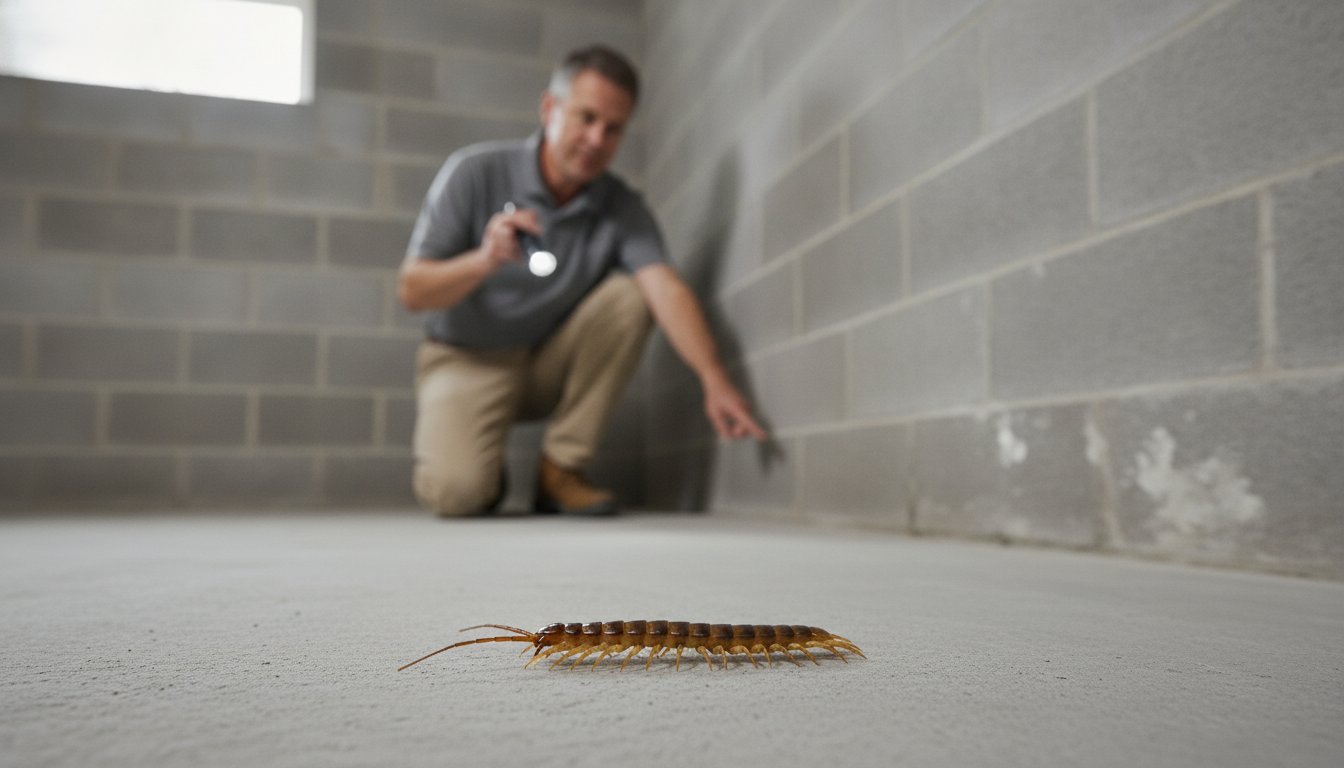
    Finding a multi-legged intruder darting across the basement floor isn’t just a startling surprise; it’s a clear signal that a home’s environment has shifted in favor of pests. Most homeowners in Northwest Pennsylvania and Northeast Ohio feel an immediate sense of unease when encountering the frantic movement of a house centipede or the coiled presence of a millipede. It’s natural to worry about potential bites or the skin irritation some species can cause, especially when sightings become frequent in damp crawlspaces. When these pests move indoors, consulting a professional centipede and millipede exterminator is often the most efficient way to address the root cause of the invasion.

    It’s understandable to want these startling guests gone quickly. This guide provides the knowledge needed to accurately identify these different species, understand the moisture issues that draw them inside, and implement effective exclusion strategies to keep them out. You’ll gain a clear overview of professional management techniques and prevention steps tailored for properties in Erie, Crawford, and Ashtabula counties.

    Disclaimer: The information provided on this blog is for general informational purposes only and is not intended as professional pest control advice. Conditions vary by property, environment, and location. Reading this content does not create a service agreement. For an inspection or professional recommendations, please contact Mosquito Assassin Pest Control LLC directly.
    Key Takeaways

    • Learn to distinguish between flat-bodied centipedes and cylindrical millipedes by identifying their leg counts and physical structures.
    • Understand how the high humidity levels of the Lake Erie region, particularly in Erie and Ashtabula counties, create ideal conditions for these pests to thrive.
    • Discover how a professional centipede and millipede exterminator uses targeted barrier treatments and property assessments to stop migration into the home.
    • Identify the importance of long-term moisture management and exclusion strategies to secure crawlspaces and basements against future infestations.
    • Gain insights into managing the pest food chain to reduce the presence of predatory centipedes through year-round monitoring and maintenance.

    Understanding Centipede and Millipede Activity in the Tri-County Area

    While many property owners refer to them as “bugs,” centipedes and millipedes are not actually insects. They are land-dwelling arthropods, a group that also includes spiders and crustaceans. In the Lake Erie region, specifically across Erie and Ashtabula counties, these pests are heavily attracted to high-moisture environments. Sightings typically increase during seasonal transitions in the spring and fall when outdoor temperatures fluctuate, driving them to find more stable climates. These pests are moisture-dependent arthropods that seek refuge in human structures when their natural habitats become too saturated or too dry.

    To better understand how these pests behave and the challenges they present, watch this helpful video:

    The Role of Centipedes as Predatory Indicators

    House centipedes function as predatory indicators within a residential or commercial building. Because they are strictly carnivorous, they spend their time hunting other common household pests such as ants, spiders, and silverfish. If you see them frequently, it usually means there is a robust food source already established behind your walls or under your floors. A professional centipede and millipede exterminator doesn’t just look for the centipedes; they assess the property for the underlying infestations that are drawing these predators inside. Understanding specific Centipede characteristics, such as their speed and nocturnal hunting habits, is essential for effective management. Professional pest control strategies focus on removing both the predators and the secondary pests to ensure a long-term solution.

    Millipedes and the Decomposition Cycle

    Millipedes play a very different role in the local ecosystem compared to centipedes. They are scavengers that primarily feed on decaying organic matter, making them a vital part of the natural decomposition cycle. You’ll often find large populations congregating near mulch beds, leaf piles, or damp wood located near a home’s foundation. In Crawford County, where basements and crawlspaces often retain excess moisture, millipedes may migrate indoors in massive numbers. This migration is typically triggered by weather extremes. When heavy rains soak the soil or drought conditions dry out their mulch habitats, they move toward the damp, dark recesses of a building’s lower levels. Managing the exterior environment is a critical step for any centipede and millipede exterminator to prevent these seasonal invasions.

    Disclaimer: The information provided on this blog is for general informational purposes only and is not intended as professional pest control advice. Conditions vary by property, environment, and location. Reading this content does not create a service agreement. For an inspection or professional recommendations, please contact Mosquito Assassin Pest Control LLC directly.

    Identifying the Difference Between Centipedes and Millipedes

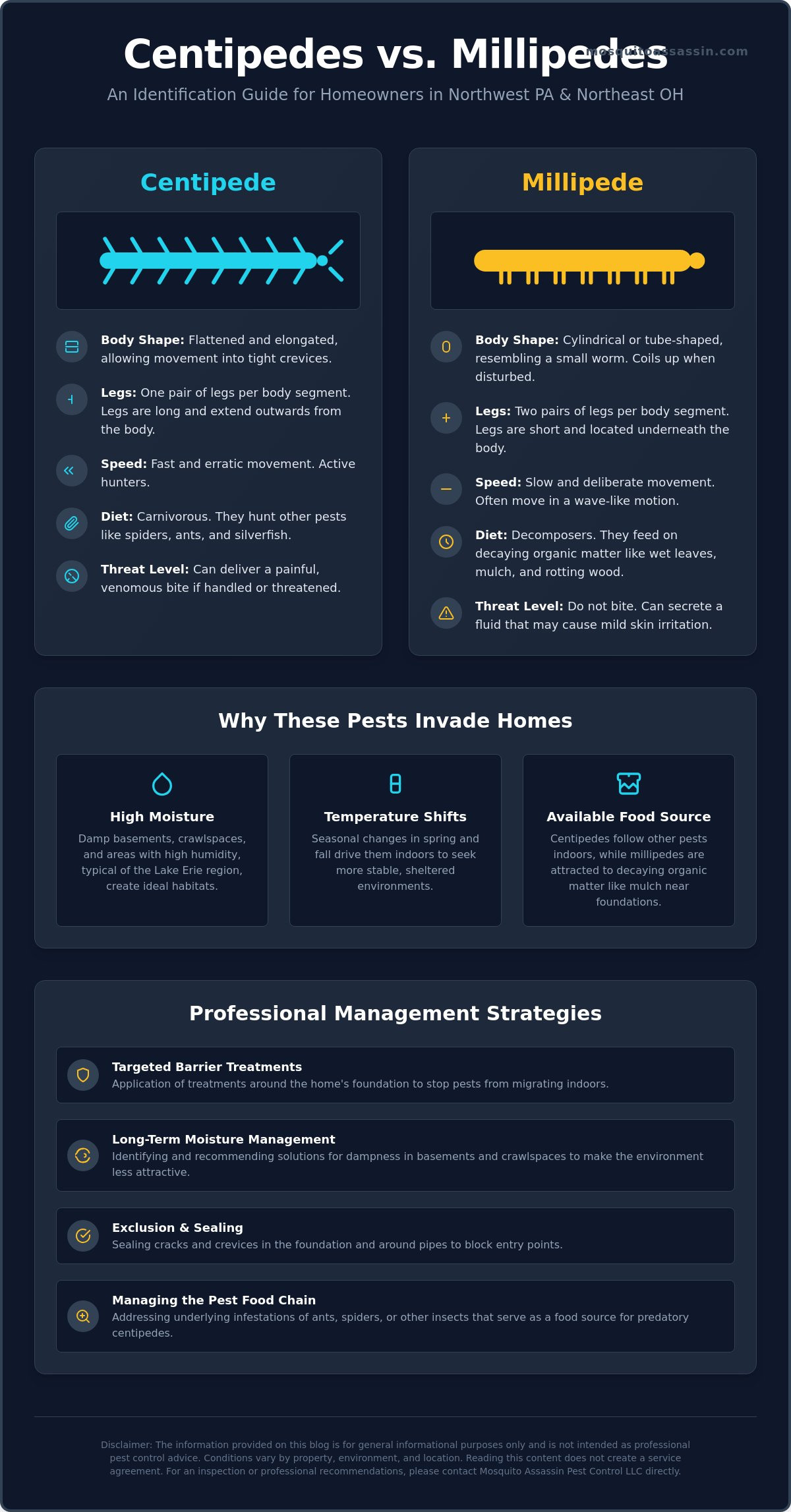
    Distinguishing between these two multi-legged intruders is the first priority for any property owner in Northwest Pennsylvania or Northeast Ohio. While they both favor the damp environments found in Erie and Crawford counties, their biological structures and behaviors are vastly different. A professional centipede and millipede exterminator relies on these specific traits to determine the most effective strategy for your home. Proper identification ensures that the root cause of the infestation, whether it is decaying organic matter or a secondary pest population, is addressed correctly.

    The most obvious physical difference lies in their body shapes. Centipedes possess flat, elongated bodies that allow them to squeeze into incredibly tight crevices. Millipedes are cylindrical and resemble small, armored worms. Their leg configuration is another definitive marker. If you look closely, centipedes have exactly one pair of long legs per body segment. Millipedes have two pairs of shorter legs per segment, except for the first three segments which feature only one pair each. This structural difference dictates how they move through a basement or crawlspace.

    Centipede Physical Traits and Behavior

    Centipedes are built for speed and aggression. Their long, delicate legs extend outward from the body, enabling rapid bursts of movement to chase down prey. They are equipped with venom glands located in their first pair of appendages, which they use to paralyze small insects. While this makes them formidable hunters in the insect world, they are rarely harmful to humans. You’ll typically find them in dark, secluded areas like wall voids, floor drains, or behind baseboards. Because they are active hunters, effective pest management strategies must account for their high mobility and the presence of their food sources.

    Millipede Physical Traits and Defense Mechanisms

    Millipedes move with a slow, rhythmic, wave-like motion. Their legs are short and positioned directly underneath their bodies. Unlike the predatory centipede, the millipede is a scavenger that consumes decaying plant matter. When they feel threatened, they don’t run; instead, they coil into a tight spiral to protect their soft undersides. Some species can also secrete a foul-smelling fluid to deter predators. In areas like Ashtabula County, heavy rainfall often triggers mass migrations. They may wander into basements in large groups seeking higher ground, though they usually die quickly if they cannot find a moisture source. Understanding these behaviors helps in selecting the right general pest control plans to secure your property.

    Disclaimer: The information provided on this blog is for general informational purposes only and is not intended as professional pest control advice. Conditions vary by property, environment, and location. Reading this content does not create a service agreement. For an inspection or professional recommendations, please contact Mosquito Assassin Pest Control LLC directly.

    Why These Pests Invade Pennsylvania and Ohio Homes

    The Lake Erie region experiences specific environmental pressures that make homes in Erie and Ashtabula counties particularly vulnerable to arthropod invasions. High humidity levels near the lakefront create ideal breeding grounds for moisture-seeking pests. Inland, the heavy soils of Crawford County often lead to basements and crawlspaces that retain excess moisture for long periods. Because these pests are so sensitive to dehydration, the local climate in Northwest Pennsylvania necessitates professional moisture management as a core component of any effective pest strategy.

    Structural vulnerabilities also play a significant role in these invasions. Many homes in this region feature older foundations with small cracks or gaps that developed as the structures settled over time. These openings provide easy entry points for leggy intruders. When property owners struggle with recurring sightings, a centipede and millipede exterminator can identify these subtle access points that a typical homeowner might overlook during a routine inspection.

    The Impact of Local Moisture and Humidity

    Damp foundations and sump pump areas act as primary attractants for millipedes, which require high humidity to survive. Inside the home, condensation on cold water pipes provides the necessary hydration for house centipedes. Utilizing professional general pest control helps property owners identify these specific moisture hotspots before they become major issues. According to the University of California guide to centipedes and millipedes, managing the environment is often more effective than chemical application alone. Addressing these damp areas reduces the overall hospitality of the home to multi-legged pests.

    Seasonal Migration Patterns in the Region

    The transition between seasons is the most common time for infestations to peak in the Tri-County area. In the fall, sharp temperature drops push arthropods toward the warmth of heated foundations. Conversely, heavy spring rains often flood outdoor habitats in mulch beds or leaf litter; this forces pests into the lower levels of homes to escape drowning. Identifying these regional patterns is key to establishing year-round protection. By understanding when these migrations occur, a centipede and millipede exterminator can apply preventative barriers at the most critical times to block entry before the pests settle indoors.

    Disclaimer: The information provided on this blog is for general informational purposes only and is not intended as professional pest control advice. Conditions vary by property, environment, and location. Reading this content does not create a service agreement. For an inspection or professional recommendations, please contact Mosquito Assassin Pest Control LLC directly.
    Centipede and Millipede Exterminator: A Guide to Professional Control

    Professional Strategies for Effective Extermination and Exclusion

    Professional intervention transforms a home from a vulnerable target into a fortified structure. While understanding biology and moisture is a vital first step, definitive control requires a methodical approach that addresses both the pests currently inside and those waiting to enter. A professional centipede and millipede exterminator begins by conducting a high-level assessment to map out specific species activity and identify the structural entry points unique to the property. This evaluation determines whether the infestation is a localized moisture issue or a broader structural vulnerability that requires professional expertise to resolve.

    The Three-Step Process: Removal, Maintenance, and Exclusion

    Effective pest management follows a disciplined three-step operational approach designed for the specific needs of properties in Erie, Crawford, and Ashtabula counties. Initial removal focuses on eliminating active populations found in lower levels, crawlspaces, or behind baseboards where dampness persists. Once the internal population is managed, maintenance plans establish a protective perimeter barrier around the foundation to intercept new arrivals from mulch beds or leaf litter. The final and most critical step is exclusion. This involves sealing the ‘highway’ that pests use to enter the living space. Technicians focus on sealing hairline cracks in masonry, gaps around basement windows, and voids where utility lines penetrate the foundation. By securing the sill plates and door thresholds, the structural integrity of the pest barrier is maintained year-round.

    Why DIY Methods Often Fail

    Many property owners attempt to resolve infestations using over-the-counter sprays, but these products rarely provide lasting results. These treatments often fail to reach pests hiding deep within wall voids, under heavy insulation, or inside floor drains. While using a dehumidifier is a helpful step for managing the internal environment, it does not address the external structural gaps that allow pests to return during the next heavy rain or temperature drop. Professional pest control may help reduce risk by utilizing advanced application methods and specialized materials that provide more durable protection than retail alternatives. Engaging a centipede and millipede exterminator ensures that the treatment is applied where it is most effective, reaching the hidden voids where these arthropods thrive. For a definitive resolution to multi-legged pest problems, property owners can request a professional assessment to secure their property and restore peace of mind.

    Disclaimer: The information provided on this blog is for general informational purposes only and is not intended as professional pest control advice. Conditions vary by property, environment, and location. Reading this content does not create a service agreement. For an inspection or professional recommendations, please contact Mosquito Assassin Pest Control LLC directly.
    Maintaining a Pest-Free Environment Year-Round

    Establishing a property as a fortress against multi-legged intruders requires more than a single visit. Continuous monitoring is the most effective way to prevent small, occasional sightings from escalating into large scale infestations. Because homes in Northwest Pennsylvania and Northeast Ohio are subject to heavy seasonal shifts, the structural and environmental conditions of a basement or crawlspace can change within a few months. Regular inspections allow property owners to stay ahead of these changes, identifying new moisture issues or foundation settling before pests find a way inside. A professional centipede and millipede exterminator provides the specialized oversight needed to maintain these defenses throughout the year.

    One of the most critical aspects of long-term control is managing the “pest food chain.” Predatory centipedes are attracted to properties where other insects like ants, spiders, or silverfish are already established. By implementing comprehensive insect control, you remove the primary reason these predators enter your living space. In many cases, professional rodent removal and general insect management work together to create a total protection strategy. When the food source is gone, the centipedes have no reason to stay.

    The Importance of Perimeter Protection

    Treating the exterior foundation serves as your property’s first line of defense. This barrier intercepts millipedes and centipedes before they reach the cracks and crevices of your home’s exterior. Homeowners can support these professional efforts by reducing mulch depth to less than two inches and clearing leaf debris or damp wood piles away from the foundation. These simple steps limit the high-moisture habitats where millipedes congregate in massive numbers. For business owners in the Tri-County area, these same principles apply; you can learn more about commercial pest control services to protect your professional reputation and property value.

    Securing Your Home for the Long Term

    Consistent service plans are the only true way to remain totally pest-free as the seasons change. In Erie and Crawford counties, the transition from a wet spring to a humid summer often brings different pest pressures. A professional mosquito control program can often be integrated with general pest services to provide a holistic shield for both the interior and exterior of the home. This multi-layered approach ensures that whether the threat is crawling in the basement or flying in the yard, the property remains secure. For an inspection or professional recommendations, it’s best to contact a local expert who understands the specific environmental challenges of the Lake Erie region. Engaging a centipede and millipede exterminator for regular maintenance ensures that your home remains a dry, hostile environment for pests and a comfortable sanctuary for your family.

    Disclaimer: The information provided on this blog is for general informational purposes only and is not intended as professional pest control advice. Conditions vary by property, environment, and location. Reading this content does not create a service agreement. For an inspection or professional recommendations, please contact Mosquito Assassin Pest Control LLC directly.
    Securing Your Property Against Future Infestations

    Managing centipede and millipede activity requires a strategic focus on the environmental factors that draw them indoors. By addressing the high humidity levels common in Northwest Pennsylvania and Northeast Ohio and sealing the structural gaps in older foundations, property owners can disrupt the pest life cycle. Professional exclusion services provide a definitive solution by blocking entry points that DIY methods often overlook. Comprehensive year-round protection plans ensure that as seasonal transitions occur, your home remains a fortified environment.

    Identifying the root cause of moisture and the secondary pests that attract predators is essential for success. If sightings persist in your basement or crawlspace, consulting a professional centipede and millipede exterminator can help restore the security of your living area. This locally owned and operated team understands the unique climate challenges of Erie, Crawford, and Ashtabula counties. To safeguard your home, schedule a professional pest inspection for your home to receive expert recommendations tailored to your property. Proactive measures today prevent small moisture issues from becoming significant pest problems tomorrow.

    Disclaimer: The information provided on this blog is for general informational purposes only and is not intended as professional pest control advice. Conditions vary by property, environment, and location. Reading this content does not create a service agreement. For an inspection or professional recommendations, please contact Mosquito Assassin Pest Control LLC directly.

    Frequently Asked Questions

    Are centipedes or millipedes dangerous to my family or pets?

    They are primarily considered nuisance pests and aren’t dangerous to your family or pets. Millipedes don’t bite or sting, though some species can secrete a fluid that irritates sensitive skin. Centipedes use venom to paralyze prey, but they rarely bite humans unless handled. When a bite does occur, the sensation is usually comparable to a mild bee sting. These arthropods don’t carry diseases or cause structural damage to your home.

    Why do I keep seeing centipedes in my bathroom or basement?

    These areas provide the high moisture and darkness these arthropods need to survive. Bathrooms and basements often have floor drains, pipe condensation, or sump pumps that create damp environments. Frequent sightings in these lower levels often indicate an underlying population of other small insects, such as spiders or silverfish, that serve as a consistent food source for predatory house centipedes.

    How do centipedes and millipedes get into my home?

    They enter through small cracks in the foundation, gaps around basement windows, and voids where utility lines pass through walls. Because centipedes have flat bodies, they can squeeze through very narrow openings. Millipedes often crawl under door thresholds or through weep holes in brickwork during seasonal migrations or after heavy rain saturates the soil outside, seeking higher and drier ground.

    Can a dehumidifier get rid of a centipede infestation?

    A dehumidifier helps reduce the moisture that attracts them, but it rarely eliminates an established infestation on its own. While it makes the environment less hospitable, it doesn’t address the structural entry points or the existing food chain. A professional centipede and millipede exterminator combines moisture control with exclusion and targeted treatments for a definitive result that addresses the root cause of the problem.

    What do centipedes and millipedes eat?

    Their diets are completely different, consisting of either living insects or decaying plant matter. Centipedes are carnivorous hunters that eat spiders, ants, silverfish, and other small household pests. Millipedes are scavengers that primarily feed on decaying organic matter like damp wood, leaf litter, and mulch. Understanding these dietary preferences helps professionals identify the specific environmental factors that are attracting each pest to your property.

    When should I call a professional exterminator for these pests?

    You should seek professional help if sightings become frequent or if you discover large numbers of millipedes congregating in your basement. Engaging a centipede and millipede exterminator is the best course of action when you can’t identify the entry points or the food source sustaining the population. Professional pest control may help reduce risk by identifying structural vulnerabilities and implementing a long-term exclusion strategy.

    Do centipedes bite humans?

    Yes, centipedes can bite if they are handled or feel threatened, but such incidents are rare. Their “bite” is actually delivered by a pair of modified front legs that function like fangs to inject venom into prey. For most people, a centipede bite causes localized pain and swelling similar to a wasp sting. They don’t seek out humans and typically prefer to run away when discovered in a home.

    How can I prevent millipedes from entering my house after it rains?

    Reducing the amount of organic debris near your foundation is the most effective preventative step. Clear away wet leaves and keep mulch depth below two inches. Ensure that downspouts direct water away from the house. In Northwest Pennsylvania and Northeast Ohio, sealing gaps in masonry and installing tight door sweeps can also block their path when they migrate toward your foundation after heavy summer rains.

    Disclaimer: The information provided on this blog is for general informational purposes only and is not intended as professional pest control advice. Conditions vary by property, environment, and location. Reading this content does not create a service agreement. For an inspection or professional recommendations, please contact Mosquito Assassin Pest Control LLC directly.
  • Eco-Friendly Pest Management: A Professional Guide for Homeowners

    Eco-Friendly Pest Management: A Professional Guide for Homeowners

    What if the most effective way to eliminate pests didn’t involve a single drop of harsh chemicals inside your living room? Many property owners in Erie and Crawford counties in Pennsylvania or Ashtabula County in Ohio often worry that Integrated Pest Management for homeowners won’t be enough to stop a serious infestation. It’s understandable to feel skeptical when marketing claims often blur the line between actual efficacy and simple “green” branding. You deserve a home that’s both secure and free from unwanted invaders.

    This guide explains how environmentally responsible strategies provide a scientifically backed framework to achieve a pest-free environment through prevention and targeted, low-impact solutions. You’ll learn how to identify the root causes of infestations, implement natural barriers, and understand professional methodologies that prioritize the safety of your family and the local ecosystem. By the end of this article, you’ll have a clear roadmap for maintaining a clean, sustainable property without relying on outdated or aggressive treatments.

    Disclaimer: The information provided on this blog is for general informational purposes only and is not intended as professional pest control advice. Conditions vary by property, environment, and location. Reading this content does not create a service agreement. For an inspection or professional recommendations, please contact Mosquito Assassin Pest Control LLC directly.

    Key Takeaways

    • Understand how Integrated Pest Management for homeowners shifts the focus from reactive spraying to proactive, science-based prevention.
    • Learn why accurate pest identification is the essential first step in creating a targeted, environmentally responsible management plan.
    • Explore the benefits of botanical and mineral-based options that effectively manage common pests while prioritizing the safety of your family.
    • Discover practical habitat modification and exclusion techniques to naturally reduce pest populations around your property in Erie or Ashtabula.
    • Identify the specific scenarios where professional expertise is necessary to resolve serious infestations using specialized, low-impact tools.

    What is Integrated Pest Management (IPM) for Homeowners?

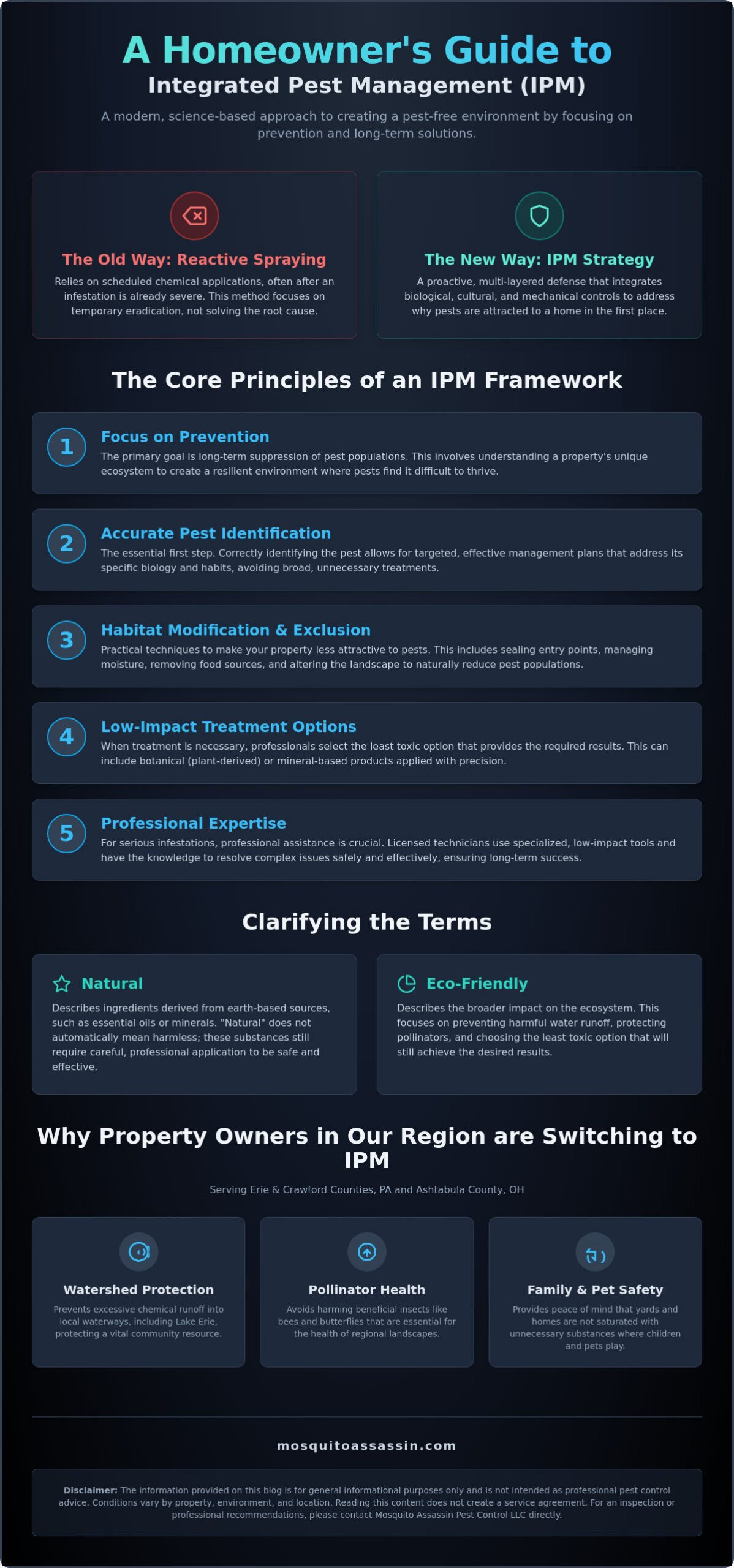
    Eco-friendly pest management is more than just a buzzword; it’s a comprehensive strategy designed to minimize risks to human health and the environment. This methodology, officially known as What is Integrated Pest Management?, represents a fundamental shift in how property owners address infestations. Instead of relying solely on reactive chemical applications after a problem has already spiraled out of control, this approach prioritizes proactive, science-based prevention. It’s a disciplined way of thinking that looks at the entire ecosystem of a home rather than just the visible pests.

    The primary goal of Integrated Pest Management for homeowners is the long-term suppression of pest populations. Traditional methods often focus on temporary eradication, which might kill the visible insects but leaves the underlying causes untouched. By integrating biological, cultural, and mechanical controls, professionals can address the reasons why pests are attracted to a home in the first place. This multi-layered defense creates a more resilient environment where pests find it difficult to survive or reproduce. It’s about solving the problem at its source rather than just managing the symptoms.

    To better understand how these scientific principles work in practice, watch this helpful video:

    The Difference Between Natural and Eco-Friendly

    Many people use the terms natural and eco-friendly interchangeably, but they have distinct meanings in professional pest control. Natural ingredients are derived from earth-based sources, such as essential oils or minerals. However, being natural doesn’t mean a product is harmless; these substances still require careful professional application to be effective. Eco-friendly describes the broader impact on the surrounding ecosystem. This includes ensuring that treatments don’t lead to harmful water runoff or threaten the safety of local pollinators. Licensed professionals often select the least toxic option that still provides the necessary results, proving that safety and efficacy can go hand in hand when handled by an expert.

    Why Local Property Owners are making the Switch

    Homeowners in Erie and Crawford Counties in Pennsylvania, along with those in Ashtabula County in Ohio, are increasingly choosing sustainable methods for several regional reasons. Protection of local watersheds is a major factor. Because these areas are situated near Lake Erie, preventing excessive chemical runoff into the lake is a community priority. There’s also a growing awareness regarding pollinator health. Regional landscapes rely on bees and butterflies to thrive, and traditional broad-spectrum sprays can inadvertently harm these beneficial insects. Finally, property owners simply want peace of mind. They want to know that the spaces where their children play and their pets roam aren’t being saturated with unnecessary substances. Choosing Integrated Pest Management for homeowners allows for a pest-free environment without compromising these local values.

    Disclaimer: The information provided on this blog is for general informational purposes only and is not intended as professional pest control advice. Conditions vary by property, environment, and location. Reading this content does not create a service agreement. For an inspection or professional recommendations, please contact Mosquito Assassin Pest Control LLC directly.
    The Core Principles of an IPM Framework

    Licensed professionals view the Core Principles of an IPM Framework as the gold standard for environmentally responsible pest control. This isn’t a single treatment but a multi-step process that requires discipline and technical knowledge. Integrated Pest Management for homeowners begins with the understanding that every property is a unique ecosystem. By analyzing how pests interact with your specific environment, professionals can create a customized plan that targets only the problem species without causing collateral damage to your home or yard.

    Accurate identification is the cornerstone of this process. It’s the difference between treating for a simple nuisance ant and identifying a carpenter ant infestation that could threaten your home’s structure. Without proper identification, any treatment is a gamble. Monitoring and regular inspections determine the exact level of intervention needed. This ensures that products are only used when pest populations exceed a specific threshold, avoiding unnecessary chemical exposure for your family. If you’re struggling to identify a persistent issue, professional pest control may help reduce risk by providing a definitive diagnosis.

    The Four Pillars of Professional IPM

    A successful framework relies on four distinct stages of action:

    • Inspection: A thorough walkthrough identifies entry points, moisture issues, and food sources that attract pests.
    • Identification: Experts distinguish between harmless local insects and those that pose health or structural risks.
    • Prevention: This stage uses physical barriers and habitat modification to stop pests before they ever cross your threshold.
    • Control: When intervention is required, professionals utilize the most targeted, low-impact options available for that specific situation.

    The Role of Beneficial Insects and Biodiversity

    Don’t assume every bug in your yard is a threat. Encouraging natural predators like ladybugs or lacewings can help manage garden-based pests naturally. Professional strategies in areas like Erie and Meadville aim to preserve these beneficial populations while managing target pests like mosquitoes and ticks. A healthy, balanced ecosystem is often the best defense against a major infestation. When the local biodiversity is protected, it creates a natural check and balance system that keeps pest numbers from reaching critical levels. Integrated Pest Management for homeowners prioritizes this balance, ensuring your property remains a safe haven for your family and the local environment.

    Disclaimer: The information provided on this blog is for general informational purposes only and is not intended as professional pest control advice. Conditions vary by property, environment, and location. Reading this content does not create a service agreement. For an inspection or professional recommendations, please contact Mosquito Assassin Pest Control LLC directly.

    Common Low-Impact and Botanical Treatment Options

    Many property owners worry that choosing environmentally responsible options means sacrificing results. This skepticism often stems from a misunderstanding of the science behind modern botanical and mineral-based treatments. Professional-grade products used in Integrated Pest Management for homeowners are specifically formulated to provide better residual performance than basic home-made remedies. While a DIY essential oil spray might provide a few hours of relief, professional concentrations are designed to remain active and effective throughout the season. These tools allow for a surgical approach to pest control, focusing on the target species while minimizing the footprint on the local Erie and Ashtabula environment.

    The efficacy of these methods relies on a deep understanding of Actionable IPM Prevention. By combining biological knowledge with targeted applications, the need for broad-spectrum sprays inside the living areas of a home is significantly reduced. Instead of saturating a room, professionals might use targeted baiting systems that pests carry back to their nests. This precision ensures that the treatment stays where it’s needed, protecting the safety of family members and pets. It’s a methodical transition from the aggressive, wide-reaching applications of the past to a more disciplined, evidence-based strategy.

    Botanical Extracts and Essential Oils

    Ingredients like rosemary, peppermint, and cedarwood oil are far more than just pleasant scents. In professional concentrations, these oils act as powerful natural repellents that disrupt the sensory systems of many insects. Another critical botanical tool is pyrethrin, which is derived from the Chrysanthemum flower. Pyrethrins provide a swift knockdown of pests, meaning they work almost instantly upon contact. Because they have low environmental persistence, they break down quickly after doing their job. This makes them a preferred choice for those prioritizing a low-impact approach in regional Pennsylvania and Ohio landscapes where pollinator safety is a primary concern.

    Mineral-Based Solutions and Targeted Baits

    Mineral-based products offer a physical rather than chemical mode of action, which is a major advantage in long-term pest management. Diatomaceous Earth (DE) consists of fossilized algae that work by dehydrating insects with an exoskeleton. It creates a non-toxic physical barrier that remains effective as long as it stays dry. Similarly, silica gels are utilized in professional exclusion work to provide long-lasting protection within wall voids where pests like to hide. For social insects like ants, boric acid is often used in targeted bait stations. This method utilizes low-volatility control to eliminate the colony at its source without releasing substances into the air, providing a clean and effective resolution.

    Disclaimer: The information provided on this blog is for general informational purposes only and is not intended as professional pest control advice. Conditions vary by property, environment, and location. Reading this content does not create a service agreement. For an inspection or professional recommendations, please contact Mosquito Assassin Pest Control LLC directly.
    Eco-Friendly Pest Management: A Professional Guide for Homeowners

    Actionable Prevention: Habitat Modification and Exclusion

    Prevention is the most effective and environmentally responsible tool available to any property owner in Erie or Ashtabula County. By focusing on the physical environment, you can naturally lower the number of pests your land can support. This concept, known as reducing carrying capacity, is a fundamental part of Integrated Pest Management for homeowners. When you remove the resources pests need to survive, you significantly decrease the likelihood of a serious infestation taking root. It’s a methodical way to protect your investment without relying on constant intervention.

    Many professional general pest control strategies prioritize these mechanical and cultural steps before considering any form of treatment. Routine maintenance tasks, such as clearing debris or fixing drainage issues, act as a permanent barrier against invaders. It’s a proactive mindset that saves time and resources in the long run. By making your home less attractive to insects and rodents, you’re practicing the most sustainable form of management possible.

    Outdoor Maintenance for Mosquito and Tick Reduction

    Regional landscapes in Northwest Pennsylvania and Northeast Ohio are prone to high moisture levels, which can lead to rapid pest breeding. Eliminating standing water in clogged gutters, birdbaths, and low spots in the yard is essential to disrupt the mosquito control program cycle. Additionally, keeping grass mowed and clearing brush at property edges reduces questing zones for ticks. Storing firewood and debris piles away from the foundation is another critical step, as these areas often serve as primary nesting sites for rodents and insects alike. These simple changes can drastically reduce the pest pressure on your immediate living space.

    Structural Exclusion Techniques to Block Entry

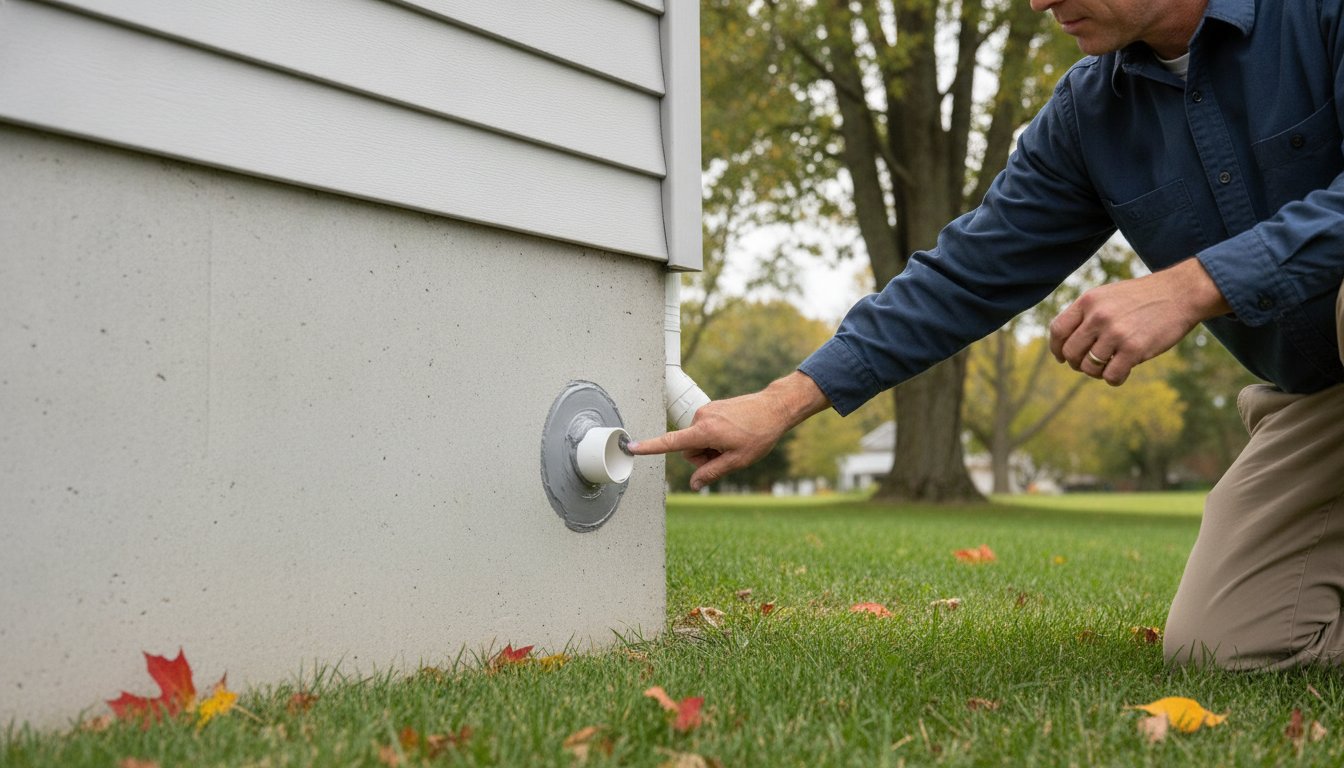
    Pests are opportunistic and will exploit the smallest vulnerabilities in a home’s exterior. Structural exclusion involves physically blocking these entry points to keep the interior secure. Sealing gaps around utility lines, pipes, and doors using copper mesh or professional grade sealants is a highly effective, non-toxic method. Repairing damaged window screens and installing heavy duty door sweeps further fortifies the perimeter. Addressing moisture issues in crawlspaces is equally important, as many pests are naturally attracted to damp, dark environments. Keeping these areas dry and sealed is a primary defense against structural damage and contamination.

    Taking these steps builds a solid foundation for a pest-free home. However, some properties face unique environmental challenges that require a more detailed assessment. Integrated Pest Management for homeowners is a continuous process, and professional pest control may help reduce risk when property challenges become overwhelming.

    Disclaimer: The information provided on this blog is for general informational purposes only and is not intended as professional pest control advice. Conditions vary by property, environment, and location. Reading this content does not create a service agreement. For an inspection or professional recommendations, please contact Mosquito Assassin Pest Control LLC directly.

    When to Seek Professional IPM Assistance

    While proactive habitat modification is a powerful tool, certain situations demand a higher level of intervention. Complex challenges like professional rodent removal or managing dense tick populations often require specialized knowledge that goes beyond retail solutions. Licensed professionals have access to industrial grade equipment and high quality botanical formulations that aren’t available to the general public. These professional grade tools are designed for maximum efficacy while still adhering to the strict safety standards of Integrated Pest Management for homeowners.

    A professional inspection provides a level of detail that DIY methods often miss. Experts can identify hidden nesting sites inside wall voids, attic spaces, or deep within the property’s perimeter. For residents in Erie, Crawford, and Ashtabula Counties, this local expertise is vital. Regional pest cycles are influenced by the unique climate of the Great Lakes. A professional who lives and works in these same neighborhoods understands exactly when and where pests are likely to strike based on local weather patterns and seasonal shifts.

    Evaluating the Scale and Risk of an Infestation

    It’s essential to identify when a pest poses a direct health risk to your household. For example, deer ticks carrying Lyme disease represent a significant threat in Pennsylvania and Ohio landscapes. The scale of the infestation also dictates the response. A small ant trail in the kitchen is a different challenge than a large colony established deep within the structural walls. Professional pest control may help reduce risk by utilizing precise, low-impact tools that match the severity of the problem without compromising your environmental standards. This ensures the resolution is both effective and responsible.

    Finding a Sustainable Partner in PA and OH

    When selecting a service provider, look for a partner that prioritizes Integrated Pest Management for homeowners and offers transparent information regarding their treatment options. The ideal partner should be deeply familiar with the specific geographic challenges of Northwest Pennsylvania and Northeast Ohio. They should focus on long term resolution and exclusion rather than quick, temporary fixes that ignore the root cause. For professional recommendations or a thorough property inspection, contact a local specialist at www.mosquitoassassin.com/contact-us.

    Disclaimer: The information provided on this blog is for general informational purposes only and is not intended as professional pest control advice. Conditions vary by property, environment, and location. Reading this content does not create a service agreement. For an inspection or professional recommendations, please contact Mosquito Assassin Pest Control LLC directly.
    Securing Your Home with Sustainable Practices

    Adopting a science-based approach to pest control ensures the safety of your family and the local ecosystem. By prioritizing prevention and utilizing botanical or mineral-based treatments, property owners in Erie, Crawford, and Ashtabula Counties can maintain a pest-free environment without relying on aggressive chemicals. This methodical shift toward Integrated Pest Management for homeowners provides long-term results by addressing the root causes of infestations rather than just the symptoms. Whether you’re managing seasonal mosquito cycles or fortifying your home through structural exclusion, these professional standards offer a dependable path forward.

    Ongoing protection remains the most effective way to safeguard your property throughout the year. Professional seasonal protection plans are designed to manage risks before they become serious infestations. For an inspection or professional recommendations, please contact Mosquito Assassin Pest Control LLC directly. Taking proactive steps today ensures a healthier, more secure home for the future. You can rely on local expertise to keep your living space protected and your environment balanced.
    Disclaimer: The information provided on this blog is for general informational purposes only and is not intended as professional pest control advice. Conditions vary by property, environment, and location. Reading this content does not create a service agreement. For an inspection or professional recommendations, please contact Mosquito Assassin Pest Control LLC directly.
    Frequently Asked Questions

    Are eco-friendly pest control options as effective as traditional methods?

    Professional eco-friendly options are highly effective when they’re part of a science-based Integrated Pest Management plan. Modern botanical formulations are specifically engineered to provide a rapid knockdown of pests while maintaining a residual barrier that rivals traditional synthetic products. The key to success is the methodology; professionals combine these treatments with habitat modification to ensure the pest problem is resolved at its source rather than just temporarily masked.

    Is botanical pest control safe for use around children and pets?

    Botanical pest control products are selected for their low toxicity to mammals and their ability to break down quickly in the environment. These treatments utilize plant-derived ingredients like essential oils that target the specific nervous systems of insects rather than humans or animals. Once the application has dried, typically within 30 to 60 minutes, the treated areas are safe for children and pets to resume their normal activities without concern over harsh chemical residues.

    How often should eco-friendly treatments be applied to remain effective?

    The frequency of application depends on the specific pest and the environmental conditions of your property. For seasonal outdoor protection against mosquitoes and ticks in the Erie region, treatments are typically applied every 21 to 30 days. Indoor Integrated Pest Management for homeowners relies more on monitoring and exclusion; therefore, treatments are only applied when inspections show that pest activity has reached a specific threshold, reducing the overall amount of product used.

    Can natural methods really handle a serious mosquito or tick problem?

    Natural methods are exceptionally effective at managing heavy mosquito and tick pressure when they’re applied by a licensed professional. By using high-concentration botanical sprays that disrupt the breeding cycle and eliminating standing water, even severe infestations can be brought under control. These methods are particularly valuable in Northwest Pennsylvania and Northeast Ohio, where property owners want to protect their families while also preserving the health of local pollinators and watersheds.

    What is the most environmentally friendly way to get rid of mice?

    The most sustainable way to manage rodents is through a three-step exclusion process rather than relying on poisons. This involves identifying entry points, sealing them with professional-grade materials like copper mesh, and using mechanical traps to remove any mice currently inside the structure. This approach prevents secondary poisoning of local owls, hawks, and pets that might encounter a rodent that has consumed traditional bait, making it the safest choice for the local ecosystem.

    Do eco-friendly treatments have a strong or unpleasant odor?

    Eco-friendly treatments generally have a mild, pleasant scent derived from their natural ingredients, such as cedarwood, peppermint, or rosemary. Unlike traditional pesticides that often leave a lingering “chemical” smell, these botanical scents are light and tend to dissipate completely within a few hours of the application. Most homeowners find these natural aromas much more tolerable for indoor and outdoor living spaces alike.

    Will rain wash away botanical pest control treatments immediately?

    Professional botanical treatments are formulated with specialized sticking agents called surfactants that help the product adhere to foliage and surfaces. While they’re designed to withstand light to moderate rainfall, the heavy storms common near Lake Erie can eventually degrade the barrier. Regular monitoring as part of a professional protection plan ensures that the treatment is reapplied if the weather has significantly impacted its efficacy, maintaining a consistent level of protection for your property.

    How does professional green pest control differ from DIY natural remedies?

    Professional green pest control differs from DIY remedies in both the concentration of active ingredients and the inclusion of Integrated Pest Management for homeowners. While a home-made essential oil spray might provide temporary relief for a few hours, professional-grade botanicals are laboratory-tested for residual performance and stability. Additionally, professionals possess the specialized equipment needed to reach nesting sites in high eaves or deep brush that standard garden sprayers simply cannot reach.

    Disclaimer: The information provided on this blog is for general informational purposes only and is not intended as professional pest control advice. Conditions vary by property, environment, and location. Reading this content does not create a service agreement. For an inspection or professional recommendations, please contact Mosquito Assassin Pest Control LLC directly.
  • How to Get Rid of Silverfish: A Comprehensive Guide to Prevention and Control

    How to Get Rid of Silverfish: A Comprehensive Guide to Prevention and Control

    Finding a silverfish skittering across a cherished family photo or the pages of a rare book is more than a minor nuisance; it’s a direct threat to your most irreplaceable household assets. These resilient, nocturnal pests have survived for millions of years by hiding in the dark, damp corners of homes, often remaining undetected until the damage is already done. If you’ve struggled with failed DIY traps or felt a growing sense of anxiety about insects in your personal spaces, you aren’t alone. Many homeowners in Erie and Crawford Counties in Pennsylvania, and Ashtabula County in Ohio, face similar frustrations due to the high humidity levels common in the Great Lakes region. Learning how to get rid of silverfish requires a shift from reactive trapping to a proactive, methodical approach that targets their environment and behavior.

    This comprehensive guide provides the knowledge needed to identify infestations, understand why these pests are attracted to specific areas of a property, and implement professional-grade strategies for long-term control. You’ll gain a clear understanding of how to manage the environmental factors that invite these insects inside while learning to protect your household assets from destruction. By focusing on moisture management and exclusion techniques, you can achieve a pest-free home and ensure your sentimental items remain protected. The following sections explore the science behind their survival and the practical steps necessary to secure your living space against future generations of these silver-scaled intruders.

    Key Takeaways

    • Learn to identify the physical traits and nocturnal behaviors of silverfish to detect an infestation before damage occurs to books or photos.
    • Understand how the specific humidity levels and older foundations found in Pennsylvania and Ohio create ideal breeding grounds for these pests.
    • Discover practical dehumidification and exclusion techniques that naturally reduce indoor populations by making the environment less hospitable.
    • Explore how to get rid of silverfish through professional Integrated Pest Management strategies that address hidden nesting sites inaccessible to the average homeowner.
    • Establish a long-term maintenance checklist, including exterior landscaping adjustments, to protect your household assets year-round.

    Identifying Silverfish and Understanding the Scope of an Infestation

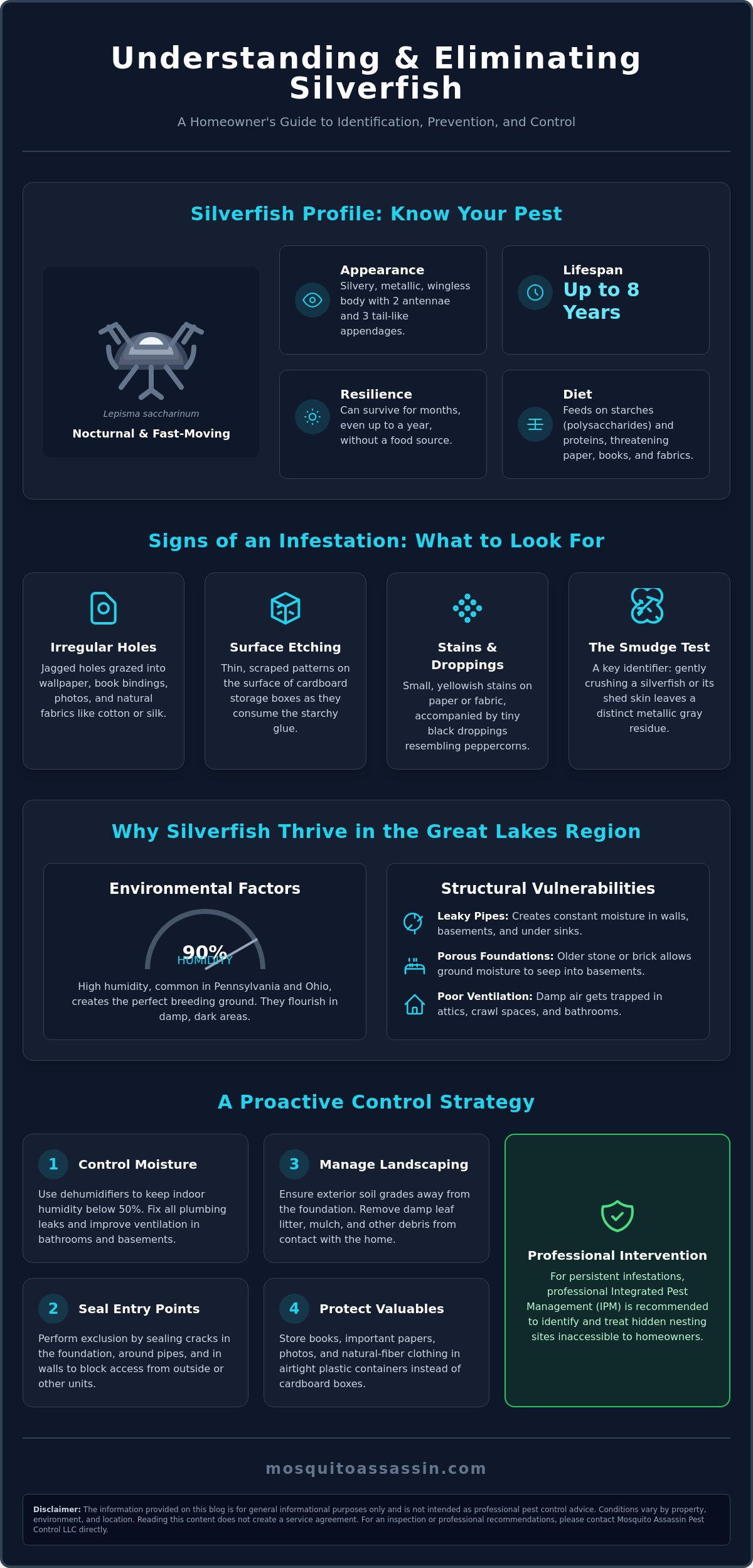
    The Silverfish, scientifically known as Lepisma saccharinum, is a resilient survivor that has existed for millions of years. These wingless, nocturnal insects are named for their silvery, metallic appearance and a distinct side-to-side swimming motion that mimics a fish. If you’re wondering how to get rid of silverfish, you first have to understand the biological advantages that make them so difficult to eliminate. They possess six legs, two long antennae, and three prominent tail-like appendages at the rear of their bodies, which act as sensory organs to help them detect threats in total darkness.

    One of the most significant challenges for homeowners in Erie and Crawford Counties is the silverfish lifecycle. Unlike many common household pests that live for only a few weeks, a single silverfish can survive for up to eight years. They reproduce rapidly throughout their long lives, meaning a small sighting in a Meadville attic can quickly escalate into a massive, multi-generational infestation. Their ability to go months without food while remaining active in damp environments makes them a persistent threat to your property. If you find a dead insect and aren’t sure of its identity, try the smudge test. Gently crushing a silverfish or its shed skin leaves behind a telltale metallic gray residue of scales on your fingers or the floor.

    Visual Identification and Behavior

    Silverfish are built for the shadows. They have an extreme aversion to light, which is why you’ll often see them darting with incredible speed toward a crack or crevice the moment you flip a bathroom switch. It’s easy to confuse them with firebrats, but their habitat preferences are different. While silverfish crave the cool, damp conditions of an Ashtabula basement, firebrats prefer much warmer, drier areas like furnace rooms or bakeries. If you spot nymphs, which are smaller and pure white rather than silver, it’s a clear sign of an active breeding site nearby. Understanding these behavioral cues is the first step in learning how to get rid of silverfish effectively.

    Common Signs of Silverfish Damage

    Because they are nocturnal, you’ll often see the damage they cause before you see the insects themselves. Silverfish feed on starches and proteins, which puts your most sentimental items at risk. Look for these specific indicators in your home:

    • Irregular Holes: Check wallpaper, book bindings, and natural fabrics like silk or cotton for jagged, irregular holes where the insects have grazed.
    • Surface Etching: In regional basements, examine cardboard storage boxes. Silverfish will scrape away the top layer of cardboard to reach the starch underneath, leaving thin, etched patterns.
    • Stains and Droppings: Look for small, yellowish stains on paper or fabric. You may also find tiny black droppings that resemble peppercorns scattered in the back of cabinets or drawers.

    Why Silverfish Thrive in Pennsylvania and Ohio Homes

    Residents in Erie and Crawford Counties in Pennsylvania, along with those in Ashtabula County in Ohio, deal with a specific set of environmental challenges. The Great Lakes region is known for its intense humidity, especially during the summer months. This atmospheric moisture is exactly what silverfish need to flourish. These insects are masters of survival; they can live for up to 365 days without a single meal. This biological resilience means that simply cleaning up crumbs won’t solve the problem. If you’re researching how to get rid of silverfish, it’s vital to recognize that they are often hiding in internal microclimates like leaky pipes or poorly ventilated attics where moisture remains constant.

    The architecture of our region also plays a role in pest activity. Many homes in Meadville and Ashtabula feature older stone or brick foundations. These porous materials often allow ground moisture to seep into basements, creating a permanent damp zone. When combined with poorly graded soil that directs rainwater toward the house, these foundations become ideal breeding grounds. For property owners dealing with persistent issues, seeking professional pest control tips for silverfish can help identify these structural vulnerabilities before they lead to significant property damage.

    The Critical Role of Humidity and Moisture

    Silverfish don’t just prefer moisture; they require it. To survive and reproduce, they generally need a relative humidity level between 75% and 95%. Common household fixtures often act as moisture collectors that sustain these pests. Dripping faucets, sweating pipes in the basement, and bathroom condensation are primary culprits. In the humid climates of Pennsylvania and Ohio, even a small leak can sustain a colony for years. Ensuring proper airflow in crawlspaces and using dehumidifiers are essential steps for anyone trying to figure out how to get rid of silverfish effectively.

    Starchy Food Sources and Household Attractions

    Beyond moisture, these insects are drawn to specific materials found in almost every home. Their diet focuses on polysaccharides, which are found in adhesives, book bindings, and starched clothing. Clutter provides both a food source and a safe harbor. Stacks of old newspapers, magazines, and cardboard boxes are high-value targets. Inside the kitchen, silverfish may target pantry staples like flour, cereal, and dried pasta. Managing these attractions is a key part of a general pest control plan that addresses the root causes of an infestation.

    Practical Steps to Reduce Silverfish Populations Naturally

    Reducing the environmental factors that sustain these pests is the most effective way to start the process of how to get rid of silverfish. Since they are highly dependent on moisture, as discussed in previous sections, your first priority is a strict dehumidification protocol. Use a hygrometer to monitor indoor levels; the goal is to consistently maintain relative humidity below 50 percent. This creates a hostile environment that halts their reproductive cycle and eventually leads to dehydration. Additionally, seal cracks and crevices with high-quality silicone caulk. This is especially critical in bathrooms and kitchens where plumbing penetrations provide easy highways through your walls. Transition all paper-based storage, including old tax records and sentimental photos, into airtight plastic bins. This simple change eliminates both their primary food source and their preferred hiding spots.

    Environmental Controls and Dehumidification

    Place dehumidifiers in the lowest levels of your home, such as a basement in Meadville or a crawl space in Ashtabula. This intercepts rising moisture before it permeates the rest of the structure. Run bathroom fans during and for at least 30 minutes after showers to mitigate steam buildup. Outside, check window wells and basement drains for standing water or debris. For those seeking a deeper dive into science-based management, the University of California’s guide to silverfish control offers additional insights into non-chemical interventions that focus on environmental modification to protect your property.

    Sanitation and Storage Habits

    Frequent vacuuming is a powerful tool for population reduction. It removes not just food particles, but also the tiny eggs that silverfish hide in carpet fibers and baseboard gaps. Follow the “first-in, first-out” rule for pantry items like flour and cereal to prevent long-term infestations in dry goods. Never store cardboard boxes directly on concrete basement floors. Concrete is porous and wicks moisture from the ground, turning the cardboard into a soggy, high-value food source. Instead, use metal or plastic shelving to keep items elevated and dry. This reduces the accessibility of your belongings and makes it much easier to inspect for any new signs of activity.

    How to Get Rid of Silverfish: A Comprehensive Guide to Prevention and Control

    Evaluating Professional Intervention for Persistent Infestations

    Many homeowners start their journey on how to get rid of silverfish by purchasing retail sticky traps. While these can confirm the presence of an infestation, they’re fundamentally limited because they only target adult insects. Since silverfish can live for up to eight years and reproduce continuously, catching a few adults on a glue board doesn’t stop the hundreds of eggs hidden in wall voids or attic insulation. Licensed professionals use an approach that goes beyond simple trapping to address the biological root of the problem and the environmental factors that allow it to persist.

    Identifying where these pests actually live is the hardest part for an untrained eye. They often nest in locations that are physically inaccessible to the average person, such as inside fiberglass insulation or deep within the structural gaps of older foundations in Ashtabula or Meadville. A professional inspection utilizes specialized tools and methodological knowledge to find these hubs. By targeting these specific zones, professional pest control may help reduce risk of significant property damage to books, documents, and natural fibers. There’s also a distinct safety advantage to professional intervention. DIY attempts often involve the broad application of over-the-counter sprays, which can be ineffective if misapplied and may lead to unnecessary chemical exposure in living spaces. Professionals prioritize targeted applications that focus on the pest’s harborage while minimizing impact on the household.

    When to Seek Licensed Assistance

    Seeing silverfish during the day is a major red flag. Because they’re strictly nocturnal, seeing them in the light usually means the population has grown so large that hiding spots are overcrowded. If you notice activity spreading into sensitive areas like home libraries, walk-in closets, or pantry storage, it’s time to consider an expert evaluation. Recurring sightings despite your best efforts at dehumidification suggest a deep-seated nesting problem that requires a more intensive strategy. Professionals can identify these hidden reservoirs and implement a plan to eliminate them at the source.

    The Integrated Pest Management (IPM) Approach

    The gold standard for modern pest management is Integrated Pest Management (IPM). This is a science-based strategy that focuses on long-term prevention rather than just reactive killing. The process follows a disciplined three-step cycle: a thorough inspection to identify the species and entry points, a targeted treatment phase, and ongoing monitoring to ensure the population doesn’t return. Comprehensive general pest control plans provide a protective barrier against various crawling insects, ensuring your home remains a secure environment. If natural methods aren’t enough to secure your property, exploring professional pest control services is a dependable way to reclaim your space and protect your assets.

    Maintaining a Pest-Free Environment in the Great Lakes Region

    Consistency is the final piece of the puzzle when learning how to get rid of silverfish in the Great Lakes region. In areas like Erie, Meadville, and Ashtabula, the fight against these pests doesn’t end after a single treatment. Because silverfish have long lifespans and can remain dormant without food, a seasonal maintenance checklist is essential for every homeowner. This includes regular inspections of the attic, basement, and crawl spaces where moisture tends to accumulate. While silverfish aren’t a direct health threat to humans, their presence is a loud signal that your home has environmental issues, specifically high humidity or structural leaks, that need immediate attention. Addressing these underlying factors is the only way to ensure your property remains secure over time.

    Landscaping choices often dictate the level of pest activity inside your home. Many property owners don’t realize that heavy mulch beds directly against the foundation act as a massive sponge for moisture, creating a perfect breeding ground for silverfish and other occasional invaders. Transitioning to year-round protection is the most reliable way to prevent these insects from re-establishing their colonies. Professional monitoring ensures that as soon as environmental conditions shift, your defenses are adjusted accordingly. By maintaining a clear perimeter and managing the exterior environment, you significantly reduce the pressure on your home’s interior spaces.

    Structural Exclusion and Exterior Maintenance

    Physical barriers are your first line of defense. Clear away fallen leaves, grass clippings, and organic debris from the foundation to reduce exterior moisture retention. Check door sweeps and window screens for even the smallest gaps; silverfish are experts at squeezing through tiny cracks during seasonal shifts. If possible, replace wood mulch with gravel or stone barriers directly against the house. This change eliminates the decaying organic matter that silverfish feed on and prevents moisture from being trapped against your siding or foundation blocks.

    Seasonal Considerations for PA and OH

    The climate in Pennsylvania and Ohio creates unique challenges for pest control. During the winter, heating systems dry out much of the house, which often drives silverfish into the remaining humid zones like bathrooms or laundry rooms. This concentrated activity makes them easier to spot but harder to manage without professional tools. The “spring surge” occurs when rising temperatures and heavy rainfall increase outdoor populations, leading to new waves of insects seeking entry. For specialized assistance tailored to these regional conditions, you can contact Mosquito Assassin Pest Control LLC to discuss how to get rid of silverfish and protect your household assets throughout the changing seasons.

    Disclaimer: The information provided on this blog is for general informational purposes only and is not intended as professional pest control advice. Conditions vary by property, environment, and location. Reading this content does not create a service agreement. For an inspection or professional recommendations, please contact Mosquito Assassin Pest Control LLC directly.
    Securing Your Property for the Long Term

    Successfully protecting your household assets requires a shift from reactive trapping to a systematic strategy of environmental control. By managing indoor humidity and sealing structural gaps, you disrupt the lifecycle of these resilient pests. Understanding how to get rid of silverfish effectively involves recognizing the unique moisture challenges of the Great Lakes region, from damp foundations to humid summers. While natural methods provide a strong foundation, persistent infestations often require the methodological approach of an expert who understands regional pest behavior. Licensed in both Pennsylvania and Ohio, Mosquito Assassin Pest Control LLC specializes in residential management and the specific behaviors of pests in Erie, Meadville, and Ashtabula. For professional recommendations or a property inspection, contact Mosquito Assassin Pest Control LLC today. You don’t have to manage these pests alone; with the right approach, a pest-free home is well within reach.

    Disclaimer: The information provided on this blog is for general informational purposes only and is not intended as professional pest control advice. Conditions vary by property, environment, and location. Reading this content does not create a service agreement. For an inspection or professional recommendations, please contact Mosquito Assassin Pest Control LLC directly.

    Frequently Asked Questions

    Do silverfish bite humans or pets?

    Silverfish do not bite humans or pets. They lack the mouthparts required to pierce skin and do not possess stingers or venom. While they are a significant nuisance because they damage property, they don’t pose a direct physical threat or transmit diseases to the members of your household. Their presence is primarily a threat to your belongings rather than your physical safety.

    How long can silverfish live without a food source?

    Silverfish are remarkably resilient and can survive for up to 365 days without a single food source. This survival capability makes it difficult to starve out an infestation simply by cleaning. Their ability to go long periods without eating is why figuring out how to get rid of silverfish requires a comprehensive approach that targets their environment rather than just their food supply.

    What is the difference between a silverfish and a firebrat?

    The primary difference between a silverfish and a firebrat is their preferred environment. Silverfish thrive in cool, damp areas with high humidity, such as basements or bathrooms. In contrast, firebrats prefer much hotter temperatures, often exceeding 90 degrees Fahrenheit, and are typically found near furnaces, ovens, or water heaters. Visually, firebrats have a mottled gray and brown appearance compared to the uniform silver of a silverfish.

    Can silverfish cause damage to my home’s structure?

    Silverfish do not cause structural damage to the wood or framing of your home like termites or carpenter ants. However, they can cause extensive cosmetic damage. They feed on the starches and adhesives found in wallpaper, drywall paste, and book bindings. Over time, a large population can leave unsightly holes or etchings on surfaces throughout your living space, potentially ruining sentimental items.

    Are silverfish a sign of a dirty house?

    Seeing silverfish is not necessarily a sign of a dirty house. These pests are primarily attracted to moisture and humidity rather than filth. Even the cleanest homes can host an infestation if there are leaky pipes, high humidity levels, or older foundations that allow moisture to seep in. They enter homes looking for a stable, damp environment to breed and survive, regardless of the cleanliness of the space.

    What is the most effective way to trap silverfish at home?

    The most effective way to trap silverfish for monitoring purposes is using specialized sticky traps placed along baseboards or in dark corners. While these traps help confirm the presence of pests, they are not a complete solution for how to get rid of silverfish. Traps only capture mobile adults and do nothing to address the eggs or the environmental conditions that allow the population to grow and persist.

    Why do I keep seeing silverfish in my bathroom at night?

    You see silverfish in your bathroom at night because they are nocturnal and highly attracted to the moisture found in sinks, tubs, and showers. Bathrooms often provide the high humidity levels they need to survive. Since they are sensitive to light, they remain hidden in wall voids or under cabinets during the day, only emerging when it is dark and quiet to forage for food.

    Disclaimer: The information provided on this blog is for general informational purposes only and is not intended as professional pest control advice. Conditions vary by property, environment, and location. Reading this content does not create a service agreement. For an inspection or professional recommendations, please contact Mosquito Assassin Pest Control LLC directly.

  • Odorous House Ants Treatment: A Comprehensive Management Guide for 2026

    Odorous House Ants Treatment: A Comprehensive Management Guide for 2026

    What if the store-bought spray you just used to stop those ants is actually the reason they are spreading into your bedroom and bathroom? It is incredibly frustrating to watch a line of ants vanish after a quick application, only to have them return in larger numbers just days later, bringing that distinct, unpleasant smell of rotten coconut into your kitchen. For homeowners in Erie, Crawford, and Ashtabula counties, a standard odorous house ants treatment often fails because it does not account for the complex biology of these resilient Great Lakes pests.

    You are not alone in worrying about food contamination or the endless cycle of seasonal invasions that seem to ignore basic hardware store solutions. This guide provides a professional roadmap for effective management, focusing on strategies that target the entire colony rather than just the visible workers. You will learn how to identify these persistent pests, understand why they are attracted to your specific property, and how to establish a long-term protection plan that keeps your home secure year-round. Understanding the behavior of these ants is the first step toward reclaiming your living space from persistent seasonal trails.

    Key Takeaways

    • Identify odorous house ants by their small size and the characteristic rotten coconut scent they release when crushed.
    • Learn why an effective odorous house ants treatment must target multiple queens and interconnected nests to stop colonies from rebounding.
    • Discover the difference between temporary DIY sprays and professional non-repellent technology that eliminates the source of the infestation.
    • Explore property hardening strategies, such as moisture management, to prevent future seasonal invasions.
    • Understand how the unique climate of the Great Lakes region impacts ant behavior and the timing of professional protection plans.

    Identifying Odorous House Ants and Their Unique Characteristics

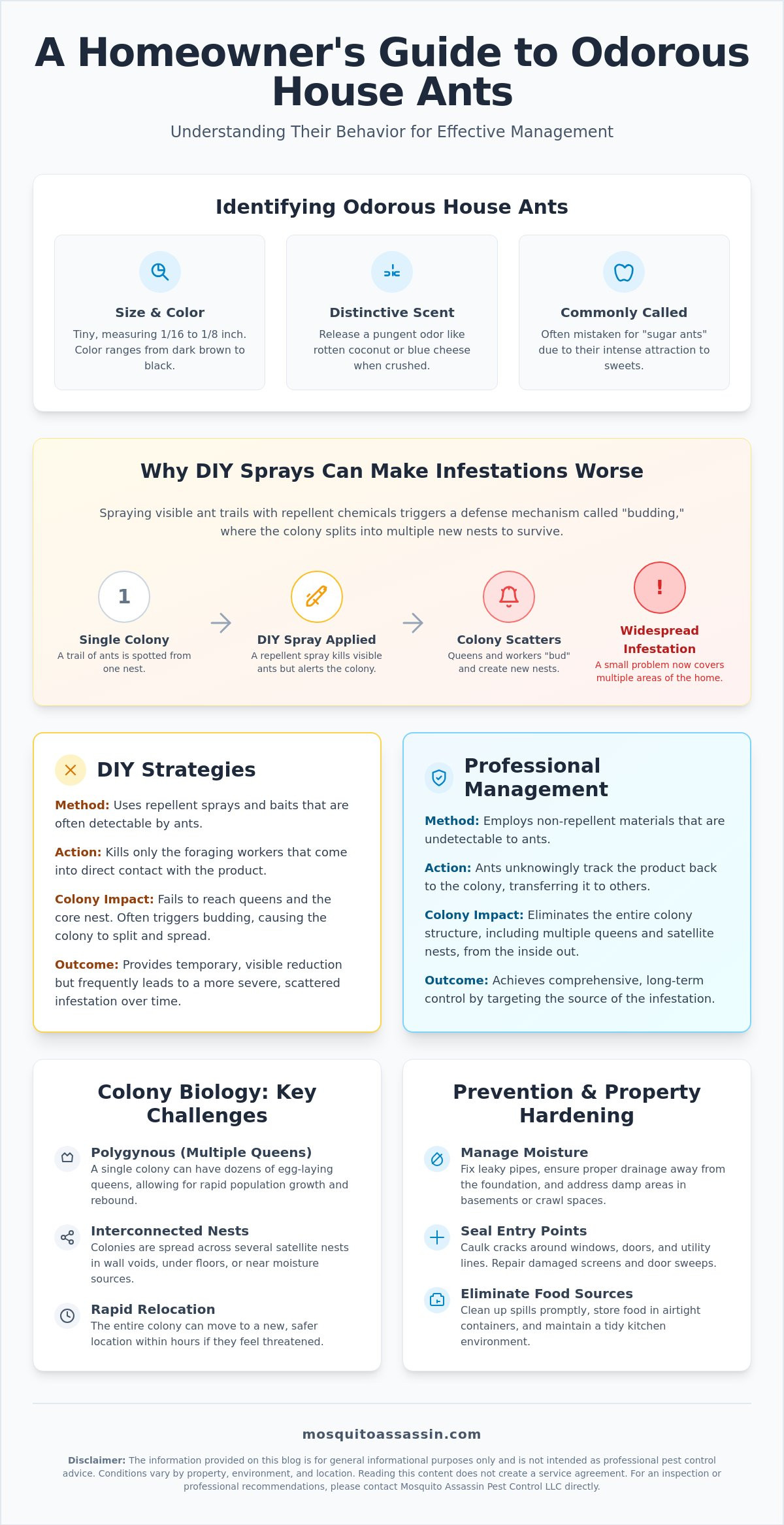
    The Odorous house ant (Tapinoma sessile) is a small but incredibly persistent pest found throughout Pennsylvania and Ohio. These insects typically measure between 1/16 and 1/8 of an inch in length, with coloration ranging from dark brown to black. While they are tiny, their presence is often felt before they are seen, especially following the heavy spring rains common in the Erie and Ashtabula areas. These weather patterns often drive colonies indoors in search of higher ground and stable food sources. The high humidity levels near Lake Erie provide the perfect environment for these ants to thrive, making them a common sight in local kitchens and bathrooms as temperatures begin to rise.

    Many homeowners refer to these pests as “sugar ants” because of their intense attraction to sweets and honeydew. They are highly mobile and possess a unique defense mechanism; they can relocate their entire colony within hours if they perceive a threat or if their environment becomes unfavorable. This mobility is a primary reason why a standard odorous house ants treatment requires a strategic approach rather than just spraying visible trails. When you spray a line of ants, the colony often senses the chemical intervention and splits, creating multiple new nesting sites within your walls. This process, known as budding, can turn a minor nuisance into a widespread infestation very quickly.

    To better understand how these pests behave and how to manage them, watch this helpful video:

    The Rotten Coconut Scent and Other Signs

    The most defining characteristic of this species is the pungent odor it releases when crushed. This scent is caused by chemical alarm pheromones and is frequently compared to rotten coconut or blue cheese. Beyond the smell, you might notice foraging trails along baseboards, under the edges of carpets, or clustered near water sources like sinks and dishwashers. These ants follow invisible scent trails laid down by scouts, creating a highway for thousands of workers. If you see winged “swarmers” inside your home during the early summer months, it usually indicates that a mature, established colony is nesting nearby. Swarmers are the reproductive members of the colony, and their presence indoors suggests the nest is likely inside the structure of the house.

    Odorous House Ants vs. Pavement Ants

    Correct identification is essential because different species require different management techniques. While they may look similar to the naked eye, the odorous house ant has a smooth thorax, whereas the pavement ant has distinct grooves on its head and thorax. Their nesting habits also differ significantly. Pavement ants are famous for leaving small dirt mounds in sidewalk cracks or basement floors. In contrast, odorous house ants prefer moist, hidden voids inside walls, under appliances, or near leaky pipes. Distinguishing between these two is the critical first step in any general pest control strategy. If you don’t correctly identify the species, your odorous house ants treatment might be ineffective, as using the wrong product can trigger their instinct to scatter and relocate.

    Disclaimer: The information provided on this blog is for general informational purposes only and is not intended as professional pest control advice. Conditions vary by property, environment, and location. Reading this content does not create a service agreement. For an inspection or professional recommendations, please contact Mosquito Assassin Pest Control LLC directly.

    The Biology of an Infestation: Why They Are Hard to Eradicate

    Most homeowners start their odorous house ants treatment by reaching for a can of spray. While this seems logical, it ignores the fundamental biology of the species. These ants are polygynous, which means a single colony contains dozens of productive queens and thousands of workers. They don’t live in one centralized nest; instead, they spread across several interconnected sites. Attacking only the ants you see on your kitchen counter barely scratches the surface of the population. To truly manage an infestation, you have to understand that the workers you see are just the tip of a very large, hidden iceberg.

    Their diet is another reason they are so resilient. It’s opportunistic and shifts based on the needs of the colony. You might notice different preferences throughout the year:

    • Spring: They focus on high-protein sources to support the growth of new larvae.
    • Summer: Their focus shifts to high-sugar sources, such as honeydew from aphids or spills in your pantry.

    Because their needs change, a bait that worked yesterday might be ignored today. Understanding this social and dietary structure is vital because traditional “kill on sight” methods never reach the queens responsible for reproduction.

    The Danger of Budding and Colony Splitting

    Budding is a biological survival mechanism that occurs when a colony feels threatened. If you use an over the counter repellent spray, the ants don’t simply die off; they scatter. This perceived threat triggers the queens to separate and establish new, independent colonies in different parts of your home. A single problem in the kitchen can quickly become three separate infestations in the pantry, bathroom, and laundry room. This behavior leads to “rebound” infestations that appear much larger a few weeks after a DIY attempt. Following UC IPM management guidelines for odorous house ants is critical to avoid triggering this defensive scattering.

    Climate Drivers in Pennsylvania and Ohio

    The unique weather patterns of the Great Lakes region play a massive role in ant activity. In Erie and Ashtabula, heavy lake-effect rains frequently flood outdoor nests, driving thousands of ants into the dry, warm voids of home foundations and wall structures. Local vegetation and mulch beds often act as direct bridges, allowing ants to bypass exterior defenses. Interestingly, the same wet seasons that drive ants indoors often lead to other pest issues. Homeowners frequently find that professional rodent removal and insect control needs must be addressed simultaneously to fully secure a property. For those struggling with persistent trails, professional pest control may help reduce risk by using non-repellent methods that don’t trigger budding.

    Disclaimer: The information provided on this blog is for general informational purposes only and is not intended as professional pest control advice. Conditions vary by property, environment, and location. Reading this content does not create a service agreement. For an inspection or professional recommendations, please contact Mosquito Assassin Pest Control LLC directly.

    DIY Strategies vs. Professional Ant Management

    Choosing between a DIY approach and professional intervention is often the difference between a temporary fix and a permanent solution. While a quick trip to the hardware store for a box of baits might seem cost effective, these products often fail to reach the primary nesting site hidden deep within your home’s structure. Licensed technicians in Erie and Crawford Counties use specialized equipment designed to treat wall voids and other hard to reach areas that standard consumer products simply cannot penetrate. A professional odorous house ants treatment relies on science rather than guesswork, utilizing advanced non-repellent transfer technology. This method allows worker ants to pass through a treated area and carry the product back to the queens unknowingly, neutralizing the entire colony from the inside out.

    Integrated pest management often requires looking beyond the kitchen counter. For many homeowners in the Great Lakes region, a mosquito control program actually works in tandem with ant management. By addressing exterior moisture levels and dense foliage near the foundation, you reduce the primary environmental drivers that attract ants to your property in the first place. Professional services provide this comprehensive view, ensuring that your home’s exterior doesn’t serve as a breeding ground for future invasions.

    When Store-Bought Baits Fail

    One common reason DIY efforts fall short is a phenomenon known as “bait shyness.” If a bait is too toxic too quickly, worker ants die before they can return to the nest. The rest of the colony then learns to avoid that specific substance, making future control efforts even more difficult. To make any bait effective, you must also remove competing food sources like crumbs, unsealed honey jars, or pet food bowls. Professional monitoring is necessary to track the progress of the treatment and ensure the entire social structure of the colony has been neutralized. Without this expert oversight, it’s easy to assume the problem is gone just because you don’t see trails for a few days.

    The Risks of Improper Pesticide Use

    Misusing sprays in food preparation areas poses significant risks to your household. Many homeowners over-apply chemicals in an attempt to stop a persistent trail, which can lead to unnecessary environmental exposure. Professional services focus on targeted application, placing products exactly where they are needed to minimize impact while maximizing results. Relying on a year-round protection plan provides a more consistent barrier than sporadic DIY efforts that only react to a crisis. If your current efforts aren’t producing results, professional pest control may help reduce risk and provide the definitive resolution your property needs.

    Disclaimer: The information provided on this blog is for general informational purposes only and is not intended as professional pest control advice. Conditions vary by property, environment, and location. Reading this content does not create a service agreement. For an inspection or professional recommendations, please contact Mosquito Assassin Pest Control LLC directly.

    Odorous House Ants Treatment: A Comprehensive Management Guide for 2026

    Prevention and Property Hardening for Long-Term Control

    Achieving a permanent end to ant trails requires a transition from reactive spraying to proactive property hardening. This process involves making the structure less attractive to scouting workers by removing the environmental cues they use to find food and shelter. In Erie and Ashtabula counties, the heavy spring rains often saturate the ground, making the dry, elevated voids of a home foundation highly desirable. Addressing these structural vulnerabilities is a necessary component of a professional odorous house ants treatment strategy. By focusing on moisture control, you eliminate the damp wood and standing water that serve as primary attractants for these pests.

    Vegetation management is another critical pillar of long-term prevention. Many properties in the Great Lakes region feature dense landscaping that grows close to the siding. These plants act as natural bridges, allowing ants to bypass ground-level barriers and enter through upper-level windows or rooflines. Trimming these back ensures your home remains isolated from the surrounding insect activity. Inside the home, proper food storage in airtight containers is essential. Eliminating access to open sugar or grease sources removes the primary motivation for indoor foraging, forcing scouts to look elsewhere for sustenance.

    Exterior Maintenance and Exclusion

    Maintaining the exterior of your home is a vital part of any comprehensive management plan. Start by trimming tree branches and shrubs so they do not touch the siding or roofline. You should also seal gaps around utility pipes and door frames using high-quality caulk to block common entry points. Keeping gutters clean is equally important; clogged gutters lead to water accumulation near the foundation, which creates the moist environments these ants prefer for nesting. A well-maintained exterior acts as a physical shield that significantly reduces the likelihood of a seasonal invasion.

    Indoor Sanitation Best Practices

    Effective sanitation goes beyond surface cleaning. It requires a deep clean under appliances where grease and sugar deposits often accumulate unnoticed. These hidden food sources can sustain a colony for months even after the visible trails have been treated. It is also important to ensure pet food bowls are not left out overnight, as these provide an easy, high-protein meal for foraging workers. Professional commercial pest control services utilize these same rigorous protocols to protect businesses, and applying them to your home is equally effective. To find out more about protecting your specific area, you can view our service locations in NW Pennsylvania and NE Ohio for professional guidance.

    Disclaimer: The information provided on this blog is for general informational purposes only and is not intended as professional pest control advice. Conditions vary by property, environment, and location. Reading this content does not create a service agreement. For an inspection or professional recommendations, please contact Mosquito Assassin Pest Control LLC directly.

    Professional Solutions in Erie, Crawford, and Ashtabula

    Regional expertise is critical for managing pests that react to the specific weather patterns of the Great Lakes. The heavy lake-effect moisture discussed in previous sections creates unique challenges for property owners in Northwest Pennsylvania and Northeast Ohio. Professional services provide customized plans that account for the unique construction styles found in Erie and Meadville; older foundations and specific siding materials require a nuanced approach that generic DIY methods cannot provide. An effective odorous house ants treatment must be as persistent as the pests themselves, adapting to the shifting environmental pressures of the region.

    Professional pest control may help reduce risk by identifying entry points that homeowners might overlook, such as microscopic gaps in settling foundations or utility line penetrations. Ongoing protection plans help ensure that seasonal migrations do not turn into full-scale infestations when the weather shifts. By establishing a consistent barrier, technicians can prevent the cycle of “rebound” infestations that often plague homeowners who rely solely on reactive, over the counter sprays.

    Customized Treatment for Local Homes

    Maintaining a protective perimeter is best achieved through bi-monthly inspections. This frequency allows for the adjustment of strategies as the seasons change from wet springs to humid summers. Professional management typically follows a disciplined three-step process designed for long-term success:

    • Removal: Utilizing non-repellent technology to eliminate the existing colony without triggering defensive budding.
    • Maintenance: Regular monitoring of the property’s exterior to catch new scouting workers before they establish indoor trails.
    • Exclusion: Physically hardening the structure by sealing entry points and advising on landscape modifications.

    Homeowners interested in how these long-term strategies are structured can learn more about pest control prices to see how professional plans fit their household budget. Consistency is the most important factor in preventing these ants from becoming a permanent fixture in your kitchen or bathroom.

    Next Steps for a Pest-Free Home

    If you notice activity, documenting where you see trails can help technicians during an initial inspection. Note the time of day and the specific rooms where ants appear; this data is invaluable for locating hidden nests behind walls or under flooring. Early intervention is the best way to prevent colony budding, which is the survival mechanism that makes eradication significantly more difficult once it’s triggered. For those in need of local assistance in Pennsylvania or Ohio, the Mosquito Assassin contact page provides direct access to experts who understand the specific pest pressures of Erie, Crawford, and Ashtabula counties.

    Disclaimer: The information provided on this blog is for general informational purposes only and is not intended as professional pest control advice. Conditions vary by property, environment, and location. Reading this content does not create a service agreement. For an inspection or professional recommendations, please contact Mosquito Assassin Pest Control LLC directly.

    Securing Your Home Against Persistent Ant Invasions

    Managing an infestation requires more than just reactive spraying. Successful control hinges on accurate identification and understanding how local weather patterns drive these pests into your home. As explored in this guide, a comprehensive odorous house ants treatment must account for the biological process of budding to prevent a single trail from splitting into multiple colonies. By combining indoor sanitation with structural hardening and exterior moisture control, you can break the cycle of seasonal invasions.

    Property owners in Erie and Crawford Counties in Pennsylvania, and Ashtabula County in Ohio, benefit from year-round protection plans that address these specific regional challenges. Local, neighborly expertise ensures that every entry point is identified and every nest is neutralized using professional standards that prioritize the security of your household. If you’re ready to put an end to persistent ant trails, professional pest control may help reduce risk. You can request a professional inspection or book your service online to secure your home today. Reclaiming your living space from these pests is possible with a methodical and expert approach.

    Disclaimer: The information provided on this blog is for general informational purposes only and is not intended as professional pest control advice. Conditions vary by property, environment, and location. Reading this content does not create a service agreement. For an inspection or professional recommendations, please contact Mosquito Assassin Pest Control LLC directly.

    Frequently Asked Questions

    Why do odorous house ants smell like rotten coconut?

    These ants produce a pungent odor because they release chemical alarm pheromones when they are crushed or feel threatened. The scent contains specific organic compounds that many people compare to the smell of blue cheese or rotten coconut. This biological response serves as a warning signal to the rest of the colony. It alerts other workers to potential danger and can cause the nest to relocate quickly if the threat persists.

    Can I get rid of odorous house ants permanently with DIY methods?

    DIY methods rarely provide permanent results because they usually only kill the worker ants they touch rather than the entire colony. Odorous house ants have multiple queens and can easily relocate through a process called budding if they sense a threat. A professional odorous house ants treatment is typically required to reach the hidden nesting sites and eliminate the queens. This expert approach ensures the infestation doesn’t simply bounce back a few weeks later.

    What is the fastest way to stop an ant trail in my kitchen?

    The fastest way to temporarily stop a trail is to clean the area with a vinegar and water solution to destroy the scent pheromones. While this removes the invisible highway the ants follow, it won’t stop the infestation at its source. You must also seal all food in airtight containers and wipe down surfaces to remove grease. Avoid using repellent sprays on the trail, as this can cause the colony to scatter and multiply into new areas.

    Are odorous house ants dangerous to my family or pets?

    Odorous house ants are not physically dangerous to people or pets because they do not sting or bite. Their primary threat is the risk of food contamination as they crawl over waste and then onto your kitchen surfaces or open food containers. Seeing them in your pantry is a sign that your household hygiene is at risk. Maintaining a professional protection plan is the best way to ensure your kitchen remains a clean and safe environment for your family.

    How long does a professional ant treatment take to work?

    A professional can typically bring an infestation under control within 30 days using targeted gel and liquid applications. While you might see a significant reduction in ant activity within the first few days, the full process takes time. The product must be carried back to the nest to eliminate the queens and larvae. This methodical approach ensures that the entire social structure of the colony is neutralized rather than just the visible workers.

    Why are ants appearing in my house after a heavy rainstorm?

    Ants appear inside after a heavy rainstorm because their outdoor nesting sites in the soil become flooded or oversaturated. The heavy rains common in Erie and Ashtabula force these pests to seek higher, drier ground to survive. Your home foundation and wall voids provide the perfect dry refuge during these weather events. Once they are inside, they will begin scouting for food, which leads to the visible trails you see in your kitchen or bathroom.

    What is the difference between a sugar ant and an odorous house ant?

    The main difference is that “sugar ant” is a generic nickname for many small pests, while the odorous house ant is a specific species. Odorous house ants have a smooth thorax and release a distinct smell when crushed, which sets them apart from other common household ants. Identifying the specific species is vital for effective management. Different ants react differently to baits, so a one-size-fits-all approach rarely works for long-term control of a property.

    Will a clean house prevent an odorous house ant infestation?

    A clean house is a great first step, but it doesn’t always prevent an infestation because these ants also seek moisture and warmth. They are often attracted to leaky pipes, damp basements, or condensation inside wall voids. Even if your kitchen is spotless, they may enter your home simply to escape the Great Lakes weather. A comprehensive odorous house ants treatment also includes moisture management and structural exclusion to address these non-food related attractants effectively.

    Disclaimer: The information provided on this blog is for general informational purposes only and is not intended as professional pest control advice. Conditions vary by property, environment, and location. Reading this content does not create a service agreement. For an inspection or professional recommendations, please contact Mosquito Assassin Pest Control LLC directly.

  • Follow Up After Pest Control Service: A Complete Homeowner Guide

    Follow Up After Pest Control Service: A Complete Homeowner Guide

    Why are there suddenly more pests in the kitchen than there were before the technician arrived? While it feels counterintuitive, seeing an uptick in activity is often a sign that the treatment is successfully disrupting nesting sites and forcing insects into the open. It’s completely normal to feel a sense of uncertainty regarding the safety of your family or the longevity of the application. You might worry about accidentally washing away the barrier during a routine cleaning or wonder if it’s truly safe for your pets to roam the living room. Understanding the proper follow up after pest control service is the most effective way to turn that initial anxiety into long-term peace of mind.

    By following a few professional best practices, you can ensure your home remains a fortress against future infestations without compromising household safety. This guide outlines the essential actions every homeowner should take to maximize the results of a professional treatment. You will discover how to handle cleaning schedules, what to expect regarding pest behavior, and how to maintain the integrity of the treatment zones. Whether you live in Erie, Crawford, or Ashtabula County, these practical steps will help you achieve a pest-free environment and a clear understanding of the results timeline.

    Key Takeaways

    • Understand the critical two to four hour drying window required for liquid treatments to become effective and safe for household contact.
    • Learn why seeing more insects immediately after a visit is a sign of success known as the flushing effect.
    • Identify how to safely re-introduce pets and children to treated areas once professional products have completely dried.
    • Discover why a consistent follow up after pest control service is necessary to address the specific breeding and egg cycles of common pests.
    • Identify structural entry points like foundation cracks and siding gaps that require maintenance to support professional exclusion efforts.

    Immediate Post-Treatment Protocols and Wait Times

    A thorough follow up after pest control service begins the moment the technician departs your property. After a professional application, the first few hours are the most critical for ensuring the treatment works as intended. Most liquid residual products require a drying period of approximately two to four hours before it’s safe for residents to re-enter the treated space. This window allows the active ingredients to bond with surfaces, creating a protective barrier that pests must cross to be eliminated. It’s essential to keep children and pets away from treated areas until they are completely dry to the touch.

    If your service included specialized treatments like foggings or aerosols, proper ventilation is a mandatory step. Open windows or use fans once the initial re-entry period has passed to ensure fresh air circulation. Maintaining the integrity of these barriers is a core component of Integrated Pest Management (IPM), which focuses on long-term prevention rather than just temporary fixes. For homeowners in Erie and Crawford Counties in Pennsylvania and Ashtabula County in Ohio, understanding these initial steps is the first move toward a pest-free home.

    To better understand this concept, watch this helpful video:

    Guidelines for Cleaning and Sanitation

    Homeowners often feel an urge to deep clean after a technician leaves, but this can actually neutralize the professional application. Avoid mopping or scrubbing near baseboards, as these are primary zones for residual barriers. It’s best to stick to localized cleaning in the center of rooms where products weren’t applied. Using strong detergents or steam cleaners can break down the treatment prematurely. For the best results, wait at least 3 to 5 days before resuming a full-scale floor cleaning routine. This delay ensures the product remains potent enough to address the pest population effectively.

    Handling Food and Personal Items

    Safety is the top priority during any follow up after pest control service. While professionals take care to avoid food contact areas, you should still inspect kitchen counters and food preparation surfaces. If any items were accidentally left exposed, wash them thoroughly with warm, soapy water. Porous items, such as paper plates, napkins, or open cardboard trash, should be discarded if they appear dampened by the treatment. If you have questions about specific items, checking with a professional pest control service can provide additional clarity based on the products used.

    Disclaimer: The information provided on this blog is for general informational purposes only and is not intended as professional pest control advice. Conditions vary by property, environment, and location. Reading this content does not create a service agreement. For an inspection or professional recommendations, please contact Mosquito Assassin Pest Control LLC directly.

    Interpreting Pest Activity and the Flushing Effect

    Seeing a sudden surge of cockroaches or ants on your kitchen counter just days after a professional treatment can be alarming. However, this is a standard biological response known in the industry as the flushing effect. Professional grade pesticides are designed to irritate pests in their nesting sites, forcing them out of the shadows and into treated areas. This increased visibility doesn’t mean the treatment failed; it means the products are actively disrupting the infestation. A successful follow up after pest control service requires patience during this initial phase.

    Typically, homeowners should expect to see a gradual decline in activity within 7 to 10 days. During this window, resist the urge to use over the counter DIY sprays. These retail products often act as repellents, which can drive pests deeper into wall voids or interfere with the specialized baits applied by your technician. Following basic pesticide safety tips for your home ensures that the professional application remains the primary force of elimination. If activity persists beyond two weeks, a professional inspection or general pest control plan adjustment might be necessary.

    Monitoring Different Pest Responses

    Different species react uniquely to treatment. Stinging insects like wasps or hornets may appear disoriented near their former nest sites for a day or two. Crawling insects like spiders and ants often wander more frequently as they encounter the residual barrier. Even rodent activity can briefly shift; as exclusion work seals their usual entry points, they may explore new, more visible areas of the home. Documenting these sightings, including the time and specific location, provides invaluable data for your technician. This record keeping is a vital part of a comprehensive follow up after pest control service in regions like Erie and Crawford Counties.

    The Role of Professional Baits

    Professional baits are often superior to “contact kill” sprays because they utilize delayed action chemistry. Social insects like ants consume the bait and carry it back to the heart of the colony, leading to total eradication rather than just killing a few workers. For this process to work, you must eliminate “bait competition.” Keep surfaces free of crumbs, grease, and spills that might distract pests from the professional bait stations. This methodical approach ensures the pests prioritize the treatment, accelerating the path to a pest free home.

    Disclaimer: The information provided on this blog is for general informational purposes only and is not intended as professional pest control advice. Conditions vary by property, environment, and location. Reading this content does not create a service agreement. For an inspection or professional recommendations, please contact Mosquito Assassin Pest Control LLC directly.

    Safety Guidelines for Households with Pets and Children

    Ensuring the safety of your family and pets is the most significant priority during a follow up after pest control service. Modern professional products are designed to be highly targeted and effective. Once a liquid treatment has completely dried, it’s generally considered safe for household contact. This drying process typically takes between two and four hours depending on humidity levels. Until this period has passed, keep everyone out of the treated zones to prevent accidental contact with wet products.

    Re-introducing pets requires a methodical approach. Start by allowing dogs and cats back into treated rooms only after you’ve verified the floor and baseboard surfaces are dry. For sensitive companions like birds, fish, or reptiles, air quality is a major concern. These animals have unique respiratory systems or environments that can be affected by airborne particles. If you moved these pets before the treatment, wait until you’ve thoroughly ventilated the home before bringing them back. Don’t forget about pet toys or bedding. If these items were left in a treatment zone, wash them with hot water and soap. This simple step eliminates any residue and provides peace of mind. Following these professional pest control services standards ensures your home remains a safe sanctuary.

    Protecting Vulnerable Residents

    Homes with crawling infants or residents with respiratory sensitivities require extra vigilance. Crawling babies are in constant contact with floor surfaces, so ensuring the drying period is strictly followed is essential. Always adhere to the specific re-entry instructions provided by your technician. Use natural ventilation strategies, such as opening windows on opposite sides of the house, to flush out any lingering odors and maintain optimal indoor air quality. Implementing Structural Pest Control measures often reduces the need for heavy internal applications over time by focusing on the building’s integrity.

    Environmental Awareness in the Service Area

    For residents in Erie and Crawford counties, outdoor safety is just as important as indoor protocols. If your service included treatments for garden beds or near play sets, ensure these areas are dry before allowing children to play. Local weather patterns in Northwest PA, especially heavy rain, can impact the longevity of outdoor residual barriers. If a heavy downpour occurs immediately after an application, monitor the area for signs of pests. A proper follow up after pest control service should take these regional environmental factors into account to maintain a consistent protective shield around your property. Keeping a close eye on the exterior perimeter helps you understand when the next scheduled visit might be most effective.

    Disclaimer: The information provided on this blog is for general informational purposes only and is not intended as professional pest control advice. Conditions vary by property, environment, and location. Reading this content does not create a service agreement. For an inspection or professional recommendations, please contact Mosquito Assassin Pest Control LLC directly.

    Follow Up After Pest Control Service: A Complete Homeowner Guide

    Structural Maintenance to Support Professional Treatments

    Professional treatment is the hammer, but structural maintenance is the shield. An effective follow up after pest control service includes a strategy called exclusion. Exclusion is a primary pillar of Integrated Pest Management (IPM). It focuses on closing the doors pests use to enter your living space. In regions like Erie and Crawford Counties, the freezing and thawing cycles of winter often cause foundation cracks or gaps in siding. These tiny openings are invitations for pests seeking stable temperatures during the shifting seasons of Northwest Pennsylvania and Northeast Ohio.

    Moisture is another major attractant that homeowners must manage. Leaky pipes, dripping faucets, or high humidity in basements provide the water source pests need to survive and thrive. By fixing a small leak, you’re removing a vital resource that could otherwise sustain a growing colony. This proactive approach ensures that the professional treatment remains the final word in pest management. A thorough follow up after pest control service isn’t just about watching for activity; it’s about building a better defense through consistent property care.

    Sealing the Perimeter

    Check your home’s exterior for any opening larger than a pencil eraser. Use high quality silicone caulk for small gaps and copper mesh for larger holes. Copper mesh is particularly effective for rodent removal because mice and rats cannot easily chew through the material. Don’t overlook window screens and door sweeps. Seasonal pests in Ashtabula County often hitchhike through torn mesh or gaps under doors. Replacing a worn door sweep is a simple task that significantly reduces the risk of crawling insects entering your home.

    Moisture and Debris Management

    Exterior maintenance is your first line of defense against re-infestation. Ticks and spiders thrive in leaf litter and wood piles, which are common in suburban and rural yards. Keep wood piles at least 20 feet away from your home’s foundation. Clear your gutters regularly to ensure they flow freely. Clogged gutters lead to standing water, which is a primary breeding ground for mosquitoes. For more property management tips, review a comprehensive mosquito control program. Maintaining a clean yard removes the habitat pests need to re-establish themselves.

    If you’ve identified structural gaps or moisture issues during your follow up after pest control service, professional pest control may help reduce risk by identifying specific vulnerabilities.

    Disclaimer: The information provided on this blog is for general informational purposes only and is not intended as professional pest control advice. Conditions vary by property, environment, and location. Reading this content does not create a service agreement. For an inspection or professional recommendations, please contact Mosquito Assassin Pest Control LLC directly.

    Establishing a Long-Term Management and Monitoring Schedule

    Many property owners assume that a single technician visit will permanently resolve an infestation. In reality, biology often dictates otherwise. One-time treatments frequently fail to address the resilient egg cycles of common pests like German cockroaches or bed bugs. Most professional products cannot penetrate protective egg cases; therefore, a follow up after pest control service is necessary to eliminate the next generation as it emerges. Without a scheduled intervention to break this reproductive cycle, a dormant population can quickly rebound and reclaim your living space.

    Establishing a bi-monthly or quarterly protection plan creates a consistent chemical and physical barrier around your home. These recurring visits allow technicians to refresh residual treatments that naturally degrade over time due to environmental exposure. Professional monitoring stations for rodents or termites also play a vital role in this long-term strategy. These tools serve as an early warning system, providing data on pest pressure before insects or rodents actually breach your home’s interior. As a homeowner, you remain the primary observer. Reporting any new activity between scheduled visits allows for rapid adjustments to the management plan.

    Evaluating Service Effectiveness

    Success in pest management is measured by a steady downward trend in activity rather than an instantaneous disappearance of every insect. After the initial flushing effect subsides, you should see significantly fewer pests. Professionals determine if a re-treatment is necessary based on the species’ life cycle and the level of activity recorded in monitoring stations. Understanding these benchmarks helps manage expectations and ensures the treatment remains on track. For a deeper look at what to expect during the recovery phase, consult this general pest control guide.

    The Value of Year-Round Protection

    Pest threats are not static; they shift with the seasons in Erie, Crawford, and Ashtabula Counties. While spring brings ants and spiders, the onset of a harsh Northwest Pennsylvania winter drives rodents to seek the warmth of your crawlspace or attic. Maintaining a year-round schedule is far more cost-effective than paying for emergency eradication services every time a new seasonal pest appears. Prevention keeps the pressure off your home’s structure and protects your family’s wellbeing. If you are noticing persistent issues, professional pest control may help reduce risk by providing a consistent shield against local invaders.

    Disclaimer: The information provided on this blog is for general informational purposes only and is not intended as professional pest control advice. Conditions vary by property, environment, and location. Reading this content does not create a service agreement. For an inspection or professional recommendations, please contact Mosquito Assassin Pest Control LLC directly.

    Securing Your Home for the Long Term

    Professional treatment is a decisive strike against infestations, but the days following the application determine the final outcome. By respecting the initial drying periods and understanding that a temporary increase in pest activity is a sign of success, you can navigate the recovery phase with confidence. Integrating structural maintenance and consistent monitoring ensures that the protective barrier remains impenetrable against shifting seasonal threats. A diligent follow up after pest control service transforms a single intervention into a permanent solution for your property.

    As licensed and insured professionals serving PA and OH, the focus is always on customized Integrated Pest Management (IPM) strategies. Being a member of the local community in Erie and Crawford Counties means understanding the specific challenges neighbors face with regional pests. To ensure your property remains a safe haven, schedule a professional inspection or consultation at the online booking portal. Professional pest control may help reduce risk, and you don’t have to face these challenges alone. Expert support is ready to help you reclaim your space today.

    Disclaimer: The information provided on this blog is for general informational purposes only and is not intended as professional pest control advice. Conditions vary by property, environment, and location. Reading this content does not create a service agreement. For an inspection or professional recommendations, please contact Mosquito Assassin Pest Control LLC directly.

    Frequently Asked Questions

    How long should I stay out of my house after pest control sprays?

    Stay out of the home for at least two to four hours until all liquid applications are completely dry. This timeframe allows the treatment to bond with surfaces and ensures it’s safe for residents to return. High humidity levels in regions like Ashtabula County may slightly extend this drying window.

    Is it normal to see more bugs after a professional pest control service?

    Yes, seeing an increase in activity is a standard biological response called the flushing effect. Professional products irritate pests in their hiding spots, forcing them into the open where they encounter the treatment. This surge typically subsides within a few days as the population declines.

    Can I mop my floors after the exterminator leaves?

    Avoid mopping or scrubbing near the perimeter of your rooms for at least 3 to 5 days. Cleaning too close to baseboards can neutralize the residual barrier that’s essential for a successful follow up after pest control service. Stick to cleaning the center of the floors during this initial period.

    What happens if it rains immediately after an outdoor pest treatment?

    Most professional outdoor products are rain-fast once they have dried to the touch. If a heavy downpour occurs before the product has a chance to dry, the protective barrier may be compromised. In these cases, a technician should evaluate the exterior to determine if a re-application is necessary.

    How long does it take for professional pest control to start working?

    Treatment begins working on contact, but you should allow 7 to 10 days to see a significant reduction in the pest population. This window accounts for the time required for social insects, like ants, to share baits with the rest of their colony for total eradication.

    Should I clean my kitchen cabinets after a pest control treatment?

    You don’t need to clean your cabinets unless there was a specific spill or accidental exposure during the service. Wiping down treated surfaces removes the active ingredients that prevent pests from returning to your food storage areas. If you must clean, use only mild soap and water.

    What should I do if I see a live pest two weeks after my service?

    Contact your service provider immediately if live activity persists beyond 14 days. This two-week mark is the standard evaluation period for a follow up after pest control service. It helps technicians determine if a specialized re-treatment is required to address a stubborn or deep-seated infestation.

    Are the chemicals used in professional pest control safe for my pets?

    Professional products are considered safe for pets once the application has dried completely. For sensitive species like birds or reptiles, it’s a best practice to keep them in a separate, well-ventilated room or off-site until any odors have fully dissipated. Always follow the specific re-entry guidelines provided by your technician.

    Disclaimer: The information provided on this blog is for general informational purposes only and is not intended as professional pest control advice. Conditions vary by property, environment, and location. Reading this content does not create a service agreement. For an inspection or professional recommendations, please contact Mosquito Assassin Pest Control LLC directly.

  • Developing a Comprehensive School Pest Management Plan for Student Safety

    Developing a Comprehensive School Pest Management Plan for Student Safety

    Did you know that 81% of Pennsylvania school districts surveyed were able to maintain effective pest control without increasing their budgets after switching to an integrated program? Maintaining a safe learning environment requires a delicate balance between strict state regulations and the high expectations of parents regarding chemical use. Navigating the requirements for a school pest management plan can feel like a daunting task for administrators in Erie and Crawford counties in Pennsylvania, as well as Ashtabula County in Ohio, who are already managing tight facilities budgets.

    This guide provides a clear roadmap for establishing a proactive strategy that prioritizes student health and long term safety. You will learn the essential components of an effective Integrated Pest Management (IPM) system, including specific compliance standards such as the 72 hour notification rules in Pennsylvania and the four hour re-entry requirements in Ohio. By shifting from a reactive approach to a structured prevention model, school districts can significantly reduce health risks and ensure a pest free environment for every student and staff member.

    Key Takeaways

    • Understand why Integrated Pest Management (IPM) is the gold standard for school safety by prioritizing non-chemical prevention over routine spraying.
    • Identify the necessary steps to build a compliant school pest management plan, including setting action thresholds and establishing a rigorous monitoring schedule.
    • Learn how to address specific regional threats like rodent infestations in older facilities and seasonal stinging insects on athletic fields.
    • Discover the critical role of an IPM coordinator and why a baseline facility inspection is the first step toward long term success.
    • See how professional monitoring and third party inspections can help identify hidden vulnerabilities to ensure a safe, compliant learning environment.

    Understanding Integrated Pest Management (IPM) in Schools

    Integrated Pest Management (IPM) is a science based decision making process that identifies and reduces risks from pests and pest management strategies. It represents a significant shift from traditional, calendar based spraying to a holistic approach that prioritizes long term prevention. Instead of waiting for an infestation to occur, school districts focus on understanding pest biology and environmental factors to stop problems before they start. This method is the gold standard for educational facilities because it balances effective control with the necessity of student safety.

    A formal school pest management plan serves as the backbone of this strategy. It moves away from reactive treatments and focuses on structural repairs, improved sanitation, and constant monitoring. By addressing the root causes of infestations, such as food sources or entry points, schools can often eliminate pests without relying on chemical interventions as a first resort. This proactive stance is much more effective than traditional methods that only address pests after they become a visible nuisance.

    To better understand this concept, watch this helpful video:

    Accountability is a major benefit of a written school pest management plan. It provides a clear record of what was done, when it was done, and why. In states like Pennsylvania and Ohio, where regulations regarding student safety are strict, having a documented process ensures that the district remains compliant with state laws while keeping parents informed. It creates a transparent system where maintenance staff and administrators work together toward a common goal of a healthy campus.

    The Goals of a School-Based Pest Plan

    The primary objective is protecting students and staff from pest related allergens and diseases. Rodents and cockroaches are known triggers for asthma, which is a leading cause of student absenteeism. By reducing the presence of these pests, schools directly improve indoor air quality. Additionally, a well structured plan minimizes the potential for student exposure to unnecessary chemical treatments. It also preserves the school property itself, preventing structural damage caused by wood destroying organisms or rodents chewing through wiring and insulation.

    Why Proactive Management Matters for Education

    Pest sightings in a classroom can cause immediate disruptions to the learning process and create unnecessary anxiety for students. Proactive management ensures that these incidents are rare. Beyond the immediate physical environment, implementing an IPM strategy meets the high expectations of parents and community health advocates in Erie, Crawford, and Ashtabula counties. It demonstrates a commitment to modern, safe facility management practices. When schools prioritize prevention, they create a more stable and focused environment for education to thrive.

    Disclaimer: The information provided on this blog is for general informational purposes only and is not intended as professional pest control advice. Conditions vary by property, environment, and location. Reading this content does not create a service agreement. For an inspection or professional recommendations, please contact Mosquito Assassin Pest Control LLC directly.

    The Core Components of an Effective Management Plan

    A robust school pest management plan transitions a facility from reactive crisis mode to a disciplined, preventative state. It relies on four critical pillars: rigorous monitoring, established action thresholds, structural exclusion, and high sanitation standards. By integrating these components into daily operations, administrators ensure that pest control becomes a predictable part of facility maintenance rather than an unexpected expense. This systematic approach is especially vital for schools in Erie and Crawford counties, where seasonal shifts can drive pests indoors searching for warmth.

    Monitoring is the foundation of any successful program. It involves more than just placing traps; it requires a scheduled walkthrough of high risk areas like basement mechanical rooms and janitorial closets. These inspections identify early warning signs, such as grease marks along baseboards or chewed insulation, before a full blown infestation takes root. For districts looking to formalize these processes, commercial pest control strategies can provide the necessary framework for professional grade monitoring and documentation.

    Setting Action Thresholds for Common Pests

    Action thresholds prevent unnecessary chemical use by defining exactly when a pest sighting requires a response. An action threshold is the point where pest populations require remedial action. For example, the threshold for a stinging insect nest on a playground is zero, meaning immediate intervention is required to protect students. Conversely, a few ants near an exterior doorway might only trigger increased cleaning or sealing of a crack. The EPA’s Approach for Integrated Pest Management in Schools highlights that these standards allow staff to respond logically rather than emotionally to pest presence.

    Structural Exclusion and Maintenance

    Exclusion is the most effective long term solution in any school pest management plan, yet it’s often the most neglected. Pests don’t materialize inside; they enter through physical gaps in the building envelope. Common vulnerabilities include worn door sweeps, gaps around utility penetrations, and unsealed foundation cracks. If light can pass through a gap under a door, a juvenile rodent can likely squeeze through as well. This is a common issue in older school buildings across Ashtabula County and Western Pennsylvania.

    Facilities departments play a vital role in this process. Maintenance teams should prioritize sealing these “pest highways” with durable materials like steel wool or silicone caulk. Managing the exterior grounds is equally important. Keeping shrubs trimmed back at least 12 inches from the building and ensuring mulch doesn’t touch the siding reduces the chances of pests finding a way inside. This structural focus ensures the building itself acts as the first line of defense, significantly reducing the need for future treatments.

    Disclaimer: The information provided on this blog is for general informational purposes only and is not intended as professional pest control advice. Conditions vary by property, environment, and location. Reading this content does not create a service agreement. For an inspection or professional recommendations, please contact Mosquito Assassin Pest Control LLC directly.

    Common Pest Challenges for Pennsylvania and Ohio Schools

    Schools in Erie, Crawford, and Ashtabula counties encounter specific pest pressures shaped by the local environment and the age of their facilities. While urban schools might struggle more with certain indoor pests, rural districts often face challenges from the surrounding landscape. A comprehensive school pest management plan must be tailored to these regional realities to ensure it addresses the most likely threats effectively without relying on generic solutions.

    Rodents remain a top concern for facility managers. A 2024 poll by Pest Control Technology found that 38% of respondents identified rodents as the most challenging pests in school environments. In older buildings across Erie County, mice and rats often find easy access through foundation gaps or aging utility lines. These pests aren’t just a nuisance; they carry diseases and can trigger asthma in sensitive students. Professional rodent control service can help identify these hidden entry points and nesting sites during the initial planning phase.

    Rodent Prevention and Food Service Safety

    Food service areas are the primary draw for rodents. Best practices for school kitchens include storing all dry goods in airtight, heavy duty plastic containers rather than cardboard boxes. Staff should regularly monitor for signs of activity behind large appliances or within drop ceilings, where rodents often travel undisturbed. Immediate waste removal after lunch periods is critical. Trash should be taken to exterior dumpsters located away from the building to prevent drawing pests toward the entrances.

    Seasonal Risks: Stinging Insects and Ticks

    Outdoor safety is just as important as indoor air quality. Stinging insects were cited as the second most challenging pest in the 2024 Pest Control Technology survey, affecting 29% of schools. Yellowjackets frequently build nests near bleachers, athletic fields, and outdoor seating areas where food debris is present. Regular inspections of these high traffic zones can prevent painful encounters during sporting events or recess. This is especially vital during the late summer and early fall months when these insects are most aggressive.

    In Crawford County, where many schools are adjacent to wooded areas, tick prevention is a priority. Keeping grass trimmed short and creating a wood chip or gravel barrier between the woods and student play areas can significantly reduce tick populations. During active school hours, any discovered stinging insect nest should be cordoned off immediately until it can be addressed safely. Proactive grounds maintenance is the most effective way to manage these seasonal risks while keeping the environment safe for students.

    Disclaimer: The information provided on this blog is for general informational purposes only and is not intended as professional pest control advice. Conditions vary by property, environment, and location. Reading this content does not create a service agreement. For an inspection or professional recommendations, please contact Mosquito Assassin Pest Control LLC directly.

    Developing a Comprehensive School Pest Management Plan for Student Safety

    Developing and Implementing Your Written Plan

    Building a successful school pest management plan is a collaborative effort that requires input from every level of the district. It’s not a static document kept on a shelf; it’s a living strategy that guides daily operations. The process begins with designating an IPM coordinator. This individual serves as the central point of contact for staff, parents, and professional partners. They ensure the district remains compliant with state laws, such as Pennsylvania Acts 35 and 36, which mandate that all public school districts adopt an Integrated Pest Management program. For districts ready to begin this process, a professional baseline inspection can identify current vulnerabilities and provide a clear starting point for plan development.

    Once a coordinator is in place, the school should conduct a thorough baseline inspection of all facilities. This assessment identifies existing pest issues and structural deficiencies that need immediate attention. Establishing a standardized system for reporting pest sightings is the next step. When teachers or custodial staff have a simple, uniform way to log sightings, the district can collect accurate data to identify trends. This allows for a proactive response rather than a series of disconnected, emergency treatments.

    Stakeholder Roles and Responsibilities

    Every person in the school building has a part to play in pest prevention. Teachers are responsible for classroom sanitation, which includes managing student snack areas and reducing clutter that provides hiding spots for pests. Custodial staff serve as the primary frontline monitors; they’re the most likely to see early signs of activity during their daily cleaning rounds. The school board holds the final responsibility for reviewing and approving the plan, ensuring that the facilities department has the necessary resources to maintain a safe, pest free environment.

    Documentation and Record Keeping

    Accurate record keeping is essential for both safety and legal compliance. In Pennsylvania, schools are required to maintain records of all pest treatments for at least three years. Ohio regulations require that these records be kept for one year. Documentation should include more than just treatments; it should track non-chemical interventions like structural repairs, sanitation improvements, and trap monitoring results. Keeping these logs organized and accessible ensures the district is always prepared for state or local health inspections. It also provides a clear history of what strategies have been most effective over time.

    A transparent communication strategy is the final piece of the puzzle. Administrators must have a clear process for notifying parents and faculty about pest management activities. Pennsylvania law requires a 72 hour advance notification to parents and staff before certain pesticide applications. Ohio schools must have a policy for prior notification for those who request it. By proactively sharing information and explaining the safety measures in place, schools build trust and alleviate community concerns regarding chemical use.

    Disclaimer: The information provided on this blog is for general informational purposes only and is not intended as professional pest control advice. Conditions vary by property, environment, and location. Reading this content does not create a service agreement. For an inspection or professional recommendations, please contact Mosquito Assassin Pest Control LLC directly.

    Partnering with Professionals for Plan Success

    While internal staff play a vital role in daily monitoring and sanitation, the technical depth of a comprehensive school pest management plan often requires the expertise of licensed professionals. Professional pest control may help reduce risk by providing specialized knowledge that goes beyond basic maintenance. These experts can identify subtle signs of activity that might be overlooked during a standard custodial walkthrough, such as specific pheromone trails or early stage structural vulnerabilities in mechanical rooms and food service areas. This higher level of scrutiny is essential for maintaining the safety standards expected in educational facilities.

    A major benefit of external partnership is the third party inspection. This objective evaluation provides a fresh perspective on the facility, identifying gaps in the building envelope or sanitation protocols that staff may have become accustomed to seeing. Integrating these professional recommendations into long term maintenance goals ensures that the school district’s budget is spent effectively on permanent solutions rather than temporary fixes. For districts looking to formalize these partnerships, commercial pest control providers can offer the structured monitoring and documentation required for state compliance in both Pennsylvania and Ohio.

    Evaluating Commercial Pest Management Partners

    Selecting a provider requires verifying they have specific experience in educational environments. Schools have unique regulatory requirements, such as the strict re-entry intervals and notification laws mandated by the Ohio Administrative Code or Pennsylvania’s Act 35 and 36. Partners must demonstrate a commitment to IPM principles, prioritizing non chemical strategies and structural exclusion over routine pesticide applications. Choosing a local entity with deep roots in the Erie, Crawford, and Ashtabula regions is also beneficial. These professionals possess specialized knowledge of the local pest pressures and seasonal cycles unique to the Great Lakes and Mid-Atlantic areas, allowing for more precise and effective intervention.

    The Path Forward for a Safer School

    Maintaining a safe campus is an ongoing commitment rather than a one time project. School boards and administrators should review the school pest management plan annually to account for new challenges, such as invasive species or changes in facility use. Continued education for teachers and custodial staff is also necessary to maintain a culture of prevention across the district. By combining internal vigilance with external expertise, professional pest control may help reduce risk and improve safety outcomes for the entire school community. This proactive partnership ensures that the learning environment remains healthy, compliant, and focused on student success.

    Disclaimer: The information provided on this blog is for general informational purposes only and is not intended as professional pest control advice. Conditions vary by property, environment, and location. Reading this content does not create a service agreement. For an inspection or professional recommendations, please contact Mosquito Assassin Pest Control LLC directly.

    Securing a Safer Future for Every Student

    Protecting the health of students and staff requires more than just occasional maintenance; it demands a disciplined, strategic approach. By prioritizing structural exclusion and rigorous sanitation, school districts can significantly reduce the need for chemical interventions. A comprehensive school pest management plan ensures that every facility remains compliant with regional laws while addressing specific threats like seasonal rodents or stinging insects. It’s about more than just compliance; it’s a commitment to student well-being. Partnering with experts who understand the local landscape of Erie, Crawford, and Ashtabula counties provides an added layer of security and expertise.

    Professional pest control may help reduce risk for your facility. Licensed pest control professionals in PA and OH bring specialized expertise in commercial rodent and general pest management, focusing on year round protection plans that keep learning environments safe. Taking these proactive steps today creates a more stable, healthy, and focused environment where education can truly thrive.

    Disclaimer: The information provided on this blog is for general informational purposes only and is not intended as professional pest control advice. Conditions vary by property, environment, and location. Reading this content does not create a service agreement. For an inspection or professional recommendations, please contact Mosquito Assassin Pest Control LLC directly.

    Frequently Asked Questions

    What is the primary goal of a school integrated pest management plan?

    The primary goal is to provide a safe learning environment by managing pests with the least possible risk to people and the environment. This is achieved by focusing on long term prevention through structural repairs and sanitation rather than routine chemical applications. By addressing the root causes of infestations, schools can effectively reduce pest populations while minimizing student and staff exposure to unnecessary pesticides.

    Is a written pest management plan required by law in Pennsylvania or Ohio?

    A written school pest management plan is mandatory for all public school districts and charter schools in Pennsylvania under Acts 35 and 36. In Ohio, implementing a comprehensive plan is currently optional; however, any school that chooses to adopt one must adhere to specific state standards. Regardless of the legal requirement, having a documented strategy is considered a best practice for facility safety in Erie and Ashtabula counties.

    How often should a school building be inspected for pests?

    High risk areas like cafeterias, kitchens, and basement mechanical rooms should be inspected at least monthly. During peak seasonal shifts in Western Pennsylvania and Northeast Ohio, more frequent monitoring may be necessary to catch early signs of rodent or stinging insect activity. Regular inspections allow maintenance teams to identify structural gaps or sanitation issues before they escalate into a full blown infestation that disrupts the school day.

    Can teachers use their own pest control products in the classroom?

    No, teachers and staff should never bring their own pest control products or sprays into the classroom. Most state regulations and district policies strictly prohibit the use of unauthorized pesticides by unlicensed individuals. Using unapproved products can create health risks for students with sensitivities and may violate the district’s safety protocols. All pest concerns should be reported through the official sighting log for professional evaluation.

    What should a school do if a pest threshold is exceeded?

    When a pest population reaches an established action threshold, the school must implement the remedial actions outlined in its school pest management plan. This usually begins with non chemical interventions like deep cleaning or sealing entry points. If chemical treatment is necessary, the district must follow state specific notification and re-entry laws, such as the 72 hour advance notice required for Pennsylvania schools or the four hour re-entry period in Ohio.

    How does an IPM plan protect students with allergies or asthma?

    An IPM plan protects sensitive students by significantly reducing common environmental triggers like cockroach droppings and rodent dander. These allergens are known to cause asthma attacks and severe allergic reactions in children. By prioritizing non chemical prevention, the plan also reduces the presence of volatile organic compounds and chemical odors that can irritate the respiratory systems of students with existing health conditions.

    Who is responsible for managing the school pest plan on a daily basis?

    The daily management of the plan is the responsibility of the designated IPM Coordinator, who is often a facilities manager or high level administrator. While this individual oversees documentation and compliance, the custodial staff serves as the primary monitors during their daily cleaning routines. Successful management requires clear communication between the coordinator, the maintenance team, and any external professional partners to ensure all protocols are followed consistently.

    What role do parents play in a school’s pest management strategy?

    Parents play a vital role by staying informed about the district’s pest management policies and reporting concerns they may hear from their children. They have the right to request prior notification of pesticide applications, especially in Pennsylvania where 72 hour notice is the standard. By understanding the school’s commitment to low risk prevention, parents can support the district’s efforts to maintain a healthy and transparent learning environment.

    Disclaimer: The information provided on this blog is for general informational purposes only and is not intended as professional pest control advice. Conditions vary by property, environment, and location. Reading this content does not create a service agreement. For an inspection or professional recommendations, please contact Mosquito Assassin Pest Control LLC directly.

  • Mice Exterminator in Erie PA: Professional Rodent Control and Prevention

    Mice Exterminator in Erie PA: Professional Rodent Control and Prevention

    An estimated 11.6 percent of households report rodent problems annually, impacting over 16 million homes across the United States. In Erie and Crawford Counties, these statistics take the form of chewed electrical wires, contaminated food, and the persistent anxiety of potential disease transmission. It’s frustrating to watch DIY traps fail while the scratching in the walls continues. Finding a professional mice exterminator Erie PA helps transition a property from being vulnerable to being secure. You deserve a home that’s safe from the structural damage and health risks these small intruders bring.

    This guide explains how to identify early signs of an infestation, manage current rodent activity, and implement professional exclusion strategies to keep them out for good. This article examines why a proactive maintenance plan is more effective than reactive trapping. Learn how to secure your property in Pennsylvania or Ohio by focusing on long term prevention and professional maintenance standards.

    Disclaimer: The information provided on this blog is for general informational purposes only and is not intended as professional pest control advice. Conditions vary by property, environment, and location. Reading this content does not create a service agreement. For an inspection or professional recommendations, please contact Mosquito Assassin Pest Control LLC directly.

    Key Takeaways

    • Learn how to spot early warning signs like small droppings and gnaw marks before a minor issue becomes a severe infestation.
    • Understand the structural and safety risks rodents pose, including the potential for electrical fires caused by constant gnawing on wiring.
    • Discover why a professional mice exterminator Erie PA uses a strategic three pillar approach involving removal, maintenance, and structural exclusion.
    • Get practical tips for rodent proofing your home, such as using airtight containers for food storage and securing outdoor waste areas.
    • Identify the importance of verifying state licensing and choosing methodical service plans for long term property protection.

    Identifying Mouse Infestations in Erie Homes

    Identifying a rodent problem early is critical for protecting your property from long term damage. Mice are nocturnal and naturally evasive, meaning they’re often heard or felt before they’re seen. Homeowners frequently discover small, dark droppings shaped like grains of rice in pantries, under sinks, or along baseboards. These droppings are a definitive sign of active movement. Utilizing professional pest control methods is often necessary because these pests can reproduce rapidly, turning a small intrusion into a significant infestation within weeks. You might also notice oily “rub marks” along walls or floorboards where their fur makes frequent contact as they navigate the home.

    Beyond droppings, look for physical damage to the structure. Rodents have incisors that grow continuously, which forces them to gnaw on hard materials like wood, plastic, and even electrical wiring. Gnaw marks on food packaging or baseboards indicate active feeding and nesting behavior. You’ll likely hear scratching or scurrying sounds within the walls, particularly during the quiet nighttime hours when mice are most active. In secluded corners of the attic or basement, you may find nesting materials like shredded paper, fabric, or insulation. If these signs appear, contacting a mice exterminator Erie PA can provide a clear path toward a definitive resolution.

    To better understand this concept, watch this helpful video:

    Seasonal Rodent Patterns in Northwest Pennsylvania

    The climate in Northwest Pennsylvania creates unique challenges for property owners. Harsh winters near Lake Erie bring freezing temperatures and heavy snow, driving rodents to seek the warmth and steady food sources found inside residential structures. Autumn is the primary scouting season. During this time, mice actively seek out small gaps in foundations or siding. Older homes throughout Erie and Crawford counties are particularly vulnerable. These structures often feature settling foundations or traditional building materials that have developed structural gaps over time. Consulting a mice exterminator Erie PA helps identify these entry points before the first frost arrives.

    Distinguishing Between Mice and Other Local Rodents

    Effective management starts with proper identification. House mice are typically small, weighing less than an ounce, with large ears and lighter underbellies. They’re much smaller than young rats, which have disproportionately large feet and heads. In more rural areas like Crawford County or parts of Ashtabula County, deer mice are common. These rodents often have white feet and underbellies and may carry different health risks than the standard house mouse found in urban Erie environments. Because behavior and biology vary between species, identifying the specific intruder is the first step in determining the most effective maintenance strategy.

    Disclaimer: The information provided on this blog is for general informational purposes only and is not intended as professional pest control advice. Conditions vary by property, environment, and location. Reading this content does not create a service agreement. For an inspection or professional recommendations, please contact Mosquito Assassin Pest Control LLC directly.

    The Risks of Uncontrolled Rodent Activity

    An unchecked mouse population does more than just cause a nuisance; it represents a genuine threat to the safety and integrity of your property. For many residents, hiring a mice exterminator Erie PA is the first step in mitigating these risks. Rodents possess incisors that grow continuously throughout their lives. To manage this growth, they must gnaw on hard materials found within your home’s structure. This biological necessity often leads them to chew through electrical insulation. In residential properties, damaged wiring is a documented cause of house fires that can start behind walls where they’re difficult to detect early.

    Contamination is another immediate concern. As mice move between nesting sites and food sources, they leave behind urine, saliva, and droppings. This occurs on kitchen countertops and surfaces throughout homes in Erie, Crawford, and Ashtabula counties. Beyond direct contact, their presence can compromise the energy efficiency of your home. They often tunnel through fiberglass or cellulose insulation in attics and crawlspaces, creating air gaps that allow heat to escape during cold Pennsylvania winters.

    Health Considerations and Food Safety

    Mice act as vectors for various bacteria and pathogens. Their waste can dry and become airborne, negatively impacting indoor air quality and triggering respiratory sensitivities for residents. It’s also common for rodents to introduce secondary pests into a living space, such as fleas, ticks, or mites. Implementing general pest control may help reduce these associated risks and protect your family’s wellbeing. Using established homeowner prevention strategies can limit the attractants that bring these pests into your kitchen in the first place.

    Property and Structural Damage

    The cost of an infestation often manifests in damaged household assets. Mice frequently ruin expensive kitchen appliances by nesting within motor compartments or chewing through internal water hoses. Over time, persistent burrowing can compromise drywall and wooden supports, leading to structural weaknesses. If you suspect an infestation, seeking a professional rodent control service can prevent these issues from escalating. Early detection is the most effective way to avoid the high costs of structural restoration. A qualified mice exterminator Erie PA provides the thorough inspection needed to find these hidden threats before they become catastrophic.

    Disclaimer: The information provided on this blog is for general informational purposes only and is not intended as professional pest control advice. Conditions vary by property, environment, and location. Reading this content does not create a service agreement. For an inspection or professional recommendations, please contact Mosquito Assassin Pest Control LLC directly.

    The Three-Step Professional Rodent Control Process

    Effective rodent control requires moving beyond reactive measures. While many homeowners start with retail traps, these often fail to address the root cause of the intrusion. A professional mice exterminator Erie PA utilizes a three pillar framework consisting of removal, maintenance, and exclusion. This comprehensive approach is significantly more effective than one time trapping because it addresses both the current population and the structural vulnerabilities that allowed them entry. Relying on a single method often leads to a cycle of re-infestation as new rodents discover the same entry points used by their predecessors.

    Removal is the initial phase where professional grade methods are used to systematically eliminate the rodents currently nesting within the structure. This step is crucial for stopping immediate damage and reducing the health risks associated with droppings and urine. However, removal alone is temporary if the entry points remain open. By combining removal with structural defenses, a property becomes much less attractive to future pests. This methodical transition from a state of infestation to a state of security is what defines a professional service.

    The Role of Structural Exclusion

    Exclusion is the process of physically sealing a building to prevent re-entry. It requires a meticulous inspection because a house mouse can squeeze through a gap as small as a quarter inch. Professional exclusion goes beyond simple caulking. Technicians use durable materials like heavy gauge steel wool, copper mesh, and specialized industrial sealants that rodents cannot chew through. Key focus areas include utility pipe entries, hairline foundation cracks, and gaps around door frames or garage doors. These structural reinforcements provide a permanent barrier that standard retail products often lack.

    Ongoing Maintenance and Monitoring

    Even the best exclusion work needs oversight. Homes in Northwest Pennsylvania are subject to intense freeze thaw cycles that can cause foundations to settle or building materials to shift. Regular inspections help identify these new vulnerabilities before they can be exploited. Monitoring stations are often placed around the property perimeter to provide data on rodent pressure. These stations act as an early warning system, allowing for adjustments to the plan based on local activity levels. Consistent rodent removal strategies are essential for long term success. This ongoing vigilance from a mice exterminator Erie PA ensures that any new rodents attempting to enter are managed before they have the chance to establish a new nest.

    Disclaimer: The information provided on this blog is for general informational purposes only and is not intended as professional pest control advice. Conditions vary by property, environment, and location. Reading this content does not create a service agreement. For an inspection or professional recommendations, please contact Mosquito Assassin Pest Control LLC directly.

    Mice Exterminator in Erie PA: Professional Rodent Control and Prevention

    Actionable Prevention Strategies for Homeowners

    Establishing a defensive perimeter is a collaborative effort between a property owner and a professional mice exterminator Erie PA. While professional exclusion provides a technical barrier, daily habits determine whether a home remains attractive to opportunistic rodents. The primary goal is to eliminate the three things every mouse seeks: food, water, and shelter. By systematically removing these attractants, you significantly reduce the likelihood of a new colony attempting to breach your home’s defenses.

    Food management is the most critical step in long term prevention. Store all pantry items, especially grains, cereals, and pet food, in airtight plastic or glass containers. Cardboard boxes and thin plastic bags offer no resistance to a rodent’s teeth. Beyond the kitchen, manage your waste disposal by keeping outdoor trash cans tightly sealed and located at a distance from the home’s foundation. In rural areas of Crawford and Ashtabula counties, where woodpiles and heavy vegetation are common, it’s vital to keep these materials at least 20 feet away from the structure. Removing direct contact between debris and exterior walls eliminates the hidden runways rodents use to scout for entry points.

    Sanitation and Habitat Modification

    Rodents require very little water to survive, but eliminating easy sources can make a property less hospitable. Fix leaky outdoor faucets and ensure that gutters drain away from the foundation to prevent moisture buildup. Inside the home, pull out large appliances like stoves and refrigerators at least twice a year to clean the areas behind them. These hidden spaces often accumulate crumbs and nesting materials that facilitate a quiet infestation. Utilizing pest control services near me can provide a comprehensive sanitation checklist tailored to the specific architecture of your home.

    Seasonal Home Maintenance Tasks

    The transition into the colder months in Northwest Pennsylvania requires a specific maintenance routine. Before the first frost, inspect the weather stripping on garage doors and basement windows. If light is visible through a closed door, a mouse can likely enter. Ensure that all attic vents are covered with intact, fine-mesh screening to block access to upper levels. It’s also important to trim tree branches that overgrow the roofline. Overhanging limbs act as bridges, allowing rodents to bypass ground-level defenses and access the attic through small gaps in the eaves or soffits. For a thorough evaluation of your property’s seasonal readiness, contacting a local rodent control expert may help reduce structural risks.

    Disclaimer: The information provided on this blog is for general informational purposes only and is not intended as professional pest control advice. Conditions vary by property, environment, and location. Reading this content does not create a service agreement. For an inspection or professional recommendations, please contact Mosquito Assassin Pest Control LLC directly.

    Selecting a Licensed Exterminator in the Erie Region

    Selecting a mice exterminator Erie PA is a decision that impacts the long term safety of your property. In Pennsylvania, all pesticide application businesses must hold a Pesticide Business License from the Department of Agriculture. Similarly, providers operating in Ohio must meet the rigorous standards set by the Ohio Department of Agriculture. Verifying these credentials ensures that the technician follows state regulated safety protocols and uses approved professional methods. Beyond legal requirements, prioritize experts who demonstrate a deep understanding of the specific pest pressures in Erie, Crawford, and Ashtabula counties. Local knowledge is invaluable when identifying how regional weather patterns and local architecture influence rodent behavior.

    Avoid companies that promise a quick fix through one-time sprays or scattered traps. Effective rodent management is a methodical process that requires an initial removal phase followed by structural exclusion and ongoing maintenance. Professional pest control may help reduce risk to your home and family by addressing the root cause of the infestation rather than just the visible symptoms. A reliable provider will focus on a comprehensive strategy that prioritizes the structural integrity of your building. This commitment to a multi-step process is what separates a professional mice exterminator Erie PA from a temporary solution.

    What to Look for in a Service Agreement

    A professional service agreement should provide clear communication regarding the frequency of inspections and the specific scope of exclusion work. Look for a commitment to Integrated Pest Management (IPM). This approach focuses on long term prevention by combining biological knowledge with structural repairs and sanitation, reducing the reliance on excessive pesticide application. Having direct access to local pest control near me allows for faster response times and a more personalized understanding of your property’s history. Ensure the agreement outlines how follow-up visits are handled if new rodent activity is detected after the initial service.

    Conclusion and Next Steps

    Addressing a rodent problem early is the most effective way to prevent a small intrusion from becoming a significant, costly infestation. The structural damage and health risks associated with mice increase the longer they’re allowed to nest within a home. For professional recommendations or to schedule an inspection, property owners may visit the online booking portal to begin the recovery process. Professional intervention remains the most reliable method for achieving and maintaining a pest-free environment.

    Disclaimer: The information provided on this blog is for general informational purposes only and is not intended as professional pest control advice. Conditions vary by property, environment, and location. Reading this content does not create a service agreement. For an inspection or professional recommendations, please contact Mosquito Assassin Pest Control LLC directly.

    Secure Your Property with Professional Rodent Defense

    Effective rodent control in Northwest Pennsylvania requires a shift from reactive trapping to a systematic strategy of removal, maintenance, and exclusion. By sealing structural gaps and maintaining a clean perimeter, you protect your home from the fire hazards and health risks associated with persistent infestations. A professional mice exterminator Erie PA understands the unique building styles and seasonal pressures of our region, providing a level of defense that standard DIY methods cannot match.

    Choosing a locally owned and operated partner in Cranesville, PA, ensures your property is managed by neighbors who are licensed in both Pennsylvania and Ohio. Utilizing a specialized 3-step rodent exclusion process provides the long term security needed to keep your household safe through every season. Professional pest control may help reduce risk and restore your peace of mind. For an inspection or professional recommendations, please contact Mosquito Assassin Pest Control LLC directly. You don’t have to face these challenges alone; reliable local expertise is just a click away.

    Disclaimer: The information provided on this blog is for general informational purposes only and is not intended as professional pest control advice. Conditions vary by property, environment, and location. Reading this content does not create a service agreement. For an inspection or professional recommendations, please contact Mosquito Assassin Pest Control LLC directly.

    Frequently Asked Questions

    How do I know if I have mice or rats in my Erie home?

    You can distinguish between the two by examining the size and shape of their droppings. Mouse droppings are small, pointed, and about the size of a grain of rice, while rat droppings are larger, blunt, and resemble a bean. Rats are significantly larger and have thick, hairless tails, whereas mice have thin, hairy tails and large ears. Identifying the specific species is the first step a mice exterminator Erie PA takes to develop a targeted plan.

    Is professional rodent control safe for my pets and children?

    Professional rodent control is designed with the safety of your household members and pets in mind. Licensed professionals use tamper-resistant bait stations that are specifically engineered to prevent children and animals from accessing the contents. It’s important to follow all post-treatment instructions provided by your technician. These methods prioritize the security of your home while effectively managing the infestation and protecting vulnerable family members from accidental exposure.

    How much does a mouse exterminator cost in Erie, PA?

    The cost for rodent control in Northwest Pennsylvania varies depending on the severity of the infestation, the size of the property, and the amount of exclusion work required. A thorough inspection is necessary to provide an accurate assessment of the labor and materials needed to secure your home. Factors like the number of entry points and the presence of secondary pests can also influence the total investment for long term property protection.

    Can mice really fit through a hole the size of a pencil?

    Mice can indeed squeeze through openings as small as one quarter inch, which is roughly the diameter of a standard pencil. Their skeletons are flexible, and if their head can pass through a gap, their body will follow. This is why professional exclusion is so critical. A mice exterminator Erie PA focuses on identifying and sealing these tiny structural gaps in foundations, siding, and utility entries to prevent re-entry for the long term.

    Why do I still have mice after setting my own traps?

    DIY traps often fail because they only address the mice currently in your living space without stopping new ones from entering. Rodents are also neophobic, meaning they’re naturally suspicious of new objects in their environment, which can lead to trap avoidance. Without a comprehensive plan that includes structural exclusion and maintenance, trapping alone is a temporary solution that doesn’t address the root of the colony or the structural vulnerabilities of the house.

    What happens if the mice return after a professional treatment?

    If activity persists or returns after the initial treatment, a professional service plan typically includes follow-up visits to re-evaluate the property. Technicians will inspect the previous exclusion work and monitoring stations to determine how the rodents are attempting to re-establish a nest. Consistent maintenance ensures that new vulnerabilities, such as those caused by weather damage or house settling, are addressed quickly to maintain a pest-free environment throughout the year.

    How long does it typically take to completely eliminate a mouse problem?

    Complete elimination of a rodent colony typically takes between two and four weeks, depending on the population size and the complexity of the structure. The initial treatment reduces the immediate population, while the exclusion work stops new intruders. Monitoring during the following weeks is essential to ensure that all nesting activity has ceased and that the building’s defenses are holding firm against local pest pressures in Erie and Crawford counties.

    Do I need to leave my house during a rodent control service?

    Most rodent control services do not require you to vacate your home during the application. Technicians focus on attic spaces, basements, crawlspaces, and the exterior perimeter where rodents are most active. If a specialized treatment is necessary that requires temporary vacancy, your provider will inform you well in advance. This allows for a professional and methodical approach that minimizes disruption to your daily routine while ensuring the total removal of the problem.

    Disclaimer: The information provided on this blog is for general informational purposes only and is not intended as professional pest control advice. Conditions vary by property, environment, and location. Reading this content does not create a service agreement. For an inspection or professional recommendations, please contact Mosquito Assassin Pest Control LLC directly.

  • Food Processing Facility Pest Control: A Guide to Safety and Compliance

    Food Processing Facility Pest Control: A Guide to Safety and Compliance

    A house mouse can squeeze through a gap as small as a quarter-inch, and a rat requires only a half-inch to gain entry and potentially halt an entire production line. In high-stakes environments across Erie and Crawford Counties in Pennsylvania and Ashtabula County in Ohio, these tiny vulnerabilities represent massive risks to operations. Reliable food processing facility pest control is essential because maintaining a sterile environment in a large plant often feels like a constant battle against nature. Most facility managers understand the stress of a looming audit, knowing that one failure or a single contaminated batch can lead to devastating shutdowns and product recalls.

    This guide provides the essential knowledge to protect your facility from infestations while maintaining strict regulatory compliance and consumer safety. You will learn the core principles of Integrated Pest Management (IPM), practical steps to reduce pest entry points, and how to build a defense that stands up to the most rigorous FDA and USDA inspections. By focusing on proactive exclusion and sanitation, you can gain the confidence needed to meet modern food safety standards and protect your brand’s reputation.

    Key Takeaways

    • Understand how pest activity introduces biological and physical contaminants that threaten food safety and regulatory standing.
    • Discover why Integrated Pest Management (IPM) is the gold standard for food processing facility pest control, shifting focus from reactive treatments to long-term prevention.
    • Identify the specific seasonal pests common to Pennsylvania and Ohio and learn how to anticipate their movements into your facility.
    • Learn practical exclusion techniques for the building envelope to stop rodents and insects before they reach production areas.
    • Find out what credentials and local knowledge are necessary when choosing a professional partner to maintain compliance and safety standards.

    The Critical Role of Pest Control in Food Processing Safety

    Food safety standards aren’t just suggestions; they’re the foundation of any successful production line. In high-stakes environments throughout Erie and Crawford Counties in Pennsylvania and Ashtabula County in Ohio, effective food processing facility pest control serves as the primary barrier between a clean product and a public health crisis. Pests don’t just eat food. They destroy reputations. Even a minor infestation can lead to significant financial loss, encompassing lost production time, destroyed inventory, and massive legal liabilities. Maintaining a zero-tolerance policy in production environments is the only way to ensure that every batch leaving the facility is safe for consumption.

    Contamination risks fall into three high-stakes categories: biological, physical, and chemical. Biological risks are often the most invisible and dangerous, involving the spread of bacteria and pathogens. Physical contamination occurs when pest fragments, such as hair, droppings, or shed skins, end up in the final packaging. Chemical contamination is a secondary risk that arises if treatments are applied incorrectly in sensitive areas. Modern facilities rely on Integrated Pest Management (IPM) to balance these risks and keep the facility operational. To better understand how these systems work in a professional setting, watch this helpful video:

    The Impact of Pests on Consumer Health and Reputation

    Rodents and flies are notorious for transmitting dangerous pathogens like Salmonella and E. coli. These pests move between waste areas and production surfaces, carrying bacteria on their feet and through their waste. A single contaminated batch can trigger a public recall, which often has long-term effects on brand trust that take years to repair. Food facility pest control is a comprehensive system of prevention and monitoring designed to eliminate pest activity before it reaches the production floor. Protecting the consumer is the ultimate goal of any sanitation program.

    Regulatory Compliance and Audit Readiness

    Agencies like the FDA and local health departments expect more than just a lack of visible pests; they require proof of a proactive strategy. The Food Safety Modernization Act (FSMA) places the burden of proof on the facility to show they have preventive controls in place. Implementing professional commercial pest control strategies ensures every corner of the facility is monitored and documented. Thorough documentation is the only way to prove a facility is pest-free during a high-stakes inspection. Without a clear paper trail of inspections and findings, even a clean facility can fail a modern audit.

    Disclaimer: The information provided on this blog is for general informational purposes only and is not intended as professional pest control advice. Conditions vary by property, environment, and location. Reading this content does not create a service agreement. For an inspection or professional recommendations, please contact Mosquito Assassin Pest Control LLC directly.

    Implementing Integrated Pest Management (IPM) in Food Facilities

    Integrated Pest Management (IPM) is a disciplined, science-based strategy that prioritizes long-term prevention over quick-fix chemical applications. In the past, pest control often meant waiting for a problem to appear and then reacting with heavy spraying. Today, successful food processing facility pest control relies on environmental management. This shift is essential because it minimizes the risk of pesticide drift or residues contaminating production lines. By focusing on the facility’s ecosystem, managers can address the root causes of infestations, such as moisture and food access, rather than just treating the symptoms. It’s a methodical approach that creates a hostile environment for pests while keeping food safe.

    The Four Pillars of an Effective IPM Program

    Effective IPM is built on four distinct phases. First, a thorough inspection identifies vulnerabilities like gaps in loading dock seals or cracks in the foundation. Second, accurate identification is critical. Knowing the specific species allows for targeted interventions that don’t waste resources. Third, treatment involves the least-toxic methods available, such as mechanical traps or physical exclusion. Finally, continuous monitoring ensures the strategy works. Data collection from traps and visual sightings helps professionals spot trends before they become full-blown crises. For those overseeing complex operations, professional commercial pest control provides the structured oversight necessary for audit readiness.

    Why Sanitation is the Foundation of Pest Control

    Sanitation isn’t just about appearances; it’s a structural defense. According to the FDA’s Current Good Manufacturing Practices (CGMPs), facilities must maintain cleanliness to prevent contamination. Pests are attracted to the smallest food residues and standing water. Biofilms in drains can harbor small flies, while crumbs under heavy machinery support cockroach populations. Strict cleaning schedules must target these hard-to-reach areas. Proper waste management, including the frequent cleaning of dumpsters and compactors, removes the primary attractants that draw pests toward the building in the first place. This foundational work significantly reduces the need for chemical intervention near food surfaces.

    Disclaimer: The information provided on this blog is for general informational purposes only and is not intended as professional pest control advice. Conditions vary by property, environment, and location. Reading this content does not create a service agreement. For an inspection or professional recommendations, please contact Mosquito Assassin Pest Control LLC directly.

    Common Pests in Pennsylvania and Ohio Food Processing Plants

    Regional weather patterns in the Great Lakes and Tri-State area dictate pest behavior. From the humid summers of Ashtabula County to the harsh winters of Erie, food processing facility pest control must adapt to shifting environmental pressures. While some pests are seasonal, others thrive inside the stable, climate-controlled temperatures of a production plant year-round. Understanding these local threats is the first step toward building a defense that satisfies both internal quality standards and external auditors.

    Large flies are the top pest issue for food facilities for eight months of the year, typically from March through October; they account for approximately 30 percent of total pest control services in these environments. Beyond the flying threats, stored product pests like warehouse beetles and Indian meal moths target raw ingredients. These insects often enter the facility via incoming shipments of grains or dried goods. A single infested pallet can quickly spread throughout a warehouse if staff don’t catch the problem during the receiving process. Professional commercial pest control strategies focus on these high-risk areas to prevent a localized issue from becoming a facility-wide contamination event.

    Rodent Management in Regional Facilities

    Rodents remain a persistent threat in both rural and urban processing sites across Erie and Crawford Counties. Mice can enter a building through an opening as small as a quarter-inch, while rats only need a half-inch of space. Identifying signs of activity early is critical. Managers should look for small droppings, gnaw marks on packaging, and dark rub marks along baseboards where rodents travel. Once inside, these pests do more than contaminate food; they often damage electrical systems and infrastructure by gnawing through wires, which can lead to equipment failure or fire hazards. Maintaining Food Safety Modernization Act (FSMA) requirements depends heavily on a robust perimeter exclusion strategy that keeps these animals outside the building envelope.

    Fly Control and Exclusion Strategies

    Flies are an ever-present risk because they are drawn to the odors produced during food manufacturing. To prevent entry, many facilities utilize air curtains at loading docks and LED insect light traps in staging areas. However, exclusion is only half the battle. Small flies, such as fruit flies and phorid flies, often breed within the facility if drain hygiene is neglected. Organic matter trapped in floor drains provides the perfect environment for larvae to develop. House flies and bottle flies are capable of carrying over 100 different pathogens, including those that cause serious foodborne illnesses, to any food contact surface they touch. Consistent sanitation of moisture-prone areas is the most effective way to break their life cycle.

    Disclaimer: The information provided on this blog is for general informational purposes only and is not intended as professional pest control advice. Conditions vary by property, environment, and location. Reading this content does not create a service agreement. For an inspection or professional recommendations, please contact Mosquito Assassin Pest Control LLC directly.

    Food Processing Facility Pest Control: A Guide to Safety and Compliance

    Facility Maintenance Checklist for Pest Exclusion

    Maintaining a production plant requires a disciplined eye for detail and a proactive approach to structural integrity. A “set it and forget it” mentality often leads to audit failures and increased contamination risks. Effective food processing facility pest control relies on a secure building envelope that stops pests before they ever reach sensitive production zones. By establishing a routine maintenance framework, facility managers can significantly reduce the pressure on their internal sanitation teams and ensure the plant remains a hostile environment for invaders.

    Exterior Perimeter and Entry Point Security

    The first line of defense is the exterior wall. Pests are opportunistic; they will exploit any weakness in the building’s shell to find warmth or food. Maintenance teams should prioritize the following actions to harden the facility:

    • Seal Cracks and Crevices: Use metal mesh or professional-grade silicone sealants to close gaps in the foundation or siding. Because mice can enter through holes the size of a quarter-inch, no opening is too small to ignore.
    • Maintain a Vegetation-Free Zone: Clear all plants, weeds, and tall grass within at least 18 to 24 inches of the foundation. A perimeter of gravel or pavement reduces cover for rodents and prevents insects from crawling directly onto the building.
    • Audit Loading Dock Seals: Inspect the heavy-duty seals around dock doors. If you can see daylight through a closed door, it’s an open invitation for pests. Replace worn or torn seals immediately to maintain a tight fit.

    Interior Monitoring and Sanitation Protocols

    Once the exterior is secure, internal protocols must focus on preventing pests from hitchhiking into the facility or finding a place to hide. Sanitation and organization are the primary tools here. For businesses in Erie, PA or Ashtabula, OH, establishing a professional commercial pest control strategy is the most reliable way to maintain these high standards throughout the year.

    • Inspect Incoming Shipments: Stored product pests often arrive on pallets of raw ingredients. Warehouse staff should be trained to look for webbing, larvae, or damaged packaging during the receiving process.
    • Manage Floor Drains: Plumbing and drains are high-moisture areas that attract small flies. Regularly scour drains to remove the organic biofilm where larvae develop.
    • The 18-Inch Rule: Store all products and equipment at least 18 inches away from walls. This creates a “white space” that allows for easy inspection and prevents pests from nesting in dark, undisturbed corners.

    Training staff to recognize and report early signs of activity is just as important as the physical repairs. When every employee understands the link between a small gap in a door and a potential product recall, the facility gains hundreds of extra eyes for monitoring. This collective vigilance, combined with a rigorous maintenance schedule, creates a robust defense against infestations.

    Disclaimer: The information provided on this blog is for general informational purposes only and is not intended as professional pest control advice. Conditions vary by property, environment, and location. Reading this content does not create a service agreement. For an inspection or professional recommendations, please contact Mosquito Assassin Pest Control LLC directly.

    Selecting a Professional Pest Management Partner

    Choosing a partner for food processing facility pest control is a decision that impacts the entire supply chain. A licensed provider must demonstrate a deep understanding of food safety regulations and the specific biological threats present in the region. While some large corporations prioritize global scale, local expertise provides a significant advantage when dealing with the specific seasonal pressures of the Great Lakes area. A reliable partner acts as an extension of the quality assurance team, providing the technical expertise needed to maintain a sterile environment.

    Evaluating Expertise and Local Knowledge

    Providers familiar with Erie and Crawford Counties in Pennsylvania, along with Ashtabula County in Ohio, understand how local weather patterns drive pests indoors. They know that a sudden temperature drop in the fall requires a different exclusion strategy than the humid, fly-heavy months of mid-summer. Clear communication and detailed service reports are non-negotiable. These documents serve as primary evidence during health department audits and internal quality reviews. Professional pest control may help reduce risk for your business by identifying structural vulnerabilities before they result in a non-compliance report or a failed inspection.

    The Long-Term Value of Professional Monitoring

    The financial implications of a pest-related shutdown far outweigh the investment in a year-round protection plan. A single day of lost production or a voluntary recall can cost a facility thousands of dollars in lost revenue and damaged brand equity. Professional monitoring provides a consistent safety net. It moves the facility away from a reactive mentality and toward a disciplined, data-driven approach. Ongoing education for facility staff is also a key component of this partnership. It ensures that everyone from the loading dock to the front office is aligned with the Integrated Pest Management strategy.

    Specialized facility needs often require tailored solutions that go beyond general treatments. For those managing large-scale production environments, exploring commercial services ensures that the pest management program is built around the specific layout and regulatory requirements of the plant. A dedicated partner doesn’t just apply treatments; they provide the technical oversight and documentation necessary to maintain a sterile, compliant environment month after month. This professional collaboration simplifies the auditing process and provides peace of mind for facility managers.

    Disclaimer: The information provided on this blog is for general informational purposes only and is not intended as professional pest control advice. Conditions vary by property, environment, and location. Reading this content does not create a service agreement. For an inspection or professional recommendations, please contact Mosquito Assassin Pest Control LLC directly.

    Securing the Future of Your Production Line

    Maintaining a sterile environment is a complex task that requires constant vigilance and a scientific approach. By shifting from reactive treatments to the proactive principles of Integrated Pest Management, facility managers can eliminate the root causes of infestations before they lead to audit failures. Success depends on a combination of rigorous sanitation, structural maintenance, and the expertise of local specialists who understand the unique pest pressures in Pennsylvania and Ohio. Effective food processing facility pest control isn’t just about passing the next inspection; it’s about protecting consumer health and your brand’s hard-earned reputation every single day.

    Professional oversight ensures that your facility meets the highest standards of the Food Safety Modernization Act while keeping production moving. Licensed professionals in PA and OH provide the specialized commercial protection plans and detailed documentation required for modern compliance. To start building a more resilient defense against rodents, flies, and stored product pests, contact Mosquito Assassin Pest Control LLC for professional recommendations. Taking these steps today provides the long-term security your facility needs to thrive in a competitive market.

    Disclaimer: The information provided on this blog is for general informational purposes only and is not intended as professional pest control advice. Conditions vary by property, environment, and location. Reading this content does not create a service agreement. For an inspection or professional recommendations, please contact Mosquito Assassin Pest Control LLC directly.

    Frequently Asked Questions

    How often should a food processing facility be inspected for pests?

    Most facilities require weekly or bi-weekly inspections to maintain compliance with high-level safety standards. The frequency depends on the specific risk factors of the site, such as the type of food produced and the age of the building. High-traffic areas like loading docks often need more frequent monitoring than administrative offices. Consistent food processing facility pest control documentation ensures that your plant remains audit-ready throughout the year.

    What are the most common signs of a pest infestation in a warehouse?

    The most common signs include small droppings, gnaw marks on pallets, and dark rub marks along floor-to-wall junctions. In warehouse environments, you might also notice damaged product packaging or spilled grains that indicate the presence of stored product pests. Webbing on shelving or the undersides of pallets often points to an active moth infestation. Early detection allows for targeted intervention before the problem spreads to production lines.

    Can pest control treatments be used safely in food production areas?

    Treatments can be used safely when managed by licensed professionals who prioritize non-chemical exclusion and monitoring. In sensitive production zones, the focus remains on physical barriers and mechanical traps rather than broadcast spraying. If a localized treatment is necessary, it’s applied in a way that prevents contact with food surfaces or packaging materials. This methodical approach ensures that food processing facility pest control doesn’t introduce secondary chemical risks to the environment.

    What is the difference between reactive pest control and IPM?

    Reactive pest control waits for a visible infestation to occur before taking action, which often leads to product loss and contamination. Integrated Pest Management (IPM) is a proactive system that addresses the environmental factors that attract pests in the first place. By focusing on structural repairs and sanitation, IPM creates a long-term defense. It’s a more sustainable and cost-effective way to manage large-scale facilities compared to repeated reactive spraying.

    How do pests typically enter a large food processing plant?

    Pests typically enter through open loading dock doors, gaps in door seals, or within incoming shipments of raw ingredients. Even a small crack in the foundation can provide access for ants or spiders. Because many facilities operate 24 hours a day, pests take advantage of frequent traffic to move inside. Training warehouse staff to inspect every pallet upon arrival is a critical step in preventing hitchhiking insects from entering the storage areas.

    What documentation is required for a food safety pest control audit?

    Auditors generally require a site map of all trap locations, detailed service reports, and a log of any corrective actions taken. You must also maintain copies of pesticide usage records and the credentials of your service provider. This paper trail proves that the facility follows a disciplined monitoring schedule. Having organized records simplifies the process when health departments or third-party auditors arrive for an unannounced inspection.

    How can I prevent flies from entering my facility during the summer?

    You can reduce fly pressure by keeping dumpsters far from the building and maintaining strict sanitation around waste compactors. Air curtains and high-speed doors at loading docks provide a physical barrier that prevents flying insects from being drawn inside by food odors. Inside the facility, LED insect light traps help intercept any flies that manage to get past the exterior defenses. Consistent drain cleaning also prevents small flies from breeding in organic matter.

    What should I do if I find signs of rodents in a storage area?

    If you find signs of rodents, you should immediately isolate any potentially contaminated products and contact a professional for a thorough inspection. Avoid moving pallets around excessively, as this can scatter the pests to other parts of the warehouse. Identify the likely entry point, such as a gap under a door or a hole in a wall, and secure it temporarily. A professional assessment will help determine the extent of the activity and the necessary steps for removal.

    Disclaimer: The information provided on this blog is for general informational purposes only and is not intended as professional pest control advice. Conditions vary by property, environment, and location. Reading this content does not create a service agreement. For an inspection or professional recommendations, please contact Mosquito Assassin Pest Control LLC directly.

  • How to Get Rid of Mice in the Garage: A Complete Prevention and Removal Guide

    How to Get Rid of Mice in the Garage: A Complete Prevention and Removal Guide

    You walk into your garage to grab a tool, only to see a grey blur dash behind a stack of storage bins. It’s a sinking feeling that many homeowners in Erie and Ashtabula Counties know all too well. Finding evidence of rodents near your vehicle or stored belongings isn’t just an annoyance; it’s a genuine threat to your property. Knowing how to get rid of mice in the garage is essential for protecting expensive car wiring and preventing these pests from migrating into your kitchen or living spaces.

    Most people feel frustrated when retail traps fail to solve the problem, especially when the safety of their family and pets is at stake. It’s understandable to feel anxious about an infestation that seems to grow despite your best efforts. This guide provides a professional perspective on managing rodent populations through structural exclusion and proper sanitation. You’ll learn how to identify entry points, understand mouse behavior, and create a long-term prevention plan that keeps your garage secure and your home rodent-free.

    Disclaimer: The information provided on this blog is for general informational purposes only and is not intended as professional pest control advice. Conditions vary by property, environment, and location. Reading this content does not create a service agreement. For an inspection or professional recommendations, please contact Mosquito Assassin Pest Control LLC directly.

    Key Takeaways

    • Spot the early warning signs of rodent activity, such as unique odors and droppings, to stop an infestation before it spreads.
    • Eliminate food sources and habitat opportunities by organizing storage and securing items like birdseed in airtight containers.
    • Master the technical steps on how to get rid of mice in the garage by sealing entry points larger than a quarter inch and installing durable weatherstripping.
    • Implement a long term monitoring strategy to maintain a secure perimeter and detect new rodent pressure early.
    • Learn to recognize when an established population or complex structure requires the expertise of a professional pest control service.

    Identifying Mouse Activity and Garage Vulnerabilities

    Homeowners in Erie and Crawford Counties, Pennsylvania, and Ashtabula County, Ohio, often face a surge in rodent activity as temperatures drop during the harsh lake-effect winters. Garages provide a perfect microclimate, offering protection from freezing winds and predators while remaining close to potential food sources. Identifying the early signs of an infestation is the first step in learning how to get rid of mice in the garage before they cause structural damage. A distinctive, musky odor often provides the first clue. This scent, caused by rodent urine and pheromones, becomes more concentrated in poorly ventilated corners or behind stacks of seasonal storage bins.

    Visual evidence typically follows the smell. Mouse droppings, which look like small, dark grains of rice, are frequently found along baseboards or on top of workbench surfaces. In cases of established infestations, you might notice urine pillars. These are small mounds of grease, dirt, and urine that build up over time in frequently traveled areas. Understanding the biology and behavior of these pests is a core component of effective Pest control strategies used by professionals to protect property value and health.

    To better understand this concept, watch this helpful video:

    Mice are also notorious for their nesting habits and constant need to gnaw. They shred materials like fiberglass insulation, cardboard boxes, and fabric scraps to create warm pockets for their young. If you find piles of debris in the corners of your garage or behind cabinets, it’s a strong indicator of a nesting site. Furthermore, because their teeth never stop growing, mice will chew on almost anything. Look for gnaw marks on wooden door frames, plastic storage containers, or electrical wiring. Damaged wires are particularly dangerous, as they can lead to short circuits or fire hazards within the structure.

    Common Entry Points in Garage Structures

    Mice don’t need a wide-open door to enter your property. They can squeeze through gaps as small as one quarter inch, roughly the diameter of a pencil. The most common vulnerability is the garage door itself. Over time, bottom seals and side weatherstripping become brittle or warped, leaving gaps at the corners. Utility penetrations are another major risk factor. Gaps around electrical conduits, plumbing lines, or HVAC vents provide an easy highway into the garage. Even small cracks in the foundation or gaps around window frames can serve as an invitation for rodents seeking warmth.

    The Risk of Mice in Attached Garages

    An attached garage acts as a staging area for mice to enter the main living quarters of your home. Once they’ve established a nest in the garage, they’ll naturally explore the door leading to your kitchen or utility room. This door often lacks the same level of weatherstripping as exterior doors, making it a weak point. Beyond the risk to your home, mice in the garage pose a significant threat to vehicles. They often crawl into engine compartments to nest near the warmth of a recently driven car, where they can chew through expensive wiring harnesses and upholstery. Protecting these assets requires a thorough understanding of how to get rid of mice in the garage through both sanitation and exclusion.

    Disclaimer: The information provided on this blog is for general informational purposes only and is not intended as professional pest control advice. Conditions vary by property, environment, and location. Reading this content does not create a service agreement. For an inspection or professional recommendations, please contact Mosquito Assassin Pest Control LLC directly.

    Sanitation and Habitat Modification Strategies

    Sanitation is the backbone of any successful long term pest management plan. When homeowners ask how to get rid of mice in the garage, they often focus on traps first. However, without removing the primary reasons mice are there, new rodents will simply replace the ones you catch. Mice are opportunistic survivors that require food, water, and shelter. By systematically eliminating these resources, you transform your garage from a rodent sanctuary into a hostile environment that pests will avoid.

    The U.S. Environmental Protection Agency highlights that property owners must Identify and Prevent Rodent Infestations by addressing the root causes of attraction. This begins with a thorough audit of what you store in your garage. Common items like birdseed, bags of pet food, and grass seed are high-protein food sources that can sustain entire colonies. Mice have a keen sense of smell and can detect a single spilled seed from across the room. Once they find a food source, they leave behind pheromone trails that act as a map for other rodents to follow.

    Proper Food and Attractant Management

    Transfer all birdseed and pet food into airtight metal or thick, heavy duty plastic bins. Mice can easily chew through paper bags and thin plastic containers in a single night. Trash cans should have tight fitting lids that won’t pop off if the can is tipped. Beyond food, consider non-food attractants. Scented candles, grass seed, and even certain types of organic fertilizers can draw rodents in. If you discover that mice have already established a presence, professional rodent control can help manage the existing population while you implement these sanitation changes.

    Decluttering for Better Visibility

    Mice thrive in the shadows of cluttered spaces. Organizing your storage isn’t just about tidiness; it’s about eliminating hiding spots. Move items off the floor and onto elevated shelving units. It’s best to maintain a six inch gap between your storage bins and the walls. This creates an “inspection lane” that allows you to easily see new droppings or nesting materials. Replace all cardboard boxes with plastic totes. Cardboard is a double threat because it provides both a hiding spot and a soft material for mice to shred and use for nesting.

    Don’t forget the exterior and moisture levels. Leaf piles and overgrown weeds against the garage wall provide perfect cover for mice as they scout for entry points. Keep the perimeter clear of debris and vegetation. Additionally, fix any leaking pipes or areas of high condensation. Mice need a reliable water source to survive, and even small puddles or damp corners can be enough to keep them nesting in your garage throughout the winter months in Pennsylvania and Ohio.

    Disclaimer: The information provided on this blog is for general informational purposes only and is not intended as professional pest control advice. Conditions vary by property, environment, and location. Reading this content does not create a service agreement. For an inspection or professional recommendations, please contact Mosquito Assassin Pest Control LLC directly.

    Structural Exclusion: Sealing Mice Out for Good

    While cleaning up birdseed and pet food removes the incentive for pests to stay, structural exclusion is the only way to physically bar them from entry. When considering how to get rid of mice in the garage, you must think like a rodent. These pests can compress their bodies to fit through gaps no wider than a standard pencil. A thorough perimeter inspection is required to identify every opening larger than one quarter inch. To be truly effective, you should Eliminate Mice with IPM (Integrated Pest Management) principles, which prioritize mechanical barriers over temporary fixes.

    The most significant vulnerability in any garage is the main door. Standard rubber seals often degrade over time due to temperature fluctuations in the Erie and Ashtabula regions. This leaves gaps at the bottom corners where the door meets the track. Mice frequently target these corners because they offer a direct path inside. Reinforcing these areas with heavy duty, rodent resistant threshold seals is vital. Unlike standard foam or plastic, which mice can shred in minutes, professional grade materials incorporate metal or reinforced rubber to withstand gnawing. If the infestation has already moved beyond the garage, Rodent Control Service may be necessary to secure the rest of your property.

    Maintaining Garage Door Integrity

    Test your garage door seal by standing inside the garage at night with the lights off. If you see light filtering through the bottom or sides, a mouse can easily enter. Brittle or warped rubber seals must be replaced immediately. Many homeowners make the mistake of using standard foam weatherstripping, but mice view this as nesting material rather than a barrier. Instead, use a high quality rubber U-shaped bottom seal and install a solid threshold plate on the concrete floor to create a tight, chew proof fit.

    Sealing Secondary Entry Points

    Don’t overlook the smaller entry points that often go unnoticed. Service doors leading to the backyard should have metal kick plates and sturdy thresholds. Vents and windows require protection with quarter inch hardware cloth or metal screening; nylon mesh is insufficient as rodents can chew through it easily. For utility penetrations, such as where electrical conduits or plumbing lines enter the walls, use a combination of materials. Stuff the gap tightly with copper mesh or stainless steel wool, then seal it with an expandable foam or professional grade caulk. The metal mesh prevents the mouse from chewing through the foam, providing a permanent solution for your garage perimeter.

    Disclaimer: The information provided on this blog is for general informational purposes only and is not intended as professional pest control advice. Conditions vary by property, environment, and location. Reading this content does not create a service agreement. For an inspection or professional recommendations, please contact Mosquito Assassin Pest Control LLC directly.

    How to Get Rid of Mice in the Garage: A Complete Prevention and Removal Guide

    Monitoring and Maintenance for Long Term Protection

    Rodent pressure in Erie and Crawford Counties, Pennsylvania, and Ashtabula County, Ohio, is heavily influenced by the changing seasons. As temperatures drop and the first lake-effect snow approaches, local field mice begin a massive migration toward the warmth of residential structures. Many homeowners make the mistake of removing traps once the initial sightings stop. However, learning how to get rid of mice in the garage requires a shift from reactive trapping to a proactive, long term management mindset. A single weekend of freezing rain can push a new wave of rodents toward your garage, making consistent vigilance necessary for year round protection.

    Establishing a routine inspection schedule is the most effective way to prevent a re-infestation. Monitoring stations serve as an early warning system, allowing you to identify new rodent pressure before the pests ever make it into your storage bins or vehicle engine. These stations provide data on which side of the garage is under the most stress, helping you refine your exclusion efforts. While mechanical snap traps are effective for removal, they don’t provide the same diagnostic value as a properly placed monitoring program. If you find that new activity persists despite your best efforts, professional rodent control can help establish a more robust defense line.

    The Importance of Consistency

    A professional approach to rodent management involves a methodical three step process: identification, removal, and ongoing prevention. Consistency is key during the maintenance phase. You must regularly check for new gnaw marks on the seals and weatherstripping you recently installed. It’s also vital to clean away all old droppings using proper safety protocols. If you leave old evidence behind, you’ll find it impossible to accurately track fresh activity. Fresh droppings are usually darker and have a moist appearance, whereas older ones become grey and brittle over time.

    When to Re-evaluate Your Strategy

    Mice are persistent and highly adaptable. If you continue to find signs of activity after sealing the perimeter, it’s time to re-evaluate your strategy. Rodents may have bypassed your exclusion measures by climbing nearby trees to enter through roof vents or by finding a subterranean gap in the foundation. A growing population is often indicated by sightings during daylight hours or an increase in the volume of droppings. When these signs appear, it usually means the infestation has moved beyond a few stray mice and requires a more comprehensive inspection of the entire structure to find hidden entry points that were previously overlooked.

    Disclaimer: The information provided on this blog is for general informational purposes only and is not intended as professional pest control advice. Conditions vary by property, environment, and location. Reading this content does not create a service agreement. For an inspection or professional recommendations, please contact Mosquito Assassin Pest Control LLC directly.

    When to Seek Professional Rodent Control

    While many homeowners begin their journey by researching how to get rid of mice in the garage using retail solutions, there’s a point where DIY efforts often reach their limit. Retail traps and over the counter baits are frequently insufficient for managing established colonies or protecting complex structures. If you’ve implemented sanitation and exclusion but continue to find fresh droppings or hear scratching in the walls, the infestation is likely deep seated. Professional pest control provides access to advanced monitoring tools and high quality materials that are far more durable than the plastic or foam options found in local hardware stores.

    Managing rodent pressure in Erie and Crawford Counties requires a specialized understanding of how local species behave during the transition from autumn to winter. In commercial garages or large residential properties, the shear volume of storage can make it impossible for a homeowner to identify every nesting site. Professionals utilize a systematic approach to locate hidden entry points and nesting hubs that are often tucked away in wall voids or behind permanent fixtures. Integrating garage protection into a year round pest management plan ensures that your property remains a hostile environment for pests regardless of the weather outside.

    The Professional Inspection Process

    A thorough evaluation goes beyond looking for surface level signs. It involves identifying difficult to reach nesting sites inside crawl spaces, attics, or behind built in cabinets. During this process, experts assess structural damage that might otherwise go unnoticed, such as chewed vapor barriers or compromised insulation. Developing a customized plan for properties in Ohio and Pennsylvania is essential because environmental factors, such as proximity to Lake Erie or local agricultural fields, can drastically change the level of rodent pressure a building faces. This methodical approach ensures that no vulnerability is left unaddressed.

    Establishing a Protective Barrier

    The primary goal of securing a garage is to prevent it from becoming a staging area for home entry. Once mice are comfortable in your garage, it’s only a matter of time before they find a way into your kitchen or utility room. Utilizing professional rodent removal provides the peace of mind that comes from a comprehensive, multi step resolution. Professional pest control may help reduce risk to your property and health by creating a definitive barrier between the outdoors and your living space. If you’re struggling with a persistent population, contacting local experts for a professional inspection is the most effective way to reclaim your space and protect your investment.

    Disclaimer: The information provided on this blog is for general informational purposes only and is not intended as professional pest control advice. Conditions vary by property, environment, and location. Reading this content does not create a service agreement. For an inspection or professional recommendations, please contact Mosquito Assassin Pest Control LLC directly.

    Securing Your Garage for the Long Term

    Managing a rodent problem requires a disciplined approach that combines thorough identification with mechanical exclusion. By removing food attractants and sealing structural gaps, you create a permanent barrier that protects your property and your family’s wellbeing. Understanding how to get rid of mice in the garage is the first step in preventing these pests from migrating into your home and damaging expensive vehicle wiring. Consistency in monitoring ensures that new rodent pressure from seasonal migrations doesn’t lead to a fresh infestation.

    Professional pest control may help reduce risk through a specialized three step rodent removal process. For a comprehensive inspection or professional recommendations, please contact Mosquito Assassin Pest Control LLC directly. Choosing a licensed and insured, locally owned service ensures that your property in Erie, Crawford, or Ashtabula County receives expert attention from neighbors who understand the regional environment. Reclaiming your garage and restoring your peace of mind is achievable with a methodical strategy and professional support.

    Disclaimer: The information provided on this blog is for general informational purposes only and is not intended as professional pest control advice. Conditions vary by property, environment, and location. Reading this content does not create a service agreement. For an inspection or professional recommendations, please contact Mosquito Assassin Pest Control LLC directly.

    Frequently Asked Questions

    Can mice get into the garage if the door is closed?

    Yes, mice can enter a closed garage with ease. They only need a gap of one quarter inch, which is roughly the diameter of a pencil. Most standard garage doors have vulnerabilities at the bottom corners or through brittle weatherstripping that hasn’t been replaced. These gaps provide a direct highway for rodents seeking shelter from the harsh wind and snow common in Erie and Ashtabula Counties.

    Will keeping the garage lights on deter mice?

    No, keeping the garage lights on is not an effective way to deter rodents. While mice are naturally nocturnal and prefer the cover of darkness, they are opportunistic and will adapt to light if a food source is available. Relying on lighting is a reactive measure that fails to address the structural reasons why you need to know how to get rid of mice in the garage.

    How long does it take to get rid of a mouse infestation in a garage?

    It usually takes two to four weeks to resolve a typical infestation using a systematic approach. This period allows for the identification of all entry points, the implementation of structural exclusion, and the trapping of the existing population. The speed of the results depends heavily on how quickly you seal the perimeter and remove competing food sources like birdseed, grass seed, or stored pet food.

    Do ultrasonic pest repellers work for mice in the garage?

    Ultrasonic devices are generally ineffective for long term rodent control. While the high-frequency sound may cause temporary confusion, mice often become habituated to the noise within a few days. Professional pest control strategies prioritize physical barriers and sanitation. These methods provide a definitive resolution that electronic repellers cannot match, as they address the physical ability of the rodent to enter the structure.

    What is the best material to use for sealing mouse holes?

    Copper mesh and stainless steel wool are the best materials because rodents cannot chew through them. These should be packed tightly into utility gaps and then secured with a professional-grade sealant. For larger openings, quarter inch hardware cloth is the standard for creating a durable, rodent-proof barrier that withstands the persistent gnawing of local field mice throughout the winter months in Pennsylvania and Ohio.

    Can mice damage my car if they are in the garage?

    Yes, mice can cause catastrophic damage to vehicles stored in the garage. They are often attracted to the warmth of a recently driven engine and use soy-based wiring insulation as a food source or nesting material. Chewed wires can lead to expensive electrical failures or even fire hazards. This makes it vital to understand how to get rid of mice in the garage before they establish a nest in your vehicle.

    Why do I have mice in my garage but not in my house?

    Garages are primary targets because they offer easy access and have less frequent human activity than the main living areas. They provide a perfect staging area where rodents can nest undisturbed among seasonal storage boxes and clutter. If left unmanaged, the population will eventually explore the interior of your home through utility lines or the shared walls between the attached garage and your kitchen.

    Is it safe to use traps if I have pets that go into the garage?

    Traps can be used safely if you utilize tamper-resistant stations or place snap traps in areas that are completely inaccessible to pets. This prevents accidental contact while still allowing the traps to be placed along the walls where mice naturally travel. Using professional-grade equipment ensures that the removal process doesn’t compromise the safety of your family pets while effectively managing the rodent population.

    Disclaimer: The information provided on this blog is for general informational purposes only and is not intended as professional pest control advice. Conditions vary by property, environment, and location. Reading this content does not create a service agreement. For an inspection or professional recommendations, please contact Mosquito Assassin Pest Control LLC directly.

  • Rodent Proofing My House Checklist: A Professional Guide for 2026

    Rodent Proofing My House Checklist: A Professional Guide for 2026

    A mouse can squeeze through a gap the size of a ballpoint pen, making your home a high-stakes puzzle where one missed opening leads to a full-scale infestation. It’s natural to feel a sense of dread when you hear scratching behind the drywall or discover droppings in the pantry. You want to protect your family from health risks and your property from expensive electrical damage, but finding every entry point in a home across Erie or Ashtabula County can feel like an overwhelming task.

    This guide provides a comprehensive rodent proofing my house checklist designed to help you identify structural vulnerabilities before the winter chill drives pests indoors. This expert-backed resource details how to conduct a professional-grade inspection of your foundation, roofline, and utility entries. You’ll gain clarity on which high-performance exclusion materials actually stop rodents from gnawing through your defenses, ensuring your living space remains secure and rodent-free throughout the season.

    Key Takeaways

    • Understand how seasonal shifts in Erie and Ashtabula counties drive rodents indoors and why structural defense is your first line of protection.
    • Identify critical exterior vulnerabilities, such as gaps where siding meets the foundation and unsealed utility penetrations.
    • Use a comprehensive rodent proofing my house checklist to pinpoint hidden interior entry points behind appliances and under cabinetry.
    • Learn why professional exclusion techniques provide a more permanent solution than traditional reactive trapping methods.
    • Establish a sustainable year-round prevention strategy by maintaining clear perimeter zones and conducting biannual property inspections.

    Understanding Rodent Pressure in Pennsylvania and Ohio

    Residents in Erie and Crawford counties, along with those in Ashtabula County, often notice a shift in pest activity as autumn fades. The house mouse and Norway rat are highly opportunistic mammals. They spend the summer months in fields and gardens but seek the stability of a climate-controlled building when the frost arrives. Rodent proofing is the professional process of structurally modifying a building to deny entry to these pests. It requires a systematic approach, often starting with a rodent proofing my house checklist, to identify every potential breach in the building’s exterior envelope.

    Understanding the physical agility of these animals is vital for effective exclusion. A house mouse only needs a gap the size of a dime to gain entry into your basement or crawlspace. Norway rats are larger, but they can still compress their bodies to fit through openings no larger than a quarter. If a pencil can fit into a crack or hole, it’s a viable entry point for a rodent looking for a winter home.

    To see these entry points in a real-world setting, watch this professional property walk-through:

    Why Winter Increases Infestation Risks

    The sharp drop in ambient temperature across the region forces rodents to seek artificial heat sources. Homes naturally leak warmth through gaps in siding, rooflines, and foundations. Thermal imaging of residential properties often reveals these heat signatures, which act as beacons for cold rodents. As outdoor food supplies like seeds and fallen fruit diminish, rodents move toward the reliable scents of household waste and stored pantry goods. Adopting a comprehensive integrated pest management strategy helps address these environmental pressures by focusing on long-term structural prevention rather than just reactive measures.

    The Cost of Delayed Prevention

    Postponing structural repairs can lead to expensive consequences. Rodents possess incisors that grow continuously, which drives them to gnaw on wood, plastic, and soft metals to keep their teeth sharp. This behavior often results in significant structural damage inside walls and crawlspaces. If you don’t address these gaps early, the risks accumulate quickly:

    • Structural damage: Weakened support beams, chewed drywall, and ruined door frames.
    • Fire hazards: Rodents frequently strip the insulation off electrical wiring, creating hidden short circuits.
    • Sanitation risks: Contamination of attic insulation and living spaces with urine and droppings that carry pathogens.

    Reviewing a rodent proofing my house checklist early in the season can help prevent these costly scenarios. For those concerned about structural vulnerabilities, seeking professional pest control may help reduce risk. Detailed information on professional exclusion methods is available at www.mosquitoassassin.com/contact-us.

    Disclaimer: The information provided on this blog is for general informational purposes only and is not intended as professional pest control advice. Conditions vary by property, environment, and location. Reading this content does not create a service agreement. For an inspection or professional recommendations, please contact Mosquito Assassin Pest Control LLC directly.

    The Essential Exterior Rodent Proofing Checklist

    Securing the exterior shell of your home is the most effective way to prevent rodents from establishing a presence. This stage of the rodent proofing my house checklist focuses on the structural envelope, where even the smallest oversight can lead to a winter-long infestation. Every crack in the masonry or gap in the siding is an open invitation. You should begin your inspection at the ground level and work your way up to the roofline, looking for any sign of wear or structural compromise. Professional exclusion involves more than just filling holes; it requires an understanding of how rodents exploit building materials to gain entry.

    Utility penetrations are among the most common entry points. Gas lines, electrical conduits, and AC refrigerant lines often have oversized holes that were never properly sealed during construction. If a gap is large enough for a thumb, it’s large enough for a rat. Similarly, you should examine door sweeps and garage door seals. A simple way to test these is to stand inside a dark garage during the day; if you see light spilling in from the bottom or sides, a rodent can easily squeeze through. For properties with complex structural issues, seeking a professional rodent control service may help reduce risk by identifying hidden breaches that are easily missed by the untrained eye.

    Securing the Foundation and Ground Level

    A solid foundation is your first line of defense against Norway rats and house mice. In many older homes across Crawford County, rubble-stone foundations or aging brickwork often develop small voids. You should seal these gaps using professional-grade mortar or stainless steel mesh, as rodents can easily chew through standard caulk or spray foam. Referencing established Rodent-Proof Construction and Exclusion Methods provides the technical standards needed for long-lasting repairs. Additionally, ensure that all basement windows are tightly fitted and that crawl space vent covers are made of heavy-duty hardware cloth rather than flimsy plastic screens.

    Roofline and Attic Vulnerabilities

    Rodents are excellent climbers and will frequently use overhanging tree branches to reach your roof. Once there, they target ridge vents, gable vents, and intersections where different roof sections meet the soffit. You should inspect these areas for sturdy metal screening and look for chewed corners on fascia boards. Clogged gutters are another concern; they trap moisture that softens wood, making it much easier for a rodent to gnaw a hole into your attic. Maintaining a clear perimeter of at least 18 inches between your foundation and any mulch or dense vegetation will further discourage pests from nesting near the structure. This proactive maintenance is a vital part of your rodent proofing my house checklist for the 2026 season.

    Disclaimer: The information provided on this blog is for general informational purposes only and is not intended as professional pest control advice. Conditions vary by property, environment, and location. Reading this content does not create a service agreement. For an inspection or professional recommendations, please contact Mosquito Assassin Pest Control LLC directly.

    Interior Vulnerabilities and Common Entry Points

    Once the exterior perimeter is secured, the focus must shift to the interior of the structure. In the older housing stock found throughout the Erie and Ashtabula regions, rodents often exploit internal wall voids that connect different floors. These hidden “highways” allow pests to move from a stone foundation basement up to the attic without being seen. Adding internal inspection points to your rodent proofing my house checklist is critical because rodents may already be nesting inside the walls before your exterior exclusion work is finished. Identifying these breaches early prevents a small problem from becoming a persistent infestation.

    Major appliances like stoves and dishwashers provide the perfect environment for mice and rats. These areas offer warmth from motors and easy access to food debris. Pulling these units away from the wall often reveals unsealed gaps where gas lines or electrical cords enter the kitchen. Similarly, you should check under every sink in the house. Plumbers frequently cut oversized holes in the back of cabinets or floors to accommodate pipes. If there is a gap larger than a dime between the pipe and the wall, it needs to be sealed immediately to prevent rodents from traveling between rooms.

    In the basement or cellar, a simple “light test” can reveal significant vulnerabilities. Turn off all the lights during a sunny day and look for any pinpricks of daylight entering where the foundation meets the sill plate. This is especially common in the rubble-stone foundations found in older Pennsylvania homes. In the attic, you should look for disturbed or compressed insulation. Rodents leave distinct “runways” or tunnels in fiberglass and cellulose insulation. If you find nesting materials like shredded paper or fabric, it indicates an active or recent presence that requires immediate attention.

    Kitchen and Pantry Safety

    The kitchen is the primary destination for any rodent that enters your home. You should seal gaps around baseboards and inside cabinets using a combination of steel wool and professional-grade caulk. Rodents cannot chew through the metal fibers, which creates a permanent physical barrier. To remove the scent trails that attract more pests, store all dry goods in airtight glass or heavy plastic containers. Cardboard boxes and thin plastic bags are easily compromised. Maintaining a floor area free of crumbs and spills removes the primary attractants that keep rodents coming back to your kitchen night after night.

    Utility Rooms and Garage Security

    Utility spaces often contain the most overlooked entry points. You should check the seal around your dryer vent and ensure the exterior flap closes tightly when the machine isn’t running. A stuck flap is a direct doorway into your laundry room. In the water heater closet, inspect the floor for gaps where the plumbing or drainage lines exit the house. Finally, verify that the door leading from the garage to your living space has a tight-fitting threshold and weatherstripping. Garages are often the first place rodents enter, and a poor seal on this interior door gives them full access to your home. Professional pest control may help reduce risk if these utility areas show signs of persistent activity.

    Disclaimer: The information provided on this blog is for general informational purposes only and is not intended as professional pest control advice. Conditions vary by property, environment, and location. Reading this content does not create a service agreement. For an inspection or professional recommendations, please contact Mosquito Assassin Pest Control LLC directly.

    Rodent Proofing My House Checklist: A Professional Guide for 2026

    Exclusion Methods vs. Traditional Trapping

    Many homeowners in the Ashtabula and Crawford County areas rely solely on snap traps or bait stations when they first notice a rodent problem. While these tools are useful for managing an existing population, they are fundamentally reactive. Trapping only addresses the rodents that are already inside; it does nothing to stop the next family from moving in. To achieve long-term results, you must move beyond temporary measures and focus on exclusion. Exclusion is a proactive structural fix that addresses the root cause of the infestation by physically preventing entry. While traps have their place, they are ineffective without sealing entry points.

    A comprehensive rodent proofing my house checklist prioritizes the structural integrity of the building over the quantity of traps set. Professional exclusion involves a methodical closure of every gap, crack, and void discovered during your inspection. This approach shifts the focus from constant pest removal to permanent property protection. By turning your home into a fortress, you eliminate the need for endless cycles of trapping and disposal. For a professional assessment of your property’s structural defenses, professional rodent control services can help secure your home against future intrusions.

    The Limits of Temporary Deterrents

    Sensory deterrents like peppermint oil, mothballs, or ultrasonic sound devices are popular but often insufficient for long-term control. Rodents are highly adaptable and quickly habituate to new scents or sounds if a reliable source of food and shelter remains available. Once a mouse realizes that a specific smell isn’t a direct threat to its survival, it will simply ignore the deterrent. Physical barriers are the only way to ensure a rodent-free environment. Relying on sensory tricks often provides a false sense of security while the structural damage described in previous sections continues unabated.

    Professional Exclusion Materials

    Effective exclusion requires materials specifically designed to withstand the powerful incisors of rats and mice. Standard construction materials like plywood, plastic screening, or expanding foam are easily gnawed through. Instead, use these professional-grade options:

    • Hardware cloth: Use 1/4 inch galvanized steel mesh to cover crawl space vents, gable vents, and large openings.
    • Stainless steel or copper wool: Stuff these metal fibers into small holes around pipes and utility lines before sealing them with a high-quality sealant.
    • Heavy-duty door sweeps: Install sweeps with metal backing and thick rubber or brush seals to close ground-level gaps under exterior doors.

    Professional pest control may help reduce risk by providing the technical expertise needed to implement these permanent structural changes. Securely sealing your property according to a rodent proofing my house checklist is the most reliable way to maintain a pest-free home through the winter season.

    Disclaimer: The information provided on this blog is for general informational purposes only and is not intended as professional pest control advice. Conditions vary by property, environment, and location. Reading this content does not create a service agreement. For an inspection or professional recommendations, please contact Mosquito Assassin Pest Control LLC directly.

    Establishing a Year-Round Prevention Strategy

    Maintaining a rodent-free environment requires more than a single afternoon of work. A home is a dynamic structure that settles and shifts with the extreme temperature changes common in Erie and Crawford counties. To ensure your defenses remain intact, you must adopt a long-term mindset. Integrating a rodent proofing my house checklist into your regular home maintenance schedule allows you to catch minor issues before they escalate into structural damage or health concerns. Conducting a thorough perimeter inspection every spring and fall is the most effective way to stay ahead of seasonal pest pressure.

    Landscape management plays a vital role in this ongoing defense. You should maintain a clear zone of at least 18 inches between your house foundation and any mulch, tall grass, or ornamental plants. This gap removes the cover that rodents use to approach your siding unseen. Additionally, keep firewood piles elevated at least 18 inches off the ground and store them as far from the exterior walls as possible. Woodpiles are prime nesting sites for Norway rats; placing them against the house provides a direct staging area for an intrusion. Professional pest control may help reduce risk through ongoing monitoring and consistent maintenance of these exterior zones.

    Seasonal Maintenance Tasks

    Specific tasks should be performed as the weather changes to keep your rodent proofing my house checklist current. Clean your gutters in late autumn to remove wet leaves and debris. As discussed in previous sections, clogged gutters trap moisture that softens fascia boards, making them easy targets for gnawing. After the winter thaw, inspect the foundation for new settling cracks. The freeze-thaw cycle in Northwest Pennsylvania and Northeast Ohio can open small voids that weren’t there the previous fall. Finally, inspect window and door screens for damage or small tears before the warmer months arrive to prevent opportunistic entry.

    When to Seek a Professional Inspection

    Despite your best efforts, some structural breaches are difficult to spot without specialized equipment. If you hear scratching in the walls or attic during the night, it’s a clear sign that a rodent has breached your perimeter. Finding droppings or shredded nesting material in your kitchen or basement indicates that an infestation is likely established. For those currently facing an active intrusion, reading a guide on rodent removal can provide valuable context on the necessary steps to reclaim your space. You can also visit the contact page for localized assistance and expert recommendations tailored to the specific needs of properties in Ashtabula or Erie.

    Disclaimer: The information provided on this blog is for general informational purposes only and is not intended as professional pest control advice. Conditions vary by property, environment, and location. Reading this content does not create a service agreement. For an inspection or professional recommendations, please contact Mosquito Assassin Pest Control LLC directly.

    Securing Your Property for the Seasons Ahead

    Protecting a home from rodent intrusions requires a shift from reactive trapping to permanent structural exclusion. By following a rodent proofing my house checklist, property owners can identify gaps in the foundation, unsealed utility entries, and roofline vulnerabilities before the winter chill arrives. Maintaining a clear perimeter and performing biannual inspections ensures that seasonal shifts don’t compromise your home’s security.

    Professional pest control may help reduce risk by addressing complex structural issues hidden behind walls or under foundations. For a professional inspection or recommendations, contact Mosquito Assassin Pest Control LLC directly. They serve Erie and Crawford Counties in Pennsylvania and Ashtabula County in Ohio, utilizing a methodical three-step process to secure living spaces. Proactive steps prevent the costly damage and health risks associated with infestations. Keeping your home sealed provides lasting peace of mind.

    Disclaimer: The information provided on this blog is for general informational purposes only and is not intended as professional pest control advice. Conditions vary by property, environment, and location. Reading this content does not create a service agreement. For an inspection or professional recommendations, please contact Mosquito Assassin Pest Control LLC directly.

    Frequently Asked Questions

    How do I know if I have mice or rats in my house?

    You can identify a rodent presence by looking for droppings, gnaw marks, and dark rub marks along walls. Mice leave small, pointed droppings about the size of rice, while rat droppings are significantly larger and blunt. You may also hear scratching or scurrying sounds in the attic or wall voids during the night. Finding shredded paper or insulation is another clear sign of nesting activity inside your home.

    Can rodents climb up the sides of a house to get in?

    Yes, rodents are exceptional climbers and can easily scale brick, siding, and wood to reach upper levels. They often use overhanging tree branches or utility wires as bridges to access your roofline. This climbing ability is why a comprehensive rodent proofing my house checklist must include an inspection of the soffits, vents, and any gaps where the roof intersects with the siding.

    What is the best material to seal mouse holes?

    The most effective materials for sealing holes are stainless steel wool and 1/4 inch galvanized hardware cloth. Rodents have powerful teeth but cannot chew through these metal barriers. You should stuff small gaps with metal wool before applying a professional-grade sealant. For larger vents or foundation voids, hardware cloth provides a durable, long-term solution that standard spray foam or wood cannot match.

    Is it possible to completely rodent-proof an older home?

    It is possible to secure older homes, though the process requires a more meticulous look at stone foundations and aging masonry. Professional exclusion involves identifying every structural void and reinforcing vulnerable areas with metal-backed materials. While older structures in the Erie region often have more entry points, a systematic repair process can effectively deny entry to pests and protect the building for years.

    Do mothballs or peppermint oil actually keep rodents away?

    No, sensory deterrents like mothballs and peppermint oil are generally ineffective for long-term control. Rodents are highly adaptable and will quickly ignore these scents if a reliable source of food and warmth is available inside. Physical exclusion remains the only proven method to prevent infestations. Relying on temporary deterrents often allows structural damage to continue while the root cause remains unaddressed.

    How often should I check my house for rodent entry points?

    You should conduct a structural inspection at least twice a year, specifically during the spring and fall. These seasonal checks allow you to find new settling cracks in the foundation or damage caused by harsh winter weather. Regularly updating your rodent proofing my house checklist ensures that your home stays secure as the building naturally shifts and materials wear down over time.

    Why do rodents keep coming back even after I catch them?

    Rodents keep coming back because the original entry points remain unsealed and existing scent trails guide new pests to your home. Trapping is a reactive measure that only removes the current population. Until you physically block every access point with durable materials, new rodents will continue to exploit the same structural flaws. Permanent exclusion is the only way to break this cycle.

    What should I do if I find a rodent nest in my attic?

    If you discover a nest, avoid disturbing it to prevent the spread of dust or airborne pathogens. Professional pest control may help reduce risk by safely removing the material and sanitizing the contaminated area. Once the space is clean, you must identify and seal the specific structural breach that allowed the rodents into your attic to prevent a repeat infestation in the future.

    Disclaimer: The information provided on this blog is for general informational purposes only and is not intended as professional pest control advice. Conditions vary by property, environment, and location. Reading this content does not create a service agreement. For an inspection or professional recommendations, please contact Mosquito Assassin Pest Control LLC directly.