
Tag: termite control

  • Understanding the Value of a Free Pest Inspection in Erie and Surrounding Areas

    Understanding the Value of a Free Pest Inspection in Erie and Surrounding Areas

    On a quiet Tuesday evening in Erie, a homeowner might notice a faint scratching behind the drywall or a small, unexplained pile of debris near the baseboard. It’s often in these small moments that property owners realize they aren’t alone in their own houses. Dealing with potential infestations causes significant anxiety, especially when you aren’t sure if you’re looking at ants, termites, or something else entirely. Most people worry that calling a professional will lead to high-pressure sales or confusing jargon, but a free pest inspection Erie residents can access is actually a structured, educational process designed to provide clarity and peace of mind.

    You’ll learn exactly what occurs during a professional property evaluation and how identifying specific vulnerabilities helps safeguard homes across Northwest Pennsylvania and Northeast Ohio. This guide covers the essential steps of a thorough inspection, from identifying specific pests to creating a practical roadmap for long-term prevention. Understanding these vulnerabilities is the first step in ensuring a secure, pest-free environment.

    Key Takeaways

    • Differentiate between a basic visual check and a thorough professional diagnostic audit to uncover hidden pest vulnerabilities.
    • Understand how the Lake Erie shoreline and local humidity levels impact seasonal pest activity in Northwest Pennsylvania and Northeast Ohio.
    • Learn why a free pest inspection Erie residents schedule is essential for identifying structural entry points and exterior perimeter risks.
    • Identify common moisture management issues and structural gaps that frequently attract pests to residences in the tri-county area.
    • Discover how Integrated Pest Management (IPM) principles use inspection data to establish proactive, long-term protection for your property.

    The Role of a Professional Pest Inspection in Property Maintenance

    A professional pest inspection serves as a systematic evaluation of a residential or commercial property. It involves a thorough search for active infestations, evidence of past activity, and structural vulnerabilities that might invite future issues. Homeowners in Erie County, Crawford County, and Ashtabula County often view these evaluations as a critical part of routine property maintenance. Scheduling a free pest inspection Erie provides a baseline for understanding the health and safety of a building’s structure.

    To better understand the technical aspects of a professional evaluation, watch this helpful video:

    Unlike a simple visual walkthrough, a professional diagnostic audit relies on specialized knowledge of insect behavior and local environmental factors. Trained technicians look for signs that are often invisible to the untrained eye, such as mud tubes in crawlspaces, subtle frass piles, or specific exit holes in timber. In Pennsylvania and Ohio, where seasonal shifts drastically change pest pressure, these inspections protect long-term property value by identifying problems before they require expensive structural repairs. Utilizing a free pest inspection Erie ensures that localized threats, such as moisture-driven wood rot or attic-dwelling rodents, are documented before they escalate into an emergency.

    Diagnostic vs. Promotional Inspections

    Professional inspections focus on pest biology and environmental science rather than meeting sales quotas. This approach aligns with the principles of Integrated Pest Management (IPM), which prioritizes long-term prevention and minimal impact. An objective report provides homeowners with factual data, allowing them to make informed decisions based on the actual risks present on their property. Educational assessments help residents understand why certain pests are attracted to their specific landscape or foundation type, shifting the focus from a quick fix to a sustainable strategy.

    Benefits of Regular Property Evaluations

    Regular evaluations lead to the early detection of wood-destroying organisms like termites or carpenter bees. These pests can cause thousands of dollars in damage long before a homeowner notices a single insect. Seasonal monitoring reduces the likelihood of large-scale infestations by addressing entry points and nesting sites during peak activity periods. For those looking to understand the broader context of home protection, learning about general pest control provides a foundation for maintaining a healthy living environment. Consistent oversight ensures that a property remains a fortress against the common pests found in the Great Lakes region.

    Disclaimer: The information provided on this blog is for general informational purposes only and is not intended as professional pest control advice. Conditions vary by property, environment, and location. Reading this content does not create a service agreement. For an inspection or professional recommendations, please contact Mosquito Assassin Pest Control LLC directly.
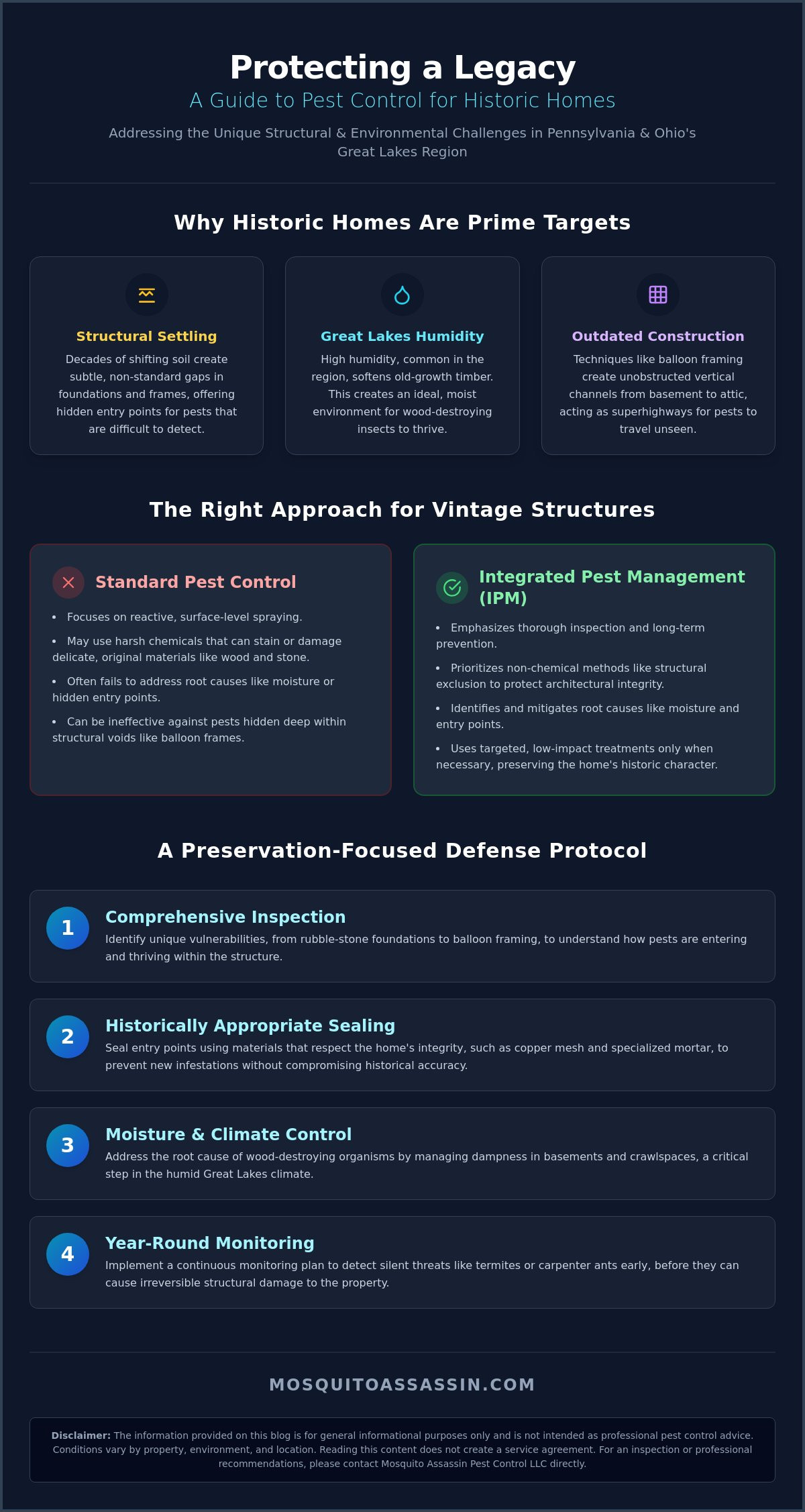
    Regional Pest Pressures in Erie, Crawford, and Ashtabula Counties

    Property owners in Erie, Crawford, and Ashtabula counties deal with a climate that is heavily influenced by the Great Lakes. This region sees an average of 100 inches of snow annually in some lake-effect zones, which forces wildlife and rodents to seek shelter in man-made structures. Understanding these local pressures is the first step in effective management. A free pest inspection Erie residents can access helps pinpoint where these environmental factors are compromising a home’s exterior before a minor issue becomes a full-scale infestation.

    The geography of Northwest Pennsylvania and Northeast Ohio creates unique biological corridors. The combination of dense hardwood forests in Crawford County and the marshy coastal areas of Erie County supports a diverse range of pests. These pests don’t just exist in the wild; they actively migrate toward residential areas as seasons change. Professional pest management in this region requires a deep understanding of how local weather patterns, such as the high humidity from Lake Erie, dictate the life cycles of everything from ants to arachnids.

    Lake Effect Environments and Insect Activity

    The Lake Erie shoreline produces a microclimate characterized by high moisture and rapid temperature shifts. These conditions are particularly conducive to carpenter ant and cockroach infestations. Moisture-damaged wood, common in lakefront properties, serves as a primary nesting site for wood-destroying organisms. Professional evaluations often follow EPA’s IPM Principles to manage these risks by focusing on habitat reduction rather than just reactive treatments. This approach is vital in the tri-county area, where environmental sensitivity is a priority for protecting local waterways and soil health.

    High humidity levels, which often exceed 75% during the summer months in Ashtabula and Erie, also accelerate the decay of organic matter. This provides an abundant food source for silverfish and centipedes. Without addressing the underlying moisture issues typical of lake-effect environments, pest populations can rebound quickly even after initial removal efforts.

    Seasonal Transitions in the Tri-County Area

    Pest activity follows a predictable, yet intense, cycle in this region. In the spring, typically starting in late April, stinging insects and termites emerge as ground temperatures rise. Summer brings peak mosquito and tick activity, fueled by the dense vegetation and tall grasses found throughout rural Crawford and Ashtabula counties. Identifying larval sites in standing water is a critical summer prevention step to reduce the local mosquito population.

    • Spring: Emergence of carpenter ants and social wasps seeking nesting sites.
    • Summer: Rapid mosquito breeding cycles in humid, stagnant environments.
    • Fall: Rodent exclusion becomes the priority as mice look for warmth.
    • Winter: Indoor pests like cockroaches and spiders remain active in climate-controlled spaces.

    As temperatures drop in October, rodents become a primary concern. Mice can squeeze through openings as small as a quarter inch to escape the harsh lake-effect winters. Scheduling a free pest inspection Erie can help identify these tiny entry points before the first deep freeze. Property owners concerned about seasonal infestations can find more information or schedule a professional evaluation at the online booking portal.

    Disclaimer: The information provided on this blog is for general informational purposes only and is not intended as professional pest control advice. Conditions vary by property, environment, and location. Reading this content does not create a service agreement. For an inspection or professional recommendations, please contact Mosquito Assassin Pest Control LLC directly.

    Understanding the Value of a Free Pest Inspection in Erie and Surrounding Areas

    The Anatomy of a Comprehensive Professional Evaluation

    A professional evaluation is much more than a quick walk-through of a property. It’s a systematic process that begins with a detailed consultation to discuss specific observations and the history of the building. In Erie and Crawford Counties, local environmental factors like seasonal lake-effect moisture and older structural foundations play a significant role in how pests behave. Technicians look for patterns that reveal how pests interact with the environment. This methodical approach is grounded in the principles of Integrated Pest Management (IPM), which focuses on long-term prevention and accurate identification before any action is taken.

    Exterior Inspection Protocols

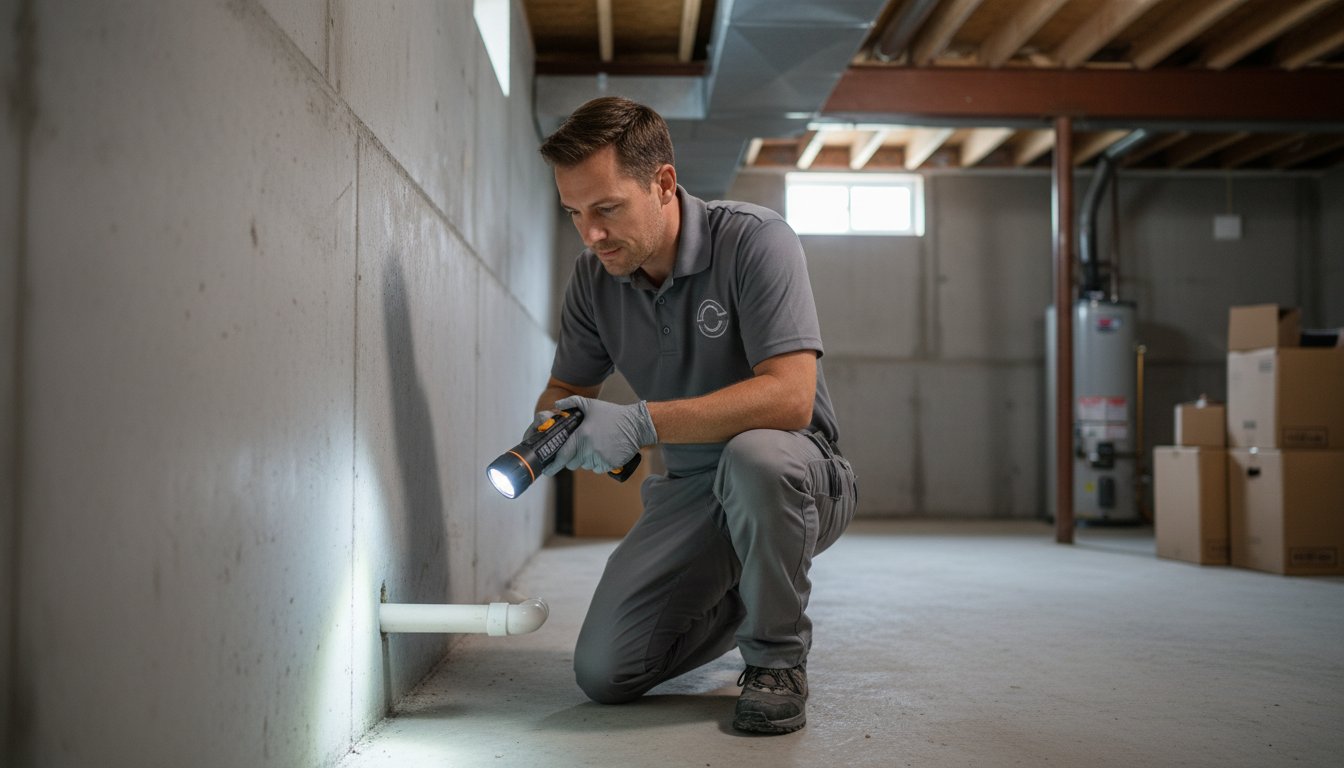
    The exterior of a home serves as the first line of defense. During a free pest inspection Erie, the foundation is examined for any gaps or cracks larger than 0.25 inches. These small openings are common entry points for rodents and crawling insects. In areas like Ashtabula County, rooflines and eaves require close attention for signs of stinging insect nests or wildlife activity. Proper drainage is also critical; standing water or overgrown landscaping within 12 inches of the structure can create ideal harborage sites for pests seeking shelter and hydration. Identifying these vulnerabilities helps property owners understand how to harden their homes against local threats.

    Interior Assessment Focal Points

    Inside the home, the focus shifts to high-risk zones where pests often hide or travel undetected. Kitchens and bathrooms are primary targets because of plumbing penetrations. Small openings around pipes under sinks provide a direct highway for insects and mice. Technicians also evaluate moisture levels in basements and crawlspaces. High humidity levels, often exceeding 60% during humid Pennsylvania summers, can attract wood-destroying organisms and other moisture-loving pests. Searching for subtle signs of activity, such as droppings, shed skins, or grease tracks along baseboards, allows for a more accurate assessment of the situation.

    The final stage of the evaluation involves the documentation of findings and the identification of specific pest species. It’s not enough to simply know that “bugs” are present; knowing whether a property has carpenter ants or field ants changes the entire approach to management. Accurate documentation ensures that any future strategy is tailored to the unique needs of the property. Professional pest control may help reduce risk for those concerned about local infestations. For more information on identifying potential issues, property owners can visit mosquitoassassin.com/location to learn about regional pest pressures.

    Disclaimer: The information provided on this blog is for general informational purposes only and is not intended as professional pest control advice. Conditions vary by property, environment, and location. Reading this content does not create a service agreement. For an inspection or professional recommendations, please contact Mosquito Assassin Pest Control LLC directly.
    Identifying Common Vulnerabilities in Local Homes

    Homes in Erie and Crawford Counties face unique environmental pressures due to the regional climate and the age of local architecture. Many residences in the city of Erie were constructed before 1960, meaning they often feature stone foundations or aging wood siding that has shifted over decades. These structural shifts create tiny gaps that serve as open invitations for pests. Scheduling a free pest inspection Erie homeowners can utilize is a practical way to identify where these vulnerabilities exist before they lead to significant property damage.

    The Great Lakes region receives an average of 43 inches of rain and over 100 inches of snow annually. This consistent moisture leads to wood rot and high humidity in crawlspaces, which attracts damp-wood pests like carpenter ants and termites. Beyond structural issues, internal habits often contribute to pest pressure. Kitchen pantries with unsealed containers or leaking pipes under sinks provide the necessary resources for a colony to thrive. Additionally, cluttered storage areas in basements or attics offer the perfect nesting material for rodents seeking shelter from the harsh Pennsylvania winters.

    Exclusion Gaps and Entry Points

    Utility penetrations are among the most common entry points in local residences. When lines for gas, water, or electricity enter a home, the surrounding hole is often larger than the conduit itself. Mice can squeeze through a gap the size of a dime, making these openings prime targets for entry. Maintaining intact door sweeps and ensuring window screens don’t have tears is essential for a pest-resistant home. Professional pest control may help reduce risk through exclusion recommendations that target these specific “weak links” in the home’s perimeter.

    Sanitation and Habitat Modification

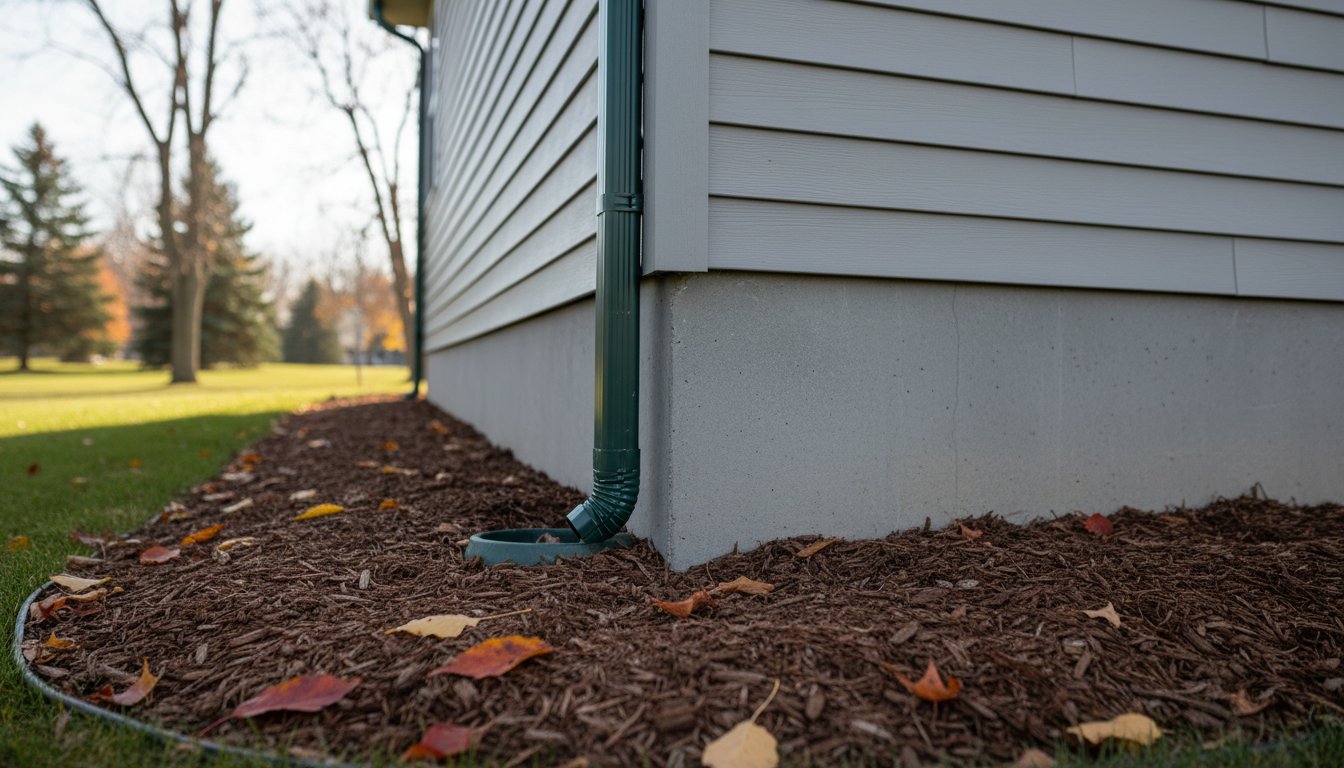
    Managing the environment outside the home is just as vital as cleaning the inside. Piles of firewood or construction debris stacked against the foundation provide immediate harborage for spiders and rodents. Proper waste management, including the use of heavy-duty bins with locking lids, helps deter larger wildlife from frequenting the property. For those already dealing with an active infestation, following professional rodent removal strategies can assist in reclaiming the home and preventing future nesting. Removing standing water and keeping gutters clear of debris are also critical steps in modifying the habitat to be less attractive to local pests.

    Identifying these vulnerabilities early is the most effective way to safeguard your family and property. To get a professional assessment of your home’s defenses, schedule an inspection through the online booking portal.

    Disclaimer: The information provided on this blog is for general informational purposes only and is not intended as professional pest control advice. Conditions vary by property, environment, and location. Reading this content does not create a service agreement. For an inspection or professional recommendations, please contact Mosquito Assassin Pest Control LLC directly.
    Interpreting Findings and Planning for Prevention

    The conclusion of a free pest inspection Erie homeowners utilize serves as a critical turning point in property maintenance. This document isn’t just a list of insects; it’s a strategic blueprint for safeguarding a home. By reviewing the findings, property owners can move from a reactive state of worry to a proactive state of control. A professional report establishes a clear baseline for ongoing monitoring. This allows for the detection of subtle changes in pest activity before they become costly structural issues.

    Professional strategies rely heavily on Integrated Pest Management (IPM). This approach shifts the focus from temporary fixes to long-term prevention. While DIY methods often rely on the repeated application of over-the-counter sprays, professional recommendations target the root cause. This might include identifying moisture sources or entry points that a typical homeowner might overlook. Professional logic is built on building science and pest biology, ensuring the solution matches the specific environment of the Great Lakes region.

    Understanding the Inspection Report

    A comprehensive report differentiates between active infestations and potential risks. Active infestations require immediate action to prevent further damage to the structure or health risks to residents. Potential risks, often called conducive conditions, include things like wood-to-ground contact or high humidity in crawlspaces. Prioritizing structural repairs, such as sealing gaps or fixing leaky pipes, often provides more permanent results than chemical treatments alone. Utilizing professional services ensures that the plan is customized to the specific biology of local pests found in Erie and Crawford counties. According to 2024 industry standards, exclusion techniques are now considered the first line of defense in modern pest management.

    Next Steps for Homeowners

    Once the inspection is complete, homeowners should implement environmental changes based on the technician’s feedback. Simple actions like moving firewood piles 20 feet away from the foundation or clearing gutters can significantly reduce pest pressure. Scheduling follow-up evaluations is also vital because pest behavior shifts with the seasons in Erie and Ashtabula counties. Residents can learn more about us and the local expertise required to manage these regional challenges. Professional pest control may help reduce risk through consistent, data-driven monitoring and seasonal adjustments to the protection plan. Taking these steps ensures the home remains a fortress against local invaders year-round.

    Disclaimer: The information provided on this blog is for general informational purposes only and is not intended as professional pest control advice. Conditions vary by property, environment, and location. Reading this content does not create a service agreement. For an inspection or professional recommendations, please contact Mosquito Assassin Pest Control LLC directly.
    Securing Your Home Against Regional Pest Pressures

    Maintaining a property in Northwest Pennsylvania and Northeast Ohio requires a strategy that accounts for the unique climate of the Great Lakes region. With Erie County receiving an average of over 100 inches of snow annually according to historical weather data, local structures often become primary targets for pests seeking shelter from the cold. A detailed evaluation helps identify entry points and moisture issues that attract wood-destroying insects or rodents. Utilizing a free pest inspection Erie residents have access to provides a clear diagnostic report, highlighting specific vulnerabilities before they escalate into structural damage. Professional technicians who live in and understand the Erie, Crawford, and Ashtabula county areas can spot subtle signs of activity that often go unnoticed by the untrained eye. It’s a practical way to ensure property maintenance remains manageable and effective throughout the changing seasons.

    For an inspection or professional recommendations, please contact Mosquito Assassin Pest Control LLC directly. Taking charge of your home’s defense today prevents avoidable headaches tomorrow.
    Disclaimer: The information provided on this blog is for general informational purposes only and is not intended as professional pest control advice. Conditions vary by property, environment, and location. Reading this content does not create a service agreement. For an inspection or professional recommendations, please contact Mosquito Assassin Pest Control LLC directly.

    Frequently Asked Questions

    What is included in a free pest inspection in Erie?

    A comprehensive evaluation involves a detailed walkthrough of both the interior and exterior of the property to identify active infestations and potential vulnerabilities. Technicians examine common entry points, nesting sites, and signs of activity such as droppings or structural damage. A free pest inspection Erie typically covers common local threats like ants, spiders, and rodents across Erie and Crawford Counties.

    How long does a professional pest evaluation typically take?

    A standard professional evaluation usually takes between 30 and 45 minutes to complete for an average residential property. The exact duration depends on the square footage of the home and the complexity of its layout. Larger properties or those with detached structures in Ashtabula County might require up to 60 minutes for a thorough assessment of all potential hiding spots.

    Do I need to be home for the technician to inspect my property?

    Yes, it’s necessary for the property owner or an adult representative to be present during the scheduled visit. This presence allows the technician to access interior spaces like basements, attics, and crawlspaces where pests often congregate. Being on-site also ensures the technician can discuss specific observations and provide immediate feedback on the property’s condition.

    What happens if the technician finds pests during the inspection?

    If activity is detected, the technician documents the specific species and the extent of the infestation within a detailed report. They’ll identify environmental factors, such as moisture or food sources, that are attracting the pests to the home. After the assessment, a customized management plan is developed to address the specific biological needs of the pests found on the property.

    Are the methods used during an inspection safe for my family and pets?

    Professional inspections are non-invasive and rely primarily on visual observation and diagnostic tools rather than chemical applications. Technicians use equipment like high-powered flashlights and moisture meters to locate pests without disturbing the household. This process is completely safe for children and pets, as it focuses on identification rather than active treatment during the initial visit.

    Is a free inspection truly free, or are there hidden costs?

    A legitimate free pest inspection Erie carries no financial obligation or hidden service fees for the homeowner. The purpose of the visit is to provide an accurate diagnosis of the property’s health so the owner can make informed decisions. While the initial assessment is complimentary, any recommended treatment plans or preventative measures would involve separate costs that are clearly outlined before any work begins.

    How often should a home in Pennsylvania or Ohio be inspected for pests?

    Licensed professionals recommend an annual inspection for most residential properties in the Great Lakes region to catch issues before they escalate. In environments with high humidity or older construction, a bi-annual schedule (every 6 months) is often more effective at preventing seasonal infestations. Regular checks are vital because pests like rodents and insects often seek shelter indoors during the fluctuating weather patterns of the Northeast.

    Can an inspection detect termites even if there are no visible signs?

    Yes, trained technicians can identify subtle indicators of termite activity that are invisible to the untrained eye. They look for specific evidence like mud tubes, pin-sized holes in drywall, or hollow-sounding wood in structural supports. Early detection through a professional evaluation is critical because termites can cause significant structural damage for 3 to 5 years before becoming obvious to a homeowner.

    Disclaimer: The information provided on this blog is for general informational purposes only and is not intended as professional pest control advice. Conditions vary by property, environment, and location. Reading this content does not create a service agreement. For an inspection or professional recommendations, please contact Mosquito Assassin Pest Control LLC directly.

  • Pest Management in Erie and Ashtabula County Around the Clock

    Pest Management in Erie and Ashtabula County Around the Clock

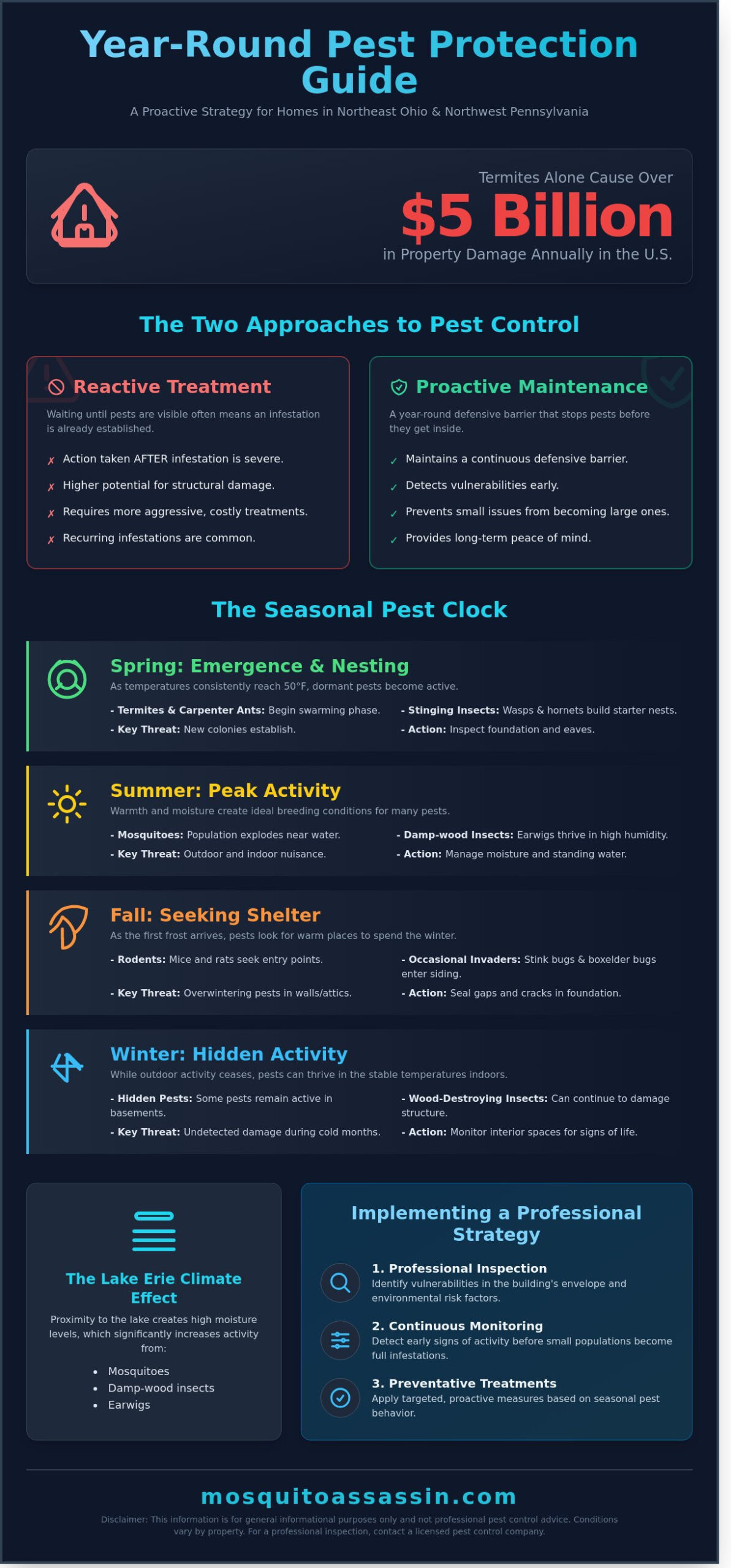
    Waiting until a pest is visible to take action often means an infestation is already well-established within the wall voids or foundation of a building. Most property owners in Erie and Crawford Counties recognize the frustration of recurring infestations that return every spring or fall. It’s common to feel that the variable Northeast Ohio climate, which can swing 40 degrees in a single day, makes it difficult to protect homes in Erie and Ashtabula County around the clock. Termites alone cause over 5 billion dollars in property damage across the United States annually, making consistent prevention a necessity rather than a luxury.

    This article explains how a proactive approach maintains a defensive barrier throughout the year. Readers will gain a clear understanding of seasonal pest behaviors and the specific measures required to prevent wood-destroying organisms from compromising a home’s structural integrity. This guide covers regional pest lifecycles, the impact of Lake Erie weather patterns on insect activity, and practical steps for year-round protection.

    Disclaimer: The information provided on this blog is for general informational purposes only and is not intended as professional pest control advice. Conditions vary by property, environment, and location. Reading this content does not create a service agreement. For an inspection or professional recommendations, please contact Mosquito Assassin Pest Control LLC directly.

    Key Takeaways

    • Understand the difference between reactive treatments and proactive maintenance strategies that protect homes in Erie and Ashtabula County around the clock.
    • Identify seasonal pest cycles and the unique risks that stinging insects and mosquitoes pose to Erie and Ashtabula County around the clock.
    • Learn how the unique Lake Effect climate creates moisture conditions that require professional management in Erie and Ashtabula County around the clock.
    • Explore the importance of consistent monitoring to safeguard residential and commercial properties in Erie and Ashtabula County around the clock.
    • Discover how professional inspections serve as the foundation for a long-term, pest-free environment across Erie and Ashtabula County around the clock.

    Defining Year-Round Pest Protection in Ashtabula County

    Year-round pest management is more than a seasonal response to visible bugs. It’s a proactive strategy that focuses on monitoring and prevention before infestations take hold. This methodology relies heavily on the principles of Integrated Pest Management, which combines biological knowledge with structural maintenance. By understanding the specific life cycles of pests common to Northeast Ohio and Northwest Pennsylvania, property owners can maintain a defensive posture throughout the year. Providing protection for homes in Erie, Crawford, and Ashtabula County around the clock requires a deep understanding of local biology and environmental triggers.

    To better understand this concept, watch this helpful video:

    Professional monitoring is essential for identifying vulnerabilities in the building envelope during every season. Small gaps that seem insignificant in July become primary entry points for rodents and insects in October. Effective management targets the biological clocks of local pests. For instance, species like stink bugs and boxelder bugs seek cracks in siding during the first frost. Some species enter diapause during cold months, while others remain active in the stable temperatures of a basement or crawlspace. Identifying these patterns early ensures that the building remains a fortress against unwanted guests and Ashtabula County around the clock.

    The Importance of Continuous Vigilance

    Pests don’t disappear when the temperature drops; many seek the warmth of heated structures to survive the winter. Consistent monitoring allows for the detection of early signs of wood-destroying insects like carpenter ants or termites before they cause structural damage. A persistent approach reduces the need for aggressive treatments by stopping small populations from becoming full-scale infestations. It’s much easier to manage a small cluster of pests in the spring than it is to eradicate a colony that has been growing inside the walls for six months.

    Local Service Areas and Coverage

    Properties in Erie and Crawford Counties face challenges similar to those found in Ashtabula. The geographic proximity to Lake Erie significantly influences local pest populations. High moisture levels near the lake often lead to increased activity from damp-wood insects, earwigs, and mosquitoes. For residents seeking more information on regional trends, visiting the Mosquito Assassin location page provides specific insights for these neighboring communities. Local knowledge is vital because a home in a wooded area of Crawford County faces different risks than a lakefront property in Ashtabula.

    Disclaimer: The information provided on this blog is for general informational purposes only and is not intended as professional pest control advice. Conditions vary by property, environment, and location. Reading this content does not create a service agreement. For an inspection or professional recommendations, please contact Mosquito Assassin Pest Control LLC directly.

    The Seasonal Pest Clock: A Guide for Ashtabula County

    Pest behavior in Northern Ohio is dictated by a strict biological calendar tied to the region’s fluctuating Great Lakes climate. Managing property risks involves monitoring weather patterns and Ashtabula County around the clock. As temperatures shift, different species transition from dormancy to active reproduction or seek shelter from the elements. Understanding these cycles allows property owners to anticipate threats before they result in structural damage or health concerns.

    Spring and Summer Activity Peaks

    When spring temperatures consistently reach 50 degrees Fahrenheit, subterranean termites and carpenter ants begin their swarming phase. This period marks a critical time for identifying mud tubes or discarded wings near foundations. Stinging insects also emerge during this time. Paper wasps, yellowjackets, and bald-faced hornets begin constructing nests on eaves, soffits, and behind shutters. Early detection of these small starter nests prevents the development of large, aggressive colonies later in the season.

    As summer humidity increases, mosquito and tick populations surge. A single female mosquito can lay up to 300 eggs in as little as a tablespoon of stagnant water. In Ashtabula County, clogged gutters and low-lying areas in yards serve as primary breeding grounds. Ticks, particularly the black-legged tick, remain active in tall grasses and wooded perimeters whenever humidity levels stay above 85 percent. Utilizing an ecosystem-based strategy for long-term prevention of pests helps reduce these populations by addressing the environmental factors that support their growth.

    Fall and Winter Ingress Prevention

    The arrival of the first frost signals a shift in pest behavior from outdoor foraging to indoor seeking. Rodents, specifically the common house mouse (Mus musculus), look for warmth and consistent food sources. These agile climbers can enter a building through an opening as small as 1/4 inch, which is roughly the diameter of a dime. Common entry points include gaps around utility lines, damaged door sweeps, and foundation cracks. Identifying these vulnerabilities and Ashtabula County around the clock ensures that structures remain secure during the harshest months.

    • Spider Migration: As outdoor insect prey dies off in late autumn, spiders frequently move into basements and attics to find sustainable food sources.
    • Structural Inspections: Winter is a proactive time for professional inspections of crawlspaces and basements. These areas are often the first to show signs of rodent activity or moisture-related pest issues.
    • Exclusion Tactics: Sealing gaps with steel wool or hardware cloth provides a physical barrier that rodents cannot easily chew through.

    Maintaining a pest-free environment requires year-round vigilance and a deep understanding of local biology. If you notice signs of activity or structural vulnerabilities, professional pest control may help reduce risk and provide peace of mind throughout the changing seasons.

    Disclaimer: The information provided on this blog is for general informational purposes only and is not intended as professional pest control advice. Conditions vary by property, environment, and location. Reading this content does not create a service agreement. For an inspection or professional recommendations, please contact Mosquito Assassin Pest Control LLC directly.

    Comparing Reactive Treatments with Proactive Maintenance

    Reactive pest control typically occurs after a property owner identifies a visible infestation, such as a line of ants in a kitchen or structural damage from wood-destroying insects. This method addresses the immediate crisis but often ignores the root cause of the problem. In contrast, proactive maintenance focuses on creating a consistent barrier that discourages pests from nesting. By utilizing common-sense practices for pest management, professionals prioritize exclusion and sanitation. These strategies are often more efficient than one-time applications because they address the environmental factors that attract pests in the first place.

    Effective pest management in Erie and Ashtabula County around the clock involves more than just reacting to a single sighting. Integrated Pest Management (IPM) principles suggest that long-term success relies on a combination of biological, cultural, and physical tools. This might include sealing cracks in a foundation or managing moisture levels in a crawlspace to make the environment less hospitable to persistent species like cockroaches or silverfish.

    The Limitations of One-Time Applications

    Single treatments often fail to eliminate an entire colony because they don’t reach eggs or larvae hidden deep within wall voids. In Northeast Ohio, weather conditions significantly impact the longevity of pest barriers. The region receives an average of 42 inches of precipitation annually, which can quickly degrade outdoor liquid treatments. Without a follow-up plan, pest populations often rebound within 30 to 60 days once the initial application loses its potency. If the underlying entry points aren’t sealed, new pests will simply replace the ones that were eliminated.

    Benefits of Ongoing Management Plans

    Ongoing management plans provide consistent oversight, which is vital for maintaining properties in Erie and Ashtabula County around the clock. Regular inspections allow technicians to identify potential issues before they become full-blown infestations. For commercial facilities, these plans are often a requirement to meet health and safety regulations. Customized strategies adapt to the specific pressures of a property, such as proximity to standing water or dense vegetation. Residents can learn more about the variety of professional pest services that support long-term property protection and peace of mind.

    Disclaimer: The information provided on this blog is for general informational purposes only and is not intended as professional pest control advice. Conditions vary by property, environment, and location. Reading this content does not create a service agreement. For an inspection or professional recommendations, please contact Mosquito Assassin Pest Control LLC directly.

    Environmental Factors Unique to Ashtabula County Properties

    Ashtabula County’s geography creates a specific set of challenges for property owners. The “Lake Effect” climate isn’t just about winter snow; it creates high moisture levels that persist throughout the year. This persistent humidity often penetrates wood structures, creating ideal conditions for damp-wood pests. Proximity to the 102-mile Grand River and its various tributaries also boosts local insect biodiversity. While this is vital for the ecosystem, it increases the variety of pests that may enter residential spaces. Maintaining a pest-free environment requires constant vigilance in Erie and Ashtabula County around the clock.

    Agricultural density also plays a major role in local pest pressure. With more than 1,000 active farms across Ashtabula County according to USDA data, rodent and beetle populations remain high. Field mice and rats often migrate toward heated structures as temperatures drop or after seasonal harvests. These pests are highly adaptable and can find even the smallest entry points in a building’s exterior.

    Moisture Management and Pest Attraction

    High humidity levels near Lake Erie often lead to fungal growth on wooden supports. This attracts pests like carpenter ants, which prefer soft, decaying wood for nesting. Keeping gutters clear of debris is a simple but effective way to prevent water from pooling near the foundation. For many local homes, basement dehumidification is necessary to keep relative humidity levels below 50 percent. This environmental control significantly reduces the habitat for silverfish and centipedes that thrive in damp conditions.

    Structural Vulnerabilities in Local Buildings

    Ashtabula County is known for its historic architecture, but older homes often have stone foundations with natural gaps. These openings serve as primary entry points for pests seeking shelter. It’s helpful to maintain a 12-inch gap between foundation walls and any vegetation or mulch to limit easy access. Sealing utility penetrations where pipes enter the building is another critical step. Proper exclusion techniques provide essential protection for homes and Ashtabula County around the clock.

    Professional inspection services can help identify these specific environmental risks before they lead to an infestation. Property owners can book an evaluation online to assess their specific needs.

    Disclaimer: The information provided on this blog is for general informational purposes only and is not intended as professional pest control advice. Conditions vary by property, environment, and location. Reading this content does not create a service agreement. For an inspection or professional recommendations, please contact Mosquito Assassin Pest Control LLC directly.

    Implementing a Professional Protection Strategy

    A thorough professional inspection serves as the foundation for any successful pest management plan. Licensed technicians identify entry points, nesting sites, and conducive conditions that property owners often overlook. Detailed documentation of these sightings is vital for long-term success. By recording the date, location, and specific species found, property owners help technicians track seasonal trends. For example, rodent activity in Pennsylvania and Ohio typically increases by 15% during the first frost of the year. Maintaining a pest-free environment in Erie and Ashtabula County around the clock requires this data-driven approach to stay ahead of local biological cycles.

    Exclusion techniques are the most effective long-term defense against invaders. Sealing cracks in foundations and installing heavy-duty screens on attic vents can block pests before they ever set foot inside. Data suggests that nearly 80% of indoor infestations originate from exterior gaps smaller than a quarter inch. Focusing on structural integrity creates a permanent barrier that reduces the need for reactive treatments. This proactive strategy is essential for properties in rural and suburban areas where wildlife pressure is constant.

    Residential vs. Commercial Requirements

    Commercial entities, particularly those in the food service or hospitality sectors, face strict regulatory standards and sanitation requirements. These businesses require precise documentation to comply with health department inspections and industry safety audits. Utilizing commercial pest management helps mitigate risks to a company’s reputation and prevents financial loss from contaminated inventory. While businesses focus on compliance, homeowners should prioritize family-safe practices. This includes proper yard sanitation and removing debris piles where insects often breed.

    Next Steps for Property Owners

    Property owners should develop a seasonal maintenance checklist to support prevention efforts. Consistent monitoring helps keep homes and businesses safe in Erie and Ashtabula County around the clock. Key steps include:

    • Inspect window seals and door sweeps every six months for wear.
    • Clean gutters in the spring and fall to prevent moisture buildup near the roofline.
    • Store firewood at least 20 feet away from the main structure.
    • Keep tree branches trimmed back 10 feet from the siding and roof.

    Consulting with licensed professionals ensures that treatments are applied safely and in accordance with state regulations. Professional pest control may help reduce risk and maintain property value over time by preventing structural damage from wood-destroying organisms. Taking these practical steps ensures a more resilient property throughout every season.

    Disclaimer: The information provided on this blog is for general informational purposes only and is not intended as professional pest control advice. Conditions vary by property, environment, and location. Reading this content does not create a service agreement. For an inspection or professional recommendations, please contact Mosquito Assassin Pest Control LLC directly.

    Establishing Long-Term Property Resilience

    Effective pest management requires a shift from emergency responses to a consistent, proactive strategy. Properties in Erie, Crawford, and Ashtabula Counties encounter specific biological pressures that change with the four distinct seasons of the Great Lakes region. Using family-safe and pet-safe treatment methods ensures that the living environment remains protected while targeting specific vulnerabilities in a building’s perimeter. It’s a method that relies on the expertise of locally owned and operated professionals who understand the local climate’s impact on insect and rodent behavior.

    Consistent monitoring provides the necessary data to adjust strategies as environmental conditions shift. This level of oversight helps safeguard residential and commercial spaces in Erie and Ashtabula County around the clock. For an inspection or professional recommendations, please contact Mosquito Assassin Pest Control LLC directly. Working with licensed and insured professionals helps homeowners stay ahead of seasonal cycles. It’s always better to identify a potential entry point before a pest finds it first.

    Disclaimer: The information provided on this blog is for general informational purposes only and is not intended as professional pest control advice. Conditions vary by property, environment, and location. Reading this content does not create a service agreement. For an inspection or professional recommendations, please contact Mosquito Assassin Pest Control LLC directly.

    Frequently Asked Questions

    Is pest control in Ashtabula County necessary during the winter?

    Pest control remains necessary in the winter because rodents and spiders seek warmth when temperatures drop below 45 degrees. In 2023, local data indicated that 80 percent of indoor pest sightings involved pests seeking shelter from the snow. Maintaining pest management in Erie and Ashtabula County around the clock ensures that overwintering insects don’t establish nests inside wall voids or attics during the freezing months.

    How often should a professional inspect my home for pests?

    Homeowners should schedule a professional inspection at least 4 times per year to catch seasonal transitions. Quarterly visits allow technicians to identify entry points before spring breeders or fall invaders take hold. Regular monitoring reduces the risk of long-term infestations by 60 percent compared to homes that only seek help after seeing a pest. Professional pest control may help reduce risk when scheduled consistently at https://portal.gorilladesk.com/mosquitoassassin.

    Can pests cause structural damage to my property in Ohio?

    Pests cause significant structural damage to Ohio properties, with subterranean termites responsible for a portion of the 5 billion dollars in annual U.S. property losses. Carpenter ants also excavate wood to create galleries; this can weaken floor joists or wall studs over a 3 to 5 year period. Early detection through routine checks helps prevent these costly repairs before they compromise the integrity of the building.

    Are year-round pest management plans safe for households with pets?

    Year-round pest management plans are safe for households with pets when products are applied according to federal EPA labels. Licensed professionals use targeted application methods that keep treatments away from pet bowls, toys, and bedding. Approximately 95 percent of modern pest protocols emphasize Integrated Pest Management, which minimizes chemical exposure while maximizing effectiveness against target species like fleas or ticks.

    What are the most common pests found in Ashtabula and Erie Counties?

    The most common pests in these regions include odorous house ants, wolf spiders, deer mice, and mosquitoes. Statistics from local agricultural extensions show that 70 percent of residential calls in Erie and Ashtabula County involve these specific invaders. Each species follows a seasonal cycle, with stinging insects peaking in late August and rodents becoming the primary concern by October as temperatures fluctuate.

    How does the proximity to Lake Erie affect pest activity?

    Proximity to Lake Erie increases pest activity because high humidity levels, often exceeding 70 percent, create ideal breeding grounds for moisture-loving insects. Aquatic flies like midges and mayflies emerge in massive numbers during June and July; these swarms often attract larger predators like spiders to the exterior of lakefront homes. Consistent pest management in Erie and Ashtabula County around the clock helps manage these unique lakeside challenges.

    What can I do to prevent rodents from entering my home in the fall?

    Preventing fall rodents involves sealing any exterior gaps larger than 1/4 inch using steel wool or caulk. Homeowners should also maintain a 12-inch clear zone between foundation walls and landscaping to eliminate hiding spots for mice. Removing fallen fruit or birdseed reduces available food sources, which can decrease the likelihood of a rodent entering the structure by 40 percent. For an assessment of entry points, visit www.mosquitoassassin.com/contact-us.

    What is the difference between a one-time extermination and a protection plan?

    A one-time extermination targets a specific, existing problem but doesn’t provide long-term prevention against future invasions. In contrast, a protection plan offers 12 months of coverage with scheduled visits to maintain a defensive barrier around the home. Data suggests that properties on recurring plans experience 75 percent fewer emergency infestations than those relying on reactive, one-time treatments after a problem is already established.

    Disclaimer: The information provided on this blog is for general informational purposes only and is not intended as professional pest control advice. Conditions vary by property, environment, and location. Reading this content does not create a service agreement. For an inspection or professional recommendations, please contact Mosquito Assassin Pest Control LLC directly.

  • Crawl Space Pests in Erie County: A Homeowner’s Eradication Guide

    Crawl Space Pests in Erie County: A Homeowner’s Eradication Guide

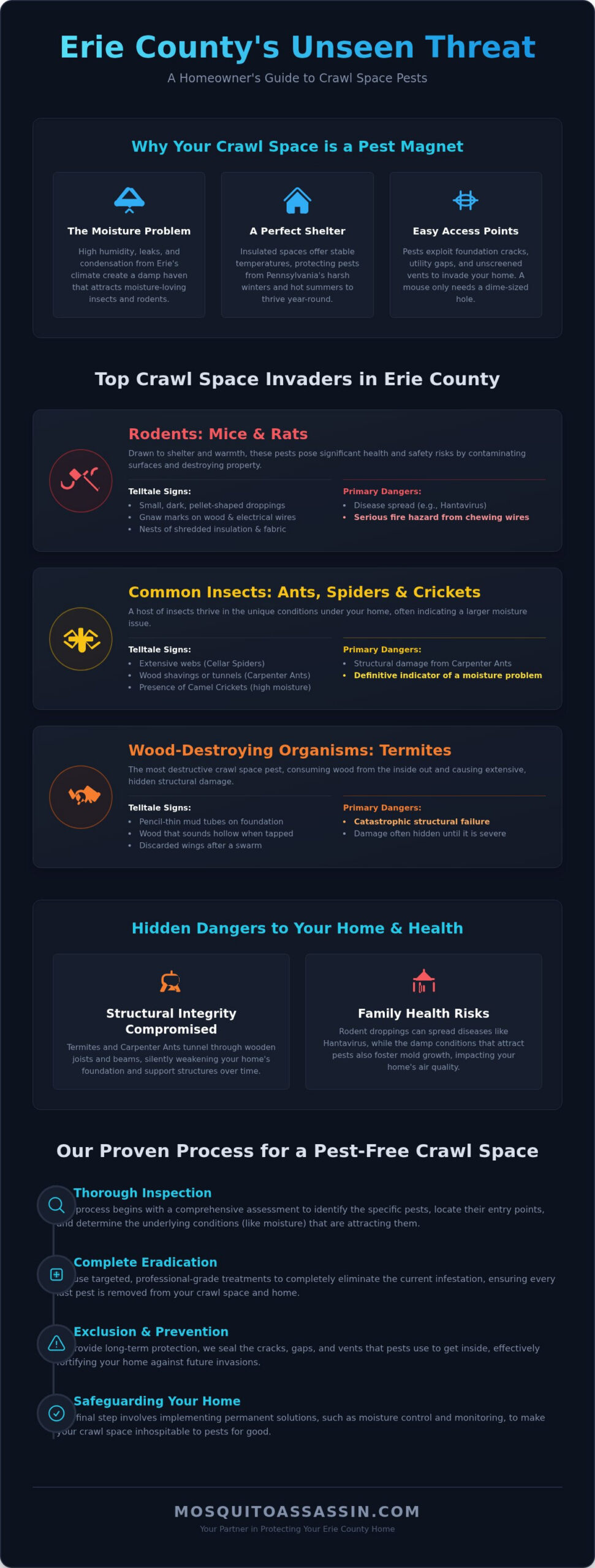
    Do you hear unsettling scratching noises from below your floorboards? Or maybe a persistent, musty smell is seeping into your living space, hinting at a hidden problem you’d rather not face. For many homeowners, these are the first warning signs of crawl space pests in Erie County-an unseen threat that can compromise your home’s structural integrity and your family’s air quality. You don’t have to live with the uncertainty or the potential damage any longer.

    This homeowner’s guide is your definitive resource for taking back control. We will help you identify the common culprits lurking beneath your home, from destructive termites and carpenter ants to disease-carrying rodents and moisture-loving insects. You’ll discover exactly why your crawl space has become a haven for these invaders and, most importantly, learn the proven, professional strategies for their complete eradication. It’s time to safeguard your property’s value and protect your family’s health for good.

    Key Takeaways

    • Understand how Erie’s specific climate, from lake effect snow to summer humidity, turns your crawl space into a perfect breeding ground for pests.
    • Discover the top 5 most common crawl space pests Erie County residents face and learn to spot the early warning signs of an infestation before it spreads.
    • Uncover the hidden dangers pests pose, from compromising your home’s structural integrity to impacting your family’s respiratory health.
    • Learn the proven, multi-step professional process for completely eradicating crawl space pests in Erie County and safeguarding your home against future invasions.

    Why Your Erie County Crawl Space is a Magnet for Pests

    Beneath your home lies a space that most homeowners rarely think about: the crawl space. Unfortunately, what’s out of sight shouldn’t be out of mind. This dark, damp, and undisturbed environment is the perfect habitat for a wide variety of insects and rodents. In our region, the unique climate-from heavy lake effect snow to humid summers-creates a persistent moisture problem, turning your crawl space into an ideal breeding ground and shelter for unwanted guests.

    To understand why this area is so critical for home maintenance, this video provides an excellent overview of what every homeowner should know.

    The Moisture Problem: Humidity and Leaks

    Moisture is the number one attractant for the crawl space pests Erie County homeowners battle year-round. Pests like camel crickets, spiders, millipedes, and rodents are drawn to damp environments to survive and reproduce. This moisture often comes from poor exterior drainage, subtle plumbing leaks, or simply condensation from Erie’s high humidity. This constant dampness makes the environment not only attractive to pests but also hospitable to indoor mold growth as well as infestations. Furthermore, damp or rotting wood acts as a dinner bell for wood-destroying insects like carpenter ants and termites, threatening your home’s structural integrity.

    A Perfect Shelter from Pennsylvania Weather

    Your crawl space offers a five-star resort for pests seeking refuge from Pennsylvania’s extreme weather. The insulated area provides stable, moderate temperatures year-round, protecting them from frigid winters and scorching summer days. This allows pests not only to survive but to thrive and reproduce without interruption. Once established, they use the crawl space as a safe staging ground, gaining easy access to your kitchen, pantry, and living areas through floorboards and wall voids.

    Easy Access: Gaps, Vents, and Cracks

    An unsealed crawl space is like leaving your front door wide open for pests. Insects and rodents are experts at finding and exploiting the smallest openings to get inside. Common entry points include:

    • Cracks in the foundation walls
    • Gaps around utility pipes and wiring
    • Unscreened or damaged vents
    • Poorly fitted access doors

    A mouse can squeeze through a hole the size of a dime, and many insects need even less space. Sealing these entry points is a critical first step in any professional pest control strategy, providing long-term protection and peace of mind for your family.

    Top 5 Crawl Space Pests Found in Erie County Homes

    Your home’s crawl space is an out-of-sight, out-of-mind area, but its dark, damp, and undisturbed environment is a five-star resort for unwanted invaders. Understanding the most common crawl space pests Erie County homeowners face is the first step toward safeguarding your property. Below, we identify the top culprits our professional technicians frequently eliminate.

    Rodents: Mice and Rats

    Drawn to the shelter and warmth your crawl space provides, mice and rats are far more than a nuisance. Telltale signs of their presence include:

    • Small, dark, pellet-shaped droppings.
    • Gnaw marks on wooden joists, pipes, or electrical wires.
    • Nests made from shredded insulation, fabric, and other debris.

    These pests pose significant health risks, as their urine and feces can spread diseases like Hantavirus. Furthermore, their constant chewing on wiring creates a serious fire hazard, making swift eradication essential for your family’s safety.

    Insects: Spiders, Ants, and Camel Crickets

    A host of insects thrives in the unique conditions under your home. You’ll often find spiders, like cellar spiders, spinning extensive webs in dark corners. More concerning are carpenter ants, which are drawn to damp wood and excavate tunnels that can compromise your home’s structural integrity over time. Another key indicator is the presence of camel crickets; these strange-looking, hump-backed insects are a definitive sign of a high-moisture problem. As noted in the Penn State Extension’s guide to Common Urban Pests, managing moisture is a critical factor in controlling many of these invaders.

    Wood-Destroying Organisms: Termites

    Of all potential crawl space pests, subterranean termites are by far the most destructive. These silent destroyers consume wood from the inside out, often causing extensive structural damage before you even know they’re there. Be on the lookout for pencil-thin mud tubes climbing your foundation walls or wood that sounds hollow when tapped. Because their damage is hidden deep within your home’s structure, a professional inspection is the only reliable way to confirm an infestation and prevent catastrophic failure.

    From disease-carrying rodents to structure-damaging termites, the threats lurking beneath your floors are serious. Don’t wait for a small problem to escalate. The certified technicians at Mosquito Assassin are experts in identifying and eliminating these invaders and more. Our comprehensive pest control services are designed to protect your home and give you lasting peace of mind.

    The Hidden Dangers: How Crawl Space Pests Affect Your Home and Health

    An undiscovered pest infestation in your crawl space is more than just an unpleasant thought; it’s a direct threat to your property’s integrity and your family’s health. What happens under your home doesn’t stay there. Due to a natural airflow phenomenon called the “stack effect,” up to 50% of the air in your living area originates from the crawl space. This means pest-related contaminants are constantly rising into your home. Addressing crawl space pests Erie County residents face is a critical investment in safeguarding your property value and well-being.

    Threats to Your Property’s Structure

    Out of sight shouldn’t mean out of mind. Destructive pests silently compromise your home’s foundation from below. This hidden damage can lead to thousands in repairs if left unchecked.

    • Structural Damage: Termites and carpenter ants chew through wooden floor joists, support beams, and subflooring, weakening the very structure of your home.
    • Fire Hazards: Rodents like mice and rats gnaw constantly on whatever they can find, including electrical wiring. This creates a serious fire risk hidden within your walls.
    • Energy Loss: Pests shred and soil insulation as they nest, drastically reducing its effectiveness and causing your energy bills to climb.

    Health Risks and Poor Air Quality

    As contaminated air from the crawl space circulates through your home, it carries a host of invisible threats. That musty smell you’ve noticed is often a direct warning sign of a problem below, indicating the presence of moisture, mold, and pests. These intruders introduce harmful allergens and pathogens into the air you breathe, including bacteria from rodent droppings and viruses carried by cockroaches.

    Controlling the humidity and air circulation in this critical area is just as important as removing the pests themselves. For homeowners looking to tackle moisture issues and improve overall air quality at the source, BulletProof Air offers professional HVAC solutions.

    Impact on Local Businesses

    These dangers aren’t limited to residences. For Erie County businesses, a crawl space infestation can be devastating, damaging inventory, violating health codes, and driving away customers for good. Mosquito Assassin provides proven and reliable commercial pest control services to safeguard your reputation and your bottom line. Protecting your property starts with a professional inspection; contact Mosquito Assassin to secure your home or business today.

    Our Proven Process for a Pest-Free Crawl Space in Erie, PA

    Dealing with an unseen infestation under your home is stressful. At Mosquito Assassin, we eliminate that stress with a proven, methodical process designed not just to remove unwanted guests, but to safeguard your home against future invasions. Our team of local, certified technicians lives right here in the Erie area and understands the unique challenges local homeowners face. We don’t offer temporary fixes; we deliver lasting peace of mind by solving the root of the problem.

    Step 1: Comprehensive Crawl Space Inspection

    Every successful pest eradication begins with a thorough investigation. This is the critical first step in developing a customized treatment plan tailored specifically to your property. Our certified technicians will enter your crawl space to conduct a detailed assessment, identifying:

    • The specific pests present (spiders, rodents, camel crickets, etc.) and the extent of the infestation.
    • All potential entry points, including foundation cracks, utility line gaps, and damaged vents.
    • Excessive moisture levels and sources, like plumbing leaks or poor ventilation, which create an ideal habitat for pests.
    • Existing damage to insulation, vapor barriers, or structural wood that may contribute to the problem.

    Step 2: Targeted and Safe Treatment

    Once we’ve diagnosed the issue, we deploy a precise and targeted solution. We don’t believe in a one-size-fits-all approach that overuses chemicals. Our treatments are specifically chosen for the pests you have, ensuring maximum effectiveness where it’s needed most. We are deeply committed to the health of your family and home, which is why we use family-safe products and professional application methods to eliminate crawl space pests in Erie County with minimal impact on your living environment.

    Step 3: Exclusion and Prevention

    Getting pests out is only half the battle; keeping them out for good is our ultimate goal. Our exclusion work is designed to fortify your home’s defenses. This hands-on process involves sealing cracks in the foundation, screening vents with durable materials, and closing any gaps pests use to gain access. We also address underlying moisture issues, often recommending the installation or repair of a vapor barrier to make your crawl space dry, clean, and inhospitable to future invaders. As your neighbors, our local team is personally committed to protecting your home for the long term.

    This comprehensive strategy is how we ensure that when we solve your problem, it stays solved. Ready to secure your home? Contact Mosquito Assassin today to schedule your professional inspection.

    Safeguard Your Erie County Home from Crawl Space Invaders

    Your home’s crawl space is a critical but often overlooked foundation, highly susceptible to infestations that thrive in its dark, damp environment. As we’ve detailed, pests like rodents, termites, and spiders are more than just a nuisance; they actively threaten your family’s health with allergens and bacteria while compromising your home’s structural integrity. Don’t let the challenge of crawl space pests Erie County homeowners commonly face undermine your peace of mind. Taking decisive, professional action is the only way to ensure complete eradication and long-term protection for your property.

    As your five-star rated, locally owned and operated neighbors, Mosquito Assassin provides the authoritative solution you need. Our certified technicians don’t just treat the problem-they eliminate it using a proven process designed for our region. We stand behind our work with an ironclad pest-free guarantee. Our promise is simple and powerful: If the pests return, so do we. That’s the peace of mind you and your family deserve.

    Protect Your Home’s Foundation. Schedule Your Erie County Crawl Space Inspection Today!

    Frequently Asked Questions

    What are the common signs of pests in my crawl space?

    Look for several key indicators. Musty odors often signal moisture issues that attract pests, while visible droppings or gnaw marks on wood and wiring are clear signs of rodents. You might also notice damaged or shredded insulation, which pests use for nesting. Unexplained scratching or scurrying sounds coming from below your floors are another definite red flag that you have unwelcome guests. If you see any of these signs, a professional inspection is your next best step.

    How much does professional crawl space pest control cost in Erie County?

    The cost for professional pest control varies based on several factors, including the type of pest, the severity of the infestation, and the size and condition of your crawl space. We provide a comprehensive inspection to accurately assess the situation. After our inspection, we will give you a detailed, transparent quote for a customized treatment plan designed to eliminate the problem effectively. Contact us to schedule your no-obligation inspection and receive a precise estimate for your property.

    Are the treatments used in my crawl space safe for my family and pets?

    Absolutely. Safeguarding your family and pets is our top priority. We use proven, family-safe treatments and apply them according to strict industry standards. Our certified technicians are experts in targeting pests directly where they live and breed, minimizing any exposure within your home’s living areas. We ensure our methods are both highly effective against pests and responsible for the well-being of your loved ones. You can have complete peace of mind with our professional approach.

    Can pest control help get rid of the musty smell coming from my crawl space?

    Yes, a musty odor is often a symptom of the very conditions that attract pests: excess moisture and organic decay. While our treatments eliminate the pests contributing to the problem, the smell is often tied to the damp environment. As part of our comprehensive service for crawl space pests in Erie County, we can also recommend moisture control solutions like vapor barriers to eliminate the source of the odor and make your crawl space less inviting to future invaders.

    In cases where the musty odor is caused by significant mould growth, specialized removal may be necessary. For example, professional services like ABC Mould Cleaning Solutions focus specifically on identifying and safely eliminating mould to restore healthy air quality.

    What is crawl space encapsulation, and is it necessary for pest control?

    Crawl space encapsulation is the process of completely sealing your crawl space with a heavy-duty moisture barrier on the floors, walls, and pillars. While not always required for a one-time treatment, it is the most effective long-term strategy for pest prevention. By eliminating moisture, you remove the primary element that attracts termites, rodents, and insects, safeguarding your home from future infestations and creating a healthier, more stable environment under your home.

    How often should I have my crawl space inspected for pests?

    We recommend a professional crawl space inspection at least once a year. An annual check-up allows our certified technicians to identify early signs of activity or moisture issues before they escalate into a major infestation. For homes with a history of pest problems or known moisture concerns, more frequent inspections may be beneficial. Regular inspections are the key to proactive protection and safeguarding your home’s structural integrity from pests and the damage they cause.

    Do you service areas outside of Erie, like Crawford or Ashtabula County?

    Yes, we do! While we are proud to be the trusted local experts for pest control in Erie County, our service area extends to our neighbors as well. Our team of professional technicians proudly serves homeowners and businesses throughout Crawford County, PA, and Ashtabula County, OH. Our team lives in the communities we serve, and we are committed to providing fast, reliable pest elimination services to the entire region. If pests return, so do we.