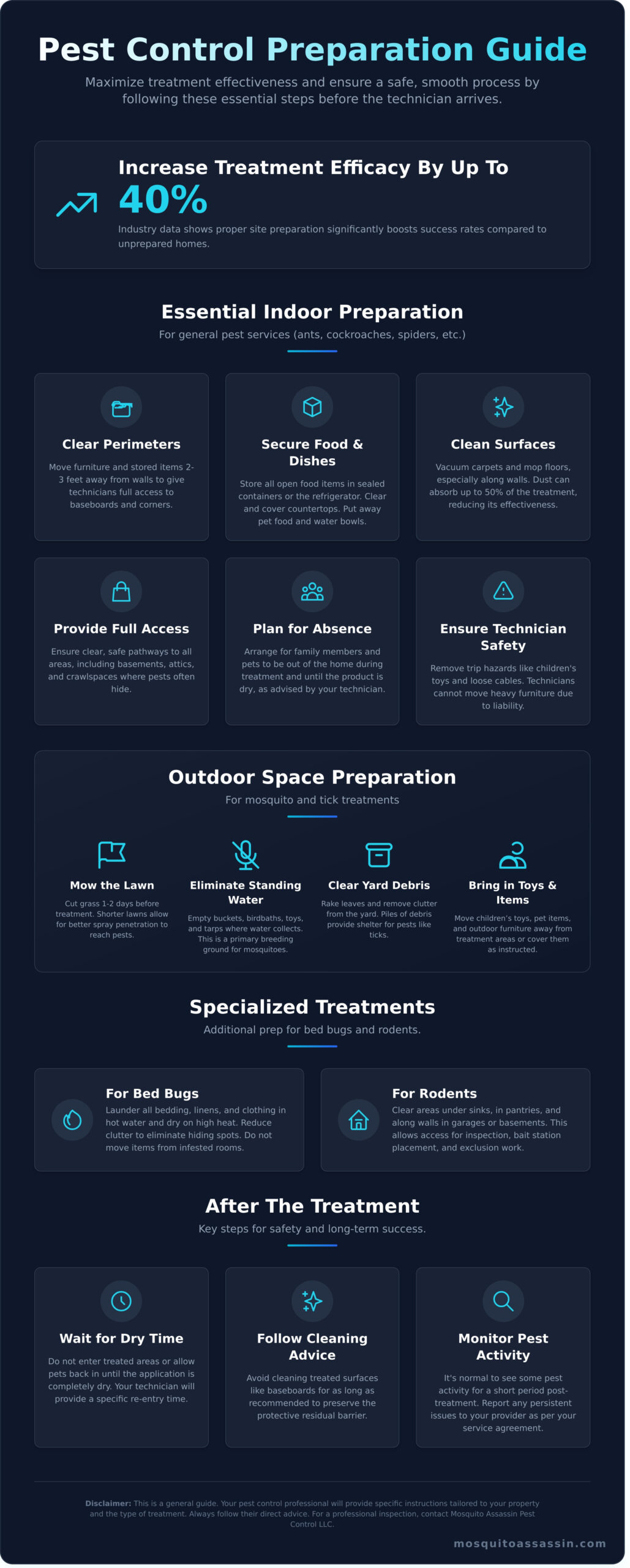
Most homeowners believe their job ends the moment they schedule an appointment; however, the preparation work done before a technician arrives often determines the success of the entire treatment. It’s completely normal to feel a sense of urgency. You want to ensure your family and pets stay safe while making sure those pests are gone for good. Understanding how to prepare for a pest control visit is the most effective way to eliminate confusion and help the process go smoothly. Industry data indicates that proper site preparation can increase the efficacy of certain treatments by as much as 40% compared to unprepared homes.
This guide provides a clear roadmap for residents in Erie County, Crawford County, and Ashtabula County to get their properties ready for professional service. You’ll learn exactly what needs to be moved, cleaned, or covered to allow for maximum coverage. We’ll examine specific requirements for different areas of the home, from the kitchen pantry to the perimeter of the yard. By following these practical, fact-based steps, you can help ensure the treatment is as thorough and effective as possible without the need for guesswork or unnecessary delays.
Disclaimer: The information provided on this blog is for general informational purposes only and is not intended as professional pest control advice. Conditions vary by property, environment, and location. Reading this content does not create a service agreement. For an inspection or professional recommendations, please contact Mosquito Assassin Pest Control LLC directly.
Key Takeaways
- Understand how thorough property preparation enhances Integrated Pest Management (IPM) strategies by removing physical barriers to treatment.
- Learn how to prepare for a pest control visit by clearing perimeters and securing food items to ensure technicians have unobstructed access to high-activity areas.
- Discover why managing lawn height and removing stagnant water are critical steps for achieving better spray penetration during mosquito and tick treatments.
- Identify the specialized requirements for bed bug and rodent eradication, including heat-treating fabrics and clearing entry points for exclusion work.
- Gain insights into post-treatment safety protocols, such as observing proper drying times and following cleaning guidelines to preserve residual barriers.
The Importance of Property Preparation for Effective Pest Management
Professional property preparation is the systematic process of removing physical obstacles to ensure a thorough application of chemical or mechanical treatments. It’s a foundational step that moves beyond simple housekeeping. When a homeowner understands how to prepare for a pest control visit, they’re essentially creating a clear roadmap for the technician to follow. This process is vital because approximately 90% of household pests, including ants, cockroaches, and spiders, thrive in the hidden recesses of a structure. Without clear access, even the most advanced pest control services may struggle to reach the heart of an infestation.
Effective preparation directly supports the principles of Integrated Pest Management (IPM). IPM focuses on long-term prevention and suppression by combining biological, cultural, and physical tools with judicious pesticide use. By clearing clutter and providing access to wall voids, homeowners allow the professional to implement these multi-faceted strategies more efficiently. In Erie and Crawford Counties, where seasonal shifts drive pests indoors, this level of coordination between the resident and the technician is the primary factor in achieving a pest-free environment.
Ensuring Maximum Treatment Efficacy
Treatment success often depends on the quality of the surface being treated. For instance, a layer of household dust or debris can act as a sponge, absorbing liquid residuals before they can bond with the baseboard or floor. Industry data indicates that heavy dust can reduce the effective lifespan of certain insecticides by as much as 50% within the first 48 hours. Clear surfaces ensure that pests make direct contact with the active ingredients, which is necessary for the transfer effect in colonial insects like ants. An uncluttered space also allows for a 100% accurate identification of pest activity during the initial inspection, preventing the misidentification of species that require different treatment protocols.
Technician Safety and Liability
Safety is a non-negotiable aspect of professional pest management. Technicians must navigate tight spaces while carrying specialized equipment, and common trip hazards can lead to workplace injuries. Licensed professionals are generally prohibited from moving heavy furniture, such as refrigerators or large entertainment centers, due to liability constraints and the risk of property damage. If a homeowner fails to clear these areas, the technician may be forced to skip critical treatment zones. Common obstacles that should be cleared include:
- Children’s toys and pet accessories in high-traffic hallways
- Stacked boxes or storage bins blocking access to the attic or crawlspace
- Loose power cables and extension cords along baseboards
Residents must also disclose any DIY chemical applications made within the last 30 days. Mixing certain store-bought sprays with professional-grade products can cause hazardous chemical reactions or cause the professional treatment to fail entirely. Preparation is the bridge between a temporary fix and a permanent solution. By taking the time to understand how to prepare for a pest control visit, property owners in Ashtabula County ensure their home receives the most comprehensive care possible. For specific questions regarding property requirements, professional pest control may help reduce risk. Detailed inquiries can be directed to the online booking portal for further assistance.
Disclaimer: The information provided on this blog is for general informational purposes only and is not intended as professional pest control advice. Conditions vary by property, environment, and location. Reading this content does not create a service agreement. For an inspection or professional recommendations, please contact Mosquito Assassin Pest Control LLC directly.
Essential Indoor Preparation Steps for General Pest Services
Preparation isn’t just about tidiness; it’s about ensuring the effectiveness of the entire treatment plan. Most modern pest management strategies rely on targeted applications in specific harborages. If a technician cannot reach these areas, the treatment’s success rate drops significantly. Knowing how to prepare for a pest control visit ensures that every corner of the home is accessible for a thorough inspection and application. In the pest control industry, 90% of a successful treatment is often attributed to the quality of the preparation and the inspection that follows.
Kitchen and Dining Area Protocols
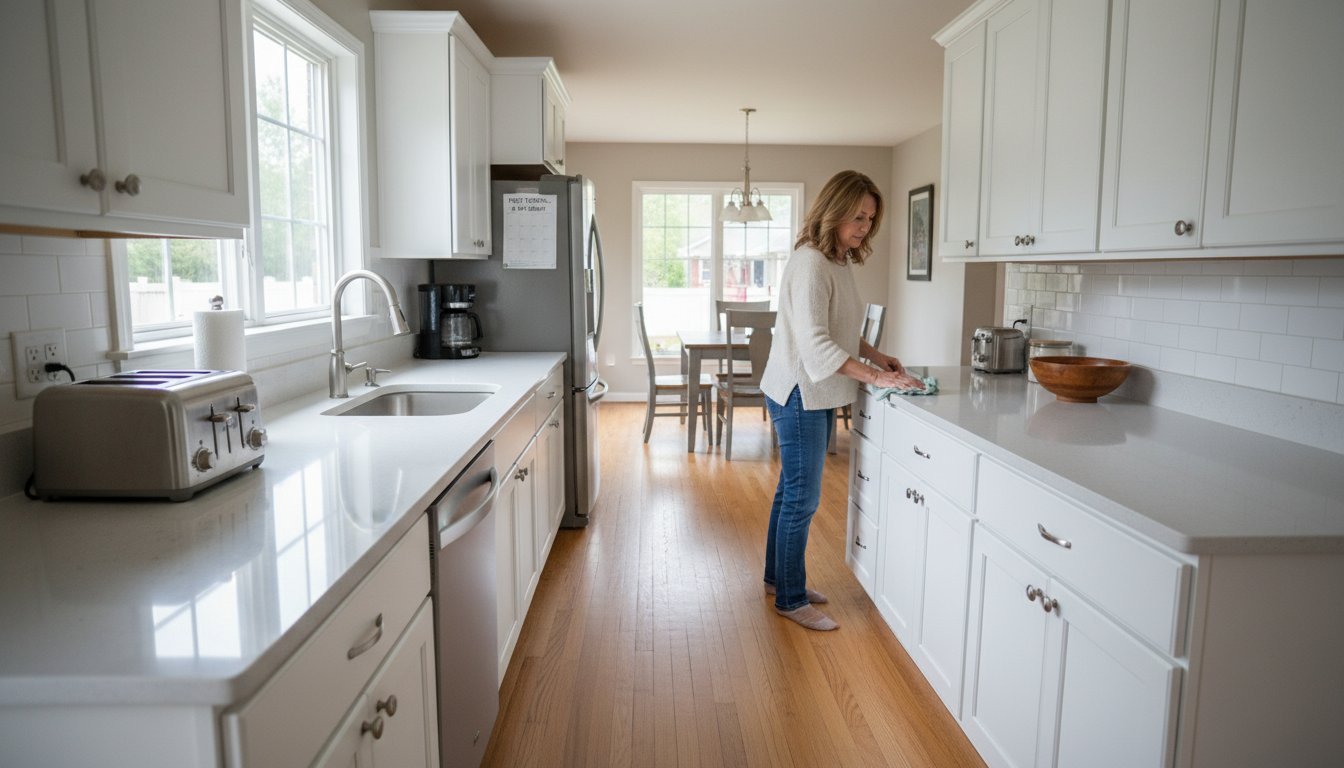
The kitchen is often the primary focus of an indoor service because it provides the three things pests need most: food, water, and shelter. Before the technician arrives, seal all open food packages in airtight plastic or glass containers. Moving items like fruit bowls or bread into the refrigerator is a simple way to protect them from accidental contact. Clear everything off the countertops and the top of the refrigerator. Cockroaches often hide in the warm motor housing or the dark spaces behind and above large appliances. Additionally, remove all pet food and water bowls from the floor. Leaving these items out during a service can lead to contamination; keep them tucked away for at least two to four hours after the treatment is complete.
Furniture and Storage Access
For a general pest service to work, the technician must have access to the baseboards. Move heavy furniture, such as sofas, bookshelves, and hutches, at least 12 to 18 inches away from the walls. This gap allows for a continuous barrier to be applied where pests naturally travel. In cases of specific infestations like silverfish or spiders, emptying the cabinets under sinks is vital. These damp, dark environments are high-traffic zones for moisture-loving insects. Detailed information on specific pest behaviors and harborages can be found in the UC IPM Pest Notes, which highlights why these access points are so critical for eradication.
Vacuuming is another essential step that many homeowners miss. It does more than just clean the floor; the vibrations from a vacuum can actually stimulate certain pests to emerge from hiding. For flea treatments, vacuuming triggers pupae to hatch, making them more susceptible to the treatment. Always dispose of the vacuum bag or empty the canister in an outdoor bin immediately after use. If the service is targeting bed bugs or heavy flea infestations, all bedding, curtains, and linens should be laundered in water exceeding 120 degrees Fahrenheit. This high heat is necessary to destroy eggs that might survive a surface application. Understanding how to prepare for a pest control visit by managing these fabrics can prevent a re-infestation from hidden eggs.
Protecting sensitive household members is a top priority for any professional service. For those with fish tanks, cover the top of the aquarium with a damp towel and temporarily disconnect the air pump to prevent airborne particles from entering the water. Small caged animals like birds or hamsters should be moved to a room that isn’t being treated or taken off-site for the duration of the service. If you’re unsure about the specific needs of your property in Erie or Crawford Counties, scheduling a professional consultation can provide clarity on the necessary steps. Proper preparation allows the technician to focus on the core mission: finding the pest, identifying the source, and eliminating the threat safely and efficiently.
Preparing Outdoor Spaces for Mosquito and Tick Treatments
Effective outdoor pest control depends heavily on the condition of the property at the time of application. In regions like Erie County, Crawford County, and Ashtabula County, location specific factors play a major role in scheduling. Proximity to Lake Erie means that sudden shifts in weather, such as high winds exceeding 15 miles per hour or unexpected rain squalls, can impact the timing of a visit. Professional technicians monitor these patterns closely to ensure treatments aren’t washed away or drifted off-target. Understanding how to prepare for a pest control visit ensures that the property is ready for a precise and effective application.
Stagnant water is the primary breeding ground for mosquitoes, and addressing these sources 24 to 48 hours before a visit is essential. Even a small bottle cap filled with water can host hundreds of larvae. Homeowners should inspect gutters for clogs, flip over wheelbarrows, and empty birdbaths. If decorative ponds or drainage areas cannot be drained, they should be identified for the technician. These actions align with the EPA’s guide to Integrated Pest Management, which emphasizes cultural and physical controls as the first line of defense against infestations.
Yard Maintenance and Debris Removal
Mowing the lawn exactly 24 hours before a scheduled treatment is one of the most effective ways to improve tick control results. Ticks thrive in high-humidity environments found at the base of tall grass blades. When grass is kept short, the treatment can penetrate deep into the thatch layer where these pests harbor. Conversely, mowing immediately after a treatment can remove the product before it has time to bond with the vegetation, reducing its longevity. Removing leaf litter and grass clippings is also vital; these organic piles create damp microclimates that protect ticks from the sun and wind.
Before the technician arrives, the yard must be cleared of all portable items. This includes:
- Children’s toys, swing sets, and sandboxes (cover if they cannot be moved).
- Pet bowls, dog bones, and outdoor bedding.
- Gardening tools and lawn furniture cushions.
Clearing these items provides the technician with unobstructed access to the perimeter and foliage where pests rest during the heat of the day.
Protecting Non-Target Areas
Safety and precision are the hallmarks of professional pest management. Homeowners should identify sensitive areas such as koi ponds, vegetable gardens, or flowering plants that attract pollinators. While many modern treatments are designed for residential use, covering these areas with a tarp or moving potted plants to a garage adds an extra layer of protection. It’s also necessary to ensure all windows and doors are tightly sealed. Power spraying equipment uses pressurized air to deliver product into dense foliage, and open windows can allow mist to enter the home unintentionally.
The final step in how to prepare for a pest control visit involves managing the movement of family members and pets. All residents and animals must remain indoors during the application and for a specific duration afterward. In most cases, this wait time lasts between 30 to 60 minutes, or until the liquid treatment has completely dried on the surfaces. Once dry, the product bonds to the vegetation and is safe for normal yard activity. Following these protocols ensures the treatment remains undisturbed while keeping everyone on the property safe.
Specialized Preparation for Bed Bug and Rodent Eradication
Standard maintenance visits usually involve clearing a path around the baseboards, but specialized treatments for bed bugs and rodents demand much more intensive homeowner involvement. These pests are resilient and hide in structural voids that are difficult to reach. Effective eradication depends on the technician having total access to every potential harborage site. Homeowners in Erie and Crawford Counties should expect to spend between 3 and 5 hours preparing their property before the technician arrives. This level of detail is necessary because even a single missed nesting site can lead to a re-infestation within 21 days. Understanding how to prepare for a pest control visit of this scale ensures that the treatment reaches the source of the problem. Specialized treatments aren’t just about applying product; they’re about altering the environment to make it uninhabitable for the target pest.
Bed Bug Specific Requirements
Bed bugs are experts at hiding in the smallest crevices of a bedroom. To prepare, you must follow a rigorous protocol to ensure the treatment penetrates their hiding spots. A 2022 study from the University of Kentucky indicates that temperatures exceeding 118 degrees Fahrenheit are required to kill all life stages, including eggs. Use the following steps to secure your belongings:
- Strip all bed linens, including pillowcases and mattress pads, and place them immediately into sealed plastic bags.
- Transport these bags directly to the laundry room and dry everything on high heat for at least 30 minutes.
- Empty all dresser drawers and closets completely so the professional can inspect the structural joints of the furniture where 70% of bed bugs typically congregate.
- Place electronics like laptops or gaming consoles in sealed containers because they cannot be treated with liquid residuals.
Rodent Control Preparation
Rodent exclusion focuses on sealing entry points and removing the incentives that bring mice or rats indoors. Start by clearing a 12-inch perimeter around the foundation of the home and removing all clutter from the garage. This provides the technician a clear line of sight to identify entry points as small as 1/4 inch. Identifying these gaps is vital; a single pair of mice can produce up to 60 offspring in a single year if left unchecked. Homeowners should also remove competing food sources. If birdseed, grass seed, or unsealed pantry goods are available, rodents are 50% less likely to interact with professional bait stations. Managing clutter in attics and basements is equally important. Removing cardboard boxes eliminates the nesting material rodents use to insulate their dens during the cold winters in Ashtabula County. This preparation allows the technician to focus on high-traffic areas and structural vulnerabilities.
Properly staging the environment is the most effective way to support a professional treatment plan. If the property remains cluttered, the efficacy of the application drops significantly. For more information on setting your home up for success, professional pest control may help reduce risk.
Disclaimer: The information provided on this blog is for general informational purposes only and is not intended as professional pest control advice. Conditions vary by property, environment, and location. Reading this content does not create a service agreement. For an inspection or professional recommendations, please contact Mosquito Assassin Pest Control LLC directly.
Post-Treatment Protocols and Long-Term Prevention Strategies
The work doesn’t end once the technician leaves your property. Part of knowing how to prepare for a pest control visit involves understanding the specific steps required to keep your home safe and the treatment effective. Immediate aftercare focuses on safety, while long-term strategies ensure that the initial eradication efforts aren’t wasted. Homeowners in Erie and Crawford Counties often face unique seasonal pressures, making these post-visit protocols essential for maintaining a pest-free environment.
Safe Re-entry and Immediate Aftercare
Safety is the top priority following any professional application. Most liquid treatments require a drying time of two to four hours before residents can safely return. If you have small children or pets who spend time on the floor, waiting the full four hours is a standard precaution to ensure all surfaces are completely dry. For households with individuals who have respiratory sensitivities or chemical allergies, extending this period to six hours and opening windows for 15 minutes upon return can help refresh the indoor air quality.
Don’t be alarmed if you see an increase in pest activity during the first 72 hours. This is frequently called the “flushing effect.” The treatment disrupts nesting sites and forces insects out of their hiding spots as they come into contact with the product. Seeing a 25% spike in visible pests during the first week is a normal sign that the treatment is working. Avoid the urge to spray these pests with over-the-counter aerosols, as this can interfere with the professional-grade products already in place. If you need to clean, avoid mopping or scrubbing within three inches of baseboards for at least five to seven days to prevent removing the residual barrier.
Maintaining the Pest Barrier
Chemical treatments are most effective when supported by physical exclusion and sanitation. Understanding how to prepare for a pest control visit means looking ahead to structural repairs that prevent future entry. Mice can fit through gaps the size of a dime, and many insects enter through crevices as small as 1/16th of an inch. Using silicone-based caulk to seal gaps around utility pipes and ensuring window screens are tight-fitting creates a secondary line of defense that works alongside professional products.
Waste and moisture management are equally critical in Ashtabula County and surrounding areas. Pests are drawn to reliable food and water sources. Implementing a few simple habits can significantly reduce the risk of a re-infestation:
- Keep outdoor trash cans at least 10 feet away from the foundation of the home.
- Ensure gutters divert rainwater at least five feet away from the house to prevent damp soil.
- Store firewood on elevated racks at least 20 feet from any entry point.
- Fix leaky faucets or pipes immediately, as even small drips provide enough hydration for a colony.
Monitoring is the final piece of the puzzle. Keep a log of any sightings, noting the date, location, and type of pest. This data is invaluable for technicians during follow-up visits. While DIY methods often focus on immediate kills, professional pest management focuses on breaking the life cycle of the pest. This comprehensive approach may help reduce risk by addressing the root cause of the infestation rather than just the symptoms. Consistent, proactive measures combined with professional oversight provide the most reliable year-round protection for your home.
Disclaimer: The information provided on this blog is for general informational purposes only and is not intended as professional pest control advice. Conditions vary by property, environment, and location. Reading this content does not create a service agreement. For an inspection or professional recommendations, please contact Mosquito Assassin Pest Control LLC directly.
Maximizing the Effectiveness of Your Pest Management Plan
Proper property preparation is the foundation of any successful pest eradication strategy. When homeowners take the time to clear access points and follow specific protocols for indoor and outdoor spaces, it allows professional treatments to reach the source of the infestation. Understanding how to prepare for a pest control visit is particularly vital for specialized cases like bed bugs or rodents, where specific staging can impact the success of the treatment. Residents in Erie and Crawford Counties in Pennsylvania, along with Ashtabula County in Ohio, see the best results when they combine professional service with these proactive steps.
Maintaining a pest-free environment requires a partnership between the property owner and a licensed professional. This five-star rated local service is fully licensed and insured in both PA and OH, ensuring that all treatments meet state safety regulations across the tri-county region. For those seeking a thorough property evaluation, professional pest control may help reduce risk. Taking these proactive steps today creates a safer, more comfortable environment for everyone in the household.
Disclaimer: The information provided on this blog is for general informational purposes only and is not intended as professional pest control advice. Conditions vary by property, environment, and location. Reading this content does not create a service agreement. For an inspection or professional recommendations, please contact Mosquito Assassin Pest Control LLC directly.
Frequently Asked Questions
Do I need to leave my house during a pest control treatment?
Most residents don’t need to leave for more than 2 to 4 hours during a standard application. If a technician uses specialized aerosols or heavy interior sprays, they’ll advise a longer period for safety. It’s vital to let the product dry completely before re-entering the living space to ensure the best results. Professionals in Erie and Crawford counties typically suggest this window to allow for maximum efficacy.
How long should I wait to clean my floors after the exterminator leaves?
You should wait at least 48 hours before mopping or scrubbing floors after a professional treatment. Cleaning too early removes the residual barrier that targets pests for 30 to 90 days. If you must clean a spill, use a damp cloth only on the affected spot; avoid the baseboards where the product is most concentrated. This patience ensures the treatment remains active against crawling insects.
Is it necessary to empty my kitchen cabinets for a general pest visit?
Emptying cabinets is usually only required for specific infestations like German cockroaches or pantry moths. In 90% of general maintenance visits, technicians treat baseboards and entry points without needing cabinet access. If a specialized preparation is required for your property, you’ll receive a detailed list 24 hours in advance. Keeping countertops clear is generally sufficient for most routine inspections and applications.
What should I do with my pets during an outdoor mosquito spray?
Pets must remain indoors for 30 to 60 minutes until the outdoor spray is completely dry. This prevents them from coming into direct contact with wet product on the grass or shrubs. Once the treatment has dried, it’s safe for paws and fur to return to the yard. Technicians in Ashtabula County recommend keeping water bowls and pet toys inside during the application process.
Can I stay in the house if I have asthma or respiratory sensitivities?
It’s recommended that individuals with respiratory sensitivities stay away for 6 to 8 hours after an interior treatment. Even with low-odor products, the physical presence of any mist can trigger symptoms in 15% of sensitive individuals. Opening windows for 20 minutes upon your return helps clear the air and provides peace of mind. Consulting a physician before your appointment is a wise precaution for those with chronic conditions.
Do I need to wash all my clothes after a bed bug treatment?
Yes, washing all fabric items on high heat for 30 minutes is a critical step in the eradication process. Heat is the only way to ensure 100% of eggs and larvae are destroyed. Learning how to prepare for a pest control visit involves sealing these clean clothes in plastic bags immediately after drying. This prevents any surviving pests from re-infesting your wardrobe while the treatment works on the rest of the room.
What happens if it rains immediately after an outdoor pest treatment?
Most professional products are rain-fast within 45 minutes of the application. If it rains within 20 minutes of the service, the product’s lifespan could be reduced by 60% or more. Technicians monitor local weather in Ashtabula and Erie counties to ensure applications occur during dry windows. If a heavy downpour occurs too soon, a follow-up application is often necessary to maintain the protective barrier around your home.
How often should a professional pest control visit be scheduled?
Most homeowners find that 4 scheduled visits per year provide consistent protection against seasonal pests. For residents in Crawford County, adding monthly mosquito treatments from May to September is common due to local humidity. Frequent inspections help identify 95% of potential entry points before pests move inside. Professional pest control may help reduce risk when maintained on a consistent quarterly schedule.
Disclaimer: The information provided on this blog is for general informational purposes only and is not intended as professional pest control advice. Conditions vary by property, environment, and location. Reading this content does not create a service agreement. For an inspection or professional recommendations, please contact Mosquito Assassin Pest Control LLC directly.