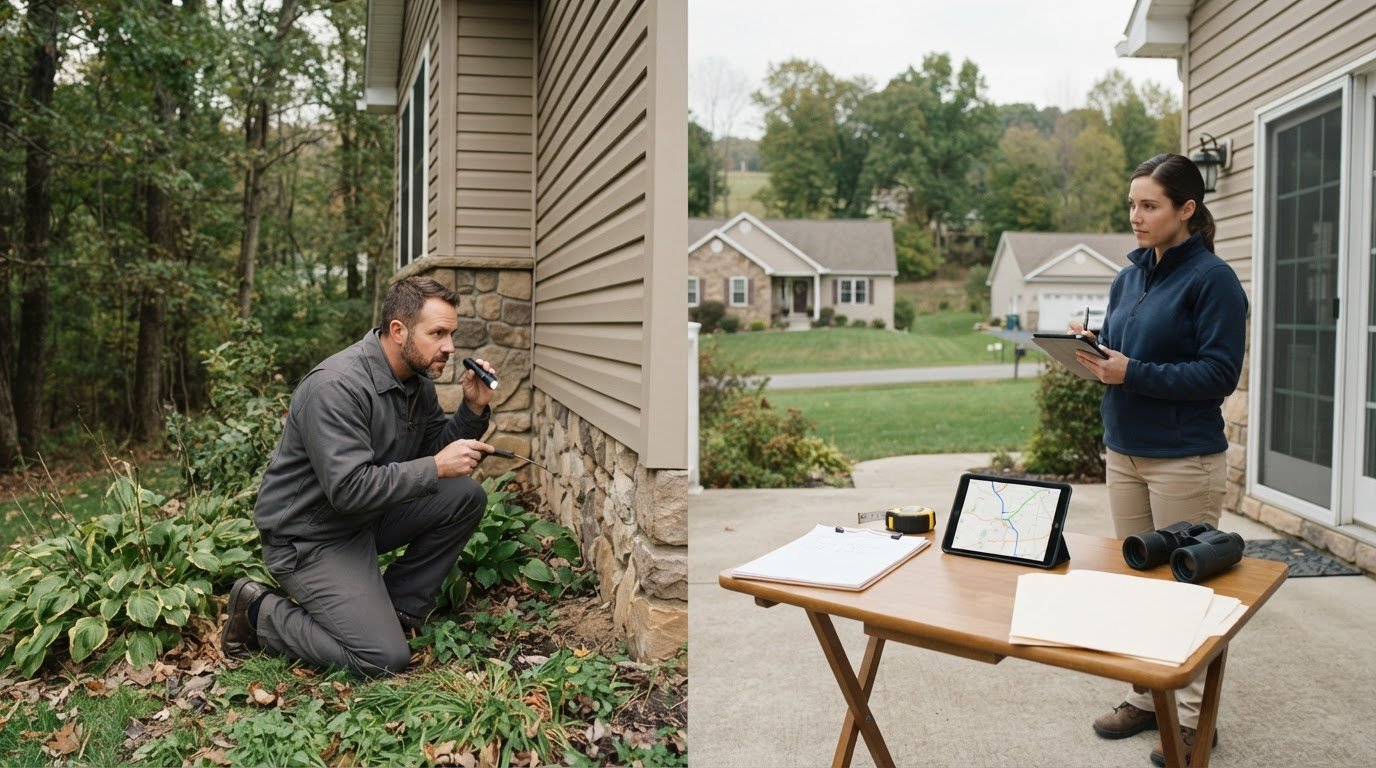
When comparing a local exterminator vs national pest service, neither option is automatically better. The right fit depends on your pest problem, property, and service needs. Local companies may know regional pest patterns, while national providers often use standardized plans. The inspection, treatment approach, and follow-up matter more than company size.
It’s reasonable to look beyond the first appointment. This comparison explains how local and national pest services can differ in plans, treatment methods, technician continuity, pest expertise, and response times, and what to weigh for your situation.
You’ll also learn what to look for in a service agreement and how to assess whether a provider’s approach suits your property. Focus on service details and follow-up, not just the company’s size.
Key Takeaways
- Compare plan terms and cancellation rules to understand how much flexibility each service provides.
- Look for a treatment approach that accounts for the pest, the property, and prevention, not just a standard visit.
- Consider whether technician continuity and service routes support clear follow-up over time.
- Local knowledge and national systems can each be useful; the better fit depends on your pest concerns and service priorities.
- Use the decision guide to weigh response needs and explore which pest control services fit your situation.
Contracts, cancellation, and month-to-month plans
A service plan may cover recurring visits, a one-time inspection, or treatment for a specific pest. Don’t assume local providers or national services use the same contract terms. Before scheduling, review the written agreement: note its term, visit schedule, covered pests, follow-up conditions, renewal process, and cancellation procedure.
“Month-to-month” describes a billing or service arrangement, but not every cancellation condition. Check the agreement for required notice, how to cancel, and whether scheduled visits continue during a notice period. A plan might renew automatically, for example, while cancellation instructions appear in another section. The agreement defines the commitment.
Use the same checklist to compare local and national pest services. Note whether visits are recurring or prompted by a reported pest issue, and whether follow-up is included. Then find out what happens if pests return between visits. Clear written terms distinguish ongoing prevention from a one-time treatment.
Ask how the treatment plan uses nonchemical measures and avoids unnecessary pesticide use. A provider might discuss sanitation, exclusion, or monitoring alongside targeted treatment. Humane, environmentally conscious pest control depends on the approach for the specific pest and property, not a broad label. Before agreeing to recurring service, ask how treatment and prevention will work.
Licensing and certification are separate from contract flexibility. Ask about the business’s and assigned technician’s applicable credentials, what each covers, and who will perform the treatment. Certification can indicate specific training, but it doesn’t replace a clear scope of work or explain what a plan includes.
National pest-control companies often use standardized plans for broad coverage, while local providers may tailor service to regional pest patterns. Neither model alone determines the right fit. Compare the pests covered, inspection process, prevention measures, visit structure, and cancellation terms. A local provider’s familiarity may be useful, while a national company’s defined plan may suit someone who values consistent procedures.
| Option | Contract term | Cancellation | Plan details |
|---|---|---|---|
| Local provider | Review the written term | Follow the agreement’s process | Compare local pest coverage and visit schedule |
| National provider | Review the written term | Follow the agreement’s process | Compare standardized plan scope and follow-up |
Choose an agreement that matches the pest problem, explains recurring visits and follow-up, and sets out clear cancellation terms.
Mosquito Assassin Pest Control LLC offers month-to-month recurring plans that can be canceled anytime. Those terms give shoppers specific details to compare with other plans’ cancellation processes and monthly costs. Before choosing, confirm which services are covered and how visits are scheduled, since those details determine whether a plan suits the property’s needs.
Inspection, treatment, and prevention process
A sound pest-control process connects inspection findings to targeted treatment and prevention. Compare how a provider identifies the pest, explains the plan, and determines follow-up needs.
An inspection should identify the pest, its activity, and conditions that may support it. Ant evidence near a kitchen, for example, differs from signs of rodents in an attic. Findings should shape the treatment plan rather than trigger the same response to every report. Ask which pest is being targeted, where treatment will occur, and what prevention measures are recommended.
Termite decisions also depend on identification. Subterranean and drywood termites live in different places, so inspection findings affect the treatment approach. A professional assessment should connect the suspected species, visible evidence, and property conditions to the recommended next step. Termite inspections and treatment address this focused concern, while a general pest plan may cover a broader range of common pests.
Family- and Pet-Conscious Treatments
Treatment planning that considers families and pets takes into account who uses the space and how. Tell the technician about pets, children, and areas needing special attention before treatment. Ask which areas are included, what precautions apply, and when normal access can resume. This helps shape a plan for your household, rather than focusing only on the pest or treatment method.
Personalized Treatment Plans
A personalized plan links inspection results to the pest, its location, and conditions around the property. A bed bug concern, for example, needs a different service scope from recurring ants near entry points. Recommendations may also reflect observed regional conditions. Compare the inspection findings with the proposed treatments and prevention steps.
Pest coverage should be explicit. A provider may handle ants, rodents, bed bugs, and termites, but the plan determines which are included. Don’t infer coverage from company size or a general pest-control label. Match the named pest to the written service scope, and distinguish routine prevention from specialized treatment. This makes comparisons more useful than relying on a broad list of possible pests.
A guarantee is meaningful only if its terms explain what qualifies for follow-up, which pests are covered, and whether conditions apply. Review those details alongside the inspection report and treatment scope. A strong process explains its findings, connects treatments to the identified pest, and clearly outlines prevention and follow-up.
For severe infestations, one response is heat treatment, which raises a room’s temperature to over 120°F for several hours. Ask the provider to explain whether this option fits the inspection findings and what parts of the room or property the treatment would involve. The recommendation should be tied to the identified pest and severity, not presented as an automatic substitute for a targeted plan.
Before agreeing, clarify what to move or protect, how access will be managed during treatment, and what follow-up to expect. Keep the explanation with the written scope so you can compare the proposed method with the findings and prevention measures. If heat isn’t recommended, ask which alternative addresses the same evidence.

Technician consistency and service routes
Warranties, retreatments, and service guarantees depend on the written plan, not simply company size. Compare what qualifies for a return visit, which pests are covered, and whether a separate charge applies.
Technician continuity can help service notes carry from one visit to the next. A returning technician may recognize where roaches appeared, which entry points were discussed, and which methods were used. A different technician can also work from clear records. Compare how each company documents findings, shares visit notes, and follows up on an active infestation.
Local and national providers organize routes differently, so don’t assume either model guarantees the same technician each time. Ask how appointments are assigned and whether technicians can review earlier service records. If a technician treated a kitchen and basement on a prior visit, for example, the notes should identify those areas and any changes reported. That continuity can make follow-up more focused.
Orkin availability depends on whether the address and requested pest service fall within its service area. Use the company’s address lookup or service-area information to check coverage for the property, rather than relying on a broad regional label. Local pest-control providers also have defined service areas. Confirm that the property is covered before comparing appointment options.
Service-area claims matter most when they cover the actual community, not just a nearby region. If you’re in Erie or Crawford County, Pennsylvania, or Ashtabula County, Ohio, compare coverage for your address and the pest service needed. Coverage in one community doesn’t establish availability in another, even if both are described as part of the same wider area.
Service agreements also determine what happens after a technician leaves. Compare visit frequency, pest coverage, cancellation terms, and retreatment conditions. If roach activity continues, the agreement sets out how follow-up works. Check whether it explains how to report renewed activity and what information the company records about the visit.
To check availability efficiently, have the property address and pest concern ready when arranging service. Then compare the appointment options, service scope, and whether the company serves that address. Keep the pest description and any prior treatment details together as a useful source for scheduling. This makes comparing local and national routes more practical than relying on general service-area claims.
Judge service routes by clarity, not assumptions about company size. Clear records, defined follow-up terms, and coverage for the property explain how recurring visits will work. Choose the agreement that describes how future visits are arranged, how technicians access service history, and what happens if the infestation continues.
Local provider expertise versus a national franchise
Local and national providers can both deliver effective pest control. Compare pest-specific expertise, treatment consistency, and how well the service fits your property and region.
Local Companies and National Chains
A local company may understand recurring pest patterns in its service area, such as seasonal ant activity or rodents entering buildings. National chains often use standardized plans designed for broader coverage. The key is how each provider applies its methods to your property. Ask how inspection findings, pest behavior, and likely entry points shape the recommended protection.
Local knowledge matters most when it informs a practical plan. A technician familiar with Erie County homes, for example, may recognize common property conditions that contribute to pest access. National procedures can provide a consistent framework across locations. Compare the actual inspection and prevention recommendations, not just the provider’s size.
When a National Provider Fits
A national provider may suit households that value standardized procedures across multiple properties or locations. A business managing sites in different regions, for example, may prefer one service framework and consistent records. Orkin’s national presence may be relevant if its service area covers the property and its plan addresses the pest concern.
Local expertise may be more useful when regional pest patterns shape the problem. Either way, compare scheduling, visit documentation, and whether the plan addresses your property’s specific entry points. Consistent methods help only when they suit the infestation and site conditions.
Orkin’s National-Brand Strengths
Orkin’s national-brand strength is its standardized service structure. National chains commonly use plans intended for broad use, which can make procedures more consistent. That framework may help customers understand what visits cover and how records are organized. It doesn’t replace pest-specific inspection or show, by itself, how well a plan suits a particular home.
Effective pest control depends on a sound strategy and proper application, not just a product’s brand name. Compare Orkin’s proposed methods with the inspection findings and prevention steps. A clear explanation of how particular treatments address the identified pest is more useful than a broad promise of protection.
Customer Reviews of Orkin and Local Providers
Reviews for Orkin and local exterminators vary by location, technician, and pest problem. To compare feedback in your area, focus on comments about the same service, such as rodent control or bed bug treatment, and note whether reviewers mention clear explanations and follow-up.
Reviews can reveal recurring themes, but they don’t establish which provider is best for every property. Compare comments about communication, scheduling, and visit consistency, then weigh them against the written treatment scope.
For termites, bed bugs, and rodents, neither a local provider nor Orkin is automatically better. Compare experience with the specific pest and the proposed treatment plan. Wildlife is a separate service category, so don’t assume a general pest-control plan includes wildlife removal.
Use a practical comparison: match the pest to the provider’s stated expertise, see how inspection findings guide treatment, and check whether prevention addresses entry points. For properties in Erie or Crawford County, Pennsylvania, and Ashtabula County, Ohio, local familiarity may add useful context, while national procedures may suit readers seeking a standardized approach.
Response times and technician consistency
Response time partly depends on where a company’s technicians and service routes are based. Local pest-control companies may respond faster because they work within smaller service areas, while Orkin’s coverage can span broader regions.
For a new infestation, the next available appointment matters, but so does what happens afterward. Compare the scheduling process, how the technician records findings, and whether follow-up visits can build on those records. Notes about activity near a foundation or a gap around a doorway, for example, can help the next technician understand what was observed before.
Technician consistency isn’t only about seeing the same person each visit. Clear records preserve useful knowledge when routes or personnel change. A service history should identify inspected areas, reported pest activity, and methods used. Without those details, a technician may have less context when assessing whether activity has changed since the previous visit.
Orkin technician training is another comparison point, but a company name alone doesn’t explain a technician’s knowledge of a specific pest or property. Relevant knowledge includes identifying signs of activity, explaining the treatment plan, and recognizing conditions that allow pest access. A technician assessing rodents, for instance, should consider reported activity and possible entry points, not just the room where evidence was found.
Local and national providers may differ in route design and scheduling systems. A smaller service area may make local appointments easier to coordinate, while a national operation may use established processes across many locations. Neither structure guarantees a particular response time. Compare how each provider handles the address, pest concern, and follow-up needs in the service area.
Written quotes also clarify what a proposed visit covers. Compare the inspection scope, target pest, treatment areas, and any stated follow-up conditions. A quote that gives only a general service description is less useful than one that identifies the concern, such as rodent activity near a foundation or insects entering through specific gaps.
Before choosing, note the earliest appointment offered, how the technician explains the pest issue, and how service records support later visits. Then consider whether the plan addresses likely access points and barriers. These details matter more than assuming a local or national provider will always arrive sooner or offer greater technician continuity.
For an active infestation, professional pest control can help assess the source and appropriate response. Compare scheduling and follow-up for your specific property, not by making broad assumptions about company size.
Mosquito Assassin Pest Control LLC: General Pest Control Plans
Mosquito Assassin Pest Control LLC offers General Pest Control Plans for households seeking ongoing attention to common pest concerns. Its services also include Rodent Control Service and Bed Bug Treatment. The right option depends on the pest and property conditions, so identifying the concern helps clarify what professional support may fit.
Mosquito Assassin Pest Control LLC serves Erie and Crawford Counties in Pennsylvania and Ashtabula County in Ohio. If your property is in one of these areas and pest activity is affecting your home, contact the company to discuss your needs and a suitable next step.
Make Your Next Pest Control Decision With Confidence
The local-exterminator-versus-Orkin decision is more useful when it reflects your property and priorities. Before choosing, note the pest concern, where you’ve noticed activity, and what you need from ongoing service. This gives the conversation a practical starting point and helps keep recommendations focused on your situation.
For homeowners in Erie and Crawford Counties in Pennsylvania or Ashtabula County in Ohio, Mosquito Assassin Pest Control LLC is a local option for discussing pest concerns. Contact Mosquito Assassin Pest Control LLC to talk through your needs and determine a suitable next step.
A clear conversation can help you move from comparing names to addressing the problem. When you’re ready, contact Mosquito Assassin Pest Control LLC to discuss your pest concern and next steps.
Disclaimer: This blog provides general information, not professional pest-control advice. Conditions vary by property, environment, and location. Reading this content does not create a service agreement. For an inspection or professional recommendations, contact Mosquito Assassin Pest Control LLC.
Frequently Asked Questions
How can I verify a local exterminator’s license, insurance, and certifications?
Ask the company for its business and technician license details, proof of insurance, and the exact name of each certification. Verify the details with the issuing agency or organization, and confirm the documents identify the business or technician handling your service. Check that each credential applies to the pest-control work being discussed. Keep the information with your service records for reference if questions arise.
Leave a Reply