
Blog

  • What Do Exterminators Use for General Spraying? A Professional Overview

    What Do Exterminators Use for General Spraying? A Professional Overview

    The “professional strength” label on a retail pesticide bottle is often more of a marketing tactic than a reflection of true chemical potency. Many property owners in Erie and Crawford Counties in Pennsylvania, as well as Ashtabula County in Ohio, find themselves trapped in a cycle of buying ineffective DIY sprays that fail to solve the underlying infestation. It’s completely natural to feel frustrated by these recurring pests or anxious about how various chemicals might affect your children and pets. You deserve a solution that works the first time without the guesswork of retail trial and error.

    Understanding exactly what do exterminators use for general spraying is the first step toward gaining confidence in your pest management strategy. This overview provides a comprehensive look at the specialized product classes and precision methods that define modern, professional-grade protection. You will discover how licensed experts move beyond simple sprays to utilize a scientific approach focused on long-term prevention, ensuring your home remains a secure environment for everyone inside. By the end of this guide, the terminology and technology behind professional services will be clear and accessible.

    Key Takeaways

    • Learn the science behind active and inert ingredients that allow professional products to target pests while maintaining stability.
    • Discover why professional formulations withstand weather and UV light better than standard retail sprays through advanced technology like microencapsulation.
    • Understand what do exterminators use for general spraying to establish a strategic perimeter barrier and targeted crack and crevice protection.
    • Gain confidence in the safety of professional services by learning about the strict EPA regulations and label requirements that licensed applicators must follow.
    • Explore how chemical treatments work alongside Integrated Pest Management (IPM) techniques for a more holistic and long-term approach to pest control.

    Understanding the Chemistry of Professional Pest Control

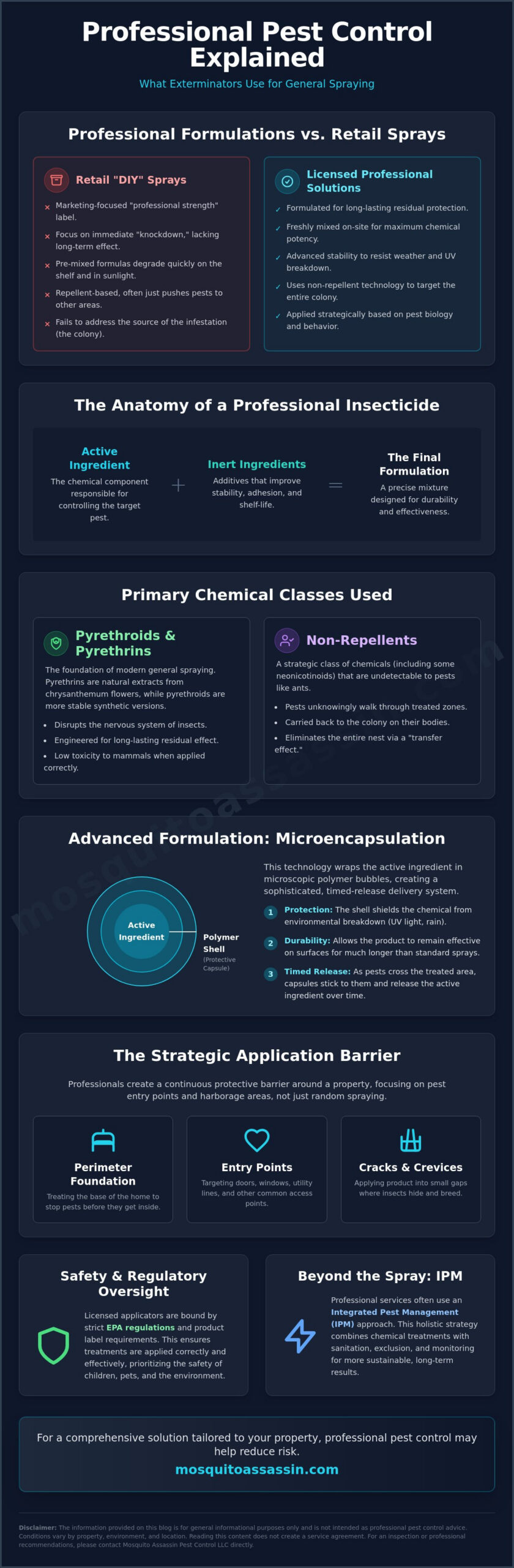
    For homeowners in Erie and Crawford Counties, general spraying is the professional application of liquid insecticides designed to create a protective barrier around a property. It targets common invaders like ants, spiders, and crickets before they can establish a presence indoors. When property owners ask what do exterminators use for general spraying, they’re often surprised to learn that the liquid in the tank is a complex mixture of active and inert ingredients. The active ingredient is the chemical responsible for controlling the pest; the inert ingredients are additives that improve the product’s shelf life, help it adhere to surfaces, or ensure it mixes properly with water.

    When investigating what do exterminators use for general spraying, it’s vital to recognize that professional formulations are built for durability. Licensed experts select specific products based on the unique biology of the target pest. They don’t rely on a one size fits all approach. While retail sprays often focus on immediate knockdown (killing a bug on contact), professional products emphasize residual protection. These chemicals are designed to remain active on surfaces for extended periods, providing a continuous shield against new arrivals for weeks or even months.

    To better understand this concept, watch this helpful video:

    Pyrethroids and Pyrethrins: The Foundation of Modern Spraying

    The most common chemical class used in general pest control includes pyrethrins and pyrethroids. Pyrethrins are natural compounds extracted from chrysanthemum flowers. Because natural pyrethrins break down quickly in sunlight, chemists developed Pyrethroids, which are synthetic versions engineered for greater stability and longer lasting results. These compounds work by disrupting the nervous systems of insects like ants and spiders. When applied according to the strict federal label, they offer a high level of efficacy while maintaining low toxicity for mammals, making them a staple for residential protection.

    Neonicotinoids and Non-Repellent Liquid Treatments

    Another critical category involves non-repellent treatments, which represent a significant shift in how professionals manage social insects. Standard repellent sprays act like a “keep out” sign; pests can sense the chemical and simply find a different way into the home. Non-repellent chemicals, including certain neonicotinoids, are undetectable to pests. Ants or cockroaches can walk directly through the treated area without realizing they’ve come into contact with the product. They then carry the chemical back to the colony, sharing it with other members through grooming and feeding. This “transfer effect” allows for the total elimination of the nest rather than just killing individual workers found on the kitchen counter.

    Why Professionals Choose Specific Formulations Over DIY Products

    A common myth found on online forums is that professional pest control relies simply on higher concentrations of the same chemicals found in hardware stores. In reality, the answer to what do exterminators use for general spraying involves advanced chemical engineering that retail products can’t match. Professional concentrates are designed for stability and precision. While a pre-mixed retail bottle begins to degrade the moment it’s manufactured; professional products are mixed fresh on-site to ensure maximum potency and chemical integrity.

    One of the most effective tools in a professional’s arsenal is microencapsulation (CS). This technology wraps the active ingredient in microscopic polymer bubbles. These capsules protect the chemical from environmental breakdown and provide a timed-release effect. As pests walk across treated surfaces, they pick up these tiny capsules, which then burst or wear down, delivering a lethal dose over time. This sophisticated delivery system is a primary reason why hired services are more effective than DIY attempts.

    Residual Life and Environmental Stability

    Chemical engineers specifically design these products to adhere to diverse surfaces like vinyl siding, porous brick, or treated wood. In regions like Erie, PA, where high humidity and frequent rain are common, retail sprays often wash away within days. Professional-grade formulations are built to withstand UV light and precipitation, often providing a reliable barrier for 60 to 90 days. This durability is maintained by adhering to Federal certification standards, which ensure that applicators understand the environmental impact and longevity of the materials they use. Utilizing a general pest control plan can help maintain this protective shield throughout the changing seasons.

    Targeted Modes of Action

    Professional pest management moves beyond just killing adult insects. When considering what do exterminators use for general spraying, you must include Insect Growth Regulators (IGRs). These specialized compounds don’t kill the insect immediately; instead, they mimic juvenile hormones to prevent larvae from reaching reproductive maturity. By disrupting the life cycle, professionals can stop an infestation from growing. This targeted approach is far superior to the “one size fits all” strategy of retail products, as it allows for specific treatments based on whether the target is in the egg, larval, or adult stage.

    The equipment used to apply these products matters just as much as the chemistry. Professional sprayers are calibrated to produce a consistent droplet size. This ensures even coverage across every crack and crevice, preventing the pooling or drifting common with low-quality hand-pump sprayers. Consistent application ensures that the chemical remains exactly where it’s needed to protect the structure.

    The Strategic Application: Where and How Professionals Spray

    Professional pest control is a discipline of precision. While many people assume that “spraying” means treating every square inch of a property, modern experts prioritize targeted applications. This shift away from broadcast spraying (treating large, open areas) is a hallmark of responsible pest management. It ensures that products are placed exactly where pests travel and hide, minimizing environmental impact while maximizing results. When property owners ask what do exterminators use for general spraying, they’re often referring to a multi-layered defense strategy that begins at the foundation and extends to the smallest interior gaps.

    Strategic application relies on a deep understanding of pest highways. Pests don’t wander aimlessly across a kitchen floor; they follow baseboards, utility lines, and structural seams. By focusing on these specific zones, professionals can intercept pests before they become a visible problem. This methodical approach is particularly important in regions like Ashtabula County and Crawford County, where seasonal shifts drive different types of insects toward the warmth and shelter of human structures.

    Perimeter Barriers and Foundation Treatments

    The primary line of defense for any home is the perimeter barrier. This involves applying a liquid treatment to the exterior foundation to stop pests from migrating from the soil into the house. A professional barrier typically covers a zone approximately two to three feet up the foundation wall and two to three feet out onto the adjacent soil or mulch. This creates a continuous “dead zone” that insects must cross to enter the building. In Crawford County, these treatments are often adjusted during the spring and fall to account for the increased activity of moisture-seeking pests like earwigs or overwintering invaders like boxelder bugs.

    Crack and Crevice vs. Spot Treatments

    Indoor protection is even more refined. Professionals use a technique known as crack and crevice treatment. Rather than applying product to open surfaces where residents or pets might come into contact with it, the applicator uses specialized fine-tipped wands to inject the product into the tiny gaps where pests actually live. These areas include:

    • The spaces behind baseboards and crown molding.
    • Gaps around plumbing penetrations under sinks.
    • Expansion joints in the foundation or basement walls.
    • The voids behind electrical outlets and switch plates.

    This method is highly effective because it places the product directly into the pest’s nesting and harborage sites. It also significantly reduces the risk of human or pet exposure, as the product is hidden deep within the structure’s anatomy. When considering what do exterminators use for general spraying, it’s clear that the precision of the application is just as vital as the active ingredient itself. This level of accuracy is why professional pest control may help reduce risk more effectively than standard retail methods.

    Disclaimer: The information provided on this blog is for general informational purposes only and is not intended as professional pest control advice. Conditions vary by property, environment, and location. Reading this content does not create a service agreement. For an inspection or professional recommendations, please contact Mosquito Assassin Pest Control LLC directly.
    What Do Exterminators Use for General Spraying? A Professional Overview

    Safety and Regulatory Oversight of Professional Pesticides

    A primary concern for property owners in Erie and Crawford Counties involves the safety of the chemicals applied around their families and pets. When asking what do exterminators use for general spraying, it’s essential to look beyond the active ingredients to the federal oversight that governs their use. In the United States, every professional-grade pesticide must undergo a rigorous registration process with the Environmental Protection Agency (EPA). This process involves years of testing to evaluate potential risks to human health and the environment before a product is ever cleared for residential use. The EPA frequently updates these standards; for instance, new rules regarding pesticide residue tolerances took effect on February 20, 2026, and April 22, 2026, reflecting the agency’s ongoing commitment to public health.

    Professional pest control may help reduce risk because licensed applicators are trained to prioritize safety through precision. Modern formulations are designed to be highly effective against target pests while maintaining a profile that, when applied according to the label, allows for residential occupancy shortly after treatment. The focus is always on minimizing exposure through the strategic methods discussed in previous sections, such as crack and crevice applications. This methodical approach ensures that the products remain where they are needed and away from common contact surfaces.

    EPA Registration and the Pesticide Label

    In the pest control industry, the phrase “the label is the law” is a literal legal standard. The EPA-approved label on every professional product is a legally binding document that dictates exactly where, how, and how much of a product can be used. It includes specific instructions for protecting non-target animals and ensuring the safety of household members. Professional training ensures that every application in Ashtabula County adheres to these strict legal requirements. Misuse of these products by an unlicensed individual isn’t just ineffective; it can carry significant legal and safety risks. To ensure your home is treated according to these rigorous federal standards, you can view the available general pest control plans for your property.

    Low-Impact and Green Alternatives

    For residents who prefer a different approach, botanical-based sprays offer a viable alternative. These products often utilize concentrated essential oils like rosemary, peppermint, or geraniol to manage pests. While these green options are derived from natural sources, they work differently than traditional chemistry. They typically provide immediate knockdown but lack the long-term residual life of the microencapsulated products professionals often use for general spraying. Experts often use these in sensitive environments or as part of a more frequent service cycle. Understanding these limitations is key to choosing the right strategy for your specific property. If you have questions about which method fits your home, you can check the local service details to see what options are best for your area.

    Disclaimer: The information provided on this blog is for general informational purposes only and is not intended as professional pest control advice. Conditions vary by property, environment, and location. Reading this content does not create a service agreement. For an inspection or professional recommendations, please contact Mosquito Assassin Pest Control LLC directly.

    Beyond the Spray: Integrated Pest Management (IPM)

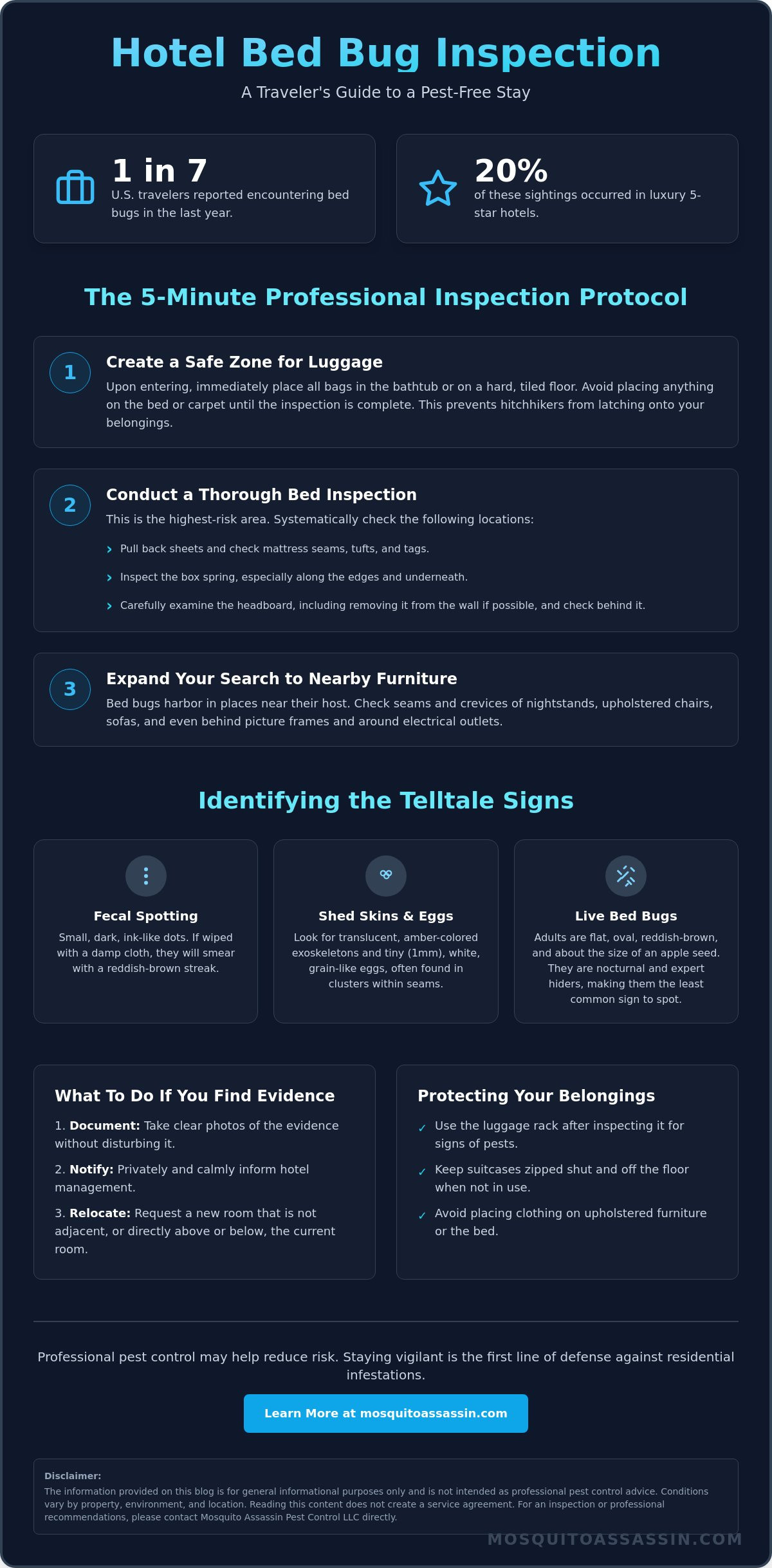
    Professional pest control is more than a simple chemical application. It’s a comprehensive strategy known as Integrated Pest Management (IPM). This holistic approach views chemical treatments as just one tool in a much larger kit. When people ask what do exterminators use for general spraying, they should realize that the spray is most effective when it’s part of a broader plan that includes biological and structural considerations. For property owners in Erie and Crawford Counties, this means that a technician won’t just arrive and start spraying. They’ll first evaluate the ecosystem of the home to determine why pests are attracted to the structure in the first place. In an IPM framework, chemicals are used as a targeted intervention rather than a broad, repetitive solution.

    This methodical approach ensures that the products are used responsibly and only when necessary. By focusing on the root cause of an infestation, professionals can achieve long-term results that a single spray cannot provide. Ongoing monitoring is a standard part of professional services in our region, allowing for adjustments as weather patterns change and new pests emerge throughout the year.

    Inspection and Identification: The Critical First Steps

    Accurate identification is the foundation of any successful treatment. Different species require different active ingredients and application methods. For example, a treatment designed for pavement ants might be completely ineffective against carpenter ants. Professionals look for “conducive conditions” such as standing water, wood-to-soil contact, or overgrown vegetation that provides a bridge to the siding. Understanding these factors is a key part of general pest control for homeowners. By identifying the specific threat, the applicator can select the precise chemical class needed, ensuring that the intervention is as targeted as possible before any product is applied.

    Exclusion and Sanitation Strategies

    A professional spray creates a vital barrier, but physical exclusion and sanitation maintain it. Pests are constantly searching for food, water, and shelter. Removing debris from near the foundation and keeping gutters clear reduces the pressure on the chemical barrier. Professionals often provide specific recommendations on sealing cracks around windows or installing door sweeps to block entry points. These professional pest control services near me often involve these consultative elements to help residents preserve the integrity of their property. When you understand what do exterminators use for general spraying, it becomes clear that the liquid barrier works best when it’s supported by a clean, well-sealed home environment. This partnership between the professional and the homeowner is the most effective way to keep homes in Ashtabula County pest-free.

    Disclaimer: The information provided on this blog is for general informational purposes only and is not intended as professional pest control advice. Conditions vary by property, environment, and location. Reading this content does not create a service agreement. For an inspection or professional recommendations, please contact Mosquito Assassin Pest Control LLC directly.

    Securing Your Property with Scientific Precision

    Professional pest management is a precision-engineered science that far exceeds the capabilities of retail solutions. Gaining a clear understanding of what do exterminators use for general spraying reveals a sophisticated world of microencapsulated formulations and insect growth regulators designed to break the pest life cycle at the source. These advanced products, combined with strategic application methods, provide a durable barrier that withstands the unique environmental challenges found throughout Northwest PA and Northeast Ohio. By adhering to strict Integrated Pest Management (IPM) standards, licensed experts prioritize long-term prevention and structural integrity over temporary fixes.

    Customized protection plans for residential and commercial properties ensure that every treatment is tailored to the specific biology of the target pest. This methodical approach provides confidence that the property is secure and household members remain protected. Professional pest control may help reduce risk. For a detailed inspection and expert recommendations, contact Mosquito Assassin Pest Control LLC. Taking a proactive stance today prevents minor sightings from becoming major infestations tomorrow.

    Disclaimer: The information provided on this blog is for general informational purposes only and is not intended as professional pest control advice. Conditions vary by property, environment, and location. Reading this content does not create a service agreement. For an inspection or professional recommendations, please contact Mosquito Assassin Pest Control LLC directly.
    Frequently Asked Questions

    Is the spray used by exterminators harmful to my pets?

    Professional sprays are applied with pet safety in mind, following strict EPA guidelines. Once the application has completely dried, it’s safe for cats and dogs to return to the treated area. The active ingredients are typically applied in such low concentrations that they don’t pose a significant risk to mammals when used according to the label instructions.

    How long do I need to stay out of the house after a general spray treatment?

    Most treatments require residents and pets to remain outside for approximately two to four hours. This window allows the liquid to dry and bond to surfaces. Drying times can vary based on humidity levels in Ashtabula County, so it’s best to wait until the surfaces are no longer damp to the touch before re-entering.

    Will the rain wash away the outdoor pest control spray?

    Rain won’t wash away a professional treatment once it has had time to dry. Modern formulations use microencapsulation technology to bond with surfaces like brick, wood, and vinyl. These products are engineered to remain effective even after exposure to the heavy rain and snow common in Northwest Pennsylvania.

    Do exterminators spray the same chemicals inside and outside?

    Applicators often use different products for indoor and outdoor environments. Outdoor treatments focus on creating a durable perimeter barrier that can withstand the elements. Indoor applications are much more targeted, focusing on cracks and crevices where pests hide. The choice of what do exterminators use for general spraying depends entirely on the specific location and the target pest species.

    Can I buy professional-grade pest control sprays at a retail store?

    Professional-grade concentrates are not available in retail stores. Retail products are often pre-mixed and have a much shorter shelf life. Licensed professionals have access to specialized formulations that are regulated by the EPA and require specific certification to purchase and apply safely, ensuring higher stability and efficacy.

    How often should general spraying be performed for the best results?

    Quarterly applications provide the most consistent protection against seasonal pest migrations. Each season in Crawford County brings different threats, from spring ants to fall spiders. Regular service ensures that the protective barrier is replenished before the previous treatment begins to break down, maintaining a pest-free environment year-round.

    What should I do to prepare my home before the exterminator arrives?

    Preparing for a visit involves clearing baseboards and moving pet food bowls away from the walls. It’s helpful to pick up toys and clutter from the floor to allow the technician easy access to the perimeter. For outdoor treatments, ensure that gates are unlocked and any debris is cleared from the foundation area.

    Does professional spraying kill pests instantly or over time?

    While some products provide immediate results, most professional sprays are designed to work over several days. This delayed action allows pests to carry the product back to their colony, leading to total nest elimination through a transfer effect. This strategy is a key part of what do exterminators use for general spraying to ensure long-term control rather than a temporary fix.

    Disclaimer: The information provided on this blog is for general informational purposes only and is not intended as professional pest control advice. Conditions vary by property, environment, and location. Reading this content does not create a service agreement. For an inspection or professional recommendations, please contact Mosquito Assassin Pest Control LLC directly.

  • How to Check for Bed Bugs in a Hotel: A Professional Inspection Guide

    How to Check for Bed Bugs in a Hotel: A Professional Inspection Guide

    Recent data from April 2026 reveals that 1 in 7 U.S. travelers reported encountering bed bugs in the past year. Even more surprising is that 20% of these sightings occurred in luxury 5-star hotels, proving that a high price point doesn’t guarantee a pest-free stay. It’s completely normal to feel anxious when setting your luggage down in a new room. You don’t want the stress of bringing hitchhikers back to your home, and you shouldn’t have to waste your vacation performing an inefficient search. Understanding how to check for bed bugs in a hotel is the most effective way to protect your family and your peace of mind.

    This guide provides the systematic inspection protocol used by professionals to identify bed bugs before they follow you home. You’ll learn a clear, fast routine that focuses on high-risk harborages instead of wasting time on unlikely spots. The following sections cover everything from spotting early warning signs to knowing the correct steps if you find evidence, ensuring you can unpack with confidence. For travelers returning to Erie and Crawford Counties in Pennsylvania or Ashtabula County in Ohio, staying vigilant is the first line of defense against residential infestations.

    Disclaimer: The information provided on this blog is for general informational purposes only and is not intended as professional pest control advice. Conditions vary by property, environment, and location. Reading this content does not create a service agreement. For an inspection or professional recommendations, please contact Mosquito Assassin Pest Control LLC directly.
    Key Takeaways

    • Master a professional inspection routine that targets high-risk harborages like mattress corners and headboards to save time and increase accuracy.
    • Learn how to check for bed bugs in a hotel by starting with a luggage-safe zone, such as the bathtub or a tiled floor, to prevent hitchhikers from entering your bags.
    • Identify critical visual evidence like dark fecal spotting and shed skins, which are often easier to find than the nocturnal insects themselves.
    • Protect your belongings throughout your stay by utilizing inspected luggage racks and keeping suitcases zipped shut when not in use.
    • Understand the proper protocol for documenting evidence and notifying hotel management to ensure a swift resolution if an infestation is discovered.

    Understanding Why Hotel Inspections Are Necessary

    Many travelers mistakenly believe that bed bugs only appear in budget motels or properties with poor housekeeping. This is a dangerous assumption. These pests don’t feed on dirt; they feed on blood. Because of this, even the most pristine 5-star luxury resorts are vulnerable. In fact, research from April 2026 indicates that 20% of bed bug sightings occurred in high-end accommodations. Learning how to check for bed bugs in a hotel isn’t a commentary on the hotel’s quality. It’s a necessary step for any traveler who wants to avoid the high cost and emotional toll of a residential infestation.

    A proactive search takes less than five minutes but can prevent a situation that costs thousands of dollars to remediate once it reaches your home. Bed bugs are nocturnal insects that possess a flat body shape, allowing them to squeeze into crevices as thin as a credit card. For a comprehensive overview of bed bugs and their biology, it’s helpful to understand that they are expert hiders that remain inactive during the day. This behavior makes a deliberate, systematic inspection the only way to ensure your room is truly safe before you settle in for the night.

    The Hitchhiker Mechanism

    Bed bugs are among the most efficient travelers in the world. They don’t fly or jump; instead, they crawl onto personal items and wait to be transported to a new location. In a hotel environment, they move through shared wall voids, electrical outlets, or even on housekeeping carts that travel from room to room. This high turnover of guests creates a constant cycle of potential introduction from all over the globe. Once they latch onto your luggage or clothing, they can easily follow you back to Erie, Crawford, or Ashtabula Counties. Stopping the hitchhiking process at the hotel is much easier than treating an established colony in your own bedroom.

    When to Perform Your Inspection

    The first ten minutes of your stay are the most critical for prevention. You must perform your inspection before you unpack a single item or sit on the bed. Professional protocols suggest a strict “nothing on the floor” policy during this window. Upon entering the room, place your suitcases and bags immediately into the bathtub or on a high, hard-surfaced tiled floor. These areas are unlikely to harbor pests and provide a clear visual field. Only after you have confirmed that the room is clear should you move your belongings to the living area. Knowing how to check for bed bugs in a hotel before you get comfortable is the difference between a relaxing trip and a long-term pest problem.

    Disclaimer: The information provided on this blog is for general informational purposes only and is not intended as professional pest control advice. Conditions vary by property, environment, and location. Reading this content does not create a service agreement. For an inspection or professional recommendations, please contact Mosquito Assassin Pest Control LLC directly.
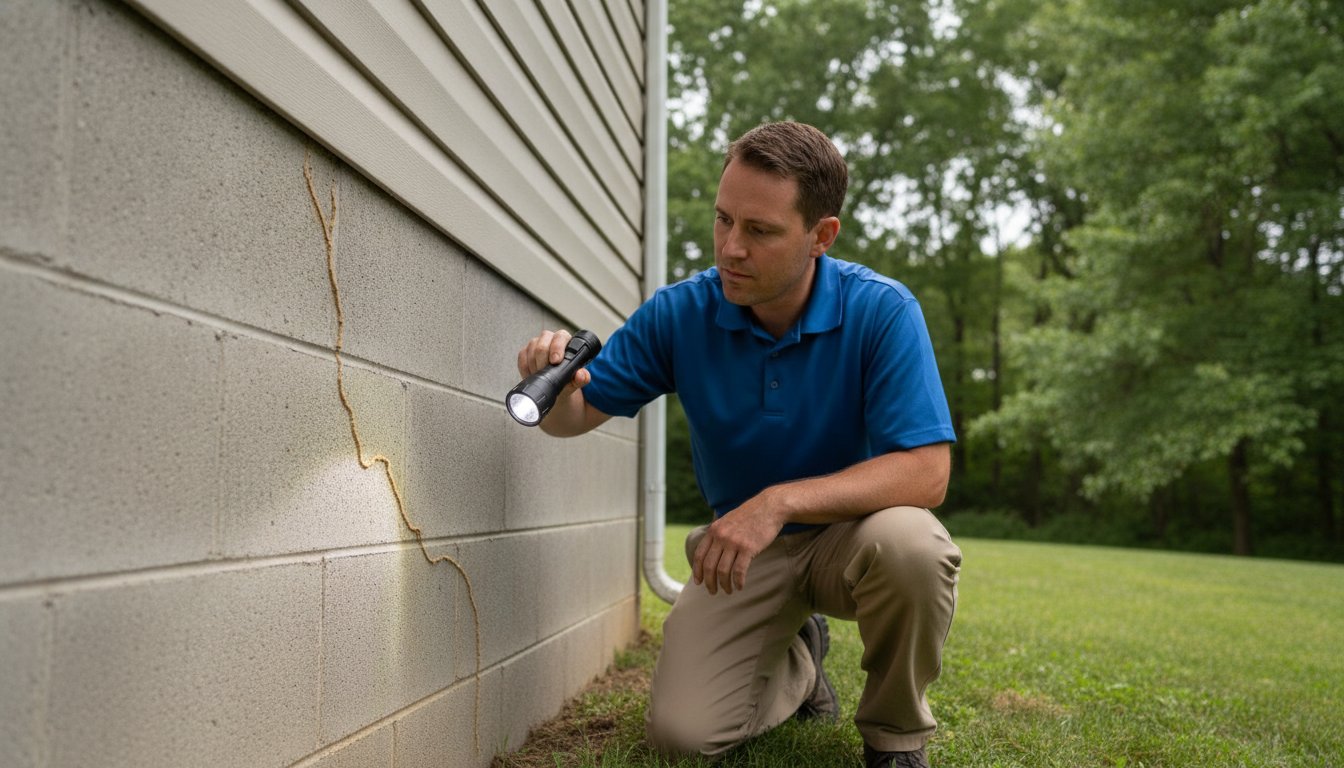
    Identifying the Visual Signs of an Infestation

    Finding a live insect is the most definitive proof of an infestation, but it’s also the least common discovery during a daytime search. These pests are light-sensitive and remain tucked deep within structural voids when the sun is up. When learning how to check for bed bugs in a hotel, you must focus on the secondary evidence they leave behind. This biological trail is often easier to spot than the insects themselves and provides a clear picture of the room’s history. Focusing on these biological markers is your best defense against bringing pests home.

    Fecal spotting is the most reliable indicator for travelers. These appear as small, dark, ink-like dots. Unlike common lint or dirt, these spots are actually digested blood that has dried. If you find dark specks on the mattress or headboard, you can perform a simple test: dampen a tissue and wipe the spot. If it smears or leaves a reddish-brown streak, it is likely fecal matter. You should also watch for translucent, amber-colored exoskeletons. These shed skins indicate a growing, active population that is successfully feeding and molting. Eggs are another critical sign; they are tiny, white, and grain-like, usually tucked into deep seams or crevices.

    The Evidence Trail

    Beyond fecal dots, look for small blood smears on pillowcases or sheets. These often occur when a guest accidentally rolls over and crushes an engorged bug during the night. In rooms with a significant population, you might notice a characteristic odor. Professionals often describe this as a musty, sweet, or “sickly” smell, similar to rotting raspberries or coriander. While smaller infestations may not produce a detectable scent, it’s a critical warning sign in larger outbreaks. If you suspect you’ve returned home to Erie or Ashtabula with unwanted guests, seeking professional bed bug treatment can help protect your property and family.

    What Do Bed Bugs Actually Look Like?

    Knowing exactly what to look for prevents confusion with common household pests. An adult bed bug is flat, oval-shaped, and roughly the size of an apple seed (5 to 7 millimeters). They are reddish-brown but can appear bright red and swollen immediately after a meal. Nymphs, or juvenile bugs, are much harder to see. They are smaller and nearly translucent or pale yellow, only becoming visible once they have consumed blood. These nymphs are often found near the same harborages as adults.

    Be careful not to confuse them with look-alikes. Carpet beetles are a common misidentification; they are rounder and covered in tiny hairs. Small spiders or booklice might also cause alarm, but they lack the distinct segmented abdomen of a true bed bug. Understanding these physical differences is a vital part of knowing how to check for bed bugs in a hotel effectively and accurately.

    Disclaimer: The information provided on this blog is for general informational purposes only and is not intended as professional pest control advice. Conditions vary by property, environment, and location. Reading this content does not create a service agreement. For an inspection or professional recommendations, please contact Mosquito Assassin Pest Control LLC directly.
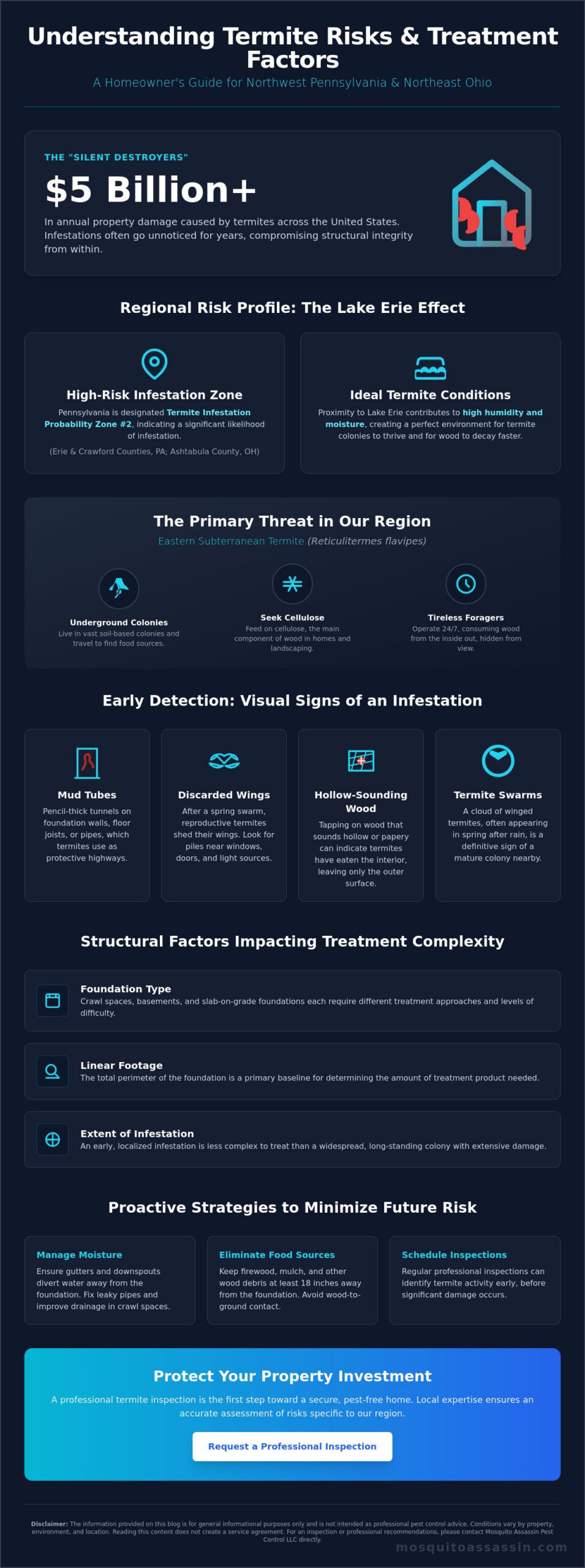
    A Step-by-Step Hotel Room Inspection Protocol

    Establishing a “Safe Zone” for your belongings is the most critical first step when entering a new room. Professional inspectors never place their gear on the bed or the carpeted floor until the area is cleared. Instead, move all luggage directly into the bathtub or onto a high, tiled bathroom floor immediately upon entry. These hard, cold surfaces are poor harborages for pests and provide a clear visual field where insects cannot easily hide. This protocol ensures that while you are busy learning how to check for bed bugs in a hotel, your suitcases remain protected from potential hitchhikers.

    Once your bags are secure, begin a systematic sweep of the room using a high-powered flashlight or the light on your smartphone. You must be methodical. Bed bugs are experts at utilizing structural gaps, so a surface-level glance is never sufficient. Focus your efforts on the area within five to ten feet of the bed, as this is where the majority of infestations are concentrated. If you find evidence during this process, do not attempt to move your luggage back into the hallway; keep it in the bathtub to avoid spreading the problem further.

    The Bed and Bedding Check

    Start by stripping the bed linens back to the mattress protector. Pay close attention to all four corners of the mattress, specifically focusing on the “piping” or the thick fabric seams that run along the edges. Use a credit card or a similar flat tool to firmly run along these seams, which can force hidden insects or eggs into view. After checking the mattress, examine the box spring. You must inspect the plastic corner guards, as these are one of the most common hiding spots in hotel environments. Finally, look at the underside of the bed frame and the slats, where dark, secluded gaps provide ideal shelter.

    The Furniture and Decor Sweep

    While the bed is the primary focus, headboards are often the number one hiding spot because they are frequently bolted to the wall and rarely moved for cleaning. Use your light to peer into the gap between the headboard and the wall. Next, move to the nightstands. Open the drawers and inspect the tracks and the back of the unit. Don’t overlook the decor; examine the folds of the curtains and check behind hanging picture frames. Knowing how to check for bed bugs in a hotel requires looking at every crevice where a thin insect could fit. For residents returning to Erie and Crawford Counties in Pennsylvania or Ashtabula County in Ohio, this thoroughness is the best way to ensure your home stays protected.

    Disclaimer: The information provided on this blog is for general informational purposes only and is not intended as professional pest control advice. Conditions vary by property, environment, and location. Reading this content does not create a service agreement. For an inspection or professional recommendations, please contact Mosquito Assassin Pest Control LLC directly.

    How to Check for Bed Bugs in a Hotel: A Professional Inspection Guide

    Protecting Your Belongings During Your Stay

    Once you have completed your initial search and confirmed the room is clear, you must maintain a defensive strategy throughout your stay. A successful inspection reduces your risk significantly, but it isn’t a guarantee of total safety. Maintaining high standards for your belongings is just as important as knowing how to check for bed bugs in a hotel. These pests are opportunistic; they wait for a guest to become complacent before finding a way into personal items. By following a few professional habits, you can ensure that your luggage remains a secure environment rather than a transport vehicle for pests.

    The luggage rack is a valuable tool, but only if used correctly. Before placing your bags on the stand, inspect the nylon webbing and the joints where the frame folds. Bed bugs often hide in the tight spaces where the fabric meets the metal or wood. If the rack is clear, it’s a much safer option than the floor or the bed. Additionally, you should keep your suitcases zipped shut whenever you aren’t actively reaching for an item. Bed bugs are incapable of operating zippers, so a closed bag is your best physical barrier against an accidental hitchhiker.

    Luggage Management Best Practices

    The type of luggage you choose can impact your level of protection. Hard-sided suitcases made of polycarbonate or aluminum are superior to fabric bags because they have fewer external seams and a smoother surface that is difficult for insects to climb. If you must use fabric luggage, consider using a protective liner or an encasement designed for travel. If you ever feel uncertain about the room’s status, the bathroom remains the safest storage area. Because it’s typically tiled and lacks the fabric harborages these pests prefer, it’s a low-risk zone for your bags. If you suspect you’ve encountered pests during your travels, professional bed bug treatment can help eliminate the problem before it spreads through your home.

    Safe Unpacking Strategies

    Avoid the temptation to use the hotel dresser. Wooden drawers are porous and full of joints and crevices that are difficult to inspect thoroughly. Instead, hang your clothes in the closet using metal hangers, which are less likely to harbor pests than wooden ones. Keep your shoes away from the baseboards and the bed, as these are common travel paths for nocturnal insects. Before you check out, conduct a quick mini-inspection of your bags and the surrounding area. This final check ensures you aren’t accidentally packing away any evidence of an infestation that may have developed during your visit. For travelers returning to Erie, Crawford, or Ashtabula Counties, these small steps provide a powerful defense for your household.

    Disclaimer: The information provided on this blog is for general informational purposes only and is not intended as professional pest control advice. Conditions vary by property, environment, and location. Reading this content does not create a service agreement. For an inspection or professional recommendations, please contact Mosquito Assassin Pest Control LLC directly.
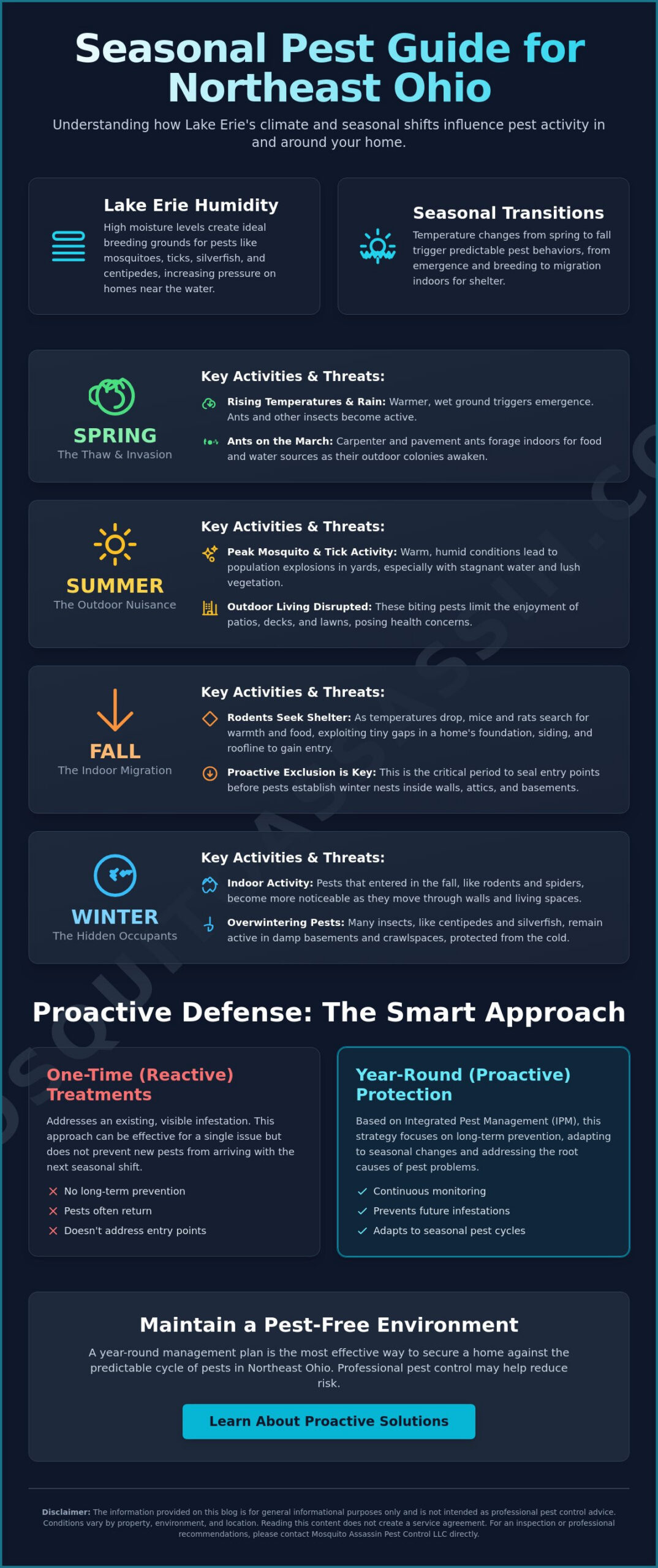
    What to Do If You Find Evidence of Bed Bugs

    If your inspection reveals signs of an infestation, your immediate priority is containment. Finding evidence after knowing how to check for bed bugs in a hotel allows you to act before the problem becomes permanent. Start by documenting everything. Use your phone to take high-resolution photographs and videos of the insects, fecal spotting, or cast skins. This evidence is crucial for your interactions with management and for your own records if you need to justify a refund or room change. Keep your luggage in the “Safe Zone” you established earlier in the bathtub or on a tiled floor to prevent any further contact with infested surfaces.

    Do not attempt to treat the room yourself or move your luggage into the hallway. Instead, keep your belongings contained while you prepare to switch rooms. The goal is to minimize the movement of pests from the infested area to other parts of the hotel or into your own vehicle. A calm, methodical approach is the most effective way to handle this stressful situation.

    Communicating with Hotel Management

    Approach the front desk with a calm, professional demeanor. Present your visual evidence clearly and request an immediate room change. It’s essential to ensure your new room is not adjacent to the infested one. Bed bugs frequently travel through wall voids, electrical outlets, and plumbing lines; this means rooms directly next door, above, or below are at the highest risk for spreading. Ask the manager for a log of when the room was last professionally inspected. As a guest, you have the right to a habitable environment, and most reputable chains will prioritize your relocation to a safe area of the building.

    Post-Travel Decontamination

    The risk doesn’t end when you leave the hotel. For residents returning to Erie, Crawford, or Ashtabula Counties, a strict decontamination protocol is the only way to ensure pests don’t enter your home. Upon arrival, keep your suitcases in the garage or another outdoor area for a final inspection. Immediately wash all travel clothing, including items you didn’t wear, in hot water. Follow this with at least 30 minutes in a dryer on the highest heat setting. Sustained heat is the most effective way to kill all life stages of bed bugs, including eggs.

    If you’re concerned that your luggage was compromised despite your best efforts, professional pest control may help reduce the risk of a residential outbreak. A preventative home inspection provides peace of mind and can catch a potential problem before it requires extensive treatment. Taking these final steps ensures that your trip remains a memory of travel rather than the start of a pest infestation.

    Disclaimer: The information provided on this blog is for general informational purposes only and is not intended as professional pest control advice. Conditions vary by property, environment, and location. Reading this content does not create a service agreement. For an inspection or professional recommendations, please contact Mosquito Assassin Pest Control LLC directly.
    Ensuring a Pest-Free Return Home

    Adopting a professional inspection routine is the most reliable way to prevent unwanted insects from invading your living space. By mastering how to check for bed bugs in a hotel, you transform from a passive guest into an active defender of your home environment. The combination of early detection, smart luggage management, and post-travel heat treatment creates a multi-layered defense that is difficult for pests to penetrate. These small habits ensure your travels remain enjoyable and free from the long-term consequences of an infestation.

    Vigilance is the foundation of effective pest management. For residents returning to Erie or Crawford Counties in Pennsylvania and Ashtabula County in Ohio, maintaining these standards is essential for the security of your household. If you are concerned that pests may have successfully entered your property despite your best efforts, professional pest control may help reduce risk. You can contact Mosquito Assassin Pest Control LLC for a professional inspection to assess your situation and receive expert recommendations. Staying proactive is the best way to keep your home a safe sanctuary.

    Disclaimer: The information provided on this blog is for general informational purposes only and is not intended as professional pest control advice. Conditions vary by property, environment, and location. Reading this content does not create a service agreement. For an inspection or professional recommendations, please contact Mosquito Assassin Pest Control LLC directly.
    Frequently Asked Questions

    Can you see bed bugs with the naked eye?

    Yes, you can see bed bugs without the use of a magnifying glass. Adult bed bugs are reddish brown and roughly the size of an apple seed. While nymphs are smaller and nearly translucent, they become much easier to spot after they have consumed blood and turned bright red. Understanding how to check for bed bugs in a hotel involves looking for these physical insects along with their tiny, grain-like eggs.

    Do luxury hotels have bed bugs more or less often than budget motels?

    Luxury hotels are just as susceptible to infestations as budget motels. Statistics from April 2026 indicate that 20% of reported sightings occur in 5-star properties. These pests are attracted to human hosts rather than the cleanliness or price point of the building. High guest turnover in premium resorts provides constant opportunities for new pests to hitchhike into the property on luggage.

    What should I do with my luggage if I found a bed bug in my room?

    Keep your luggage in the bathtub or on a tiled floor if you discover evidence of a pest. Do not move your bags into the hallway or another room until you have spoken with management. This prevents the accidental spread of the infestation to other areas of the hotel. Bathtubs are a safe zone because the smooth, vertical surfaces are very difficult for bed bugs to climb.

    Will bed bugs bite me the first night I am in a hotel?

    Bed bugs will often bite during the first night of your stay if an active population is present. They are attracted to the carbon dioxide and body heat you produce while sleeping. Because they are nocturnal, they typically emerge from harborages once the room is dark and quiet. Some people don’t react to bites immediately, which can lead to a delay in realizing an infestation exists.

    Is it possible to get bed bugs from a hotel even if I don’t see any?

    It is entirely possible to bring pests home even if you never see a live insect during your stay. They are expert hiders that remain tucked away in structural gaps during the day. This is why knowing how to check for bed bugs in a hotel for secondary signs like fecal spotting or shed skins is so important. These biological markers are often more visible than the insects themselves.

    How do I make sure I don’t bring bed bugs home from my trip?

    Prevent an introduction by washing all travel clothing in hot water and drying it on high heat for at least 30 minutes. Inspect your suitcases in a garage or driveway before bringing them into your living space. These steps are the best way to protect your residence in Erie, Crawford, or Ashtabula Counties from unwanted hitchhikers. High heat is the most effective way to eliminate all life stages of the pest.

    What do bed bug eggs look like in a hotel room?

    Bed bug eggs are tiny, white, and resemble individual grains of salt or rice. They are often found in clusters tucked deep into the seams of mattresses, behind headboards, or in the corners of box springs. Because they are coated in a sticky substance, they remain firmly attached to surfaces until they hatch. They are roughly one millimeter in length, making them difficult but not impossible to see.

    Can bed bugs travel through hotel vents or electrical outlets?

    Bed bugs easily travel through hotel vents, electrical outlets, and shared wall voids. This mobility allows them to move between adjacent rooms or floors in search of new hosts. If a room next to yours is infested, there is a high probability the insects will attempt to migrate through these utility gaps. This is why professional protocols recommend moving at least two floors away if you find evidence in your current room.

    Disclaimer: The information provided on this blog is for general informational purposes only and is not intended as professional pest control advice. Conditions vary by property, environment, and location. Reading this content does not create a service agreement. For an inspection or professional recommendations, please contact Mosquito Assassin Pest Control LLC directly.
  • Professional Tick Yard Treatment in Erie, PA: A Complete Homeowner Guide

    Professional Tick Yard Treatment in Erie, PA: A Complete Homeowner Guide

    In 2024, Pennsylvania recorded 16,624 lab-confirmed cases of Lyme disease, a statistic that places the state at the forefront of the national tick crisis. For many residents in Erie and Crawford Counties, the arrival of warmer weather brings a familiar anxiety about the safety of children and pets playing in the backyard. You likely want to enjoy your outdoor space without the constant worry of tick-borne illnesses, yet the complexity of managing these pests can feel overwhelming. Implementing a professional tick yard treatment in Erie PA serves as a vital component in reducing these risks and reclaiming your property from invasive pests.

    This guide explains how professional yard treatments and strategic environmental management help disrupt the tick life cycle to protect families in Northwest Pennsylvania. You will gain insight into the behavior of local ticks, the importance of professional-grade applications, and practical steps for modifying your landscape to discourage infestations. By understanding the science-based methods used by licensed pest control experts, you can move from a state of concern to a state of resolution. This comprehensive approach ensures that your backyard remains a secure environment for relaxation and play throughout the season.

    Disclaimer: The information provided on this blog is for general informational purposes only and is not intended as professional pest control advice. Conditions vary by property, environment, and location. Reading this content does not create a service agreement. For an inspection or professional recommendations, please contact Mosquito Assassin Pest Control LLC directly.
    Key Takeaways

    • Understand why Erie and Crawford Counties experience high tick activity and how seasonal shifts affect your property’s risk level.
    • Discover why a professional tick yard treatment in Erie PA offers more thorough coverage than typical over-the-counter sprays.
    • Learn how to identify and modify tick harborages in your landscape to discourage pests from settling in your backyard.
    • Identify the differences between professional application techniques and DIY methods to help ensure your family can use outdoor spaces comfortably.
    • Explore the importance of consistent management plans to address the persistent nature of tick populations in Northwest Pennsylvania.

    Understanding Tick Risks in Erie and Crawford Counties

    Northwest Pennsylvania is a prime habitat for the Black-legged tick, commonly known as the deer tick. These pests thrive in our regional climate, particularly in the humid, wooded environments found throughout Erie and Crawford Counties. While many homeowners associate ticks with the height of summer, the Erie region actually sees significant activity peaks during the spring and fall. Ticks remain active whenever temperatures are above freezing, making year-round awareness essential for property owners. Understanding these patterns is the first step in determining the necessity of a professional intervention.

    To better understand how seasonal management works, watch this helpful video:

    Ticks don’t fall from trees; they wait in tall grass and leaf litter for a host to pass by. This behavior, known as questing, is highly effective in the thick underbrush common in our area. Local wildlife plays a major role in this cycle. White-tailed deer and white-footed mice act as the primary transport systems, bringing ticks from the deep woods directly into residential backyards. This is why a comprehensive tick yard treatment in Erie PA is often necessary to break the cycle of reintroduction from visiting animals.

    Tick-Borne Illnesses in Northwest Pennsylvania

    Pennsylvania consistently leads the nation in reported Lyme disease cases. In 2024, the state recorded 16,624 lab-confirmed cases, though the actual number of infections is estimated to be significantly higher due to underreporting. Beyond Lyme, residents must also be aware of common tick-borne diseases like Anaplasmosis, which has seen cases nearly double annually over the last five years. Powassan virus, while rarer, remains a serious concern due to its rapid transmission time. Professional pest control may help reduce these health risks by targeting tick populations before they can interact with your family.

    Identifying High-Risk Zones in Your Backyard

    Not every part of your yard carries the same level of risk. Ticks are highly sensitive to dehydration and seek out shady, moist areas to survive. The most dangerous spots are often the transition zones where a manicured lawn meets wooded edges or tall weeds. Other high-risk areas include dense ground cover plants like pachysandra, shady spaces under decks, and piles of damp leaf litter. Identifying these specific areas allows for a more strategic tick yard treatment in Erie PA, focusing efforts where pests are most likely to harbor rather than applying products indiscriminately.

    Disclaimer: The information provided on this blog is for general informational purposes only and is not intended as professional pest control advice. Conditions vary by property, environment, and location. Reading this content does not create a service agreement. For an inspection or professional recommendations, please contact Mosquito Assassin Pest Control LLC directly.

    How Professional Yard Treatments Manage Tick Populations

    Professional intervention focuses on disrupting the tick habitat through precision application rather than indiscriminate spraying. A high-quality tick yard treatment in Erie PA prioritizes the “tick zone,” which is the perimeter of the property where wooded areas or tall brush meet the maintained lawn. Professionals utilize specialized equipment, such as high-pressure mist blowers, to ensure the product reaches the underside of foliage and deep into leaf litter where ticks congregate. This targeted approach creates a robust perimeter barrier that intercepts ticks as they attempt to move into active areas where families spend their time.

    Unlike basic over-the-counter applications that may dissipate quickly, professional-grade products are formulated with specific residual properties. These treatments are designed to bind to organic matter, providing extended protection even after typical Northwest Pennsylvania rainfall. This long-term management strategy is essential because high humidity can otherwise degrade lower-quality solutions. By focusing on the specific biology of the pest, professionals ensure the treatment remains effective exactly where ticks are most likely to quest for a host.

    The Science of Tick Life Cycle Interruption

    Effective management requires understanding that ticks progress through four distinct life stages. Nymphs are particularly concerning for homeowners because they’re roughly the size of a poppy seed and extremely difficult to detect. Professional treatments target these pests during their most active questing periods in the spring and fall. By using products that adhere to the environment, professionals can interrupt the life cycle at multiple stages. Timing these applications to coincide with the specific climate patterns of Erie and Crawford Counties ensures the highest level of population reduction.

    Safety Standards for Residential Treatments

    Safety is a primary concern for homeowners, yet information regarding professional applications is often vague. All commercial pesticide applications must adhere to strict EPA regulations and state licensing requirements. Licensed professionals are trained to apply products in a manner that minimizes drift and focuses exclusively on tick harborages. According to the Pennsylvania Department of Health, reducing tick populations in the home environment is a key step in preventing disease. When scheduling a tick yard treatment in Erie PA, it’s important to choose providers who follow these rigorous standards.

    To protect the local ecosystem, professionals follow best practices to avoid non-target insects. This includes avoiding applications on flowering plants where pollinators like bees and butterflies are active. For residential properties, the standard guideline for re-entry is once the application has completely dried, which typically takes between 30 to 60 minutes depending on weather conditions. If you’re looking for a comprehensive strategy to reclaim your backyard, professional pest control may help reduce risk through a customized management plan.

    Disclaimer: The information provided on this blog is for general informational purposes only and is not intended as professional pest control advice. Conditions vary by property, environment, and location. Reading this content does not create a service agreement. For an inspection or professional recommendations, please contact Mosquito Assassin Pest Control LLC directly.
    Comparing DIY Tick Control vs. Professional Services

    Many homeowners in Erie and Crawford Counties initially attempt to manage pests using retail products. While these items are accessible at local hardware stores, they often fall short of the results provided by a professional tick yard treatment in Erie PA. Over-the-counter sprays and granular applications frequently lack the concentration and residual longevity required to withstand our regional weather patterns. A single heavy rainstorm in Northwest Pennsylvania can often wash away a DIY application, leaving the property vulnerable just days after treatment.

    Equipment plays a decisive role in the efficacy of the application. Most DIYers rely on hand-pump sprayers or hose-end attachments. These tools produce large, heavy droplets that primarily coat the top surface of grass or foliage. Ticks are biologically programmed to avoid direct sunlight and dehydration, meaning they hide on the underside of leaves and deep within the thatch layer. Professional technicians utilize high-velocity mist blowers. This equipment creates a fine, turbulent fog that swirls around plants, ensuring the product reaches the hidden harborages where ticks actually reside.

    Common Challenges with DIY Yard Treatments

    Achieving the correct balance of product dilution and application timing is a significant hurdle for most residents. Applying a treatment too early in the spring or during a period of high heat can render the product ineffective. There’s also the persistent issue of safety. Handling concentrated pesticides requires specific knowledge of storage, mixing, and personal protective equipment. Improper handling increases the risk of accidental exposure to family members or pets. Additionally, DIY attempts often focus on the center of the lawn, which is generally too dry for ticks, while neglecting the shaded perimeter zones where the pests are most concentrated.

    Advantages of Professional Management Plans

    A structured management plan removes the guesswork from property protection. Professionals conduct thorough inspections to identify environmental factors, such as drainage issues or overgrown brush, that contribute to tick activity. These services often function as a component of general pest control strategies, creating a comprehensive shield for the home. By maintaining a consistent schedule, professionals ensure there are no gaps in protection during the peak activity months of May, June, and October. This methodical approach is often more cost-effective than repeated, unsuccessful DIY attempts. Investing in a professional tick yard treatment in Erie PA provides the expertise needed to address the specific challenges of our local environment.

    Disclaimer: The information provided on this blog is for general informational purposes only and is not intended as professional pest control advice. Conditions vary by property, environment, and location. Reading this content does not create a service agreement. For an inspection or professional recommendations, please contact Mosquito Assassin Pest Control LLC directly.
    Professional Tick Yard Treatment in Erie, PA: A Complete Homeowner Guide

    Creating a Tick-Resistant Environment in Your Yard

    While a professional tick yard treatment in Erie PA provides a critical defensive layer, homeowners can significantly enhance these results through strategic landscape modifications. Ticks are highly sensitive to environmental conditions, particularly humidity and shade. By altering the physical characteristics of your property, you create a hostile environment for these pests. This integrated approach ensures that even if ticks are introduced by local wildlife, they’re less likely to survive or establish a population in the areas your family uses most. Consistent yard maintenance remains one of the most effective ways to support professional management efforts.

    Landscaping for Tick Prevention

    One of the most effective modifications is the installation of a physical barrier. A three-foot wide strip of wood chips, gravel, or mulch placed between the lawn and wooded areas serves as a buffer zone. These dry materials create a heat barrier that ticks generally won’t cross because they risk dehydration. Furthermore, keeping grass mowed to a height of three inches or less allows more sunlight to reach the soil. This exposure dries out the moisture ticks need to survive and quest for hosts.

    Removing specific invasive species is also crucial for long-term protection. Research has shown that Japanese Barberry (Berberis thunbergii) creates a humid microclimate that supports significantly higher tick densities than native vegetation. Clearing these plants from your property removes a primary refuge for questing ticks and helps maintain a safer perimeter. Focus your efforts on these high-risk vegetation zones to maximize the impact of your yard work.

    Wildlife Management Strategies

    Ticks rely on hosts like white-tailed deer and white-footed mice for transportation and blood meals. Discouraging these animals from lingering on your property is a key prevention strategy. Switching to deer-resistant plant varieties can make your yard less attractive to these large hosts, reducing the number of adult ticks dropped on your lawn. Physical barriers like fencing can also help keep larger hosts out of designated play areas and backyard living spaces.

    Rodent management is often overlooked but remains essential. Mice are the primary reservoir for many tick-borne bacteria. Secure all trash lids and consider removing bird feeders, as spilled seed attracts the very rodents that carry larval and nymphal ticks into your immediate environment. For those who want a comprehensive assessment of their property’s specific risk factors, professional pest control may help reduce risk through expert evaluation and targeted intervention.

    Disclaimer: The information provided on this blog is for general informational purposes only and is not intended as professional pest control advice. Conditions vary by property, environment, and location. Reading this content does not create a service agreement. For an inspection or professional recommendations, please contact Mosquito Assassin Pest Control LLC directly.
    The Importance of Ongoing Protection in Erie, PA

    A common misconception among property owners is that a single application provides a permanent solution to tick activity. In reality, tick pressure is a season-long challenge that requires a consistent management strategy. A one-time tick yard treatment in Erie PA may eliminate active adults present at the time of application, but it cannot account for the continuous reintroduction of pests by wandering wildlife or the emergence of new life stages from the soil. Maintaining a defensive perimeter requires a rhythmic approach that aligns with the biological cycles of the pests and the specific climate patterns of Northwest Pennsylvania.

    Erie and Crawford Counties experience unique environmental stressors, including high lake-effect humidity and sudden temperature fluctuations. These conditions can impact the longevity of even the most robust professional products. Ongoing management allows for the replenishment of residual barriers before they degrade, ensuring the property remains protected during peak questing periods. This continuity is a core component of a comprehensive year-round protection plan, which addresses various seasonal pests as they become active.

    Professional monitoring serves as an early warning system for homeowners. During regular visits, technicians identify new risks that may have escalated since the previous treatment, such as a neighbor’s overgrown brush pile or a new rodent nesting site near the home. Catching these environmental changes early prevents a minor presence from turning into a full-scale infestation. This proactive stance is essential for maintaining a yard where children and pets can play with a reduced sense of anxiety.

    Seasonal Expectations for Tick Management

    Effective protection follows the calendar. Early spring treatments are vital for targeting nymphs as they emerge from their winter leaf-litter harborages. These tiny pests are responsible for a significant portion of disease transmission because they’re so difficult to spot on the skin. As the humid summer months arrive, maintaining the integrity of the perimeter barrier becomes the priority. Finally, autumn treatments target adult ticks that remain active well into November. These late-season pests are often seeking a final blood meal before the ground freezes, making October a critical month for a final tick yard treatment in Erie PA.

    Professional Recommendations for Erie Homeowners

    Every property in the Erie region has a unique ecological profile. Consulting with local experts allows for a customized treatment schedule that accounts for specific factors like proximity to state game lands or the density of backyard vegetation. Many residents find that combining tick management with a mosquito control program provides the most thorough coverage for outdoor living spaces. Taking the next step toward a managed property is a practical way to reclaim your backyard. Professional pest control may help reduce risk by providing the specialized equipment and expertise necessary for long-term success.

    Disclaimer: The information provided on this blog is for general informational purposes only and is not intended as professional pest control advice. Conditions vary by property, environment, and location. Reading this content does not create a service agreement. For an inspection or professional recommendations, please contact Mosquito Assassin Pest Control LLC directly.

    Reclaiming Your Backyard for the Season

    Protecting your family from tick-borne illnesses requires a dual approach of professional intervention and strategic yard maintenance. While landscaping modifications like barrier zones create a hostile environment for pests, a professional tick yard treatment in Erie pa provides the precision and residual coverage necessary to disrupt the tick life cycle. These methods are far more reliable than retail products that often fail to reach hidden harborages or withstand our regional humidity. By combining environmental changes with expert applications, you create a robust defense for your property.

    Licensed and insured professional technicians bring a systematic multi-step process to pest management, identifying risks before they escalate. Being deeply rooted in the Erie, Crawford, and Ashtabula communities, these experts understand the specific local challenges that homeowners face. To ensure your outdoor space remains a secure environment for relaxation, request an inspection or professional recommendations from Mosquito Assassin Pest Control LLC today. You don’t have to face the threat of ticks alone when dependable local resources are available. Reclaim your yard and enjoy the outdoors with confidence once again.

    Disclaimer: The information provided on this blog is for general informational purposes only and is not intended as professional pest control advice. Conditions vary by property, environment, and location. Reading this content does not create a service agreement. For an inspection or professional recommendations, please contact Mosquito Assassin Pest Control LLC directly.

    Frequently Asked Questions

    Is professional tick yard treatment safe for my dogs and cats?

    Professional treatments utilize EPA-registered products applied by licensed technicians according to strict label instructions. You should keep pets indoors during the application and remain inside until the product has completely dried. Once dry, the treated areas are accessible for normal use. Technicians focus on perimeter harborages rather than open lawn areas where pets spend most of their time, which further reduces the potential for direct contact.

    How often should my yard be treated for ticks in Erie, PA?

    For consistent protection in Northwest Pennsylvania, treatments are typically scheduled every 21 to 30 days. This frequency addresses the 30-day residual life of professional-grade products. Because Erie experiences high humidity and frequent rainfall, maintaining a steady schedule is necessary to prevent gaps in the defensive barrier. A single tick yard treatment in Erie pa is rarely enough to provide protection for the entire season.

    Can I still get ticks in my yard if I keep my grass short?

    Yes, ticks can still inhabit your property even with a well-manicured lawn. While short grass reduces the moisture and heat protection ticks need to survive, they primarily reside in the “tick zone” at the yard’s edge. This includes shaded areas, ground cover, and leaf litter. Ticks are also frequently reintroduced to short-grass areas by visiting wildlife like deer and mice that pass through your yard.

    What is the best time of year to start tick treatments in Pennsylvania?

    The ideal time to begin treatments in Pennsylvania is early spring, typically in April. This timing targets the emergence of nymphal ticks as temperatures consistently rise above 45 degrees Fahrenheit. Starting early helps suppress the population before the peak activity months of May and June. A late-season application in October is also recommended to address adult ticks as they quest for a final host before the winter freeze.

    Do yard treatments for ticks also kill mosquitoes?

    Many professional tick treatments are effective against mosquitoes because both pests utilize similar shady, damp harborages. When a technician applies a barrier treatment to perimeter brush and foliage, it often addresses both populations simultaneously. However, specific mosquito management might require targeting additional areas like the underside of large-leafed plants or stagnant water sources that aren’t primary tick habitats. Integrating these services provides a more comprehensive shield for your outdoor space.

    What should I do if I find a tick on my pet after the yard has been treated?

    If you find a tick on your pet, remove it immediately using fine-tipped tweezers and consult your veterinarian if you have concerns. Even with a professional tick yard treatment in Erie pa, pets can still encounter ticks in untreated areas or from wildlife passing through. Treatments significantly reduce the local population but don’t create an impenetrable bubble. Always check your animals after they spend time near wooded edges or tall grass.

    How long do I need to wait to go outside after the yard is sprayed?

    You should wait until the liquid application has completely dried before entering the treated area. Depending on the temperature, humidity, and sunlight, this drying process typically takes between 30 and 60 minutes. Once the product is dry, it binds to the organic matter in the yard and is safe for children and pets to resume their normal outdoor activities. Your technician can provide a more specific estimate based on the day’s weather.

    Are there natural or organic options for tick yard treatment?

    Professional pest control providers often offer botanical-based treatments as an alternative to synthetic products. These options typically use essential oils like cedarwood or peppermint to repel and eliminate ticks on contact. While these products are effective, they generally have a shorter residual life than synthetic alternatives. This means they may require more frequent applications to maintain a consistent level of protection throughout the humid Erie summer months.

    Disclaimer: The information provided on this blog is for general informational purposes only and is not intended as professional pest control advice. Conditions vary by property, environment, and location. Reading this content does not create a service agreement. For an inspection or professional recommendations, please contact Mosquito Assassin Pest Control LLC directly.

  • Commercial Mosquito Control: A Comprehensive Guide for Businesses in PA and OH

    Commercial Mosquito Control: A Comprehensive Guide for Businesses in PA and OH

    Pennsylvania recorded 80 human cases of West Nile virus in 2025, which resulted in five deaths and 58 neuroinvasive illnesses. For business owners in Northwest Pennsylvania and Northeast Ohio, these figures represent more than just health data; they represent a significant liability and a threat to daily operations. Effective commercial mosquito control is no longer just an amenity for outdoor seating, but a necessary strategy to prevent negative customer reviews and protect the public from rising health risks.

    It’s understandable to feel frustrated when DIY treatments fail to cover large acreages or keep pests away during peak hours. This guide demonstrates how professional management protects reputations and ensures long-term customer comfort across Erie, Crawford, and Ashtabula counties. You’ll gain insights into Integrated Mosquito Management, regional disease trends, and practical prevention strategies that help maintain a safe, professional environment for every visitor.

    Disclaimer: The information provided on this blog is for general informational purposes only and is not intended as professional pest control advice. Conditions vary by property, environment, and location. Reading this content does not create a service agreement. For an inspection or professional recommendations, please contact Mosquito Assassin Pest Control LLC directly.

    Key Takeaways

    • Understand why Great Lakes properties face unique pest pressures and how mosquito populations directly impact business reputation and public health.
    • Learn the science behind Integrated Mosquito Management and why effective commercial mosquito control prioritizes proactive prevention over reactive treatments.
    • Discover how to customize management strategies for diverse environments, ranging from high-traffic outdoor seating to sensitive locations like daycares or healthcare facilities.
    • Identify practical steps property managers can take to reduce breeding sites and enhance the results of professional monitoring and maintenance.

    The Importance of Commercial Mosquito Control in the Great Lakes Region

    The Great Lakes region presents unique challenges for property management. High humidity levels and frequent rainfall near Lake Erie create ideal breeding grounds that can quickly overwhelm a business without a plan. For local enterprises, managing these pests isn’t just about comfort; it’s a critical operational requirement. Professional commercial mosquito control addresses the specific needs of large-scale properties that standard residential solutions simply cannot handle. Because commercial spaces often have higher foot traffic and larger footprints, the stakes for effective management are significantly higher.

    To better understand this concept, watch this helpful video:

    Commercial properties often feature complex landscapes, such as retention ponds, extensive parking lot drainage, and large manicured green spaces. These areas collect water differently than a standard backyard. When thousands of customers or employees move through these spaces daily, the risk of bites and the transmission of mosquito-borne illnesses increases. Effective Mosquito control strategies involve more than just reactive spraying; they require a deep understanding of how water moves across a specific commercial site. Proactive management ensures that these areas remain usable and safe throughout the season.

    Protecting Your Business Reputation

    In the age of instant feedback, a single negative experience can linger online for years. For the hospitality and outdoor dining sectors in Erie and Ashtabula, mosquitoes are more than a nuisance; they’re a threat to the bottom line. If guests are constantly swatting away pests, they aren’t enjoying their meal or the atmosphere. This often leads to shorter visit times and lower average checks. Beyond comfort, health is a major factor. With Pennsylvania reporting 80 human cases of West Nile virus in 2025, businesses have a responsibility to provide a safe environment for their staff and visitors. A professional environment is one where pests don’t dictate the customer experience.

    Regional Challenges: Erie, Crawford, and Ashtabula Counties

    The climate in Northwest Pennsylvania and Northeast Ohio dictates a specific mosquito window. Typically, activity begins as soon as temperatures consistently stay above 50 degrees, usually in late April or early May, and continues until the first hard frost. The lake effect moisture provides a steady supply of breeding sites even during drier summer months. Understanding these local patterns is essential for effective commercial mosquito control. Timing a treatment based on a generic national calendar won’t work in this specific region. Localized knowledge ensures that interventions happen before populations reach a breaking point, providing a consistent shield throughout the peak season.

    Disclaimer: The information provided on this blog is for general informational purposes only and is not intended as professional pest control advice. Conditions vary by property, environment, and location. Reading this content does not create a service agreement. For an inspection or professional recommendations, please contact Mosquito Assassin Pest Control LLC directly.

    Understanding Integrated Mosquito Management (IMM)

    Successful commercial mosquito control relies on a methodology known as Integrated Mosquito Management (IMM). This is a science-based framework that combines multiple strategies to achieve long-term suppression of pest populations. Instead of simply reacting to an infestation after it occurs, IMM focuses on understanding the life cycle of the mosquito and intervening at the most vulnerable stages. It follows the principles of integrated pest management (IPM), which balances biological, physical, and chemical control methods to protect public health while minimizing environmental impact.

    Many business owners make the mistake of waiting until customers complain before seeking help. Reactive spraying only addresses the adults currently in the air; it does nothing to stop the next generation from emerging. Professional management provides a distinct advantage over DIY methods because it involves comprehensive surveillance and a deep understanding of local regulations. In Pennsylvania and Ohio, commercial pesticide applicators must maintain specific licenses and follow strict environmental guidelines. Licensed professionals have the expertise to identify subtle breeding sites on large acreages that a property manager might overlook.

    Larval Control: Stopping the Cycle

    Identifying and treating breeding sites is the most effective way to manage populations. This process often begins with source reduction, which involves clearing blocked drainage systems or correcting grading issues that cause standing water. When water cannot be drained, targeted treatments are necessary. Larvicide is a targeted treatment for mosquito larvae. By neutralizing mosquitoes before they reach the adult stage, businesses can significantly reduce the overall pest pressure on their property.

    Adulticide and Barrier Treatments

    While larval control is vital, adulticide treatments provide the immediate relief necessary for customer comfort. Professional barrier treatments involve applying a residual spray to the foliage where adult mosquitoes rest during the day. This creates a protective perimeter around high-traffic areas like patios or entryways. Timing these applications is critical; they must be performed when pests are active but when human presence is minimal to avoid operational disruptions. For businesses managing complex landscapes, consulting with a professional for an initial property assessment may help reduce risk more effectively than off-the-shelf products.

    Disclaimer: The information provided on this blog is for general informational purposes only and is not intended as professional pest control advice. Conditions vary by property, environment, and location. Reading this content does not create a service agreement. For an inspection or professional recommendations, please contact Mosquito Assassin Pest Control LLC directly.

    Tailoring Mosquito Control to Different Commercial Environments

    Effective commercial mosquito control requires a strategy that mirrors the specific activity and footprint of the business. A golf course in Crawford County faces different biological pressures than an industrial warehouse in Ashtabula. For large-scale recreational areas, the focus often shifts toward managing vast acreages of turf and wooded borders where mosquitoes rest during the heat of the day. In contrast, industrial sites must prioritize drainage maintenance around loading docks and flat roof systems where standing water frequently accumulates unnoticed. A “one size fits all” approach fails because it doesn’t account for how people and pests interact within a specific space.

    Industrial and warehouse environments often struggle with micro-habitats. These include discarded equipment, clogged gutters, and poorly graded gravel lots that hold water after a Great Lakes storm. Because these sites are often active 24/7, treatments must be coordinated to avoid interrupting logistics chains. For healthcare facilities, the focus is on protecting vulnerable populations. This involves a rigorous inspection of HVAC condensation lines and ornamental water features that could harbor larvae. Professionals must evaluate the unique topography of every site to ensure that interventions are both effective and non-disruptive to daily operations.

    Hospitality and Outdoor Dining

    For restaurants and hotels, the priority is maintaining an invisible shield that doesn’t interfere with the guest experience. Strategic treatment focuses on patios, decks, and outdoor waiting areas where guests are most vulnerable. Scheduling these services during off-hours ensures that there is no contact between customers and the application process. Many business owners find that integrating these efforts with comprehensive commercial pest control services provides a more holistic defense against a variety of regional pests. This combined approach helps maintain the high standards expected in the hospitality industry while protecting the establishment’s reputation from negative online reviews.

    Educational and Recreational Facilities

    Facilities that serve children or the public, such as daycares and municipal parks, require the highest level of care and transparency. Safety and compliance with local regulations are the primary drivers in these environments. Management teams typically focus on playgrounds, sports fields, and common gathering areas. Following a strict Integrated Pest Management (IPM) protocol allows these facilities to reduce mosquito populations while adhering to best practices for sensitive sites. Clear communication with parents and community stakeholders regarding treatment schedules is essential for maintaining trust. It ensures everyone is informed about the property’s health and safety measures without causing unnecessary alarm.

    Disclaimer: The information provided on this blog is for general informational purposes only and is not intended as professional pest control advice. Conditions vary by property, environment, and location. Reading this content does not create a service agreement. For an inspection or professional recommendations, please contact Mosquito Assassin Pest Control LLC directly.

    Commercial Mosquito Control: A Comprehensive Guide for Businesses in PA and OH

    Preparing Your Property for Professional Treatment

    Professional commercial mosquito control works best when it’s a collaborative effort between the property manager and the service team. While technicians provide the technical expertise and specialized equipment, on-site preparation ensures those treatments reach their full potential. Success in Northwest Pennsylvania and Northeast Ohio depends on a proactive approach. By focusing on habitat modification, businesses can significantly extend the efficacy of their management plan. This partnership creates a more resilient environment that is less attractive to pests.

    Preparation begins with a thorough walkthrough of the exterior grounds. Large commercial sites often contain hidden water reservoirs that go unnoticed during daily operations. These micro-habitats can undermine even the most rigorous treatment schedules if left unaddressed. Access is key. If a technician can’t reach a utility yard or a fenced storage area, those zones become safe havens for pests. Clear paths and unlocked gates allow for a comprehensive application across the entire footprint of the business.

    Eliminating Breeding Sites

    Source reduction is the most sustainable way to lower pest pressure on a large acreage. Property managers should prioritize the inspection of flat roofs, clogged gutters, and loading dock drains where water frequently stagnates. Discarded equipment, such as old tires or plastic tarps, can collect enough rainfall to support hundreds of larvae. In parking lots, sunken catch basins or poorly graded gravel areas often hold water for days after a Great Lakes storm. Removing standing water is the most effective form of physical control. Managing these runoff issues prevents the property from serving as a nursery for the next generation of mosquitoes.

    Logistics and Scheduling

    Coordination with other facility teams is essential for a seamless experience. Landscape contractors should be informed of the treatment schedule to avoid heavy pruning or leaf blowing immediately after an application. It’s also vital to manage automatic irrigation systems. Watering the lawn or ornamental beds right after a treatment can wash away residual products before they have time to bond with the foliage. Most professionals suggest a dry time of at least 30 to 60 minutes for optimal results. Reviewing the specific details of your mosquito control program helps align these logistical needs with your operational hours.

    Effective communication with staff is the final step. Informing employees about upcoming activities ensures they don’t enter treated areas while products are still wet. This transparency builds trust and maintains a professional atmosphere. For businesses looking to establish a robust defense, investing in professional commercial mosquito control may help reduce risk and improve overall property comfort.

    Disclaimer: The information provided on this blog is for general informational purposes only and is not intended as professional pest control advice. Conditions vary by property, environment, and location. Reading this content does not create a service agreement. For an inspection or professional recommendations, please contact Mosquito Assassin Pest Control LLC directly.

    The Value of Professional Monitoring and Maintenance

    Relying on a single treatment to last an entire season is a common misconception that can leave a business vulnerable. Mosquitoes can progress from egg to adult in as little as seven to ten days depending on the heat and humidity levels of the Great Lakes region. Because of this rapid life cycle, one-time interventions provide only temporary relief. Effective commercial mosquito control requires ongoing monitoring to ensure that protective barriers remain intact and that new breeding sites are identified before they can produce a new generation of pests.

    Consistent management leads to predictable results. When a property is maintained on a regular schedule, the cumulative effect of larval control and adulticide treatments creates a significantly lower baseline population. This stability is vital for businesses that host outdoor events or provide patio dining. Instead of oscillating between pest-free days and sudden infestations, a professional program keeps activity at a manageable level throughout the peak months. This reliability allows management to focus on daily operations rather than managing customer complaints about pests.

    Surveillance and Data-Driven Adjustments

    Surveillance is the backbone of a successful long-term strategy. It involves more than just scheduled visits; it requires a detailed analysis of how local conditions affect pest behavior. For businesses in Erie and Crawford Counties, weather patterns can shift rapidly. Heavy rainfall or unseasonable heat spikes can trigger sudden population surges that require immediate attention. Professionals use regular property inspections to identify these changing pressures and adjust treatment frequencies or methods accordingly. Working with experts who are familiar with the specific climate of Northwest Pennsylvania and Northeast Ohio ensures that your management plan is responsive to the actual risks present on your acreage.

    Conclusion and Next Steps

    Protecting a commercial reputation requires a shift from reactive problem-solving to proactive management. The data from 2025, which saw 80 human West Nile virus cases in Pennsylvania, underscores the public health importance of these efforts. A comprehensive approach that includes Integrated Mosquito Management, source reduction, and professional monitoring provides the best defense for employees and customers alike. It’s about creating a safe, professional environment where visitors feel comfortable and protected from seasonal pests. For property managers looking to secure their grounds, professional pest control may help reduce risk and improve property comfort. To discuss a tailored strategy for your facility, contacting a professional for an initial property assessment is an effective first step.

    Disclaimer: The information provided on this blog is for general informational purposes only and is not intended as professional pest control advice. Conditions vary by property, environment, and location. Reading this content does not create a service agreement. For an inspection or professional recommendations, please contact Mosquito Assassin Pest Control LLC directly.

    Securing Your Property for the Season Ahead

    Effective commercial mosquito control requires more than a reactive spray; it demands a disciplined, science-based approach tailored to the unique topography of Northwest Pennsylvania and Northeast Ohio. By prioritizing Integrated Mosquito Management (IMM) and maintaining consistent monitoring, property managers protect their reputations and ensure customer comfort. Identifying hidden breeding sites and coordinating with landscape teams creates a resilient environment that discourages pest populations before they peak.

    Utilizing a licensed and insured professional service provides the localized expertise needed to navigate regional disease trends and environmental regulations. A comprehensive approach ensures that every loading dock, patio, and green space remains a safe, professional environment. For an inspection or professional recommendations, please contact Mosquito Assassin Pest Control LLC directly. Taking a proactive stance on pest management is the most effective way to maintain property standards throughout the Great Lakes summer.

    Disclaimer: The information provided on this blog is for general informational purposes only and is not intended as professional pest control advice. Conditions vary by property, environment, and location. Reading this content does not create a service agreement. For an inspection or professional recommendations, please contact Mosquito Assassin Pest Control LLC directly.

    Frequently Asked Questions

    Is commercial mosquito control effective for very large properties?

    Professional methods are highly effective for large acreages because they utilize specialized equipment and comprehensive surveillance. Technicians identify breeding sites across vast properties, such as retention ponds or drainage ditches, that standard residential tools often miss. By combining larval control with adulticide barriers, commercial mosquito control provides a scalable solution for golf courses, parks, and industrial complexes.

    How often should a commercial property be treated for mosquitoes?

    Most commercial properties require treatment every 21 to 30 days during the active season. This frequency ensures that the protective barrier remains strong and interrupts the mosquito life cycle before new adults emerge. In regions like Erie and Crawford Counties, treatments usually begin in late spring and continue through the first hard frost of autumn.

    Is professional mosquito control safe for areas where food is served?

    Professional treatments are designed for use around outdoor dining areas when applied according to strict safety protocols. Technicians focus on the surrounding foliage and resting areas rather than the tables or food preparation surfaces. Scheduling these applications during off-hours ensures that the product is dry before guests arrive, maintaining a professional and safe environment for patrons.

    Can mosquito treatments be scheduled to avoid business hours?

    Coordination with business hours is a standard part of professional service. Most providers offer early morning or late evening appointments to ensure treatments occur when customers and employees are not present. This minimizes operational disruption and allows the product sufficient time to dry before the property reopens for daily traffic.

    What is the difference between residential and commercial mosquito services?

    Commercial services address more complex environments than residential yards, focusing on large-scale drainage, parking lot runoff, and high-traffic liability. Commercial mosquito control also involves more rigorous documentation and compliance with state regulations in Pennsylvania and Ohio. While residential service focuses on a single backyard, commercial management looks at the entire ecosystem of a business footprint.

    How long does a professional mosquito treatment last on a commercial site?

    A professional treatment typically provides effective residual control for approximately three to four weeks. Environmental factors like heavy Great Lakes rainfall or extreme UV exposure can impact this duration. Ongoing monitoring allows technicians to adjust the schedule if population spikes occur between regular visits, ensuring consistent protection.

    Does commercial mosquito control also help with ticks?

    Yes, the barrier treatments used for mosquitoes are often effective against ticks as well. By treating the woodlines and tall grasses where both pests reside, businesses can reduce the risk of multiple pest-borne illnesses. This dual protection is particularly valuable for recreational facilities, schools, and businesses with large wooded borders.

    What happens if it rains shortly after a professional treatment?

    Most professional products are rain-fast once they have had 30 to 60 minutes to dry and bond with the foliage. If a light rain occurs after this window, the treatment remains effective and won’t wash away. If a significant storm occurs immediately after application, a professional provider will typically monitor the site and re-treat if the protective barrier was compromised.

    Disclaimer: The information provided on this blog is for general informational purposes only and is not intended as professional pest control advice. Conditions vary by property, environment, and location. Reading this content does not create a service agreement. For an inspection or professional recommendations, please contact Mosquito Assassin Pest Control LLC directly.

  • Understanding Termite Treatment Cost Factors in Erie PA: 2026 Guide

    Understanding Termite Treatment Cost Factors in Erie PA: 2026 Guide

    Termites cause more than $5 billion in property damage across the United States every year, often operating as “silent destroyers” for years before a homeowner notices the first sign of trouble. If you’ve discovered mud tubes along your foundation or hollow-sounding wood in the basement, it’s natural to feel a surge of anxiety regarding the potential termite treatment cost Erie PA property owners must navigate. Pennsylvania sits in a high-risk infestation zone, and most neighbors in Northwest Pennsylvania share your fear of structural collapse and the frustration of trying to distinguish between a basic inspection and a comprehensive remediation strategy.

    It’s stressful to realize your largest investment is under attack by pests that thrive in our local climate. This 2026 guide clarifies the specific variables that influence remediation expenses in Erie, Crawford, and Ashtabula Counties, allowing you to protect your property investment with total confidence. You’ll learn how your home’s unique construction, the specific behavior of the Eastern Subterranean Termite, and the importance of proactive monitoring systems dictate the scope of a professional response. Understanding these drivers is the first step toward a secure, pest-free home.

    Disclaimer: The information provided on this blog is for general informational purposes only and is not intended as professional pest control advice. Conditions vary by property, environment, and location. Reading this content does not create a service agreement. For an inspection or professional recommendations, please contact Mosquito Assassin Pest Control LLC directly.

    Key Takeaways

    • Discover how your home’s foundation type and total linear footage directly influence the termite treatment cost Erie PA homeowners can expect for professional remediation.
    • Understand why the high humidity of the Lake Erie region makes Eastern subterranean termites a persistent threat to property investments in Northwest Pennsylvania.
    • Learn practical landscaping and grading techniques that minimize wood-to-ground contact and moisture buildup to help prevent future termite activity.
    • Identify the differences between a standard termite assessment and a formal Wood Destroying Insect (WDI) report required for regional property transactions.
    • Gain insights into why local knowledge regarding Erie and Crawford County building codes and soil conditions ensures a more accurate and effective risk assessment.

    Termite Activity and Structural Risks in the Lake Erie Region

    Property owners in Northwest Pennsylvania face a specific set of environmental challenges not found in drier parts of the state. The eastern subterranean termite is the most prevalent and destructive wood-destroying insect in Erie and Crawford counties. These pests live in underground colonies and forage tirelessly for cellulose, the organic compound found in structural lumber and landscaping materials. Because Pennsylvania is classified in Termite Infestation Probability Zone 2, homeowners live in a region where infestation is a significant statistical likelihood.

    To better understand the factors that drive professional remediation and the overall termite treatment cost Erie PA property owners navigate, watch this helpful video:

    The proximity to Lake Erie plays a massive role in local pest pressure. High humidity levels and frequent lake-effect moisture create ideal conditions for colony expansion and rapid wood decay. When wood stays damp, it becomes softer and more attractive to foraging termites. These insects often remain undetected for years, operating behind drywall, inside floor joists, or within dark crawl spaces. By the time visible signs appear, the structural damage can already be extensive, potentially compromising the safety and resale value of your property. Professional termite inspections and treatment can help identify these hidden risks before they escalate.

    The Biology of Termites in Northwest Pennsylvania

    Termite colonies in our region are highly organized. They rely on local soil moisture to survive and build protective tunnels to reach food sources above ground. In the spring, usually following a warm rain, mature colonies produce swarms of winged reproductives. These swarms are often the first clear indicator of an active infestation nearby. The unique moisture profile of the Lake Erie shoreline accelerates the breakdown of cellulose, making local homes particularly vulnerable to these silent foragers.

    Signs of Activity Homeowners Should Monitor

    Early detection is the best way to manage long term expenses. Homeowners should regularly inspect foundation walls and floor joists for mud tubes, which are pencil-thick tunnels made of soil and saliva. You might also find discarded wings near windowsills or entry points after a spring swarm. While several factors influence the total termite treatment cost Erie PA residents pay, the level of existing damage is often the most significant. It’s vital to distinguish between termite damage and standard wood rot. While rot is caused by fungi in wet wood, termite damage often looks like galleries or tunnels carved along the grain of the wood, frequently filled with bits of soil.

    Disclaimer: The information provided on this blog is for general informational purposes only and is not intended as professional pest control advice. Conditions vary by property, environment, and location. Reading this content does not create a service agreement. For an inspection or professional recommendations, please contact Mosquito Assassin Pest Control LLC directly.

    Structural Factors That Impact Termite Treatment Complexity

    While many property owners assume that home size is the only factor in determining expenses, the architectural reality of Northwest Pennsylvania homes tells a different story. The total linear footage of your foundation perimeter is the primary baseline for liquid treatments, but the technical difficulty of the application often dictates the final termite treatment cost Erie PA residents encounter. A larger home with easy foundation access may actually be less complex to treat than a smaller, historic residence with a stone foundation and a finished basement.

    Foundation type is arguably the most significant variable in labor and equipment requirements. Slab-on-grade homes, common in newer developments, often require specialized drilling through concrete floors to create a continuous chemical barrier in the soil beneath. In contrast, homes with full basements or crawl spaces present different challenges. The soil composition in Erie and Crawford counties, which can be heavy in clay or rock, influences how effectively liquid termiticides move through the earth. This makes a thorough understanding of how to identify and control termites essential for any remediation plan.

    Foundation Types and Remediation Challenges

    Older homes in the Lake Erie region frequently feature stone or brick foundations. These porous materials provide numerous tiny entry points for termites to bypass traditional barriers. Treating these structures requires a methodical approach to ensure every potential gallery is addressed. Crawl space clearance also impacts the professional labor needed; tight, low-clearance areas require more time and specialized protective gear for technicians to navigate safely. If you’re concerned about the integrity of your foundation, professional termite inspections and treatment can clarify the specific needs of your property.

    Severity and Scope of the Infestation

    The scope of the problem also dictates the technical difficulty. While a localized spot treatment might address a visible mud tube, it doesn’t provide the comprehensive protection of a full-perimeter barrier. If an inspection reveals multiple colonies or activity in several areas of the home, the scope of work increases significantly. Identifying structural damage before beginning any chemical application is a best practice. It ensures that the treatment reaches the heart of the infestation rather than just the surface. Professional assessments prioritize finding every hidden colony, especially in finished basements where drywall and flooring can mask the pests mentioned previously.

    Disclaimer: The information provided on this blog is for general informational purposes only and is not intended as professional pest control advice. Conditions vary by property, environment, and location. Reading this content does not create a service agreement. For an inspection or professional recommendations, please contact Mosquito Assassin Pest Control LLC directly.

    Comparing Local Inspection Types and Remediation Strategies

    Selecting the right path for property protection requires a clear distinction between a basic assessment and a formal regulatory report. Many homeowners feel anxious when they realize a standard visual check isn’t the same as a comprehensive Wood Destroying Insect (WDI) inspection. While a standard assessment focuses on identifying active colonies and immediate risk factors, a WDI report is a specialized legal document. These reports are often mandatory for real estate transactions in Northwest Pennsylvania, particularly for those utilizing FHA or VA loans.

    WDI Inspections for Erie Real Estate

    Lenders and buyers rely on WDI reports to verify the structural integrity of a home before a sale is finalized. A certified inspector must document evidence of past or present infestations, including termites, carpenter ants, and wood-boring beetles. It’s important to understand that a routine general pest control visit differs significantly from a WDI inspection. While general plans manage common household pests, a WDI inspection is a rigorous, point-by-point examination of the entire structure. Professional documentation ensures that all parties in a real estate transaction have a transparent view of the property’s history.

    Professional Treatment Methods

    Determining the final termite treatment cost Erie PA property owners pay often starts with selecting the right remediation strategy. There are two primary approaches used by licensed professionals: liquid soil barriers and baiting systems. Liquid barriers involve applying a termiticide to the soil around the foundation, creating a continuous zone of protection. This method provides immediate results by preventing insects from entering the structure from the ground. Because Eastern subterranean termite behavior involves constant foraging, a liquid barrier is a highly effective way to intercept them before they reach the wood.

    Baiting technology offers a different, targeted approach. Professionals install monitoring stations around the perimeter of the property. When termites find the bait, they share it with the rest of the colony, eventually leading to the elimination of the entire nest. This method is often preferred for properties where drilling into concrete or stone foundations is difficult. Ongoing professional monitoring plans are essential for both methods. These plans help detect new activity early and prevent re-infestation, protecting your long-term investment. Choosing between these strategies depends on your home’s construction and the specific level of termite pressure in your neighborhood.

    Disclaimer: The information provided on this blog is for general informational purposes only and is not intended as professional pest control advice. Conditions vary by property, environment, and location. Reading this content does not create a service agreement. For an inspection or professional recommendations, please contact Mosquito Assassin Pest Control LLC directly.

    Understanding Termite Treatment Cost Factors in Erie PA: 2026 Guide

    Proactive Strategies to Minimize Future Infestation Expenses

    Investing in preventative maintenance is the most effective way to manage the long term termite treatment cost Erie PA property owners face. While structural factors and foundation types dictate the price of active remediation, specific home maintenance habits can significantly reduce the likelihood of a colony ever establishing itself. Termites are attracted to moisture and accessible cellulose; by removing these attractants, you create a less hospitable environment for foraging pests. Regular attention to your home’s exterior and foundation can save thousands of dollars in future repair and treatment bills.

    Maintaining proper grading is a fundamental step in property protection. Soil should always slope away from the foundation to ensure that rainwater flows toward the yard rather than pooling against the basement walls. Saturated soil near the structure provides the perfect high-moisture highway for subterranean colonies to reach your floor joists. Additionally, any wood-to-ground contact, such as wooden deck posts or porch lattices resting directly on the dirt, acts as a bridge for insects to bypass soil treatments and enter the home undetected.

    Moisture Management in Northwest Pennsylvania

    The Lake Erie region’s high humidity and frequent precipitation make moisture control a top priority. Clogged gutters and misdirected downspouts are common culprits for soil saturation. When water overflows from a gutter, it dumps directly at the base of the foundation, creating a localized damp zone that termites love. Using dehumidifiers in basements and crawl spaces also helps keep structural wood dry and less appealing to pests. Understanding how pest control prices are influenced by the state of your property highlights the value of these simple, low-cost maintenance tasks. Keeping your home dry is a scientific approach to pest prevention.

    Landscaping and Exterior Maintenance

    Your landscaping choices directly impact the risk of infestation. Mulch is a popular choice for Erie gardens, but when it’s piled against the siding, it provides both food and moisture for termites. It’s better to keep a six-inch gap of bare soil or gravel between your mulch beds and the foundation. Similarly, firewood should never be stacked against the house; store it on a raised rack at least twenty feet away. Trimming shrubs and trees ensures adequate airflow around the structure, which helps the foundation dry out after rain. Avoid using untreated wood for garden borders or fence posts, as these materials will quickly rot and attract colonies to your yard. For those who want to verify their property’s risk level, professional termite inspections and treatment may help identify hidden vulnerabilities before they become expensive problems.

    Disclaimer: The information provided on this blog is for general informational purposes only and is not intended as professional pest control advice. Conditions vary by property, environment, and location. Reading this content does not create a service agreement. For an inspection or professional recommendations, please contact Mosquito Assassin Pest Control LLC directly.

    The Value of Local Expertise in Erie and Crawford Counties

    Choosing a professional who understands the specific environmental demands of Northwest Pennsylvania is vital for long term property security. Local experts possess a deep understanding of regional building codes and the unique soil types found throughout Erie and Crawford counties. Whether dealing with the heavy clay near the lake or the rocky terrain further inland, these factors influence how remediation is applied. While structural variables often dictate the termite treatment cost Erie PA residents face, the value of a professional who recognizes regional termite pressure cannot be overstated. These specialists provide more accurate risk assessments because they live and work in the same neighborhoods they protect.

    Ongoing protection plans offer essential peace of mind for high risk properties in Zone 2. Professional pest control may help reduce the risk of significant structural loss by identifying activity before it compromises the integrity of the home. Relying on a neighborly expert ensures that the service is tailored to the specific behavior of local colonies rather than a generic national template. Scientific methods combined with regional experience allow for a more disciplined and effective operational approach to termite management.

    Selecting a Qualified Professional

    Verifying state licensing and insurance is a non-negotiable step when choosing a provider for termite remediation. A qualified professional should provide a detailed service agreement that clearly outlines the scope of work and the specific methods used. Clear communication regarding the multi step service procedure helps alleviate the anxiety often associated with hidden infestations. Community-rooted companies often offer better insights into local pest trends because they track colony movements across specific regional territories over several seasons. This historical data is an invaluable tool for preventing future outbreaks.

    Next Steps for Property Protection

    Preparing your home for a professional termite assessment ensures the most thorough results. It’s helpful to clear a path around the interior basement walls and the exterior foundation so the inspector can check for mud tubes or wood damage. Understanding the timeline for a comprehensive treatment plan is also important; while some barriers are established quickly, baiting systems require a steady, methodical approach to eliminate a colony entirely. For an inspection or professional recommendations, please visit the Mosquito Assassin contact page. Taking proactive steps today is the most reliable way to secure your property investment for the years ahead.

    Disclaimer: The information provided on this blog is for general informational purposes only and is not intended as professional pest control advice. Conditions vary by property, environment, and location. Reading this content does not create a service agreement. For an inspection or professional recommendations, please contact Mosquito Assassin Pest Control LLC directly.

    Securing Your Property Against Northwest Pennsylvania Termite Pressure

    Managing the termite treatment cost Erie PA homeowners face starts with understanding that structural integrity depends on proactive maintenance and local expertise. Foundation type and moisture levels are the most significant variables in any remediation plan. Professionals who are licensed and insured in Pennsylvania and Ohio bring specialized knowledge of Erie and Crawford county soil conditions to every inspection. It’s essential to remember that structural complexity, such as finished basements or stone foundations, dictates the technical scope of work more than simple square footage.

    Comprehensive year-round protection plans are available to help monitor for early activity and prevent the silent destruction often associated with subterranean species. Addressing moisture issues and maintaining proper landscaping grading are the most effective ways to lower your long term risk. Professional pest control may help reduce risk and preserve your property’s value for the long term. To secure your investment, request a professional termite inspection for your property and gain clarity on your home’s current risk level.

    Disclaimer: The information provided on this blog is for general informational purposes only and is not intended as professional pest control advice. Conditions vary by property, environment, and location. Reading this content does not create a service agreement. For an inspection or professional recommendations, please contact Mosquito Assassin Pest Control LLC directly.

    Frequently Asked Questions

    How often should I have my Erie home inspected for termites?

    Annual inspections are recommended for properties in Northwest Pennsylvania. Because Erie is in a high risk infestation zone, yearly checks help catch activity before it becomes a major expense. Regular monitoring is the best way to manage your long term termite treatment cost Erie PA by preventing extensive structural damage before it starts. This proactive approach is especially important for homes near the lake where moisture levels are high.

    Does homeowners insurance cover the cost of termite treatment?

    Standard homeowners insurance policies typically don’t cover termite treatment or the resulting structural damage. Insurance companies view termite activity as a preventable maintenance issue rather than a sudden, accidental event. This makes proactive inspections and professional treatment plans a vital investment for protecting your home’s equity. It’s best to verify your specific policy details with your insurance provider to understand your coverage limitations.

    Is a WDI report different from a standard home inspection?

    A Wood Destroying Insect (WDI) report is a specialized document that focuses exclusively on termites, carpenter ants, and wood boring beetles. While a standard home inspection covers general systems like plumbing and electrical, it doesn’t provide the rigorous, point by point examination required for WDI certification. Lenders often require this specific report before approving real estate transactions to ensure the structural integrity of the property.

    Can I treat a termite infestation myself with store-bought products?

    DIY products rarely reach the heart of a subterranean colony located deep in the soil. While store-bought sprays might kill a few visible insects, they don’t address the queen or the larger nest structure. Professional remediation involves specialized equipment and training to ensure a continuous barrier is established around the foundation. Attempting to manage a colony alone often leads to hidden damage that increases future repair expenses.

    How long does a professional termite treatment typically last?

    A professional liquid soil treatment typically provides protection for five to ten years depending on soil conditions and environmental factors. Baiting systems require ongoing maintenance and monitoring to remain effective over time. Factors like heavy rain or significant soil disruption can impact how long a barrier remains fully intact. Annual professional assessments help ensure that the protective zone hasn’t been compromised by landscaping or construction changes.

    What happens if termites return after a professional treatment?

    If termites are detected after a professional application, the service team will typically return to address the specific area of activity. Professional service agreements often include provisions for re-treatment if new colonies are discovered within a certain timeframe. This ensures your property remains protected and provides peace of mind for the homeowner. It’s a standard practice that reflects the methodical and disciplined operational approach of licensed experts.

    Are termite treatments safe for my family and pets?

    Modern termite treatments are designed for targeted application and are safe for households when applied by licensed professionals. Technicians follow strict guidelines to ensure products are placed exactly where they’re needed, often deep in the soil or inside specialized bait stations. Professional pest control focuses on the safety of all residents, including children and pets, while effectively eliminating the infestation. This scientific approach minimizes exposure while maximizing the efficacy of the treatment.

    What is the most common time of year for termites to swarm in Pennsylvania?

    Termites in Pennsylvania most commonly swarm during the spring months, typically between March and May. These swarms usually occur on warm days following a period of rainfall. Recognizing these winged insects near your foundation or windowsills is a clear signal that a nearby colony is mature and actively expanding. If you see a swarm, it’s a good time to request a professional assessment to determine if your structure is at risk.

    Disclaimer: The information provided on this blog is for general informational purposes only and is not intended as professional pest control advice. Conditions vary by property, environment, and location. Reading this content does not create a service agreement. For an inspection or professional recommendations, please contact Mosquito Assassin Pest Control LLC directly.

  • Residential Pest Control Services in Ashtabula: A Homeowner’s Guide

    Residential Pest Control Services in Ashtabula: A Homeowner’s Guide

    Imagine walking into your kitchen for a late-night glass of water only to find a line of ants claiming your countertops as their own. For many residents in Northeast Ohio, this frustrating discovery is a common reality that brings immediate concerns about property damage and hygiene. Securing reliable residential pest control services ashtabula homeowners can trust is the first step toward reclaiming a sense of security within your own walls.

    It’s understandable to feel stressed when recurring spider issues or the fear of rodents create a sense of unease in your living space. You deserve a home that feels like a sanctuary, not a place where you have to worry about ticks or mosquitoes every time you step into the yard. This guide provides the essential knowledge needed to identify common local pests, implement effective prevention steps, and manage infestations through professional residential strategies. You will learn the difference between one-time treatments and year-round protection, ensuring you have a clear roadmap for maintaining a pest-free environment through every season.

    Key Takeaways

    • Discover how Lake Erie humidity and seasonal transitions influence pest activity and migration into Northeast Ohio homes.
    • Learn why Integrated Pest Management (IPM) is a science-based approach that prioritizes long-term prevention over reactive measures.
    • Compare the effectiveness of one-time interventions against the consistent protection provided by residential pest control services ashtabula families rely on for year-round security.
    • Identify practical home maintenance and sanitation strategies that significantly reduce the likelihood of an infestation.
    • Understand the professional inspection process and how customized management plans are tailored to the unique layout of your property.

    Understanding the Ashtabula Residential Pest Landscape

    Ashtabula County’s unique geography is more than just a backdrop for lakefront living; it’s a primary driver of local pest activity. The proximity to Lake Erie creates a specific microclimate characterized by higher humidity and distinct weather patterns that influence how insects and rodents behave. Homeowners in this region face challenges that differ from inland areas, primarily because moisture is a fundamental requirement for many of the most common household invaders. Understanding these environmental factors is the first step in protecting a property from unwanted guests.

    To better understand the professional approach to managing these local challenges, watch this helpful video:

    The Impact of Lake Erie on Local Pest Pressure

    High humidity levels near the shoreline support larger populations of moisture-seeking insects. Pests like silverfish, centipedes, and certain species of spiders gravitate toward damp environments, often finding their way into basements and crawlspaces. The lakefront climate also plays a significant role in the breeding cycles of mosquitoes and ticks. Stagnant water and lush vegetation, common in the humid Northeast Ohio environment, provide ideal conditions for these pests to multiply. Homes located directly near the water or in heavily wooded areas of the county often experience higher pest pressure, which makes consistent monitoring vital. Utilizing Integrated Pest Management strategies helps address these environmental variables by focusing on exclusion and habitat modification rather than just temporary fixes.

    Seasonal Pest Cycles in Northeast Ohio

    Pest activity in Ashtabula follows a predictable, albeit intense, seasonal rhythm. In the spring, rising temperatures and frequent rainfall trigger the emergence of ants and stinging insects. Homeowners often notice carpenter ants or pavement ants searching for food sources inside as the ground thaws. During the summer, mosquito and tick activity peaks in residential yards, posing a nuisance for outdoor activities. As the weather cools in the fall, the migration pattern shifts. Rodents like mice and rats begin seeking warmth and shelter, often identifying small gaps in a home’s exterior to gain entry. This transition makes professional residential pest control services ashtabula residents trust essential for sealing these entry points before winter sets in. Without a proactive approach, these seasonal shifts can lead to recurring infestations that are difficult to manage with DIY methods alone. The local environment requires a strategy that adapts to these changes, ensuring that residential pest control services ashtabula homeowners utilize are effective throughout the entire year.

    Disclaimer: The information provided on this blog is for general informational purposes only and is not intended as professional pest control advice. Conditions vary by property, environment, and location. Reading this content does not create a service agreement. For an inspection or professional recommendations, please contact Mosquito Assassin Pest Control LLC directly.

    The Science of Integrated Pest Management for Homeowners

    Modern pest management has evolved far beyond simple chemical application. Effective residential pest control services ashtabula residents rely on are built on the foundation of Integrated Pest Management (IPM). This is a science-based decision-making process that identifies and reduces risks from pests and pest management tools. Unlike traditional extermination that focuses only on killing visible insects, IPM emphasizes long-term prevention through a combination of biological and environmental techniques. According to EPA’s IPM Principles, this approach considers the life cycle of the pest and its interaction with the environment to manage damage by the most economical means. This methodology ensures that every action taken is deliberate and based on the specific biological needs of the situation.

    Identification and Assessment

    A successful strategy begins with precise identification. It isn’t enough to simply see an ant; a professional must determine if it’s a carpenter ant nesting in damp wood or a pavement ant entering through foundation cracks. Each species requires a different management tactic. Similarly, recognizing signs of rodent activity, such as specific gnaw marks or nesting materials in attic insulation, allows for a targeted response. Assessing property vulnerabilities is equally critical. Identifying gaps around utility lines, moisture buildup in crawlspaces, or accessible food sources in the pantry helps address the root cause of the infestation. This thorough assessment prevents the cycle of “spray and repeat” that many homeowners experience when trying to manage pests on their own.

    Disrupting the Pest Lifecycle

    Focusing only on visible pests is a common mistake that leads to recurring issues. If the queen of an ant colony or the breeding pair of rodents remains undisturbed, the population will quickly recover. Professional general pest control strategies use biological knowledge to disrupt these lifecycles at various stages. This might involve residual treatments that remain effective as new eggs hatch or larvae emerge. By understanding the specific habits, feeding patterns, and growth rates of local pests, experts can create a barrier of protection that lasts. For those facing persistent issues, professional pest control may help reduce risk by providing a more thorough analysis than standard retail products. Consistent monitoring ensures that any new activity is caught before it becomes a full-blown infestation.

    Disclaimer: The information provided on this blog is for general informational purposes only and is not intended as professional pest control advice. Conditions vary by property, environment, and location. Reading this content does not create a service agreement. For an inspection or professional recommendations, please contact Mosquito Assassin Pest Control LLC directly.

    One-Time Treatments vs. Year-Round Protection Plans

    Selecting the right approach for your home depends on your specific goals. One-time treatments are designed to handle immediate crises, like a sudden influx of ants in the kitchen. They provide a high-intensity response to an active problem. However, the residential pest control services ashtabula homeowners find most effective are typically those that address the root causes over time. Reactive control often misses the seasonal migration patterns that drive pests indoors as the weather changes. Understanding the biological cycles of pests, as detailed in the University of California’s Guide to IPM, shows that a single application rarely accounts for every life stage. It might eliminate the adults you see today while leaving eggs or larvae to emerge weeks later.

    Implementing year-round pest control actually reduces the total volume of chemical applications over time. By maintaining a consistent protective barrier, you prevent massive infestations that would eventually require heavy-handed interventions. This proactive strategy focuses on keeping the pest population near zero rather than waiting for a visible problem to manifest. It’s a more efficient way to manage the property and ensures that the residential environment remains stable through every season.

    The Case for Ongoing Maintenance

    Consistent maintenance is the most reliable way to keep a property secure. Pests like rodents and spiders are constantly looking for opportunities to establish colonies within the home structure. During the colder months in Northeast Ohio, “overwintering” pests become a significant threat as they seek warmth and shelter. Scheduled maintenance provides continuous property monitoring, ensuring that any new entry points are identified and addressed immediately. This provides peace of mind that the home’s perimeter is always being watched. Stay ahead of the problem by identifying vulnerabilities before they become expensive repairs. Residential pest control services ashtabula families utilize for ongoing protection focus on keeping the exterior barrier strong enough to withstand the local environment’s pressure.

    When a One-Time Service May Be Appropriate

    There are specific scenarios where a single visit is a practical choice. A bald-faced hornets nest hanging from a low branch or a yellow jacket nest near a doorway requires immediate, targeted intervention. These situations are isolated and don’t necessarily indicate a larger structural failure. However, don’t confuse a quick fix with a long-term solution. Most one-time services don’t address the underlying environmental factors, such as moisture or sanitation issues, that invited the pests in the first place. Transitioning from a reactive state to a preventative maintenance plan is the best way to ensure lasting results. Professional pest control may help reduce risk by providing an initial clean-out followed by a strategy to prevent the problem from returning.

    Disclaimer: The information provided on this blog is for general informational purposes only and is not intended as professional pest control advice. Conditions vary by property, environment, and location. Reading this content does not create a service agreement. For an inspection or professional recommendations, please contact Mosquito Assassin Pest Control LLC directly.

    Residential Pest Control Services in Ashtabula: A Homeowner’s Guide

    Residential Prevention Strategies for Ashtabula Homeowners

    Prevention is a collaborative effort between the property owner and professional management. While expert intervention addresses active populations and creates protective barriers, consistent maintenance by the homeowner ensures the property remains unattractive to new invaders. By focusing on structural integrity and sanitation, you can significantly reduce the environmental pressure on your home. These proactive steps complement the residential pest control services ashtabula families use to maintain a secure living space throughout the year.

    Exclusion and Sanitation Basics

    Physical barriers are your first line of defense against insects and rodents. Many pests enter through microscopic gaps that are easy to overlook during a casual walk-through. Homeowners should regularly inspect the foundation for small cracks and use high-quality sealant to close them. Utility entry points, where pipes or wires pass through the exterior walls, are common highways for mice and ants. Using steel wool or specialized mesh before sealing these areas can deter gnawing pests.

    Sanitation is equally vital. Eliminating food sources removes the primary reason pests enter a structure. Store dry goods in airtight containers rather than original cardboard packaging. Keep trash bins tightly sealed and move them away from the home’s exterior walls. Outside, manage your landscaping by keeping woodpiles at least 20 feet away from the foundation. Trim tree branches and shrubs so they don’t touch the roof or siding, as these often act as bridges for ants and spiders.

    Moisture Management in the Home

    Controlling moisture is essential in the humid climate of Northeast Ohio. Many pests, including silverfish and certain species of cockroaches, cannot survive without a consistent water source. Repair leaky pipes under sinks and in basements immediately to prevent damp wood and high humidity levels. In crawlspaces or unfinished basements, using a dehumidifier can make the environment much less hospitable to moisture-seeking insects.

    Exterior drainage also plays a role in pest prevention. Ensure that gutters are clear of debris and that downspouts direct water at least five to ten feet away from the house foundation. Standing water in the yard is a primary breeding ground for mosquitoes, so empty birdbaths, flowerpot saucers, and clogged drains after every rainfall. When homeowner actions are paired with professional residential pest control services ashtabula residents see better long-term results. If you are concerned about specific vulnerabilities on your property, scheduling a professional location assessment can help identify hidden entry points.

    Disclaimer: The information provided on this blog is for general informational purposes only and is not intended as professional pest control advice. Conditions vary by property, environment, and location. Reading this content does not create a service agreement. For an inspection or professional recommendations, please contact Mosquito Assassin Pest Control LLC directly.

    What to Expect from Professional Pest Management

    Professional intervention is a methodical process that goes beyond the simple application of products. It’s a disciplined approach designed to identify, target, and eliminate the biological factors that allow pests to thrive. When you engage residential pest control services ashtabula homeowners trust, you’re transitioning from a state of reactive concern to a state of managed resolution. This systematic procedure ensures that every action taken is based on the specific architectural and environmental needs of your property.

    The Professional Inspection Process

    A comprehensive inspection is the foundation of any successful management plan. A licensed technician evaluates both the interior and exterior of the residential structure with a focus on identifying specific pest species and their primary entry points. This isn’t a surface-level walk-through. It involves examining high-risk areas like basements, attics, and utility penetrations where pests often hide or enter. Following the inspection, you should receive a detailed report of the findings. This document outlines the current pest pressure, identifies structural vulnerabilities, and provides recommended actions to secure the home. This transparency ensures you understand the “why” behind every treatment step.

    Customized Treatment and Follow-Up

    Every home in Ashtabula County is unique, and a one-size-fits-all approach is rarely effective. Based on the inspection findings, a customized plan is developed to address the specific challenges of your property. This might involve specialized methods for rodent removal or targeted insect control using professional-grade tools. A critical component of this strategy is establishing a perimeter of protection around the home’s exterior. This barrier is designed to stop pests before they gain entry, reducing the need for intensive interior treatments.

    Consistency is the key to long-term efficacy. Regular follow-up visits allow for the monitoring of the protective barrier and the identification of new environmental pressures. Professional pest control may help reduce risk by ensuring that the management strategy adapts as seasons change and new pests emerge. Throughout this process, the safety and well-being of residents, children, and pets remain the highest priority. Licensed professionals use precise application methods and follow strict safety protocols to protect the household environment. To begin securing your property, you can start a dialogue with a professional through an online booking portal or a direct contact form. Taking this step ensures that your home remains a sanctuary, free from the stress of recurring infestations.

    Disclaimer: The information provided on this blog is for general informational purposes only and is not intended as professional pest control advice. Conditions vary by property, environment, and location. Reading this content does not create a service agreement. For an inspection or professional recommendations, please contact Mosquito Assassin Pest Control LLC directly.

    Secure Your Home for Every Season

    Managing a property in Northeast Ohio requires a deep understanding of how Lake Erie microclimates drive local pest activity. You’ve seen that science-based Integrated Pest Management and proactive maintenance provide a much stronger defense than reactive treatments alone. By combining homeowner actions like moisture control with professional residential pest control services ashtabula families can maintain a stable and secure living environment through every seasonal transition.

    Experts licensed in Ohio and Pennsylvania bring specialized knowledge of Lake Erie regional pest cycles to every inspection. These professionals prioritize family and pet-conscious treatment methods, ensuring that your property is protected without compromising the well-being of your household members. This methodical approach identifies vulnerabilities before they become costly infestations, providing a level of security that retail products simply cannot match.

    Professional pest control may help reduce risk. For an inspection or professional recommendations, please contact Mosquito Assassin Pest Control LLC today. Reclaiming your peace of mind starts with a single proactive step toward long-term protection.

    Disclaimer: The information provided on this blog is for general informational purposes only and is not intended as professional pest control advice. Conditions vary by property, environment, and location. Reading this content does not create a service agreement. For an inspection or professional recommendations, please contact Mosquito Assassin Pest Control LLC directly.

    Frequently Asked Questions

    Is professional pest control in Ashtabula safe for my children and pets?

    Licensed professionals prioritize the safety of your household by strictly adhering to product labels and EPA regulations during every visit. Targeted application methods focus on specific areas where pests congregate, such as wall voids and crevices, which minimizes contact with common living spaces. Professional pest control may help reduce risk while ensuring the environment remains secure for children and animals.

    How often should a residential property be treated for pests in Ohio?

    A quarterly service schedule is the standard recommendation for residential pest control services ashtabula homeowners use to maintain a consistent protective barrier. This frequency is designed to address the four distinct seasonal migrations that occur in the Northeast Ohio climate. Regular visits ensure that the exterior perimeter is reinforced before new pests have a chance to gain entry as the weather changes.

    Can I handle a rodent infestation on my own or do I need a professional?

    While retail traps may catch an occasional mouse, they rarely address the root cause of a larger infestation or the rapid reproduction rates of rodents. Professionals utilize advanced exclusion techniques to identify and seal microscopic entry points in the home structure that DIY methods often miss. This comprehensive approach is necessary to stop the cycle of return and prevent long term property damage.

    What is the most common pest problem for homeowners in Ashtabula County?

    Ants and spiders are the most frequent issues reported by residents, followed closely by rodent activity during the fall and winter months. The high humidity levels generated by Lake Erie create an ideal environment for these pests to thrive and expand their populations. These environmental factors make the region particularly susceptible to moisture-seeking insects that often seek refuge inside residential structures.

    How long does a typical residential pest control service visit take?

    A standard residential service visit typically lasts between 45 and 75 minutes depending on the size of the property and the specific pests being managed. This timeframe allows for a thorough inspection of both the interior and exterior, followed by the application of a customized management plan. More complex issues or larger estates may require additional time to ensure every vulnerability is addressed correctly.

    Does year-round pest control really save money in the long run?

    Consistent preventive maintenance reduces the likelihood of expensive structural repairs and the need for high-intensity emergency treatments. By keeping pest populations near zero throughout the year, homeowners avoid the steep costs associated with major infestations like wood-destroying insects or large scale rodent clean-outs. It is a more efficient use of resources that protects the overall value of the home.

    What should I do to prepare my home for a pest control professional?

    Preparation involves clearing access to baseboards and ensuring that the perimeter of the home’s exterior is free from clutter. Removing food debris from countertops and securing pets in a separate area allows the technician to perform a more thorough and efficient inspection. These simple steps ensure that the treatment is applied to the most critical areas without unnecessary obstacles.

    Are mosquito treatments effective for large yards near Lake Erie?

    Specialized treatments are highly effective for large properties when they focus on the specific vegetation and resting areas where mosquitoes congregate. Even with the high humidity of the lakefront, professional residential pest control services ashtabula residents rely on can significantly reduce the local population by disrupting the breeding cycle. Managing standing water on the property alongside these services provides the best results for outdoor comfort.

    Disclaimer: The information provided on this blog is for general informational purposes only and is not intended as professional pest control advice. Conditions vary by property, environment, and location. Reading this content does not create a service agreement. For an inspection or professional recommendations, please contact Mosquito Assassin Pest Control LLC directly.

  • Preventing Pests in a New Construction Home: A Complete Guide

    Preventing Pests in a New Construction Home: A Complete Guide

    What if the construction process itself is the primary reason pests are targeting your brand-new property? It’s a common and deeply frustrating experience for homeowners across Erie, Crawford, and Ashtabula Counties to find insects or rodents in a home that was finished only weeks ago. You expect a modern, airtight build to be a fortress, but the reality of habitat disruption often leads to unexpected visitors. Successfully preventing pests in a new construction home requires a shift in perspective, focusing on how construction moisture and soil disturbance attract local wildlife and insects to your foundation.

    You likely feel a sense of urgency to protect your investment from structural threats like termites, which affect approximately 600,000 homes in the United States every year. This guide will help you understand the biological drivers that push pests toward new structures and reveal the specific entry points often overlooked during the final walk-through. By the end of this article, you’ll have the knowledge needed to create a proactive prevention plan for your first year of homeownership. This ensures your new space remains the clean, secure environment you worked so hard to build.

    Key Takeaways

    • Understand how habitat displacement and construction moisture create an immediate draw for local pests on cleared lots.
    • Learn to identify common new-build invaders like springtails and clover mites that capitalize on damp materials and fresh sod.
    • Master the art of preventing pests in a new construction home by addressing structural gaps in utility lines and brick veneers.
    • Adopt simple maintenance habits, including proper drainage and mulch placement, to keep the perimeter of your new home dry and secure.
    • Recognize why professional monitoring is vital during the first two years as your structure settles and seasonal migrations occur.

    Understanding Why New Construction Homes Attract Pests

    A new home represents a fresh start for you, but for local wildlife, it’s a massive disruption of their established environment. When a wooded or grassy lot is cleared in Erie County, Crawford County, or Ashtabula County, the existing ecosystem is stripped away in days. This creates what professionals often call a pest vacuum. Local populations of insects and rodents don’t simply vanish; they seek the nearest available shelter, which often happens to be your rising foundation. Successfully preventing pests in a new construction home starts with recognizing that your building site is an active target from the moment the first shovel hits the dirt.

    To better understand this concept, watch this helpful video:

    During the framing stage, the site becomes even more attractive. Open structures allow nocturnal insects to be drawn in by high-intensity construction lights. These pests often find permanent hiding spots within the wall voids before the drywall is even hung. It’s a scientific reality that pests are looking for warmth and security, and a house under construction provides both in abundance. The combination of easy access and artificial light makes a framing-stage house irresistible to local insect populations.

    The Role of Habitat Disruption

    Habitat disruption is the primary driver for early-stage infestations because it forces established colonies to relocate immediately. When heavy machinery disturbs the soil, it often unearths dormant colonies of subterranean termites or ants that have lived on that lot for years. Removing trees and brush doesn’t just clear the view; it destroys the nesting sites of mice and voles. These displaced rodents will naturally migrate toward the warmth of a new basement or crawlspace to survive. Without their original dens, your subfloor and insulation become the next best thing.

    Moisture Management in New Materials

    New construction involves a surprising amount of water. Green lumber used in the framing process often carries a high moisture content, which is a specific attractant for various wood-boring beetles. As the house dries out over its first year, these insects may emerge from the wood. Concrete foundations also play a role. A standard concrete slab or basement wall can take months to cure fully, releasing gallons of water vapor into the air. This elevated humidity creates a perfect breeding ground for moisture-loving pests like springtails and fungus gnats.

    Site grading is another critical factor. If the soil isn’t sloped away from the foundation early in the process, rainwater can pool against the new masonry. This standing water invites mosquitoes and provides the damp conditions termites require to tunnel upward. Implementing principles of Integrated Pest Management (IPM) during the early phases of homeownership helps you monitor these moisture levels and address vulnerabilities before they become permanent problems. This methodical approach ensures your new investment remains secure from the ground up.

    Disclaimer: The information provided on this blog is for general informational purposes only and is not intended as professional pest control advice. Conditions vary by property, environment, and location. Reading this content does not create a service agreement. For an inspection or professional recommendations, please contact Mosquito Assassin Pest Control LLC directly.

    Common Pests in New Builds Across Pennsylvania and Ohio

    Homeowners in Erie and Ashtabula Counties face unique environmental challenges due to the high humidity and frequent lake-effect precipitation characteristic of the Great Lakes region. These climate factors significantly increase moisture-related risks for new properties. While a house is being built, it’s often exposed to the elements for weeks. This exposure creates a perfect habitat for specific local species that thrive in damp, disturbed environments. Successfully preventing pests in a new construction home requires identifying these regional threats before they establish a permanent presence in your crawl space or wall voids.

    Moisture-Loving Nuisance Pests

    Springtails and fungus gnats are among the most common early invaders in new builds. Springtails are tiny, jumping insects that often appear by the thousands near water sources or in damp basements where concrete is still curing. Fungus gnats typically emerge from the soil of indoor plants or damp crawl spaces, drawn to the fungi that grow on moist building materials. Another frequent visitor is the clover mite. These tiny red specks often migrate from freshly laid sod into the home interior, appearing on windowsills in large numbers after the final landscaping is completed. You can find more details on common household insects in Pennsylvania through regional extension resources to help with early identification.

    Structural and Wood-Destroying Organisms

    The most serious threats to a new investment are wood-destroying organisms like subterranean termites and carpenter ants. Subterranean termites don’t need much room to enter; they can pass through cracks in the foundation as thin as a credit card or follow utility penetrations into the structure. Carpenter ants are opportunistic and often establish satellite colonies in damp wall framing that was exposed to rain during the construction process. Because these pests work behind the scenes, their presence isn’t always obvious until structural damage has already occurred. The climate in Erie and Ashtabula counties specifically encourages these pests because the consistent moisture keeps wood soft and attractive for nesting.

    Rodents are equally opportunistic, taking advantage of gaps in the building envelope before the final sealing and siding are finished. Mice and rats can squeeze through openings the size of a dime, making unsealed vents and pipe entries easy targets. Establishing general pest control plans early in the first year of homeownership can help identify these structural vulnerabilities before they lead to a full-scale infestation. Proactive monitoring ensures that small gaps don’t become permanent highways for local wildlife.

    Disclaimer: The information provided on this blog is for general informational purposes only and is not intended as professional pest control advice. Conditions vary by property, environment, and location. Reading this content does not create a service agreement. For an inspection or professional recommendations, please contact Mosquito Assassin Pest Control LLC directly.

    Identifying Structural Vulnerabilities During and After Construction

    Even the most advanced building techniques in Erie and Ashtabula Counties can leave behind tiny openings that local pests are quick to exploit. These structural vulnerabilities are rarely the result of poor craftsmanship; instead, they often stem from the complex intersection of different building systems. Successfully preventing pests in a new construction home involves looking beyond the surface to find where utilities, foundations, and rooflines provide unintended access. Addressing these gaps during the first year of homeownership is a critical part of maintaining a secure property.

    Utility and Foundation Gaps

    Utility penetrations for plumbing, electricity, and HVAC systems are some of the most common entry points in new builds. Often, the holes cut for these lines are significantly larger than the pipes themselves. If these gaps aren’t properly sealed behind the wall or under the siding, they become permanent highways for insects and rodents. You should specifically check for gaps where the HVAC lines enter the exterior siding, as these are frequently overlooked during the final walk-through. A simple bead of silicone or specialized sealant can close these paths effectively.

    The foundation itself remains a dynamic part of the structure during the first year. As the house settles into the soil of Crawford or Erie County, small hairline cracks can develop in the masonry or concrete. While these are often non-structural, they are large enough for ants or spiders to navigate. It’s also vital to examine basement window wells. Ensure they are properly drained and clear of construction debris, as trapped moisture and organic matter provide a perfect staging ground for pests to move toward the foundation wall. Keeping these areas clean reduces the biological pressure on your home’s lower levels.

    The Building Envelope and Roofline

    The exterior finish of your home can also harbor hidden entries. For homes with brick veneers, weep holes are essential for moisture drainage, but they provide a direct path for insects if left unscreened. Installing specialized mesh covers allows the wall to breathe while keeping pests out. Additionally, garage door seals and thresholds often require adjustment in a settling home. If you notice light peeking through the bottom or sides of your garage door, the seal isn’t tight enough to stop a determined rodent. These seals often shift as the concrete slab cures and settles over several months.

    Higher up, the roofline presents its own set of risks. Roof eaves and soffit vents are prime targets for stinging insects, bats, and squirrels. Verify that all soffit vents are securely fastened to the structure to prevent wasps from nesting in the attic space. Inspect the seals around chimney flashing and roof peaks, as even a small gap can invite trouble. Addressing these high-altitude vulnerabilities is a key step in exclusion; otherwise, you might find yourself searching for rodent removal services sooner than expected. Taking the time to seal the building envelope completely protects your investment from the top down.

    Disclaimer: The information provided on this blog is for general informational purposes only and is not intended as professional pest control advice. Conditions vary by property, environment, and location. Reading this content does not create a service agreement. For an inspection or professional recommendations, please contact Mosquito Assassin Pest Control LLC directly.

    Preventing Pests in a New Construction Home: A Complete Guide

    Practical Prevention Strategies for New Homeowners

    Cleanliness alone does not stop invaders in a brand-new build. Many homeowners in Erie and Crawford Counties are surprised to find pests in a spotless kitchen shortly after moving in. This happens because preventing pests in a new construction home is primarily about managing environmental factors like moisture and shelter rather than food waste. Implementing a systematic approach to your property’s perimeter and interior humidity is the most effective way to protect your investment during its first year. By focusing on the structural environment, you address the biological reasons why pests are attracted to your home in the first place.

    Exterior Landscaping and Grading

    Maintaining a dry perimeter is the foundation of any exclusion strategy. Ensure that gutters are clear of construction debris and that downspouts direct water at least five to ten feet away from the home. If water saturates the soil near the foundation, it creates an inviting environment for subterranean termites. Proper grading is also essential; the soil should slope away from the foundation at a minimum grade of six inches over the first ten feet. This prevents water from pooling against the masonry. Additionally, the type of mulch you choose matters. While wood mulch is popular, it traps moisture and provides ideal cover for insects. Using gravel or stone borders in high-moisture areas creates a buffer zone that is less attractive to pests. Keep all shrubs and trees trimmed at least 12 inches away from the siding to eliminate natural bridges that ants or spiders use to bypass ground-level treatments.

    Interior Moisture and Humidity Control

    New homes go through a significant drying out phase as building materials like concrete and lumber cure. To assist this process in the climate of Ashtabula County, run dehumidifiers in basements and crawl spaces. Use a hygrometer to monitor these areas; keeping relative humidity levels below 50 percent is a standard goal for pest exclusion. High humidity attracts moisture-loving insects that have little interest in how clean your floors are. Consistently running exhaust fans in bathrooms and kitchens also helps reduce the overall moisture load. Regularly check under sinks and around water heaters for any signs of slow leaks that might go unnoticed in a new plumbing system.

    As the structure settles over the first 24 months, use high-quality caulk or expandable foam to seal any new interior or exterior gaps that appear. This is a dynamic process that requires periodic inspection as the house shifts. For those who want a professional eye to identify these shifting vulnerabilities, general pest control plans can provide the consistent monitoring necessary to catch entry points before they are exploited. Proactive maintenance ensures that your new home remains the secure environment you intended it to be.

    Disclaimer: The information provided on this blog is for general informational purposes only and is not intended as professional pest control advice. Conditions vary by property, environment, and location. Reading this content does not create a service agreement. For an inspection or professional recommendations, please contact Mosquito Assassin Pest Control LLC directly.

    Establishing a Long-Term Pest Management Plan

    The first two years of a home’s life are a period of significant transition. As the foundation settles and building materials reach their final equilibrium with the local climate in Northwest Pennsylvania and Northeast Ohio, new vulnerabilities often emerge. Successfully preventing pests in a new construction home is not a one-time event; it’s a continuous process of monitoring and adaptation. While the initial exclusion steps mentioned in previous sections provide a strong defense, a long-term strategy ensures that the natural shifting of your home doesn’t create new opportunities for local wildlife or wood-destroying insects.

    The Importance of Professional Monitoring

    A professional eye is trained to see subtle signs that most homeowners miss. Licensed professionals can identify the early tracks of subterranean termites or the specific foraging patterns of carpenter ants before they result in structural damage. This is particularly vital as your house settles, as even a hairline crack in a basement wall or a slight shift in a door frame can invite an infestation. Engaging in general pest control provides the benefit of ongoing maintenance and expert eyes on your property throughout the year. Professional pest control may help reduce risk for homeowners in Northwest Pennsylvania and Northeast Ohio by addressing these structural changes in real time.

    Year-round protection plans are designed to address the specific seasonal migrations of the Tri-State area. From the emergence of spring swarms to the late-autumn push of rodents seeking warmth, a consistent plan provides a permanent barrier that DIY methods often miss. These plans typically include regular inspections of the building envelope, foundation, and utility penetrations to ensure that previous exclusion work remains intact and effective. This methodical approach transforms your home from a target of opportunity into a secure fortress.

    Transitioning from Construction to Homeownership

    The ideal time to formalize your long-term plan is immediately after all landscaping is finalized. Fresh sod, new mulch, and newly planted shrubs significantly alter the moisture profile and pest pressure of your lot. You should schedule a thorough post-construction inspection once the heavy machinery is gone and the final grading is complete. This allows for a final check of all weep holes, soffit vents, and utility entries that may have been disturbed during the final stages of building. A customized plan can then be developed based on the specific environmental factors of your property lot, whether you are near the wooded areas of Crawford County or the humid lakefront in Ashtabula County.

    Taking this final step secures your investment and provides peace of mind as you settle into your new space. For an inspection or professional recommendations, please contact Mosquito Assassin Pest Control LLC directly. By establishing a professional partnership early, you ensure that your new home remains pest-free for years to come.

    Disclaimer: The information provided on this blog is for general informational purposes only and is not intended as professional pest control advice. Conditions vary by property, environment, and location. Reading this content does not create a service agreement. For an inspection or professional recommendations, please contact Mosquito Assassin Pest Control LLC directly.

    Protecting Your New Investment for the Long Term

    Protecting your property starts with recognizing that a new build is a dynamic structure. The combination of habitat disruption and curing building materials creates a unique environment that draws in local pests. Successfully preventing pests in a new construction home requires a methodical approach to sealing utility penetrations and managing perimeter moisture as the house settles into the landscape of Erie, Crawford, or Ashtabula County.

    If you don’t address these vulnerabilities early, minor gaps can quickly become permanent entry points. Utilizing local expertise and a detailed three-step process for rodent exclusion ensures your building envelope remains secure. For total peace of mind, Platinum year-round protection plans offer consistent monitoring during the critical first years of homeownership. Professional pest control may help reduce risk and keep your living space exactly as you intended it. Contact Mosquito Assassin Pest Control LLC for a professional evaluation to secure your new home today.

    Disclaimer: The information provided on this blog is for general informational purposes only and is not intended as professional pest control advice. Conditions vary by property, environment, and location. Reading this content does not create a service agreement. For an inspection or professional recommendations, please contact Mosquito Assassin Pest Control LLC directly.

    Frequently Asked Questions

    Is it normal to have bugs in a brand-new house?

    Yes, it is very common to see insects in a newly finished property. The construction process disrupts local habitats and uses materials like green lumber and curing concrete that are naturally high in moisture. These factors create an immediate draw for local species searching for new shelter after their original nesting sites were disturbed by heavy machinery.

    Should I get a termite inspection for a new construction home?

    You should definitely schedule a termite inspection for a new build. While many builders apply a pre-treatment to the soil, the house settling can create new cracks in the foundation that bypass these initial barriers. Additionally, many lenders for FHA and VA loans require official documentation of a termite inspection as a condition of the mortgage to protect the investment.

    How do pests get inside a newly built, airtight home?

    Pests enter through tiny gaps that are often invisible to the naked eye. Utility penetrations for HVAC and plumbing lines often have oversized openings behind the walls that aren’t fully sealed. Weep holes in brick veneers and gaps in the roof eaves also provide direct access points that allow insects to bypass the airtight seals of modern windows and doors.

    What are the tiny jumping bugs in my new basement?

    These are likely springtails, which are moisture-loving insects that thrive in damp environments. They are attracted to the high humidity levels found in new basements as concrete foundations release water vapor during the curing process. Successfully preventing pests in a new construction home involves reducing this basement humidity with dehumidifiers to make the area less hospitable to these jumping invaders.

    Does homebuilders insurance cover pest infestations?

    Most standard homebuilder warranties and insurance policies do not cover pest infestations. These policies typically focus on structural defects or appliance failures rather than biological issues like insects or rodents. It’s the homeowner’s responsibility to maintain a prevention plan to protect the property from damage caused by wood-destroying organisms or local wildlife once the keys are handed over.

    How long does it take for a new home to “dry out” and stop attracting moisture-loving pests?

    It generally takes 18 to 24 months for a new home to fully reach moisture equilibrium with its environment. During this period, concrete foundations and framing lumber are slowly releasing trapped water into the air. This extended dry out phase is why many moisture-loving pests persist through the first two years of homeownership before the environment naturally stabilizes.

    Can landscaping choices cause pest problems in a new build?

    Landscaping choices are a frequent cause of pest issues in new builds. Fresh sod can bring in clover mites, while thick layers of wood mulch against the foundation trap the moisture that termites require to thrive. Ensuring that soil and plants are kept away from the siding is a vital part of preventing pests in a new construction home as your yard matures.

    When is the best time to start a pest control plan for a new home?

    The best time to start a plan is immediately after you move in or once the final landscaping is installed. Establishing professional monitoring during the first year allows you to catch structural vulnerabilities as the house settles into the soil. Early intervention ensures that temporary construction-related issues don’t turn into long-term infestations that could damage your new space.

    Disclaimer: The information provided on this blog is for general informational purposes only and is not intended as professional pest control advice. Conditions vary by property, environment, and location. Reading this content does not create a service agreement. For an inspection or professional recommendations, please contact Mosquito Assassin Pest Control LLC directly.

  • How to Keep Spiders Out of the Basement: A Complete Prevention Guide (2026)

    How to Keep Spiders Out of the Basement: A Complete Prevention Guide (2026)

    Effective spider control is not about chasing individual pests with a broom; it is about transforming your basement from a hospitable habitat into an impenetrable zone. For many residents in Erie and Crawford Counties in Pennsylvania, and Ashtabula County in Ohio, the basement is a vital storage or living space that quickly becomes uncomfortable when sticky webs and scurrying shadows take over. You deserve a home where you can reach for a holiday decoration or a laundry basket without the fear of a surprise encounter. Understanding how to keep spiders out of the basement starts with recognizing why they are there in the first place and how to block their entry points permanently.

    You likely already know that spiders are drawn to dark, quiet corners, but you might not realize that their presence is often a symptom of a larger environmental issue. This guide explores professional strategies to identify the species common to our region, such as the long-bodied cellar spider or the wolf spider, while providing practical steps to exclude them throughout the year. You will discover how to address moisture levels, eliminate food sources, and apply professional-grade prevention techniques. By the end of this article, you will have the knowledge needed to maintain a spider-free environment and protect the wellbeing of your household.

    Disclaimer: The information provided on this blog is for general informational purposes only and is not intended as professional pest control advice. Conditions vary by property, environment, and location. Reading this content does not create a service agreement. For an inspection or professional recommendations, please contact Mosquito Assassin Pest Control LLC directly.

    Key Takeaways

    • Understand the predator-prey relationship that drives arachnids into dark, humid basement microclimates in search of food.
    • Discover how to keep spiders out of the basement by physically blocking entry points, with a specific focus on the sill plate and foundation gaps.
    • Identify common regional species like the long-bodied cellar spider and learn why wolf spiders become more active during autumn temperature drops.
    • Reduce the attractiveness of your storage areas by managing moisture levels and adopting organization habits that eliminate potential nesting sites.
    • Recognize the signs that indicate a need for professional pest management to address seasonal shifts and persistent infestations effectively.

    Understanding Why Spiders Are Attracted to Basements

    Spiders are calculated predators. They don’t enter your home to cause distress; they enter because your basement offers a reliable buffet of smaller insects. If you want to master how to keep spiders out of the basement, you must first understand the biological drive behind their presence. They are active hunters that follow their food source through foundation cracks, gaps around utility lines, and window wells. In our local region, seasonal shifts often drive these insects indoors as they seek a stable environment to survive and hunt.

    A heavy spider presence is usually an indicator of a larger pest problem. Common species like the American house spider (Parasteatoda tepidariorum) thrive in environments where they can build webs undisturbed. If you see numerous webs, it means the spiders are successfully catching prey like flies, beetles, or silverfish. Identifying this “prey connection” is the foundational step in any successful management plan. By addressing the insects that spiders eat, you naturally reduce the spider population as well.

    To better understand how these pests find their way inside, watch this helpful video:

    The Role of Moisture and Humidity

    High humidity levels are a primary attractant for the insects that spiders hunt. In the regional climates of Erie and Ashtabula, basements often trap moisture, creating a perfect microclimate for moisture-loving pests like sowbugs, centipedes, and silverfish. Condensation on cold water pipes or damp concrete walls provides necessary hydration for many arachnid species. These stable, humid conditions also ensure that delicate egg sacs remain viable, allowing the population to expand rapidly in sub-grade spaces. Improving airflow and reducing dampness is a scientific way to make your home less inviting to the entire food chain.

    Darkness and Lack of Disturbance

    Basements are typically the least visited areas of a home, providing the seclusion spiders crave. They require quiet spots for web construction and hunting where they won’t be threatened by larger predators or human activity. Cluttered corners, stacks of old newspapers, and cardboard storage boxes offer excellent harborage, giving spiders plenty of places to hide and lay eggs. Because these areas see low foot traffic, a small infestation can quickly escalate into a significant problem before it’s even noticed. Professional exclusion methods focus on removing these hiding spots and sealing entry points to disrupt the spider’s life cycle and prevent future arrivals.

    Disclaimer: The information provided on this blog is for general informational purposes only and is not intended as professional pest control advice. Conditions vary by property, environment, and location. Reading this content does not create a service agreement. For an inspection or professional recommendations, please contact Mosquito Assassin Pest Control LLC directly.

    Identifying Common Basement Spiders in Pennsylvania and Ohio

    Residents in the Great Lakes region face specific seasonal challenges that dictate pest behavior. In Erie and Ashtabula, the transition from humid summers to the crisp, cooling temperatures of autumn triggers a noticeable migration of arachnids into residential structures. To master how to keep spiders out of the basement, you must first identify which species are common to our local environment. Understanding whether you are dealing with a stationary web-builder or an active roaming hunter determines the most effective exclusion strategy.

    The Long-bodied Cellar Spider (Pholcus phalangioides) is the most frequent inhabitant of sub-grade spaces in our area. These spiders are easily identified by their extremely long, delicate legs and their tendency to vibrate violently in their webs when they feel threatened. While they are often called “daddy longlegs,” they are true spiders that prefer the dark, damp corners of a typical Pennsylvania foundation. They are prolific web-builders, but their webs are messy and unstructured compared to the symmetrical designs seen in gardens.

    Cellar Spiders vs. Cobweb Spiders

    It is helpful to distinguish between cellar spiders and common cobweb spiders. While both create tangled webs, cobweb spiders are generally smaller with more bulbous abdomens. They are responsible for the classic “dusty” webs found in ceiling joists and around basement windows. According to research on Commonly Encountered Pennsylvania Spiders, these species are highly adapted to indoor life and can persist year-round if food sources like gnats or fruit flies are available. Identifying these species by their web structure helps you pinpoint where moisture or light might be attracting their prey.

    Ground Spiders and Wolf Spiders

    Wolf Spiders (Lycosidae) represent a different challenge because they do not build webs to catch food. Instead, they are robust, agile hunters that stalk their prey across the floor. They are often mistaken for more dangerous species due to their large size and hairy appearance, but they are generally harmless to humans. These spiders typically enter Crawford County homes through gaps at the ground level, such as under basement doors or through damaged window screens. Because they are more active during seasonal transitions, you might notice a surge in sightings during the first frost of the year.

    Another regional resident is the Yellow Sac Spider, which is unique for its hunting habits. Rather than a traditional web, these spiders spin small, silken tubes or “sacs” in the corners of walls or ceilings to hide during the day. They are active night hunters that roam widely. If you frequently encounter these silken retreats, professional pest control may help reduce risk by identifying the specific environmental factors favoring their survival. Consistent monitoring and proper identification are the first steps toward a more secure, spider-free home.

    Disclaimer: The information provided on this blog is for general informational purposes only and is not intended as professional pest control advice. Conditions vary by property, environment, and location. Reading this content does not create a service agreement. For an inspection or professional recommendations, please contact Mosquito Assassin Pest Control LLC directly.

    Effective Exclusion Techniques to Seal Entry Points

    Exclusion is the process of physically blocking pests from entering your living space. It is the most reliable method for long-term control. While many homeowners focus on treating spiders they already see, the professional approach prioritizes stopping them at the perimeter. Understanding how to keep spiders out of the basement requires a methodical inspection of your home’s exterior to identify every possible entry point, no matter how small.

    The most critical area to inspect is the sill plate. This is the point where the wooden frame of your house meets the concrete or masonry foundation. Over time, the settling of the structure or the natural expansion and contraction of materials can create narrow gaps. Spiders and their prey utilize these spaces as primary highways into your home. A practical way to find these vulnerabilities is to conduct a “light leak” test. During a bright day, turn off all basement lights and look for any slivers of daylight entering through the foundation walls or joists. These light leaks are direct invitations for pests.

    Choosing the right materials is essential for success in the Great Lakes region. Our local climate in Erie and Ashtabula experiences intense freeze-thaw cycles that can cause cheap fillers to crack or peel within a single season. Use high-quality silicone-based sealants that remain flexible and adhere well to both wood and concrete. As noted in this guide on Spiders in the Home, non-chemical methods like sealing entry points are often the most effective way to manage populations without relying solely on reactive measures.

    Sealing the Foundation and Utility Lines

    Small cracks in masonry or concrete should be filled immediately to prevent them from widening. Pay close attention to where utility lines enter the structure. Gas lines, water pipes, and electrical conduits often have gaps around them that were never properly sealed during construction. For these areas, follow these steps:

    • Apply silicone caulk: Use this for small cracks or narrow gaps around wires.
    • Utilize copper mesh: Stuff copper mesh into larger openings around pipes before sealing them. Spiders and rodents find it difficult to push through this material.
    • Expandable foam: Use this with caution for large, irregular cavities. Ensure you use a “pest-resistant” variety that won’t be easily degraded by environmental factors.

    Maintaining Doors and Windows

    Ground-level entry points are the easiest paths for roaming hunters like wolf spiders. Basement doors often lack proper seals, allowing pests to crawl directly inside. Install heavy-duty door sweeps on all exterior basement doors to close the gap between the door and the threshold. Additionally, inspect your basement window screens. Screens must be tightly fitted and free of even the smallest tears. Replace worn weatherstripping around window frames to eliminate gaps as thin as a credit card, as many small spider species can compress their bodies to fit through surprisingly tight spaces.

    Disclaimer: The information provided on this blog is for general informational purposes only and is not intended as professional pest control advice. Conditions vary by property, environment, and location. Reading this content does not create a service agreement. For an inspection or professional recommendations, please contact Mosquito Assassin Pest Control LLC directly.

    How to Keep Spiders Out of the Basement: A Complete Prevention Guide (2026)

    Addressing Environmental Factors That Invite Arachnids

    While physical exclusion blocks the primary entry points, environmental management ensures that any spiders slipping through the perimeter don’t find a reason to stay. A hospitable basement provides three necessities: food, water, and shelter. Removing these elements is a core principle of Integrated Pest Management. For homeowners in Crawford County, this often begins with managing the immediate exterior landscape to break the “bridge” between nature and the home. Overhanging branches or dense shrubs touching the foundation act as natural ramps for arachnids and their prey. Maintain a clear zone of at least 12 to 18 inches between your home’s foundation and any vegetation to reduce this biological pressure.

    Implementing a strict cleaning schedule is another vital step in learning how to keep spiders out of the basement. Spiders prefer environments where they can remain undisturbed for long periods. By regularly vacuuming corners, floor joists, and the spaces behind appliances, you physically disrupt web formation and remove egg sacs before they hatch. This consistent disturbance makes the basement an unattractive habitat for colonization. If environmental modifications and cleaning aren’t providing the level of relief you need, general pest control plans can offer a more comprehensive approach to protecting your property.

    Moisture Control and Dehumidification

    Spiders are highly sensitive to humidity, as are the smaller insects they hunt. High moisture levels in sub-grade spaces support the life cycles of silverfish, sowbugs, and centipedes. To effectively manage this factor, maintain basement humidity levels below 50 percent using a high-capacity dehumidifier. This dry air desiccates the soft-bodied insects that spiders rely on for food, naturally driving the predators away. Address any plumbing leaks or damp foundation walls immediately. In the regional climate of Ashtabula and Erie, heavy rains can saturate the soil. Ensure your downspouts direct water at least six feet away from the foundation to prevent moisture from seeping through the masonry and creating damp microclimates.

    Clutter Management and Storage Solutions

    Clutter provides “harborage,” which are the safe, dark hiding spots spiders crave for nesting and hunting. Cardboard boxes are particularly problematic in basements because they can absorb moisture and provide narrow gaps that are perfect for egg-laying. Replace these with airtight plastic bins. These containers are impossible for spiders to penetrate and eliminate the nesting sites often found in traditional storage. Keep all storage items off the floor and away from walls by using metal shelving units. This creates open space that spiders find difficult to navigate without being exposed to predators or cleaning efforts. By elevating your belongings, you eliminate the quiet, dark “dead zones” where spider populations typically grow without interruption.

    Disclaimer: The information provided on this blog is for general informational purposes only and is not intended as professional pest control advice. Conditions vary by property, environment, and location. Reading this content does not create a service agreement. For an inspection or professional recommendations, please contact Mosquito Assassin Pest Control LLC directly.

    When to Consult Professional Pest Management in Erie and Ashtabula

    While basic maintenance and exclusion techniques are effective for minor issues, professional intervention is necessary when sightings persist despite your best efforts. Learning how to keep spiders out of the basement is often a collaborative effort between diligent homeowners and expert technicians. If you continue to find new webs within days of cleaning or notice a variety of different species, it usually indicates a well established food chain within the structure. Licensed professionals utilize specialized tools to identify specific entry points that are often invisible to the untrained eye, such as hairline fractures in the mortar or gaps behind siding.

    The most effective approach to long term management is Integrated Pest Management (IPM). This scientific methodology focuses on long term prevention by addressing the root causes of an infestation rather than just reacting to individual pests. By combining physical exclusion with targeted treatments, a professional plan creates a multi layered defense around your home. This process ensures that the basement remains a clean, secure part of your living space throughout the changing seasons in Pennsylvania and Ohio.

    The Benefits of Year-Round Protection

    Ongoing management is the most reliable way to maintain a pest free environment. Spiders are active year round, though their visibility changes with the weather. A consistent protection plan addresses these seasonal shifts, ensuring that the perimeter of your home is reinforced before the first frost or the spring thaw. Regular inspections do more than just manage arachnids; they help catch potential issues with rodents or ants before they escalate into costly problems. Professional pest control may help reduce risk by maintaining a proactive barrier that stops pests before they ever cross your threshold. You can learn more about general pest control to understand how comprehensive safety plans protect your entire property.

    Localized Expertise for PA and OH Homeowners

    Homeowners in Erie, Crawford, and Ashtabula counties face unique architectural and environmental challenges. Many regional homes feature older foundations, stone walls, or crawl spaces that require specific expertise to secure. Professionals in our area understand the specific challenges of the local climate and how high lake effect humidity impacts pest behavior. Customized treatment plans are tailored to these regional factors, ensuring that the methods used are appropriate for your specific foundation type and surrounding landscape. For professional recommendations or a thorough inspection of your property, visit the Mosquito Assassin location page to connect with a dependable local expert who understands your community’s needs.

    Disclaimer: The information provided on this blog is for general informational purposes only and is not intended as professional pest control advice. Conditions vary by property, environment, and location. Reading this content does not create a service agreement. For an inspection or professional recommendations, please contact Mosquito Assassin Pest Control LLC directly.

    Achieving a Secure and Spider-Free Basement

    Maintaining a pest-free home in Erie, Crawford, and Ashtabula Counties requires a proactive stance against the biological factors that attract arachnids. By addressing the “prey connection” and reducing basement moisture levels, you disrupt the entire food chain that supports these predators. Physically sealing entry points at the foundation and sill plate remains the most effective long-term strategy for anyone learning how to keep spiders out of the basement. Consistently managing clutter and storage further ensures that any spiders entering the structure find no place to hide or reproduce.

    When DIY efforts reach their limit, turning to licensed and insured professionals ensures that every vulnerability is identified and reinforced. Year-round protection plans provide a consistent barrier that adapts to the specific seasonal shifts of the Great Lakes region. For an inspection or professional recommendations, please contact Mosquito Assassin Pest Control LLC directly. Reclaiming your storage space and living areas from uninvited guests is entirely possible with a methodical approach and the right local expertise. Your home should be a place of comfort and security for your entire family.

    Disclaimer: The information provided on this blog is for general informational purposes only and is not intended as professional pest control advice. Conditions vary by property, environment, and location. Reading this content does not create a service agreement. For an inspection or professional recommendations, please contact Mosquito Assassin Pest Control LLC directly.

    Frequently Asked Questions

    How do I get rid of spiders in my basement permanently?

    Permanent spider control requires a combination of physical exclusion and consistent habitat modification. You must seal every foundation crack and utility gap to stop new arrivals while simultaneously removing the food sources that sustain existing populations. Because spiders are highly mobile, a one-time treatment is rarely enough; ongoing maintenance of the home’s exterior perimeter is the most reliable way to ensure they don’t return.

    What is the best spider repellent for basements?

    The most effective “repellent” is a physical barrier created by high-quality sealants and weatherstripping. While over-the-counter sprays exist, they often provide only temporary relief. Professional-grade perimeter treatments applied by licensed technicians create a long-lasting chemical barrier that deters spiders and their prey from crossing the threshold. This approach is far more effective than interior foggers or retail products.

    Why do I have so many spiders in my basement suddenly?

    A sudden surge in spider activity is typically triggered by seasonal temperature drops or an increase in prey insects. In Erie and Ashtabula, the first frost often drives spiders indoors as they seek a stable environment. Alternatively, a sudden hatch of flies, moths, or beetles in your basement provides an immediate food source that encourages spiders to congregate and reproduce more rapidly.

    Are the spiders in my basement dangerous?

    Most spiders found in Pennsylvania and Ohio basements, such as cellar spiders and wolf spiders, are medically insignificant and pose no real danger to humans. While there are over 40 species of spiders in Ohio, only the black widow and the brown recluse are considered significant risks. If you suspect either of these species is present, professional pest control may help reduce risk and provide proper identification.

    Can a dehumidifier help get rid of spiders?

    Yes, running a dehumidifier is a highly effective secondary control method. By maintaining humidity levels below 50 percent, you create an environment that is too dry for many common prey insects like silverfish and sowbugs. When the food supply disappears, the spiders will either perish or leave the area in search of better hunting grounds. This is a critical step in how to keep spiders out of the basement long-term.

    How often should I have my basement inspected for pests?

    Annual or semi-annual inspections are recommended for most residential properties in our region. However, quarterly visits are the industry standard for those enrolled in year-round protection plans. Frequent checks allow professionals to identify seasonal vulnerabilities, such as new foundation cracks or shifting door seals, before they lead to a full-scale infestation. Regular monitoring ensures your basement remains a secure, pest-free environment.

    Does peppermint oil actually keep spiders away?

    Peppermint oil is a popular DIY deterrent, but its efficacy is limited and short-lived. While the strong scent may briefly discourage spiders from a specific corner, it doesn’t provide a structural solution or address the underlying reasons for their presence. It lacks the residual power and scientific formulation of professional treatments. Relying solely on essential oils often allows an infestation to grow unchecked in areas you can’t reach.

    What do spiders in the basement eat?

    Spiders are generalist predators that eat almost any smaller insect or arthropod they can catch. Their basement diet primarily consists of flies, gnats, moths, beetles, and moisture-loving pests like silverfish or centipedes. If you have a large spider population, it’s a definitive sign that there’s a significant population of these other insects living in your home’s foundation or storage areas.

    Disclaimer: The information provided on this blog is for general informational purposes only and is not intended as professional pest control advice. Conditions vary by property, environment, and location. Reading this content does not create a service agreement. For an inspection or professional recommendations, please contact Mosquito Assassin Pest Control LLC directly.

  • How to Reduce Mosquitoes in Your Yard: A Professional Guide for 2026

    How to Reduce Mosquitoes in Your Yard: A Professional Guide for 2026

    Did you know that in 2025, more than 2,300 mosquito pools tested positive for West Nile virus across 42 Ohio counties? This alarming statistic highlights why many property owners in Erie and Crawford counties in Pennsylvania and Ashtabula County in Ohio feel a growing sense of anxiety when stepping outside. The constant itching from bites and the genuine fear of mosquito-borne illnesses can quickly turn a relaxing evening on the patio into a stressful ordeal. You deserve to enjoy your outdoor living spaces without the persistent nuisance of biting insects.

    Learning how to reduce mosquitoes in your yard requires a strategic approach that combines habitat management with an understanding of local pest behavior. This professional guide for 2026 offers practical, science-based strategies to minimize these populations effectively. You’ll gain a clear understanding of which DIY methods are worth your time and effort, and which ones fall short of expectations. The following sections explore the critical signs that indicate a professional assessment is necessary to protect your household. By the end of this article, you’ll have the knowledge needed to create a more secure and comfortable environment for your family and pets.

    Key Takeaways

    • Identify how specific local species and lake-effect moisture in Pennsylvania and Ohio contribute to rapid population surges on your property.
    • Master the “tip and toss” method and drainage maintenance to understand exactly how to reduce mosquitoes in your yard through source elimination.
    • Discover landscaping techniques, such as thinning dense shrubbery and managing tall grasses, that eliminate resting sites for adult insects.
    • Implement practical physical barriers like repaired window screens and the strategic use of oscillating fans to disrupt flight patterns in outdoor living areas.
    • Learn to recognize the threshold where DIY efforts are insufficient and professional property inspections become necessary for long-term management.

    Understanding Mosquito Habitats in Pennsylvania and Ohio

    Effective mosquito management begins with understanding the specific environmental factors of Northwest Pennsylvania and Northeast Ohio. In Erie and Crawford counties, as well as Ashtabula County, the primary threats are the Aedes albopictus (Asian tiger mosquito) and the Culex pipiens (common house mosquito). These species are the main carriers of West Nile virus in our region, which remains a serious concern for 2026. Surveillance efforts in Pennsylvania typically begin by early April to monitor these emerging populations as temperatures rise. Under ideal conditions, a mosquito can transition from an egg to a biting adult in just 7 to 10 days. This rapid cycle means that a small problem can become a full-scale infestation in less than two weeks. Understanding this biology is the first step in learning how to reduce mosquitoes in your yard.

    The Role of Humidity and Lake-Effect Moisture

    Living near Lake Erie provides beautiful scenery but also creates a high-humidity microclimate that mosquitoes require to survive. High humidity levels prevent adult mosquitoes from dehydrating, allowing them to remain active and biting for longer periods throughout the day. Shaded, damp areas on your property act as primary reservoirs for these pests during the heat of the afternoon. Seasonal rainfall patterns in Ashtabula and Erie often leave behind pockets of moisture that don’t evaporate quickly due to frequent lake-effect cloud cover. For those seeking a comprehensive overview of mosquito control, it’s clear that managing this moisture is a constant battle in our region. This persistent dampness is why many local yards feel heavy with insect activity even days after the last rain.

    Common Local Breeding Grounds

    Our region’s heavy canopy of deciduous trees leads to a specific local problem: clogged gutters and leaf-filled drains. Decomposing organic matter in standing water creates a nutrient-rich soup that’s perfect for developing larvae. On larger properties in Crawford or Ashtabula, the transition zones between manicured lawns and wooded or agricultural borders are high-risk areas. It’s a scientific fact that even a single bottle cap filled with water can host hundreds of larvae. This makes a thorough property audit essential for anyone wondering how to reduce mosquitoes in your yard. You must look beyond obvious ponds and check inside old tires, flower pot saucers, and even the folds of plastic tarps. These small, overlooked sources are often the biggest contributors to local mosquito surges.

    Disclaimer: The information provided on this blog is for general informational purposes only and is not intended as professional pest control advice. Conditions vary by property, environment, and location. Reading this content does not create a service agreement. For an inspection or professional recommendations, please contact Mosquito Assassin Pest Control LLC directly.

    Eliminating Breeding Sources: The Foundation of Control

    The most effective way to break the breeding cycle is to conduct a weekly “tip and toss” audit of your entire property. Because local mosquito surveillance in Pennsylvania typically begins on April 1, you should start these inspections in early spring to prevent the first generation of larvae from reaching adulthood. Walk your yard and empty any containers holding standing water. Common culprits include flower pot saucers, children’s toys, and the folds of plastic tarps. By removing these sources, you directly address how to reduce mosquitoes in your yard before they have a chance to bite. Consistency is vital; even a single missed weekend can allow a new population to emerge on your property in Erie or Crawford County.

    Structural Maintenance for Water Management

    Your home’s infrastructure often hides the most significant breeding sites. Clogged gutters and downspouts are primary breeding grounds because they trap organic debris and moisture high above the ground. In areas with many deciduous trees, like Ashtabula or Erie, these systems can become blocked quickly. You should also inspect outdoor faucets and irrigation components for leaks that create persistent damp spots. For those seeking expert mosquito control advice for Pennsylvania, ensuring that rain barrels are tightly screened is a top recommendation. A fine mesh screen prevents adult females from accessing the water to lay their eggs while still allowing you to collect rainwater for your garden.

    Managing Natural and Decorative Water

    You don’t have to remove your favorite yard features to stay protected. For decorative ponds, utilize circulating pumps to keep the water moving, as mosquitoes prefer stagnant environments. If you have non-drainable water features, using bacterial larvicides like BTI can safely target larvae without harming other wildlife. For smaller items like birdbaths and pet bowls, simply refresh the water every 48 hours to disrupt the developmental cycle. If you find that these manual tasks are becoming overwhelming, a professional mosquito control service can provide a more comprehensive management plan for your outdoor spaces.

    Hardscaping for Better Drainage

    The heavy clay soils common in parts of Ohio and Pennsylvania often lead to poor drainage and persistent puddling after storms. You can address these low spots by grading the soil to ensure water moves away from your home’s foundation. Some property owners find success using permeable pavers for patios and walkways, which allow water to soak into the ground rather than pooling on the surface. These long-term hardscaping improvements reduce the number of micro-habitats available for mosquitoes. Improving the overall drainage of your land is a professional-grade strategy that provides lasting benefits for your property’s health and your own comfort.

    Disclaimer: The information provided on this blog is for general informational purposes only and is not intended as professional pest control advice. Conditions vary by property, environment, and location. Reading this content does not create a service agreement. For an inspection or professional recommendations, please contact Mosquito Assassin Pest Control LLC directly.

    Landscaping Strategies to Discourage Mosquito Activity

    Strategic landscaping is a powerful tool for homeowners who want to change the biological environment of their property. Adult mosquitoes are weak fliers and highly susceptible to dehydration. They spend the daylight hours clinging to the underside of leaves in cool, shaded, and damp areas. If you are researching how to reduce mosquitoes in your yard, you must focus on making your property less hospitable for these resting adults. By altering the microclimate of your outdoor space, you can significantly lower the number of insects that remain on your land throughout the day.

    Vegetation Management for Airflow

    Dense vegetation acts as a windbreak and traps humidity, creating a perfect sanctuary for pests. You should keep your lawn mowed to a professional height; tall grass is one of the most common resting sites for mosquitoes in Erie and Crawford counties. Thinning out thick shrubbery and ornamental bushes allows sunlight to reach the soil and improves airflow. This increased circulation helps evaporate the moisture that mosquitoes need to stay hydrated. You should also trim back low-hanging tree branches and remove invasive vines or thick brush from your property perimeters. These steps align with the principles of Pennsylvania’s mosquito control program, which emphasizes habitat reduction as a core component of pest management.

    The Truth About Repellent Plants

    Many homeowners in Ashtabula and Erie are told that planting certain botanicals will create a natural “shield” against insects. While plants like citronella, marigolds, and lavender do contain repellent oils, they are largely ineffective when simply growing in a garden. These oils are only released in significant quantities when the leaves are crushed or burned. Relying solely on these plants often leads to a false sense of security. A better approach is to choose plants that do not contribute to excess moisture retention. Avoid species with large, cup-shaped leaves that can trap tiny amounts of water after a rainstorm. Instead of searching for a “magic” plant, focus on maintaining a clean, well-manicured landscape that promotes dry conditions and high visibility.

    Effective landscaping is a long-term investment in your comfort. When you combine these efforts with the source elimination strategies mentioned previously, you create a multi-layered defense. Consistency in your yard maintenance routine is the best way to see a noticeable reduction in biting insects. If your property borders heavy woods or wetlands where you cannot control the vegetation, professional pest control may help reduce risk by creating a more defined barrier around your active living areas.

    Disclaimer: The information provided on this blog is for general informational purposes only and is not intended as professional pest control advice. Conditions vary by property, environment, and location. Reading this content does not create a service agreement. For an inspection or professional recommendations, please contact Mosquito Assassin Pest Control LLC directly.

    How to Reduce Mosquitoes in Your Yard: A Professional Guide for 2026

    Barriers and Personal Protection for Outdoor Spaces

    While managing habitats and landscaping are essential long-term steps, creating immediate physical barriers is the most direct way to protect your family from bites today. Even the most well-maintained property in Erie or Crawford County can experience “drifting” mosquitoes from neighboring areas. Establishing a secure perimeter around your active living spaces ensures that your efforts to understand how to reduce mosquitoes in your yard translate into a comfortable outdoor experience. This multi-layered defense starts at the entry points of your home and extends to the clothes you wear.

    Mechanical Controls and Fans

    One of the most effective yet overlooked tools for patio protection is the common oscillating fan. Mosquitoes are notoriously weak fliers, often struggling to navigate in any breeze over one or two miles per hour. By placing large fans at the corners of your deck or patio, you create a turbulent environment that these insects simply cannot penetrate. For maximum coverage, position fans so the airflow crosses the seating area at leg level, as many local species prefer to bite lower on the body. Additionally, consider replacing standard white outdoor bulbs with yellow “bug lights.” While these LEDs don’t actually repel insects, they emit a wavelength of light that is much less attractive to mosquitoes, reducing the number of pests drawn to your home at night.

    Personal Repellent Best Practices

    When you step away from the protection of your fans, personal repellents become your primary defense. Always select products that are EPA-registered to ensure both safety and efficacy. Look for active ingredients such as DEET, Picaridin, or Oil of Lemon Eucalyptus (OLE). These substances disrupt the mosquito’s ability to “smell” the carbon dioxide and heat signatures emitted by humans. For the best results, apply repellent to exposed skin and the outside of your clothing. Wearing light-colored, loose-fitting long sleeves and pants provides an additional physical barrier that is difficult for most insects to pierce. If you find that these personal measures are still not enough to keep the pests away, professional mosquito control may help reduce risk by treating the perimeters where these insects hide.

    Regularly inspecting your home’s physical defenses is also vital. Small tears in window screens or gaps under door sweeps act as open invitations for mosquitoes to enter your living quarters. Repairing these minor issues prevents the outdoor problem from becoming an indoor infestation. By combining these personal protection habits with the environmental strategies discussed in previous sections, you create a comprehensive shield for your property in Northwest Pennsylvania or Northeast Ohio.

    Disclaimer: The information provided on this blog is for general informational purposes only and is not intended as professional pest control advice. Conditions vary by property, environment, and location. Reading this content does not create a service agreement. For an inspection or professional recommendations, please contact Mosquito Assassin Pest Control LLC directly.

    Integrating Professional Management for Total Protection

    Homeowners in Northwest Pennsylvania and Northeast Ohio often find that even the most diligent DIY efforts have a ceiling. While temporary solutions like oscillating fans or personal repellents provide immediate relief, they don’t address the core of the population. Understanding how to reduce mosquitoes in your yard for the long term involves shifting from reactive tasks to a proactive management strategy. When biting insects continue to disrupt your ability to enjoy your deck or patio despite your best efforts; it’s a clear signal that the population has exceeded what manual source reduction can handle alone.

    The Professional Inspection Process

    A primary benefit of professional intervention is the depth of the property assessment. Licensed technicians identify cryptic breeding sites that are easily overlooked during a standard yard walkthrough. This might include water trapped inside hollow fence posts, specific types of dense groundcover, or drainage issues hidden beneath heavy vegetation. Professionals also utilize specialized equipment designed for comprehensive coverage of resting sites, ensuring that treatments reach the underside of leaves where mosquitoes hide. In many cases, general pest control often complements mosquito efforts by managing other yard pests that contribute to a property’s overall insect pressure.

    Consistency and Year-Round Strategies

    Effective mosquito reduction is not a one-time event; it’s a seasonal commitment. Because the mosquito lifecycle is so rapid, a single treatment provides only a temporary window of relief. Integrating comprehensive mosquito control programs into your home maintenance routine ensures that barriers are replenished before they break down. In the local climate of Erie, Crawford, and Ashtabula counties, timing is everything. Treatments must align with the specific emergence patterns of local species as temperatures fluctuate throughout the spring and summer. Ongoing management is significantly more effective than waiting for an infestation to peak before taking action.

    For property owners seeking a definitive resolution, professional pest control may help reduce risk by providing customized property evaluations. This expert oversight bridges the gap between simple DIY methods and total habitat management. By combining your own maintenance habits with professional-grade perimeter treatments, you can finally reclaim your outdoor spaces for the entire season. Knowing how to reduce mosquitoes in your yard effectively means recognizing that a dual-track approach is the most reliable way to achieve a noticeable reduction in biting insects.

    Disclaimer: The information provided on this blog is for general informational purposes only and is not intended as professional pest control advice. Conditions vary by property, environment, and location. Reading this content does not create a service agreement. For an inspection or professional recommendations, please contact Mosquito Assassin Pest Control LLC directly.

    Reclaiming Your Outdoor Sanctuary in 2026

    Achieving a bite-free summer requires a disciplined approach to property maintenance. By identifying local breeding habitats and implementing physical barriers like oscillating fans, you take the first steps toward real relief. Consistency in your weekly audits remains the most effective way to understand how to reduce mosquitoes in your yard without relying on guesswork. These practical steps significantly lower the environmental pressure on your property and protect your outdoor living areas.

    Licensed pest control professionals in PA and OH provide specialized mosquito and tick management across Erie, Crawford, and Ashtabula counties. While habitat management is a powerful foundation, professional pest control may help reduce risk when local populations become overwhelming. For a professional inspection or recommendations, please contact Mosquito Assassin Pest Control LLC directly. You don’t have to surrender your patio to pests this season. With a methodical strategy and local expertise, you can enjoy a comfortable and secure outdoor environment for your entire family.

    Disclaimer: The information provided on this blog is for general informational purposes only and is not intended as professional pest control advice. Conditions vary by property, environment, and location. Reading this content does not create a service agreement. For an inspection or professional recommendations, please contact Mosquito Assassin Pest Control LLC directly.

    Frequently Asked Questions

    Do mosquito-repelling plants actually work in a yard?

    Mosquito-repelling plants like citronella, lavender, and marigolds don’t provide a protective shield just by growing in a garden. The repellent oils within these plants must be released by crushing the leaves or burning them to have any measurable effect on insects. Simply planting these botanicals won’t significantly change the biting pressure on your property. It’s more effective to focus on removing the standing water where they breed.

    How often should I dump standing water to stop mosquitoes?

    You should dump standing water at least once every seven days to disrupt the breeding cycle. Because the mosquito lifecycle from egg to adult typically takes 7 to 10 days in the Pennsylvania and Ohio climate, weekly audits are essential. This practice is a fundamental part of learning how to reduce mosquitoes in your yard. Consistency ensures that new generations don’t have time to reach maturity.

    Can mosquitoes breed in tall grass or just in water?

    Mosquitoes require standing water to breed and cannot lay eggs in grass or soil. However, they use tall grass and dense vegetation as cool, shaded resting sites to hide from the sun during the day. Keeping your lawn mowed to a professional height reduces these hiding spots, but it won’t stop the breeding process if water sources like clogged gutters or tarps remain nearby.

    What is the best time of day to avoid mosquito bites in PA and OH?

    The peak activity for most local species, including the common house mosquito, occurs during the dawn and dusk hours. These insects are most active when temperatures are cooler and humidity levels are higher. If you’re planning outdoor activities in Erie, Crawford, or Ashtabula counties, try to avoid these transition periods when biting pressure is at its highest and the wind is usually calm.

    Is professional mosquito control worth it for a standard residential lot?

    Professional management is often necessary when DIY methods fail to provide adequate relief for your family. For properties bordering wooded areas or wetlands in Crawford County, a professional service creates a more durable barrier than store-bought sprays. It’s a strategic investment for property owners who want to reclaim their outdoor living spaces without the constant stress of itching and irritation from persistent infestations.

    How long do professional mosquito treatments typically last?

    Most professional barrier treatments are designed to remain effective for approximately 21 to 30 days. Factors like heavy rainfall or extreme heat can influence the longevity of the application by breaking down the active ingredients faster. Consistent, scheduled visits are the best way to maintain a protective shield throughout the entire biting season, which typically runs from April through late September in our region.

    Are there natural ways to reduce mosquito larvae in ponds?

    Using bacterial larvicides like BTI is a highly effective and natural way to target larvae in non-drainable water features. You can also install circulating pumps or fountains; mosquitoes require stagnant water and cannot survive in moving water. Introducing native fish that feed on larvae can also help manage populations in decorative ponds. These methods allow you to keep your water features without increasing the local mosquito count.

    Why are mosquitoes so bad in Erie and Ashtabula counties?

    The high humidity and lake-effect moisture near Lake Erie create an ideal environment for mosquitoes to thrive and stay hydrated. These conditions prevent adult insects from dehydrating, which allows them to stay active and biting for longer periods. When combined with the heavy deciduous tree canopy and frequent seasonal rainfall, the region provides perfect breeding and resting habitats. Understanding these local factors is key to knowing how to reduce mosquitoes in your yard.

    Disclaimer: The information provided on this blog is for general informational purposes only and is not intended as professional pest control advice. Conditions vary by property, environment, and location. Reading this content does not create a service agreement. For an inspection or professional recommendations, please contact Mosquito Assassin Pest Control LLC directly.

  • Termite Treatment Cost Erie PA: Understanding the Factors in 2026

    Termite Treatment Cost Erie PA: Understanding the Factors in 2026

    Did you know that termite damage costs property owners across the United States more than $5 billion every single year? In Northwest Pennsylvania, the combination of high humidity near Lake Erie and the region’s moderate to heavy infestation probability makes wood-destroying insects a constant concern. It’s understandable to feel anxious about hidden structural damage or confused by the various remediation methods available on the market.

    You deserve a clear path to protecting your investment without the stress of the unknown. This guide breaks down the specific structural and environmental variables that determine the termite treatment cost Erie PA residents encounter in 2026. By understanding these factors, you can move forward with confidence in your property’s long-term security.

    The following sections explore how different foundation types impact labor requirements and why local moisture levels dictate specific professional strategies. From the challenges of slab foundations to the complexities of crawl spaces in Erie and Crawford Counties, you’ll gain the knowledge needed to evaluate a professional remediation plan effectively.

    Disclaimer: The information provided on this blog is for general informational purposes only and is not intended as professional pest control advice. Conditions vary by property, environment, and location. Reading this content does not create a service agreement. For an inspection or professional recommendations, please contact Mosquito Assassin Pest Control LLC directly.

    Key Takeaways

    • Identify how your home’s total linear footage and the specific species of wood-destroying insects dictate the overall scope of remediation.
    • Discover why certain foundation types, such as slab-on-grade or crawl spaces, require specialized labor like precision drilling or internal trenching.
    • Gain clarity on the termite treatment cost Erie PA property owners face by comparing the intensive labor of liquid barriers against the long-term monitoring of baiting systems.
    • Learn the difference between a standard assessment and a formal WDI report to ensure your budget is based on the exact location and extent of the colony.
    • Understand how integrating termite monitoring into a year-round protection plan can prevent the catastrophic financial impact of untreated structural damage.

    Primary Variables That Determine Termite Treatment Cost in Erie PA

    Understanding the termite treatment cost Erie PA property owners face begins with looking at the physical footprint of the building. Most people think about square footage, but professional remediation focuses on the linear footage of the foundation perimeter. This is because subterranean termites enter from the soil, requiring a continuous protective zone around the base of the home. If there are gaps in this line, the entire structure remains vulnerable.

    Beyond size, the complexity of the site plays a major role. The depth and type of soil surrounding your structure determine how easily liquid agents can be applied. In some parts of Northwest Pennsylvania, rocky or highly compacted clay soils require more labor intensive preparation compared to looser, sandy loams. Additionally, the presence of secondary structures like decks, patios, or detached garages increases the total area that needs protection.

    To gain a clearer perspective on how these initial assessments impact your budget, watch this helpful video:

    Linear Footage vs. Total Square Footage

    Square footage tells you about the interior living space, but linear footage measures the actual path of entry. A sprawling ranch home has a much larger foundation perimeter than a multi-level colonial with the same square footage. Consequently, the ranch home requires more material and more labor to establish a complete barrier. This perimeter length directly scales the volume of treatment agents needed to ensure no gaps remain for pests to exploit. Some properties may also incorporate physical termite barriers during construction or renovation, which can alter the approach for future remediation.

    The Influence of Local Climate and Moisture

    Northwest Pennsylvania presents unique challenges due to its proximity to Lake Erie. The high humidity levels and frequent lake-effect precipitation create ideal breeding grounds for Eastern subterranean termites. These colonies thrive in moist soil; excess water near the foundation can actually dilute or wash away some liquid treatments over time. This makes the termite treatment cost Erie PA residents pay a reflection of the local environmental pressure.

    Properties in flood prone areas or those with poor drainage often require more frequent monitoring and specialized biological agents to remain effective. High soil moisture doesn’t just attract termites; it allows colonies to grow larger and more aggressive. This environmental pressure often necessitates a more robust intervention plan than what might be required in a drier climate. Professional pest control may help reduce risk by addressing these moisture concerns during the initial assessment.

    Disclaimer: The information provided on this blog is for general informational purposes only and is not intended as professional pest control advice. Conditions vary by property, environment, and location. Reading this content does not create a service agreement. For an inspection or professional recommendations, please contact Mosquito Assassin Pest Control LLC directly.

    Foundation Types and Accessibility in Northwest Pennsylvania

    The structural design of a home is often the most significant variable in determining the final termite treatment cost Erie PA property owners receive. Unlike modern construction that follows standardized codes, the architecture in Northwest Pennsylvania ranges from mid-century slab-on-grade homes to century-old structures with fieldstone foundations. Each foundation type presents unique hurdles for a remediation team, as accessibility dictates the amount of labor and specialized equipment required for a successful application.

    Slab Foundations and Precision Drilling

    Slab-on-grade foundations create a unique challenge because the wood-to-soil contact point is hidden beneath several inches of concrete. To reach the soil where Eastern subterranean termites reside, technicians must perform precision drilling. This involves creating a series of small, strategically placed holes through the floor at regular intervals along the perimeter.

    Each hole allows for the injection of liquid termiticide directly into the critical entry zones. The number of drill holes required increases both the labor hours and the wear on specialized equipment. After the application is complete, professionals carefully patch the holes to match the existing surface, ensuring the structural integrity and aesthetic of the slab remain intact. When choosing between different termite control methods, the necessity of drilling is a major factor in labor estimates.

    Crawl Space and Basement Challenges

    Crawl spaces and basements in Erie and Crawford Counties often require internal perimeter treatments to achieve total protection. Maneuvering in confined spaces is physically demanding and significantly slows the remediation process. Technicians must often perform internal trenching, which involves digging a shallow channel along the interior foundation wall to apply the treatment agents.

    During this process, existing moisture barriers or insulation may need to be temporarily moved or managed. This is particularly important in our region, where high humidity levels can lead to mold issues if barriers aren’t handled correctly. For homes with older fieldstone foundations, the porous nature of the rocks and mortar makes it easier for pests to find entry points, requiring a more meticulous and time-consuming application. Ensuring every crack and crevice is treated is essential for a definitive resolution. If you’re concerned about the specific accessibility of your home’s foundation, professional termite inspections and treatment can provide a clear assessment of the work required.

    Basement structures with finished walls add another layer of complexity. Treating these areas often requires removing sections of drywall or drilling through finished flooring, which demands a high level of precision to minimize disruption. The goal is always to create a continuous barrier that prevents termites from bypassing the treated zone through hidden gaps in the foundation. This level of technical detail is why the termite treatment cost Erie PA property owners pay is often tied directly to the time spent ensuring no entry point is overlooked.

    Disclaimer: The information provided on this blog is for general informational purposes only and is not intended as professional pest control advice. Conditions vary by property, environment, and location. Reading this content does not create a service agreement. For an inspection or professional recommendations, please contact Mosquito Assassin Pest Control LLC directly.

    Evaluating Treatment Methods and Technological Labor

    Choosing the right defense strategy is a technical decision that impacts both immediate labor and long-term property protection. The termite treatment cost Erie PA property owners evaluate often comes down to a choice between immediate, high-intensity labor and ongoing, technology-driven monitoring. Each method requires specialized equipment, such as sub-slab injectors for concrete foundations and heavy-duty trenching tools for soil applications. These tools are necessary to ensure the remediation agents reach the subterranean colonies that thrive in our moist, regional soil.

    Liquid Soil Barriers: A Labor-Intensive Approach

    Establishing a liquid barrier is a physically demanding process that involves trenching around the entire foundation. Technicians must dig a channel in the soil, usually six inches deep and six inches wide, to ensure the liquid agent reaches the footer of the foundation. This creates a continuous curtain of treated soil that termites cannot penetrate. The material costs for these applications are significant because they require high volumes of liquid to saturate the soil properly and create a reliable zone of protection.

    While the initial labor is intensive, a professionally applied liquid barrier typically maintains its effectiveness for several years. However, the durability of this barrier depends heavily on local soil composition and moisture levels. In Northwest Pennsylvania, where heavy lake-effect snow and rain are common, soil shifting or excessive saturation can occasionally disrupt the barrier’s continuity. As noted by the EPA, professional termite inspections are vital for verifying that these barriers remain intact and functional as environmental conditions change.

    Baiting Systems and Continuous Monitoring

    Baiting systems represent a shift toward non-invasive technology. Instead of trenching or drilling through concrete, technicians install monitoring stations at regular intervals around the property perimeter. This process is much faster initially but requires a commitment to recurring service visits. These visits allow professionals to check for activity and replace monitoring blocks with active bait once a colony is detected. The labor in this method is spread out over time, focusing on consistent surveillance rather than a one-time physical intervention.

    The long-term financial benefit of a baiting system lies in its ability to eliminate entire colonies rather than just blocking their path. For homeowners in Erie or Crawford Counties with complex landscaping or sensitive environments, this method provides a cleaner alternative that doesn’t require disturbing the soil or foundation. Many owners consider localized spot treatments to save money, but this approach often proves to be a false economy. Subterranean termites are highly mobile; treating one small area doesn’t address the larger colony. Without a comprehensive plan, the pests simply find a new entry point, leading to more damage. Professional termite inspections and treatment may help reduce risk by providing a total-structure solution from the start.

    Disclaimer: The information provided on this blog is for general informational purposes only and is not intended as professional pest control advice. Conditions vary by property, environment, and location. Reading this content does not create a service agreement. For an inspection or professional recommendations, please contact Mosquito Assassin Pest Control LLC directly.

    Termite Treatment Cost Erie PA: Understanding the Factors in 2026

    Professional Inspections as a Tool for Accurate Budgeting

    A professional inspection serves as the critical bridge between theoretical variables and a definitive project quote. While previous sections detailed how foundation types and environmental moisture influence labor, only a physical on-site evaluation can confirm the current state of a structure. Without this step, calculating the termite treatment cost Erie PA property owners will face is largely guesswork. An expert assessment identifies the specific species involved and the precise boundaries of the infestation, ensuring the remediation plan is neither under-engineered nor unnecessarily expensive.

    Standard Assessments vs. WDI Reports

    Homeowners often encounter two distinct types of inspections. A standard assessment is typically requested by a property owner who suspects activity and wants a remediation plan. In contrast, a Wood Destroying Insect (WDI) report is a legal document often required for real estate transactions. If you’re utilizing a VA, FHA, or conventional loan to purchase a home in Erie or Crawford County, an official WDI report is mandatory. These reports follow strict regulatory guidelines to document the presence or absence of wood-destroying organisms. Because a WDI report requires specific documentation and liability, it is a separate professional service from a standard maintenance evaluation.

    Mapping the Infestation for Precision

    Modern remediation relies on more than just a visual check of the baseboards. Professionals use specialized tools, such as moisture meters, to find active galleries hidden behind drywall or within structural timbers. Since Eastern subterranean termites require high moisture levels to survive, these tools can pinpoint exactly where the colony is most active. Mapping the infestation allows the technician to develop a site-specific plan that addresses the root cause of the problem. This precision prevents over-treatment; instead of applying high volumes of product to healthy areas, resources are concentrated where they will be most effective.

    Beyond identifying the pests, an inspection can uncover hidden structural damage that may have gone unnoticed for years. Termites often work from the inside out, leaving the exterior of a beam looking intact while the core is hollowed. Identifying these compromised areas early allows a homeowner to budget for necessary repairs alongside the treatment plan. A thorough mapping of the property ensures that every secondary structure, from a detached garage to a backyard deck, is accounted for in the final scope of work. To ensure your property is accurately evaluated before starting remediation, you can schedule professional termite inspections and treatment to get a clear understanding of your needs.

    Disclaimer: The information provided on this blog is for general informational purposes only and is not intended as professional pest control advice. Conditions vary by property, environment, and location. Reading this content does not create a service agreement. For an inspection or professional recommendations, please contact Mosquito Assassin Pest Control LLC directly.

    Long-Term Savings Through Preventative Termite Management

    Maintaining the structural integrity of a home in Northwest Pennsylvania requires a proactive approach to wood-destroying insects. While the initial termite treatment cost Erie PA homeowners face might seem like a significant line item, it is a fraction of the cost of structural reconstruction. Termites are silent destroyers. They often go undetected for years; they hollow out load-bearing timbers from the inside without leaving obvious external clues. By the time visible signs appear, the financial burden of repair has already escalated. Professional oversight provides a dependable layer of security that protects the long-term value of the property.

    The High Cost of Inaction

    The financial impact of a termite infestation extends far beyond the price of remediation. Standard homeowner’s insurance policies almost never cover the cost of termite damage or treatment. Most insurance providers categorize infestations as a preventable maintenance issue, similar to a roof leak or worn-out siding. This leaves property owners solely responsible for replacing structural members like floor joists, sills, and wall studs. According to the National Pest Management Association, termite damage accounts for over $5 billion in property losses every year across the United States.

    In our local region, the high humidity near Lake Erie increases the speed at which these colonies can grow. A small problem in the spring can become a major structural crisis by the following year. Professional remediation plans often include service assurances that provide peace of mind. Knowing that a dependable expert is monitoring the property ensures that any resurgence is handled immediately, preventing the need for another full-scale treatment. This level of professional accountability is essential for maintaining a secure and stable home environment.

    Year-Round Protection Strategies

    Integrating termite monitoring into a broader pest management strategy is one of the most effective ways to manage long-term termite treatment cost Erie PA variables. Surveillance stations allow technicians to identify early warning signs during bi-monthly or quarterly visits. This consistent oversight means that if a colony begins to move toward a structure, it can be intercepted before it crosses the foundation line. Early detection is the most reliable way to avoid the intensive labor of trenching or drilling described in previous sections.

    Combining termite surveillance with general pest control creates a comprehensive shield for the household. Regular visits allow for the identification of moisture problems or wood-to-soil contact points that might otherwise go unnoticed. Addressing these environmental risks early reduces the overall pest pressure on the structure. For those looking to understand how these strategies fit into a total home maintenance plan, reviewing a year-round protection guide can provide valuable insights. Professional pest control may help reduce risk and preserve the structural health of homes in Erie, Crawford, and Ashtabula Counties for decades to come.

    Disclaimer: The information provided on this blog is for general informational purposes only and is not intended as professional pest control advice. Conditions vary by property, environment, and location. Reading this content does not create a service agreement. For an inspection or professional recommendations, please contact Mosquito Assassin Pest Control LLC directly.

    Securing Your Property Against Structural Pests

    Protecting a home in Northwest Pennsylvania requires a clear understanding of the environmental and structural variables at play. As explored throughout this guide, the total linear footage of your foundation and the specific accessibility of your crawl space or slab are the primary drivers of labor. When evaluating the termite treatment cost Erie PA property owners encounter, it’s essential to account for the high humidity levels near Lake Erie that accelerate subterranean termite activity.

    A professional assessment serves as the only reliable tool for accurate budgeting and precise remediation. Detailed Wood Destroying Insect (WDI) inspections are available to identify the exact extent of a colony and uncover hidden damage before it becomes a structural crisis. By mapping entry points and galleries, you can ensure your remediation plan is effective and targeted without unnecessary expenses.

    Professional pest control may help reduce risk. For an inspection or professional recommendations, please contact Mosquito Assassin Pest Control LLC directly. As a licensed and insured provider in both Pennsylvania and Ohio, the team brings expert knowledge of Northwest Pennsylvania structural pests to every inspection. Taking these proactive steps today ensures your investment remains secure for years to come.

    Disclaimer: The information provided on this blog is for general informational purposes only and is not intended as professional pest control advice. Conditions vary by property, environment, and location. Reading this content does not create a service agreement. For an inspection or professional recommendations, please contact Mosquito Assassin Pest Control LLC directly.

    Frequently Asked Questions

    How much does a termite inspection typically cost in Erie?

    Termite inspection costs in the Erie area vary based on the depth of the assessment and whether an official report is needed for a real estate transaction. Factors like the size of the structure and the ease of access to crawl spaces or basements influence the final quote. Since every property in Northwest Pennsylvania has unique environmental pressures, a physical on-site evaluation is necessary to provide an accurate estimate for your specific foundation type.

    Does homeowners insurance cover the cost of termite treatment?

    Standard homeowners insurance policies typically do not cover termite treatment or the repair of structural damage caused by these pests. Insurance companies generally view wood-destroying insect infestations as a preventable maintenance issue rather than a sudden, accidental event. Because these costs are usually out-of-pocket, many property owners in Erie and Crawford Counties choose to invest in year-round monitoring to prevent small colonies from becoming expensive structural problems.

    Why is a liquid treatment more labor-intensive than baiting?

    Liquid treatments require the physical displacement of soil through trenching and often involve drilling through concrete slabs to create a continuous chemical barrier. This process is physically demanding and requires high volumes of specialized product to saturate the soil properly. In contrast, baiting systems focus on the strategic installation of monitoring stations around the perimeter, which is less invasive initially but requires consistent professional oversight to ensure the system remains active against local colonies.

    How often should an Erie home be inspected for termites?

    Annual inspections are highly recommended for property owners in Northwest Pennsylvania due to the region’s “moderate to heavy” infestation probability. Because termites work silently behind walls and under foundations, damage can accumulate for years before it becomes visible to the naked eye. Regular professional evaluations help catch activity early, which can significantly reduce the overall termite treatment cost Erie PA residents might face if an infestation were left to spread unchecked.

    Can I perform my own termite treatment to save on costs?

    While DIY products are available, professional remediation is recommended because certified technicians use professional-grade termiticides and specialized equipment not available to the general public. Effective treatment requires an understanding of subterranean termite biology and the technical skill to establish a complete barrier around complex foundations. Improperly applied DIY treatments often fail to reach the colony, leading to a false sense of security while structural damage continues to progress.

    What is a Wood Destroying Insect (WDI) report and do I need one?

    A Wood Destroying Insect (WDI) report is a specialized document required for most real estate transactions, particularly for VA, FHA, or conventional loans. This report confirms whether a licensed professional found active or previous infestations of termites, carpenter ants, or powderpost beetles. If you are buying or selling a home in Erie or Ashtabula County, you will likely need this official documentation to satisfy lender requirements and ensure the property’s structural integrity.

    Does a larger house always mean a higher termite treatment cost?

    Not necessarily. The primary factor in calculating the termite treatment cost Erie PA property owners pay is the linear footage of the foundation perimeter rather than the interior square footage. A smaller, single-story ranch home may have a larger foundation footprint than a two-story colonial with more interior living space. Additionally, the complexity of the foundation (such as a combination of slab and crawl space) can increase labor more than the size of the house alone.

    How long does a professional termite treatment last in Northwest Pennsylvania?

    The longevity of a treatment depends on the method used and local environmental conditions like soil moisture and lake-effect precipitation. Professional liquid barriers are designed to remain effective for several years, though they can be disrupted by significant landscaping changes or soil erosion. Baiting systems provide continuous protection as long as they are regularly monitored and maintained by a professional. Annual assessments are the best way to verify that your defensive barrier remains intact.

    Disclaimer: The information provided on this blog is for general informational purposes only and is not intended as professional pest control advice. Conditions vary by property, environment, and location. Reading this content does not create a service agreement. For an inspection or professional recommendations, please contact Mosquito Assassin Pest Control LLC directly.