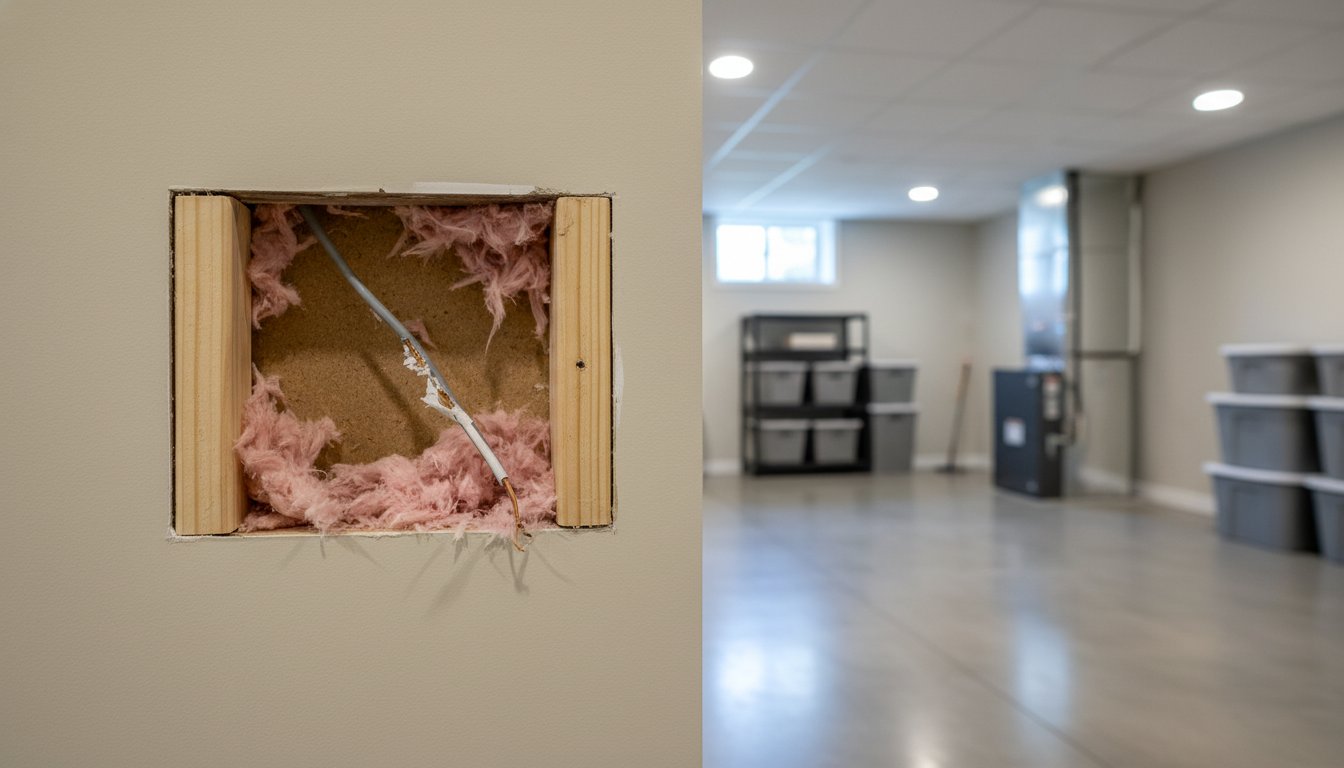
A single pair of rats can multiply to over 1,250 in a year, turning a small nuisance into a major structural threat before you even realize they’ve moved in. Hearing scratching behind the drywall causes immediate stress, especially with the fear of electrical fires from chewed wires or contaminated insulation. It’s natural to worry about how these variables impact the overall cost to remove rodent from walls while seeking a permanent solution that actually lasts.
You’ll discover the primary factors that influence removal expenses and why professional intervention is a critical investment for the safety of your home. While the initial concern is often the immediate removal of the animal, the long-term value lies in identifying how they entered in the first place. This article explains what a professional inspection entails, the importance of sealing entry points through exclusion, and how homeowners in Erie, Crawford, and Ashtabula counties can secure long-term protection. By understanding the methodology behind professional pest control, you can move from a state of anxiety to a state of resolution with confidence in your home’s security.
Key Takeaways
- Understand how infestation severity and the accessibility of wall voids determine the total labor and strategy required for successful removal.
- Identify the hidden risks of leaving rodents in walls, including fire hazards from chewed electrical wires and reduced energy efficiency due to damaged insulation.
- Learn why the total cost to remove rodent from walls depends on professional exclusion techniques that seal entry points rather than just placing temporary traps.
- Discover how year-round protection plans and professional inspections provide a more predictable and cost-effective solution compared to reactive emergency services.
Factors That Influence the Cost of Rodent Removal From Walls
Determining the cost to remove rodent from walls isn’t a one-size-fits-all calculation. Every property in Northwestern Pennsylvania and Northeastern Ohio presents unique challenges, from the age of the foundation to the specific species nesting within the voids. Identifying the scope of the problem is the first step toward a permanent resolution. Professional technicians evaluate how long the rodents have been present, as a colony that has been established for months requires significantly more labor than a recent intruder.
Using comprehensive pest control methods ensures that the strategy addresses both the current population and the structural weaknesses of the building. This systematic approach is more effective than temporary fixes that fail to stop the root cause of the infestation. To better understand how these pests navigate your home’s structure, watch this helpful video:
Infestation Severity and Population Size
A single female mouse can produce up to 72 pups annually, meaning a small entry point can lead to a massive internal population in a very short timeframe. Larger populations naturally increase the cost to remove rodent from walls because they require more monitoring visits and extensive trapping cycles. Long-term infestations also result in heavy accumulation of nesting materials and pheromone trails that attract future pests. Professional pest control may help reduce risk by intervening before the population reaches a critical mass that requires structural dismantling for cleanup.
Home Size and Architectural Complexity
Older homes in Erie or Meadville often feature stone foundations or aging crawlspaces with numerous gaps. These architectural details provide easy access for rodents seeking warmth during harsh winters. Multi-story structures or homes with complex rooflines make it harder to identify entry points, requiring specialized equipment and more time for a thorough inspection. Homeowners across Erie and Crawford Counties often find that finished basements or walls filled with thick insulation add complexity, as technicians must pinpoint activity without causing unnecessary property damage.
Accessibility and biohazard cleanup are the final variables in the investment. If rodents are nested deep within a crawlspace or behind expensive cabinetry, the strategy must be more precise and labor-intensive. Additionally, the presence of droppings and urine creates a need for professional sanitation. These biohazards can carry diseases like hantavirus, making thorough cleanup a non-negotiable part of restoring a safe environment for the family.
The Hidden Expenses of Rodent Damage Inside Walls
While a homeowner might focus strictly on the immediate cost to remove rodent from walls, the true financial impact often extends far beyond the initial service fee. Rodents are inherently destructive. They don’t just inhabit your home; they actively dismantle its internal components to build nests and navigate through the structure. These hidden damages often go unnoticed until a system fails or a secondary issue arises, making early intervention a critical financial decision for property owners in Pennsylvania and Ohio.
The presence of mice or rats behind drywall leads to a steady degradation of your home’s value. From the structural supports to the mechanical systems that keep your household running, every day an infestation persists is a day that repair costs potentially climb. Addressing these issues through professional rodent control plans can help mitigate these risks before they require expensive contractor repairs.
Electrical Hazards and Wiring Damage
Mice and rats possess incisors that never stop growing. This creates a biological necessity to gnaw on hard materials to keep their teeth sharp and manageable. Unfortunately, the plastic coating on electrical wiring is a common target. Chewed wires are a leading cause of house fires that investigators often categorize as unexplained. Because this damage occurs deep within finished walls, it remains invisible to the naked eye. Professional technicians often look for signs of electrical interference or use specialized tools to identify where compromised wiring might be arcing. This risk makes the cost to remove rodent from walls a small price to pay compared to the potential loss of a home to fire.
Insulation Contamination and Energy Loss
Rodents treat home insulation as both a bathroom and a nursery. When rats or mice nest in fiberglass, mineral wool, or cellulose, they compress the material and soil it with urine and droppings. This compression significantly reduces the insulation’s R-value, which is its ability to resist heat flow. In the freezing winters of Erie or the humid summers of Ashtabula, this leads to significantly higher utility bills as your HVAC system works harder to compensate for heat loss. Effective rodent removal stops this cycle of degradation before you’re forced to invest in a full insulation replacement, which can cost thousands of dollars.
Beyond utility lines and energy efficiency, rodents target the very bones of your house. Constant gnawing on wooden studs, floor joists, and headers can compromise structural integrity over time. Perhaps most frustrating is the chemical trail they leave behind. Rodents saturate their nesting sites with pheromones that act as a biological beacon. These scents signal to other rodents that your property is a safe and proven habitat, which is why following four simple steps to rodent-proof your home is vital for long-term protection. This biological marking ensures that without professional cleaning and exclusion, your home remains a target for future generations of pests.
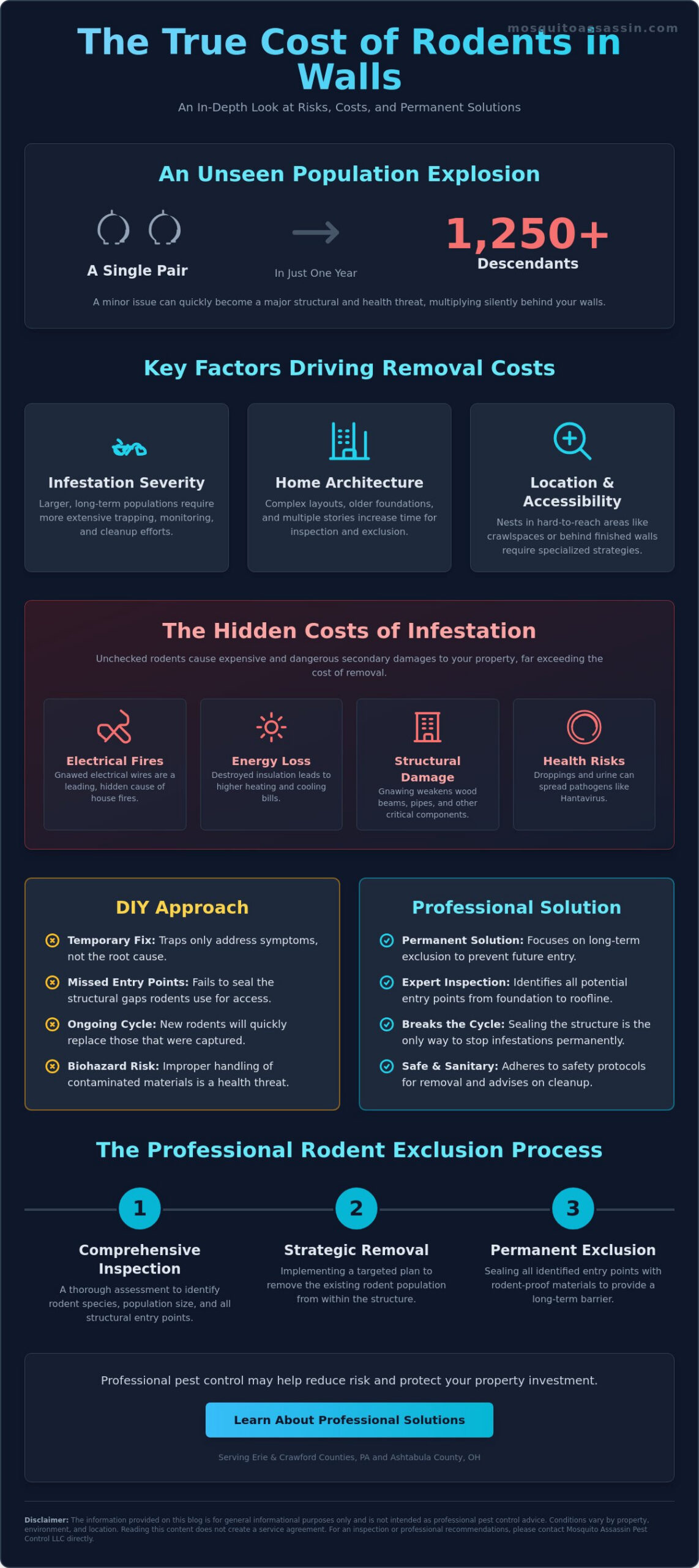
Professional Removal vs. The True Cost of DIY
Many homeowners in Meadville or Ashtabula begin their rodent control journey with a trip to the local hardware store. While spending a few dollars on snap traps or glue boards seems like an economical choice, it rarely addresses the complex biological realities of an infestation. These DIY methods are purely reactive. They target the individual rodent you happen to see or hear, rather than the colony living undisturbed inside the wall voids. When calculating the actual cost to remove rodent from walls, the price of repeated trap purchases and various baits adds up. More importantly, these costs grow while the underlying problem remains completely unresolved.
Ineffective DIY attempts provide a false sense of security while the population continues to expand. In the time it takes to realize that a single trapped mouse was just the tip of the iceberg, the remaining rodents are breeding at an alarming rate. This delay doesn’t simply increase the animal count; it extends the duration of exposure to structural damage and electrical hazards. A professional approach prioritizes a swift, definitive resolution that stops the damage immediately, rather than allowing it to compound over weeks of failed home remedies.
The Cycle of Recurrence
Rodents are creatures of habit that rely heavily on pheromone-scented trails to navigate their environment. Even if a DIY trap successfully removes an intruder, the scent of a safe habitat remains embedded in your wall studs and insulation. This biological marker acts as a guide for the next rodent looking for a warm nesting site during a harsh Pennsylvania or Ohio winter. Professional intervention breaks this cycle by pairing removal with high-grade exclusion work. Utilizing general pest control services offers a much more sustainable financial model for homeowners. It shifts the focus from temporary fixes to long-term property maintenance that prevents new infestations from ever taking hold.
Risks of Improper Treatment
Perhaps the most unpleasant risk of improper treatment involves rodents dying in inaccessible areas. Many consumer-grade products lead to rodents retreating deep into wall cavities or under floorboards before expiring. A decomposing rodent behind your drywall creates a pungent, persistent odor that is nearly impossible to mask. This often leads to secondary pest problems, such as infestations of blow flies or carpet beetles. In these cases, the cost to remove rodent from walls often includes the added expense of hiring contractors to cut into and repair finished surfaces just to eliminate the smell. Seeking professional guidance from the start helps avoid these complications and ensures that removal happens in a controlled, sanitary manner.
Professional Rodent Exclusion: A Three-Step Value Process
A professional approach to pest management doesn’t rely on guesswork or temporary fixes. When evaluating the cost to remove rodent from walls, property owners should view the investment as a comprehensive three-step cycle designed to reclaim the home and prevent future breaches. This methodical process ensures that the immediate population is eliminated while the structural vulnerabilities of the building are permanently addressed. A professional location assessment is the foundation of this strategy, allowing technicians to identify regional pest behaviors specific to the Erie and Crawford County areas.
While DIY attempts often focus solely on the rodents currently visible, a professional service targets the entire colony and the environmental factors that attracted them. This systematic strategy is what provides long-term value, as it avoids the secondary costs associated with recurring infestations and ongoing structural damage. By following a disciplined operational approach, technicians ensure that every potential entry point is secured with professional-grade materials that rodents cannot easily bypass.
Step 1: Removal and Monitoring
The first phase of the process focuses on population reduction and activity assessment. Professionals utilize commercial-grade monitoring equipment to pinpoint exactly where rodents are traveling within the wall voids and crawlspaces. This data-driven approach allows for trapping strategies tailored to the specific species present, as rats and mice require different tactical interventions. The primary goal is to clear the structure entirely before any permanent sealing occurs. Sealing a home while rodents are still inside can lead to animals dying in inaccessible areas, which creates the odor and sanitation issues discussed in previous sections.
Step 2 & 3: Maintenance and Exclusion
Exclusion is the most critical component of a long-term solution. This involves identifying and sealing every gap larger than a quarter-inch using bite-proof materials (such as heavy-gauge hardware cloth or specialized metal sealants). Technicians focus their efforts on several high-risk areas:
- Foundation Vents: Repairing or reinforcing screens that have been compromised by age or gnawing.
- Utility Pipe Entries: Sealing the small gaps where plumbing, electrical, or HVAC lines enter the home.
- Roof Lines and Soffits: Identifying entry points where rodents may have climbed siding or nearby trees to access the attic.
Maintenance visits serve as a final layer of protection. These follow-up inspections verify that the exclusion measures remain intact and that no new activity has been detected. This proactive oversight ensures the property remains unattractive to new pests seeking shelter. For homeowners ready to secure their property against seasonal intruders, choosing professional rodent control service is the most effective way to ensure a pest-free environment.
Long-Term Protection and Protecting Your Investment
Securing your property against rodents is not a one-time event but an ongoing commitment to home maintenance. For residents in Ashtabula or Erie, seasonal shifts trigger predictable movements in rodent populations as they seek refuge from the lake effect winters. Investing in a permanent solution preserves your property value and ensures that potential buyers have confidence in the home’s structural integrity. A clean inspection report is a powerful asset during a real estate transaction, whereas evidence of past infestations can lead to significant price negotiations or lost sales.
While the immediate cost to remove rodent from walls is a necessary expense during an active infestation, shifting to a proactive model is the most fiscally responsible path forward. Early detection is the only way to avoid the secondary damages to wiring and insulation that were previously discussed. Professional oversight provides the security that your home remains a fortress against the local pests that thrive in our specific regional climate.
Predictable Budgeting with Protection Plans
Relying on emergency services often leads to higher expenses and increased stress. Ongoing services prevent the need for reactive removals by maintaining a continuous barrier around your foundation and roofline. Regular monitoring identifies new entry points that naturally occur as a house settles or as weather cycles expand and contract building materials. Bi-monthly or quarterly visits ensure that exclusion measures remain intact, providing a predictable budget for homeowners who want to avoid the surprise cost to remove rodent from walls in the future.
Next Steps for Homeowners
Taking action early is the best way to minimize damage. Document any scratching sounds, sightings, or unusual pet behavior to provide a clear history for the professional inspection. On the exterior, clear debris and woodpiles away from the foundation to reduce attractive nesting sites near your walls. Maintaining a clean perimeter is a simple but effective way to support professional exclusion work.
Professional pest control may help reduce risk and provide the peace of mind that comes with a secure environment. For an inspection or to discuss a long-term protection strategy, please contact Mosquito Assassin Pest Control LLC directly. Taking these steps today protects your household from the health risks and financial burdens of future infestations.
Disclaimer: The information provided on this blog is for general informational purposes only and is not intended as professional pest control advice. Conditions vary by property, environment, and location. Reading this content does not create a service agreement. For an inspection or professional recommendations, please contact Mosquito Assassin Pest Control LLC directly.
Securing Lasting Peace of Mind
Protecting your property from the structural and health risks of a rodent infestation requires more than a quick fix. By focusing on a methodical three-step removal, maintenance, and exclusion process, homeowners can move away from the cycle of recurrence and toward lasting security. Understanding the total cost to remove rodent from walls involves prioritizing professional intervention that addresses the root cause of the entry and prevents future damage. This approach preserves the integrity of your insulation and electrical systems while maintaining your property’s long-term value.
As a local family-owned and operated expert, Mosquito Assassin Pest Control LLC provides the technical proficiency needed to handle complex infestations. Licensed and insured in both Pennsylvania and Ohio, the team is dedicated to providing neighborly service and methodical results for the community. You don’t have to face the stress of scratching in the walls alone. Request a professional rodent inspection today to begin the process of total property protection.
Disclaimer: The information provided on this blog is for general informational purposes only and is not intended as professional pest control advice. Conditions vary by property, environment, and location. Reading this content does not create a service agreement. For an inspection or professional recommendations, please contact Mosquito Assassin Pest Control LLC directly.
Frequently Asked Questions
How do I know if rodents are in my walls or in the attic?
Listen for scratching, squeaking, or scurrying sounds, especially at night when rodents are most active. You might also notice smudges from oil and dirt on baseboards or near small gaps in the drywall. While attics often show visible nesting in insulation, wall activity is usually detected through sound and heat signatures. Professionals use specialized equipment to confirm exactly where the pests are nesting within the structure.
Can rodents chew through the drywall to get into my living space?
Yes, rodents can easily chew through drywall, wood, and even thin aluminum to enter your living area. Their teeth are strong enough to gnaw through most common building materials if they smell food or seek a warmer environment. This creates a direct path for pests to move from hidden wall voids into kitchens or pantries. Once a hole is established, it becomes a permanent doorway for any future rodents looking for shelter.
What happens if a rodent dies inside the wall after treatment?
A dead rodent inside a wall will produce a strong, persistent odor of decay that can last for several weeks. This decomposition can attract secondary pests like flesh flies or beetles, creating a new set of problems for the homeowner. Professional strategies focus on removal and exclusion to prevent this scenario, as removing a carcass often requires cutting into the drywall. Avoiding this outcome is a primary reason to seek professional intervention early.
Is it possible to remove rodents from walls without cutting into the drywall?
Professionals often use one-way doors and strategic trapping at external entry points to remove rodents without damaging the interior walls. These methods encourage the animals to exit the wall voids for food or water, where they are then captured or excluded. This approach helps minimize the total cost to remove rodent from walls by avoiding expensive cosmetic repairs. It’s a cleaner, more efficient way to handle an infestation without disrupting your home’s interior.
How long does it typically take to completely clear a rodent infestation?
A standard rodent removal process usually takes between one and three weeks to ensure the population is fully eliminated. The timeline depends on the size of the colony and how quickly the rodents respond to the trapping strategy. Consistent monitoring is necessary during this period to verify that no new activity is occurring. Once the structure is confirmed clear, the final exclusion work can be completed to ensure the pests do not return.
Will homeowners insurance cover the cost of rodent removal or damage?
Most standard homeowners insurance policies do not cover rodent removal or the resulting damage, as infestations are typically considered a preventable maintenance issue. However, you should review your specific policy or contact your agent to see if exceptions exist for sudden events like fire damage caused by chewed wiring. Investing in prevention is generally more cost-effective than paying for major structural repairs out of pocket later.
How do I prevent mice from coming back after they have been removed?
Permanent prevention requires sealing all structural gaps larger than a quarter-inch with metal or concrete-based materials that rodents cannot chew through. Maintaining a clean perimeter by removing tall grass and woodpiles near the foundation also reduces the likelihood of a return. Regular inspections help identify new vulnerabilities before the cost to remove rodent from walls becomes a factor again. Professional pest control may help reduce risk by providing year-round monitoring.
What are the health risks associated with having rodents in the walls?
Rodents carry various pathogens and can spread diseases like hantavirus, salmonellosis, and leptospirosis through their droppings and urine. Even when contained within walls, dried waste can break down into airborne particles that circulate through the home’s ventilation system. This contamination can trigger allergies or respiratory issues for sensitive household members. Professional removal and sanitation are necessary to restore a healthy living environment and eliminate these invisible biological threats.
Disclaimer: The information provided on this blog is for general informational purposes only and is not intended as professional pest control advice. Conditions vary by property, environment, and location. Reading this content does not create a service agreement. For an inspection or professional recommendations, please contact Mosquito Assassin Pest Control LLC directly.