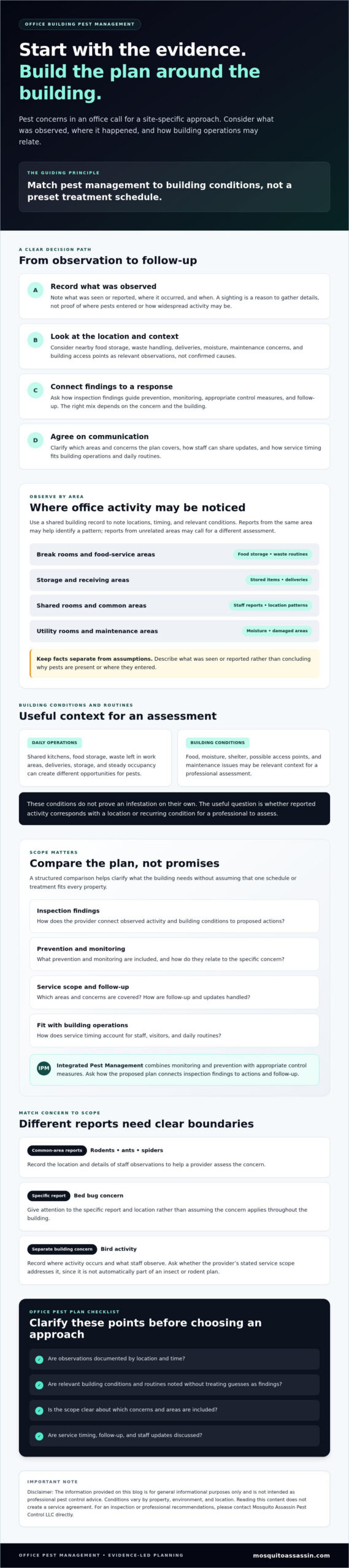
What if the most important part of data center pest management happens before a pest is found? Facility teams already account for site access, operating schedules, and equipment protection. A pest program should fit those needs, too. Evaluating commercial pest control erie pa means looking beyond treatment to prevention, monitoring, and clear communication.
Rodents or insects can raise concerns about property and operations. An Integrated Pest Management (IPM) approach helps organize prevention, monitoring, and targeted responses around a facility’s conditions, rather than relying only on reactive treatment.
This guide explains what a pest management program can address in a data center or other sensitive facility. It compares prevention-focused and reactive approaches using practical criteria, including access coordination, monitoring records, reporting, and follow-up. These considerations can help Erie-area facility teams prepare to assess their pest management needs.
Key Takeaways
- Plan pest management around facility operations, with attention to continuity, sensitive equipment, and property protection.
- Use Integrated Pest Management to connect observations and recurring conditions with appropriate prevention and response.
- Compare commercial pest control erie pa options by scope, communication, follow-up, and coordination with site schedules.
- Prepare for an assessment by recording concerns, locations, and operating constraints, without attempting pesticide application.
- Use this information to identify a practical next step for the facility’s pest management plan.
Why data center pest management matters for Erie-area commercial facilities
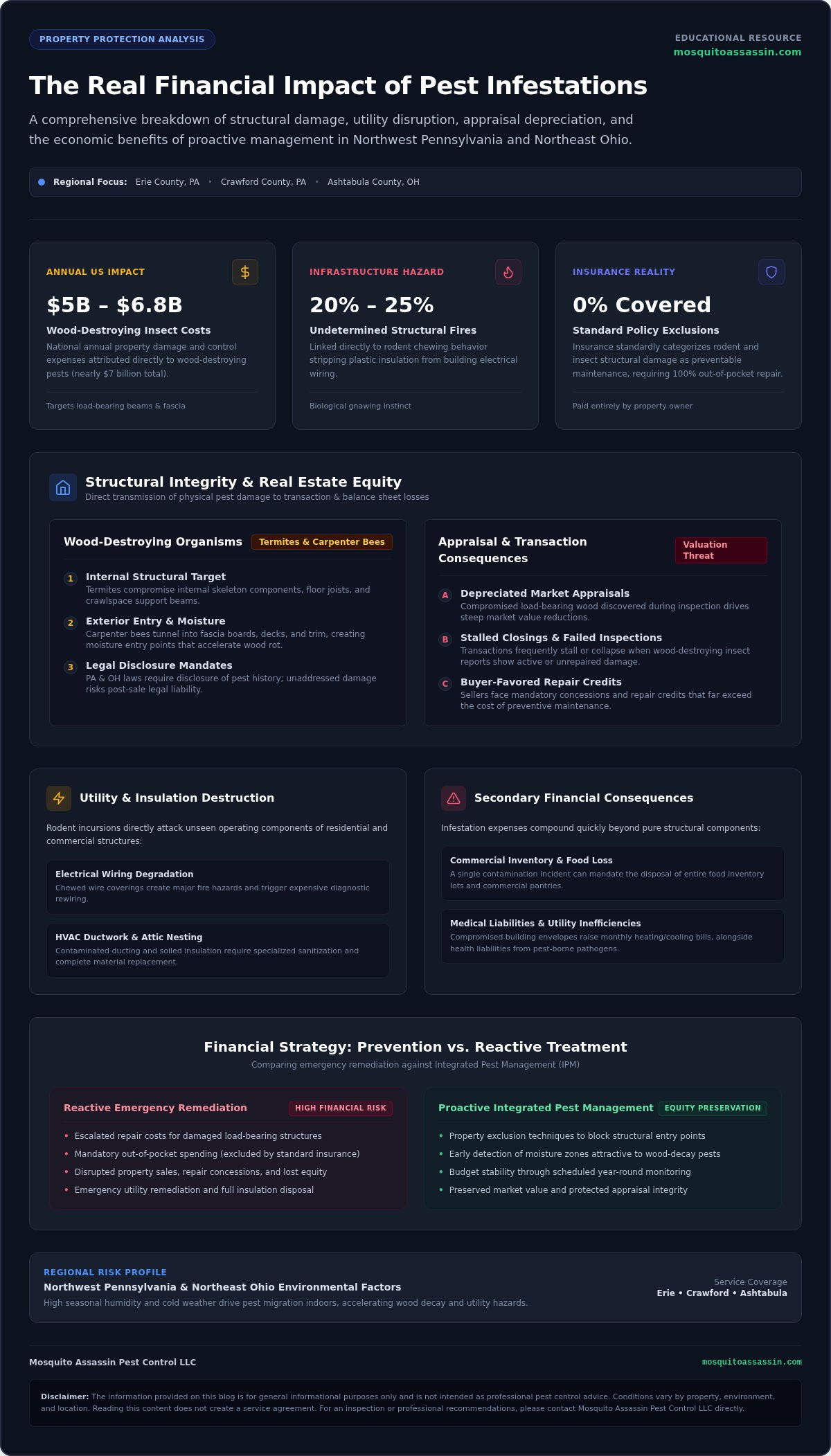
Commercial pest management is an ongoing process of assessment, prevention, monitoring, and targeted response. Unlike a one-time service call, an ongoing program can track observations over time and help identify conditions that may attract pests or allow activity to recur. In a data center, the goal is to address pest concerns while respecting the facility’s operating needs, not to assume every sighting threatens equipment or service continuity.
Facility teams typically need to keep operations orderly, protect property and sensitive equipment, and ensure staff understand what has been observed and what follow-up is planned. A report from a shared service area may call for a different response than one from a restricted or equipment-adjacent zone. Clear site procedures help pest professionals plan access and coordinate work with facility staff.
What makes a data center a distinct planning environment?
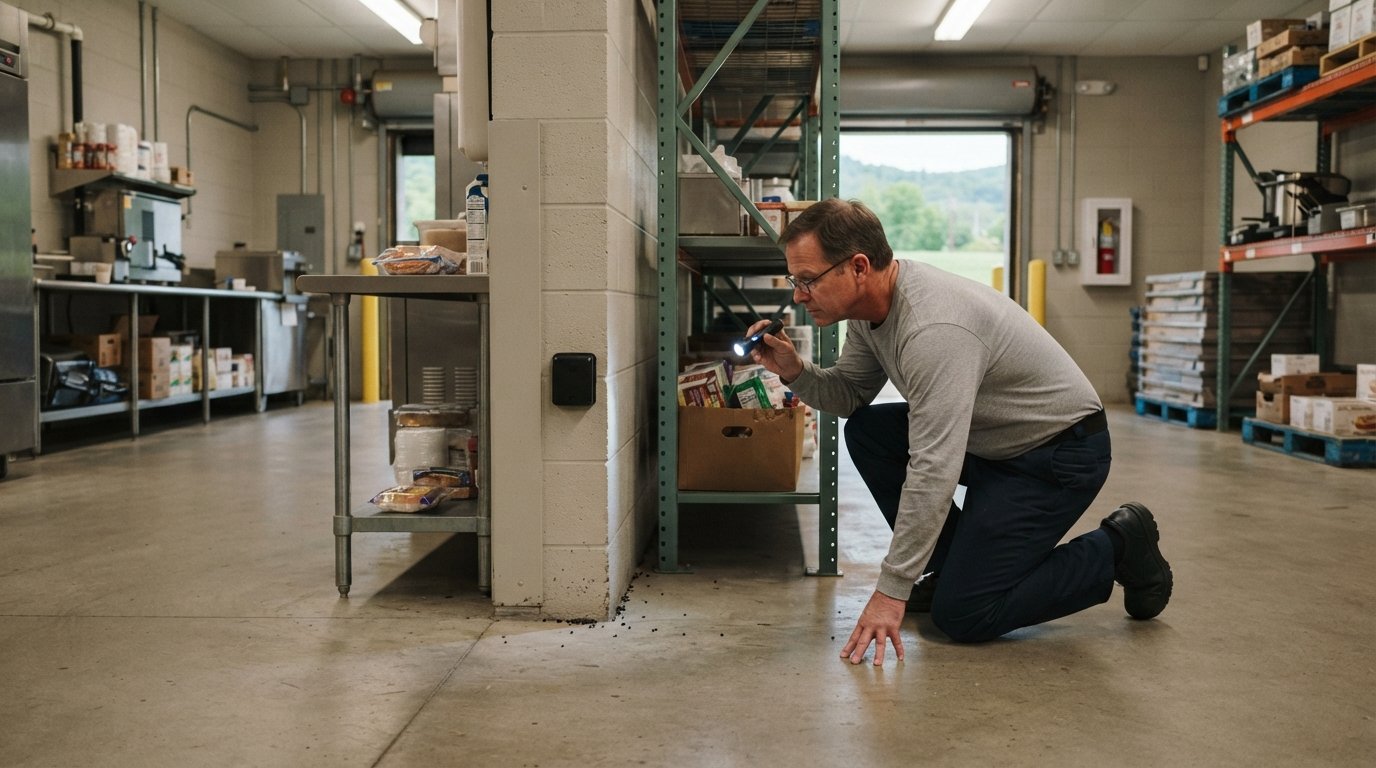
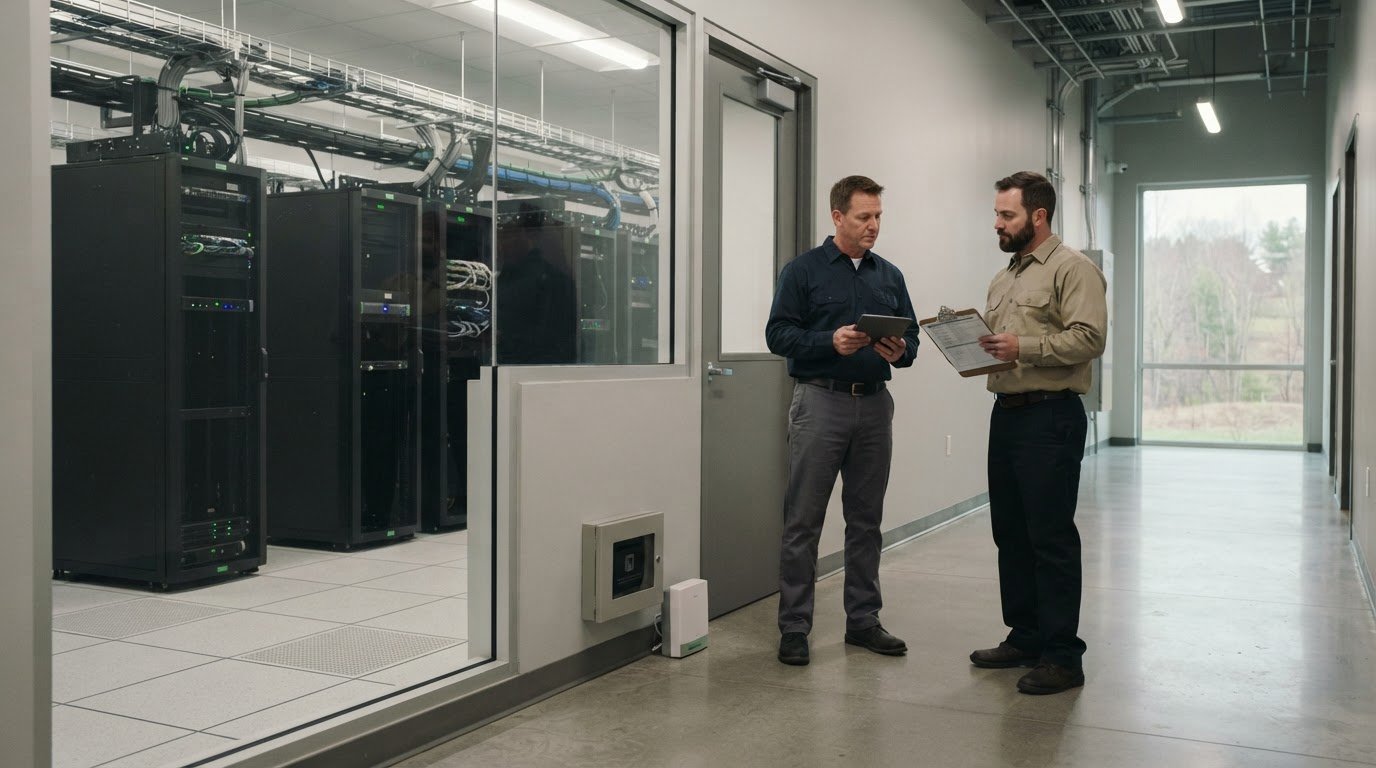
Access control, operating schedules, and facility procedures shape how an assessment is arranged. Conditions may also differ between areas such as receiving spaces, utility rooms, and locations with restricted access. These are examples for planning, not assumptions about a particular building. An effective Erie County assessment should be based on the property, its operating requirements, and documented observations.
Which facility priorities should shape a pest program?
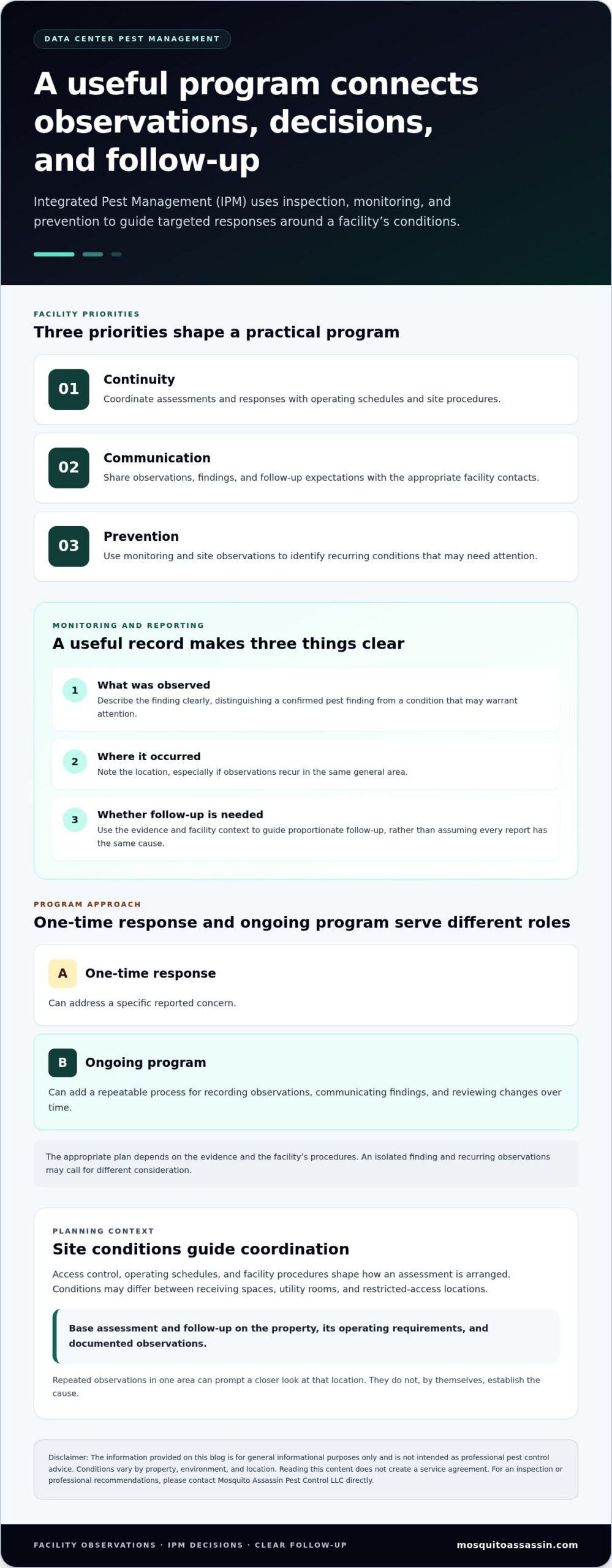
Useful priorities include continuity, clear communication, and records that help staff recognize recurring conditions. For example, repeated observations in the same general area may warrant a closer look at that location. A record of where and when activity was noticed helps guide proportionate follow-up instead of treating every report as an unrelated event.
Integrated Pest Management (IPM) is a decision-led approach that uses inspection, monitoring, and prevention to guide targeted pest responses. The Integrated Pest Management (IPM) overview describes this broader framework. In commercial settings, IPM connects findings to decisions and takes site conditions into account. Mosquito Assassin’s commercial pest control includes IPM, rodent control with maintenance and exclusion, fly control, and other targeted pest treatments.
A one-time response can address a specific reported concern. An ongoing program can add a repeatable process for recording observations, communicating findings, and reviewing changes. That distinction matters when evaluating commercial pest control erie pa for a data center or another sensitive facility. A useful plan makes responsibilities and follow-up clear to facility staff and pest professionals.
- Continuity: Coordinate assessments and responses with operating schedules and site procedures.
- Communication: Share observations, findings, and follow-up expectations with the appropriate facility contacts.
- Prevention: Use monitoring and site observations to identify recurring conditions that may need attention.
These priorities do not assume that a serious pest problem exists. They give facility teams a practical basis for planning, communicating, and responding in a measured way.
How Integrated Pest Management supports a commercial pest program
Integrated Pest Management (IPM) connects facility observations with decisions about prevention, monitoring, and response. Instead of treating every report as a reason for the same action, an IPM program considers the evidence, where it appears, and what site conditions may contribute. The EPA’s Integrated Pest Management Principles provide an overview of this decision-led approach.
For a commercial facility, pest management can include ongoing observations and maintenance, not just action after staff report activity. Recurring observations may point to conditions that deserve attention. A new or isolated finding may call for a different response. The appropriate plan depends on the evidence and the facility’s procedures, rather than a one-size-fits-all treatment plan.
Commercial pest control services can include IPM, rodent control, fly control, and other targeted pest treatments. For facilities evaluating commercial pest control erie pa, consider how inspection findings, prevention measures, and response decisions fit together.
What should monitoring and reporting make clear?
Records are most useful when they tell facility staff what was observed, where it occurred, and whether follow-up is needed. A clear report can distinguish a confirmed pest finding from a condition that may warrant attention, such as a potential entry point or repeated observations in one area. Consistent descriptions also make it easier to compare findings over time without assuming similar reports have the same cause.
Facility teams can use records to share relevant context with pest professionals, including changes in the location or nature of observations. The aim is a practical account that supports decisions, not a particular reporting format or inspection schedule. The useful level of documentation depends on the property and its operating procedures.
How prevention and targeted response fit together
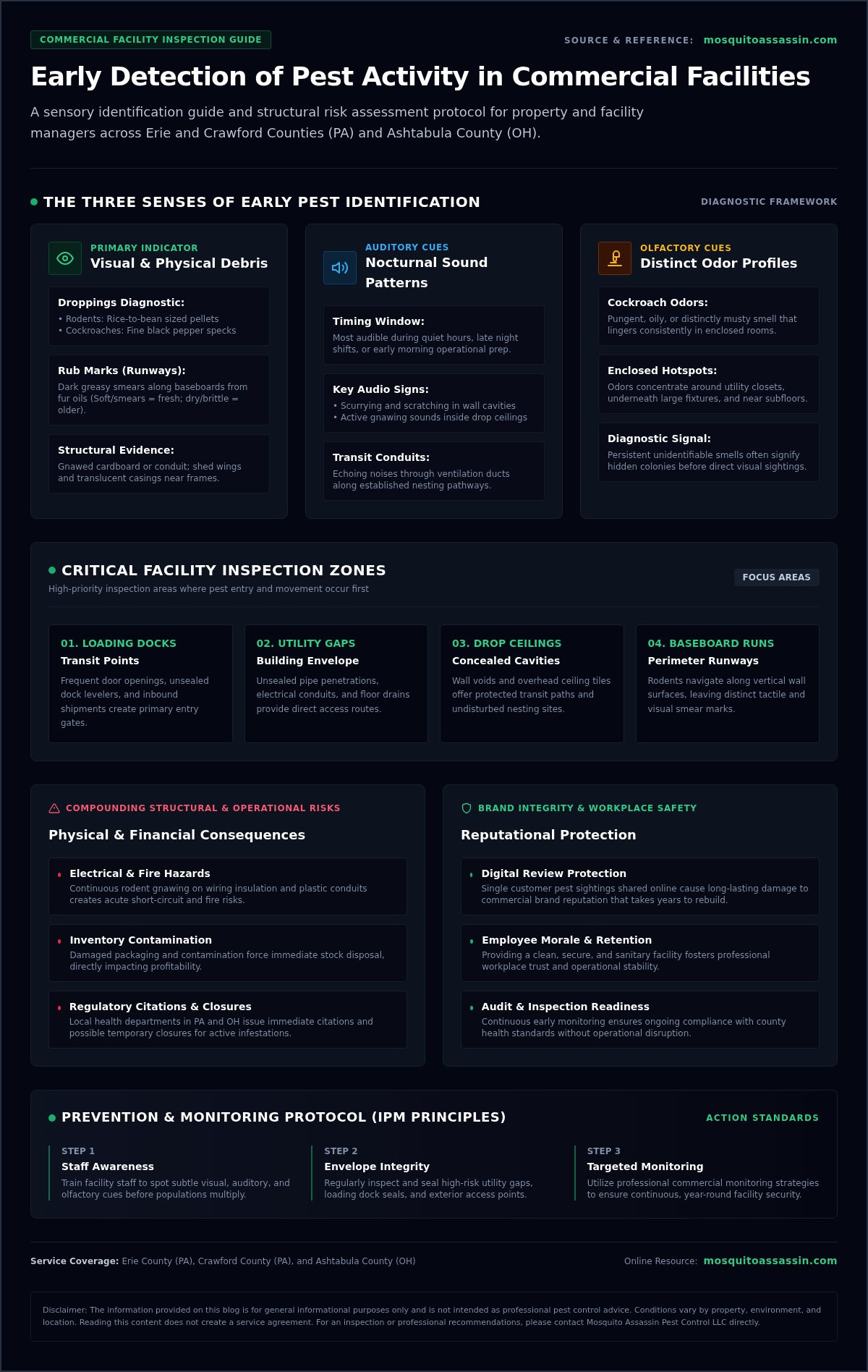
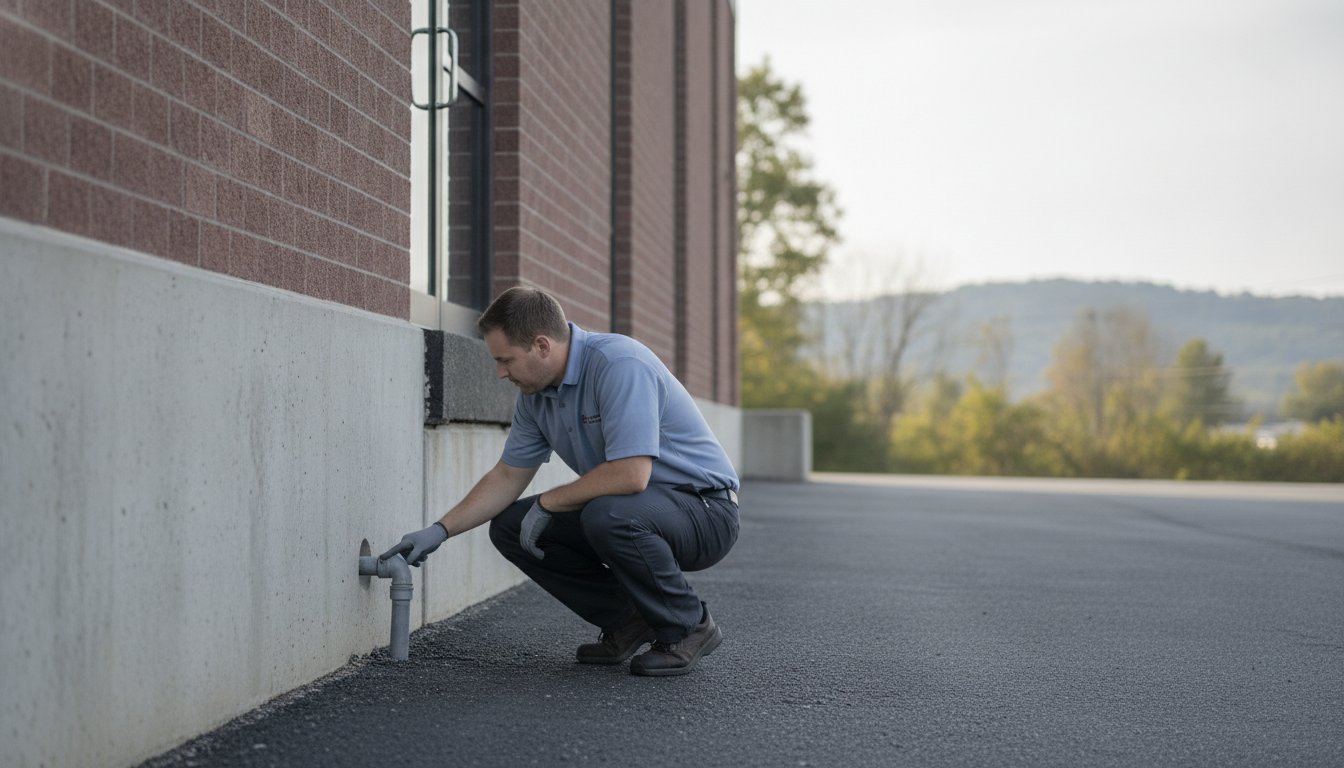
Prevention planning may consider sanitation, exclusion, and maintenance. These areas help teams assess whether conditions around a building or in its workspaces could support pest activity. For instance, repeated observations near a service entrance may make it useful to review that area’s condition and routine upkeep. This is a prompt for assessment, not a diagnosis of the cause.
Targeted response should be informed by observed activity and the facility’s procedures. Monitoring can help show whether activity is continuing or conditions have changed, while maintenance can address vulnerabilities identified during assessment. Mosquito Assassin’s commercial rodent control includes maintenance and exclusion as part of a prevention-focused approach.
Facility teams can keep a clear record of observations and share relevant site constraints during an assessment. That context helps a pest management professional evaluate conditions and discuss appropriate options. Commercial pest control may help organize monitoring, prevention, and follow-up around facility operations. Learn about commercial pest management options.
How to compare commercial pest management approaches for a data center
A call-based response and a recurring program differ in how they organize service, records, and follow-up. A call-based approach focuses on a reported concern. Recurring service can include planned visits and continued review of observations. Compare each option’s practical scope with the facility’s needs rather than assuming one model fits every site.
Use these criteria to clarify what a program would involve:
| Program element | What to clarify |
|---|---|
| Scope | Which concerns and areas are included, and what falls outside the planned work? |
| Monitoring | How will observations be recorded and reviewed over time? |
| Communication | Which facility contact receives findings and updates? |
| Follow-up | How are open concerns or new observations brought forward? |
| Coordination | How do access procedures, work areas, and schedules affect planning? |
Which program details are useful to evaluate?
Look for a clear connection between findings and proposed next steps. A report, for example, should distinguish what was observed from what may need additional attention. The service scope should make clear whether it addresses a specific call or includes recurring monitoring. Clear communication about updates and follow-up helps facility staff understand what has been addressed and what remains open.
Mosquito Assassin Pest Control LLC’s technicians are licensed, insured, and certified, and the company uses EPA-approved products. Consider these details alongside the proposed scope and communication process. For broader context about commercial pest management and business operations, the commercial pest control guide covers considerations for commercial properties.
How can facility requirements shape service coordination?
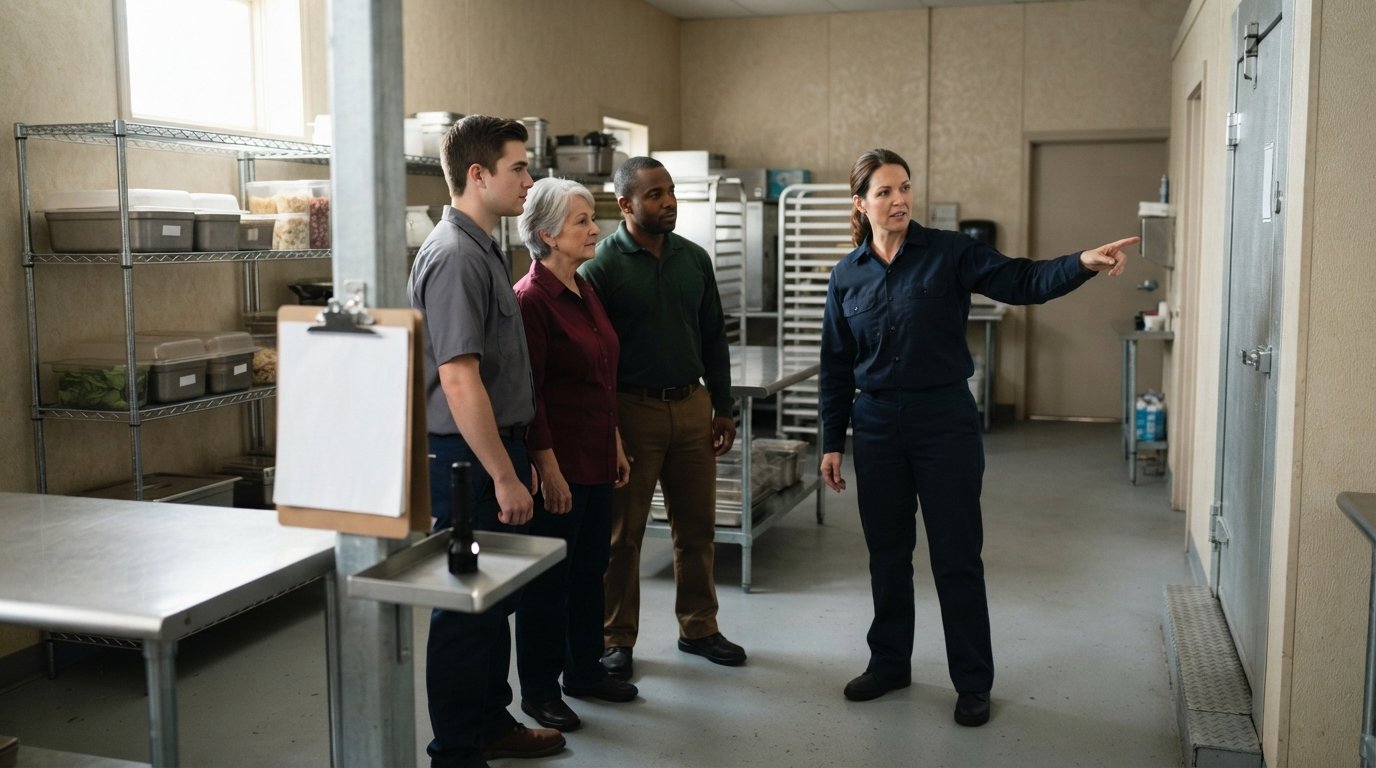
Facility procedures can affect which areas are accessible, when a visit can be scheduled, and who coordinates with the pest professional. Sharing relevant constraints early helps make the planned scope more realistic. A site contact can explain whether access to certain areas needs advance coordination or whether work should be planned around operating periods. The facility’s own procedures remain the guide for access and operations.
When comparing commercial pest control erie pa, consider the facility’s reported activity and operating requirements. A call-based response may address an isolated concern, while a recurring arrangement may suit a need for ongoing review. An assessment helps clarify a suitable scope for the property. To discuss a facility’s commercial pest management needs, contact Mosquito Assassin Pest Control LLC.
How Erie-area facilities can prepare for a pest management assessment
A little preparation can make an assessment more focused. Facility staff do not need to identify a pest or recommend a treatment. Their role is to describe what they observed, where it occurred, and any practical limits affecting access or scheduling. Keep notes factual, and leave out sensitive security or operational details that are not needed to plan the visit.
This simple sequence can help organize the relevant information:
- Define the concern. Describe the observation or condition that prompted the assessment without trying to identify the pest.
- Note the location and timing. Record the general area and when the activity was noticed. If it happens again, add the new observation rather than relying on memory.
- Identify coordination needs. Share relevant access procedures, work-area limits, and scheduling considerations through the appropriate facility contact.
What facility information helps clarify the assessment?
Concise, consistent notes are more useful than guesses. Staff can record that an unknown insect was seen near a general work area on a particular day, for example, rather than assigning it a species name. They can also note whether similar activity has been seen elsewhere. Keep descriptions neutral and share only the information needed to coordinate an assessment and explain the concern.
Identify who can coordinate access and communicate scheduling constraints before planning a visit. General descriptions of areas and procedures may be enough to explain where an assessment can take place. Do not include passwords, security codes, network details, or other sensitive information in pest observations. Handle facility-specific access information through established site communication channels.
How do local conditions inform a facility-specific plan?
Pest pressures can vary with a property’s surroundings, building conditions, and patterns of use. Local knowledge can help put observations in context, but it cannot predict what a particular facility will experience. An assessment should rely on the property’s actual conditions and reported evidence, not assumptions based on location or season.
Commercial pest control in Erie County should be planned around the site itself. Mosquito Assassin Pest Control LLC provides commercial pest control in Erie and Crawford Counties, Pennsylvania, and Ashtabula County, Ohio. Facility teams can review the service area information to understand regional coverage. Location alone does not determine the right scope; observations and operating needs help shape the assessment.
For teams considering commercial pest control erie pa, preparation can be straightforward: describe the concern, document where and when it was observed, and communicate relevant coordination limits. These details help focus the discussion without requiring staff to inspect restricted areas or attempt pesticide application. Professional pest control may help assess reported activity and identify practical next steps.
To discuss a commercial pest management assessment, contact Mosquito Assassin Pest Control LLC with a general description of the concern and relevant coordination needs.
Choosing a practical next step for commercial pest control in Erie, PA
A sound pest management decision starts with the facility’s actual concerns and operating needs. Review whether the proposed scope addresses the reported activity, how monitoring and prevention fit the plan, who receives updates, and what follow-up may involve. Access requirements, work areas, and scheduling constraints should also be part of planning.
There is no single approach for every property seeking commercial pest control erie pa. A facility with a specific concern may need a different scope from one seeking ongoing monitoring and prevention. An assessment considers available observations and property conditions, then informs a discussion of relevant options without assuming an outcome in advance.
What a practical commercial plan should make understandable
A plan should describe the pest concerns being addressed, the service scope, how observations will be communicated, and what follow-up may be considered. Integrated Pest Management provides a structured basis for evaluating these elements. Mosquito Assassin Pest Control LLC is locally owned, and its commercial technicians are licensed, insured, and certified. These details can inform the discussion, but do not imply data center-specific experience or a guaranteed result.
Use the discussion to clarify what facility staff should share and how site constraints affect coordination. A general description of an observed area and any scheduling limits can help frame the assessment. Keep the information factual and relevant. Professional recommendations depend on the conditions found at the property.
Where Erie-area facility managers can continue
Mosquito Assassin’s commercial pest control services include Integrated Pest Management, rodent control with maintenance and exclusion, fly control, and other targeted pest treatments. This provides a starting point for discussing how commercial pest management may relate to a facility’s reported concerns and operating needs.
Before requesting an assessment, facility managers can prepare a concise description of the concern and identify the appropriate site contact. There is no need to diagnose the pest or attempt treatment. A professional can evaluate observations in the context of the property and discuss practical next steps.
For facility-specific guidance, contact Mosquito Assassin Pest Control LLC to discuss an inspection. An assessment can help clarify which recommendations fit the property’s conditions and operating requirements.
In brief: A practical plan makes scope, monitoring, prevention, communication, follow-up, and site coordination clear. Recommendations depend on what is observed at the facility.
Set a Clear Next Step for Your Facility
A pest management plan can be revisited as a facility changes. Renovations, changes in how spaces are used, or updates to operating routines may affect whether existing arrangements still suit the property. Reviewing the plan as conditions change helps keep decisions connected to current needs.
For commercial pest control erie pa, a facility manager can identify when the current approach should be reviewed and who will raise the issue if site conditions change. This keeps pest management in view as part of facility planning, without assuming that new treatment or service is always needed.
For guidance specific to your facility, contact Mosquito Assassin Pest Control LLC to discuss a commercial facility inspection. A focused conversation can help identify an appropriate next step.
Frequently Asked Questions
What is data center pest management?
Data center pest management applies commercial pest planning to a facility where spaces may have different uses and access arrangements. An assessment focuses on pest concerns relevant to the property, rather than assuming every room has the same conditions. A concern in a shared delivery area, for example, may need to be described differently from one reported in a controlled-access workspace. Facility procedures help guide how the assessment is arranged.
Why do data centers need a commercial pest management plan?
A plan helps staff understand how pest concerns fit into property management and who should coordinate them. It can clarify how observations relate to routine building upkeep, including when a concern may also involve a maintenance contact. A site-specific plan helps reduce confusion about follow-up because layout, operations, and reported conditions influence what is useful.
How does Integrated Pest Management work in a commercial facility?
Integrated Pest Management helps a facility make decisions based on evidence and site conditions. A professional may consider whether a report reflects pest activity, a condition that could support it, or both, then determine an appropriate response. Facility staff can add context about changes in building use or maintenance. The resulting plan should fit the findings rather than assume the same treatment is needed in every case.
Can pest control be coordinated around data center operations?
Yes. Coordination can be discussed before an assessment or service visit so the facility contact can explain relevant scheduling and access arrangements. A manager can identify which general areas may be available and who will coordinate entry under the site’s procedures. This helps plan work around the facility’s needs. Any arrangements should follow the facility’s own operating and access requirements.
What should a facility manager document before a pest assessment?
Along with a brief description of the concern, note whether staff saw a pest, found a sign of activity, or noticed a building condition. Keep these categories distinct rather than treating a possible clue as a confirmed identification. If maintenance or cleaning changed the area after the observation, include that context. Share only general information needed for the assessment, not sensitive security or system details.
Does commercial pest control serve Erie County, Pennsylvania?
Yes. Mosquito Assassin Pest Control LLC provides commercial pest control in Erie County, Pennsylvania. Facility managers considering commercial pest control erie pa can describe the property type and general concern to begin a discussion. Recommendations depend on conditions at the site. Service-area information explains where commercial service is provided, not what an assessment will find.
How is ongoing pest management different from a one-time treatment?
A one-time treatment is generally tied to a defined service need, while ongoing management can build a history of observations and actions for the property. That history may help facility staff see whether a concern returned after a change in conditions or building use. It can also provide a reference when responsibilities shift. Whether ongoing records are useful depends on the facility’s situation and pest management needs.
Disclaimer: The information provided on this blog is for general informational purposes only and is not intended as professional pest control advice. Conditions vary by property, environment, and location. Reading this content does not create a service agreement. For an inspection or professional recommendations, please contact Mosquito Assassin Pest Control LLC directly.