Tag: pest inspection

  • How to Handle Pests in a Foreclosure Property: A Practical Guide

    How to Handle Pests in a Foreclosure Property: A Practical Guide

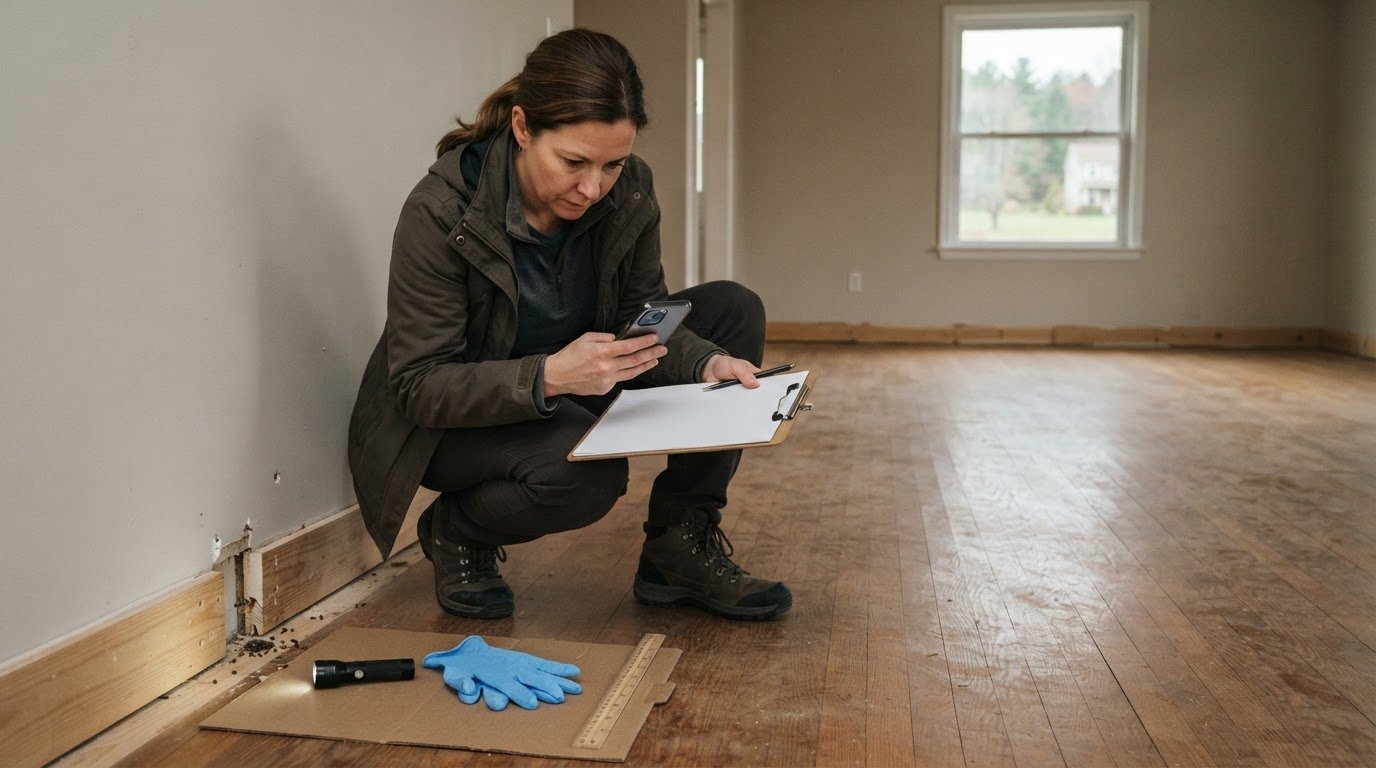
    The first sign of pests in a foreclosure property isn’t always proof of an active infestation. Droppings, damaged materials, or insect remains can be difficult to interpret, especially after a home has been vacant. Knowing how to handle pests in a foreclosure property starts with documenting what you see before cleaning or disturbing possible evidence.

    It’s understandable to want to clear out a suspected problem right away. A measured first look, however, can help you distinguish visible clues from assumptions and decide what needs attention. Avoid touching unfamiliar materials, and record their location with notes or photos so the conditions can be assessed more clearly.

    This guide explains how to inspect a newly acquired or vacant property, document possible pest activity, and prioritize basic prevention. It also explains when professional pest control may help identify concerns and recommend an appropriate response. Because conditions differ from one property to another, don’t assume every foreclosure needs treatment. Use the evidence and the property’s condition to guide your next steps.

    Key Takeaways

    • Learn how to handle pests in a foreclosure property by weighing visible clues alongside the home’s condition and history, rather than diagnosing an infestation from one sign.
    • Understand why possible signs of mice, rats, ants, bed bugs, or termites need context before you decide what they mean.
    • Compare observation, prevention, and professional assessment to choose a suitable next step without attempting pest treatment yourself.
    • Before cleanup or renovation, record affected rooms, visible conditions, and any known occupancy or maintenance history.
    • Consider professional guidance when signs recur, are unclear, or appear in multiple areas, with recommendations tailored to the property.

    How to Assess Pest Concerns in a Foreclosure Property

    A vacant home can be difficult to assess at first glance. Gaps in occupancy, deferred maintenance, and an incomplete property history may leave you unsure whether a sign is recent, old, or unrelated to pests. Start with what you can observe, then compare those details with the property’s condition. A single clue isn’t enough to confirm an infestation.

    Keep observations separate from conclusions. For example, record “small dark material beside the pantry baseboard” rather than labeling it pest droppings before it has been assessed. Note the room, exact location, date, and nearby conditions, such as an open food package or a gap around a door. These details help you spot patterns and decide whether an inspection would be useful. For general background on pest management principles, consult the Pest Control Wikipedia article. General information cannot identify conditions in a particular home.

    What to Look for During an Initial Walkthrough

    Stay in accessible areas and don’t disturb unfamiliar material. Make a brief record of visible conditions such as:

    • Droppings or nesting debris in corners, cupboards, or storage areas.
    • Damaged packaging, wood, fabric, or other materials.
    • Insect remains near windows, lights, or along walls.
    • Unusual odors, noted by room and location without assuming their cause.
    • Potential entry points, leftover food, or clutter that may affect what you observe.

    When appropriate, photograph findings with enough surrounding detail to show where they were found. Check rooms, storage areas, and accessible points around doors or windows, but don’t move heavy items or open sealed spaces just to search for evidence. A limited, careful walkthrough can still provide useful information.

    Why a Vacant Property’s History Matters

    Occupancy and maintenance records can put observations in context. If records are incomplete, note that uncertainty rather than filling gaps with assumptions. Signs may remain after activity has stopped, while a clean-looking surface doesn’t establish that there is no current pest concern. Appearance alone may not distinguish old evidence from recent activity.

    Pest evidence is an observation to document, not a confirmed diagnosis. Record when and where each sign appears, and whether similar signs occur elsewhere. If you return and notice a change, add the date and details instead of altering your original note.

    Use the walkthrough to identify questions, not to make a final determination. This guide can help you organize observations and make informed decisions, but it doesn’t replace a property-specific inspection. If evidence is unclear, appears in several areas, or may affect planned cleanup or renovation, professional pest control can help assess the conditions and inform next steps.

    Which Pests and Warning Signs May Matter in a Vacant Home?

    A vacant home may show signs associated with mice, rats, ants, bed bugs, or termites, but don’t assume pests are present just because the property has been unoccupied. The building’s condition, remaining food or belongings, and the location of any evidence all matter. Different causes can produce similar-looking marks or debris, so describe what you observe rather than identifying a pest from appearance alone.

    One sign alone can’t establish the type, extent, or current status of pest activity. A careful record keeps observations useful without turning a clue into a conclusion. Note the room, precise location, date, and nearby conditions, such as damaged packaging, a gap, or stored belongings. Avoid handling or clearing suspected evidence before it can be assessed.

    Rodent and Insect Evidence: What Observations Can Suggest

    Droppings, gnaw marks, tracks, or nesting material may be consistent with rodent activity, but context is needed to interpret them. Note whether the signs are near stored food, along a wall, or close to a possible entry point. For more context on how rodent concerns may be addressed, review the rodent control and exclusion approach.

    Ants may appear near food or moisture, while insect sightings, shed skins, or damage to stored materials can have more than one explanation. Record where the signs occur and whether they appear in one area or several. A single insect sighting doesn’t establish a recurring problem, and a photograph may not show details needed for identification. Don’t move suspected nests or debris to get a closer look.

    When Wood Damage or Bed Bug Signs Need Closer Attention

    Changes to wood, including damaged or weakened areas, can have causes other than termites. Suspected termite evidence deserves closer evaluation, especially when damage appears in more than one location, but a brief description or photo can’t confirm its source. Bed bug concerns also require careful identification. Marks on bedding or small insects may be misleading without a closer assessment.

    For either concern, preserve the context. Record the affected room and surface, take a photo from a safe distance if useful, and note nearby belongings or visible conditions. Avoid disturbing suspected insects, skins, or damaged material before an appropriate assessment. This can be particularly helpful when a property has been closed for an unknown period and its history doesn’t explain when signs appeared.

    In practical terms, how to handle pests in a foreclosure property begins with matching the response to the evidence, not reacting to a label or isolated clue. If signs recur, appear in multiple areas, or remain difficult to interpret, professional pest control can help assess the conditions and guide next steps.

    DIY Observation or Professional Pest Assessment: How to Choose

    Owners can take useful steps without trying to identify or treat pests themselves. The right next step depends on what you’ve observed, whether signs change or recur, and how much uncertainty remains. A clean-looking room isn’t proof that pest activity is absent. Signs may be out of view, and a brief visual check can’t assess every part of a property.

    Approach Purpose Limitation
    Observation Record visible signs, locations, property conditions, and changes over time. Observations alone may not identify the pest or establish whether activity is current.
    Basic prevention Reduce obvious attractants, such as accessible food waste and avoidable clutter. Prevention doesn’t confirm whether pests are present or resolve an existing concern.
    Professional assessment Help interpret recurring, widespread, or unclear evidence in the context of the property. Recommendations depend on the conditions that can be assessed at the site.

    What Owners Can Reasonably Document and Prevent

    Keep a simple record of what you notice, where it appears, and whether anything changes during later visits. Include relevant property conditions, such as leftover food waste or clutter near the observation. When appropriate, removing accessible food waste and reducing avoidable clutter can make an area easier to monitor. These steps support observation, but they aren’t pest treatment.

    Don’t rely on appearance alone. A room can look clean while signs remain in less visible areas, and a mark or insect in a clean room may have another explanation. Use your record to describe conditions clearly rather than concluding that a particular pest is present. For broader context on professional pest-management services, consider how assessment and recommendations can be tailored to the property.

    When Professional Recommendations May Help

    Professional input can be useful when signs recur, appear in several areas, or remain difficult to interpret. An assessment can help distinguish among possible pest types and consider property-specific conditions that a brief walkthrough may not resolve. This is especially relevant when managing several properties, where records from each site can help clarify whether concerns are isolated or recurring.

    For owners and managers overseeing multiple locations, commercial pest-control services can address property-specific concerns. The useful next step is a clear account of what you observed, not an attempted diagnosis or treatment. If uncertainty persists, professional guidance can inform decisions about the property. To discuss an inspection or professional recommendations, use the contact page.
    How to Handle Pests in a Foreclosure Property: A Practical Guide

    A Practical Foreclosure Property Pest Checklist Before Cleanup or Renovation

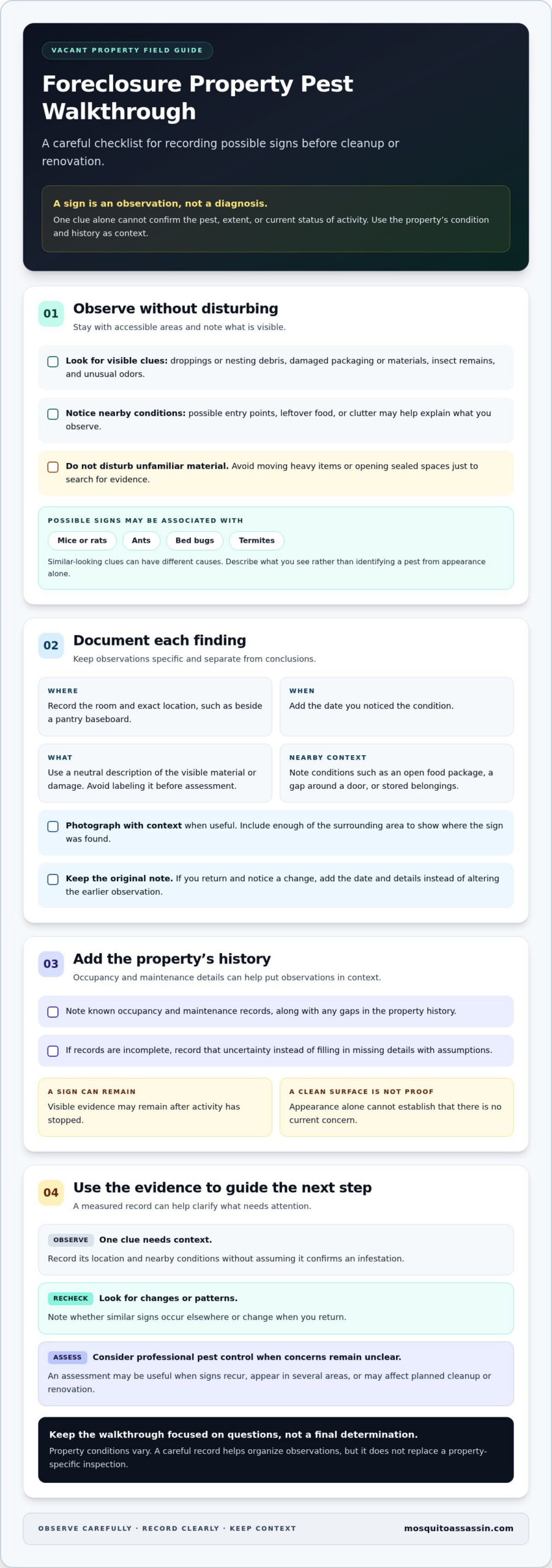
    A clear record can turn an uncertain first look into a more useful plan. Keep the process focused on observation and documentation, not treatment. The sequence is straightforward: observe accessible areas, document what you find, prioritize concerns that recur or affect several rooms, then arrange an appropriate assessment if needed.

    1. Observe: Note visible signs and relevant property conditions without disturbing suspected pest evidence.
    2. Document: Record affected rooms, locations, dates, and any changes you notice over time.
    3. Prioritize: Identify concerns that appear in more than one area, keep recurring, or remain unclear.
    4. Arrange assessment: Share your notes and any access limitations when professional guidance may help.

    Separate ordinary housekeeping and maintenance from suspected infestation evidence. Accessible food waste or general clutter may be ordinary maintenance concerns, while material that appears to be nesting debris or signs near damaged wood may need closer assessment. Don’t clean, move, or discard suspected evidence before documenting it. This preserves the context of what you observed without assuming what caused it.

    Prepare Useful Information for an Inspection

    Gather available property notes, photographs, and any known occupancy or maintenance history. Treat these as context, not proof of a pest diagnosis. List each observed location, when you noticed it, and whether it changed on a later visit. Note areas you couldn’t observe, such as blocked storage spaces or rooms that weren’t accessible, so the limits of the walkthrough are clear.

    Specific descriptions are more useful than conclusions. Write “scattered material beside the utility-room wall” rather than naming a pest if you’re uncertain. A photo can show the location and surrounding conditions, but it may not establish what caused the sign. Include details such as nearby stored items, visible damage, or an access limitation, without disturbing the area to get a closer view.

    Plan Prevention After the Property Is Accessible

    Once areas are accessible, prioritize ordinary housekeeping and maintenance according to the property’s actual condition. Keep notes if signs reappear, adding the date and location rather than treating each observation as unrelated. For properties in Erie and Crawford Counties in Pennsylvania or Ashtabula County in Ohio, site-specific conditions should guide professional recommendations, not assumptions based on foreclosure status.

    Use the checklist to decide what information is ready and where uncertainty remains. It can support informed planning, but it doesn’t replace a pest inspection or determine whether treatment is needed. If evidence is recurring, widespread, or difficult to interpret, professional pest control can help assess the property and recommend next steps. For an inspection or professional recommendations, use the contact page.

    When Professional Pest Control Can Support a Foreclosure Property Plan

    Professional assessment can be useful when signs keep appearing, are difficult to identify, or show up in several parts of a property. A closer evaluation can help distinguish among possible pest concerns and consider how the building’s condition may affect them. Not every foreclosed home needs pest control, so recommendations should reflect the evidence and conditions at that site.

    Mosquito Assassin Pest Control LLC provides general pest control, rodent control, bed bug treatment, and termite inspections and treatment. These services address different concerns, so an observation that suggests one type of pest shouldn’t be treated as confirmation of another. A property-specific assessment can help determine what next steps are appropriate based on the available information.

    How Follow-Up Can Address Recurring Pest Concerns

    Rodent management involves three distinct components: removal, maintenance, and exclusion. Together, these address the pest concern, ongoing property conditions, and potential ways pests may enter. The emphasis and follow-up depend on the site and observed activity, rather than a universal schedule. For an overview of the professional pest-control services available for different concerns, consider how an assessment can be matched to the property.

    Discuss follow-up if signs return after an initial assessment or appear in a different area. Share what changed and whether upcoming work, such as cleanup or renovation, may affect access to the area. That context can help keep recommendations relevant as the property plan develops.

    Choose a Clear Next Step for the Property

    Before requesting professional guidance, gather the property notes you already have. A concise summary can help focus the conversation and avoid relying on memory alone. Include:

    • The rooms and specific areas where signs appeared.
    • The dates you noticed them and whether they recurred or changed.
    • Any known occupancy or maintenance history, along with gaps in that history.
    • Areas that couldn’t be observed and questions that remain unresolved.

    If evidence remains unclear, recurs, or appears across multiple areas, an inspection or professional recommendations can help inform your plan. The next step depends on the property’s specific conditions, not simply its foreclosure status.

    For an inspection or professional recommendations, contact Mosquito Assassin Pest Control LLC through the contact page.

    Make the Property’s Next Step a Measured One

    A foreclosure property doesn’t need a rushed diagnosis. Let the evidence and the home’s condition guide what happens next. Knowing how to handle pests in a foreclosure property means choosing a response that fits what you’ve observed, whether that involves continued monitoring, routine maintenance, or professional assessment.

    If you’re unsure what the signs mean, professional guidance can help clarify an appropriate next step. Use the contact page to request an inspection or professional recommendations and discuss your concerns about the property.

    Frequently Asked Questions

    Can a foreclosure property have pests even if it looks clean?

    Yes. A clean appearance describes the surfaces you can see, not necessarily every part of the building or its history. The home may also have been cleaned before you acquired it, which doesn’t establish whether pest activity is present now. Treat appearance as one part of your overall understanding of the property, not as a reliable indicator on its own.

    How long can a vacant property sit before pests become a concern?

    There’s no dependable vacancy period that predicts pest activity in every building. A property’s condition can change during an empty period, and the length of time alone doesn’t reveal what is happening inside. Instead of using a calendar threshold, consider the property’s current condition and any known changes in maintenance or occupancy. Those details provide more useful context than vacancy duration by itself.

    What should I do if I find droppings in a foreclosure home?

    Don’t use appearance alone to decide what produced droppings. Other debris can be mistaken for pest evidence, and visual clues may not identify a pest reliably. Avoid touching the material while deciding how to proceed. Consider the broader property context, including whether the area has been disturbed or cleaned before your visit. If identification matters to your property plan, a professional assessment can help clarify it.

    Can cold weather eliminate pests in an empty house?

    Cold weather isn’t a dependable way to determine whether a pest concern has ended. Outdoor temperatures don’t provide a complete picture of conditions inside a building, and seasonal effects can vary. Don’t treat a cold-weather visit as evidence that a property is pest-free. Base decisions on the property’s observed condition and relevant history, rather than the season alone.

    Should I clean a foreclosure property before a pest inspection?

    Routine housekeeping can be part of preparing a property, but first consider whether cleaning would remove information relevant to an assessment. If you’ve already cleaned an area, mention that, since the visible condition may no longer reflect what was there before. Preparation depends on the property and the concern being assessed. Avoid making changes solely to create the appearance of a particular pest condition.

    When should I call a pest professional about a foreclosure property?

    You don’t need to be certain about a pest’s identity before seeking professional guidance. Consider an assessment when a concern affects decisions about the property, such as planning work in an area with suspected wood damage or possible bed bug evidence. A pest-control professional can help evaluate the concern and discuss options suited to the observed conditions, without relying on a guess based on one clue.

    Disclaimer: The information provided on this blog is for general informational purposes only and is not intended as professional pest control advice. Conditions vary by property, environment, and location. Reading this content does not create a service agreement. For an inspection or professional recommendations, please contact Mosquito Assassin Pest Control LLC directly.

  • Clothes Moth Damage and Prevention: How to Protect Your Clothes in 2026

    Clothes Moth Damage and Prevention: How to Protect Your Clothes in 2026

    What if the moths you see aren’t the ones damaging your clothes? Adult clothes moths don’t eat fabric; their larvae do, often while natural-fiber items sit undisturbed in storage. Knowing the difference can help you recognize clothes moth damage and prevention needs before more belongings are affected.

    A small hole or thinning patch can be concerning, but it doesn’t automatically point to clothes moths. Look for other clues, such as silken webbing or tiny cases near damaged fabric. Wool, silk, fur, feathers, and other animal-based materials can be vulnerable, especially when stained with sweat, oils, or food.

    This article explains how to recognize common signs of clothes moth activity, which items may attract larvae, and why adult moths aren’t the source of fabric damage. You’ll also find practical, non-chemical habits for cleaning and storing vulnerable belongings, plus guidance on when persistent or unclear signs may call for professional recommendations.

    Key Takeaways

    • Use the full pattern of evidence, not a hole alone, to assess possible fabric damage and distinguish moth activity from other causes.
    • Quiet storage can let larvae damage vulnerable belongings before anyone notices.
    • Build a clothes moth damage and prevention routine around inspecting, appropriately cleaning, and carefully storing fabrics.
    • Revisit stored items periodically so new signs are easier to notice.
    • If damage continues, larvae appear repeatedly, or signs occur in multiple locations, note where and when you found them before seeking professional recommendations.

    How to Recognize Clothes Moth Damage in Clothing and Household Fabrics

    Fabric damage may be the first noticeable sign of clothes moth activity. A wool sweater can develop small holes while folded away, or a rug may show a thin, grazed patch before anyone spots a moth. Adult moths don’t feed on fabric, so damage can appear before adults are noticed. Larvae are the stage that feeds on vulnerable materials.

    Look for a combination of clues rather than relying on one mark. Holes and thinning fabric can have several causes, so damage alone can’t confirm clothes moths. Check the affected item and nearby areas for larvae, silken webbing, or small cases that may point to insect activity.

    What do clothes moths damage?

    Clothes moth larvae feed on animal-based materials, including wool, fur, hides, hair, and feathers. Inspect wool clothing, fur-trimmed items, feather-filled pieces, rugs, upholstered furnishings, and other stored textiles made with these fibers. Fur damage may leave the underlying hide exposed.

    Blended fabrics are also worth checking if they contain animal fibers. Items with sweat, oil, or food stains deserve attention because these residues can make fabric more attractive to feeding larvae. That doesn’t mean every stained or blended item is at risk, but it can help you prioritize what to inspect. Clothes moth information offers a general overview of the moths, their diet, and common places they may be found.

    Which signs are worth looking for?

    Inspect the damaged area, folds, seams, and nearby fabric. Look for irregular holes, grazed or scraped-looking spots, and patches that seem thinner than the surrounding weave. On fur, check for missing fibers that expose the hide. Small larvae may be difficult to see, and silken webbing or cases can blend into fabric, seams, or stored belongings.

    Use this checklist as a first look:

    • Fabric changes: Irregular holes, thinning patches, or areas that look grazed.
    • Fur or feather damage: Missing fibers or feathers, sometimes with the hide exposed.
    • Nearby evidence: Small larvae, silken webbing, or portable silken cases on or near vulnerable items.
    • Location: Check folds, seams, closet corners, rug edges, and other quiet spots around the affected item.

    Small holes or thinning fabric are clues, but nearby webbing, larvae, or cases make clothes moth activity more plausible. No single sign proves it. Adult clothes moths often avoid light, but flight behavior alone isn’t enough to identify the source of a moth sighting. If you find fabric damage without other clues, record the observation rather than assuming the cause. Careful identification is a useful first step in clothes moth damage and prevention.

    How Clothes Moths Develop and Why Larvae Cause the Fabric Damage

    Clothes moth activity follows a sequence, and each stage offers a different clue. An adult moth may be the most visible sign, but feeding larvae cause fabric damage. That distinction helps direct attention toward susceptible belongings and their storage areas, rather than treating an adult sighting as proof of widespread damage.

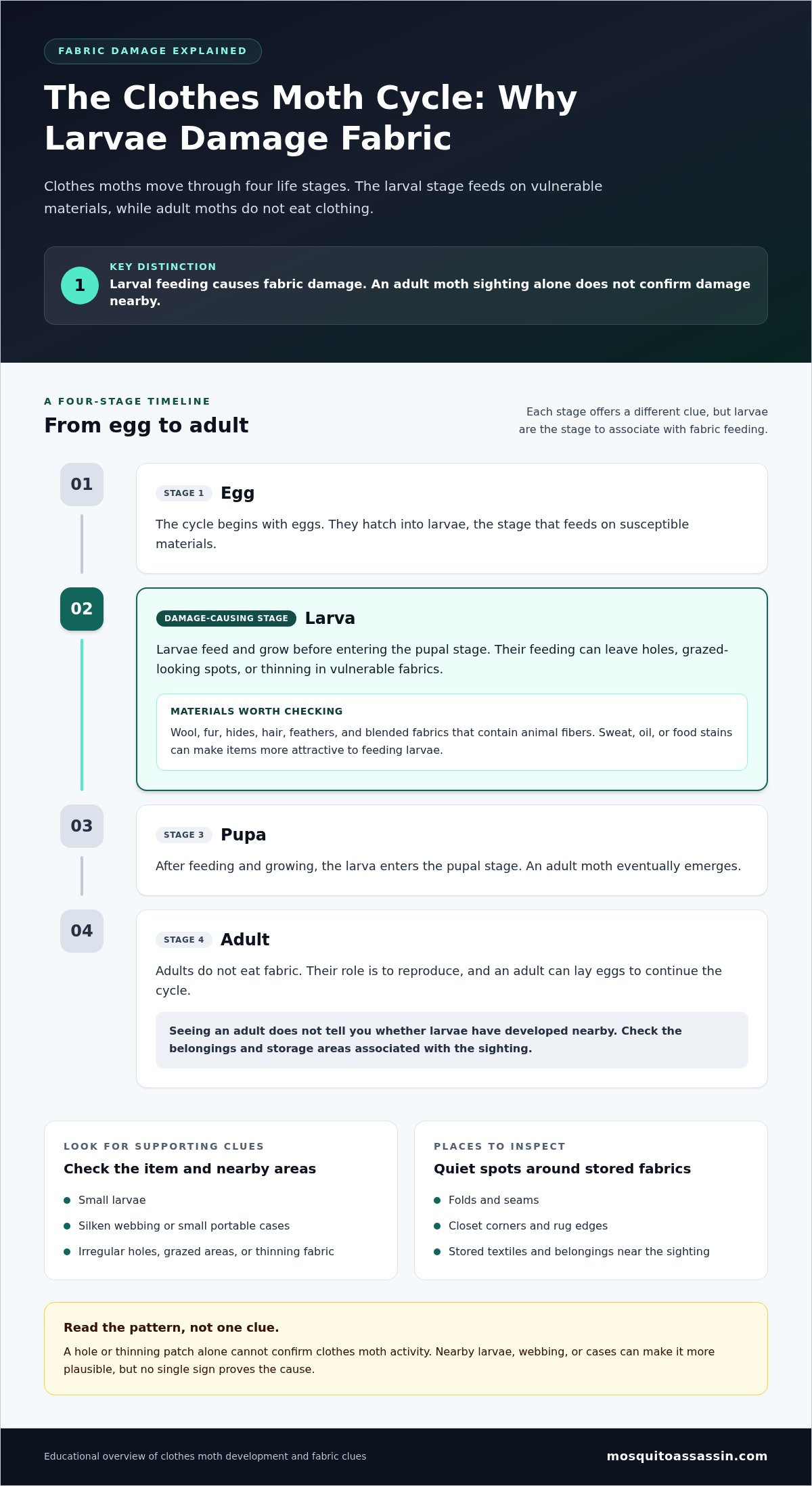
    Larval feeding, not adult moth feeding, causes clothes moth fabric damage. Adults don’t eat clothing. Their role is to reproduce, and the next generation can develop where suitable material is available. Understanding this cycle helps focus inspection and cleaning on the stage that affects fabrics.

    What happens between eggs, larvae, and adult moths?

    The broad progression is egg, larva, pupa, and adult. Eggs hatch into larvae, which feed and grow before entering the pupal stage. An adult eventually emerges and can lay eggs, continuing the cycle. The larval stage is the one that matters most for fabric damage, so finding an adult alone doesn’t tell you whether larvae have developed nearby.

    The National Pesticide Information Center’s Clothes Moth Prevention and Control resource offers additional identification and prevention guidance. Check the belongings and storage areas associated with a sighting instead of focusing only on the flying adult.

    Why can an infestation go unnoticed?

    Activity may stay close to a suitable food source. Larvae can be difficult to see among folds, seams, or stored textiles, while adults may hide when disturbed. Clothes moths are often weak flyers, so a brief flutter near a closet or stored item may be easy to miss. Belongings in quiet storage areas can also go unchecked for a long time.

    Sweat, body oils, or food marks on a garment are reasons to follow its care label and clean it appropriately before storage. These residues can make some fabrics more attractive to feeding larvae. This doesn’t mean every marked item will attract moths, but it gives you a practical reason to inspect clothing before putting it away.

    Make stored items easier to monitor by periodically revisiting belongings that remain folded or packed away. Note changes instead of relying on memory. If signs recur or you can’t determine the source, a professional assessment may help clarify the activity.

    Clothes Moth Damage or Another Fabric Problem? How to Assess the Signs

    A hole in a sweater can be alarming, but it doesn’t identify what caused it. Ordinary wear, a snag, or another fabric-feeding pest can leave damage that looks similar at first. Seeing one adult moth doesn’t confirm that clothing or household fabrics are being damaged. Look for a pattern of evidence before drawing conclusions.

    Consider where the damage appears and how it looks. Repeated wear may affect exposed or frequently rubbed areas, while a snag can leave a pulled thread or localized tear. Clothes moth larvae may graze or thin susceptible material, sometimes alongside webbing or a silken case. Carpet beetle larvae can also damage fabrics; bristly shed skins nearby, rather than silken webbing, may point to a different source. These clues can guide an inspection, but none is a diagnosis on its own.

    How can clothes moths differ from pantry moths?

    Clothes moths tend to fly weakly and stay near places where larvae can find suitable material. Pantry moths are more often noticed around stored food. These are broad behavioral clues, not a reliable identification test: moths may be hard to distinguish in flight, and behavior alone can’t confirm the source. Check the affected material and its surroundings, including nearby clothing or food storage, rather than relying only on appearance or flight.

    One hole or one adult moth is not proof of an active clothes moth infestation. A more useful assessment connects the type of item, its location, and any additional evidence. For example, damaged wool in a closet deserves a closer look if nearby stored wool items also show changes or larvae, webbing, or cases are present. A single tear on a frequently worn item, without other clues, is less conclusive.

    What should you note when damage is uncertain?

    Keep a simple record before disturbing the area. Note which items are affected, their materials, where they were stored, and when you first noticed the damage. If practical, take a clear photo of the mark and its location. Avoid moving potentially affected belongings unnecessarily. Their original placement can help show whether signs cluster in one storage area or occur across several locations.

    • Inspect nearby surfaces and belongings for larvae, webbing, or silken cases.
    • Compare affected items for shared materials or storage locations.
    • Record changes over time, including newly noticed damage or repeated sightings.

    These observations can help distinguish an isolated snag or worn patch from a recurring pattern. If new damage continues, larvae appear repeatedly, or the source remains unclear, a professional assessment may help determine what is happening. A careful record gives the assessment useful context and supports informed clothes moth damage and prevention decisions.

    Clothes Moth Damage and Prevention: How to Protect Your Clothes in 2026

    A Practical Clothes Moth Prevention Routine for Stored Fabrics

    A dependable routine doesn’t need to be complicated. Inspect susceptible items, clean them appropriately before storage, keep them in clean, closed storage, and revisit them periodically. These habits help you notice problems earlier and reduce the chance that residues or undisturbed fabrics go overlooked. Focus on items made with animal fibers and secondhand belongings that may have been stored before entering your home.

    How should you inspect clothing and secondhand belongings?

    Use good lighting to check seams, collars, cuffs, folds, and pockets on clothing. For rugs, examine the edges and underside where accessible. Check upholstery crevices and other animal-fiber materials closely. Before bringing a used garment, rug, or piece of furniture indoors, look for damage and possible signs such as larvae, webbing, or cases. If you find something concerning, note the item and location.

    Inspection is especially useful for belongings that have been stored or are rarely handled. You don’t need to assume every secondhand item has a pest problem; a deliberate visual check gives you a clearer starting point.

    What habits help protect fabrics during storage?

    Before putting clothing or household textiles away, follow the care label. Launder items only when the label allows, and consider professional cleaning when that better suits the fabric. Cleaning can remove food marks and body oils that may make an item more attractive to larvae. Don’t guess at a fabric’s care needs, particularly for delicate, valuable, or structured belongings.

    After cleaning, let items dry as directed by their care instructions, then place them in clean, closed storage that limits pest access. Keep stored belongings organized so they’re easier to check, rather than packed into forgotten corners. Pesticides aren’t needed as part of this household routine.

    • Inspect: Check vulnerable fabrics and secondhand belongings before storage or bringing them indoors.
    • Clean: Follow care labels to remove visible soil and residue appropriately.
    • Store: Use clean, closed storage for susceptible fabrics.
    • Revisit: Look over stored belongings periodically, especially items left undisturbed for long periods.

    Good prevention means reducing residues, inspecting susceptible items, and limiting pest access to fabrics in storage. A repeatable routine makes it easier to spot changes without relying on a single inspection or waiting until damage is obvious. These habits support clothes moth damage and prevention while respecting the care needs of each material.

    If you continue to find new signs despite regular inspection and careful storage, or you’re unsure what’s causing the damage, professional pest control may help clarify the source.

    When Clothes Moth Signs Persist in Pennsylvania or Ohio Homes

    One unexplained mark may not call for immediate concern, but a continuing pattern deserves attention. Consider seeking an assessment if you find new fabric damage after regular inspections, repeatedly notice larvae, or see affected belongings in more than one room or storage area. These signs don’t prove clothes moths are responsible, but they suggest the source may need a closer look.

    Professional assessment can be useful when damage continues despite consistent cleaning and storage habits, or when the evidence is difficult to interpret. A professional can evaluate observed signs and possible sources, helping clarify whether the pattern is consistent with clothes moth activity or another issue. Keep observations factual, and don’t assume that a single sighting confirms the cause.

    When is a professional assessment useful?

    Recurring signs are more informative than an isolated hole or moth. New damage on stored fabrics, repeated larval sightings, or similar signs in separate locations may justify seeking professional recommendations. An assessment can consider affected belongings and surrounding areas together, rather than relying on one clue alone.

    Residents in Erie and Crawford Counties in Pennsylvania and Ashtabula County in Ohio can seek professional pest control guidance when household pest activity persists.

    What information helps explain the problem?

    A clear record makes the situation easier to assess. Note the type of fabric or item, the room and storage location, and when you first noticed damage or other signs. Include whether the damage seems new or recurring and whether you’ve observed larvae, webbing, or cases nearby. These details provide context but don’t establish a diagnosis by themselves.

    • Items: Identify affected clothing, rugs, upholstery, or other belongings, including their material when known.
    • Locations: Record the rooms, closets, containers, or furniture areas where signs appeared.
    • Timing: Note when you noticed the signs and whether new damage has appeared since.
    • Other clues: Describe any larvae, webbing, cases, or adult moth sightings near the affected items.

    Keep notes or photographs if they help you track changes. Avoid moving items around just to create a more complete display, since their original locations may be useful context. If activity persists or the source remains unclear, general pest control services may provide a path to professional recommendations.

    Mosquito Assassin Pest Control LLC provides residential and commercial pest management in Erie and Crawford Counties in Pennsylvania and Ashtabula County in Ohio. For an inspection or professional recommendations, contact Mosquito Assassin Pest Control LLC.

    Make Your Next Fabric Check Count

    Make fabric care part of your regular home routine. A brief check before storing seasonal belongings, followed by occasional reviews, can help you notice changes while they’re easier to investigate. Keep a record if you’re unsure whether a mark is new, and avoid treating one clue as a definite diagnosis. Consistent habits give you a clearer picture over time.

    Clothes moth damage and prevention can feel difficult to assess when signs are subtle or have more than one possible cause. If activity continues or the source remains unclear, request an inspection or professional recommendations to help determine an appropriate next step. Careful observation and practical follow-through can help you make informed decisions about protecting your belongings.

    Frequently Asked Questions

    Can clothes moths damage clothes that are kept in a closet?

    Yes, clothes moth larvae can damage susceptible garments while they’re hanging or folded in a closet. A closed door doesn’t rule out activity, especially if clothes stay untouched for a long time. Check items stored at the back of the closet, inside garment bags, or on lower shelves. Before putting a garment away, follow its care label and make sure it’s clean and fully dry.

    What does clothes moth damage look like?

    Damage may look like small holes, rough or grazed patches, thinning fibers, or missing fur that exposes the hide underneath. Nearby evidence, such as a larva or silken case, can add useful context. Compare the affected area with similar parts of the garment, since friction and snags may also damage fabric. One hole alone can’t confirm moth activity or identify its cause.

    Are clothes moth larvae or adult moths responsible for fabric damage?

    Larvae cause fabric damage by feeding on susceptible fibers; adult moths don’t eat clothing. An adult near a wardrobe is a reason to inspect nearby items, but it doesn’t establish whether larvae are present. Check stored fabrics and their immediate surroundings. If you find an adult but no damage or other clues, keep the sighting in perspective and continue routine inspections.

    How can I prevent clothes moths in stored clothing?

    Before storing clothing, clean it according to its care label and put it away in clean, closed storage. Check stored items periodically, especially those left untouched between seasons. For example, review winter woolens before putting them away and again when taking them out. These habits support clothes moth damage and prevention by reducing residues and making changes easier to notice, though they can’t confirm or rule out activity on their own.

    Can secondhand rugs or furniture bring clothes moths into a home?

    Yes, used rugs, upholstered furniture, and garments containing animal fibers may have concealed larvae or existing damage. Before bringing an item inside, use good lighting to examine areas that are easy to overlook, such as under rug edges, along upholstery seams, and inside furniture crevices. If you notice suspicious evidence, record its location and consider the item’s condition before placing it near other stored textiles.

    When should I seek professional help for clothes moth damage?

    Consider professional help if new damage keeps appearing, larvae are seen repeatedly, or signs turn up in several storage areas despite consistent household inspections. Note which materials and rooms are affected, when you first observed the signs, and whether they have recurred. This information can help a professional assess possible pest activity. Holes alone don’t establish the cause, so describe observations rather than assuming a diagnosis.

    Do clothes moths usually fly around lights like other moths?

    Clothes moths are often weak flyers and may stay close to belongings or hide when disturbed. Their flight can differ from the behavior people associate with moths seen around stored food or lights, but it isn’t a dependable way to identify them. If you spot a moth, note where it appeared, then check nearby susceptible items for additional evidence. A flight pattern alone can’t show whether fabric damage is occurring.

    Disclaimer: The information provided on this blog is for general informational purposes only and is not intended as professional pest control advice. Conditions vary by property, environment, and location. Reading this content does not create a service agreement. For an inspection or professional recommendations, please contact Mosquito Assassin Pest Control LLC directly.
  • Exterminator Near Ashtabula Harbor: How to Choose the Right Pest Professional

    Exterminator Near Ashtabula Harbor: How to Choose the Right Pest Professional

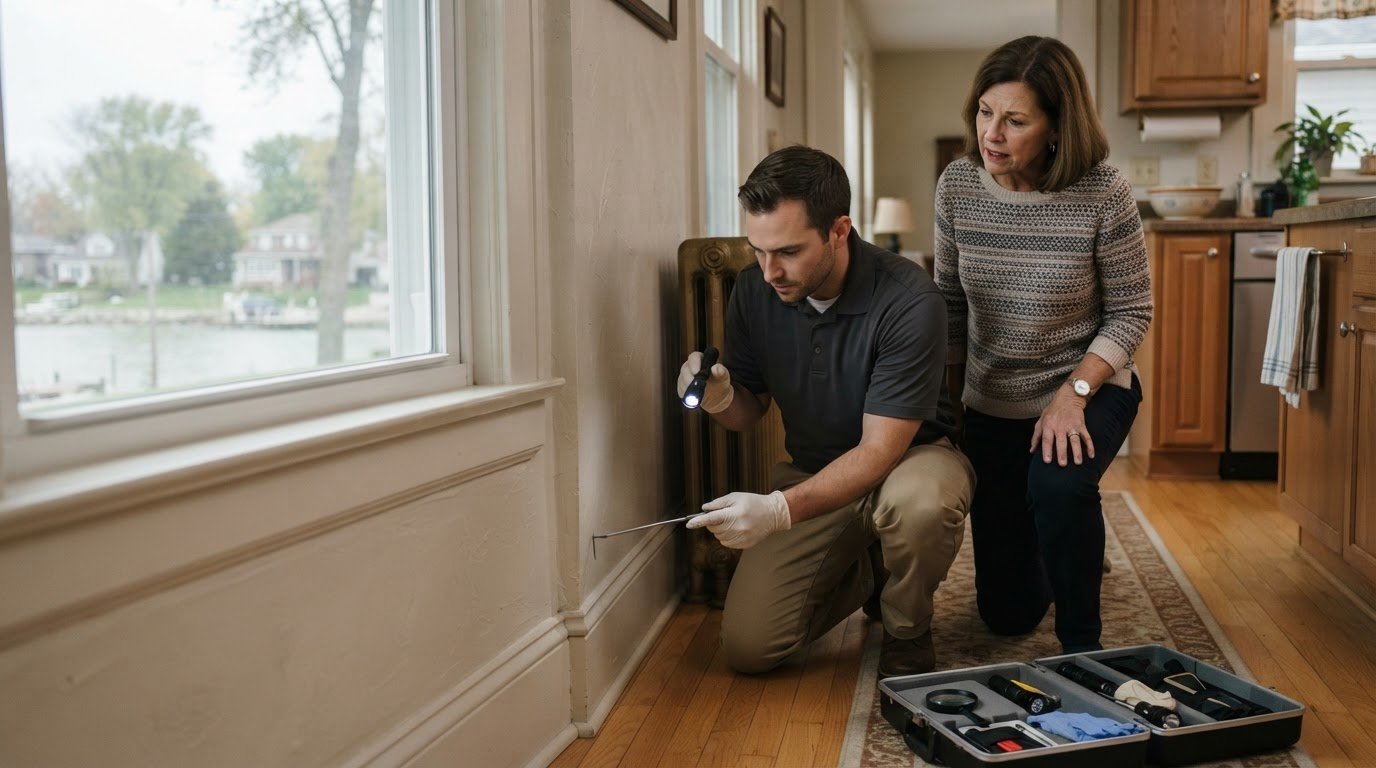
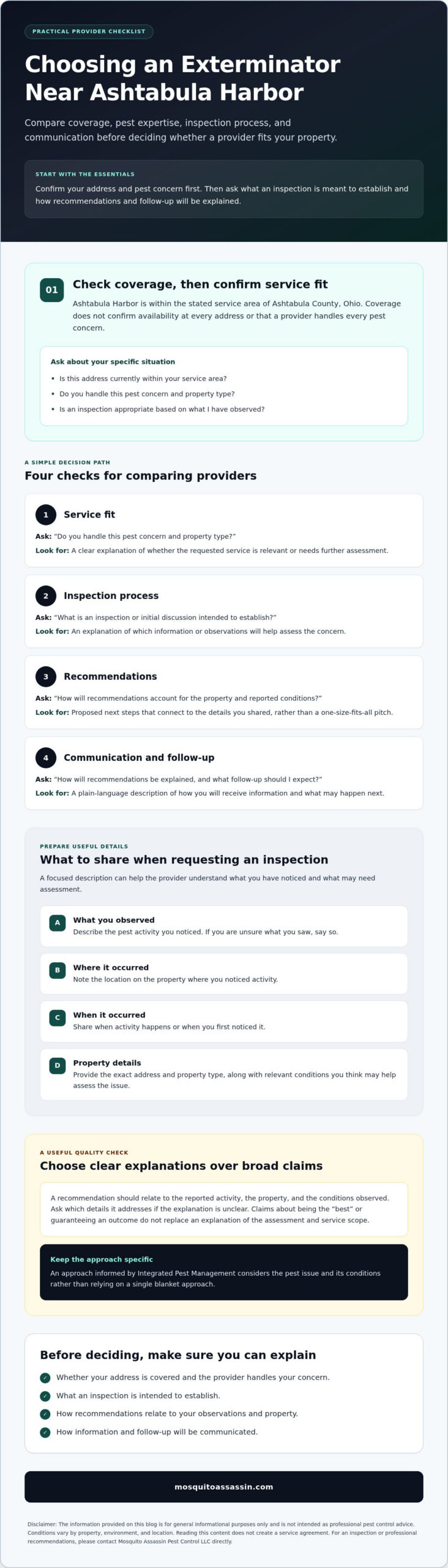
    When choosing an exterminator near Ashtabula Harbor, start with a few practical questions rather than a bold promise. A provider may serve Ashtabula County without covering every address or handling every pest concern. Confirming those details first can save time and help you find a professional whose services fit your property.

    It’s understandable to want clear answers when you’ve spotted pests but aren’t sure what a service visit involves. A useful evaluation should clarify which pests the provider handles, what an inspection is intended to establish, and what information will help assess the issue. Claims alone can’t tell you whether a company is a good fit.

    This guide offers a practical checklist for comparing coverage, pest expertise, service approach, and communication before you make contact. You’ll also learn what to share when requesting an inspection, including what you observed, where and when activity occurs, and relevant details about the property. With those points in hand, you can ask focused questions and compare your options more confidently.

    Key Takeaways

    • Ashtabula Harbor is within the stated Ashtabula County service area, but confirm coverage for your specific address when contacting an exterminator near ashtabula harbor.
    • Compare providers by whether their services match your pest concern, not by broad claims alone.
    • Ask what an inspection involves and how the professional will explain potential service options.
    • Before requesting an inspection, note where and when you observed pest activity.
    • Clarify communication and follow-up expectations so you know what to expect after the initial assessment.

    How to confirm an exterminator serves Ashtabula Harbor

    Finding a suitable local pest professional is a practical first step when you’ve noticed activity at home or work. Before comparing service options, confirm that the provider can serve your address and handles the pest concern. An exterminator near Ashtabula Harbor may cover the area, but geographic coverage alone doesn’t confirm current availability or service fit.

    Ashtabula Harbor is within Mosquito Assassin Pest Control LLC’s stated service area of Ashtabula County, Ohio. Availability can vary by address and service, so confirm both directly before arranging an inspection. The company’s service area information describes its regional coverage.

    For general context on how pest professionals may assess and manage a pest issue, this video discusses recurring service:

    What to confirm about service near Ashtabula Harbor

    Share the property’s exact address and describe what you’ve observed. Ask whether the address is currently within the provider’s service area and whether the company handles that specific concern. These questions distinguish general geographic coverage from a service that may suit your property. Don’t assume coverage, scheduling, or availability is identical across nearby locations.

    Why local coverage is only the first check

    A provider may work in Ashtabula County but not offer a service that fits your situation. The right questions depend on the pest concern, property type, and what you expect from an inspection or follow-up. Ask how the professional will explain the assessment and potential options. An approach informed by Integrated Pest Management (IPM) considers the pest issue and its conditions rather than relying on a single blanket approach.

    When comparing providers, look for clear answers about service scope and next steps, not absolute claims about outcomes. If you’re unsure what you’ve seen, describe where and when you noticed activity and ask whether an inspection is appropriate. Confirming location and service fit first makes the conversation more focused and helps you decide whether to proceed.

    How to evaluate an exterminator near Ashtabula Harbor

    Once you’ve confirmed that a provider serves your address, compare how the service is assessed and explained. A clear process helps you understand whether the proposed service relates to the pest concern, the property, and the conditions observed. Ask questions before scheduling, and note whether the answers are specific and easy to follow.

    Use this comparison guide when speaking with providers:

    What to compare Questions to ask What clear communication looks like
    Service fit Do you handle this pest concern and property type? The provider explains whether the requested service is relevant or needs further assessment.
    Inspection process What is an inspection or initial discussion intended to establish? You’re told what information or observations will help assess the concern.
    Recommendations How will recommendations account for the property and reported conditions? Proposed next steps connect to the details you shared, rather than a one-size-fits-all pitch.
    Communication and follow-up How will recommendations be explained, and what follow-up should I expect? The provider describes how you’ll receive information and what may happen next.

    Questions that reveal whether the service fits

    Describe the pest concern and property type, then ask which services may apply. An initial conversation can establish what the provider needs to learn, but it may not be enough to determine the right approach. Ask how recommendations will be shared and whether follow-up expectations depend on the findings. The answers should make the process understandable without promising a particular result.

    How to assess a clear, professional process

    Look for explanations in plain language. If a recommendation is unclear, ask which reported activity or property condition it addresses. A proposed next step should relate to the concern, not rely only on broad claims about being the “best” or guaranteeing an outcome. Absolute promises aren’t a substitute for an explanation of the assessment and service scope.

    For additional consumer pest information, the National Pest Management Association provides educational resources. You can also review the provider’s company background to learn more about its business. Consider both sources alongside direct answers about the service you need. A property-specific discussion is more useful than a sales pitch that skips the details.

    To discuss your observations and ask about possible next steps, contact a pest professional.

    Match the pest concern to the right service near Ashtabula Harbor

    A useful service conversation starts with the pest concern, not with choosing a treatment before the issue is understood. General pest control and targeted services address different categories of concern. An exterminator near Ashtabula Harbor should ask what you’ve observed and about the property before discussing which service, if any, may be suitable.

    When a general pest service may be relevant

    General pest control may be relevant for concerns involving common pests such as ants, spiders, wasps, or hornets. These examples can help you describe what you’re seeing, but a brief description alone doesn’t confirm a pest’s identity or determine which service is appropriate. Share where and when you noticed activity, and ask the provider to clarify the service scope. Review the company’s available pest control services for its stated categories.

    General pest control isn’t automatically the right fit for every pest issue. The type of pest, where activity occurs, and the property’s circumstances all matter. If you’re unsure what you’ve seen, report the details without trying to identify or handle the pest yourself. A professional can explain whether more information or an inspection is needed before discussing next steps.

    When a targeted pest service may be more appropriate

    Some concerns align with a specific service category, such as rodent control, bed bug treatment, or termite inspections and treatment. These are distinct offerings, not interchangeable versions of general pest control. Explain the signs you’ve noticed and where they appear, then ask the provider which category may fit. The company’s service information can help you review its stated options, but it can’t determine what’s happening at your property.

    For a broader perspective, compare the provider’s service descriptions with the concern you’ve observed. The U.S. Environmental Protection Agency’s Tips for Selecting a Pest Control Service also offers questions to consider when evaluating a pest professional.

    Before settling on a service, ask the provider to explain why it fits the concern and what the assessment is meant to establish. Recommendations should reflect the reported activity and property conditions, not assumptions based on a short description. If the right category isn’t clear yet, ask for clarification rather than guessing at a diagnosis or treatment.

    Exterminator Near Ashtabula Harbor: How to Choose the Right Pest Professional

    What to ask before scheduling an exterminator in Ashtabula County

    A focused conversation can help you understand whether a service fits your concern and what to expect from an inspection or visit. Before contacting an exterminator near Ashtabula Harbor, jot down what you’ve noticed and prepare a few questions. You don’t need to identify or handle a pest to describe the issue clearly.

    Information to share when describing the concern

    Report what you observed, where it appeared, and when you first noticed it. For example, explain whether activity has been seen in one room or several areas, and whether it occurs at a particular time. Relevant property details, such as whether the concern is inside or outside, may also help the provider understand the situation. Share observations only; don’t collect or handle pests based on information in an article.

    Questions about service expectations and follow-up

    Ask direct questions before arranging a visit. Clear answers can help you understand the service scope and how recommendations will be made.

    • Service scope: Does the provider handle this pest concern and property type, and what does the proposed service include?
    • Inspection: What is an inspection or initial discussion intended to establish?
    • Recommendations: How will findings and suggested next steps be explained?
    • Service format: Is a one-time treatment or an ongoing plan being considered, and why might either suit the property?
    • Follow-up: Whom should you contact with questions after the inspection or service, and what follow-up should you expect?

    One-time and ongoing options can serve different needs. The appropriate fit depends on the pest concern, the property, and what an assessment indicates. Ask the provider to explain the reason for a recommendation in terms you understand. Be cautious of claims that promise a specific outcome without first considering the reported activity and property conditions.

    Keep your notes handy during the conversation. If important details are uncertain, say so rather than guessing. The provider can explain what additional information is useful and whether an inspection is appropriate. Confirming the service scope, communication plan, and follow-up expectations helps set clear expectations without assuming every property needs the same approach.

    For property-specific guidance, contact a pest professional with your observations and questions.

    Choosing a local exterminator: practical next steps for Ashtabula Harbor

    Choosing a pest professional comes down to three checks: confirm the provider serves your address, ask whether the service fits the pest concern, and clarify what to expect from the inspection and follow-up. A company’s general coverage doesn’t confirm that every address or service is currently available. Direct communication can resolve those details before you decide how to proceed.

    Prepare a focused request for an inspection

    Before contacting an exterminator near Ashtabula Harbor, have a few basic details ready. Share the property address, what you’ve observed, where activity appears, and when you first noticed it. These observations give the provider useful context without requiring you to identify or handle a pest.

    Use the conversation to clarify the next steps. Ask whether the provider currently serves the address and handles the relevant service category. Then ask what an inspection is intended to establish and how recommendations will be explained. If you’re uncertain about what you saw, describe the signs rather than guessing at the pest’s identity. A pest professional can tell you whether more information or an inspection is needed.

    How to make a considered provider decision

    After gathering answers, compare how clearly each provider addresses your particular concern. Focus on whether the service scope makes sense for the reported activity and property, whether the inspection process is explained in understandable terms, and whether communication and follow-up expectations are clear. Dramatic claims don’t replace a reasoned explanation. Be cautious of guaranteed outcomes, especially when a provider hasn’t yet considered the property-specific details.

    The right recommendation depends on the concern and conditions at the property, so a general article or service description can’t replace a direct assessment. If you’re ready to discuss your observations, you can request an inspection or professional recommendations. Confirm current address coverage and service availability during that conversation.

    Disclaimer: The information provided on this blog is for general informational purposes only and is not intended as professional pest control advice. Conditions vary by property, environment, and location. Reading this content does not create a service agreement. For an inspection or professional recommendations, please contact Mosquito Assassin Pest Control LLC directly.
    Make your next pest-control decision with confidence

    Start with the basics: confirm that a provider serves your exact address, check that its services fit the pest concern, and ask how an inspection and follow-up will be handled. Clear, property-specific explanations are more useful than broad claims about results.

    Mosquito Assassin Pest Control LLC lists Ashtabula County, Ohio, in its service area and provides general pest control alongside targeted services. One-time treatments and customized ongoing plans are available, but the appropriate fit depends on the concern and property. Confirm current availability and discuss your situation directly before deciding.

    If you’re ready to share your observations and ask about next steps, request an inspection or professional recommendations. A clear conversation can help you understand your options.

    Disclaimer: The information provided on this blog is for general informational purposes only and is not intended as professional pest control advice. Conditions vary by property, environment, and location. Reading this content does not create a service agreement. For an inspection or professional recommendations, please contact Mosquito Assassin Pest Control LLC directly.

    Frequently Asked Questions

    Is an exterminator near Ashtabula Harbor able to serve my address?

    Possibly, but confirm coverage for your exact property before arranging service. Mosquito Assassin Pest Control LLC lists Ashtabula County, Ohio, within its service area, though availability may vary by address and service need. When contacting a provider, share the property address and describe the pest concern. This helps the provider check whether the location is covered and whether the relevant service may be a fit.

    What pests can an exterminator near Ashtabula Harbor help with?

    Available pest services vary by provider. Mosquito Assassin Pest Control LLC lists general pest control for concerns such as ants, spiders, wasps, and hornets, along with rodent control, bed bug treatment, and termite inspections and treatment. An exterminator near ashtabula harbor can confirm whether a specific concern is covered. Describe what you’ve observed rather than relying on a brief description to identify a pest or determine what service is appropriate.

    How do I choose between general pest control and a targeted service?

    Start by describing the pest concern and asking which service category may fit. General pest control covers several common pest categories, while providers may offer distinct services for rodents, bed bugs, or termites. The right fit depends on the property and reported conditions. Ask a pest professional to explain the options after hearing your observations. You don’t need to identify every pest yourself, and this guidance doesn’t determine a treatment.

    What should I ask an exterminator before scheduling an inspection?

    Ask whether your property is in the service area and whether the provider handles your pest concern. Find out what an inspection is intended to establish and how recommendations will be communicated. You can also ask what follow-up to expect and whom to contact with questions afterward. Clear answers help you understand the service process before scheduling, without relying on promises or assuming every property needs the same approach.

    Can I choose a one-time pest treatment instead of an ongoing plan?

    Some providers offer both one-time treatments and ongoing plans, but availability and suitability depend on the pest concern and property. Share what you’ve observed, then ask the professional to explain the differences between the options available for your situation. Neither approach is right for every household, and the choice shouldn’t be based on a general promise of results. Ask how the recommendation relates to the conditions at your property.

    What information should I share when contacting a local exterminator?

    Share the property address, the pest or signs you’ve observed, where activity appeared, and when you first noticed the concern. These details help the provider consider whether the location and service category may be a fit. Include relevant property information if it helps describe the situation. Don’t handle or collect a pest to identify it. A professional can explain whether an inspection or further discussion is appropriate.

    What happens after I contact an exterminator near Ashtabula Harbor?

    The provider can first ask about your property and pest concern, then confirm whether the address is within the service area. If the service may be relevant, ask what an inspection involves and how recommendations will be explained. The process can vary with the provider and property. A conversation doesn’t establish a specific appointment time, treatment, or result, so clarify the next steps directly before deciding how to proceed.

    Disclaimer: The information provided on this blog is for general informational purposes only and is not intended as professional pest control advice. For an inspection or professional recommendations, please contact Mosquito Assassin Pest Control LLC.

  • 7 Early Signs of Pest Activity: A Guide for Managers

    7 Early Signs of Pest Activity: A Guide for Managers

    A single sighting of a pest in your facility is rarely the start of a problem; it’s often the signal that an infestation is already well-established. For managers in Erie, Crawford, and Ashtabula counties, the stakes are high. A failed health inspection or a string of negative customer reviews can cause lasting damage to a brand’s reputation that takes years to rebuild.

    It’s natural to feel anxious about the hidden corners of a commercial property, especially during the peak rodent months in Pennsylvania and Ohio. You want to ensure your facility remains a safe and professional environment for both employees and guests. By learning how to identify the subtle signs of pest activity in a business, you can take control before property damage or regulatory issues arise.

    This guide offers a practical checklist of early indicators to monitor. You’ll learn which high-risk areas require the most attention and how to move toward a professional resolution that secures your building for the long term.

    Key Takeaways

    • Recognize how early detection protects your business reputation and ensures compliance with local health inspections.
    • Learn to identify the signs of pest activity in a business through subtle visual, auditory, and olfactory cues before they become obvious.
    • Pinpoint high-risk entry points such as loading docks and utility gaps to stop infestations at the source.
    • Distinguish between the unique indicators left by rodents and cockroaches to better understand the specific threats to your facility.
    • Implement a long-term prevention strategy through professional monitoring and staff awareness programs to maintain a secure environment.

    Why Early Detection of Pest Activity is Critical for Your Business

    Identifying the initial signs of pest activity in a business acts as the first line of defense for any commercial facility. Small indicators, such as a single dropping or a smudge along a baseboard, are rarely isolated incidents. They are early warnings that, if ignored, can rapidly evolve into a full-scale infestation. For businesses in Northwest Pennsylvania and Northeast Ohio, where seasonal shifts drive pests indoors, proactive monitoring is the most effective way to maintain a safe and professional environment.

    Compliance with local health department standards is another non-negotiable factor. Regulatory bodies in Erie, Crawford, or Ashtabula counties prioritize public health, and evidence of pests can lead to immediate citations. Beyond the legal requirements, a clean facility ensures that inventory remains uncontaminated and the building remains structurally sound. Professional oversight helps identify vulnerabilities in the building envelope before pests can exploit them.

    The Financial Impact of Delayed Action

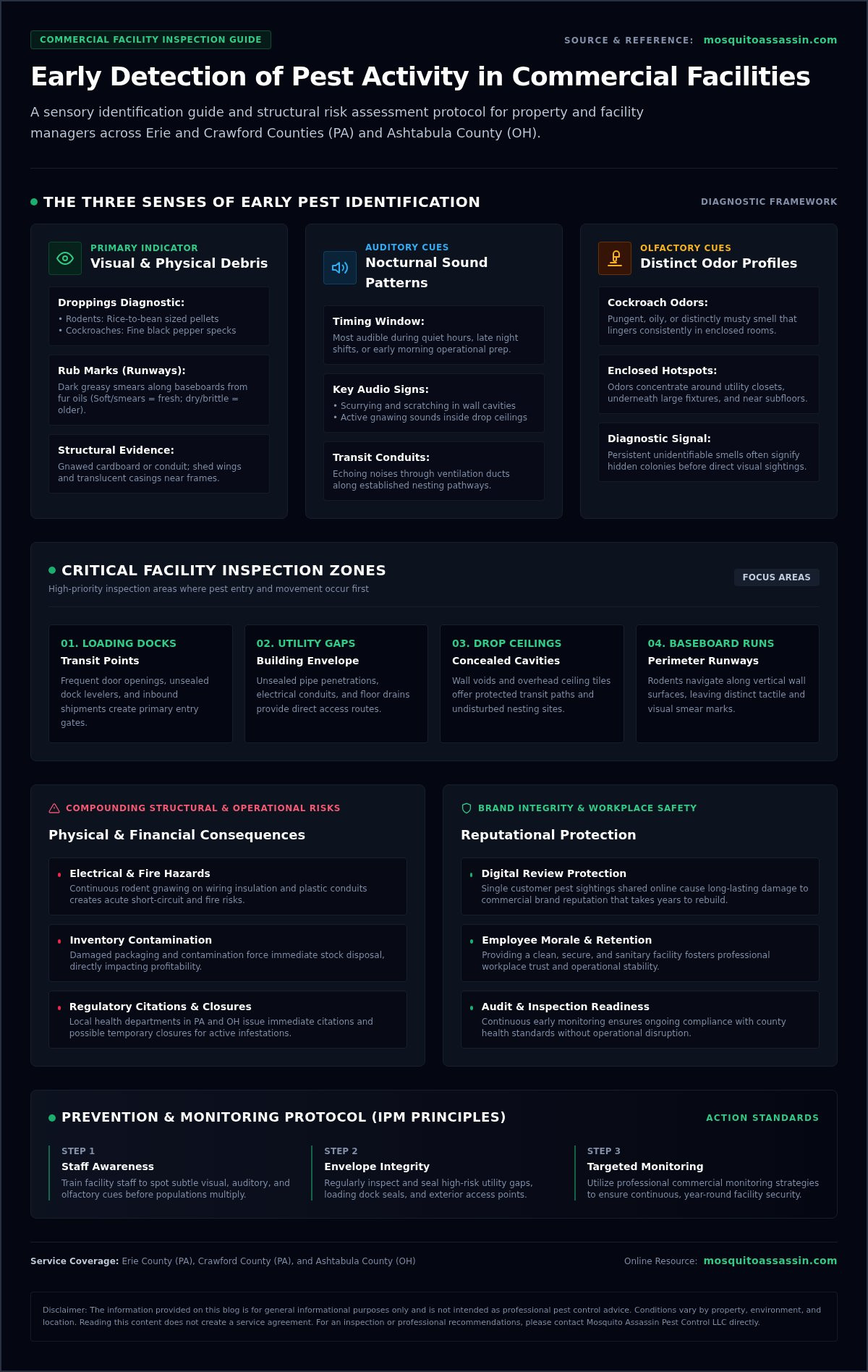
    Ignoring pest activity leads to compounding costs. Rodents, which are particularly active in Pennsylvania during winter months, are notorious for gnawing on electrical wiring and insulation. This behavior can lead to expensive structural repairs or even fire hazards. Additionally, contaminated stock must be discarded, representing a direct hit to the bottom line. Understanding pest control methods and identification helps managers recognize these threats before they require extensive intervention. Regulatory fines and temporary closures due to health violations can further drain resources and disrupt operations.

    Protecting Your Brand Reputation

    In a digital-first world, a single customer sighting of a pest can go viral in minutes. Negative online reviews or social media mentions regarding sanitation can permanently stain a brand’s image. This loss of trust is often harder to repair than the physical building itself. Furthermore, a pest-free workplace is essential for employee morale. Staff members deserve a clean, secure space to perform their duties without the stress of an unsanitary environment. Establishing a routine through commercial pest control strategies ensures that the business remains a reputable pillar of the local community. Professional monitoring provides the peace of mind that the brand’s integrity is protected year-round.

    The Three Senses of Pest Identification: Sight, Sound, and Smell

    Pest identification is a sensory discipline that requires more than just a passing glance at a facility. While a direct sighting is the most obvious indicator, it’s often the last one to manifest before a population grows out of control. To protect your facility, you must use a combination of sight, sound, and smell to detect the earliest signs of pest activity in a business.

    Visual Indicators and Physical Debris

    Visual evidence is usually the most concrete way to confirm signs of pest activity in a business. Droppings are a primary indicator; rodent droppings are typically the size of a grain of rice or a bean, while cockroach droppings resemble small specks of black pepper. Gnaw marks on cardboard packaging or plastic conduits are another red flag, as rodents must chew constantly to manage their teeth. You might also find discarded wings or translucent casings near window sills or door frames, which suggest an established colony nearby.

    Tactile evidence is equally telling for managers who know where to look. Rodents often follow the same paths along baseboards, leaving behind dark, greasy smear marks known as rub marks. These are caused by the oils and dirt in their fur. Fresh rub marks feel soft and smear easily, while older ones are brittle and dry, helping you determine how recent the activity is. Following Integrated Pest Management principles, identifying these visual and physical cues allows for targeted intervention rather than broad chemical application.

    Auditory and Olfactory Cues

    The sounds of an infestation are often most audible during the quiet hours of the night or early morning. Scurrying, scratching, or gnawing sounds coming from wall voids, drop ceilings, or crawlspaces are classic indicators of rodent activity. In the quiet of a closed office or warehouse, these noises can be surprisingly loud, echoing through ventilation ducts. These sounds are rarely random; they usually follow a pattern as pests move between nesting sites and food sources.

    Odors provide another layer of diagnostic information that many managers overlook. Cockroaches produce a distinct, musty, or oily smell that lingers in damp or poorly ventilated areas like basements and breakrooms. In contrast, an established rodent infestation often creates a sharp, pungent, ammonia-like odor caused by accumulated urine. If you detect these smells in your facility, professional pest control may help reduce risk and restore a sanitary environment. If you suspect your property is at risk, reaching out for commercial pest management can provide a definitive solution for your business in Erie, Crawford, or Ashtabula counties.

    Differentiating Signs Between Common Commercial Pests

    Understanding the specific signs of pest activity in a business allows managers to communicate clearly with professionals and implement the right exclusion strategies. While many pests seek the same basic needs (food, water, and shelter), the evidence they leave behind is distinct. Misidentifying a pest can lead to ineffective self-treatment or delayed professional intervention, which only allows the population to grow and the damage to worsen.

    Rodent Activity in PA and OH Businesses

    In Northwest Pennsylvania and Northeast Ohio, rodent behavior is heavily influenced by the climate. During the colder months in Erie and Crawford Counties, mice and rats aggressively seek entry into heated commercial buildings to escape the freezing temperatures. You’ll often find nesting materials like shredded paper, cardboard, or insulation tucked away in quiet corners of warehouses or storage rooms. These nests are frequently located near heat sources like water heaters or motor housings.

    Beyond nests, look for evidence of tampering with food storage in employee breakrooms. A chewed corner on a snack bag or scattered crumbs is a clear signal of an intruder. Travel paths are also telling. Rodents are creatures of habit, often hugging walls and leaving dark grease stains known as rub marks. These marks help differentiate their activity from smaller crawling insects that don’t leave such heavy residue. Identifying these paths is crucial for effective rodent exclusion and maintenance.

    Indicators of Small Crawling Insects

    Small crawling insects like cockroaches and ants leave different but equally concerning marks. Cockroaches prefer damp, dark areas such as under commercial sinks or behind large appliances. They leave behind small, pepper-like specks of excrement and egg cases, known as oothecae. These cases are often found wedged into cracks or crevices and indicate an active breeding population. They’re often translucent or dark brown, depending on the species, and are a major red flag for health inspectors.

    Ants and flies also leave specific clues that point toward sanitation or structural issues:

    • Ant Trails: Pheromone trails serve as a roadmap, attracting more pests to food or moisture sources. Unlike the random movement of some insects, ants move in a disciplined line, often leading back to a gap in the masonry.
    • Drain Flies: In commercial kitchens, the presence of flies often points to a breakdown in sanitation, specifically in floor drains or organic waste bins. They’re attracted to fermenting organic matter and indicate moisture control issues.
    • Odor Markers: Many crawling insects leave behind chemical scents that signal to others that your facility is a viable home.

    Recognizing these specific indicators is the first step toward a professional resolution. For comprehensive support, commercial pest control plans help manage these diverse threats effectively throughout the year.

    7 Early Signs of Pest Activity: A Guide for Managers

    High-Risk Areas: Where to Look for Pest Activity in Commercial Spaces

    Pests don’t wander aimlessly through a commercial building. They concentrate in areas that provide easy access to food, water, warmth, and seclusion. For managers, knowing exactly where to look for signs of pest activity in a business is the difference between a minor cleanup and a costly remediation project. In the regional climate of Northwest Pennsylvania and Northeast Ohio, these high-risk zones change with the seasons, requiring a vigilant eye on the building’s interior and exterior perimeter.

    Employee breakrooms and kitchens are often the primary source of attraction. Even small amounts of standing water under a sink or food residue behind a vending machine can support a growing population. Similarly, loading docks and delivery bays act as open invitations. These areas are frequently high-traffic zones where doors remain open for extended periods, allowing rodents and insects to slip inside unnoticed. Once inside, they often migrate toward utility closets and boiler rooms, which offer the consistent warmth they need during the harsh winters in Erie and Crawford counties.

    Sanitation and Food Prep Zones

    Regular inspections of food preparation areas must go beyond the countertops. Moisture is a major driver of infestations, so checking under industrial sinks and behind refrigeration units is essential. Floor drains are another common hotspot; if they aren’t cleaned regularly, they become breeding grounds for flies. Managers should also verify that all trash receptacles have tight-fitting lids and are emptied at the end of every shift to remove overnight food sources. Maintaining these standards is a critical part of commercial pest control and ensures your facility remains compliant with local health regulations.

    Structural Vulnerabilities and Entry Points

    The physical structure of your building often provides the very gaps pests use to enter. Utility penetrations for pipes and electrical lines are notorious for having small openings that mice or cockroaches can exploit. A gap as small as a quarter-inch is enough for a young mouse to squeeze through. Weather stripping on warehouse doors or exterior entries often wears down over time, creating a ground-level entry point that is easily overlooked. Storage areas filled with cardboard boxes are particularly dangerous, as cardboard provides both insulation for nests and a food source for certain insects. Identifying these vulnerabilities early allows for effective rodent exclusion and maintenance before a population becomes established. If you suspect your facility has been breached, professional pest control may help reduce risk.

    Establishing a Professional Monitoring and Prevention Strategy

    Transitioning from reactive identification to a proactive prevention strategy is the most effective way to safeguard a commercial facility. While recognizing the signs of pest activity in a business is a vital skill for any manager, it’s only the first step. A comprehensive approach focuses on building resilience through professional oversight, structural maintenance, and staff engagement. In regions like Erie and Crawford counties, where seasonal shifts dictate pest behavior, a consistent monitoring plan ensures that a building remains secure against local threats year-round.

    Effective prevention also requires a commitment to exclusion techniques. This involves sealing the building envelope to deny pests entry in the first place. By addressing the gaps around utility lines or repairing worn weather stripping, you remove the physical invitation that many pests are looking for. When these structural improvements are combined with routine professional monitoring, the likelihood of a significant infestation drops dramatically.

    The Role of Professional Inspections

    Professional inspections go far beyond a visual sweep of common areas. Technicians use specialized tools to examine inaccessible wall voids, high shelving, and complex machinery where pests often hide. These assessments form the basis of a customized Integrated Pest Management (IPM) plan, which prioritizes long-term prevention over temporary fixes. By identifying structural vulnerabilities early, professional pest control may help reduce risk and prevent the financial fallout of a failed health inspection. This methodical approach is essential for maintaining the professional standards expected in Northwest Pennsylvania and Northeast Ohio.

    Employee Training and Reporting

    A successful prevention strategy relies on the eyes and ears of the people who work in the building every day. Employee education programs empower staff to recognize early signs of pest activity in a business, such as unusual odors or physical debris, before they become obvious to customers. Encouraging a culture of cleanliness in shared breakrooms and storage zones significantly reduces the resources that attract pests in the first place. Managers should implement a simple internal log for reporting sightings, ensuring that potential issues are communicated immediately to the maintenance team.

    Consistent reporting allows for rapid intervention, which is far more cost-effective than remediating a large-scale infestation. To ensure your facility remains protected, you can Contact a professional for a commercial assessment to identify specific risks unique to your property. Combining professional expertise with a vigilant staff creates a multi-layered defense that protects both the building and the brand’s reputation.

    Disclaimer: The information provided on this blog is for general informational purposes only and is not intended as professional pest control advice. Conditions vary by property, environment, and location. Reading this content does not create a service agreement. For an inspection or professional recommendations, please contact Mosquito Assassin Pest Control LLC directly.
    Securing Your Business Against Hidden Threats

    Identifying early signs of pest activity in a business is a fundamental part of effective facility management. By focusing on sensory cues like unusual odors or scratching sounds and regularly inspecting high-risk zones like loading docks and breakrooms, you can stop infestations before they impact your professional brand. Proactive monitoring ensures your property remains compliant with local health inspections and protects your bottom line from the costs of structural damage or contaminated inventory.

    Understanding regional pest behavior is essential, especially given the intense rodent activity in Erie, Crawford, and Ashtabula counties during the colder months. Maintaining a clean work environment and a culture of immediate reporting helps keep your facility resilient against seasonal shifts. A methodical approach to exclusion and consistent monitoring is the most reliable path toward a secure operation. Professional pest control may help reduce risk and provide the peace of mind that your building envelope is thoroughly protected. Take the first step toward safeguarding your reputation by choosing a strategy rooted in local expertise and comprehensive protection.

    Request a professional inspection for your business

    Disclaimer: The information provided on this blog is for general informational purposes only and is not intended as professional pest control advice. Conditions vary by property, environment, and location. Reading this content does not create a service agreement. For an inspection or professional recommendations, please contact Mosquito Assassin Pest Control LLC directly.

    Frequently Asked Questions

    What are the most common signs of rodents in an office building?

    The most frequent indicators include dark, rice-sized droppings found in desk drawers or utility closets and gnaw marks on electrical cords. Rodents are a major concern in Northwest Pennsylvania, especially during the winter months when they migrate indoors for warmth. You might also notice greasy rub marks along the baseboards where they travel. Recognizing these signs of pest activity in a business early prevents a small intrusion from becoming a full-blown infestation that threatens employee health.

    How can I tell if my business has a cockroach problem before I see one?

    You can identify a cockroach presence by looking for small, black, pepper-like specks of excrement and translucent brown egg cases hidden behind large appliances. These pests also produce a distinct, musty odor that lingers in damp areas like breakroom sinks or basements. Since cockroaches are nocturnal and highly secretive, these sensory cues are often the first warnings you’ll receive before actually spotting an insect. Professional monitoring is the most effective way to confirm their presence.

    Are there specific pests that target retail stores in Pennsylvania?

    Retail stores in Erie and Crawford counties frequently deal with mice, ants, and spiders, which are attracted to the shelter and food sources provided by stockrooms. Rodent activity peaks in Pennsylvania during the winter as they seek refuge from the cold, often nesting in cardboard shipping materials. Ants are also common in retail spaces that have employee breakrooms or sell snacks, creating visible trails toward moisture sources. Regular inspections help identify these local threats before they reach the sales floor.

    What should I do if a customer reports seeing a pest?

    If a customer reports a sighting, you should immediately document the location and time in an internal log and contact a professional for a commercial assessment. Prompt action is critical to protect your brand reputation and prevent negative online reviews. An inspection can determine if the sighting was an isolated incident or a symptom of a larger problem. Proactive reporting shows a commitment to sanitation and helps maintain a professional environment that satisfies local health department standards.

    Can pests in a business cause structural damage?

    Yes, pests can cause significant structural damage by gnawing on essential building components or compromising wooden supports. Rodents are notorious for chewing through electrical insulation and wiring, which can create fire hazards or lead to expensive equipment failures. Termites and carpenter bees also pose risks to the integrity of wooden structures if left untreated. Identifying the signs of pest activity in a business early is the best way to avoid these compounding repair costs and protect your property.

    How often should a commercial property be inspected for pests?

    Most commercial properties benefit from routine bi-monthly inspections to ensure that prevention strategies remain effective across changing seasons. In the local climate of Northeast Ohio and Northwest Pennsylvania, pest pressures shift significantly between the humid summer and the freezing winter. Ongoing monitoring through a year-round protection plan is the only way to catch vulnerabilities before they are exploited. This consistent schedule allows for the maintenance of exclusion seals and the adjustment of monitoring tools as needed.

    What is the most common entry point for pests in a warehouse?

    Loading docks and delivery bays are the most common entry points because they are frequently left open for extended periods during shipments. Pests also exploit small gaps around utility pipe penetrations and electrical lines that enter the building. Worn weather stripping on large warehouse doors provides another easy path for rodents and crawling insects. Sealing these structural vulnerabilities is a core component of a professional exclusion strategy designed to keep a facility secure and protect your inventory from contamination.

    Disclaimer: The information provided on this blog is for general informational purposes only and is not intended as professional pest control advice. For an inspection or professional recommendations, please contact Mosquito Assassin Pest Control LLC directly.
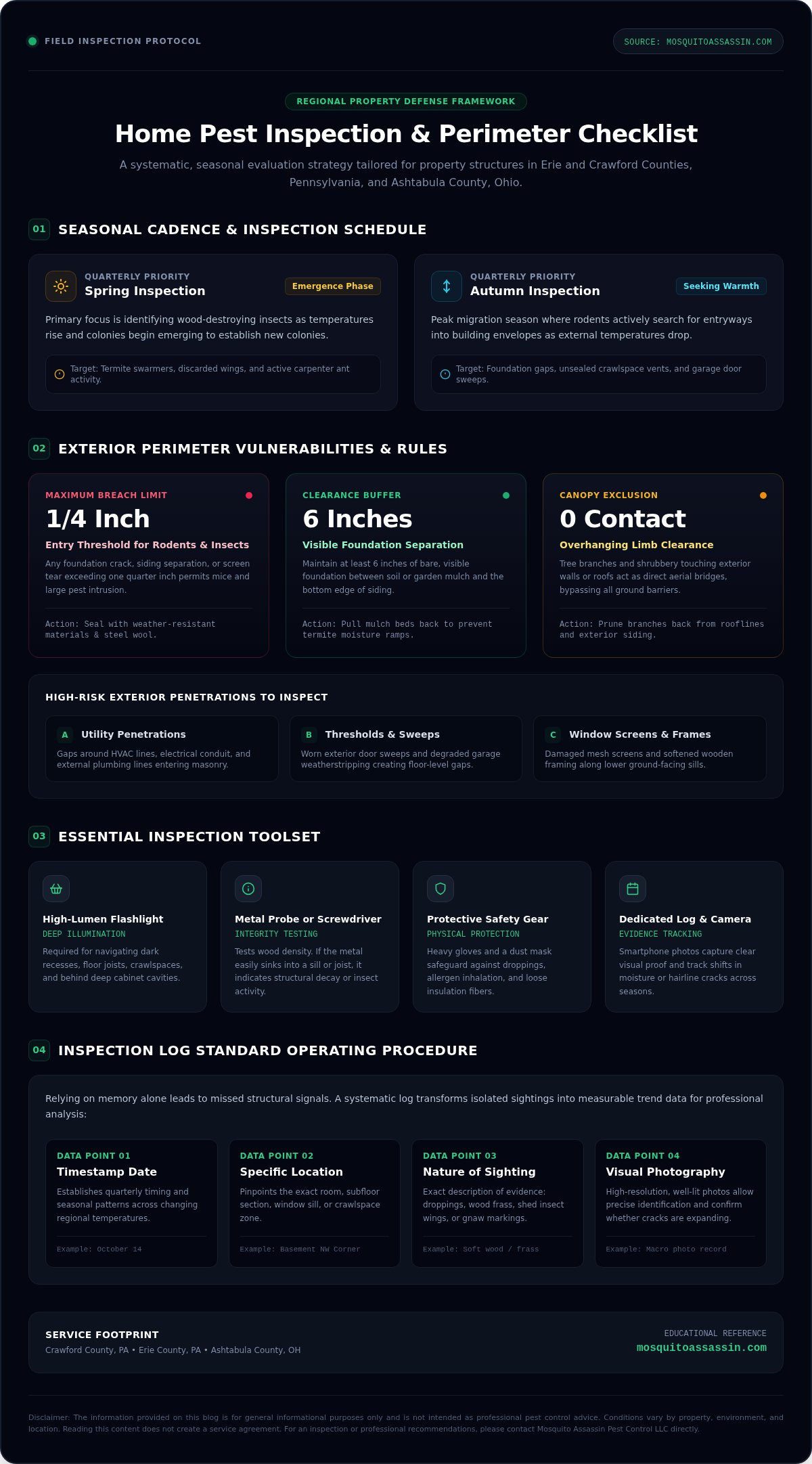
  • Home Pest Inspection Checklist: A Room-by-Room Prevention Guide

    Home Pest Inspection Checklist: A Room-by-Room Prevention Guide

    How much of your home’s structural integrity is currently being compromised by pests you can’t even see? For property owners in Erie and Crawford Counties in Pennsylvania or Ashtabula County in Ohio, seeing a single stray insect often leads to a deeper fear of hidden damage lurking behind the drywall. It’s natural to feel uncertain when you’re trying to distinguish between a harmless visitor and a wood-destroying intruder. By implementing a systematic home pest inspection checklist, you can transform that uncertainty into a proactive defense strategy.

    This guide provides a professional-grade framework to identify early signs of infestations and secure your property. You’ll learn how to spot rodent activity, recognize warning signs of wood-destroying insects, and understand when a situation requires professional intervention. This room-by-room process provides the confidence to protect your investment and maintain a secure environment.

    Disclaimer: The information provided on this blog is for general informational purposes only and is not intended as professional pest control advice. Conditions vary by property, environment, and location. Reading this content does not create a service agreement. For an inspection or professional recommendations, please contact Mosquito Assassin Pest Control LLC directly.

    Key Takeaways

    • Establish a seasonal routine using a comprehensive home pest inspection checklist to identify vulnerabilities before they become costly infestations.
    • Secure the exterior perimeter by inspecting foundation cracks and window screens for entry points larger than a quarter inch.
    • Monitor high-risk interior areas like kitchens and basements for moisture accumulation and hidden signs of nesting.
    • Learn to differentiate between common regional threats, such as identifying the distinct droppings left by rodents or the wings of termite swarmers.
    • Recognize when DIY methods are insufficient and professional-grade exclusion or treatment is necessary to protect structural integrity.

    Preparing for Your Home Pest Inspection

    Regular property monitoring serves as the primary defense against structural damage and health risks. In the variable climates of Erie and Crawford Counties in Pennsylvania and Ashtabula County in Ohio, pests react sharply to seasonal changes. A proactive approach allows homeowners to detect vulnerabilities before they escalate into full-scale infestations. While reactive treatments address an existing problem, a consistent home pest inspection checklist provides the peace of mind that comes from knowing your property is secure.

    Experts generally recommend performing these checks at least once per season. Spring is critical for identifying wood-destroying insects as they emerge, while autumn is the peak time for rodents seeking warmth. Understanding different pest control methods and prevention strategies helps in recognizing that exclusion is often more effective than late-stage intervention. Before beginning, prioritize safety. When entering confined areas like attics or crawlspaces, check for stable footing and be mindful of low clearance or exposed nails. Professional pest control may help reduce risk if these areas are difficult to access safely.

    Essential Tools for a Thorough Search

    A professional-grade inspection requires more than just a quick glance. A high-lumen flashlight is the most important tool in your kit for illuminating dark corners, floor joists, and the recesses of cabinets where pests hide. You should also carry a small flathead screwdriver or a metal probe. This allows you to test the integrity of wood surfaces; if the metal sinks easily into a windowsill or joist, it may indicate rot or insect damage. Finally, wear protective gear like heavy gloves and a dust mask to guard against allergens, insulation fibers, or droppings found in secluded areas.

    Creating an Inspection Log

    Documentation is a vital component of a successful home pest inspection checklist. Don’t rely on memory alone to track where you saw a suspicious mark or a stray insect. Maintain a dedicated log that records the date, the specific room, and the exact nature of the sighting. Use a smartphone to take clear, well-lit photos of any pests or damage you find. These images are invaluable for professional identification and help track environmental changes over time, such as new moisture stains or shifting foundation cracks. Consistent records make it easier to determine if a problem is growing or if past prevention efforts are holding steady. Reviewing details on general pest control plans can provide further context on what to track for long-term protection.

    Disclaimer: The information provided on this blog is for general informational purposes only and is not intended as professional pest control advice. Conditions vary by property, environment, and location. Reading this content does not create a service agreement. For an inspection or professional recommendations, please contact Mosquito Assassin Pest Control LLC directly.
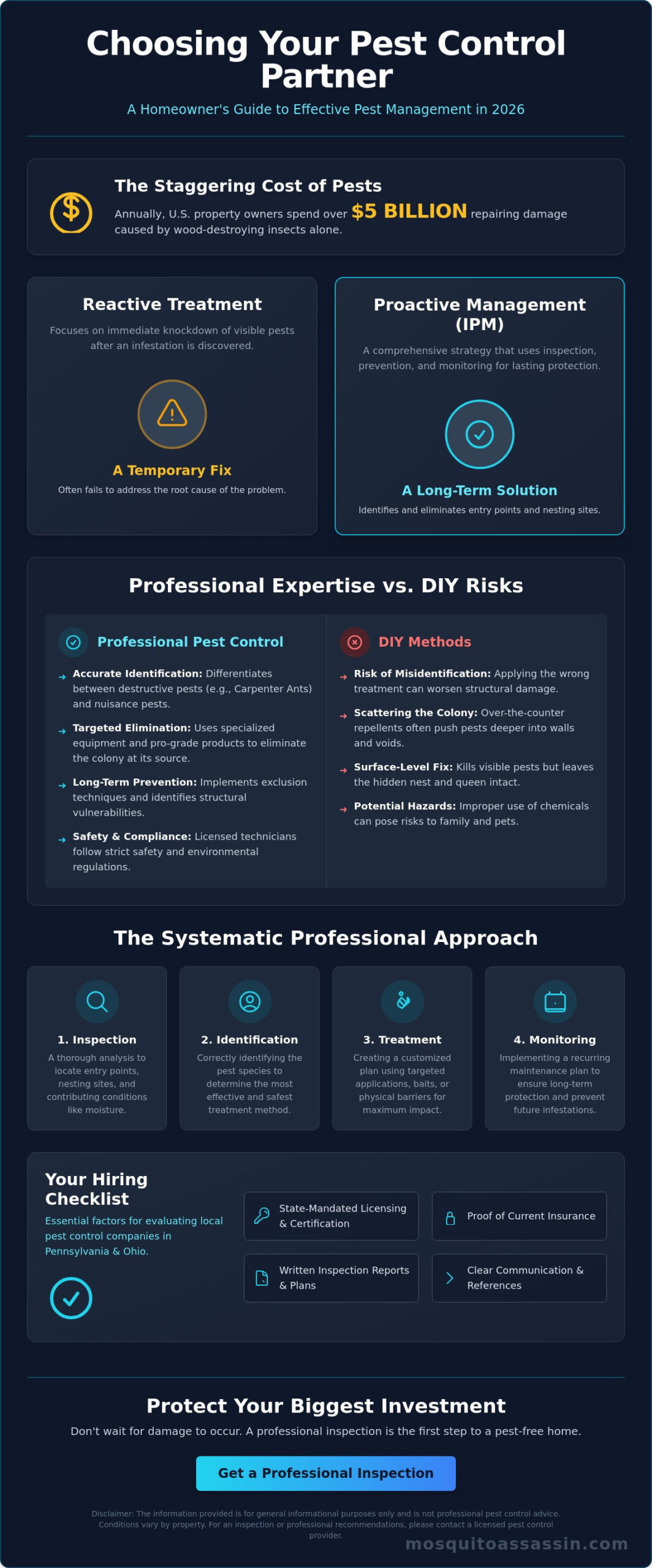
    Exterior Perimeter and Foundation Checklist

    The exterior of a property serves as the first line of defense against invasive species. For residents in Crawford and Erie Counties, the changing seasons mean pests are constantly looking for a way inside. A thorough home pest inspection checklist starts with a close examination of the foundation. Any crack or gap larger than a quarter inch is a potential gateway for mice or large insects. These openings should be sealed with weather-resistant materials to maintain the structural barrier and prevent unwanted guests from gaining a foothold.

    Property owners should also evaluate the transition between the ground and the siding. Soil or mulch that rests directly against the siding creates a moisture-rich environment that invites termites and carpenter ants. Maintaining a six-inch clearance of visible foundation helps prevent these wood-destroying insects from finding an easy path into the structure. Additionally, overhanging tree branches often act as bridges. When limbs touch the roof or walls, they allow ants and rodents to bypass ground-level defenses entirely. Regular pruning ensures that landscaping does not compromise your home’s security.

    Exclusion Points and Entryways

    Entry points are often found where utility lines penetrate the exterior walls. Gaps around plumbing, electrical conduits, or HVAC lines are frequently overlooked but are primary targets for pests. These areas require durable sealants or steel wool to prevent entry. It’s also vital to check the integrity of door sweeps and window screens. A worn sweep can leave a gap wide enough for a rodent to squeeze through. Examine wooden door frames for signs of gnawing, which indicates active attempts by pests to widen existing holes. Ensuring that dryer vents and chimney caps have proper screening is another core component of EPA Integrated Pest Management principles, as these vents provide direct access to the home’s interior.

    Landscaping and Moisture Management

    Proper drainage is essential for long-term prevention. Clogged gutters and poor downspout drainage lead to water pooling near the foundation, which attracts mosquitoes and ticks. Standing water serves as a breeding ground, especially during the humid summers in Ashtabula County. Assess the grade of the yard to ensure water flows away from the structure rather than toward it. Wood piles and organic debris should be stored at least 20 feet away from the home, as these provide ideal nesting sites for rodents and spiders. If these environmental factors are difficult to manage alone, professional pest control may help reduce risk by identifying hidden moisture traps that homeowners might miss during a standard walkthrough.

    Disclaimer: The information provided on this blog is for general informational purposes only and is not intended as professional pest control advice. For an inspection or professional recommendations, please contact Mosquito Assassin Pest Control LLC directly.
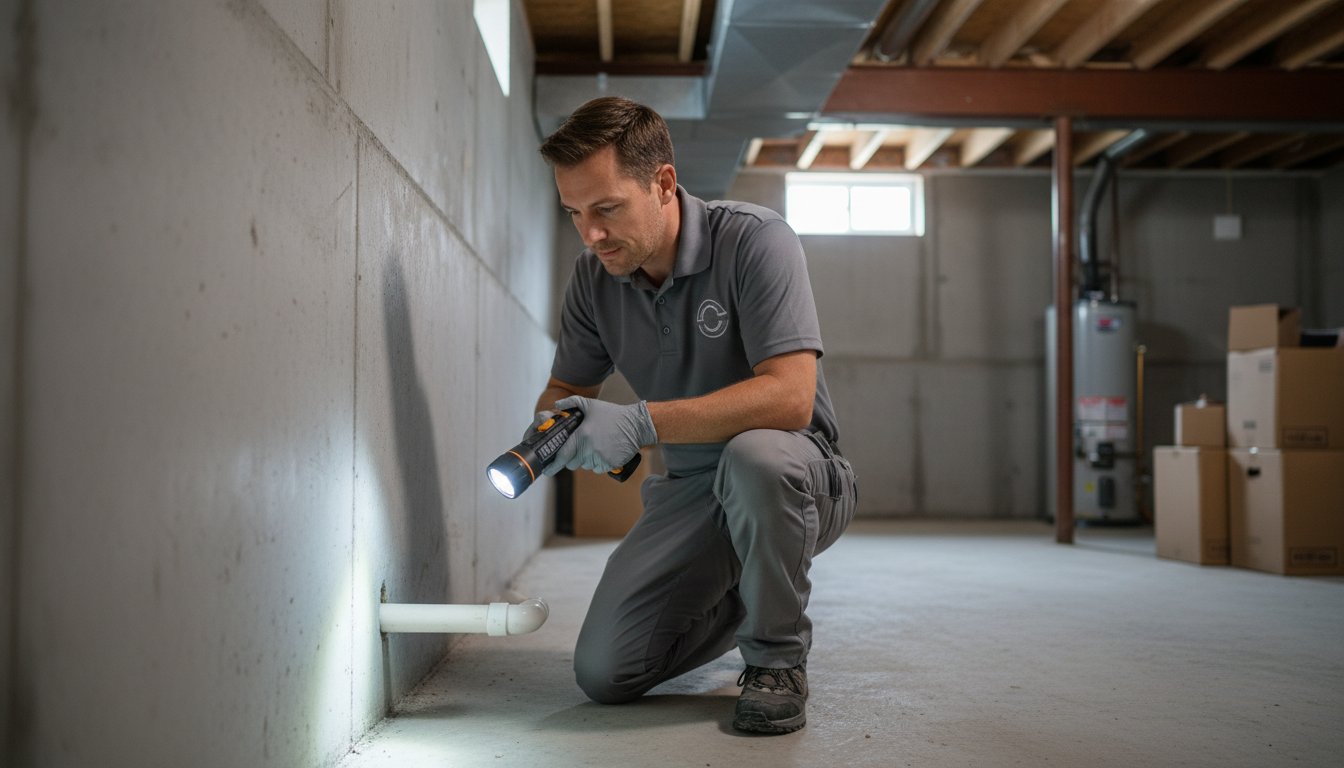
    Interior Room-by-Room Inspection Points

    Once the exterior is secure, the focus shifts to the interior environment. A thorough home pest inspection checklist must prioritize areas where food, water, and shelter intersect. In the living areas of homes throughout Erie and Ashtabula Counties, look for subtle debris on window sills or along floorboards. Small piles of sawdust or discarded wings are often the first indicators of an internal issue that hasn’t yet become visible in high-traffic areas. If you find evidence in these areas, reviewing general pest control plans can help determine the next steps for mitigation.

    The Kitchen and Pantry Focus

    The kitchen is a primary site for pest activity due to the abundance of resources. Inspect the areas behind large appliances and under sinks where moisture can accumulate from small leaks. Check the back of cabinets for crumbs or spills that serve as food sources. It’s also important to examine food packaging in the pantry for small holes or gnawing marks that indicate rodent entry. Monitoring plumbing voids is a critical step in Integrated Pest Management principles, as these gaps provide hidden highways for cockroaches and other moisture-seeking insects.

    Basement and Attic Vulnerabilities

    Secluded areas like basements and attics offer the quiet, undisturbed environments that pests prefer. In the basement or crawlspace, look for dampness on the walls or floor joists. Musty odors are a strong indicator of moisture issues or the presence of nesting pests. Search for spider webs in corners and along joists; a high concentration of spiders often suggests a steady supply of other insect prey nearby. In the attic, look for disturbed insulation or gathered materials like shredded paper and fabric, which signal nesting activity. During daylight hours, check for light leaks coming through the roof or eaves. These small shafts of light reveal entry points where pests can bypass your home’s defenses. When these interior signs are detected, professional pest control may help reduce risk.

    Disclaimer: The information provided on this blog is for general informational purposes only and is not intended as professional pest control advice. For an inspection or professional recommendations, please contact Mosquito Assassin Pest Control LLC directly.

    Home Pest Inspection Checklist: A Room-by-Room Prevention Guide

    Identifying Specific Pest Red Flags

    Developing a sharp eye for biological markers is the most critical skill for any property owner. While seeing a live insect is a clear signal, most infestations remain hidden during daylight hours. A comprehensive home pest inspection checklist must focus on the subtle traces left behind by pests as they move through your home. Understanding the difference between a nuisance visitor and a genuine structural threat allows for a faster, more effective response. In the regional climates of Erie and Ashtabula Counties, certain signs like scratching sounds in the ceiling or “sawdust” on a porch railing require immediate attention to prevent long-term damage.

    Signs of Rodent Activity

    Rodents are creatures of habit that leave behind distinct physical evidence along their travel routes. Identifying the size and shape of droppings is the first step in determining the species. Mouse droppings are typically the size of a grain of rice with pointed ends, while rat droppings are larger and more capsule-shaped. You should also look for greasy rub marks along baseboards. These dark streaks are caused by the oils and dirt in a rodent’s fur as they consistently brush against walls. Gnaw marks on wooden trim, plastic storage bins, or even electrical wiring are another urgent red flag. Fresh gnawing often appears lighter in color and indicates an active, ongoing issue that needs to be addressed before safety risks increase.

    Wood-Destroying Insect Markers

    Structural threats often present as subtle changes in wood texture or the appearance of specialized structures. Termite swarmers are frequently confused with flying ants, but they have distinct differences. Termites possess straight antennae and a thick waist, while ants have elbowed antennae and a pinched midsection. On foundation walls or floor joists, look for mud tubes. These pencil-sized tunnels allow termites to travel between the soil and your home without drying out. Carpenter bees leave behind pin-sized entry holes in exterior wood, often accompanied by piles of frass, which looks like fresh sawdust. If you tap on a wooden beam and it produces a hollow, paper-like sound, it likely indicates internal galleries created by these insects. If you identify these markers, professional termite inspections and treatment can help secure your property’s structural integrity.

    Other red flags include signs of bed bug activity, such as small rusty spots on mattresses or linens, which are often found in sleeping areas. Additionally, listen for the sounds of activity within walls or ceilings during the quiet evening hours. Faint scratching or scurrying often confirms the presence of rodents or larger insects that have bypassed exterior defenses. Monitoring these points consistently ensures that your prevention efforts remain effective throughout the year.

    Disclaimer: The information provided on this blog is for general informational purposes only and is not intended as professional pest control advice. For an inspection or professional recommendations, please contact Mosquito Assassin Pest Control LLC directly.
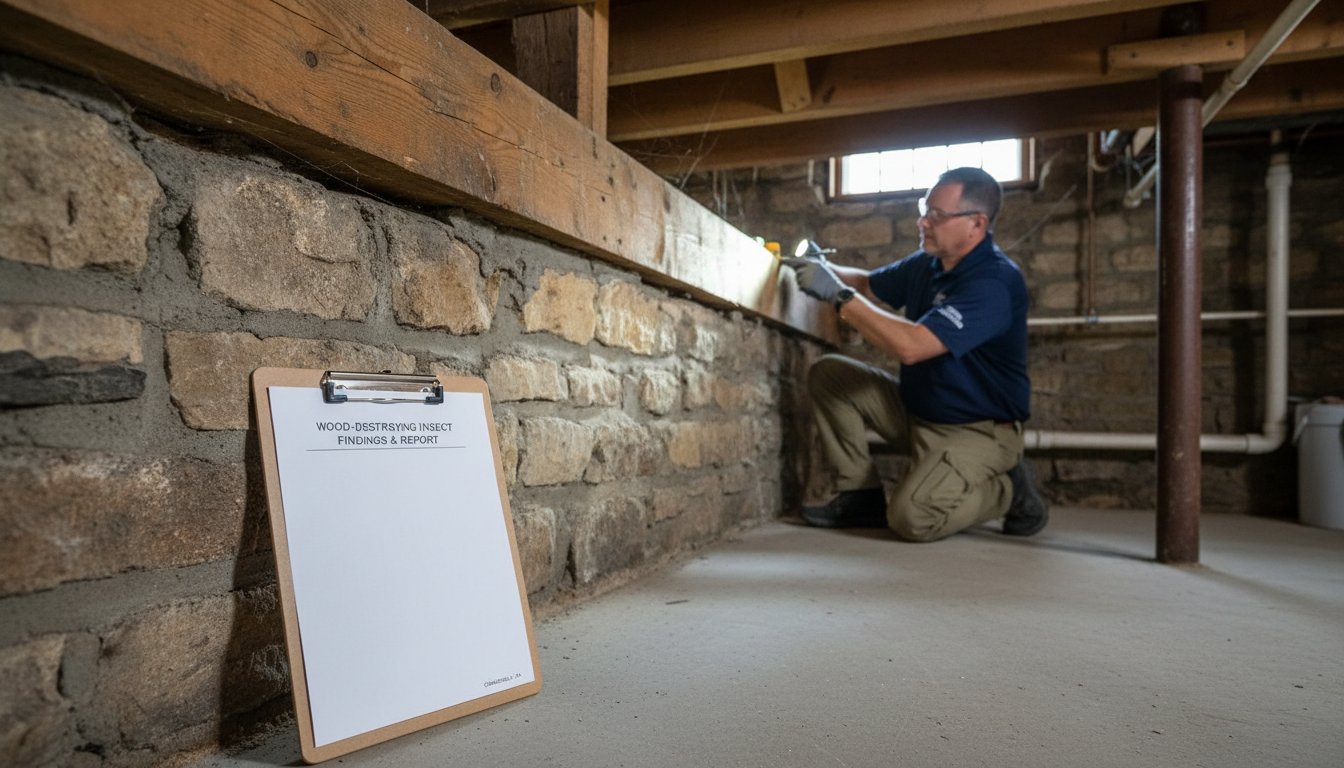
    Transitioning from DIY to Professional Protection

    A comprehensive home pest inspection checklist provides a solid foundation for property maintenance, yet there are moments when a DIY approach reaches its limit. While identifying surface-level entry points is achievable for most property owners, structural threats often remain invisible to the untrained eye. Professional pest control may help reduce risk by utilizing advanced detection methods that go beyond visual checks. This transition from self-monitoring to expert intervention ensures that deep-seated issues, such as established colonies or structural vulnerabilities, are addressed before they cause irreparable damage.

    Year-round protection plans offer the most consistent defense against the seasonal shifts in Erie and Crawford Counties. These plans move the burden of monitoring from the homeowner to a local expert, providing a steady cadence of inspections that adapt to the specific pest pressures of the Pennsylvania and Ohio climate. Safety is another critical factor; dealing with aggressive stinging insects or large rodent populations carries inherent risks that require specialized protective equipment and handling techniques. Pests don’t wait for a convenient time to invade, and having a professional partner ensures you aren’t caught off guard.

    The Complexity of Specialized Treatments

    Certain infestations demand a level of technical proficiency that standard household products cannot provide. Bed bug and termite issues require specialized knowledge of biology and behavior to achieve total removal. For example, professional-grade exclusion materials, such as heavy-duty steel mesh and industrial sealants, offer a more permanent solution for rodent control than temporary DIY fixes. It’s important to evaluate the effectiveness of ongoing pest management strategies based on long-term results rather than just immediate relief. A methodical, scientific approach is the only way to ensure that a property remains truly secure from re-infestation.

    Next Steps for Homeowners

    If your personal inspection reveals red flags, the first step is to consolidate your findings. Gather your log of dates, locations, and photos taken during your walkthrough to provide a clear picture for a professional consultation. Researching local pest control services in Erie and Ashtabula will help you find a partner with deep roots in the community who understands the specific environmental challenges of the region. For an inspection or professional recommendations, please contact Mosquito Assassin Pest Control LLC directly through the online booking portal. Taking decisive action now protects the wellbeing of your household and the value of your property.

    Disclaimer: The information provided on this blog is for general informational purposes only and is not intended as professional pest control advice. For an inspection or professional recommendations, please contact Mosquito Assassin Pest Control LLC directly.
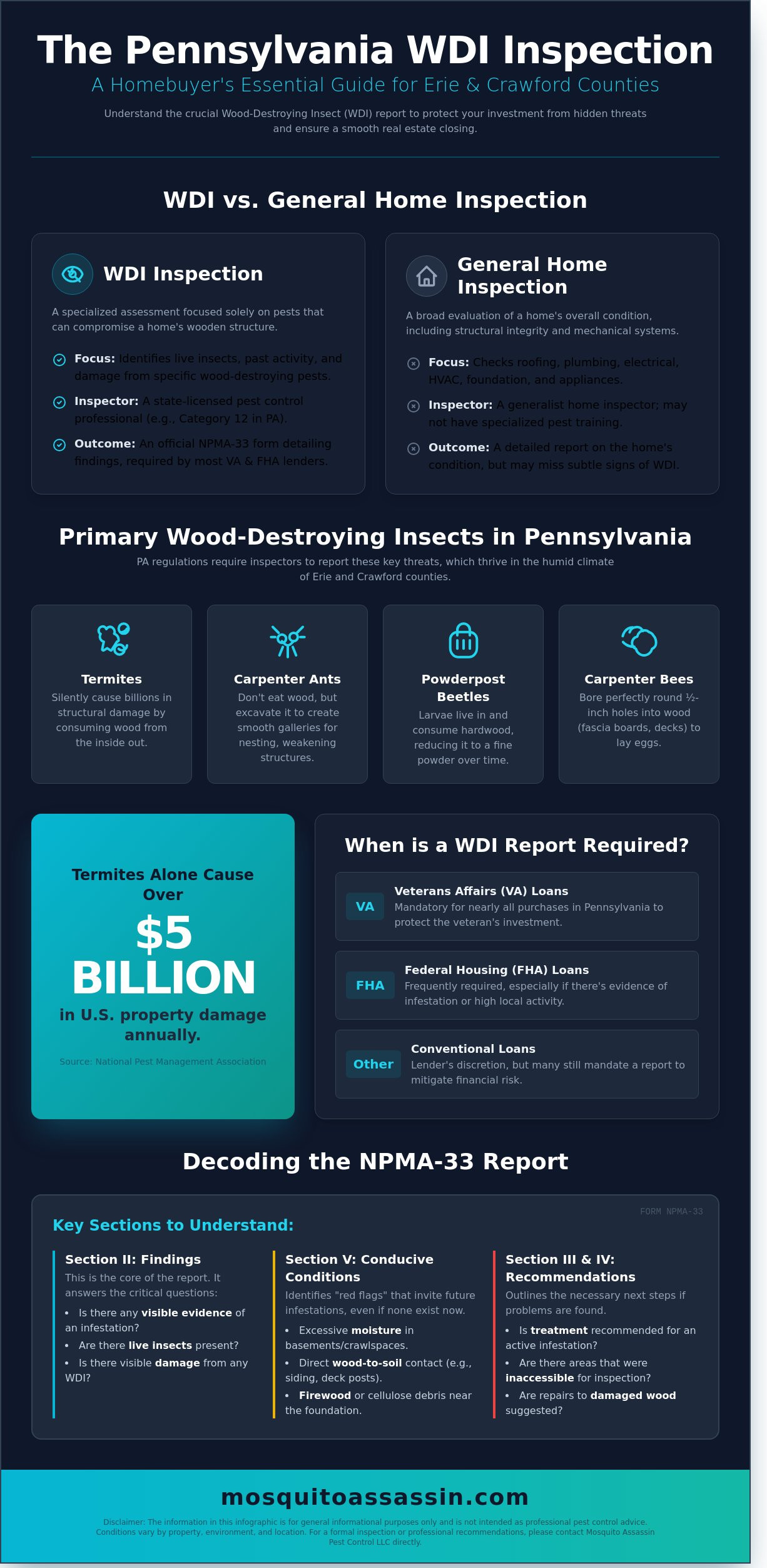
    Secure Your Property with Year-Round Vigilance

    Maintaining a secure home requires a disciplined approach to monitoring and exclusion. By consistently applying a home pest inspection checklist, you can identify vulnerabilities in your foundation and interior spaces before they compromise your structural integrity. Recognizing specific biological markers, such as the distinct signs of wood-destroying insects or rodent rub marks, allows for much faster intervention. While DIY efforts are an excellent first step, professional pest control may help reduce risk when dealing with complex infestations or hard-to-reach crawlspaces. Consistent monitoring is the only way to ensure your property remains protected throughout the changing seasons.

    For those who require a more detailed evaluation, you can request a professional inspection through the online portal to ensure your property remains secure. Mosquito Assassin Pest Control LLC provides deep expertise in year-round residential protection across Erie, Crawford, and Ashtabula Counties. Their comprehensive three-step rodent control process is designed to address existing issues while securing your home against future entry. Taking these proactive steps today ensures a safer, more comfortable environment for your household and long-term peace of mind.

    Disclaimer: The information provided on this blog is for general informational purposes only and is not intended as professional pest control advice. For an inspection or professional recommendations, please contact Mosquito Assassin Pest Control LLC directly.
    Frequently Asked Questions

    How often should I perform a home pest inspection?

    Perform a comprehensive home pest inspection checklist walkthrough at least four times a year. Seasonal shifts in Pennsylvania and Ohio drive different pest behaviors; spring is the time for emerging insects, while fall is for rodents seeking warmth. Quarterly checks allow you to catch entry points before they become major structural issues. Professional pest control may help reduce risk by providing consistent monitoring through a year-round protection plan.

    What are the most common signs of a rodent infestation?

    Rodents leave behind physical evidence like capsule-shaped droppings, greasy rub marks along baseboards, and gnaw marks on wood or plastic. You might also hear scratching sounds in the walls or ceilings during the night. Fresh droppings are typically dark and moist, indicating an active population. If you find these signs, a three-step process of removal, maintenance, and exclusion is the standard professional approach for total eradication.

    Can I perform my own termite inspection effectively?

    While homeowners can identify surface-level signs like mud tubes or hollow-sounding wood, a professional termite inspection is necessary for a definitive assessment. Termites often hide deep within structural timbers or behind finished walls where they aren’t visible. DIY checks are useful for early detection, but they don’t replace the specialized tools and knowledge required to identify hidden galleries. Professional pest control may help reduce risk by evaluating hard-to-reach areas.

    What tools do I need for a basic home pest sweep?

    A thorough search requires a high-lumen flashlight to illuminate dark corners, a small screwdriver to probe for soft wood, and protective gloves. Using these tools as part of a home pest inspection checklist helps you identify moisture pockets and structural gaps. You should also keep a dedicated log or use a smartphone to document any suspicious findings. Documentation is vital for tracking environmental changes in your home over several months.

    How do I tell the difference between flying ants and termites?

    Flying ants have elbowed antennae, pinched waists, and two pairs of wings with different lengths. In contrast, termite swarmers have straight antennae, thick waists, and four wings of equal length. Identifying these differences is critical because their treatment methods vary significantly. If you see swarming activity near your foundation or windowsills, it’s a strong indicator of a nearby colony that requires immediate professional evaluation to protect your property’s integrity.

    What should I do if I find pest activity in my attic?

    If you discover nesting materials or disturbed insulation in your attic, avoid direct contact with any droppings or debris. These areas often harbor allergens or pathogens that require protective gear like masks and gloves. Document the location of entry points where light leaks through the roof or eaves. Professional pest control may help reduce risk by identifying the specific species and implementing a safe, effective removal and exclusion strategy.

    Are there specific pests common to Northwest Pennsylvania and Northeast Ohio?

    This region frequently deals with carpenter bees, ticks, mosquitoes, and rodents due to the humid summers and harsh winters. Carpenter bees often peak during the spring in Erie, damaging exterior wood structures. Ticks and mosquitoes are significant seasonal problems in Crawford and Ashtabula Counties. Year-round protection plans are designed to address these specific regional threats, providing a defensive barrier that adapts to the local climate and pest life cycles.

    Why is professional exclusion better than just using traps?

    Traps only address the pests already inside your home, while professional exclusion seals the entry points to prevent future invasions. Exclusion involves using durable materials like industrial sealants and steel mesh to close gaps around utility lines and foundation cracks. This proactive approach is a core component of Integrated Pest Management. It provides a long-term solution that reduces the need for repeated treatments by physically barring pests from entering the structure.

    Disclaimer: The information provided on this blog is for general informational purposes only and is not intended as professional pest control advice. For an inspection or professional recommendations, please contact Mosquito Assassin Pest Control LLC directly.
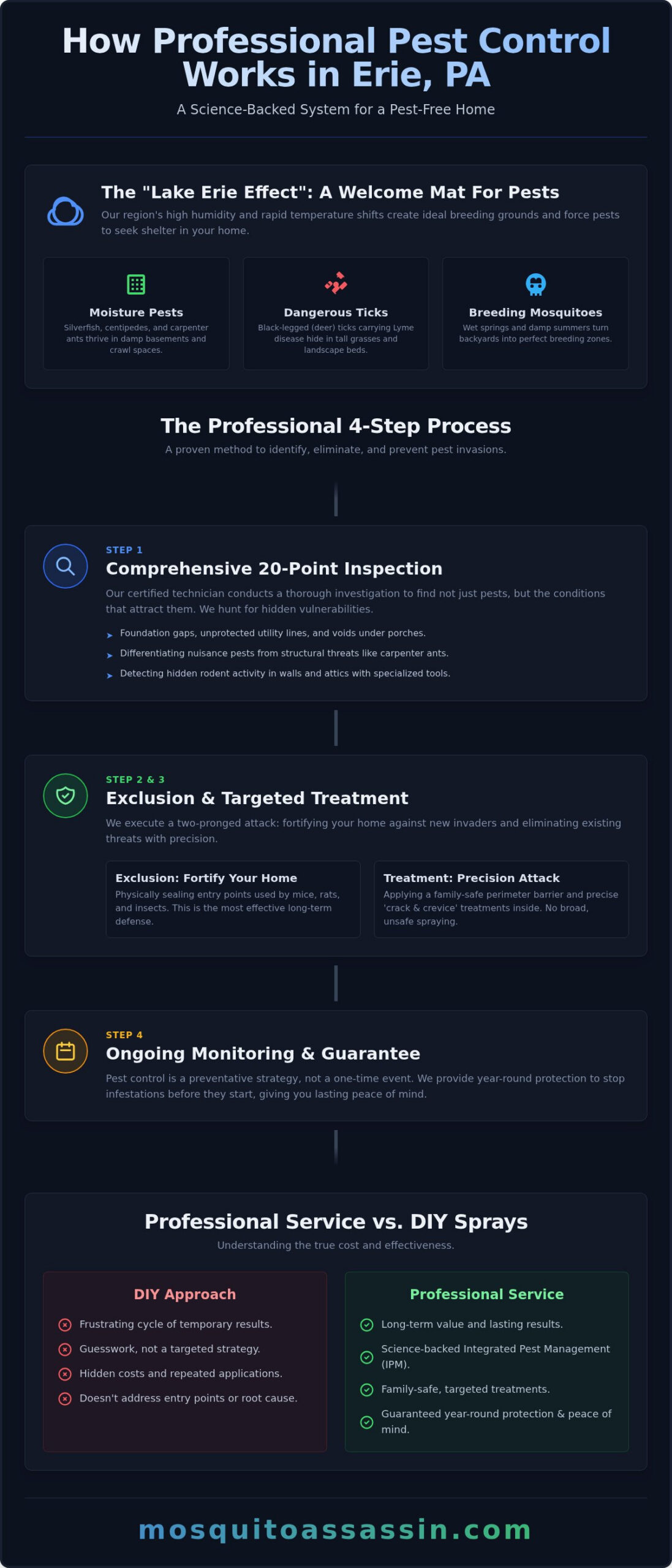
  • How to Find and Evaluate an Exterminator Near Me in 2026

    How to Find and Evaluate an Exterminator Near Me in 2026

    According to the National Pest Management Association, property owners in the United States spend more than $5 billion annually repairing damage caused by wood-destroying insects. When you discover a sudden infestation in your basement or a swarm of mosquitoes in your yard, the immediate urge to search for an exterminator near me is often driven by a mix of health concerns and the fear of structural damage. It’s natural to feel overwhelmed by technical jargon or the sheer number of local listings appearing on your screen, especially when your family’s comfort is at stake.

    This guide provides a clear framework for understanding professional pest management in 2026, helping you distinguish between a temporary fix and a long-term solution. You’ll learn how to evaluate the qualifications of local providers and weigh the actual value of professional intervention against the risks of property loss. The following sections explore the specific pest challenges facing residents in Erie and Crawford Counties in Pennsylvania, along with Ashtabula County in Ohio, before outlining the steps to secure a thorough professional inspection.

    Disclaimer: The information provided on this blog is for general informational purposes only and is not intended as professional pest control advice. Conditions vary by property, environment, and location. Reading this content does not create a service agreement. For an inspection or professional recommendations, please contact Mosquito Assassin Pest Control LLC directly.

    Key Takeaways

    • Understand the difference between immediate emergency eradication and long-term integrated pest management to ensure lasting property protection.
    • Learn how to verify state-mandated licensing and insurance when searching for a reliable exterminator near me in the Great Lakes region.
    • Identify how local seasonal cycles in Pennsylvania and Ohio influence rodent and insect activity throughout the year.
    • Discover the importance of a systematic inspection process that identifies specific entry points and nesting sites to create a customized management plan.
    • Evaluate the advantages of proactive, recurring maintenance plans compared to reactive treatments for year-round pest prevention.

    What to Expect from Professional Pest Control Services

    Professional pest management is a systematic process that prioritizes identification and long term prevention over simple chemical application. It involves a detailed analysis of the property to locate entry points and nesting sites. Homeowners looking for a reliable exterminator near me often find that professional services provide a much higher level of precision than retail solutions. While emergency extermination focuses on immediate knockdown of a visible problem, a comprehensive Pest Control Overview reveals that modern industry standards favor Integrated Pest Management (IPM). This approach combines biological knowledge with physical barriers to create a sustainable, pest-free environment.

    To better understand what to look for in a service provider, watch this helpful video:

    Professional equipment and specialized training allow technicians to handle complex infestations involving ants, spiders, and stinging insects. These pests often hide in inaccessible areas like wall voids or crawlspaces. Licensed experts use high-grade tools that are more effective and targeted than standard consumer products. This ensures that the treatment reaches the source of the colony rather than just the insects visible on the surface.

    The Role of a Licensed Pest Professional

    Technicians operating in Pennsylvania and Ohio must adhere to strict state-specific licensing requirements. These regulations ensure that every person applying treatments has a foundational understanding of pesticide safety and environmental impact. Ongoing training is a standard part of the profession. It focuses on the evolving biology and behavior of local pests. Professionals utilize specialized detection tools, such as moisture meters and acoustic sensors, to find activity in hidden structural areas. This scientific approach is what differentiates a professional exterminator near me from a temporary fix.

    Professional vs DIY Pest Management

    Over-the-counter sprays and traps have significant limitations. They often act as repellents that scatter a colony rather than eliminating it. Misidentifying a pest is another common risk for homeowners. For example, treating carpenter ants the same way as nuisance pavement ants can lead to ongoing structural damage. Professionals have the expertise to distinguish between species and apply the correct methodology. For those interested in learning more about maintaining a home, this general pest control guide provides additional context on long-term strategies. If a pest population becomes difficult to manage, professional pest control may help reduce risk. More information is available through the contact page or the online booking portal.

    Disclaimer: The information provided on this blog is for general informational purposes only and is not intended as professional pest control advice. Conditions vary by property, environment, and location. Reading this content does not create a service agreement. For an inspection or professional recommendations, please contact Mosquito Assassin Pest Control LLC directly.

    Essential Factors for Evaluating Local Pest Control Companies

    Selecting a reliable professional requires more than a quick search for an exterminator near me. Homeowners must verify that a company holds current insurance and state-mandated licensing. In Pennsylvania and Ohio, the Department of Agriculture oversees pesticide applicator certification. It’s practical to ask for proof of these credentials during the first meeting. Using the Tips for Selecting a Pest Control Service provided by the EPA helps clarify what documentation a legitimate business should provide to protect the property owner.

    Local reputation in the community offers insight into a company’s reliability. Residents in Erie and Crawford Counties in Pennsylvania, as well as Ashtabula County in Ohio, often rely on neighbors for honest feedback. A company’s history of solving specific regional issues, such as carpenter ant infestations or seasonal tick surges, is a strong indicator of competence. Transparency in communication is equally important. A professional technician will explain the treatment methods and safety protocols clearly before any work begins.

    A thorough initial property inspection is a non-negotiable step in the evaluation process. This assessment identifies entry points, moisture levels, and nesting sites. Without a physical walk-through, a treatment plan cannot be properly customized to the unique needs of a home. For those needing a professional assessment, reaching out for professional pest control may help reduce risk and provide a clear path forward.

    Safety Standards for Families and Pets

    Professional technicians select treatments based on the specific environment they’re working in. They don’t use a one-size-fits-all approach. For example, a treatment in a crawlspace differs from one applied in a kitchen pantry. Standard protocols for pet and child safety involve removing them from the area during the application process. It’s essential to follow technician instructions for property re-entry. This usually requires waiting until liquid applications are completely dry, which often takes between two and four hours depending on humidity levels.

    Understanding Service Agreements and Guarantees

    A “pest-free guarantee” typically entails a commitment from the company to return and re-treat the area if pests reappear within a specific window of time. It’s vital to distinguish between one-time treatments and recurring protection plans. One-time services address immediate infestations but don’t provide ongoing monitoring. Recurring plans focus on prevention and long-term safeguarding. Understanding pest control prices allows homeowners to budget effectively for the level of protection their property requires. When looking for an exterminator near me, comparing these service structures ensures the chosen plan aligns with the property’s specific risk factors.

    Disclaimer: The information provided on this blog is for general informational purposes only and is not intended as professional pest control advice. Conditions vary by property, environment, and location. Reading this content does not create a service agreement. For an inspection or professional recommendations, please contact Mosquito Assassin Pest Control LLC directly.

    How to Find and Evaluate an Exterminator Near Me in 2026

    Regional Pest Pressures in Pennsylvania and Ohio

    The Great Lakes region experiences distinct seasonal shifts that dictate pest behavior throughout the year. In Erie, Crawford, and Ashtabula counties, the transition from humid summers to freezing winters creates a predictable cycle of infestation risks for property owners. Local climate patterns, particularly the lake-effect moisture common in the PA and OH tristate area, significantly increase the presence of wood-destroying insects and moisture-loving pests. When residents search for an exterminator near me, they’re often responding to these specific environmental pressures that vary by the month.

    Seasonal Challenges: Spring Through Winter

    Spring marks the emergence of carpenter ants and stinging insects as ground temperatures consistently rise above 50 degrees Fahrenheit. During this period, queen ants begin colony expansion, often scouting for softened wood within home structures. By mid-summer, the focus shifts to the outdoors. The dense vegetation and high humidity levels in Northern Pennsylvania and Northeast Ohio provide ideal conditions for exploding mosquito and tick populations. As the first frost approaches in October, rodent behavior changes. Mice and rats begin seeking thermal refuge, making fall the peak time for professional exclusion work. Sealing entry points during this window prevents rodents from establishing winter nesting sites inside crawlspaces or attics.

    High-Risk Pests: Ticks and Mosquitoes

    Ticks represent a significant health concern across the region’s rural and suburban landscapes. The black-legged tick is prevalent in the wooded areas of Crawford and Erie counties, remaining active whenever the ground isn’t frozen. Effective management of these populations often relies on Integrated Pest Management (IPM) Principles, which prioritize property monitoring and habitat modification to reduce pest harborages.

    Mosquitoes also thrive in the local climate, breeding in as little as half an inch of stagnant water. Common breeding sites include clogged gutters, discarded tires, or low-lying yard spots that collect rain. Because these pests are known vectors for various pathogens, professional pest control may help reduce risk of exposure. Selecting a qualified exterminator near me who understands the specific biological behaviors of Great Lakes pests is a vital step in maintaining a comfortable property. Licensed professionals use their knowledge of local life cycles to apply treatments at the most effective intervals, ensuring that intervention happens before populations reach peak levels.

    Disclaimer: The information provided on this blog is for general informational purposes only and is not intended as professional pest control advice. Conditions vary by property, environment, and location. Reading this content does not create a service agreement. For an inspection or professional recommendations, please contact Mosquito Assassin Pest Control LLC directly.

    The Systematic Approach to Effective Pest Eradication

    Successful pest management isn’t a matter of luck or a single application of product. It requires a disciplined, multi-step process that addresses the root cause of an infestation. When homeowners search for a reliable exterminator near me, they should look for a professional who follows a structured protocol. This systematic approach ensures that treatments don’t just kill visible pests but also prevent future generations from taking hold. In 2026, the industry standard relies on Integrated Pest Management (IPM), which prioritizes long-term prevention through a combination of biological, physical, and chemical tools.

    Inspection and Identification

    Accurate identification is the most critical step in the entire process. Treating a carpenter ant problem as if it were a pavement ant infestation results in wasted resources and continued property damage. Technicians must conduct a comprehensive inspection to locate specific nesting sites and entry points. Elusive pests like bed bugs often hide in tiny crevices, such as electrical outlets or behind baseboards, while rodents typically seek shelter in attic insulation or crawlspaces. Identifying these specific locations allows for a surgical application of treatments rather than a broad, less effective approach. For those facing issues with larger invaders, professional rodent removal provides a necessary framework for clearing out established colonies safely.

    Exclusion and Prevention Strategies

    Once the species is identified, the focus shifts to exclusion. This involves building pests out of the home using physical barriers. Effective exclusion techniques include:

    • Sealing cracks and gaps larger than 1/4 inch with silicone-based caulk or stainless steel wool.
    • Installing door sweeps on all exterior doors to eliminate ground-level entry points.
    • Using copper mesh to plug weep holes in brick siding, which prevents insects from entering wall voids.
    • Trimming tree branches so they remain at least 6 feet away from the roofline to stop bridge access for ants and squirrels.

    Environmental modifications also play a significant role. Reducing moisture near the foundation and keeping firewood piles at least 20 feet from the house makes a property less attractive to wood-destroying organisms. In regions like Erie and Crawford Counties in Pennsylvania or Ashtabula County in Ohio, seasonal shifts often drive pests indoors. Maintaining high sanitation standards, such as cleaning behind large appliances where grease and crumbs accumulate, is vital for long-term success. After implementing these steps, follow-up monitoring ensures the strategy remains effective against changing weather patterns. When evaluating an exterminator near me, homeowners should confirm that the provider includes these preventative measures as part of a customized management plan.

    To learn more about tailored protection for your property, professional pest control may help reduce risk.

    Disclaimer: The information provided on this blog is for general informational purposes only and is not intended as professional pest control advice. Conditions vary by property, environment, and location. Reading this content does not create a service agreement. For an inspection or professional recommendations, please contact Mosquito Assassin Pest Control LLC directly.

    Strategies for Ongoing Property Protection

    Choosing a reactive approach to pest management often leads to higher costs and avoidable property damage. When homeowners wait until they see a swarm or a nest, the infestation has likely already established itself within the structure. Transitioning to a recurring maintenance model shifts the focus from crisis management to prevention. Searching for a reliable exterminator near me before a problem arises allows for the establishment of a protective barrier that stops pests before they enter the living space.

    Year-round plans are effective because they adapt to the biological cycles of local pests in Erie and Crawford Counties. In the spring, professional treatments focus on emerging stinging insects and ants. As the humidity rises in Ashtabula County during the summer, the strategy shifts to managing mosquitoes and ticks. By the time autumn arrives, the focus moves toward rodent exclusion as mice and rats seek warmth. A consistent schedule ensures that the property’s defenses never lapse as the seasons change.

    Maintaining a long-term relationship with a local provider ensures a rapid response when unexpected issues occur. A technician who’s familiar with a specific property’s history can identify new vulnerabilities faster than someone visiting for the first time. Professional pest control may help reduce risk. Visit the booking portal for more information.

    The Value of Consistent Monitoring

    Consistent monitoring is the foundation of effective integrated pest management. It’s much easier to manage a small localized issue than a full-blown infestation that’s spread through the walls. Professionals use monitoring stations and regular inspections to detect early signs of activity, such as droppings or exit holes, that the untrained eye might miss. This proactive stance allows for adjustments to the treatment plan based on changing environmental conditions, such as heavy rainfall or nearby construction. For business owners, these principles are even more critical to protect reputation and inventory. Detailed information on these specialized needs is available through commercial services for local enterprises.

    Final Considerations for Homeowners

    Selecting the right exterminator near me involves more than just finding the lowest price; it requires finding a partner committed to professional standards and local expertise. Property owners in Pennsylvania and Ohio face unique challenges due to the lake-effect climate, which influences how pests behave and reproduce. A systematic protection plan provides peace of mind, knowing that the home is being safeguarded by someone who understands these regional variables. Taking a proactive approach to home maintenance isn’t just about killing bugs; it’s about preserving the integrity of the structure and the comfort of the people living inside it. High standards in licensing and insurance ensure that every treatment is performed with precision and care.

    Disclaimer: The information provided on this blog is for general informational purposes only and is not intended as professional pest control advice. Conditions vary by property, environment, and location. Reading this content does not create a service agreement. For an inspection or professional recommendations, please contact Mosquito Assassin Pest Control LLC directly.

    Securing a Pest-Free Property in 2026 and Beyond

    Protecting a home from regional pests in Pennsylvania and Ohio requires a systematic approach that moves beyond temporary fixes. Success depends on identifying specific local pressures and implementing long-term protection strategies. When searching for a qualified exterminator near me, property owners should prioritize providers that are licensed and insured in both PA and OH. Choosing a locally owned and operated company ensures that the technicians understand the unique environmental factors of Erie, Crawford, and Ashtabula Counties.

    A five-star rated service reflects a commitment to a methodical eradication process and ongoing property maintenance. Evaluating these essential factors helps homeowners establish a reliable defense against infestations while ensuring professional standards remain the priority. Professional pest control may help reduce risk. Contact Mosquito Assassin Pest Control LLC or visit the online booking portal for professional recommendations. Taking proactive steps today helps maintain a healthy, comfortable living environment for years to come.

    Disclaimer: The information provided on this blog is for general informational purposes only and is not intended as professional pest control advice. Conditions vary by property, environment, and location. Reading this content does not create a service agreement. For an inspection or professional recommendations, please contact Mosquito Assassin Pest Control LLC directly.

    Frequently Asked Questions

    How much does a typical exterminator visit cost in PA or OH?

    Professional pest control costs in Pennsylvania and Ohio generally range between $100 and $300 for a standard visit, according to 2024 industry data from HomeAdvisor. Prices vary based on the home’s square footage and the specific pest issue. Searching for an exterminator near me often shows it’s common for initial inspections to have separate fees, while recurring maintenance plans typically offer lower per-visit costs for homeowners in Erie or Ashtabula counties.

    Is professional pest control safe for my children and pets?

    Modern pest control treatments are designed with the safety of children and pets as a primary priority. Licensed professionals use products registered with the Environmental Protection Agency (EPA) and follow strict application protocols to minimize exposure. Technicians often recommend keeping family members and pets away from treated areas until the product has completely dried; this usually takes about 30 to 60 minutes depending on the home’s ventilation and humidity levels.

    How often should I have my home treated for pests?

    Most residential properties benefit from quarterly treatments, occurring four times per year, to maintain a consistent barrier against seasonal pests. High-pressure areas or homes with active infestations may require monthly visits until the population is under control. Regular maintenance is essential in regions like Crawford County because it addresses different life cycles of insects that emerge during the spring and fall months, ensuring long-term protection for the structure.

    Can I stay in my house during a pest control treatment?

    Residents can typically remain inside the home during most routine exterior or crack-and-crevice treatments. However, specific procedures, such as interior fogging or heavy applications for specific infestations, might require everyone to vacate the premises for 2 to 4 hours. A professional technician will provide specific instructions before the appointment based on the customized plan developed for the property, ensuring all residents stay informed and safe during the process.

    What is the difference between an exterminator and a pest control professional?

    The term exterminator traditionally refers to a professional focused on the immediate elimination of a current pest problem through reactive measures. In contrast, a pest control professional utilizes Integrated Pest Management (IPM) to address the root causes of infestations and prevent future issues. This modern approach combines biological knowledge with mechanical and chemical controls; it’s designed to provide long-term protection for homes in the tri-county area, rather than just a temporary fix.

    How long does it take for a pest treatment to be effective?

    Most homeowners see a 50% to 70% reduction in pest activity within the first 48 hours after a professional application. It can take up to 21 days for the full effects to be realized as pests move through the treated zones and return to their nests. Finding a reliable exterminator near me ensures that follow-up visits are scheduled to address any surviving pests that emerge from eggs after the initial treatment has been completed.

    What should I do to prepare my home for a professional inspection?

    Homeowners should clear clutter away from baseboards and provide easy access to areas like the attic, crawlspace, and under sinks. Removing pet food bowls and toys from the floor helps the technician perform a thorough assessment without obstructions. Detailed preparation ensures the professional can identify entry points and nesting sites quickly, leading to a more effective and targeted treatment strategy for properties in Erie and Crawford counties.

    Are there natural or eco-friendly pest control options available?

    Approximately 75% of licensed professionals offer eco-friendly or green treatment options that utilize botanical oils like peppermint, rosemary, or thyme to repel and eliminate pests. These options are effective for specific types of insects and are often requested by residents in Erie and Ashtabula counties who prioritize low-impact solutions. While these treatments may require more frequent applications, they provide a viable alternative to traditional methods for maintaining a pest-free environment.

    Disclaimer: The information provided on this blog is for general informational purposes only and is not intended as professional pest control advice. Conditions vary by property, environment, and location. Reading this content does not create a service agreement. For an inspection or professional recommendations, please contact Mosquito Assassin Pest Control LLC directly.

  • Understanding the Value of a Free Pest Inspection in Erie and Surrounding Areas

    Understanding the Value of a Free Pest Inspection in Erie and Surrounding Areas

    On a quiet Tuesday evening in Erie, a homeowner might notice a faint scratching behind the drywall or a small, unexplained pile of debris near the baseboard. It’s often in these small moments that property owners realize they aren’t alone in their own houses. Dealing with potential infestations causes significant anxiety, especially when you aren’t sure if you’re looking at ants, termites, or something else entirely. Most people worry that calling a professional will lead to high-pressure sales or confusing jargon, but a free pest inspection Erie residents can access is actually a structured, educational process designed to provide clarity and peace of mind.

    You’ll learn exactly what occurs during a professional property evaluation and how identifying specific vulnerabilities helps safeguard homes across Northwest Pennsylvania and Northeast Ohio. This guide covers the essential steps of a thorough inspection, from identifying specific pests to creating a practical roadmap for long-term prevention. Understanding these vulnerabilities is the first step in ensuring a secure, pest-free environment.

    Key Takeaways

    • Differentiate between a basic visual check and a thorough professional diagnostic audit to uncover hidden pest vulnerabilities.
    • Understand how the Lake Erie shoreline and local humidity levels impact seasonal pest activity in Northwest Pennsylvania and Northeast Ohio.
    • Learn why a free pest inspection Erie residents schedule is essential for identifying structural entry points and exterior perimeter risks.
    • Identify common moisture management issues and structural gaps that frequently attract pests to residences in the tri-county area.
    • Discover how Integrated Pest Management (IPM) principles use inspection data to establish proactive, long-term protection for your property.

    The Role of a Professional Pest Inspection in Property Maintenance

    A professional pest inspection serves as a systematic evaluation of a residential or commercial property. It involves a thorough search for active infestations, evidence of past activity, and structural vulnerabilities that might invite future issues. Homeowners in Erie County, Crawford County, and Ashtabula County often view these evaluations as a critical part of routine property maintenance. Scheduling a free pest inspection Erie provides a baseline for understanding the health and safety of a building’s structure.

    To better understand the technical aspects of a professional evaluation, watch this helpful video:

    Unlike a simple visual walkthrough, a professional diagnostic audit relies on specialized knowledge of insect behavior and local environmental factors. Trained technicians look for signs that are often invisible to the untrained eye, such as mud tubes in crawlspaces, subtle frass piles, or specific exit holes in timber. In Pennsylvania and Ohio, where seasonal shifts drastically change pest pressure, these inspections protect long-term property value by identifying problems before they require expensive structural repairs. Utilizing a free pest inspection Erie ensures that localized threats, such as moisture-driven wood rot or attic-dwelling rodents, are documented before they escalate into an emergency.

    Diagnostic vs. Promotional Inspections

    Professional inspections focus on pest biology and environmental science rather than meeting sales quotas. This approach aligns with the principles of Integrated Pest Management (IPM), which prioritizes long-term prevention and minimal impact. An objective report provides homeowners with factual data, allowing them to make informed decisions based on the actual risks present on their property. Educational assessments help residents understand why certain pests are attracted to their specific landscape or foundation type, shifting the focus from a quick fix to a sustainable strategy.

    Benefits of Regular Property Evaluations

    Regular evaluations lead to the early detection of wood-destroying organisms like termites or carpenter bees. These pests can cause thousands of dollars in damage long before a homeowner notices a single insect. Seasonal monitoring reduces the likelihood of large-scale infestations by addressing entry points and nesting sites during peak activity periods. For those looking to understand the broader context of home protection, learning about general pest control provides a foundation for maintaining a healthy living environment. Consistent oversight ensures that a property remains a fortress against the common pests found in the Great Lakes region.

    Disclaimer: The information provided on this blog is for general informational purposes only and is not intended as professional pest control advice. Conditions vary by property, environment, and location. Reading this content does not create a service agreement. For an inspection or professional recommendations, please contact Mosquito Assassin Pest Control LLC directly.

    Regional Pest Pressures in Erie, Crawford, and Ashtabula Counties

    Property owners in Erie, Crawford, and Ashtabula counties deal with a climate that is heavily influenced by the Great Lakes. This region sees an average of 100 inches of snow annually in some lake-effect zones, which forces wildlife and rodents to seek shelter in man-made structures. Understanding these local pressures is the first step in effective management. A free pest inspection Erie residents can access helps pinpoint where these environmental factors are compromising a home’s exterior before a minor issue becomes a full-scale infestation.

    The geography of Northwest Pennsylvania and Northeast Ohio creates unique biological corridors. The combination of dense hardwood forests in Crawford County and the marshy coastal areas of Erie County supports a diverse range of pests. These pests don’t just exist in the wild; they actively migrate toward residential areas as seasons change. Professional pest management in this region requires a deep understanding of how local weather patterns, such as the high humidity from Lake Erie, dictate the life cycles of everything from ants to arachnids.

    Lake Effect Environments and Insect Activity

    The Lake Erie shoreline produces a microclimate characterized by high moisture and rapid temperature shifts. These conditions are particularly conducive to carpenter ant and cockroach infestations. Moisture-damaged wood, common in lakefront properties, serves as a primary nesting site for wood-destroying organisms. Professional evaluations often follow EPA’s IPM Principles to manage these risks by focusing on habitat reduction rather than just reactive treatments. This approach is vital in the tri-county area, where environmental sensitivity is a priority for protecting local waterways and soil health.

    High humidity levels, which often exceed 75% during the summer months in Ashtabula and Erie, also accelerate the decay of organic matter. This provides an abundant food source for silverfish and centipedes. Without addressing the underlying moisture issues typical of lake-effect environments, pest populations can rebound quickly even after initial removal efforts.

    Seasonal Transitions in the Tri-County Area

    Pest activity follows a predictable, yet intense, cycle in this region. In the spring, typically starting in late April, stinging insects and termites emerge as ground temperatures rise. Summer brings peak mosquito and tick activity, fueled by the dense vegetation and tall grasses found throughout rural Crawford and Ashtabula counties. Identifying larval sites in standing water is a critical summer prevention step to reduce the local mosquito population.

    • Spring: Emergence of carpenter ants and social wasps seeking nesting sites.
    • Summer: Rapid mosquito breeding cycles in humid, stagnant environments.
    • Fall: Rodent exclusion becomes the priority as mice look for warmth.
    • Winter: Indoor pests like cockroaches and spiders remain active in climate-controlled spaces.

    As temperatures drop in October, rodents become a primary concern. Mice can squeeze through openings as small as a quarter inch to escape the harsh lake-effect winters. Scheduling a free pest inspection Erie can help identify these tiny entry points before the first deep freeze. Property owners concerned about seasonal infestations can find more information or schedule a professional evaluation at the online booking portal.

    Disclaimer: The information provided on this blog is for general informational purposes only and is not intended as professional pest control advice. Conditions vary by property, environment, and location. Reading this content does not create a service agreement. For an inspection or professional recommendations, please contact Mosquito Assassin Pest Control LLC directly.

    Understanding the Value of a Free Pest Inspection in Erie and Surrounding Areas

    The Anatomy of a Comprehensive Professional Evaluation

    A professional evaluation is much more than a quick walk-through of a property. It’s a systematic process that begins with a detailed consultation to discuss specific observations and the history of the building. In Erie and Crawford Counties, local environmental factors like seasonal lake-effect moisture and older structural foundations play a significant role in how pests behave. Technicians look for patterns that reveal how pests interact with the environment. This methodical approach is grounded in the principles of Integrated Pest Management (IPM), which focuses on long-term prevention and accurate identification before any action is taken.

    Exterior Inspection Protocols

    The exterior of a home serves as the first line of defense. During a free pest inspection Erie, the foundation is examined for any gaps or cracks larger than 0.25 inches. These small openings are common entry points for rodents and crawling insects. In areas like Ashtabula County, rooflines and eaves require close attention for signs of stinging insect nests or wildlife activity. Proper drainage is also critical; standing water or overgrown landscaping within 12 inches of the structure can create ideal harborage sites for pests seeking shelter and hydration. Identifying these vulnerabilities helps property owners understand how to harden their homes against local threats.

    Interior Assessment Focal Points

    Inside the home, the focus shifts to high-risk zones where pests often hide or travel undetected. Kitchens and bathrooms are primary targets because of plumbing penetrations. Small openings around pipes under sinks provide a direct highway for insects and mice. Technicians also evaluate moisture levels in basements and crawlspaces. High humidity levels, often exceeding 60% during humid Pennsylvania summers, can attract wood-destroying organisms and other moisture-loving pests. Searching for subtle signs of activity, such as droppings, shed skins, or grease tracks along baseboards, allows for a more accurate assessment of the situation.

    The final stage of the evaluation involves the documentation of findings and the identification of specific pest species. It’s not enough to simply know that “bugs” are present; knowing whether a property has carpenter ants or field ants changes the entire approach to management. Accurate documentation ensures that any future strategy is tailored to the unique needs of the property. Professional pest control may help reduce risk for those concerned about local infestations. For more information on identifying potential issues, property owners can visit mosquitoassassin.com/location to learn about regional pest pressures.

    Disclaimer: The information provided on this blog is for general informational purposes only and is not intended as professional pest control advice. Conditions vary by property, environment, and location. Reading this content does not create a service agreement. For an inspection or professional recommendations, please contact Mosquito Assassin Pest Control LLC directly.

    Identifying Common Vulnerabilities in Local Homes

    Homes in Erie and Crawford Counties face unique environmental pressures due to the regional climate and the age of local architecture. Many residences in the city of Erie were constructed before 1960, meaning they often feature stone foundations or aging wood siding that has shifted over decades. These structural shifts create tiny gaps that serve as open invitations for pests. Scheduling a free pest inspection Erie homeowners can utilize is a practical way to identify where these vulnerabilities exist before they lead to significant property damage.

    The Great Lakes region receives an average of 43 inches of rain and over 100 inches of snow annually. This consistent moisture leads to wood rot and high humidity in crawlspaces, which attracts damp-wood pests like carpenter ants and termites. Beyond structural issues, internal habits often contribute to pest pressure. Kitchen pantries with unsealed containers or leaking pipes under sinks provide the necessary resources for a colony to thrive. Additionally, cluttered storage areas in basements or attics offer the perfect nesting material for rodents seeking shelter from the harsh Pennsylvania winters.

    Exclusion Gaps and Entry Points

    Utility penetrations are among the most common entry points in local residences. When lines for gas, water, or electricity enter a home, the surrounding hole is often larger than the conduit itself. Mice can squeeze through a gap the size of a dime, making these openings prime targets for entry. Maintaining intact door sweeps and ensuring window screens don’t have tears is essential for a pest-resistant home. Professional pest control may help reduce risk through exclusion recommendations that target these specific “weak links” in the home’s perimeter.

    Sanitation and Habitat Modification

    Managing the environment outside the home is just as vital as cleaning the inside. Piles of firewood or construction debris stacked against the foundation provide immediate harborage for spiders and rodents. Proper waste management, including the use of heavy-duty bins with locking lids, helps deter larger wildlife from frequenting the property. For those already dealing with an active infestation, following professional rodent removal strategies can assist in reclaiming the home and preventing future nesting. Removing standing water and keeping gutters clear of debris are also critical steps in modifying the habitat to be less attractive to local pests.

    Identifying these vulnerabilities early is the most effective way to safeguard your family and property. To get a professional assessment of your home’s defenses, schedule an inspection through the online booking portal.

    Disclaimer: The information provided on this blog is for general informational purposes only and is not intended as professional pest control advice. Conditions vary by property, environment, and location. Reading this content does not create a service agreement. For an inspection or professional recommendations, please contact Mosquito Assassin Pest Control LLC directly.

    Interpreting Findings and Planning for Prevention

    The conclusion of a free pest inspection Erie homeowners utilize serves as a critical turning point in property maintenance. This document isn’t just a list of insects; it’s a strategic blueprint for safeguarding a home. By reviewing the findings, property owners can move from a reactive state of worry to a proactive state of control. A professional report establishes a clear baseline for ongoing monitoring. This allows for the detection of subtle changes in pest activity before they become costly structural issues.

    Professional strategies rely heavily on Integrated Pest Management (IPM). This approach shifts the focus from temporary fixes to long-term prevention. While DIY methods often rely on the repeated application of over-the-counter sprays, professional recommendations target the root cause. This might include identifying moisture sources or entry points that a typical homeowner might overlook. Professional logic is built on building science and pest biology, ensuring the solution matches the specific environment of the Great Lakes region.

    Understanding the Inspection Report

    A comprehensive report differentiates between active infestations and potential risks. Active infestations require immediate action to prevent further damage to the structure or health risks to residents. Potential risks, often called conducive conditions, include things like wood-to-ground contact or high humidity in crawlspaces. Prioritizing structural repairs, such as sealing gaps or fixing leaky pipes, often provides more permanent results than chemical treatments alone. Utilizing professional services ensures that the plan is customized to the specific biology of local pests found in Erie and Crawford counties. According to 2024 industry standards, exclusion techniques are now considered the first line of defense in modern pest management.

    Next Steps for Homeowners

    Once the inspection is complete, homeowners should implement environmental changes based on the technician’s feedback. Simple actions like moving firewood piles 20 feet away from the foundation or clearing gutters can significantly reduce pest pressure. Scheduling follow-up evaluations is also vital because pest behavior shifts with the seasons in Erie and Ashtabula counties. Residents can learn more about us and the local expertise required to manage these regional challenges. Professional pest control may help reduce risk through consistent, data-driven monitoring and seasonal adjustments to the protection plan. Taking these steps ensures the home remains a fortress against local invaders year-round.

    Disclaimer: The information provided on this blog is for general informational purposes only and is not intended as professional pest control advice. Conditions vary by property, environment, and location. Reading this content does not create a service agreement. For an inspection or professional recommendations, please contact Mosquito Assassin Pest Control LLC directly.

    Securing Your Home Against Regional Pest Pressures

    Maintaining a property in Northwest Pennsylvania and Northeast Ohio requires a strategy that accounts for the unique climate of the Great Lakes region. With Erie County receiving an average of over 100 inches of snow annually according to historical weather data, local structures often become primary targets for pests seeking shelter from the cold. A detailed evaluation helps identify entry points and moisture issues that attract wood-destroying insects or rodents. Utilizing a free pest inspection Erie residents have access to provides a clear diagnostic report, highlighting specific vulnerabilities before they escalate into structural damage. Professional technicians who live in and understand the Erie, Crawford, and Ashtabula county areas can spot subtle signs of activity that often go unnoticed by the untrained eye. It’s a practical way to ensure property maintenance remains manageable and effective throughout the changing seasons.

    For an inspection or professional recommendations, please contact Mosquito Assassin Pest Control LLC directly. Taking charge of your home’s defense today prevents avoidable headaches tomorrow.

    Disclaimer: The information provided on this blog is for general informational purposes only and is not intended as professional pest control advice. Conditions vary by property, environment, and location. Reading this content does not create a service agreement. For an inspection or professional recommendations, please contact Mosquito Assassin Pest Control LLC directly.

    Frequently Asked Questions

    What is included in a free pest inspection in Erie?

    A comprehensive evaluation involves a detailed walkthrough of both the interior and exterior of the property to identify active infestations and potential vulnerabilities. Technicians examine common entry points, nesting sites, and signs of activity such as droppings or structural damage. A free pest inspection Erie typically covers common local threats like ants, spiders, and rodents across Erie and Crawford Counties.

    How long does a professional pest evaluation typically take?

    A standard professional evaluation usually takes between 30 and 45 minutes to complete for an average residential property. The exact duration depends on the square footage of the home and the complexity of its layout. Larger properties or those with detached structures in Ashtabula County might require up to 60 minutes for a thorough assessment of all potential hiding spots.

    Do I need to be home for the technician to inspect my property?

    Yes, it’s necessary for the property owner or an adult representative to be present during the scheduled visit. This presence allows the technician to access interior spaces like basements, attics, and crawlspaces where pests often congregate. Being on-site also ensures the technician can discuss specific observations and provide immediate feedback on the property’s condition.

    What happens if the technician finds pests during the inspection?

    If activity is detected, the technician documents the specific species and the extent of the infestation within a detailed report. They’ll identify environmental factors, such as moisture or food sources, that are attracting the pests to the home. After the assessment, a customized management plan is developed to address the specific biological needs of the pests found on the property.

    Are the methods used during an inspection safe for my family and pets?

    Professional inspections are non-invasive and rely primarily on visual observation and diagnostic tools rather than chemical applications. Technicians use equipment like high-powered flashlights and moisture meters to locate pests without disturbing the household. This process is completely safe for children and pets, as it focuses on identification rather than active treatment during the initial visit.

    Is a free inspection truly free, or are there hidden costs?

    A legitimate free pest inspection Erie carries no financial obligation or hidden service fees for the homeowner. The purpose of the visit is to provide an accurate diagnosis of the property’s health so the owner can make informed decisions. While the initial assessment is complimentary, any recommended treatment plans or preventative measures would involve separate costs that are clearly outlined before any work begins.

    How often should a home in Pennsylvania or Ohio be inspected for pests?

    Licensed professionals recommend an annual inspection for most residential properties in the Great Lakes region to catch issues before they escalate. In environments with high humidity or older construction, a bi-annual schedule (every 6 months) is often more effective at preventing seasonal infestations. Regular checks are vital because pests like rodents and insects often seek shelter indoors during the fluctuating weather patterns of the Northeast.

    Can an inspection detect termites even if there are no visible signs?

    Yes, trained technicians can identify subtle indicators of termite activity that are invisible to the untrained eye. They look for specific evidence like mud tubes, pin-sized holes in drywall, or hollow-sounding wood in structural supports. Early detection through a professional evaluation is critical because termites can cause significant structural damage for 3 to 5 years before becoming obvious to a homeowner.

    Disclaimer: The information provided on this blog is for general informational purposes only and is not intended as professional pest control advice. Conditions vary by property, environment, and location. Reading this content does not create a service agreement. For an inspection or professional recommendations, please contact Mosquito Assassin Pest Control LLC directly.

  • WDI Inspection Report Pennsylvania: A Guide for Homeowners and Buyers

    WDI Inspection Report Pennsylvania: A Guide for Homeowners and Buyers

    What if a single missing document could stop your Pennsylvania home closing in its tracks? For many buyers in Erie and Crawford Counties, the WDI inspection report pennsylvania is the final hurdle between a signed contract and moving day. It’s natural to feel anxious while waiting for a professional to examine your potential investment’s foundation. You want to ensure the structure is sound and that no hidden wood-destroying pests are silently causing thousands of dollars in damage.

    You likely already realize that termites aren’t the only threat, yet the technical jargon on official forms often feels overwhelming. This guide simplifies the entire process, from understanding the mandatory NPMA-33 form to identifying which specific insects are tracked in the local region. You’ll learn how to interpret inspection results clearly so you can move forward with your real estate transaction with confidence. This overview covers the four major wood-destroying pests and the specific requirements lenders demand before approving a mortgage.

    Disclaimer: The information provided on this blog is for general informational purposes only and is not intended as professional pest control advice. Conditions vary by property, environment, and location. Reading this content does not create a service agreement. For an inspection or professional recommendations, please contact Mosquito Assassin Pest Control LLC directly.

    Key Takeaways

    • Learn why a specialized pest assessment is different from a general home inspection (focusing on accessible areas of the property).
    • Understand the standardized NPMA-33 form used to document findings in a WDI inspection report pennsylvania for real estate transactions.
    • Identify the five primary wood-destroying insects that must be legally reported in Pennsylvania and why they thrive in the climate of Erie and Crawford counties.
    • Learn how to read the recommendations section to distinguish between current active infestations and signs of prior pest activity.
    • Gain insights into how professional pest standards and licensing requirements integrate with the typical real estate closing timeline.

    Understanding the Wood Destroying Insect (WDI) Inspection in Pennsylvania

    A WDI inspection isn’t a “pass or fail” test; it’s a snapshot of a property’s condition at a specific moment. In Pennsylvania, this assessment covers visible and accessible areas like basements, crawlspaces, and exteriors. Inspectors look for live insects, dead insects, or evidence of past activity. It’s a limited visual assessment, meaning the inspector won’t tear into walls or pull up floorboards. They focus on identifying signs of termites, carpenter ants, powderpost beetles, and carpenter bees that could threaten the home’s structural integrity.

    The Pennsylvania Department of Agriculture oversees the certification of these professionals. Under the Pennsylvania Pesticide Control Act of 1973, technicians must hold a specific category license, typically Category 12, to perform these inspections for real estate transfers. This ensures the person walking through the crawlspace has the specialized training to spot subtle signs of infestation. Professional pest control may help reduce risk by identifying these issues early in the buying process.

    Home buyers often confuse a general inspection with a WDI report. A standard home inspector evaluates the structural integrity and mechanical systems like HVAC and plumbing. However, they aren’t always trained to identify the specific nuances of wood-destroying organisms. A specialized WDI inspection focuses solely on pests that can compromise the wood of a home, providing a level of detail that a general inspection lacks.

    The Purpose of the WDI Report

    The primary goal of a WDI inspection report pennsylvania is financial protection. According to industry data from the National Pest Management Association, termites cause over $5 billion in property damage annually in the United States. By understanding termite biology and nesting habits, inspectors can identify risks before they become five-figure repair bills. Lenders require these reports because they want to ensure the house serving as collateral isn’t being hollowed out by pests. The report also highlights “conducive conditions.” This includes wood-to-soil contact or excessive moisture in a crawlspace; these factors are red flags for future trouble even if no insects are currently present.

    When is a WDI Inspection Required?

    Loan type usually dictates the necessity of the report. For VA (Veterans Affairs) loans in Pennsylvania, a WDI inspection is mandatory for almost every purchase to protect the veteran’s investment. FHA (Federal Housing Administration) loans also frequently require them if there’s evidence of a problem or if the local area is known for high termite activity. Conventional lenders have more flexibility, but many still mandate a WDI inspection report pennsylvania to mitigate risk. In Northwest Pennsylvania, including Erie and Crawford Counties, savvy sellers often opt for pre-listing inspections. This 60-minute assessment allows sellers to address issues before a buyer’s inspector finds them, preventing delays at the closing table. For more information on scheduling an assessment, visit https://portal.gorilladesk.com/mosquitoassassin.

    Disclaimer: The information provided on this blog is for general informational purposes only and is not intended as professional pest control advice. Conditions vary by property, environment, and location. Reading this content does not create a service agreement. For an inspection or professional recommendations, please contact Mosquito Assassin Pest Control LLC directly.

    Identifying the Five Primary Wood Destroying Insects in Pennsylvania

    A standard WDI inspection report pennsylvania homeowners receive during a real estate transaction isn’t just a formality; it’s a legal safeguard. State regulations require inspectors to look for five specific wood-destroying insects that pose the greatest threat to residential structures. In the humid, temperate climates of Erie and Crawford counties, these pests thrive due to the abundance of moisture and aging timber. High annual rainfall and lake-effect humidity often push wood moisture content above 20%, creating a buffet for wood-destroying organisms. Understanding these five pests helps buyers and sellers interpret the findings of a WDI inspection report pennsylvania professionals provide.

    Professional inspectors look for distinct biological signatures to differentiate between various infestations. They must also distinguish between structural damage, which affects the load-bearing capacity of the home, and cosmetic wood surface damage. For instance, surface etching from moisture may look alarming but often lacks the depth of a true infestation. Conversely, a seemingly solid beam might be hollowed out by subterranean colonies. Identifying these nuances requires a methodical approach to checking crawlspaces, sill plates, and joists where wood meets the soil.

    Termites and Carpenter Ants

    Subterranean termites represent the most significant threat to Pennsylvania foundations. These insects live in underground colonies and build protective mud tubes to travel from the soil to the home’s wooden framing. These tubes, often the width of a pencil, protect them from the drying air of Erie County winters. While termites consume the wood, carpenter ants simply excavate it to build nests. Inspectors identify carpenter ants by the presence of “frass,” a mixture of sawdust, soil, and insect parts. Unlike termites, carpenter ants prefer wood that’s already softened by moisture or decay, making them a secondary indicator of water leaks or drainage issues. Homeowners concerned about these pests can book an evaluation to identify potential risks.

    Carpenter Bees and Wood-Boring Beetles

    Carpenter bees are easily identified by the perfectly round, 1/2-inch entry holes they drill into exterior trim, fascia boards, and decks. While a single hole is cosmetic, successive generations often expand these galleries, leading to significant rot. Powder post beetles are more subtle; they leave behind exit holes no larger than the head of a pin and a fine, flour-like powder known as “talc.” These beetles can spend years inside a piece of wood before emerging. Old house borers, despite their name, are frequently found in newer homes where seasoned softwoods were used. They leave larger, oval-shaped exit holes and are known for the audible clicking sound the larvae make while feeding on the internal wood fibers.

    Adhering to Pennsylvania’s regulatory standards ensures that every inspection covers these five specific threats. By documenting the presence or absence of these insects, inspectors provide a clear picture of the home’s structural health. This data allows for informed decisions regarding treatment or structural repairs before a property changes hands.

    Disclaimer: The information provided on this blog is for general informational purposes only and is not intended as professional pest control advice. Conditions vary by property, environment, and location. Reading this content does not create a service agreement. For an inspection or professional recommendations, please contact Mosquito Assassin Pest Control LLC directly.

    The WDI Reporting Process and the NPMA-33 Form

    Every real estate transaction involving a mortgage in Erie or Crawford County typically requires a standardized document known as the NPMA-33. This form, created by the National Pest Management Association, serves as the industry standard for reporting findings. It ensures that lenders, buyers, and sellers receive a consistent evaluation of a property’s condition regarding wood-destroying organisms. A professional WDI inspection report pennsylvania relies on this document to provide a clear, visual snapshot of a home at a specific point in time.

    The scope of this process is strictly visual. Inspectors focus on “readily accessible” areas where pests are most likely to congregate. In a typical Pennsylvania home, this includes a thorough examination of the basement, crawl spaces, and the sill plate where the wood structure meets the masonry foundation. On the exterior, the inspector checks the perimeter for soil-to-wood contact and evidence of common wood-destroying pests in PA such as subterranean termites or carpenter ants. They look for specific biological “red flags,” including mud tubes, exit holes, and discarded wings.

    Completing a comprehensive WDI inspection report pennsylvania often faces physical hurdles. In the tri-state area, finished basements are common, with approximately 55% of older homes having some form of drywall or paneling that covers the foundation. These obstructions, along with heavy storage, insulation, and large appliances, limit the inspector’s view. If an area is blocked, the inspector must note the obstruction on the form, as they cannot report on what they cannot see.

    Breaking Down the NPMA-33 Form Sections

    Section II of the form is the primary area for insect identification. The inspector marks whether they found evidence of active or inactive infestations. It’s a critical distinction; inactive evidence might suggest a past treatment, while active evidence requires immediate attention. Section III provides space for a detailed description of any observed damage and its specific location within the structure. Finally, Section IV outlines recommendations. This might include a suggestion for immediate treatment or a referral to a structural engineer if the integrity of a support beam appears compromised.

    What the Inspector Does Not Do

    It’s vital to understand the physical boundaries of a professional inspection. Inspectors don’t move furniture, lift heavy rugs, or dismantle walls to see inside cavities. They won’t crawl into spaces with less than 24 inches of clearance or enter areas they deem unsafe. Because the inspection is non-invasive, the resulting report isn’t a guarantee against future infestations or hidden activity deep within the timber. Additionally, the WDI report excludes non-insect organisms. Issues like wood rot or mold are caused by fungi, not insects, so they don’t fall under the scope of this specific pest report.

    Disclaimer: The information provided on this blog is for general informational purposes only and is not intended as professional pest control advice. Conditions vary by property, environment, and location. Reading this content does not create a service agreement. For an inspection or professional recommendations, please contact Mosquito Assassin Pest Control LLC directly.

    WDI Inspection Report Pennsylvania: A Guide for Homeowners and Buyers

    Interpreting Your WDI Report Findings and Recommendations

    Receiving your WDI inspection report pennsylvania can feel stressful; however, it’s simply a tool for informed decision-making. This document provides a snapshot of a property’s history and current vulnerability. It categorizes findings to help you understand if there’s an immediate threat or just a record of past activity. Most reports in Erie and Crawford Counties follow a standardized format that separates active infestations from conducive conditions. Reading these results carefully ensures you don’t overreact to minor findings or overlook serious risks.

    Active vs. Inactive Infestations

    Inspectors look for specific markers to determine if a colony is currently feeding on the structure. Active signs include live insects, swarming wings, or “wet” mud tubes that feel moist to the touch. In contrast, inactive infestations are identified by old galleries, exit holes, or dry, brittle mud tubes. While an inactive status sounds better, it still carries weight in a real estate transaction. Approximately 85% of mortgage lenders require a professional treatment if any evidence is found without a valid service record from the last 365 days. Without proof of a prior professional barrier, there’s no way to guarantee the colony won’t return.

    Addressing Conducive Conditions

    Conducive conditions are environmental factors that act as an open invitation for pests. These are often the most important part of the report for long-term home maintenance. Common issues include:

    • Wood-to-Soil Contact: Any wooden part of the house touching the ground provides a direct highway for termites. Maintaining a 12-inch gap between soil and wooden siding is a standard recommendation.
    • Excessive Moisture: Clogged gutters that spill water within 3 feet of the foundation create the damp wood that carpenter ants and subterranean termites crave.
    • Heavy Mulch: Mulch beds deeper than 4 inches retain moisture and provide insulation for pests during Pennsylvania’s colder months.
    • Firewood Placement: Stacking wood directly against the home or on the porch increases the likelihood of wood-destroying organisms migrating into the structure.

    Visible damage often looks alarming on paper, but it doesn’t always mean the home is structurally unsound. A small area of “galleries” (tunnels) in a single floor joist or rim joist is a common find in older Pennsylvania homes. Inspectors report the presence of damage, but they are not structural engineers. If the damage appears to affect more than 20% of a load-bearing member, a secondary inspection by a licensed contractor is usually the next logical step. In most cases, the damage is localized and can be addressed without major construction. Understanding the difference between cosmetic wood scarring and structural failure helps keep the process moving forward without unnecessary panic.

    Professional pest control may help reduce risk and provide clarity on your report findings.

    Disclaimer: The information provided on this blog is for general informational purposes only and is not intended as professional pest control advice. Conditions vary by property, environment, and location. Reading this content does not create a service agreement. For an inspection or professional recommendations, please contact Mosquito Assassin Pest Control LLC directly.

    Professional Standards and Real Estate Requirements

    Securing a licensed and insured professional is the most critical step in the wood-destroying insect (WDI) inspection process. In Pennsylvania, technicians must maintain specific certifications through the Department of Agriculture, specifically Category 12 for wood-destroying pests. This credential ensures the inspector understands the biology of subterranean termites, carpenter ants, and wood-boring beetles common to the region. Hiring an uncertified individual risks more than just a rejected loan; it can lead to overlooked structural damage that costs a homeowner an average of $3,000 or more in unforeseen repairs after closing.

    The WDI inspection report pennsylvania serves as a vital pivot point in the real estate timeline. Most purchase agreements include a 10 to 15 day contingency period for inspections. Because a 30 day closing window is standard in Erie and Crawford Counties, scheduling the WDI inspection early is essential. If the report identifies an active infestation, the timeline must expand to accommodate treatment and a follow-up clearance letter. Delays in this process can jeopardize interest rate locks or push back moving dates, making coordination between the inspector and the real estate agent a priority.

    Commercial properties in Erie and Meadville require even more specialized attention. Large-scale buildings often feature complex foundations or historic timber framing that presents unique hiding spots for pests. High humidity levels near Lake Erie often lead to moisture-damaged wood, which acts as a magnet for carpenter ants. A professional inspector identifies these conducive conditions before they become a structural liability for the business owner.

    VA and FHA Loan Specifics

    Government-backed loans carry stringent requirements for pest inspections. In many VA transactions, the buyer is technically prohibited from paying for the inspection fee; this cost is usually covered by the seller or the lender. If the WDI inspection report pennsylvania reveals an infestation, the lender requires an NPMA-33 form along with signed proof of professional treatment. Professional pest control may help reduce risk by ensuring all documentation meets federal standards, preventing a “denied” status during the final loan underwriting phase.

    Choosing a Local Professional

    Homeowners should always verify a company’s credentials through the Pennsylvania Department of Agriculture’s online database before booking. Choosing a local team provides a distinct advantage because these professionals understand the specific pest pressures of the tri-state area. They recognize how the local climate, such as the heavy snow-melt in Meadville or the damp springs in Ashtabula, influences termite swarming patterns. Professional pest control services include detailed inspections that leverage this regional knowledge to protect the property’s value. Local teams who live in the communities they serve have a personal stake in maintaining the integrity of the local housing market.

    Disclaimer: The information provided on this blog is for general informational purposes only and is not intended as professional pest control advice. Conditions vary by property, environment, and location. Reading this content does not create a service agreement. For an inspection or professional recommendations, please contact Mosquito Assassin Pest Control LLC directly.

    Protecting Your Pennsylvania Property Investment

    Buying or selling a home in Erie or Crawford County involves significant paperwork, but the NPMA-33 form is a critical document for long-term structural safety. A thorough WDI inspection report pennsylvania provides a clear snapshot of activity from termites, carpenter ants, or powderpost beetles. Understanding these findings helps buyers negotiate repairs and allows sellers to address issues before they stall a closing. Because wood-destroying insects cause over 5 billion dollars in property damage annually in the United States, skipping this step isn’t worth the risk to your equity.

    Professional inspectors follow strict standards to ensure every accessible area is checked thoroughly. This localized expertise is vital because Pennsylvania’s climate supports several different wood-destroying species throughout the year. Relying on a licensed and insured professional who is locally owned and operated ensures the reporting meets real estate requirements while protecting the home’s value. For an inspection or professional recommendations, please contact Mosquito Assassin Pest Control LLC directly. Taking this step early helps prevent hidden damage from becoming a costly surprise. Protecting your home starts with accurate information and a proactive approach to pest management.

    Disclaimer: The information provided on this blog is for general informational purposes only and is not intended as professional pest control advice. Conditions vary by property, environment, and location. Reading this content does not create a service agreement. For an inspection or professional recommendations, please contact Mosquito Assassin Pest Control LLC directly.

    Frequently Asked Questions

    Is a WDI inspection the same as a termite inspection?

    A WDI inspection covers more than just termites; it includes all wood-destroying insects like carpenter ants, carpenter bees, and wood-boring beetles. While many people use the terms interchangeably, the National Pest Management Association (NPMA) Form 33 is the standard document used for a WDI inspection report pennsylvania homeowners require during a sale. This report documents visible evidence of active or past infestations from multiple species. It’s a comprehensive look at the home’s wooden components.

    How long is a Pennsylvania WDI report valid for a real estate closing?

    A Pennsylvania WDI report is typically valid for 30 days from the date of the inspection for most real estate transactions. Lenders for FHA and VA loans strictly enforce this 30 day window to ensure the property condition hasn’t changed before settlement. If a closing is delayed beyond 30 days, a reinspection is usually required to provide an updated NPMA-33 form for the mortgage underwriter. This ensures the 100% accuracy of the property’s pest status at closing.

    What happens if the WDI report shows evidence of a previous infestation?

    Evidence of a previous infestation doesn’t mean the home has active pests, but it must be documented on the report. If the inspector finds exit holes or old galleries, they’ll check for evidence of prior treatment, such as drill marks in concrete or bait stations. Buyers should request a 1 year service warranty or treatment records from the seller to confirm the issue was professionally resolved. This documentation provides peace of mind that the structure is currently protected.

    Can a home fail a WDI inspection?

    A home doesn’t technically pass or fail a WDI inspection, but the report will indicate whether there’s visible evidence of an active infestation. If Section IV of the NPMA-33 form shows active wood-destroying insects, most lenders will refuse to fund the loan until treatment is completed. In 100% of these cases, a licensed professional must treat the property and provide a clearance letter before the closing can proceed. This process protects the buyer’s investment from immediate damage.

    Who is responsible for paying for the WDI inspection in Pennsylvania?

    The buyer usually pays for the WDI inspection in Pennsylvania as part of their due diligence period. While the buyer typically covers the $100 to $150 fee, the sales contract can stipulate that the seller pays. For VA loans, the Department of Veterans Affairs previously prohibited veterans from paying this fee, but 2024 regulations allow buyers to pay for the WDI inspection report pennsylvania lenders require in most counties. It’s a standard part of the closing costs.

    Does a WDI report cover carpenter bees and ants?

    Yes, a standard WDI report specifically covers carpenter bees and carpenter ants along with termites and re-infesting wood-boring beetles. These insects cause structural damage by nesting in or consuming wood members. Inspectors look for specific signs like the 0.5 inch round entry holes made by carpenter bees or the sawdust-like frass left behind by carpenter ants. Identifying these pests early prevents the $3,000 to $5,000 repair bills often associated with long term wood damage.

    What are the most common conducive conditions found in PA homes?

    The two most common conducive conditions in Pennsylvania are earth-to-wood contact and excessive moisture in crawlspaces. Data from local inspections shows that 85% of homes with termite activity have soil touching wooden siding or deck posts. Additionally, moisture levels exceeding 20% in floor joists create an ideal environment for wood-decay fungi and subterranean termites. Fixing these issues by maintaining a 6 inch gap between soil and wood helps protect the structure from future pest invasions.

    What should I do if the report recommends a structural evaluation?

    If a report recommends a structural evaluation, you should hire a licensed structural engineer or a qualified contractor to assess the integrity of the wood. Pest inspectors identify the presence of insects and visible damage, but they aren’t authorized to determine if a 2×10 joist is still load-bearing. Obtaining a professional assessment ensures that any damage found during the WDI inspection report pennsylvania process is safely repaired before you finalize the home purchase. It’s a critical step for safety.

    Disclaimer: The information provided on this blog is for general informational purposes only and is not intended as professional pest control advice. Conditions vary by property, environment, and location. Reading this content does not create a service agreement. For an inspection or professional recommendations, please contact Mosquito Assassin Pest Control LLC directly.

  • How Pest Control Works in Erie, PA: The Homeowner’s 2026 Guide

    How Pest Control Works in Erie, PA: The Homeowner’s 2026 Guide

    That familiar line of ants on the kitchen counter. The spiderwebs that reappear just days after you’ve swept them away. For many Erie homeowners, the battle against pests feels like a frustrating, endless cycle of DIY treatments that just don’t deliver lasting results. The anxiety over ticks in the backyard or the unnerving sound of something scratching in the walls at night can rob you of your peace of mind. It’s time to end the guesswork and understand what truly works.

    Understanding how pest control works in Erie PA is the key to reclaiming your home. It’s not about random spraying; it’s a professional, science-backed system. In this guide, we pull back the curtain on the proven, four-step process trusted by experts to eliminate Erie’s toughest pests and safeguard your property. You’ll discover how a comprehensive strategy can provide a pest-free home and the year-round protection your family deserves.

    Key Takeaways

    • Learn why Erie’s unique “Lake Erie Effect” makes your home a prime target for pests and how a localized strategy provides effective protection.
    • Discover the professional 4-step process, from a detailed inspection to a customized treatment plan, that eliminates infestations at their source.
    • Understand how pest control works in Erie PA year-round by debunking the myth that our cold winters solve your pest problems for you.
    • Evaluate the hidden costs of DIY sprays versus the long-term value and safety of professional, family-safe pest eradication methods.

    The Science of Erie Pest Control: Why Our Climate Matters

    Living in Erie isn’t like living anywhere else, and neither are the pest problems we face. The famous “Lake Erie Effect” brings more than just snow; it creates high humidity and rapid temperature shifts that trigger pest invasions. From swarms of lake flies along the bayfront to spiders taking over your porch, our unique climate dictates the pest pressures homeowners face. Understanding this local science is the first step in effective pest elimination.

    To see a professional approach in action, watch this brief overview of what to expect:

    A professional solution is about strategy, not just spraying. The foundation of modern, reliable service is a proven methodology called Integrated Pest Management (IPM). This comprehensive, science-backed approach focuses on the lifecycle of pests and how they interact with our specific environment. It’s the core of how pest control works in Erie PA, allowing our certified technicians to create customized, long-term protection for your home and family.

    Humidity and the Erie Pest Lifecycle

    Our region’s signature humidity is a welcome mat for pests. This constant moisture creates ideal conditions for many common Erie culprits, including:

    • Mosquitoes: Wet springs and damp summers turn backyards into perfect breeding grounds.
    • Moisture Pests: Silverfish, centipedes, and wood-destroying carpenter ants are drawn to damp basements and crawl spaces.
    • Localized Hotspots: A home in a wooded Millcreek neighborhood faces different pressures than a historic building downtown, requiring a tailored strategy.

    The Emerging Threat of Ticks in Crawford and Erie Counties

    Our beautiful wooded areas are also prime territory for dangerous pests, particularly the black-legged (deer) tick known for carrying Lyme disease. Seasonal surges in spring and fall require more than hope-they require a tactical barrier. Our professional treatments target “questing zones” like tall grasses and landscape beds where ticks wait for a host. This proactive defense is critical to safeguarding your family and pets and reclaiming your yard with peace of mind.

    Ultimately, professional pest control is a preventative strategy, not just a reactive strike. By understanding Erie’s climate and the pests it encourages, we can stop infestations before they start, protecting your property year-round.

    The 4-Step Assassin Process: How a Professional Visit Works

    Effective pest control is a science, not a one-time spray. It’s a strategic, four-step process designed to identify vulnerabilities, eliminate current threats, and prevent future invasions. Understanding how pest control works in Erie PA starts with recognizing that every home has unique challenges, from its construction to its surrounding environment. Our proven method addresses your specific situation for reliable, long-term protection.

    Step 1: The 20-Point Property Inspection

    Our work begins with a comprehensive investigation. A certified Mosquito Assassin technician conducts a thorough 20-point inspection of your property’s interior and exterior. We don’t just look for pests; we hunt for the conditions that attract them. This includes checking for common Erie home vulnerabilities like foundation gaps, unprotected utility lines, and the dark, damp voids under porches where pests thrive. We identify the difference between nuisance pests like spiders and true structural threats like carpenter ants or termites, and we use specialized tools to detect hidden rodent activity within walls and attics before it becomes a major problem.

    Step 2 & 3: Exclusion and Targeted Treatment

    Once we identify the “how” and “why” of your pest problem, we move to a two-pronged attack: fortification and treatment. First, we focus on ‘Exclusion’-physically sealing the entry points mice, rats, and insects use to invade your home. This is the single most effective long-term defense. Next, we apply a family-safe liquid barrier around your home’s perimeter, creating an invisible shield that stops pests in their tracks. Inside, we avoid broad spraying. Instead, we use a precise ‘crack and crevice’ treatment that targets pest hiding spots directly. This responsible approach is a key part of Integrated Pest Management (IPM), a strategy detailed in this helpful Penn State Extension guide to IPM that ensures maximum impact on pests with minimal exposure to your family and pets.

    Step 4: Ongoing Monitoring and Guarantee

    The final phase of our process ensures the problem is solved for good. Eradication isn’t a single event; it’s an ongoing commitment. We monitor the effectiveness of our protective barrier, making free adjustments as needed between scheduled visits. This follow-up vigilance is a critical part of how pest control works in Erie PA, adapting to seasonal pest pressures and ensuring your home remains safeguarded year-round. It’s all backed by our simple, powerful guarantee: If pests return, so do we.

    Year-Round Protection: Why Pests Don’t Hibernate in Erie

    A common misconception among Pennsylvania homeowners is that a harsh Erie winter solves all pest problems. The truth is, when the temperature plummets, pests don’t disappear-they simply move indoors. Rodents, spiders, and cockroaches are masters at finding warmth and shelter inside your attic, wall voids, and basement. This process, known as overwintering, is why a one-time spray in July does nothing to stop a mouse invasion in January.

    Understanding how pest control works in Erie PA means recognizing it as a four-season battle. A single treatment may handle an immediate problem, but it won’t break the persistent breeding cycles that keep pests coming back. Our quarterly service plans are designed to establish and maintain a continuous protective barrier around your home. We proactively adapt our family-safe treatments, seamlessly transitioning from targeting mosquitoes in the summer to fortifying your home against rodents when the lake effect snow begins to fall.

    The Winter Rodent Invasion

    As soon as the cold sets in, mice become the #1 threat to Erie homeowners. They squeeze through tiny gaps to find food and shelter, causing serious risks like chewing electrical wires and contaminating surfaces. While DIY traps are tempting, handling a rodent issue in enclosed crawlspaces requires professional knowledge. For reliable and safe eradication, the government provides an EPA guide to choosing a pest control company, which highlights the importance of certified technicians. Our General Pest Control Plans are built to handle this exact seasonal shift, safeguarding your home from destructive winter invaders.

    Spring and Summer: Reclaiming the Outdoors

    When the snow melts, a new wave of pests emerges, and a proactive strategy is essential for reclaiming your yard. We time our first mosquito strike for April, disrupting their breeding cycle before they become a nuisance. As the season progresses into late summer, we shift focus to manage the ‘second wave’ of stinging insects like wasps and yellow jackets, which become more aggressive. Maintaining a consistent barrier is crucial during Lake Erie’s humid peak, ensuring you and your family can enjoy the outdoors pest-free.

    How Pest Control Works in Erie, PA: The Homeowner’s 2026 Guide

    Professional Pest Control vs. DIY: Costs and Safety

    When pests invade your home, the hardware store aisle can seem like a quick, affordable fix. But before you grab that generic spray can, it’s crucial to weigh the real costs and safety implications. A professional service offers a definitive, safer, and more cost-effective solution for safeguarding your home and family from unwanted intruders.

    The hidden cost of DIY is that those off-the-shelf products often fail. They only eliminate the pests you see, failing to penetrate the nest or eradicate the source. This leads to a frustrating and expensive cycle of repeat treatments. Understanding how pest control works in Erie PA means recognizing that effective, long-term results require a strategic, professional plan-not just a temporary surface-level spray.

    Is Professional Pest Control Safe for My Family?

    Your family’s safety is our top priority. Modern pest control has evolved far beyond the harsh chemicals of the past. We use EPA-approved, low-toxicity treatments that are highly effective against pests but designed to be family-safe and pet-safe once dry. Our certified technicians are trained in strategic placement, applying products in cracks, crevices, and voids where pests hide-away from your family’s living spaces. We provide clear instructions on any necessary precautions, ensuring your complete peace of mind.

    Calculating the Real ROI of Professional Service

    The value of professional pest control is a direct investment in protecting your property and well-being. The return on investment goes far beyond simply getting rid of bugs:

    • Preventing Catastrophic Damage: A professional plan can stop termites or carpenter bees before they cause thousands of dollars in structural damage to your home.
    • Reclaiming Your Time: Stop the endless cycle of researching pests, buying traps, and cleaning up failed attempts. We handle it all so you can focus on what matters.
    • The Value of Peace of Mind: Knowing your home is fully protected by experts provides an invaluable sense of security that DIY methods simply can’t guarantee.

    Ultimately, a professional service is also better for the local Erie environment. Instead of broad, indiscriminate spraying, we use targeted treatments that require fewer chemicals for a more effective result. And with our “Assassin’s Guarantee,” you get a proven promise: if the pests return, so do we. Ready for a definitive solution? Contact Mosquito Assassin today for a comprehensive evaluation.

    Why Erie Trusts Mosquito Assassin for Total Protection

    When you need pest control, you want a team that is aggressive on pests but reassuring for your family. That’s the Mosquito Assassin Pest Control LLC difference. We’re not just another national chain; we are a locally owned and operated company dedicated to safeguarding our neighbors’ homes and businesses. Our approach is built on:

    • Relentless Effectiveness: We use proven strategies to eliminate pests at the source.
    • Family-Safe Treatments: Your family’s and pet’s safety is our top priority.
    • Local Expertise: We understand the unique pest pressures in our region.

    This deep understanding of the local environment is fundamental to how pest control works in Erie PA, allowing us to deliver results you can count on.

    Serving Northwest PA and Northeast OH

    Our roots run deep in this community. Our certified technicians live in the same Erie and Crawford County neighborhoods they serve, from Cranesville to Ashtabula. This isn’t just a job for us; it’s about protecting our shared community. This local insight means we understand the unique challenges posed by Erie’s historic homes and modern constructions. We know where pests hide and how to stop them. See all the communities we protect on our service locations page.

    Building a strong local reputation also requires a solid online presence, a challenge that many businesses tackle with the help of digital marketing experts like mintz.

    Commercial Solutions for Erie Businesses

    A pest problem can devastate a business’s reputation. At Mosquito Assassin Pest Control LLC, we provide discreet, effective, and reliable pest management for Erie’s commercial sector. Whether you run a warehouse, an office, or a popular local restaurant, we create customized plans that work around your schedule to ensure minimal disruption. Our professional commercial services are designed to meet and exceed strict health and safety regulations, complete with the professional documentation you need to stay compliant and confident.

    Ready to experience total protection? Getting started is simple. We believe the first step in understanding how pest control works in Erie PA for your specific property is a thorough assessment. Our experts will design a customized treatment plan tailored to your needs, ensuring fast, dependable results. Don’t let pests take over your property. Contact Mosquito Assassin Pest Control LLC today at mosquitoassassin.com to schedule your inspection and get your pest-free guarantee.

    Safeguard Your Erie Home: Your Partner in Pest Protection

    Navigating pest control in our unique climate doesn’t have to be a battle you fight alone. We’ve shown that Erie’s weather creates a year-round threat, making professional, four-season protection essential for your home. While DIY methods often fall short, understanding how pest control works in Erie PA from a scientific, professional standpoint empowers you to make the smartest choice for your property’s safety and your family’s health. The key is a proactive, methodical approach-not just a one-time spray.

    When you’re ready for a proven solution, the team at Mosquito Assassin is here to restore your peace of mind. As your five-star rated local experts, our licensed and insured technicians deliver total eradication using treatment protocols that are safe for your family and pets. We don’t just treat pests; we eliminate them for good.

    Take the definitive step toward a pest-free home. Schedule Your Erie Pest Inspection Today – If Pests Return, So Do We! Your comfortable, secure home is just one call away.

    Frequently Asked Questions About Pest Control in Erie, PA

    How long does a typical pest control treatment last in Erie?

    A professional exterior treatment typically creates a protective barrier around your home that lasts for 60 to 90 days. The longevity can be influenced by Erie’s specific weather conditions, as heavy rain can impact the application. For the most reliable, long-term protection against common local pests like ants and spiders, our quarterly service plans are designed to maintain this defensive barrier year-round, safeguarding your home before pests can get established.

    Do I need to leave my house during a pest control service?

    For the vast majority of our exterior pest control services, you and your family can remain comfortably in your home. Our licensed technicians use proven, family-safe products applied strategically to your home’s foundation and entry points. If a specific infestation requires an interior treatment, we may recommend staying out of the treated room for 30 to 60 minutes until the product has dried completely. Your technician will always provide clear, professional safety instructions.

    What is the most common pest in Erie, PA during the summer?

    While wasps and hornets become a major concern, ants are consistently the most common pest invading Erie homes during the summer. Carpenter ants, pavement ants, and odorous house ants relentlessly seek food and moisture inside kitchens, bathrooms, and basements. Our professional summer treatments are specifically formulated to eliminate these ant colonies and create a barrier to prevent them from marching back into your home, allowing you to enjoy your summer pest-free.

    Can pest control get rid of spiders permanently?

    While it’s impossible to permanently eliminate every spider from the outdoor environment, our professional pest control services provide definitive, long-term relief from spiders inside your home. Our proven process includes eliminating current spiders, removing webs and egg sacs, and applying a powerful residual barrier. This barrier prevents new spiders from entering. A consistent, year-round treatment plan is the most effective strategy to keep your home safeguarded and spider-free.

    How much does professional pest control cost in Erie?

    The cost for professional pest control in Erie, PA, depends on factors like your property’s size, the target pest, and the extent of the infestation. A one-time service for a specific problem typically ranges from $150 to $400. However, most homeowners find our year-round protection plans offer the best value and peace of mind, often starting around $40-$60 per month. We provide a free inspection to deliver a precise, customized quote for your home.

    Is year-round pest control really necessary if I don’t see bugs?

    Yes. Proactive pest control is the most effective way to safeguard your home. Pests are active year-round in Erie, seeking shelter and food as the seasons change. A year-round plan creates a consistent, powerful barrier around your property, eliminating pests before you ever see them. This preventative approach is far more effective and less stressful than waiting for a full-blown infestation to emerge inside your home. It’s the key to guaranteed, year-round protection.

    What should I do to prepare my home for an exterminator’s visit?

    Proper preparation ensures the best results. For a standard exterior service, please ensure our technicians have clear access to the foundation by moving items like toys, patio furniture, or grills a few feet away. For an interior treatment, clearing kitchen counters, moving items away from baseboards, and light vacuuming can be very helpful. Our professional team will always provide you with specific, easy-to-follow instructions tailored to your customized treatment plan.

    How soon can I expect to see results after the first treatment?

    Understanding how pest control works in Erie PA means knowing that results are both immediate and gradual. You will see a dramatic reduction in pest activity within 24 to 48 hours. It is normal to see a temporary increase in activity as pests are flushed from their hiding spots. Our professional-grade products continue working for weeks to eliminate the entire population. You can expect complete control of the targeted infestation within 7 to 14 days.

  • Get Your Free, No-Obligation Pest Control Quote

    Get Your Free, No-Obligation Pest Control Quote

    Discovering unwanted pests in your home is stressful enough. The last thing you need is the added anxiety of surprise charges, high-pressure sales calls, or the frustration of a national call center that doesn’t understand our local challenges here in NW Pennsylvania and NE Ohio. You deserve to know exactly what it will take to solve your pest problem without any games or guesswork.

    That’s why we eliminate the uncertainty. As your trusted local experts, we provide a fast, straightforward, and completely free pest control quote so you know exactly what to expect. There are no hidden fees and no obligations, just honest, professional advice from certified technicians who live in the communities we serve. This is your first step toward getting a clear, upfront price for a customized treatment plan designed to safeguard your home and family.

    Forget the runaround. Get the transparent quote you need to make a confident decision, reclaim your peace of mind, and schedule effective service quickly and easily.

    Why Get a Quote from Your Local ‘Assassin’?

    When you discover pests, your first instinct is to get help fast. But calling a massive, faceless corporation often means navigating a national call center and getting a generic, one-size-fits-all price. At Mosquito Assassin, we do things differently. When you request a **free pest control quote ** from us, you’re not just getting a number, you’re starting a conversation with a local expert who is committed to safeguarding your home. We provide a comprehensive plan, not just a price tag.

    See why getting a detailed quote is the first step toward a pest-free home:

    We Know NW Pennsylvania & NE Ohio Pests

    Effective pest control requires deep local knowledge. Our team lives and works right here in Erie, Crawford, and Ashtabula counties. We understand the unique pest pressures our communities face, from spiders thriving in the humidity off the lake to ants that exploit the shifts brought by our lake effect weather. This local expertise means we don’t guess; we create tailored treatment plans that work. Plus, being your neighbors means we offer faster response times when you need us most.

    Our Ironclad Pest-Free Guarantee

    A quote is only as good as the guarantee behind it. Ours is simple and powerful: "If pests return, so do we." Every quote we provide is backed by this Pest-Free Guarantee. There’s no confusing fine print or hidden clauses. We stand behind our work with a full satisfaction guarantee because our mission isn’t just to treat your home it’s to solve your pest problem for good.

    Safety is Our Top Priority

    We believe you should never have to choose between a pest-free home and your family’s well-being. That’s why every quote we issue is for treatments that are safe for your children and pets. Our technicians are licensed, insured, and professionally trained in the latest application methods. We take the time to explain our process clearly, so you have total peace of mind knowing your home is protected effectively and responsibly.

    How Our Free Quote Process Works (It’s Simple!)

    When you’re dealing with unwanted pests, you need clear answers and a fast solution, not a complicated process or a high-pressure sales pitch. We’ve designed our system to be the exact opposite. Our goal is to provide a straightforward, transparent path to safeguarding your home. We believe getting a free pest control quote shouldn’t be a hassle. That’s why we’ve refined our entire process into three simple, effective steps.

    Step 1: Tell Us About Your Pest Problem

    Your journey to a pest-free property starts with a simple conversation. You can either fill out our quick online form or give us a call to speak directly with a member of our team. Just provide a few basic details about what you’re seeing, whether it’s ants in the kitchen, spiders in the basement, or something you can’t identify. From there, we will often times be able to provide an estimate without a visit but we can also schedule a comprehensive inspection at a time that is most convenient for you.

    Step 2: A Comprehensive On-Site Inspection

    This is the most critical step for effective pest eradication. One of our licensed and certified technicians will visit your property if needed to conduct a thorough assessment. They don’t just look for the pests; they investigate the entire situation to identify the specific species, locate entry points, and determine the full extent of the infestation. This methodical approach ensures your quote is 100% accurate and that the treatment we design will be effective.

    Step 3: Receive Your Custom, No-Obligation Quote

    After the inspection, you will receive a detailed, easy-to-understand written estimate. This isn’t just a number; it’s a complete action plan. We put everything in writing because having a clear, professional proposal is a crucial part of choosing a pest control company you can trust. Your custom free pest control quote will clearly outline:

    • The specific treatment plan required to eliminate the pests.

    • Transparent, all-inclusive pricing with no hidden fees.

    • The details of our 100% satisfaction guarantee.

    Take all the time you need to review it. There is absolutely no pressure and no obligation to move forward. We provide the information, and you make the decision that’s right for your home and family.

    What Information Helps Us Create an Accurate Quote?

    To give you the most accurate free pest control quote, we need intel. Think of it like a mission briefing: the more details you provide, the more precise and effective our pest elimination plan will be. This information isn’t just for pricing; it allows our certified technicians to arrive prepared with the right tools and strategy to safeguard your property. Even if you’re unsure about specifics, just describe what you’ve seen or heard. Every clue helps us build our case against your unwanted invaders.

    The Type of Pest (If You Know)

    Identifying the enemy is the first step. Let us know what you’re dealing with, ants swarming the kitchen, spiders in the basement, or the unmistakable scuttling of a mouse. Noting where you are seeing them is just as important. But don’t feel pressured to be an expert. Our technicians are highly trained in pest identification and will confirm the culprit during our comprehensive inspection.

    Your Property Details

    The battlefield matters. Tell us about the property we’ll be servicing. Is it a single-family home, a multi-unit apartment building, or a commercial space? The approximate square footage helps us understand the scope of the operation and the amount of treatment required. Be sure to mention any specific areas of concern, such as a damp basement, a cluttered attic, or an attached garage where pests might be hiding.

    Signs of Pest Activity

    Pests often leave behind a trail of evidence. Providing us with these clues is crucial for a comprehensive plan. The more details you can gather, similar to the information covered in these questions to ask a pest control company, the better prepared we are to solve your problem on day one. Be on the lookout for:

    • Physical Evidence: Have you found droppings, gnaw marks on wood or wiring, nests, or discarded wings?

    • Unusual Sounds: Are you hearing scratching or scurrying in the walls or ceiling, particularly at night?

    • Timeline: How long has this been going on? A recent issue often requires a different approach than a long-term infestation.

    This information helps us build a complete profile of your pest problem, ensuring our initial visit is as effective as possible and you get a reliable free pest control quote tailored to your specific situation.

    [Ready to share the details? Get your free quote now!

    ](https://portal.gorilladesk.com/mosquitoassassin)

    Get Your Free, No-Obligation Pest Control Quote

    What’s Included in Your Mosquito Assassin Quote?

    When you request a free pest control quote from Mosquito Assassin, you’re getting more than just a price, you’re receiving a comprehensive blueprint for reclaiming your property. We believe in total transparency, which means our estimates are clear, detailed, and free of hidden fees or last-minute surprises. Our mission is to provide a complete solution that eliminates your pest problem for good, not just a temporary fix.

    Understanding the full value you receive is key. Here’s a clear breakdown of what our professional quotes include.

    A Detailed Treatment & Action Plan

    Your customized quote outlines our strategic plan for pest eradication. We don’t believe in one-size-fits-all approaches. Instead, we detail the exact steps our certified technicians will take to safeguard your home and family.

    • Specific Methods & Products: We specify the proven, family-safe treatments we’ll use to target pests directly at their source.

    • Service Timeline: You’ll know exactly what to expect on treatment day and the projected timeline for seeing definitive results.

    • Prevention Recommendations: We empower you with professional advice to help fortify your property against future infestations.

    Clear, Upfront Pricing

    Guesswork has no place in professional pest control. Your quote will feature a fixed price for the recommended service, ensuring you know the full cost before we begin. We’ll clearly explain the options, whether you need a powerful one-time service to handle an immediate threat or the lasting value and cost-benefit of a year-round protection plan.

    Our Unbeatable Guarantee and Follow-Up

    Every free pest control quote we provide is backed by our unbeatable ‘Pest-Free Guarantee.’ It’s our simple, powerful promise to you: If pests return, so do we. This commitment, which includes any necessary follow-up visits outlined in your plan, is automatically included for your peace of mind. We are your local partners, and we aren’t satisfied until you are. Ready for a quote you can trust? Contact Mosquito Assassin today .

    Your First Step to a Pest-Free Home Starts Now

    Reclaiming your peace of mind begins with a clear plan of action. You’ve seen how our quote process is designed to be simple and transparent, giving you a customized battle plan without any guesswork. We arm you with all the information you need, detailing our family-safe treatments so you can make a confident decision for your home.

    As a locally owned and operated company proudly serving Erie, Crawford, and Ashtabula Counties, we don’t just offer a service, we offer our ‘Pest-Free Guarantee’. Taking the next step is easy and completely risk-free. Requesting your free pest control quote is the definitive first move toward eliminating pests and safeguarding your property. Don’t wait for the problem to get worse.

    It’s time to take back your home with confidence. Click below to get your no-obligation estimate from your trusted local assassins.

    ******Get My Free Pest Control Quote Now! **

    Frequently Asked Questions About Pest Control Quotes

    Is the pest control quote truly free and with no obligation?

    Absolutely. Our professional pest inspection and the detailed quote that follows are 100% free and come with zero obligation, often times we are able to provide an estimate without even a visit. We believe in providing you with the clear, expert information you need to make a confident decision about protecting your home. This no-pressure approach ensures you understand the problem and our recommended solution before making any commitment. Our goal is to earn your trust through transparency and expertise.

    How quickly can I expect to receive my quote after contacting you?

    We pride ourselves on providing fast and reliable service. After you contact us, we typically schedule your comprehensive inspection within 24 to 48 hours. In most cases, our certified technician will provide you with a detailed, on-the-spot quote immediately after completing the inspection of your property. This means you get the answers and pricing you need without any frustrating delays, allowing you to take action quickly.

    Why do you need to perform an inspection to give a price?

    A professional on-site inspection is essential for an accurate and effective treatment plan. Every pest problem is unique. The inspection allows our expert technicians to identify the specific type of pest, determine the extent of the infestation, and locate critical entry points and nesting areas. This detailed assessment ensures your quote is precise and that our customized plan will eliminate the problem effectively, rather than relying on a generic, one-size-fits-all guess. We get in the ballpark with non-visit estimates!

    What areas do you provide pest control quotes for?

    As a proud local company, we are dedicated to safeguarding homes in our community. Mosquito Assassin provides expert pest control services and free quotes for homeowners throughout Erie County and Crawford County in Pennsylvania, as well as Ashtabula County in Ohio. Our technicians live in the areas we serve, giving us unparalleled knowledge of the specific pest pressures facing our neighbors. We are your local, trusted pest control experts.

    How does a quote for a one-time service differ from a year-round plan?

    A quote for a one-time service is designed to address a specific, active pest issue. It focuses on the immediate eradication of that particular problem. In contrast, a quote for a year-round protection plan is proactive. It includes an initial treatment to eliminate current pests, followed by regularly scheduled exterior treatments throughout the year. This ongoing service creates a protective barrier to prevent future infestations before they can start, ensuring your home remains pest-free.

    Are your pest control treatments safe for my children and pets?

    The safety of your family is our top priority. We utilize family-safe treatments and an Integrated Pest Management (IPM) approach, which focuses on targeted solutions to minimize material usage. Our licensed technicians are highly trained to apply proven products strategically and safely, ensuring they are effective against pests while being safe for use around children and pets. We are always happy to discuss our methods and materials with you to ensure your complete peace of mind.