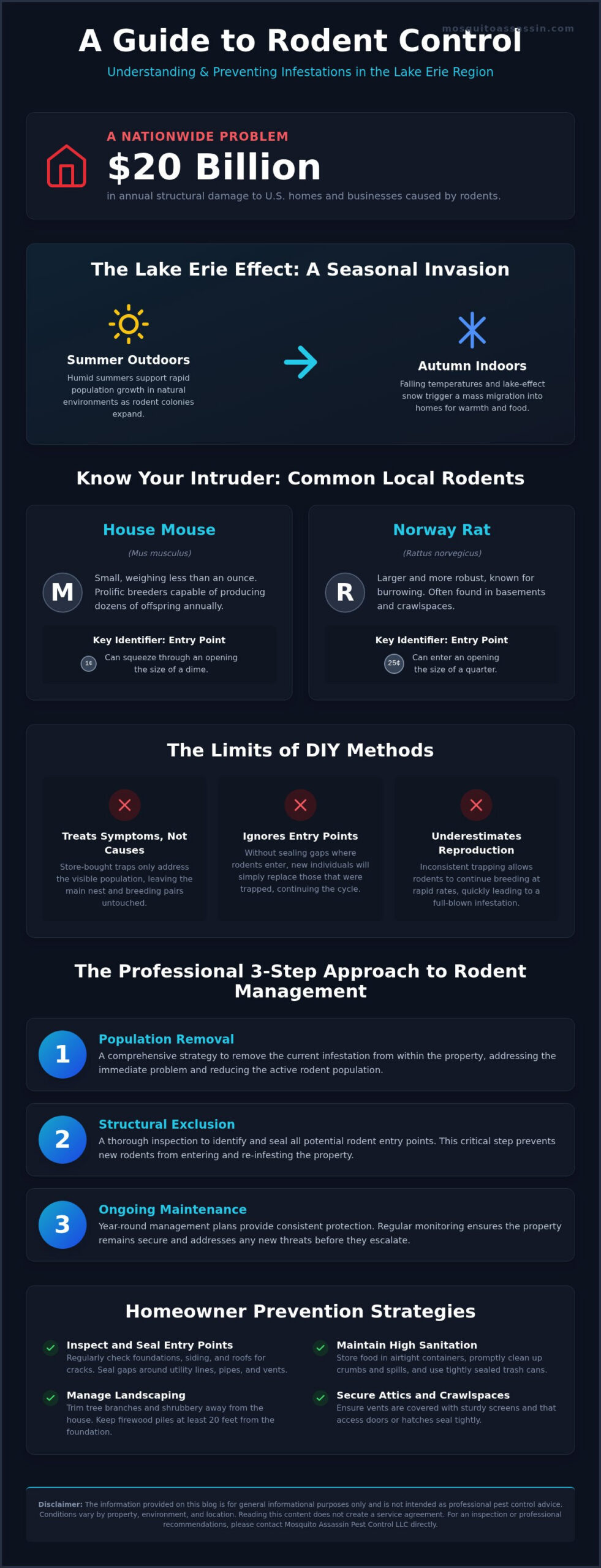
Did you know that rodents are responsible for approximately $20 billion in structural damage to homes and businesses across the United States every year? In the Lake Erie region, where lake-effect snow drives pests indoors for warmth, finding effective rodent control Erie PA residents can rely on is a vital part of property maintenance. It’s exhausting to deal with the persistent scratching sounds in the walls or the discovery of chewed wires and ruined insulation after multiple failed DIY trapping attempts. The anxiety regarding disease transmission and structural integrity is a common concern for many neighbors in Erie and Crawford Counties.
You deserve the peace of mind that comes with a secure, rodent-free home. This guide explores the professional three-step process for identifying, removing, and preventing infestations throughout the year. By understanding the science of rodent behavior and the necessity of structural exclusion, property owners can move from temporary fixes to long-term protection. The following sections examine how to locate hidden entry points for the house mouse and Norway rat, the methodology of professional population suppression, and the maintenance strategies required to keep local pests out for good.
Key Takeaways
- Learn how Lake Erie lake-effect weather patterns trigger seasonal rodent migrations and why early autumn is a critical time for property inspections.
- Identify the specific behaviors of house mice and Norway rats to implement the most effective strategies for rodent control Erie PA residents need to protect their homes.
- Understand the professional three-step methodology consisting of population removal, ongoing maintenance, and structural exclusion to ensure long-term results.
- Discover how to identify common structural entry points and why maintaining high sanitation standards is the foundation of a rodent-free environment.
- Recognize why a single treatment is rarely sufficient and how year-round management plans provide consistent protection against recurring infestations.
Understanding Rodent Activity in Erie and Northwest Pennsylvania
Rodents present a relentless challenge for property owners across Erie and Crawford Counties. The region’s extreme seasonal transitions create a cycle of pest activity that demands consistent vigilance. Effective rodent control Erie PA requires a deep understanding of how local climate patterns influence animal behavior. Residential and commercial properties offer the consistent warmth and food sources that become scarce in the wild as the year progresses.
Lake-effect weather patterns are a primary driver of rodent activity. In early autumn, the first significant temperature drops signal to mice and rats that their outdoor survival is at risk. This seasonal trigger initiates a mass migration toward foundations, crawlspaces, and attics. Professional management is necessary because local species possess high reproductive rates that can quickly overwhelm a property if left unchecked.
To better understand how these pests enter local properties, watch this helpful video:
The Impact of the Lake Erie Climate
The unique geography of Northwest Pennsylvania creates specific challenges for pest management. Humid summers in Erie and Ashtabula counties support rapid population growth in natural environments. Abundant vegetation and moisture allow rodent colonies to expand unchecked throughout the spring and summer. However, the arrival of lake-effect snow events changes the dynamic immediately. When natural food sources are buried under heavy snow, rodents become highly motivated to bypass structural barriers. This is especially true for the Norway rat and house mouse, which are the most common invaders in this climate. Following a comprehensive guide to pest control helps property owners understand that weather isn’t just a nuisance for people; it’s a survival driver for pests.
Why DIY Methods Often Fail in Local Environments
Many property owners start with store-bought traps, but these tools often fail to provide a permanent solution. Snap traps and glue boards typically only address the visible population, leaving the main nest and breeding pairs untouched. Rodents are prolific breeders. A small group can grow into a significant infestation in just a few months. DIY attempts also rarely involve a thorough inspection to identify specialized entry points like utility gaps or foundation cracks. Without sealing the gaps where rodents enter, new individuals will simply replace those that were trapped. Inconsistent trapping allows rodents to continue breeding at rapid rates. Professional rodent control Erie PA focuses on stopping the cycle by addressing the root causes of the infestation rather than just the symptoms.
Common Rodents in the Tri-County Area: Identification and Risks
Identifying the exact species of pest is the foundational step in effective rodent management. In Erie, Crawford, and Ashtabula counties, property owners typically encounter two primary invaders. While they share some behaviors, their nesting habits and physical capabilities differ significantly. Effective rodent control Erie PA starts with a clear understanding of these biological differences to ensure the management strategy targets the specific biology of the pest involved. Professional inspections can confirm activity in hidden areas like attics and crawlspaces where these pests often hide.
The House Mouse (Mus musculus)
The house mouse is a small, grayish-brown rodent often weighing less than an ounce. Despite their tiny size, they are prolific breeders capable of producing dozens of offspring annually. Their flexible bodies allow them to squeeze through openings as small as a dime, making them a common sight in kitchens and pantries where food is easily accessible. Because they prefer nesting in wall voids near heat sources, they are frequently discovered in Northwest Pennsylvania homes during the first significant frost of the autumn season.
The Norway Rat (Rattus norvegicus)
Unlike the smaller mouse, the Norway rat is a heavy, blunt-nosed rodent that prefers the lower levels of structures. Basements and crawlspaces are common harborages for these pests in the Lake Erie region. They are exceptional chewers with teeth strong enough to gnaw through wood, heavy plastic, and even soft metals like lead or copper. This physical strength makes them particularly dangerous to a building’s foundation and structural integrity, as they can bypass barriers that would stop smaller pests.
Health and Property Risks Associated with Infestations
The presence of rodents is more than a nuisance; it is a genuine risk to health and safety. These animals are known carriers of various pathogens, which they spread through urine, droppings, and nesting materials. To protect your property, it is essential to prevent rodent nesting sites by maintaining structural barriers and high sanitation standards. Early detection helps minimize property damage and health risks before they become unmanageable.
Infestations typically lead to several critical issues for property owners:
- Electrical Hazards: Continuous gnawing on live wires can lead to short circuits and electrical fires.
- Structural Damage: Rats can damage wooden support beams and foundations over time.
- Thermal Loss: Nesting materials in insulation reduce its energy efficiency, leading to higher utility costs.
If you suspect activity in hidden areas like crawlspaces or wall voids, a professional rodent control Erie PA inspection may help determine the extent of the population. Early detection is the best way to minimize the risk of expensive structural repairs.
The Professional Three-Step Approach to Rodent Management
A systematic methodology is essential for properties in Northwest Pennsylvania to achieve lasting results. Unlike one-time treatments that only address visible pests, a professional strategy addresses both the current infestation and the environmental factors that allowed it to start. Effective rodent control Erie PA residents can trust prioritizes long-term security over temporary fixes. This process combines immediate population suppression with permanent structural improvements and ongoing monitoring to ensure a rodent-free environment.
Step 1: Comprehensive Removal
The first phase of the process focuses on decisive intervention within the structure. Initial removal involves the strategic placement of professional-grade tools in high-activity zones identified during the property inspection. Technicians target nesting sites and primary travel paths to eliminate the current population residing in wall voids, attics, or basements. This immediate action is necessary to stop the ongoing destruction of insulation and the contamination of living spaces. By using a data-driven approach to placement, the removal phase achieves maximum impact in the shortest possible timeframe.
Step 2: Consistent Maintenance
Removal is a critical starting point, but it is rarely a final solution. Ongoing monitoring is essential for maintaining a secure perimeter, especially for properties located near the wooded areas or open fields common in Crawford and Ashtabula counties. Maintenance plans are tailored to the specific pressure of the property and its surrounding environment. Regular visits allow technicians to monitor for new activity and address it immediately before a few stray mice can establish a breeding colony. This proactive layer of protection is the foundation of a year-round management strategy.
Step 3: Professional Exclusion
The most vital component of long-term protection is professional exclusion. This involves sealing the physical entry points rodents use to gain access to the building. While DIY attempts often rely on materials like spray foam that rodents can easily chew through, professional exclusion utilizes durable materials such as heavy-duty steel mesh, metal flashing, and specialized sealants. Focus areas for this structural hardening include:
- Utility Penetrations: Sealing gaps where pipes, HVAC lines, or electrical wires enter the foundation or siding.
- Door Sweeps and Thresholds: Replacing worn seals that allow rodents to squeeze under entry points.
- Foundation and Siding Gaps: Identifying and closing cracks in masonry or gaps behind corner posts and J-channel.
By hardening the exterior of the home, the property becomes significantly less vulnerable to the seasonal migrations triggered by the Lake Erie climate. For those facing an active infestation, a professional rodent control Erie PA inspection can identify these hidden vulnerabilities before they lead to structural damage.
Homeowner Prevention Strategies and Identifying Entry Points
Homeowners are essential partners in the pest management process. While professional intervention is necessary for active infestations, daily habits and property maintenance determine how attractive a structure remains to future invaders. Sanitation and structural maintenance are the foundations of prevention. Implementing these strategies creates a hostile environment for pests and makes it much harder for them to establish a foothold. Professional rodent control Erie PA may help reduce risk by identifying and addressing these vulnerabilities before they are exploited by seasonal migrations.
Interior and Exterior Sanitation Tips
Rodents possess a highly developed sense of smell and can detect food sources from significant distances. To mitigate this primary attractant, store all pantry items in airtight containers made of glass or heavy plastic. Cardboard boxes and thin plastic bags offer no protection against gnawing teeth. It’s also vital to remove clutter from basements, crawlspaces, and attics. Stacks of old newspapers, cardboard boxes, and seasonal clothing provide the ideal nesting material for a growing colony. On the exterior, keep all vegetation trimmed at least 18 to 24 inches away from the foundation and roofline. This eliminates the natural bridges and cover that pests use to reach the structure undetected.
Common Entry Points to Inspect
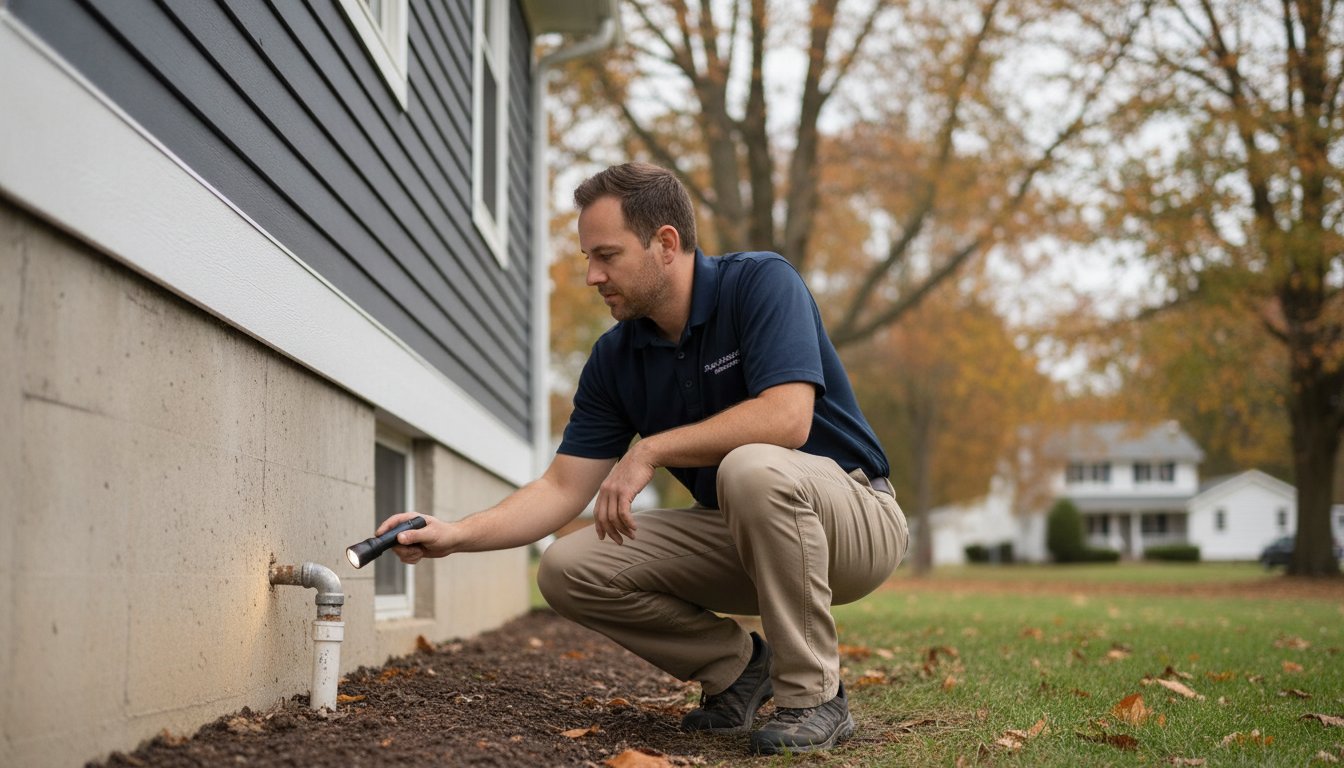
Identifying entry points requires a keen eye for small gaps and signs of wear. Property owners should regularly check for gaps around plumbing pipes, gas lines, and electrical conduits. Even a quarter-inch opening is enough for a young mouse to enter. Inspect the weather stripping and seals around garage doors and basement windows, as these often degrade over time due to the harsh Northwest Pennsylvania winters. Look for physical evidence such as chew marks on wooden door frames or dark rub marks along baseboards and exterior corners. These greasy stains are caused by the oils in a rodent’s fur as it repeatedly travels the same path. Finding these signs early is the key to preventing a full-scale infestation.
Managing Outdoor Attractants
The environment surrounding a home often dictates the level of pest pressure. Secure all exterior trash cans with tight-fitting, heavy-duty lids to prevent scavenging. While bird feeders are popular in Erie and Crawford Counties, they often drop large amounts of seed that provide a high-protein food source for rats and mice. It’s best to remove feeders or use no-mess varieties during peak activity seasons in early autumn. Similarly, pick up any fallen fruit from trees or vegetables from gardens immediately. Firewood is another common harborage site; ensure it’s stored on an elevated rack at least 20 feet away from the home’s exterior walls to prevent it from becoming a staging area for rodents.
If you’ve identified these signs or vulnerabilities on your property, a rodent control Erie PA inspection can confirm the extent of the activity and provide a professional path toward total protection.
Long-Term Protection and Year-Round Rodent Management
Rodent pressure is not limited to a single season in Pennsylvania and Ohio. While autumn triggers the most visible indoor migrations, the breeding cycles that occur during the spring and summer months dictate the severity of the year-end surge. Ongoing management is often the only way to remain totally pest-free in a region characterized by significant environmental shifts. Professional rodent control Erie PA services provide peace of mind for residential and commercial owners by maintaining a constant barrier against intrusion throughout the calendar year.
The Benefits of Continuous Protection
Regular inspections serve as a proactive filter, catching potential issues before they escalate into full infestations. Continuous protection is highly effective because it addresses various pests as they become active. For example, a technician might address a budding rodent issue in the basement while simultaneously treating for ants or spiders near entry points. Homeowners can find additional details in this general pest control guide for comprehensive coverage of residential pest management strategies.
Commercial Rodent Management
Businesses in Erie and Crawford Counties face unique risks that extend beyond structural damage, including potential health code violations and significant reputation damage. A single rodent sighting in a commercial environment can lead to immediate loss of consumer trust. Commercial plans focus on discreet and effective commercial pest control services that prioritize safety and compliance. These strategies often include regular documentation and digital monitoring, providing the necessary paper trail for regulatory audits and quality assurance in sensitive industries like food service and healthcare.
Taking the Next Step for a Rodent-Free Home
If signs of rodent activity are present, professional intervention is recommended to stop the cycle of reproduction. Early action prevents the exponential growth of a colony, which can otherwise lead to extensive damage to wiring and insulation. Professional rodent control Erie PA experts can identify the specific biology of the invading species and implement a targeted removal and exclusion strategy. For an inspection or professional recommendations, please contact a licensed provider to secure your property against the unique pest pressures of the Lake Erie region.
Disclaimer: The information provided on this blog is for general informational purposes only and is not intended as professional pest control advice. Conditions vary by property, environment, and location. Reading this content does not create a service agreement. For an inspection or professional recommendations, please contact Mosquito Assassin Pest Control LLC directly.
Secure Your Property Against Seasonal Rodent Pressure
Managing rodents in the Northwest Pennsylvania climate requires more than just reactive trapping. Effective rodent control Erie PA residents can depend on relies on a systematic approach that combines immediate population suppression with long-term structural exclusion. By sealing entry points with durable materials and maintaining a consistent monitoring schedule, property owners can prevent the recurring cycle of infestation triggered by lake-effect weather patterns. These steps are essential for protecting both the structural integrity and the sanitary environment of any building.
Mosquito Assassin Pest Control LLC is locally owned and operated in Cranesville, PA, and maintains licensing in both Pennsylvania and Ohio. Utilizing a specialized three-step rodent removal process ensures that every vulnerability is addressed, from the initial inspection to the final structural hardening. Taking proactive steps today prevents the structural damage and health risks associated with established colonies. To begin securing your home or business, schedule your rodent inspection via our online portal for professional recommendations. Protecting your property is a year-round commitment that starts with professional expertise and local knowledge.
Disclaimer: The information provided on this blog is for general informational purposes only and is not intended as professional pest control advice. Conditions vary by property, environment, and location. Reading this content does not create a service agreement. For an inspection or professional recommendations, please contact Mosquito Assassin Pest Control LLC directly.
Frequently Asked Questions
How do I know if I have a rodent problem in my Erie home?
You can identify a rodent problem by looking for physical evidence such as small, dark droppings or gnaw marks on food packaging and wooden structures. In many Erie homes, scratching sounds in the walls or attic during the night are the first indicators of activity. You might also notice greasy rub marks along baseboards where rodents travel. Finding these signs early is the best way to address a population before it expands.
Why are mice more common in the winter in Northwest Pennsylvania?
Mice seek shelter indoors during the winter because natural food sources become scarce and temperatures drop below freezing. In Northwest Pennsylvania, lake-effect snow events create harsh conditions that force rodents to migrate toward the warmth of residential foundations and crawlspaces. Human structures provide the consistent temperatures and nesting materials they need to survive the season. This seasonal pressure makes professional rodent control Erie PA a necessary part of winter property maintenance.
What is rodent exclusion and why is it necessary for long-term control?
Rodent exclusion is the process of physically sealing the gaps and cracks that pests use to enter a building. This step is necessary for long-term control because it addresses the root cause of the infestation rather than just the current population. By using durable materials like steel mesh and professional sealants, technicians can harden the structure against future invaders. Without exclusion, new rodents will simply replace those that were previously removed from the property.
Can rodents cause structural damage to my property in Crawford County?
Rodents cause significant structural damage by continuously gnawing on various building materials to keep their teeth sharp. In Crawford County, this often involves the destruction of attic insulation and the chewing of electrical wires, which can lead to fire hazards. They are also capable of damaging wooden support beams and foundation components. Addressing an infestation quickly is the only way to prevent expensive repairs and maintain the long-term integrity of your property.
How long does a professional rodent treatment typically take?
The duration of a professional rodent treatment varies based on the size of the infestation and the complexity of the structure. An initial inspection and the placement of management tools typically take between one and three hours. However, total removal is a process that requires follow-up visits to monitor activity and ensure the population is suppressed. Ongoing maintenance visits are usually shorter but are essential for verifying that the exclusion measures remain effective over time.
Are rodent control methods safe for households with pets and children?
Professional rodent management prioritizes the safety of household members and domestic animals by utilizing tamper-resistant bait stations and strategic placement. These specialized containers are designed to prevent accidental access by children or pets while remaining accessible to the target pests. Licensed technicians follow strict safety protocols regarding the selection and application of all products. Homeowners should always discuss their specific household needs with a professional to ensure the most secure management plan is implemented.
What is the difference between a mouse and a rat infestation?
The primary difference between these infestations lies in the size of the pests and the resulting damage. House mice are small and typically nest in wall voids or near kitchens, leaving droppings about the size of a grain of rice. Norway rats are much larger and prefer lower levels like basements or crawlspaces. Their droppings are significantly larger, and their powerful gnawing can damage heavier materials like plastic pipes and thick wooden beams.
How can I prevent rodents from entering my business in Ashtabula OH?
Preventing rodent entry in an Ashtabula OH business requires a combination of high sanitation standards and structural maintenance. You should secure all exterior trash containers with tight-fitting lids and ensure that food waste is disposed of properly. Regular inspections of delivery bays and utility penetrations can identify new entry points before pests exploit them. Implementing a professional rodent control Erie PA plan for your commercial property provides the consistent monitoring needed to protect your reputation.
Disclaimer: The information provided on this blog is for general informational purposes only and is not intended as professional pest control advice. Conditions vary by property, environment, and location. Reading this content does not create a service agreement. For an inspection or professional recommendations, please contact Mosquito Assassin Pest Control LLC directly.