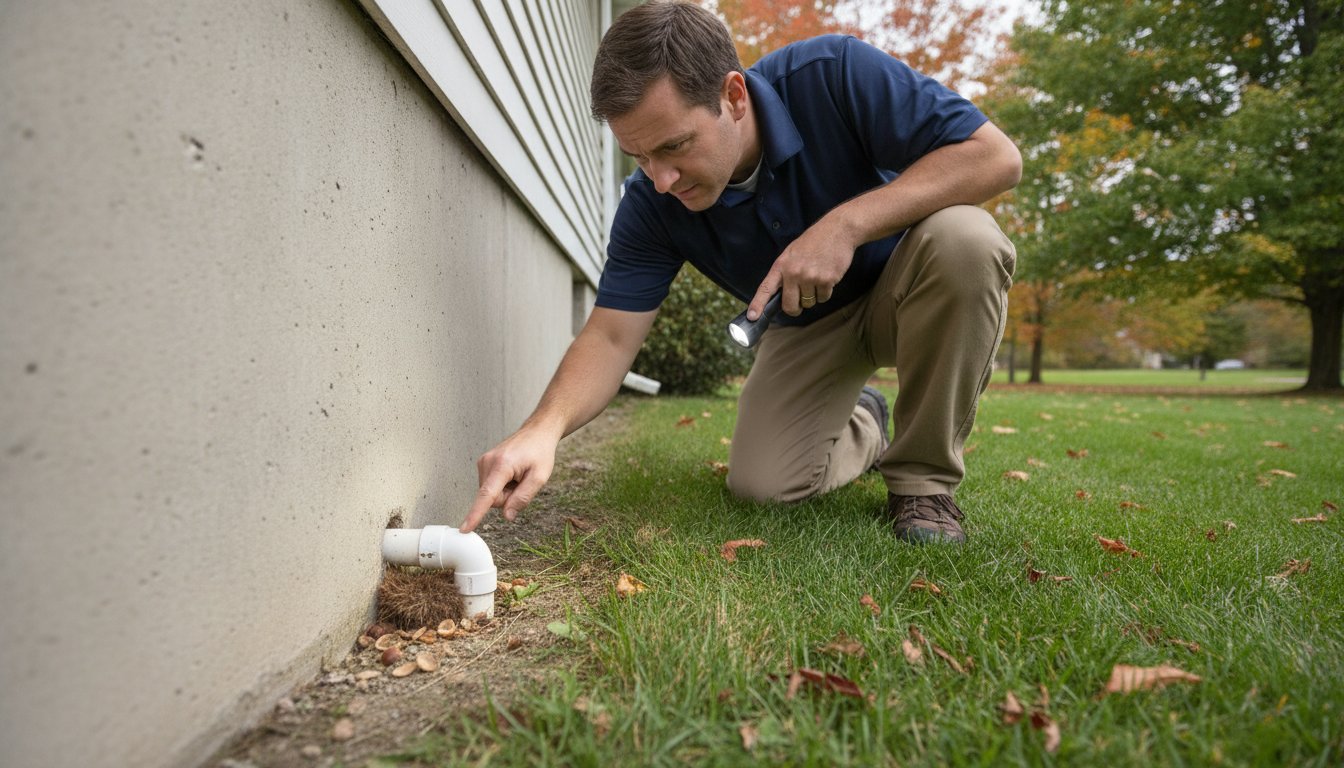
Tag: Rodent Control

  • Identifying and Managing Active Rodent Problems in Your Home

    Identifying and Managing Active Rodent Problems in Your Home

    On October 12, a resident in Ashtabula County heard a persistent scratching inside their bedroom wall that stopped every time they tapped on the plaster. It’s incredibly unsettling to live with the suspicion that pests are moving through your home, and many homeowners struggle to tell if they’re looking at old signs or active rodent problems. It’s natural to worry about family health and the structural damage caused when pests chew through wiring or insulation.

    You’ll learn how to distinguish between historical evidence and a current infestation to get the answers you need. This article explains pest behaviors and the professional methods used to identify entry points. The following sections outline indicators of a current problem and the systematic approach required to restore your sense of security. Professional pest control may help reduce risk; visiting the online booking portal for an assessment is a practical next step for residents in Erie, Crawford, and Ashtabula Counties.

    Disclaimer: The information provided on this blog is for general informational purposes only and is not intended as professional pest control advice. Conditions vary by property, environment, and location. Reading this content does not create a service agreement. For an inspection or professional recommendations, please contact Mosquito Assassin Pest Control LLC directly.
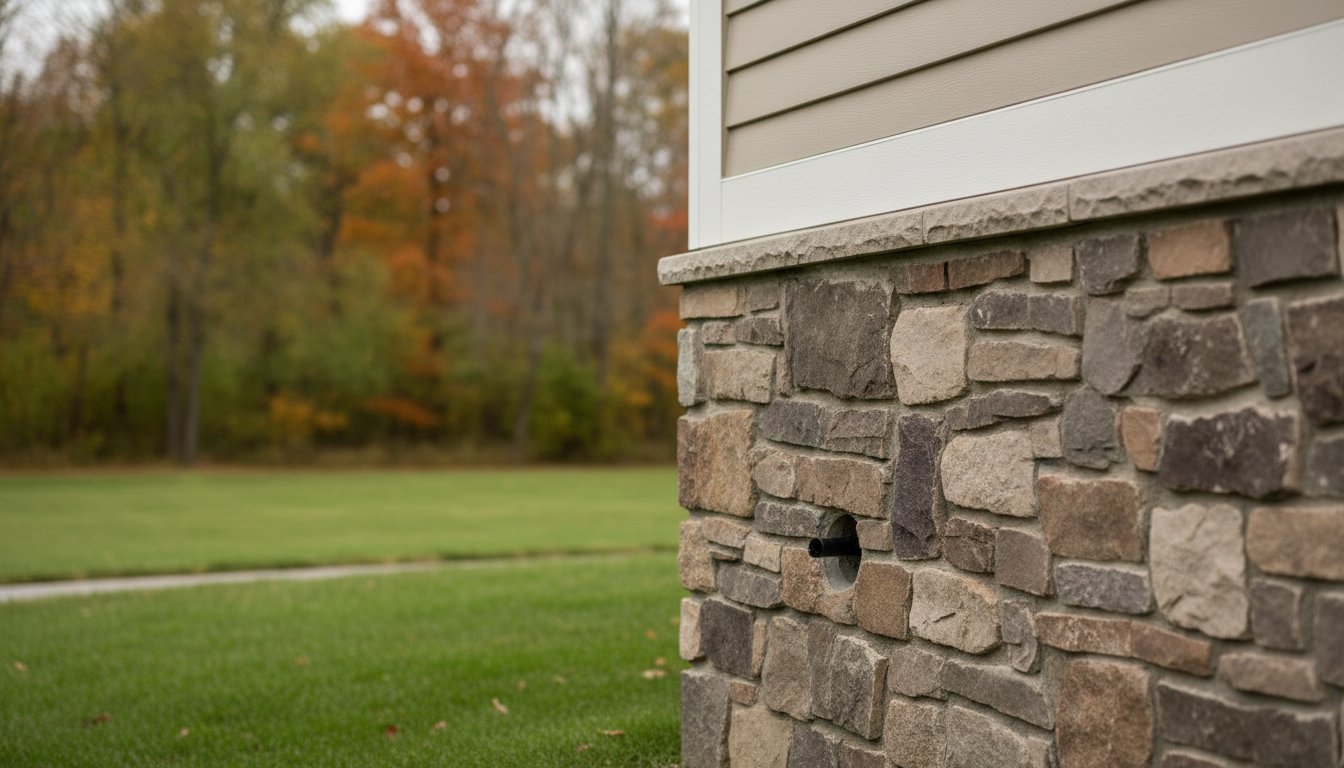

    Key Takeaways

    • Recognize the subtle indicators of a current infestation to help prevent rapid population growth through early detection.
    • Understand how rodents utilize their nocturnal behavior and physical capabilities to enter homes through openings as small as a dime.
    • Identify the health implications and secondary pest risks, such as ticks and fleas, associated with active rodent problems.
    • Learn how sanitation and environmental modifications serve as primary tools for discouraging rodent activity on a property.
    • Discover why a professional framework of removal, maintenance, and exclusion is the industry standard for resolving established colonies.

    Identifying Active Rodent Problems in Residential Spaces

    An active rodent problem refers to current, ongoing activity from mice or rats within a home or building. It’s distinct from a historic infestation where only old, dried debris remains. Detecting these pests early is essential because a single pair of mice can produce between five and ten litters in a single year, leading to a population explosion if left unaddressed. In Erie and Crawford Counties in Pennsylvania, and Ashtabula County in Ohio, homeowners primarily encounter the House Mouse, the Deer Mouse, and the Norway Rat. While spotting a live rodent is a definitive sign, most people identify active rodent problems through secondary evidence left behind during the night.

    Visual Indicators of Current Activity

    Fresh droppings are the most reliable indicator of current activity. New droppings appear dark, moist, and have a soft consistency; old droppings turn grey, dusty, and crumble when disturbed. Homeowners should also look for fresh gnaw marks on baseboards, utility lines, or food packaging. These marks often leave behind light-colored wood shavings or small plastic fragments that haven’t yet gathered dust. Active nesting sites are typically tucked away in wall voids or behind large appliances. These nests are constructed from shredded insulation, fabric, or paper, and will often feel warm to the touch if they’ve been recently occupied.

    Auditory and Behavioral Clues

    Rodents are nocturnal, which means scratching, gnawing, or scurrying sounds inside ceilings and walls are most audible after sunset. Domestic pets often detect these movements long before humans do. If a dog or cat persistently paws at a specific wall section or stares intensely at a gap under a kitchen cabinet, it often indicates a rodent is moving behind the surface. Additionally, a distinct, stale odor similar to ammonia may persist in enclosed areas like pantries, closets, or crawlspaces. This smell is caused by accumulated urine and signifies a concentrated area of activity. Identifying these signs early allows for a faster response before the population spreads to other areas of the structure.

    If you suspect an infestation, professional pest control may help reduce risk. You can find more information at mosquitoassassin.com/services or book an inspection through the online booking portal.

    Disclaimer: The information provided on this blog is for general informational purposes only and is not intended as professional pest control advice. Conditions vary by property, environment, and location. Reading this content does not create a service agreement. For an inspection or professional recommendations, please contact Mosquito Assassin Pest Control LLC directly.
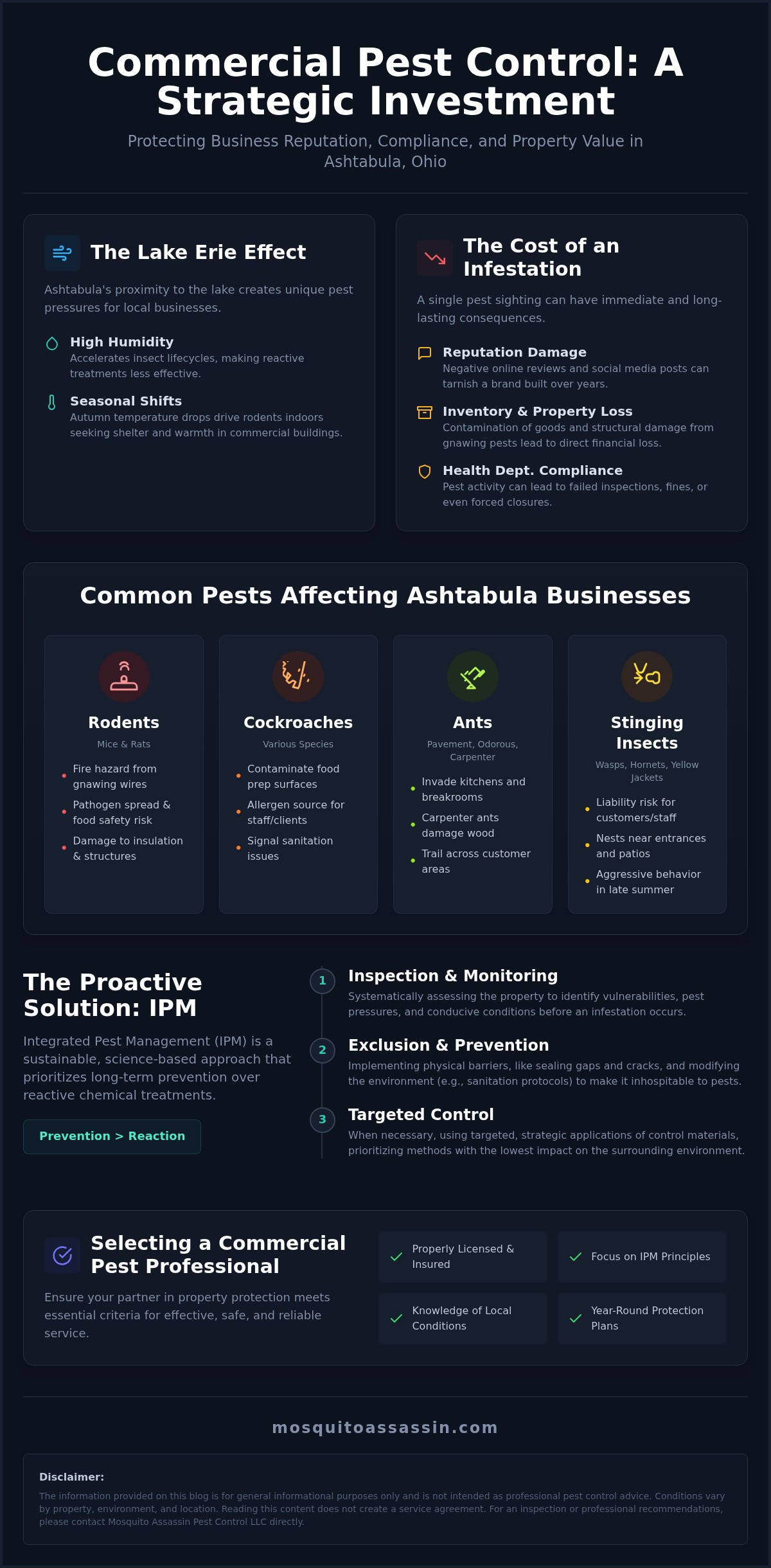
    Understanding Rodent Behavior and Seasonal Entry Points

    Rodents are remarkably discreet. Most homeowners don’t realize they have active rodent problems until a population has already established itself. Because mice and rats are nocturnal, they spend daylight hours nesting in wall voids, crawlspaces, or attic insulation. They typically emerge only when the house is quiet and dark. A single “scout” rodent often enters a structure first to assess safety and food availability. If the scout identifies a reliable heat source and accessible crumbs, it leaves pheromone trails that guide the rest of the colony directly into the home.

    These pests possess incredible physical flexibility. A house mouse can squeeze through a hole just 0.25 inches wide, which is roughly the diameter of a standard pencil. Larger Norway rats only need an opening of 0.5 inches to gain entry. Their ribs are hinged at the spine, allowing them to collapse their ribcages and pass through any gap large enough for their skull. This physical capability makes every small crack a potential gateway for an infestation.

    Common Access Points in the Home

    • Utility Penetrations: Gaps around plumbing stacks, gas lines, and HVAC refrigerant lines are primary targets.
    • The Roofline: Gaps in the soffit or fascia boards allow rodents to enter attics, especially if tree branches hang within 3 feet of the gutters.
    • Attached Garages: These areas often serve as the first point of entry because garage doors rarely create a perfect seal against the pavement.
    • Foundation Cracks: Even a hairline fracture in a concrete block can be gnawed into a larger opening by a determined rat.

    The Impact of Local Climate on Infestations

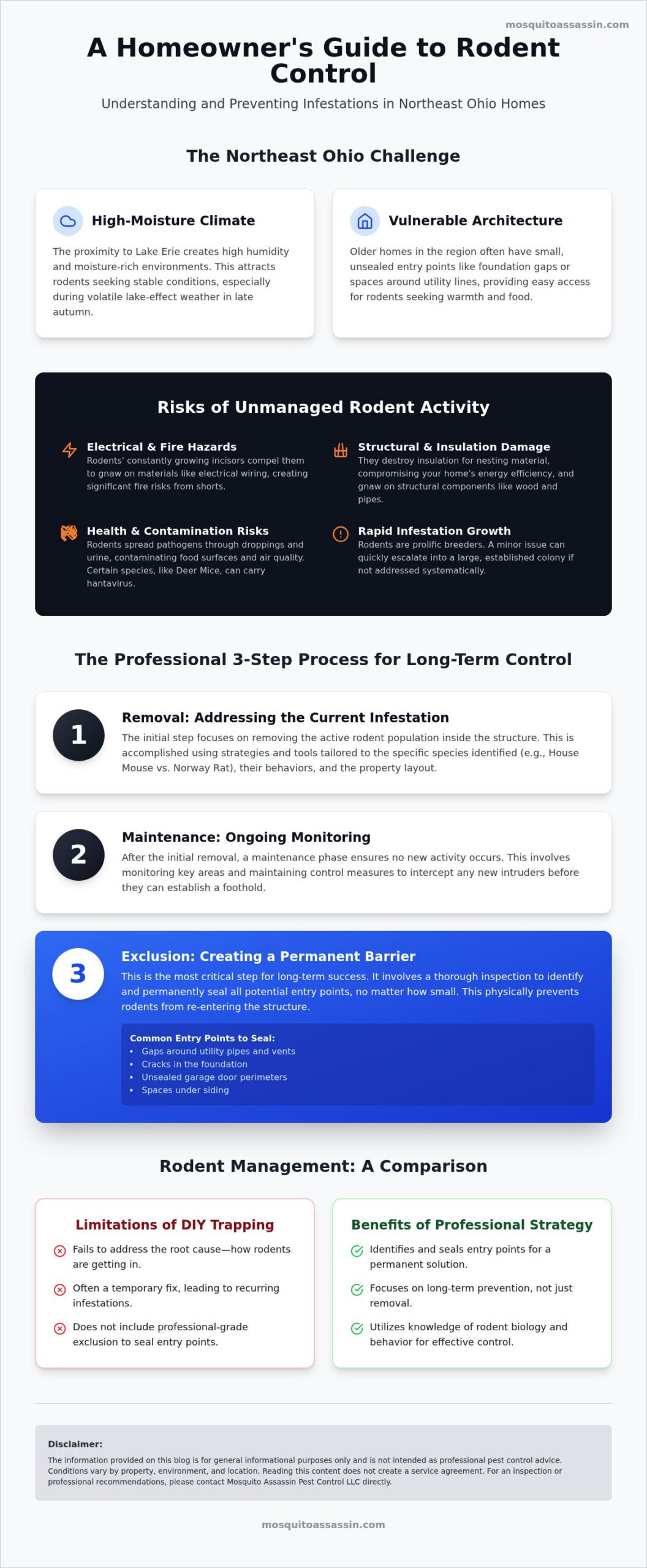
    In Erie and Crawford Counties, the arrival of the first frost typically triggers a massive indoor migration. As temperatures drop below 40 degrees Fahrenheit, rodents seek the consistent 70-degree warmth of human dwellings. Fall food sources, such as fallen apples or birdseed from feeders, often draw them toward the foundation initially. During humid Ohio summers in Ashtabula County, rodents may enter homes specifically searching for water, targeting leaky pipes or condensation under kitchen sinks. Identifying these environmental triggers may help homeowners secure their properties before the weather shifts.

    Disclaimer: The information provided on this blog is for general informational purposes only and is not intended as professional pest control advice. Conditions vary by property, environment, and location. Reading this content does not create a service agreement. For an inspection or professional recommendations, please contact Mosquito Assassin Pest Control LLC directly.

    Health Risks and Property Damage Associated with Infestations

    Active rodent problems pose more than just a nuisance; they represent a significant threat to the safety of residents in Erie County and surrounding areas. Direct contact with rodent waste, including urine and saliva, can lead to serious health complications for humans and domestic animals. Beyond direct contact, these pests act as biological vehicles, carrying secondary hitchhikers like ticks, fleas, and mites into living spaces. These parasites can quickly transition to pets and family members, creating a multi-layered infestation that requires comprehensive attention. Professional pest control may help reduce risk to families and pets by identifying these hidden hazards before they spread.

    Diseases Spread by Rodents

    Rodents are known carriers of over 35 diseases worldwide according to the Centers for Disease Control and Prevention. Salmonellosis is frequently spread through contaminated food or surfaces, while Leptospirosis can be contracted through contact with water or soil contaminated by rodent urine. A particularly dangerous risk is Hantavirus Pulmonary Syndrome. This respiratory disease is transmitted when people inhale dust contaminated by rodent droppings or nesting materials. Because of these airborne risks, professional cleaning is often necessary after a significant infestation is resolved to ensure all microscopic pathogens are safely removed from the environment.

    Structural and Fire Hazards

    The physical damage caused by rodents is often expensive and dangerous. Because their incisors never stop growing, rodents must gnaw on hard materials to keep them filed down. This behavior frequently targets electrical wiring inside walls and attics. The National Fire Protection Association estimates that rodents are responsible for approximately 20% of fires labeled with undetermined causes annually. Addressing active rodent problems before they escalate can prevent these catastrophic events.

    In addition to fire risks, rodents frequently destroy attic insulation to create nesting sites. This damage can reduce a home’s energy efficiency by 15% to 25%, leading to higher utility bills for homeowners in Crawford or Ashtabula counties. Their burrowing behavior also compromises the integrity of building materials like drywall, wood, and even soft metals. Professional pest control may help reduce risk by locating entry points and stopping the cycle of destruction. For more information on identifying these risks, residents can visit the contact page to speak with a professional.

    Disclaimer: The information provided on this blog is for general informational purposes only and is not intended as professional pest control advice. Conditions vary by property, environment, and location. Reading this content does not create a service agreement. For an inspection or professional recommendations, please contact Mosquito Assassin Pest Control LLC directly.
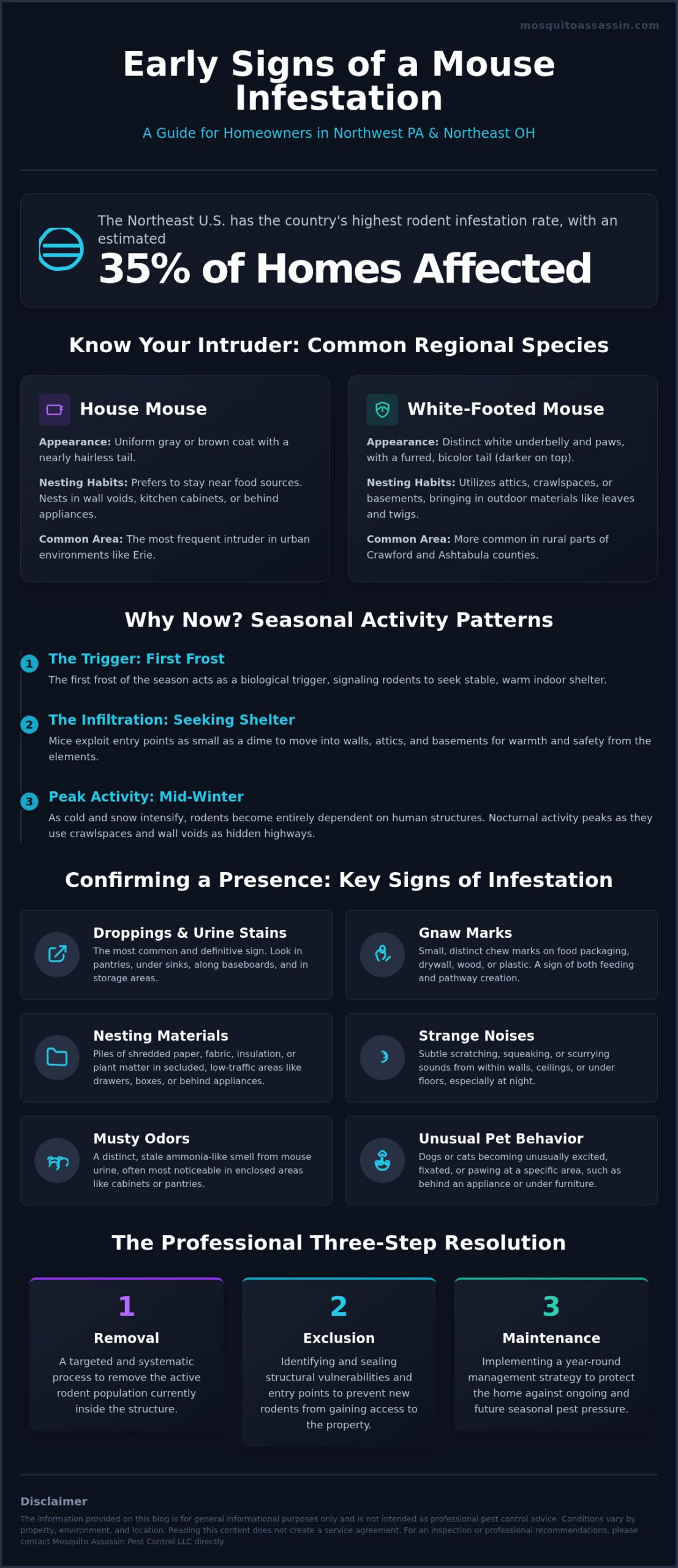
    Environmental Modifications to Discourage Rodent Activity

    Eliminating the resources rodents need to survive is the most effective way to address active rodent problems. When a property provides easy access to food, water, and shelter, it becomes a target for local populations in Erie and Crawford Counties. Sanitation isn’t just about cleanliness; it’s a strategic method of integrated pest management that makes your home less hospitable to intruders. By removing attractants, you force rodents to look elsewhere for their survival needs.

    Interior Sanitation and Food Storage

    Rodents possess incredibly sharp incisors that can easily penetrate cardboard boxes or thin plastic bags. To protect your supplies, store all pantry items in airtight glass or heavy plastic containers. This prevents the scent of food from attracting pests and denies them a meal if they do manage to enter. Deep cleaning is also vital for long-term management. In roughly 80% of residential kitchens, grease and crumbs accumulate behind stoves and refrigerators, providing enough calories to sustain a small colony for weeks. Additionally, homeowners should eliminate standing water in basements or under sinks. Even a small leak provides the hydration necessary for a rodent to thrive.

    Exterior Exclusion and Yard Maintenance

    Securing the perimeter is a primary step in preventing new arrivals from entering your living space. Mice can fit through an opening as small as 1/4 inch, which is roughly the width of a standard pencil. Seal these small gaps with steel wool and caulk; rodents cannot easily chew through metallic fibers. Maintaining the yard is equally important for long-term protection in the Ashtabula County area.

    • Trim Vegetation: Keep tree branches and shrubs at least 3 feet away from the roofline to remove “natural bridges” that allow roof rats access to your attic.
    • Manage Storage: Keep firewood stacks at least 20 feet away from the foundation and elevated off the ground to eliminate easy nesting sites.
    • Control Feeders: Bird feeders and outdoor pet bowls are major attractants. Spilled seeds can attract dozens of rodents to a yard in a single night.

    If you suspect your property has structural vulnerabilities, professional pest control may help reduce risk by identifying entry points you might’ve missed. Taking these practical steps creates a formidable barrier against active rodent problems and helps safeguard your family’s environment.

    Disclaimer: The information provided on this blog is for general informational purposes only and is not intended as professional pest control advice. Conditions vary by property, environment, and location. Reading this content does not create a service agreement. For an inspection or professional recommendations, please contact Mosquito Assassin Pest Control LLC directly.
    The Professional Framework for Resolving Active Infestations

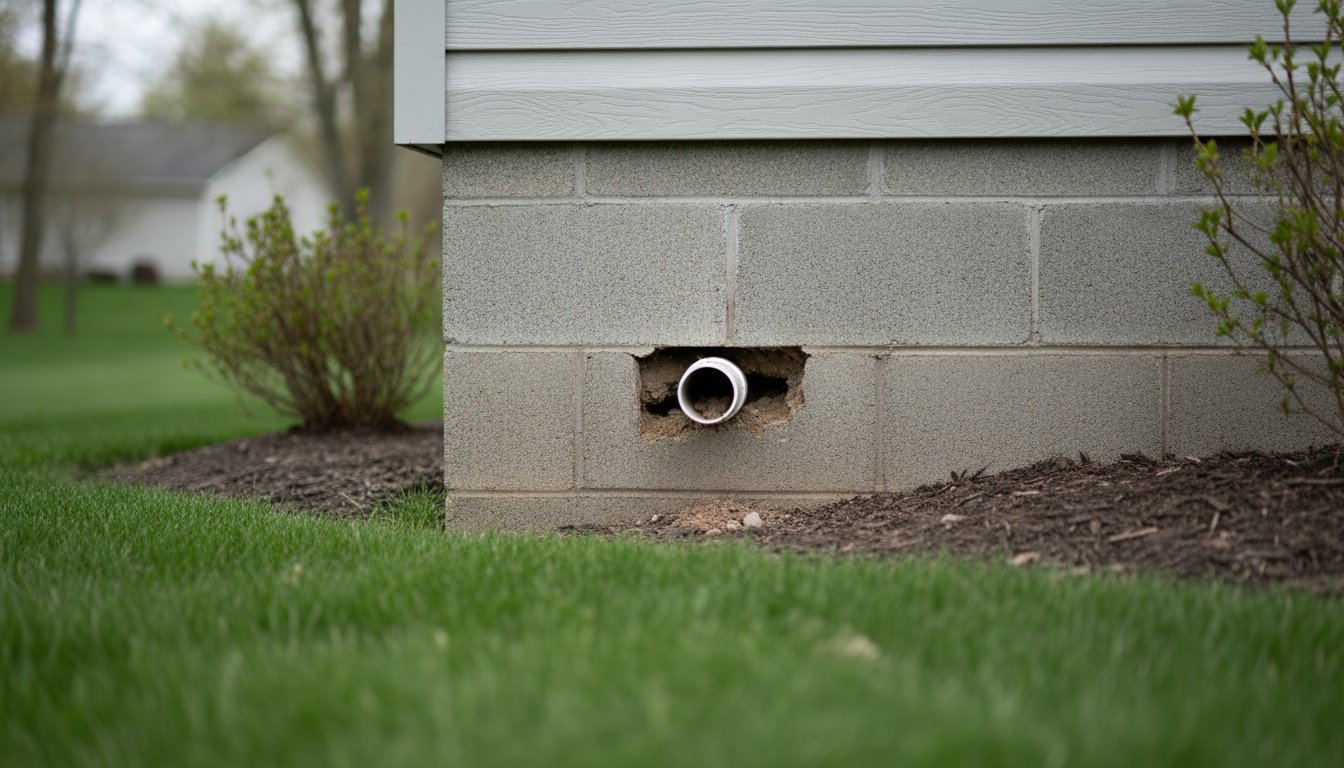
    Resolving active rodent problems requires more than a few hardware store traps. Professionals follow a rigorous three-step protocol: removal, maintenance, and exclusion. This framework is the industry standard because it addresses the biology of the pest, not just the visible symptoms. DIY methods frequently fail because they don’t account for the rapid reproductive rate of a colony. For example, a single female mouse can produce up to 10 litters per year. Without a comprehensive strategy, the population grows faster than a homeowner can set individual traps. Licensed experts provide the necessary oversight to break this cycle effectively.

    The Inspection and Removal Phase

    Licensed technicians use specialized tools, such as high-intensity UV lights and borescopes, to find nests tucked deep inside wall voids. These areas are usually inaccessible to residents without professional equipment. During this phase, experts deploy strategic mechanical controls to rapidly thin the population. This isn’t a one-size-fits-all approach. Instead, professional pest control services develop customized plans based on the specific species and the layout of the structure. This data-driven method ensures that traps are placed in high-traffic runways where rodents feel safest; this increases the success rate by nearly 75% compared to random placement by an amateur.

    Maintenance and Long-Term Exclusion

    Exclusion is the most critical step for permanent relief. A mouse can squeeze through a hole the size of a dime, which is approximately 0.25 inches. Professionals identify these tiny gaps in foundations, soffits, and rooflines that the untrained eye often misses. Ongoing maintenance prevents active rodent problems from recurring after the initial clean-out. This is especially important because rodent pressure changes with the seasons.

    Local pest control experts understand that in regions like Erie and Crawford Counties, the drop in temperature during October triggers a massive migration of rodents into heated crawlspaces. To learn more about the team’s history and commitment to these communities, readers can visit the about page. Consistent monitoring ensures that if a new entry point develops due to house settling or weathering, it’s sealed before a new colony can establish itself.

    Disclaimer: The information provided on this blog is for general informational purposes only and is not intended as professional pest control advice. Conditions vary by property, environment, and location. Reading this content does not create a service agreement. For an inspection or professional recommendations, please contact Mosquito Assassin Pest Control LLC directly.
    Securing Your Property Against Future Infestations

    Rodents don’t need much space to cause significant trouble; a hole the size of a dime is often enough for a mouse to gain entry. Since a single pair of rats can produce up to 1,250 descendants in one year, ignoring early warning signs isn’t an option. Effective management of active rodent problems requires a combination of structural repairs and strategic environmental changes. Homeowners in Erie and Crawford Counties, Pennsylvania, and Ashtabula County, Ohio, can rely on professional standards to safeguard their property. Licensed and insured in both PA and OH, this five-star rated local service utilizes family-safe treatment approaches to address infestations at the source. Taking these steps protects against the 20 percent of house fires with undetermined causes that are often linked to rodent-gnawed wires. For a professional inspection or recommendations regarding this issue, please contact Mosquito Assassin Pest Control LLC directly. Maintaining a pest-free home is an achievable goal with the right professional guidance.

    Disclaimer: The information provided on this blog is for general informational purposes only and is not intended as professional pest control advice. Conditions vary by property, environment, and location. Reading this content does not create a service agreement. For an inspection or professional recommendations, please contact Mosquito Assassin Pest Control LLC directly.

    Frequently Asked Questions

    How can I tell if a mouse dropping is new or old?

    New droppings are dark and moist, while old ones appear gray, dull, and crumbly to the touch. Fresh droppings often look like black grains of rice and will glisten under a flashlight for the first 24 hours. If you find soft, pliable droppings in your Erie County home, it’s a clear indicator of active rodent problems that require immediate attention.

    Can rodents actually chew through electrical wires in the walls?

    Rodents frequently chew through electrical wires because their incisors grow about 4 to 5 inches per year and must be worn down constantly. This behavior causes roughly 20% to 25% of fires with undetermined causes in the United States every year. They target the plastic insulation on wiring in walls and attics, which can lead to short circuits or total power failure in specific rooms.

    What is the fastest way to stop rodents from entering my home?

    Sealing every exterior gap larger than 1/4 inch with steel wool and silicone caulk is the most immediate way to block access. Focus on areas where utility pipes enter the siding, as these are common bypasses for pests. While traps can remove individuals, permanent exclusion is the only way to ensure active rodent problems don’t continue through the winter months in Ashtabula County.

    Is it possible to have an active rodent problem without ever seeing a mouse?

    Yes, it’s common to have an infestation without ever seeing a live rodent because they’re nocturnal and naturally avoid humans. You’re more likely to find secondary signs like 3 to 5 millimeter grease marks along baseboards or chewed food packaging. In a typical infestation, for every one mouse seen during the day, there may be 10 to 12 others hiding nearby in wall voids.

    What diseases are most commonly spread by rodents in the United States?

    Rodents in the United States most commonly spread Hantavirus, Leptospirosis, and Salmonellosis through their waste. The CDC tracks these illnesses, noting that Hantavirus is often transmitted through the inhalation of dust contaminated with rodent urine. Maintaining a clean environment in Crawford County helps reduce the risk of the 35 different diseases that rodents can carry or spread to humans.

    How small of a hole can a rat or mouse actually fit through?

    A house mouse can squeeze through a hole the size of a dime, which is approximately 0.25 inches in diameter. Rats are larger but can still fit through any opening the size of a quarter, or about 0.5 inches wide. If a rodent can fit its skull through a gap, its flexible rib cage allows the rest of its body to follow through the opening easily.

    Why do I hear scratching noises in my walls only at night?

    You hear scratching at night because mice and rats are nocturnal, meaning their peak activity occurs between dusk and dawn. They use the cover of darkness to forage for food and gather nesting materials within wall cavities or floor joists. These sounds are often amplified by the hollow space between studs, making a single 20-gram mouse sound like a much larger animal.

    What are the most common entry points for rodents in a typical garage?

    The most frequent entry point in a garage is the bottom corners of the overhead door where the rubber weather stripping has worn away. Gaps as small as 1/4 inch allow easy access for pests seeking shelter from the cold. Other common spots include the threshold of the side entry door and unsealed holes for electrical conduits or irrigation lines that pass through the garage walls.

    Disclaimer: The information provided on this blog is for general informational purposes only and is not intended as professional pest control advice. Conditions vary by property, environment, and location. Reading this content does not create a service agreement. For an inspection or professional recommendations, please contact Mosquito Assassin Pest Control LLC directly.
  • Dangers of Mice in Walls: Health Risks and Structural Hazards for Homeowners

    Dangers of Mice in Walls: Health Risks and Structural Hazards for Homeowners

    Did you know that rodents are responsible for approximately 25 percent of house fires with undetermined causes in the United States each year? It’s a sobering thought for any homeowner, especially when the threat is hidden behind layers of drywall and insulation. You likely already feel a sense of anxiety when you hear persistent scratching or scurrying sounds coming from your ceiling at 2:00 AM. Acknowledging the dangers of mice in walls is the first step toward safeguarding your property and your family’s health.

    This guide helps you understand the hidden health, fire, and structural risks associated with these pests and how to identify an infestation before it leads to thousands of dollars in repairs. You’ll learn about the specific pathogens mice carry, the damage they cause to electrical wiring, and how professional exclusion techniques provide lasting protection for residents in Erie, Crawford, and Ashtabula counties.

    Disclaimer: The information provided on this blog is for general informational purposes only and is not intended as professional pest control advice. Conditions vary by property, environment, and location. Reading this content does not create a service agreement. For an inspection or professional recommendations, please contact Mosquito Assassin Pest Control LLC directly.
    Key Takeaways

    • Understand how the Great Lakes climate in Pennsylvania and Ohio drives rodents to seek warmth in wall voids for winter survival.
    • Learn about the pathogens and respiratory health risks linked to aerosolized particles from rodent waste hidden inside wall cavities.
    • Identify the structural dangers of mice in walls, including the risk of electrical fires caused by constant gnawing on wiring and insulation.
    • Discover how to detect hidden activity through auditory cues, such as scratching or scurrying at night, and visual signs near baseboards.
    • Explore the importance of professional exclusion strategies to establish a long-term barrier against future rodent infestations.

    Why Mice Target Wall Voids in Pennsylvania and Ohio Homes

    The Great Lakes region experiences some of the most volatile weather shifts in the United States. In Erie County and Crawford County, Pennsylvania, the arrival of autumn brings a sharp drop in temperature that often occurs rapidly in late September or early October. This environmental shift triggers a powerful survival instinct in the House mouse. When outdoor temperatures fall toward the 40°F mark, these rodents prioritize finding a stable, climate-controlled environment. Your home represents a permanent summer to a rodent, offering a consistent heat source that allows them to survive the brutal winters common to the Rust Belt.

    To better understand the risks these pests pose once they’ve entered your home, watch this helpful video regarding the electrical risks they create:

    The structural design of residential properties in the region often includes hollow wall cavities filled with fiberglass or cellulose insulation. These materials don’t just keep your living space warm; they provide excellent nesting material for mice to burrow into. Once they’ve settled inside, the dangers of mice in walls become a reality as they begin to gnaw on structural components and leave behind pheromone trails that attract more rodents. The seasonal cycle typically peaks between October and February, when the pressure to find warmth is at its highest point for local wildlife.

    The Search for Thermal Stability

    Mice require consistent temperatures to breed and survive. Insulated walls act as a thermal buffer against the harsh lake-effect snow and wind. These wall voids are frequently located near heat-generating appliances or internal plumbing lines. A mouse will often nest behind a kitchen wall where the back of a dishwasher or oven provides supplemental warmth. Basements and crawlspaces serve as the primary gateways to these upper wall cavities. Rodents use the gaps around vertical pipe runs to climb between floors in seconds. Balloon framing, which is common in homes built before 1950, lacks internal fire stops and allows mice to move from the foundation to the attic without any physical barriers.

    Entry Points and Local Home Vulnerabilities

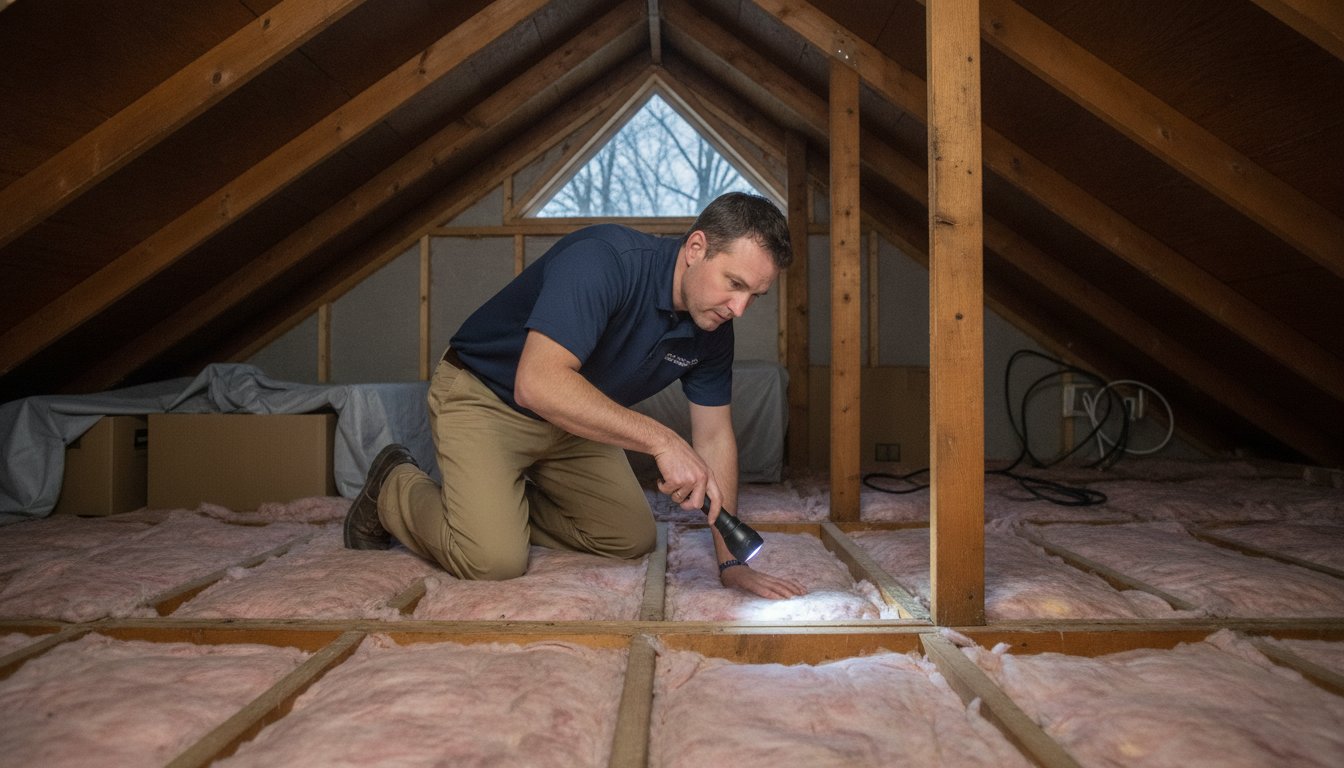
    Older homes in Erie and Ashtabula often have settled foundations or aging siding that creates easy access points. A mouse can squeeze through a gap only six millimeters wide, which is roughly the diameter of a dime. Common vulnerabilities include utility penetrations where gas or electric lines enter the structure. Gaps in soffits, loose mortar in brickwork, and poorly sealed basement windows are all high-risk areas. Identifying these small openings is a critical step in understanding the dangers of mice in walls and preventing a full-scale infestation. Professional pest control may help reduce risk by identifying these structural weaknesses before the winter freeze begins. For an assessment of your property, visit www.mosquitoassassin.com/contact-us to learn more.

    Disclaimer: The information provided on this blog is for general informational purposes only and is not intended as professional pest control advice. Conditions vary by property, environment, and location. Reading this content does not create a service agreement. For an inspection or professional recommendations, please contact Mosquito Assassin Pest Control LLC directly.
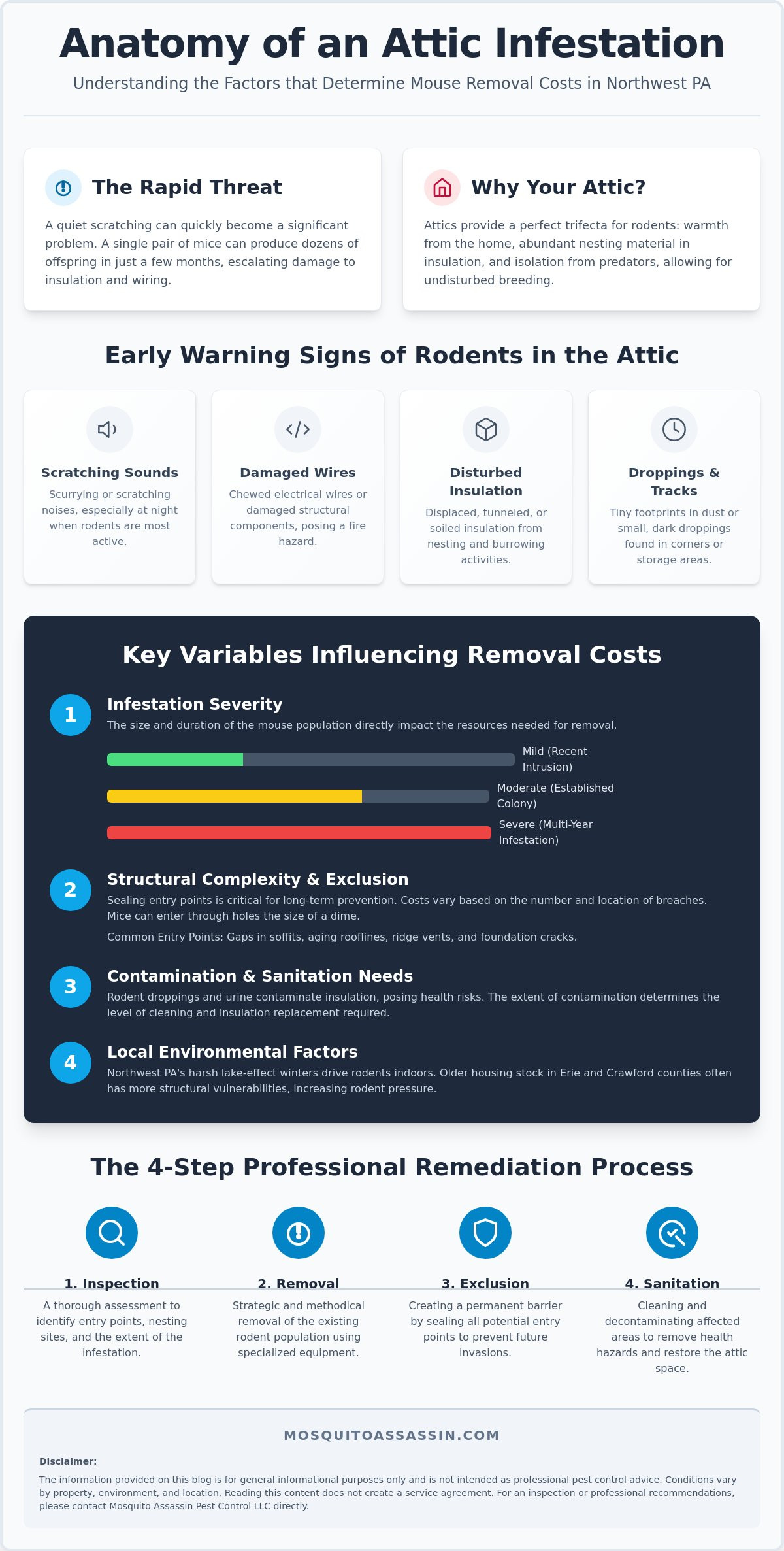
    Health Risks and Pathogens Associated with Rodent Activity

    Mice aren’t just a nuisance; they’re biological hazards. When they nest in wall voids, they leave behind urine, droppings, and nesting materials that accumulate over months. The Centers for Disease Control and Prevention (CDC) notes that rodents can spread over 35 diseases worldwide. In the Great Lakes region, including Erie and Crawford Counties, Hantavirus Pulmonary Syndrome is a primary concern. It’s a severe respiratory disease transmitted when humans breathe in air contaminated with rodent waste. While rare, the mortality rate for Hantavirus has historically been around 38 percent, making it a serious consideration for homeowners. Salmonellosis is another frequent risk. This bacterial infection occurs when mice track bacteria across kitchen surfaces after traveling through contaminated wall cavities. There are over 2,500 different serotypes of Salmonella, and mice are efficient vectors for several that cause intense gastrointestinal distress.

    Leptospirosis also poses a threat to residents in Pennsylvania and Ohio. This bacterial disease spreads through the urine of infected rodents. If mouse waste filters through cracks in baseboards or near plumbing fixtures, it can contaminate the living environment. The dangers of mice in walls are often compounded by the fact that these pathogens remain viable even after the urine or droppings have dried. Dusting or sweeping near infested areas can kick these pathogens into the air, leading to accidental inhalation. It’s vital to prevent rodent infestations before these biological materials reach dangerous levels within the home’s structure.

    Transmission via Air and Surfaces

    The dangers of mice in walls often stem from what’s invisible to the naked eye. As mice move, they deposit waste directly into fiberglass or cellulose insulation. This material acts like a sponge, trapping pheromones and pathogens. Over time, the waste dries and breaks down into microscopic particles. When a home’s HVAC system cycles, the resulting air pressure changes can pull these aerosolized pathogens out of the wall voids and into the ductwork. This process circulates contaminated dust through every room in the house. Cleaning visible surfaces isn’t enough if the source of the contamination remains hidden behind the drywall. Residents with asthma or chronic allergies often experience a 20 to 30 percent increase in symptom flare-ups when living in homes with active rodent colonies because of these airborne irritants. If you notice a persistent musty odor or unexplained respiratory issues, a professional pest assessment can help identify hidden nesting sites.

    Secondary Pests: Ticks, Fleas, and Mites

    Mice rarely travel alone; they act as biological transport for external parasites. Deer ticks, fleas, and mites frequently hitchhike on mice into the safety of your walls. In Northwest Pennsylvania and Northeast Ohio, deer ticks are known carriers of Lyme disease. If a mouse dies inside a wall, these parasites immediately seek a new, warm-blooded host. This often leads them through electrical outlets or light fixtures and into living areas where they encounter humans and pets. Mites, specifically the tropical rat mite or house mouse mite, can cause painful dermatitis in humans. These parasites can survive for several weeks without a host, meaning the risk persists even after the rodents are gone. Professional intervention ensures that these secondary hitchhikers are addressed through a comprehensive plan, as standard retail traps won’t eliminate the microscopic parasites left behind in the wall insulation.

    Disclaimer: The information provided on this blog is for general informational purposes only and is not intended as professional pest control advice. Conditions vary by property, environment, and location. Reading this content does not create a service agreement. For an inspection or professional recommendations, please contact Mosquito Assassin Pest Control LLC directly.

    Structural Dangers: Electrical Fires and Insulation Degradation

    Mice aren’t just looking for a warm place to sleep; they’re biologically driven to destroy the materials surrounding them. A mouse’s incisors grow continuously throughout its life, often lengthening by 4 to 5 inches per year. To prevent these teeth from growing into their own skulls, they must gnaw on hard materials to wear them down. The structural components tucked away inside a home’s walls offer a private, safe workshop for this constant grinding. This biological necessity creates one of the most hidden and severe dangers of mice in walls.

    Fire Hazards and Electrical Integrity

    Electrical wiring is a primary target for rodents because the plastic and rubber insulation provides the perfect level of resistance for dental maintenance. Once the protective coating is stripped away, the internal copper wire is left bare. This creates a high risk for electrical arcing, which occurs when electricity jumps between gaps or to a grounded surface. Arcing generates temperatures that can exceed 3,000 degrees Fahrenheit, easily igniting dry wooden studs or paper-backed insulation. When mice strip the protective sheathing from electrical lines, the resulting exposed copper allows electricity to jump across gaps, creating an intense heat source that can ignite nearby wooden studs or dry insulation.

    National fire safety data suggests that approximately 20% to 25% of house fires with “undetermined” causes are actually triggered by rodent-damaged wires. In regions like Erie County and Ashtabula County, where many homes feature older electrical systems, this risk is significantly higher. While homeowners worry about the immediate physical damage, the presence of these pests also introduces rodent-borne diseases into the air circulation of the property, complicating the safety profile of the building.

    Damage to Insulation and Vapor Barriers

    Insulation serves as a luxury building material for rodent nests, but the nesting process is highly destructive. Mice don’t simply sit on top of fiberglass or cellulose; they tunnel through it to create complex networks of runways. This activity compresses the material, which destroys its R-value and thermal resistance. A single established nest can create a permanent “cold spot” in a wall cavity that allows heat to escape during harsh Pennsylvania winters. Homeowners in Crawford County often see a 10% to 15% increase in seasonal heating costs due to compromised wall insulation that they can’t see from the living room.

    Beyond the thermal loss, these tunnels act as conduits for moisture and environmental decay. As mice urinate and defecate within the insulation, the material loses its ability to dry out. This accumulation of moisture frequently leads to localized mold growth and the eventual rotting of wooden vapor barriers and support beams. Understanding the dangers of mice in walls requires looking past the noise and focusing on the hidden structural decay that persists long after the mice are heard. Professional pest control may help reduce risk by identifying these entry points before structural damage becomes irreversible.

    For an inspection or professional recommendations, please visit www.mosquitoassassin.com/contact-us or use the online booking portal at https://portal.gorilladesk.com/mosquitoassassin.

    Disclaimer: The information provided on this blog is for general informational purposes only and is not intended as professional pest control advice. Conditions vary by property, environment, and location. Reading this content does not create a service agreement. For an inspection or professional recommendations, please contact Mosquito Assassin Pest Control LLC directly.
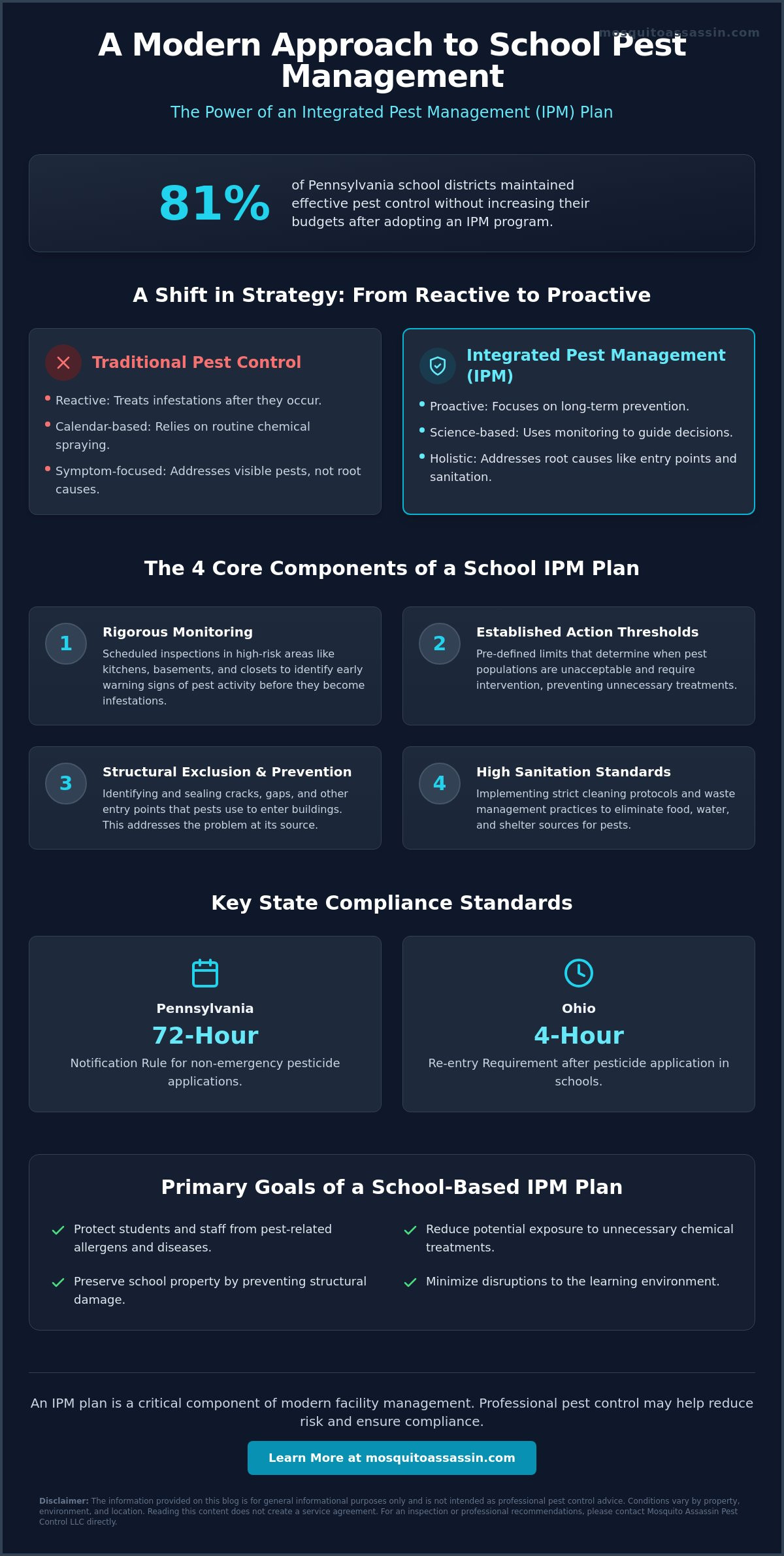
    Recognizing the Warning Signs of Mice in Wall Cavities

    Identifying an infestation early is the most effective way to mitigate the structural and health risks associated with rodents. Mice are naturally secretive, spending approximately 90% of their active hours hidden within the structural voids of a home. Because they’re nocturnal, homeowners in Erie County and Crawford County often realize there’s a problem through secondary signs rather than direct sightings. Understanding the dangers of mice in walls starts with recognizing that these pests use wall cavities as protected highways to move between nesting sites and food sources.

    One of the most reliable indicators of activity is the behavior of household pets. Dogs and cats possess up to 300 million olfactory receptors, making them far more sensitive to the scent of a rodent than humans. If a pet consistently paws at a specific section of baseboard or stares intently at a seemingly blank wall, it’s often reacting to the pheromones or sounds of a mouse moving behind the drywall. This behavior is frequently accompanied by a distinct, stale odor. Rodent urine contains high levels of ammonia; in enclosed spaces like wall cavities, this scent becomes concentrated and creates a musty, pungent smell that lingers near floor vents or electrical outlets.

    Interpreting Nocturnal Sounds

    Homeowners often confuse the sounds of a house settling with rodent activity. Building materials typically “pop” or “crack” as temperatures drop at night, but these are singular, isolated events. In contrast, mice produce rhythmic scratching, scurrying, and light tapping sounds. These noises are most prevalent between 10:00 PM and 2:00 AM when the house is quiet and the rodents are most active. You’ll likely hear these sounds in the transition points between walls and ceilings, where mice utilize the top plates of wall studs to navigate the perimeter of a room.

    Identifying Physical Evidence

    Mice leave behind clear physical markers during their nightly foraging trips. A single house mouse produces between 50 and 75 droppings every 24 hours. These droppings are typically 3 to 6 millimeters long, pointed at both ends, and resemble dark grains of rice. You’ll often find them clustered near utility pipe entries or behind kitchen appliances. Another sign is the presence of “rub marks.” These are dark, greasy stains left on baseboards or wall-floor junctions. They’re caused by the sebum and dirt in the mouse’s fur rubbing off as they follow the same paths every night. Because a mouse’s incisors grow roughly 0.3 millimeters per day, they must constantly gnaw on hard surfaces. Look for fresh wood shavings or teeth marks around the edges of cabinets and door frames.

    The dangers of mice in walls become more severe the longer the infestation remains undetected, as nesting material and waste accumulate in inaccessible areas. If you’ve noticed these warning signs in your Ashtabula County home, professional pest control may help reduce risk. Schedule a professional inspection through our online portal.

    Detecting these signs early prevents the population from expanding. A single female can produce up to 10 litters in a year, meaning a small problem can become a major infestation in under 90 days. Staying vigilant about these auditory and visual cues is the first step in safeguarding your property from long-term damage.

    Disclaimer: The information provided on this blog is for general informational purposes only and is not intended as professional pest control advice. Conditions vary by property, environment, and location. Reading this content does not create a service agreement. For an inspection or professional recommendations, please contact Mosquito Assassin Pest Control LLC directly.

    Long-Term Prevention and Professional Exclusion Strategies

    Addressing the dangers of mice in walls requires a shift from reactive trapping to proactive structural defense. While many homeowners rely on wooden snap traps or glue boards, these tools only manage the existing population without solving the underlying vulnerability. A single pair of mice can produce up to 10 litters in a single year, meaning that for every rodent caught, several more may be developing within the wall voids. Effective long-term control relies on exclusion, which is the process of physically barring entry to the home.

    Property owners in rural and suburban areas of Erie and Crawford Counties often face higher rodent pressure due to proximity to fields and wooded lots. During the peak migration months of October and November, mice seek stable temperatures and consistent food sources. Relying solely on baiting during these times can be problematic. Baits require the rodent to consume the product and then retreat into the walls, where they may expire in inaccessible locations. Professional exclusion avoids this issue by ensuring the rodents cannot enter the structure in the first place.

    The Process of Rodent Exclusion

    Exclusion is defined as the permanent sealing of potential entry points using rodent-proof materials. Technicians focus on gaps as small as 1/4 inch, which is roughly the size of a standard ink pen. Common materials include stainless steel wool, copper mesh, and hardware cloth. These materials are resistant to the constant gnawing of rodents, unlike plastic, wood, or standard spray foam. Sealing these points is significantly more effective than repeated baiting because it eliminates the “vacancy” that attracts new rodents once the old ones are gone. It’s a structural solution rather than a chemical one.

    Homeowners can support these efforts by reducing attractants around the property perimeter. Maintaining a 20-foot buffer between the home foundation and any woodpiles or heavy debris is a standard best practice. Additionally, keeping grass trimmed to a height of 3 inches or less removes the cover that mice use to scout for entry points. In Ashtabula County, where lakefront moisture can cause wood to soften, checking for rot around door frames and sill plates is vital, as softened wood is much easier for a mouse to chew through.

    Professional Management and Maintenance

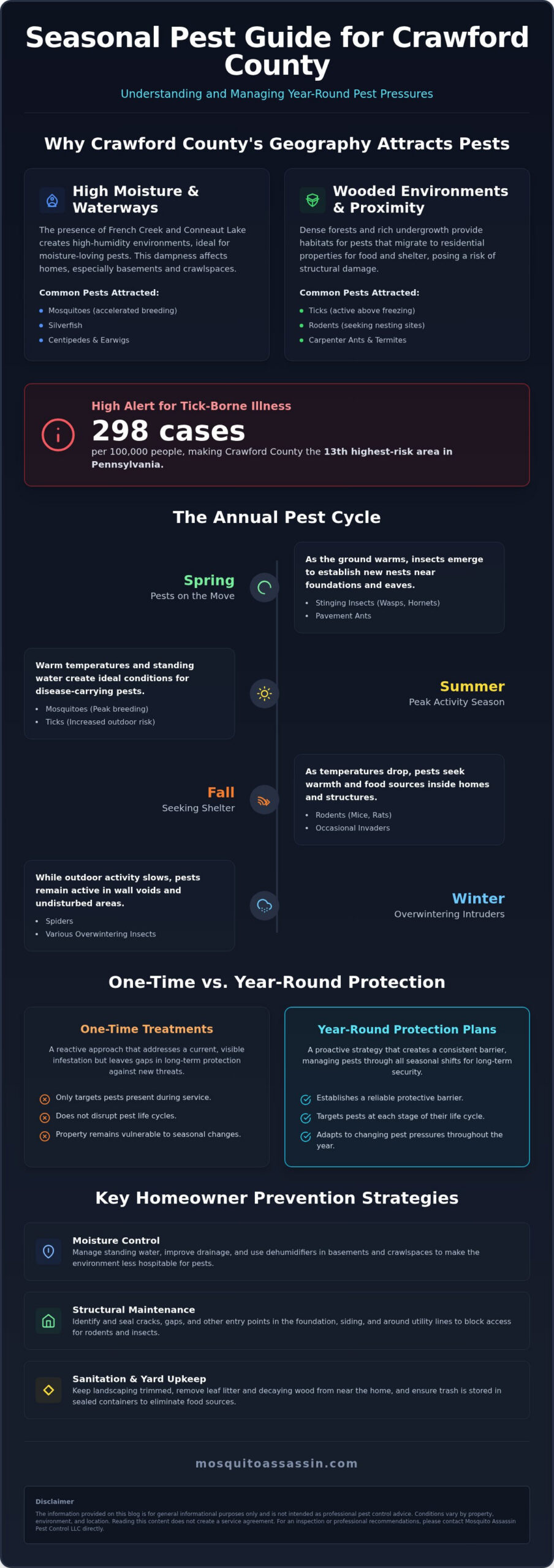
    Licensed professionals play a critical role in identifying hidden nesting sites that are invisible to the untrained eye. Using specialized equipment like thermal imaging or borescope cameras, technicians can locate nests tucked deep inside fiberglass insulation. Identifying these hotspots is essential for complete eradication. Utilizing professional pest control may help reduce risk for homeowners by addressing these hidden colonies before they cause electrical damage or structural contamination.

    Maintaining a pest-free environment is not a one-time event but an ongoing process of seasonal inspections. Houses settle over time, and new gaps can open in foundations or rooflines due to the freeze-thaw cycles common in Pennsylvania and Ohio. Regular monitoring ensures that exclusion points remain intact and that no new vulnerabilities have developed. Information on local service areas can be found at our location page. Consistent oversight is the most reliable way to prevent the recurrence of an infestation and protect the long-term integrity of the home.

    Disclaimer: The information provided on this blog is for general informational purposes only and is not intended as professional pest control advice. Conditions vary by property, environment, and location. Reading this content does not create a service agreement. For an inspection or professional recommendations, please contact Mosquito Assassin Pest Control LLC directly.
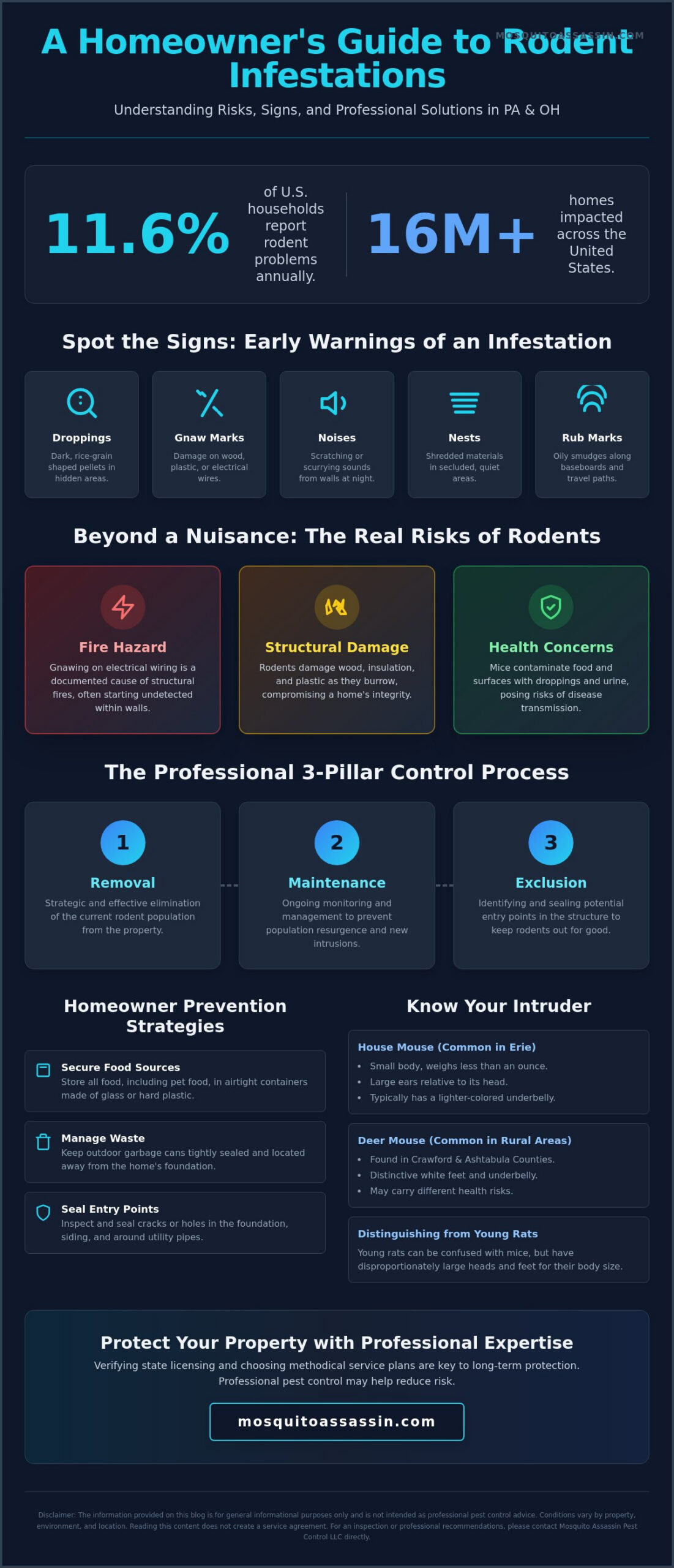
    Safeguarding Your Property Against Hidden Rodent Threats

    Addressing the dangers of mice in walls requires a proactive approach to prevent electrical fires and respiratory illnesses. Research from the National Fire Protection Association indicates that rodents chewing through wiring cause approximately 20 percent of undetermined house fires in the United States. Beyond fire risks, the accumulation of droppings and urine within wall voids can lead to the spread of pathogens like Hantavirus or Salmonellosis. These hazards don’t always appear until significant damage or illness occurs.

    Homeowners in Erie, Crawford, and Ashtabula counties can mitigate these risks by identifying entry points and implementing professional exclusion strategies. Licensed and insured professionals provide the expertise needed to secure a property’s perimeter and safeguard its structural integrity. For a professional evaluation of your property, contact Mosquito Assassin Pest Control LLC directly. Taking these steps today ensures a safer, more secure environment for your family and pets.

    Disclaimer: The information provided on this blog is for general informational purposes only and is not intended as professional pest control advice. Conditions vary by property, environment, and location. Reading this content does not create a service agreement. For an inspection or professional recommendations, please contact Mosquito Assassin Pest Control LLC directly.

    Frequently Asked Questions

    How do I know if the scratching in my walls is a mouse?

    You can identify mice by high-pitched scratching or scurrying sounds that peak between 10:00 PM and 2:00 AM. These rodents are nocturnal and often concentrate their activity near kitchen walls or pantry areas. Mice can make 400 to 600 distinct scratching sounds per hour when active. If you hear heavier thumping, it’s likely a larger animal like a raccoon or squirrel rather than a mouse.

    Can mice in the walls make you sick even if you do not see them?

    Mice in the walls pose health risks because their droppings and urine release microscopic particles into the air. A single mouse can produce 50 to 75 droppings daily, which may carry pathogens like Hantavirus or Salmonellosis. These contaminants can circulate through HVAC systems or small wall gaps even if you don’t see a live rodent. Understanding the dangers of mice in walls is vital for maintaining a healthy indoor environment.

    Will mice eventually leave my walls on their own?

    Mice won’t leave your home voluntarily as long as they have access to warmth, nesting material, and food. A single female mouse can produce 10 litters per year, with each litter averaging 6 pups. This rapid reproduction means a small entry issue can become a 60-rodent infestation within months. They stay because residential walls provide a stable environment that stays 20 to 30 degrees warmer than outdoor temperatures during Pennsylvania winters.

    How much damage can a single mouse cause in a wall?

    A single mouse can cause hundreds of dollars in damage by gnawing on electrical wires and nesting in insulation. Rodent teeth grow 0.3 millimeters per day, forcing them to chew constantly on hard materials to prevent overgrowth. This behavior accounts for 25 percent of house fires with undetermined origins in the United States. They also compress fiberglass insulation, which reduces its R-value effectiveness by as much as 50 percent in localized areas.

    Do mice in walls cause smells that linger?

    Mice create a distinct, musty odor caused by the accumulation of urine and pheromones used to mark their territory. This smell is often described as a sharp ammonia scent that strengthens as the population grows. If a mouse dies within a wall cavity, the resulting decay produces a pungent odor that can persist for 14 to 21 days depending on humidity levels. These smells often require professional sanitation to fully eliminate from porous building materials.

    What is the most common entry point for mice in Pennsylvania homes?

    The most common entry points for mice in Erie and Crawford County homes are gaps around utility pipes and foundation cracks larger than 0.25 inches. Mice can squeeze through any opening the size of a standard pencil. Common problem areas include where siding meets the foundation and gaps in soffit vents. Addressing the dangers of mice in walls before the winter season begins helps prevent these rodents from gaining access to your home.

    Is it safe to use DIY chemicals for mice inside wall cavities?

    Using DIY chemicals inside wall cavities isn’t safe and is often ineffective for long-term control. These substances can seep into living spaces, posing risks to children and pets who spend 90 percent of their time indoors. Improperly applied pesticides may also cause rodents to die in inaccessible areas, leading to secondary pest issues like carpet beetles or blowflies. Professional pest control may help reduce risk; for an assessment, visit www.mosquitoassassin.com/contact-us.

    How long does a professional rodent exclusion process take?

    A professional rodent exclusion process typically takes between 2 and 5 hours for the initial sealing of entry points. After the home is secured, monitoring usually continues for 10 to 14 days to ensure no rodents remain trapped inside. This timeframe varies based on the size of the structure and the number of identified entry holes. Following a systematic approach ensures the property remains protected against future infestations. To schedule an inspection, visit https://portal.gorilladesk.com/mosquitoassassin.

    Disclaimer: The information provided on this blog is for general informational purposes only and is not intended as professional pest control advice. Conditions vary by property, environment, and location. Reading this content does not create a service agreement. For an inspection or professional recommendations, please contact Mosquito Assassin Pest Control LLC directly.
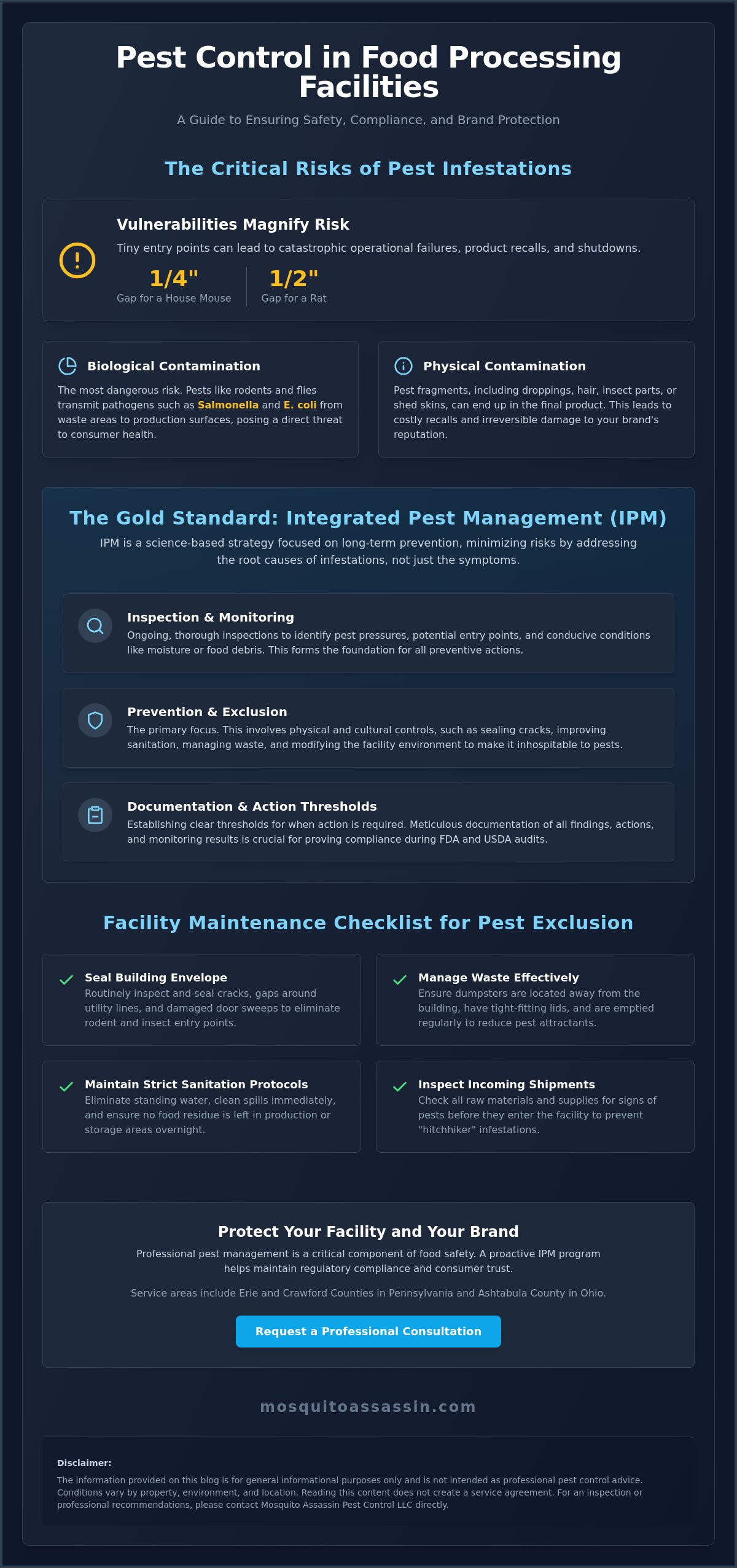
  • Commercial Pest Control for Businesses in Ohio: A Comprehensive Guide

    Commercial Pest Control for Businesses in Ohio: A Comprehensive Guide

    What if a single health department inspection could cost your Ashtabula County business more than a year of professional maintenance? It’s a reality that surfaced in 2023 health audit reports, where improper pest documentation led to immediate operational setbacks for local establishments. Most professionals understand that a single rodent sighting doesn’t just mean a fine; it can damage a brand’s reputation permanently. Implementing effective pest control for businesses in Ohio is a non-negotiable requirement for staying compliant with state health codes and protecting your facility from structural damage.

    This guide provides the essential strategies and regulatory insights needed to maintain a pest-free commercial environment in Northeast Ohio. You’ll learn how to move from reactive treatments to a reliable prevention framework that aligns with Ohio’s safety standards. By understanding local pest behaviors and implementing professional management practices, businesses can focus on growth instead of health department violations. Professional pest control may help reduce risk for your facility.

    Disclaimer: The information provided on this blog is for general informational purposes only and is not intended as professional pest control advice. Conditions vary by property, environment, and location. Reading this content does not create a service agreement. For an inspection or professional recommendations, please contact Mosquito Assassin Pest Control LLC directly.

    Key Takeaways

    • Understand how systematic risk mitigation strategies protect brand reputation and maintain customer trust in commercial environments.
    • Identify the specific threats rodents and cockroaches pose to the structural integrity and hygiene of facilities in Northeast Ohio.
    • Learn about the stringent regulatory requirements and zero-tolerance policies governing the food service, hospitality, and healthcare industries.
    • Discover how Integrated Pest Management (IPM) serves as a proactive framework for professional pest control for businesses in ohio.
    • Gain insights on evaluating commercial partnerships by verifying state licensing and sector-specific experience for licensed applicators.

    The Role of Professional Pest Management in Ohio Business Operations

    Commercial pest management functions as a systematic framework for risk mitigation. It isn’t merely a reactive service; it’s a proactive strategy to protect physical assets and operational continuity. For a company, a pest infestation represents more than a nuisance. It is a direct threat to the structural integrity of the building and the safety of the inventory. Professional pest control for businesses in ohio focuses on creating a barrier between the enterprise and external biological threats. This involves a rigorous analysis of entry points, attractants, and harborage sites specific to the local climate in areas like Ashtabula County.

    Commercial environments require strategies that differ significantly from residential protocols. While a homeowner might prioritize the removal of a specific visible pest, a business must account for high-volume foot traffic, complex supply chains, and large-scale waste management. Residential treatments often address localized issues. In contrast, commercial strategies must account for the daily movement of goods and people, which provides constant opportunities for pests to hitchhike into a facility. Effective pest control for businesses in ohio utilizes data-driven monitoring to detect activity before it becomes a public-facing problem.

    Protecting Business Reputation and Revenue

    A single pest sighting can trigger a cascade of financial losses. In an era where 87% of consumers read online reviews before visiting a local business, a mention of rodents or insects can be devastating. Negative feedback spreads rapidly across social media and review platforms. This often results in a measurable decline in foot traffic and immediate revenue loss. Maintaining high sanitation standards is directly correlated with customer retention; shoppers and diners expect a sterile environment as a baseline for their patronage.

    Utilizing professional commercial services provides a critical layer of protection against public relations crises. It demonstrates a commitment to quality that reassures both customers and employees. When a business invests in a professional management plan, they’re essentially purchasing insurance for their brand equity. Consistent monitoring ensures that small issues don’t escalate into headline-grabbing infestations that could force a temporary or permanent closure.

    Regulatory Compliance and Health Standards

    The Ohio Department of Agriculture (ODA) maintains strict standards for commercial properties, particularly regarding pesticide application and environmental safety. Compliance isn’t optional. Businesses that fail to meet these health codes face heavy fines, legal liability, and the potential revocation of operating licenses. Licensed professionals follow the principles of Integrated Pest Management (IPM) to ensure that treatments are both effective and compliant with state regulations. This methodology focuses on long-term prevention and minimizes the use of chemicals through improved sanitation and structural repairs.

    Workplace safety is another primary driver for professional pest management. Pests are known vectors for various pathogens that can cause respiratory issues or allergic reactions among staff. In properties with high foot traffic, the risk of disease transmission increases. Managing these risks involves more than just spraying; it requires a comprehensive understanding of pest biology and behavior. Professional intervention helps maintain a healthy environment for employees, which reduces sick leave and improves overall morale. Following ODA guidelines ensures that the property remains a safe space for the public and the workforce alike.

    Disclaimer: The information provided on this blog is for general informational purposes only and is not intended as professional pest control advice. Conditions vary by property, environment, and location. Reading this content does not create a service agreement. For an inspection or professional recommendations, please contact Mosquito Assassin Pest Control LLC directly.

    Common Pests Affecting Commercial Properties in Northeast Ohio

    Commercial properties in Northeast Ohio face a diverse range of pest pressures that fluctuate with the seasons. Rodents, specifically mice and rats, represent the most significant threat to both structural integrity and hygiene standards. A Norway rat can exert up to 24,000 pounds of pressure per square inch with its teeth, allowing it to chew through wood, plastic, and even soft metals. This behavior often leads to damaged electrical wiring and compromised insulation. In commercial kitchens and food service environments, cockroach infestations are a primary concern. A single female German cockroach and her subsequent offspring can produce more than 30,000 individuals within a single year if left unchecked. This rapid colonization makes consistent pest control for businesses in ohio essential for meeting health department regulations and maintaining a professional reputation.

    Warehouses and food processing facilities often encounter stored product pests like Indian meal moths and saw-toothed grain beetles. These insects can contaminate entire shipments of dry goods, leading to significant financial losses. Outside the facility, flies and stinging insects create immediate issues for entryways and outdoor dining areas. Filth flies are known to carry more than 100 different pathogens, including Salmonella and E. coli, which they transfer to surfaces upon landing. Effective management often involves following Integrated Pest Management (IPM) principles to address the root causes of these infestations rather than relying solely on reactive measures.

    Rodent Pressures in Urban and Rural Ohio Settings

    The behavior of rodents varies significantly between urban centers and rural commercial sites. In urban areas, Norway rats are common near loading docks and waste disposal zones. These rats are burrowers and often enter buildings through utility gaps or damaged floor drains. House mice are more prevalent in rural settings, though they’re found in nearly every commercial environment. A mouse only requires a gap of 1/4 inch (about the size of a dime) to gain access to a structure. The Northeast Ohio climate plays a decisive role in rodent activity; as temperatures drop in October and November, rodents aggressively seek indoor shelter and food sources to survive the winter months.

    Nuisance and Health-Hazard Insects

    Insects in a business context are categorized by the specific risks they pose. Filth flies originate from decaying organic matter and represent a high health risk, while fruit flies are typically drawn to fermenting liquids in bars or breakrooms. In Ashtabula County, Odorous house ants are a frequent spring nuisance, often entering buildings in large numbers following heavy rains. For businesses with outdoor amenities, seasonal pressures from mosquitoes and ticks are a major concern from May through September. Black-legged ticks are particularly active in properties with high grass or wooded borders. Implementing professional pest control may help reduce risk for employees and customers alike. Facility managers seeking an evaluation of their property can visit the Mosquito Assassin contact page for further information.

    Disclaimer: The information provided on this blog is for general informational purposes only and is not intended as professional pest control advice. Conditions vary by property, environment, and location. Reading this content does not create a service agreement. For an inspection or professional recommendations, please contact Mosquito Assassin Pest Control LLC directly.

    Industry-Specific Pest Control Requirements

    Commercial pest management isn’t a one-size-fits-all solution. Different sectors face unique biological threats and regulatory pressures that dictate how treatments are applied. In warehousing and logistics hubs throughout Ashtabula County, the primary concern involves preventing the transport of pests through complex supply chains. A 2023 industry report indicated that 24% of warehouse infestations originate from incoming shipments rather than local environmental factors. Technicians must focus on high-traffic loading docks and pallet storage areas where hitchhiking pests like German cockroaches or stored product beetles often hide.

    Multi-unit housing and office complexes present a different challenge: pest migration. In buildings with shared walls and utility lines, a localized issue can quickly become a building-wide crisis. Research shows that if one apartment in a complex has a cockroach infestation, there’s a 60% chance the adjacent units will also be affected within 14 days. Effective management requires a holistic approach that addresses structural gaps and common areas to prevent pests from moving between units. For those evaluating a professional partnership, Ohio State University’s Pesticide Safety Education Program provides essential resources on the standards required for commercial applicators to handle these complex environments safely.

    Food Safety and Restaurant Standards

    Food service establishments operate under a zero-tolerance policy for pests. According to the 2022 FDA Food Code, even a single sighting of a rodent or cockroach can lead to immediate facility closure. Management must maintain detailed service logs for health inspectors to prove consistent monitoring. Focusing on waste disposal areas is critical; 75% of restaurant pest entries begin at poorly maintained dumpsters or grease traps. Proper exclusion and sanitation are the primary defenses in these high-risk zones.

    Healthcare and Sensitive Environments

    Hospitals, clinics, and assisted living facilities require sterile environments where traditional chemical applications are often restricted. Pest management in these spaces prioritizes low-impact, non-disruptive schedules to protect patient health and comfort. Utilizing localized pest control for businesses in Ohio ensures that service providers are familiar with regional health department regulations and the specific needs of Ohio healthcare facilities. Technicians focus on Integrated Pest Management (IPM) techniques, emphasizing structural repairs and monitoring over broad-spectrum sprays. This approach safeguards vulnerable populations while maintaining the high hygiene standards necessary for medical certification. Precise pest control for businesses in Ohio helps facility managers stay compliant with state-specific healthcare safety audits while keeping sensitive areas free of biological contaminants.

    Disclaimer: The information provided on this blog is for general informational purposes only and is not intended as professional pest control advice. Conditions vary by property, environment, and location. Reading this content does not create a service agreement. For an inspection or professional recommendations, please contact Mosquito Assassin Pest Control LLC directly.

    Implementing Integrated Pest Management (IPM) for Long-Term Protection

    Integrated Pest Management (IPM) is a science-based approach that focuses on long-term prevention rather than just reacting to infestations. It’s a strategy that prioritizes the least hazardous methods first. Effective pest control for businesses in ohio relies on this methodology to ensure that commercial environments remain compliant with health codes and safety standards. According to a 2022 report from the National Pest Management Association, proactive IPM strategies can reduce the need for intensive chemical applications by up to 90% in commercial settings. The process follows five distinct steps that work together to create a hostile environment for pests.

    • Step 1: Comprehensive facility inspection. A thorough walkthrough identifies structural vulnerabilities. This includes checking loading docks, utility penetrations, and employee breakrooms where crumbs often accumulate.
    • Step 2: Identification of specific pest species. Knowing the biology of the pest is vital. For instance, treating for a German cockroach requires a different strategy than managing an American cockroach due to their different nesting habits and reproductive cycles.
    • Step 3: Implementation of non-chemical measures. This involves physical changes to the building. It’s about removing the food, water, and shelter that pests need to survive.
    • Step 4: Targeted treatment only when necessary. If pests persist after exclusion, professionals apply treatments to specific areas. This minimizes exposure and ensures the most effective results.
    • Step 5: Ongoing monitoring and documentation. Keeping a detailed log of sightings and trap counts allows for data-driven decisions. It’s not enough to solve the problem once; it’s about maintaining a barrier.

    The Science of Exclusion and Sanitation

    Exclusion is the first line of defense in any commercial facility. Small gaps are significant risks; a mouse can fit through a hole the size of a dime, which is roughly 0.7 inches. Sealing cracks with weather-resistant caulk and installing heavy-duty door sweeps prevents these intruders from gaining access. Moisture control is equally vital. Leaky pipes or poorly graded landscaping in Erie or Ashtabula Counties can create standing water that attracts flies and mosquitoes. Employee training is the final piece of this puzzle. When staff members understand how to properly store food and dispose of waste, the risk of an internal infestation drops significantly. This collective effort is a core component of sustainable pest control for businesses in ohio.

    Monitoring and Reporting Systems

    Modern pest management utilizes advanced monitoring tools to catch problems before they escalate. Pheromone traps are used to detect stored product pests in warehouses, while digital bait stations can alert managers to rodent activity in real-time. These systems provide 24/7 surveillance that manual inspections might miss. Digital reporting provides facility managers with a transparent trail of data for audits and health inspections. Regular services allow for adjustments based on seasonal pest activity, ensuring the strategy evolves as the weather changes. Monitoring ensures that every action taken is based on current, site-specific evidence rather than guesswork.

    For facility managers in Crawford County or surrounding areas, understanding these protocols is the first step toward a cleaner workspace. While many factors influence pest behavior, professional pest control may help reduce risk and protect a company’s reputation.

    Disclaimer: The information provided on this blog is for general informational purposes only and is not intended as professional pest control advice. Conditions vary by property, environment, and location. Reading this content does not create a service agreement. For an inspection or professional recommendations, please contact Mosquito Assassin Pest Control LLC directly.

    Evaluating Professional Pest Control Partnerships in Ohio

    Selecting the right partner for securing reliable pest control for businesses in ohio requires more than a quick online search. Verification of credentials is the first essential step. The Ohio Department of Agriculture (ODA) regulates all commercial pesticide applications in the state. Business owners should confirm that a provider holds a valid commercial applicator license and maintains at least $300,000 in general liability insurance. This coverage protects the physical assets of the facility and ensures the provider meets state-mandated safety standards. Checking these documents annually helps maintain a high standard of safety for employees and customers alike.

    Experience in specific commercial sectors is just as vital as licensing. A technician who understands the strict sanitation requirements of a food processing plant may not have the same approach as one specializing in multi-unit housing. Effective pest control for businesses in ohio relies on sector-specific knowledge to address unique vulnerabilities. For example, a 50,000-square-foot warehouse has different entry points and nesting risks than a retail storefront. Professional partners should demonstrate a history of managing similar environments, as this reduces the risk of overlooked infestations.

    Communication protocols define the success of a long-term partnership. Clear channels for reporting sightings and a guaranteed response time, often within 24 hours for urgent issues, prevent minor problems from becoming full-scale infestations. Documentation is the backbone of this communication. In 2023, data from regional health inspections showed that nearly 35% of pest-related citations were linked to inadequate record-keeping rather than the presence of pests themselves. Audit-ready reporting must include detailed pesticide usage logs, comprehensive site maps, and trend analysis reports that show the history of the facility’s pest activity.

    Local Expertise vs. National Chains

    Local knowledge of regional pest cycles is a major advantage for businesses in Ashtabula County. The Lake Erie climate creates specific humidity levels that influence when insects like carpenter ants or cluster flies emerge. A provider with about ten years of experience in the local area understands these seasonal shifts better than a national corporation using a one-size-fits-all strategy. Local teams often provide faster response times during extreme weather events, such as heavy spring rains, which can drive pests indoors across the region.

    Questions to Ask Potential Service Providers

    When interviewing a potential partner, specific questions help reveal their level of expertise and commitment to professional standards. Business owners don’t have to guess about the quality of service if they ask the right technical questions during the consultation phase. Use these points to evaluate their capabilities:

    • Can you provide examples of Integrated Pest Management (IPM) strategies used in facilities similar to mine? Genuine IPM focuses on prevention and structural repairs rather than just chemical application.
    • What is your experience with specific industry audits like SQF, AIB, or GFSI? Providers should be familiar with the documentation requirements of these third-party auditors.
    • How do you handle emergency call-outs between scheduled visits? Confirm if there are additional fees for these visits and what the expected arrival time is.
    • Will I receive digital documentation immediately after every site visit? Real-time reporting ensures that management can address structural recommendations or sanitation issues without delay.

    A professional partnership is an investment in the reputation and operational continuity of a company. By focusing on licensing, sector experience, and clear documentation, business owners can safeguard their property against the financial and physical risks of pests. Professional pest control may help reduce risk and ensure long-term compliance with state and local health regulations.

    Disclaimer: The information provided on this blog is for general informational purposes only and is not intended as professional pest control advice. Conditions vary by property, environment, and location. Reading this content does not create a service agreement. For an inspection or professional recommendations, please contact Mosquito Assassin Pest Control LLC directly.

    Protecting Your Business Reputation and Infrastructure

    Maintaining a pest-free environment is a critical component of successful business operations in the Great Lakes region. Implementing specialized commercial Integrated Pest Management protocols allows facility managers to address vulnerabilities before they escalate into infestations. These methods prioritize long-term prevention and structural integrity over temporary fixes. Because regulations for commercial properties are strict, working with a provider that’s licensed and insured in Ohio and Pennsylvania is essential for maintaining industry standards. A locally owned and operated partner understands the specific seasonal pressures facing Erie, Crawford, and Ashtabula Counties.

    Consistency is the foundation of effective pest control for businesses in Ohio. It’s important to establish a routine that includes regular inspections and data-driven monitoring to safeguard inventory and staff. Effective management requires understanding the specific biological cycles of regional pests like rodents or flies. Taking these proactive steps helps maintain a professional atmosphere and protects the bottom line from costs associated with property damage or health code violations. Professional pest control may help reduce risk and ensure compliance. By focusing on prevention today, business owners invest in the continued success and safety of their commercial space.

    Disclaimer: The information provided on this blog is for general informational purposes only and is not intended as professional pest control advice. Conditions vary by property, environment, and location. Reading this content does not create a service agreement. For an inspection or professional recommendations, please contact Mosquito Assassin Pest Control LLC directly.

    Frequently Asked Questions

    What are the legal requirements for pest control in Ohio businesses?

    Ohio Administrative Code 3701-21-02 requires food service operations to stay free of insects and rodents. Commercial facilities must adhere to standards set by the Ohio Department of Agriculture for safe pesticide application. 100% of food-handling businesses must keep detailed records of all pest management activities to satisfy local health department inspections. Professional pest control may help reduce risk for these establishments.

    How often should a commercial property in Ohio be inspected for pests?

    Most commercial properties in Ohio benefit from monthly inspections to identify vulnerabilities before they lead to an infestation. High-risk facilities like restaurants or warehouses often schedule weekly visits, while standard retail spaces might only require 4 inspections per year. Consistent monitoring prevents 90% of pest-related structural damage and ensures the property remains in good standing.

    What is Integrated Pest Management (IPM) and why is it used for businesses?

    Integrated Pest Management is a strategic approach that prioritizes sanitation and structural repairs over chemical applications. It’s the preferred method for pest control for businesses in ohio because it reduces chemical usage by 70% while maintaining high efficacy. This science-based system focuses on the biology of pests to create long-term solutions that don’t rely solely on reactive treatments.

    Can a business stay open during a professional pest control treatment?

    Most businesses can continue operations during a professional treatment, especially when technicians use non-volatile baits and traps. If a liquid application is necessary, it’s often scheduled during the 8 to 12 hours the business is closed. When treatments occur during business hours, technicians focus on secluded areas to ensure zero disruption for customers. It’s important to coordinate with professionals to determine the best timing.

    What should a business do if they fail a health inspection due to pests?

    A business that fails an inspection should immediately secure a professional evaluation to address the specific violations cited. The Ohio Department of Health usually schedules a re-inspection within 10 days to confirm that the issues are resolved. Implementing corrective actions like sealing entry points can fix 85% of common pest-related health code failures. Professional pest control may help reduce risk of future failures.

    Are commercial pest treatments safe for employees and customers?

    Professional treatments are safe for people when applied by licensed technicians following EPA-approved label instructions. These applications target specific pest harborages like cracks and wall voids rather than open surfaces. 100% of modern commercial-grade products are chosen for their effectiveness and low impact on the indoor environment. Technicians ensure that no one is exposed to unnecessary risks during the process.

    How do seasonal changes in Ohio affect commercial pest management?

    Pest activity in Ohio fluctuates with the 4 distinct seasons, requiring different strategies throughout the year. For instance, 80% of ant infestations occur when spring temperatures reach 50 degrees, while rodents migrate indoors when the ground freezes in November. Effective pest control for businesses in ohio involves adjusting prevention tactics every 90 days to stay ahead of these biological shifts.

    What documentation does a business need to provide to health inspectors regarding pest control?

    Business owners should maintain a logbook containing service reports, pesticide labels, and safety data sheets. Inspectors also look for a site map showing the location of all 20 or 30 bait stations on the property. Keeping 100% of these records organized ensures the business remains compliant with the Ohio Food Code during unannounced audits. For more information, please visit www.mosquitoassassin.com/contact-us.

    Disclaimer: The information provided on this blog is for general informational purposes only and is not intended as professional pest control advice. Conditions vary by property, environment, and location. Reading this content does not create a service agreement. For an inspection or professional recommendations, please contact Mosquito Assassin Pest Control LLC directly.

  • Vole vs Mole in Lawn: Identifying and Managing Turf Damage in 2026

    Vole vs Mole in Lawn: Identifying and Managing Turf Damage in 2026

    That spongy, ruined turf you’re blaming on a mole might actually be the work of a rodent that prefers eating your flower bulbs instead of earthworms. It’s incredibly frustrating for homeowners in Erie County or Ashtabula County to step into a soft patch of soil and nearly twist an ankle, only to find that over $1,200 of expensive landscaping has been decimated. Distinguishing between a vole vs mole in lawn damage is often the most difficult part of property maintenance; you know that something is destroying your hard work, but without a clear identification, any attempt at a solution is just a guess.

    This article provides the clarity needed to accurately identify which pest is currently occupying your yard. You’ll learn the critical differences between the raised ridges of a mole and the surface runways of a vole to ensure your prevention strategies actually work. The following sections examine why certain yards in Crawford County are more attractive to these rodents and provide practical steps to restore a safe, aesthetically pleasing outdoor space. By the end of this guide, you’ll have a professional perspective on managing turf damage and safeguarding your flower beds for the 2026 season.

    Disclaimer: The information provided on this blog is for general informational purposes only and is not intended as professional pest control advice. Conditions vary by property, environment, and location. Reading this content does not create a service agreement. For an inspection or professional recommendations, please contact Mosquito Assassin Pest Control LLC directly.

    Key Takeaways

    • Distinguish between moles, which are insectivores with paddle-like feet, and voles, which are rodent herbivores resembling field mice.
    • Learn to identify unique damage patterns, such as the raised ridges and volcano-shaped mounds created by moles compared to the surface runways left by voles.
    • Understand the nuances of vole vs mole in lawn activity to determine whether the pests are seeking soil-dwelling grubs or feeding on grass and bulbs.
    • Discover practical habitat modification strategies, including improving soil drainage and managing lawn height, to reduce the likelihood of an infestation.
    • Determine when to seek a professional assessment for properties in Erie, Crawford, and Ashtabula counties to address persistent tunneling or turf damage.

    Identifying the Culprit: Key Differences Between Voles and Moles

    Distinguishing between a vole vs mole in lawn environments is the first step toward protecting a property. While the damage to the grass is often the first thing noticed by residents in Erie and Crawford Counties, the animals responsible belong to entirely different biological families. Moles are members of the Talpidae family and are not rodents. They are insectivores that spend roughly 99 percent of their lives underground. Voles belong to the Cricetidae family and are true rodents. Their behavior and diet are closer to those of a field mouse than a mole.

    Homeowners often struggle with the vole vs mole in lawn dilemma because both pests are rarely seen above ground during daylight hours. A 2024 study on turf management suggests that misidentification leads to ineffective treatment in approximately 30 percent of residential cases. Understanding the taxonomy of these animals helps predict their movements. Moles are solitary hunters driven by a need for protein; voles are social herbivores that focus on plant matter and rapid reproduction.

    To better understand this concept, watch this helpful video:

    Anatomy of a Mole: Built for Subterranean Life

    The physical structure of a mole is a masterpiece of biological engineering for life in the soil. They possess a hairless, pink snout that is highly sensitive to vibrations; this helps them locate earthworms and grubs in total darkness. Their eyes are tiny and often covered by fur or skin, as sight is unnecessary in a tunnel. The most striking feature is the pair of oversized, paddle-like front feet. These feet are equipped with five heavy claws and are positioned laterally to allow the mole to "swim" through compacted dirt.

    A mole’s fur is uniquely adapted for tight spaces. Unlike most mammals, their velvet-like fur has no specific grain. This allows the hair to lay flat whether the animal is moving forward or backward. This adaptation is critical for navigating narrow hunting tunnels without getting stuck or damaging their skin. While they may appear large due to the mounds they create, an average adult mole in the Pennsylvania and Ohio region typically weighs between 3 and 5 ounces.

    Anatomy of a Vole: The Prolific Surface Scavenger

    Voles are often mistaken for common house mice, but they have distinct physical markers that set them apart. They have compact, cylindrical bodies covered in dense gray or brown fur. Compared to a mouse, a vole has much smaller ears and a significantly shorter tail. These features help them stay warm and protected while moving through the "runways" they create in tall grass or under snow cover. For more detailed information on their biological classification, residents can review this guide on All About Voles.

    The most defining anatomical feature of the vole is its pair of prominent orange incisors. These teeth never stop growing, which drives the vole’s constant need to gnaw on wood, roots, and bark. While moles have sharp, needle-like teeth for eating insects, voles have flat molars designed for grinding vegetation. Because they are rodents, they are incredibly prolific; a single female can produce up to 10 litters in a single year. This high reproductive rate means that a small population can quickly turn into a significant infestation if left unaddressed.

    Disclaimer: The information provided on this blog is for general informational purposes only and is not intended as professional pest control advice. Conditions vary by property, environment, and location. Reading this content does not create a service agreement. For an inspection or professional recommendations, please contact Mosquito Assassin Pest Control LLC directly.

    Understanding Behavior and Diet: Why They Are in Your Yard

    Identifying a vole vs mole in lawn damage starts with a clear understanding of what these animals are searching for when they enter a property. While they both create tunnels, their motivations are entirely different. Moles are subterranean insectivores that spend nearly their entire lives underground, driven by a high-protein diet. Voles, often called meadow mice, are prolific herbivores that stay closer to the surface to feast on your landscaping. These pests don’t choose a yard at random; they’re attracted to specific environmental factors that provide consistent food and shelter.

    Activity typically peaks during two specific windows in the year. In Erie and Crawford counties, the primary surges occur in the spring (April and May) and the fall (September and October). During these months, soil moisture levels are high, making it easy for moles to push through the earth and for voles to navigate through lush, damp grass. Homeowners often find it frustrating that a healthy, well-manicured lawn is more likely to attract these pests. A yard rich in organic matter supports a massive population of earthworms and soil-dwelling insects, which acts as a dinner bell for moles. Simultaneously, thick, healthy turf provides the perfect cover and food source for a growing vole colony.

    The Mole Diet: Searching for Protein

    Moles are solitary hunters with an incredibly high metabolism. To survive, a single mole must consume between 60 and 100 percent of its body weight in food every 24 hours. While many people believe moles only enter a yard to eat grubs, this is a common misconception. Earthworms actually make up the vast majority of a mole’s diet. This explains why applying a grub-killing treatment often fails to remove moles from a property; as long as the soil is healthy enough to support earthworms, the moles have no reason to leave. According to a Moles vs. Voles Comparison from the Mississippi State University Extension Service, these mammals are specialized for a life of digging, using their powerful front claws to expand their tunnel systems in search of protein-rich prey. They’re not interested in your plants, but their constant searching can heave the soil and damage root systems indirectly.

    The Vole Diet: The Vegetarian Menace

    Unlike the solitary mole, voles are highly social and reproduce at an alarming rate. A single female can produce five to ten litters in a single year, leading to rapid infestations in Ashtabula County properties. These rodents are strict vegetarians. They target the base of trees and shrubs in a process called girdling, where they strip away the bark to reach the nutrient-rich cambium layer underneath. This behavior can kill a mature ornamental tree in a single season. During the winter months, voles remain active under the snow cover, where they frequently consume flower bulbs. Tulips are a particular favorite, and homeowners often discover their spring garden has been completely hollowed out once the snow melts. Thick layers of mulch, often used to protect plants, ironically provide the perfect hidden highway for voles to feed without being spotted by predators like hawks or owls.

    Understanding these behaviors is essential for any homeowner trying to protect their investment. If you notice tunnels or chewed vegetation, professional pest control may help reduce risk by identifying the specific species involved. Identifying the culprit correctly ensures that the management strategy aligns with the animal’s actual biology and habits.

    Disclaimer: The information provided on this blog is for general informational purposes only and is not intended as professional pest control advice. Conditions vary by property, environment, and location. Reading this content does not create a service agreement. For an inspection or professional recommendations, please contact Mosquito Assassin Pest Control LLC directly.

    Recognizing Damage Patterns: Tunnels, Mounds, and Runways

    Identifying the culprit behind turf destruction is the first step toward reclaiming a healthy yard. While both pests operate largely out of sight, they leave distinct calling cards in the soil and grass. Understanding the difference between a vole vs mole in lawn damage helps homeowners in Erie and Crawford Counties choose the right management strategy. Moles are insectivores that create raised ridges as they hunt for earthworms and grubs. These ridges feel spongy underfoot and can destabilize the turf. In contrast, voles are rodents that focus on vegetation, leaving behind narrow paths of chewed grass.

    The “Step Test” is a reliable diagnostic tool used by professionals to identify active mole activity. To perform this test, locate a visible ridge and gently press a small section down with your foot until it’s level with the surrounding grass. Mark the spot with a small stake or flag. If the ridge is pushed back up within 24 to 48 hours, you’ve located a primary foraging tunnel. If the area remains flat, the tunnel was likely a temporary route that’s no longer in use. This distinction is vital because moles can tunnel up to 100 feet in a single day, but they only reuse specific “highways” regularly.

    A common complication in lawn health is the relationship between these two species. Mole tunnels often act as protected underground corridors for voles. While moles focus on insects, voles utilize these pre-built “highways” to reach the root systems of prized ornamental plants and garden vegetables. This behavior allows voles to feed on roots from below without ever exposing themselves to surface predators like hawks or owls. Distinguishing a vole vs mole in lawn infestation requires looking for both the raised earth of the mole and the gnawed vegetation typical of the vole.

    Molehills vs. Surface Ridges

    Moles produce two specific types of structural damage. Shallow foraging ridges appear just below the surface during the spring and fall when soil moisture is high. Deep nesting tunnels result in the classic “volcano” mounds of excavated soil. These mounds appear 30 percent more frequently in the heavy, clay-based soils of Ashtabula County because the dense soil structure supports the weight of deeper excavations. Over time, these mounds and ridges create significant unevenness, making it difficult to maintain a consistent mowing height and increasing the risk of ankle injuries for residents.

    Vole Runways and Entry Holes

    Vole activity is characterized by surface runways rather than raised ridges. These are 1- to 2-inch wide paths where the grass has been eaten down to the soil or worn away by constant traffic. For more detailed identification strategies, reviewing Mole and Vole Control Tips can provide additional context on these distinct damage patterns. Homeowners should look for entry holes about the size of a golf ball (1.5 inches in diameter) near stone walls, mulch beds, or heavy groundcover. Additionally, voles often gnaw the bark off the base of young trees and shrubs, a process known as girdling, which can kill the plant by cutting off its nutrient supply.

    Disclaimer: The information provided on this blog is for general informational purposes only and is not intended as professional pest control advice. Conditions vary by property, environment, and location. Reading this content does not create a service agreement. For an inspection or professional recommendations, please contact Mosquito Assassin Pest Control LLC directly.

    Habitat Modification and Prevention Strategies for Homeowners

    Modifying the landscape is a proactive way to address the vole vs mole in lawn dilemma. While both pests create visible issues, their motivations for choosing a property differ significantly. Moles seek high-moisture environments with abundant food sources like earthworms; voles look for dense vegetation and thick thatch to hide from predators. Addressing these specific environmental factors reduces the likelihood of an infestation and protects the long-term health of the turf.

    Environmental Controls for Moles

    Moles are insectivores that primarily consume earthworms and soil-dwelling larvae. Over-watering a lawn is a common mistake that invites these subterranean mammals. Saturated soil brings earthworms closer to the surface, creating a literal buffet for moles. Property owners should aim for no more than 1 inch of water per week, including rainfall, to maintain a healthy lawn without attracting pests. Managing the population of white grubs and other insects also limits the available food supply. Residents in Erie and Crawford Counties often find that professional services provide a more comprehensive approach to managing these underlying soil conditions through integrated pest management.

    Environmental Controls for Voles

    Voles thrive where they can remain hidden from hawks, owls, and cats. Tall weeds and dense groundcover near a home foundation act as a protected highway for these rodents. Keeping grass trimmed to a height of 2.5 to 3 inches removes their overhead cover and makes the area less attractive. During winter months, snow accumulation provides a subnivean environment where voles can girdle tree bark while staying invisible to predators. Clearing snow away from the base of young trees and shrubs in a 2-foot radius prevents this winter damage. When mulching, avoid the common mistake of piling material directly against the trunk. A 3-inch gap between the mulch and the plant base prevents voles from nesting right against the bark. Understanding the habitat needs of a vole vs mole in lawn helps homeowners prioritize their yard work effectively.

    Physical Barriers and Why Home Remedies Fail

    High-value plants and garden beds require physical protection that goes beyond simple landscape maintenance. Installing hardware cloth with a 1/4-inch mesh size is a proven method for safeguarding root systems. This barrier should extend at least 12 inches above the ground and be buried 6 to 10 inches deep to prevent burrowing rodents from gaining access. It’s a labor-intensive process, but it’s far more effective than popular myths.

    Many homeowners attempt to use ultrasonic spikes or home remedies like chewing gum and castor oil. These methods rarely provide lasting results for several reasons:

    • Castor Oil: These treatments often lose their efficacy after a single rain event of 0.5 inches or more, requiring constant reapplication.
    • Ultrasonic Devices: Scientific studies from university extension offices show that these devices lack the range to penetrate dense clay soil, often covering less than 15 feet.
    • Chewing Gum: There’s 0% scientific evidence that moles or voles will eat gum or that it would harm them if they did.

    Relying on these myths often allows the pest population to grow unchecked while the lawn damage worsens. Professional pest control may help reduce the risk of recurring lawn damage through more reliable, fact-based methods. Homeowners looking for assistance can schedule an inspection online to identify the specific pests active on their property.

    Disclaimer: The information provided on this blog is for general informational purposes only and is not intended as professional pest control advice. Conditions vary by property, environment, and location. Reading this content does not create a service agreement. For an inspection or professional recommendations, please contact Mosquito Assassin Pest Control LLC directly.

    Professional Pest Management for Rodent and Tunneling Pests

    Property owners often reach a point where DIY traps and habitat modifications no longer protect the integrity of the turf. When the population density of tunneling rodents exceeds the natural carrying capacity of the land, professional intervention is required. Identifying the specific culprit behind the tunnels is the first priority. The difference between a vole vs mole in lawn involves looking at the diet and the physical evidence left behind. Moles create raised ridges as they hunt for worms; voles create open surface runways to access vegetation. Professional assessments in Erie, Crawford, and Ashtabula counties provide the technical insight needed to distinguish these behaviors quickly.

    A comprehensive strategy involves several key components:

    • Population Assessment: Quantifying the extent of the colony to determine the necessary intensity of the management plan.
    • Exclusion Techniques: Implementing physical barriers and maintenance schedules that make the property less attractive to new arrivals.
    • Targeted Removal: Utilizing professional-grade tools to reduce the active population to manageable levels.
    • Habitat Modification: Adjusting the environment, such as clearing tall grass or heavy mulch, to remove the cover that these pests require.

    Why Regional Expertise Matters

    Soil conditions in Northwest Pennsylvania vary from heavy, moisture-retaining clay to lighter, loamy mixtures. These variations dictate how deep tunnels are dug and how easily they collapse. The impact of Lake Erie weather patterns is another critical factor. While some pests become dormant, voles remain active year-round. They utilize the subnivean zone, the space between the ground and the snowpack, to move safely away from predators. In cities like Erie, which averages over 100 inches of snow annually, this hidden activity can lead to extensive bark damage on trees by spring. Finding a local provider who understands these Tri-State climate shifts ensures that the management plan accounts for winter activity rather than just seasonal sightings.

    The Value of Ongoing Protection

    One-time treatments rarely solve a long-term infestation because of the biology of the pests. A single female vole can produce between 5 and 10 litters per year, with a gestation period of only 21 days. This rapid reproductive cycle means that a property can be re-populated within weeks if the management plan is not consistent. Integrating rodent control with general pest management addresses the ecosystem of the lawn as a whole. Professional pest control may help reduce risk to your landscaping by maintaining a constant defensive perimeter. This approach prevents the vole vs mole in lawn damage from escalating into a full-scale restoration project. Consistent monitoring protects the financial investment made in sod, shrubs, and ornamental gardens throughout the growing season.

    Disclaimer: The information provided on this blog is for general informational purposes only and is not intended as professional pest control advice. Conditions vary by property, environment, and location. Reading this content does not create a service agreement. For an inspection or professional recommendations, please contact Mosquito Assassin Pest Control LLC directly.

    Take Proactive Steps for a Healthier Yard

    Identifying whether a yard has a vole vs mole in lawn is the first step toward restoring turf health. Moles typically create raised ridges and volcano-shaped mounds during their search for soil invertebrates. Voles, often called meadow mice, focus on vegetation and leave visible surface runways through the grass. Effective management in 2026 relies on early detection and habitat modification; such as removing dense ground cover or managing mulch depth. Property owners in Erie and Crawford Counties in Pennsylvania, along with Ashtabula County in Ohio, can benefit from professional expertise to address these persistent tunneling issues. Licensed and insured professionals provide comprehensive rodent exclusion and maintenance programs to safeguard local landscapes. For a professional inspection of your property, contact Mosquito Assassin Pest Control LLC today. This locally owned and operated team serves the Tri-State area with reliable, industry-standard solutions. Protecting your lawn’s root system ensures a vibrant outdoor space for years to come.

    Disclaimer: The information provided on this blog is for general informational purposes only and is not intended as professional pest control advice. Conditions vary by property, environment, and location. Reading this content does not create a service agreement. For an inspection or professional recommendations, please contact Mosquito Assassin Pest Control LLC directly.

    Frequently Asked Questions

    Do moles and voles live in the same tunnels?

    Moles and voles don’t typically live together, but voles frequently use abandoned mole tunnels to travel safely. While moles are insectivores that create deep networks for hunting worms, voles are herbivores that prefer surface runways. If a mole leaves an area, a vole colony of 10 to 15 individuals might move in within 48 hours to access root systems without digging new paths.

    How fast can a mole dig through a typical lawn?

    A single Eastern mole can tunnel at a rate of 18 feet per hour in ideal soil conditions. These pests are highly efficient, capable of adding 150 feet of new tunnels to a yard in a single day. This rapid expansion explains why homeowners in Erie County often see fresh mounds appearing overnight during the damp spring months when the soil is soft and easy to navigate.

    Will moles or voles go away on their own in the winter?

    Moles and voles remain active throughout the winter and don’t hibernate. Moles retreat deeper into the soil, often 12 to 24 inches below the frost line, to follow earthworms. Voles stay active under the snowpack in Ashtabula County, where they can girdle the bark of young trees and shrubs without being seen by predators like hawks or owls. Damage often becomes visible only after the snow melts.

    Are voles and moles dangerous to pets or children?

    Moles and voles aren’t known for being aggressive toward humans or pets, but they can carry parasites like ticks and mites. According to the CDC, rodents can also carry pathogens like hantavirus or salmonella. While a bite is rare since these animals stay underground, the secondary risk of trip hazards from 4-inch deep tunnels is a more common concern for active children playing in the yard.

    Can I use mothballs to get rid of moles in my yard?

    Using mothballs to deter wildlife is ineffective and violates federal EPA regulations regarding pesticide use. Moles have a keen sense of smell, but they’ll simply block off the contaminated tunnel and dig a new one 6 inches away. Additionally, mothballs leach toxic chemicals like naphthalene into the soil, which can harm beneficial soil organisms and groundwater quality in Crawford County. Professional pest control may help reduce risk more effectively.

    What is the most effective time of year to treat for voles?

    The most effective time to address a vole vs mole in lawn issue is during the early spring or late fall. In October and November, vole populations peak before the vegetation dies back, making baiting or trapping more successful. Treating in March, before the first litter of 3 to 6 pups is born, prevents the exponential population growth that often occurs during the summer months.

    Do moles eat the roots of my grass and flowers?

    Moles don’t eat plant roots; they’re strictly insectivores that consume 70% to 100% of their body weight in earthworms and grubs daily. The damage people see is usually incidental. As the mole pushes through the soil, it separates the roots from the dirt, causing the grass to wither. If roots are actually missing or chewed, the culprit is likely a vole or a pocket gopher rather than a mole.

    How can I tell the difference between a vole and a common field mouse?

    You can distinguish a vole from a field mouse by looking at the tail length and ear size. A vole has a short tail, usually less than 2 inches, and small ears that are mostly hidden by its thick fur. In contrast, a common field mouse has a tail as long as its body and large, prominent ears. Voles also have a stockier, 5-inch long body compared to the slender profile of a mouse.

    Disclaimer: The information provided on this blog is for general informational purposes only and is not intended as professional pest control advice. Conditions vary by property, environment, and location. Reading this content does not create a service agreement. For an inspection or professional recommendations, please contact Mosquito Assassin Pest Control LLC directly.

  • Comprehensive Hotel Pest Management Solutions for the Hospitality Industry

    Comprehensive Hotel Pest Management Solutions for the Hospitality Industry

    A single online mention of a bed bug or cockroach can decrease a hotel’s room value by 12% according to research conducted by the University of Kentucky. For a 100 room facility in Erie or Crawford County, this translates to thousands in potential revenue loss before a single treatment even begins. It’s an understandable fear for hospitality managers who must balance high guest turnover with the constant demand for a spotless, sanitary environment.

    Maintaining a five star reputation requires more than just reactive spraying; it demands comprehensive hotel pest management solutions that remain invisible to the public eye. This article explains how professional integrated pest management safeguards guest experiences, ensures compliance with health standards in the PA and OH regions, and prevents the high costs associated with room closures. Readers will discover a proactive strategy for keeping pests out of the lobby and off of social media platforms.

    Disclaimer: The information provided on this blog is for general informational purposes only and is not intended as professional pest control advice. Conditions vary by property, environment, and location. Reading this content does not create a service agreement. For an inspection or professional recommendations, please contact Mosquito Assassin Pest Control LLC directly.

    Key Takeaways

    • Understand how proactive pest management prevents revenue loss and protects a hotel’s reputation from the financial impact of public pest sightings.

    • Learn how integrated hotel pest management solutions prioritize long-term prevention through sanitation and structural exclusion rather than relying solely on reactive treatments.

    • Identify the specific behaviors of bed bugs and rodents in commercial settings to better mitigate the unique risks they pose to guest safety.

    • Discover how to establish a culture of awareness among housekeeping staff and implement effective internal reporting systems for early detection.

    • Explore how the Great Lakes climate in Erie and Ashtabula influences seasonal pest pressures and why localized knowledge is vital for effective control.

    Table of Contents

    Understanding Hotel Pest Management Solutions and Brand Protection

    Professional hospitality pest management is a proactive, data-driven system designed to stop infestations before they start. It moves beyond reactive methods that only address pests after they’ve been spotted by a guest or staff member. Instead, it relies on Integrated Pest Management (IPM), which combines detailed inspection, improved sanitation, and physical barriers to create an inhospitable environment for intruders. For hotels in Erie County, Crawford County, and Ashtabula County, this systematic approach is the baseline for maintaining brand integrity. A single pest sighting isn’t just a nuisance; it’s a direct threat to the property’s financial health.

    To better understand how these systems work within a lodging environment, watch this helpful video:

    The stakes for 2026 haven’t ever been higher for the hospitality industry. Digital reviews on platforms like TripAdvisor and Google act as permanent, searchable records of a property’s hygiene. A 2024 study by J.D. Power indicated that guest satisfaction scores drop by an average of 300 points on a 1,000-point scale when a pest is mentioned in a public review. In this digital era, a single photo of a cockroach or bed bug can reach thousands of potential travelers in minutes, causing immediate booking cancellations and long-term erosion of trust. Third-party audits and health department compliance are no longer just checkboxes; they’re essential components of a hotel’s survival strategy.

    The Financial Impact of Infestations

    The true cost of an infestation far exceeds the price of a service visit. When a room is taken out of service for remediation, the hotel loses Daily Average Rate (ADR) revenue immediately. Industry data from 2023 suggests that the average cost of a single bed bug incident, including professional treatment, replaced soft goods, and lost revenue, reaches approximately $6,383. For a mid-sized hotel in Pennsylvania, a widespread issue could lead to $50,000 in lost income over a single month. Beyond these immediate expenses, legal implications for hospitality businesses can be severe. Regulatory bodies in Ohio and Pennsylvania require strict adherence to health codes; failure to comply can lead to heavy fines or forced closures. Investing in long-term hotel pest management solutions is a capital-preserving strategy compared to the high cost of reactive crisis management.

    Guest Expectations in the Modern Era

    Today’s travelers have a zero-tolerance policy for pests. In 2025, surveys showed that 85 percent of guests wouldn’t return to a hotel if they saw a pest in their room. This expectation puts immense pressure on management to implement hotel pest management solutions that work silently in the background. The speed of social media means a guest can broadcast a complaint to a global audience before they’ve even checked out of the lobby. Successful management requires balancing effective treatment with guest privacy and comfort. Treatments must be discreet, low-impact, and odor-free so that guests remain unaware of the preventative measures in place. Maintaining this invisible shield is what separates top-tier hospitality brands in Ashtabula County from those struggling with reputation damage. Professional pest control may help reduce risk and ensure that guest comfort remains the top priority.

    Disclaimer: The information provided on this blog is for general informational purposes only and is not intended as professional pest control advice. Conditions vary by property, environment, and location. Reading this content does not create a service agreement. For an inspection or professional recommendations, please contact Mosquito Assassin Pest Control LLC directly.

    Core Components of Integrated Pest Management for Hotels

    Integrated Pest Management (IPM) is the gold standard for modern hospitality. It shifts the focus from reactive methods to a science-based strategy. For a hotel manager, this means looking at the building as an ecosystem. Successful IPM practices for hotels involve a partnership between staff and pest professionals. Instead of relying on routine chemical applications, the priority is sanitation and structural integrity. Roughly 85% of pest issues can be mitigated through physical changes rather than liquid treatments. This philosophy ensures that chemical use is a last resort, which protects guest safety and environmental health.

    Customization is vital. A hotel built in 1965 in Erie County will have different structural vulnerabilities than a new build in Crawford County. A one-size-fits-all approach fails because pests exploit specific architectural flaws. Professional managers require detailed documentation. Every sighting, trap check, and structural repair must be logged. This data creates a roadmap, showing where vulnerabilities exist before a guest ever sees a pest. A 2022 study showed that facilities with robust digital reporting saw a 40% faster resolution time for localized infestations. Detailed reporting isn’t just paperwork; it’s a defensive tool that helps managers track trends and allocate resources effectively.

    Inspection and Monitoring Protocols

    Regular inspections are the backbone of effective hotel pest management solutions. High-risk zones require frequent checks to ensure small sightings don’t become full-blown infestations. Key areas include:

    • Commercial Kitchens: These provide constant food and water sources for rodents and cockroaches.

    • Laundry Rooms: High humidity and warmth attract various insects, including silverfish.

    • Loading Docks: This is the primary entry point for 75% of structural pests arriving via shipments.

    Monitoring stations, such as glue boards or pheromone traps, act as 24/7 sentries. These devices don’t just catch pests; they provide data on population trends. If a technician finds three cockroaches in a specific corner, it reveals a localized sanitation failure that needs immediate attention. Professional assessments should occur at least monthly to catch issues before they escalate into guest-facing problems.

    Exclusion and Habitat Modification

    Exclusion is about building pests out. A mouse can squeeze through a 1/4 inch gap. In aging hotel structures across Ashtabula County, sealing gaps around utility lines and door sweeps is a primary defense. Lighting also plays a massive role. Replacing standard mercury vapor bulbs with LED lights can reduce insect attraction by up to 60% in many environments. Moisture management is another pillar. Leaky HVAC units or poorly drained plumbing create water stations for pests. Addressing these mechanical issues removes the resources pests need to survive. A single dripping faucet can support a German cockroach colony for weeks. Professional oversight ensures these technical details aren’t overlooked. If you’re concerned about structural vulnerabilities, scheduling a professional assessment may help identify hidden risks.

    Disclaimer: The information provided on this blog is for general informational purposes only and is not intended as professional pest control advice. Conditions vary by property, environment, and location. Reading this content does not create a service agreement. For an inspection or professional recommendations, please contact Mosquito Assassin Pest Control LLC directly.

    Critical Threats: Bed Bugs and Rodent Management

    Bed bugs are the single greatest threat to a hotel’s reputation and bottom line. A 2017 study by the University of Kentucky found that a single mention of bed bugs in a recent online review can lower a hotel’s room value by $38 per night for business travelers and $23 for leisure travelers. These pests don’t distinguish between a budget motel and a five-star resort. They hitchhike on luggage and clothing, making every check-in a potential introduction point. Because a single female can lay 200 to 500 eggs in her lifetime, a minor introduction can escalate into a building-wide crisis within weeks.

    Rodents present a different set of challenges that impact both health and infrastructure. Mice and rats are opportunistic, entering commercial buildings through openings as small as 1/4 inch. According to industry data, 21 million homes and businesses are invaded by rodents each winter in the United States. In Erie and Crawford Counties, dropping temperatures often drive these pests indoors during the fall months seeking warmth and food. Once inside, they cause structural damage by gnawing on wires and insulation, which increases fire risks. They also carry pathogens like Salmonella, posing a direct threat to guest safety.

    Effective hotel pest management solutions rely on the distinction between preventative monitoring and active eradication. Monitoring involves placing discreet sensors and traps to catch activity before a guest ever sees a pest. Eradication is the process of removing an established population once it’s been identified. Professional intervention ensures that treatments are contained. Without a systematic approach, a small issue in one guest room can quickly migrate through shared walls and utility lines, leading to a much larger financial loss.

    Bed Bug Prevention and Rapid Response

    Early detection is vital for maintaining high occupancy rates. Housekeeping staff should perform visual inspections during every turnover, looking for dark spotting on mattresses or discarded skins in headboard crevices. Utilizing Controlling Bed Bugs strategies through Integrated Pest Management (IPM) helps reduce the need for aggressive chemical applications. Professional intervention ensures that treatments are discrete, preventing panic among other guests. Educating staff on identifying early signs of activity in guest rooms and laundry facilities can stop an infestation before it spreads to adjacent rooms.

    Commercial Rodent Control Strategies

    Managing rodents in a hospitality setting requires a rigorous three step process: removal, maintenance, and exclusion. First, existing populations must be removed using professional methods. Second, maintenance ensures that food sources are eliminated. Third, exclusion seals entry points like gaps under doors or around plumbing. Food service areas require 100% compliance with sanitation standards to prevent contamination. Refuse areas should be situated at least 50 feet from guest entrances and kept in heavy duty, sealed containers. Implementing these hotel pest management solutions reduces the attractants that draw rodents from the surrounding environment into the building. For an inspection or professional recommendations, please contact Mosquito Assassin Pest Control LLC directly by visiting www.mosquitoassin.com/contact-us.

    Disclaimer: The information provided on this blog is for general informational purposes only and is not intended as professional pest control advice. Conditions vary by property, environment, and location. Reading this content does not create a service agreement. For an inspection or professional recommendations, please contact Mosquito Assassin Pest Control LLC directly.

    Operational Integration: Training and Housekeeping Roles

    Successful hotel pest management solutions are built on a foundation of daily vigilance rather than just monthly inspections. Every employee plays a part in safeguarding the facility. When a culture of awareness exists, staff members act as the eyes and ears of the property. This proactive approach identifies issues before they escalate into guest complaints. Statistics from industry audits in 2023 show that hotels with active staff reporting systems reduce their total pest-related expenses by 28% annually. It’s vital to establish a clear internal reporting system. Sightings should be documented immediately in a centralized log, including the exact location, time, and type of pest seen. This data allows for targeted treatments in specific zones, such as the kitchens or laundry facilities.

    Housekeeping staff are the primary defense against infestations. During a standard 25 minute room turn, team members can look for subtle indicators. They should check mattress seams, headboard mounts, and the undersides of luggage racks. These areas are prime hiding spots for bed bugs. If a housekeeper finds evidence, the room must be removed from the inventory immediately. Integrating hotel pest management solutions into the daily workflow transforms pest control from a reaction to a standard quality control measure. A 15 second check of the bathroom vanity for cockroach spotting can prevent a minor issue from becoming a building-wide problem.

    Effective Staff Training Programs

    Training programs must be tailored to specific roles within the hotel. Maintenance teams need to focus on exclusion techniques. This involves sealing cracks and crevices that are 1/4 inch or larger. They should also inspect door sweeps and window screens monthly to ensure they are intact. Housekeeping training centers on recognition. Staff must be able to identify the difference between common pests like ants and more destructive species like bed bugs. Empowering employees to report findings without fear of reprimand fosters a more transparent environment. In Erie and Crawford Counties in Pennsylvania, as well as Ashtabula County in Ohio, local hotels often find that quarterly refresher courses keep these skills sharp.

    Sanitation and Maintenance Best Practices

    Sanitation is the most effective way to eliminate pest food sources. Commercial kitchens should follow a 48 hour deep cleaning cycle for floor drains and grease traps. These areas are notorious for attracting fruit flies and cockroaches. Waste management protocols are also essential. Trash should be removed from the building twice daily, and dumpsters should be positioned at least 50 feet away from any guest entrance. Storage areas require organized management. Eliminating cardboard boxes, which provide both food and shelter for insects, can reduce harborage by 40%. Switching to plastic, lidded containers is a simple but effective change. Proper inventory rotation using the "first-in, first-out" method ensures that older products don’t sit long enough to attract pests.

    Maintaining a pest-free environment requires a professional partner who understands the unique needs of the hospitality industry. If your facility needs a thorough review of its current protocols, professional pest control may help reduce risk.

    Disclaimer: The information provided on this blog is for general informational purposes only and is not intended as professional pest control advice. Conditions vary by property, environment, and location. Reading this content does not create a service agreement. For an inspection or professional recommendations, please contact Mosquito Assassin Pest Control LLC directly.

    Selecting Regional Solutions for Pennsylvania and Ohio Hotels

    Great Lakes weather patterns dictate pest behavior in ways that national service models often overlook. Hotels located in Erie, Crawford, and Ashtabula counties face a unique intersection of high lakefront humidity and extreme seasonal temperature swings. Effective hotel pest management solutions must account for these regional shifts to remain successful throughout the calendar year. A strategy that works in a dry, southern climate will likely fail when confronted with the moisture-driven pest pressures of the Rust Belt.

    Local Environmental Factors in PA and OH

    Proximity to Lake Erie significantly impacts the biological timelines of common pests. During summer months, humidity levels in the region frequently exceed 75%, which accelerates the reproductive cycles of flies and cockroaches. Mosquitoes and ticks thrive in the damp environments common to Erie and Ashtabula counties, particularly for properties near the water or wooded recreation areas. As temperatures drop below 45 degrees Fahrenheit in October and November, rodent pressure intensifies. In Crawford County, hotels often experience a 30% increase in rodent sightings during late autumn as mice and rats migrate from agricultural fields into structural foundations to escape the frost.

    The Value of Local Partnerships

    Selecting a regional professional ensures a deeper understanding of local architecture and regulatory standards. Many hospitality buildings in northwestern Pennsylvania and northeastern Ohio were constructed over 50 years ago; these structures often feature stone foundations or complex crawl spaces that require specialized exclusion techniques. Local technicians typically provide response times within 24 hours, which is vital for guest satisfaction. In contrast, national conglomerates may take 48 to 72 hours to redirect a technician to rural areas. Furthermore, professional pest control may help reduce risk for hospitality brands by ensuring strict adherence to specific Pennsylvania and Ohio health codes. Knowledge of local building styles allows for more precise inspections, identifying entry points that outsiders might miss.

    Implementing comprehensive hotel pest management solutions protects a property’s reputation in an era of instant online feedback. A 2023 industry report indicated that 80% of travelers check online reviews for mentions of pests before finalizing a booking. A single sighting in a lobby or guest room can lead to a 15% drop in seasonal occupancy rates if not addressed immediately. Year round protection is a practical necessity because pest activity in the Great Lakes basin never truly ceases; it simply moves indoors. While summer focuses on stinging insects and lake flies, winter requires a focus on interior structural pests and stored product invaders. Maintaining a consistent, proactive stance prevents minor issues from escalating into institutional infestations. Professional pest control may help reduce risk for hospitality brands by providing documented proof of remediation and prevention efforts.

    For more information on establishing a localized protection plan, property managers can visit the online booking portal at https://portal.gorilladesk.com/mosquitoassassin or reach out through www.mosquitoassassin.com/contact-us.

    Disclaimer: The information provided on this blog is for general informational purposes only and is not intended as professional pest control advice. Conditions vary by property, environment, and location. Reading this content does not create a service agreement. For an inspection or professional recommendations, please contact Mosquito Assassin Pest Control LLC directly.

    Safeguarding Hospitality Standards Through Professional Oversight

    Maintaining a pest-free environment is essential for preserving a hotel’s reputation and long-term financial stability. Implementing comprehensive hotel pest management solutions allows managers to address specific threats like bed bugs and rodents through systematic monitoring and staff education. Industry research suggests that 80% of hotels encounter bed bug issues within any five-year period; it’s a statistic that highlights the need for constant vigilance. Licensed and insured professionals provide the specialized commercial expertise required to navigate these complex hospitality environments effectively.

    For properties located in Erie, Crawford, or Ashtabula counties, professional pest control may help reduce risk and ensure brand protection. Consistent training for housekeeping teams remains a primary defense against early-stage infestations. Taking these proactive steps helps create a safe, welcoming atmosphere for every guest who walks through the doors. For a professional inspection or recommendations, contact Mosquito Assassin Pest Control LLC.

    Disclaimer: The information provided on this blog is for general informational purposes only and is not intended as professional pest control advice. Conditions vary by property, environment, and location. Reading this content does not create a service agreement. For an inspection or professional recommendations, please contact Mosquito Assassin Pest Control LLC directly.

    Frequently Asked Questions

    How often should a hotel receive professional pest inspections?

    Hotels should receive professional inspections at least once per month in high-traffic areas like lobbies, laundry rooms, and kitchens. Standard guest rooms typically require a quarterly schedule to maintain effective hotel pest management solutions. Frequent assessments identify 90% of potential issues before they escalate into full-scale infestations that impact guest satisfaction scores.

    What is the most effective way to prevent bed bugs in a hotel?

    Comprehensive staff training is the most effective preventative measure against bed bugs. Housekeeping teams should inspect 100% of mattress seams and headboards during every room turnover. Utilizing high-quality mattress encasements and keeping luggage racks 6 inches away from walls reduces the risk of hitchhiking pests moving between rooms.

    Can professional pest management help a hotel pass health inspections?

    Professional pest management provides the documentation and exclusion strategies necessary to meet health department standards. Inspectors often evaluate up to 40% of their checklist based on evidence of pests or conducive conditions like gaps under doors. Maintaining a detailed logbook of sightings and treatments ensures the facility remains compliant with local regulations in Crawford County and surrounding areas.

    Are pest control treatments safe for hotel guests and pets?

    Licensed professionals use EPA-registered products that are applied according to strict safety guidelines. These treatments are designed to target specific pest biology while minimizing exposure to guests and their pets. Most modern applications allow for room re-entry within 2 to 4 hours; this ensures a safe environment without disrupting the guest experience.

    What should hotel staff do if a guest reports a pest sighting?

    Staff should immediately move the guest to a new room and isolate the affected area to prevent further spread. It’s critical to document the exact location and time of the sighting for the technician. Contacting a professional within a 24-hour window ensures a rapid inspection and prevents a single report from turning into a negative online review.

    How does integrated pest management differ from traditional extermination?

    Integrated Pest Management focuses on long-term prevention through habitat modification and exclusion rather than relying solely on chemical sprays. This methodology often results in a 70% reduction in pesticide volume by addressing the root causes of infestations. It combines biological knowledge with physical barriers to create a sustainable defense system for the entire property.

    What are the most common pests found in PA and OH hotels?

    Bed bugs, German cockroaches, and house mice are the three most frequent pests encountered in Erie and Ashtabula County hotels. During the winter months, 85% of rodent calls involve mice seeking warmth inside commercial buildings. Ants also pose a significant challenge during the spring thaw when they enter kitchens in search of moisture and food sources.

    Is it possible to manage hotel pests without closing down rooms?

    Effective hotel pest management solutions allow for 95% of treatments to be completed without closing rooms for extended periods. Most applications require only a brief vacancy of 3 to 4 hours while products dry. Proactive exclusion work, such as sealing cracks and installing door sweeps, can be performed during routine maintenance without affecting occupancy rates.

    Disclaimer: The information provided on this blog is for general informational purposes only and is not intended as professional pest control advice. Conditions vary by property, environment, and location. Reading this content does not create a service agreement. For an inspection or professional recommendations, please contact Mosquito Assassin Pest Control LLC directly.

  • How to Get Rid of Rats in the Attic: A Comprehensive Homeowner Guide (2026)

    How to Get Rid of Rats in the Attic: A Comprehensive Homeowner Guide (2026)

    On a quiet Tuesday night in October 2024, a homeowner in Erie County sat upright in bed at 2:00 AM, heart racing at the sound of rhythmic scratching directly above their head. It’s a heavy burden when the place you should feel safest becomes a source of anxiety over potential electrical fires and family health. You’re likely exhausted from the lack of sleep and frustrated that your home’s defenses have failed. Understanding how to get rid of rats in the attic requires more than just a few store-bought traps; it demands a professional look at rodent biology and strategic exclusion tactics. This guide provides the expert insights you need to identify signs of an infestation and implement strategies that secure your home’s exterior. You’ll learn the specific behaviors of attic-dwelling rodents and the professional steps required to restore clean insulation and quiet nights. This systematic approach helps homeowners in Crawford and Ashtabula Counties regain control of their property through proven, science-based methods.

    Disclaimer: The information provided on this blog is for general informational purposes only and is not intended as professional pest control advice. Conditions vary by property, environment, and location. Reading this content does not create a service agreement. For an inspection or professional recommendations, please contact Mosquito Assassin Pest Control LLC directly.

    Key Takeaways

    • Learn how to distinguish between Roof rats and Norway rats by observing their specific nesting habits and identifying nocturnal sounds.
    • Understand the serious structural and fire risks associated with rodents chewing on wooden supports and electrical wiring within the attic space.
    • Discover why traditional snap traps often fail and explore professional strategies for how to get rid of rats in the attic by accounting for rat neophobia.
    • Identify critical entry points from the ground to the roofline and learn which rodent-proof materials, such as steel wool and flashing, effectively secure the home.
    • Recognize the importance of removing pheromone trails through professional sanitization to prevent future infestations from being attracted to the property.

    Identifying the Signs of a Rat Infestation in the Attic

    Detecting a rodent problem early is the most effective way to minimize property damage and health risks. Rats are elusive, nocturnal creatures that rarely show themselves during daylight hours. Because they’re masters of concealment, homeowners in Erie and Crawford Counties often rely on secondary evidence to confirm a problem exists. Learning how to get rid of rats in the attic starts with a detailed inspection of the space to identify which species has moved in. In the United States, two primary species invade homes: the Roof rat and the Norway rat. Roof rats are agile climbers that prefer high altitudes, making them the most common culprit for attic noises. Norway rats are heavier and typically burrow underground, but they’ll readily climb into an attic if a structure provides easy access or food sources are scarce.

    To better understand these signs and how rodents navigate your home, watch this helpful video:

    Visual Evidence and Dropping Identification

    Physical evidence is often the first tangible proof of an infestation. A single rat can produce 40 to 50 droppings in a 24 hour period, quickly creating a visible trail. Homeowners should look for dark, cylindrical waste. Roof rat droppings are typically 12 millimeters long with pointed ends, while Norway rat droppings are larger, reaching up to 19 millimeters with blunt ends. This distinguishes them from mouse droppings, which are much smaller and resemble grains of rice. Beyond waste, look for “rub marks” along rafters and wall voids. These are dark, greasy stains caused by the oils and dirt in a rat’s fur as it repeatedly travels the same path. In a 2023 study of residential infestations, these marks were found in over 85 percent of established nesting sites. You might also find shredded fiberglass insulation, chewed cardboard, or gathered fabric, which indicate active nesting. Professional Pest control methods prioritize identifying these runways to determine the best placement for exclusion tools.

    Auditory and Olfactory Indicators

    Sound is a primary indicator for residents in Ashtabula County and surrounding areas. Rats are most active between 10 PM and 2 AM, which is when homeowners report scratching, scurrying, or gnawing sounds coming from above the ceiling. These sounds are distinct from the lighter, faster pitter-patter of mice. If the noises are consistent and occur in multiple locations, it’s likely a colony rather than a lone intruder. A single female rat can produce up to 40 offspring in a calendar year, so a small problem can escalate in less than 90 days. Odor is another unmistakable sign. Established nesting sites develop a pungent, ammonia-like smell due to accumulated urine and pheromones. This scent is often strongest near attic access panels or HVAC vents. If the smell is localized and accompanied by a heavy presence of flies, it may indicate a deceased rodent within the wall voids. Understanding these patterns is essential when determining how to get rid of rats in the attic before they cause structural damage to wiring or wooden supports.

    Disclaimer: The information provided on this blog is for general informational purposes only and is not intended as professional pest control advice. Conditions vary by property, environment, and location. Reading this content does not create a service agreement. For an inspection or professional recommendations, please contact Mosquito Assassin Pest Control LLC directly.

    The Risks of Rodent Presence in Attic Spaces

    Rats in an attic space represent far more than a simple noise nuisance. These rodents are biological machines designed for survival, and their presence can lead to catastrophic property damage and serious health implications. When homeowners search for how to get rid of rats in the attic, they’re often reacting to scratching sounds, but the invisible damage occurring behind drywall and under floorboards is the true threat. A single pair of rats can produce dozens of offspring in a year, meaning a small entry point can quickly escalate into a full-scale structural and sanitary crisis.

    Structural and Electrical Damage

    Rats possess open-rooted incisors that grow between four and five inches annually. To prevent these teeth from outgrowing their mouths, rats must constantly gnaw on hard materials. In the context of a residential attic, this means support beams, rafters, and floor joists are prime targets. Over time, this persistent chewing can weaken the structural integrity of the roof system. Beyond the wood, rats frequently target the plastic sheathing on electrical wiring. This behavior creates a massive fire hazard; industry data suggests that rodents are responsible for approximately 20% to 25% of house fires with undetermined origins in the United States. Identifying chewed wire casings or “rub marks” from oily fur on rafters is a clear sign that a home’s safety is compromised.

    Energy efficiency also takes a direct hit. Rats utilize attic insulation for nesting, often tunneling through fiberglass or cellulose and saturating it with urine and feces. In Erie and Crawford counties, the cost of professional insulation remediation and replacement can range from $2,000 to $5,000 depending on the square footage. Contaminated insulation loses its R-value, which can increase seasonal heating and cooling costs by 15% or more. Homeowners should realize that learning how to get rid of rats in the attic is as much about protecting their financial investment as it is about peace of mind.

    Health Concerns and Secondary Pests

    The biological hazards associated with rodents are well-documented. Rats are known vectors for zoonotic diseases such as Hantavirus and Leptospirosis. These pathogens don’t always require direct contact to spread. Pathogens often become aerosolized when dried droppings, urine, or nesting debris are disturbed during routine home maintenance or through the movement of air in HVAC systems. Following New York State rat control guidelines can help residents understand the importance of a three-step approach: eliminating food, trapping existing populations, and sealing entry points to prevent re-entry.

    Secondary pests represent another layer of risk. Rats rarely travel alone; they often carry fleas, ticks, and mites into the home environment. If the rodent host is removed without addressing these parasites, the insects will often migrate downward into bedrooms and living areas in search of a new host. This creates a multi-front infestation that is significantly harder to manage. If you notice signs of activity, professional pest control may help reduce risk by identifying entry points and assessing the level of contamination in the attic space.

    Disclaimer: The information provided on this blog is for general informational purposes only and is not intended as professional pest control advice. Conditions vary by property, environment, and location. Reading this content does not create a service agreement. For an inspection or professional recommendations, please contact Mosquito Assassin Pest Control LLC directly.

    Strategic Methods for Rodent Population Reduction

    Reducing a rodent population in a large attic requires more than just a few wooden snap traps purchased at a local hardware store. In an attic space measuring 1,500 square feet, a handful of traps is statistically insufficient to handle an active colony. Rats possess a behavioral trait known as neophobia, which is a deep-seated fear of new objects in their environment. Research into rodent behavior suggests that a rat may avoid a newly placed trap for 4 to 6 days before feeling comfortable enough to investigate it. This biological caution is a primary reason why homeowners often struggle when researching how to get rid of rats in the attic on their own.

    Success depends on a high-volume approach. Instead of two or three traps, professional standards often dictate the use of 12 to 15 traps for a standard residential attic. These devices must be placed strategically along established runways. Rats have poor eyesight and rely on their whiskers to navigate, so they almost always travel along the edges of walls, rafters, or pipes. Placing a trap in the center of an open floor is a common mistake that rarely yields results. For residents in Erie and Crawford Counties in Pennsylvania, ensuring these traps are checked every 24 hours is vital. In a humid attic environment, a carcass can begin to decompose within 10 hours, leading to secondary pest issues like blowflies or dermestid beetles.

    Trapping Protocols and Placement

    Effective trapping relies on high-protein attractants rather than the stereotypical slice of cheese. Professional technicians often use peanut butter, dried fruits, or even nesting materials like cotton balls to lure rodents. According to the UC IPM guide to rat management, identifying the specific species is essential; roof rats prefer high locations while Norway rats tend to stay lower. In households across Ashtabula County with children or pets, all capture devices should be placed inside tamper-resistant stations or in areas completely inaccessible to non-target animals. This step ensures that the process of how to get rid of rats in the attic doesn’t create new safety hazards for the family.

    The Problem with DIY Poisoning

    While rodenticides are widely available, they often create more problems than they solve in an attic setting. When a rat consumes a lethal dose of bait, it doesn’t die instantly. It typically retreats into the most secluded, inaccessible part of the home, such as a wall void or deep under insulation, to expire. A single 10-ounce rat decaying inside a wall can produce a foul odor that lasts for 14 to 21 days, often requiring expensive drywall removal to resolve.

    There is also the significant risk of secondary poisoning. Wildlife data indicates that approximately 75 percent of tested birds of prey, such as owls and hawks, show traces of rodenticides in their systems from eating poisoned rats. Furthermore, baiting is a temporary solution. If the physical entry points aren’t sealed, new rodents will detect the pheromones left behind and re-infest the space within 30 days. Professional pest control may help reduce risk by focusing on exclusion rather than relying solely on chemical population reduction. This methodical approach ensures the attic remains a clean, safe environment for the long term.

    Disclaimer: The information provided on this blog is for general informational purposes only and is not intended as professional pest control advice. Conditions vary by property, environment, and location. Reading this content does not create a service agreement. For an inspection or professional recommendations, please contact Mosquito Assassin Pest Control LLC directly.

    Exclusion and Prevention: Securing the Home Envelope

    Rats are opportunistic climbers that utilize downspouts, utility lines, and textured siding to reach the upper levels of a structure. A successful exclusion strategy requires a 100% comprehensive inspection of the exterior, moving from the foundation up to the highest peak of the roofline. Securing the home envelope is the most reliable method for how to get rid of rats in the attic because it addresses the root cause of the infestation rather than just the symptoms. Every gap, crack, or utility penetration serves as a potential doorway for a colony seeking warmth or nesting sites.

    Professional standards emphasize that exclusion is a permanent physical solution. It involves using materials that can withstand the constant gnawing of rodents. Rats possess incisors that grow continuously, and they can exert a bite pressure of 7,000 pounds per square inch. This physical capability allows them to bypass weak barriers like plastic screening or standard expanding foam in less than 24 hours. Homeowners should focus on high-durability materials to ensure the attic remains a closed system.

    Identifying and Sealing Entry Points

    Rats have highly flexible skeletal structures and collapsible ribs. An adult rat can squeeze through a hole the size of a US quarter, which is approximately 0.95 inches in diameter. Common areas for these gaps include the intersections of fascia boards and the corners of soffit panels. It is essential to install galvanized hardware cloth with a 1/4-inch mesh size over all ventilation points, including gable vents and ridge vents. Unlike aluminum or plastic, galvanized steel prevents rodents from chewing through the barrier. Using heavy-gauge flashing or steel wool packed into smaller crevices provides a secondary layer of defense that discourages entry attempts.

    Environmental Modifications

    Landscape management removes the physical bridges that rats use to bypass ground-level defenses. Tree limbs should be trimmed to maintain a minimum 6-foot clearance from the roofline. This distance exceeds the typical 4-foot horizontal jumping capability of an adult roof rat. Maintaining this gap prevents easy access to gutters and shingles. Additionally, managing the perimeter is vital for long-term success. Removing bird feeders and securing outdoor pet food reduces the food rewards that attract scouts to a property. In a 2022 study of urban pest patterns, properties with active bird feeders were 30% more likely to experience rodent activity compared to those without supplemental food sources.

    Regional climate factors also play a major role in rodent behavior. In Ashtabula County, where winter temperatures frequently drop below 25 degrees Fahrenheit, the pressure for rodents to find indoor shelter increases significantly between the months of November and March. During these cold snaps, a single unsealed gap can lead to an immediate infestation as rats seek the heat rising from the home’s interior. Regular maintenance of the home envelope before the first frost is a critical preventive measure for residents in Erie and Crawford Counties. Keeping the perimeter clear of woodpiles and heavy vegetation for at least 3 feet around the foundation also eliminates the cover rats need to scout the home safely.

    For those facing a persistent infestation, professional pest control may help reduce risk and identify hidden entry points.

    Disclaimer: The information provided on this blog is for general informational purposes only and is not intended as professional pest control advice. Conditions vary by property, environment, and location. Reading this content does not create a service agreement. For an inspection or professional recommendations, please contact Mosquito Assassin Pest Control LLC directly.

    Professional Management for Long-Term Protection

    Professional management provides a definitive end to the cycle of infestation. While many homeowners initially search for how to get rid of rats in the attic using retail traps, these methods often ignore the biological markers left behind. Rats communicate through pheromones found in their urine and droppings. These chemical trails act as a GPS for other rodents, leading them directly to your home even after the original inhabitants are gone. Professional sanitization involves using specialized enzyme-based cleaners that break down these proteins. This step is vital because it neutralizes the scent markers that otherwise invite 10 to 15 new rats to investigate an attic every season.

    Transitioning from immediate removal to a year-round protection plan is necessary for residents in Erie and Crawford Counties. Local weather patterns drive rodents indoors as temperatures drop below 45 degrees Fahrenheit in late autumn. A professional plan doesn’t just react to an existing problem; it creates a fortified barrier. This includes regularly scheduled inspections every 90 days to check for new gnaw marks or compromised sealants. Professional pest control may help reduce risk by catching these vulnerabilities before a single rodent enters the living space.

    The Integrated Pest Management (IPM) Approach

    Integrated Pest Management focuses on the root cause of an infestation rather than just the symptoms. Professional technicians use specialized equipment like thermal imaging cameras and borescopes to locate nests tucked deep inside wall voids or under thick layers of blown-in insulation. These tools identify heat signatures from active nests that are invisible to the naked eye. Relying on a written satisfaction guarantee ensures that if a breach occurs within a specific timeframe, such as 30 or 60 days, the technician returns to rectify the issue without additional costs. This methodical approach prioritizes exclusion, which involves sealing entry points as small as 1/4 inch using steel wool and weather-resistant caulking.

    Protecting Your Property Value

    Maintaining the integrity of the home envelope is essential in Ashtabula County, where older architecture often features gaps in fascia boards and soffits. Documented pest management plays a significant role during home inspections and property sales. A home with a history of professional rodent exclusion often sees fewer delays during the closing process. In fact, active rodent damage can decrease a property’s appraisal value by 5% to 10% if structural wood or electrical wiring is compromised. Professionals provide the necessary documentation to prove a home is secure and sanitary. Homeowners in Pennsylvania and Ohio can find more information or request an assessment at https://portal.gorilladesk.com/mosquitoassassin to begin the process of securing their property.

    Homeowners in Ashtabula County often find that learning how to get rid of rats in the attic is only the first step in a much larger maintenance requirement. Ongoing monitoring prevents seasonal re-infestation by adapting to the changing behaviors of local wildlife. By utilizing professional-grade bait stations and high-durability exclusion materials, residents can ensure their attics remain quiet and clean throughout the year. For more details on professional methods, visit www.mosquitoassassin.com/contact-us.

    Disclaimer: The information provided on this blog is for general informational purposes only and is not intended as professional pest control advice. Conditions vary by property, environment, and location. Reading this content does not create a service agreement. For an inspection or professional recommendations, please contact Mosquito Assassin Pest Control LLC directly.

    Secure Your Home Against Attic Rodents Today

    Addressing a rodent problem requires more than just setting a few traps. According to the National Pest Management Association, rats can squeeze through openings as small as 0.95 inches. This makes sealing every entry point in the attic envelope essential for long-term success. While homeowners often search for how to get rid of rats in the attic, effective control relies on a systematic process: identifying entry points, reducing the population, and implementing professional-grade exclusion techniques. Taking action early prevents structural damage that occurs when rodents nest in insulation.

    Infestations aren’t just a nuisance; they’re a risk to your property’s safety. Since 2024, industry data suggests up to 25% of unexplained house fires in the U.S. are linked to rodent-damaged electrical wiring. For residents in Erie, Crawford, and Ashtabula counties, professional assistance ensures the job’s done safely. Mosquito Assassin Pest Control LLC is a locally owned and operated team in Cranesville, PA. Their licensed and insured technicians provide the expertise needed to safeguard your home. You can consult with a professional for an attic inspection to determine the best strategy for your property. Protecting your attic today ensures a quieter, safer home tomorrow.

    Disclaimer: The information provided on this blog is for general informational purposes only and is not intended as professional pest control advice. Conditions vary by property, environment, and location. Reading this content does not create a service agreement. For an inspection or professional recommendations, please contact Mosquito Assassin Pest Control LLC directly.

    Frequently Asked Questions

    Is it safe to go in my attic if I suspect I have rats?

    Entering an attic with an active rat infestation is generally unsafe without proper personal protective equipment. Rats carry over 35 diseases worldwide, including Hantavirus and Leptospirosis, which can spread through contact with urine or droppings. In Pennsylvania and Ohio, the CDC warns that disturbing nesting materials can release airborne pathogens. If you must enter, use an N95 respirator and heavy gloves to reduce your risk of exposure.

    How do rats get into the attic in the first place?

    Rats enter attics through openings as small as 0.5 inches, which is roughly the size of a quarter. They often climb nearby trees or utility lines to reach the roofline of a home. Common entry points include damaged soffit vents, gaps in the fascia board, or unsealed pipe penetrations. Research shows that a single roof rat can jump up to 4 feet vertically, making high-entry points easily accessible for these agile climbers.

    What is the fastest way to get rid of rats in the attic?

    The most efficient method for how to get rid of rats in the attic involves a combination of total exclusion and strategic trapping. Sealing every entry point with steel mesh or concrete prevents new arrivals while snap traps remove the existing population. Professional data suggests that trapping alone fails 70% of the time if the entry holes remain open; new rats will simply replace those caught within days.

    Will rats eventually leave my attic on their own?

    Rats won’t leave your attic voluntarily because it provides a stable temperature and protection from predators. A female rat can produce up to 5 litters per year, with each litter containing 7 to 14 pups. This means a small problem can grow into a colony of 60 or more rodents within 12 months. They’ll stay as long as there’s a path to food and water nearby, making intervention necessary.

    How can I tell the difference between rats and squirrels in my attic?

    Timing and sound are the primary indicators of which pest is present. Squirrels are diurnal, meaning they’re active during daylight hours, while rats are nocturnal and move most between 10:00 PM and 2:00 AM. Rat droppings are typically 0.5 to 0.75 inches long with blunt ends; squirrel droppings are smaller and more rounded. Identifying these signs helps determine the correct removal strategy for homeowners in Erie and Crawford Counties.

    Can rats in the attic chew through the ceiling into my living space?

    Rats can chew through drywall, wood, and even soft metals like aluminum to reach food sources. Their teeth grow 4 to 5 inches per year, requiring constant gnawing to keep them filed down. If they detect food smells from a kitchen below, they may create holes in the ceiling or walls. This behavior increases the risk of fire, as rodents are responsible for an estimated 20% of undetermined house fires.

    What should I do with the insulation after the rats are gone?

    Contaminated insulation should be removed and replaced to ensure home hygiene and energy efficiency. This also applies to any stored documents or archives that have been soiled, which should be securely destroyed. Specialist services like ASK Mobiele Data & Archiefvernietiging B.V. handle the professional disposal of such confidential and biohazardous materials. Rat waste ruins the R-value of insulation and leaves pheromones that attract other rodents to the site. Professional restoration standards recommend a full attic clean-out if more than 15% of the material is soiled. For residents in Ashtabula County, professional pest control may help reduce risk. You can find more resources at www.mosquitoassassin.com/contact-us.

    Disclaimer: The information provided on this blog is for general informational purposes only and is not intended as professional pest control advice. Conditions vary by property, environment, and location. Reading this content does not create a service agreement. For an inspection or professional recommendations, please contact Mosquito Assassin Pest Control LLC directly.

  • Common Pests in Crawford County PA: A Professional Overview for 2026

    Common Pests in Crawford County PA: A Professional Overview for 2026

    That quiet scratching sound from behind a wall, the constant concern over ticks after a walk through the woods, or the sight of wood-destroying insects near your foundation-these are more than simple annoyances. For property owners, they represent a significant source of stress, potential health risks, and the threat of costly damage. Gaining a clear understanding of the top pests in Crawford County PA is the most effective first step toward safeguarding your home and family. This professional overview for 2026 is designed to do just that.

    Beyond structural pests and rodents, rural properties can also contend with burrowing animals like gophers and ground squirrels that damage lawns, gardens, and agricultural land. For those facing these specific challenges, it’s helpful to explore Gopher Control & Elimination options to protect your property’s integrity.

    In this guide, you will find reliable information to help you accurately identify the most common invaders in the region, from ants and spiders to mosquitoes and rodents. More importantly, you will learn proven, professional-grade prevention strategies to help fortify your home against these recurring threats. The guide also provides clarity on recognizing the signs that an infestation has grown beyond a simple DIY fix and may require the attention of a licensed pest control professional. Prepare to take control and protect your peace of mind.

    Key Takeaways

    • Learn how Crawford County’s unique geography, including the French Creek watershed and local agriculture, influences which pests are most active each season.
    • Identify the primary public health pests in the region, such as the Black-legged Tick and specific mosquito species, and understand their peak activity periods.
    • Discover the key differences and warning signs of structural damage caused by Eastern Subterranean Termites versus Carpenter Ants in Pennsylvania homes.
    • Understand professional-grade prevention strategies to help manage the top pests in Crawford County PA by focusing on sealing entry points and eliminating attractants.

    Understanding the Local Pest Landscape in Crawford County PA

    Effective pest management begins with understanding the local environment. Crawford County’s unique combination of geography, climate, and land use creates a distinct set of challenges for homeowners. Unlike generic national strategies, a localized approach considers the specific factors that allow insects and rodents to thrive in our region. Recognizing what makes Northwest Pennsylvania a haven for certain pests is the first step toward safeguarding your property and identifying the top pests in Crawford County PA.

    To better understand some of the common pests homeowners may encounter, this video offers a helpful visual guide:

    The region’s high humidity and significant seasonal temperature swings play a major role in pest activity. Warm, damp summers create ideal breeding conditions for insects, while cold winters drive rodents indoors seeking shelter and food. Furthermore, the extensive agricultural patterns in the area mean that as crops are harvested in the fall, mice and rats often migrate from fields to nearby homes and structures. This seasonal pressure is a key reason why proactive pest control is so important for local residents.

    The Impact of Local Geography on Pest Pressure

    Crawford County’s natural features directly influence pest populations. The French Creek watershed and the expansive wetlands around Pymatuning State Park are primary breeding grounds for mosquitoes and biting midges. The area’s beautiful wooded corridors, while great for recreation, also support large tick populations. Proximity to Lake Erie contributes to regional moisture levels, creating an environment where moisture-loving pests like carpenter ants and certain types of beetles can flourish. These conditions create ideal habitats for many common household pests that can become a significant nuisance.

    Urban vs Rural Pest Challenges

    Pest pressures vary significantly between the county’s towns and its rural expanses. In historic communities like Meadville, older homes can be more vulnerable to structural pests such as termites, powderpost beetles, and carpenter ants that damage wood. In contrast, rural farming communities often face heightened pressure from rodents and larger wildlife seeking food and shelter in barns, sheds, and homes. Understanding these distinct urban and rural challenges is critical for developing an effective management plan for the top pests in Crawford County PA. Homeowners can view a local service map to see the diverse areas that require specialized attention.

    Seasonal Pest Activity Cycles in Northwest Pennsylvania

    Understanding the seasonal behavior of the top pests in Crawford County PA is a critical first step toward effective home protection. Pest pressures are not constant; they fluctuate dramatically with the region’s distinct seasons, from the insect population boom of summer to the determined rodent intrusions of winter. Recognizing these cycles helps homeowners anticipate and prepare for potential infestations.

    Spring and Summer: The Peak of Insect Activity

    As the ground thaws and temperatures rise in spring, insect activity surges. Ant colonies, dormant through the winter, expand rapidly and send out foragers for food, often leading them straight into kitchens and pantries. Carpenter ants are particularly active and can pose a risk to wooden structures. Homeowners can find valuable information on Carpenter ant damage and prevention from university extension resources. By late spring and summer, high heat and humidity create ideal conditions for mosquitoes and ticks. Ticks begin “questing” in tall grasses and wooded areas, while mosquitoes use any source of stagnant water to lay their eggs, making regular property maintenance essential.

    Fall and Winter: Seeking Shelter Indoors

    The arrival of cooler autumn weather signals a shift in pest behavior. As outdoor food sources dwindle and temperatures drop below freezing, rodents like mice and rats aggressively seek warmth and shelter. They can exploit tiny openings in a home’s exterior to invade attics, basements, and crawl spaces. At the same time, overwintering insects such as the Brown Marmorated Stink Bug and Asian Lady Beetle congregate on sunny exterior walls before finding their way indoors. While not destructive, their presence can be a significant nuisance. Because the types of pests threatening your home change with each season, managing them effectively requires a consistent approach. Proactive homeowners can learn about comprehensive year-round protection plans designed to provide continuous coverage against these predictable threats.

    High-Impact Public Health Pests: Mosquitoes and Ticks

    Beyond being simple annoyances, certain insects present genuine public health concerns for residents. Among the top pests in Crawford County PA, mosquitoes and ticks are vectors for diseases that can have serious health consequences. Our region’s beautiful landscape, with its abundant woodlands and proximity to Pymatuning Lake, provides an ideal environment for these pests to thrive. The Black-legged Tick (or deer tick), a known carrier of Lyme disease, is particularly prevalent throughout Northwest Pennsylvania.

    Mosquito populations also flourish in our humid summers, with species common to the area being most active during dawn and dusk. Protecting your family requires understanding their habits, managing your property, and taking personal precautions. Simple steps like using an EPA-registered insect repellent, wearing light-colored long sleeves and pants in wooded areas, and performing thorough tick checks after spending time outdoors are essential first-line defenses.

    Tick Identification and Habitat Management

    Recognizing different tick species is key to assessing risk. The deer tick is much smaller than the more common American dog tick and has a reddish-orange body. To reduce tick exposure on your property, create a “tick-safe zone” by keeping lawns mowed, removing leaf litter, and creating a buffer of wood chips or gravel between your yard and wooded areas. For more comprehensive protection, professional tick management can target areas where ticks live and quest.

    Mosquito Breeding Mitigation Strategies

    Mosquitoes can breed in any amount of standing water that lasts for more than a week. Diligently eliminating these sources is critical. Routinely check for hidden water in clogged gutters, birdbaths, tarps, and children’s toys. For broader control, professional barrier treatments are an effective science-based solution. Licensed technicians apply a fine mist to foliage where adult mosquitoes rest, disrupting their life cycle. A comprehensive approach, which you can learn more about in guides to Common Pests in Pennsylvania, combined with diligent property maintenance, is highly effective. Professional pest control may help reduce the risk of bites around your home.

    Structural and Wood-Destroying Insects Common to the Region

    Some of the most significant threats to a home’s structural integrity are insects that chew, tunnel, and nest within its wooden components. These structural invaders are among the top pests in Crawford County PA because they can cause thousands of dollars in damage before homeowners even notice a problem. Understanding the signs of these destructive insects is the first step in safeguarding your property and maintaining its value.

    Termite and Carpenter Ant Recognition

    Eastern Subterranean Termites pose a relentless threat to wooden structures. They consume wood from the inside out, often going unnoticed for years. Key signs of their presence include mud tubes on foundation walls, discarded wings from seasonal swarms, and wood that sounds hollow when tapped. In contrast, carpenter ants excavate moisture-damaged wood to build their nests, leaving behind piles of coarse sawdust-like material called frass. Because both pests operate out of sight, a regular structural inspection by a licensed professional is essential for early detection.

    Stinging Insects and Secondary Damage

    While known for their painful stings, insects like yellowjackets and hornets can also cause property damage by building large nests in wall voids and attics. Carpenter bees, often mistaken for bumble bees, create structural problems by drilling perfectly round, half-inch holes into wood siding, decks, and fascia boards. This damage is often worsened by woodpeckers, which are attracted to the bee larvae and will tear at the wood to get to them, causing significant secondary damage. Managing these pests is critical to preventing this destructive cycle.

    Early detection is the most effective strategy for mitigating damage from all wood-destroying insects. If you suspect an infestation, seeking a professional evaluation can provide peace of mind and a clear path forward. For professional assistance, you may contact a licensed pest control company for a comprehensive assessment.

    Long-Term Prevention and Professional Management Strategies

    Effectively safeguarding a property from pests requires more than just reactive treatments. A long-term strategy focuses on prevention and proactive management to create an environment that is less attractive to common invaders. By addressing the root causes of infestations, homeowners can significantly reduce the risk of future problems with the top pests in Crawford County PA. Key principles include sealing entry points, maintaining proper sanitation, and managing the property’s perimeter.

    A comprehensive approach known as Integrated Pest Management (IPM) combines these preventative measures with targeted, professional interventions when necessary. This strategy prioritizes sustainable results by focusing on the pest’s life cycle and environmental interactions, offering a reliable alternative to repeated chemical applications.

    Homeowner Maintenance Checklist

    Consistent property maintenance is a homeowner’s first line of defense against pests. Regularly checking and addressing potential vulnerabilities can prevent pests from ever getting inside. Key tasks include:

    • Inspect Entry Points: Routinely check window screens, door sweeps, and weather stripping for damage. Seal any cracks in the foundation or gaps around utility lines where pests can enter.
    • Manage Outdoor Attractants: Keep mulch at least six inches away from the foundation to discourage moisture-loving pests. Store firewood on a raised rack and away from the house.
    • Plan for Prevention: Understanding available general pest services can help homeowners create an effective year-round preventative maintenance schedule.

    The Professional Inspection Process

    When dealing with persistent issues or for a comprehensive assessment, a professional inspection is invaluable. A licensed technician conducts a thorough walk-through of the property, looking for more than just active pests. They identify potential entry points, moisture problems, food sources, and other conditions that could attract the top pests in Crawford County PA. This detailed evaluation allows for the creation of a customized management plan tailored to the property’s specific needs and challenges. For a complete evaluation, homeowners can contact a professional.

    Your Proactive Pest Management Strategy in Crawford County

    Navigating the seasonal challenges presented by pests in Northwest Pennsylvania is the foundation of a secure and comfortable property. Understanding the life cycles of common invaders, from public health concerns like mosquitoes and ticks to structural threats like carpenter ants and termites, empowers homeowners to take effective preventative action. A proactive approach, including routine maintenance and landscape management, remains the most reliable defense against the top pests in Crawford County PA.

    When pest activity escalates beyond simple prevention, a professional assessment is a logical next step. A locally owned and operated team with specialized knowledge of the regional pest ecosystem can provide a comprehensive evaluation. As a fully licensed and insured provider in both Pennsylvania and Ohio, Mosquito Assassin Pest Control LLC is equipped to handle local challenges. For professional recommendations or a thorough property inspection, contact Mosquito Assassin Pest Control LLC directly.

    By pairing your own knowledge with expert support when needed, you can confidently protect your home or business from unwanted intrusions year-round.

    Frequently Asked Questions About Crawford County Pests

    What are the most common pests in Crawford County PA?

    Homeowners in this region face a variety of intruders depending on the season. The top pests in Crawford County PA include carpenter ants, which can damage wood structures, and stinging insects like wasps and hornets. Rodents, particularly mice, become a major issue in the fall and winter as they seek shelter indoors. Other common nuisances include stink bugs, mosquitoes, ticks, and spiders, each presenting unique challenges for property owners throughout the year.

    When is tick season most active in Northwest Pennsylvania?

    While ticks can be active any time temperatures are above freezing, their activity peaks from late spring through early fall. The highest risk period in Northwest Pennsylvania generally runs from April through October. The blacklegged tick (deer tick), a carrier of Lyme disease, is a significant concern. Diligence is crucial after spending time outdoors in wooded or grassy areas, as regular checks can help prevent tick-borne illnesses and ensure early removal of any attached ticks.

    Are termites a significant problem for homeowners in Meadville?

    Yes, termites are a serious threat to homeowners in Meadville and throughout Crawford County. The Eastern subterranean termite is prevalent in this area and can cause extensive, silent damage to a home’s wooden structure. Because they operate out of sight within walls and foundations, an infestation can go unnoticed for years. Regular inspections by a pest control professional are recommended to detect termite activity early and protect your property from costly repairs.

    How can I tell the difference between a flying ant and a termite?

    There are three key features to distinguish them. First, check the antennae: termites have straight, beaded antennae, while ants have elbowed or bent antennae. Second, look at the waist: termites have a broad, thick waist with no pinching, whereas ants have a distinctly narrow, constricted waist. Finally, examine the wings. Both have two pairs, but a termite’s wings are all equal in length, while a flying ant’s front wings are noticeably longer than its back wings.

    What is the best way to prevent mice from entering my home in the winter?

    The most effective method for preventing mice is exclusion, which means sealing any potential entry points. Inspect your home’s foundation and exterior for cracks or gaps, paying close attention to areas where utility lines enter the house. Use steel wool and caulk to seal holes, as mice can squeeze through openings as small as a dime. Also, ensure door sweeps and garage door seals are intact to eliminate easy access points before cold weather arrives.

    Are there venomous spiders common to Crawford County?

    While most spiders in the area are harmless, two medically significant species can be found in Pennsylvania: the Northern Black Widow and, less frequently, the Brown Recluse. Both are reclusive and prefer to live in dark, undisturbed areas like woodpiles, sheds, and cluttered basements or garages. Bites are rare and typically occur only when the spider feels threatened or trapped. Caution is advised when working in or cleaning out these types of spaces.

    Why do I have so many mosquitoes in my yard despite having no standing water?

    Mosquitoes can breed in very small, often overlooked sources of moisture. Clogged gutters, corrugated drain pipes, plant saucers, and even wrinkled tarps can hold enough water for larvae to develop. Furthermore, dense, shady vegetation and damp leaf litter can provide the moist environment adult mosquitoes need to rest during the day. A thorough property inspection can often reveal these hidden breeding grounds that contribute to a high mosquito population.

    Can professional pest control help with seasonal stink bug infestations?

    Yes, professional pest management is highly effective for controlling stink bugs. The most successful approach is preventative. A licensed technician can apply a specialized exterior treatment to your home in the late summer or early fall, just before stink bugs begin searching for overwintering sites. This creates a protective barrier that stops them from congregating on and entering your home, preventing the large-scale indoor infestations that occur during colder months.

  • What Bugs Are Seasonal in NW PA? A Year-Round Pest Guide

    What Bugs Are Seasonal in NW PA? A Year-Round Pest Guide

    As a homeowner in Northwest Pennsylvania, you face a relentless, rotating army of pests. Just when you’ve dealt with the spring ants marching across your counters, the summer wasps arrive to ruin your cookout. Then, as the leaves fall, spiders and rodents start looking for a warm place to spend the winter-inside your walls. It’s an overwhelming cycle that can leave you questioning if you have a serious infestation or just a temporary nuisance.

    Understanding what bugs are seasonal in NW PA is the first, most crucial step to taking back control of your property. This comprehensive guide is your year-round battle plan. We’ll arm you with a clear pest calendar, proven prevention strategies for every season, and the expert knowledge to identify when a seasonal pest becomes a serious threat. Get ready to eliminate the guesswork, safeguard your home, and enjoy total peace of mind, no matter the season.

    Key Takeaways

    • Prepare for the shift from spring’s foraging ants to summer’s aggressive stinging insects by understanding their unique seasonal behaviors.
    • Learn how dropping temperatures in the fall trigger an invasion as pests like rodents and spiders seek shelter inside your home to survive the winter.
    • Understanding what bugs are seasonal in NW PA is the first step toward creating a proactive, year-round defense plan for your property.
    • Discover why pest control isn’t just a summer issue; even in the coldest months, certain pests thrive and multiply within your heated home.

    Spring Awakening: Pests to Watch For in NW PA (March – May)

    As the last of the snow melts across Erie and Crawford counties, a hidden world awakens. The pests that survived the harsh Pennsylvania winter through various fascinating strategies are now emerging, hungry and ready to multiply. Understanding the science behind how insects survive winter helps explain why this spring surge is so predictable. Increased moisture from the thaw and budding plants create the perfect environment for these dormant pests to become active, forage for food, and search for new places to build their nests.

    To see exactly how these pests make it through the cold, watch this brief video:

    This makes spring a critical time for homeowners. Taking decisive, preventative action now is the key to safeguarding your property before a minor nuisance escalates into a full-blown infestation. When you know what bugs are seasonal in NW PA, you can prepare your defenses. Many of the most destructive pests are focused on establishing new colonies in March, April, and May, making early detection and elimination essential.

    Common Spring Intruders

    As temperatures rise, be on high alert for these pests making their move. They are driven to find food, water, and shelter to establish their new homes for the season.

    • Ants: Carpenter ants can begin excavating nests in damp wood, while odorous house ants often invade kitchens in long trails, searching for sugary spills.
    • Termites: The appearance of winged termite “swarmers” is a definitive sign of a nearby colony looking to expand. This is a major threat to your home’s structural integrity.
    • Stinging Insects: Queen wasps, hornets, and yellow jackets emerge from overwintering to build new nests in sheltered spots like roof eaves, porch ceilings, and decks.
    • Carpenter Bees: These large bees bore perfectly round, half-inch holes into unpainted wood siding, railings, and fascia boards to lay their eggs.

    Proactive Prevention Tips for Spring

    A strong defense is your best offense. Securing your home’s perimeter can eliminate the easy entry points that pests rely on to get inside.

    • Seal cracks and crevices in your foundation, siding, and around utility pipes.
    • Trim back tree branches and overgrown shrubs that touch your house.
    • Ensure your gutters are clean and downspouts direct water away from the foundation.
    • Remove and replace any water-damaged or rotting wood on your property.

    When a Nuisance Becomes a Threat

    Some pest sightings are more than just an annoyance-they are a red alert that demands immediate, professional action to protect your family and property.

    • Seeing winged ‘swarmer’ termites indoors is a sign of an active, mature infestation that requires professional eradication.
    • A persistent, heavy trail of ants inside your home suggests a well-established colony is living within your walls or foundation.
    • A wasp or hornet nest forming near a doorway, window, or high-traffic area poses a direct safety and sting risk.

    Summer Invasion: Bugs Thriving in the Erie Heat (June – August)

    As the long-awaited summer sun warms up Erie and the surrounding NW PA region, the heat and humidity create the perfect breeding ground for a host of invasive pests. This warmth accelerates their life cycles, leading to population explosions that can quickly overrun your property. With families spending more time outdoors at cookouts, parties, and evenings on the deck, encounters with biting and stinging insects become unavoidable. The focus for homeowners and businesses alike shifts from simple prevention to active defense, safeguarding your family and reclaiming your yard from these unwelcome guests.

    This is the peak season for some of our area’s most notorious pests, and understanding the threat is the first step toward effective elimination.

    Peak Summer Pests in NW PA

    If you’re asking what bugs are seasonal in NW PA during the summer, the answer is dominated by insects that thrive in the heat and can ruin outdoor activities. Our certified technicians are experts at identifying and eliminating these specific threats:

    • Mosquitoes: These biting pests are more than just an annoyance; they are a public health risk, capable of transmitting diseases like West Nile Virus. They breed in any standing water, turning your backyard into an unbearable swamp.
    • Ticks: Found lurking in tall grass, leaf litter, and wooded areas, ticks pose a significant threat, carrying Lyme disease and other dangerous pathogens.
    • Spiders: While beneficial in gardens, their populations swell in summer, leading to a network of unsightly webs on porches, decks, and around the exterior of your home.
    • House Flies & Cluster Flies: These insects become a major nuisance at any outdoor gathering and inevitably find their way indoors. As some of the most common household insects in Pennsylvania, their numbers skyrocket in the summer, creating unsanitary conditions.

    How to Reclaim Your Yard

    Don’t let pests dictate how you spend your summer. Taking decisive, preventative action is key to enjoying a peaceful, pest-free yard. Start with these proven steps:

    • Eliminate all sources of standing water where mosquitoes breed, such as in birdbaths, clogged gutters, old tires, and children’s toys.
    • Keep your lawn mowed and trim back overgrown vegetation and landscaping to reduce the cool, damp areas where ticks hide.
    • Inspect and repair any holes or tears in window and door screens to create a solid barrier against indoor invaders.
    • For guaranteed, season-long relief, consider our professional pest control services. Our family-safe treatments are designed to eliminate pests so you can enjoy your property with peace of mind.

    Protecting Local Businesses and Events

    For local businesses in Erie County, Crawford County, and Ashtabula County, summer pests are bad for the bottom line. Mosquitoes and flies can quickly ruin the customer experience at outdoor restaurants, wineries, parks, and special event venues. Mosquito Assassin provides reliable, seasonal pest management to ensure your patrons remain comfortable and your reputation stays pristine. Ask about our effective commercial pest services to safeguard your property all season long.

    Fall Retreat: Pests Seeking Shelter Indoors (September – November)

    As the crisp autumn air settles across Northwest Pennsylvania, many pests begin a relentless search for warmth and shelter to survive the coming winter. Unfortunately, your home provides the perfect five-star resort. This instinct-driven migration, known as overwintering, is why fall is the most common season for homeowners to discover unwelcome guests like mice in the attic or an increase in spiders in the basement. Safeguarding your property during these months is all about proactive defense and exclusion.

    Understanding what bugs are seasonal in NW PA during the fall is the first step to effective protection. While summer pests may be fading, a new group is ready to move in.

    Common Autumn Intruders

    As temperatures drop, your home’s exterior walls become a beacon for pests. The warmth radiating from inside signals a safe haven from the cold. The most common invaders you’ll encounter include:

    • Rodents: Mice and rats can squeeze through dime-sized holes to access your walls, attic, and basement. Once inside, they seek out food sources and build nests, posing a risk to your wiring and insulation.
    • Spiders: While many spiders have been outside all summer, the changing season drives them indoors in search of mates and shelter, leading to more frequent and unnerving sightings.
    • Stink Bugs & Boxelder Bugs: These insects are notorious for congregating in large numbers on the sunny sides of homes. They exploit tiny cracks and gaps to get inside, where they’ll hide until spring.
    • Cockroaches: The cooler, wetter weather can drive resilient pests like cockroaches from their outdoor hiding spots into the warmth and consistent moisture of your kitchen or bathroom.

    Fortify Your Home for Fall

    The single most effective strategy to prevent a fall infestation is exclusion-physically blocking pests from getting inside. Just as the National Pest Management Association provides a seasonal pest forecast that helps predict pest pressure, the autumn invasion is an equally predictable event that you can prepare for. A thorough inspection and a few key actions can make all the difference.

    • Seal Every Gap: Carefully inspect your home’s foundation and exterior. Use caulk or steel wool to seal any cracks or holes around utility pipes, vents, and wiring.
    • Secure Doors & Windows: Install door sweeps on all exterior doors to close the gap at the threshold. Repair or replace any torn or damaged window screens.
    • Check HVAC Penetrations: Gaps around the pipes and vents for your heating and cooling system are common highways for pests. For a professional inspection and tune-up that includes sealing these vulnerable spots, consider contacting a specialist like RMI Heating and Air Conditioning.
    • Manage Your Yard: Store firewood at least 20 feet away from the house and on a raised platform. Trim back tree branches and overgrown shrubs that touch your home, as these act as bridges for pests.
    • Eliminate Food Sources: Keep your kitchen immaculate. Store all food, including pet food, in airtight containers and promptly clean up any crumbs or spills.

    Taking these preventative measures is crucial for a pest-free fall and winter. For a professional evaluation to ensure every entry point is identified and secured, trust the local experts. Contact Mosquito Assassin for a comprehensive home protection plan.

    Winter Holdouts: The Pests That Don’t Disappear (December – February)

    As the snow falls across Northwest Pennsylvania, many homeowners breathe a sigh of relief, believing pest season is over. This is a dangerous misconception. While outdoor insect activity plummets, your warm, sheltered home becomes a prime target for pests seeking refuge. Your heated walls and stocked pantry provide the perfect environment not just for survival, but for breeding, turning a minor issue into a major infestation.

    Understanding what bugs are seasonal in NW PA also means knowing which ones never take a break. Winter is a critical and strategic time to address pest problems, eliminating indoor threats without the pressure of new pests constantly migrating from outside.

    Pests Active During a NW PA Winter

    While you’re cozying up by the fire, these pests are making themselves at home. Keep a vigilant eye out for these year-round threats that thrive indoors during our cold winters:

    • Rodents: Mice and rats are a significant problem as they invade homes for warmth and food. Once inside, they nest in walls, attics, and basements, chewing through wiring and contaminating surfaces.
    • Cockroaches: These resilient pests multiply rapidly in the warmth and humidity of kitchens and bathrooms. An infestation can grow exponentially before you even see a single roach.
    • Bed Bugs: Unaffected by outdoor temperatures, bed bugs are a year-round nightmare. They are expert hitchhikers and can be brought into your home at any time.
    • Spiders: Common house spiders that have already established themselves indoors will remain active throughout the winter, and their webs can become a constant nuisance.

    Why Winter is Critical for Pest Control

    Discovering a pest problem in January often means the infestation has been growing silently for months. Taking decisive action during the winter is your best defense against a population explosion come spring. This is the ideal time for a professional technician to perform a comprehensive inspection, identify and seal entry points like cracks in the foundation or gaps around pipes, and implement a targeted treatment plan. By tackling the problem now, you safeguard your home and prevent a much larger, more expensive issue later.

    The Case for Year-Round Protection

    As this guide demonstrates, pest threats in our region don’t disappear-they simply change with the seasons. A proactive, year-round pest protection plan is always more effective and affordable than dealing with full-blown infestations reactively. Continuous monitoring and preventative treatments ensure your home’s defenses are never down. Learn about our company’s unwavering commitment to keeping local families safe from pests 365 days a year. A comprehensive plan from a trusted local expert is the only way to guarantee your peace of mind, no matter the weather.

    Year-Round Pest Protection for Your NW PA Home

    As we’ve seen, pest activity in Northwest Pennsylvania doesn’t stop when the weather cools. From the spring awakening of ants to the fall retreat of rodents seeking shelter, each season presents a new challenge for homeowners. Understanding what bugs are seasonal in NW PA is the crucial first step in creating a proactive defense for your property.

    You don’t have to face these invaders alone. For comprehensive, year-round defense, trust the experts at Mosquito Assassin. As a Locally Owned & Operated company, we pride ourselves on our Five-Star Rated Service and commitment to using effective, Family-Safe Treatments. We’re so confident in our ability to eliminate pests that we back every service with our powerful Pest-Free Guarantee.

    Don’t Wait for an Infestation. Protect Your Home All Year with Mosquito Assassin! Take control today and enjoy the peace of mind that comes with a pest-free home, no matter the season.

    Frequently Asked Questions About Seasonal Pests

    Are seasonal bugs in Erie and Crawford County different from the rest of PA?

    Yes, to some extent. While many pest species are found statewide, the unique “lake effect” climate of Erie and Crawford counties influences their behavior and activity cycles. When considering what bugs are seasonal in NW PA, factors like higher humidity and heavy snowfall create distinct conditions. As local experts, we tailor our proven treatments to these specific regional challenges, ensuring effective pest elimination for our neighbors right here at home.

    When is mosquito and tick season officially over in Northwest PA?

    While mosquito and tick activity drops significantly after the first hard frost, typically in October, the season is never truly “over.” Some hardy tick species can remain active on warmer winter days, posing a year-round threat. True relief from mosquitoes only comes with consistent freezing temperatures. For total peace of mind, ongoing vigilance and professional perimeter treatments are the most reliable way to safeguard your family and pets from these dangerous pests.

    Why do I see so many more spiders and stink bugs in the fall?

    This common autumn invasion is driven by a survival instinct called overwintering. As temperatures begin to fall, pests like spiders, stink bugs, and boxelder bugs actively seek warm, sheltered locations to survive the harsh NW PA winter. Your home provides the perfect refuge from the cold. A preventative exterior treatment in late summer or early fall is the most effective way to create a protective barrier and stop these invaders before they get inside.

    Can rodents like mice cause serious damage to my home during the winter?

    Absolutely. Rodents are far more than a simple nuisance; they are a serious threat to your property and health. Mice and rats chew through electrical wiring, creating significant fire hazards, and shred insulation, which drives up your energy bills. They also contaminate food and surfaces with urine and droppings, spreading dangerous diseases. Swift and professional eradication is critical to protecting your home and family from the costly damage these pests cause.

    How can I tell the difference between swarming termites and flying ants in the spring?

    There are three key visual differences. Termites have straight antennae, a thick waist, and two pairs of wings that are equal in size. In contrast, flying ants have elbowed (bent) antennae, a distinctly pinched waist, and a front pair of wings that is longer than the back pair. Because a termite infestation can cause devastating structural damage, a professional inspection is the safest way to get a definitive identification and a customized treatment plan.

    Is a year-round pest control plan really necessary in a climate with cold winters?

    Yes, a year-round plan is the most effective way to guarantee your home is protected. Pests don’t vanish in the winter; they either move indoors to find warmth or hibernate within your walls. Our comprehensive plans proactively address what bugs are seasonal in NW PA by stopping autumn invaders, eliminating winter rodent threats, and preventing the inevitable explosion of insect activity in the spring. It’s about maintaining a constant defense, not just reacting to an infestation.

  • 7 Telltale Signs of a Mouse Infestation (& What to Do Next)

    7 Telltale Signs of a Mouse Infestation (& What to Do Next)

    That faint scratching in the walls after dark. The tiny, mysterious droppings you found behind the toaster. These aren’t just strange occurrences; they are urgent warnings that your home has been invaded. For many homeowners, the biggest fear is not knowing the scale of the problem. Is it one lost mouse, or are you facing a full-blown infestation? Ignoring these early signs of a mouse infestation doesn’t just risk property damage, it exposes your family to dangerous germs and diseases.

    Your peace of mind is our priority. In this guide, we’ll give you the expert knowledge to identify the seven definitive signs that confirm you have mice. You’ll learn the real risks of waiting and understand the proven, professional steps required to eliminate the threat completely. It’s time to stop wondering and start taking decisive action to safeguard your home and family.

    The Obvious Evidence: What to Look For

    Long before you hear scurrying in the walls, mice leave behind undeniable physical clues. These are often the most direct and certain signs of a mouse infestation. You’ll typically find this evidence in undisturbed, sheltered areas close to food and water, such as kitchens, pantries, basements, and utility rooms. The amount and location of what you discover can give you a professional insight into the scale of the problem. Remember, even a single sign warrants an immediate and thorough investigation to protect your home and family.

    For a clear visual guide on what to look for, watch this helpful video from the experts at Solutions Pest & Lawn:

    Mouse Droppings: The #1 Sign

    This is the most common and definitive proof of an infestation. Mouse droppings are small (about ⅛ to ¼ inch long), dark, and shaped like grains of rice with pointed ends. You will find them concentrated in areas of high activity. Be sure to check:

    • Along baseboards and in corners

    • Under sinks and behind appliances

    • Inside kitchen cabinets and pantry shelves

    • In drawers or storage boxes

    Fresh droppings appear dark and shiny, while older ones will look chalky and gray. A large quantity of droppings is a clear indicator that you have a significant and active mouse population that requires professional attention.

    Gnaw Marks and Physical Damage

    Mice have incisors that never stop growing, forcing them to gnaw constantly on various materials to keep them filed down. Understanding this is a key part of house mouse behavior and biology. Look for small, rough gnaw marks, which often appear as pairs of parallel grooves on surfaces like drywall, wood trim, and plastic containers. The most dangerous target, however, is electrical wiring. Chewed wires create a serious fire hazard, turning a simple pest problem into a direct threat to your family’s safety.

    Damaged Food and Packaging

    Your pantry is a primary target for foraging mice, making it a hotspot for evidence. Carefully inspect food packaging for signs of chewing, paying close attention to cardboard cereal boxes, bags of pasta or grain, and pet food bags. Mice create small, clean-cut holes to access the contents. You may also find spilled crumbs, seeds, or shredded packaging material nearby, which is another telltale sign of their destructive feeding habits in your kitchen.

    The Hidden Clues: What You’ll Hear and Smell

    Long before you see a mouse dart across your floor, your other senses will often detect the problem first. The earliest and most subtle signs of mouse infestation are frequently sounds and smells, especially those that appear when your home is at its quietest. Because mice are nocturnal, their activity peaks at night while your family is asleep. Ignoring faint scratches or a strange, musky odor is a critical mistake, as it gives a small problem time to escalate into a full-blown infestation developing unseen within your walls and ceilings.

    Scratching and Scurrying Noises

    As dusk falls or just before dawn, listen closely. Do you hear faint scratching, gnawing, or scurrying sounds coming from within your walls, attic, or under the floorboards? These are not just the normal sounds of a house settling. These noises are a definitive indicator that mice are actively building nests, foraging for food, and creating pathways through your home’s structure. The sounds may be intermittent, but they are a clear signal of a hidden pest problem that requires professional attention before structural damage occurs.

    A Distinctive, Musky Odor

    Beyond sounds, your nose is a powerful tool for detection. A persistent, musky odor that smells like stale ammonia is a telltale sign of a growing mouse population. This pungent smell comes from mouse urine, which they use to mark territory and communicate. The odor is often strongest in enclosed spaces like kitchen cabinets, pantries, or closets where ventilation is poor. A faint smell might indicate a few mice, but a strong, constant odor points to a large, well-established infestation. The United States Environmental Protection Agency (EPA) explains that recognizing such clues is a crucial first step in learning how to identify and prevent rodent infestations before they become a major threat to your property and health.

    Advanced Indicators: Nests, Runways, and Pet Behavior

    While droppings and strange noises are early warnings, an established mouse problem leaves behind more significant evidence. As an infestation grows, mice build a literal infrastructure within your home, creating nests and well-traveled paths. Discovering this infrastructure points to a significant, reproducing population, not just a single, lost mouse. These advanced signs of mouse infestation require a closer look in the quiet, undisturbed corners of your property.

    Finding Nests and Nesting Materials

    A mouse nest is definitive proof that rodents are breeding in your home. These are not elaborate structures; look for small, loosely woven, ball-like clumps of soft, shredded materials. Mice are resourceful builders and will use any soft items they can find. Common nesting materials include:

    • Shredded paper, cardboard, or newspaper

    • Pulled-apart fabric, cotton, or furniture stuffing

    • Torn bits of attic or wall insulation

    • Grass, twigs, or other scavenged plant matter

    Check for nests in dark, secluded areas like the back of cabinets, inside wall voids, behind appliances, and in cluttered corners of attics or basements. Discovering a nest confirms you have a reproducing population, a critical factor in properly managing a mouse infestation and protecting your home from further damage.

    Grease Marks and Runways

    Mice are creatures of habit with poor eyesight, so they stick to the same routes every day. They hug walls and baseboards for guidance as they travel between their nest and food sources. Over time, the oils and dirt from their fur leave behind dark, greasy smudges on the surfaces they repeatedly touch. These "runways" are a clear sign of heavy and consistent rodent traffic. Look for these faint, dirty marks along baseboards, on walls, and around any openings they use to enter rooms.

    Unusual Pet Behavior

    Often, your family’s cat or dog will detect a rodent problem long before you do. Their superior senses of hearing and smell can pick up on mice moving inside walls or under floorboards. Pay close attention if your pet suddenly becomes fixated on a specific spot, pawing at a wall, sniffing intently under an appliance, or barking at seemingly nothing. This isn’t random behavior; it’s a powerful instinct. Trust your pet, if they are persistently focused on a new area, it’s a strong signal that something is hiding there.

    Why Ignoring These Signs Is a Dangerous Mistake

    Discovering the early signs of mouse infestation is the first step, but ignoring them is a critical error that puts your home and family at risk. A mouse problem is more than a simple nuisance; it’s a direct threat that will not resolve itself. Mice reproduce at an astonishing rate, and a small issue can escalate into a full-blown infestation in a matter of weeks. The longer you wait, the greater the damage and the more severe the health hazards become.

    Understanding the stakes creates the urgency needed for immediate, professional action. Delaying treatment is a gamble you can’t afford to take.

    Serious Risks to Your Property

    Once inside your walls, mice begin a relentless campaign of destruction. Their survival instincts drive them to chew, tunnel, and nest, causing significant and costly damage throughout your home. This damage is often hidden from view until it becomes severe.

    • Insulation Damage: Mice tunnel through and shred insulation to create nests, destroying its thermal properties and driving up your energy bills. Their urine and feces also contaminate it, creating persistent odors.

    • Fire Hazards: One of the greatest dangers is their tendency to gnaw on electrical wiring. This strips the protective coating, creating a serious fire hazard inside your walls.

    • Structural and Personal Damage: From chewing through drywall and wood supports to destroying stored heirlooms and furniture, no part of your home is safe from their destructive habits.

    • Food Contamination: Mice will invade your pantry and kitchen, contaminating food supplies with their droppings and urine, rendering them unsafe for consumption.

    Health Risks for Your Family

    Beyond property damage, a mouse infestation poses a significant health risk to everyone in your household. These rodents are notorious carriers of bacteria and viruses that can cause serious illness. Ignoring the problem means exposing your loved ones to these dangers every day.

    • Disease Transmission: Mice can spread dangerous diseases, including Salmonella, Hantavirus, and Leptospirosis, through their droppings, urine, and saliva.

    • Contaminated Air: As droppings dry, they can become airborne dust. Inhaling these contaminated particles is a primary way diseases are transmitted.

    • Allergies and Asthma: Mouse dander, droppings, and urine are potent allergens that can trigger severe asthma attacks and allergic reactions, especially in children and vulnerable adults.

    Don’t wait for these risks to become a reality in your home. Protect your family from these risks. Contact us today.

    Confirmed the Signs? Here’s Your Next Move

    Recognizing the signs of mouse infestation is a critical first step, but your next move determines whether the problem is solved or just temporarily paused. When facing an established colony in your walls, decisive action is not just recommended, it’s essential for safeguarding your home and health. While the hardware store aisle of traps and baits might seem like a cost-effective solution, it’s a battle you are unlikely to win on your own.

    Mice are intelligent survivors that reproduce at an astonishing rate. A single pair can lead to a full-blown infestation in a matter of months, easily outpacing simple trapping efforts.

    The Shortcomings of DIY Mouse Traps

    Store-bought traps may catch a few stragglers, but they rarely address the source of the infestation. Mice quickly learn to avoid these new objects in their territory, rendering them ineffective. More importantly, DIY methods fail to address the root cause: the entry points. Without professionally sealing the cracks and gaps mice use to get inside, you’re leaving the door wide open for the next wave of rodents to move in.

    The Mosquito Assassin Professional Process

    A true mouse infestation requires a comprehensive, professional strategy for complete eradication. At Mosquito Assassin, we don’t just set traps; we execute a proven plan for total elimination and future prevention. Our certified technicians are trained to think like pests, ensuring no hiding spot is overlooked. Our approach is methodical and guaranteed:

    • Comprehensive Inspection: We start by identifying all nesting sites, travel routes, and the tiny entry points mice are using to access your home.

    • Targeted Eradication: We use effective, family-safe treatments to eliminate the entire rodent population, not just the few that wander into a trap.

    • Professional Exclusion Work: We seal gaps, cracks, and holes in your foundation and siding to permanently block rodent access and prevent future infestations.

    • Our Unbeatable Guarantee: Our work is backed by our signature promise. If the pests return, so do we.

    Don’t let a small mouse problem become a major structural and health hazard. Protect your home and your family with a definitive solution that works. Contact Mosquito Assassin today for a comprehensive inspection and reclaim your peace of mind.

    Your Next Step to a Rodent-Free Home

    Recognizing the subtle signs of mouse infestation, from droppings and gnaw marks to strange noises in your walls, is the critical first step to protecting your property. Ignoring these clues allows the problem to grow, posing serious risks to your home’s structure and your family’s health. When you’ve confirmed the evidence, decisive action is the only way to guarantee a swift and complete solution.

    As your locally owned and operated experts in PA & OH, Mosquito Assassin is here to restore your peace of mind with proven, family-safe treatments. We don’t just manage pests; we eliminate them. Our service is backed by our Pest-Free Guarantee: if pests return, so do we. Don’t wait for a small problem to become a major crisis.

    Don’t let mice take over. Schedule Your Professional Rodent Inspection Now!

    Take control of your home today and enjoy the comfort you deserve.

    Frequently Asked Questions About Mouse Infestations

    How many mice are considered an infestation?

    While seeing even one mouse is a cause for concern, an infestation is defined by recurring evidence like droppings, nests, or property damage. Because mice reproduce so quickly, a single mouse can become dozens in just a few months. It’s critical to act on the very first signs of a problem to prevent a small issue from escalating into a full-blown infestation that requires professional eradication. Don’t wait for the problem to grow.

    Can I have mice in my house and never see one?

    Absolutely. Mice are nocturnal and experts at hiding within walls, attics, and crawl spaces, meaning you may never see one directly. This is why it’s crucial to recognize other signs of mouse infestation, such as scratching sounds at night, droppings in cabinets, or an unexplained musky odor. Relying on visual sightings alone allows a population to grow unchecked. Our professional inspections are designed to uncover this hidden evidence and confirm their presence.

    What’s the difference between mouse droppings and rat droppings?

    Correctly identifying droppings is key to understanding your pest problem. Mouse droppings are small, typically 1/8 to 1/4 inch long, with pointed ends resembling grains of rice. In contrast, rat droppings are much larger, usually 1/2 to 3/4 inch long, with blunt, capsule-shaped ends. Knowing the difference helps our certified technicians create a customized treatment plan to eliminate the specific rodent that has invaded your home and safeguard your property.

    Do mice go away on their own in the spring or summer?

    This is a common and dangerous myth. Once mice establish a nest inside your home, they have a reliable source of shelter and are unlikely to leave, regardless of the season. While they may forage outside more in warmer months, the core population will remain and continue to breed within your walls. Professional intervention is the only proven method to completely eliminate an established mouse population and secure your home against re-entry.

    How quickly can a mouse infestation get out of control?

    A mouse infestation can escalate with alarming speed. A single female can produce up to 10 litters per year, with each litter containing 6 to 8 pups that become reproductively mature in just six weeks. This exponential growth means a pair of mice can lead to a colony of dozens or even hundreds within a single year. Swift, professional action is critical to stop this cycle and protect your home from extensive damage and health risks.

    Are your rodent control treatments safe for my kids and pets?

    Yes, the safety of your family and pets is our number one priority. Our certified technicians are trained in integrated pest management techniques that prioritize family-safe treatments. We use strategically placed, tamper-resistant bait stations and other proven methods to target rodents effectively while safeguarding your children and pets. We always discuss our customized treatment plan with you beforehand to ensure your complete peace of mind and a pest-free home.

    What areas do you serve in Pennsylvania and Ohio?

    As a locally owned and operated company, Mosquito Assassin is proud to serve our neighbors across the region. Our primary service areas in Pennsylvania include all of Erie County and Crawford County. In Ohio, we provide reliable and effective pest control services throughout Ashtabula County. Our team lives in the communities we serve, so we understand the unique pest challenges local homeowners face and are committed to providing dependable results.

  • Pest Control Prices: How Much Should You Expect to Pay?

    Pest Control Prices: How Much Should You Expect to Pay?

    Trying to budget for professional pest control can feel like navigating a maze. When you’re facing an unwanted infestation, the last thing you need is the added stress of confusing quotes and the fear of hidden fees. Gaining a clear understanding of the factors that drive pest control prices is the first, most critical step toward hiring a professional with confidence and safeguarding your home without overpaying.

    We’re here to eliminate the guesswork. This guide provides a clear, honest breakdown of what you should expect to pay for effective pest eradication. We’ll cover everything from average costs for one-time treatments for ants, rodents, and spiders to the long-term value of a recurring protection plan. You’ll learn what a fair price looks like, what questions you must ask before signing a contract, and how to choose a trustworthy service that delivers dependable results-empowering you to protect your family and your budget.

    Understanding Pest Control Pricing Models: One-Time vs. Recurring Plans

    When you’re facing a pest invasion, the last thing you need is confusing pricing. Understanding how professional exterminators structure their services is the first step toward reclaiming your home. Generally, companies offer two primary models: a one-time targeted treatment or an ongoing, recurring service plan. Your choice directly impacts the overall pest control prices you’ll pay and depends on whether you need to solve an immediate crisis or establish long-term protection.

    One-Time Pest Control Treatment Costs

    A one-time, or “spot,” treatment is designed to eliminate a specific, active infestation. This is the ideal solution for isolated problems like discovering a single wasp nest under your eaves or a raccoon in the attic. Prices typically range from $250 to $600, depending on the pest’s type and the severity of the issue. While effective for the immediate problem, this service often comes with a limited guarantee (e.g., 30 days) and does not prevent a different type of pest from showing up later.

    Recurring Pest Control Plans (Monthly, Bi-Monthly, Quarterly)

    For comprehensive, year-round peace of mind, a recurring service plan is the most effective and reliable strategy. These preventative plans are designed to stop pests before they become a problem. Averaging $50 – $75 per month or $100 – $150 bi-monthly, these plans safeguard your home against a wide range of common household pests. The best part? They almost always include a service guarantee: if pests return between scheduled visits, so do we-at no extra charge.

    What Is the Initial Fee and Why Is It Higher?

    Many homeowners notice that the first visit for a recurring plan costs more than subsequent appointments. This initial service fee, typically ranging from $150 to $250, is a crucial investment in your home’s long-term defense. It covers a far more intensive process than a standard maintenance visit. During this first appointment, our certified technicians conduct a thorough inspection of your property to identify pest pressures, entry points, and nesting sites, applying various professional pest control measures to establish a protective barrier. This foundational treatment is designed to break the pest life cycle and set the stage for a pest-free environment.

    Feature One-Time Service Recurring Plan
    Best For Isolated, specific pest problems Year-round prevention and control
    Cost Structure Higher single payment ($250 – $600) Lower, predictable payments ($50 – $75/mo)
    Guarantee Limited (e.g., 30 days for the specific pest) Ongoing (free re-service calls)
    Long-Term Prevention No protection against future infestations Proactive barrier against a wide range of pests

    Average Pest Control Costs by Pest Type

    One of the most significant factors determining your final bill is the type of pest you’re dealing with. A few ants in the kitchen require a vastly different approach than a colony of termites in your foundation. Some infestations demand more labor-intensive methods, specialized equipment, or advanced products, all of which influence overall pest control prices. The estimates below provide a general guide, but a professional inspection is always necessary for a precise, customized quote.

    General Pest Control Prices (Ants, Spiders, etc.)

    For common household invaders like ants, spiders, and cockroaches, treatment is often handled through a general pest control plan. This preventative service focuses on creating a protective barrier around your home.

    • One-Time Treatment Cost: $200 – $400
    • Recurring Plan Cost: $50 – $75 per month (or quarterly)

    Rodent Control Prices (Mice & Rats)

    Eliminating rodents is a multi-step process that requires more than just setting a few traps. Effective rodent eradication relies on a comprehensive strategy. Professionals often use principles of Integrated Pest Management (IPM), combining trapping, baiting, and crucial exclusion work to seal entry points and prevent future invasions. Because of this complexity, the initial service is more intensive.

    • Initial Service Cost: $300 – $700
    • Exclusion Work: Quoted separately based on the number of entry points.

    Mosquito & Tick Control Prices

    Designed to reclaim your yard during warmer months, mosquito and tick services are typically seasonal. Pricing is heavily dependent on the size of your property and the density of foliage where these pests hide and breed. Consistent treatments are key to breaking their life cycle.

    • Average Cost Per Treatment: $75 – $150

    Specialized Treatment Costs (Bed Bugs & Termites)

    Bed bugs and termites are among the most destructive and difficult pests to eliminate, and their pest control prices reflect that. These services are highly specialized and require intensive, whole-home solutions.

    • Bed Bug Treatment Cost: $1,000 – $4,000+. This often involves complex heat treatments to ensure complete eradication from furniture, walls, and belongings.
    • Termite Treatment Cost: $1,200 – $5,000+. This requires creating a protective barrier around your home, which can involve trenching, drilling into the foundation, and using specialized termiticides.

    7 Key Factors That Influence Your Final Pest Control Price

    You’ve probably wondered why you can’t find a simple, flat-rate price for pest control online. The answer is that a one-size-fits-all approach is ineffective and unprofessional. True pest eradication requires a customized plan tailored to your unique situation. While national reports on average pest control costs provide a useful baseline, your final quote depends on a comprehensive assessment. We believe in transparency, so here are the seven key factors our certified technicians evaluate to determine your specific pest control prices.

    1. Type of Pest

    Eliminating common spiders is very different from a complex termite or bed bug eradication. Difficult pests like termites and bed bugs require specialized products, intensive labor, and often different treatment strategies to ensure complete removal. A simple preventative spray for ants will always cost less than the multi-step process needed to safeguard your home from wood-destroying organisms.

    2. Infestation Severity & Size

    Is it a single ant trail in the kitchen or a network of nests throughout your walls? A small, contained issue requires less product and time than a severe, widespread infestation that has had months to grow. Our initial inspection is crucial for gauging the true extent of the problem and ensuring we deploy the right resources to solve it completely on the first try.

    3. Property Size

    A larger home and yard simply require more time, labor, and treatment product to create a complete protective barrier. Servicing a 4,000 sq. ft. home will naturally cost more than a 1,500 sq. ft. townhome. This is a primary factor in your quote, as the treatment area directly impacts the resources needed to guarantee protection.

    4. Treatment Frequency

    A one-time service to solve an immediate problem typically has a higher initial cost. In contrast, our recurring service plans (like our popular quarterly service) have a lower cost per visit. These plans are designed for proactive protection, saving you money and stress in the long run by preventing major infestations from ever taking hold.

    5. Treatment Method

    The strategy we use to eliminate pests matters. A comprehensive plan might involve exterior barrier sprays, interior bait stations, targeted crack-and-crevice treatments, or exclusion work to seal entry points. Each method uses different professional-grade products and levels of labor, which is reflected in the final plan’s price.

    6. Accessibility of the Infestation

    Where pests are hiding is a major variable. Treating an easily accessible foundation is more straightforward than treating a wasp nest in a high attic or a rodent issue in a tight crawlspace. Difficult-to-reach areas require more time and sometimes specialized equipment to treat safely and effectively, which can influence the cost.

    7. Our Professional Guarantee

    Not all pest control is created equal. A quote from a licensed, insured, and five-star rated company like Mosquito Assassin includes the expertise of certified technicians and our rock-solid Pest-Free Guarantee. Remember our promise: If pests return, so do we. This peace of mind and commitment to results is a critical part of the value you receive.

    DIY vs. Professional Pest Control: A True Cost-Benefit Analysis

    When you spot pests, your first instinct might be to drive to the hardware store. The appeal of DIY pest control is obvious: a seemingly low upfront cost and immediate action. But when you look past the price tag on a bottle of spray, you begin to see the hidden expenses and risks that can make a DIY approach far more costly in the long run.

    While professional pest control prices may seem higher at first glance, the service is an investment in effectiveness, safety, and your own peace of mind. Let’s break down the true cost-benefit analysis.

    The Hidden Costs of DIY Pest Control

    That initial trip to the store is rarely the only one. The true cost of going it alone adds up quickly through factors you may not have considered:

    • Multiple Products: The spray for ants won’t work on wasps, and the traps for mice won’t stop cockroaches. You often end up with a cabinet full of single-use products that don’t solve the core problem.
    • Your Time and Labor: Your time is valuable. Hours spent researching pests, buying supplies, applying treatments, and cleaning up are all part of the real DIY cost.
    • Misidentification Risks: Are those carpenter ants or termites? Using the wrong product isn’t just ineffective-it gives a destructive infestation more time to cause serious, expensive structural damage to your home.
    • Property Damage: An infestation that isn’t eliminated correctly doesn’t just disappear. It grows, leading to potential damage to wiring, insulation, wood, and your family’s health.

    The Value of a Professional Service

    Hiring a certified technician is about more than just spraying for bugs; it’s about investing in a guaranteed, comprehensive solution. A professional service delivers value that store-bought products simply can’t match.

    • Expert Identification: Our trained technicians don’t just treat the pests you see; we identify the exact species, locate their entry points, and find the source of the infestation.
    • Commercial-Grade Treatments: We have access to proven, more effective solutions that are not available to the public, ensuring the problem is eliminated correctly the first time.
    • Guaranteed Results: Our service comes with a promise. With Mosquito Assassin’s Pest-Free Guarantee, you get peace of mind knowing that if the pests come back, so do we.
    • Safety-First Application: We use a methodical, family-safe approach to ensure our treatments are applied correctly, protecting your children and pets from harmful exposure.

    When is DIY Okay vs. When to Call a Pro?

    A DIY spray can be fine for a few ants on the kitchen counter or a single spider in the garage. However, you should always call a professional for complex or dangerous infestations like termites, bed bugs, rodents, or any pest problem that keeps coming back. A failed DIY attempt often allows the infestation to become more entrenched, making professional eradication more difficult later. Don’t let a small problem turn into a costly crisis. Get a professional opinion from our experts.

    How to Get a Fair Quote & Avoid Hidden Fees

    A quick search on any online forum reveals homeowners’ biggest fear: getting locked into a bad contract with surprise charges and ineffective service. Vague quotes and high-pressure sales tactics can turn a pest problem into a financial nightmare. At Mosquito Assassin, we believe in complete transparency. This guide will empower you to demand fair pest control prices and partner with a company you can trust to safeguard your home and family.

    What a Professional Quote Should Always Include

    A legitimate quote is more than just a number; it’s a detailed plan of action. Before you agree to any service, make sure your written estimate includes:

    • Scope of Work: A clear description of the areas to be treated and the methods that will be used.
    • Clear Pricing: An itemized breakdown of the initial service cost and the price for any recurring maintenance visits.
    • Pests Covered: A specific list of the pests included in your service plan and its guarantee.
    • Guarantee Terms: The exact details of their satisfaction guarantee, including how to request a free re-service if pests return.

    Red Flags to Watch Out For

    Protect yourself by recognizing the warning signs of a disreputable provider. Be cautious if a company:

    • Uses High-Pressure Sales Tactics: Phrases like “this offer is only good for today” are designed to rush you into a decision without proper research.
    • Gives a Vague Quote: A reliable company will perform a thorough inspection before providing a price. Avoid any quote given over the phone without seeing your property.
    • Lacks a Professional License or Insurance: Always ask for proof. This protects you from liability and ensures they meet state requirements.
    • Avoids a Written Contract: A verbal agreement is not enough. A professional service agreement protects both you and the provider.

    Questions to Ask Before You Sign

    An honest company will welcome your questions. Arm yourself with this list to ensure you’re making an informed choice:

    • Are your technicians licensed, bonded, and insured?
    • What, specifically, does your service guarantee cover?
    • Are the products you use safe for my children and pets?
    • What is the cancellation policy for your service plan?

    Navigating pest control services doesn’t have to be stressful. A professional company will always provide a detailed breakdown of their pest control prices and be happy to answer your questions. At Mosquito Assassin, our process is built on trust and clear communication from the start. For a comprehensive inspection and a no-obligation quote you can understand, contact our team today.

    Your Clear Path to a Pest-Free Home

    Navigating the world of pest control costs doesn’t have to be complicated. As we’ve seen, pricing depends on key factors like the type of pest and the severity of the infestation, but the greatest value comes from a professional, guaranteed solution. While DIY might seem like a bargain, investing in expert service is the most reliable way to manage long-term pest control prices and safeguard your property from further damage.

    Instead of dealing with uncertain results, partner with a team that delivers on its promises. As a five-star rated, locally owned and operated company serving PA and OH, Mosquito Assassin is dedicated to protecting our neighbors. We stand behind our work with our signature Pest-Free Guarantee: If pests return, so do we!

    Don’t let pests dictate your peace of mind. It’s time to get a clear, honest answer for your home. Stop guessing. Get a free, transparent quote for your home today! Let our certified team provide the definitive, family-safe solution you deserve.

    Frequently Asked Questions About Pest Control Prices

    Is professional pest control really worth the money?

    Absolutely. While DIY methods offer a temporary fix, they rarely address the root of the problem, leading to recurring infestations and greater costs over time. Professional pest control is an investment in safeguarding your property and health. Our proven, family-safe treatments are designed to eliminate pests completely and prevent their return. With our Pest-Free Guarantee, you get definitive results and lasting peace of mind, which is a value you can’t find on a store shelf.

    Do I have to sign a long-term contract for pest control?

    No, you are always in control. While we recommend our ongoing service plans for year-round protection against common local pests, we also offer effective one-time treatments for specific, immediate problems. Our goal is to provide the right solution for your situation. A long-term plan offers the best value for preventative care, but we are ready to help with a single, targeted service whenever you need us. Your protection is our priority, not a contract.

    How much does an initial pest inspection cost?

    At Mosquito Assassin, we believe in earning your business. That’s why we offer a comprehensive, no-obligation initial pest inspection completely free of charge. A licensed technician will thoroughly assess your property to identify pests, locate entry points, and determine the extent of any infestation. This allows us to provide you with an accurate, upfront quote for a customized treatment plan without you spending a dime. It’s the first step toward reclaiming your home.

    Why is bed bug and termite treatment so much more expensive?

    The higher cost for bed bug and termite treatments reflects the intensive labor and advanced technology required for complete eradication. Termites can cause severe structural damage, requiring specialized baiting systems or liquid barriers around your entire foundation. Bed bugs are notoriously resilient and hide deep within walls and furniture, demanding a multi-stage approach that often includes specialized heat treatments and materials to ensure every last one is eliminated for good.

    Are there any hidden costs in pest control I should know about?

    With a reputable provider, there should be no surprises. We provide a detailed, written estimate after our initial inspection so you understand all the costs involved before work begins. The most transparent pest control prices come from companies that do a thorough evaluation first. Be wary of vague phone quotes that can change later. We believe in complete transparency, ensuring the price we quote is the price you pay for the services we’ve agreed upon.

    Does pest control pricing change based on the season in PA or OH?

    While our annual protection plan pricing is consistent, the cost of one-time services can be influenced by seasonal demand. For example, emergency calls for wasps and hornets peak in late summer, while rodent infestations become a major issue in the fall as they seek warmth. These seasonal spikes can affect scheduling and pricing for specific emergency treatments. Our goal is to provide fair, consistent pest control prices, but urgent, seasonal demand is a factor we always manage for our clients.