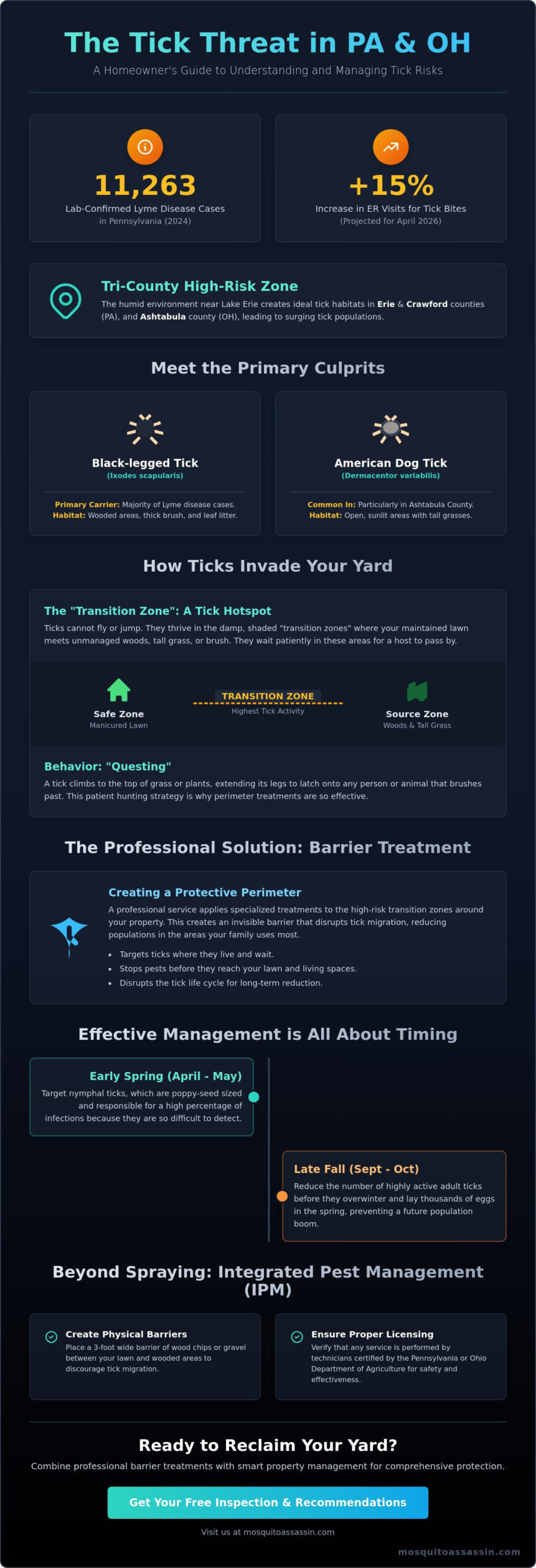
With 11,263 lab-confirmed cases of Lyme disease in Pennsylvania in 2024 and a 15 percent increase in emergency room visits for tick bites in April 2026, the health risks in the tri-county region have reached a critical point. Many homeowners are now considering a professional outdoor tick spray service to address these concerns, as tick populations in Northeast Ohio have surged to record levels this season. It is natural to feel a sense of anxiety when letting pets or children play in the yard, especially when the effectiveness of various retail products remains inconsistent and confusing.
This guide explains the science behind professional tick treatments and how they function as part of a comprehensive property management plan. You will learn about the differences between various treatment formulas (including 25(b) minimum-risk options) and how state-certified applicators navigate strict regulations in Pennsylvania and Ohio. By combining professional expertise with strategic landscape modifications, residents in Erie, Crawford, and Ashtabula counties can better manage their outdoor spaces and reduce the presence of these persistent pests.
Disclaimer: The information provided on this blog is for general informational purposes only and is not intended as professional pest control advice. Conditions vary by property, environment, and location. Reading this content does not create a service agreement. For an inspection or professional recommendations, please contact Mosquito Assassin Pest Control LLC directly.
Key Takeaways
- Identify high-risk transition zones where residential lawns meet wooded areas to focus prevention efforts where ticks are most likely to quest for hosts.
- Understand how a professional outdoor tick spray service creates a perimeter barrier to reduce populations in the areas of your yard used most frequently by families.
- Learn to implement Integrated Pest Management techniques, such as using wood chips or gravel to create physical boundaries that discourage tick migration.
- Ensure all property treatments are performed by technicians who are properly licensed and certified by the Pennsylvania or Ohio Department of Agriculture.
Ticks in Pennsylvania and Ohio: Understanding Regional Risks
An outdoor tick spray service involves the application of specialized products to yard perimeters to reduce tick populations before they reach your family. For residents in Erie and Crawford counties in Pennsylvania and Ashtabula County in Ohio, this protection is a necessity rather than a luxury. The region’s unique geography near Lake Erie creates a humid environment where ticks thrive in both wooded edges and tall grasses. Professional treatments focus on the specific areas where these pests hide, creating a barrier that disrupts their ability to migrate into your active lawn space.
To better understand how these pests interact with your property, watch this helpful video:
Common Tick Species in the Tri-County Area
The black-legged tick (Ixodes scapularis) is the primary concern for homeowners in Pennsylvania and Ohio. This species is responsible for the majority of common tick-borne diseases reported in the state. In 2024, Pennsylvania recorded 11,263 lab-confirmed cases of Lyme disease, highlighting the prevalence of this species in wooded habitats. They’re often found in the leaf litter at the base of trees or in thick brush.
American dog ticks (Dermacentor variabilis) are also common, particularly in Ashtabula County. Unlike the black-legged tick, the dog tick prefers open, sunlit areas with tall grasses. They’re hardy and can survive in drier conditions. Because ticks go through a multi-year life cycle consisting of egg, larva, nymph, and adult stages, a single treatment isn’t enough. Professional outdoor tick spray service protocols are designed to address these pests at various points in their development to ensure the population doesn’t rebound.
The Importance of Seasonal Timing
Local weather patterns in the Great Lakes region significantly influence tick behavior. While many believe ticks disappear in winter, they actually remain active whenever temperatures rise above 32 degrees Fahrenheit. This means adult ticks can be questing for a host even during a mid-winter thaw. However, activity typically peaks during two distinct windows in our region.
- Early Spring: Applications during April and May target nymphal ticks. These are the size of a poppy seed and cause a high percentage of infections because they’re so hard to detect.
- Late Fall: As temperatures drop in September and October, adult black-legged ticks become highly active. Fall treatments help reduce the number of adults that would otherwise overwinter and lay thousands of eggs in the spring.
Effective management requires understanding these biological clocks. By timing treatments to match local emergence patterns, homeowners can maintain a more consistent level of protection throughout the year.
Disclaimer: The information provided on this blog is for general informational purposes only and is not intended as professional pest control advice. Conditions vary by property, environment, and location. Reading this content does not create a service agreement. For an inspection or professional recommendations, please contact Mosquito Assassin Pest Control LLC directly.
Tick Habitats and Behavior: Where Pests Hide in Residential Landscapes
Ticks are patient, opportunistic hunters that don’t possess the ability to fly or jump. Instead, they rely on a unique behavior known as questing to find their next host. A tick will climb to the top of a blade of grass or the tip of a low-hanging branch, extending its front legs to latch onto any person or animal that brushes past. Because they move so slowly on their own, their survival depends entirely on being in the right place at the right time. A professional outdoor tick spray service focuses on these specific high-risk areas rather than treating the middle of a sunny lawn where ticks are unlikely to survive.
The Science of Questing
Ticks are highly sensitive to their environment. They use specialized sensors, called Haller’s organs, located on their front legs to detect carbon dioxide, heat, and vibrations from a distance. When a potential host approaches, the tick becomes alert and prepares to grab hold. You’ll rarely find ticks in the center of a well-manicured, sun-drenched lawn. This is because ticks are extremely vulnerable to desiccation (drying out). They require shady, moist environments with at least 80 percent humidity to maintain their internal water balance. If they stay in the sun too long, they will die from dehydration, which is why they retreat to the cool dampness of leaf litter during the heat of the day.
Identifying High-Risk Zones on Your Property
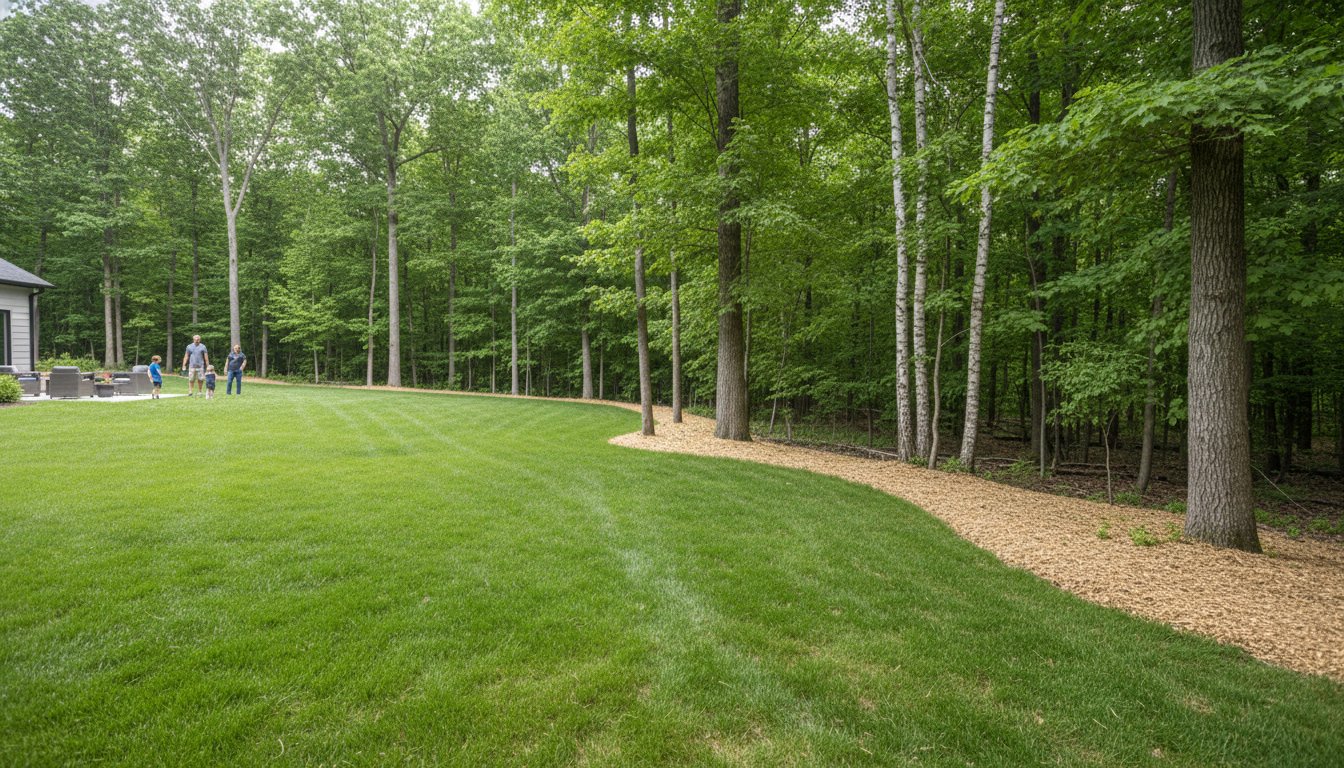
In the tri-county region of Erie, Crawford, and Ashtabula, the transition zone is the most dangerous area for tick encounters. This is the perimeter where your maintained grass meets woods, tall weeds, or decorative ground cover. Research suggests that the vast majority of ticks in residential yards are found within nine feet of this edge. These areas provide the perfect “nursery” environment: plenty of shade, high moisture, and a steady supply of hosts.
- Woodpiles and Stone Walls: These structures are ideal nesting sites for white-footed mice and other small rodents. These animals are the primary reservoirs for pathogens. When rodents live near your home, they bring ticks directly into your landscape.
- Dense Ornamental Plantings: Thick ground covers like pachysandra or ivy create a humid microclimate at the soil level. This protects ticks from the wind and sun, allowing them to remain active longer.
- Leaf Litter: Accumulations of dead leaves provide an insulating blanket that protects ticks from temperature extremes, even during the colder months in Northwest Pennsylvania.
Understanding these biological requirements helps homeowners prioritize their yard work. While maintaining your landscape is essential, professional pest control may help reduce risk by treating these specific zones where ticks are most concentrated. Managing the environment is a powerful way to disrupt the tick life cycle before they have a chance to quest for a host.
Disclaimer: The information provided on this blog is for general informational purposes only and is not intended as professional pest control advice. Conditions vary by property, environment, and location. Reading this content does not create a service agreement. For an inspection or professional recommendations, please contact Mosquito Assassin Pest Control LLC directly.
The Science of Professional Tick Barrier Treatments
A professional outdoor tick spray service relies on technical precision rather than simple volume. Unlike a general broadcast application that blankets an entire property, a barrier treatment is a surgical approach. Licensed technicians use high-pressure sprayers to penetrate deep into dense foliage and reach the underside of leaves where ticks congregate to avoid the sun. This high-pressure delivery is essential. Standard handheld sprayers often lack the force to reach the humid micro-climates at the base of shrubs or within thick ground covers where ticks are most likely to survive.
Perimeter vs. Broadcast Spraying
Targeting the property edge is significantly more effective than treating a sunny, well-manicured lawn. Since ticks are concentrated within the first nine feet of the transition zone, the treatment focuses on creating a literal barrier between the woods and your living space. Professional equipment is calibrated to provide a consistent droplet size that adheres to organic matter. This differs from many retail products, which often wash away after the first heavy rain. In addition to sprays, comprehensive management may include the use of tick tubes. These are biodegradable cylinders filled with treated cotton that rodents take back to their nests. This targets ticks at their host source; the mice and chipmunks that bring them onto your property. Granular applications are also used in thick leaf litter to reach ticks that are buried beneath the surface where liquid sprays might not penetrate.
Residual Effectiveness and Follow-Up
Modern formulations are engineered to bind to the surface of plants and mulch, providing residual protection for several weeks. However, environmental factors like UV light and heavy rainfall naturally break down these products. In the Great Lakes region, where spring rains can be frequent, maintaining this barrier requires a recurring schedule. With tick populations in Northeast Ohio reaching record highs in 2026, consistent protection is vital to manage the ongoing threat. Technicians identify specific micro-climates on a property, such as shaded dog runs or the areas around stone walls, that require targeted attention.
By understanding the local environment and the specific biology of regional ticks, a customized plan ensures that the treatment remains effective throughout the peak seasons. While environmental management is a key part of the process, professional pest control may help reduce risk by significantly lowering the number of questing ticks in your immediate landscape. This methodical approach provides a level of coverage that is difficult to achieve with standard DIY methods.
Disclaimer: The information provided on this blog is for general informational purposes only and is not intended as professional pest control advice. Conditions vary by property, environment, and location. Reading this content does not create a service agreement. For an inspection or professional recommendations, please contact Mosquito Assassin Pest Control LLC directly.
Integrated Strategies for Reducing Tick Populations on Your Property
Effective tick control is rarely the result of a single action. It requires a partnership between a professional outdoor tick spray service and strategic landscape management. This approach, known as Integrated Pest Management (IPM), focuses on making the environment less hospitable for pests through multiple biological and physical methods. By reducing the humidity and shelter that ticks require, homeowners can significantly decrease the likelihood of these parasites establishing a presence in active yard spaces. This strategy doesn’t just target the ticks themselves; it addresses the entire ecosystem that allows them to thrive.
Landscape Modification Tips
Using woodchips or gravel to create a three-foot buffer zone between the lawn and wooded areas is a proven strategy for disrupting tick movement. This physical barrier serves two important purposes. It creates a dry, sun-exposed strip that ticks are reluctant to cross because they risk dehydration. It also provides a clear visual reminder for family members and pets to stay within the maintained safe zone. For properties in Erie and Crawford counties, where woods often meet suburban lawns, this separation is vital. Keeping playground equipment, patios, and deck areas at least ten feet away from the yard perimeter further reduces the chance of accidental encounters. Pruning low-hanging branches and thinning out dense ornamental shrubs increases sunlight and airflow, which naturally lowers the humidity levels at the soil surface.
Managing Tick Hosts
Ticks don’t travel long distances on their own; they rely on wildlife to move through the tri-county region. The white-footed mouse is the primary host for nymphal ticks and a major reservoir for the bacteria that cause Lyme disease. Reducing rodent attractants is a critical step in a comprehensive plan. Bird feeders often drop seeds that attract mice and chipmunks directly to your foundation. Moving these feeders to the far edge of the property and sealing trash containers can limit rodent activity. Deer are the primary hosts for adult ticks, often transporting them from deep woods into residential landscapes. Planting deer-resistant vegetation or installing physical fencing can help discourage these larger animals from bedding down near your home. Clearing leaf litter remains the most effective DIY task for homeowners, as it removes the damp insulation ticks use for protection during temperature fluctuations. For an inspection of your property’s specific high-risk zones, professional pest control may help reduce risk.
Regular lawn maintenance also plays a role in this integrated approach. Keeping grass mown to a height of three inches or less allows the sun to reach the soil, creating a drier environment. When combined with a targeted outdoor tick spray service, these landscape changes create a multi-layered defense system that is much more effective than relying on any single treatment alone.
Disclaimer: The information provided on this blog is for general informational purposes only and is not intended as professional pest control advice. Conditions vary by property, environment, and location. Reading this content does not create a service agreement. For an inspection or professional recommendations, please contact Mosquito Assassin Pest Control LLC directly.
Choosing a Professional Tick Control Service for Your Home
Selecting an outdoor tick spray service requires careful consideration of credentials and methodology. In both Pennsylvania and Ohio, anyone applying pesticides for hire must be a certified commercial applicator. This means they have passed rigorous exams administered by the Pennsylvania or Ohio Department of Agriculture. Beyond legal requirements, a reputable provider should emphasize a customized treatment plan. Every property has unique drainage, vegetation, and wildlife patterns that dictate where ticks are most likely to aggregate. Professional recommendations should always follow a thorough on-site inspection rather than a blind estimate over the phone. Homeowners should also inquire about safety protocols, ensuring that treatments are applied in a manner that respects the health of families and pets. This includes verifying that the products used are registered for residential use and that the technician follows all label instructions precisely.
The Value of Local Expertise
Pest pressure isn’t uniform across the country. Technicians who live in communities like Erie or Meadville understand the specific environmental factors of the Lake Erie region. They know how a particularly wet spring or a mild winter affects local tick emergence. This regional knowledge is essential for identifying the specific micro-climates on a property that require targeted attention. When a company is locally owned and operated, they’re often more responsive if pests return between scheduled visits. You can learn more about the importance of community-focused service on the Mosquito Assassin about page, which highlights how local roots contribute to more effective pest management. Local experts aren’t just visiting a territory; they’re protecting the neighborhoods where they also live and work.
Establishing an Ongoing Protection Plan
Because ticks and mosquitoes often thrive in the same shaded, humid environments, many residents find value in a combined mosquito control program. This dual-purpose approach ensures that the perimeter barrier addresses multiple pests simultaneously, providing a more comprehensive shield for the yard. When reviewing a service agreement, look for clear language regarding a satisfaction guarantee. A reliable provider stands by their work and will return to re-treat the area if the initial application doesn’t meet the expected results. This commitment is a hallmark of professional service, indicating that the company is invested in the long-term management of your property’s pest population. To confirm if service is available in your specific town, visiting the Mosquito Assassin location page is a helpful next step.
Professional pest control may help reduce risk when managed by experts who understand the seasonal biology of the tri-county area. By choosing a licensed professional who prioritizes a methodical, integrated approach, homeowners can reclaim their outdoor spaces with greater confidence. Managing tick populations is a seasonal commitment, but with the right partnership, it’s possible to maintain a more comfortable environment for your family throughout the year.
Disclaimer: The information provided on this blog is for general informational purposes only and is not intended as professional pest control advice. Conditions vary by property, environment, and location. Reading this content does not create a service agreement. For an inspection or professional recommendations, please contact Mosquito Assassin Pest Control LLC directly.
Protecting Your Property for the Seasons Ahead
Managing a property in the tri-county region requires a proactive approach to tick population control. By focusing on the transition zones where lawns meet wooded areas and implementing Integrated Pest Management strategies, residents can create a less hospitable environment for these parasites. A professional outdoor tick spray service provides the technical precision needed to reach questing ticks in their humid micro-habitats. This methodical approach, combined with regular leaf litter removal and rodent management, forms a comprehensive defense for your outdoor living space. Mosquito Assassin is locally owned and operated in Northwest PA and Northeast OH; utilizing licensed and insured technicians who understand regional pest pressures. Their satisfaction-focused service approach ensures that treatment plans are tailored to the specific needs of each property.
Professional pest control may help reduce risk. Contact Mosquito Assassin for a property assessment to begin establishing a customized barrier for your yard. Taking these steps now ensures you can enjoy your outdoor space with greater peace of mind throughout the 2026 season.
Disclaimer: The information provided on this blog is for general informational purposes only and is not intended as professional pest control advice. Conditions vary by property, environment, and location. Reading this content does not create a service agreement. For an inspection or professional recommendations, please contact Mosquito Assassin Pest Control LLC directly.
Frequently Asked Questions
When is the best time to start an outdoor tick spray service?
The ideal time to begin treatment is in early spring, typically during April or May, when nymphal ticks first become active. Starting an outdoor tick spray service early in the season targets these younger pests before they have a chance to mature and reproduce. This proactive approach helps suppress the population before it reaches peak levels during the summer months.
How long does a tick spray treatment last in my yard?
A professional barrier treatment generally remains effective for approximately 21 to 30 days. Environmental conditions in the Great Lakes region, such as heavy rainfall or intense UV exposure, can cause the product to break down more quickly. Consistent, recurring applications are necessary to maintain a protective shield and ensure that the barrier remains intact throughout the entire active season.
Is the tick spray service safe for my children and pets to be around?
Treatments are designed to be family-safe and pet-safe once the application has completely dried on the foliage. Licensed technicians utilize products registered for residential use and follow strict application protocols to ensure the safety of your household. It’s important to keep everyone indoors during the treatment and for a short period afterward until the yard is dry.
Do I need to be home when the tick treatment is applied?
Homeowners do not need to be present for the application as long as the technician can access the perimeter of the property. Most professional services provide a notification once the treatment is finished, allowing you to go about your daily schedule without interruption. Simply ensure that all pets are indoors and that any gates or entry points are unlocked for the technician.
Will the tick spray also kill mosquitoes and other yard pests?
The formulations used in an outdoor tick spray service are often effective against mosquitoes and other common perimeter pests. Since these insects thrive in the same shaded, humid environments, a single barrier application can provide broad-spectrum protection. This integrated approach simplifies yard maintenance by addressing multiple pest concerns with a coordinated treatment plan.
How soon can we use the yard after a tick treatment has been applied?
The yard can typically be used within 30 to 60 minutes after the technician finishes the application. The primary requirement is that the product must be completely dry on the grass and shrubs before people or pets resume outdoor activities. Drying times can vary slightly based on local humidity levels and the amount of sunlight the yard receives.
Does a professional tick spray guarantee I will not find ticks on my property?
No service can provide a 100 percent guarantee because wildlife, such as deer and rodents, can continuously drop new ticks into the landscape. Professional pest control may help reduce risk by significantly lowering the number of questing ticks in your immediate environment. Using a professional service should always be combined with personal protection measures like regular tick checks.
Can I spray for ticks myself using products from a home improvement store?
While DIY products are available, they often lack the residual strength and professional-grade delivery systems required for effective control. Licensed professionals use high-pressure sprayers to ensure the product reaches the underside of leaves and deep into thick brush where ticks hide. They also have the expertise to identify specific micro-climates that are most likely to harbor pests.
Disclaimer: The information provided on this blog is for general informational purposes only and is not intended as professional pest control advice. Conditions vary by property, environment, and location. Reading this content does not create a service agreement. For an inspection or professional recommendations, please contact Mosquito Assassin Pest Control LLC directly.